Are you looking for a few easy ways to shield your hostas from insect invaders this year? Keeping their foliage looking lush, vibrant, and beautiful from spring through fall is totally achievable.
Hostas bring so much beauty to a landscape, but they have one frustrating vulnerability: slugs, beetles, aphids, and a whole crew of other pests love to munch on their leaves. It is a true bummer to watch that gorgeous foliage emerge in the spring, only to be riddled with holes and look like Swiss cheese in no time.
Pests are drawn to hostas primarily because their leaves are incredibly soft and abundant. The tender foliage that pushes through the soil in early spring is a breeze for pests to digest. Plus, the large leaves provide excellent cover.

This cover isn’t just a great spot for them to eat; it’s also a perfect nursery for laying eggs and ensuring future generations of pests. In fact, if you spot damage on the top of hosta leaves, a quick peek underneath will often reveal a new batch of eggs and larvae waiting to hatch.
But there’s good news. You can absolutely win the war against insects damaging your hostas. With a few simple methods, you can protect not just your hostas but nearly all the perennials in your flowerbeds from pest problems all season long.
How To Keep Insects Off Hostas – 4 Simple Tricks To Keep Hostas Safe
The golden rule for keeping pests away from your perennials is diligent prevention. You need to be on the lookout for the first signs of an invasion early in the season.
Once pests start to multiply, they can wreak havoc on plants with alarming speed, especially on those delicate hosta leaves. Above all else, check your plants regularly for any trouble. The sooner you spot a problem, the easier it will be to shut it down.
Let’s dive into four simple strategies that can deter pests, protect your plants, and even eliminate existing infestations on your hostas.
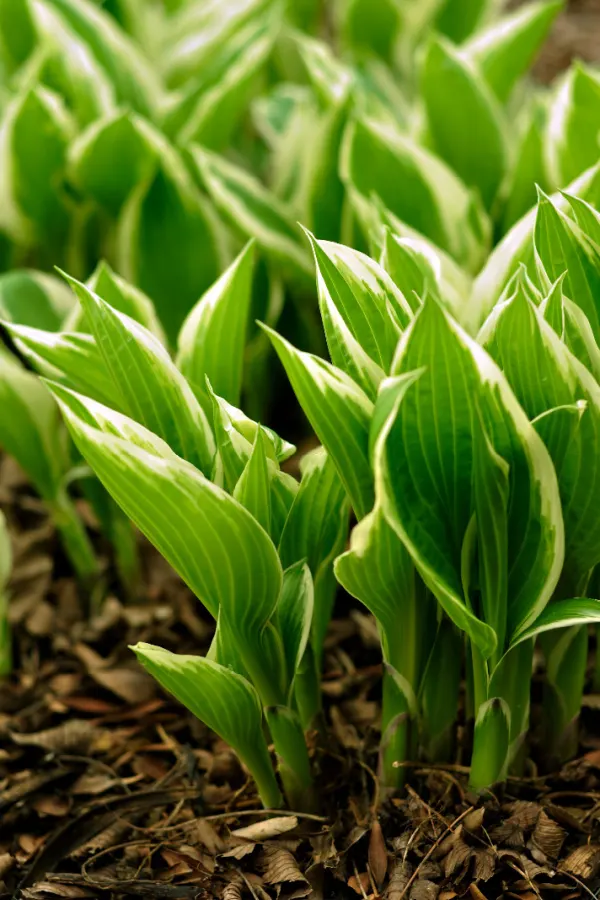
#1 Mulch Around Your Hostas With Sand
Want a simple trick to prevent a few hosta problems right from the get go? Use coarse sand. It’s true. By mulching the area around the base of your hosta plants with a couple of inches of coarse sand, you create a barrier against slugs and other crawling insects while also benefiting your plants.
A common mistake gardeners make is piling hardwood or compost mulch directly against their hostas. This creates a perfect hideout for slugs and snails, giving them a launching pad to get onto the plants. A thick, two inch layer of coarse sand around the base completely changes the game.
Slugs and snails absolutely hate crawling over sharp sand. The jagged edges can tear their slimy bodies, often killing them. As a bonus, the sand allows moisture to pass through to the roots, keeping the plants well hydrated.
#2 Protect Your Plants With Cinnamon – How To Keep Insects Off Hostas
Cinnamon can be a surprisingly powerful tool for protecting your hostas. When your plants first emerge from the ground, create a ring of cinnamon powder around the base. Pure cinnamon is fantastic for repelling slugs, ants, and snails.
If you notice aphids starting to gather on the leaves, a cinnamon oil spray will eliminate them quickly. That same cinnamon oil spray doesn’t just repel slugs and snails; it gets rid of them permanently. See our article: How To Use Cinnamon To Repel Pests In Gardens & Flowerbeds
#3 Diatomaceous Earth – How To Keep Insects Off Hostas
If sand and cinnamon are your first line of defense, diatomaceous earth can handle everything else. This is one of the best ways to safely and effectively manage insect outbreaks in your flowerbeds.
Diatomaceous earth is an all natural powder made from fossilized algae. Often called DE, it has microscopic edges that are incredibly sharp, killing a wide variety of common pests. At the same time, it is completely harmless and non toxic to pets and people.
You can apply it directly to the foliage to kill existing pests and any that show up later. It’s best to apply DE early in the morning or late in the day to avoid harming bees and other pollinators.
Keeping a bag of diatomaceous earth on hand can be a real game changer for your hostas, as well as for many other perennials, annuals, and vegetable plants.
#4 Neem Oil – How To Keep Insects Off Hostas
Neem oil is another fantastic all natural insecticide for hostas. It is highly effective at controlling aphids, cutworms, beetles, caterpillars, and more. Best of all, it works fast.
As long as you’re regularly checking your flowerbeds and catching problems early, neem oil can make short work of pests, keeping your hostas healthy and robust.
Just like with DE, you should spray neem oil early in the morning or late in the evening. It won’t harm butterflies, bees, and other pollinators once it dries, but direct contact can be harmful. When you spray, be sure to get the undersides of the leaves where many insects love to hide.
Reviving Damaged Hostas – How To Keep Insects Off Hostas
Sometimes a pest invasion slips by unnoticed, and your hostas take a hit. Don’t worry. It’s actually quite simple to revive them, even in the middle of the growing season.
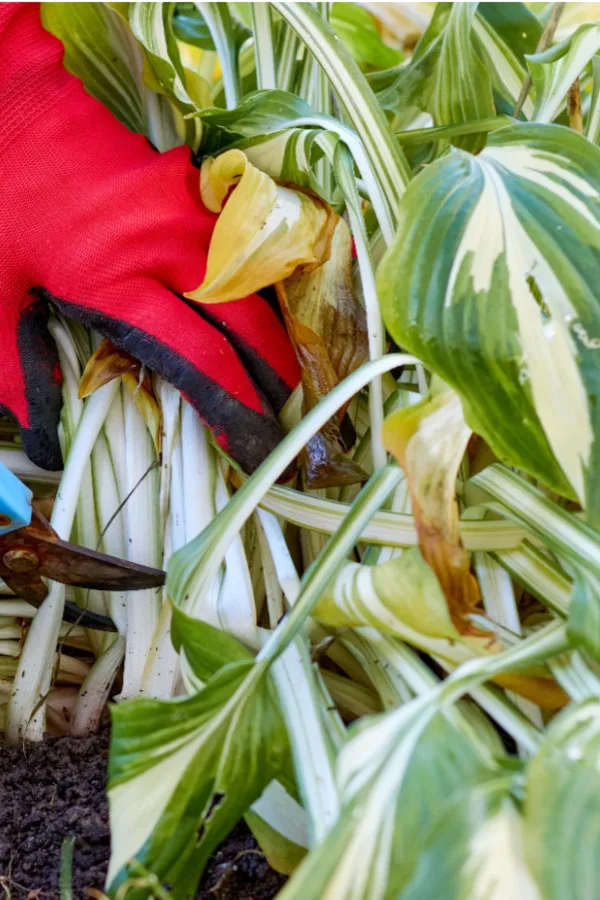
If your hosta’s foliage looks beyond saving, just grab some hedge trimmers and cut the plants back. You can prune them right down to ground level anytime from spring to fall. As long as there are still several weeks of warm weather remaining, your hostas will sprout fresh, unblemished leaves for you to enjoy. It really is that simple.
Here is to keeping your hostas safe, healthy, and beautiful from pests and insects all season long.