Want the secret to peonies with bigger, more brilliant flowers than you’ve ever seen? It’s all about providing the right power at just the right moment.
Peonies are famous for being one of the first flowers to splash color across the garden as winter disappears. Their blooms can show up from early April all the way to mid-June, depending on your local weather. But for a truly spectacular floral show, they need a serious energy boost right from the start.
This is precisely why you should feed your peony plants in the quiet of late winter or at the very beginning of spring, just before they stir for the season. An early feeding allows them to bank the energy required to produce lush, healthy foliage and, most importantly, huge, vibrant blooms when spring finally hits.
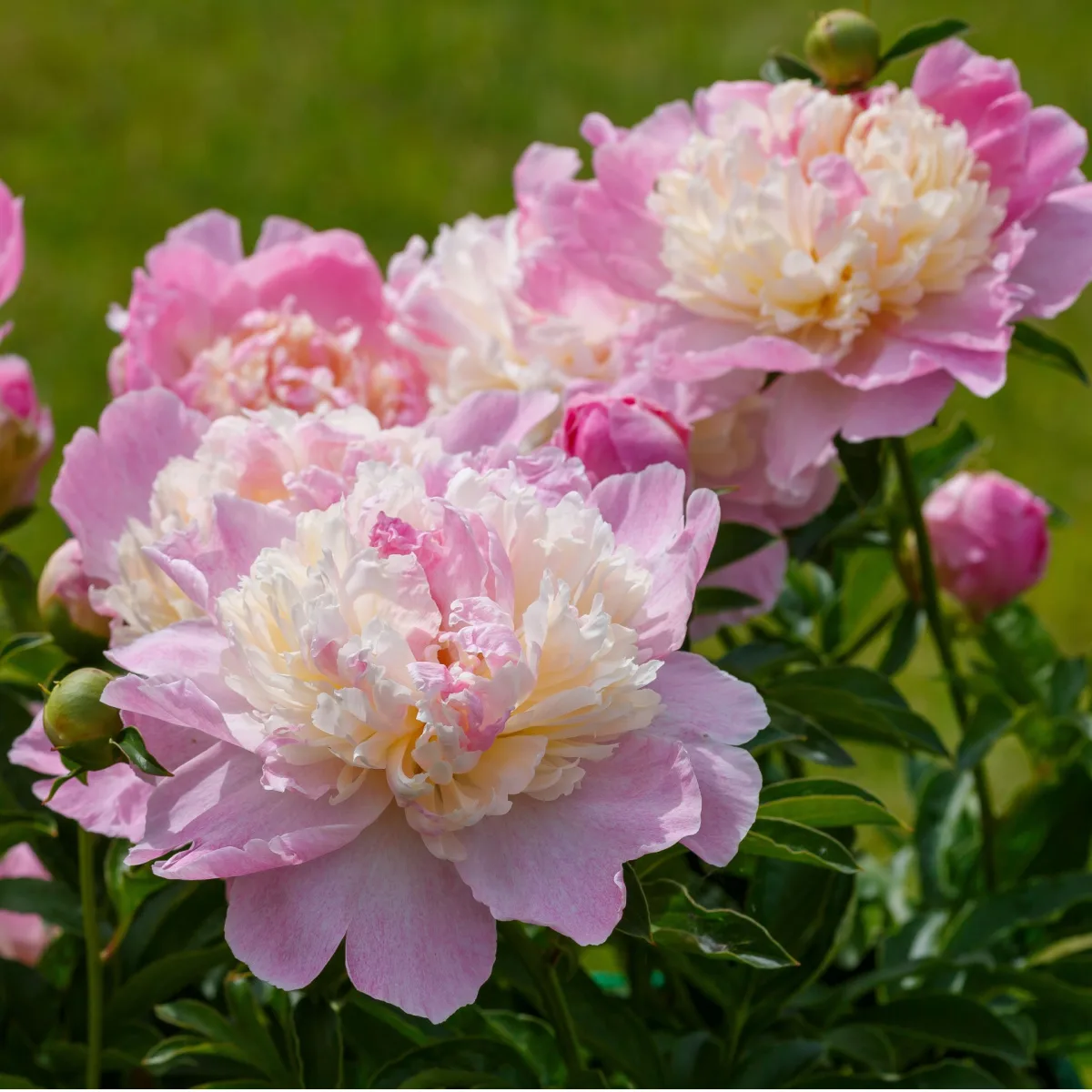
Unfortunately, fertilizing peonies after they’ve already started their spring growth, while still beneficial to the plant, won’t do much for this year’s flowers. The nutrients simply arrive too late to help power up more buds or make the existing ones larger.
Of course, what you use to fertilize and how you apply it are just as important. With all that in mind, here is your guide to powering up your peonies for an incredible year.
The Secret To Fertilizing Peonies
The best approach is to fertilize your peonies twice. The first feeding happens before they even break ground, and the second occurs just after they finish blooming. That first application is the most critical for encouraging a fantastic flower display. The follow-up dose helps the plant recover from the bloom cycle, then build and store energy for winter.
Peonies typically bloom between early and mid-spring, though this can shift based on your climate and the specific peony variety. In colder areas with prolonged winters, peonies might not flower until later in spring or even the start of summer.
The key to gorgeous blooms lies in how the plants begin their growth in spring. Peony plants, particularly herbaceous types, die back completely to the ground at the end of each season. When spring arrives, they send up entirely new stems and leaves from their underground root system.
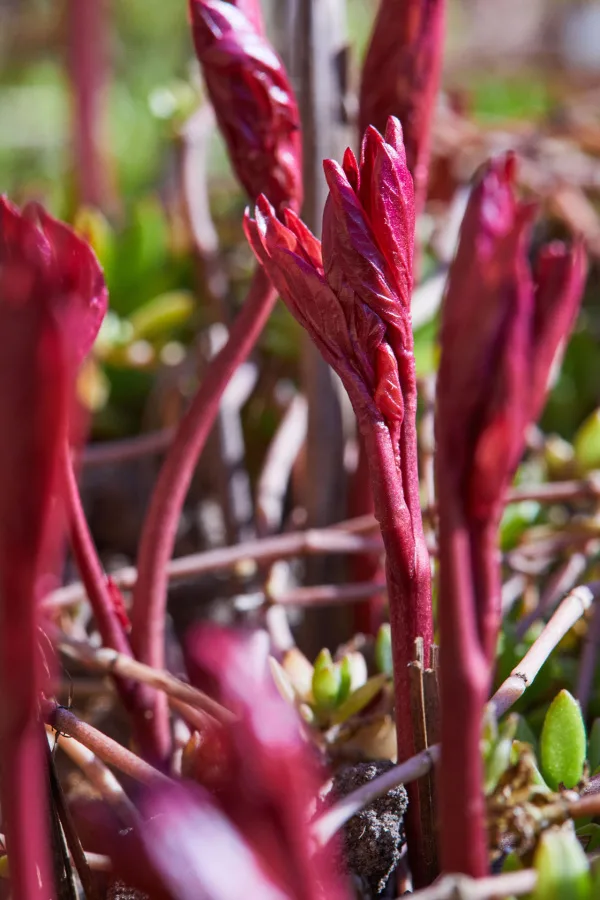
These new stems are essential because they carry the season’s flower buds. To grow strong stems and produce an abundance of flowers, the plant needs a burst of energy right out of the gate.
Helping Peonies Grow Strong – When & How To Fertilize For Bigger Blooms
To support a large set of flowers, peonies require nutrients before they start sprouting. The ideal time to feed them is late winter or very early spring, before you see any new growth. Feeding them this early gives the roots enough time to absorb the nutrients, which will then support the development of more buds and bigger blooms during the growing season.
You should aim to fertilize your peonies about three to four weeks before they typically emerge from the soil. This window gives the fertilizer time to work its way into the soil and reach the plant’s crown and roots, providing the power needed for stunning, colorful flowers.
So what is the best fertilizer for peonies? As it turns out, the answer is bone meal.
How Much Bone Meal Do Peonies Need?
Bone meal is a fantastic natural fertilizer that encourages peonies to develop strong roots and produce more blooms. It is packed with phosphorus, a nutrient that supports deep root growth. It also contains plenty of calcium, which is vital for strengthening plant cells.
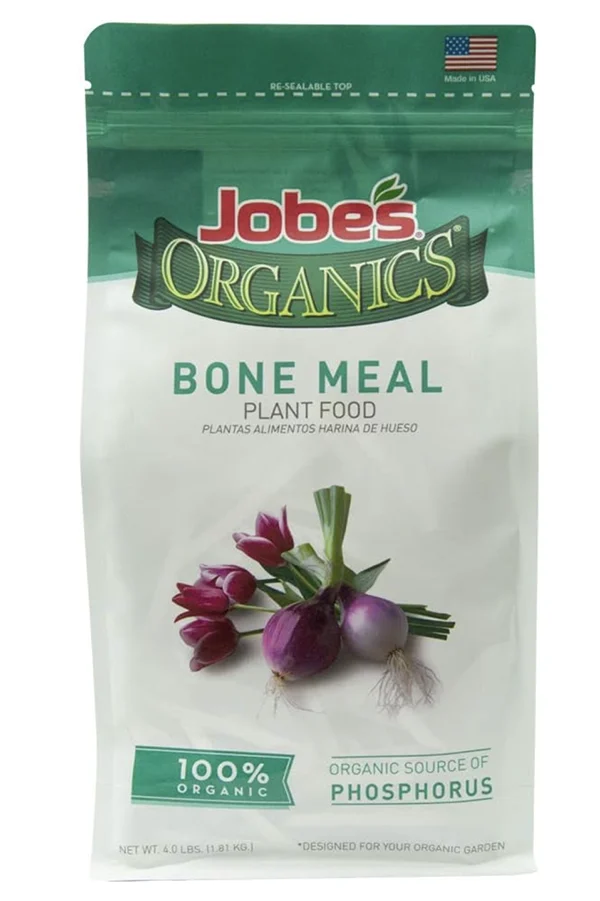
The phosphorus from bone meal also directly boosts flower production, resulting in larger blooms that last longer. To apply it, just mix the bone meal into the soil around the base of the plant. It’s a simple, organic method to keep your peonies powered up for flowering season after season.
To give your peonies a powerful start, apply about ¾ to 1 cup of bone meal per plant in late winter. After spreading the bone meal around the plant, water it in thoroughly. This simple step helps the roots start absorbing the nutrients right away.
Feeding Peonies After They Bloom
On top of the pre-spring feeding, it is a great idea to give your peonies a second meal after their flowers have faded. This extra boost helps the plant recover from the energy-intensive process of blooming and store up power for the following year.
For this post-bloom feeding, use about ½ cup of bone meal per plant. This lighter application works to strengthen the leaves and roots throughout the summer. More importantly, it helps the plant prepare for an even more impressive floral display the next spring.
Timing is critical with this second dose. Always apply the second round of bone meal as soon as the plant has finished flowering. You want to avoid fertilizing in late summer or fall. Feeding too late in the year can trigger new growth at the wrong time, which wastes the plant’s energy instead of helping it store power for next year.
Late Season Care – Preparing For Winter
When fall arrives and your peonies start to die back, it is time to cut them down to the ground. This is a crucial step in helping them enter full dormancy. Use a pair of garden shears to trim the stems, leaving about an inch of stem above the soil line.
Cutting the plant back before winter offers two major advantages. First, it ensures the plant directs all of its energy into the roots for next year’s growth. Second, it prevents pests from using the old foliage as a winter hideout, which can cause problems in your flower beds next spring. For tips on how to care for your peonies after they bloom, be sure to check out: Caring For Peonies After They Bloom – What To Do With Peonies In The Summer!
If you have peonies that have grown excessively large, fall is also the perfect time to divide them. See our article: How To Divide Peonies In The Fall – And Why It’s The Best Time To Do It!
Here’s to fertilizing your peonies for success early this year, and then again after they bloom, leading to your biggest and best flowers yet.