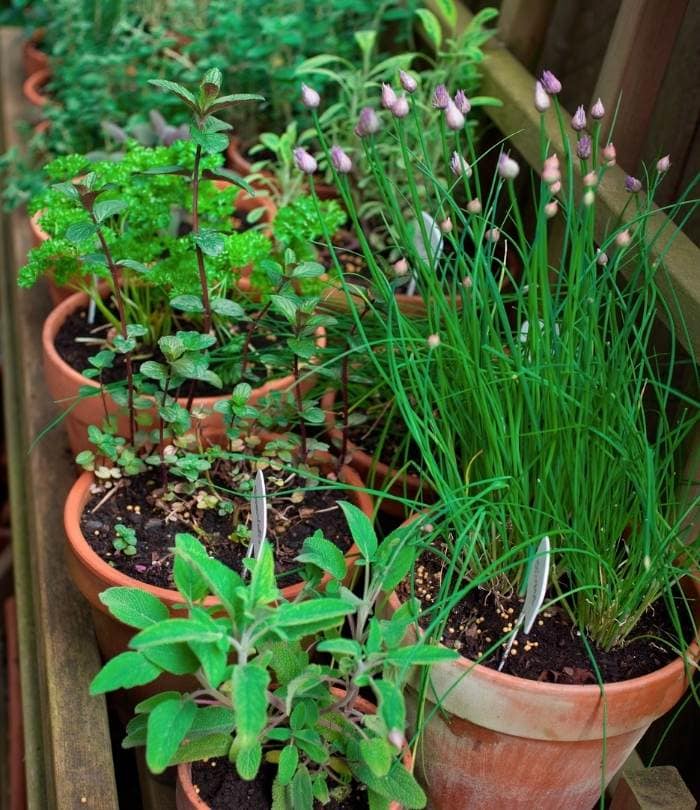
Nothing beats the flavor of fresh herbs, and a container garden makes them incredibly convenient. You can keep your favorite seasonings on a windowsill or just a step outside your kitchen door, ready for whenever you’re cooking. Growing in pots also gives you total control over the soil, which is perfect for fussy herbs or those not native to your area. Plus, it’s the best way to manage aggressive spreaders like mint and lemon balm, keeping them from taking over your entire garden.
For those with limited space, like city apartments or small homes, containers offer the flexibility to move your herb garden around as needed. This guide will walk you through the essentials of caring for your container herbs and give you a list of the best plants to get you started.
Tips & Tricks for Growing Herbs in Containers
While every herb has its own unique needs, a few universal rules apply to all container-grown plants. Follow these guidelines for a thriving potted herb garden.
Pick the right container: Your pot should be at least one-third as tall and half as wide as the herb’s mature size. Bigger pots are also a smart choice because they offer better insulation against cold winter temperatures.
Pick a good spot to plant your potted herb garden: The beauty of containers is their mobility. If your first spot doesn’t work out, you can always move them. Most herbs love full sun and warmth, but some may need a little afternoon shade depending on your climate.
Consistent watering is essential: Soil in pots dries out much faster than garden soil. You need to stay on top of watering so your herbs don’t get too thirsty. While most herbs are drought-tolerant, some, like mint, require more frequent moisture.
Plant them in two pots: If you have the room, consider growing your most-used herbs in two separate containers. This lets you harvest heavily from one pot while the other rests and regrows, ensuring a constant supply of fresh herbs.
Feed container herbs regularly: Herbs in pots need more fertilizer than those in the ground. Their soil and nutrients are limited. Give them a boost by adding compost or organic matter when planting and then again every couple of months.
Pinch flowers: When an herb begins to flower, its leaves lose some of their flavor. Regularly pinch off the flower heads to keep the plant focused on leaf production. Make sure your pot’s location isn’t stressing the plant, which can cause it to bolt early. On the bright side, most herb flowers are edible!
12 Of The Best Herbs To Grow In Pots And Containers
With a world of herbs to choose from, it’s best to start by growing the ones you actually use in your cooking. The following list includes 12 popular choices that do exceptionally well in containers. Most are perennials, meaning they will come back for several seasons and provide you with plenty of harvests.
1. Basil

A star in Italian cuisine, basil is an annual herb perfectly suited for pots because it thrives with frequent trimming. Pinching off the top cluster of leaves at each node encourages new, bushy growth. The leaves also freeze beautifully for use during winter.
Basil needs good air circulation, so if you plant more than one in a container, space them about 10 inches apart. These plants can grow up to two feet tall, so choose a pot that holds at least five gallons of soil and is 10 to 12 inches deep.
Soil: Needs well-draining, nutrient-rich soil. Enhance it with compost or a liquid seaweed fertilizer.
Sun: Requires 6 to 8 hours of direct sunlight each day.
Water: The soil should stay somewhat moist but never soggy. Check by sticking your finger two knuckles deep; if it’s dry, it’s time to water.
2. Mint
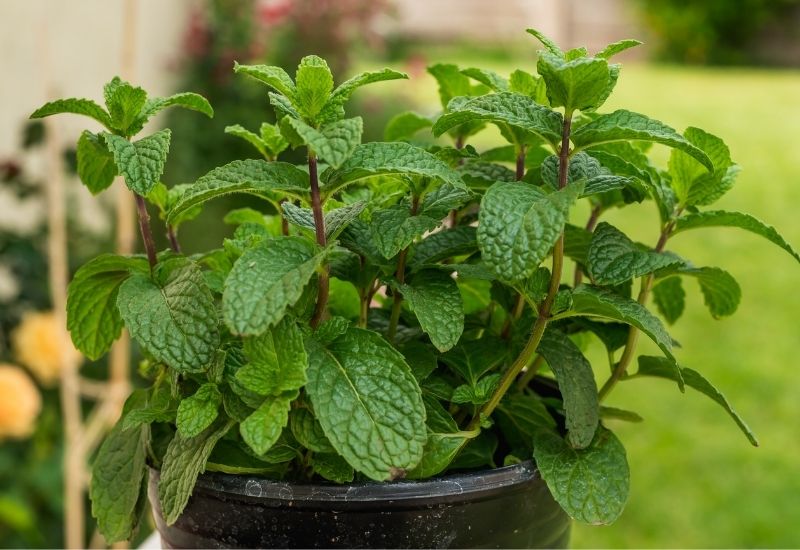
There are countless mint varieties, and every single one is best managed in a container. In the garden, mint spreads uncontrollably, crowding out and competing with other plants. A pot will save you a ton of work while still filling your space with fragrant smells and attracting pollinators.
Popular choices like spearmint, peppermint, and chocolate mint can even be mixed together in the same container. The bigger the pot, the better, but a minimum of 8 inches wide and 10 to 12 inches deep is a good start.
Soil: A rich mix of potting soil and compost works best.
Sun: Mint is flexible, but it generally needs about 4 to 6 hours of sun daily. It is more tolerant of shade than many other herbs.
Water: Mint loves moist conditions. Add a layer of mulch around the plant’s base to help retain water.
3. Thyme
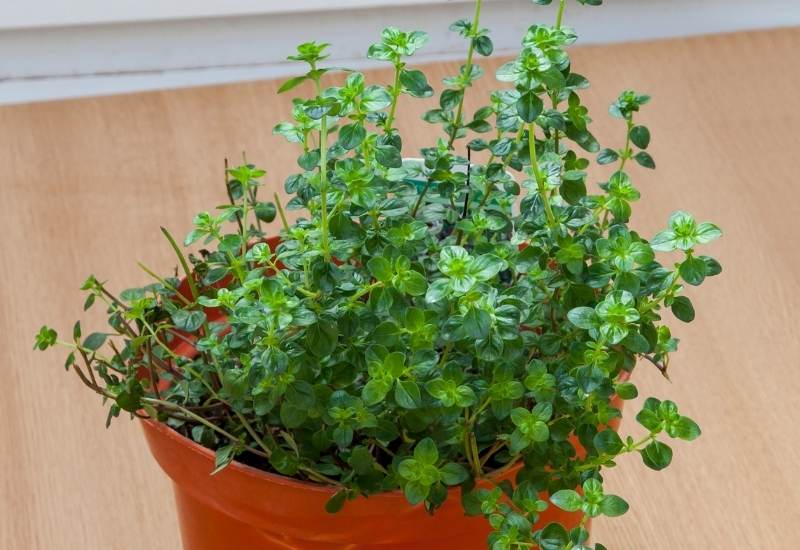
Thyme is a favorite for container gardens because it’s quite hardy and typically grows to only about 10 inches tall. This perennial is great for tiny spaces. The smaller varieties of thyme only need a pot that’s 4 inches tall and 6 inches wide. The plant can spill over the pot’s edge, so you might need to repot it eventually. Its tiny leaves are wonderfully fragrant and lemony, making them a popular addition to soups and roasts.
Soil: Prefers sandy, dry, and alkaline soils. It can handle poor nutrients but will not survive in wet soil.
Sun: Loves full sun, with an ideal of 8 hours a day.
Water: This herb is drought-tolerant and likes dry conditions. You should only water it when the soil feels dry.
4. Rosemary
Native to the Mediterranean, rosemary is a woody perennial. If you live in a climate with cold winters, growing rosemary in a container is a smart move. This allows you to easily bring it indoors when the weather gets harsh. There are several varieties available. Most grow upright, but some cascade downwards, which looks especially lovely in pots.
The upright types can grow into a small bush about three feet tall. You should start them in a pot that is 6 to 8 inches deep and then move them to larger containers as the plant matures.
Soil: Requires slightly acidic, quick-draining soil mixed with gravel.
Sun: Needs full sun, ideally for 8 hours a day.
Water: Rosemary is drought-tolerant and dislikes constantly wet soil. Water only when the soil feels dry to the touch.
5. Parsley
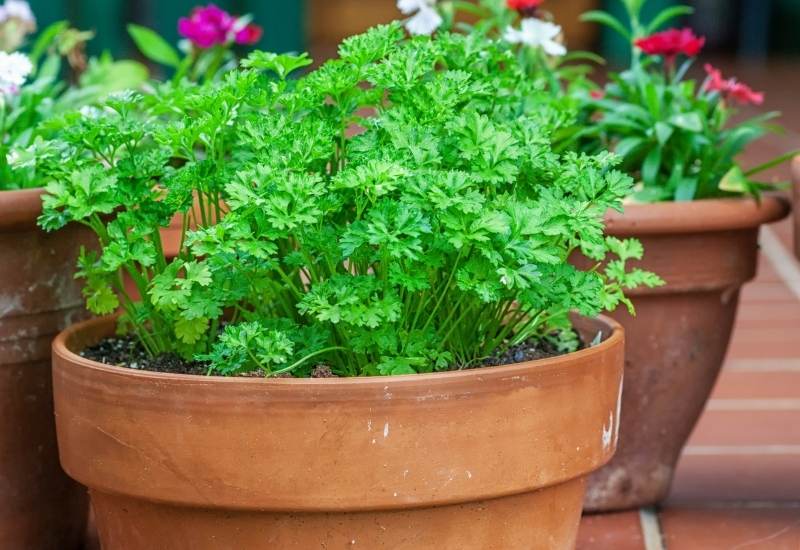
Parsley is a biennial herb that is perfect for containers, as it can be grown from a simple stem cutting. It is sensitive to extreme temperatures, so a pot is ideal for moving it to a better location when needed. The two main types are flat-leaf and curly-leaf, and both make excellent companion plants for many ornamental flowers. If you plan to grow it as an annual, an 8-inch deep pot will work. For biennials, choose one that is at least 10 inches deep.
Soil: Prefers quick-draining, loamy potting soil.
Sun: Needs full sun for about 6 hours a day but is shade-tolerant. In hot climates, give it some afternoon shade.
Water: Water it evenly and regularly, never allowing the soil to dry out completely. Be careful not to overwater, as the soil should not become soggy.
6. Sage

Sage is a fragrant perennial that pollinators adore. It is often used to deter insect pests. The plant prefers well-draining soil, which makes it an excellent choice for pots where you can control the soil conditions perfectly. There are many varieties, but they often have a purple hue on their silver-green leaves. They are known for being resilient once they are established. Choose a pot that is about 10 inches wide and 8 to 10 inches deep. You can also plant it in a larger container with other herbs to help keep pests away.
Soil: Needs good drainage, with sandy and loamy soil. The optimal pH is between 6.0 and 7.0.
Sun: Requires full sun, about 6 to 8 hours a day.
Water: This herb is drought-tolerant. Water it infrequently, but give it a good soaking. If the leaves look wilted, it needs water.
7. Oregano

Another Mediterranean native, oregano delivers a powerful flavor often found in Italian dishes. It thrives in containers, which help control its growth. In the ground, it can become quite bushy if not managed. In a pot, oregano typically grows to about 12 to 18 inches. You should plant it in a container that is at least 8 to 10 inches deep. There are also low-growing varieties like creeping oregano that are better suited for wide, shallow containers such as window boxes.
Soil: Prefers well-draining, crumbly soil rich with organic matter.
Sun: Full sun is best in temperate, cooler regions. In hot climates, some afternoon shade is beneficial.
Water: It’s drought-tolerant. Water it infrequently but thoroughly when the soil surface is completely dry.
8. Marjoram

Marjoram is another perennial often cultivated as an annual. It’s closely related to oregano but offers a gentler flavor. It’s a great potted herb for beginners because it’s low-maintenance and usually won’t grow larger than 12 inches. Your first container should be at least 6 inches wide and deep. You can repot it as the plant grows. In the fall, you can take stem cuttings for propagation and start new plants indoors over the winter.
Soil: Use a well-draining, loose potting soil with compost. A neutral pH of 6.0 to 7.0 is ideal.
Sun: Prefers full sun in cooler climates. In hotter areas, provide some afternoon shade.
Water: Water it frequently as it’s getting established. After that, water only when the soil feels dry to the touch.
9. Chives
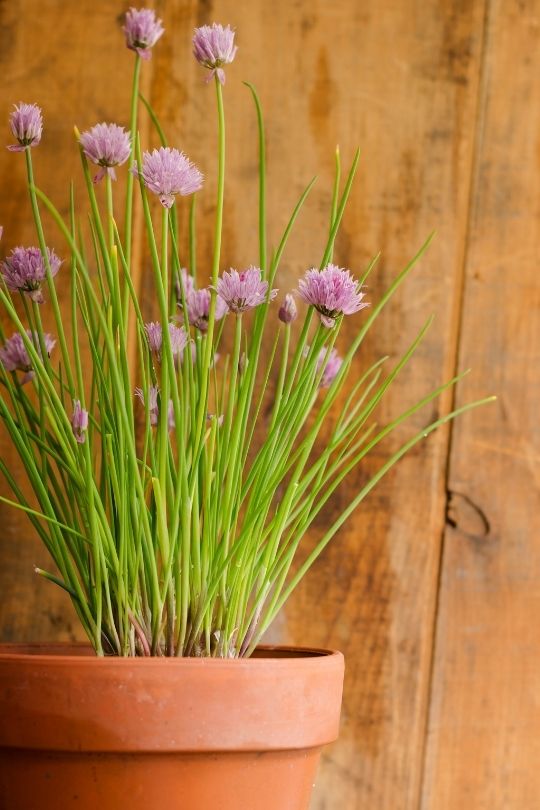
Chives are perennials that provide a great onion-like flavor and look beautiful when they flower with their large, spiky purple blooms. They are simple to grow in pots and mature quickly, often in just a few weeks. This will make them one of the first herbs you can harvest from your container garden. They aren’t fussy, which lets you focus on your more demanding plants. You can stagger plantings for a continuous supply of fresh herbs all season. Choose a pot that’s at least 8 inches deep, and you can plant several together, spaced about 6 inches apart.
Soil: Light, porous soil with aged manure or compost works well. Chives can tolerate many soil types.
Sun: While shade-tolerant, they do best with at least 6 hours of sun per day.
Water: The soil should be kept slightly moist, but don’t overwater. A good soak once a week is usually enough.
10. Dill
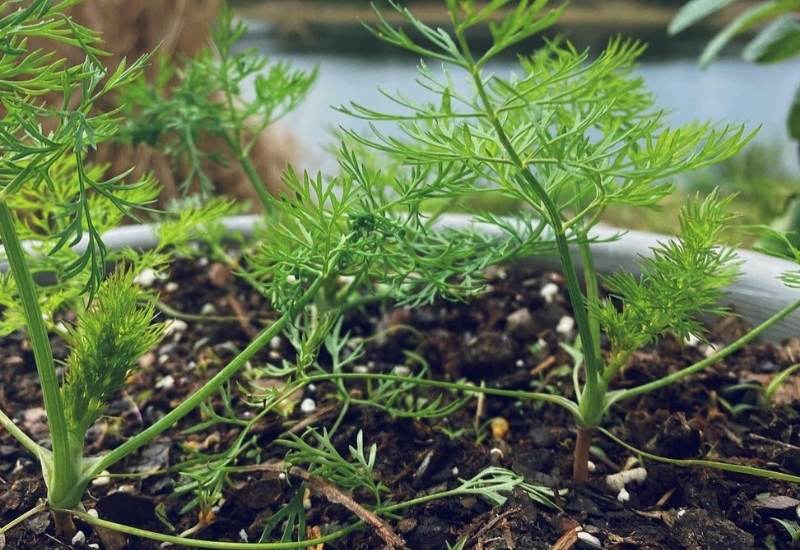
Dill is a biennial herb, though it is usually grown as an annual. It has feathery leaves and a strong, distinct flavor used in pickling. It is a good choice for container growing because certain pests, like caterpillars and tomato hornworms, will have a tougher time reaching it in a pot. For even better protection, plant it with companions like thyme, as dill is known to deter pests from other plants. Dill can grow to be 2 or even 4 feet tall and has a long taproot, so a 5-gallon pot that is at least 12 inches deep is necessary. You may need to stake it to keep it from falling over, or you can opt for a dwarf variety.
Soil: Requires well-draining soil with organic matter and a slightly acidic pH between 5.5 and 6.5.
Sun: Needs full sun with a minimum of 6 hours per day. It will tolerate some shade, but the plant may become less bushy.
Water: Keep the soil slightly moist in the summer, watering just before it dries out completely. Water at the base to prevent fungal issues on the leaves.
11. Lemon Balm
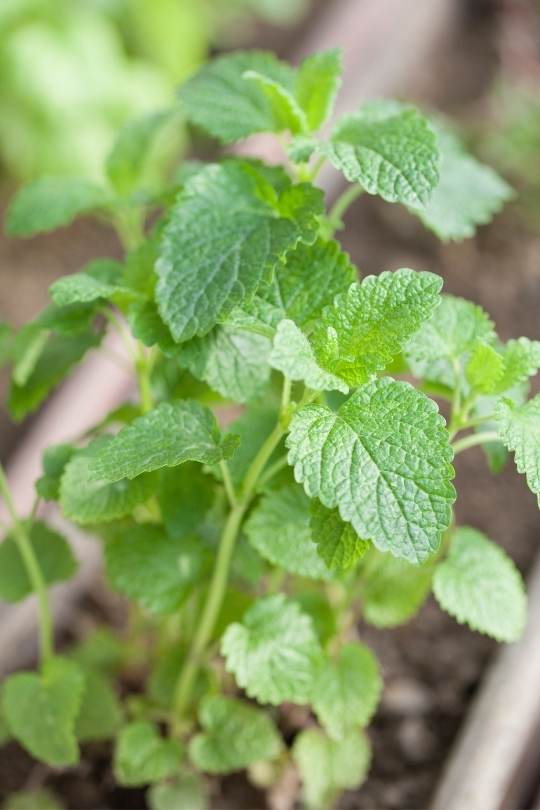
Part of the mint family, lemon balm has soft, heart-shaped leaves that add a lovely fragrance and mild lemony flavor to recipes. It is best grown in pots because it can become invasive in the ground, quickly taking over your garden. Confined to a container, lemon balm grows into an attractive bush that provides a continuous harvest all season. Plant it in a pot that is at least 8 inches deep, and the wider, the better. You can start harvesting sprigs once they reach 8 inches in height.
Soil: Tolerant of all soil types. Choose a potting mix with vermiculite to help retain water.
Sun: It is shade-tolerant but needs at least 5 hours of sun per day. Too much direct sunlight can cause its leaves to lose color.
Water: Like mint, it should be kept fairly moist. In the summer, it may need to be watered daily. Mulching around the base will help.
12. Cilantro
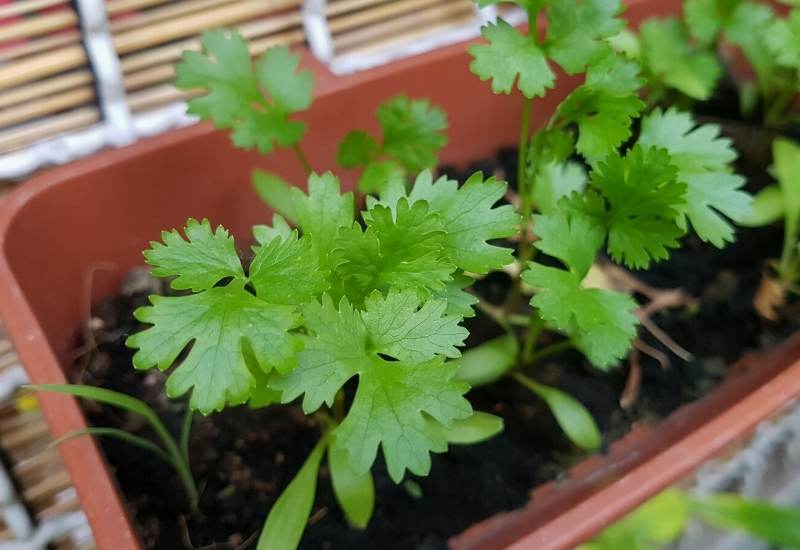
Cilantro is a hardy annual that, due to its temperature sensitivity, benefits from the mobility of a container. It is grown for both its leaves and its seeds, which are called coriander and are often used as a spice. If you are growing it for the leaves, keep it out of high heat to prevent it from bolting. If you want to harvest coriander seeds, you will need it to bolt, so place it in a hot, sunny location. A pot allows you to extend the leaf harvest by keeping it in partial shade, and then move it to a sunnier spot when you’re ready for seeds. A bowl-shaped container about 15 inches wide and 8 to 10 inches deep is best.
Soil: Plant in soil with good drainage and a neutral pH. Add compost rich in nitrogen.
Sun: Needs at least 6 hours of sun daily, but too much sunlight and heat will cause it to bolt.
Water: It likes even moisture in the soil, but try to avoid getting water on the leaves, as they are prone to mildew.
How And When To Prune Your Herbs
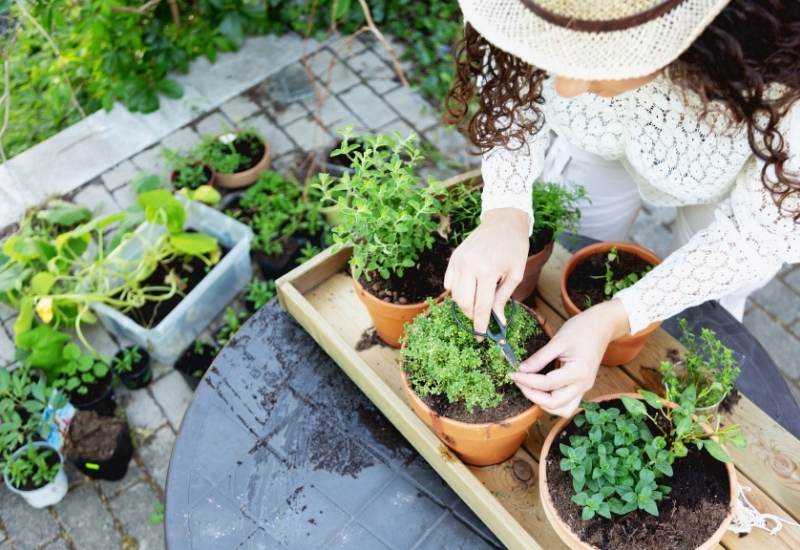
Typically, only woody perennial herbs require pruning. Annuals and herbaceous herbs will adapt to the space provided in their pot, and frequent harvesting naturally encourages new growth. Woody herbs, such as some varieties of sage, rosemary, or thyme, should be pruned before their stems become too tall and stop producing new leaves.
Here is how to trim your herbs to promote continued growth. The ideal time to prune your woody herbs is in the spring. If you miss that opportunity, you can also trim them back after they flower in the summer. Make your cuts just above a lower node, removing about the top third of the branches. Fresh cuts and new growth are vulnerable to frost, so if you’ve waited too long and the weather has turned cold, it is better to postpone pruning until the following spring. You can lightly trim the plants at other times during the growing season to shape them, but reserve major cuts for the recommended times. Even indoor pots should be pruned to maximize healthy growth and prevent your compact bush from becoming a collection of sticks.
Herb Garden Maintenance For Fall And Winter
You can prolong the season for your potted herbs by bringing them indoors and placing them in a sunny location, like a windowsill. Eventually, however, the herb’s life cycle will require you to prepare your container garden for winter. The steps differ for annual and perennial herbs.
For annuals, you can save the seeds and then add the plant to your compost pile. The plant may have also self-seeded in the pot, so you might find new growth in the spring. Otherwise, clean the pot with soap and water and let it dry completely before storing it. For perennials, trim away any brown leaves or dead stems on woody shrubs. If you are leaving them outdoors in pots for the winter, move them to a spot that stays above freezing and trim herbaceous plants down to a couple of inches tall. If you leave any pots outside, they should be plastic, as clay pots can crack during freeze and thaw cycles.
Continue Building your Potted Herb Garden!
Now that you have the basics down, you can keep expanding your collection with new herbs or different varieties. Many herbs can be grown together in the same container. Consider grouping them by cuisine for a convenient, one-stop pot when you are cooking. For instance, an Italian herb container could feature oregano, basil, and sage growing together, creating a perfect flavor base for pasta sauces. Just remember to select pots and soil with excellent drainage and to place your herb garden in a sunny location. You will have a fragrant, bustling container garden in no time!