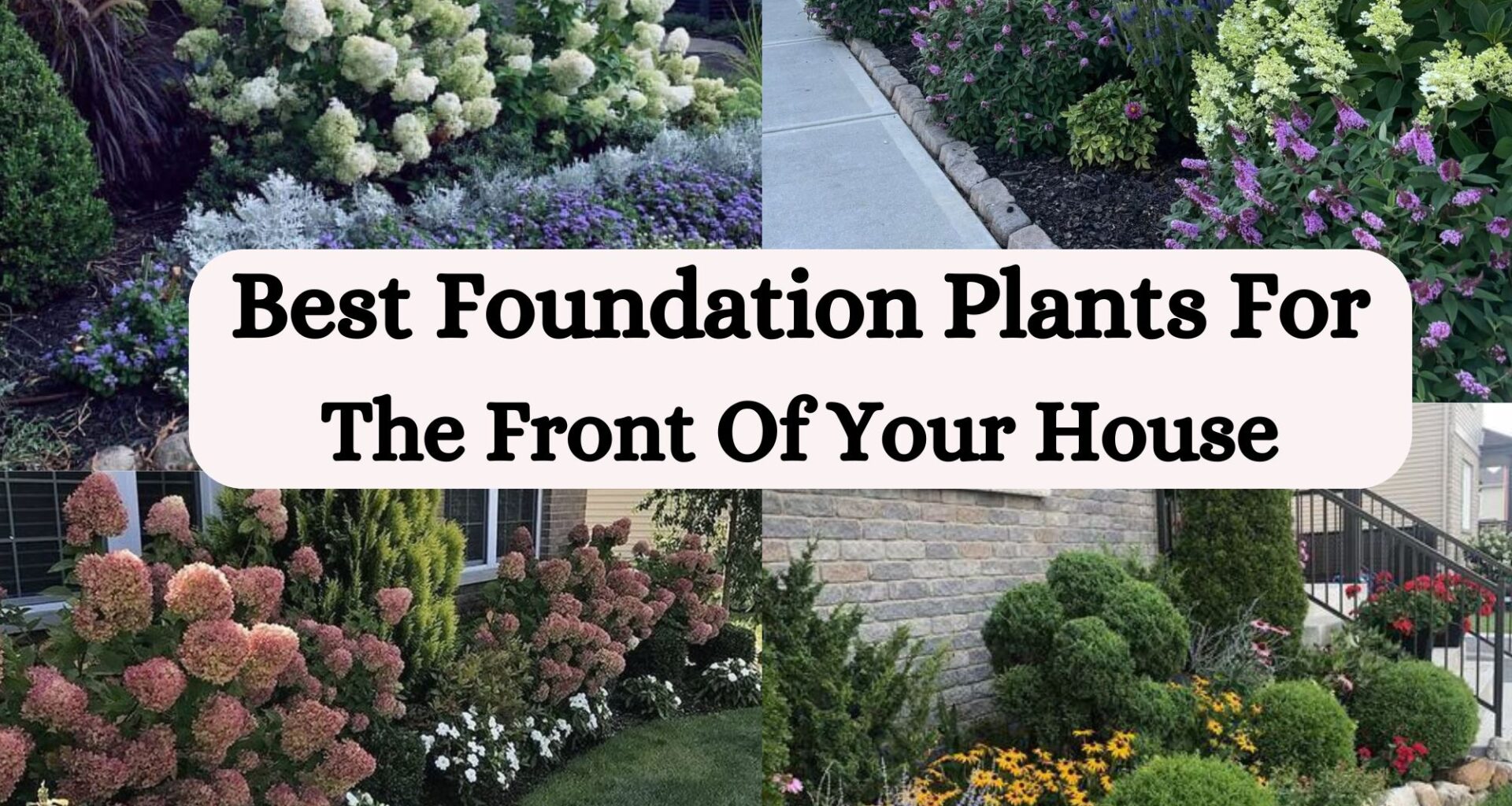
Tired of a plain, monotonous green lawn? You can elevate your home’s curb appeal in a big way with the strategic use of foundation plants. The splash of color and texture these plants provide creates a warm and inviting atmosphere, beautifully bridging the gap between your home’s exterior and the surrounding landscape.
Choosing the right plants is absolutely essential for creating an appealing look. While many homeowners opt for low-growing shrubs, the possibilities are endless. You can select from a variety of dwarf trees, eye-catching bushes, or elegant shrubs. To help you get started, here are 26 of the best foundation plants to consider for the front of your house.
What Are Foundation Plants?
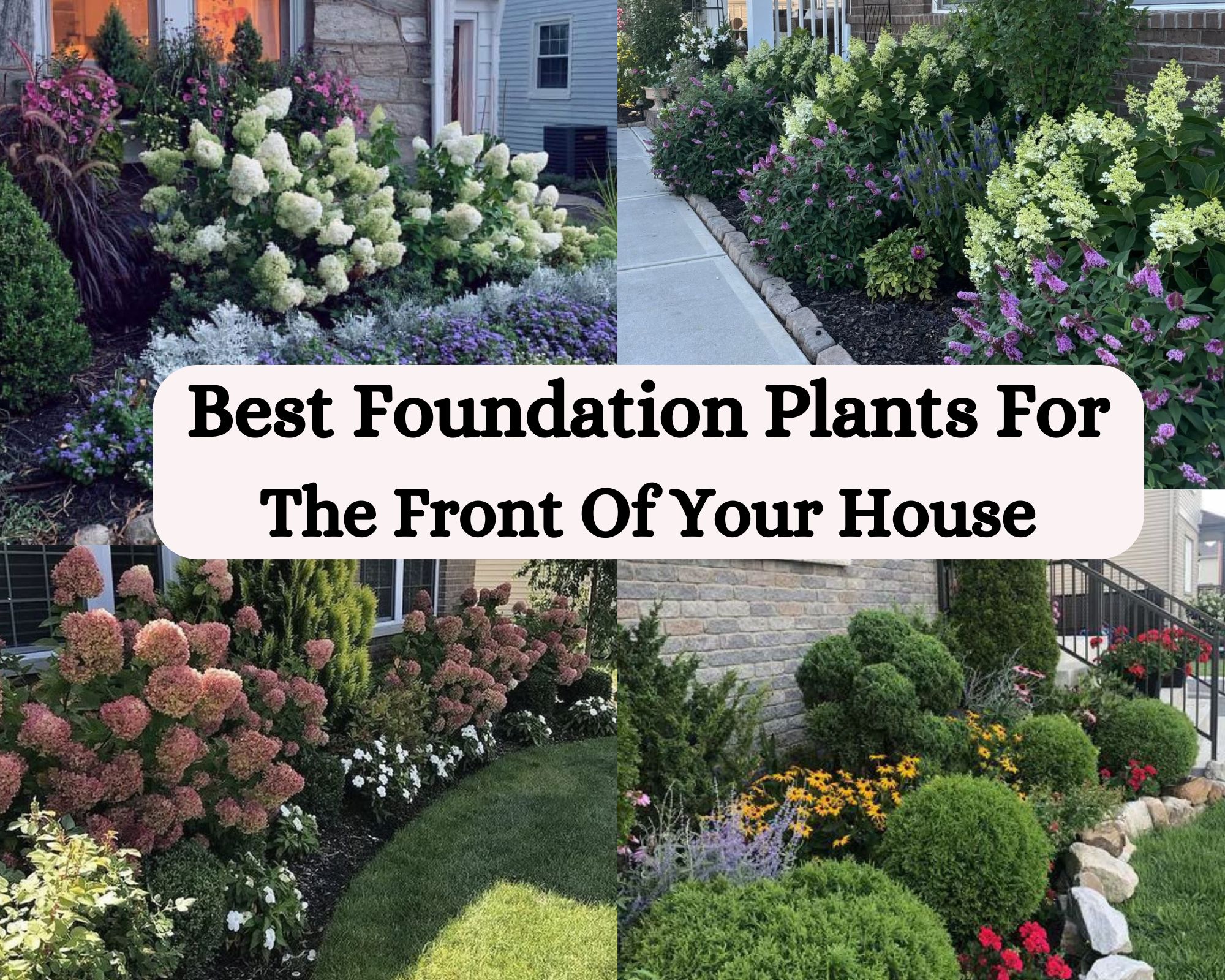
Foundation plants are the beds of greenery and flowers typically arranged along the base of a house as a core component of landscape design. Their purpose is to conceal any unattractive foundation elements and seamlessly integrate the structure of the house with its natural surroundings.
The traditional approach to foundation planting involves placing plants at the corners of the house, near the entryway, and in the spaces connecting these two points. Landscapers often create a stunning visual effect by mixing a variety of flowers, shrubs, and bushes. Although foundation plants were originally used to hide the cement blocks and exposed foundations of a home, their role has greatly expanded. Today, homeowners use them to enhance their property’s beauty and break up the visual monotony of a yard without trees.
Tips On How To Choose Foundation Plants For Front Of House
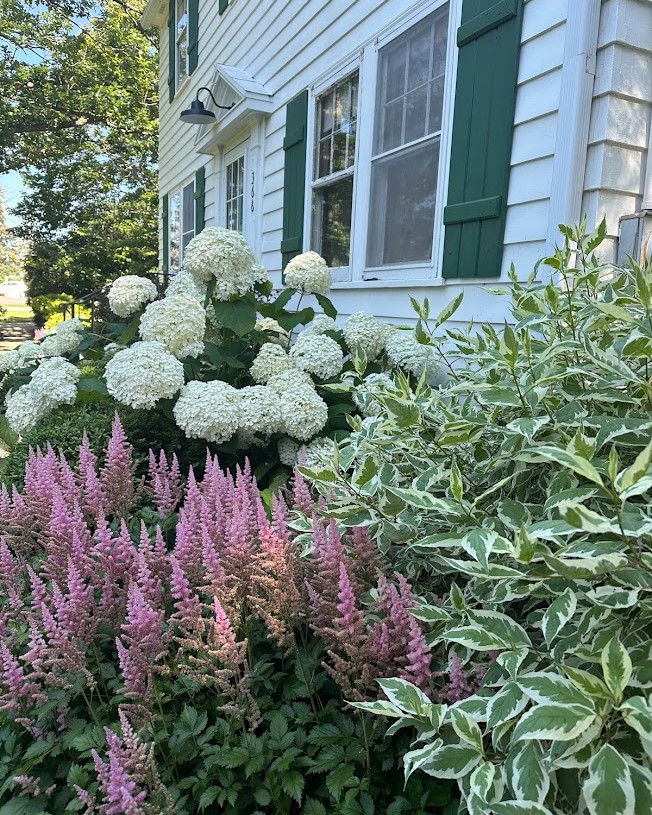
To ensure you select the perfect options for your home, consider the following factors when choosing foundation plants.
1. Style
Your foundation plantings should complement and highlight your home’s architectural style. Before making any choices, think about whether your home’s design is formal or casual, and also consider the era in which it was built. A vintage colonial home, for example, looks fantastic with formal arrangements and classic evergreen plants. In contrast, a seaside bungalow is better suited to ornamental grasses, shrub roses, and hydrangeas. For a contemporary ranch, consider planting Japanese Maples and cloud-pruned evergreens.
2. Exposure
The amount of sun or shade that the front of your home receives is a major factor in determining the ideal foundation plants. For instance, a shady corner of your foundation can be beautifully accented with plants like Ferns and Hostas that thrive in low light.
3. Mature Size
Always make sure your foundation plants have enough room to grow to their full, mature size. This prevents overcrowding and ensures your landscaping looks balanced and healthy for years to come.
4. Color
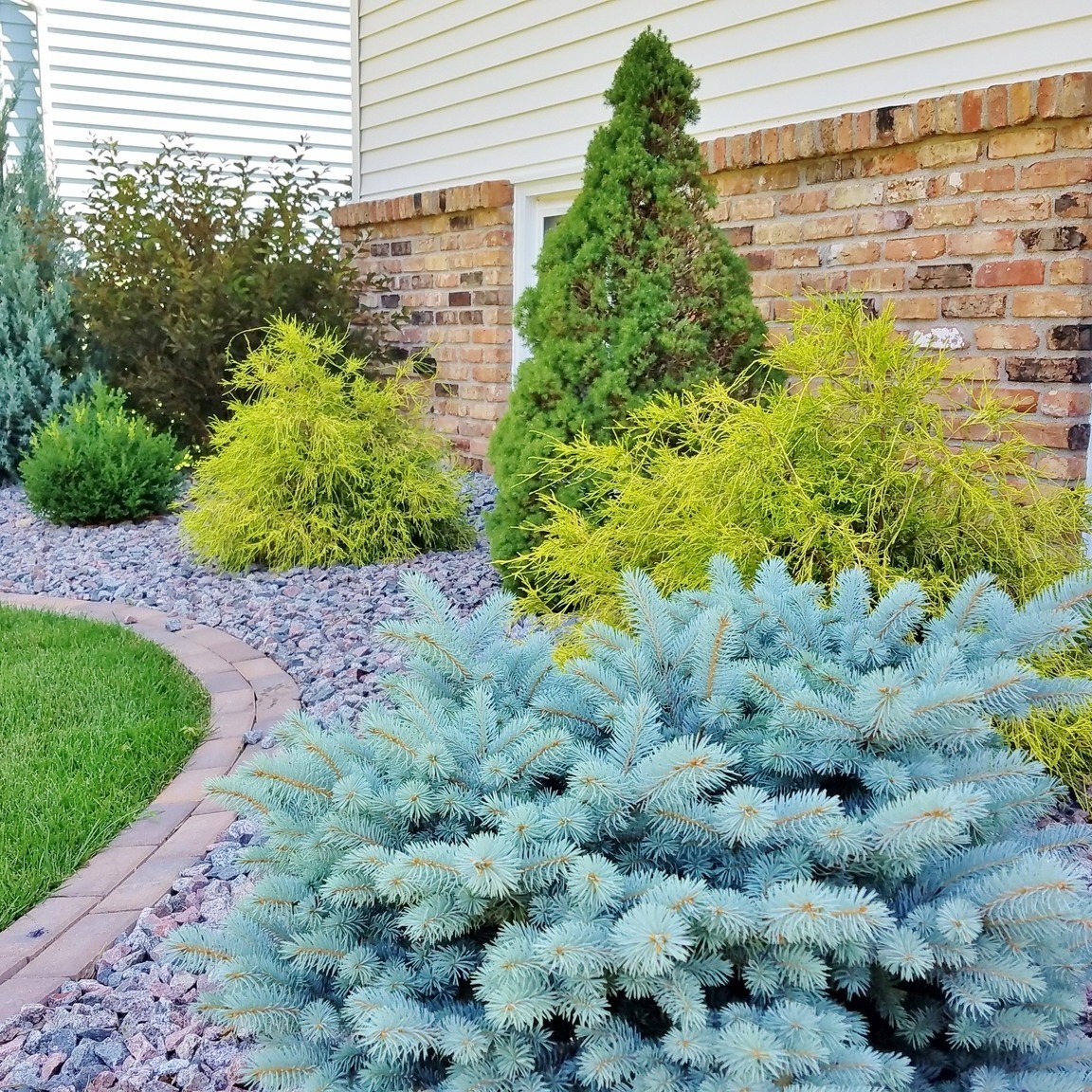
The colors of your foundation plants should harmonize with your house’s color scheme. You can choose a complementary color palette or go for a contrasting one for a bolder statement. Try not to introduce too many different colors, as simplicity often creates a more elegant and unified appearance. Using a limited color palette helps produce a curated and cohesive look.
5. Seasonal Interest
Foundation plants should keep your home looking attractive all year long. Consider planting a mix of plants that bloom or show color during different seasons. For example, evergreens provide year-round structure and color, serving as a handsome backdrop for spring-flowering bulbs. Shrubs that flower in spring and summer will bring beauty during those warmer months. You can complete the seasonal cycle with perennials and shrubs that offer dramatic fall foliage and late-season blossoms.
6. Layers
Create layers of visual interest by incorporating foundation plants of varying heights. The tallest elements, for instance, could be upright evergreens or small ornamental trees, with smaller plants in front.
7. Forms and Textures
Select a variety of plant silhouettes, such as mounds, pyramids, and pillars. Also, mix different textures like grassy, feathery, fine, and broad-leaf foliage to add depth and complexity to your design.
8. Maximize The Views
If you enjoy looking out your windows to see beautiful greenery, choose foundation plants that enhance those views. It is also important to ensure that these plants will not eventually grow to block your line of sight.
26 Best Foundation Plants For The Front Of Your House
This section offers some fantastic suggestions for foundation plants, organized into helpful categories.
Flowering Foundation Plants
1. Marigold
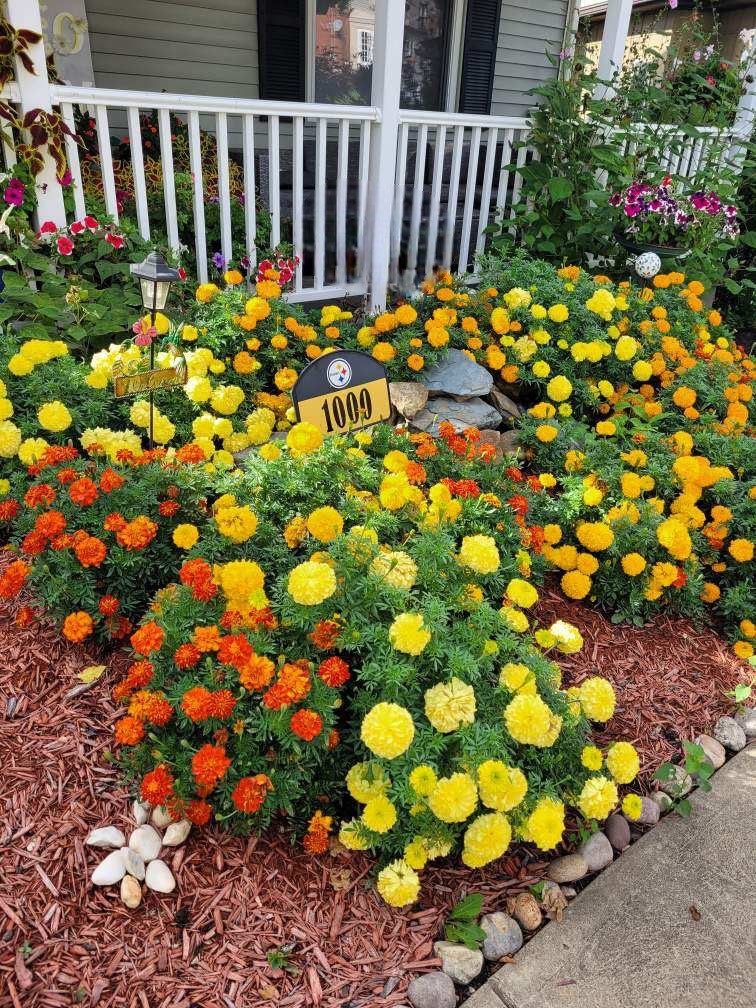
This cheerful plant produces large, pompom-style blossoms in vibrant shades of yellow or orange. Some marigold varieties are quite compact, growing to only 4 inches, while others can reach a height of 2 feet.
2. Petunia
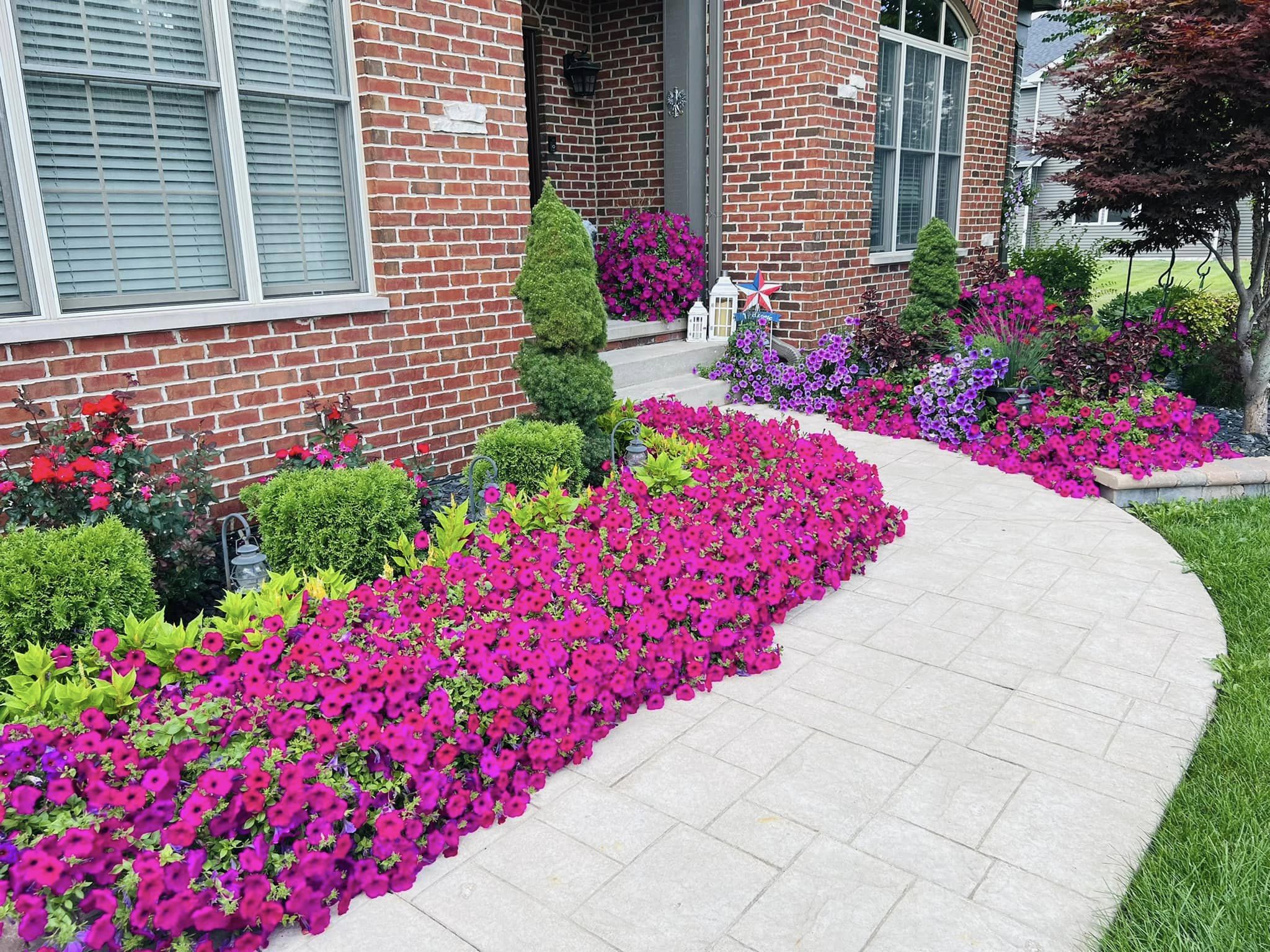
Growing to about 12 inches tall and spreading up to 3 feet wide, the petunia produces colorful, showy, funnel-shaped flowers that are a classic favorite for a reason.
3. Summer Snapdragon
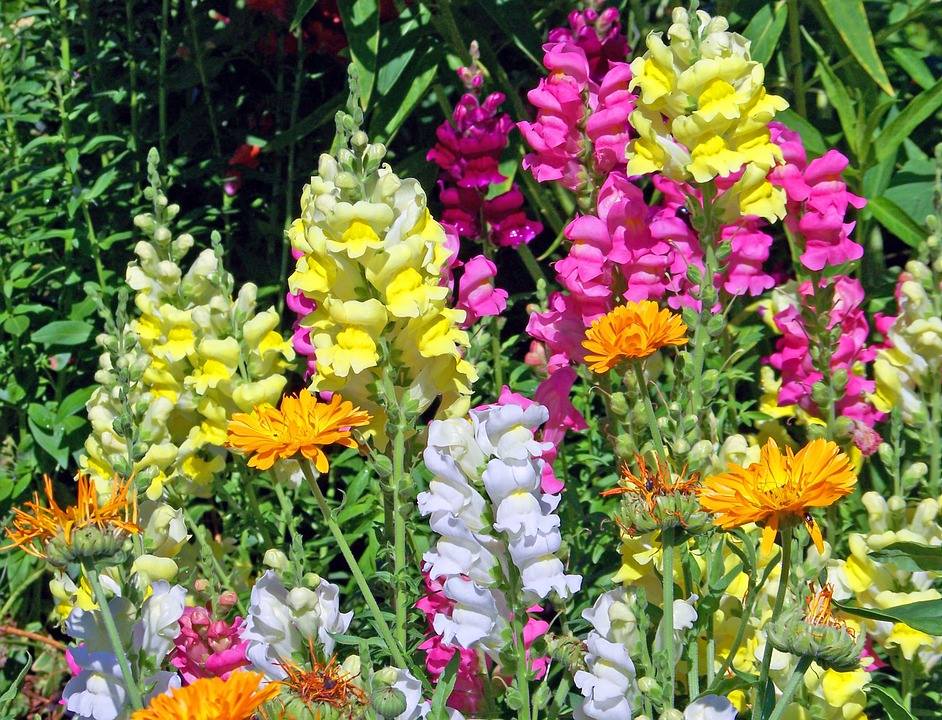
This plant features long flowering spikes, around 8 inches, that are covered in showy blooms. It comes in a range of colors including white, red, yellow, pink, and purple, making it an excellent choice for creating a mixed border.
4. Pansies
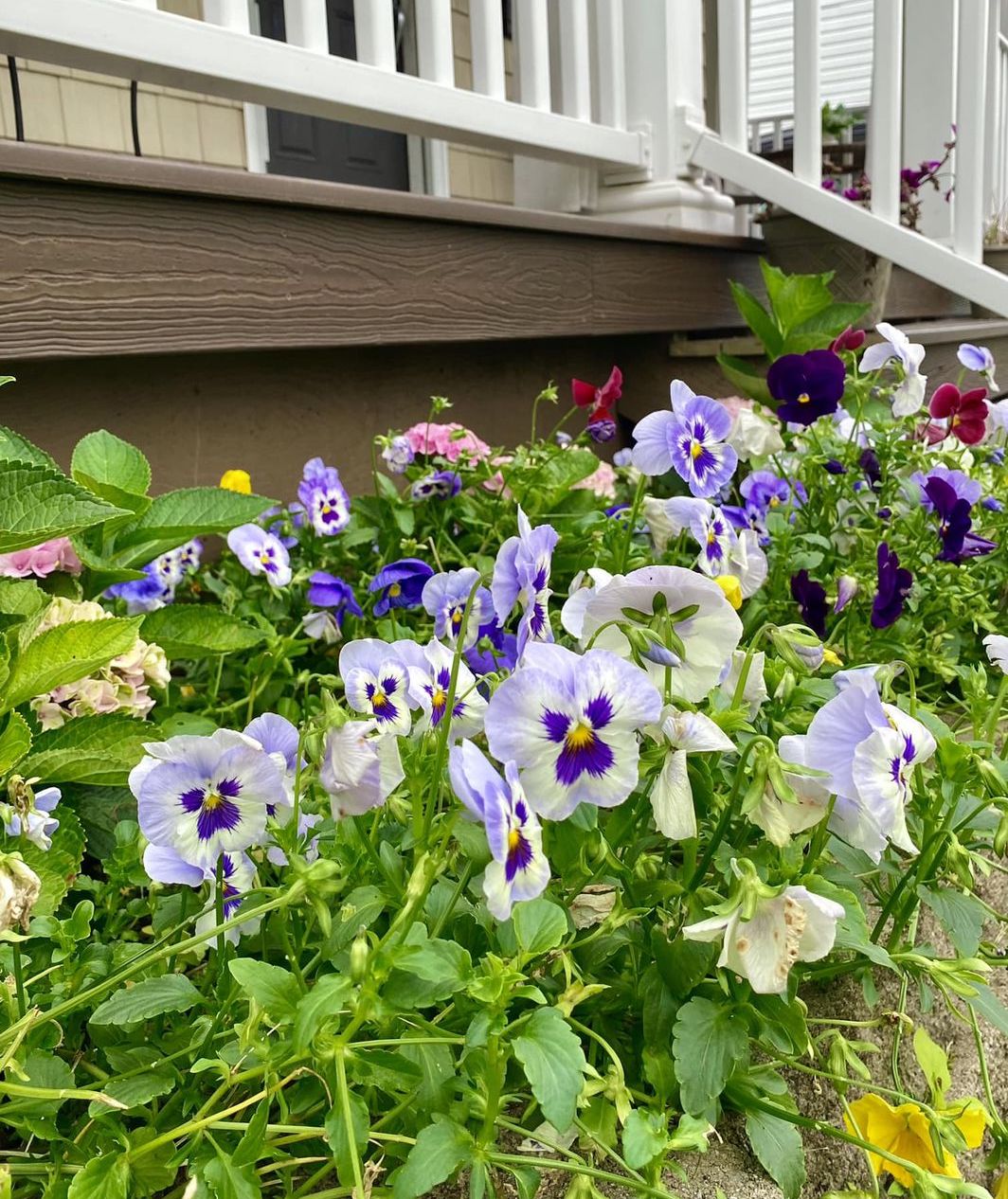
A quintessential spring bloomer, this flowering plant produces beautiful flowers in red, purple, yellow, white, and multicolored varieties. Pansies are perfect for growing in front of your taller foundation plants for a layered look.
5. Hydrangea
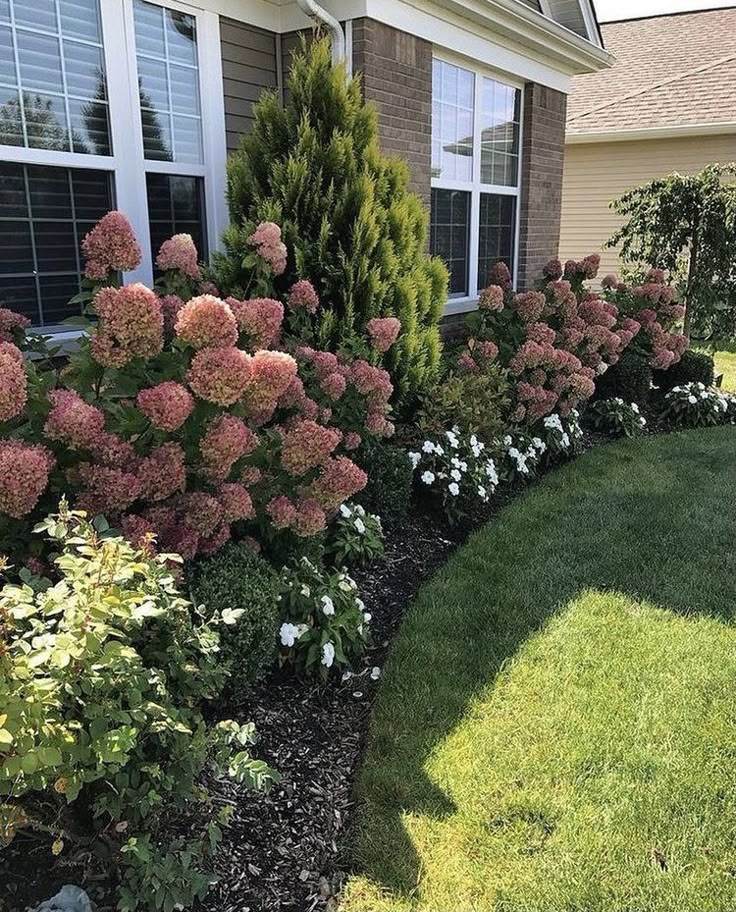
The front of your house will look absolutely stunning with the massive, colorful flower clusters of a hydrangea. It produces blooms in shades of lavender, pink, white, or blue. Hydrangea’s round or umbrella-shaped flower heads will add vibrant color to your front yard from spring all the way through fall.
6. Azaleas
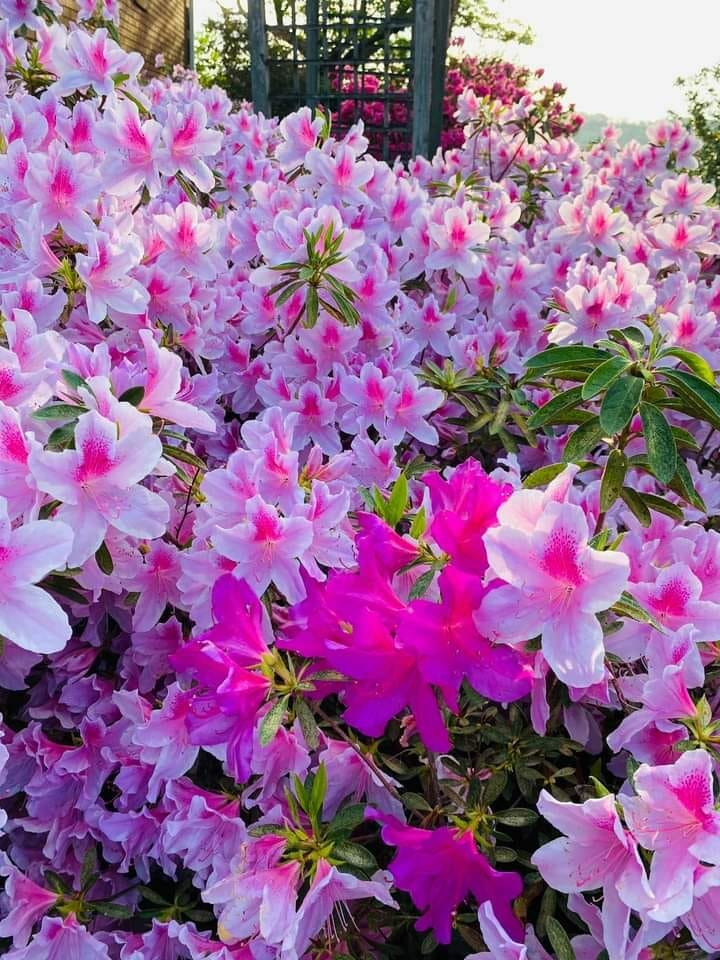
This bushy perennial plant creates a spectacular display of showy blooms composed of ruffled or frilly petals in soft pastel colors. Azaleas have leathery, deciduous leaves and typically grow 2 to 4 feet tall. They are low maintenance and do well in temperate climates.
7. Roses
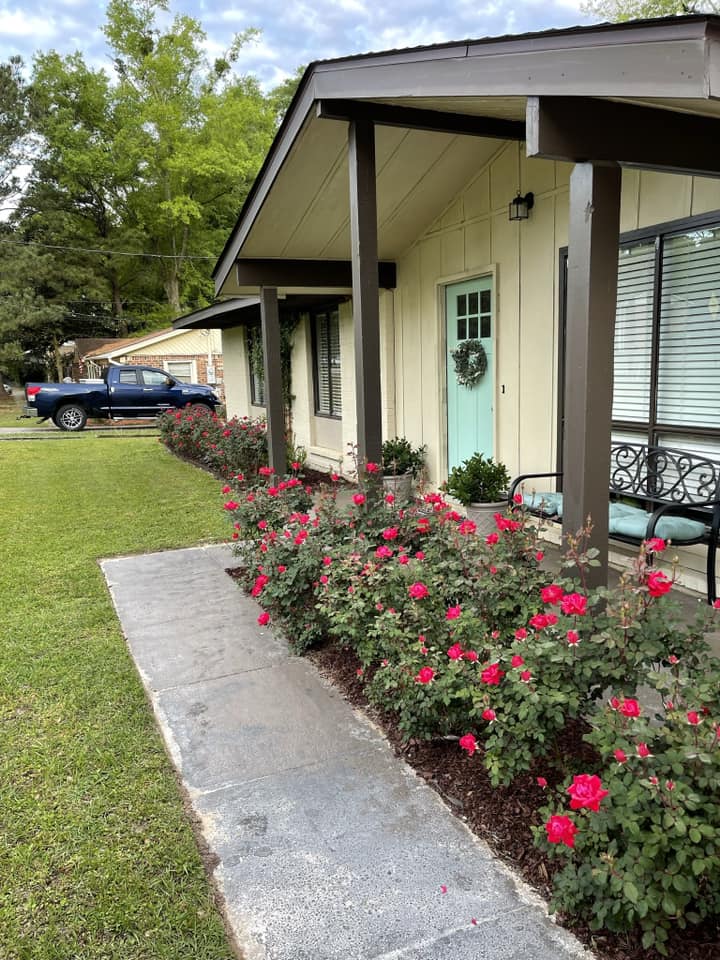
This beautiful and classic plant is available in countless species with a vast array of color combinations, making it a wonderful foundation plant. Its flowers are famously showy and often feature rosette patterns. Rose plant varieties include shrub roses, hybrid tea roses, and miniature roses.
Best Shrubs for Front of House
8. Burning Bush
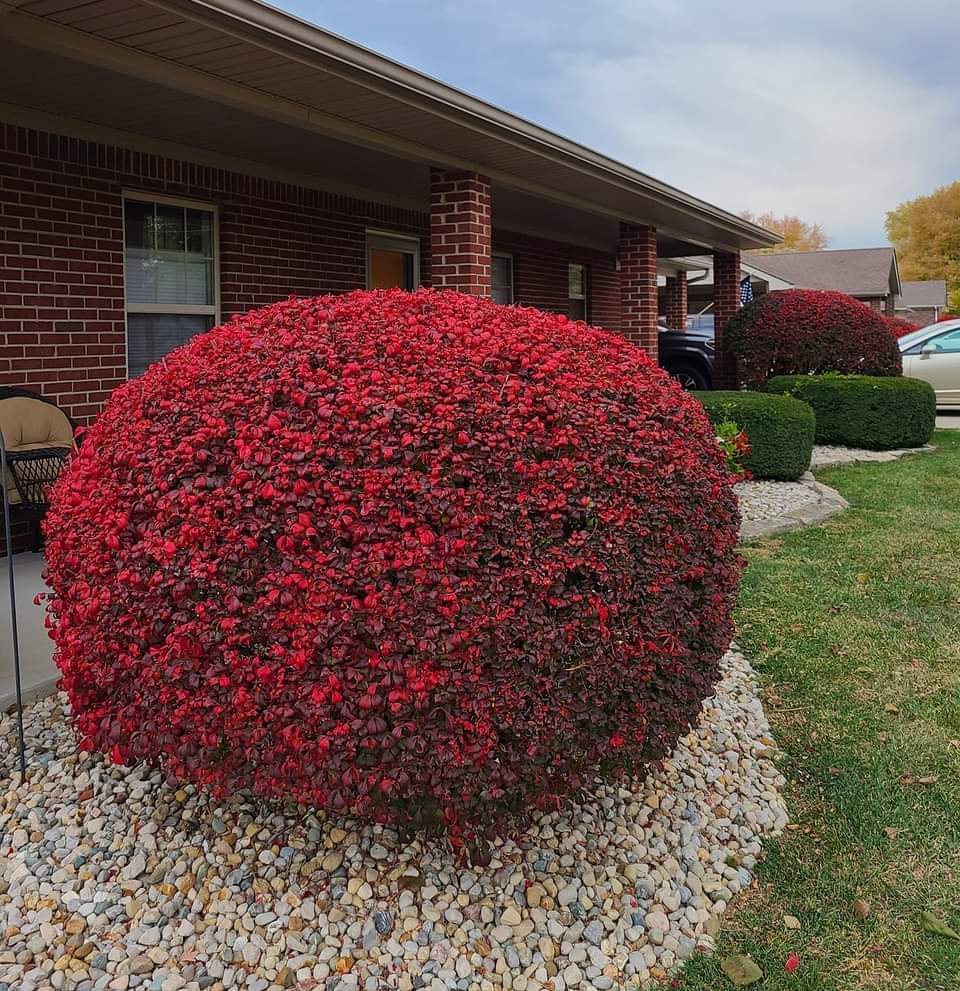
A beautiful shrub from the Celastraceae family, this plant can grow 15 to 20 feet tall and spread 8 to 12 feet wide. The burning bush gets its unique name from the brilliant red foliage it produces in the fall. It is a slow-growing plant that thrives in both full and partial sun and is adaptable to all soil types. Its compact size and eye-catching color add a touch of elegance to any landscape.
9. Rhododendron
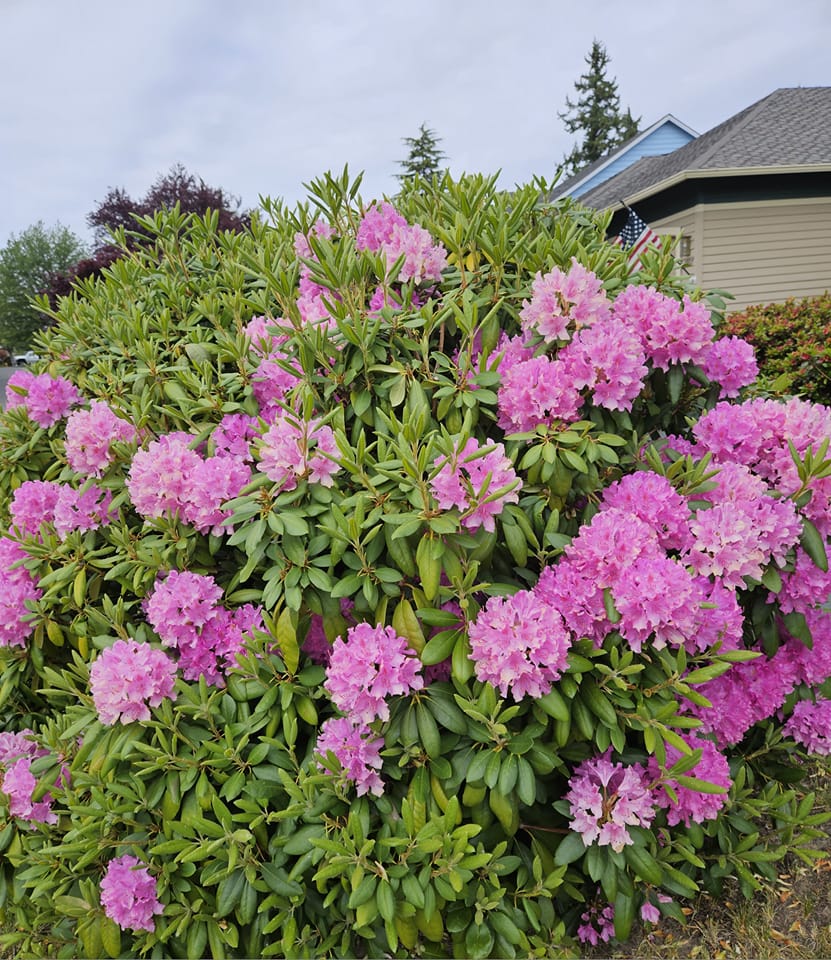
The Rhododendron is a truly stunning shrub for the front of your house. Its vibrant flowers, which range from delicate pinks to rich purples, create a captivating display every spring. With its glossy evergreen foliage, it provides year-round beauty. This showstopper brings undeniable charm and elegance to your home’s entrance.
10. Dense Spreading Yew
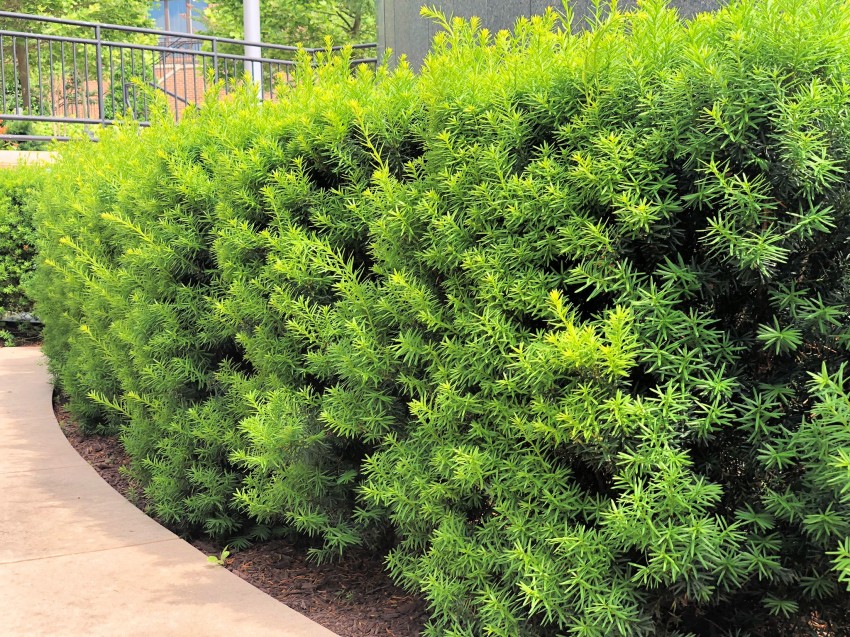
The Dense Spreading Yew is a captivating shrub perfect for the front of a house. Its lush, deep green foliage forms a dense and elegant backdrop, offering year-round beauty and a sense of privacy. Its compact growth habit and vibrant color make it an excellent addition that exudes timeless charm in any landscape.
11. Elegantissima Red Twig
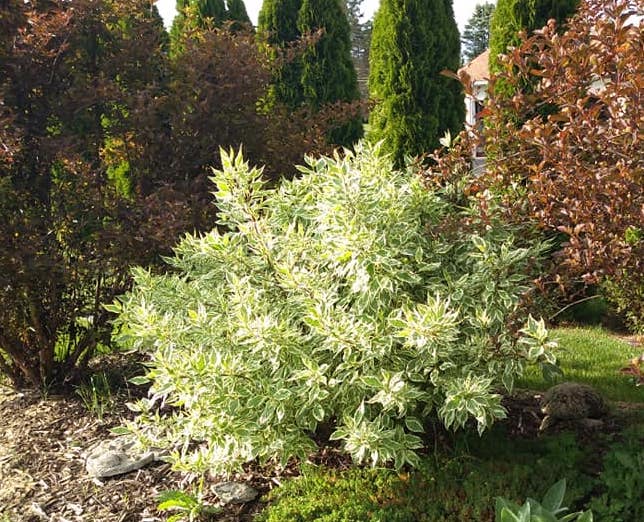
This fast-growing deciduous plant provides visual appeal throughout the year with its variegated leaves, fall foliage, and white berries. The shrub produces white flowers, and its stems turn a striking red during the winter, adding color to a stark landscape.
Evergreen Foundation Plants
12. Juniper
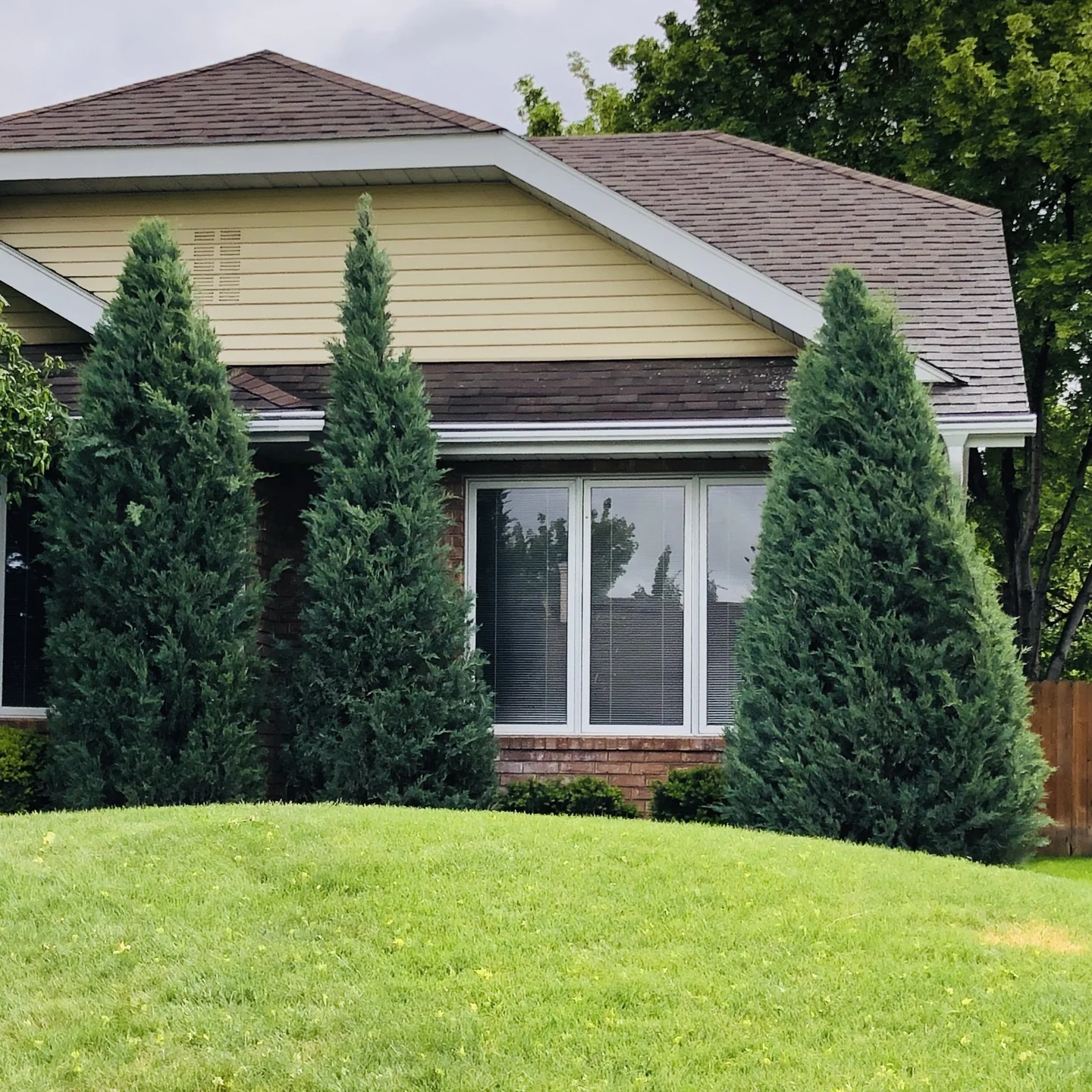
This evergreen is a popular ornamental plant due to its carefree nature, its four-season interest, and its ability to grow in many different regions. Juniper is available in a wide variety of species and produces unmistakable berries. It prefers to grow in full sunlight and is often used by landscapers as the anchor or structural backbone of a front yard design.
13. Boxwood
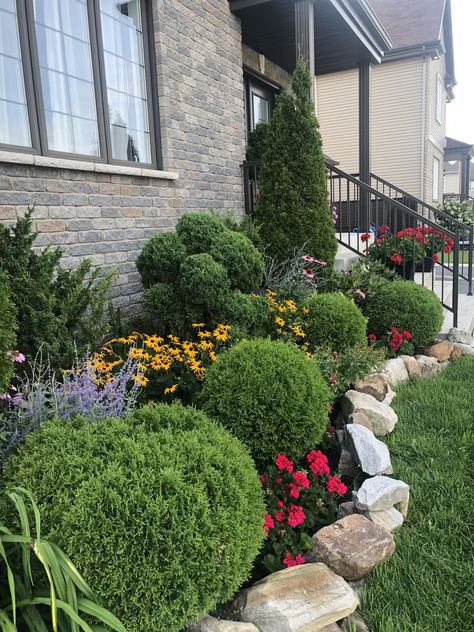
With its densely growing, oval-shaped leaves, this shrub is perfect for creating hedges, barriers, and privacy screens. Boxwood typically grows up to 3 or 4 feet tall, making it suitable for planting along your home’s foundation. This versatile plant thrives in conditions ranging from full sunlight to complete shade.
14. Japanese Yew
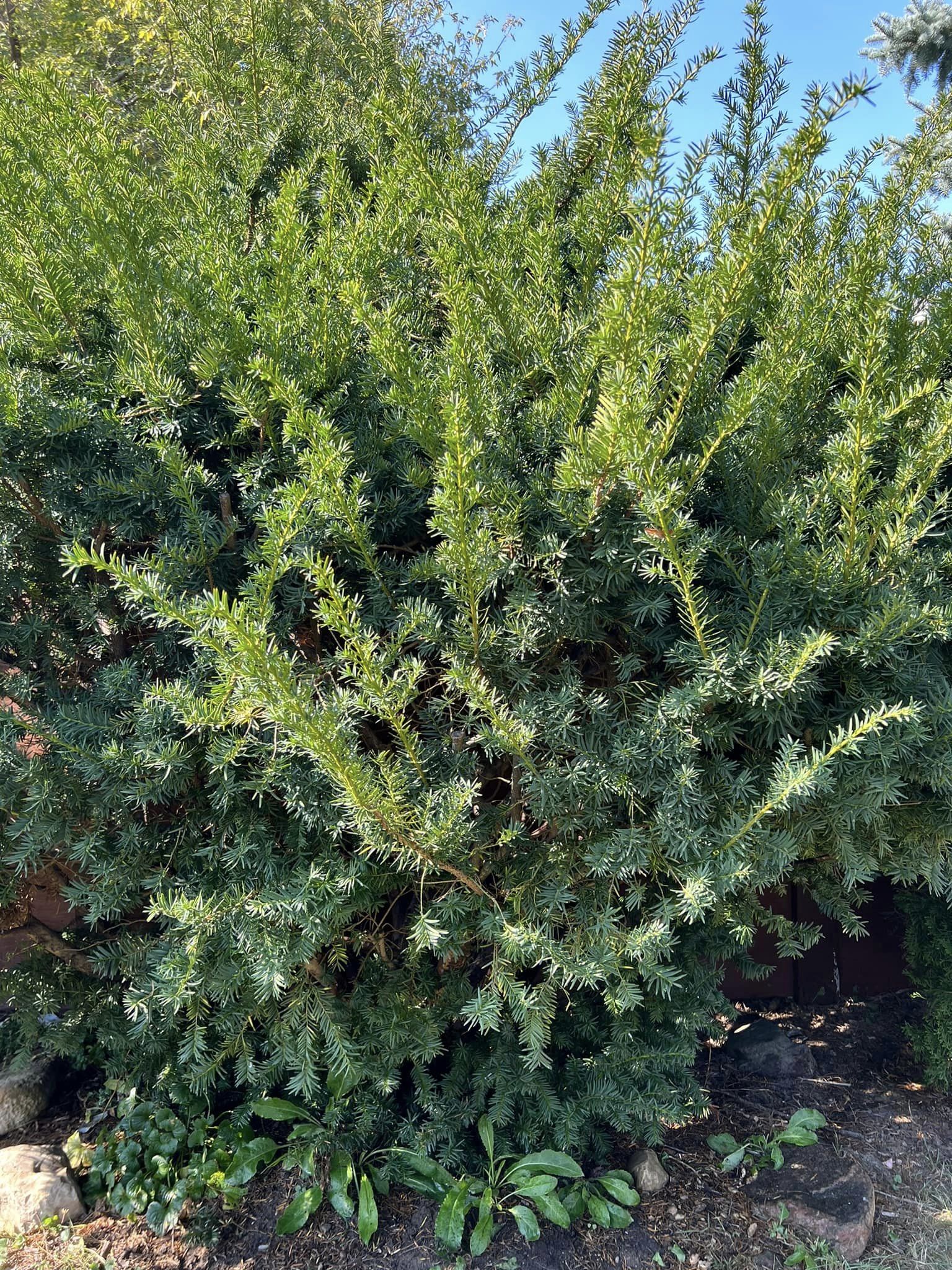
You can cover your foundation line with dwarf Japanese Yew, which can be easily trimmed into various shapes and generally stays below 4 feet tall. Some varieties of this plant are columnar shrubs well-suited for hedgerows, while others can spread to an impressive width of 15 feet.
15. Coral Bells
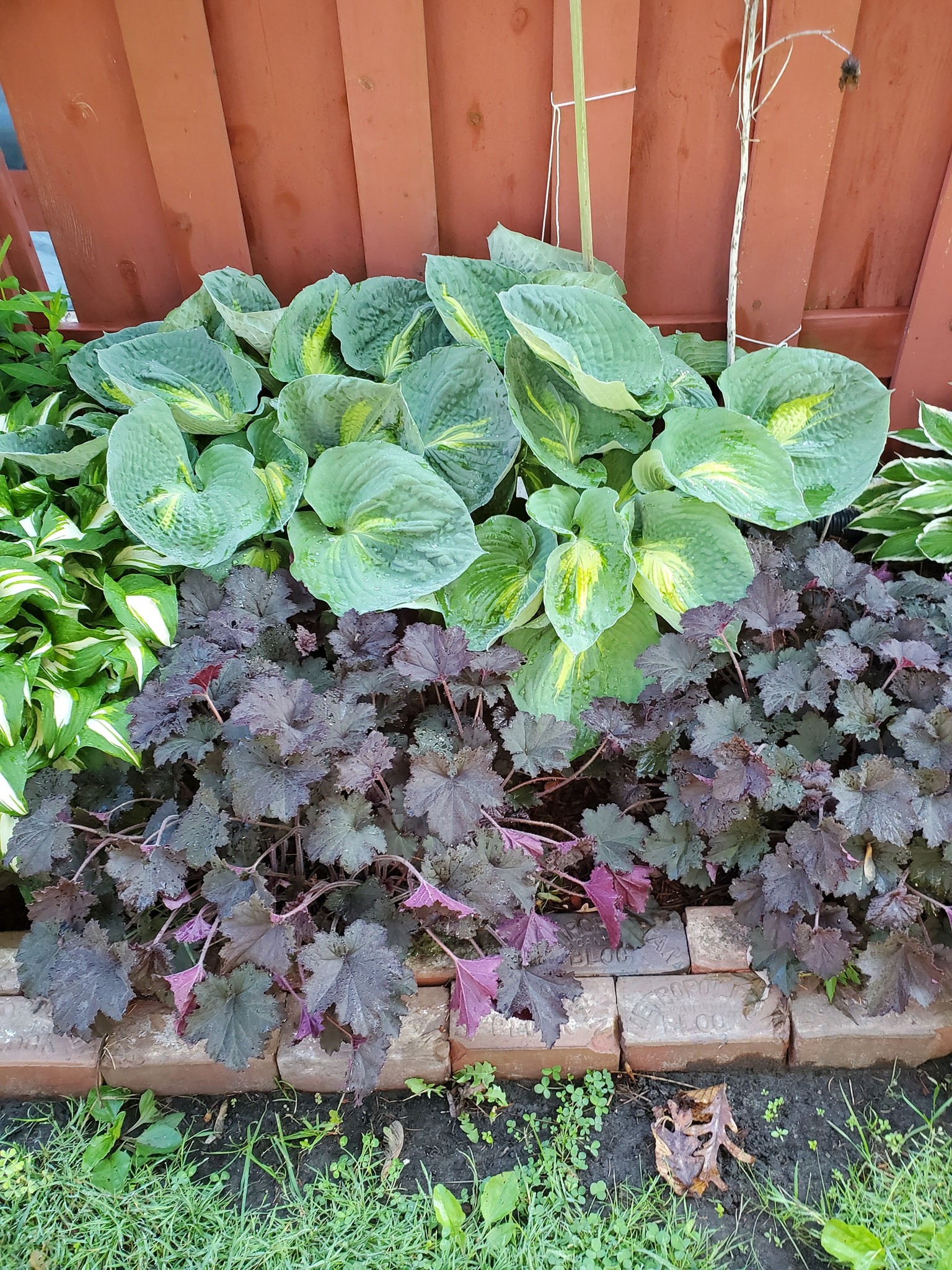
If you’re looking for an evergreen foundation plant that adds a pop of color to your landscape, the coral bell is an excellent choice. This leafy, mounding plant grows in tidy clumps up to 2 feet tall. It is available in a diverse range of colors, including lime green, red, green, purple, and even black. Coral bells thrive in USDA zones 4 to 9.
16. Wintercreeper
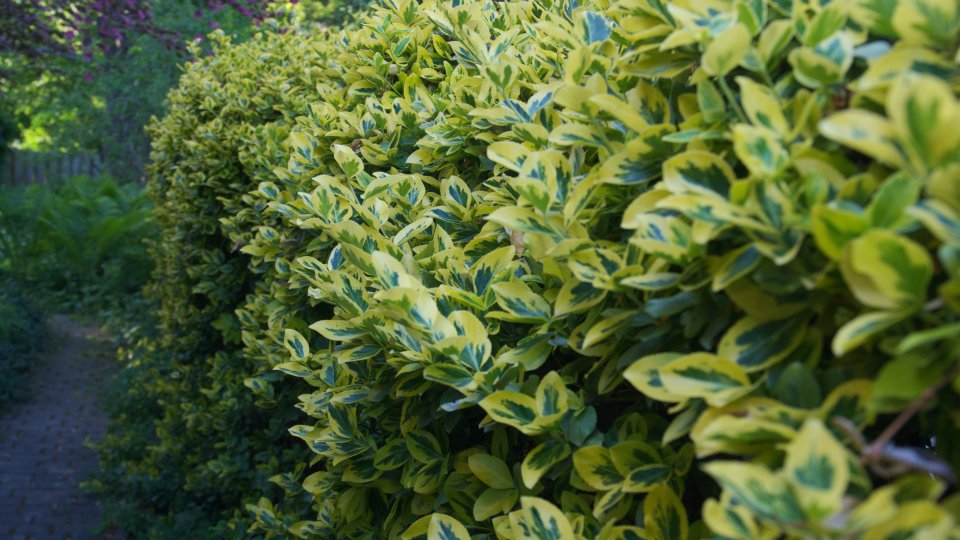
This versatile, low-growing plant is an ideal choice for front lawns. It features green and creamy-white leaves or green and golden-yellow foliage, and it grows up to 5 feet wide and 2 to 3 feet tall. You can grow this low-maintenance plant on the sunny side of your home for best results.
17. Cherry Laurel
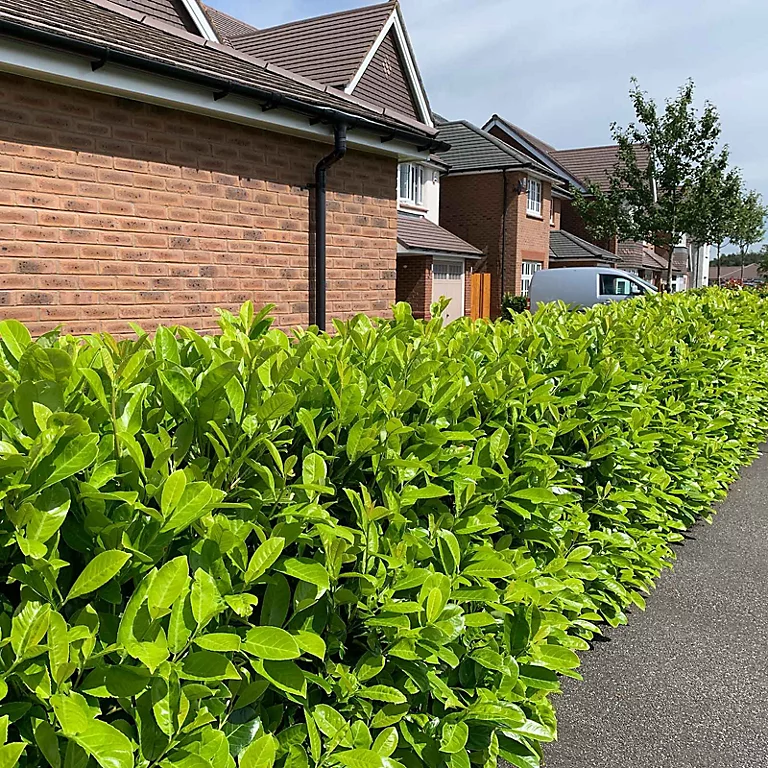
The Cherry Laurel is a handsome evergreen shrub or small tree that features white flowers and red fruits that eventually darken to black. This plant is easy to maintain; just be sure to keep it trimmed and pruned to your desired shape.
Perennial Foundation Plants
18. Phlox
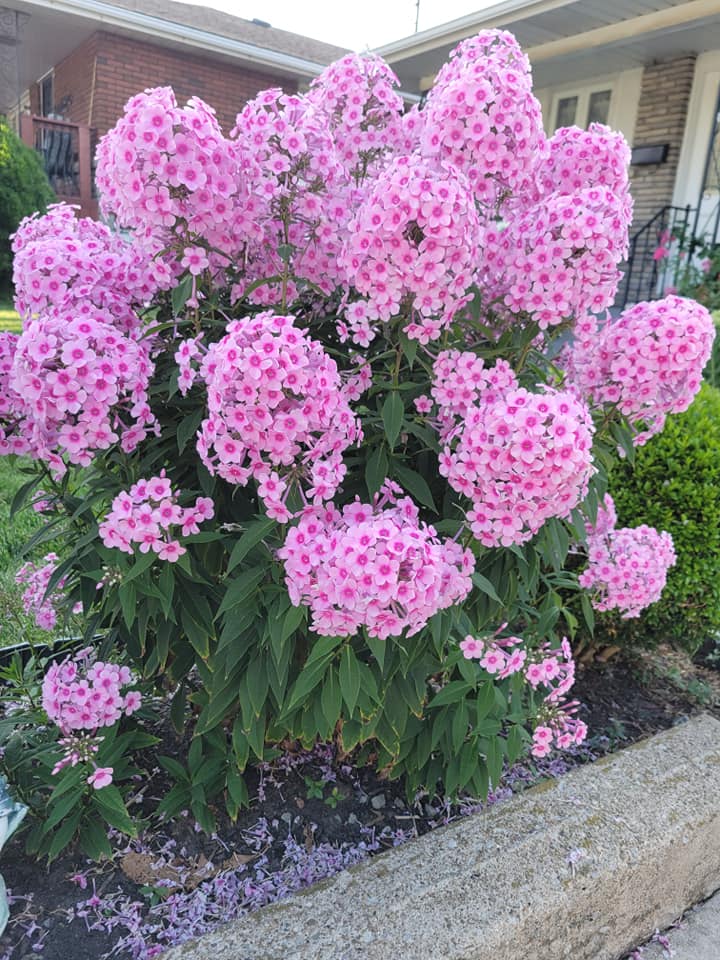
This stunning perennial flowering plant is a great option for foundation planting because it produces vibrant flowers in shades of purple, white, pink, and red. Phlox can grow up to 5 feet tall. This cold-hardy, bushy plant is sun-loving and flourishes in USDA zones 3 to 9. You can also use phlox as a ground cover for bare patches.
19. Hostas
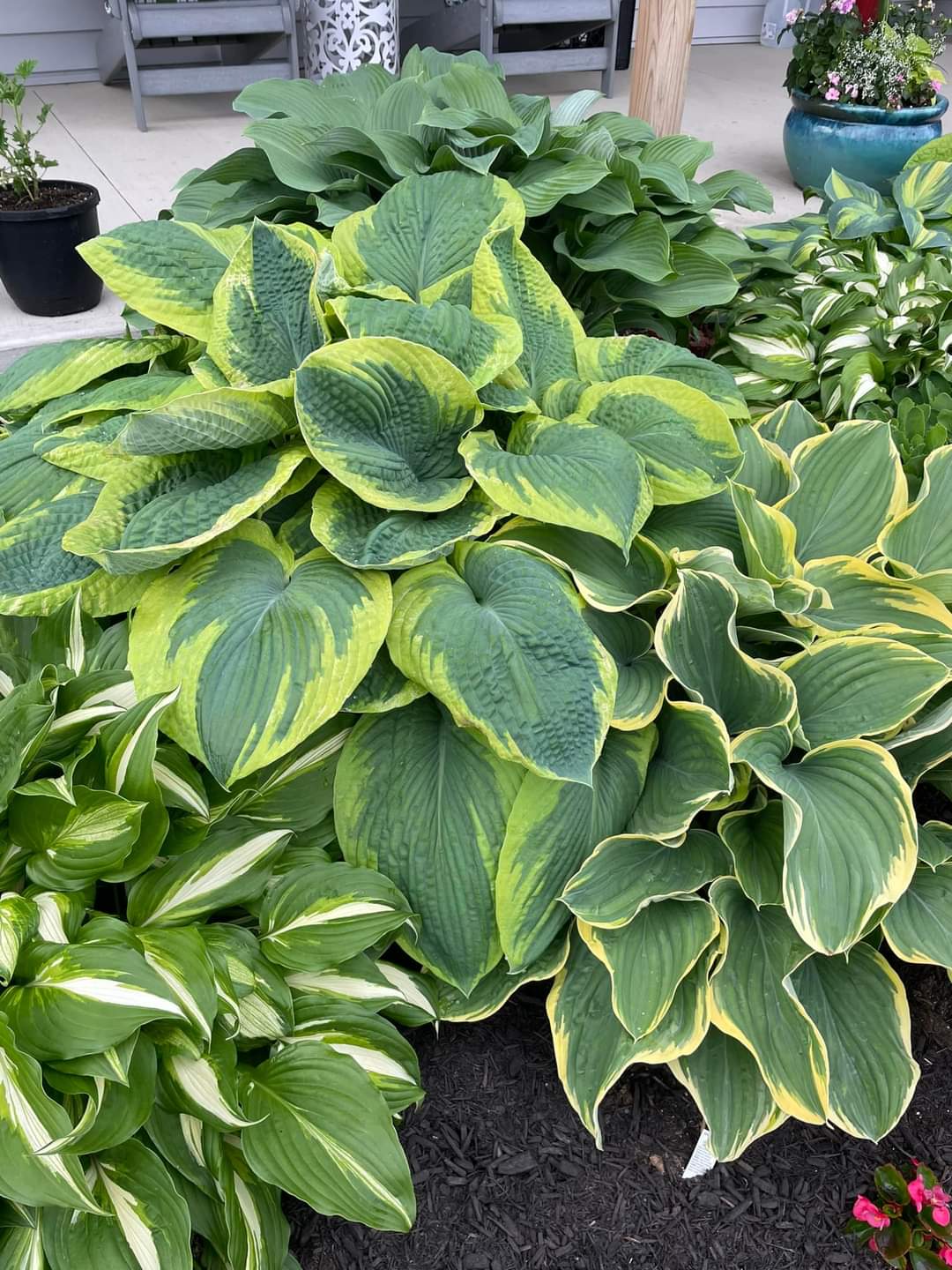
Hostas are a perfect choice if you want a leafy, low-growing, and low-maintenance perennial plant for the north side of your building. This clumping plant has broad leaves that can be light green or variegated and grows up to 2 feet tall. You can grow this foundation plant in either sun or shade. Some hosta varieties also produce pale purple or white flowers.
20. Ornamental Grasses
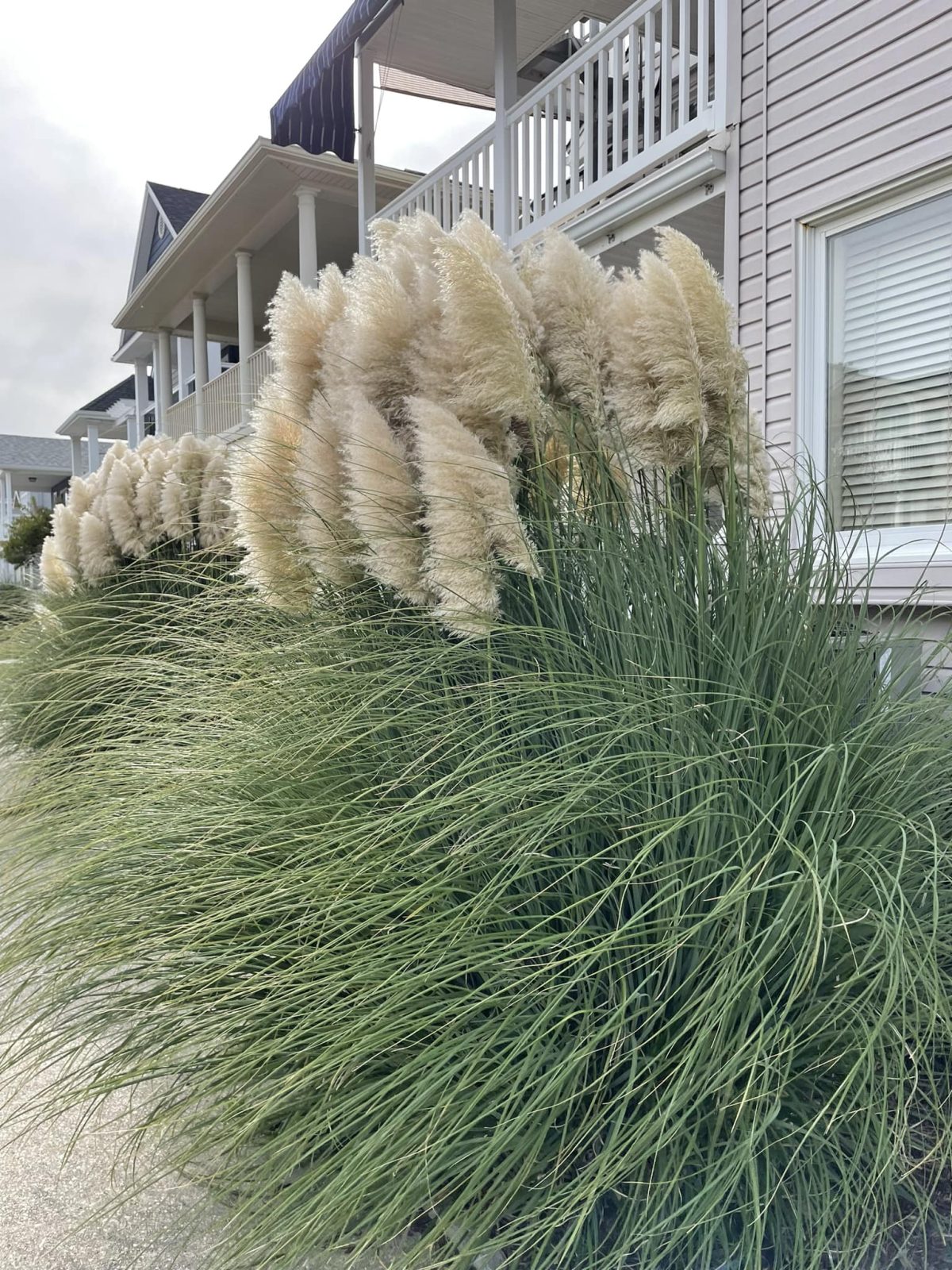
Unlike more traditional foundation plants, ornamental grasses can introduce a soft, flowing texture along the front of your house. Examples of popular ornamental grasses include pampas grass, fountain grass, Chinese silver grass, and reedgrass.
21. Lilies
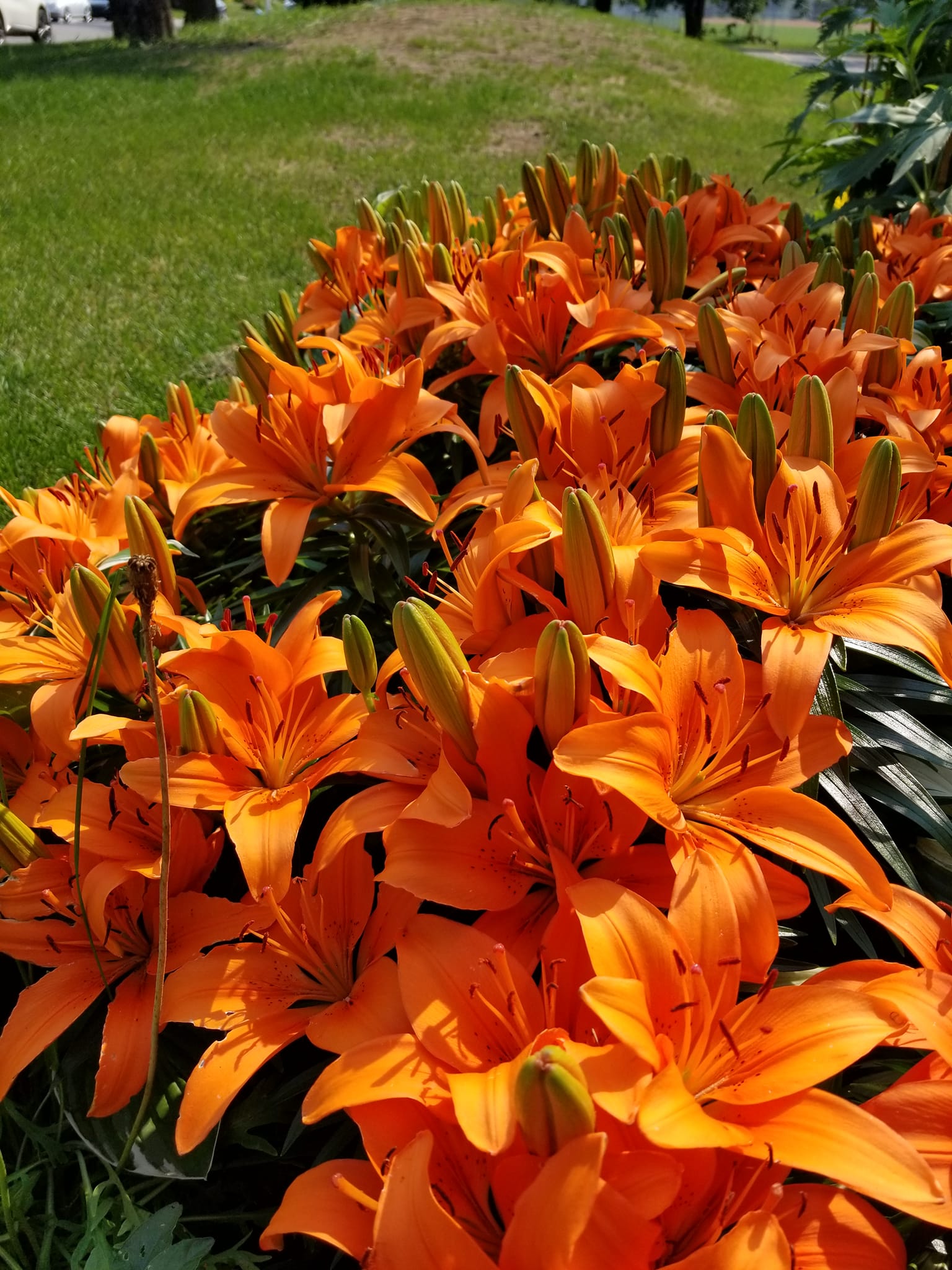
The stunning and heavily scented flowers of lilies will look beautiful in your front yard, making your home truly eye-catching. This plant is suitable for mass planting and blooms during the summer.
Deciduous Fountain Plants
22. Smoke Bushes
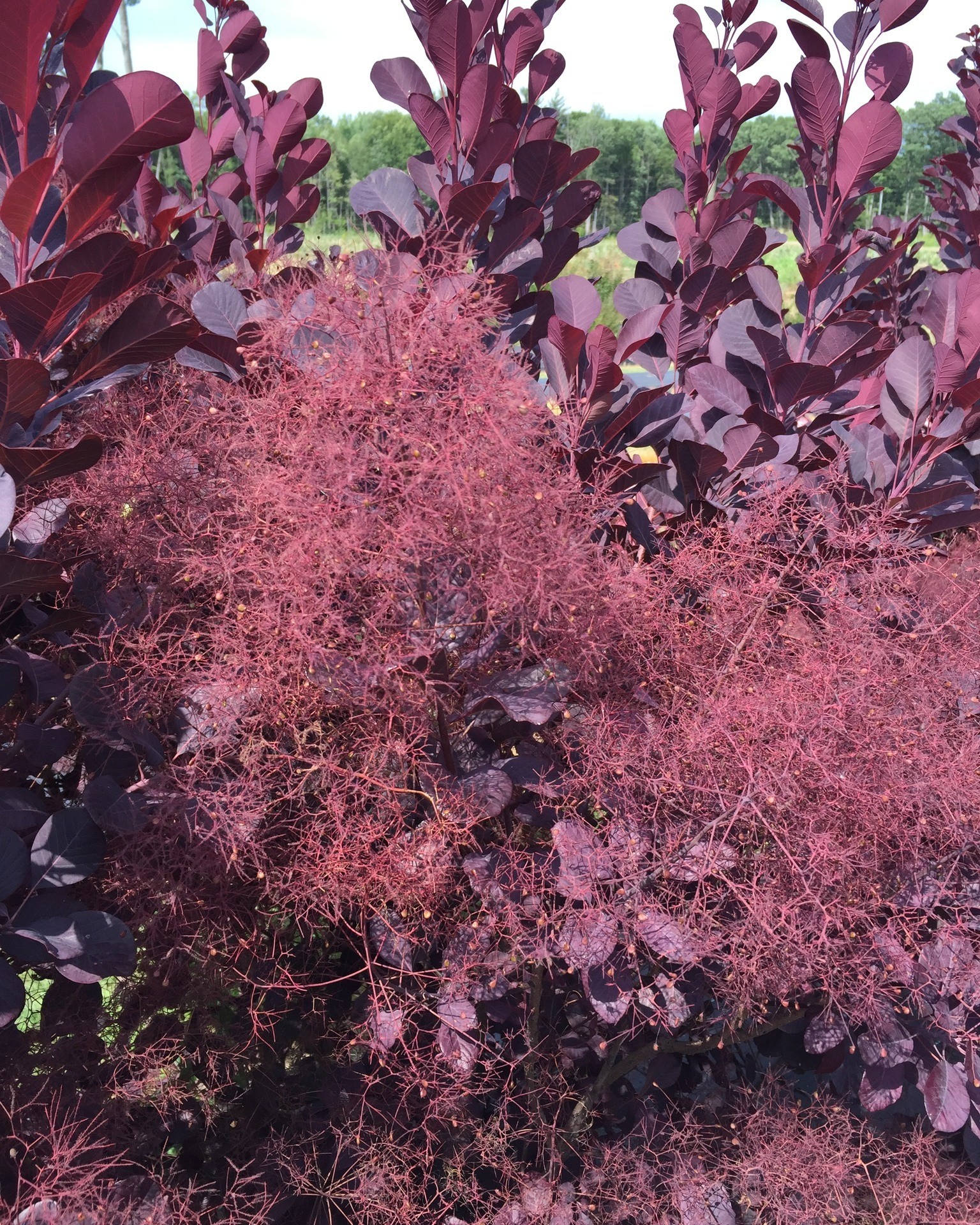
This beautiful woody shrub has multi-stemmed branches and leaves that can be golden, purple, or green. In the fall, its foliage turns to lovely shades of coral, purple, red, and pink.
23. Ogon Spirea
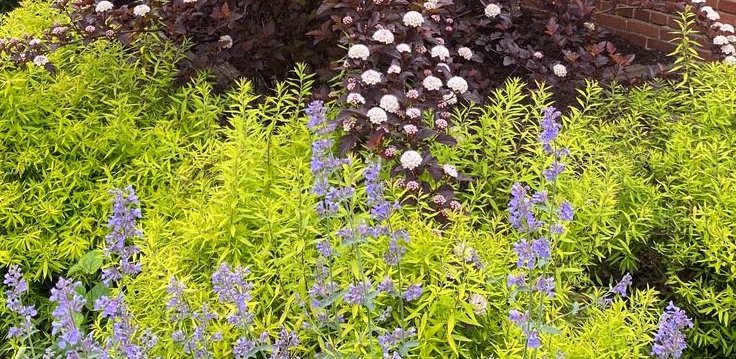
Ogon Spirea is a popular low-growing woody shrub that features stunning, lance-shaped golden leaves. It typically grows to be about 5 feet tall and 3 to 5 feet wide.
24. Rose of Sharon
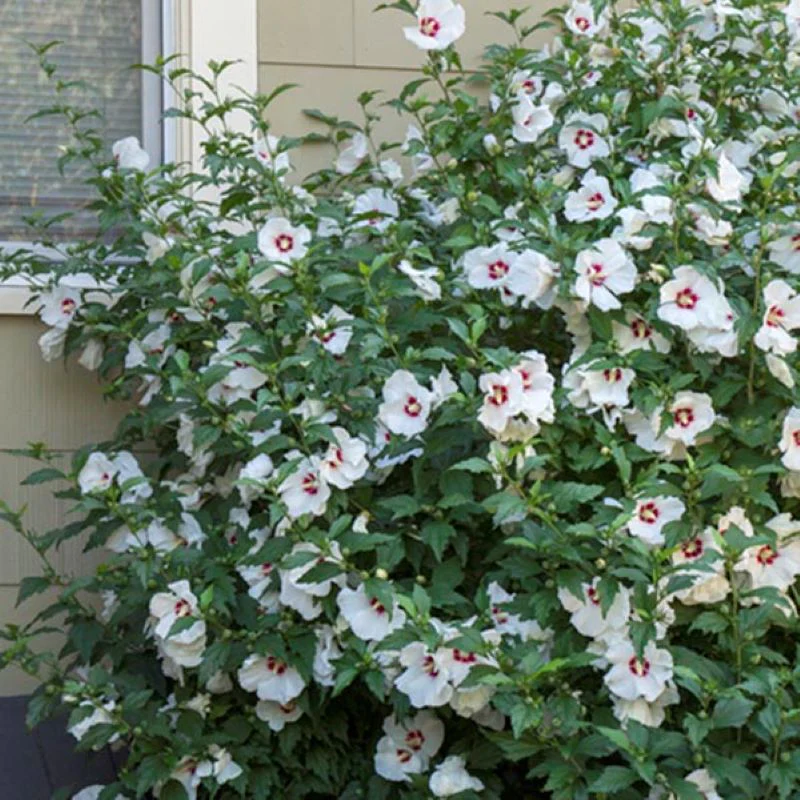
You can add stunning colors to your front yard with the Rose of Sharon, which blooms in beautiful shades of purple, pink, red, and white during the late summer.
25. White Meadowsweet
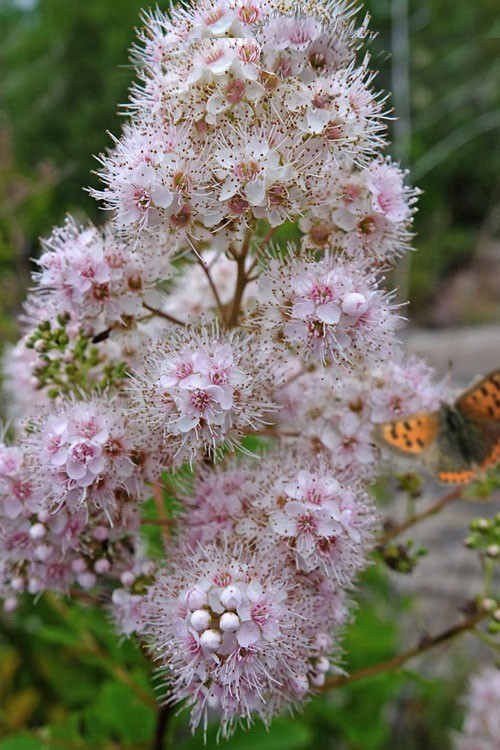
This attractive, upright, and rounded shrub produces large, vibrant clusters of white flowers in the spring and summer, adding a bright touch to your landscape.
26. Japanese Maple
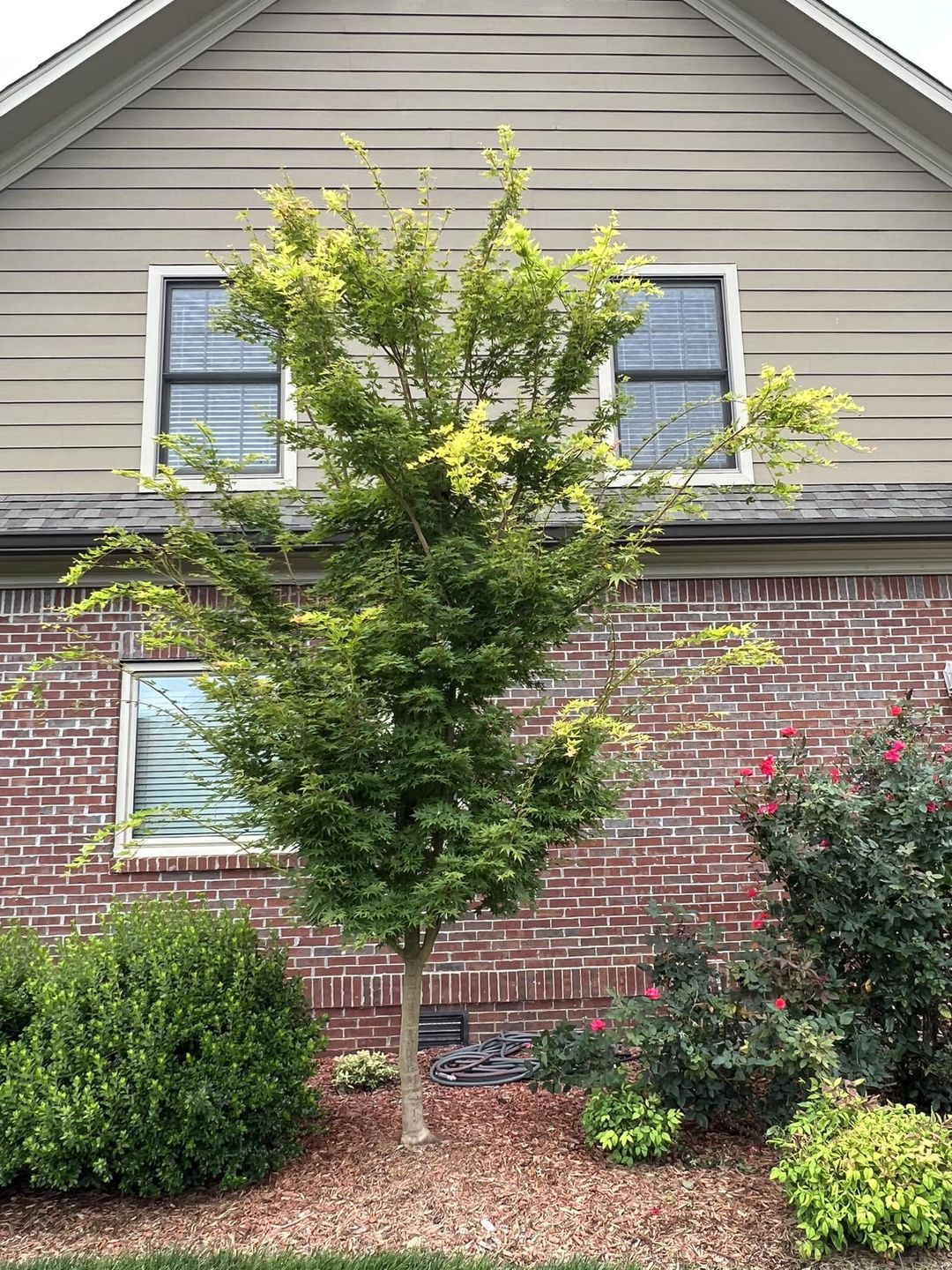
This plant is absolutely breathtaking in the fall when its delicate leaves transform from green to a fiery red. It flourishes in full sun and requires plenty of space, as it can grow up to 30 feet tall, depending on the specific variety.
Conclusion
Foundation plants can significantly increase your home’s value and help create an inviting, hospitable, and cohesive landscape. By taking the time to pick the right foundation plants for your home’s style and environment, you can design a truly beautiful and welcoming front yard.