
You want your lilac bushes to erupt in a stunning display of color and fragrance every single year. The secret to that success? It all hinges on how, when, and what you use for fertilizer. Get this right, and you’re set for a spectacular show. Get it wrong, and you might see very few flowers at all.
There’s nothing quite like the powerful, sweet scent of lilac blooms filling the late spring air. These shrubs put on their show anywhere from mid-April to late May, depending on the variety and your local climate. And when they do, the landscape absolutely ignites with brilliant color.
With flowers available in vibrant pinks, pure whites, cool blues, and deep purples, there’s a lilac for every garden style. A rare lemon-hued variety even exists for those craving a touch of yellow. So good.
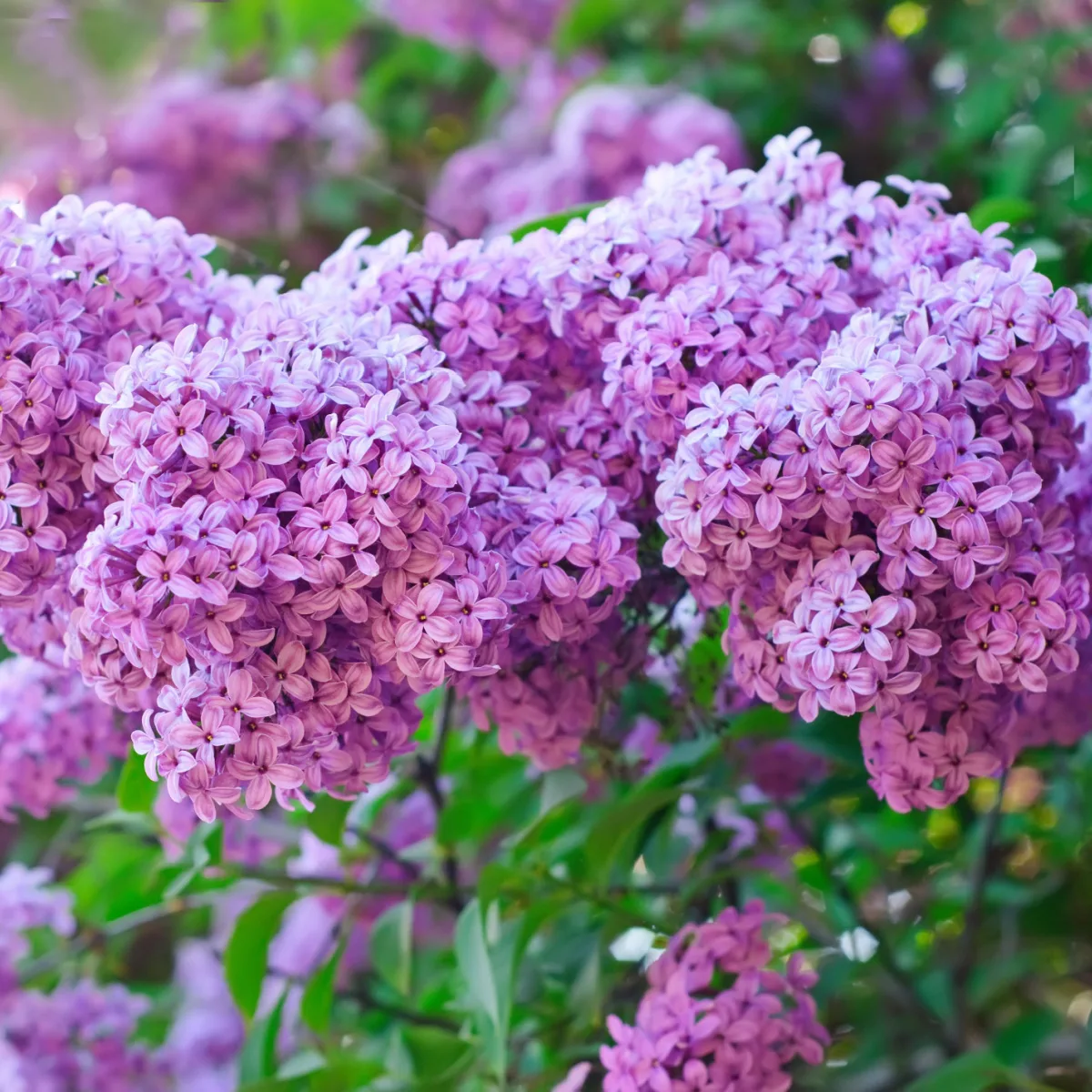
But no matter which color or size of lilac you grow, the real prize is a bush that flowers with incredible enthusiasm. You want a massive explosion of blooms, year after year. And for that, understanding the perfect fertilizer and the exact right time to apply it is everything.
How To Fertilize Lilac Bushes For Big Blooms – And Why To Do It Early!
First things first: lilacs are not greedy plants. They don’t require a constant feast from the soil. In fact, giving them too many nutrients at one time can backfire, reducing their blooms or even stopping them completely. Because of this, the number one rule is simple: feed your lilacs just once a year.
A single annual feeding provides all the energy a lilac needs to produce its buds and flowers. This approach avoids the risk of overloading the soil with excess nutrients. When a lilac gets over-fertilized, it puts all that extra energy into growing bigger, creating more leaves and stems at the expense of its beautiful flowers.
Giving Lilacs The Nutrients They Need
Since you are only feeding your lilacs once annually, it is absolutely critical to give them the right blend of nutrients. Lilacs, like most plants, rely on nitrogen, phosphorous, and potassium to do well. But for boosting blooms, phosphorous is the undisputed champion.
Nitrogen is essential for plant life, promoting vigorous foliage and stem growth. Potassium contributes to root development and the plant’s overall health. While both are important for lilacs, an excess of either one will result in a big, leafy bush with very few flowers to show for it.
Phosphorous, however, is the powerhouse nutrient that fuels the formation and development of blossoms. By choosing a fertilizer with a higher percentage of phosphorous compared to nitrogen and potassium, you set the stage for a maximum floral display. All without the worry of sending the bush into a non-blooming growth spurt.
Selecting The Right Fertilizer
So what’s the perfect fertilizer choice? You want a granular fertilizer that will break down and release nutrients into the soil over time. This slow release feeds the roots and energizes the bush effectively. But picking the right kind of granular product is key.
Many gardeners mistakenly grab an all-purpose fertilizer with a balanced ratio like 15-15-15 or 20-20-20. Instead, you need a fertilizer with lower overall numbers and a higher middle number representing phosphorous.
A granular fertilizer with a ratio in the 5-10-5 to 10-15-10 range is the sweet spot. This formula gives your lilacs just enough power without overwhelming them. Plus, that extra dose of phosphorous is exactly what the plant needs to focus on producing more blooms instead of just more leaves.
Now that you know what to feed your lilacs, it’s time to talk about the when. For getting your bushes to produce an absolute explosion of flowers, fertilizing early is the name of the game.
The When – Fertilize Lilac Bushes Early
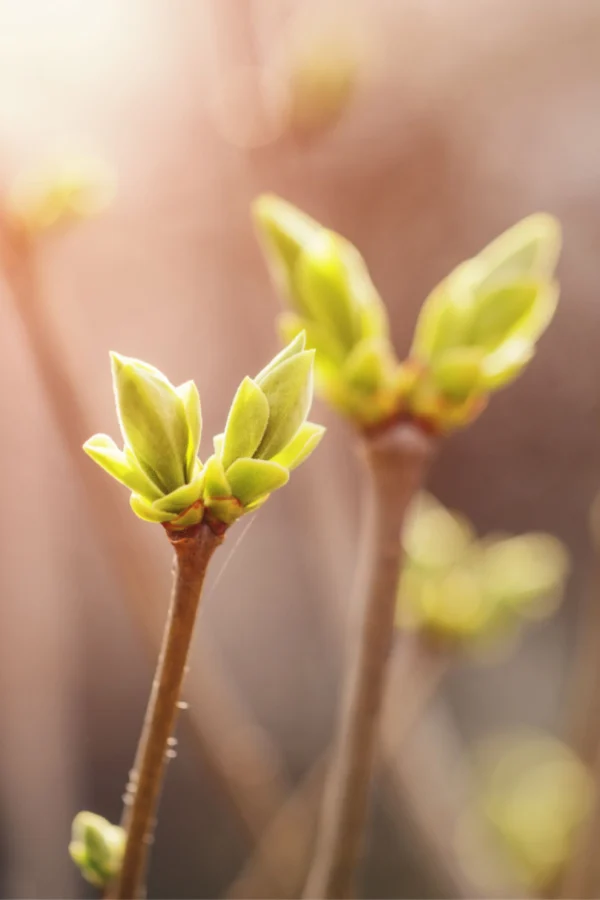
To really supercharge your lilac’s blooming potential, you need to apply fertilizer in very late winter or the earliest days of spring. This timing is critical because the nutrients must be available in the soil before the plant breaks its winter dormancy.
Why is this so important? If you wait too long and fertilize after the bush has already started to leaf out, it will use those fresh nutrients for new growth. The energy will go straight to making leaves and stems instead of being stored for flower production.
This is also why you should never fertilize a lilac in the summer or fall. The plant will use that late-season energy to grow larger, sacrificing its ability to create future blooms. The absolute best time to fertilize is in very late winter. Your second-best option is super early spring, but it must be done before new leaves appear.
It is so crucial to get those nutrients into the soil before the plant starts leafing out. This is your guarantee that the fertilizer will support an amazing floral show, not just a big green bush.
How To Fertilize Lilacs – A Few Final Tips
So what does “late winter” really mean? For most regions, applying fertilizer in mid to late February is perfect. As long as the ground is not frozen solid, you can spread the granules and work them into the top layer of soil so they can get to the roots.
For application, a few cups of granular fertilizer spread evenly around the root zone of each bush is plenty. After spreading the fertilizer, use a rake to gently scratch it into the first inch of soil. This helps the granules break down faster and release their nutrients to the roots below.
After you’ve scratched the fertilizer into the soil surface, apply a top layer of compost about an inch thick around the base of the bush. This compost layer helps hold the fertilizer in place as it dissolves. At the same time, the compost itself will slowly release its own low dose of nutrients, giving the plant an extra boost before it leafs out.
The great thing about compost is that you don’t have to worry about giving your lilacs too much power. Compost provides a balanced and pure form of nutrients that will only improve future blooms, never harm them.
Here’s to feeding your lilacs early this year. And more importantly, here’s to enjoying bigger and more beautiful blooms than ever before!

