
Want the secret to unlocking bigger, more brilliant hydrangea blooms than ever before? It all comes down to feeding your plants what they need, exactly when they need it. Hydrangeas are a garden classic, beloved for their huge clusters of colorful flowers that light up landscapes and bring in pollinators.
But sometimes, getting those signature blooms to show up consistently can be a real headache. It’s a common frustration to see your hydrangeas produce lush, green leaves but only a few sad, tiny flowers, or even none at all. The good news is that most blooming issues trace back to a single problem: fertilizing. Don’t worry, feeding your hydrangeas is simpler than you think. With a couple of key tips, you can give your perennial shrubs the power they need to flourish.
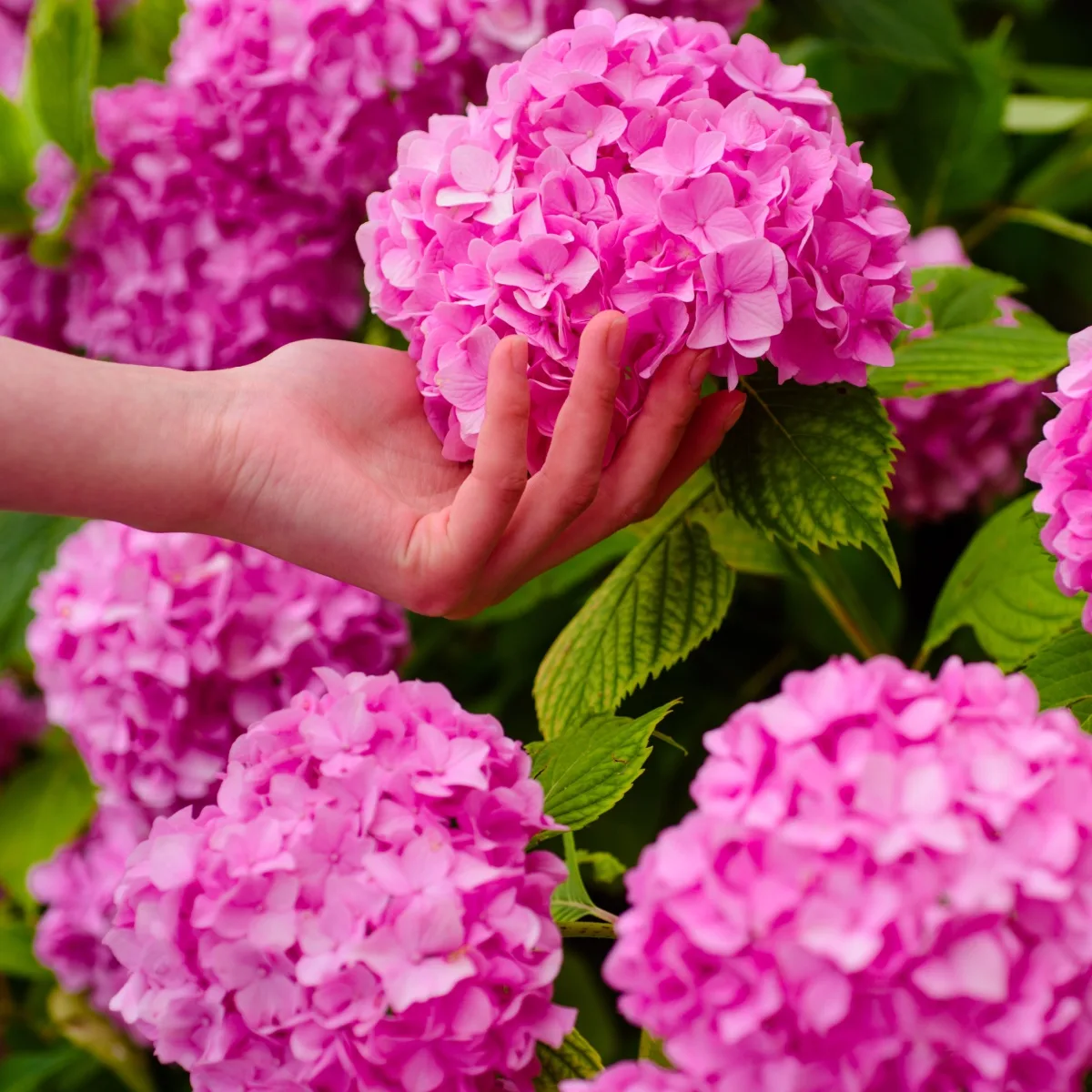
How And When To Fertilize Hydrangeas In The Spring – And Summer!
For your hydrangeas to explode with vibrant green foliage and produce those spectacular, massive blooms, they need a serious amount of energy and nutrients. The best way to deliver that power is with fertilizer, but timing is everything. Your plants need to be fed at two distinct moments: once in the very early spring and again right before they start to flower.
While the process is straightforward, each application requires a different fertilizing method. Getting both steps just right is the key to unlocking your hydrangea’s full potential.
Late Winter / Early Spring Fertilizing
The first crucial feeding happens just as your hydrangeas awaken from dormancy in the late winter or very early spring. Giving them nutrients at this stage provides the energy they need to grow healthy, thick foliage. This greenery is what will feed the plant for the rest of the season through photosynthesis. This initial energy boost also helps the shrub start storing up the nutrients required for flowering later on.
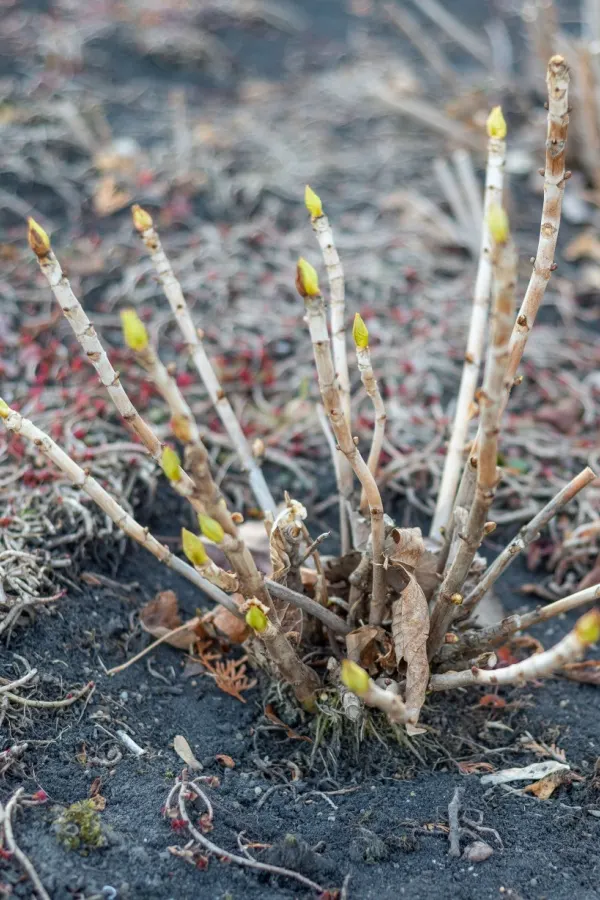
For this application, the goal is low and slow power. It’s critical to avoid a sudden blast of nutrients. If a hydrangea gets too much energy all at once, it will focus on producing massive foliage growth and skip the blooming process entirely.
The Right Fertilizer For Late Winter Or Early Spring Fertilizing
You have a couple of great options for feeding your hydrangeas in late winter or early spring. The first method is to apply a few inches of compost around the base of each plant, which acts as an organic mulch. A thick, 3 to 4 inch layer of compost spread over the entire root zone provides a perfect, slow-release fertilizer.
Compost is packed with powerful nutrients. Every time it rains or you water, a gentle dose of energy leaches down from the compost to the plant’s roots. Another excellent choice is to use an all-purpose, slow-release granular fertilizer specifically designed for hydrangeas. Granular formulas also release their nutrients over time, ensuring a low and steady feeding.
Be careful not to overdo it with granular fertilizer. When it comes to powering hydrangeas, more is definitely not better. A slow and steady approach is far more effective for growing a strong, healthy plant. Both compost and granular fertilizers work wonderfully; the choice is yours. The most important thing is to feed your hydrangeas early.
Fertilizing Before Blooming
The second time your hydrangeas need fertilizer is right before they begin to produce their flowers. The exact timing for this application depends on the specific hydrangea variety you have. Applying fertilizer just before they flower can dramatically boost their blooming performance.
If your plants flower in late spring or early summer, apply the second dose of fertilizer as they start to develop buds in early summer. For varieties that bloom in late summer or early fall, you should wait to apply the second feeding until they begin budding in late summer.
The Best Choice For Summer Fertilizing
The purpose of this fertilizer dose is to fuel the production of huge, vibrant blooms. Unlike the balanced spring fertilizer, this application requires a higher concentration of bloom-powering nutrients. Every fertilizer package displays an N-P-K ratio, which stands for Nitrogen (N), Phosphorus (P), and Potassium (K). A balanced fertilizer has numbers that are the same or very close, like 4-6-4 or 10-10-10.
Nitrogen is essential for foliage growth, making it the star of the late winter feeding. For spectacular blooms, however, you need a fertilizer with higher levels of phosphorus and potassium. A fertilizer with a 10-30-20 ratio is perfect for hydrangeas before they flower. This formula provides plenty of phosphorus and potassium power to create bigger, brighter blooms and encourage more flowers to develop throughout the blooming season.
Pruning For Blooming
Along with proper fertilizing, smart pruning has a massive impact on your hydrangea’s blooming success. The type of hydrangea you have and when it blooms will determine the right time to prune. As a general rule, hydrangeas do not need aggressive pruning. To maximize blooming potential, avoid cutting back any variety too heavily. Instead, only trim as much as is necessary to maintain the plant’s shape and size.
Most hydrangea varieties should only be pruned right after they finish blooming. This is because they set the next season’s flower buds on the new growth that appears after the current flowering period ends. Oakleaf, Bigleaf, and climbing hydrangeas all fall into this category. If you prune these types in the late fall or early spring, you will be cutting off all of the future blooms.
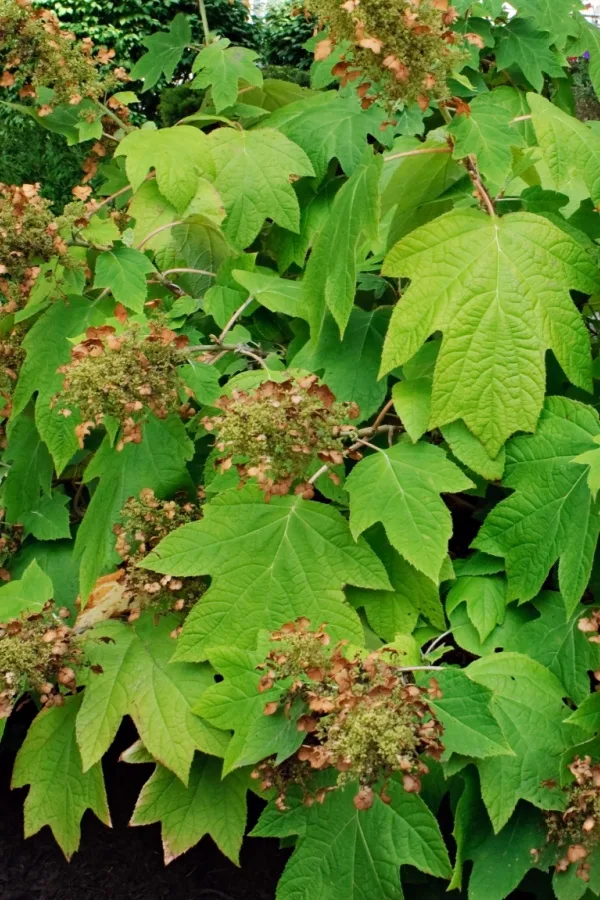
Other varieties, like Panicle and Smooth hydrangeas, produce flowers on the current season’s new growth. You can prune these types in late winter or early spring without affecting their bloom count. Just make sure to prune them while the plants are still dormant and before any new growth appears.
Here’s to feeding and pruning your hydrangeas for fantastic results this year, leading to bigger and more beautiful blooms than ever before.

