
How To Attract Hummingbirds To Your Yard
Here are the best ways to bring hummingbirds into your yard.
1. Plant Hummingbird-Friendly Flowers
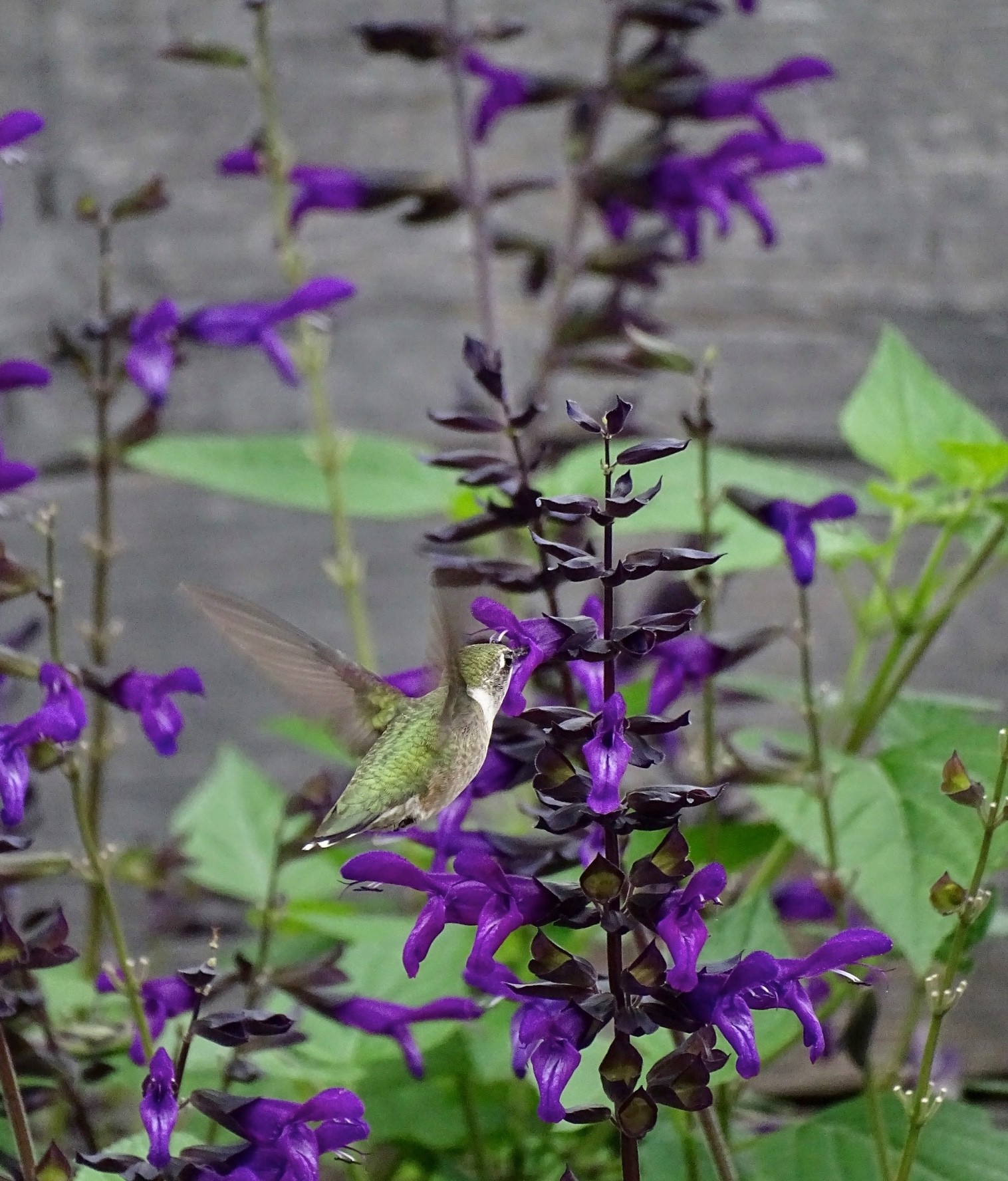
Nectar is the absolute favorite food of hummingbirds. It is their main source of nutrition, which means they are instinctively drawn to flowers. They especially love brightly colored, tube-shaped blossoms that offer easy access to the sweet liquid inside.
Planting a variety of colorful flowers that bloom at different times ensures a steady nectar supply throughout the season. Some excellent options are trumpet vine, salvia, bee balm, and cardinal flower. You can also try coral honeysuckle, scarlet gilia, fuschia, columbine, lantana, and penstemon.
When choosing plants, remember to include some native species. This helps create a biodiverse and beautiful habitat that not only attracts hummingbirds but also supports other local wildlife. Since native plants evolved with the regional fauna, they offer vital food, shelter, and nesting locations. To make it simple for hummingbirds to spot and feed from these nectar-filled flowers, group your plants together in clusters.
2. Incorporate Shrubs and Trees
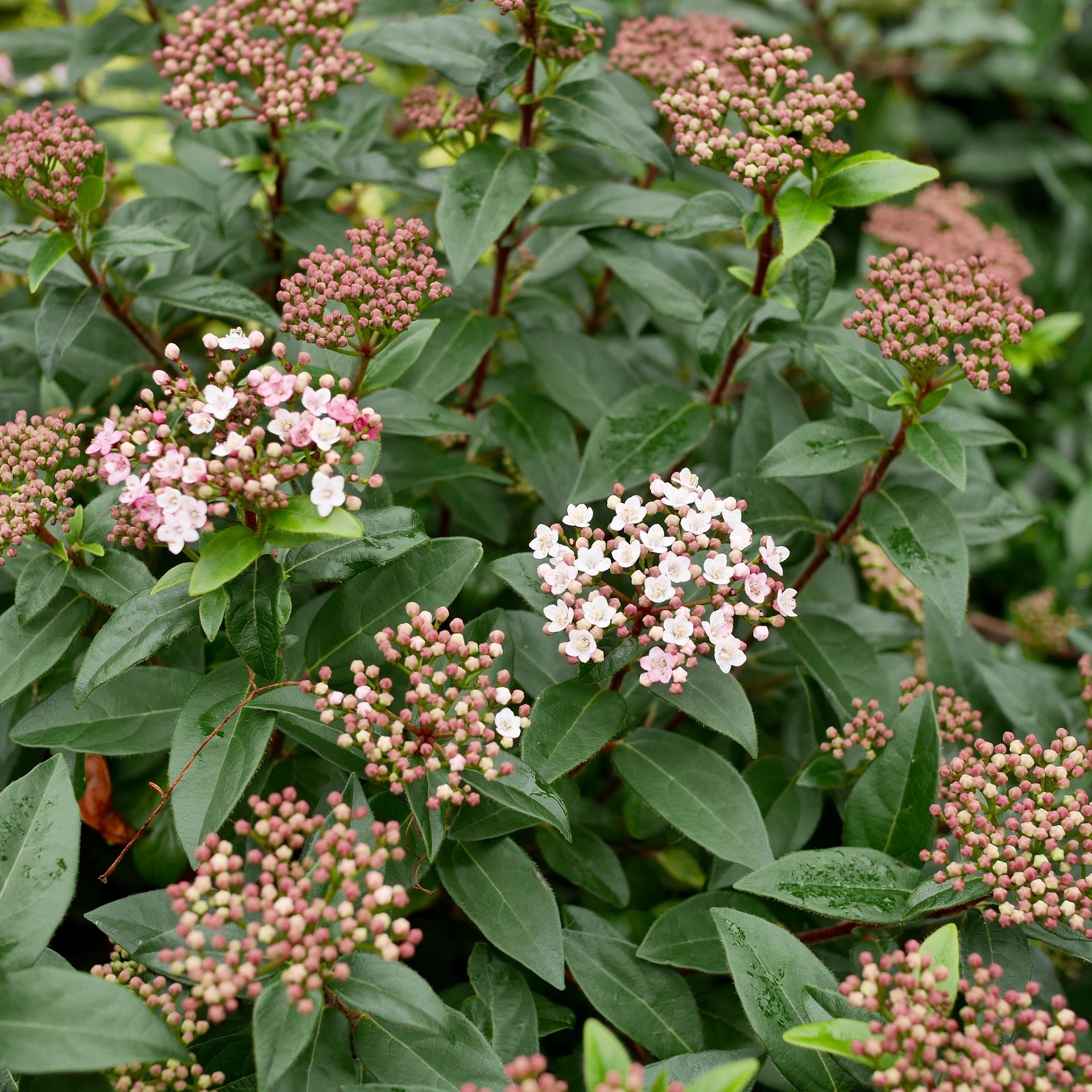
Adding shrubs and trees to your landscape provides protected, private places for hummingbirds to rest and build their nests. These birds are territorial and like to nest and feed at various levels within the tree canopy. For this reason, you should aim to create a layered environment by planting shrubs and trees of different heights.
Large trees such as oaks, maples, and pines give hummingbirds overhead protection and places to nest. Meanwhile, smaller shrubs like viburnums, dogwoods, and serviceberries provide perches and feeding spots at lower levels.
Hummingbirds construct their tiny nests from soft materials like plant down, moss, and spider silk, so they appreciate dense, evergreen trees and shrubs with thick foliage. Avoid pruning your trees and shrubs during the breeding season to prevent disturbing any nesting birds.
3. Set Up Nesting Boxes
You can give hummingbirds even more nesting options by placing nesting boxes in your yard. These can be purchased from garden centers, specialty bird stores, and online, or you can even build one yourself.
Place the nesting boxes in quiet, out-of-the-way locations, far from high-traffic areas and potential disturbances. It’s also wise not to put them too near trees, which could block their flight path.
4. Provide Perching Spots
You can create handy resting places for hummingbirds by installing man-made structures like trellises or wooden dowels. These perches give them a spot to rest between feeding flights. Position them near your feeders, nesting sites, and water sources.
Trees with dense leaves and strong branches also make excellent natural perches. The best perching locations are sheltered and shaded, offering hummingbirds protection from the weather.
5. Hang Hummingbird Feeders
Supplement the natural nectar from your flowers by hanging feeders in your yard. Select feeders that are simple to clean and refill, and choose bright colors that will catch a hummingbird’s eye.
Once you have your feeders, you can easily make a sugar-water solution to fill them. Just mix sugar and water, bring it to a boil, and allow it to cool completely. Never use honey, artificial sweeteners, or food coloring in the mixture, as these ingredients can be harmful to the birds.
You should also avoid feeding them bread, nuts, birdseed, salt, alcohol, or any food scraps. Hang multiple feeders far from each other in visible spots away from any obstructions. Place them in shaded locations to prevent the sugar solution from fermenting. It’s also crucial to clean the feeders regularly with hot water and a mild detergent, rinsing well and refilling them with fresh nectar to stop mold and bacteria from growing.
6. Offer a Water Source
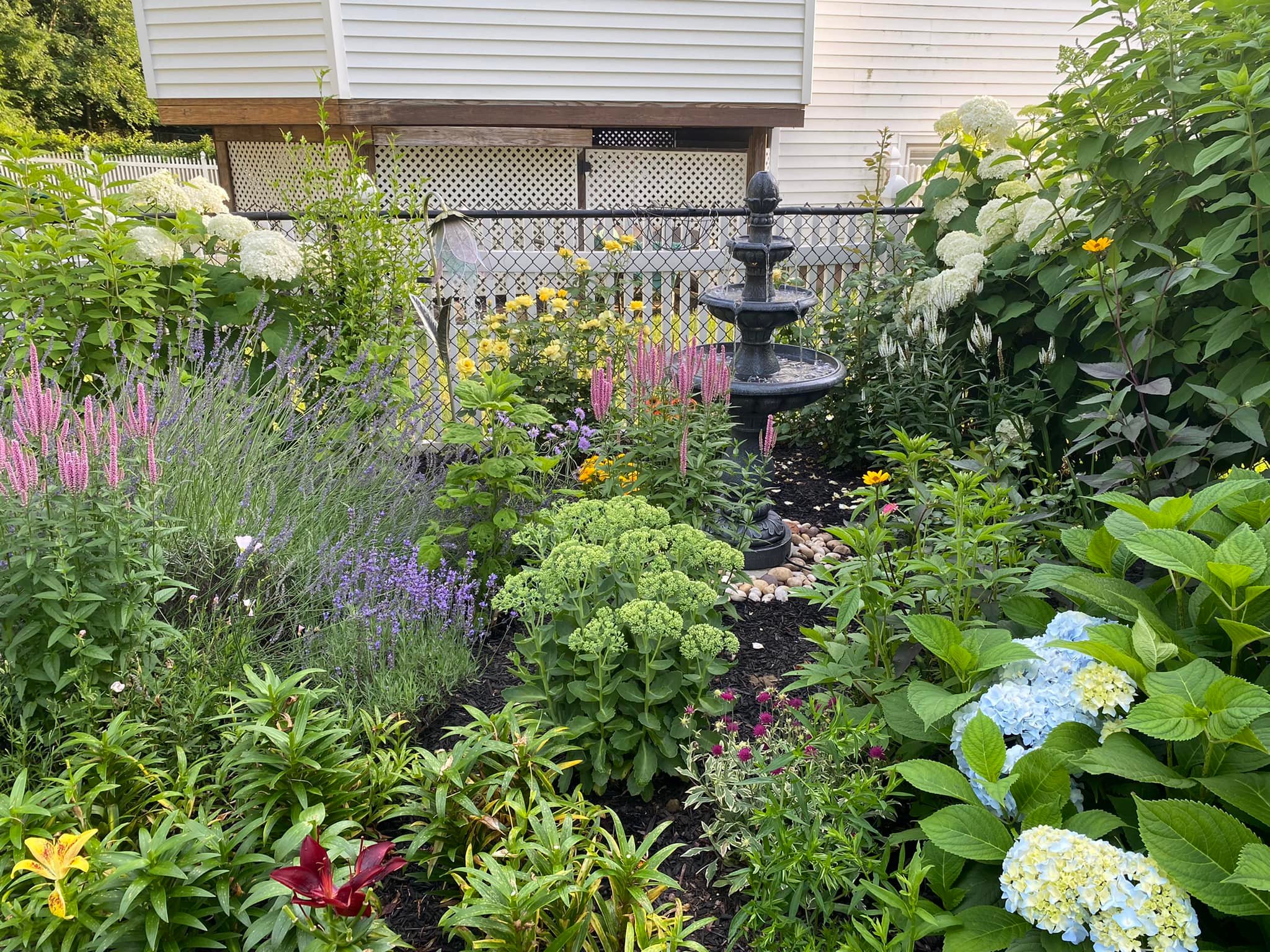
A water feature, whether it’s a birdbath, a dripping fountain, or a mister, will make your yard much more inviting for hummingbirds. These delightful birds love to bathe.
They are known for flying through mist or splashing around in shallow water. In addition to bathing, hummingbirds also require water for drinking.
Keep your water source clean and properly maintained to stop the growth of algae, mold, and bacteria. You should scrub birdbaths and dishes regularly using a mild detergent and then rinse them thoroughly with clean water. Additionally, replace the water often to keep it fresh and appealing.
7. Embrace Red
While hummingbirds are attracted to many bright, vivid colors, red is their absolute favorite. You can use this to your advantage to attract them. Beyond planting red flowers or plants that produce red fruits, you can also weave red elements into your landscaping and decor to capture the attention of hummingbirds flying by.
For example, choose feeders that are entirely red or have red accents. Use red decorative items like garden flags, wind chimes, or hanging ornaments. You could even paint structures like trellises, arbors, or garden benches in shades of red to make them more prominent.
Another idea is to hang red ribbons or windsocks. The fluttering of these decorations in the wind can mimic the movement of flowers, possibly luring hummingbirds in for a closer look.
8. Keep Predators Out
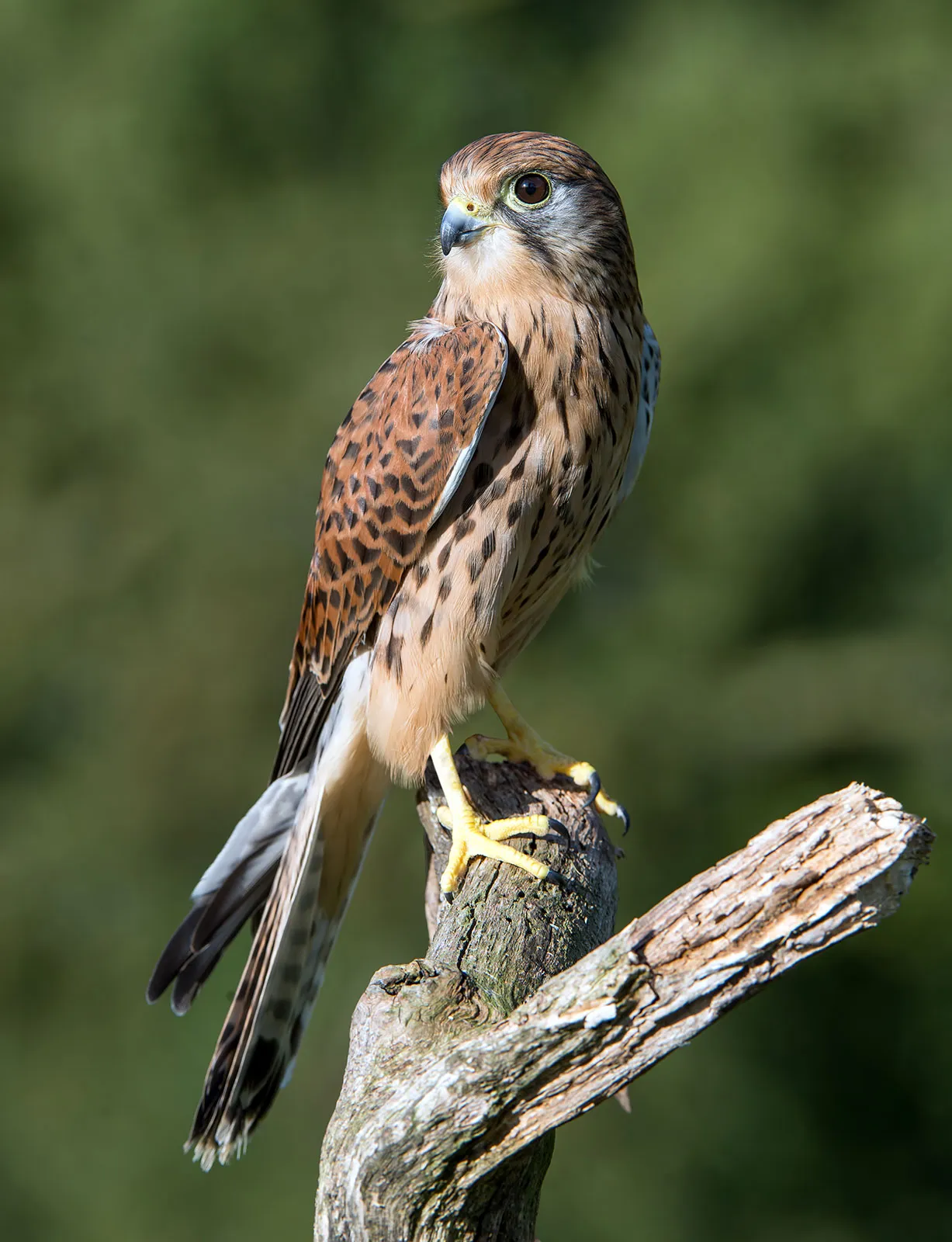
Hummingbirds are incredibly agile flyers, but they are still at risk from predators. Dangers include birds of prey like falcons, as well as snakes, praying mantises, spiders, and domestic cats. Hummingbirds will likely steer clear of your yard if they sense predators or if your cats and dogs are frequently outdoors.
So, what can you do? Here are some ways to create a safer space for hummingbirds.
Limit your pet’s outdoor time to periods when you can supervise them or during hours when hummingbirds are less active. Keeping them indoors full-time is another option. Avoid placing feeders too low to the ground or near potential predator hiding spots like dense bushes or other structures. You can install predator guards on feeder poles to stop climbing animals. Some feeders also come with built-in deterrents like bee guards or ant moats. Consider using motion-activated devices like sprinklers, lights, or noisemakers to scare off predators. Finally, set up high vantage points, such as tall branches or perches, to give hummingbirds a safe place to survey their surroundings for danger.
9. Avoid Pesticides
Pesticides, such as insecticides, herbicides, and fungicides, pose a serious threat to hummingbirds. These chemicals can eliminate insects like mosquitoes and gnats, which are an important source of protein for them.
If you spray pesticides near flowering plants, the chemicals can also contaminate the nectar. Ingesting pesticides, either directly or through contaminated insects, can poison hummingbirds, leading to sickness or even death.
Creating a pesticide-free yard is essential. Here’s how you can do it:
Adopt organic gardening methods that encourage biodiversity, build healthy soil, and rely on natural pest control. This includes composting, mulching, crop rotation, and using organic fertilizers. Plant native species, as they are well-suited to the local climate and often have natural defenses against pests and diseases, reducing the need for chemical intervention. Manage pests with integrated pest management strategies. This involves monitoring for pests and using cultural or mechanical controls, with pesticides used only as a final option and in a targeted way. You can also use natural solutions like handpicking pests, companion planting, using neem oil, or setting up physical barriers to protect your plants and attract beneficial insects.
10. Supply Fruit
While nectar is the go-to treat for hummingbirds, they also enjoy other sweet things, including fruit. You might consider leaving out some fruit to draw these birds into your yard. To make the fruit more appealing, choose ripe or even overripe pieces and chop or break them up.
Some of their favorite fruits include pears, berries, watermelons, and oranges. Ripe fruit not only provides a sugary snack for hummingbirds but also attracts fruit flies, which the birds will gladly add to their diet.
11. Maintain A Clean Yard
A tidy yard offers a safe and welcoming habitat, free from potential dangers, contaminants, and disease. Be sure to promptly remove any spoiled or moldy food from feeders and birdbaths to prevent the spread of illness and attract unwanted pests.
Additionally, keep your yard clear of clutter, debris, and overgrown plants, which can shelter pests and provide hiding spots for predators. Make it a habit to rake up fallen leaves, trim overgrown shrubs, and remove dead branches and plants. As mentioned before, it’s also vital to keep feeders and water sources clean.
12. Be Patient
Even if you’ve done everything right to make your yard an ideal spot for hummingbirds, it doesn’t mean they’ll show up overnight. These birds are territorial, so it can take some time for them to discover and get used to the new feeding stations and features in your yard. Because of this, a little patience is key.
By making a few simple changes, you can entice hummingbirds to visit your yard, regardless of your experience as a bird enthusiast. Ensure a consistent supply of nectar, a source of fresh water, and suitable nesting and perching areas. Before long, these enchanting birds will reward you with their stunning aerial shows, distinctive humming sounds, and vibrant colors.
