
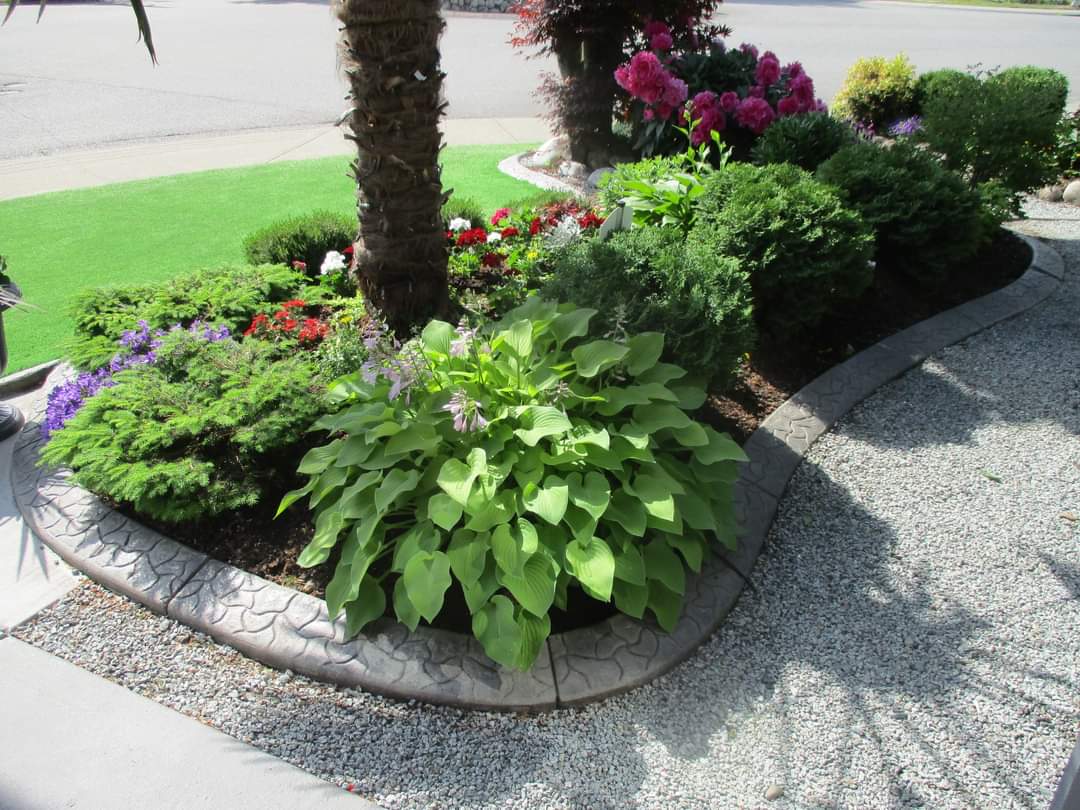
Do you have bare, empty spaces under the trees in your yard that you’re not sure what to do with? Consider this: you can cultivate a beautiful garden right under the canopy of your trees. While it’s true some plants demand full sun to truly pop, many others flourish in the dappled light and sheltered conditions that a tree provides.
Before you start filling the space beneath your trees, it’s important to know that gardening in these spots can be a unique challenge. Your new plants will need to share moisture with the trees and adapt to life without constant, direct sunlight.
Set yourself up for a successful garden by selecting plants that are perfectly suited for these specific conditions.
Things To Remember When Planting Under A Tree
So, you are ready to take on the rewarding task of planting under your trees. While it can be tricky, it is entirely possible with a bit of planning. Here are some key things to consider.
1. Dig Holes Carefully
When you’re digging holes for new plants under a tree, the main goal is to avoid disturbing the tree’s roots as much as possible. You also need to give your new plants a good environment to get established. Start by looking for spots where the ground is less compacted or where you see fewer surface roots.
Using smaller hand tools like trowels or gardening forks allows for more precise digging, which reduces the chance of damaging the tree’s root system.
As you work, gently take out the soil and carefully untangle any roots you come across. If you find larger roots, simply adjust the location of your hole to work around them instead of cutting through them. Stick to shallow planting holes to minimize soil disruption.
2. Grow Plants According to Your Planting Zone
The success of any garden hinges on choosing plants that match your local climate. Knowing your region’s USDA Hardiness Zone is the first step to picking plants that will thrive in your specific location.
Always select plants that are recommended for the conditions of your planting zone. For example, if you live in a colder climate, pick plants that can handle frost, especially if the tree’s canopy offers less protection. Also, pay attention to any microclimates that might exist under your trees.
Finally, factor in the tree’s canopy. If it provides a lot of shade, you will need to choose plants that are tolerant of partial or full shade.
3. Watering Needs
Because your new plants will be in direct competition with the tree for water, it’s crucial to select plants that are suited to the moisture levels under the tree. When you do water, do it deeply and infrequently to encourage strong root development.
You will also need to adjust your watering schedule based on the weather. Your plants will need more frequent watering during hot, dry spells and less water during cooler or rainy weather.
4. Mulch Carefully
Applying a layer of mulch around the tree and your new plants is a great way to help the soil retain moisture. It also helps minimize competition from weeds and grass. However, avoid piling mulch directly against the tree trunk, as this can encourage rot and pests.
5. Trim The Trees
Trees with very dense canopies can prevent sunlight from reaching the plants below. Before you plant, consider pruning or trimming the tree’s canopy to let more sunlight filter down to the ground.
You might also think about elevating the tree’s lower branches. This creates more vertical space for the plants underneath, allowing more light to get through and creating a better growing environment overall.
16 Best Plants To Grow Under Trees
As we’ve covered, carefully selecting your plants is key to success. Let’s dive into the different kinds of plants that are known to thrive under the canopies of trees.
Best Ground Covers To Plant Under Trees
1. Vinca Minor (Periwinkle)
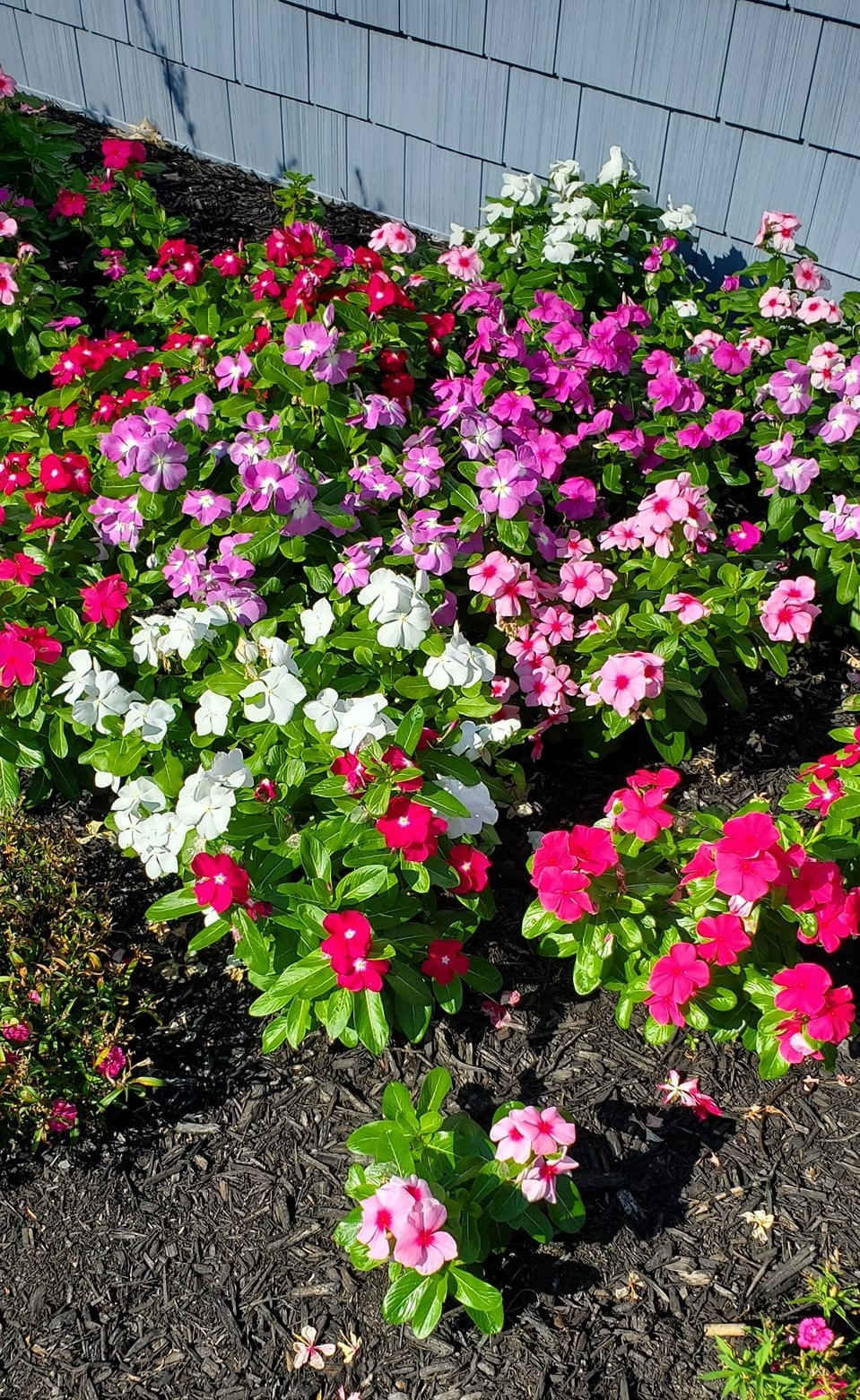
Famous for its ability to grow in shady or partially shaded areas, Vinca Minor is a fantastic option for creating ground cover under your trees. Its dark, glossy green leaves provide coverage all year long.
Periwinkle is a low maintenance plant that spreads quickly. It creates a dense mat that effectively smothers out weeds. It also works well to prevent erosion on slopes or in areas where soil might otherwise be washed away.
Hardiness zones: 4-9
2. Japanese pachysandra (Pachysandra terminalis)
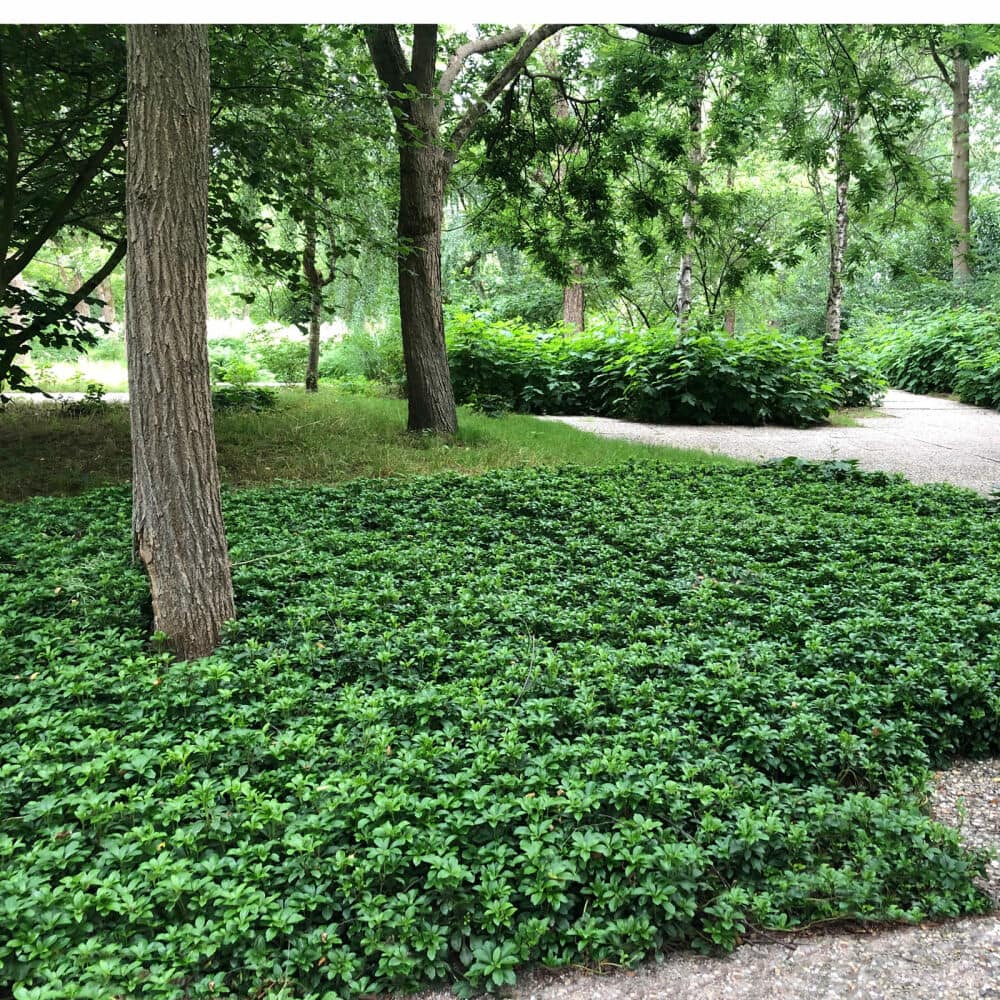
Pachysandra is a highly shade tolerant plant that can flourish even in areas with very little sunlight. It features glossy, dark green leaves that stay vibrant all year, providing continuous coverage. The plant spreads by rhizomes, forming a thick carpet that helps suppress both weeds and soil erosion.
You can control its spread easily by thinning it out or trimming it back as needed.
Hardiness zones: 4-9
3. Liriope
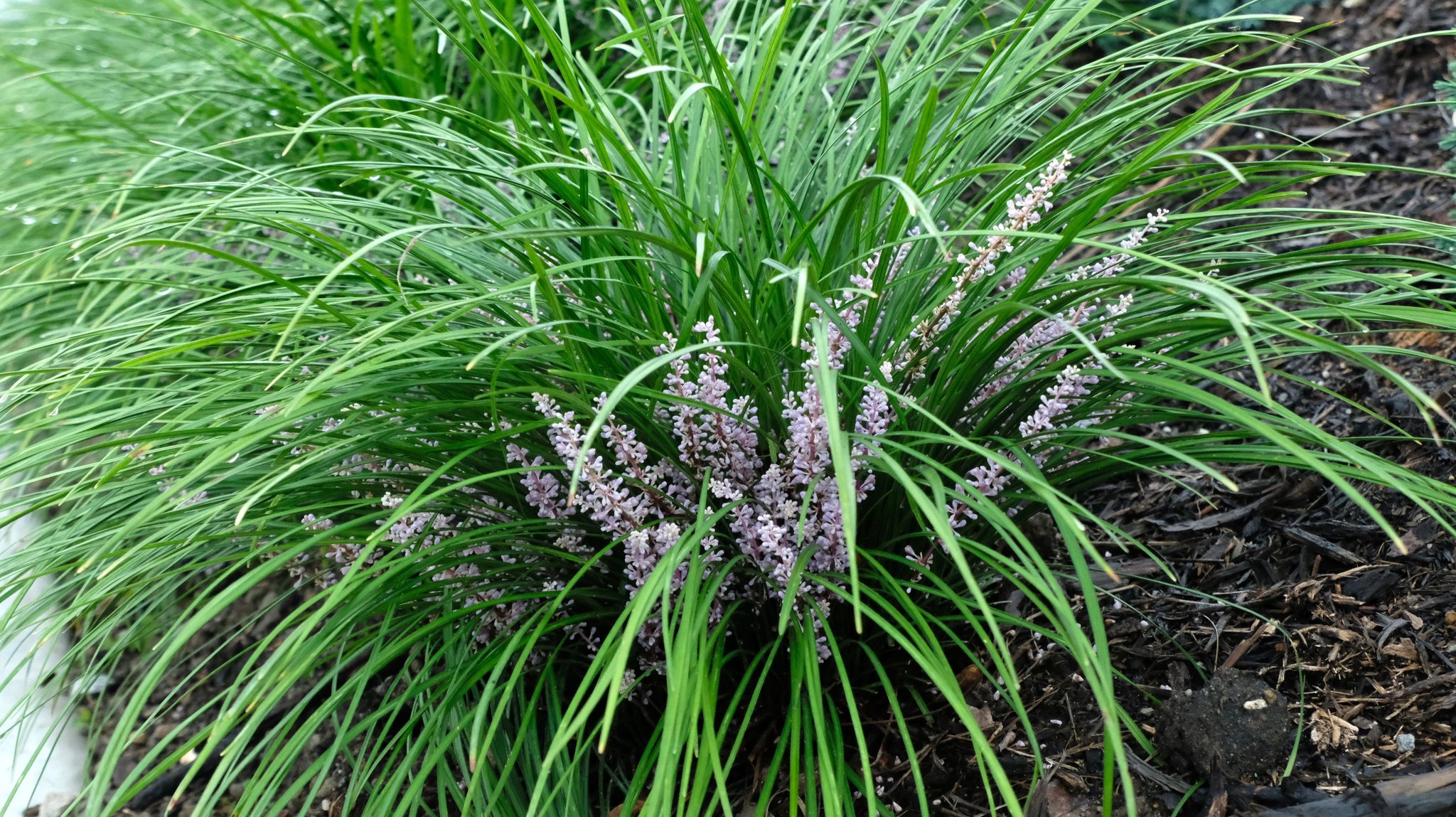
For an attractive evergreen ground cover that features strappy, grass like foliage, consider planting Liriope under your trees. In the late summer and early fall, its beautiful foliage is highlighted by spikes of small, bell shaped flowers that come in shades of purple, white, or lavender.
Besides being a great ground cover, Liriope’s spreading nature helps to control erosion. It is also known for being pest resistant.
Hardiness zones: 4-10
Best Flowers To Plant Under A Tree
4. Bleeding Heart (Dicentra)
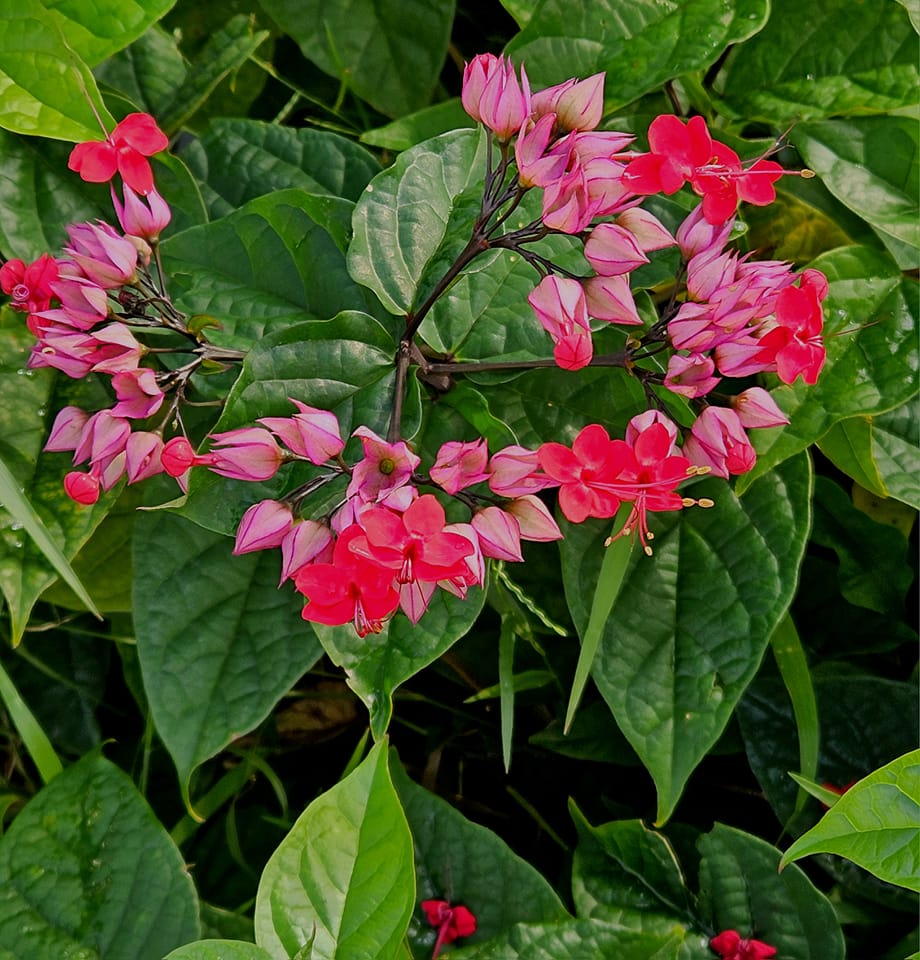
This flowering plant often grows in woodland gardens with dappled sunlight, which means it will do very well under the trees in your yard. Bleeding Heart prefers partial to full shade and thrives in environments that are cool and moist.
From an aesthetic standpoint, Bleeding Heart has attractive, fern like foliage and unique heart shaped flowers in pink, red, or white, each with a delicate, dangling drop like structure.
Hardiness zones: 3-9
5. Viburnum
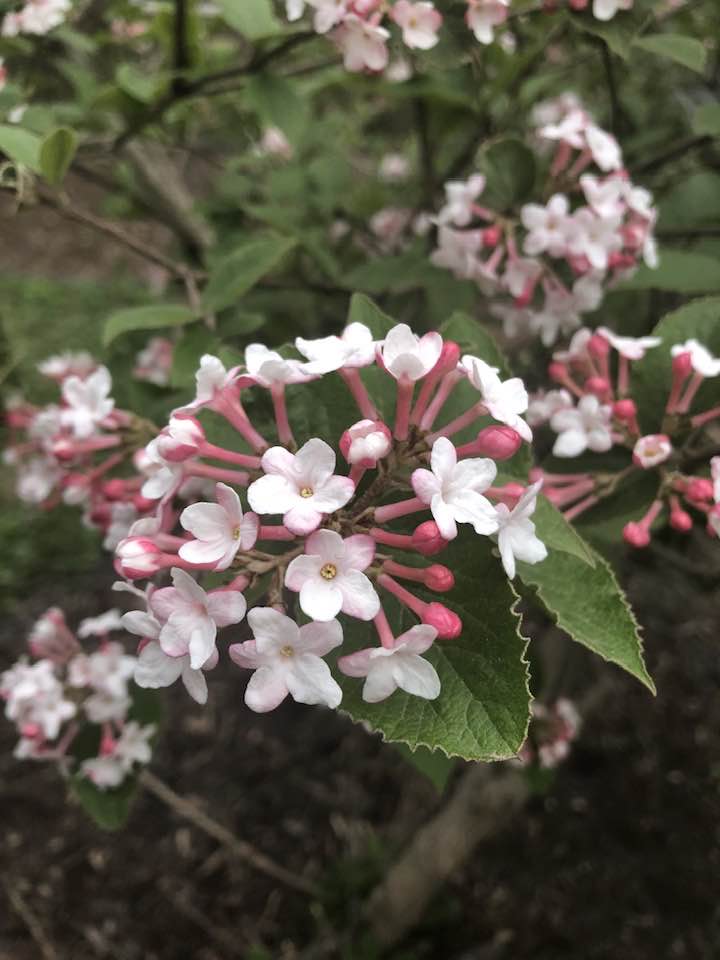
These flowering shrubs have a lot to offer, from their beautiful flowers and foliage to their colorful berries. They are known for their clusters of white, pink, or even lightly fragrant flowers that bloom in the spring. Beyond their lovely blooms, viburnum plants also have lush, vibrant foliage.
When growing under trees, be sure to choose smaller varieties like the Korean Spice.
Hardiness zones: 2-9
6. Astilbe
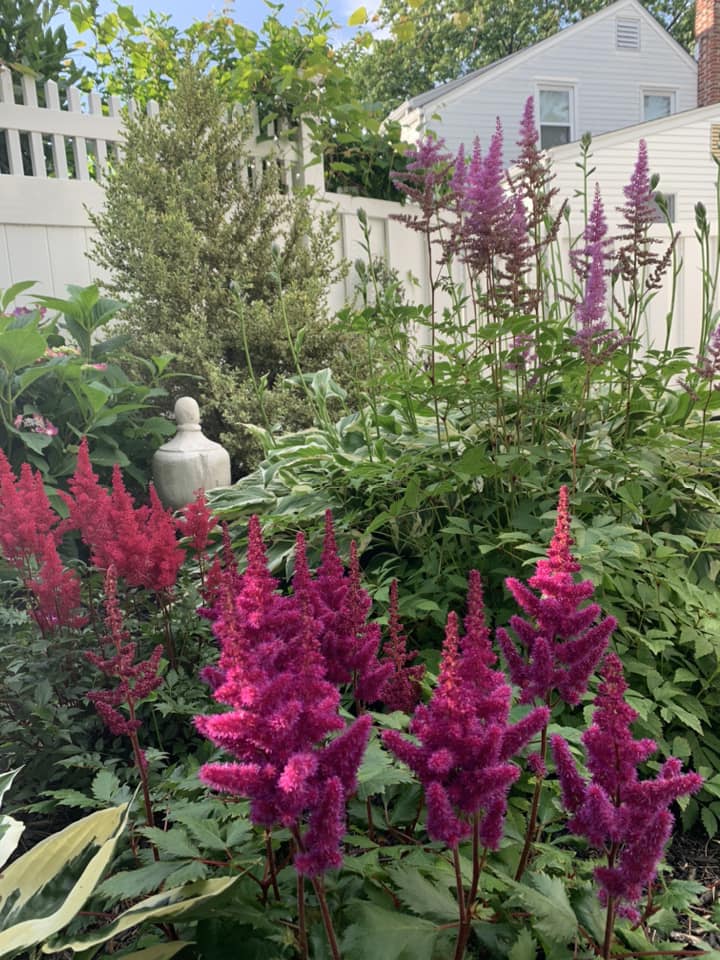
Bring a touch of elegance to the spaces under your trees with Astilbe. This stunning perennial plant produces feathery, plume like flowers in shades of pink, white, red, and lavender. Astilbes also feature attractive green, fern like foliage.
For the areas under your trees, it is best to choose shorter varieties. Astilbes will thrive beneath trees thanks to the cool, moist conditions these areas provide.
Hardiness zones: 3-8
Best Perennials To Plant Around Trees
7. Hostas (Hosta spp.)
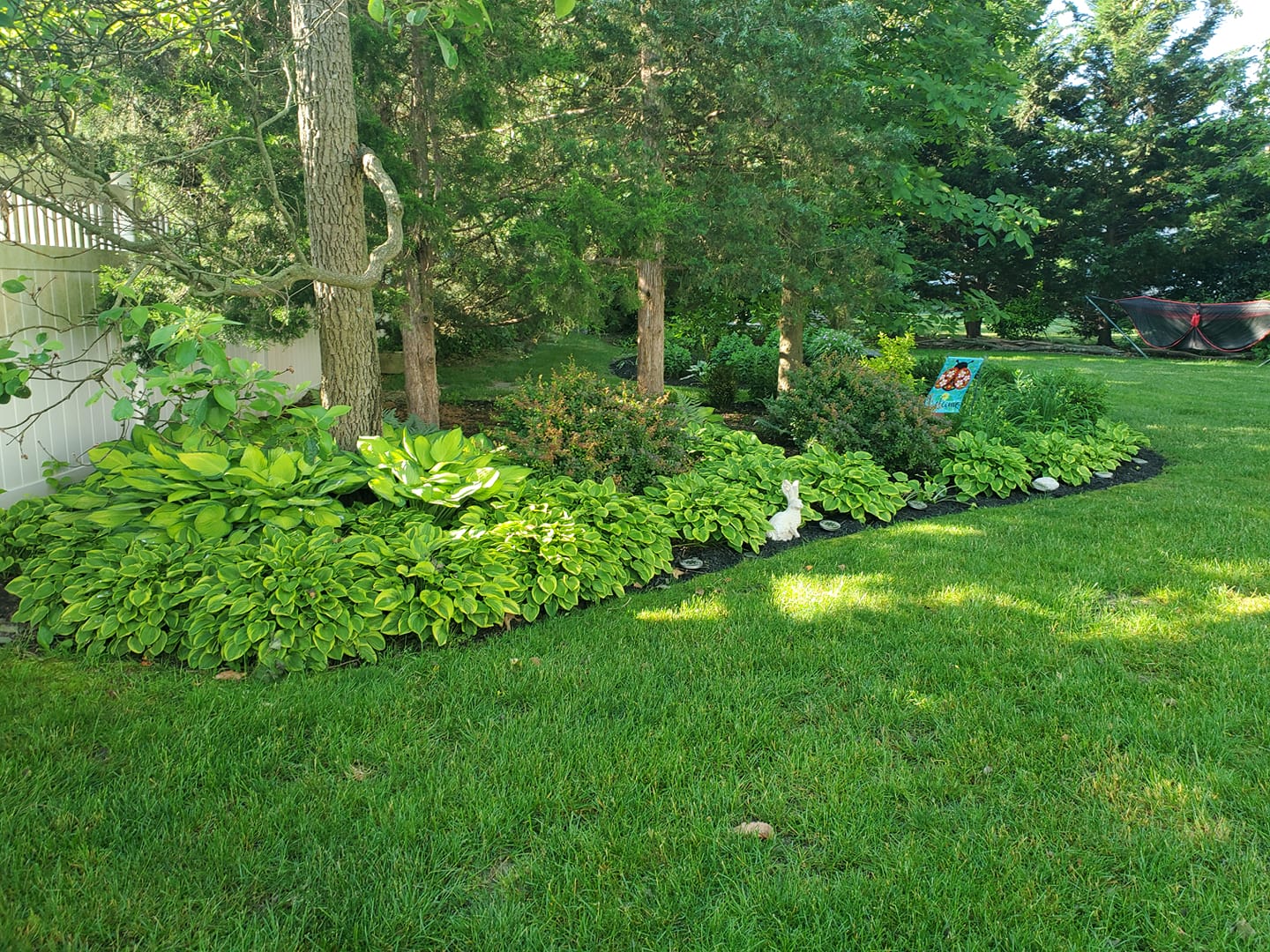
While less hardy plants may struggle in shaded areas, this shade loving perennial will flourish under your trees. This versatile plant is celebrated for its attractive foliage, which can be solid green, variegated with white or yellow, or even a striking bluish green.
In addition to their broad, heart shaped, narrow, or lanceolate leaves, hostas produce lovely white, lavender, or pink flowers that grow on tall stems.
Hardiness zones: 3-9
8. Bergenia (Bergenia cordifolia)
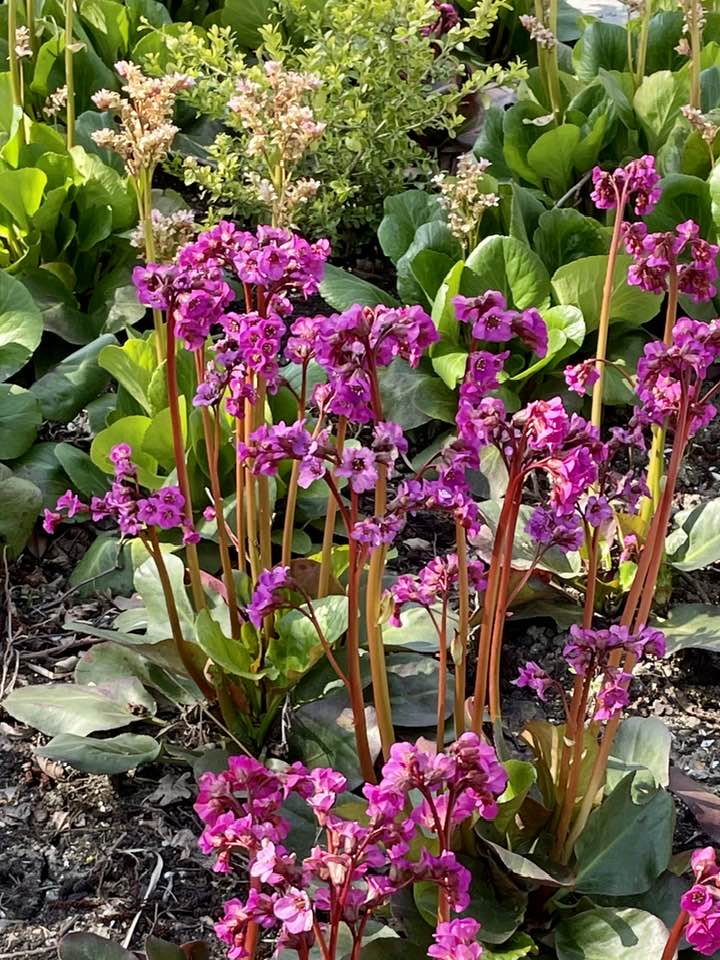
This durable perennial handles shade exceptionally well. It can also withstand very harsh conditions, including cold temperatures, making it a popular ground cover choice in colder climates.
Some varieties of Bergenia are suited to poor soil, which can give their leaves a beautiful reddish color in the fall and winter.
Hardiness zones: 3-8
9. Hellebores (Helleborus spp.)
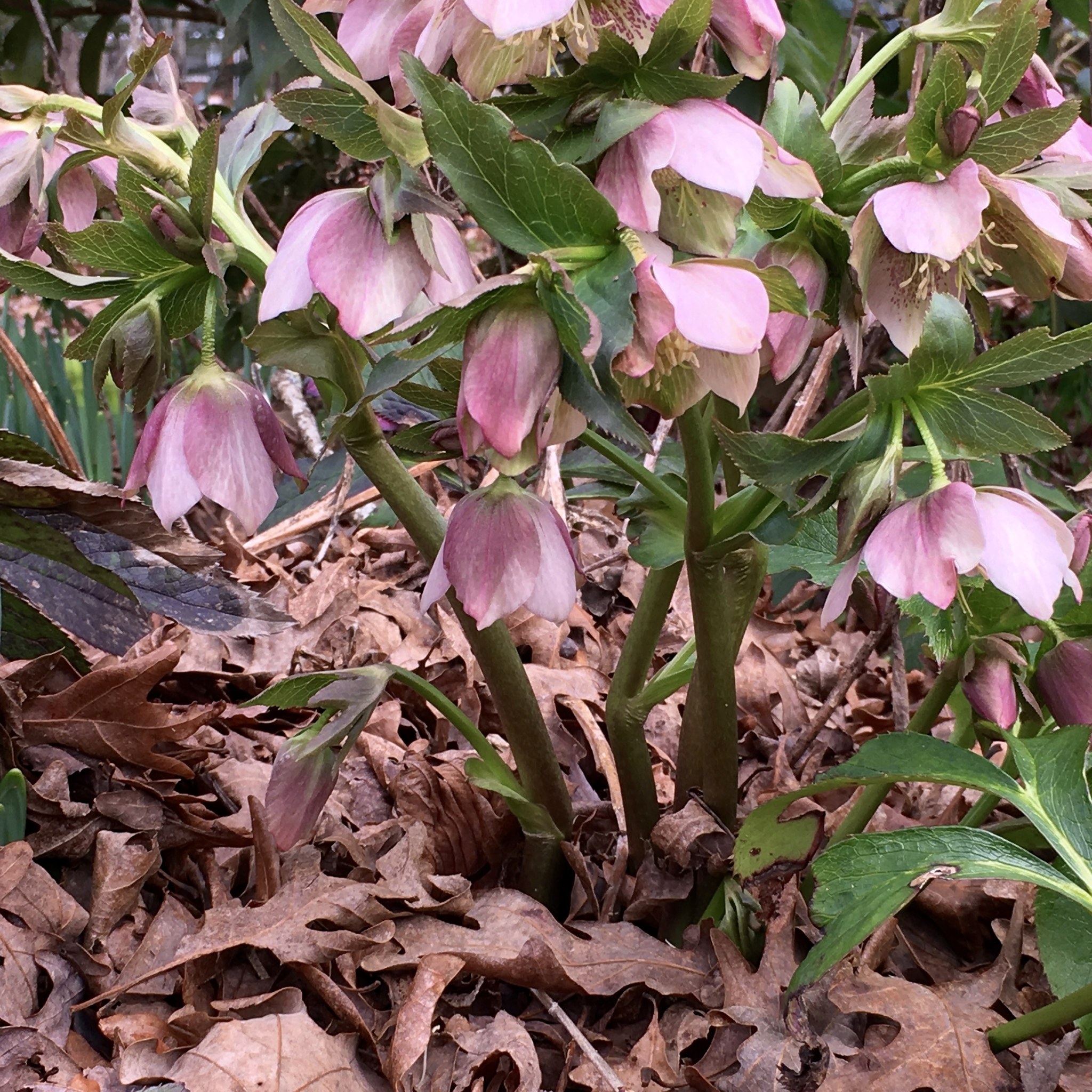
Commonly known as Lenten roses, Hellebores are shade loving perennials that are prized for their early spring blooms. These enchanting, hardy plants can tolerate dry shade but will benefit from regular watering.
Hellebores provide beautiful, long lasting flowers at a time of year when many other plants have yet to bloom.
Hardiness zones: 3-9
Shrubs To Grow Under Trees
10. Leucothoe (Leucothoe spp.)
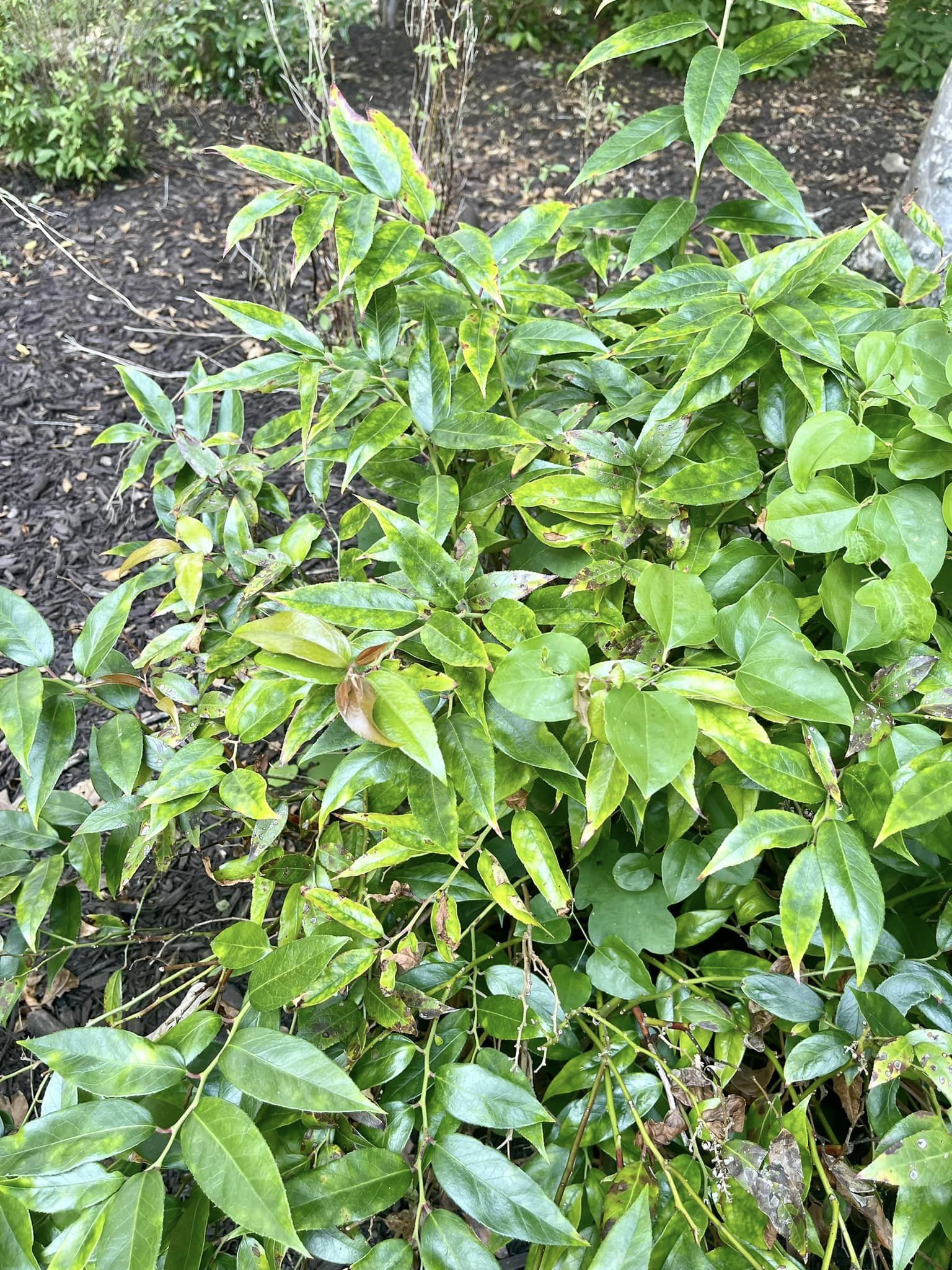
This evergreen shrub is perfectly suited for woodland gardens, as a border plant, or as a ground cover under trees where other plants might struggle with the shade. They are often used as understory plants or in areas with filtered sunlight and prefer moist, acidic soil.
Leucothoe’s most dominant feature is its glossy, leathery leaves that maintain their vibrancy all year round.
Hardiness zones: 4-8
11. Japanese Pieris (Pieris japonica)
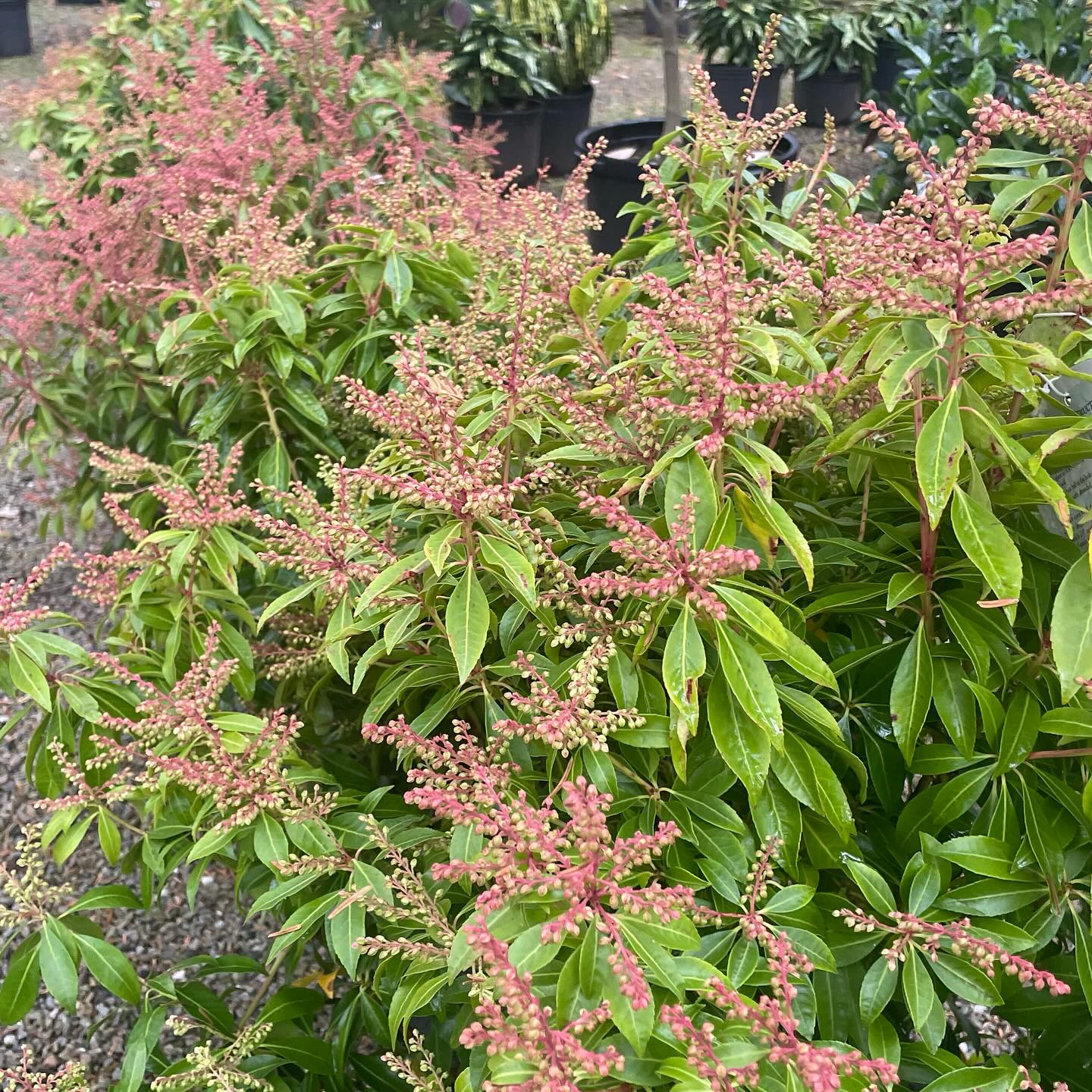
Highly valued for its attractive foliage, graceful shape, and clusters of bell shaped flowers, the Japanese Pieris will bring life to the bare spaces under your trees. This shrub has leathery, lance shaped leaves that emerge as bronze or red in the spring, then gradually turn dark green as they mature.
Hardiness zones: 4-8
Evergreen Plants For Under Trees
12. Yew (Taxus spp.)
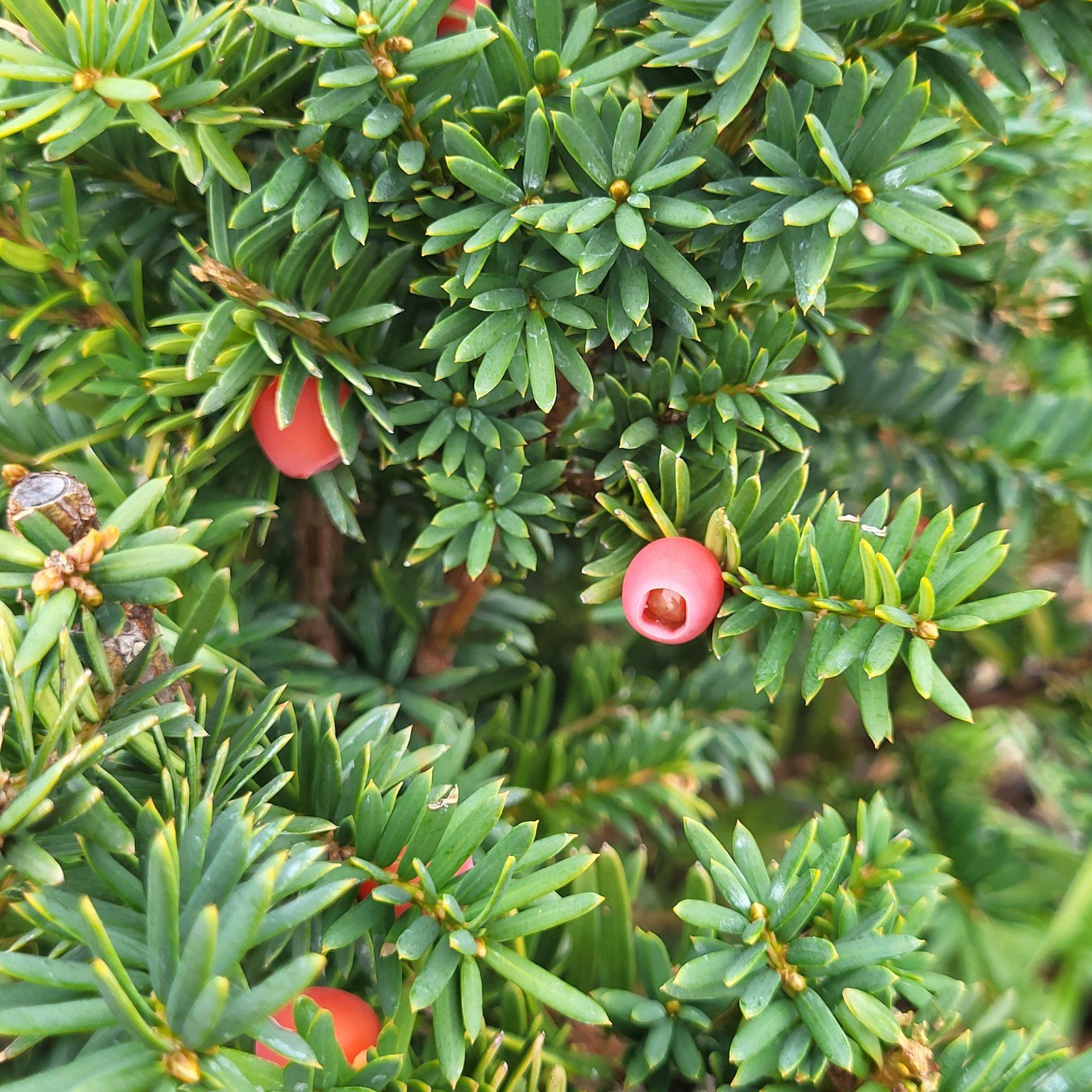
This evergreen shrub’s dense, dark green foliage provides consistent color in your landscape, ensuring the spaces under your trees remain appealing. While Yews can grow in full sun, they also thrive in shade or areas that get dappled sunlight.
You can easily shape this versatile shrub into various forms.
Hardiness zones: 2-10
13. Japanese Skimmia (Skimmia japonica)
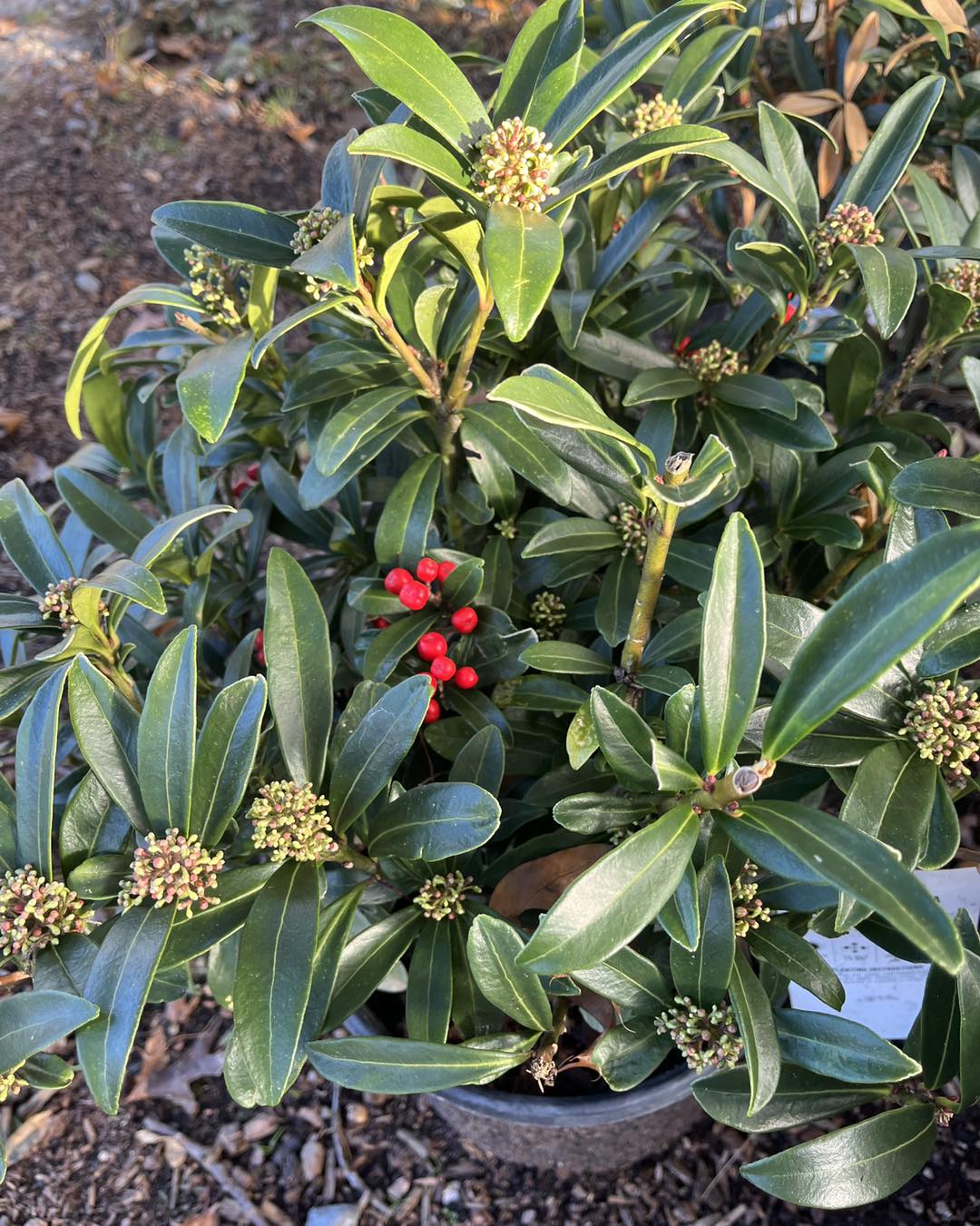
If you are looking to add color to the areas under your trees, you cannot go wrong with Japanese Skimmia. This evergreen shrub features green, glossy, leathery leaves.
In the spring, Japanese Skimmia produces clusters of fragrant, white or creamy yellow flowers for a delightfully scented garden. This plant prefers sheltered spots away from harsh, direct sunlight.
Hardiness zones: 6-8
Native Plants For Under Trees
14. Wild Ginger (Asarum spp.)
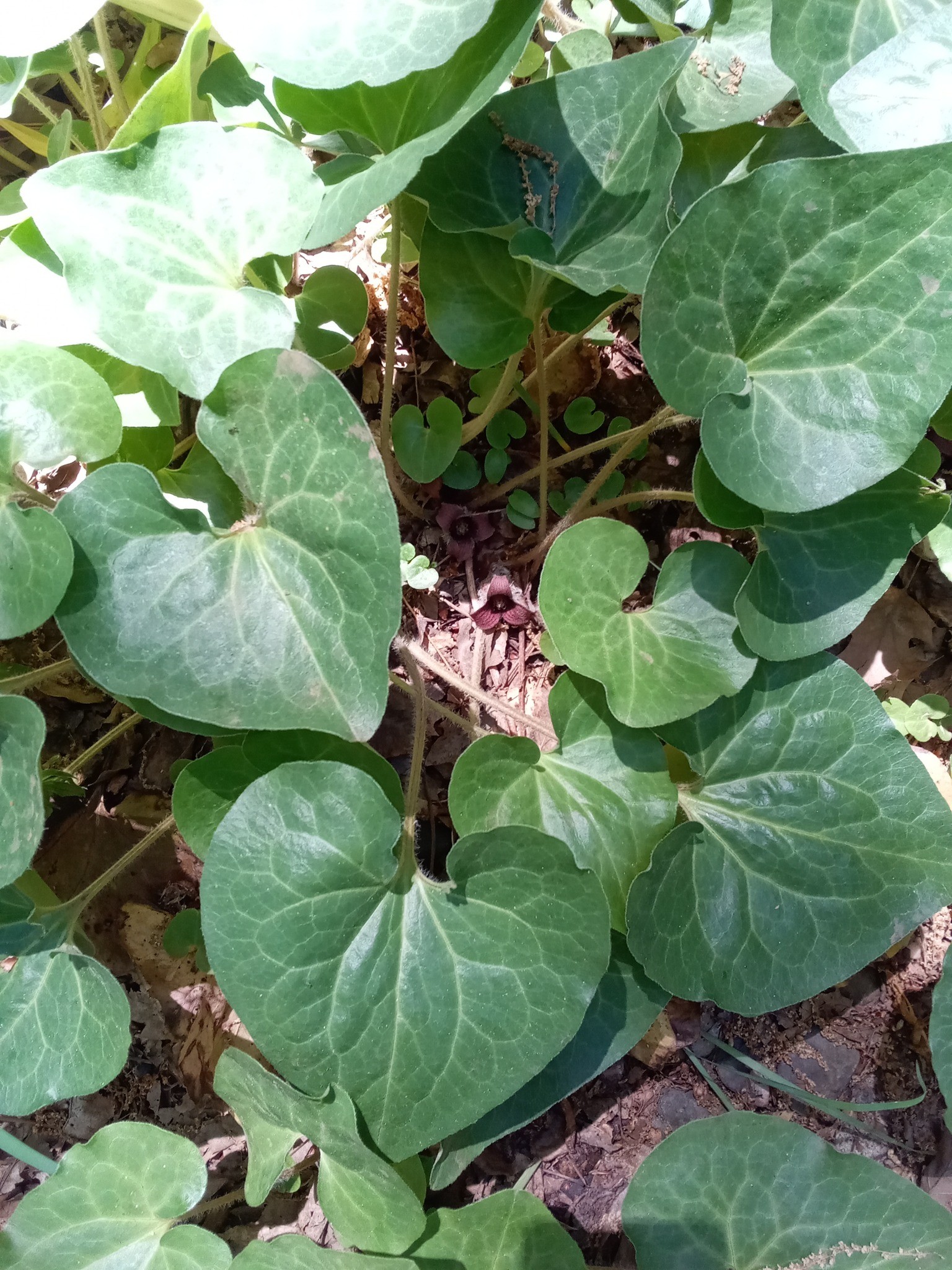
Shade is this native plant’s best friend since it burns in direct sunlight, so it makes perfect sense to grow it under trees. However, despite its name, Wild Ginger is not edible and is unrelated to the famous spice.
Wild Ginger plants have glossy or velvety heart shaped leaves. It also produces unique and intriguing maroon, brown, or purplish flowers that are often hidden beneath its leaves.
Hardiness zones: 3-7
15. Coral Bells (Heuchera spp.)
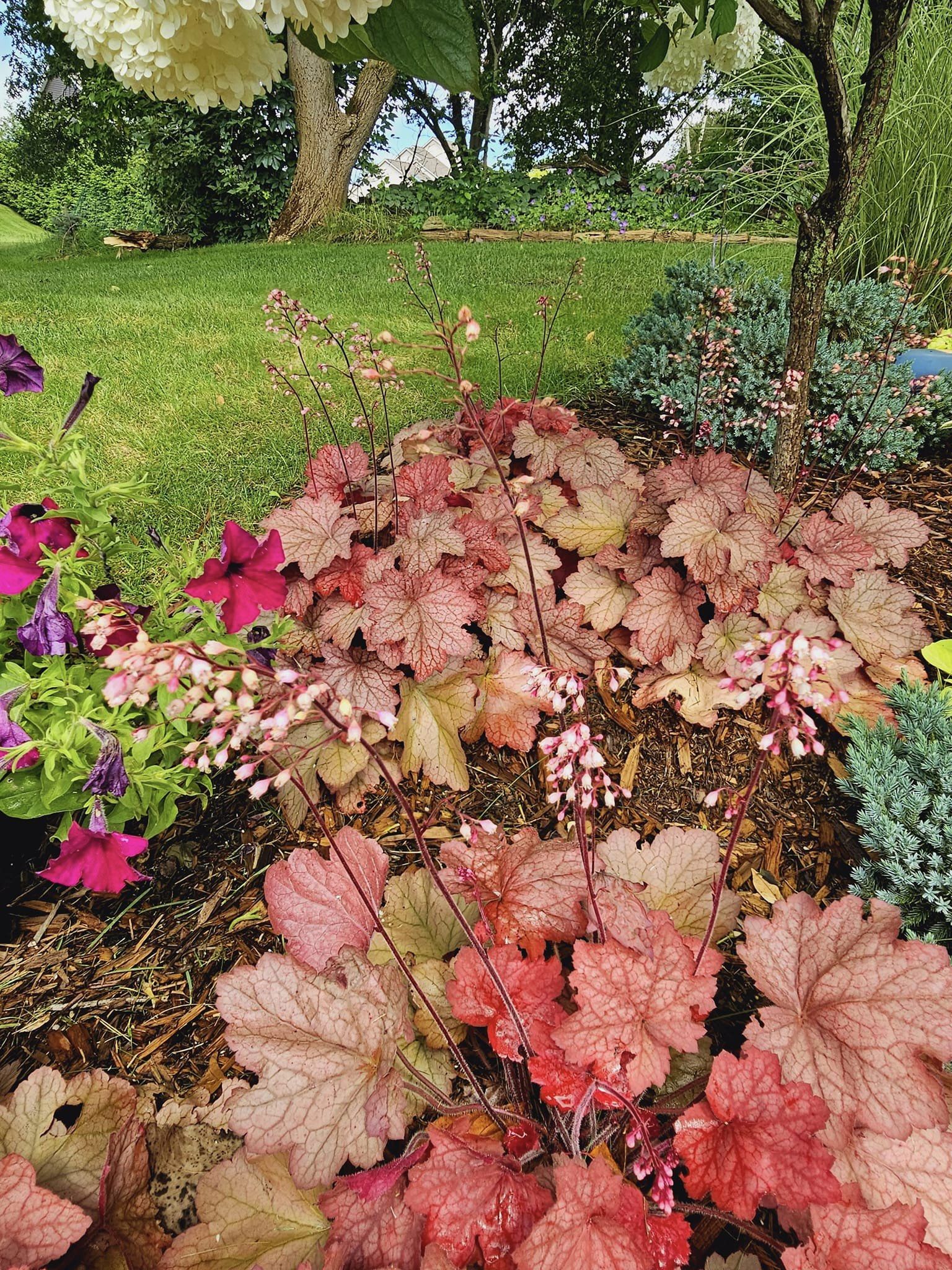
Coral Bells thrive in partial to full shade and prefer well draining soil, as soil that is too wet can cause root rot. In terms of looks, these plants’ most distinctive feature is their foliage, but they also produce slender stems with small, bell shaped flowers from spring to early summer.
Hardiness zones: 4a-9a
16. Foamflower (Tiarella cordifolia)
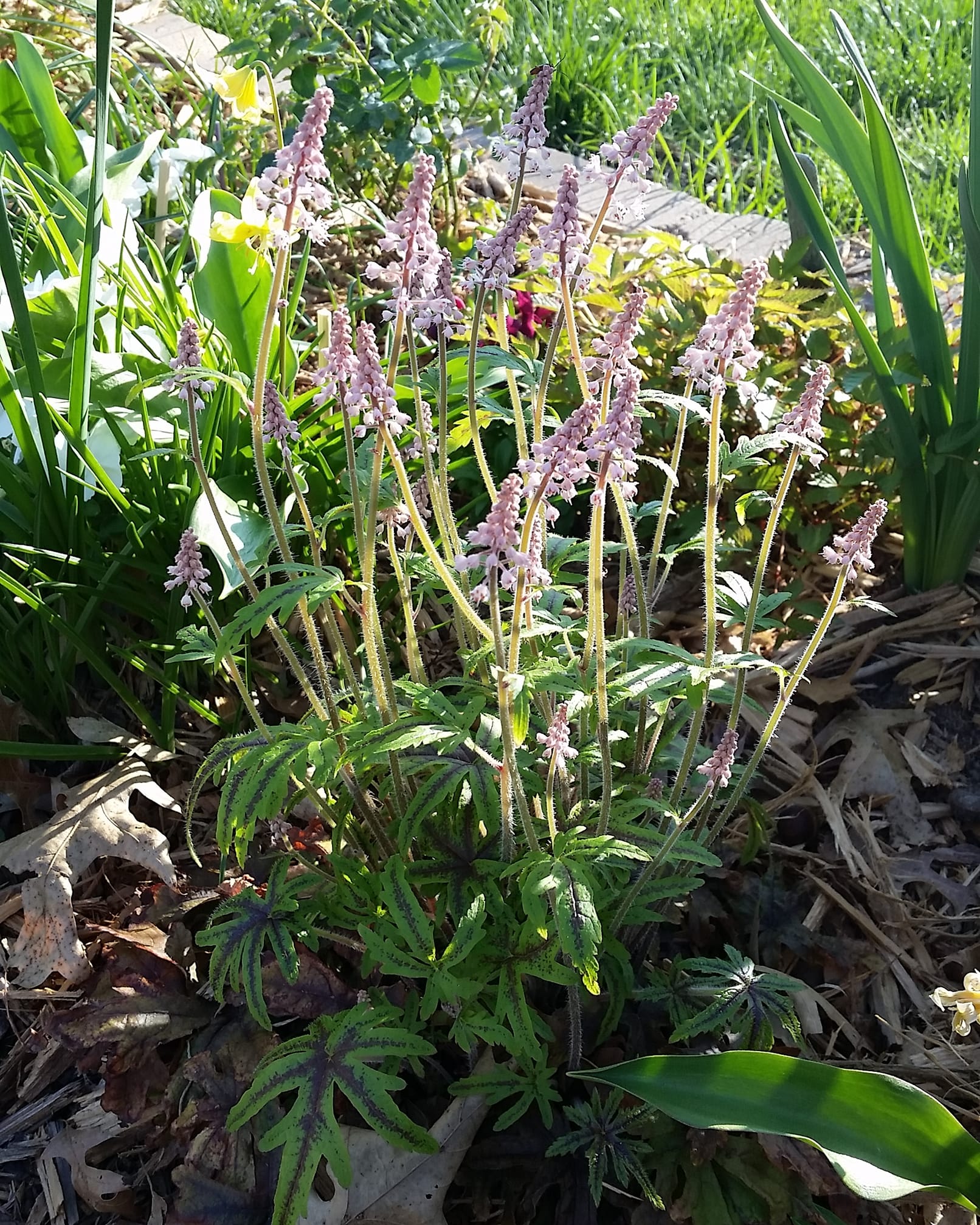
If you are looking for a less common plant to grow under your trees, Foamflower is an excellent choice. It features low growing mounds of foliage with deeply lobed, intricately patterned leaves. Additionally, it creates slender spikes or wands covered with tiny, star shaped flowers.
Hardiness zones: 3-8
Final Remarks
From the versatile Viburnum shrub and the mat forming Vinca Minor to the unique Foamflower, there is a perfect plant for the space beneath your trees. All you need to do is pick a shade loving plant that suits your growing conditions, your aesthetic goals, and the available space to brighten up these often overlooked areas of your yard.