Get ready to transform your backyard into a productive paradise! Gardening is a fantastic way to get your hands on the freshest vegetables, and with a world of creative ideas out there, you can find a style that perfectly matches your space and personality.
Whether you’re working with a sprawling lawn or a cozy apartment balcony, there’s a vegetable garden design waiting for you. Let’s dig into some exciting and practical concepts to help you cultivate the garden of your dreams.
1. Companion Planting Ideas
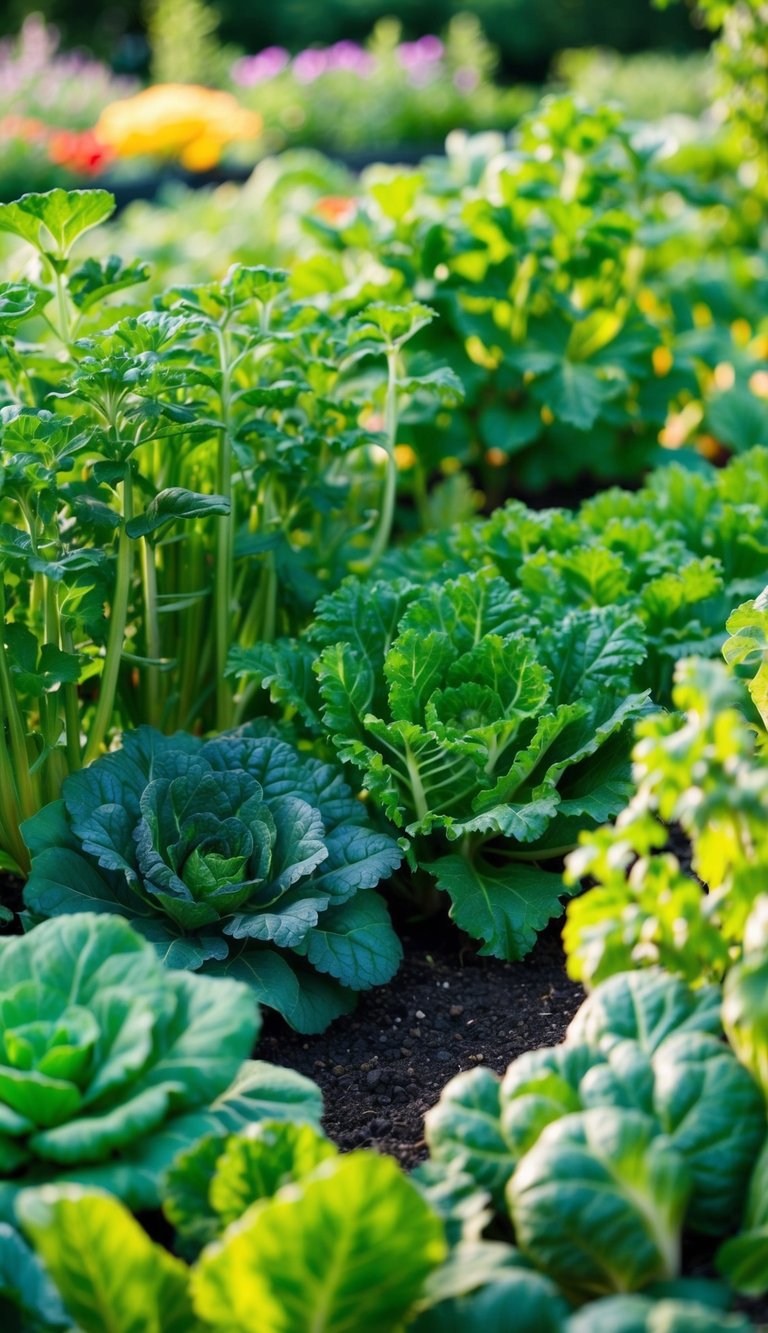
Companion planting is a secret weapon for a flourishing garden. For instance, tomatoes and basil are a classic duo; planting them together can enhance flavor and ward off unwanted pests.
You can also position dill near your cucumbers. This strategic pairing is known to encourage better growth while repelling destructive insects.
Don’t forget flowers like calendula and nasturtiums. They are excellent garden partners, attracting helpful bugs and beautifying your vegetable patch.
Expert Tip: “Weave flowers and herbs throughout your vegetables for a truly dynamic garden. It’s not just for looks; they actively support each other’s growth.”
2. Raised Beds for Veggies
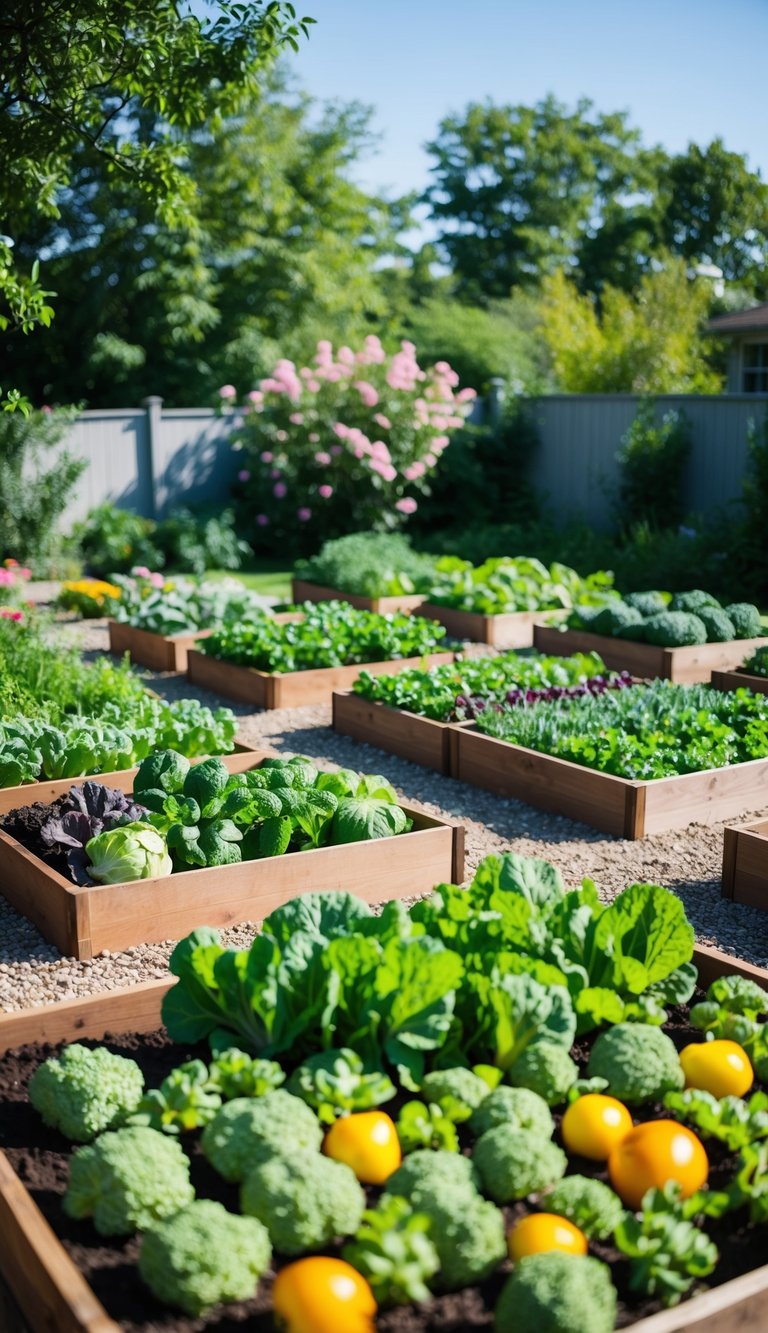
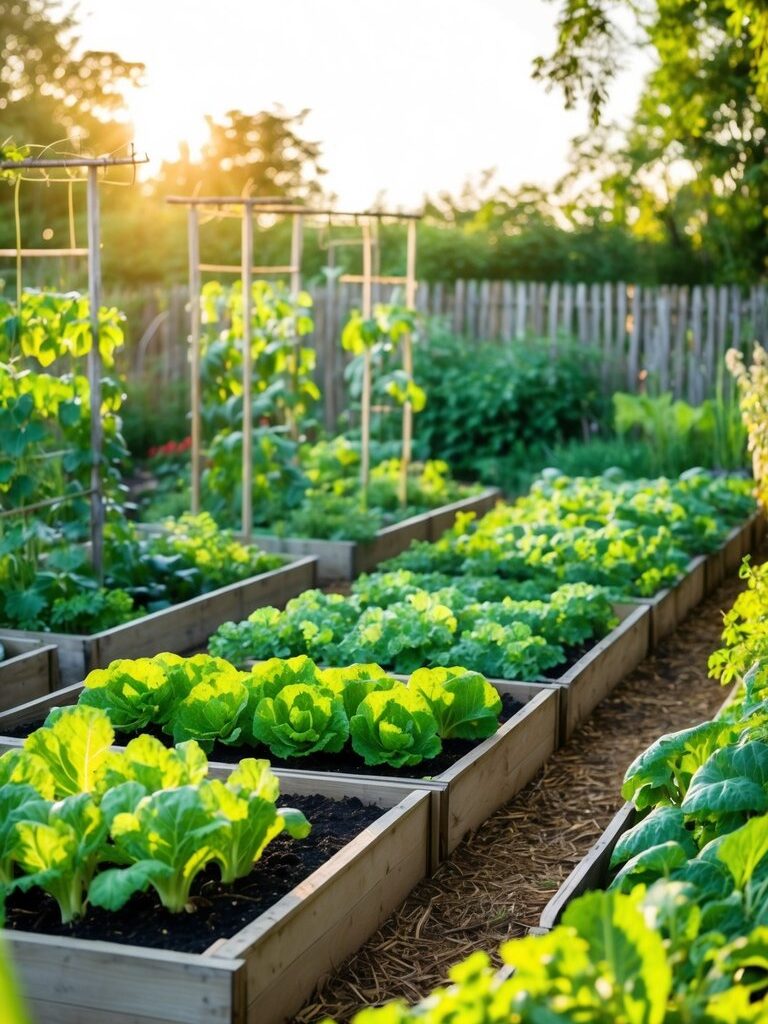
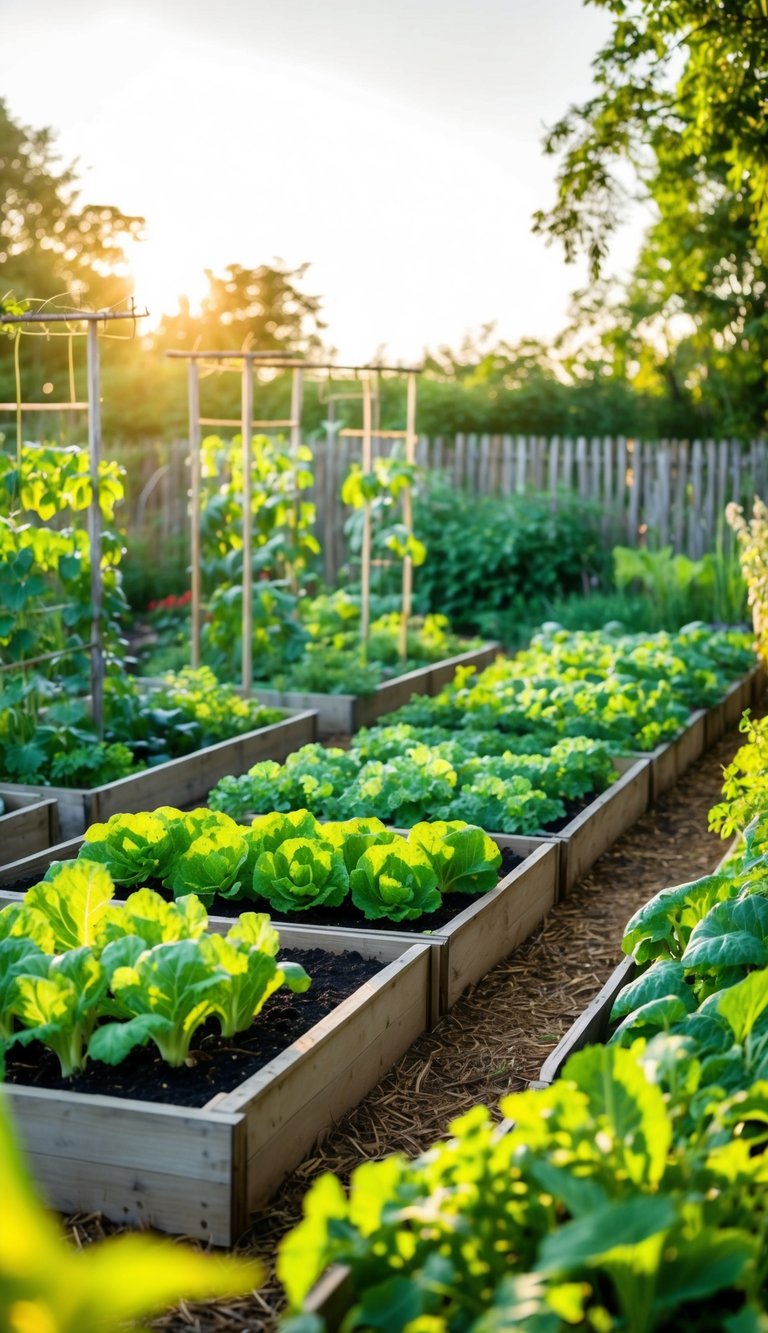
Raised beds offer a superior way to cultivate vegetables. They provide excellent drainage and give you complete control over your soil quality. You can construct them from various materials, including wood, bricks, or even upcycled items.
These elevated beds are also great for keeping certain pests out of your plants. Feel free to design a layout that perfectly fits your yard and personal taste. Veggies like tomatoes, cucumbers, and peppers absolutely thrive in a raised bed environment.
Expert Tip: “For the best harvest, fill your beds with high-quality soil and enrich it with compost. This nutrient boost will help your plants grow big and strong.”
3. DIY Trellis Structures
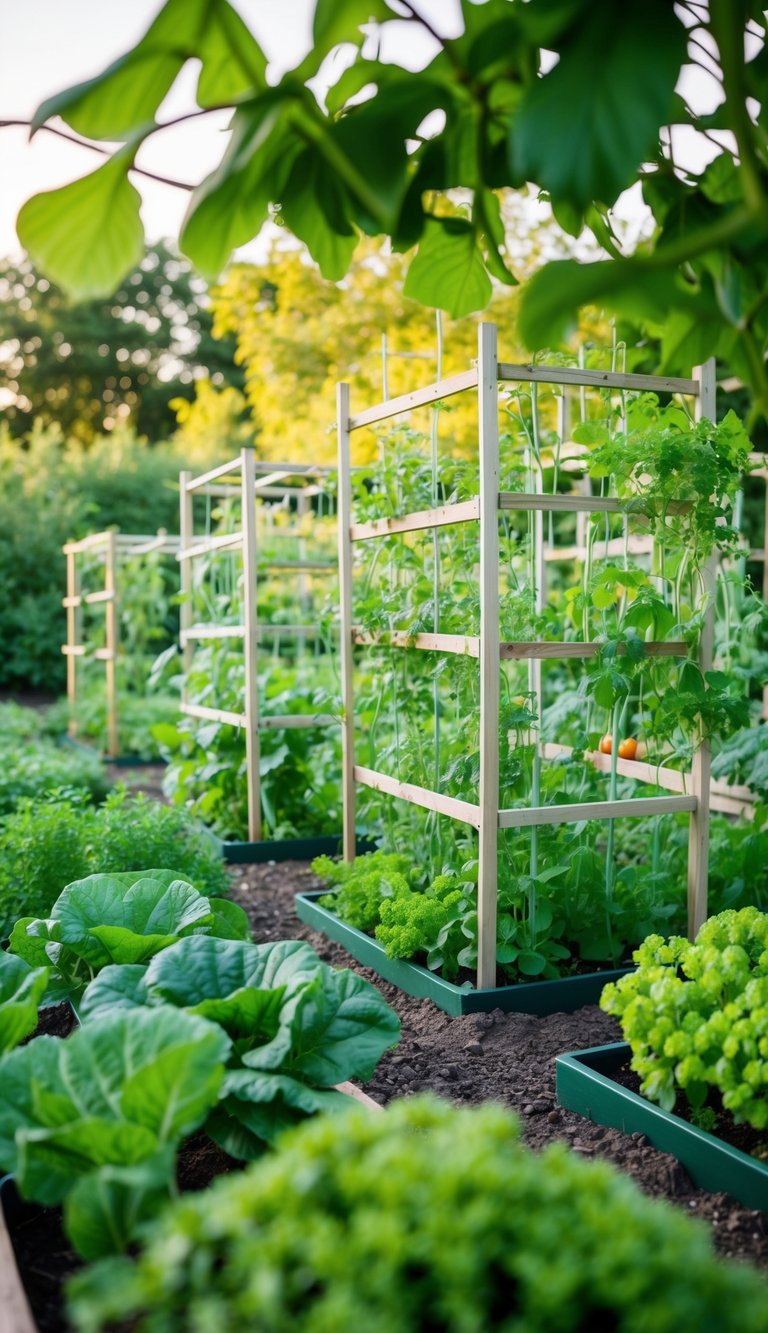
Building your own trellis is a fantastic project that provides essential support for growing vegetables. You can get creative with materials like wood, metal, or even repurposed furniture to craft one of a kind designs.
Think about putting together a simple A-frame trellis, which is perfect for climbing plants such as beans and cucumbers. It’s a straightforward build that doesn’t demand a lot of supplies.
Another great idea is a vertical garden wall. This approach saves precious ground space and introduces a stunning visual element to your yard. Just be sure your structure is strong enough to handle the weight of mature plants.
Expert Tip: “Use reclaimed materials to build your trellis. It adds personality, saves money, and is great for the environment. Just double check that everything is sturdy and safe for your plants!”
4. Planters and Containers
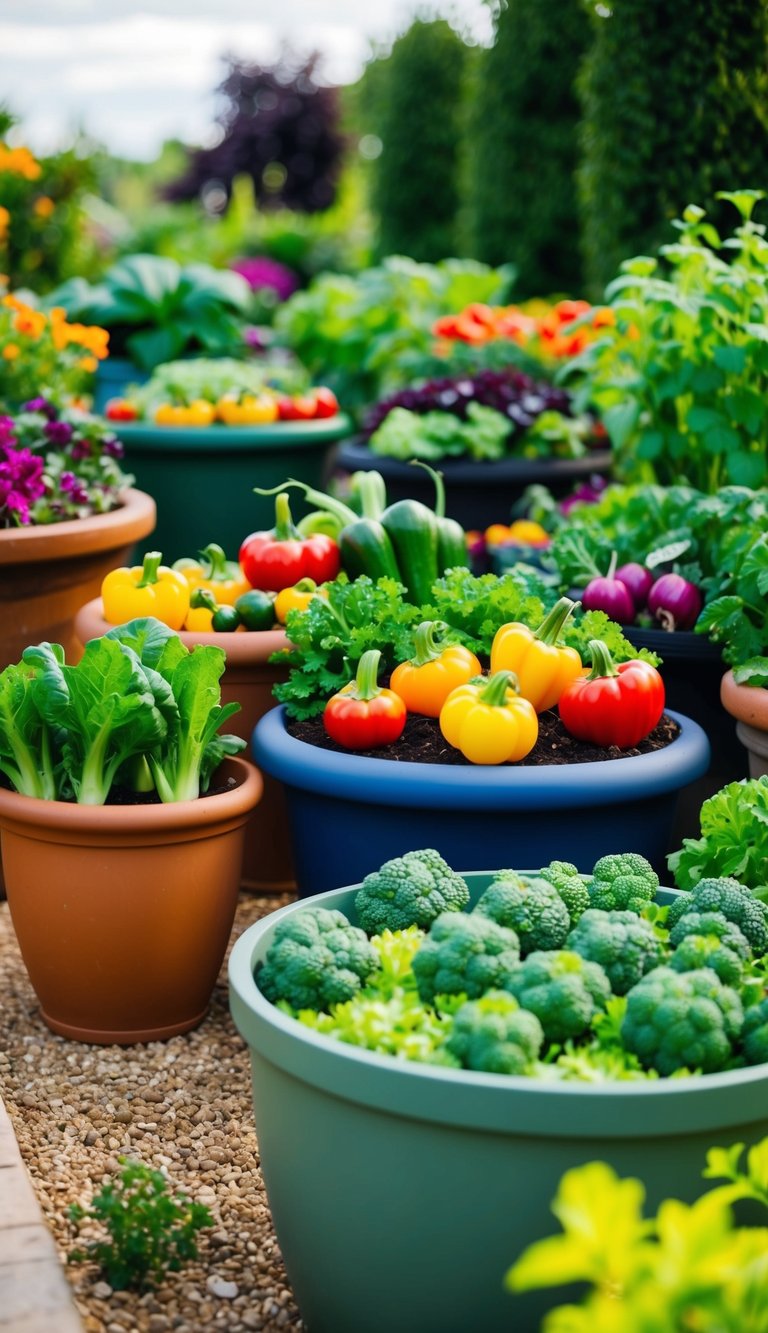
Growing vegetables in planters and containers is a wonderfully flexible approach. You can use vibrant pots, elegant hanging baskets, or even creatively repurposed containers to host your plants. This method is an easy way to add a splash of color to your outdoor space.
For a modern twist, try vertical gardening with planters mounted on a wall. This technique is a brilliant space saver and adds a ton of visual interest. If you lack yard space, grow bags and window boxes are excellent alternatives.
Expert Tip: “Make sure your containers have drainage holes to prevent root rot and keep plants healthy. Always start with a good quality potting mix for optimal results.”
5. Vertical Garden Ideas
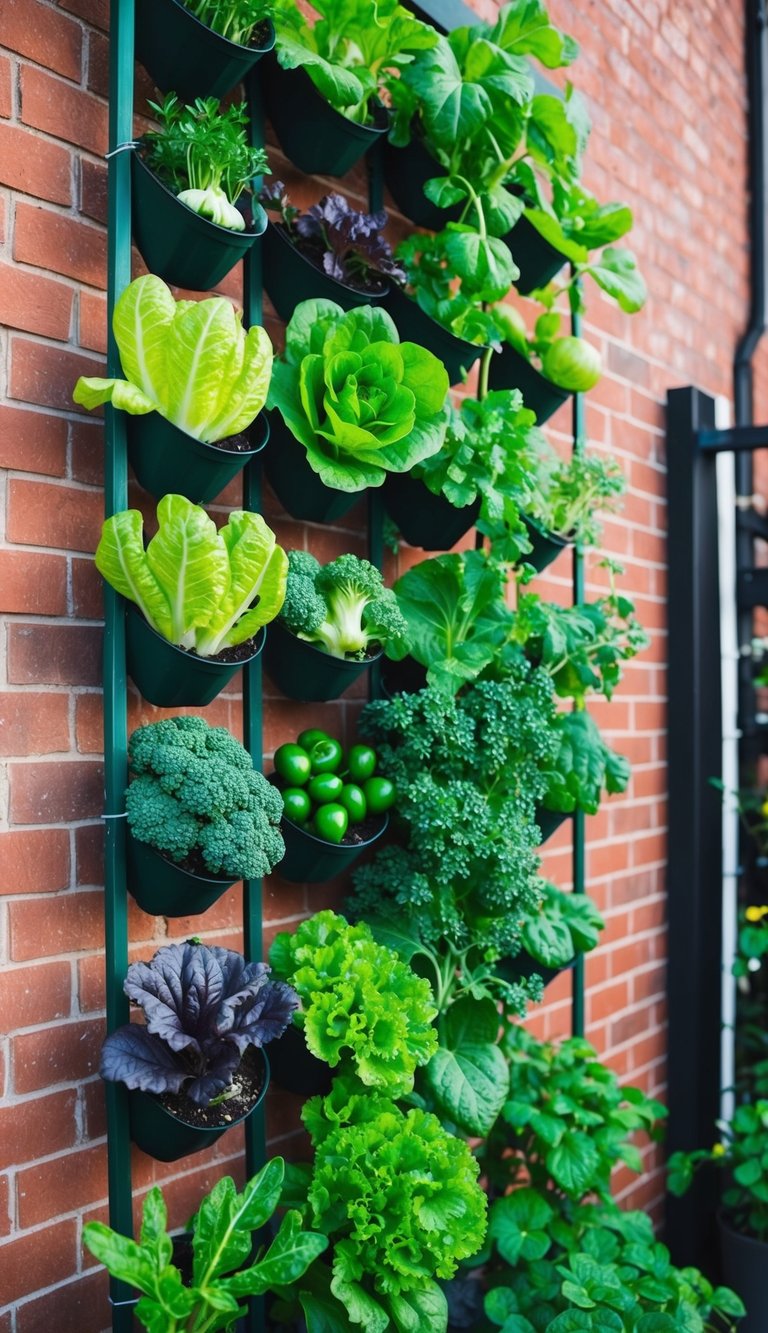
Vertical gardens are a game changer for growing your own food in limited areas. You can transform walls, fences, or even old pieces of furniture into a lush, productive growing space. Items like pallet planters or wall-mounted pots will make your garden a true showstopper.
Vining plants such as cucumbers and tomatoes are ideally suited for vertical gardening. They occupy minimal ground space and create a beautiful living wall as they grow upwards. Using trellises will give these crops the support they need to climb.
You can also intersperse flowers among your vegetables for an extra pop of color. This not only looks great but also helps attract valuable pollinators to your garden.
Expert Tip: “Think about setting up a drip irrigation system for your vertical garden. It’s an efficient way to keep plants hydrated without wasting water!”
6. Balcony Garden Inspirations
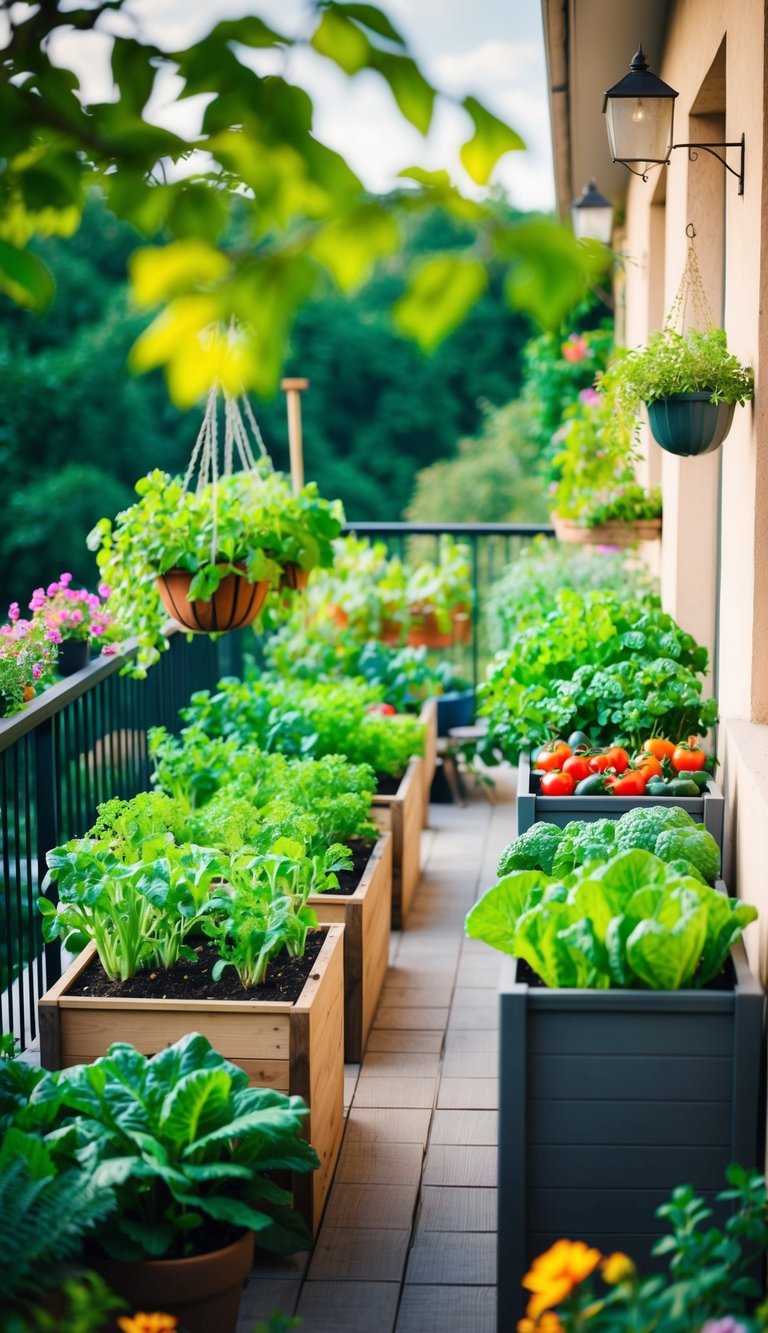
A balcony garden proves that you don’t need a yard to grow fresh vegetables. You can use an assortment of containers to cultivate herbs, tomatoes, and leafy greens. For a special touch, add small dwarf trees like citrus or olive.
Embrace vertical gardening to make the most of every square inch. Hanging planters and wall-mounted pots can turn a plain balcony into a vibrant green retreat. The goal is to create your own personal outdoor oasis.
Expert Tip: “Select plants that are well suited to your specific climate. Consider using self-watering pots to make maintenance a breeze.”
7. Creative Compost Methods
A worm bin is a fantastic option that uses red worms to break down kitchen scraps. This method is incredibly compact, making it ideal for small living spaces.
You could also explore Bokashi composting. This unique technique ferments your food waste, which allows you to compost items that aren’t suitable for traditional bins.
Even an outdoor compost bin can be a decorative and functional element in your garden. It can serve a dual purpose, enriching your soil while beautifully integrating into your landscape.
Expert Tip: “For a well balanced compost, layer green materials like grass clippings with brown materials like dried leaves. Don’t forget to turn it regularly to speed up the process!”
8. Colorful Vegetable Varieties
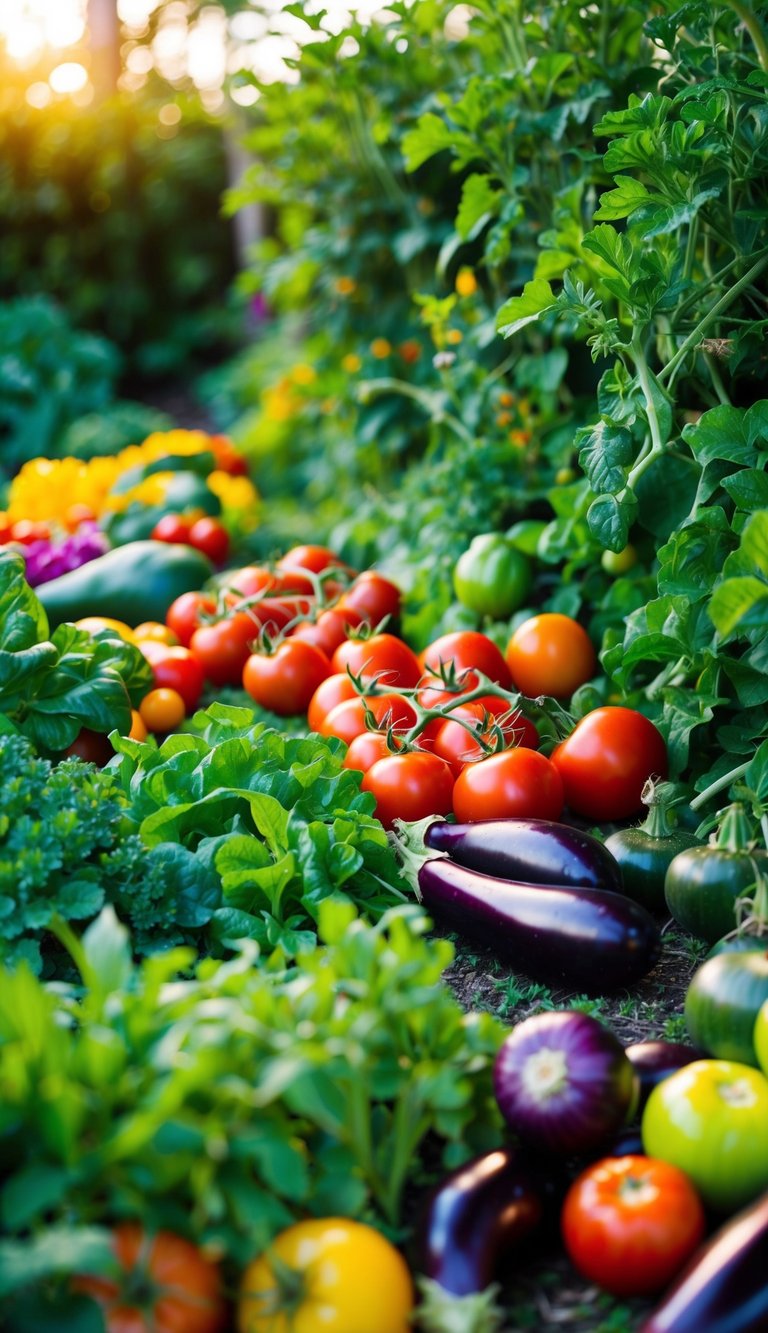
Planting a rainbow of colorful vegetables is a wonderful way to liven up your garden. Heirloom varieties, such as deep purple tomatoes and vibrant orange carrots, are not only stunning to look at but also packed with flavor.
Think about growing striped beets or brilliant rainbow chard for a burst of unexpected color. These unique veggies will make your home-cooked meals more exciting and visually appealing.
Expert Tip: “Planting a mix of different colored vegetables creates a visual feast in your garden. This strategy looks fantastic and is also more effective at attracting pollinators!”
9. Herb-Spice Combo Gardens
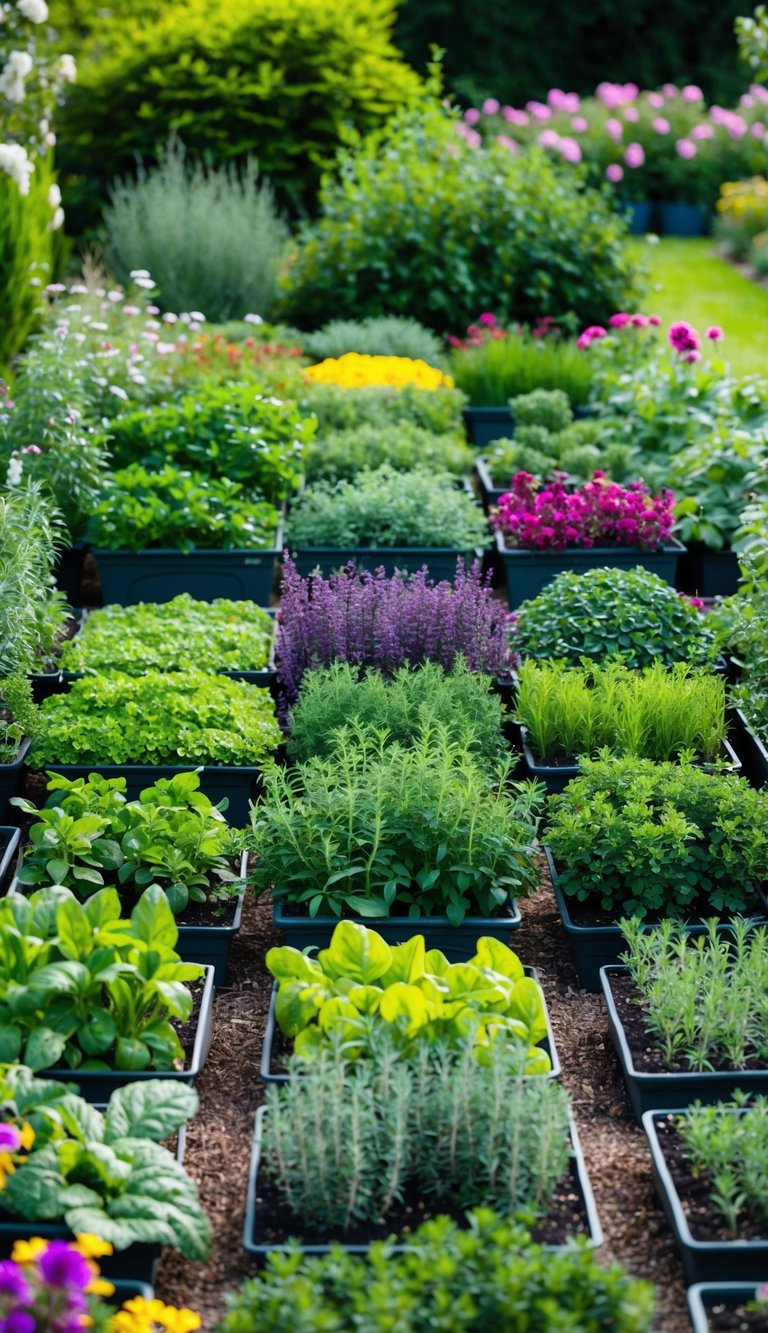
Herb and spice combination gardens are a brilliant way to have fresh flavors right at your fingertips. You can grow basil, cilantro, and dill right next to vegetables like tomatoes and peppers. These herbs not only taste great but also attract beneficial insects to your garden.
To maximize your growing area, try planting herbs in the spaces around your larger vegetable plants. This creates a lush, lively garden and is an efficient use of space. Plus, you can’t beat the convenience of snipping fresh herbs for your next meal!
Expert Tip: “Group your herbs together in clusters to encourage better growth. Your meals will be bursting with fresh, vibrant flavor!”
10. Perennial Vegetable Options
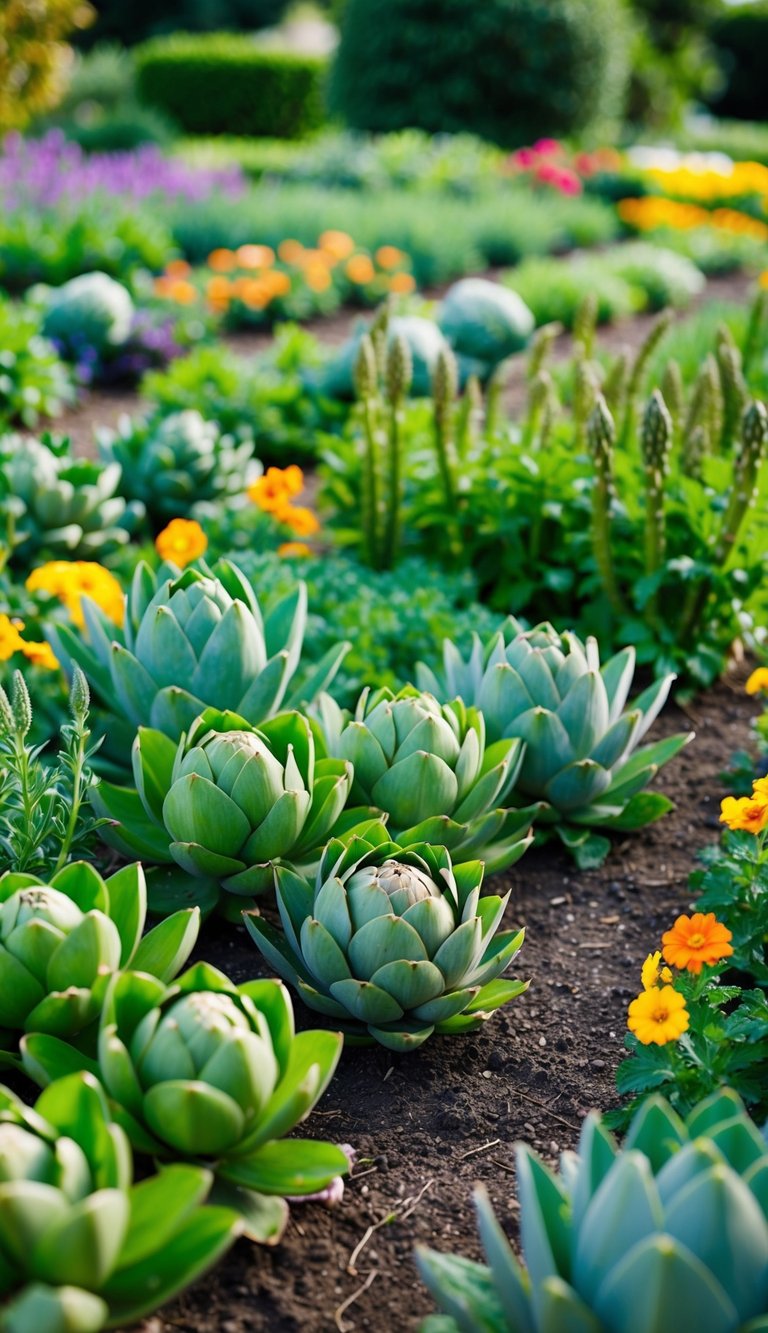
Perennial vegetables are an excellent choice for anyone interested in low maintenance gardening. After the initial planting, they come back reliably year after year, providing you with a steady supply of fresh produce with minimal effort.
Some of the most popular options include asparagus, rhubarb, and certain types of kale. Berry bushes and Jerusalem artichokes are also wonderful additions that perform well in a variety of gardens.
These long lasting plants can bring diversity and sustainability to your vegetable patch.
Expert Tip: “Try planting different perennial varieties near each other for interesting flavor combinations. It will keep your garden productive and exciting!”
11. Seasonal Crop Rotation Tips
Crop rotation is a savvy technique for maintaining a healthy and productive garden. By cycling the types of vegetables you plant in a specific spot each season, you can dramatically improve the health of your soil.
A good rotation starts with legumes, like beans and peas, which naturally add nitrogen back into the soil. In the next season, follow them with leafy greens, and then with fruiting crops like tomatoes.
This systematic approach helps to break pest and disease cycles. It also enhances soil fertility, leading to stronger, more resilient plants.
Expert Tip: “Rotating your crops keeps pests on their toes. A bit of forward thinking can result in a massive harvest!”
12. Edible Flower Integration
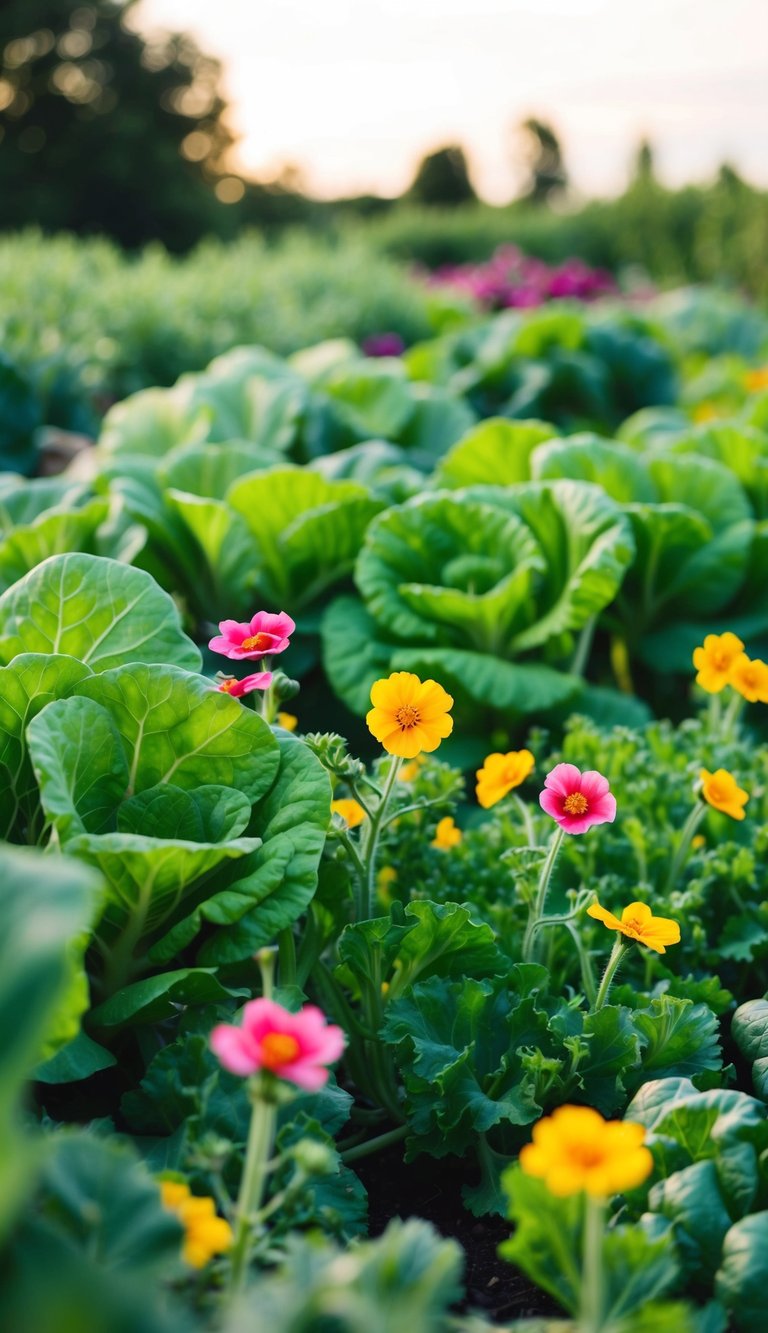
Incorporating edible flowers into your garden design introduces both beauty and flavor. Flowers such as nasturtiums and calendula are not only gorgeous but also delicious. You can toss them into salads or use them as an elegant garnish.
Also, consider planting herbs that flower, like chives or lavender, alongside your vegetables. They are known to attract beneficial insects that can help your whole garden grow better. As a bonus, your plot will look more lush and vibrant.
Expert Tip: “Mixing flowers in with your vegetables can lead to better pollination for your fruiting plants. It’s a strategy that helps the entire garden thrive.”
13. Vegetable Garden Patterns
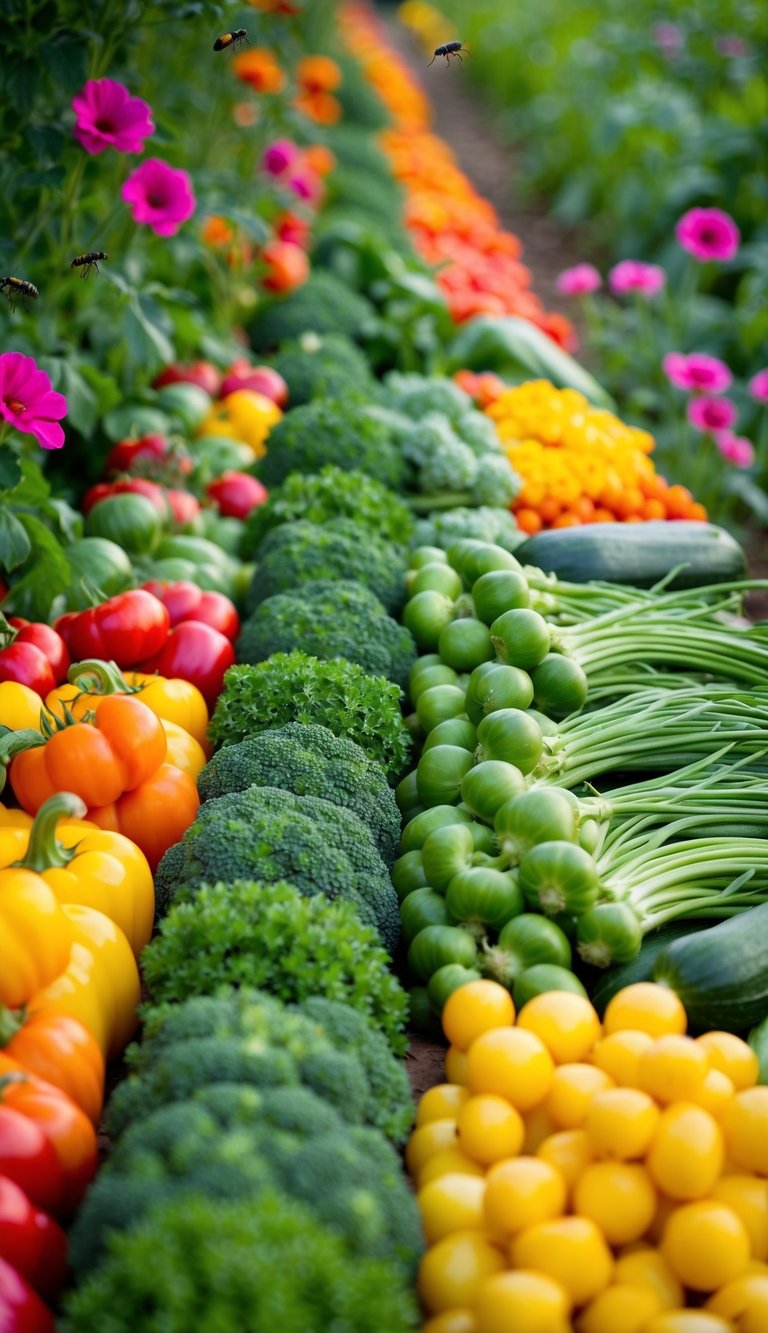
The pattern you choose for your vegetable garden can significantly impact its look and function. You could opt for traditional rows, a grid of squares, or a layout of raised beds. Each design offers unique advantages, from easier access to perfectly straight planting lines.
Some gardeners enjoy a checkerboard layout, which allows for alternating different types of vegetables. Others are drawn to the aesthetic appeal of a spiral garden. Take some time to think about what design will work best for your space and gardening style.
Expert Tip: “Try to incorporate companion planting principles into your garden patterns. This method not only saves space but can also help deter pests naturally!”
14. No-Dig Gardening Techniques
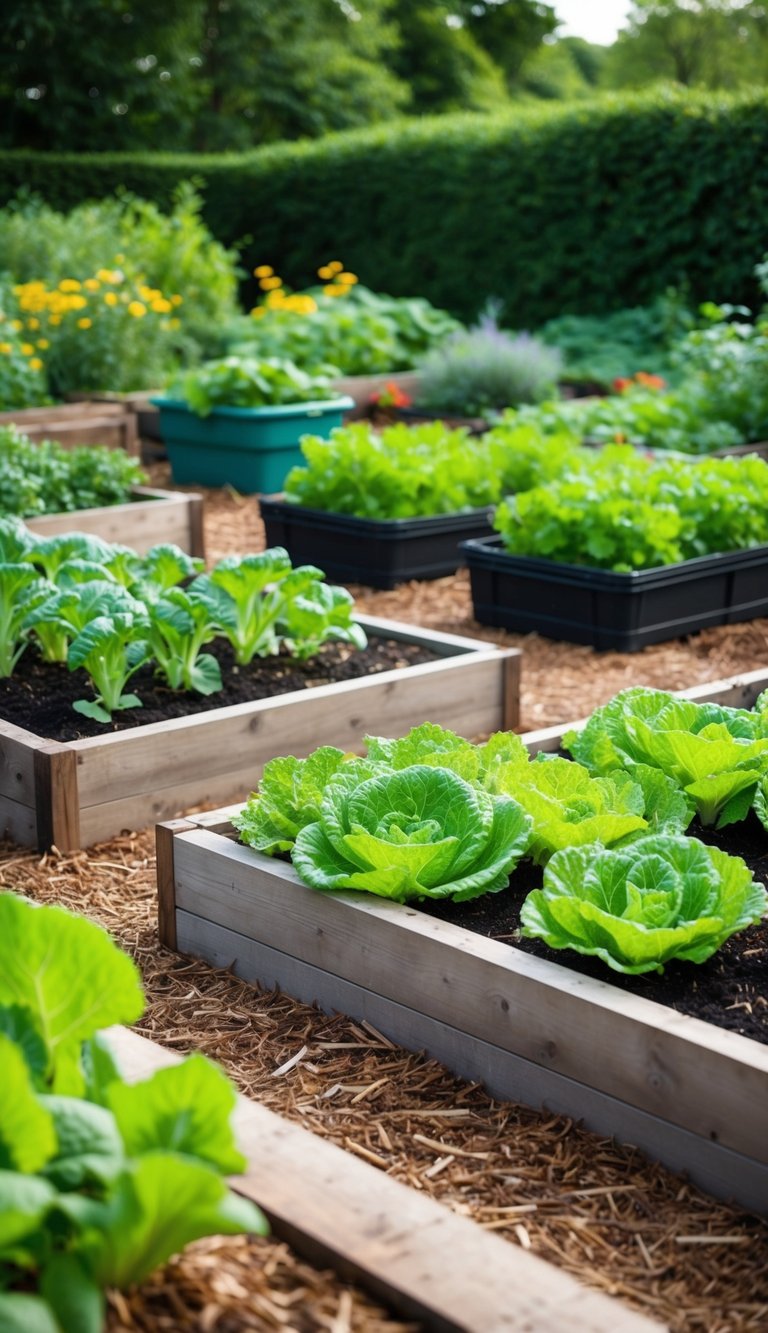
No-dig gardening is a wonderfully simple method for growing vegetables that simultaneously builds incredible soil. Instead of tilling the ground, you simply add layers of organic material right on top. These layers can include compost, straw, or even cardboard.
Over time, these materials decompose, enriching the soil with nutrients and improving its structure. You’ll find that this approach results in fewer weeds and requires much less effort come planting time.
Expert Tip: “Use a base layer of cardboard to effectively smother weeds and help the soil retain moisture. It’s a fantastic shortcut for starting a new no-dig garden.”
15. Succession Planting Strategies

Succession planting is a clever strategy to ensure your garden remains productive all season long. The basic idea is to plant new crops in the space where you have just harvested old ones. This technique helps you get the most out of your garden space and time.
This works especially well with fast growing vegetables like radishes and lettuce. These can be sown every few weeks for a continuous harvest. You can also mix in plants that take longer to mature, like tomatoes, to guarantee a steady stream of fresh produce.
It’s helpful to create a planting schedule for your different crops. A little planning makes managing your garden much easier and creates a seamless flow from one harvest to the next.
Expert Tip: “Plant new seeds at regular intervals to maintain a diverse harvest from your garden. It keeps your meals fresh and exciting!”
16. Mulch Magic for Veggies
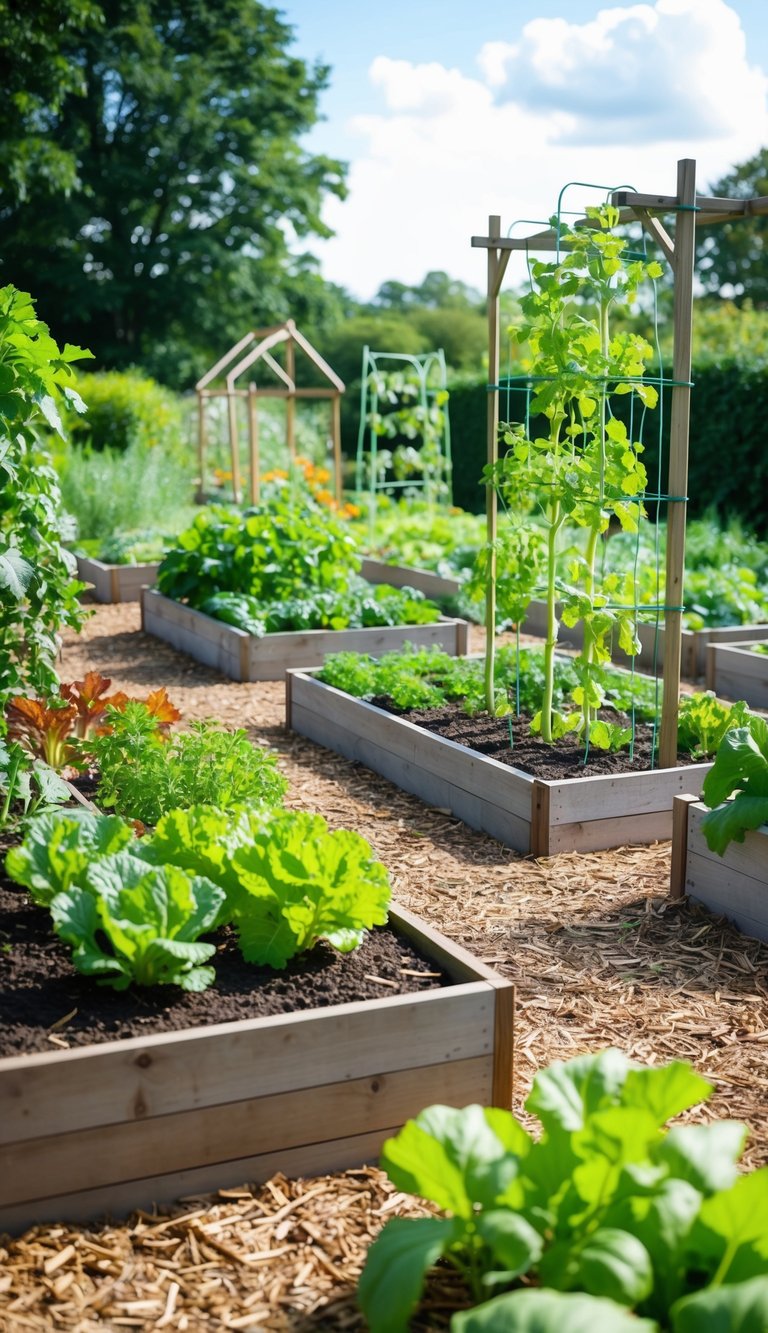
Mulch is one of the best tools for a healthy garden. It helps the soil stay moist and dramatically cuts down on weeds. You can use a variety of organic materials like grass clippings, fallen leaves, or straw.
Choosing the right kind of mulch can also add valuable nutrients to your soil as it breaks down. Feel free to experiment with different types to discover what gives your garden the best results.
Expert Tip: “Apply a layer of mulch that is about 2 to 4 inches deep. This is the sweet spot for controlling soil temperature and keeping weeds from sprouting.”
17. Water-Saving Tips
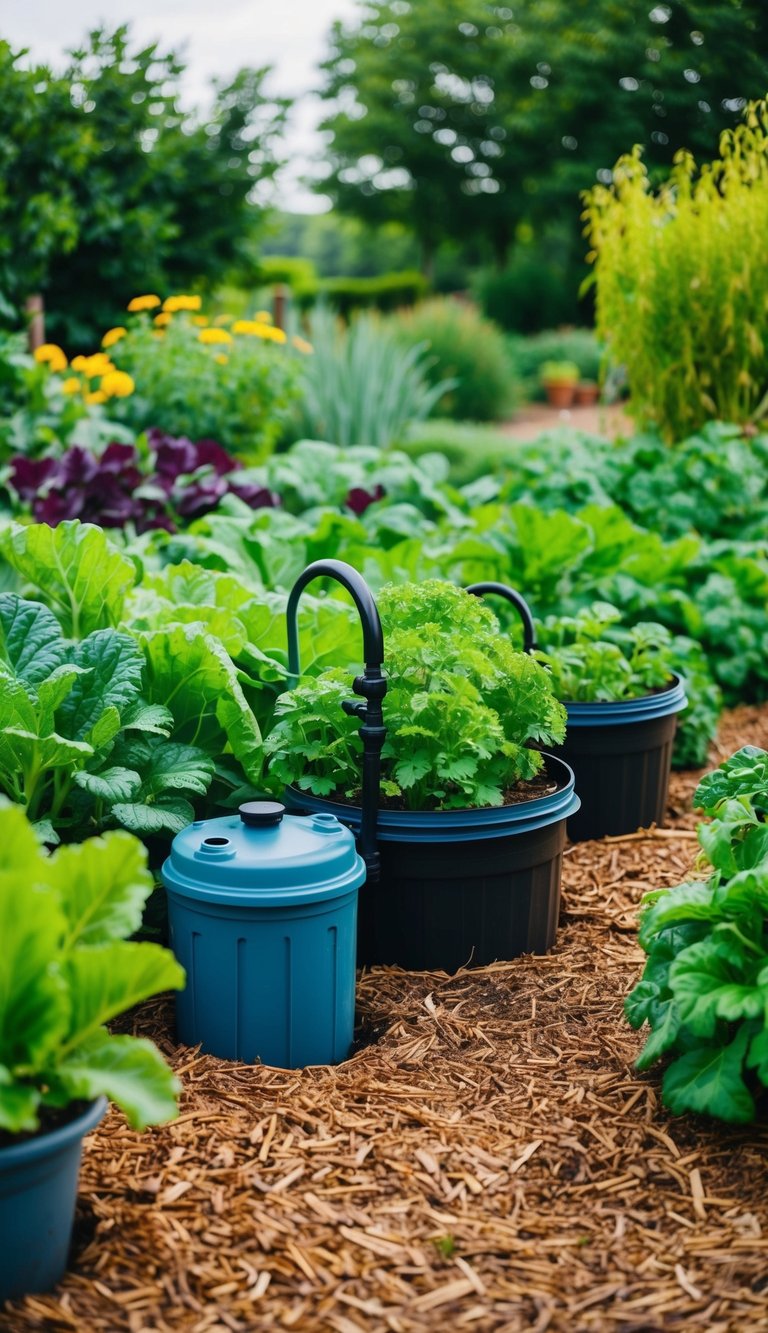
You can water your vegetable garden more efficiently to conserve precious resources. Begin by understanding your soil type, which will help you tailor your watering schedule. Watering early in the morning is best, as it minimizes evaporation and lets the plants absorb what they need.
Applying a layer of mulch helps the soil retain moisture and reduces water loss. You could also look into installing rain barrels to collect water for your garden. Choosing native plants is another smart move, as they are often adapted to require less water.
A drip irrigation system is a fantastic investment. It delivers water straight to the plant roots, which saves a significant amount of both water and time.
18. DIY Pest Control Solutions
You can easily create your own pest control remedies using common kitchen ingredients. For instance, a spray made from garlic, onion, and cayenne pepper can effectively repel a wide variety of bugs. Just blend these items, let them steep in water, and then strain the liquid to spray on your plants.
Diatomaceous earth is another powerful, natural option. Sprinkling it around the base of your plants can help manage pests like ants and slugs. This fine powder damages the exoskeletons of insects without the use of harsh chemicals.
You can also mix a small amount of soap with water to create a simple spray that is effective against soft-bodied insects. Just be sure to test it on a small area first to ensure it doesn’t harm your plants.
19. Attracting Pollinators
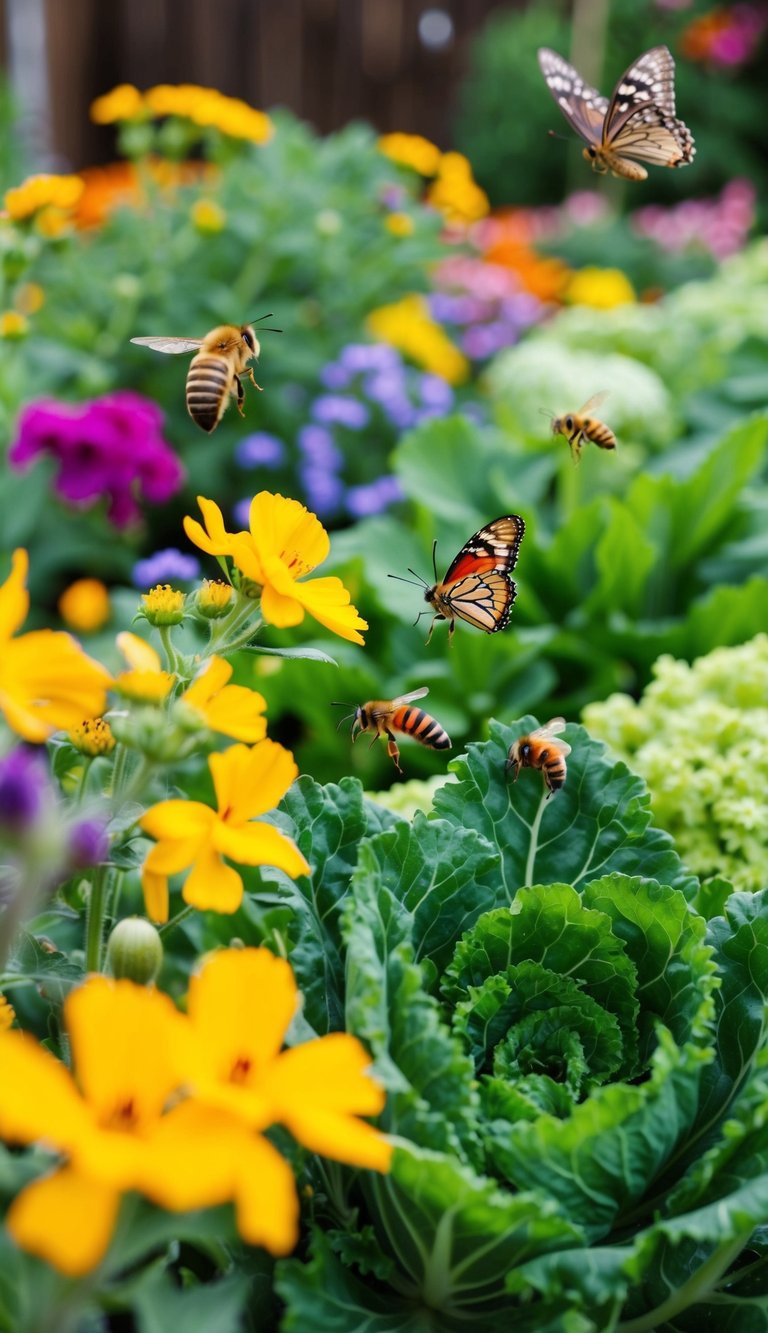
To attract more pollinators to your garden, make a point of planting flowers among your vegetables. Cheerful blooms like marigolds and borage are irresistible to bees and butterflies, which will help your plants produce a bigger harvest.
Whenever possible, use native plants, as they are perfectly adapted to your local soil and climate. They provide the ideal pollen and nectar that local pollinator populations depend on.
You should also try to provide nesting habitats, such as a bee hotel or even a simple brush pile. This gives pollinators a secure place to lay their eggs and raise their young.
For the best results, plant a wide variety of flower types and colors. A diverse garden will appeal to a broader range of pollinator species.
20. Unique Heirloom Varieties
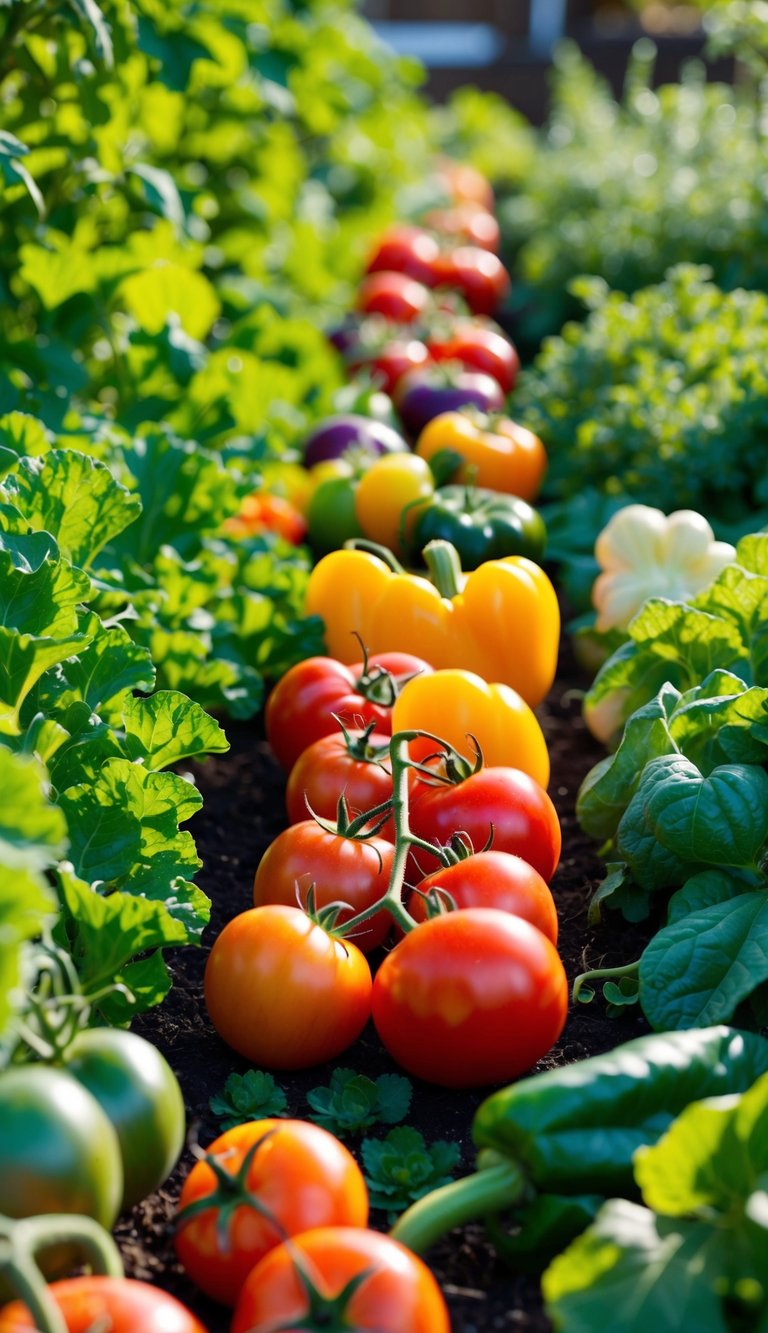
Heirloom vegetables are a fantastic choice for any home garden. They often possess unique flavors and fascinating histories that can make your meals feel truly special.
Consider planting Brandywine tomatoes for their legendary juicy flavor, or Scarlet Nantes carrots for their incredible sweetness. These time-tested varieties frequently perform much better in home gardens than their standard commercial counterparts.
When you grow heirloom varieties, you can also save the seeds from your most successful plants. This practice allows you to preserve those unique flavors for many years to come.
21. Efficient Garden Layouts
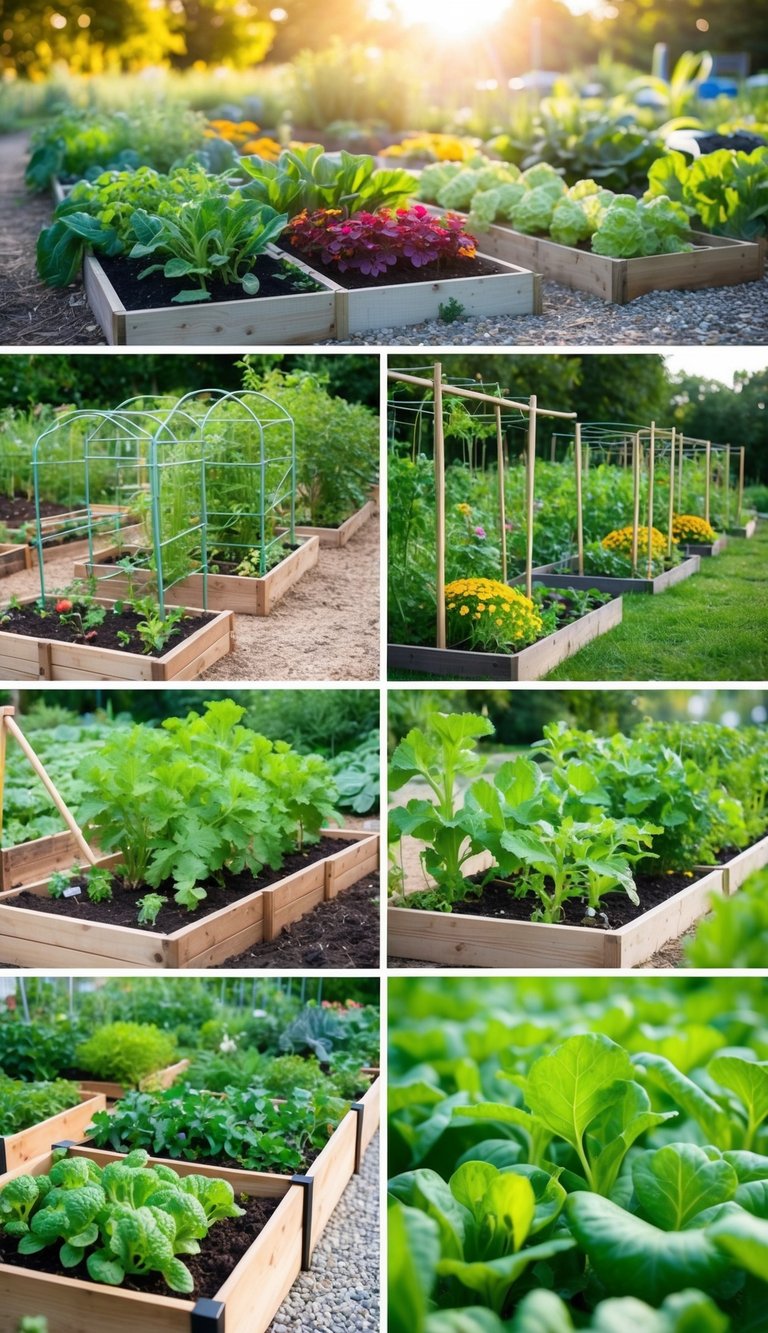
Designing an efficient garden layout can save you a lot of time and help your plants flourish.
Utilize raised beds to make the most of your space and improve soil drainage.
Think about trying square foot gardening, a method designed to grow more produce in a smaller area.
Arrange your plants strategically based on their need for sunlight and water.
Grouping plants with similar care requirements together makes maintenance much simpler.