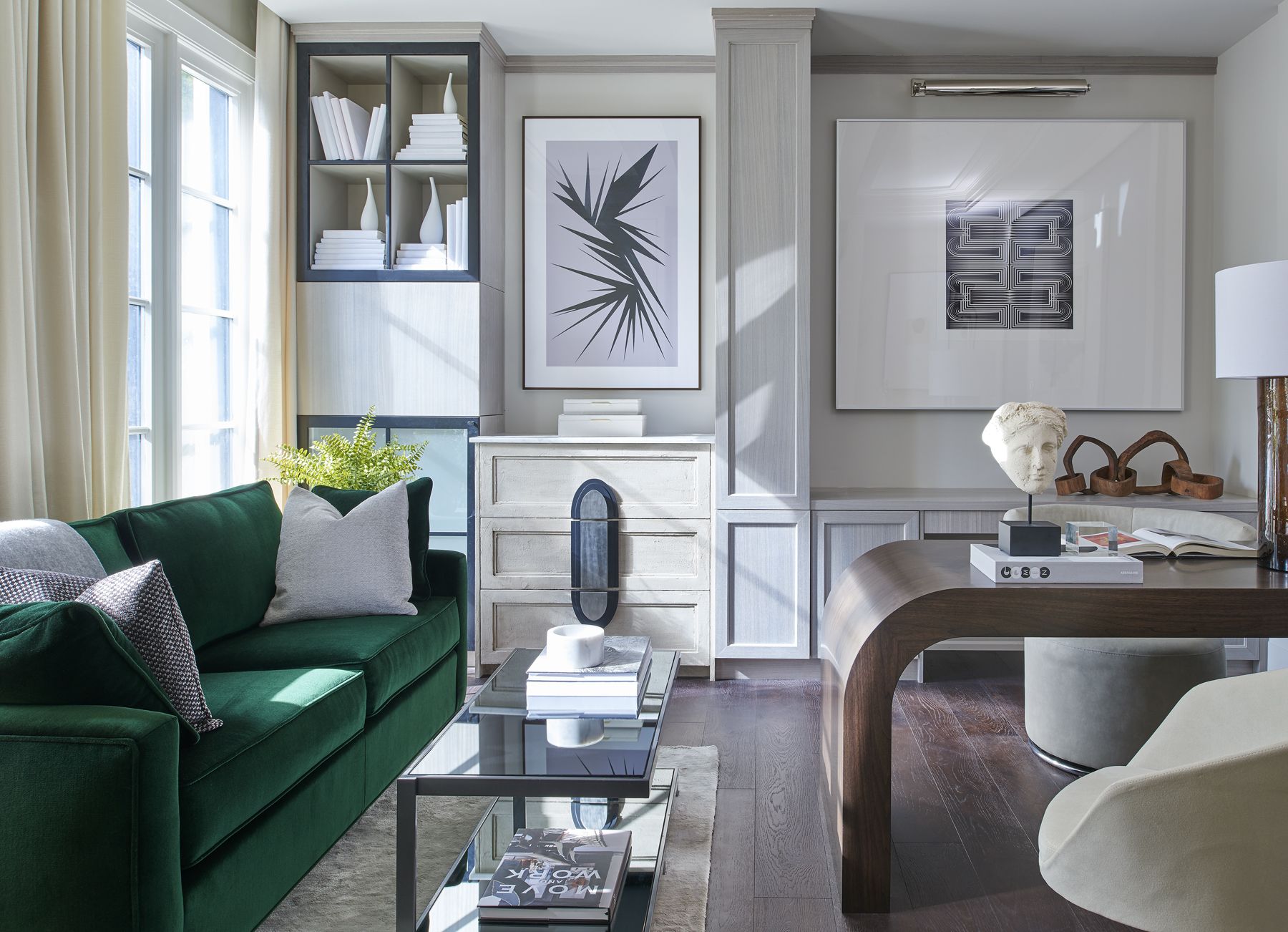
Transforming a part of your home into a workspace that fuels inspiration and boosts your output is totally achievable. You don’t need a specific room or extensive floor area. When imagining your layout, embrace creative solutions for existing spots, perhaps a quiet corner in your bedroom or a forgotten closet.
Next, consider what you truly require, as individual work preferences vary greatly. Reflect on how often you will use a phone or the level of silence needed for your tasks.
Once those questions are answered, you can begin exploring ideal furniture and dive into the exciting world of decor. Whether your vision is modern and polished or comfortably inviting, these exceptional home office ideas and expert suggestions demonstrate that even compact areas can significantly enhance your work ethic.
Opt for a small writing desk in the bedroom
While a bedroom might not be the top choice for setting up an office, sometimes it becomes a necessity. In such situations, seek out a writing desk with a more compact design. These pieces often feature greater elegance, can function as both a bedside table or a dressing table, and become quite charming when adorned with fresh flowers or plants, a lovely lamp, and a framed photograph or artwork.

Think strategically about how to accommodate two desks
If two individuals will be collaborating at the same time, careful thought must go into the optimal furniture arrangement. For shared tasks, partner desks are a wonderful option; they possess inherent beauty, and their very presence can inspire work.
However, if each person’s work is individual, focus on furniture layouts that foster concentration. This could involve placing desks in opposing corners or using a room divider or drape to establish a private, focused area. For desks shared among family members, consider adding a book shelf with attractive containers or storage bins for keeping unfinished projects organized.

Maximize vertical space
Effective organization becomes particularly important within a confined area. Elements such as hanging file compartments, shelving units, rods with hooks, and even specialized wall systems help consolidate office essentials while keeping them readily available.

Don’t be afraid to make the space feel more cozy
Although peak performance is unlikely while working from your bed, your workspace doesn’t have to be stark. Giving any office a warm, comfortable ambiance is achievable by using lamps with a gentle glow and incorporating inviting accents like scented candles, green plants, and soft textiles such as accent cushions and throws.

Give yourself the option to stand
For those spending extended periods at their desk, consider a contemporary workstation that allows for both seated and standing positions. Research indicates numerous advantages to alternating stances throughout the day, including less back discomfort and lower blood pressure.

Make a list of your business needs
When designing a home office, the most crucial element, and also the most straightforward, is ensuring it serves your particular requirements. In other words, prioritize your specific professional tasks. Will you need a place to store goods?
Is the area quiet enough for phone conversations? Must it accommodate an occasional visitor? After clarifying these points, fill in the remaining essentials: a desk or table, a comfortable seat, and so on.
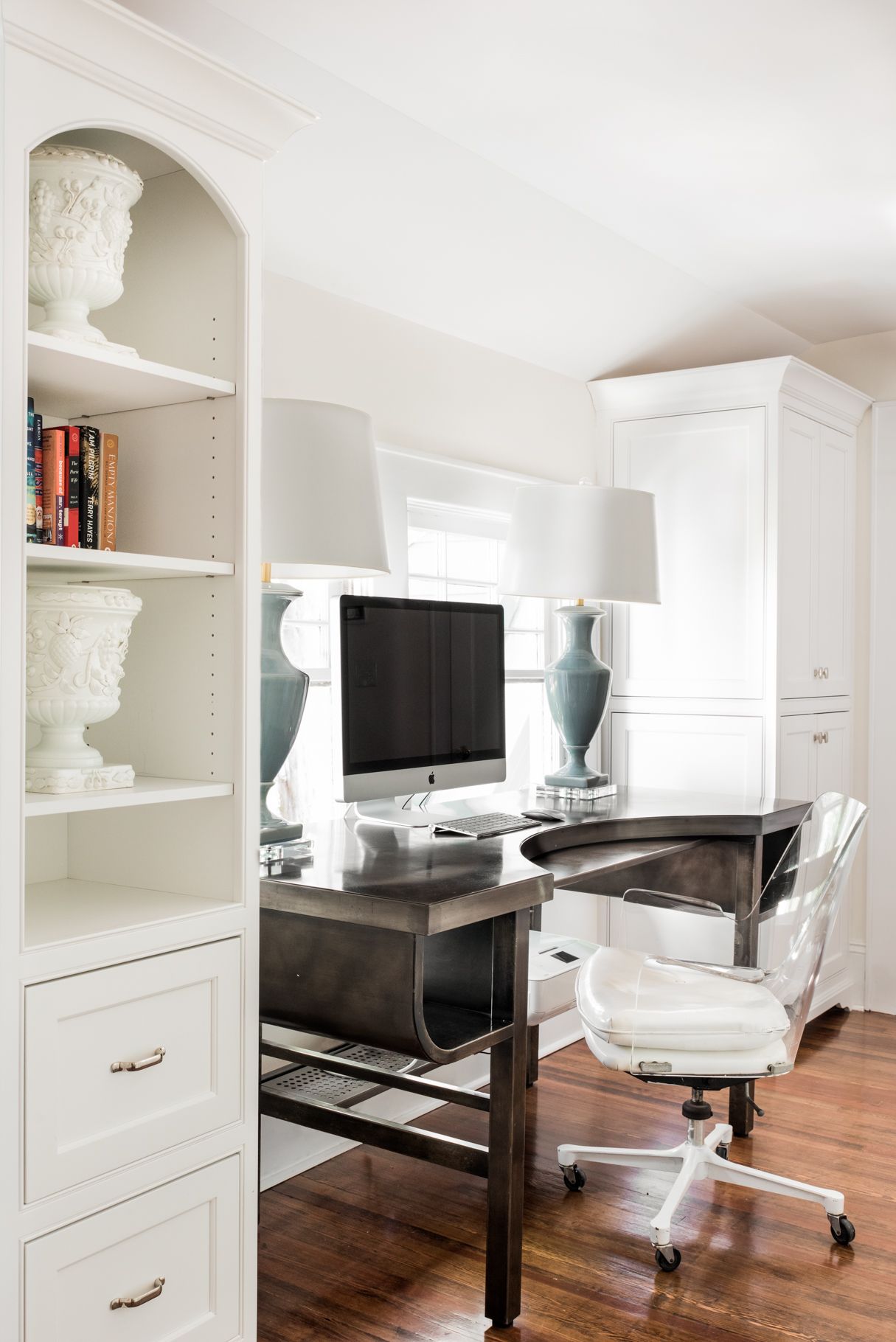
Start with storage
Integrated storage is vital for any home office and can even serve as a starting point for design concepts. When finances permit, creating highly customized built in storage tailored to the homeowner’s needs is ideal.
For instance, a hidden pull down bed can be integrated into a personal office, allowing the room to function as a guest bedroom when necessary. If built in units are not feasible, a daybed that appears as a sofa during the day can also serve a dual purpose for visitors. Select one with under bed storage to optimize room.
Consider everyone’s needs
Does your office space also need to function as a children’s homework zone? Keep their requirements in mind during the design process.
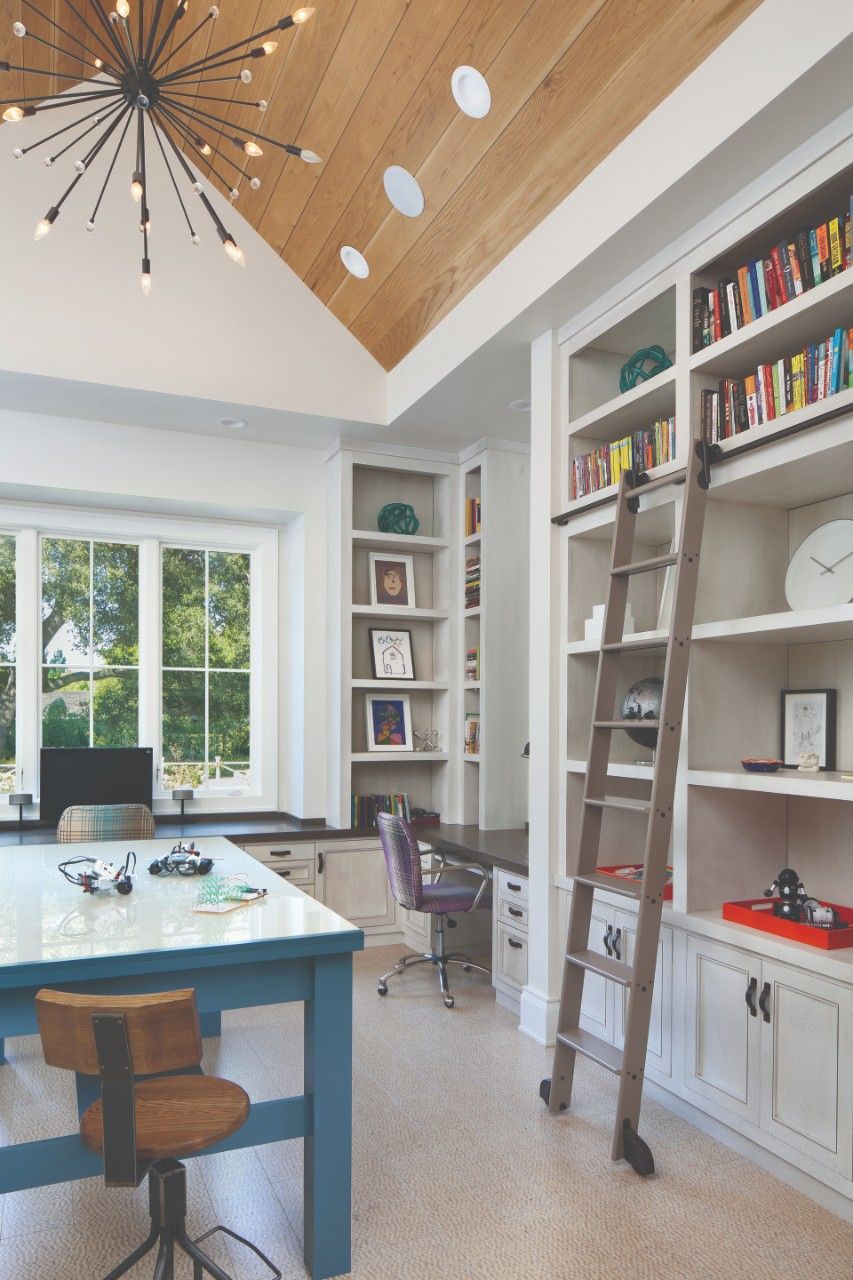
Many parents understand the difficulties of motivating school aged children to complete assignments. This particular family, when designing their custom residence, created a “project room” intended for both children and the mother. Both mother and children chose upholstery for their chairs in their favorite hues, reflecting personal taste.
Each family member also has a dedicated project and homework container, ensuring no assignments are misplaced. A ladder provides access to supplies on upper shelves, and a bespoke island features a highly durable laminated glass top, perfect for easily cleaning up even the messiest tasks.
Give yourself a view
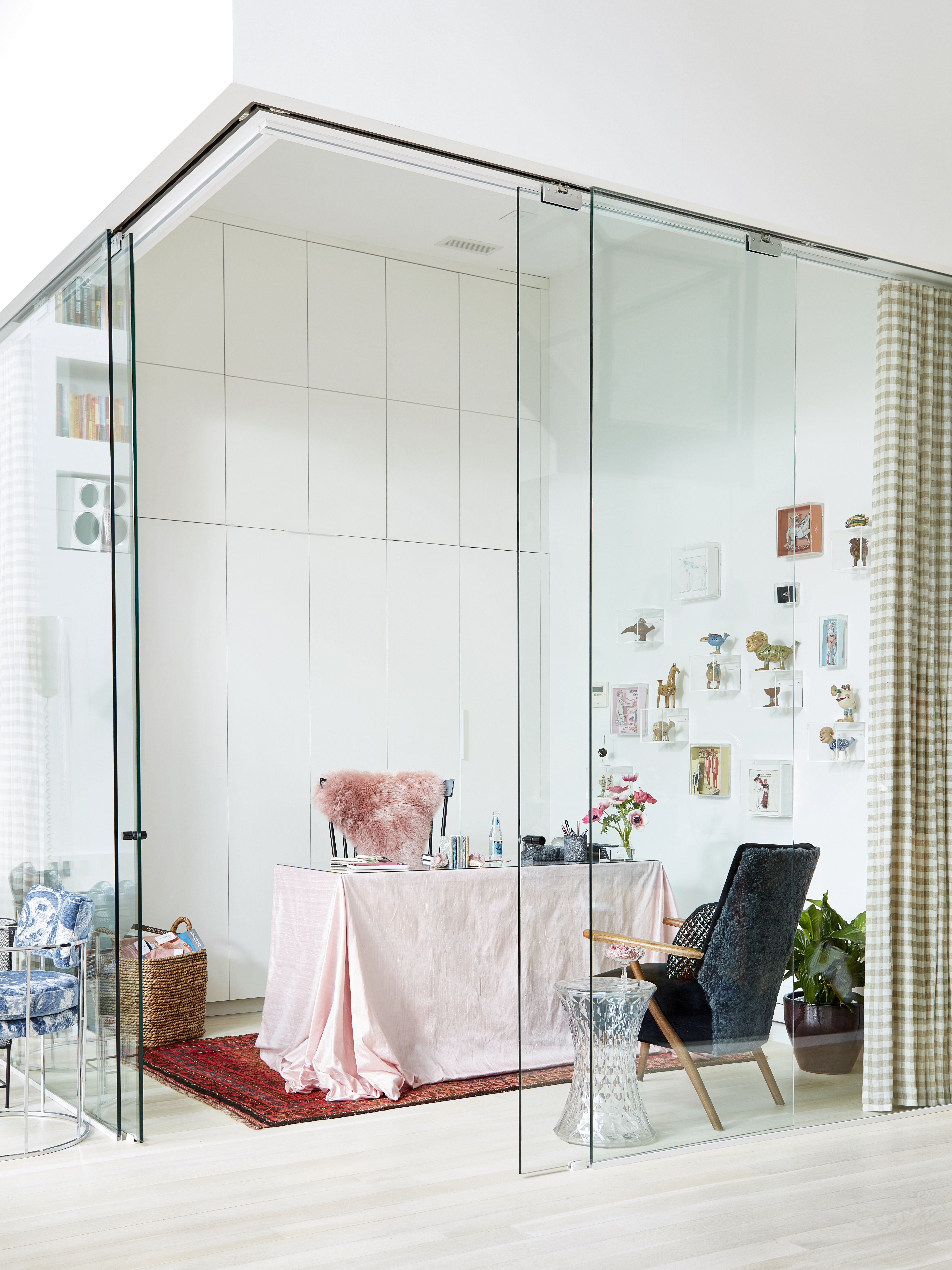
Open concept layouts often necessitate offices that complement the surrounding interior design, creating a seamless transition between areas. This particular office was conceived for a technology executive who desired a non traditional workspace.
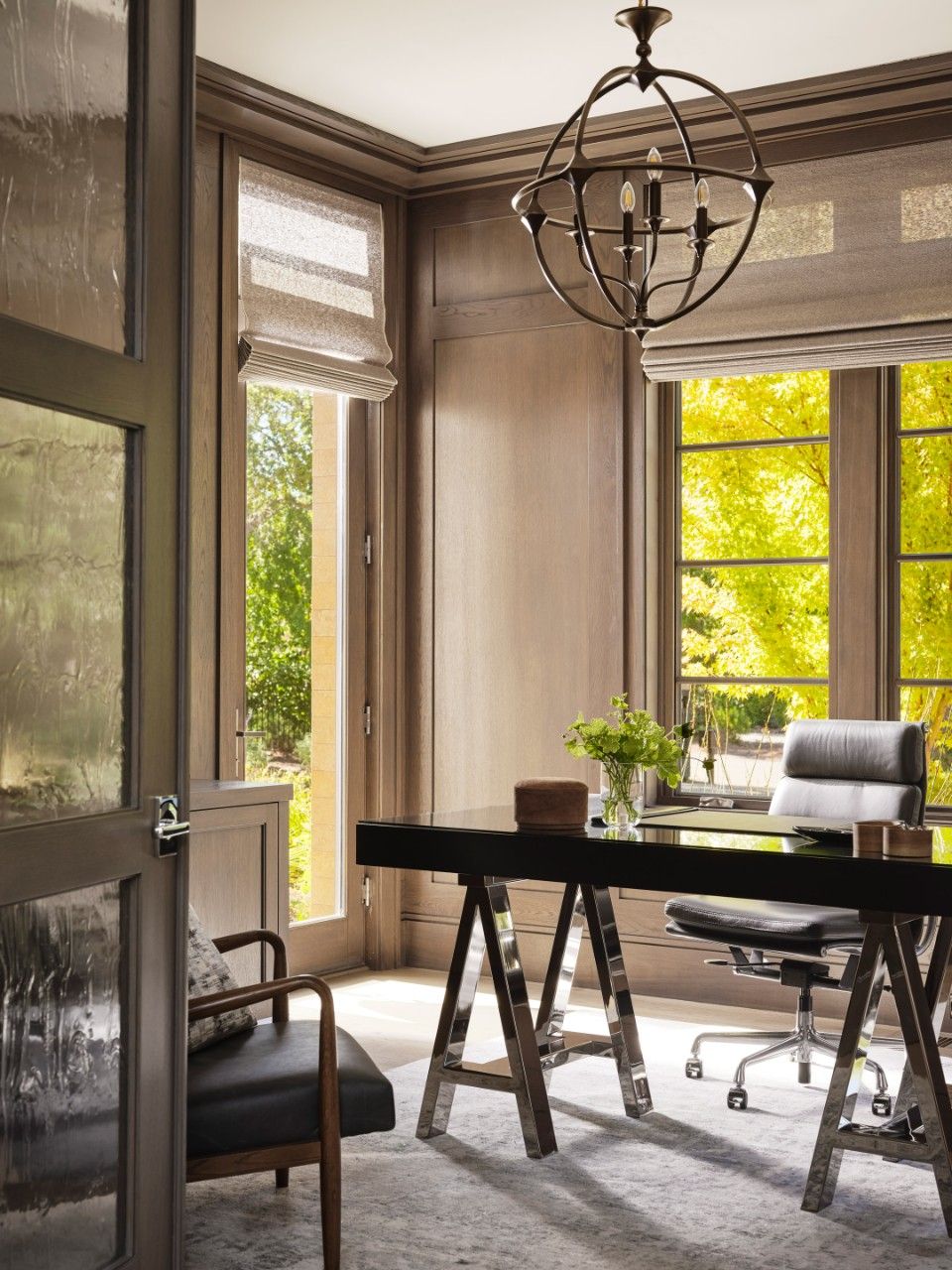
The ability to observe both the home’s interior and the attractive outdoor scenery lends this office a calming atmosphere. Translucent glass doors invite natural light into the space, contributing to a bright and expansive feel, making the room appear larger than its actual dimensions.
If your office lacks abundant windows, that is perfectly fine. Maintain a bright and airy wall color, such as white or pale wood tones. Opt for light, sheer curtains or a simple fabric window covering instead of heavy drapes, and introduce the outdoors with numerous potted plants.
Add a jolt of color
One way to ensure your office space feels lively and engaging is to introduce a vibrant burst of color while keeping other elements subdued. A client did not require a closed or private area; her home office functioned as a place for checking electronic mail and sorting physical correspondence. A space for written communication, filled with light and dynamic color, creates an uplifting environment for an artist.

Try a statement painting
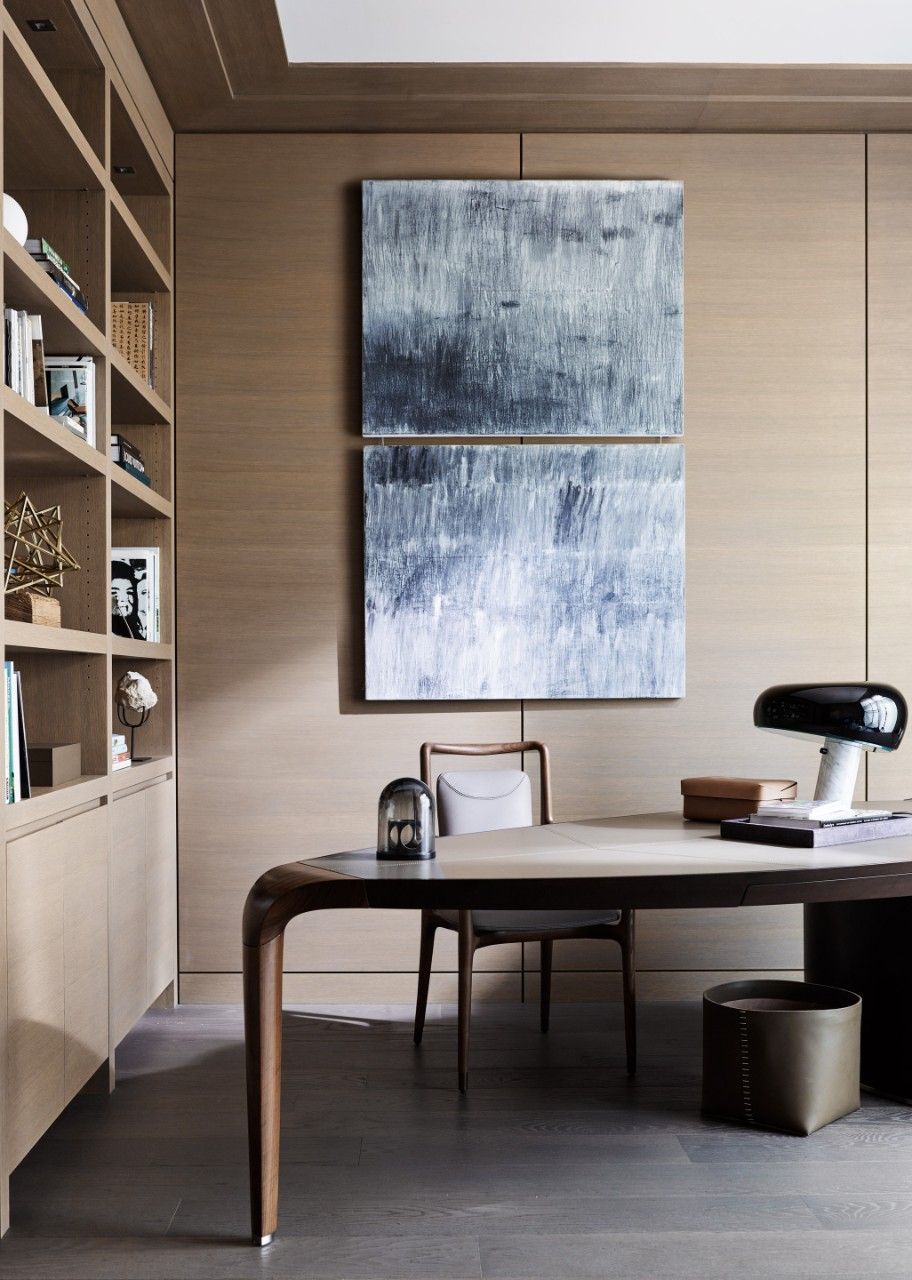
Given that a home office is not typically a shared space, it presents an excellent opportunity to experiment with bold artistic and furniture selections. Incorporating beautiful art into a home office elevates its feel, making it a desirable destination for anyone. Tall, dark wood book shelves extending to the ceiling maximize display areas for artistic objects and, of course, books.
Put unused spaces to work
Do you need a family workspace but lack available room? Reexamine your existing areas, as you might optimize your floor plan by transforming a neglected closet or an extended passageway into a functional office. For instance, a built in desk can extend along a hallway near the main entrance of a residence.

Consider turning a hallway into an office
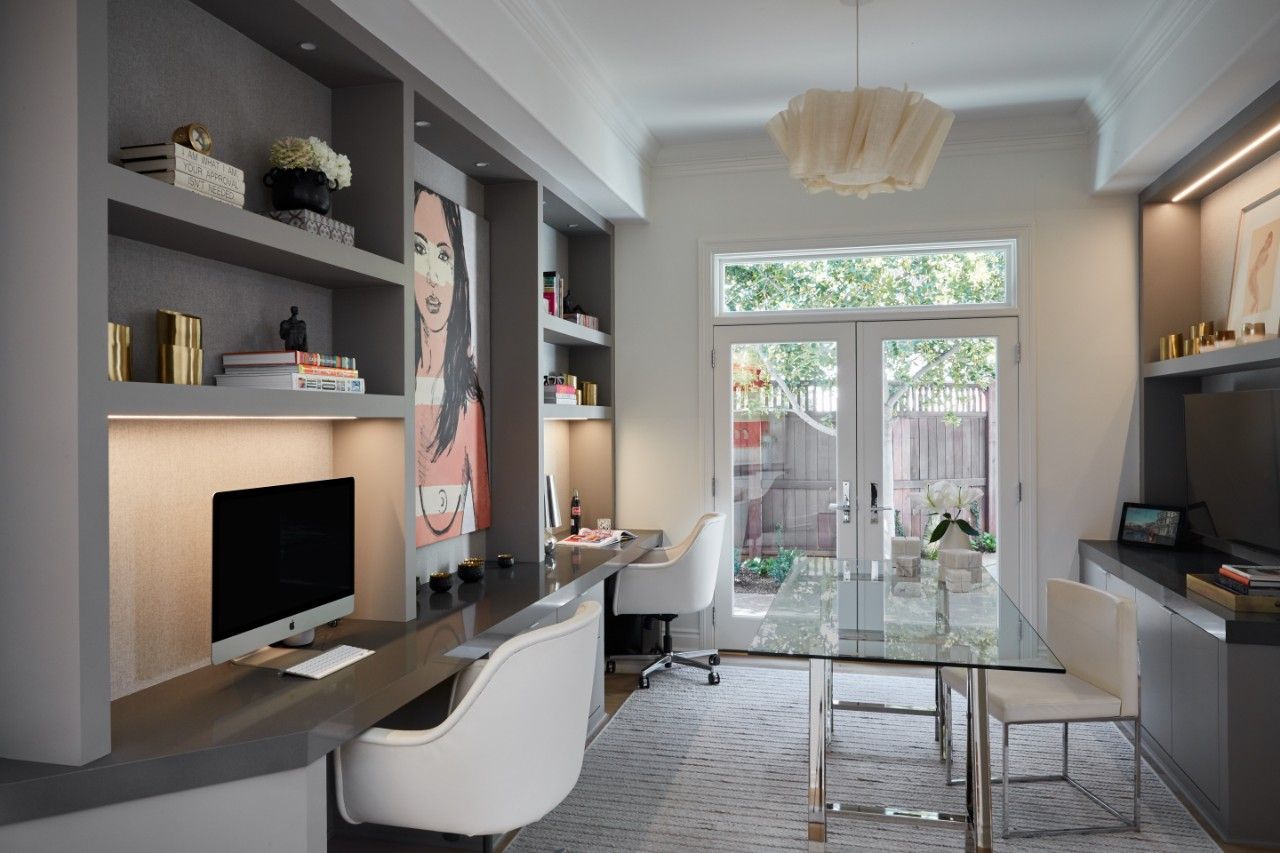
With a growing number of people working from home today, this offers a perfect solution for two individuals sharing an office in a modest space. By opening up the surrounding walls, this home office instantly gains a more expansive feel.
A glass table positioned centrally serves as both an informal meeting area and an extra work surface. The reflective quality of the glass does not occupy visual volume, thus making the office appear more open.
If you appreciate the design but customization is outside your budget, consider ready made floating desks and shelving systems that you can install independently. To achieve a personalized aesthetic, apply several layers of paint to create contrast between the unit and the walls. It is indeed possible to paint laminated timber.
Personalize the space based on your interests
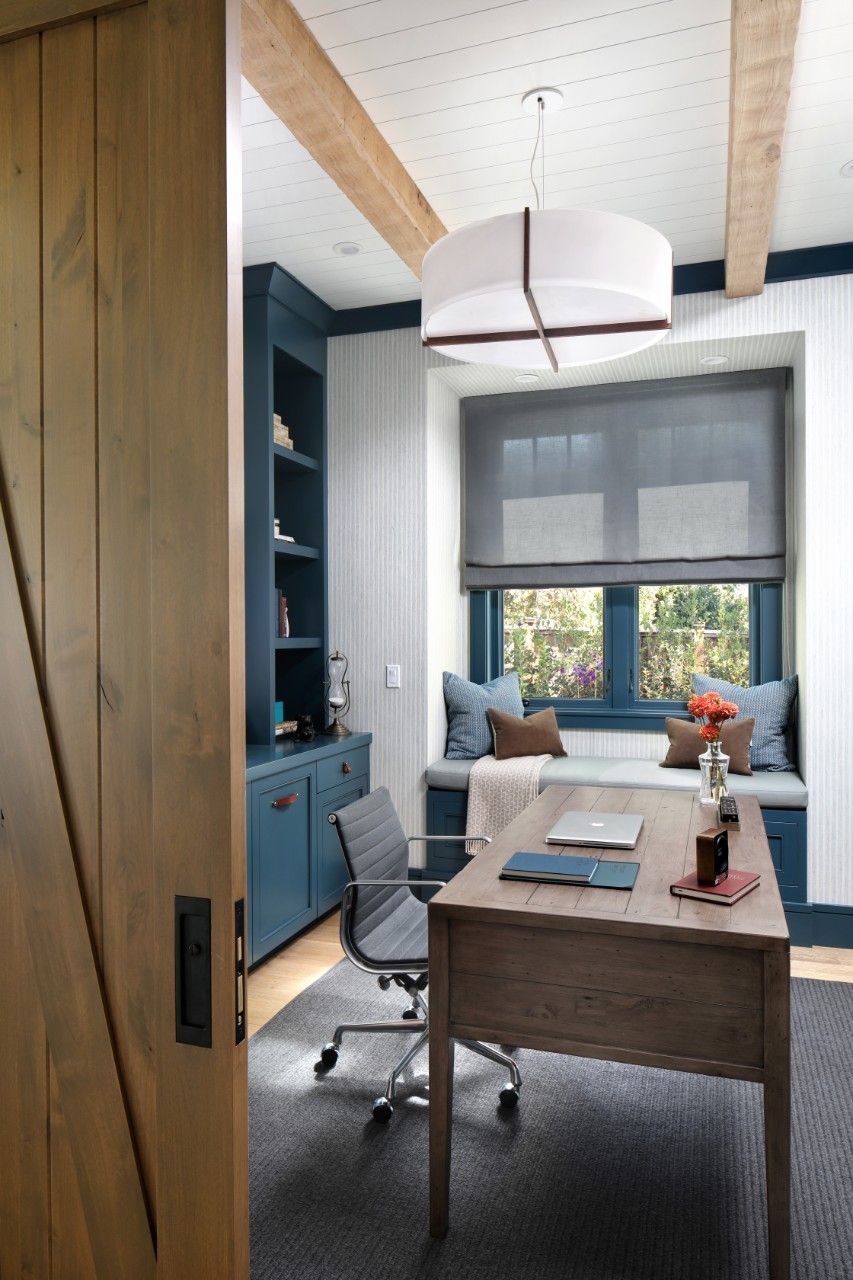
Occasionally, incorporating a homeowner’s personal pastime into the design scheme offers an excellent method for personalizing a home office. This particular homeowner was a rowing enthusiast. His passion for the sport was celebrated through the use of maritime hues, patterns, and artwork.
Go matchy-matchy to make a statement
An office for a couple’s vacation residence was designed with minimalist, yet coordinated, furnishings, creating an aesthetic that felt both luxurious and intentional. The space needed to be practical for both individuals, offer privacy, and appear sophisticated while harmonizing with the home’s overall design.
A custom, dual sided desk was crafted with brass supports, a wooden cabinet in the middle, and a top made from the same stone used for the floor’s terrazzo. The wooden wall panels are cleverly positioned to conceal built in storage for equipment behind flush mounted doors.

Be a minimalist
There is a good reason why minimalism is favored by many accomplished individuals worldwide. A workspace free from clutter, furnished with understated pieces and a neutral color scheme, effectively clears the mind and fosters creative thought.
This streamlined office was created from the volume above a stairwell, allowing a smaller residence to feel more expansive. A sturdy fiberboard surface with a distinctive timber edge forms the work area.

Go floor to ceiling with storage
Maximize every available inch in your office by choosing full height shelving on every wall. In one home office, exposed wall studs were utilized to form display and storage compartments. Organization is essential to prevent a disorderly appearance, so if you tend to be less tidy, consider applying this full height treatment to just one wall.

Minimize visual clutter
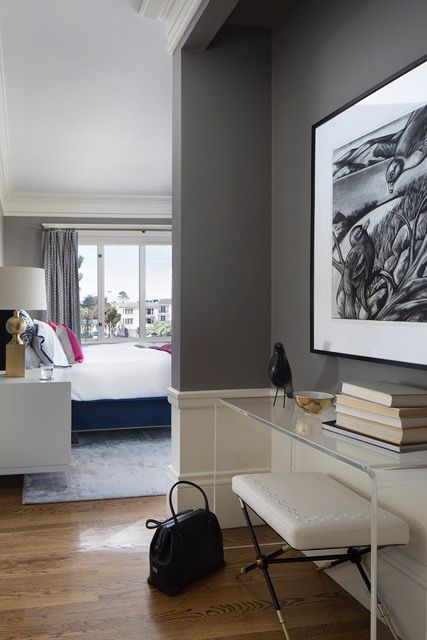
To create a work area without drawing excessive attention, select furniture crafted from clear or see through substances like acrylic or lucite for a contemporary yet playful look. In one refined main bedroom renovation, a clear decorative console in the entrance foyer serves as a convenient spot for books or a laptop for quick correspondence. Choosing clear elements also allows any artwork positioned above to take prominence.
Show off your collections
Instead of storing your cherished collections away, incorporate them into your home office! To maintain an elegant appearance, group your collections within a single section of the room.
A concentration of similar items in one area creates a striking and powerful display, whereas dispersing them throughout the room can appear somewhat disorganized. In one residence, where gallery walls showcase the owner’s outdoor paintings, an antique writing desk offers a practical surface for a home office, while a glass front cabinet holds a collection of artifacts.

Consider cabinets
Ponder the internal organization of your storage units. Many home offices become untidy simply due to a lack of designated spaces for various items.
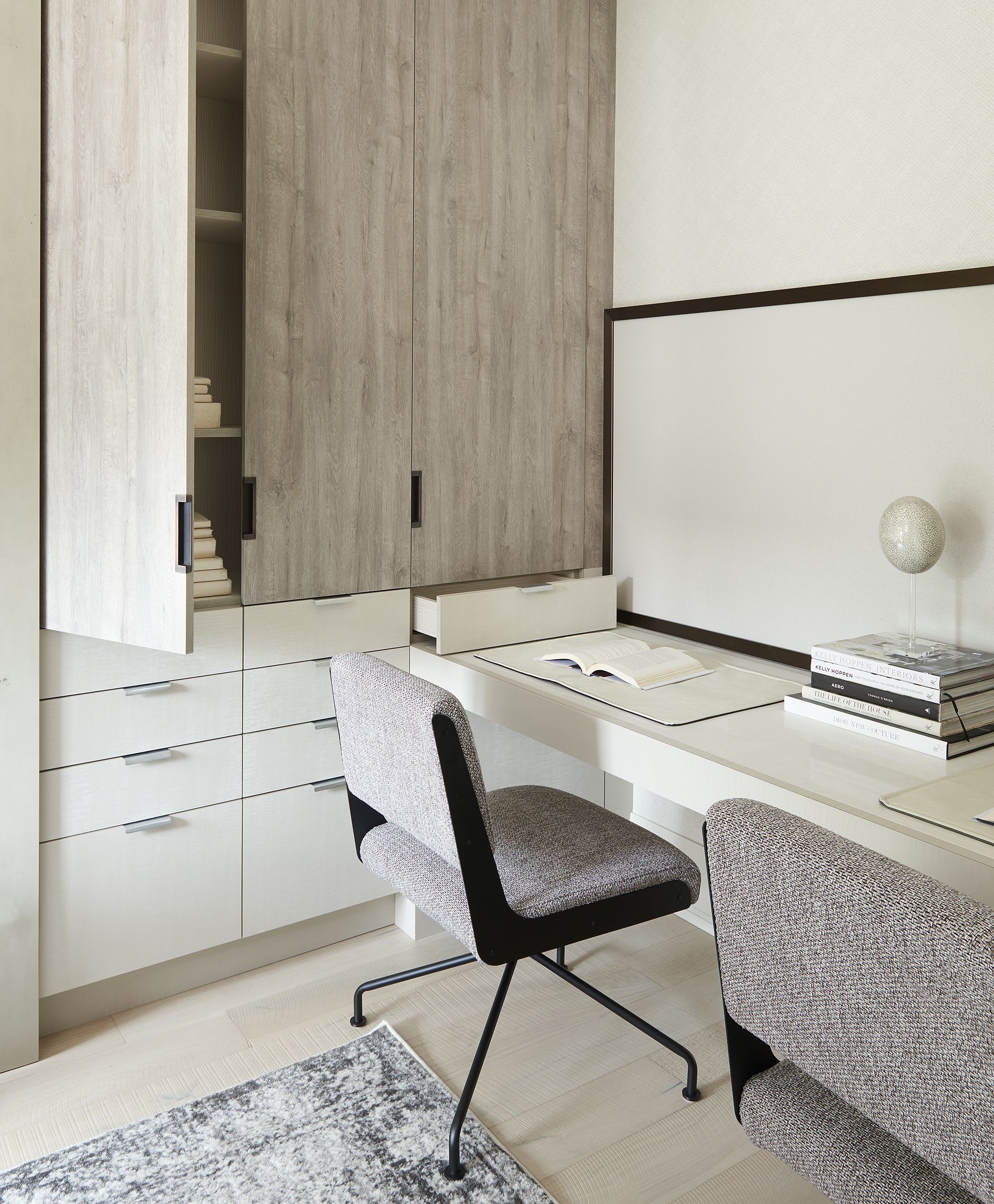
In one home office, file drawers and a retractable printer cabinet contribute to a clutter free environment. Wall mounted drawers, like those illustrated, can be acquired individually and then grouped or stacked for discreet storage.
Make the most of corners
Extra space was carved out in an entry mudroom to function as a home office by incorporating a custom desk that could be concealed as a console table. The central cabinet doors can be extended and manipulated to hide or reveal leg room for the desk. Floating shelves also present an excellent method for adding more storage and create a striking feature on an accent wall.
To achieve this aesthetic without extensive customization, select a versatile desk that transforms into a console table when not in use. Combine this with pre made wooden shelves and robust dark supports; these widely available items draw the eye upward and introduce a sense of coziness. A vibrant wallpaper accent will help make the area feel welcoming and provide an appealing visual while you work.

Play with decorative items
Using large, impactful art pieces is popular, as is a framed assortment of children’s drawings. These elements help instill a personal feeling in a home office.
Items that serve as an inspirational focal point for creative endeavors are favored. When you can integrate personal touches that bring you happiness and stimulate creative thinking, it will be reflected in your professional output.
Focus on lighting
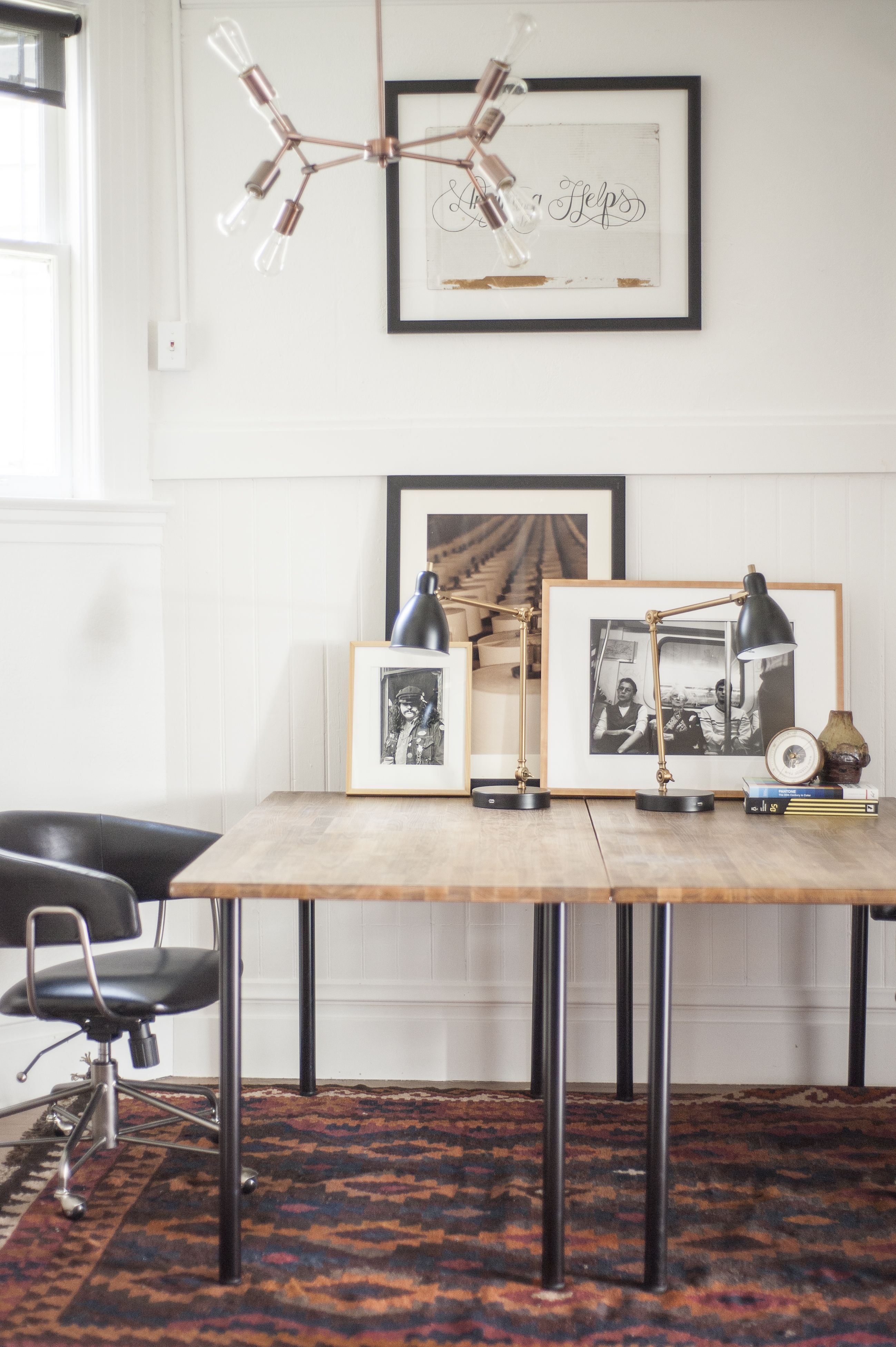
Innovative concepts require a well illuminated environment. If your office lacks substantial natural light, incorporate as much focused lighting as possible. For compact offices where floor and desk space might be limited, slender wall fixtures are remarkably effective and can establish a more relaxed ambiance when connected to a dimmer switch.

But, choose the right kind of light
A crucial aspect when selecting illumination for a work area involves the type of light itself. White light is known to enhance productivity, while a yellowish light often induces tiredness and decreases output. Studies have shown that cooler, more blue toned white light can increase alertness and reduce melatonin, thereby combating fatigue.

Layer in personal touches
Your home office should genuinely express your individual taste and flair. Designing a personal workspace offers you the freedom to be imaginative with combinations of colors and patterns, as there is no need to worry about offending coworkers.

Decorate with plants
When spending extensive hours in an area, plants help maintain a connection to the natural world. A substantial fig tree, a vase holding roses, or a selection of succulents will also introduce a pleasant burst of color into your home office environment.

Add wallpaper
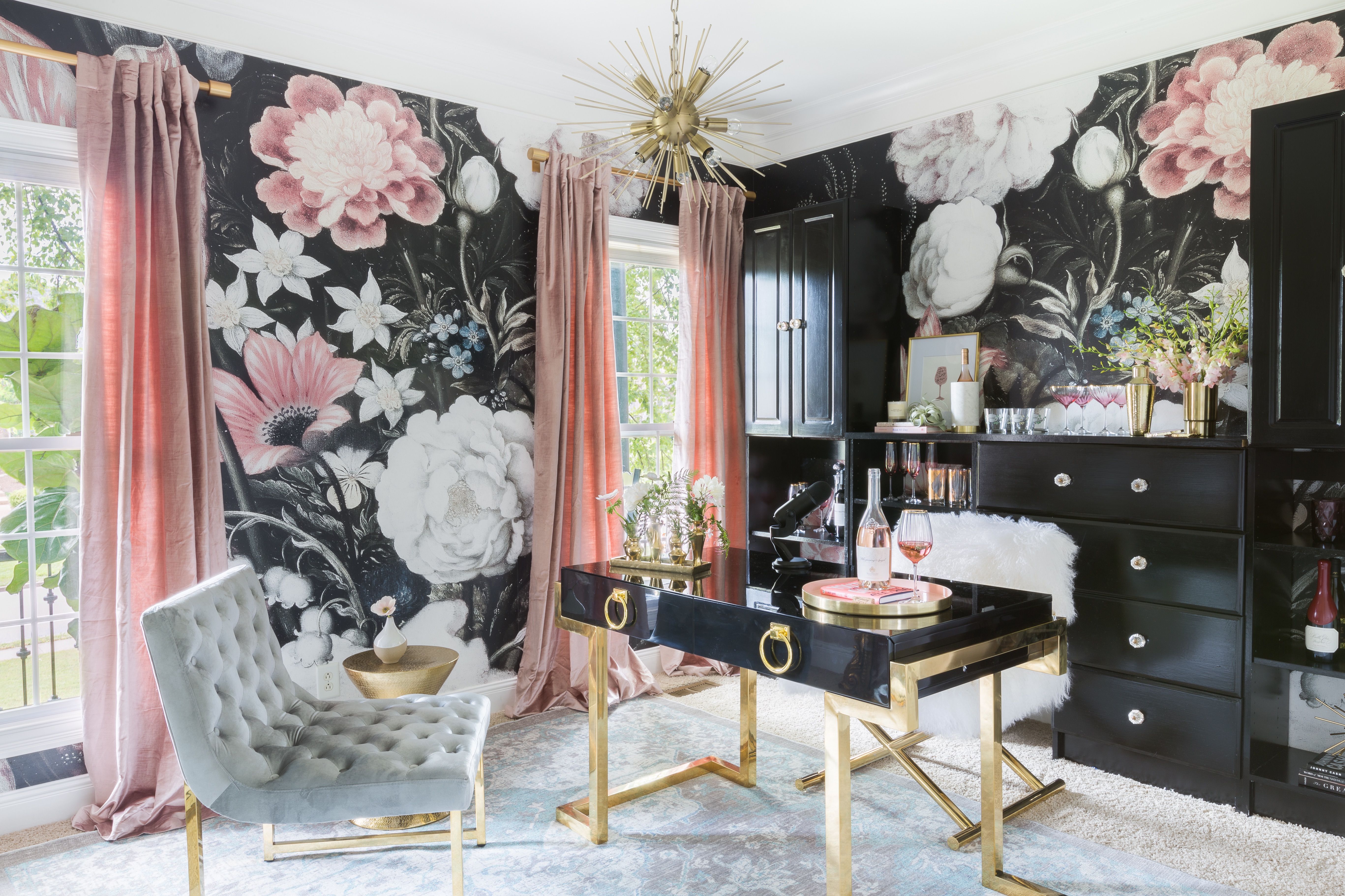
In a bold and striking manner, an expansive floral pattern wallpaper was chosen as a tribute to nature in an office and podcast studio. This material features an impressive array of murals that are peel and stick, available in stunning designs.
Invest in desk accessories
Since it is more challenging to mentally disengage from work when your office is located at home, your space should not contribute to clutter related stress. To that end, desk accessories are essential, whether it is an effective container or a small grouping of containers in various designs, dimensions, and textures, or perhaps trays to manage disorder and keep your desktop looking neat.
In one corner workspace, a traditional writing desk helps keep items organized. Consider a tray that rests on an upholstered footrest, or even better, a storage footrest with an attached tray.

Don’t overlook the details
Experiment with hardware elements to make your work area appear less formal and conventional. When combining different metals, ensure they possess sufficient visual distinction from each other. For example, a recessed handle can be paired with a standard handle in two distinct finishes.
Also, be imaginative with placement. Hardware does not always need to be centered on drawers or doors. Often, positioning them slightly above the drawer’s midpoint prevents them from being lost in the overall design.