A bare dirt backyard can become a lawn, patio, garden, play space, or gathering area without requiring an elaborate redesign. Options range from sod, mulch, and artificial turf to concrete, pavers, a small deck, inexpensive plants, a playground, or a picnic area, with DIY work helping keep costs down.
1. Lay Sods

The size of your yard dictates the suitability of sods. For extensive areas, sods might not be the most economical choice. The typical price for sods ranges from 0.20 to 0.75 cents per square foot.
For instance, a 1000 square foot area, slightly larger than half a volleyball court, would incur costs between a minimum of $200 and upwards of $750. Remember that delivery and professional installation can easily add to these expenses. Handling the installation yourself is a straightforward task and provides a good physical workout.
Question: Can you lay sod over dirt?
Answer: Yes, however, proper soil preparation is essential for sods to absorb maximum nutrients. This involves several steps, including tilling.
To till a dirt yard, you must shovel the area at least 5 inches deep, allowing for air and water penetration. Do not remove any soil. Instead, mix it thoroughly to create pockets for air and water retention, which establishes a superior growing foundation for healthy sod.
Before placing the sods, ensure the ground is level and free of unstable spots. This helps prevent unevenness in your new lawn. Consider rolling the dirt first and watering it lightly before applying the sods.
Sods offer an excellent choice for achieving a grass lawn, providing a simple and rapid method to create the green space you desire.
2. Concrete Slab
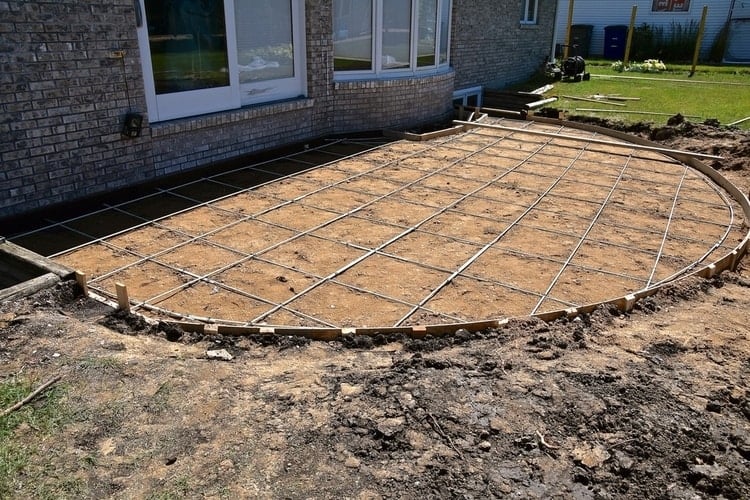
Hiring professionals to pour a flawless concrete slab will likely involve a significant expenditure, typically ranging from $6 to $10 per square foot. This cost covers both the materials and, more importantly, the labor involved.
Labor expenses often determine the overall project cost. While mixing and pouring your own concrete slab is relatively simple, keep in mind that once it is built, removing it is not easy.
Paying For Already Mixed Concrete
Pouring your own concrete slab can drastically reduce expenses. If you prefer not to mix concrete from scratch, you can arrange for a company to deliver pre mixed concrete. This approach depends heavily on the slab’s dimensions; a very large slab might make this option impractical.
Once the concrete is delivered, you have a limited timeframe, typically 30 minutes from when it reaches your wheelbarrow or bucket, before it begins to harden. For larger slabs, calculate the time required for pouring to ensure it is sufficient. Consider watching instructional videos to gain a better understanding.
First, prepare the slab area. For an above ground slab, construct a wooden form using 2x4s to contain the mix. For a below ground slab, excavate the desired hole size and then line it with a wooden frame.
These wooden forms are crucial for shaping the slab correctly. Incorporate rebar for enhanced structural support.
To determine the necessary concrete quantity from the supplier, simply measure your slab’s dimensions or consult the delivery personnel, who usually have the experience to advise you. Once everything is prepared and your mix arrives, pour it into the form and level the top surface. Instructional videos can offer clearer guidance.
Mixing Your Own Concrete
To prepare your own concrete, gather sand, concrete mix, gravel, water, a hose, a wheelbarrow, and a shovel for mixing. Follow the instructions provided with the concrete mix you purchased.
Watching videos is recommended for an easy understanding. This straightforward procedure will result in substantial financial savings.
Consider pouring your slab in sections, as a wheelbarrow can only hold a limited amount of mix. By undertaking more of the work yourself, you can lower the cost of a concrete slab to between $3 and $6 per square foot.
3. Artificial Turf – Lowest Maintenance
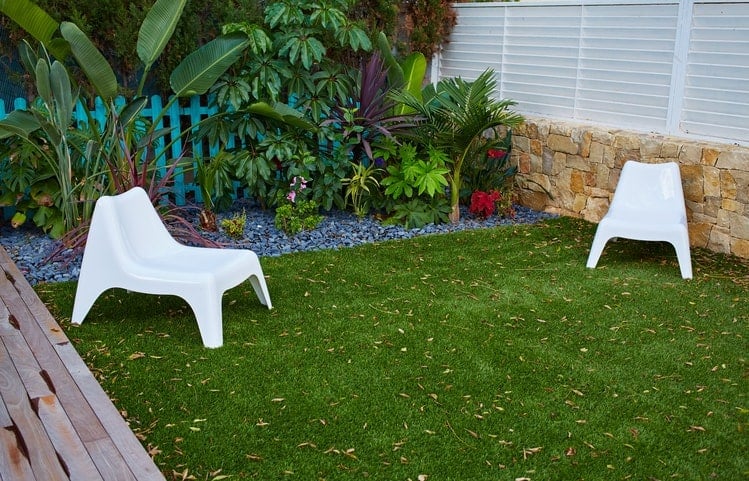
Many believe installing artificial turf is difficult, but the process is quite simple for those with basic skills. Artificial grass is a more significant initial investment, but it is ideal for those seeking a low maintenance solution.
Once installed, expect minimal upkeep for 10 to 20 years. This long term relaxation becomes particularly appealing when comparing it to the effort of replacing natural sod that has suffered from neglect. The transformation offers a delightful change from constant watering duties.
The typical price for artificial turf ranges from $3 to $15 per square foot, varying based on purchase volume, supplier, and whether installation services are included. Wholesalers often sell turf for around $3 per square foot, but this usually requires bulk purchases.
Smaller, local turf providers will likely have a minimum price of $6 per square foot. While costs accumulate quickly, the product offers lasting value. You should ensure the land is level before placing the turf.
DIY Installation
The installation process shares similarities with pouring a concrete slab. First, clear and level the intended area to your desired specifications. Compact the ground using a shovel or roller.
Next, construct a wooden frame to box in the area, shaping it as needed. A smart approach is to build the box to match the dimensions of the turf you are purchasing, which eliminates the need for manual cutting to achieve the desired shape. Then, lay the turf within the framed section.
Secure the edges with roofing nails, hammering them into the surrounding wooden frame to hold the turf in place. Ensure the nails are properly set to prevent them from coming loose. Apply turf sand as needed; this material helps keep the grass blades standing upright.
This is a brief overview of the installation process. It highlights that this is a feasible DIY project, allowing for substantial savings on labor costs. Remember that sweat equity offers considerable financial benefits!
4. Mulch The Area
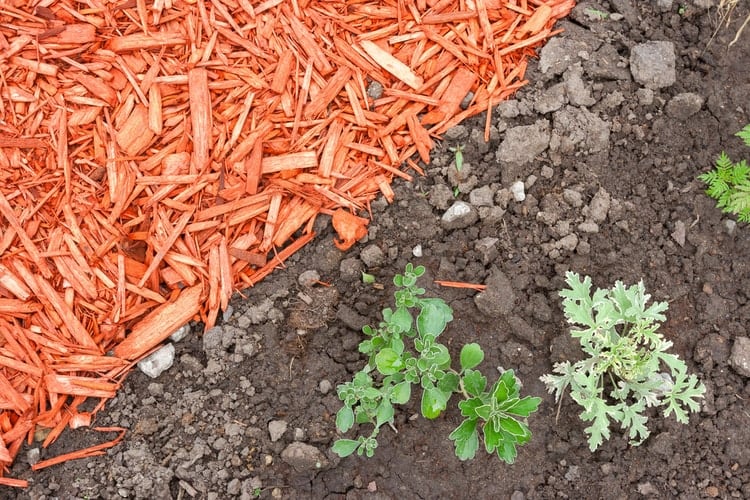
A large dirt patch in a backyard can significantly diminish its aesthetic appeal. There must be an inexpensive solution to improve its appearance.
With mulch, you can minimize costs simply by covering the area. If a problem cannot be fixed, it can be covered. Mulch consists of decomposing wood chips, bark, leaves, and similar organic materials placed together.
The typical price of mulch varies by location and type, but it usually costs between 0.15 and 0.60 cents per square foot. Larger purchases often result in a lower price per square foot.
Why is mulch a good idea to cover up dry soil?
Mulch is an organic material that, as it decomposes, actually enhances the health of the soil. This means that over time, if you decide to remove the mulch and attempt to grow grass or other plants, the soil will be more fertile.
Mulch also presents an easy yet elegant gardening solution. Outline the mulch area, add a border, and then fill it with mulch.
Many gardens where plants struggle to grow benefit from placing mulch all around, then adding decorative elements. Sometimes, a simple rock serves as decoration. When designing mulch gardens, placing rocks inside and mulching around them creates a stylish effect and is remarkably simple to execute.
Mulch comes in various colors, allowing you to select according to your preference. If you have pets, consider using an alternative, as cocoa mulch is thought to be harmful to dogs.
5. Build A Small Deck
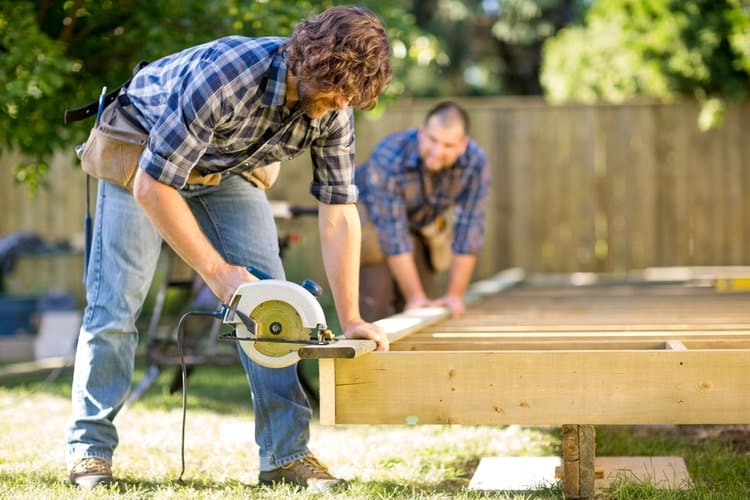
A patio deck offers an excellent way to conceal a dirt filled yard. Constructing a patio can be an expensive undertaking. However, if you possess the skills for DIY projects, you can build a small deck at an affordable price.
When you have construction expertise, it is wise to utilize it. As mentioned previously, labor costs are a primary driver of overall expenses.
By investing your own effort, you can significantly reduce the financial outlay. Please note that lumber prices have dramatically increased in recent years, making deck construction more costly than before.
When building a deck, your primary costs will be materials. Wood and screws might be the only items needed, depending on your chosen patio design.
Ensuring the ground beneath is level is important, though construction is still possible on uneven terrain with additional effort. The foundation is made of deck blocks, which support the wood and prevent movement. Alternatively, you can embed posts directly into the ground with concrete.
What are the average costs of building a small patio deck?
For a small deck built to cover dirt, and with your own labor, you could spend as little as $500 to $1000. However, prices can fluctuate based on the deck’s height and other elements.
The type of materials chosen also impacts costs; high grade woods like Ipe and Redwood will not be inexpensive. Pressure treated decking is the most budget friendly wood choice recommended for deck construction. Costs escalate considerably with composite decking materials.
The typical cost to construct a smaller deck ranges from $16 to $80 per square foot. This price varies based on lumber costs and whether you hire professionals for construction. Labor expenses for deck building are substantial, so possessing these skills provides a significant advantage and allows for considerable savings.
What does a deck provide?
Patio decks offer the opportunity to relax outdoors in a clean, mud free, and pleasant environment. A deck can be maintained just like an interior living space.
You can furnish it with outdoor chairs and tables, creating an inviting area for outdoor living. Adding a barbecue grill transforms it into a perfect spot for social gatherings with friends and family. Building a patio is a worthwhile investment.
Decorate In Style
Having appropriate outdoor furniture is vital for your backyard area. While items can be pricey, you can explore many options.
6. Lay Paver Stone

The endless variety of design possibilities stands out as a key advantage of paver stones. Whether you envision squares, rectangles, triangles, circles, or any other shape, if you can find the pavers, you can install them. For cost savings, consider using standard rectangular bricks, which typically cost around 50 cents each, making them quite affordable.
The typical price for a paver stone patio ranges from $5 to $30 per square foot. You can also add flair by incorporating 12×12 inch pavers occasionally, as they are usually about $3 each. While prices may vary by region, you are likely to find budget friendly options with pavers.
BUY USED PAVERS
You might think that 50 cents per small brick can quickly accumulate in cost, but a simple secret about pavers can save you a fortune. Seek out used pavers! Even in smaller communities, pavers are often available for sale, either pre owned or as leftovers.
Sellers are usually eager to offload them, presenting opportunities for excellent deals. You can locate them on various online marketplaces and classifieds for your area. Finding leftover pavers can lead to significant savings!
Brief Instructions & Tools Required To Install Pavers
To begin, identify the area where the pavers will be laid. This section needs to be excavated to a depth that ensures the pavers will sit at the correct final height, neither too high nor too low. Measure your pavers and dig accordingly.
Next, once the base is excavated, spread a layer of paver base sand. It is best to compact this layer flat using a compactor machine or roller. This creates a smooth surface for the pavers to rest upon.
After achieving a perfectly flat base, begin laying the pavers in sequence. Ensure you have the necessary tools for cutting pavers.
If you can arrange pavers without needing to cut them, this saves both time and effort. However, most paver projects will require some cutting of the stones.
Once laid out, you need to secure them to prevent movement. Rain and other weather conditions can cause pavers to shift. Spread paver sand over the surface, ensuring it fills the gaps between each stone.
Lightly spray a thin layer of water over the top, but remember to compact the stones first, as done earlier.
Finally, repeat the most recent step: fill with paver sand, compact, and then lightly spray. Brush off any excess once dry, and enjoy your beautiful new paver stone area!
These steps are provided to offer a general understanding of the process.
7. Cheap Plants or Free Plants

It’s time to discover sale plants at the nursery, or perhaps even find some for free! Simply visit a nursery or a retail store with a garden center. Explore the sale section for plants that can be revived at a low cost.
These plants are typically discounted because they are beginning to decline, presenting an opportunity for you to rescue them. With dedicated care and attention, you can restore these plants to create a beautiful garden.
Acquiring inexpensive or free plants to cover dirt can cost between $0 and $2 per square foot.
How can you get plants for free?
Garden tours often provide opportunities for cuttings, or you might inquire if hosts are willing to part with older plants they plan to discard. Yard companies sometimes handle yard cleanups that involve removing plants.
If you can locate such a company in your area, ask if they are disposing of any plants. Kindly inquire if you can have them for an inexpensive backyard garden.
House construction projects occasionally involve full yard excavations, meaning gardens are removed. If you can secure permission to retrieve these plants before they are torn up, you could end up with a complete garden’s worth!
Gifts for parties or housewarmings can also include plants. People will often provide a variety of lovely plants that can kickstart your garden.
Inexpensive Way To Have Plants?
If purchasing or hunting for plants is not appealing, try growing them yourself! Identify plants that are easiest to cultivate in your region and acquire some seeds.
Seeds are extremely low cost, and with proper care, can flourish into a lush garden. It is not overly complex, and you can certainly gain valuable experience from the endeavor.
8. Kids Playground
If you have children, transforming the bare backyard into a small playground can be an effective solution. While purchased playgrounds can quickly become expensive, often costing a minimum of $1000 for decent quality, there are ways to construct your own play areas at a minimal price.
Your initial game plan and building intentions will determine the cost. What kind of structure do you aim to create?
The typical expense for building a home playground ranges from $150 to $2000. This, of course, depends entirely on the complexity of your desired construction. Larger playgrounds are more expensive, but you can get creative and save significant money by building simpler structures.
First, assess your capability to construct certain elements. A Jungle Gym, for example, demands expert construction due to children’s vigorous play. Starting with something smaller is a good approach.
Cheap Kids Playground Ideas:
Build a Swingset This is the easiest and, arguably, the most attractive option. The swingset shown was straightforward to build.
Needed materials include: three 4×4 posts, two heavy duty ropes, one 2×4 lumber for the seat, and two steel brackets to secure the horizontal 4×4 beam. You will need to dig a hole on each side and place the 4×4 posts into them. Surround each 4×4 post with rocks, or pour a concrete base.

Teeter Totter Constructing a teeter totter is inexpensive and relatively simple to assemble.
Jungle Gym A Jungle Gym requires substantial effort and more wood, leading to higher costs. However, it would effectively cover a dirt yard.
Sandbox A sandbox presents a very simple playground concept. Create a boxed area, fill it with sand, and it is complete!
Children will enjoy this idea and remain occupied. Adding artificial turf around the sandbox will incur a few extra dollars, but it will maintain a cleaner appearance for the area.
Keep in mind, your goal is not necessarily to build the world’s best backyard playground. Start with a modest idea initially; this will help determine if a playground is a suitable choice for your family.
9. Backyard Picnic
It might be easiest to simply cover this unsightly dirt patch. Consider creating a picnic area where your family and friends can gather.
Treat it almost like a campsite, complete with a picnic table adorned with a colorful tablecloth. Enhance the table with decor and set out dining dishes.
You can expand on this concept with various ideas. Install an outdoor kitchen, set up a beverage keg, or build an outdoor bar. Truly, anything that sparks joy can be incorporated!
Lights? Devise a system for hanging lights that connect to your home on one side and perhaps a tree or wooden post on the other. This lighting scheme can significantly enhance the ambiance and visual appeal of your yard.
Such lighting can create a wonderful atmosphere. You can select the color of lighting to illuminate your yard as desired!
Another way to fill the space is to arrange potted plants around the picnic area. This can help prevent the area from appearing sparse.
Simply place your barbecue outside, and the picnic area transforms into a space you will cherish! Arrange an old firepit where the family can gather and enjoy music.
Seriously, embrace creativity, as the picnic concept allows for complete customization of your yard. You might also explore some excellent movie projectors for incredible backyard movie nights!

Final Thoughts
This article presented nine distinct and occasionally unconventional approaches to covering dirt in your backyard. Some solutions offer straightforward fixes, while others may require a greater financial investment.
However, this list includes several budget friendly choices, and you might find one that perfectly suits your needs. Consider exploring these options to revitalize your outdoor space.