Basement storage can go far beyond a few plastic bins pushed into a corner. Wall-mounted shelves, overhead racks, under-stair compartments, labeled totes, workbenches, and dedicated spots for heavy or frequently used items can turn unfinished areas and awkward nooks into organized storage.
Simple Minimalist Basement Shelving
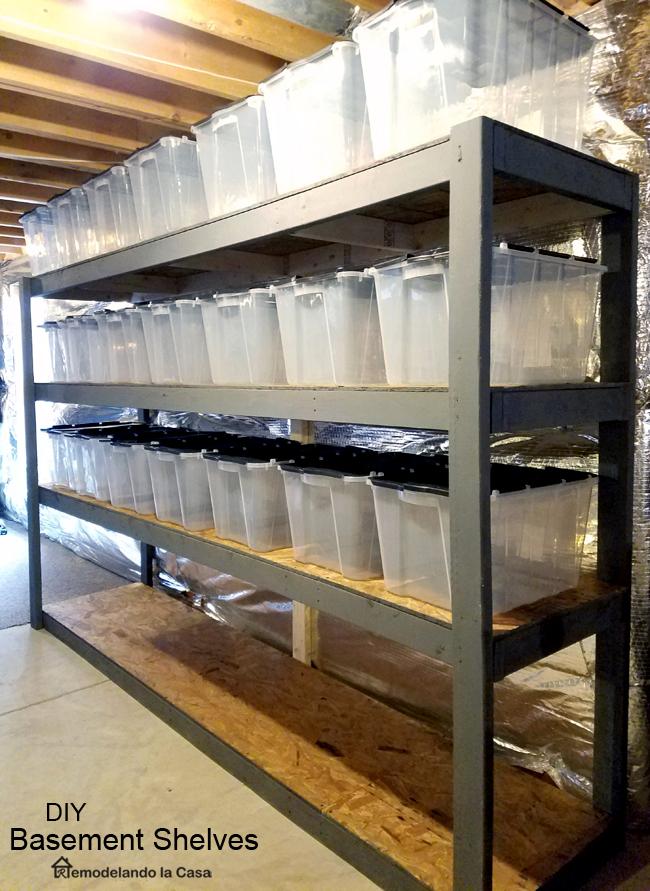
In the basement, sturdy minimalist shelving units keep storage clean and clutter-free while making the most of vertical space. Their adjustable design allows for customization, so organized shelves support both order and easier item retrieval.
Basements can be vulnerable to moisture, so proper ventilation is important, and dehumidifiers should be used if necessary. TCH’s moisture control advice also recommends moisture-resistant storage solutions, such as sealed plastic bins or waterproof containers, to prevent item damage and maintain item longevity.
Mason Jars Under Floor Joists
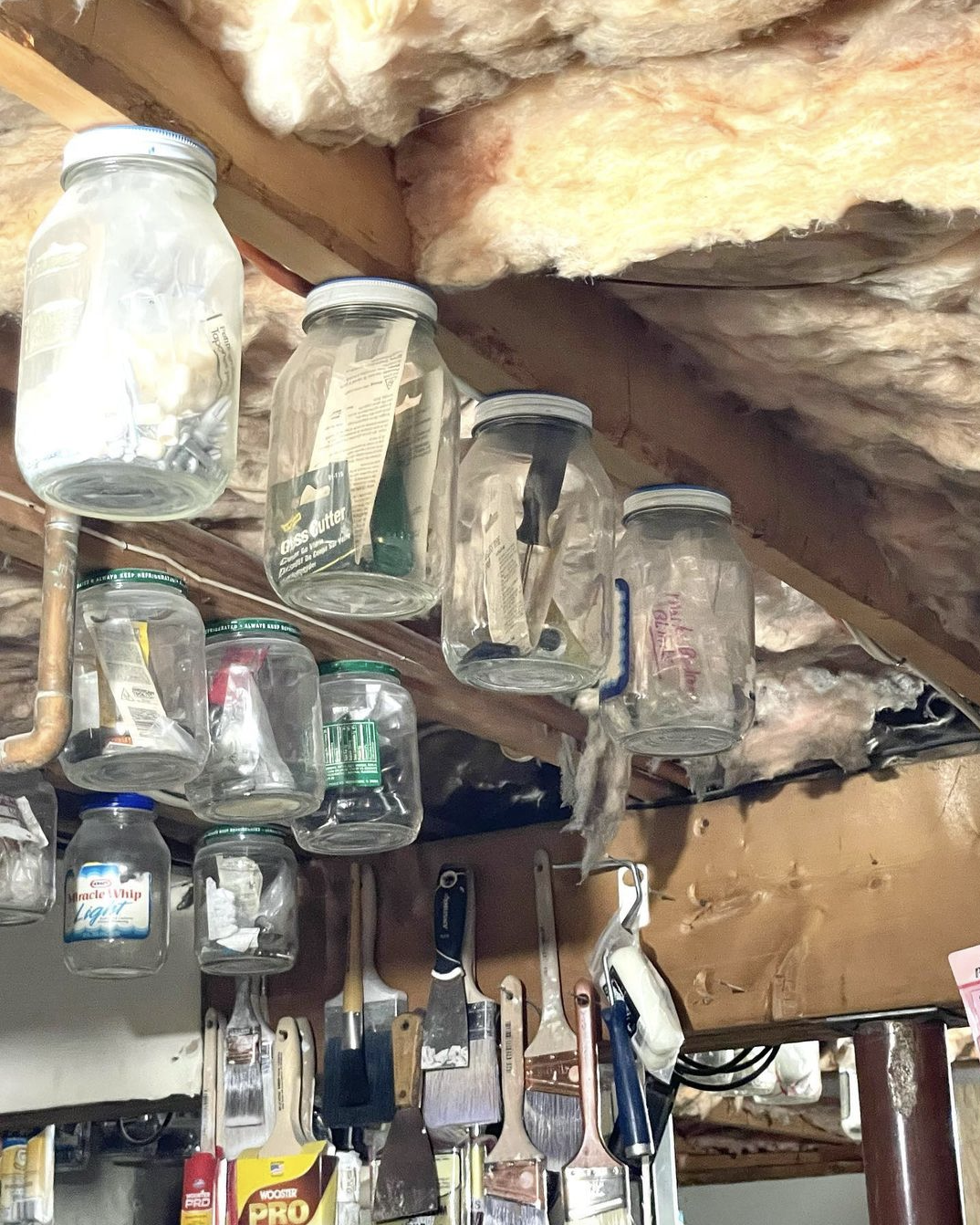
Above the storage area, securely attach Mason jars to the underside of the floor joists. The jars can hold small tools, screws, and nails, keeping their contents within easy reach while freeing shelf space and floor space.
Ceiling Mounted Storage Racks

Near the ceiling, overhead storage racks make use of underused vertical space. They can hold seasonal items, belongings used infrequently, and bulky equipment, which helps reduce cramped corners and floor clutter.
Old Furniture Storage Units
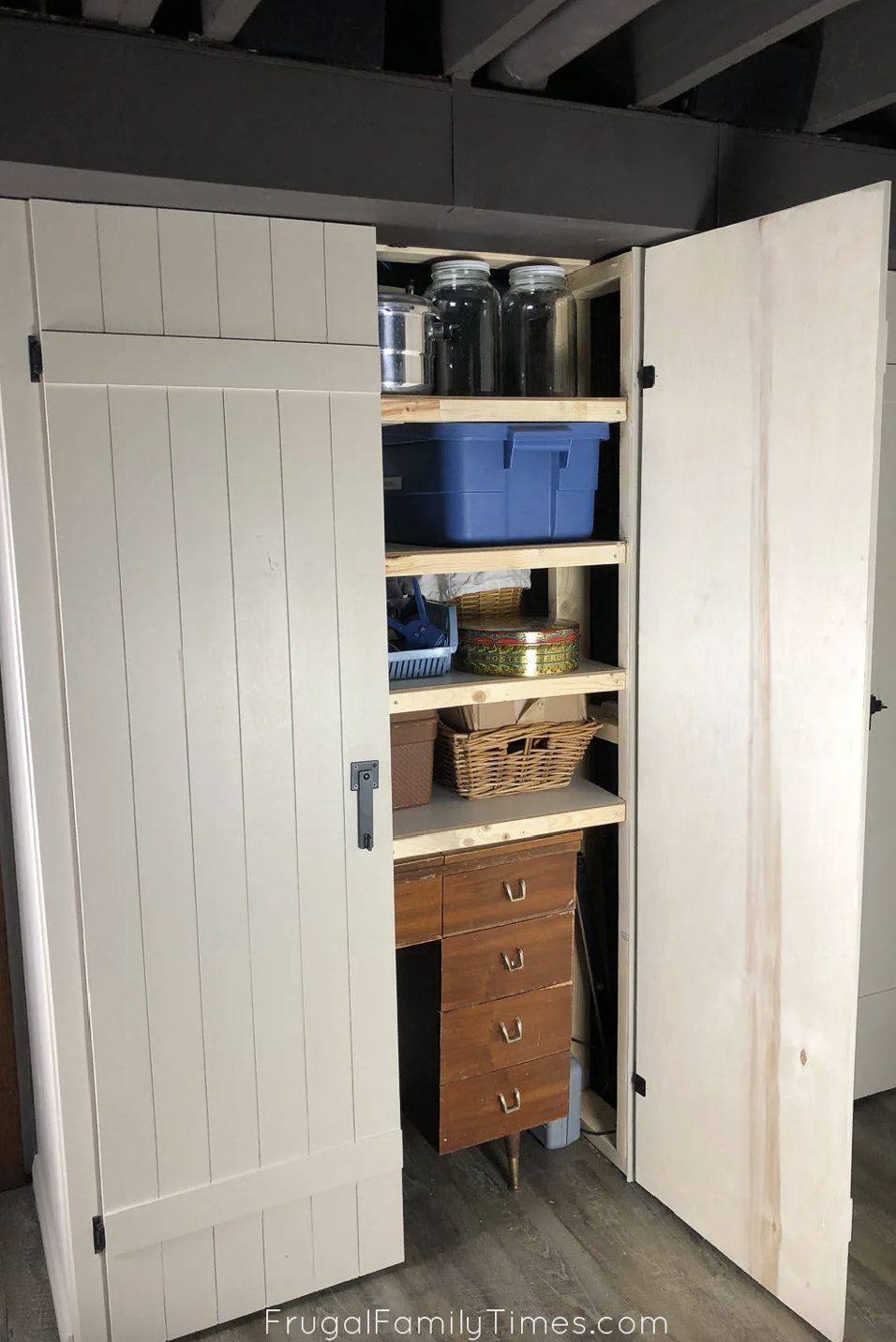
An old dresser can become a basement storage unit with functional storage built into its dresser drawers. The drawers hold seasonal clothing, tools, and accessories.
Wall-Mounted Basement Shelves
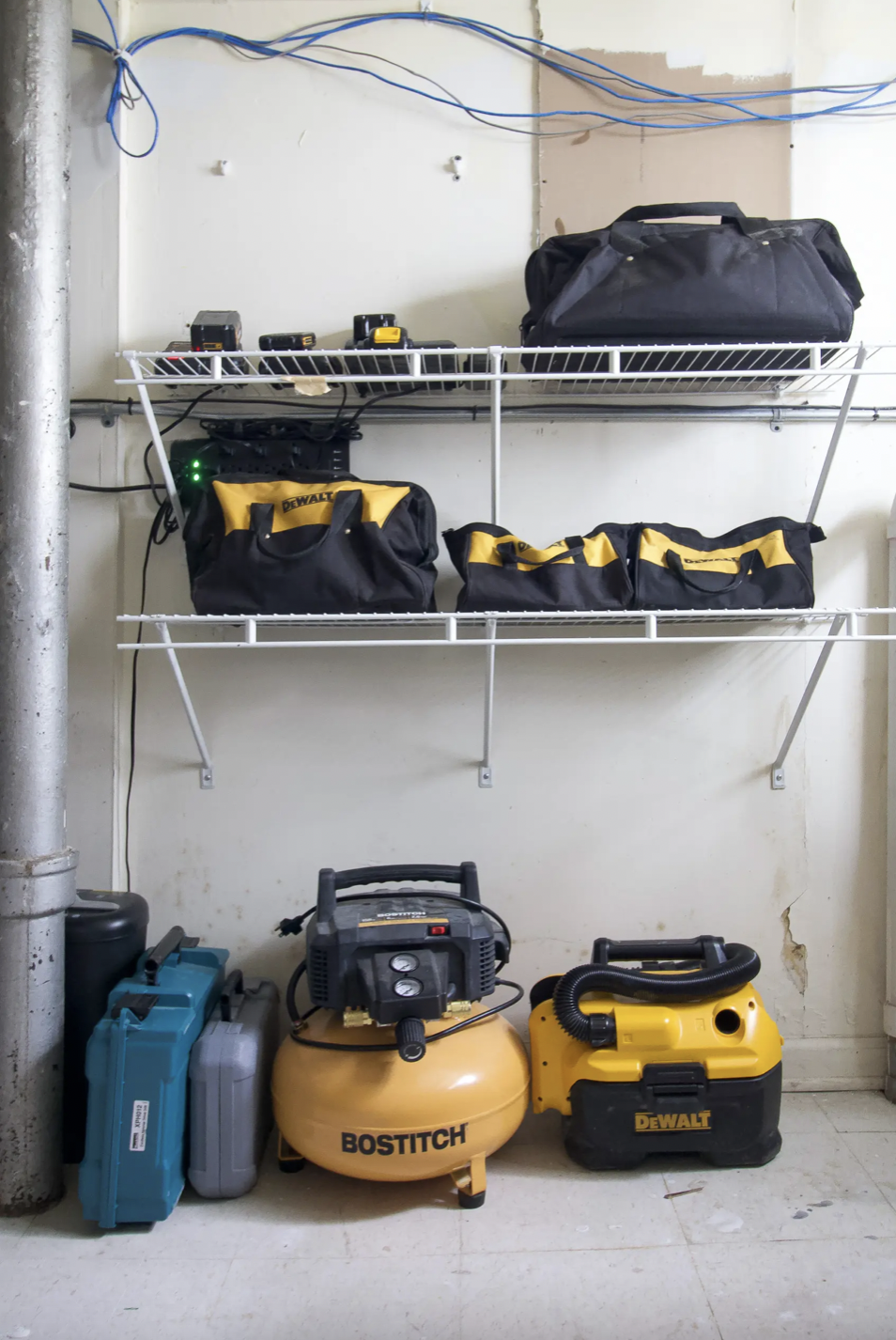
Mounted on the wall, these shelves keep books, power tools, bins, and decorations within easy reach. They also add storage capacity without taking up floor space.
Pegboard Wall Storage
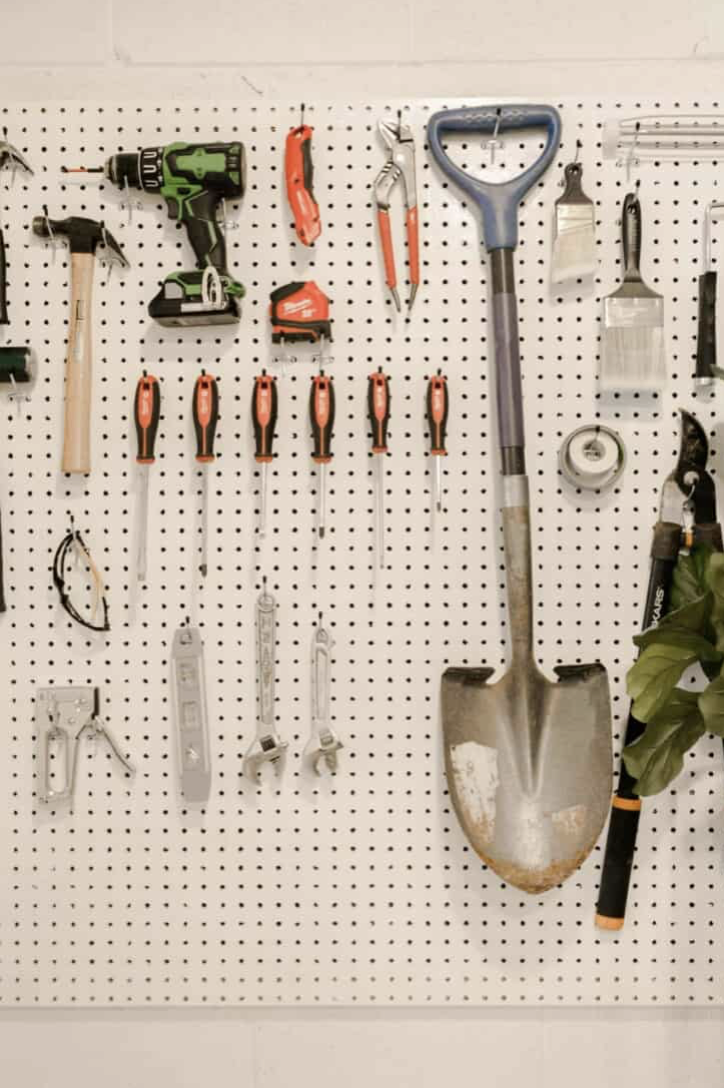
On a basement wall, pegboard storage keeps items within reach and can also support a display. It holds tools such as wrenches and screwdrivers, along with craft supplies, and the setup can be customized as storage needs change.
Black Budget-Friendly Basement Plastic Shelving
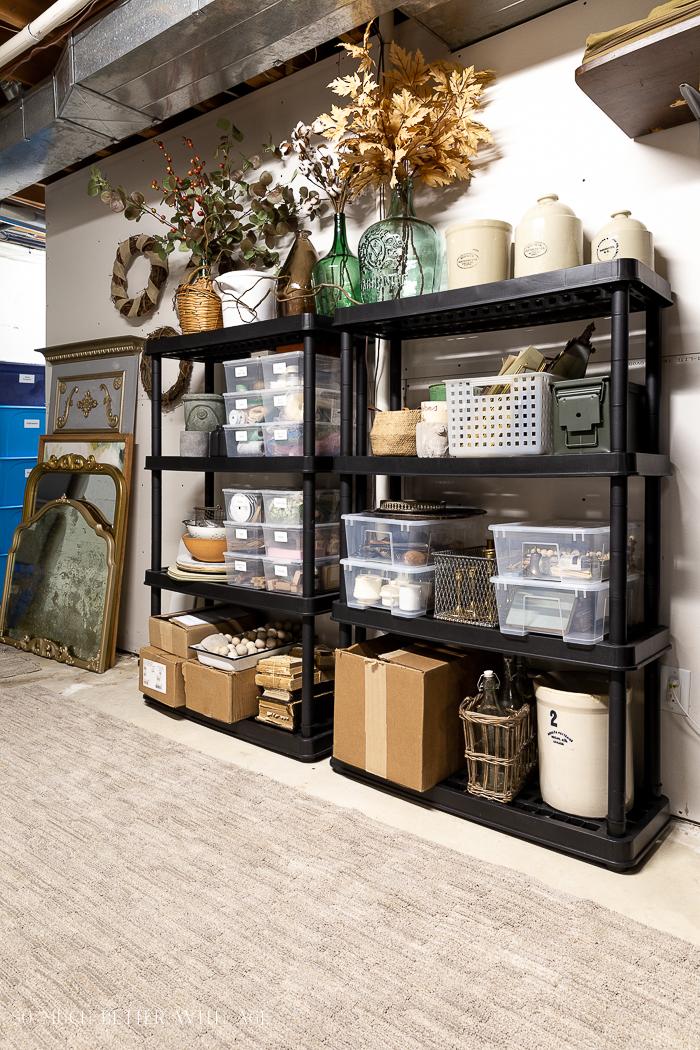
On the project page, the image is shown with a tutorial. The two are credited to the blog named So Much Better, With Age.
Black plastic gives this shelving unit a straightforward look, while its sturdy adjustable shelves offer economical, practical storage. The unit helps organize basement storage and accommodates items in various sizes.
Under Stair Storage Shelves
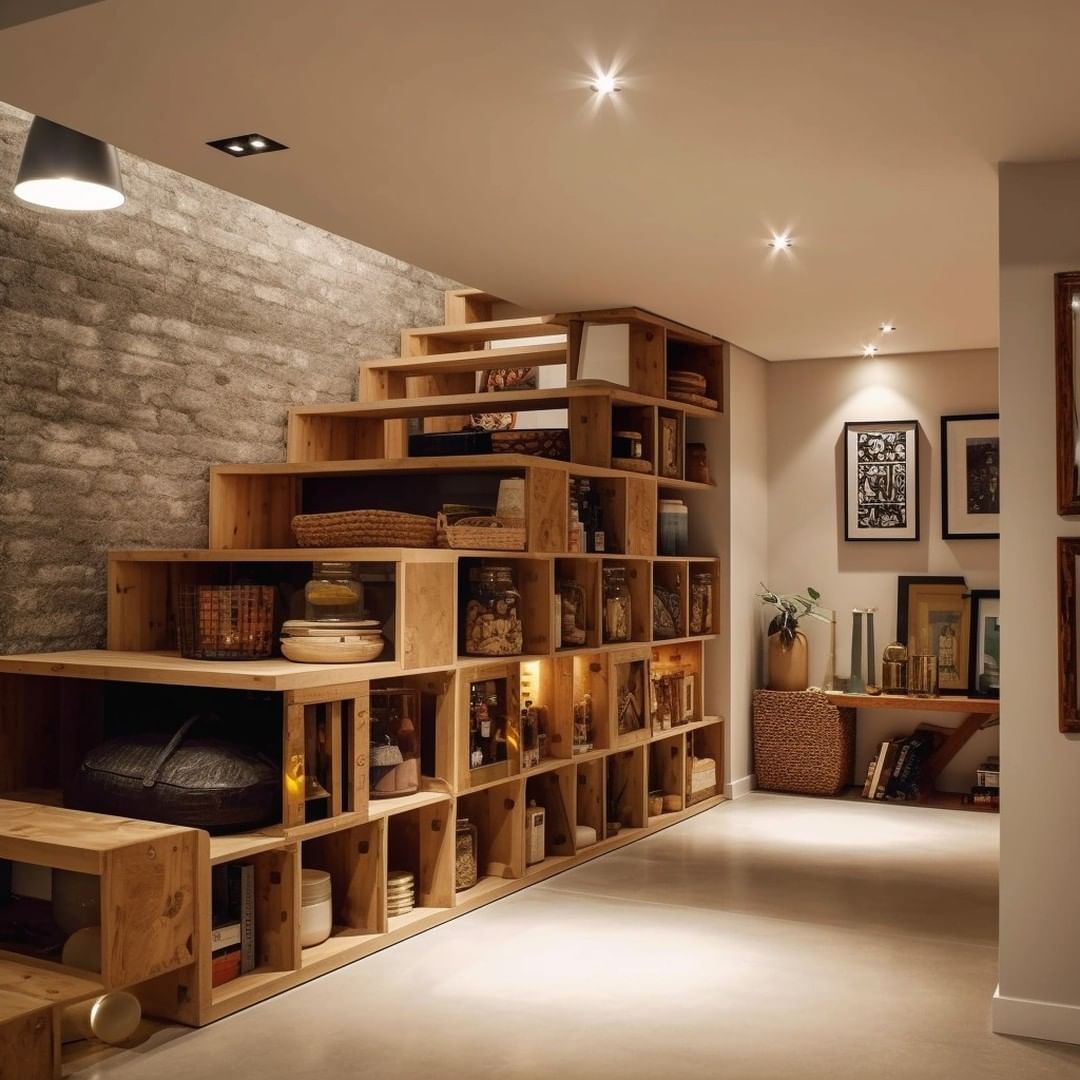
The space under the stairs in an unfinished basement can be converted into a storage area. Under-stair storage preserves floor space while increasing storage capacity.
Basement DIY Storage Shelving
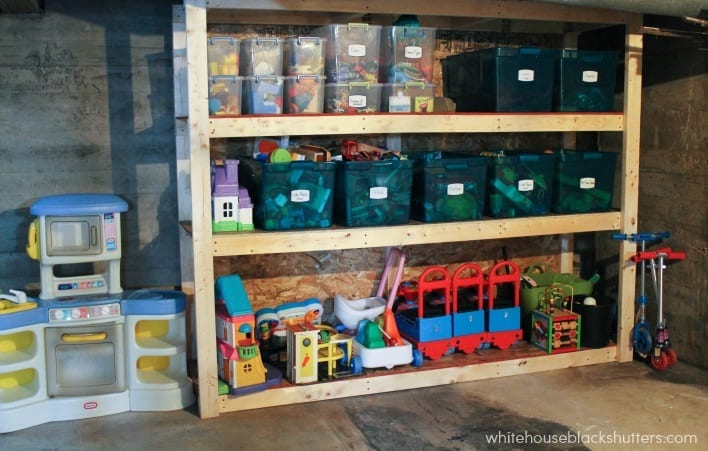
In the basement, you can build a DIY storage shelf tailored to the room’s dimensions and your storage needs. The construction materials are inexpensive, and the shelf tutorial includes step-by-step instructions.
Stackable Totes for Vertical Storage
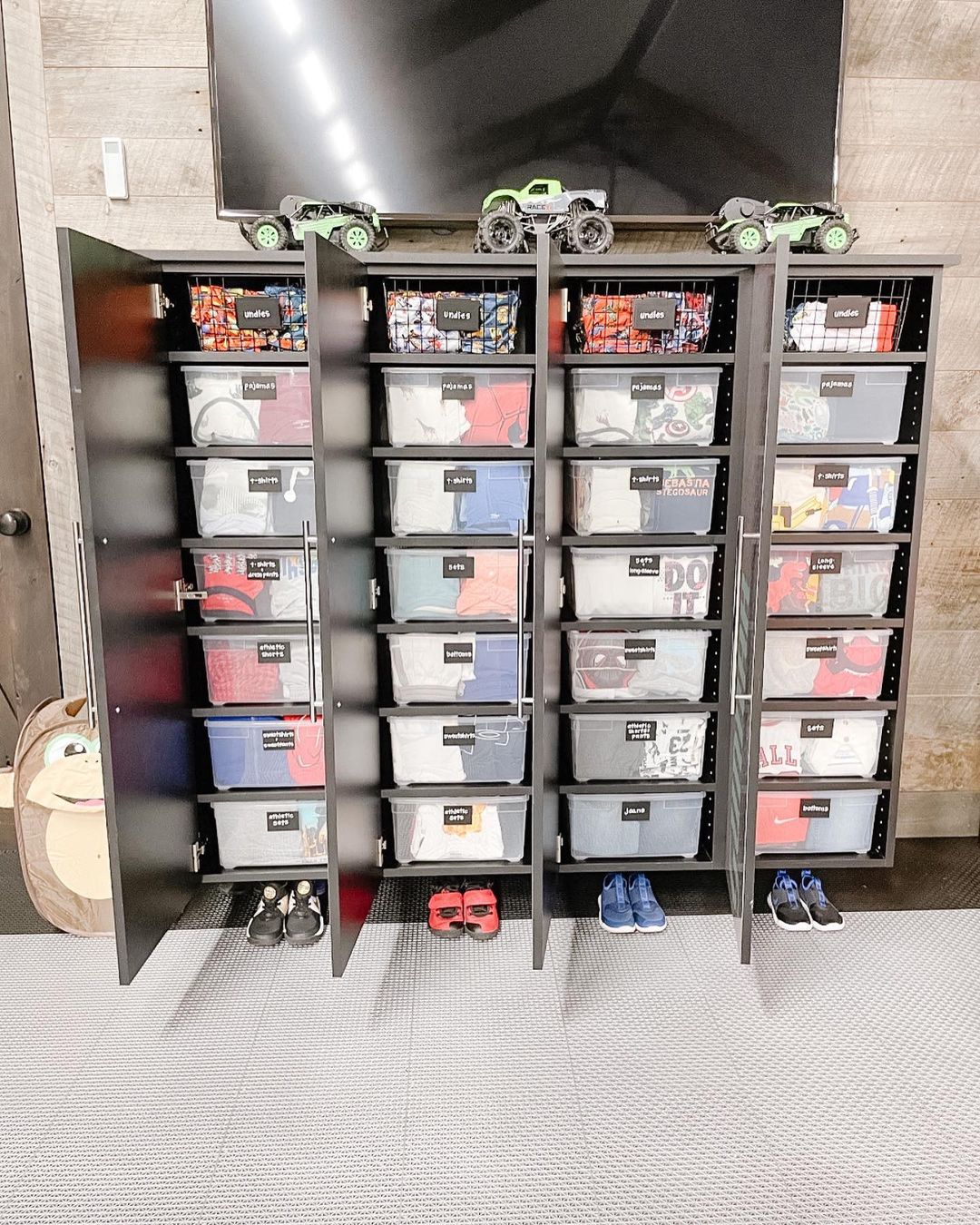
For basement organization, stackable totes store holiday decorations, seasonal clothing, sports gear, and household essentials. Their vertical arrangement increases storage capacity while saving space.
Mobile Storage Carts
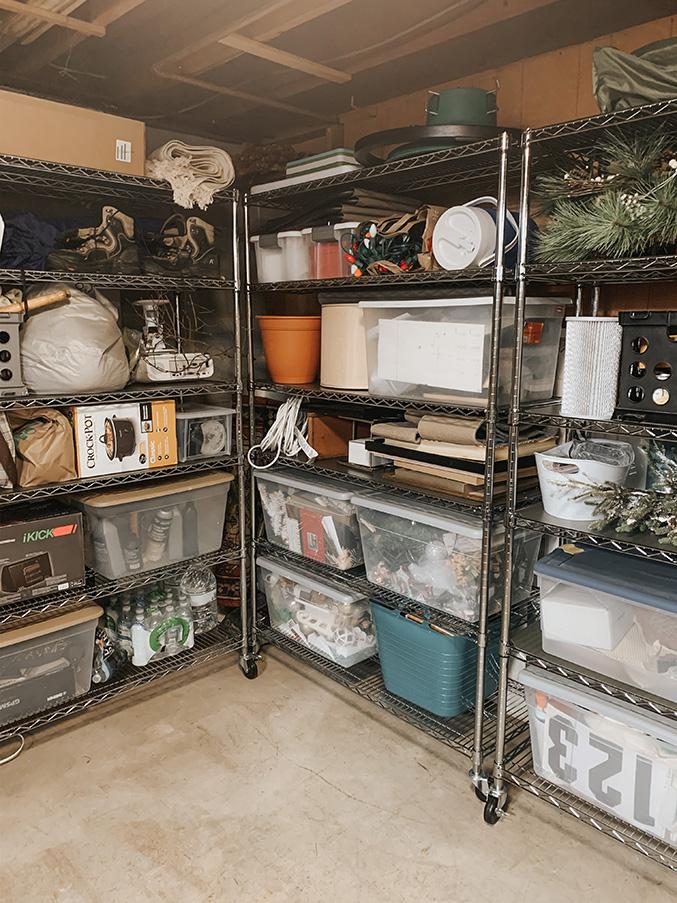
In basement storage, multiple-shelf carts can be moved around as needed. These maneuverable carts hold tools, craft supplies, and miscellaneous items, supporting flexible storage and efficient organization while allowing the layout to be reconfigured when you are on the go.
Mobile Storage Cart
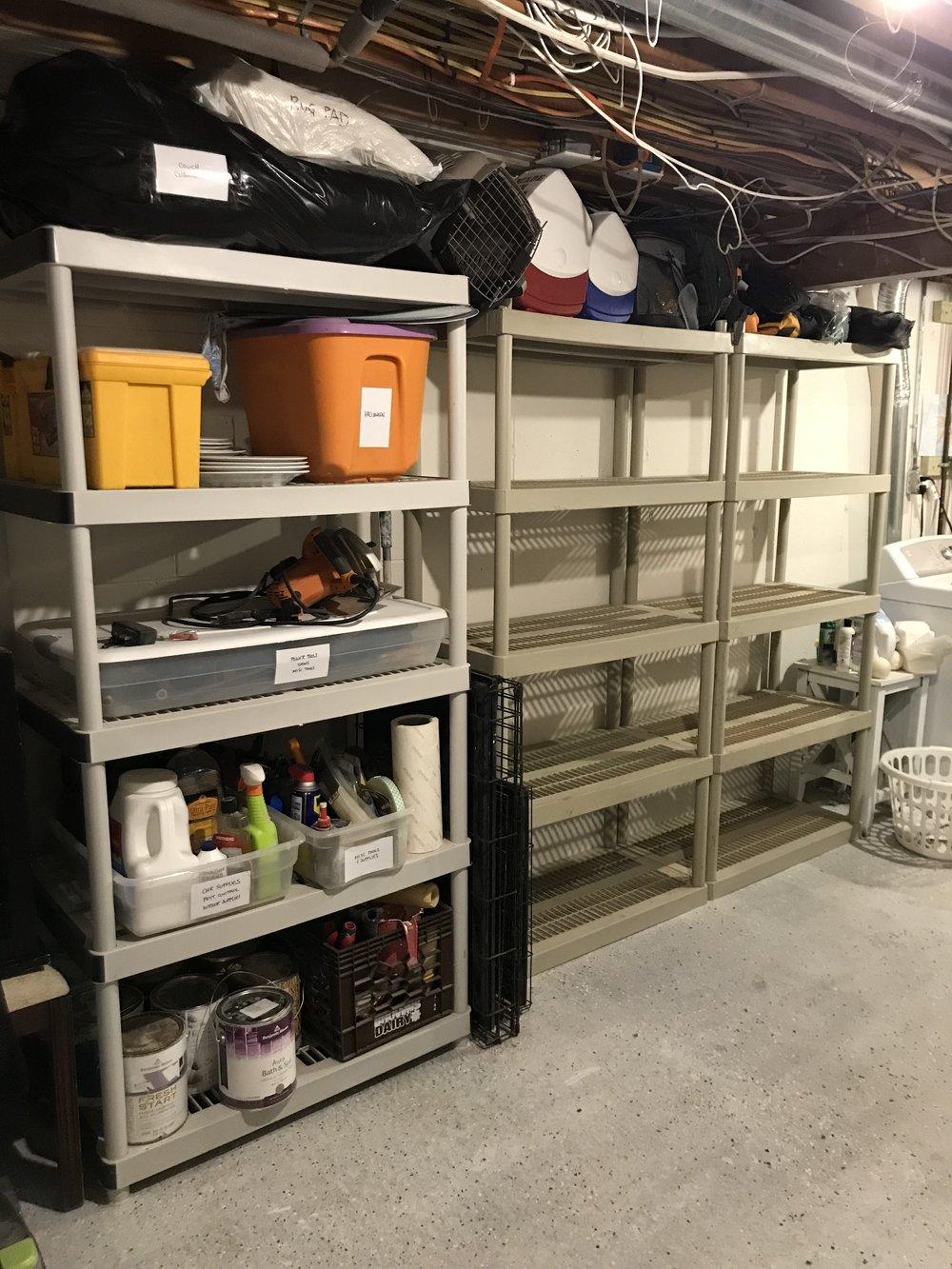
In the basement laundry room, labeled bins form part of a laundry sorting station. The bins sort laundry cleaning supplies and support efficient sorting there.
Labeled Plastic Bins
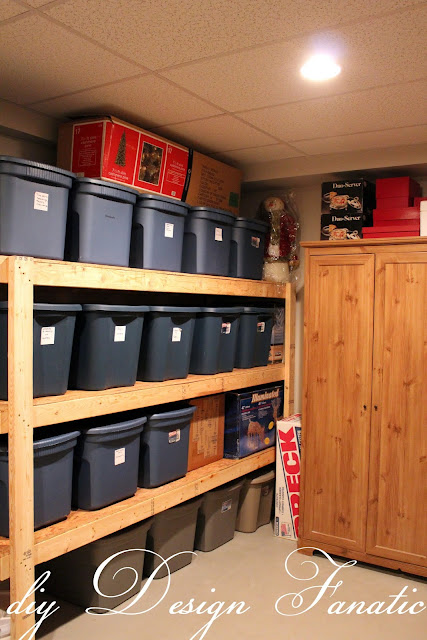
Clear labels on plastic bins identify categories such as holiday decorations and sports gear. They make it easier to locate items quickly.
Custom Shelving Units for Basement Storage
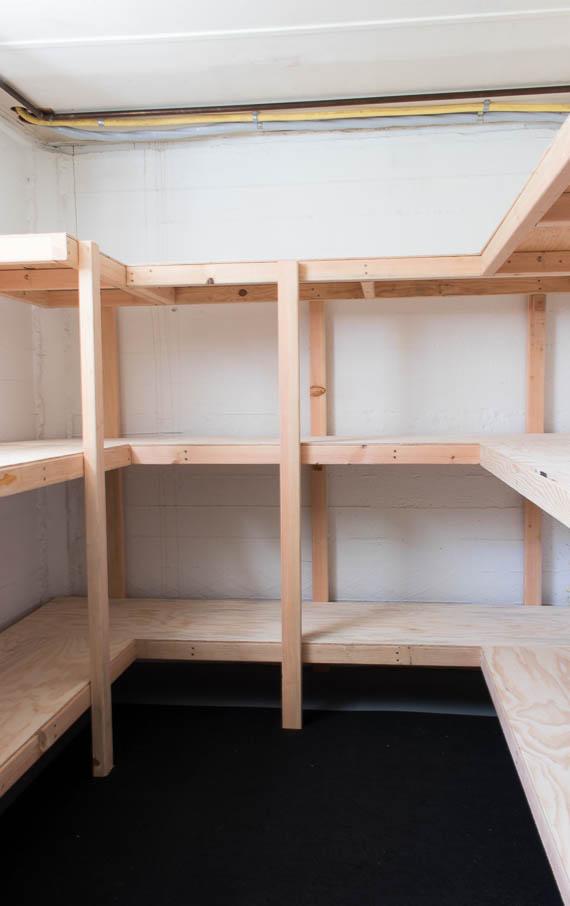
Install custom basement shelving units to reclaim basement space. They also support basement organization.
Mixed Storage Bins
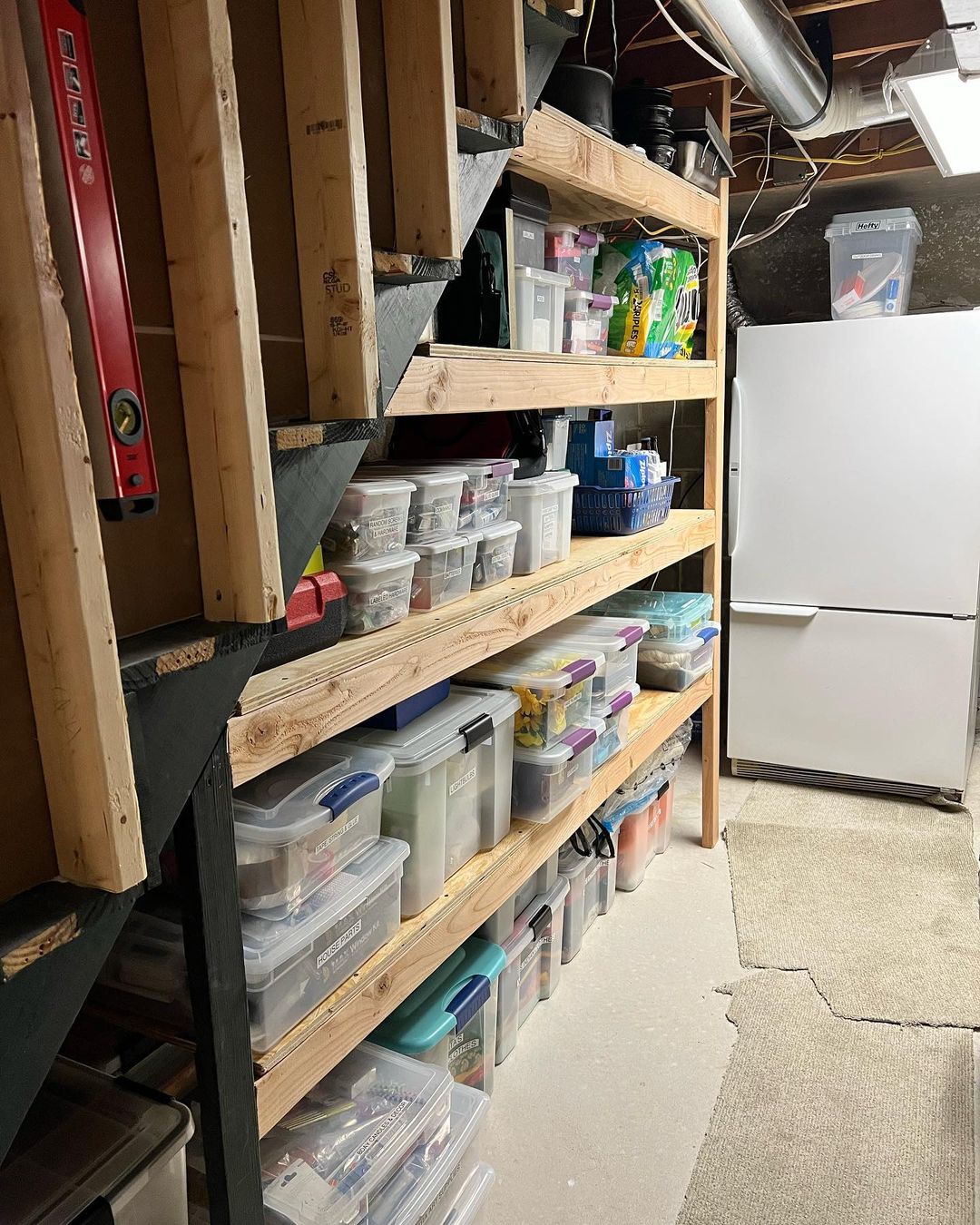
Use mixed bin styles to form an efficient storage system. Storage bins do not need to be perfectly matched for the system to work.
Shelving units mounted on the wall for vertical storage
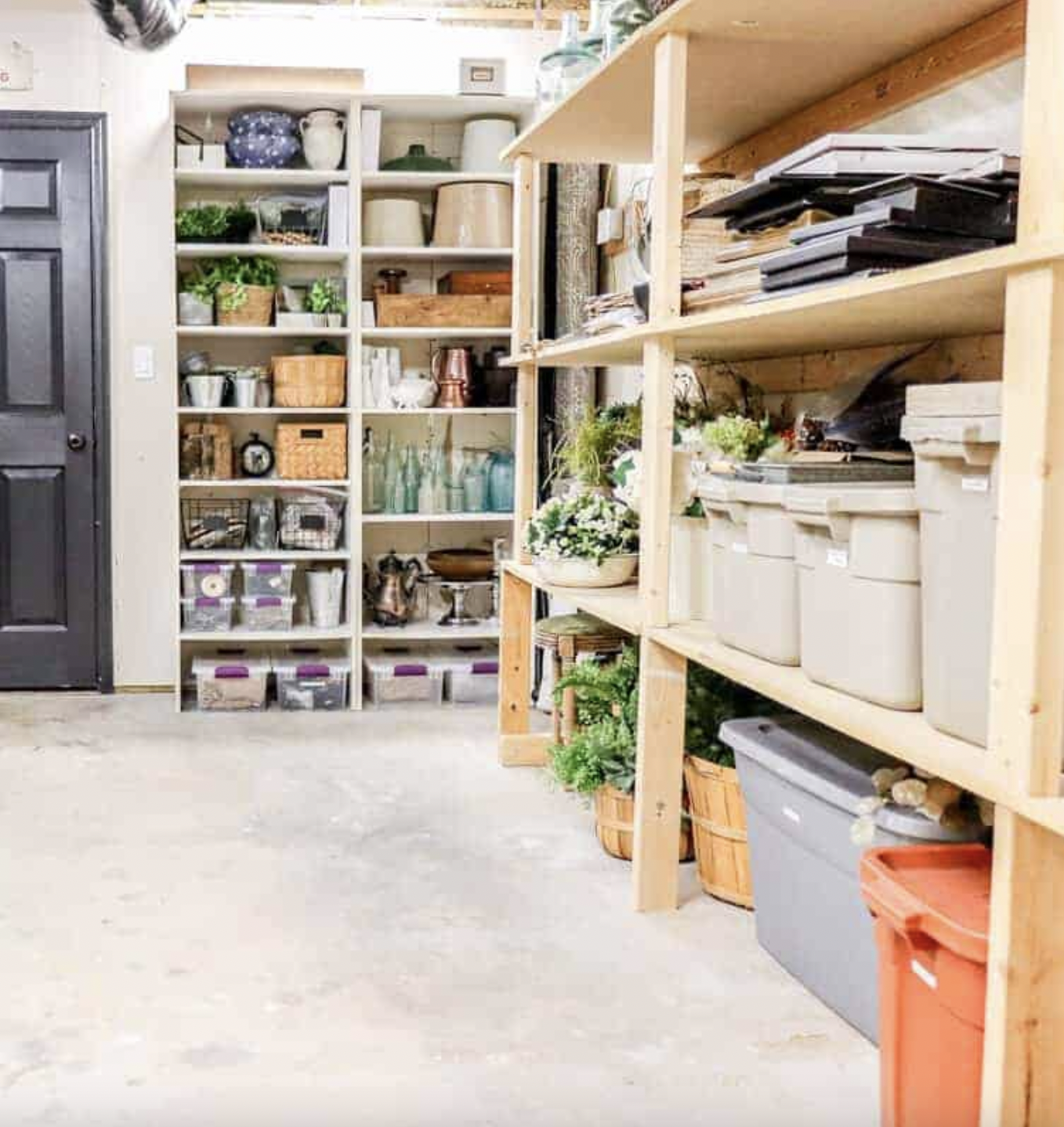
These wall-mounted shelving units use vertical space with a customizable design and adjustable height. Bins can hold seasonal decorations, while the shelves organize tools and equipment.
Overhead storage racks make use of ceiling areas, while wall-mounted systems use wall areas and free up floor space. TCH advises optimizing vertical space with adjustable shelving units and overhead storage racks.
Top Shelves for Infrequent Items
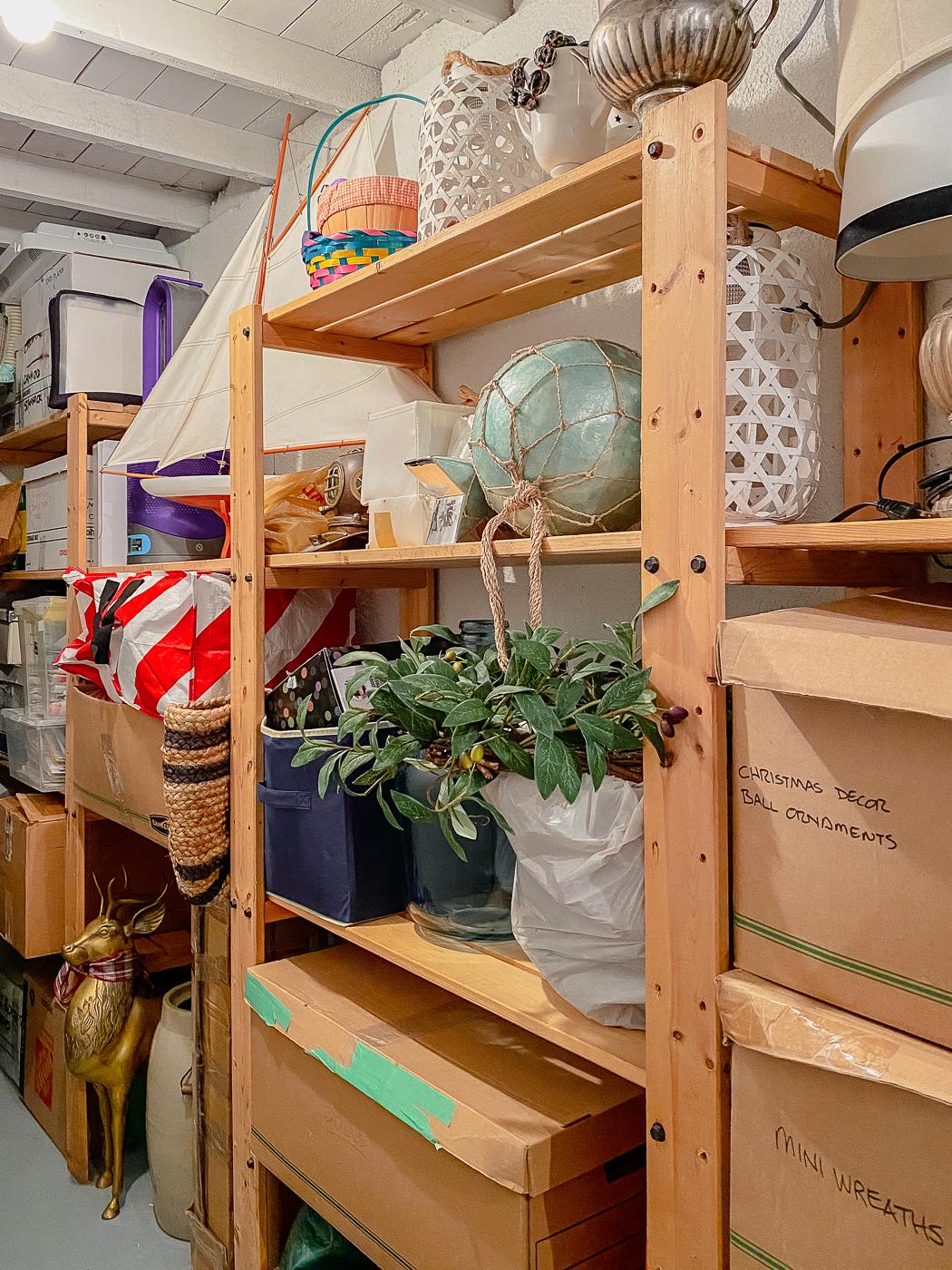
Upper shelves in the basement are useful for infrequent items such as holiday decorations, seasonal gear, and sentimental keepsakes. Keeping these things up high frees the lower space while leaving the stored items accessible and making the most of the available storage space.
Adjustable Shelving Units
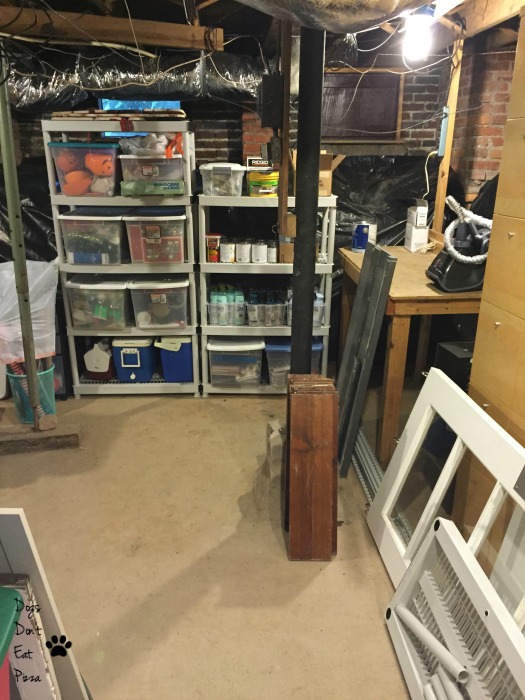
Adjustable shelves fit specific storage needs instead of forcing everything into fixed sizing. They can hold boxes, bins, and odd-shaped items, with the arrangement adapted as needed.
Basement Workbench and Cabinets
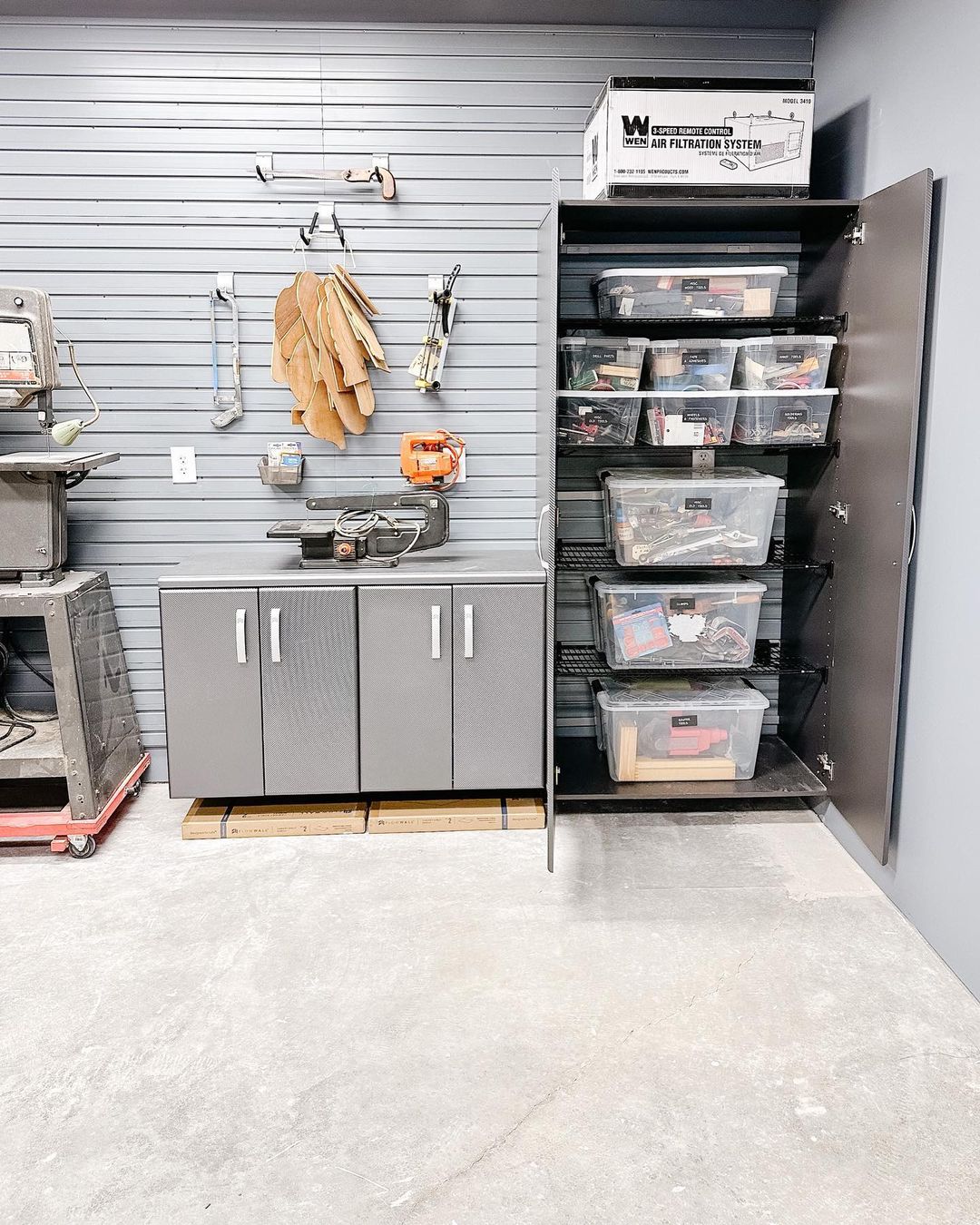
A sturdy workbench creates a dedicated workspace for DIY projects, repairs, and hobbies. Cabinets keep tools, supplies, and equipment organized, while the installation supports better basement organization.
Transparent Plastic Boxes
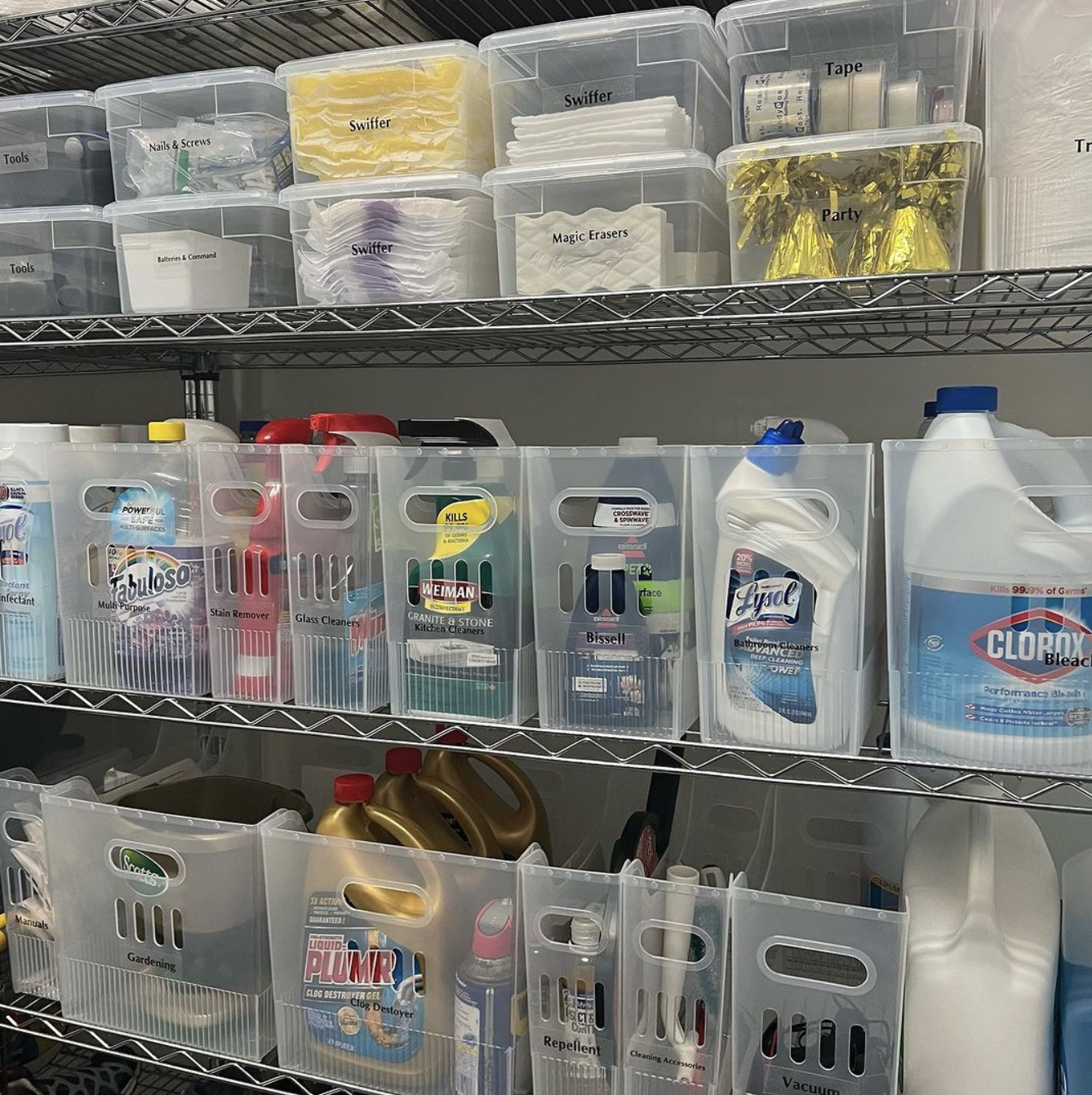
The contents remain visible through transparent boxes, so you can see what is inside without opening each one. This enables quick retrieval and reduces rummaging through storage.
Open Shelving for Larger Basement Storage
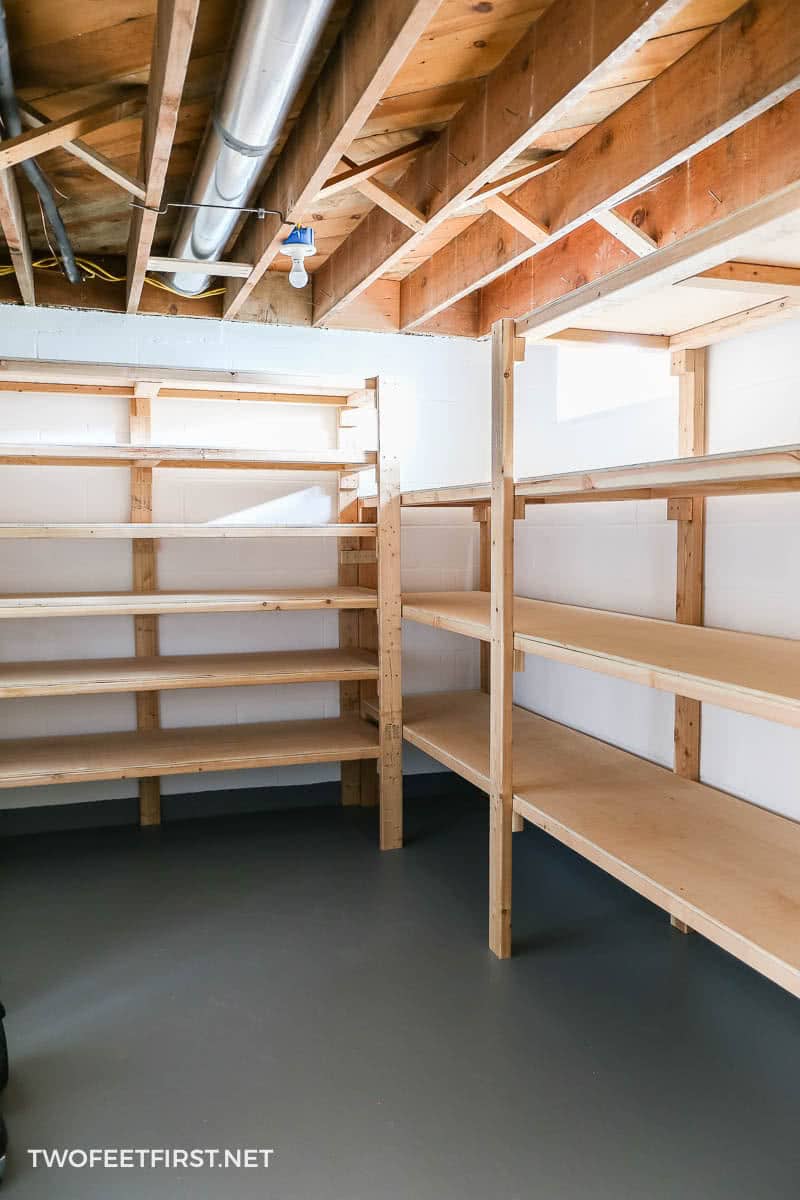
Custom shelves provide sturdy, accessible storage for large items such as paint cans, gardening supplies, and seasonal decorations. Set up in the basement for vertical storage, DIY shelves reduce the amount of floor space used and help keep everything organized.
Basement Refrigerator Storage
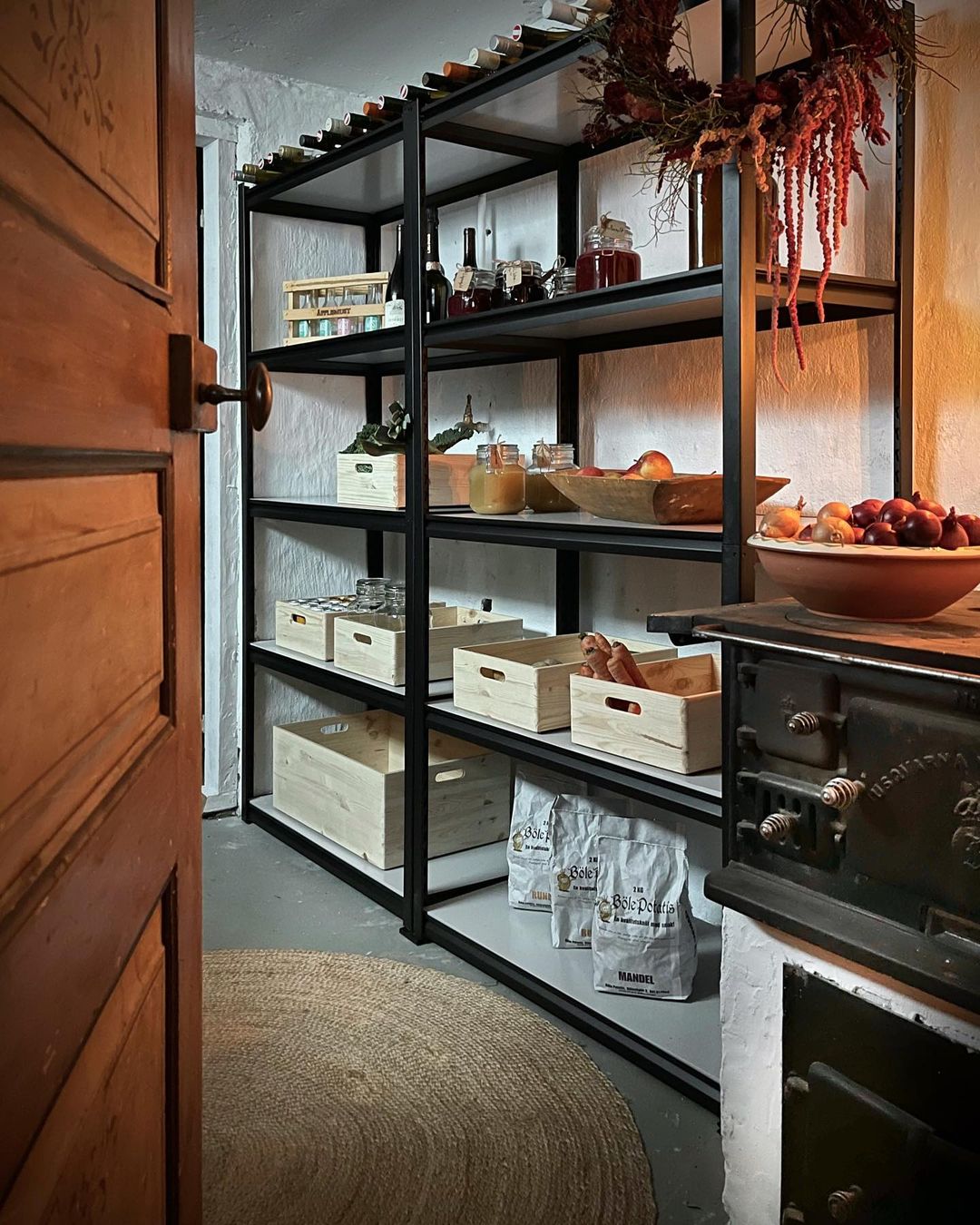
In the basement, an extra refrigerator increases storage capacity for food and helps preserve perishables. It also creates more space upstairs, including room in the kitchen.
Corner Shelving for Basement Nooks
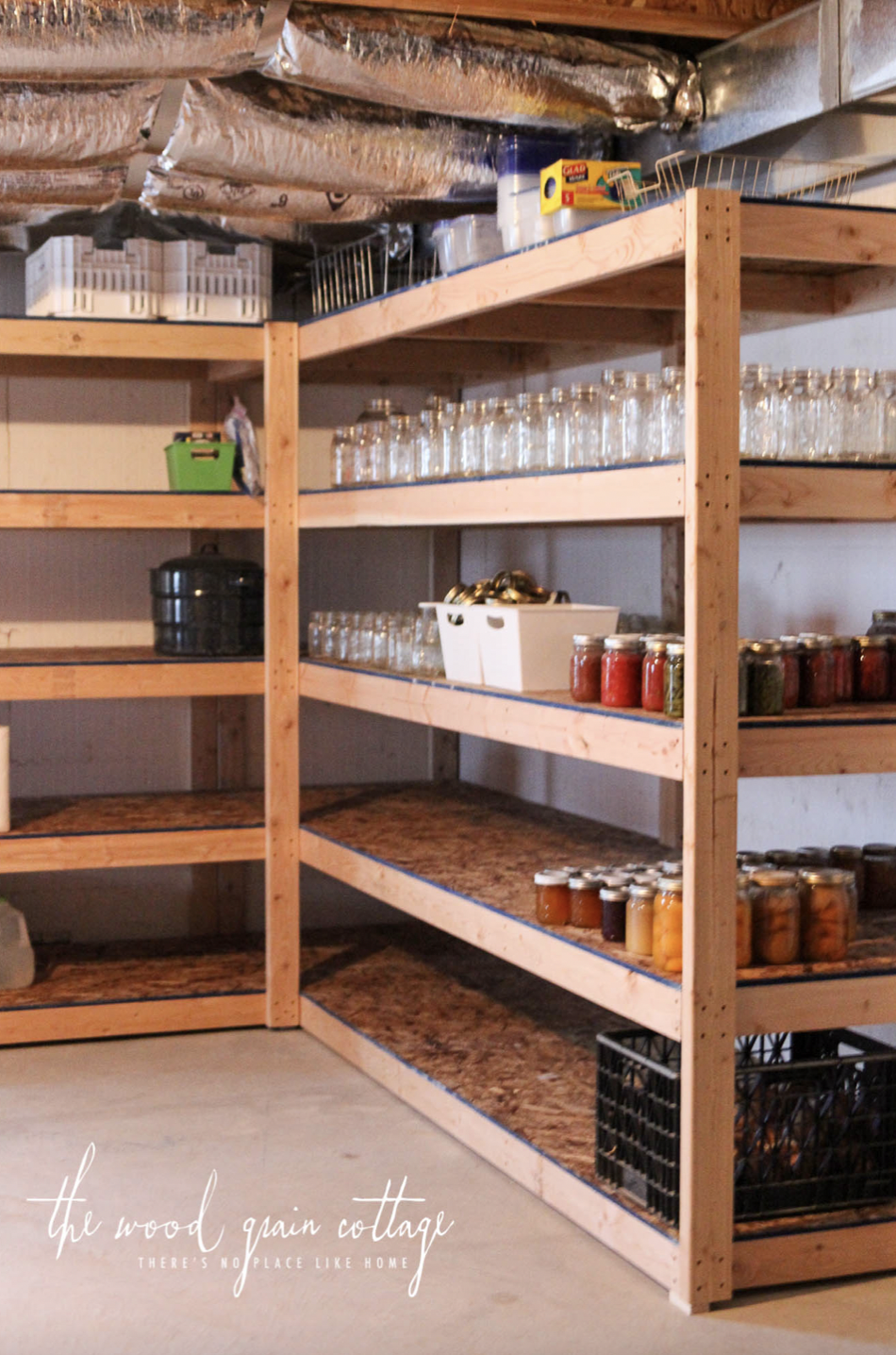
Install corner shelving units in unused basement corners to convert those spaces into storage areas. The units use tricky nooks and increase the basement’s available storage.
Ongoing Basement Donation Pile
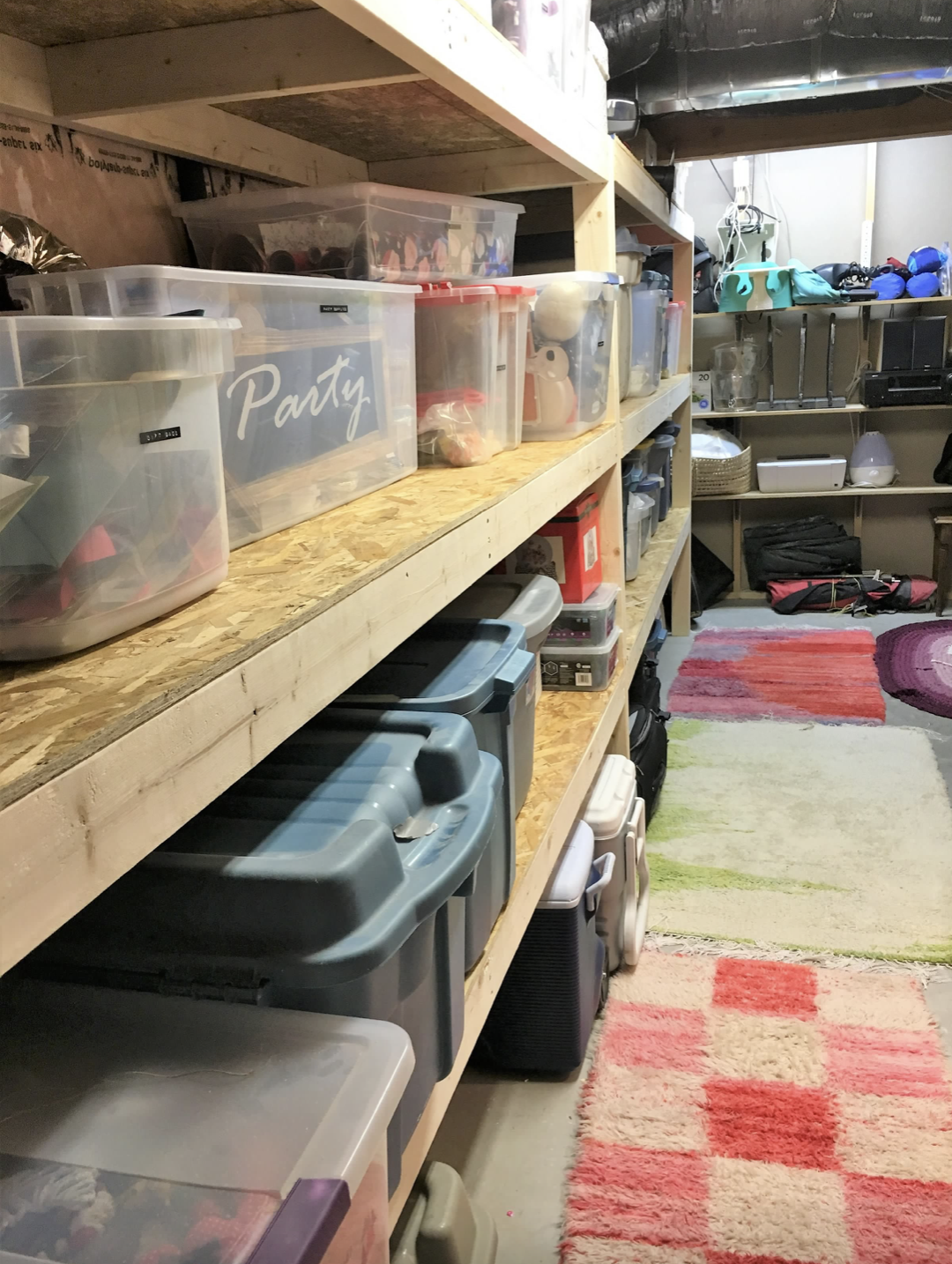
Use a designated donation pile in the basement for items with no remaining use. Donate the items regularly to local charities so they can support community members while the practice reduces basement clutter.
TCH recommends reviewing stored items periodically as part of basement storage upkeep. Regular decluttering maximizes the storage space and prevents clutter from building up. Identify anything you no longer need, then sell it, donate it, or dispose of it responsibly.
Low Storage for Heavy Items
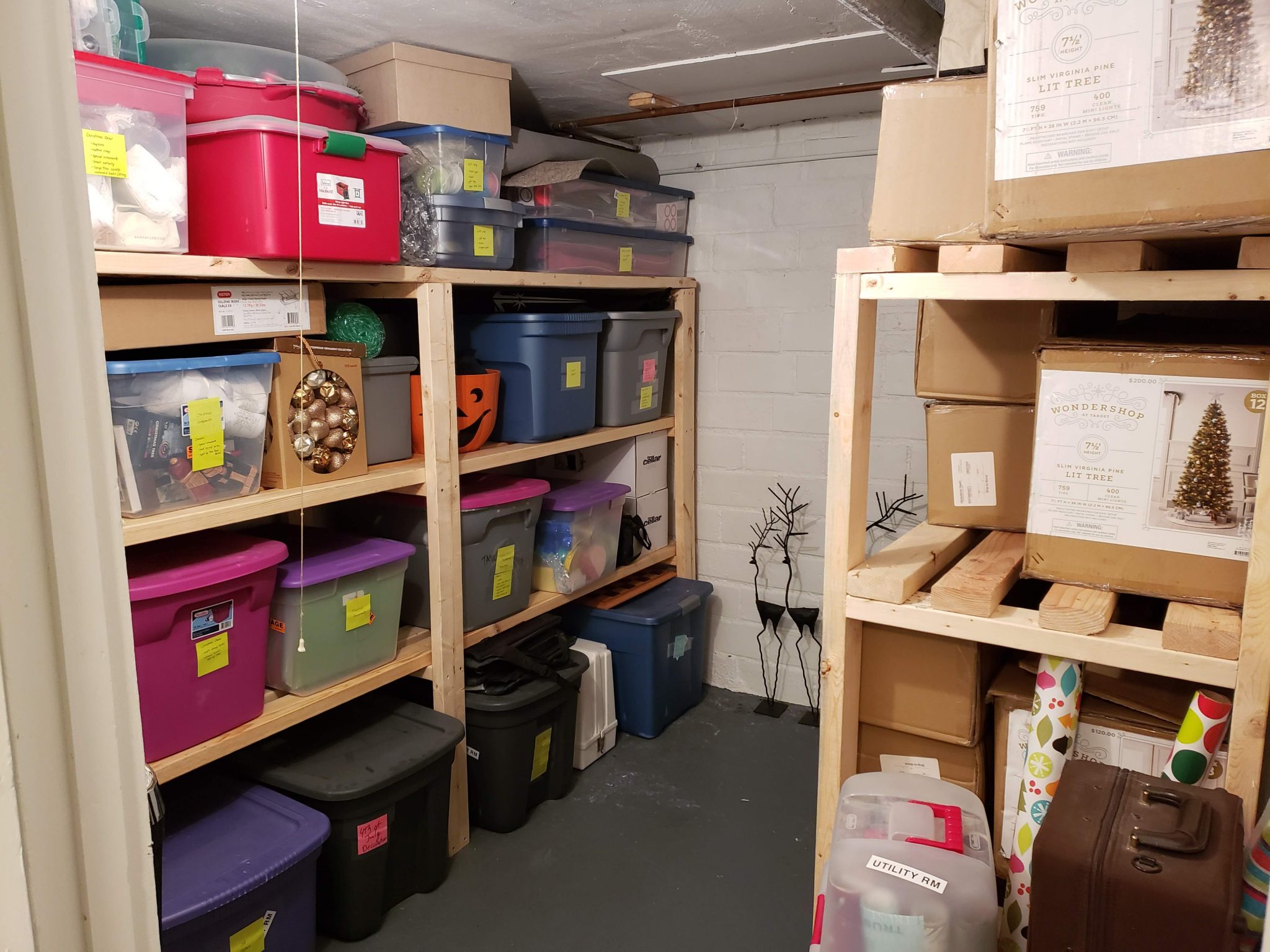
Lower shelves or the floor are the place for heavy items, including cardboard boxes filled with heavy items. Keeping them close to the ground supports stability, improves access, and helps prevent accidents.
Daily Items at Eye Level
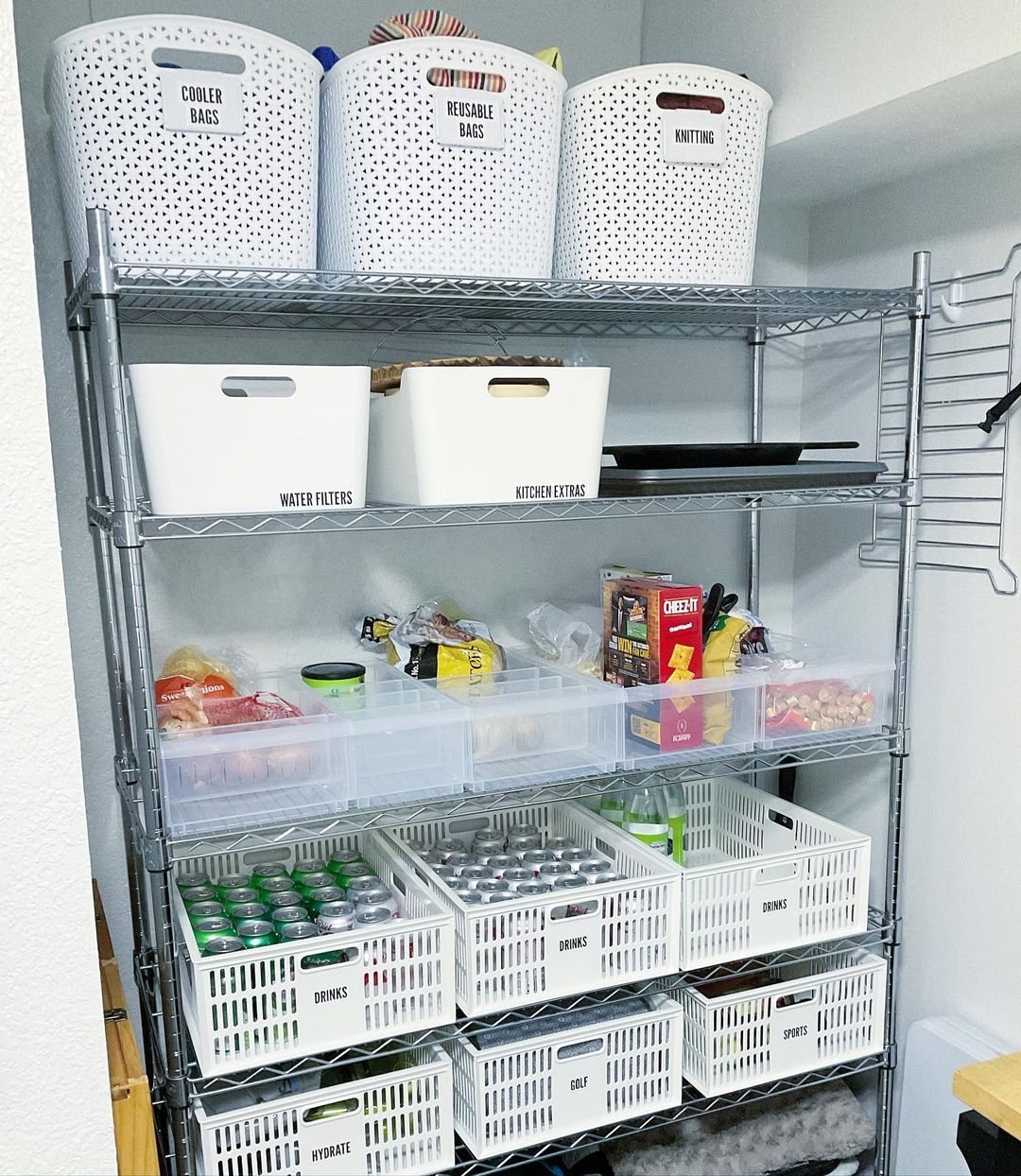
Place frequently used everyday items at eye level or another easy-to-reach height. This reduces retrieval effort and cuts down on searching through boxes and bins.
In unfinished basement storage, TCH recommends prioritizing accessibility and organization by keeping frequently used items within easy reach. Labeling and categorizing storage containers reduces storage effort, retrieval time, and long-term clutter.
Shelf-Compatible Tote Bins
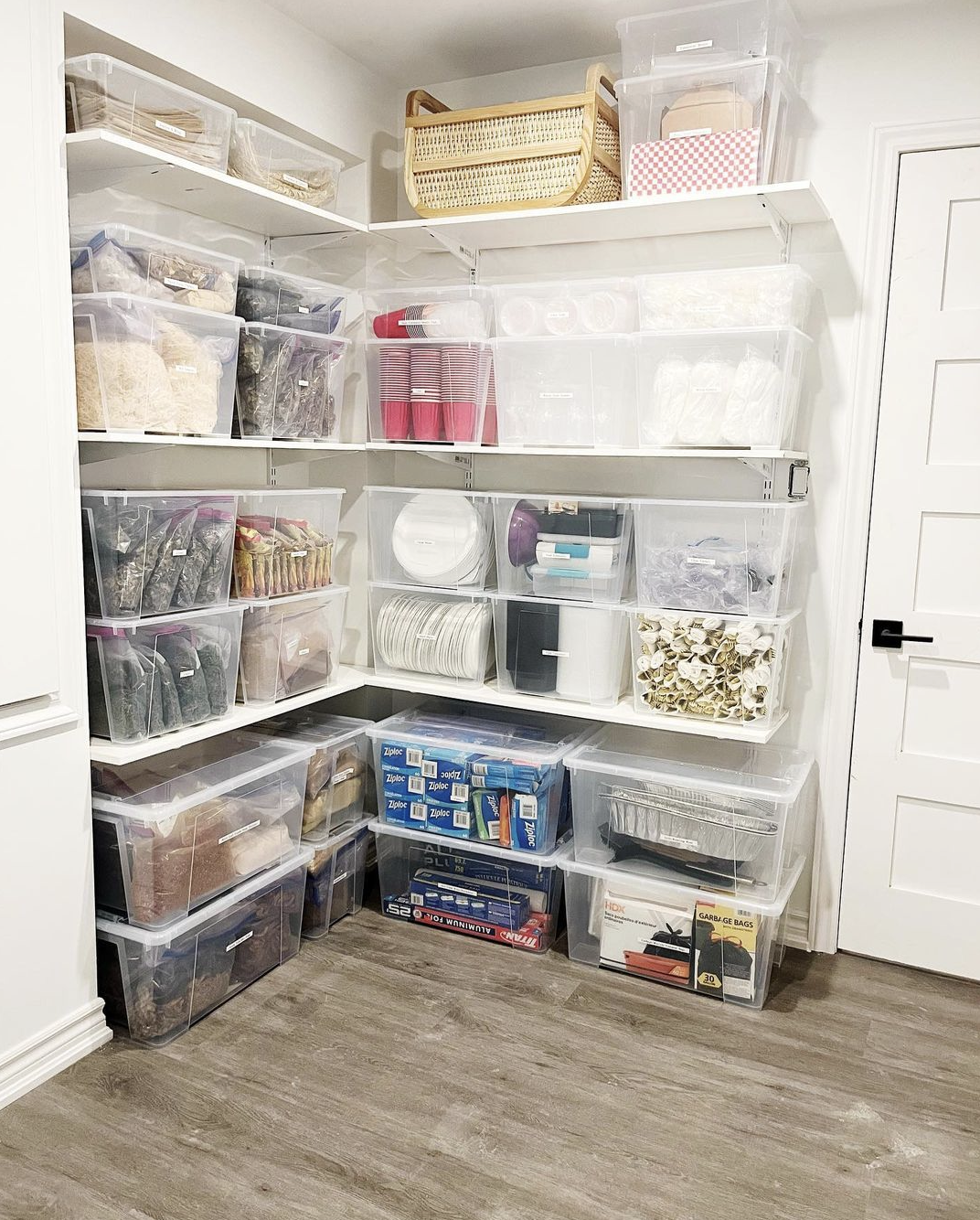
Choose tote bins that fit into the shelves rather than bins that are too large or too small. Shelf-compatible bins slide into shelving units, maximize their use, and reduce wasted space in a finished basement.
Basement Door Custom Storage Cabinets
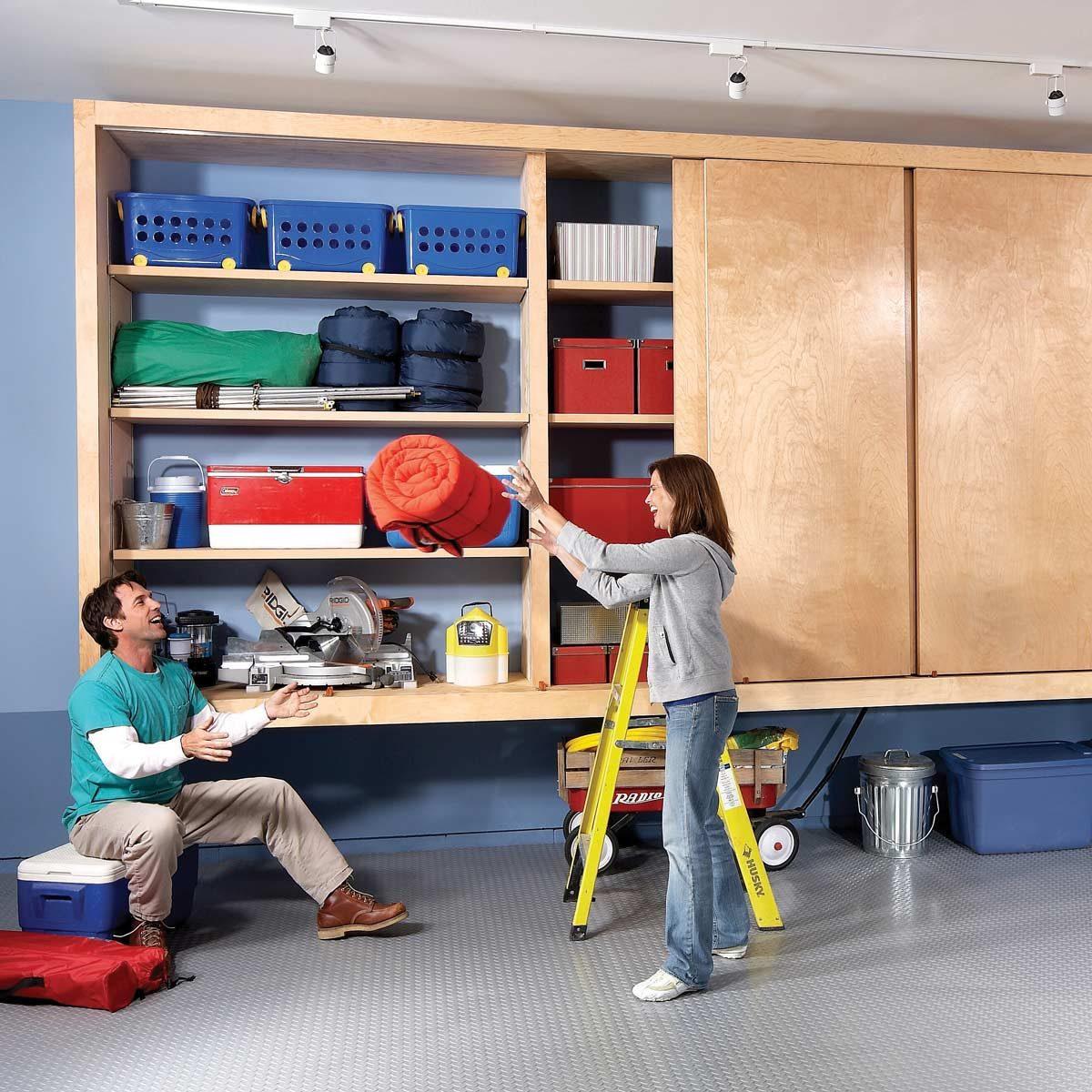
Build custom storage cabinets with doors to provide useful space for tools, seasonal decorations, sports equipment, and household supplies. The closed doors help protect everything inside from dust and keep it out of sight.
Basement Storage Cubbies

Built-in cubbies store items of all shapes and sizes, including hobby supplies, tools, seasonal decorations, and sports equipment. They support basement organization while saving space.
Basement storage with DIY wall mounting
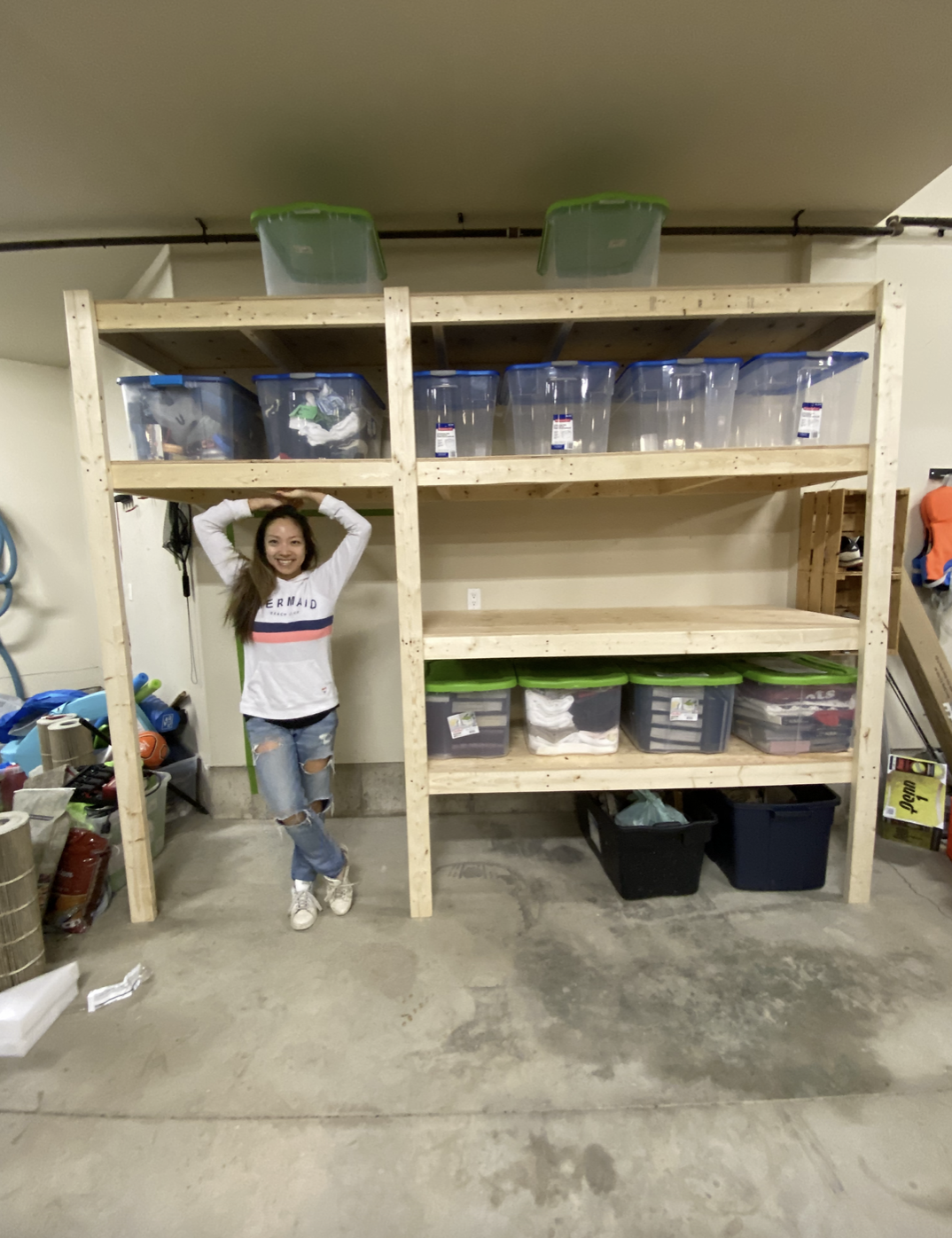
This basement storage system can be customized to fit specific needs. Use it for tools, gardening equipment, sports gear, and holiday decorations while reclaiming floor space and making use of the walls. Create a customized storage system based on what you need to store.