Odd corners, long narrow stretches, and irregular shapes can make a living room feel difficult to arrange, but they also create room for thoughtful design choices. Rugs, flexible seating, angled furniture, layered lighting, mirrors, and vertical storage can define useful zones while giving awkward spaces a more balanced feel.
Layered Lighting for Living Rooms
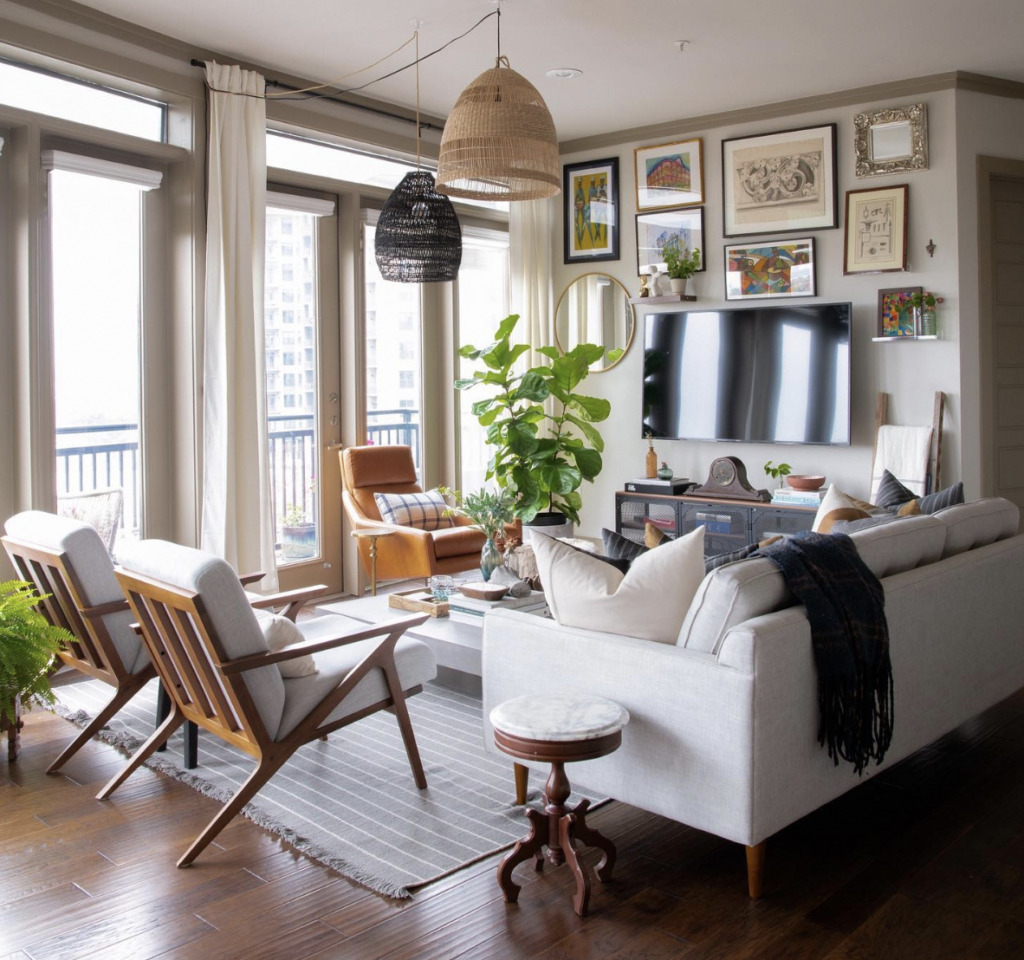
Accent lighting can shift attention away from awkward areas and toward the room’s strengths. Track lights, picture lights, and string lights can spotlight artwork, architectural features, and unique decor.
Rugs for Separate Areas
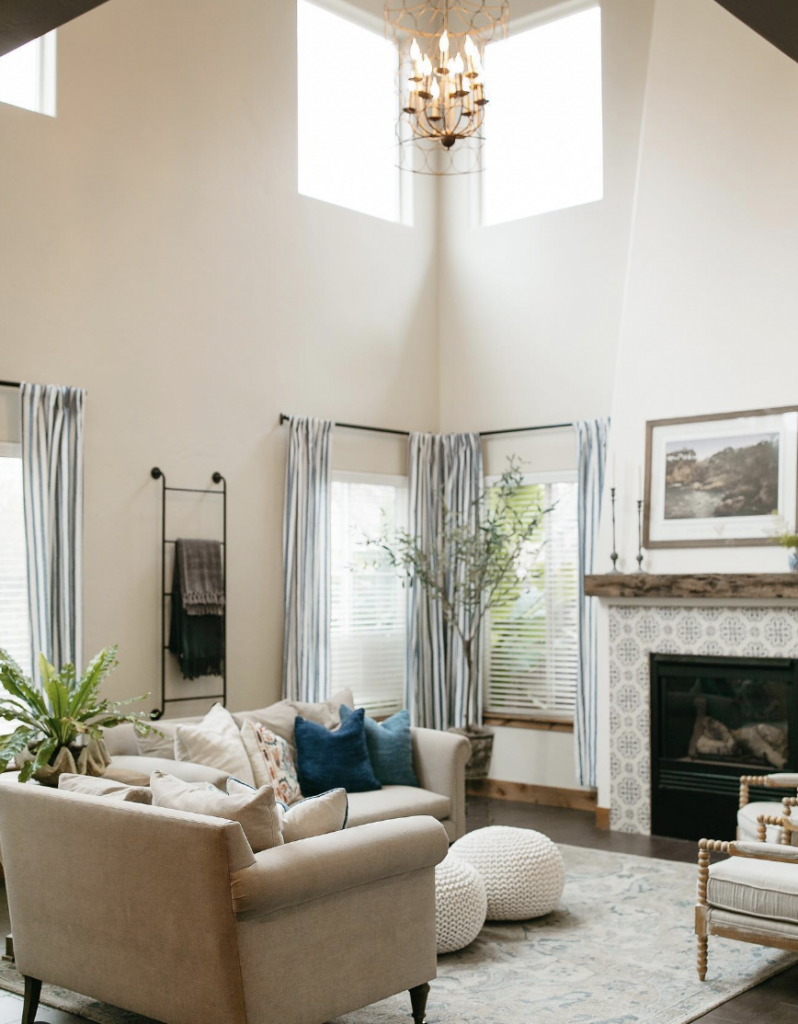
Rug zoning works even in rooms with unconventional dimensions. Rugs can delineate spaces and define zones, while supporting multiple functions throughout the room.
Use rugs as layout cues to define activity zones and show where different functions belong.
A colleague faced a seemingly endless, long narrow living room where the boundary of the seating area was difficult to determine. Area rugs provided the layout solution and helped give the room a separate-function reading nook.
By the window, a smaller contrasting rug highlights the reading corner. A large rug in the center zones the main seating area, and together the rugs make the unusual room shape feel structured.
Benches for Empty Corners and Awkward Layouts
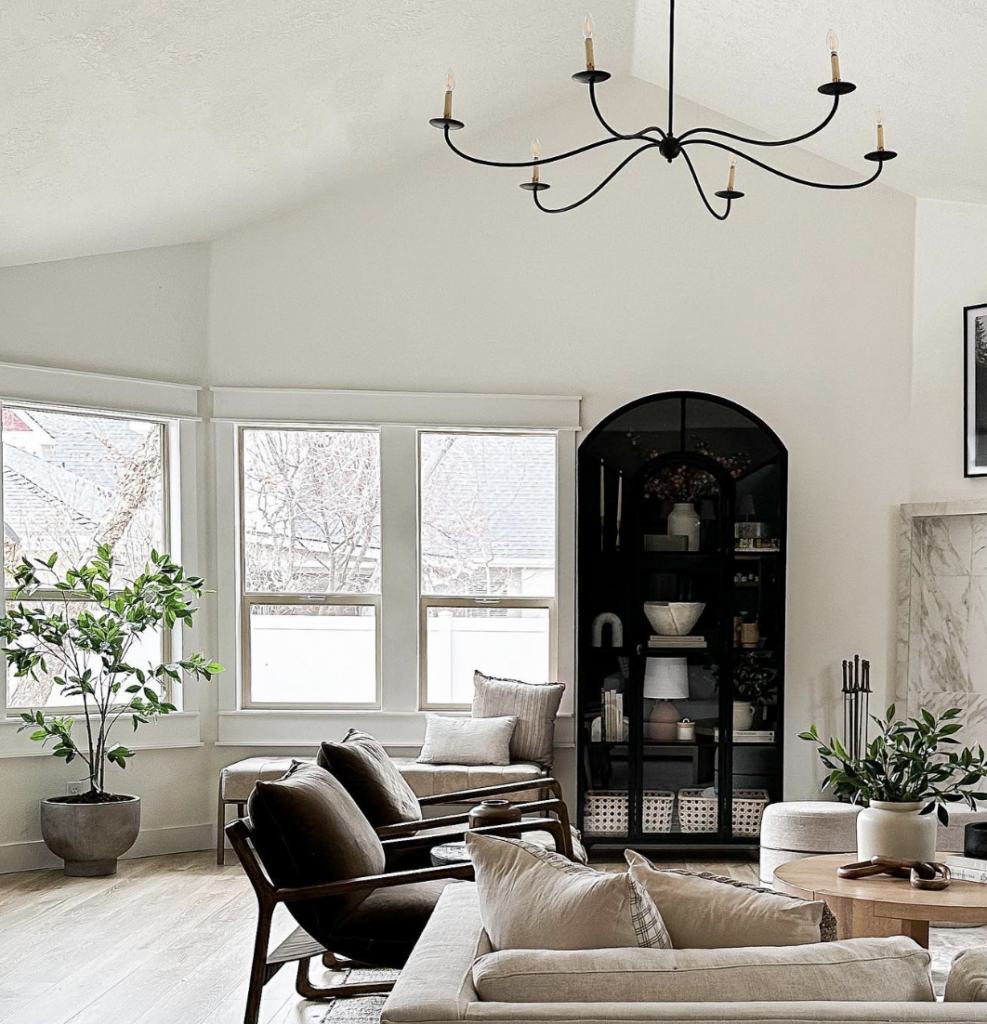
An elongated bench fits into nooks and corners, filling the space while providing seating. It can connect other room elements, function as art, complement the room aesthetic, and serve as a design solution for an awkward layout.
Flexible Seating for Irregular Rooms
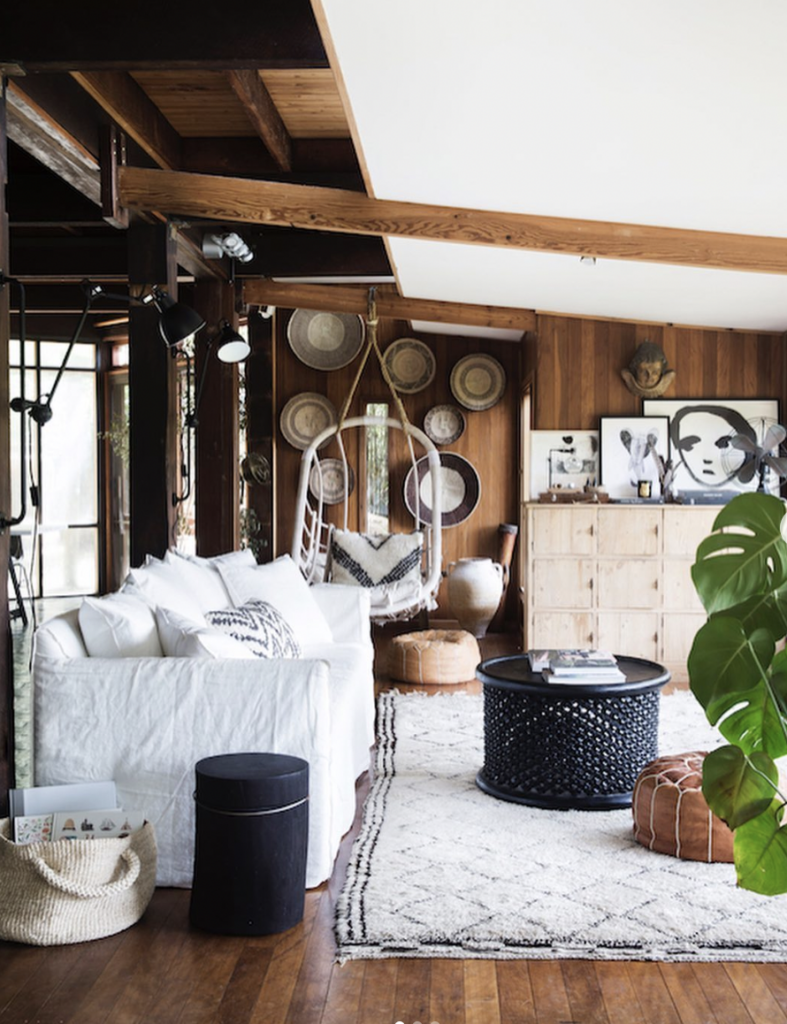
In irregular rooms, traditional arrangements can feel forced, leave areas underused, or cause crowding. Flexible seating adapts as the room changes, so it can be reconfigured for reading or social gatherings.
Mixed Furniture Scale
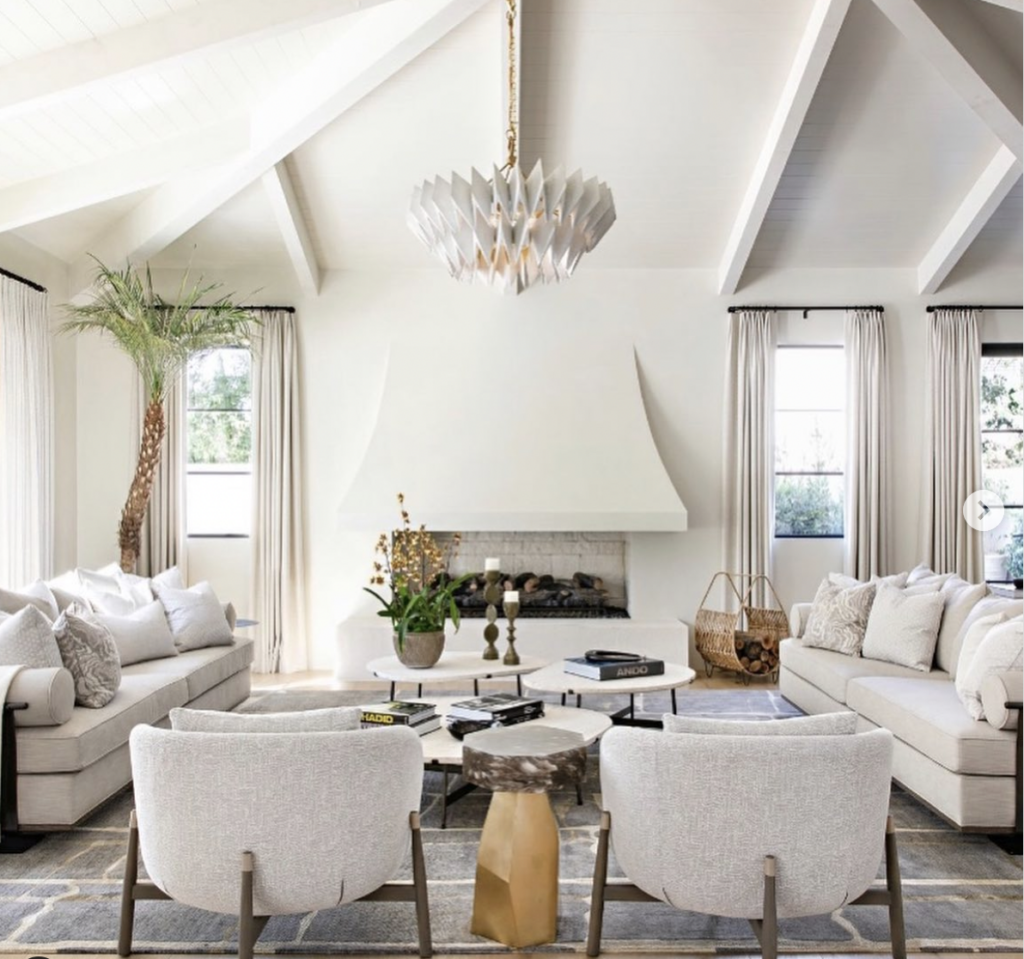
Small furniture and decorative elements can balance one or two oversized pieces, such as a statement sofa or bold coffee table. The larger furniture draws the eye, provides grounding, and serves as a visual anchor. Using only small furniture can leave the room feeling cluttered and without an anchor.
Nesting tables, modular sofas, and storage ottomans can all serve multiple purposes. TCH’s expert tip is to choose changeable, multi-purpose furniture that supports changing needs and flexible arranging.
In a compact L-shaped living room, a convertible sofa can be reshaped for different occasions. A friend described using it as a bed for movie nights and forming it into an L-shaped sofa when guests visit, an adaptable approach that supports an intentional and inviting feel.
Corner Nooks
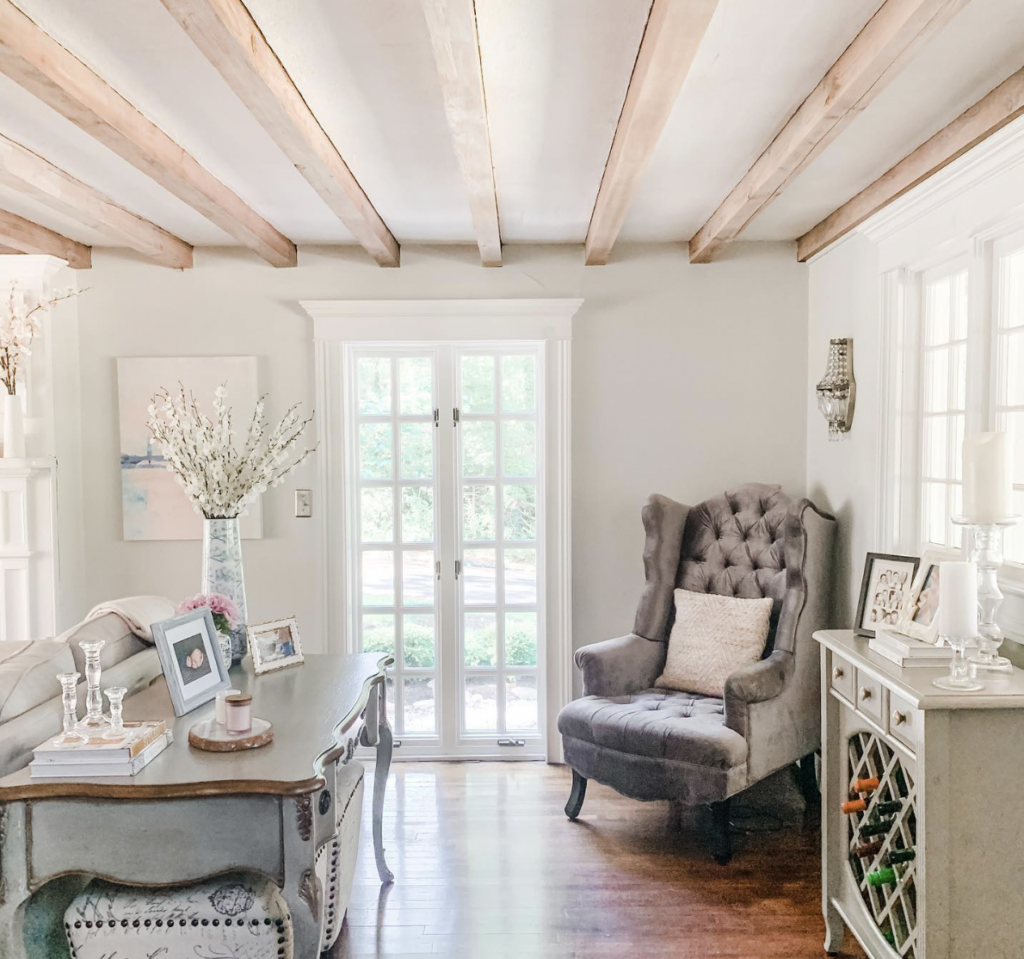
In a corner, a reading spot kept out of the way can occupy a corner nook, which may also serve as a dedicated plant area. Corner nooks are associated with intimacy and coziness.
The source is TheCreativesHour at thecreativeshour.com.
Furniture and Screens for Separate Areas
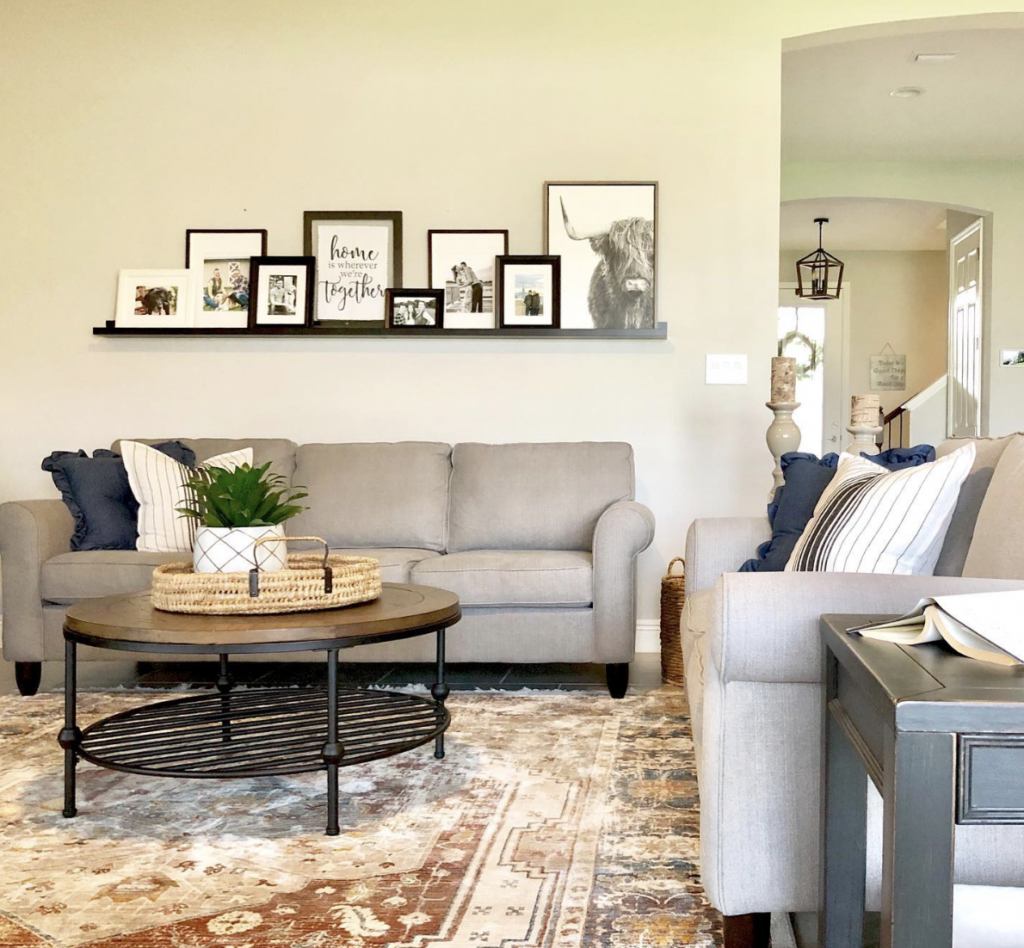
In a larger space, an L-shaped sectional sofa can establish a boundary between functional areas. One side creates a TV-watching zone, while the other becomes a conversation area.
Angled Furniture
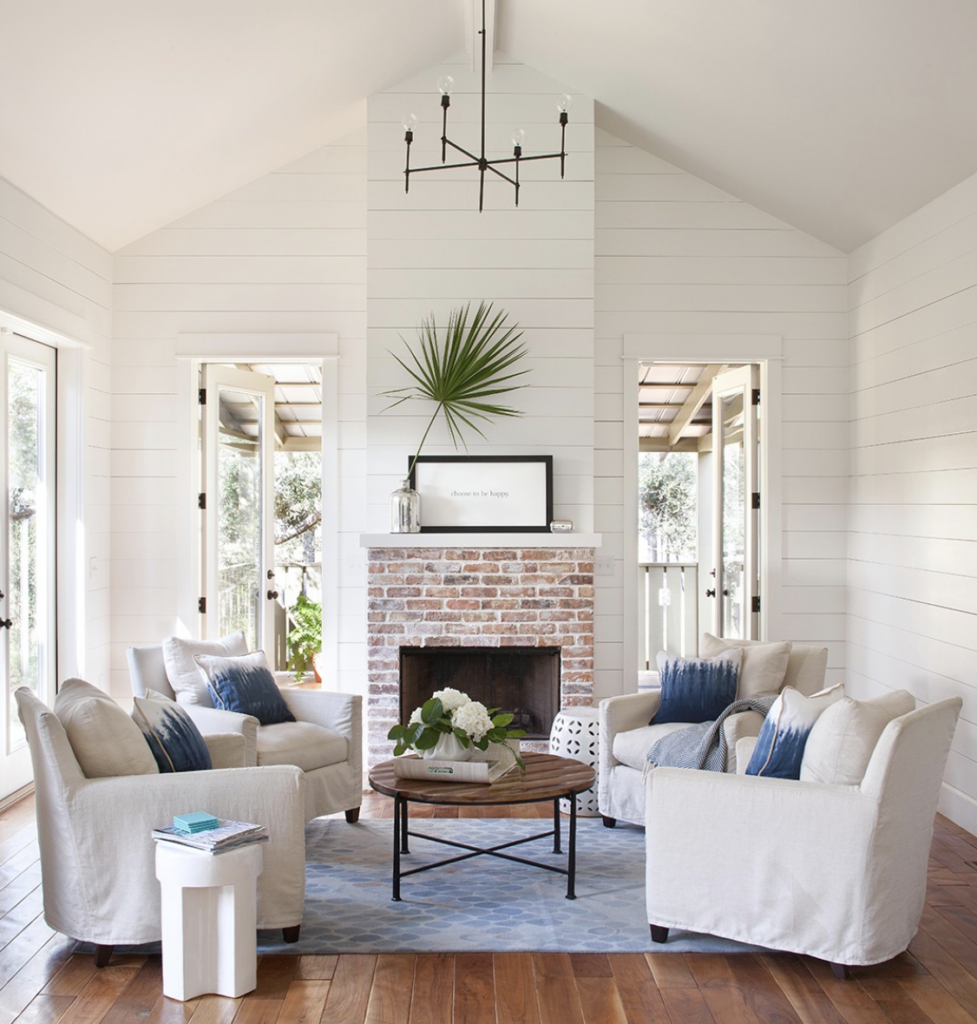
Angling furniture can redirect attention away from odd corners and other room imperfections. The deliberate direction draws the eye and can make the whole space feel intentional.
Art for Directing Attention and Balance
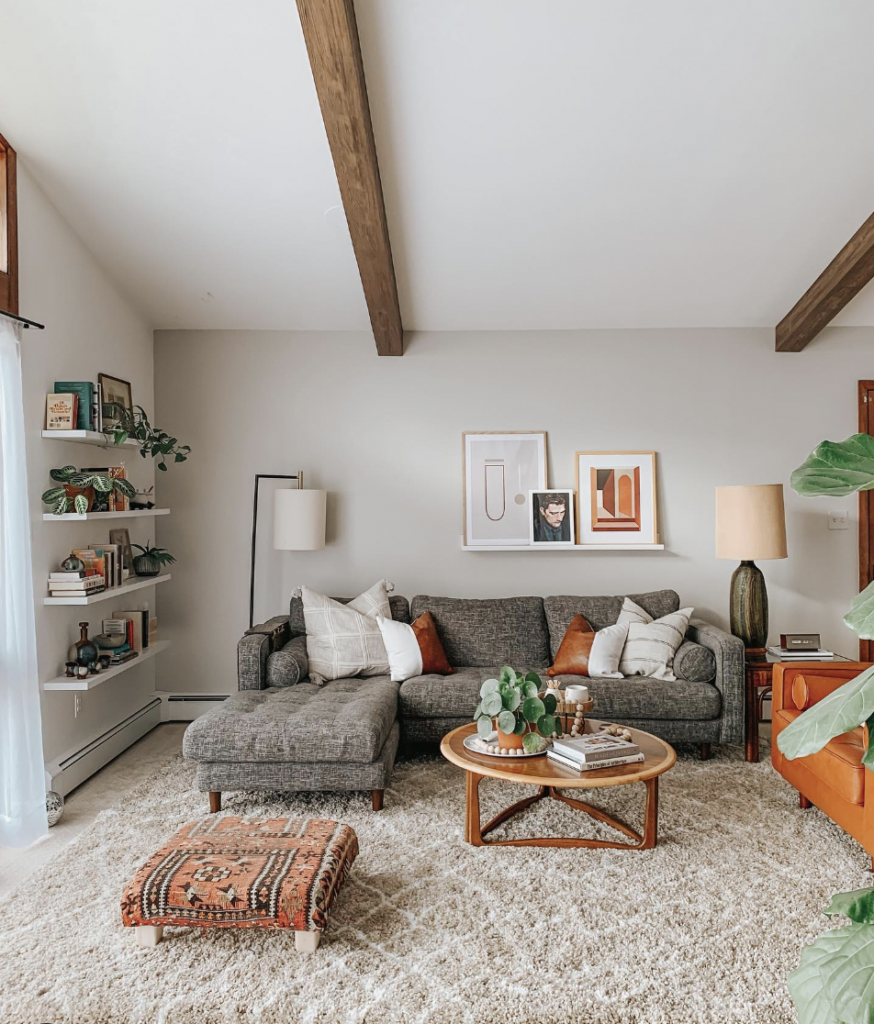
A series of small prints can fill sparse areas without creating visual overwhelm. Large artwork on the opposite side balances a bulky sofa, while artwork in varying sizes redistributes visual weight.
Lamps and Plants
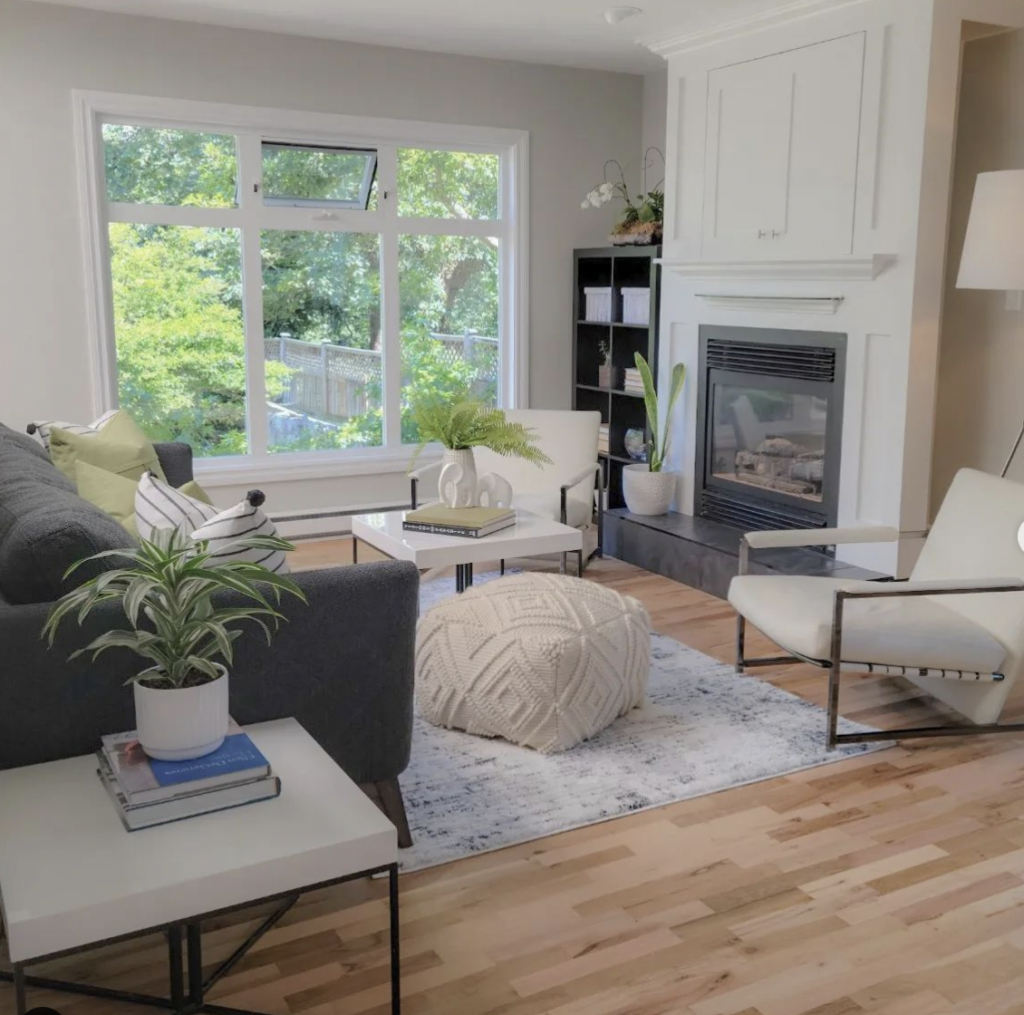
An empty corner can gain purpose from a tall plant in a pot, including fiddle leaf figs and monsteras. Many plants can thrive in low light, so low-light varieties suit dimmer corners while adding visual interest and helping improve indoor air quality.
Avoid Overcrowding
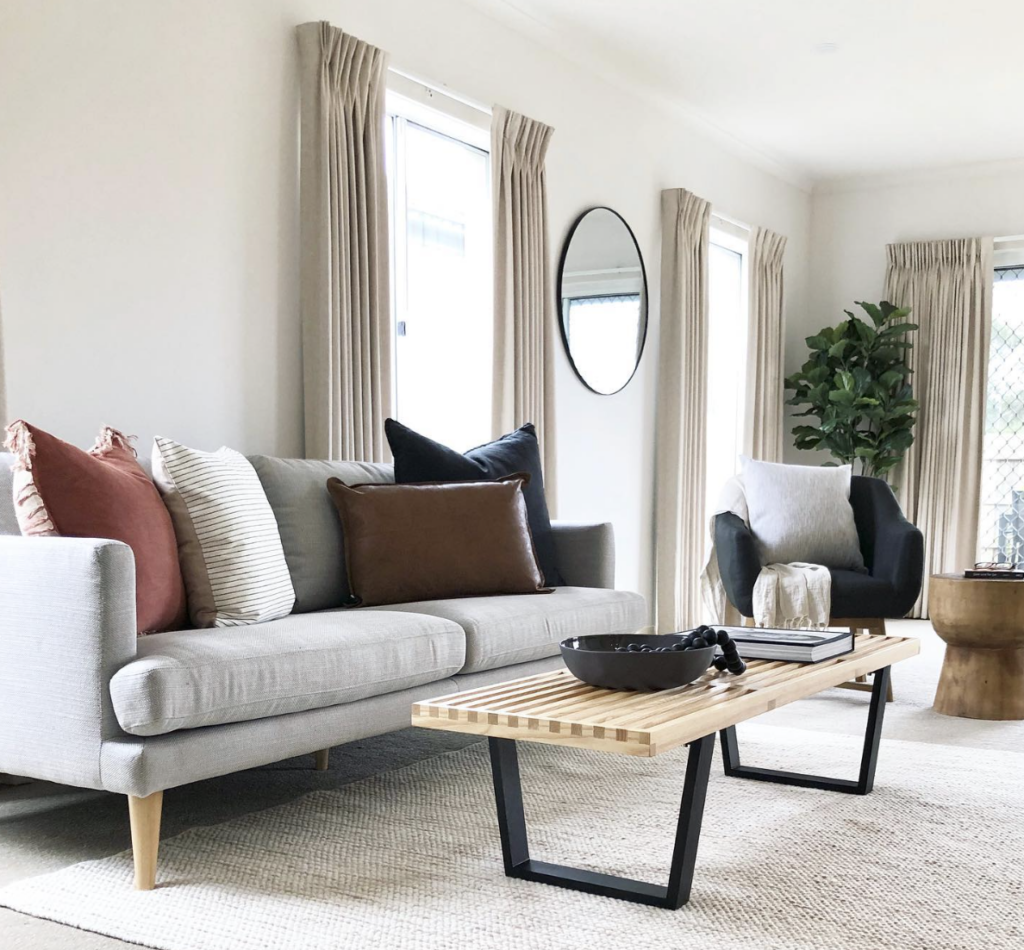
Leave breathing room between furniture and decor. It makes the room feel larger, more open, and more inviting, while overcrowding can accentuate room flaws and create a claustrophobic feel.
Mirrors for Space and Light
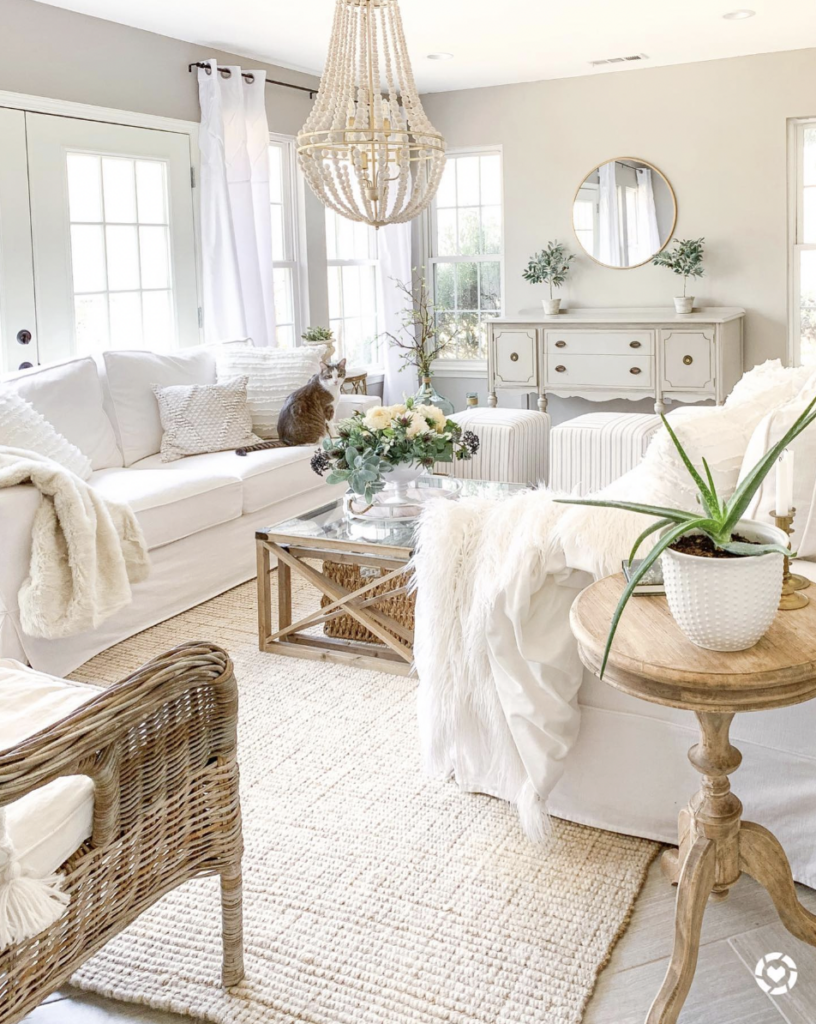
Larger mirrors can make areas seem bigger by reflecting light and parts of the room, creating an illusion of depth. They can also effectively double incoming light, making mirror use helpful when there are few windows or when the windows are in awkward locations.
Slim Furniture
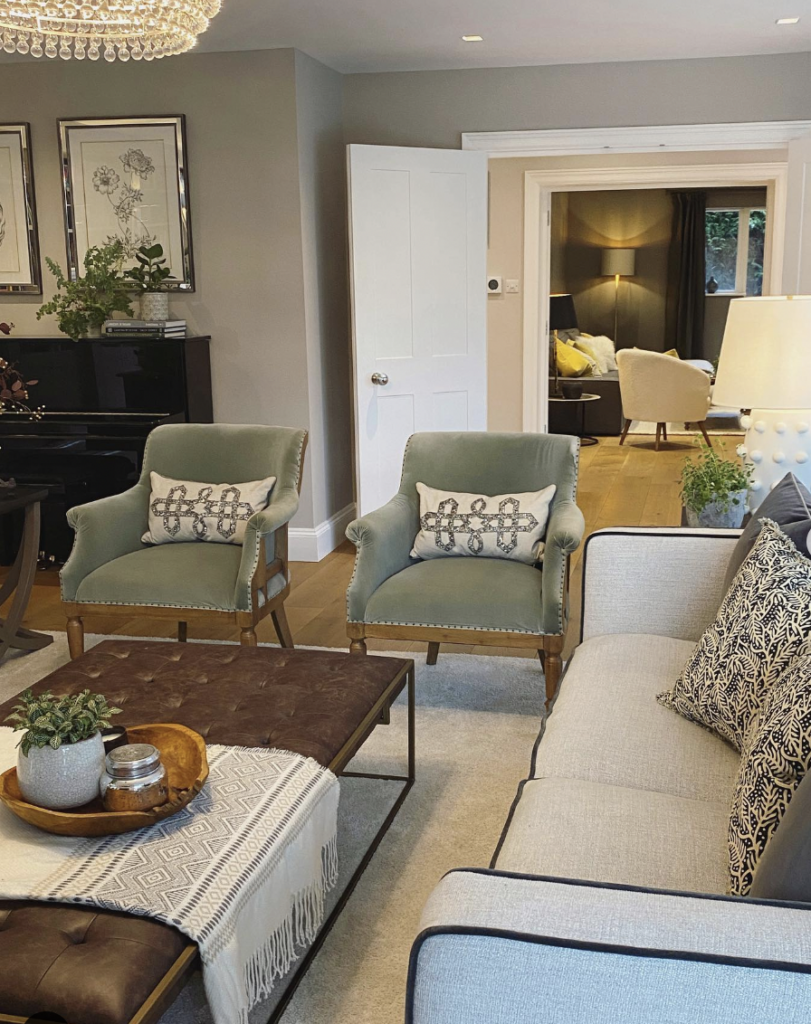
In small spaces, every inch matters. Slim-profile furniture is especially useful in narrow and small rooms because it frees floor space without overwhelming the area, while still providing functionality. Bulky furniture can dominate the room and cause clutter.
Storage and Decor for Vertical Space
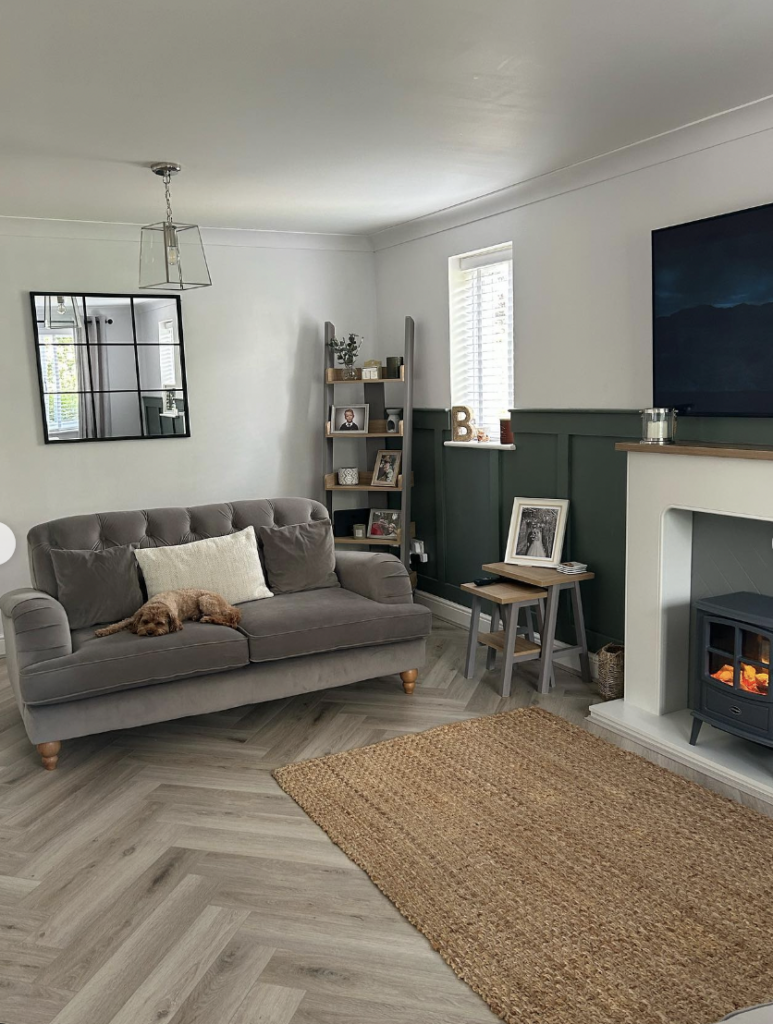
Vertical space is often underused in modern homes and apartments, but using it increases storage options and directs the gaze upward. That upward gaze can create a sense of spaciousness and grandeur, including in cramped rooms.
When horizontal space is limited, use wall-mounted elements, tall furniture, and ceiling decor. These vertical elements can balance the room and create a complete feel.
Tall bookshelves that reach from floor to ceiling and hanging plants placed at the ceiling use vertical space, direct the gaze upward, and add warmth and personality. Wall-mounted televisions and cabinets free floor space, which can make the living room feel larger than its actual size.
Color for Awkward Living Rooms
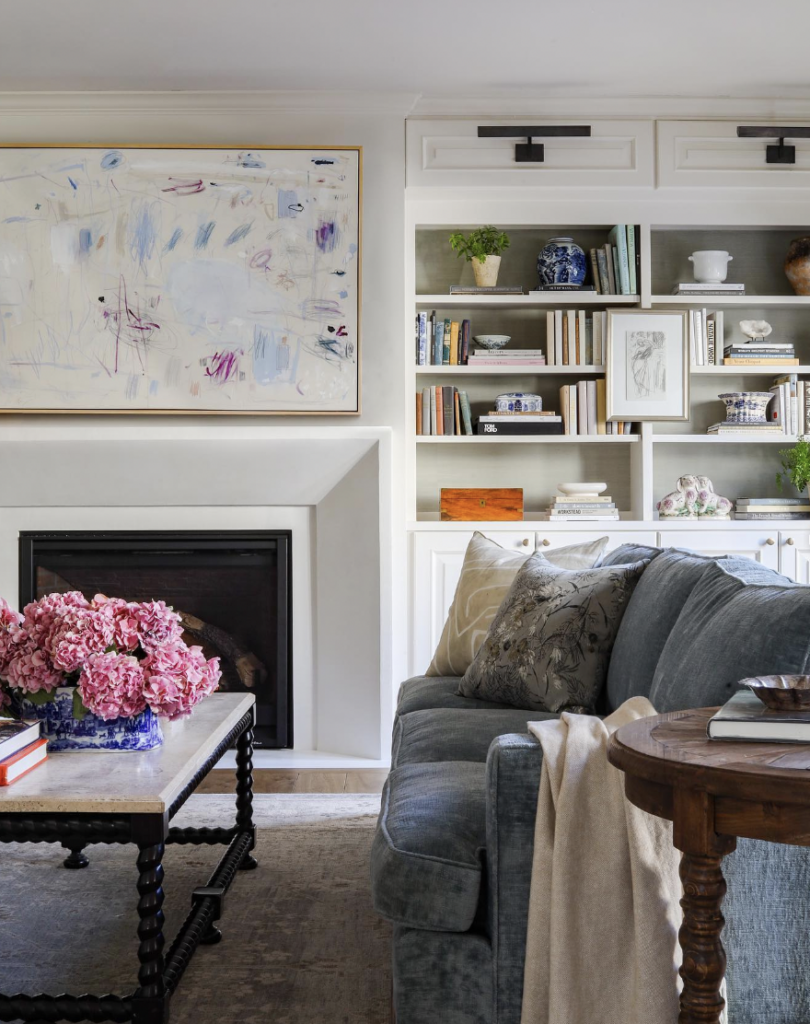
An awkward layout may limit both the furniture arrangement and the decor choices in a living room. For vast spaces, use deep shades such as navy, forest green, or rich burgundy to make them feel cozier and more intimate. In cramped or oddly shaped rooms, light hues like soft whites, pale blues, and muted yellows can make the space feel more airy and expansive.