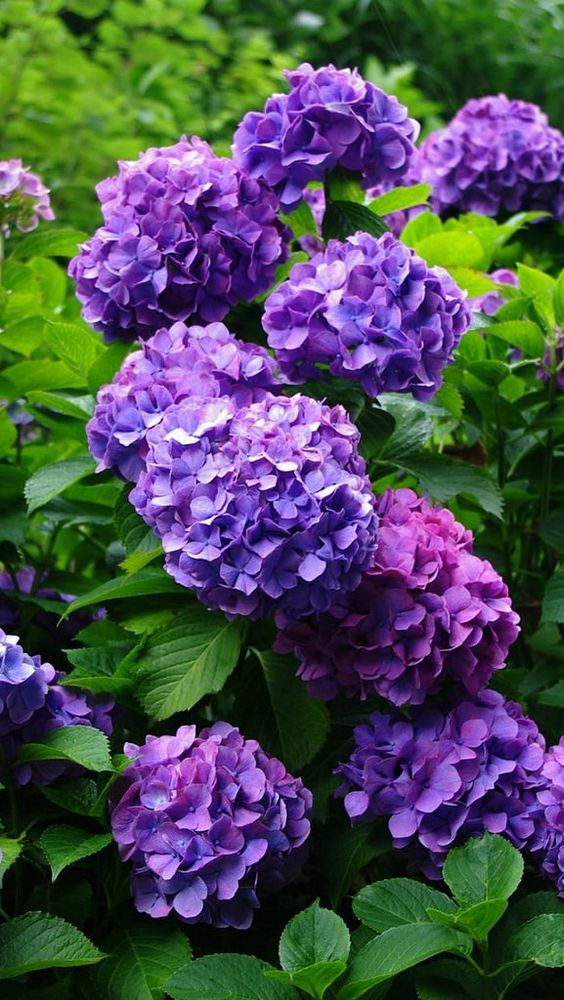
Hydrangeas have a natural gift for beautifying any space with their lush, cloud-like clusters of blue, pink, and white blossoms. But you can push these stunning plants to their full potential for even bigger, more breathtaking blooms. The secret is knowing exactly how and when to fertilize them.
Giving your hydrangeas the right nutrients at the right time makes a world of difference in the size and vibrancy of their flowers. As a general rule, you should fertilize in the early spring and follow up with another feeding in late spring or early summer for the best results. Here’s a detailed guide to get you started.
Types Of Fertilizers Suitable For Hydrangeas
With so many plant fertilizers on the market, you need to select one that’s a good match for your hydrangeas. Your choice should depend on the specific variety you’re growing, the current state of your soil, and your personal gardening style.
Here are the most common options available.
1. Synthetic Fertilizers
While these fertilizers might start from natural materials, they are chemically altered to create specific nutrient concentrations that promote rapid plant growth. The main goal of synthetic fertilizers is to feed the plant directly, not necessarily to improve the long-term health of the soil.
2. Organic Fertilizer
If you prefer to avoid synthetic products, organic fertilizers are an excellent choice. These are derived from natural sources like compost, well-rotted manure, or materials such as bone meal and fish meal. Organic options supply hydrangeas with the essential nutrients for bigger blooms while also improving soil structure and encouraging beneficial microbial activity.
3. Liquid Fertilizer
Available as a liquid concentrate or a soluble powder, liquid fertilizers are mixed with water before you apply them. They deliver a quick boost of nutrients, making them a great option for foliar feeding or as a supplement to your main granular fertilization schedule.
4. Acidic or Alkaline-Adjusting Fertilizer
You can actually control the flower color of certain hydrangea varieties, like mopheads and lacecaps, with specialized fertilizers. These products are designed to adjust the soil’s pH. They might contain aluminum sulfate to lower the pH for beautiful blue flowers or lime to raise it for vibrant pink blossoms.
5. Specialty Hydrangea Fertilizer
Some garden centers offer fertilizers formulated specifically for hydrangeas. These mixes often include extra micronutrients and trace elements tailored to what these plants need. While not a necessity, they offer a convenient way to simplify your fertilization routine.
6. Bulb or Flowering Plant Fertilizer
Fertilizers designed for bulbs or other flowering plants can also work well for hydrangeas, especially varieties that bloom on new growth, such as panicle hydrangeas. These products typically feature a balanced N-P-K ratio to provide the nutrients needed for abundant flowering.
7. Rhododendron and Azalea Fertilizer
Fertilizers labeled for use with rhododendrons and azaleas are often a good fit for hydrangeas, particularly mophead and lacecap types. These formulas usually contain the right nutrient mix and pH-adjusting components to support healthy growth and color development in your hydrangeas.
A quick note: For the best and biggest blooms, make sure the NPK ratio in your chosen fertilizer has a higher phosphorus number.
When To Fertilize Hydrangeas
The quality and size of your hydrangea blooms depend heavily on your timing. Getting the fertilization schedule right is crucial for a spectacular floral display.
a) Early Spring
Apply fertilizer in early spring as soon as you spot the first signs of new growth. This is typically when the buds start to swell and the first leaves begin to emerge. Use a fertilizer formulated for hydrangeas or a well-balanced, slow-release variety. This initial feeding provides the essential nutrients for strong, healthy growth and the development of flower buds.
b) Late Spring or Early Summer
Your hydrangeas will benefit greatly from a second round of fertilizer in late spring, usually around mid to late May, or in early summer. During this period, the plants are growing actively, and the extra nutrients will support their development and the formation of more flower buds.
c) Late Summer to Early Fall
A late-season feeding can help prepare your hydrangeas for winter. This is especially important for mophead and lacecap varieties, as they set their flower buds for the next year during this time. Be cautious, though. Fertilizing too late can encourage new growth that won’t have time to harden before winter, making the plant vulnerable to cold damage.
If you fertilize this late, use a low-nitrogen, high-phosphorus formula to promote flower bud formation instead of new leaf growth. The focus of a late-season application should be on maintaining the plant’s health for a robust display the following year.
Fertilizer Requirements For The Common Types of Hydrangeas
More than 70 types of hydrangeas exist, but the following guide covers the fertilization needs for the most common varieties.
i) Bigleaf Hydrangeas (Hydrangea macrophylla)
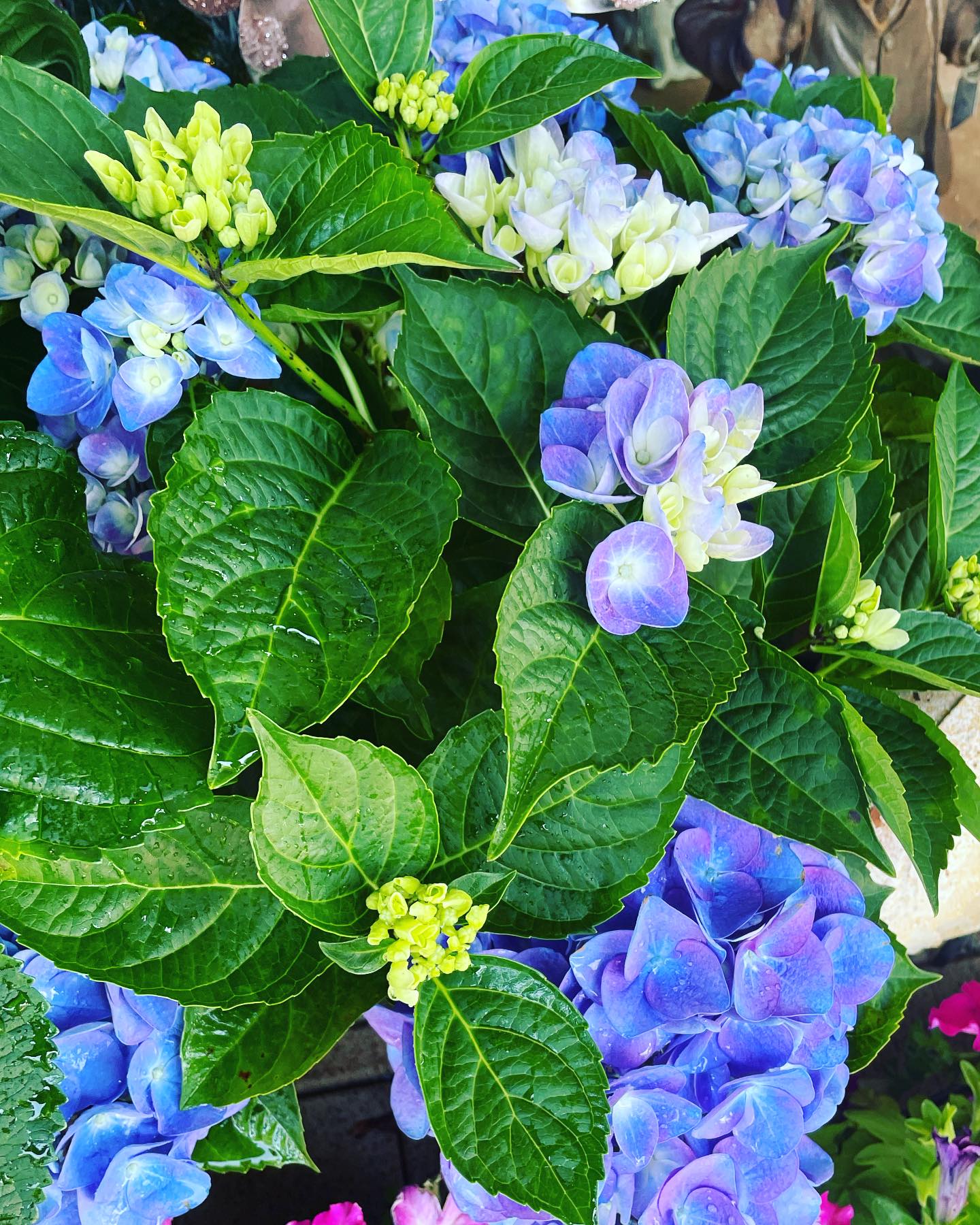
These hydrangeas are known for their pink, white, or blue round flower clusters, though some varieties also produce purple and red blossoms. Their flowers typically appear from late spring to early summer, with a possibility of reblooming later in the summer.
Feed them with a slow-release, balanced fertilizer in early spring. Follow up with a second application in early summer to support continued growth and blooming. To encourage striking blue or purple flowers, add aluminum sulfate to the soil. For lovely pink shades, incorporate garden lime.
ii) Panicle Hydrangeas (Hydrangea paniculata)
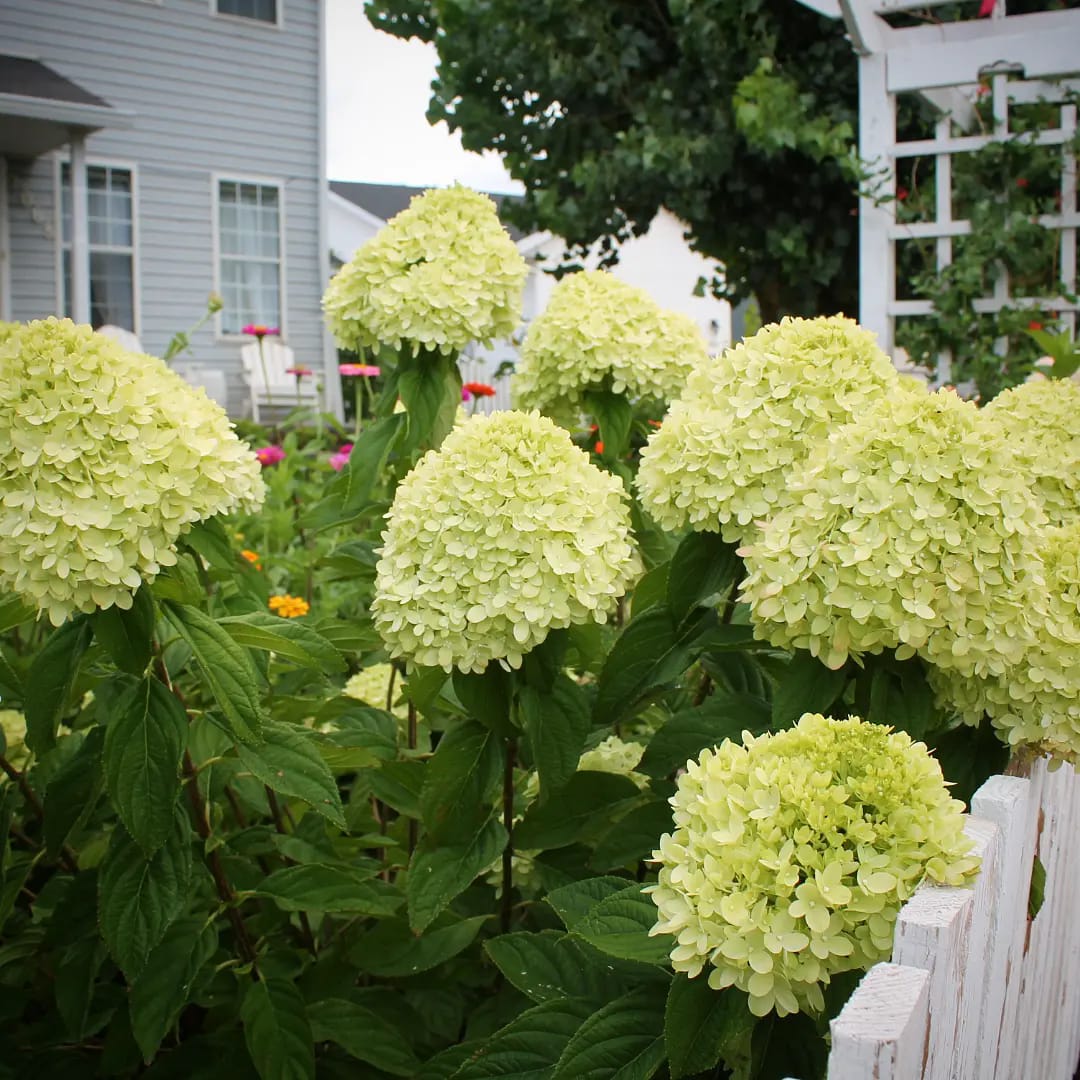
This cold-tolerant variety is a fantastic choice if you want a low-maintenance hydrangea. It’s best not to overfeed this type, as it can lead to weak stems. Fertilize your panicle hydrangeas in late winter or early spring using a slow-release fertilizer with lower nitrogen content.
If needed, you can apply a second feeding in late spring or early summer. Their cone-shaped flower clusters often transition to pink or reddish hues as they mature. While they aren’t too particular about soil pH, they do best in neutral or slightly acidic soil.
iii) Oakleaf Hydrangeas (Hydrangea quercifolia)
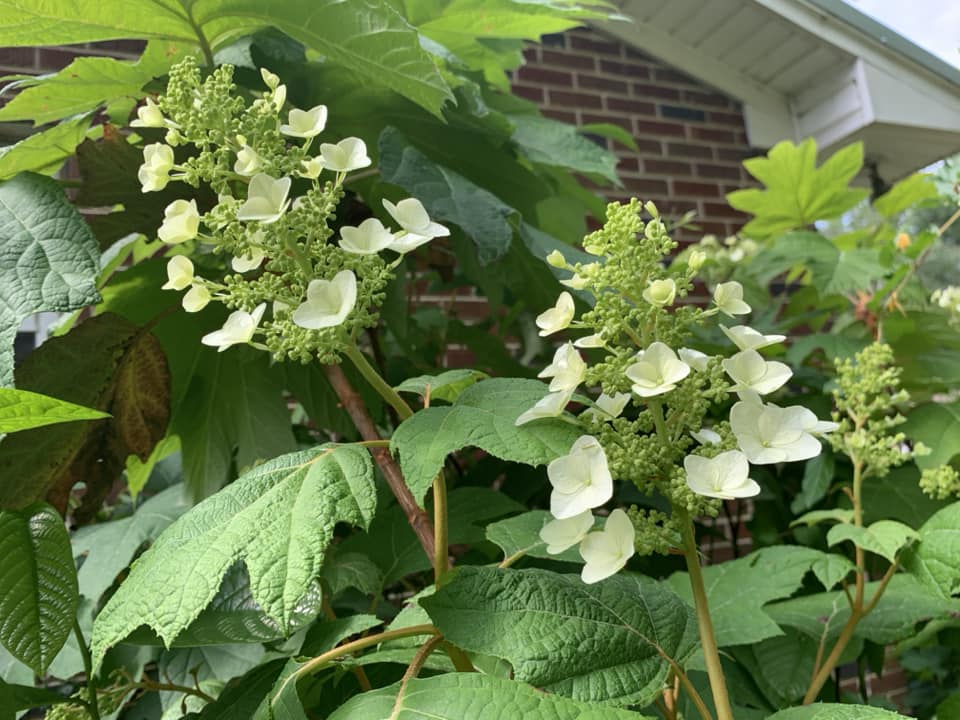
Oakleaf hydrangeas are easily identified by their distinctive oak-shaped leaves. They produce cone-shaped flowers from mid-spring to mid-summer that change to shades of orange, red, purple, and pink as the season ends. For the best blooms, feed these hydrangeas with a phosphorus-rich fertilizer in the spring.
Plant them in neutral or slightly acidic soil. They perform well with some sun but should be given some shade in hotter climates.
iv) Smooth Hydrangeas (Hydrangea arborescens)
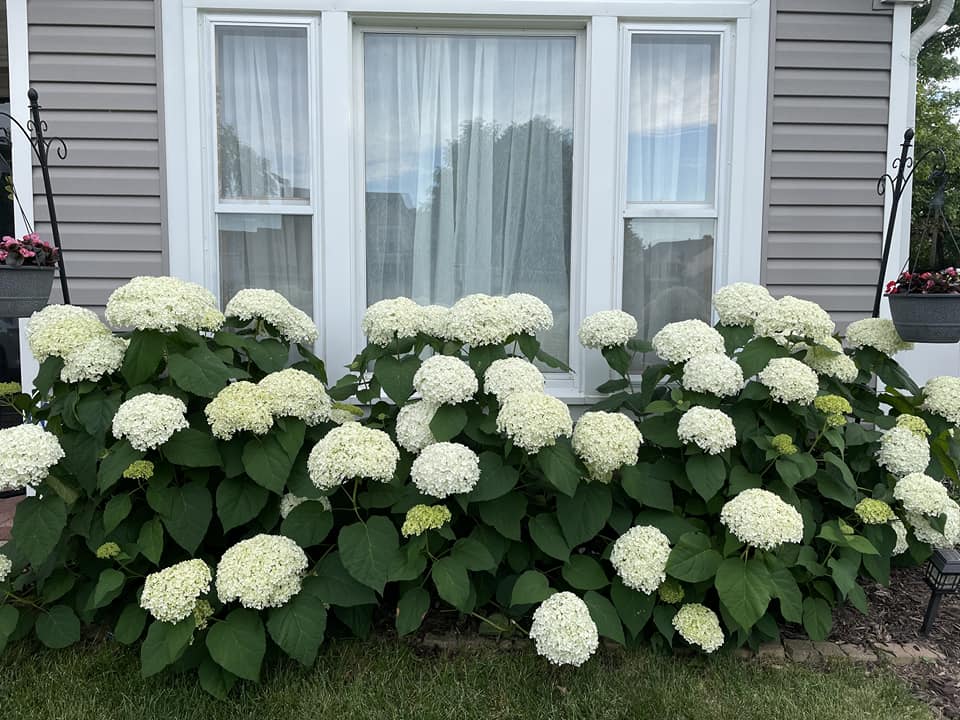
This hydrangea variety thrives in slightly acidic to neutral soil and is famous for its large, white, globe-shaped flower clusters. While some shade is fine, smooth hydrangeas produce their best blooms with more sunlight, needing at least four to six hours daily.
Fertilize them in the spring with a product that has double the phosphorus content to encourage big, bright flowers.
v) Mountain Hydrangeas (Hydrangea serrata)
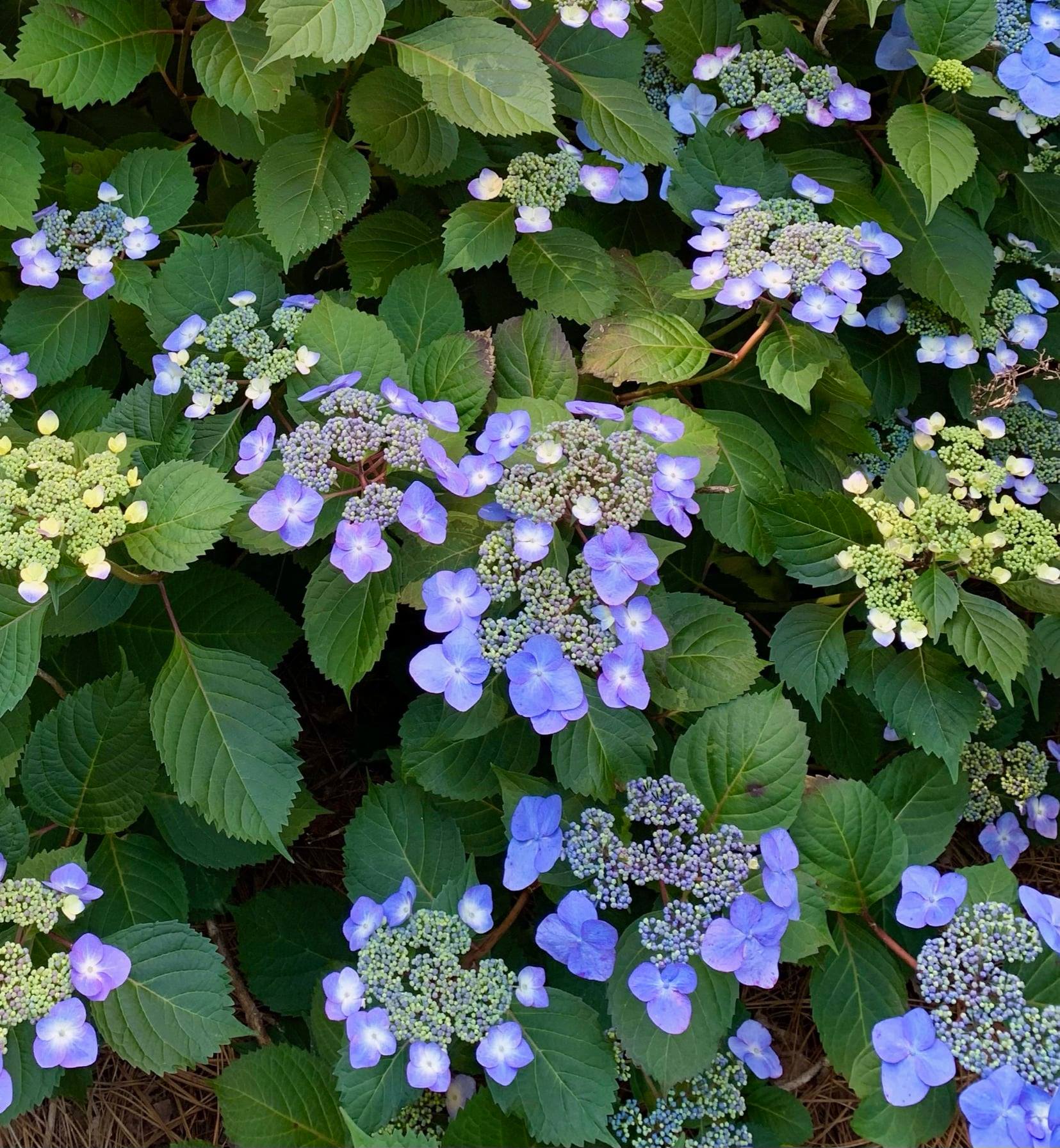
Mountain hydrangeas are closely related to bigleaf hydrangeas. The soil’s composition influences their flower color. Acidic soil will result in bluer blooms, while alkaline soil produces pinker flowers.
To get the most impressive blooms from late spring through summer, fertilize your mountain hydrangeas in the spring with a phosphorus-rich, slow-release formula.
vi) Climbing Hydrangeas (Hydrangea anomala petiolaris)
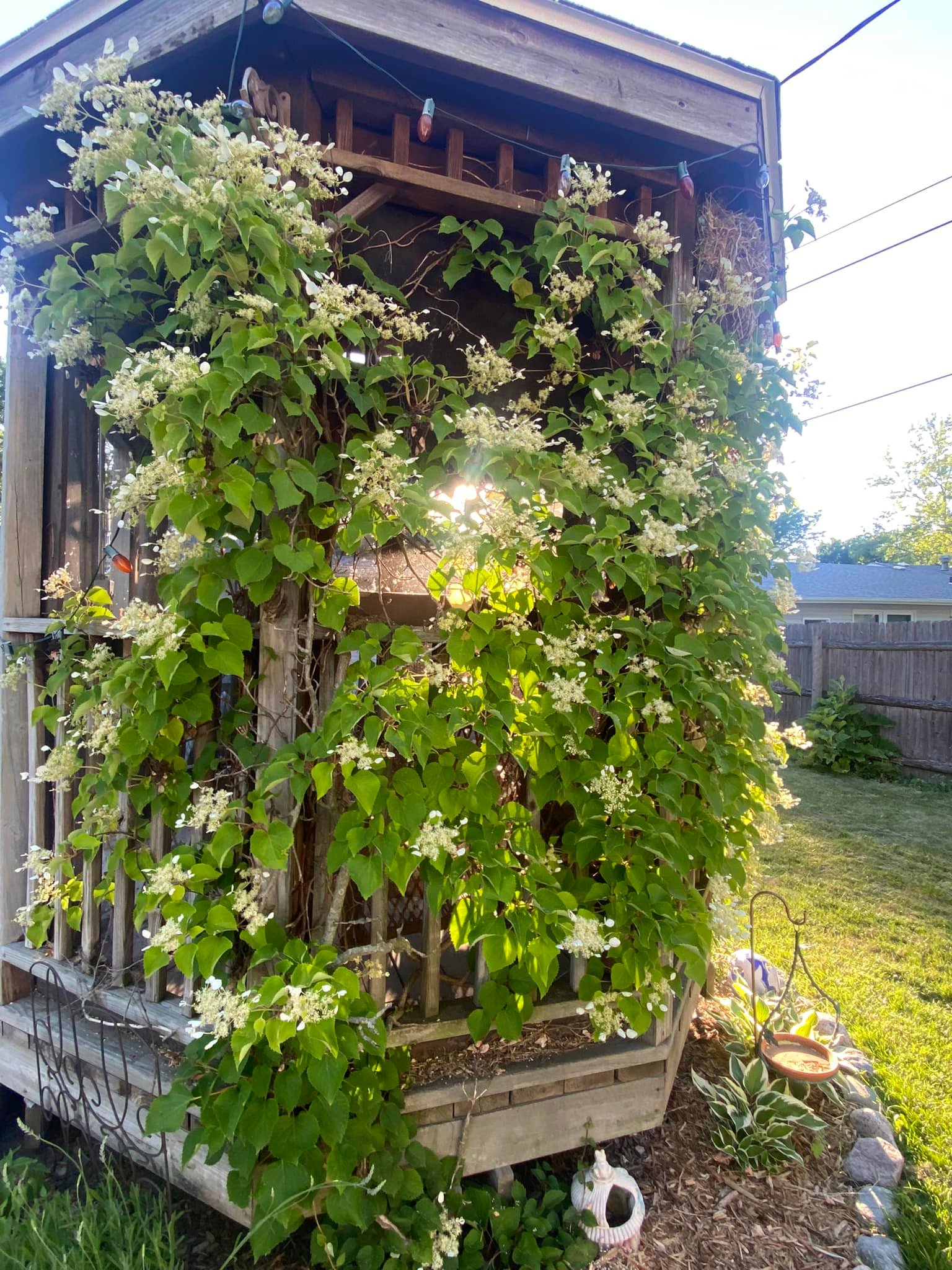
Climbing hydrangeas are perfect for covering walls or trellises, capable of growing 30 to 60 feet high and 3 to 5 feet wide. This hardy plant can grow in sun or shade and prefers neutral or somewhat acidic soil.
It produces fragrant white flowers with shades of yellow and cream in the spring and summer. Encourage excellent growth and abundant blooms by feeding them with a well-balanced fertilizer in the springtime and again in early summer.
How to Fertilize Hydrangeas (Application Methods)
Choosing the right fertilizer and timing is key, but so is the application method. Here are the best ways to fertilize your hydrangeas.
a) Broadcast Application
For even distribution, broadcast granular fertilizers over the soil surface within the hydrangea’s dripline, which is the area directly under its outermost branches. Be careful not to let the fertilizer pile up against the plant’s base, as this can cause root burn.
b) Depth Application
You can also work fertilizer into the soil by creating small holes around the base of the hydrangea and distributing the fertilizer evenly among them. Gently watering the area afterward will help the nutrients penetrate the soil.
c) Liquid Fertilizer
After diluting a liquid fertilizer according to the package directions, apply it directly to the soil around your hydrangeas.
d) Topdressing with Compost
Consider topdressing your hydrangeas with compost. Simply spread a layer of compost over the soil surface, being careful not to smother the plants. This method improves soil structure and gradually releases nutrients over time.
Additional Tips
Water your hydrangeas deeply and regularly to keep the soil consistently moist, especially during dry periods. Apply a two to three inch layer of organic mulch around your plants. Pruning at the right time is crucial to avoid accidentally removing flower buds. For example, most mophead and lacecap hydrangeas bloom on old wood, with buds setting in late summer for the following year, so they should be pruned in late winter or early spring. In contrast, oakleaf and panicle varieties flower on new growth, so you can trim them in late winter or at the start of spring.
Avoid fertilizing during periods of drought or extreme heat. Consistently fertilize your hydrangeas based on their specific needs to ensure healthy, vigorous growth. Finally, address any pest problems or nutrient deficiencies promptly to maintain the overall health of your plants.
Summary
The key to unlocking bigger and better hydrangea blooms lies in understanding your specific variety’s needs, selecting the right fertilizer, and applying it at the correct times. By following these fertilization guidelines and maintaining proper soil pH, watering, and pruning habits, you can enjoy a lush, vibrant hydrangea bush covered in spectacular flowers.