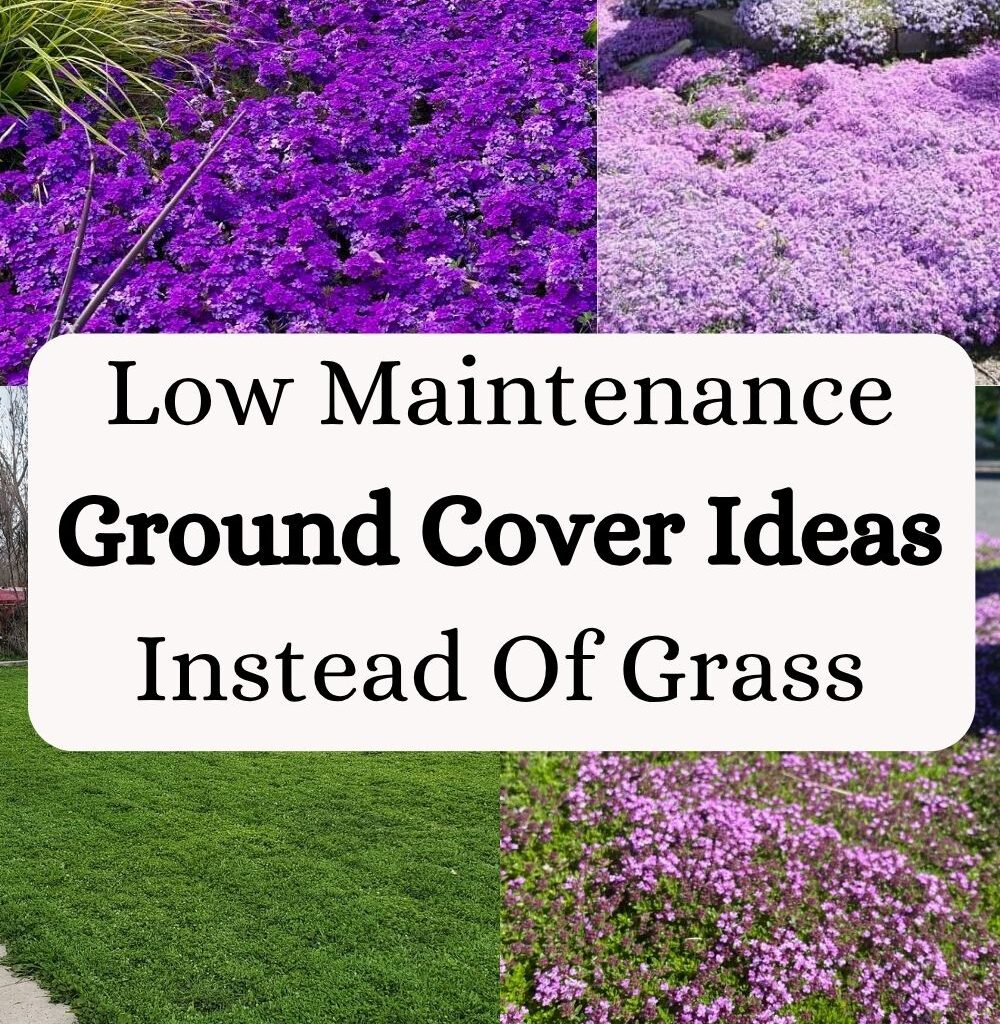
A grass-free yard can be shaped with low-growing ground covers, wildflowers, native plants, moss, rock beds, or even food gardens instead of thirsty turf. The most affordable choice depends on your climate, available sunlight, foot traffic, and how much maintenance you want, with options ranging from pollinator-friendly meadows to drought-tolerant gravel and succulents.
10 Cheap Alternatives to Grass Lawn
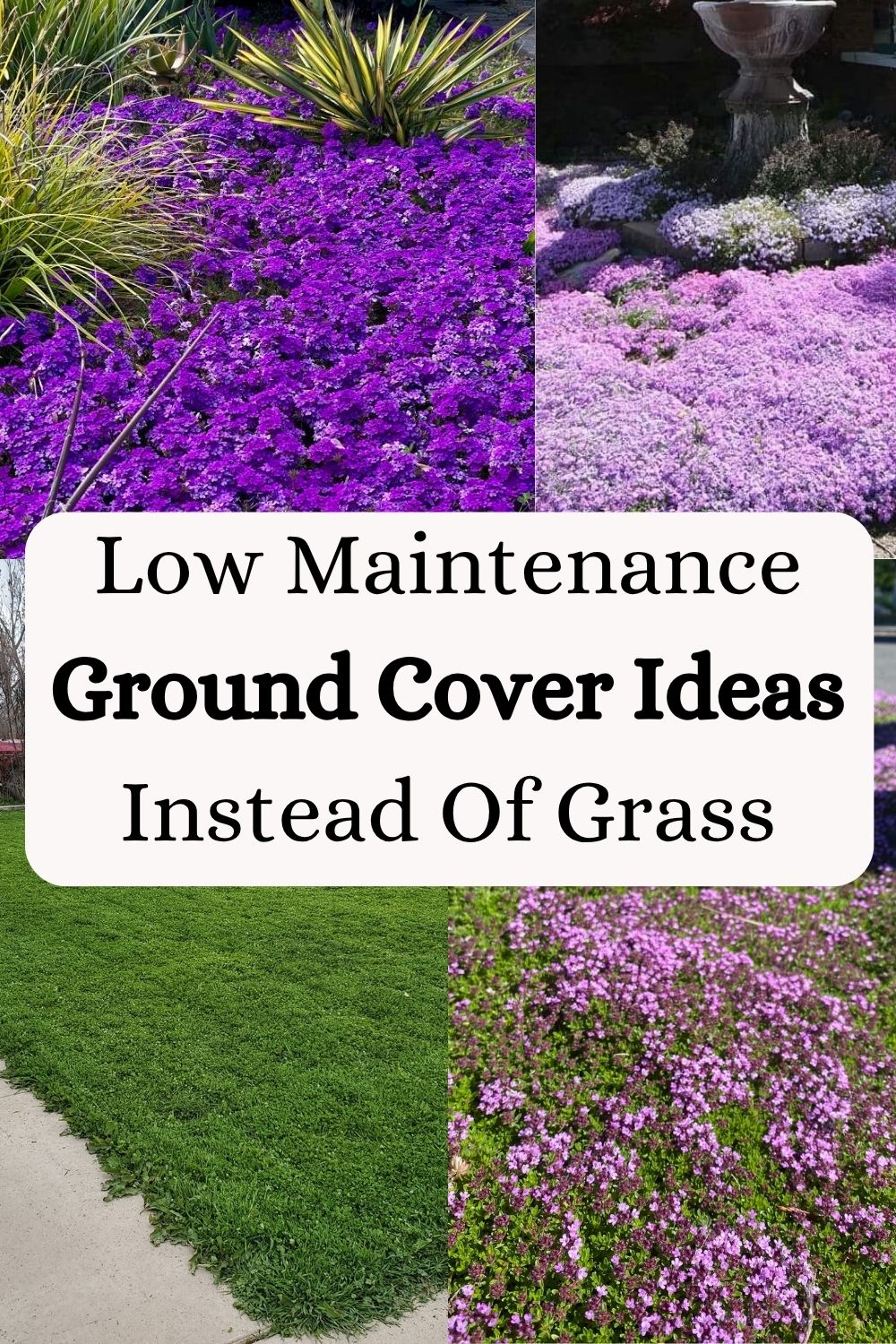
Here are some of the most beautiful and sustainable options you should consider for a grass-free lawn.
1. Ground Cover Ideas Instead of Grass
Imagine your yard filled with low-growing plants that need little to no fertilizer. These are ground covers, and they are a fantastic substitute for traditional grass. The best part? You never have to mow them. From flowering perennials and springy mosses to creeping evergreens, there’s a ground cover perfect for every region and style.
To keep maintenance to a minimum and support your local ecosystem, choose a ground cover that is native to your area. It’s also important to avoid invasive plants. Varieties like ajuga and creeping jenny, for example, can be problematic in certain parts of the United States.
Here are some environmentally-friendly ground cover ideas to consider:
1. Creeping phlox
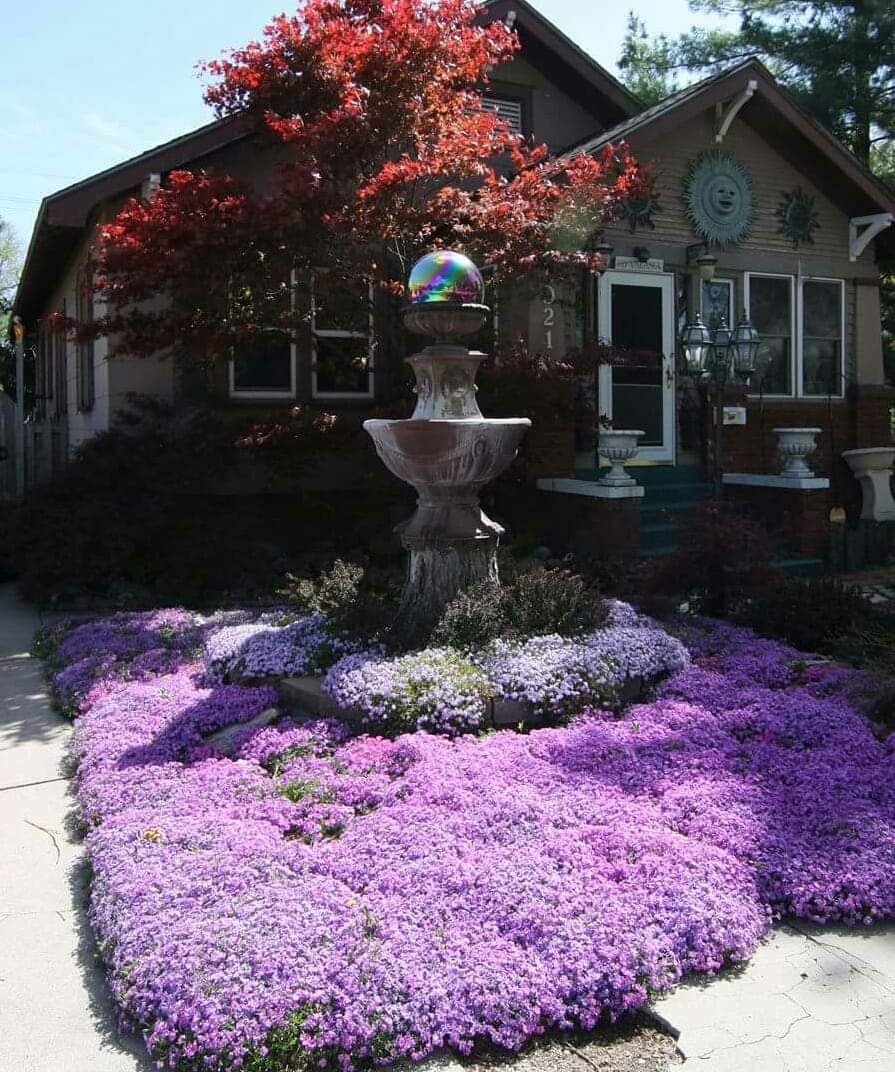
Creeping phlox (Phlox subulata) is a very popular alternative to a standard grass lawn, known for its low, spreading growth and stunningly colorful flowers. This perennial creates a thick carpet of evergreen leaves and produces a sea of delicate, star-shaped blossoms in shades of pink, purple, and white every spring.
This plant is tough, drought-tolerant, and needs very little care. It does well in full sun or partial shade and is perfect for rock gardens, borders, or even slopes where it can help control erosion.
2. Verbena canadensis ‘Homestead Purple’
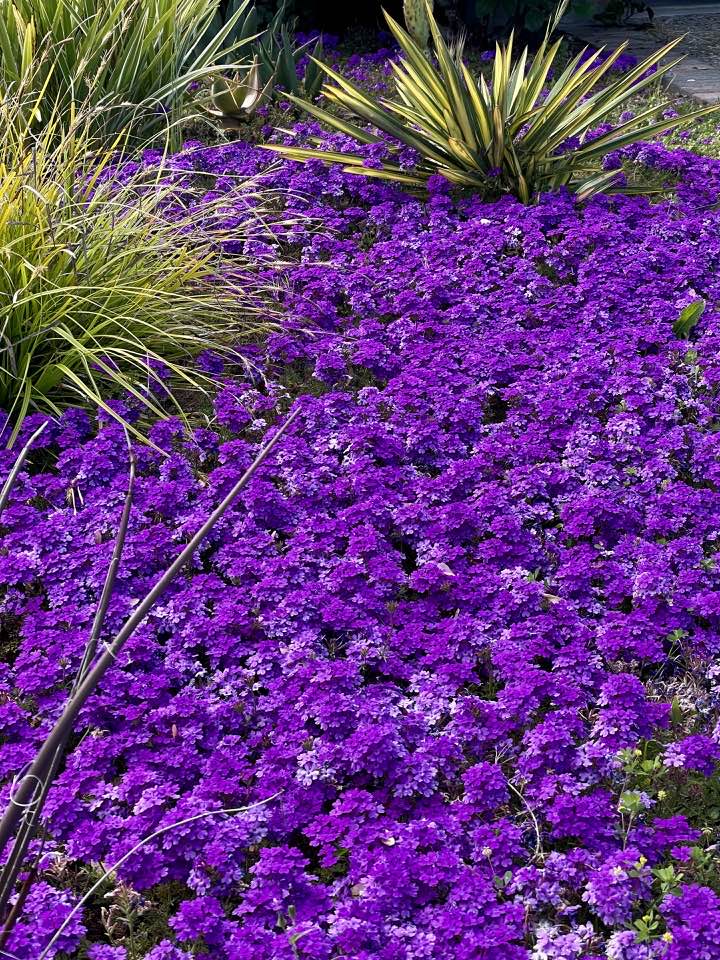
If you want a lawn that truly turns heads, ‘Homestead Purple’ creeping verbena is the answer. This low, fast-spreading ground cover creates a dense, weed-blocking mat of brilliant violet-purple flowers. It blooms from spring all the way until the first frost, delivering months of color where grass would just give you work.
Unlike a thirsty turf, ‘Homestead Purple’ thrives with minimal attention. Once it’s established, it is very drought-tolerant, handles summer heat with ease, and only asks for well-drained soil and a spot in full sun.
It grows to just 6 to 12 inches tall, spreads quickly to cover bare ground, and comes back reliably each year in USDA zones 6 through 9. This makes it a great choice for gardens from the Mid-Atlantic through the South and into the Southwest.
As a bonus, butterflies, hummingbirds, and bees absolutely love it. Your yard will become a vibrant pollinator paradise instead of a high-maintenance green desert.
It’s best for hot, sunny yards where grass struggles. For full coverage in a single season, plant them 2 to 3 feet apart. A light trim after blooming will encourage new growth and keep it looking neat, with no mowing or fertilizing required.
3. Carpet Sedum/ Stonecrop
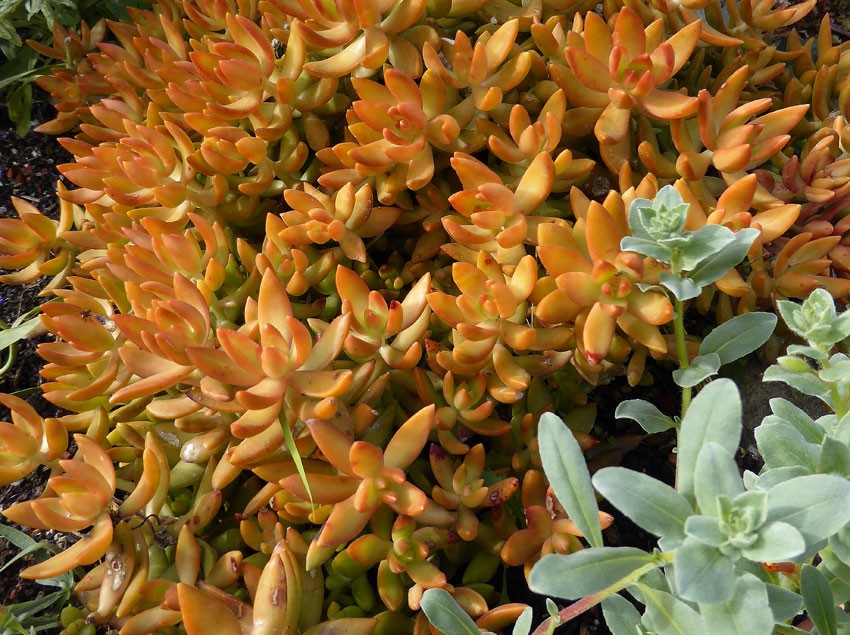
Carpet Sedum, often called Stonecrop, is a fantastic eco-friendly alternative to a grass lawn. It forms a low-growing, dense mat of succulent leaves, offering a unique look with minimal upkeep.
Its ability to tolerate drought and withstand foot traffic makes it a perfect ground cover for many different landscapes.
A carpet sedum lawn also needs very little water, which helps conserve resources and lower your irrigation bills. This sustainable choice not only looks great but also promotes biodiversity by attracting pollinators.
Ultimately, it’s a practical and environmentally smart solution for anyone looking to move beyond a traditional grass lawn.
4. Corsican Mint
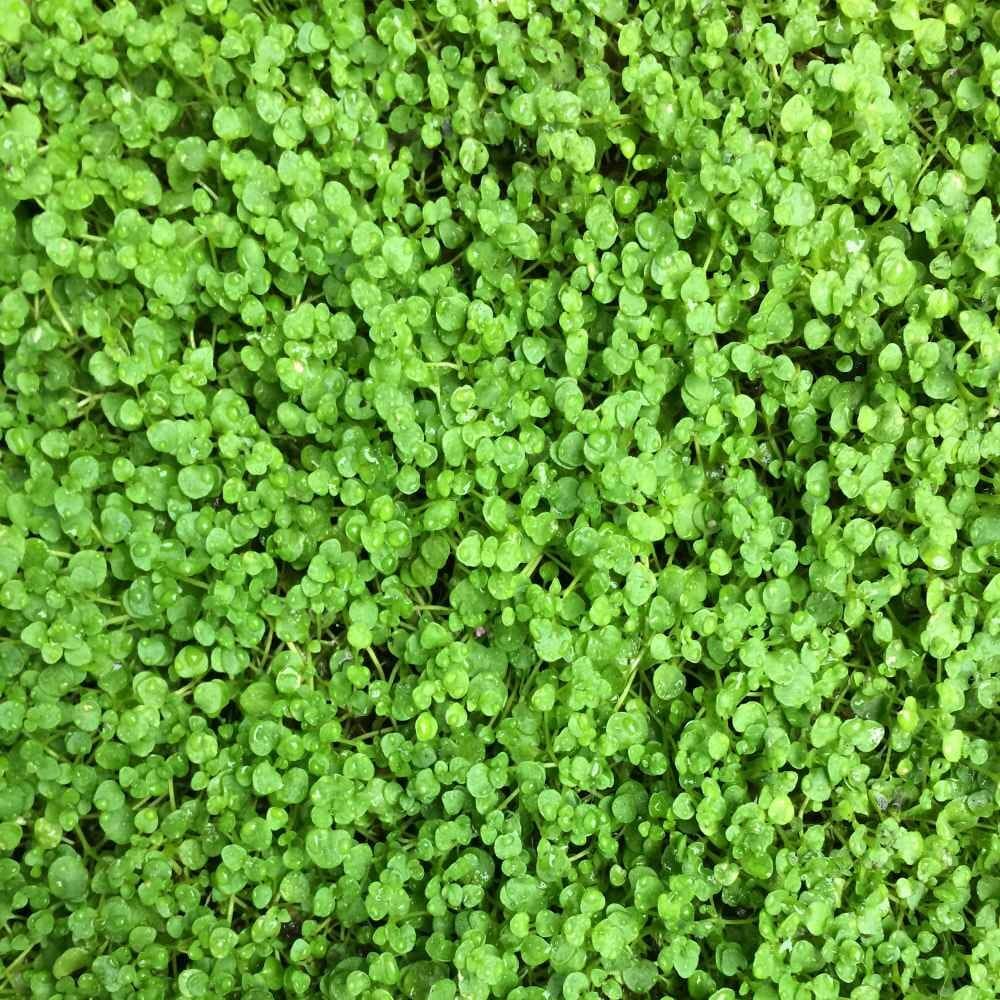
Corsican Mint (Mentha requienii) is a wonderful sustainable alternative to a typical grass lawn. This fragrant, low-growing herb loves partial shade and moist, well-drained soil.
Its compact growth means you can forget about frequent mowing, which saves water and effort. A Corsican Mint lawn gives off a lovely fresh mint scent when you walk on it, making it a perfect ground cover for pathways.
The plant’s hardy nature provides year-round greenery, and its ability to handle foot traffic adds to its appeal. Choosing Corsican Mint as a lawn substitute is an eco-friendly decision that conserves resources and adds a special charm to your outdoor space.
5. Creeping Thyme
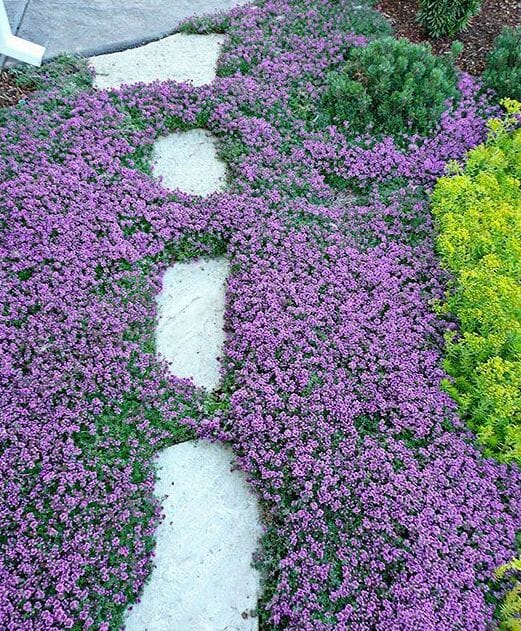
Creeping Thyme is a low-growing, aromatic herb that serves as an excellent eco-friendly replacement for a traditional grass lawn. This resilient and drought-tolerant plant creates a lush, thick carpet of green, dotted with tiny, colorful flowers for a beautiful and fragrant groundcover.
Not only does it demand very little maintenance, but it also attracts important pollinators like bees and butterflies, which boosts biodiversity. A creeping thyme lawn can withstand light foot traffic and releases a delightful scent when stepped on.
It can thrive in many soil types and is resistant to pests, making it a great sustainable option for an easy-to-care-for, environmentally conscious lawn substitute.
2. Wildflower Meadow
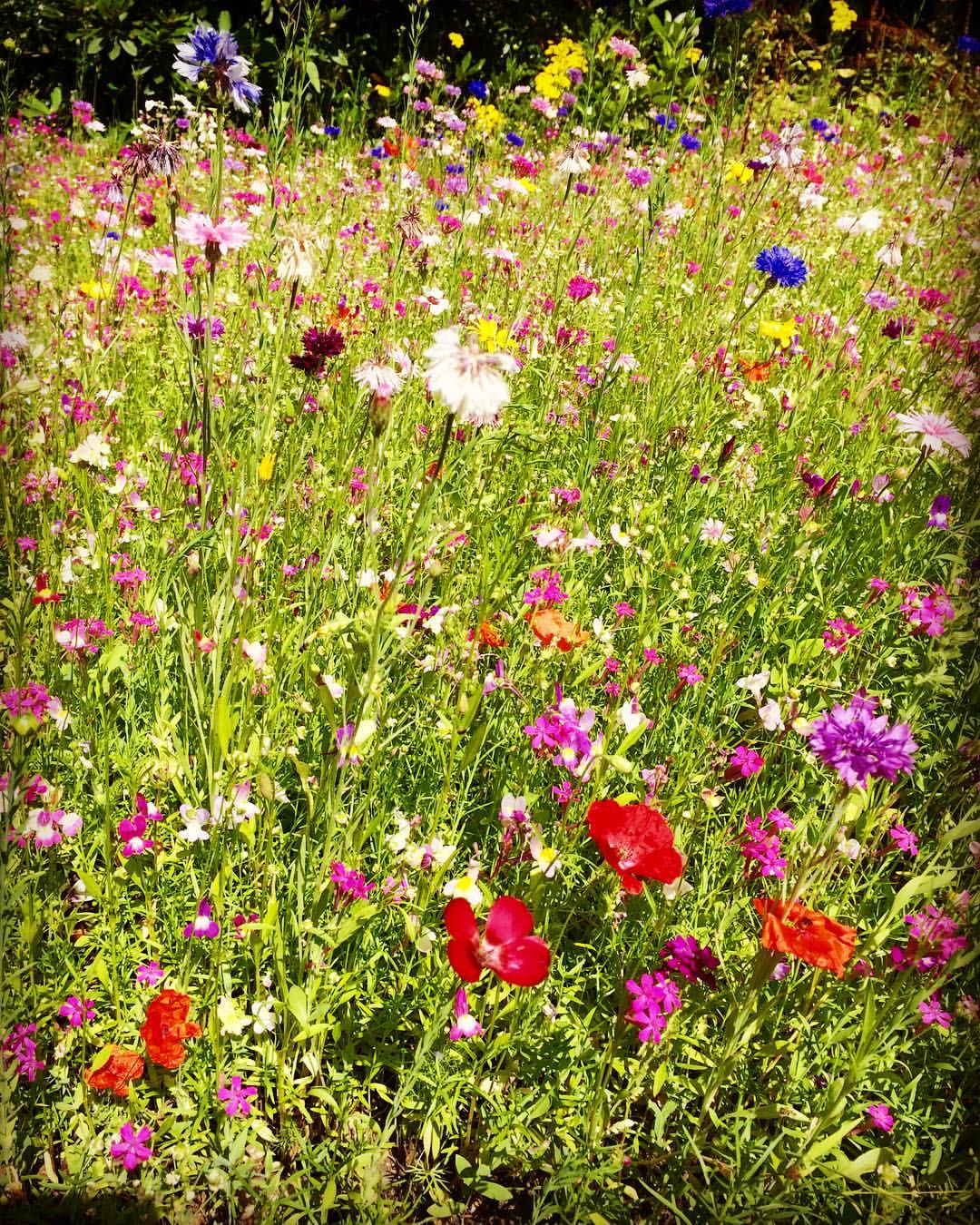
Wildflowers are low-maintenance, beautiful, and biodiverse powerhouses that don’t need any herbicides, fertilizers, or frequent watering. A yard with a wildflower meadow only needs to be mowed once a year.
While establishing this kind of lawn requires some initial labor, the result is a breathtaking space that you, your neighbors, and the local wildlife will all adore.
It grows best in sunny, open areas with low foot traffic. Make sure you choose a high-quality flower mix that is native to your region. This type of lawn is perfect for pollinators, helps reduce pollution, and actively promotes biodiversity.
3. Native Plants
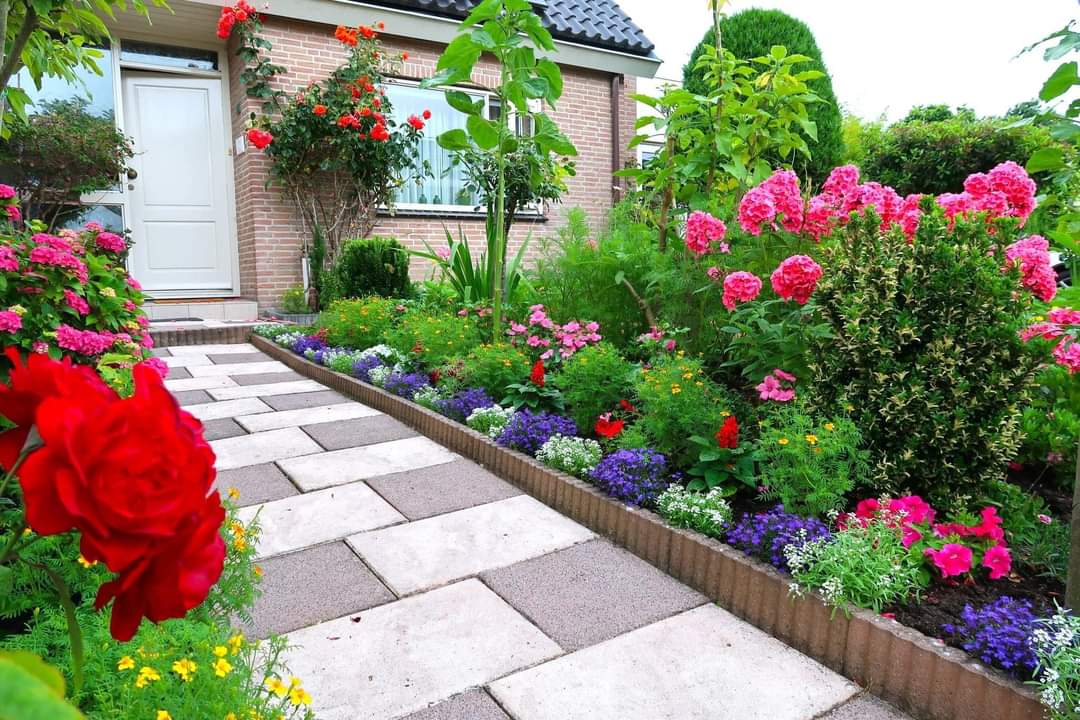
Plants that are native to your area provide a low-maintenance grass alternative that helps increase biodiversity and save energy.
They don’t need fertilizer or regular fertilizing and require less water than turfgrasses because they are already adapted to the local climate.
Native plants also offer valuable food and shelter to bees, birds, and butterflies. You can find out which plants are native to your location by contacting your local extension service or using the native plant finder from the National Wildlife Federation.
4. Rock Beds
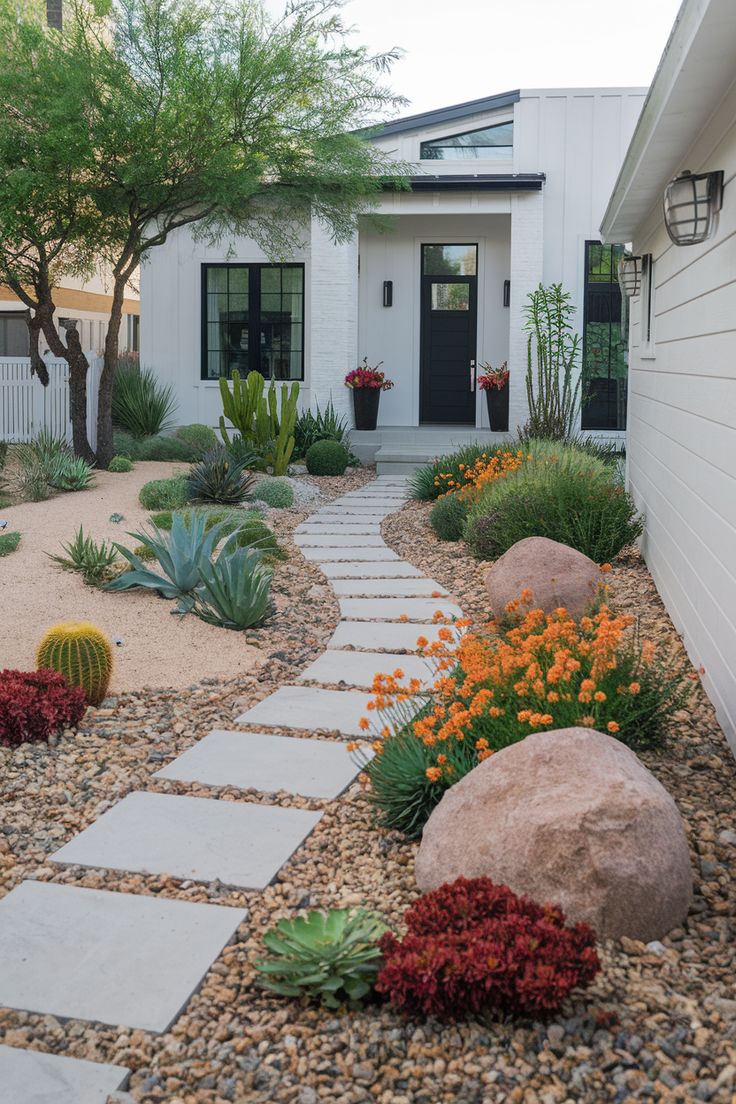
If you’re interested in moving away from a plant-based lawn cover and trying a more unique style, a rock bed is an excellent candidate.
In addition to beautifying your yard, it will also eliminate the need for fertilizer, cut out mowing, and help conserve water.
You can create a multi-dimensional, sculptural look by layering rocks and creating stone pathways. Another option is to encircle a large boulder with sand, gravel, or succulents.
Popular elements for a rock garden include:
- Stepping stones
- Sand
- Natural boulders
- Gravel
- Drought-resistant ground covers
- Native perennials
- Ornamental grasses
- Succulents and cacti
Replacing traditional grass with drought-resistant plants, especially if you live in a dry region, will help you preserve natural resources and save money.
Rock beds are also a great cover for areas with high foot traffic.
5. Hardscapes
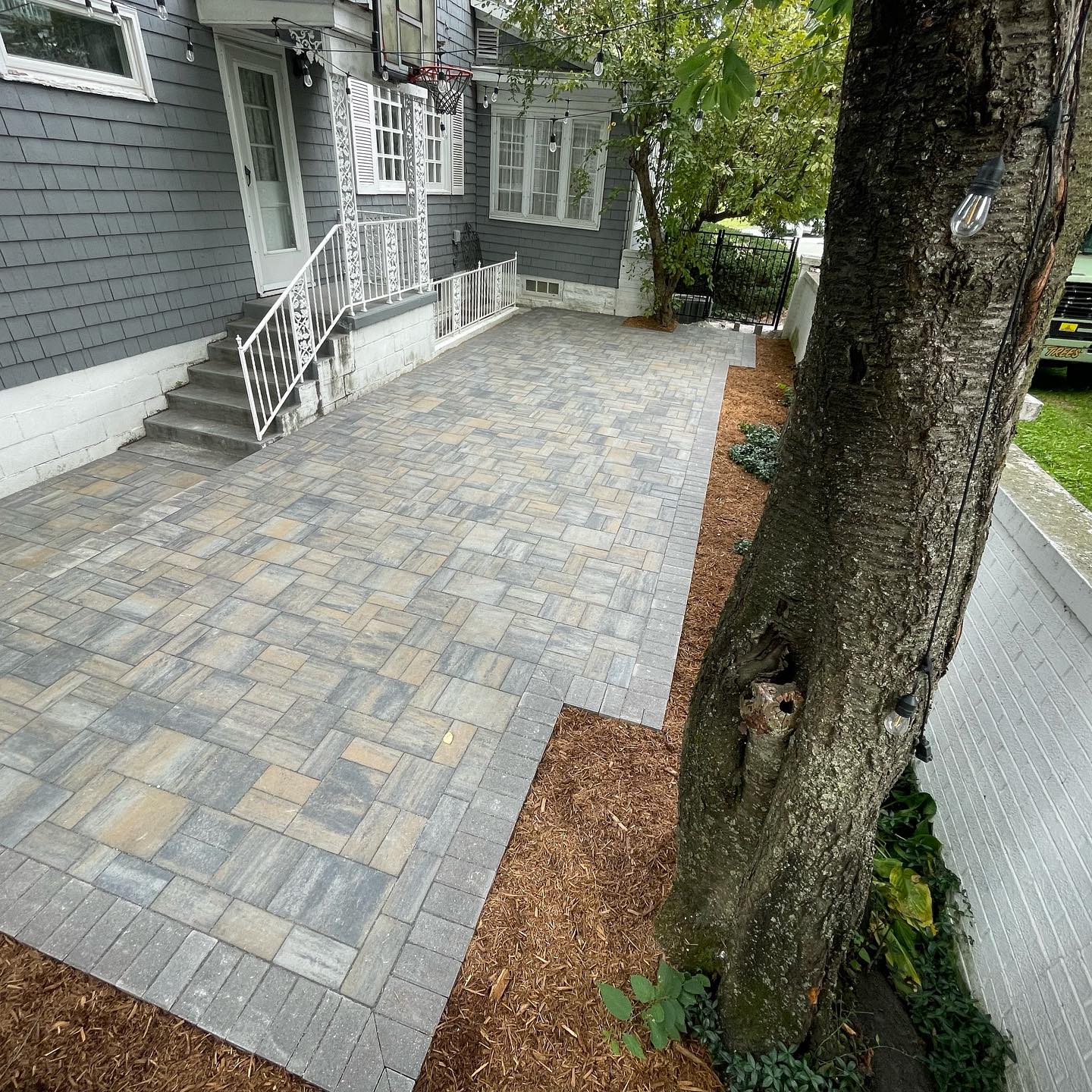
If you don’t mind a solid surface underfoot, consider hardscape covers for your lawn. Some options include:
- Paved pathways
- Fountains
- Fencing
- Outdoor kitchens
- Fire pits
- Decks
- Patios
Most hardscape surfaces are impermeable, which means water cannot penetrate the ground. This can lead to stormwater runoff and also increases the air temperature by absorbing and re-emitting heat.
Fortunately, you can find more environmentally-friendly hardscape choices, like permeable pavers. While they may cost more to install than traditional options, they prevent stormwater from polluting aquatic ecosystems.
It’s also a good idea to choose hardscapes with high solar reflectance to help reduce the heat island effect.
6. Micro Clover
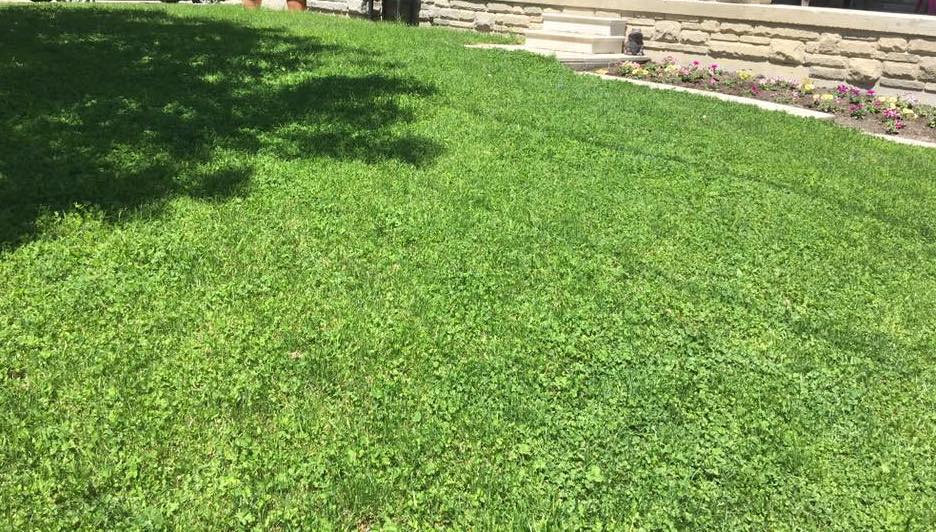
A micro clover lawn is an excellent alternative to a grassy lawn. It requires very little water, is resistant to drought, and does not need mowing, although you can cut it occasionally to keep it short. It also doesn’t need pesticides or fertilizers and stays green much longer than traditional grass.
You can grow micro clover even in poor soil. It naturally fertilizes and improves the soil through a process called nitrogen fixation. It’s cheaper than grass and grows so densely that it crowds out and prevents weeds.
When it comes to finding a grass alternative for dogs, micro clover is pet friendly. Your dogs will enjoy running on this type of lawn, and their urine won’t leave behind any ugly patches.
7. Rewilding or Ungardening
This approach involves letting things grow naturally, which might not appeal to everyone. However, there are a couple of ways you can do it:
- Landscape your lawn with native plants, flowers, or grasses with the intention of letting them grow with little to no maintenance.
- Let nature take its course and see what happens. Just be sure to keep invasive plants under control and encourage native ones to flourish.
- Also, check your local laws to ensure you won’t get fined or break any rules by letting your yard’s vegetation grow too high.
8. Grow Food
Instead of cultivating traditional grass in your yard, you can create a vegetable garden. The wonderful result is that you will have fresh vegetables and even fruits to enjoy.
9. Bee Turf
Developed by West Coast Seeds, bee turf is a mix of low-growing wildflowers and clovers designed to reduce maintenance costs and provide a healthy habitat for pollinators. Bee turf can be an excellent cover for your lawn.
It remains green and lush even in the summer and produces lovely tiny flowers.
You can trim bee turf once a month to keep it shorter and ensure your yard looks neat. Alternatively, you can let it grow naturally without any maintenance for a beautiful, flowered pasture look.
10. Evergreen Moss
Homeowners and gardeners often see moss as a nuisance, especially when it grows under trees, but it can provide an excellent cover for your yard.
Evergreen moss remains green all year, grows in almost any type of soil, and thrives in the shade.
It is low-maintenance and creates a soft carpet that feels amazing to walk on. You don’t need to water, mow, fertilize, apply pesticides, or weed evergreen moss. You just get to enjoy your lawn.
Moss is available in many different varieties. Here are some options to consider:
- Acrocarp varieties like Luecobryum glaucum, Campylopus introflexus, Dicranum scoparium, and Polytrichum commune.
- Pleurocarp varieties such as Plagiomnium cuspidatum, Hypnum imponens, Entodon seductrix, Bryandersonia illecebra, Thuidium delecatulum, Climacium americanum, and Hypnum cupressiforme. These types spread out to form a flat, dense carpet.
Best Alternatives to Grass by Regions in The United States
Below are the best alternatives to grass for different areas.
a) Pacific Coast
For regions along the Pacific coast, lawn ground covers are available in a wide variety of colors and textures. Some varieties have berries and flowers, and many can handle high foot traffic. You can also use hardscapes like wood, concrete, and rocks to create patios and pathways.
b) Northeast
Ground covers native to the northeast regions of the USA include moss phlox, which sprouts pink or white flowers in the spring, and white ginger.
You can also opt for ornamental grasses or edible landscaping with in-ground gardens or raised beds.
Another ground cover to consider is Georgia Blue Veronica, which is durable, low-growing, and needs little maintenance. When spring arrives, you’ll be treated to its beautiful blue flowers.
c) Midwest
If moss is already growing well in your lawn, you can let it take over as a ground cover to create an aesthetically pleasing space. It thrives in damp, shady areas.
d) Southwest
If you live in the southwest United States, it is a smart move to consider alternatives to grass. The western states continue to experience extreme droughts, so converting your lawn to a drought-tolerant landscape is a great idea.
Using native plants and succulents along with rock gardens or gravel can help reduce runoff, conserve moisture, and improve filtration.
A cheap alternative to lawn grass saves you from the struggle of trying to keep your grass alive in an area where water conservation is crucial.
e) Southeast
Consider using a wildflower blend that is well-suited to your home’s climate. Be sure to clear any vegetation from your lawn that might deprive your wildflowers of the water and sunshine they need.
Common choices for this region include perennial peanut, Asiatic jasmine, and sunshine mimosa, as they are all drought-tolerant.
Final Remarks
You don’t have to limit yourself to standard grass for your lawn when there is a wide variety of cheap alternatives available. These environmentally-friendly options don’t have to be dull; there are many exciting and beautiful choices, like wildflower meadows, to explore.