Using perennials to define your garden borders is a brilliant move. These plants can craft a polished, unified look that makes your entire yard feel more deliberate and beautifully kept. Border plants create a natural boundary that draws the eye, offering a smooth transition from lawn to pathway to garden bed and elevating your outdoor space’s visual charm. While annuals grow quickly and can work in a pinch, perennials are the superior long term choice.
Perennials stick around for more than two years, providing reliability, longevity, and enduring beauty with far less work. Let’s dive into some of the best perennial plants perfect for your garden’s edge.
15 Best Perennial Plants To Use For Borders

1. Lavender
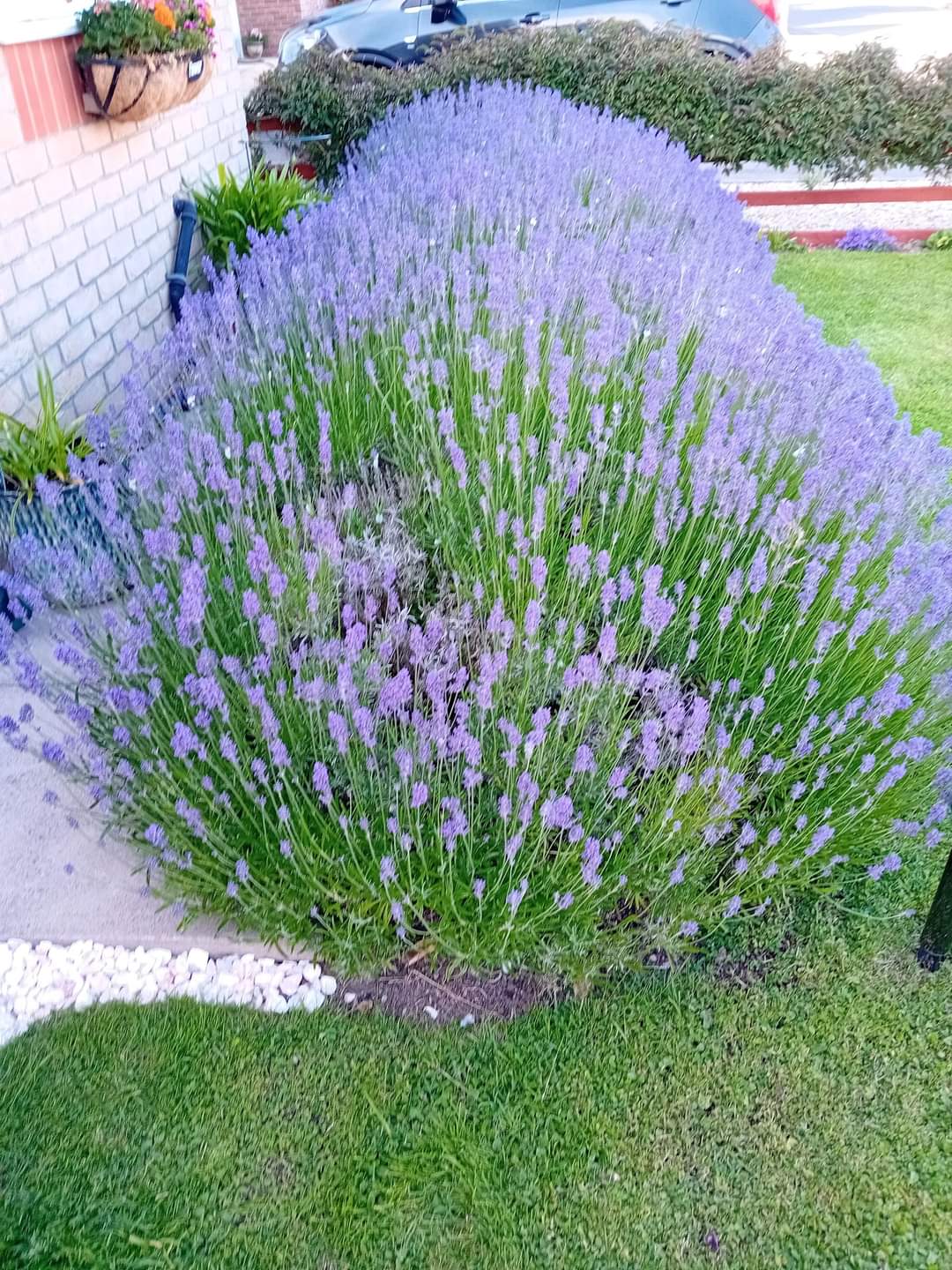
Lavender is a timeless perennial and an absolutely top-notch selection for borders. Reaching one to three feet in height and spreading just as wide, lavender creates a rounded, bushy silhouette. This shape is ideal for a border, giving a soft and cohesive edge to garden beds and walkways.
For a classic, formal feel, plant lavender in tidy rows along your garden paths or use it as a low hedge. The plant’s uniform growth habit and consistent foliage and flowers result in a clean, elegant line. You can also mix it with other plants for a more varied border.
Hardiness zones: 5-9
2. Catmint

This durable perennial features soft, fragrant, gray-green leaves and captivates with weeks of continuous blooms. Its small, tubular flowers appear in lovely shades of blue, lavender, pink, or white. Many types will even rebloom if you trim them back after their first flowering period.
You can use catmint to create a gentle, flowing edge along your borders or weave it among other plants for season long interest. The ‘Six Hills Giant’ variety adds wonderful height and structure, while ‘Blue Wonder’ is perfectly suited for the front of a border.
Hardiness zones: 3-8
3. Hubricht’s Bluestar
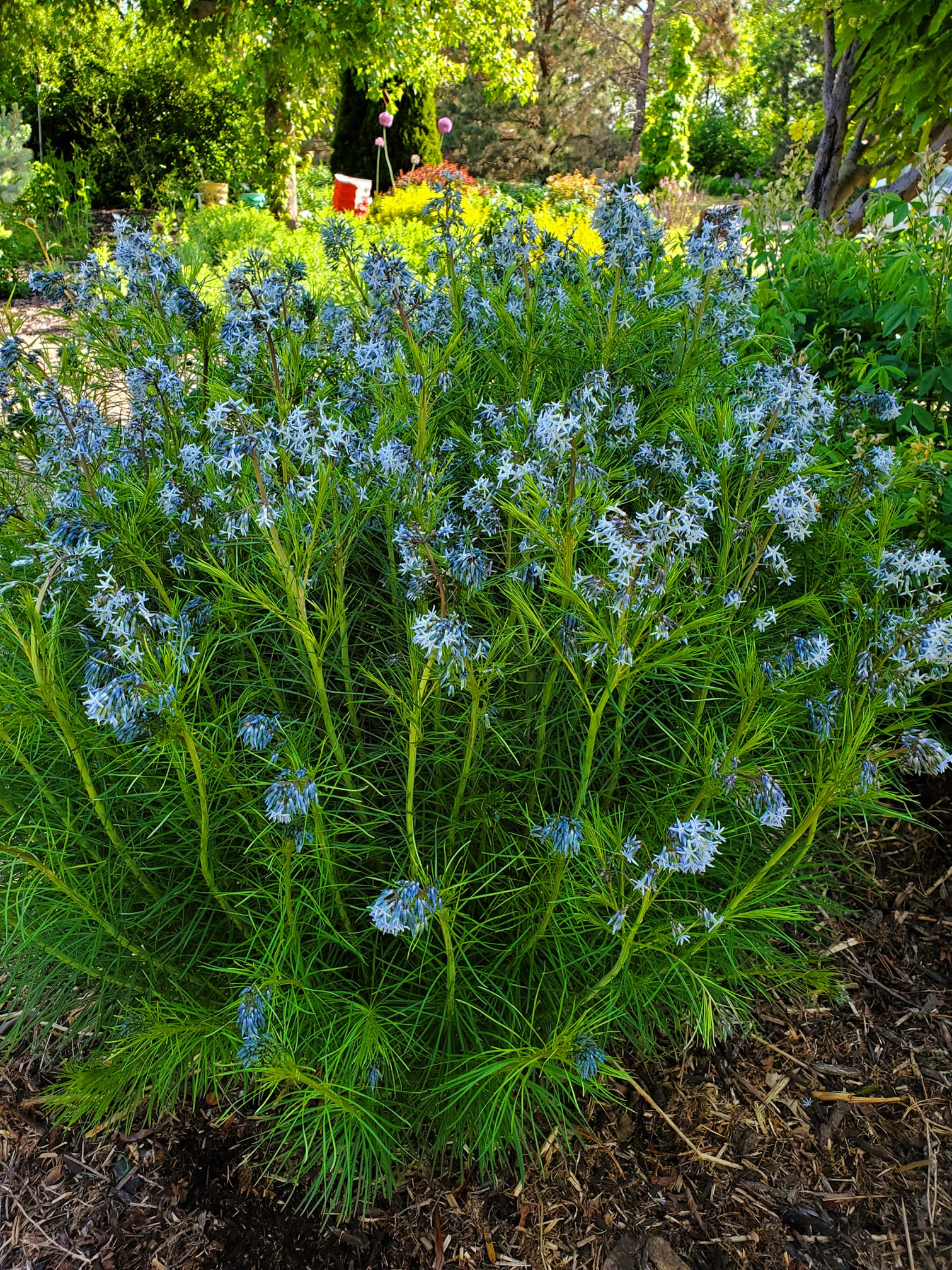
If you’re after something a little different for your border, Hubricht’s Bluestar is an excellent option. This visually stunning perennial is known for its delicate blue flowers that produce a soft, calming effect. Its fine-textured foliage also provides a lovely backdrop for other plants, and its brilliant golden fall color delivers a spectacular seasonal show.
For bigger borders, plant this perennial in clusters to form a mass of soft blue blooms in spring and a radiant golden display in autumn. Hubricht’s Bluestar also pairs beautifully with other perennials and ornamental grasses in mixed borders.
Hardiness zones: 5-8
4. Veronica

You can rely on Veronica to come back faithfully each year, guaranteeing your borders always look fantastic. This perennial is a versatile and compelling addition to any garden, available in many colors and boasting a long bloom time.
Veronica maintains a neat growth pattern and has attractive leaves. It’s well suited for placement at the front or in the middle of a border. For a splash of vibrant magenta, try the Beeline Petite Pink Veronica. Integrating Veronica into your design will help you create a dynamic and visually engaging space.
Hardiness zones: 4-10
5. Hosta
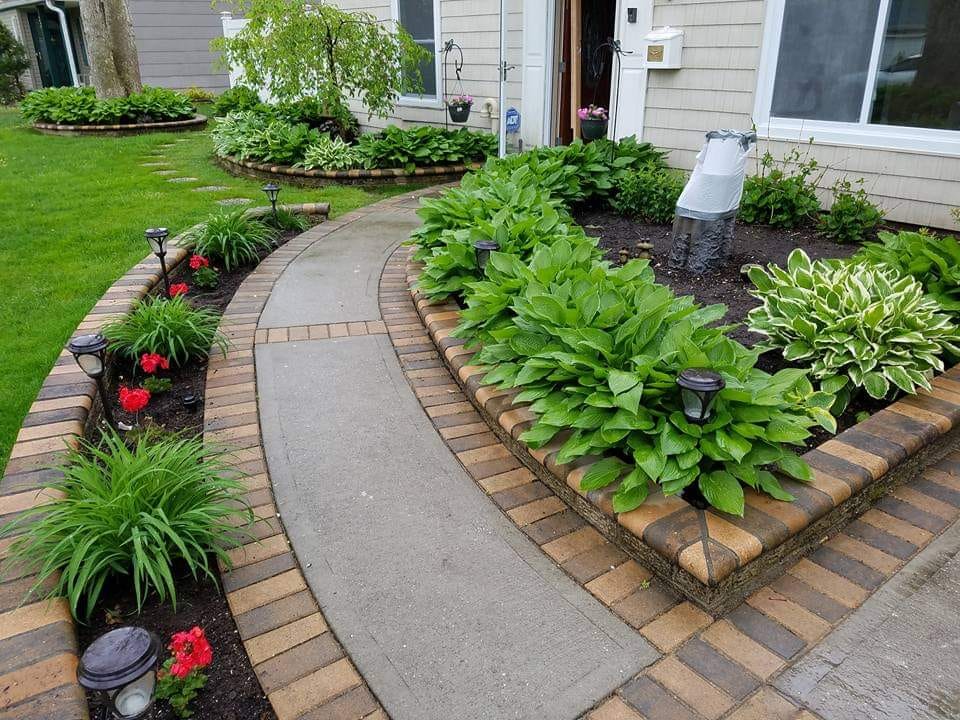
Use this shade-loving perennial to add wonderful texture and depth to your garden borders. Hostas, with their large and often variegated leaves, are an ideal choice for shaded paths, as they thrive where many other plants falter.
The incredible diversity in hosta sizes and colors allows for creative designs, from bold statement pieces to subtle ground covers. Define your garden paths or borders with smaller hosta varieties that have a tidy growth habit for a neat and polished appearance. Hostas require relatively little maintenance, but be sure to protect them from slugs and snails.
Hardiness zones: 3-9
6. Sedum

To ensure your borders remain colorful late into the season, you need the right plants, and Sedum is one of the best. This succulent perennial has thick, fleshy leaves in various colors and produces star shaped flowers in white, yellow, pink, and red.
Sedum’s colors shift with the seasons, keeping your borders interesting, especially with its dramatic autumn hues. Upright sedum varieties make great focal points in mixed borders. Pair them with other perennials that have contrasting foliage and flower shapes. For filling gaps along pathways, low growing varieties are a perfect fit.
Hardiness zones: 3-10
7. Black-Eyed Susan

This is one of the most cheerful plants you can introduce to your garden borders. Black-Eyed Susans are easily identified by their daisy like flowers, which have bright yellow or golden petals surrounding a dark brown or black center cone.
These brilliant flowers are a perfect companion for other perennials and annuals, making them an excellent choice for mixed borders. The Goldsturm variety is particularly well suited for edging due to its tidy growth and dependable, abundant flowers. It’s a good practice to cut back your black-eyed susans in late fall or early spring to make way for new growth.
Hardiness zones: 3-9
8. Astilbe

As a shade tolerant and moisture loving plant, Astilbe is a fantastic choice for borders near water features or in damp, woodland style settings. This perennial gives borders a soft, airy quality with its feathery plumes that rise above its fern like foliage.
Astilbes typically grow one to three feet tall, making them effective for filling the middle ground of borders and creating a transition between taller and shorter plants. For a variety that works well at the back of the border, try Purple Candles. The plant’s deeply cut leaves stay attractive all through the growing season.
Hardiness zones: 4-9
9. Peonies

This long lasting perennial can thrive for decades, adding exceptional texture and beauty to borders with its large, vibrant flowers that can be single, semi-double, or fully double. Peonies also feature lush, green, and attractive foliage.
Their leaves often shift to shades of red and gold in the fall, providing additional seasonal interest. Combine peonies with other perennials for a cottage garden feel, or use them in symmetrical, formal borders next to boxwood hedges or other evergreen shrubs. For borders, herbaceous peonies are generally more suitable than tree peonies.
Hardiness zones: 3-8
10. Creeping Thyme

Fill in the gaps along your garden borders with this low-growing perennial. Creeping thyme has a prostrate, mat-forming growth habit that makes it perfect for edging garden paths. It’s especially charming when covered with its tiny purple, lavender, or pink flowers.
To make your borders pop with color, grow the vigorous ‘Red Creeping Thyme.’ For a touch of delicate color, add ‘Pink Chintz,’ which offers soft pink flowers and fuzzy green foliage. The ‘Magic Carpet’ variety has a dense, low-growing habit that is perfect for edging.
Hardiness zones: 5-8
11. Coral Bells

Cultivate coral bells in your borders to create a rich tapestry of color and texture. Their most notable feature is the striking foliage, which comes in a vast spectrum of colors like deep burgundy, purple, lime green, caramel, and silver. Coral bells are well-suited for the front or middle of garden borders, as they grow 8 to 18 inches tall, with flower spikes reaching up to 2 feet.
As plants that love shade, coral bells are an excellent choice for shaded or partially shaded borders where their foliage can provide a welcome splash of color and texture. Use low growing varieties to soften the edges of garden borders or to line your pathways.
Hardiness zones: 3-9
12. Coreopsis
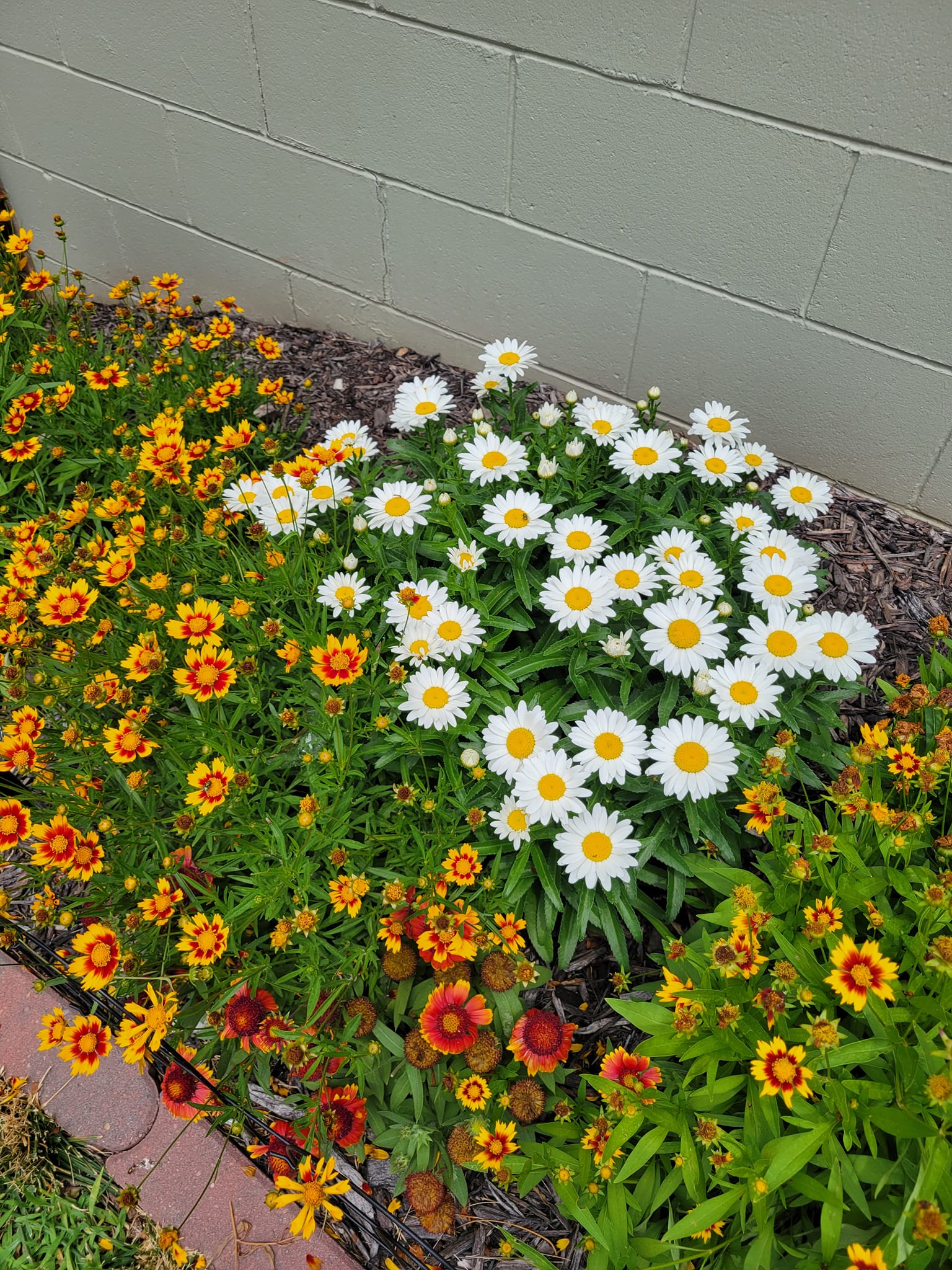
This hardy perennial is a true showstopper. Its bright yellow, daisy like flowers, which also come in shades of pink, red, orange, and bi-colored patterns, will effortlessly light up your borders from late spring all the way through fall.
Since it grows from one to four feet tall and spreads about one to two feet wide, consider coreopsis for the front and middle sections of your garden. You can plant Coreopsis in large groups or drifts, incorporate it into mixed perennial borders, or use it to line edges and pathways.
Hardiness zones: 4-9
13. Salvia

Salvia’s extended blooming period, neat growth habit, and knack for attracting pollinators make it a superb choice for borders. If you dedicate your entire border to salvia, place taller varieties at the back and shorter ones in front to build layers and depth.
You can also pair them with lower growing perennials or ground covers to fill any gaps. When mixing salvia with other plants, pick colors that are either complementary or contrasting for a dynamic look. Plant salvia in sunny borders that have well-drained soil, and be sure to water new plants regularly until they are established.
Hardiness zones: 5-9
14. Japanese Anemone

Add late-season color to your garden by incorporating Japanese anemones into your borders. Their delicate, saucer shaped flowers, appearing in shades of pink and white, are held high on tall, slender stems. Because Japanese anemones can handle partial shade, they are great for brightening up more shaded areas.
Plant Japanese anemones about 18 to 24 inches apart. They can reach heights of two to four feet, making them a good choice for the middle or back of the border. Some popular varieties to look for include ‘Honorine Jobert,’ ‘September Charm,’ and ‘Robustissima.’
Hardiness zones: 4-8
15. Yarrow
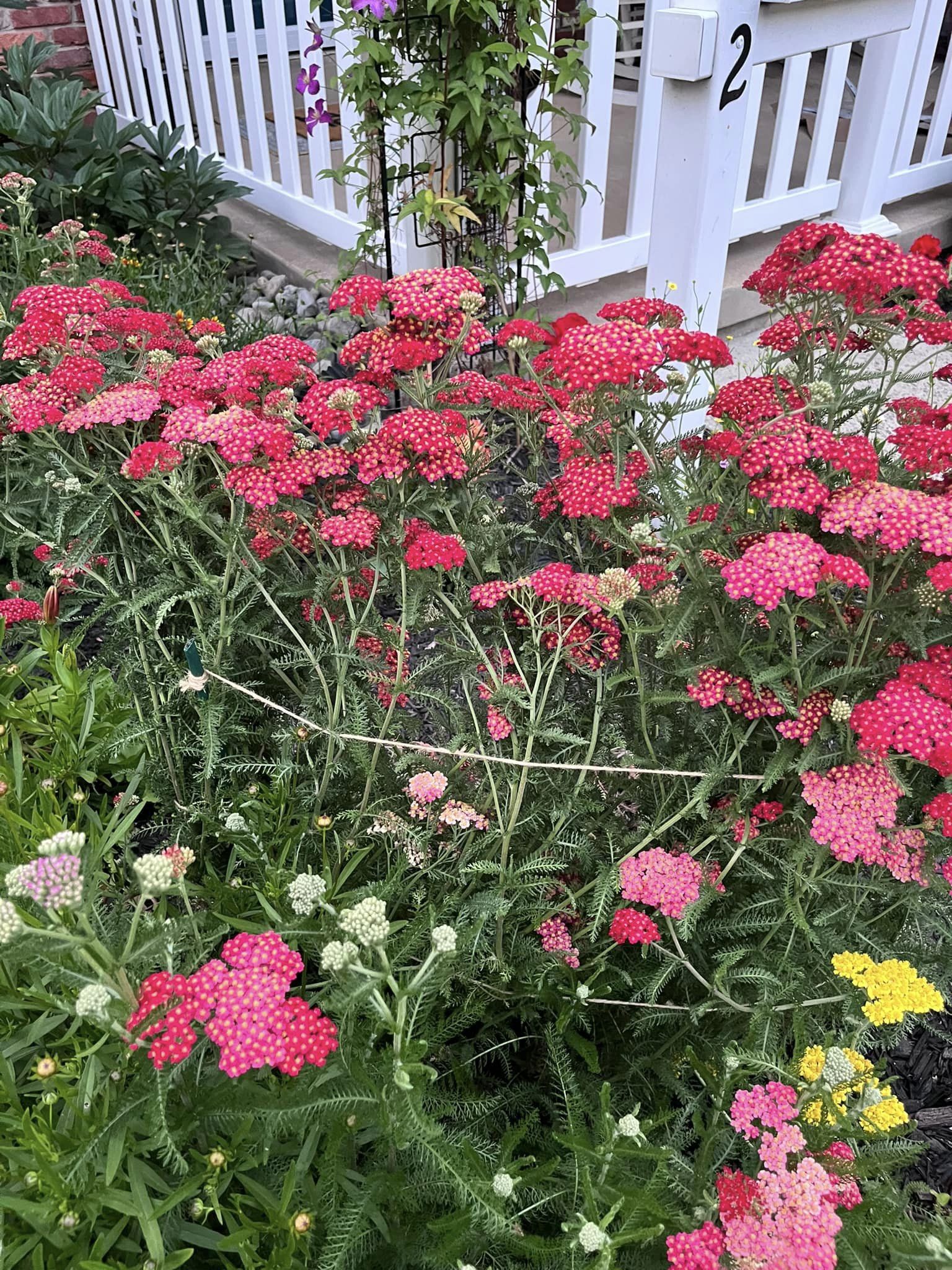
Finally, there’s yarrow, a versatile perennial that offers vibrant flowers, a long blooming season, and attractive foliage. You can craft a well balanced border design by selecting yarrow varieties that match your garden’s scale, from compact dwarf types to taller cultivars.
Choose this plant if you want to introduce more texture to your borders. Yarrow features finely divided, fern-like foliage and flat topped clusters of tightly packed flowers. Remember to deadhead yarrows and divide the clumps every few years. Yarrow is also an excellent choice if deer and rabbits are a problem, as these animals typically find it unappealing.
Hardiness zones: 3-9
Final Remarks
Achieving a beautiful, dynamic border is entirely possible with the wide array of perennials perfectly suited for the task. Each one brings unique qualities to the garden, from brilliant blooms and eye-catching colors to interesting textures. Plan your design thoughtfully, mixing different heights and textures to create a harmonious and visually stunning display.