Unlock the secrets to keeping your ferns vibrant and healthy all season long with a few simple strategies for watering, fertilizing, and overall care. Discover how to transform struggling plants into lush, beautiful focal points.
Ferns are a top choice for hanging baskets and container gardens for good reason. It’s nearly impossible to visit a garden center in the spring without seeing a vast selection of ferns ready for purchase.
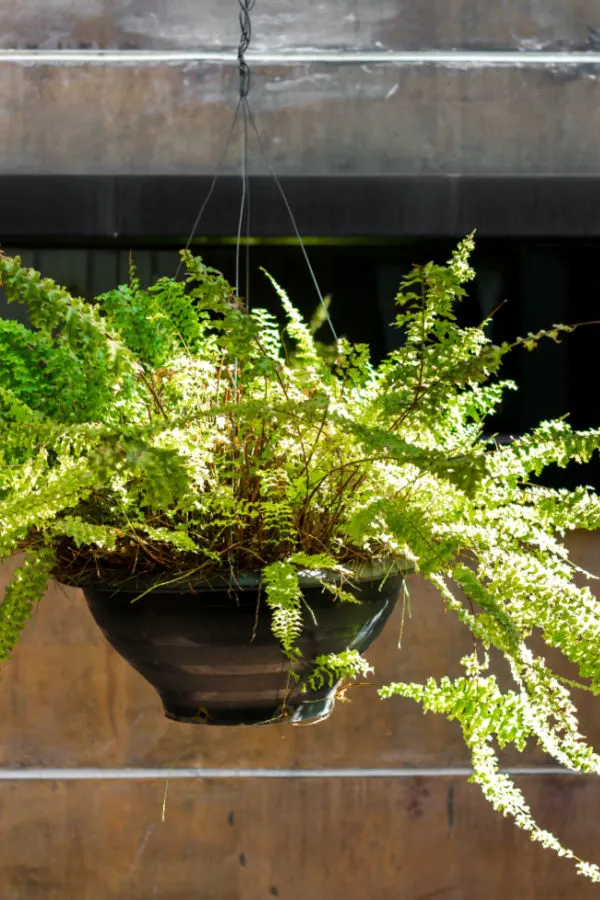
Their popularity is easy to understand. Ferns are relatively low maintenance and excel at bringing significant visual appeal to the shadier areas of your property. While they might lack the vibrant flowers of other summer annuals, the brilliant green fronds of a fern can dramatically brighten up dark porches, patios, and covered decks.

For many plant owners, however, maintaining that healthy, lush look throughout the season is a major hurdle. By the time mid summer arrives, ferns that were once stunning can start to look sparse and frayed. Often, their previously bright green foliage begins to turn brown.
Why Ferns Fail – How To Water And Fertilize Ferns For Big Success!
When a fern’s health declines, the issue can almost always be linked to three straightforward and correctable problems.
The number one culprit is usually location. Many ferns fail simply because they are placed in an area that receives excessive sunlight. Ferns cannot tolerate direct sun, especially during the intense afternoon hours.
To achieve peak growth and beauty, ferns require indirect light. A couple of hours of direct sun in the early morning or late evening is acceptable, but any more than that will scorch the plant’s delicate fronds.
Beyond proper placement, two other elements are crucial for ferns in containers and baskets: watering and fertilizing. When it comes to hydration, the goal is to provide consistent moisture without endangering the plant’s sensitive foliage.
Fertilizing is where many gardeners encounter difficulty with ferns. Generally, ferns don’t need heavy feeding to thrive. In fact, applying too much fertilizer or the wrong type can cause more harm than good.
Despite popular belief, container grown ferns do benefit from a little nutritional boost. The real secret lies in what you use, how you apply it, and when you do it.
With that in mind, here is a detailed look at the best practices for watering and fertilizing your ferns to ensure they remain beautiful all summer.
Watering Ferns – How To Keep Ferns Beautiful All Summer
Correct watering is one of the most important factors in maintaining the excellent condition of your ferns. These plants originate from tropical environments and shaded, damp forests, both known for abundant moisture and humidity.
Unlike many flowering annuals, the soil for a fern in a hanging basket or container should always remain slightly damp. Letting the soil dry out completely between waterings places significant stress on the root system, which in turn causes the foliage to suffer.
The key is to maintain damp soil, not waterlogged soil. When the soil becomes overly wet, a fern’s roots swell. This swelling prevents them from absorbing any moisture or nutrients, leading to the plant’s decline.
Always check the soil’s moisture level before you water. You can do this by inserting your fingertip into the soil. If the soil feels soggy, hold off on watering. If it feels just slightly moist or dry, provide a light watering to maintain that ideal dampness.
It is better to water ferns more frequently but with a smaller amount of water each time. This method ensures the soil stays consistently damp without becoming saturated.
Finally, make an effort to water your ferns at the soil level. Do not water over the foliage. Ferns cannot take in moisture through their fronds, so this practice offers no benefit. Worse, excessively wet leaves can make the plant vulnerable to mold, mildew, and other diseases. If sunlight strikes wet leaves, it can also easily burn the foliage.
Fertilizing Ferns – How To Keep Ferns Beautiful All Summer
While ferns can get by with minimal nutrients from the soil, a little extra power can help them perform at their best. One of the greatest misconceptions about ferns is the idea that they should never be fertilized.
Ferns growing in pots and baskets have a finite supply of nutrients to draw from. Although ferns are not heavy feeders, providing them with the right kind of energy can encourage the growth of stunning, deep green fronds. The trick is to supply the correct type of nutrients, in the proper amount, and at the appropriate time.
Ferns do not need a lot of nitrogen; in fact, too much is harmful. This means that standard all purpose fertilizers are a poor choice for them.
Additionally, used coffee grounds, while beneficial for most annual container plants, are also not suitable. Coffee grounds have a high nitrogen content. They also contain a substance that can kill the beneficial soil bacteria that ferns need for healthy development.
Worm Castings To The Rescue – Fertilizing Ferns
So what is the ideal fertilizer for your ferns? The answer is worm castings. Worm castings are the manure produced by earthworms, and they contain a perfectly balanced mix of nutrients that will keep your ferns lush and green without being overwhelming.
Best of all, applying worm castings to ferns is incredibly simple. Just spread a quarter cup of castings over the top of the soil once a month. Each time you water, the nutrients will slowly seep down to the roots, keeping your ferns energized.
It is truly that easy, and you will be astonished at how well your ferns respond to the readily absorbable nutrients from the castings. Here’s to perfectly watering and fertilizing your ferns this year, ensuring they stay bright and beautiful all through summer and fall. When winter approaches, you can also explore tips for indoor care.