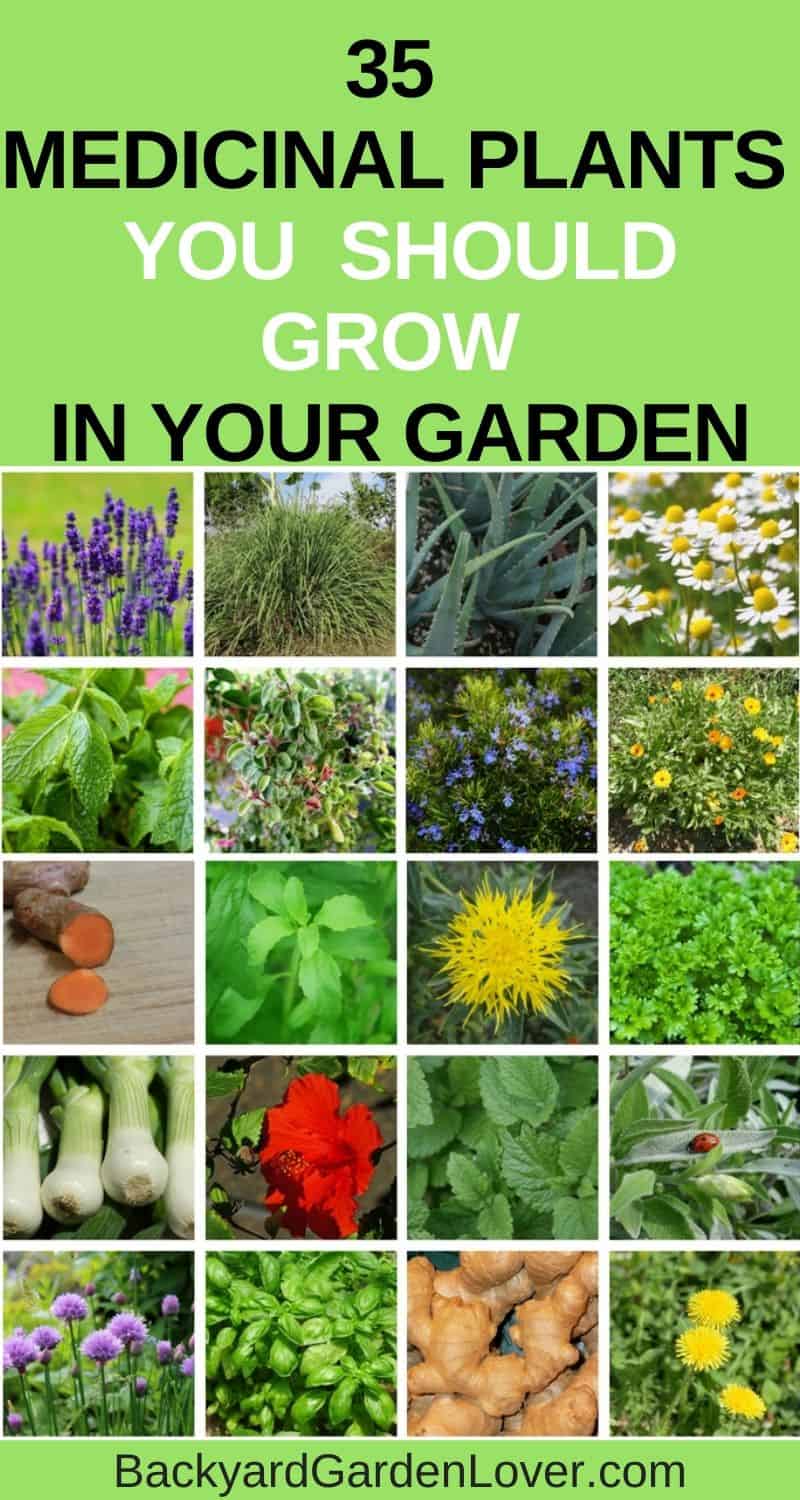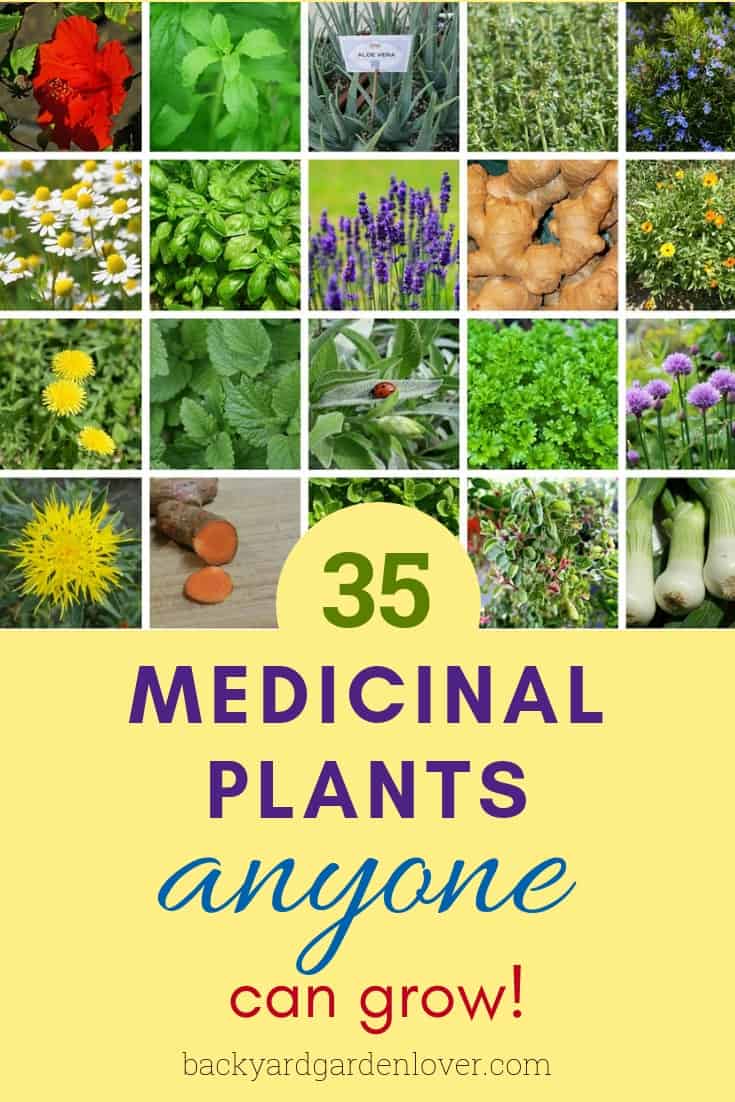
Imagine having a beautiful garden that doubles as your personal wellness resource. Growing medicinal plants is an incredible way to explore healthier treatments for common ailments. Just harvest and dry your herbs to create a natural pharmacy right at home.
Many modern prescription drugs come with a daunting list of potential side effects, sometimes more severe than the condition being treated. While these medications are often necessary, many people are exploring safer, more natural alternatives for their health concerns.
For generations, cultures around the world have relied on plants to manage all kinds of illnesses. You might be surprised by the sheer number of therapeutic herbs you can grow to address everything from a simple headache to a pesky infection. (Disclaimer: Always consult your doctor before trying new remedies; this guide is for informational purposes.)
Here are 35 of the most popular medicinal plants and herbs that you can cultivate in your very own garden.
Aloe Vera
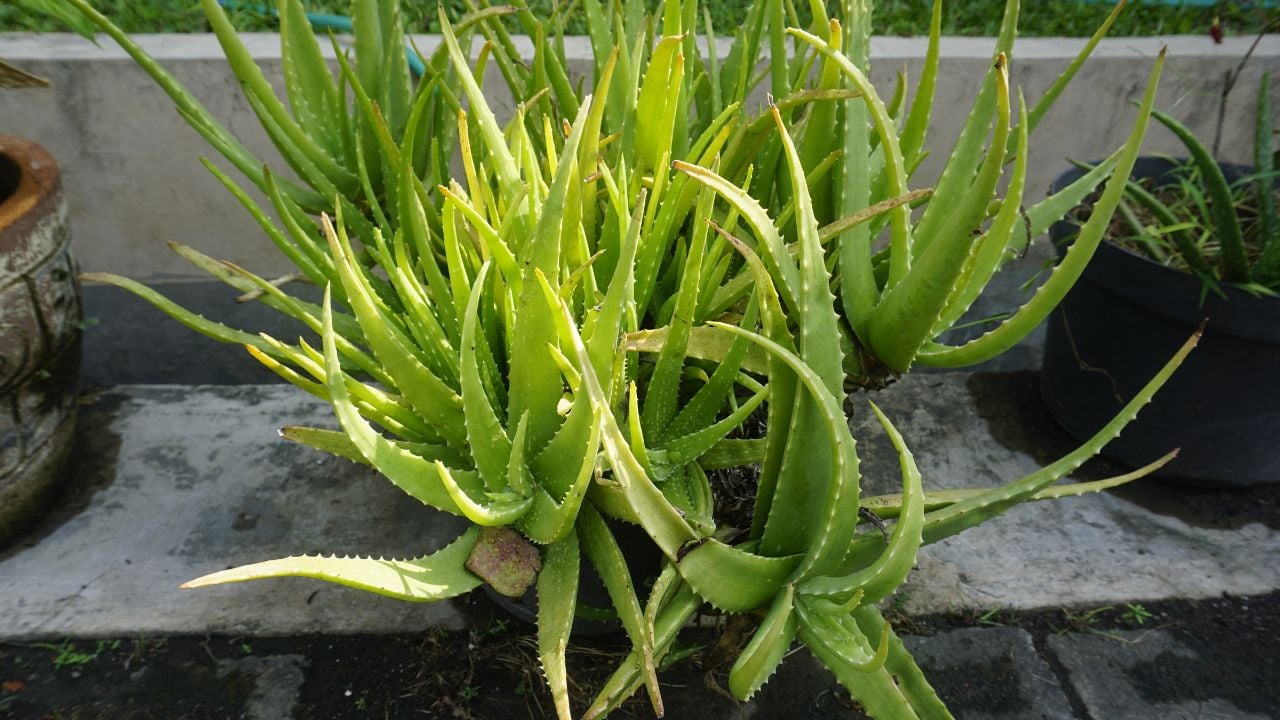
Every home can benefit from having an aloe vera plant. Typically grown indoors, aloe vera can flourish in a garden if you live in zones 8 through 11. For those outside these zones, simply plant it in a pot that can be brought inside during the winter.
Aloe vera plants are resilient and need very little water, but they absolutely require soil that drains well.
This plant is legendary for its incredible power to soothe the pain from all kinds of burns, especially sunburns. Just slice open a leaf to get to the gel inside, then apply it directly to the affected skin. It provides instant relief and helps speed up the healing process.
The gel from an aloe vera plant is also fantastic for healing cuts, scrapes, and various skin conditions like eczema.
When consumed as a juice, aloe vera may help ease symptoms of constipation, ulcerative colitis, and other digestive issues.
Lavender
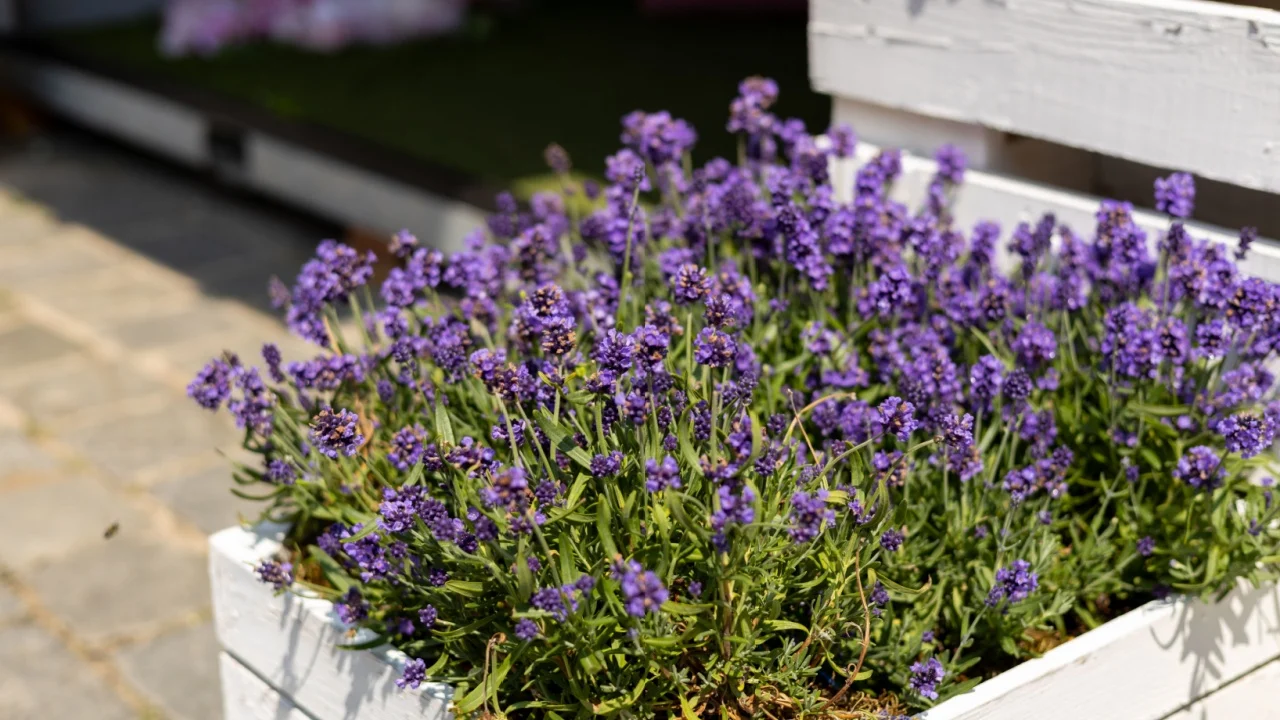
Lavender offers a deeply calming aroma that promotes relaxation and can improve your sleep. These plants are wonderfully easy to grow and will make your home smell absolutely amazing.
Lavender is incredibly low-maintenance. With just a simple trim once a year, these hardy plants can thrive for decades.
You can use dried lavender flowers to brew an herbal tea that relieves indigestion, eases migraine pain, and helps you sleep more soundly. A strong-brewed tea also works as a shampoo to help fight dandruff. Add it to your homemade salves, soaps, and bath salts, or tuck a small sachet into your pillowcase for a better night’s rest.
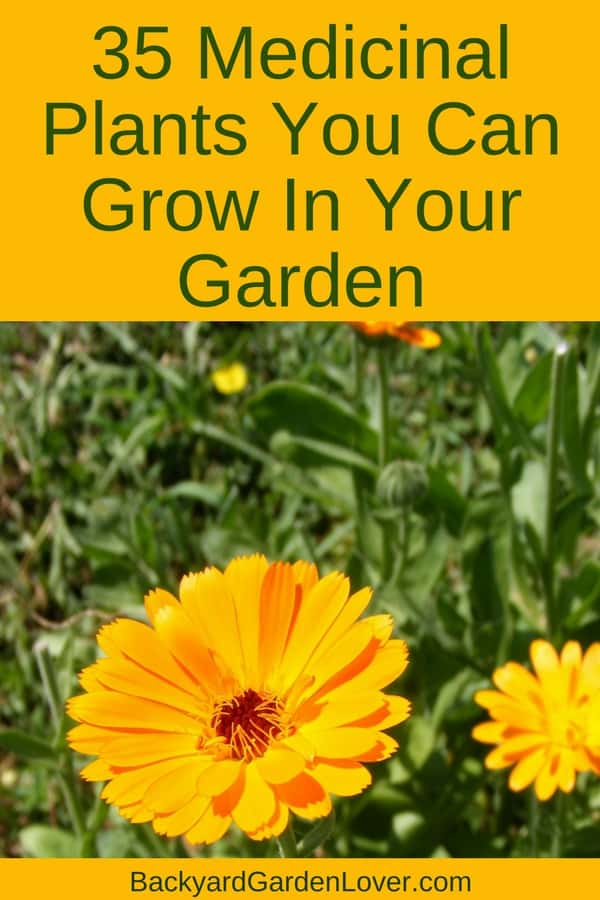
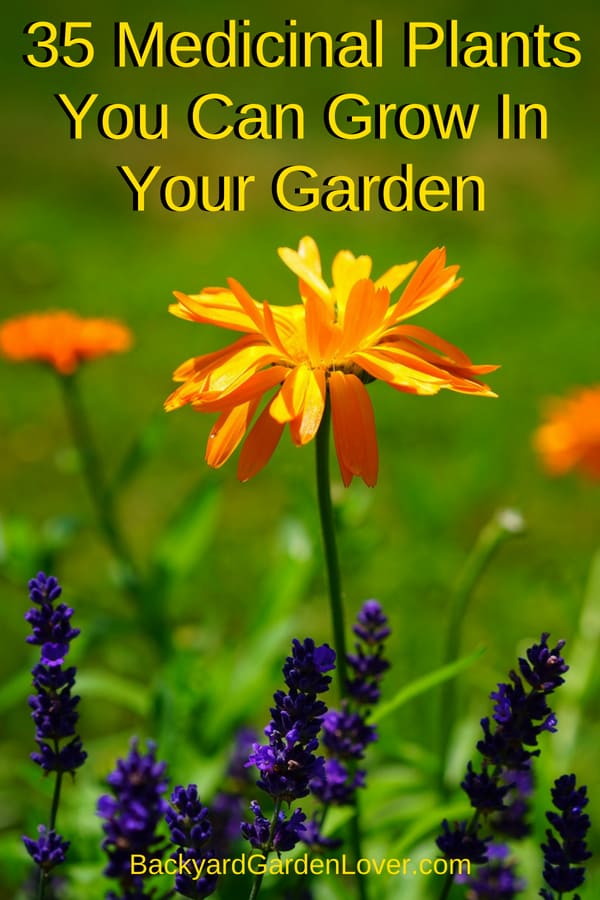
Pot Marigold (Calendula)
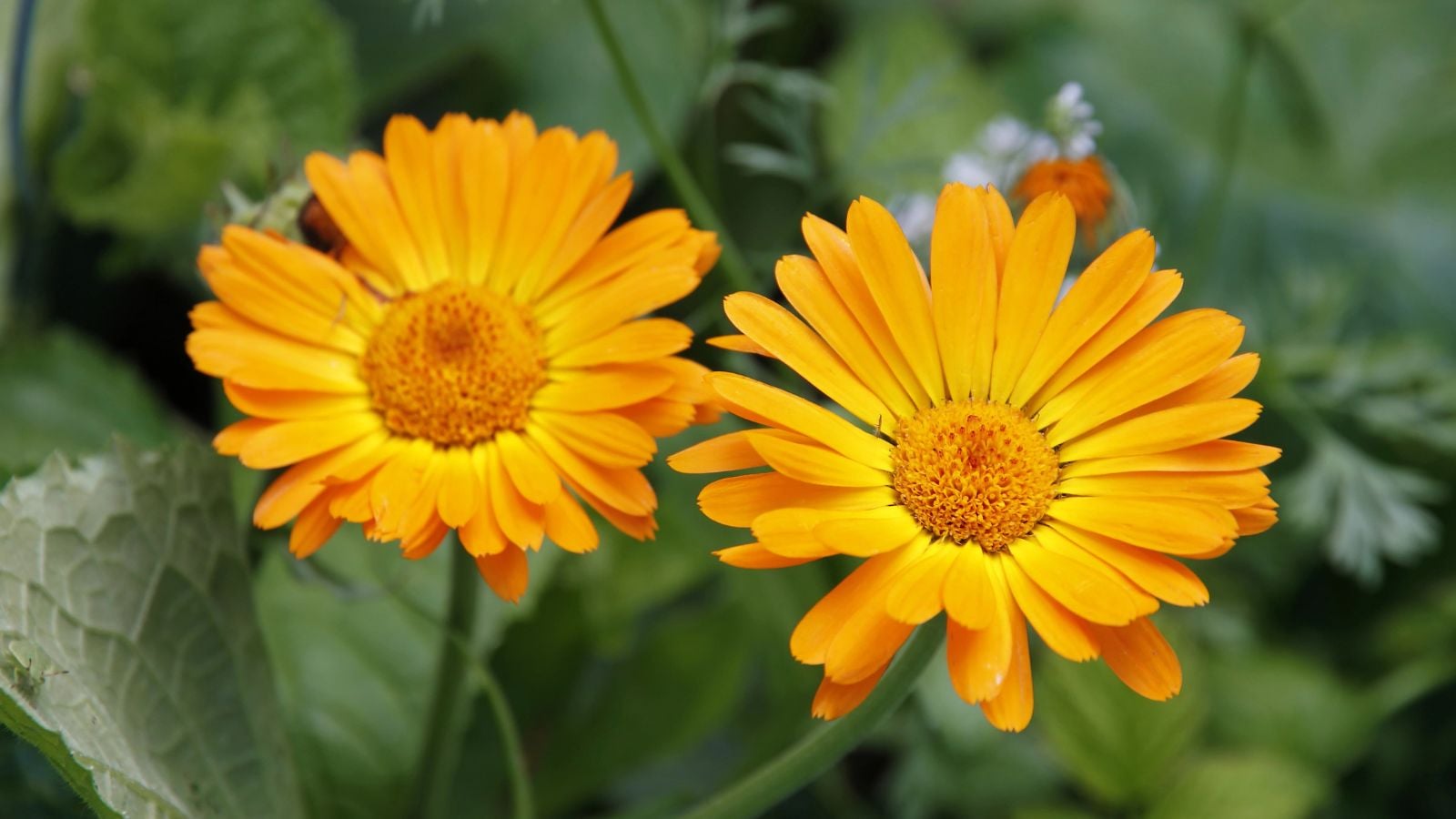
Also known as calendula, the pot marigold plant provides a host of health benefits. Its name comes from its vibrant gold flowers. These plants usually begin to bloom a couple of months after planting and will keep producing flowers all season long.
The beautiful marigold flowers are edible, making them a colorful addition to salads. You can also use this herb to address minor cuts, fevers, varicose veins, and infections. A homemade salve is perfect for healing bee stings and insect bites.
Basil
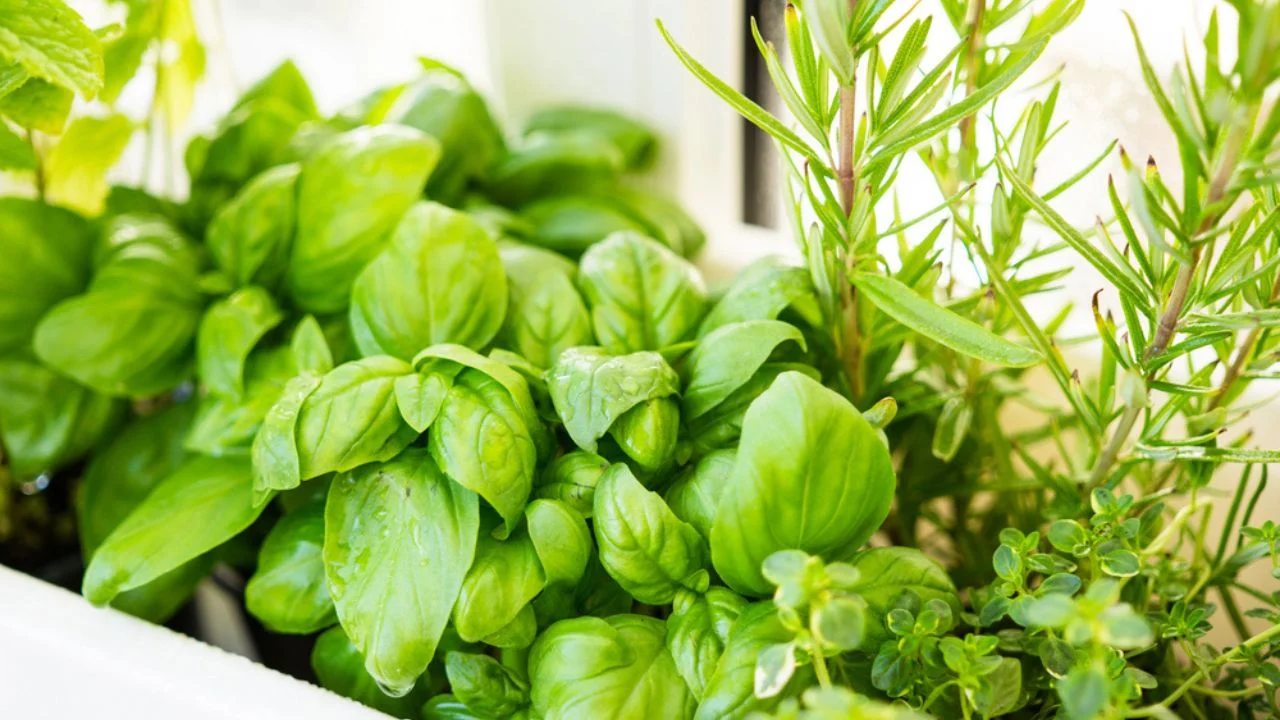
A breeze to grow, basil is an aromatic herb that adds a delicious kick to soups, pastas, and sandwiches. Beyond its rich flavor, basil may also help lower your risk of developing low blood sugar.
Use fresh basil leaves to treat and heal minor cuts and scrapes. This versatile herb can also help eliminate gas, soothe PMS symptoms, boost your appetite, and melt away stress. Basil is useful for treating a sore throat, reducing fevers, managing respiratory issues, and might even help prevent kidney stones.
Green Tea
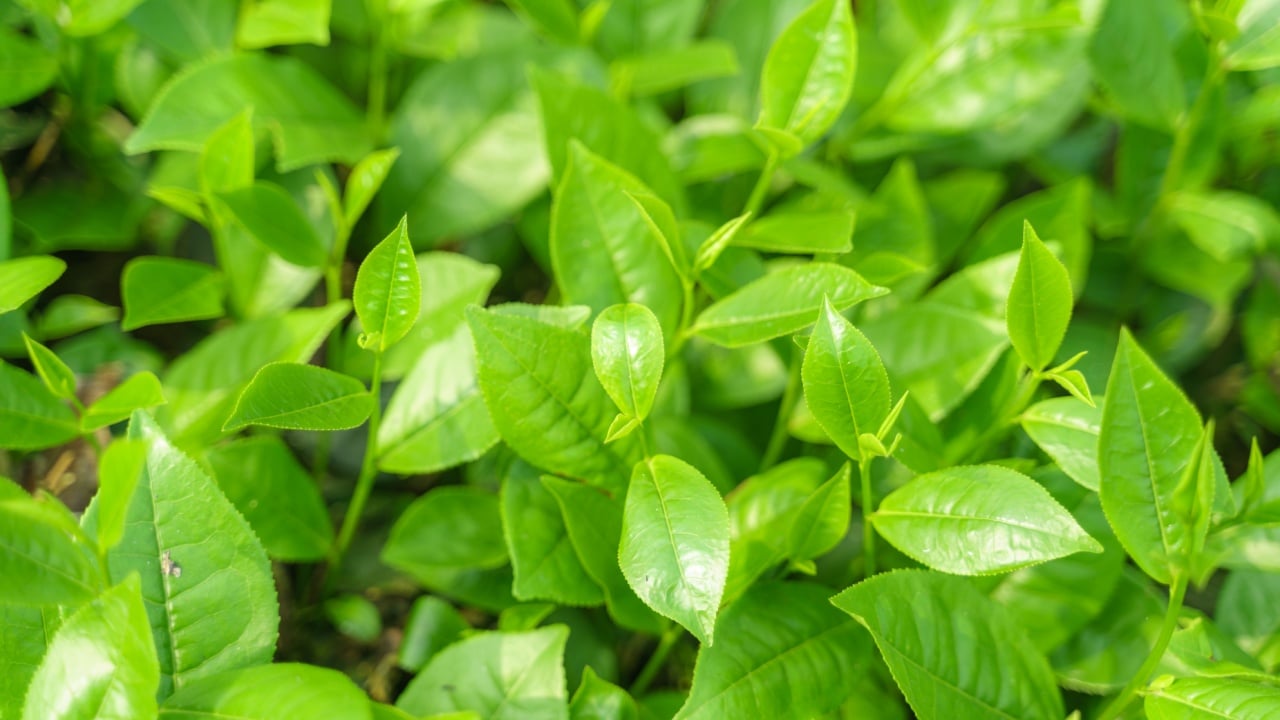
Green tea is packed with antioxidants, which could help lower your risk of cancer. It may also reduce your chances of developing infections, strokes, and heart disease. Drinking green tea regularly can even boost your dental health by eliminating harmful bacteria in your mouth.
Dill
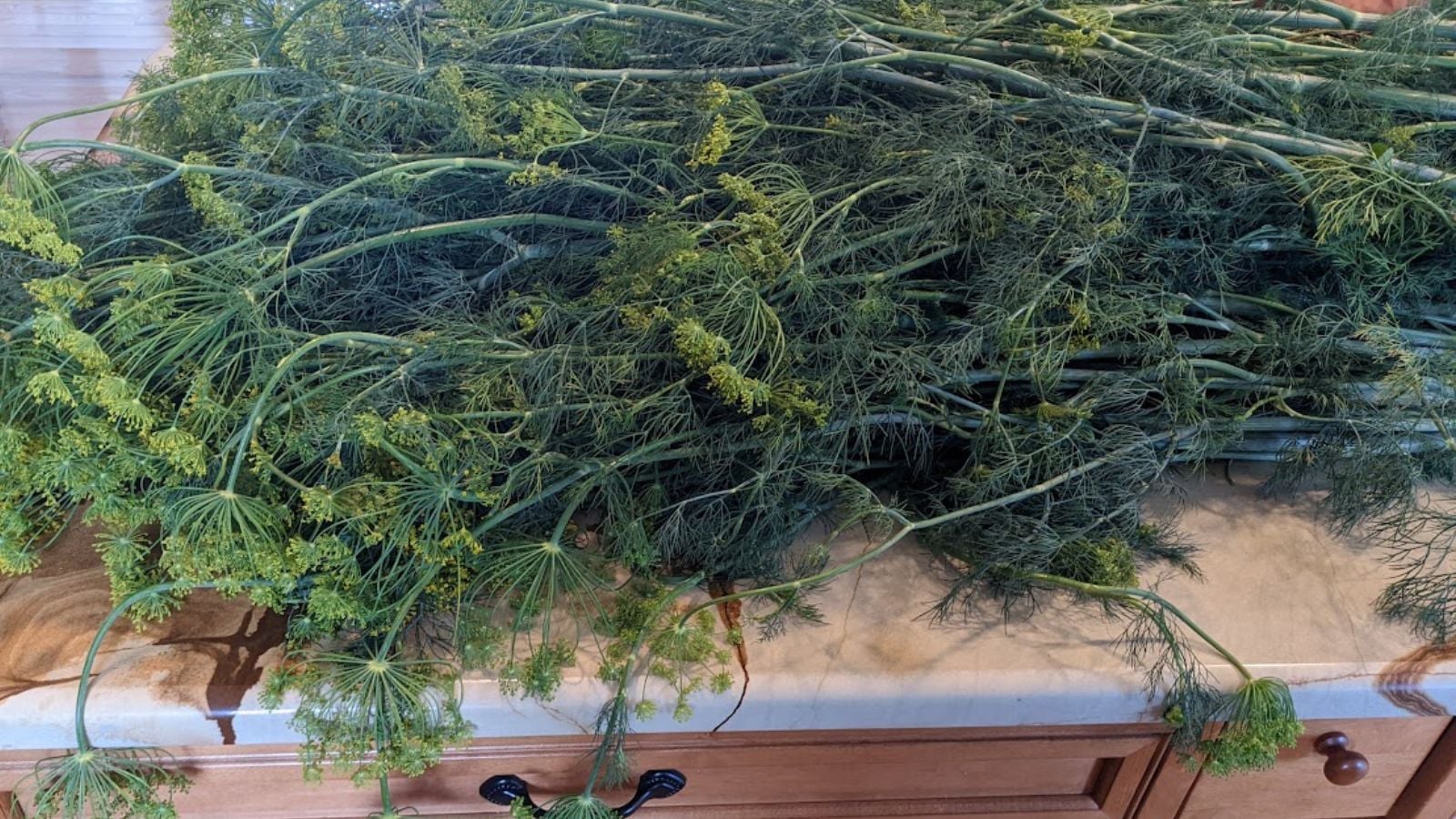
An herb from the parsley family, dill is famously used in pickles, salad dressings, sauerkraut, and certain breads.
Many believe dill supports the digestive system and can ease menstrual cramps. A warm cup of dill tea can help settle an upset stomach. It might also help reduce swelling, stop hiccups, and even offer relief for insomnia. It also serves as a great salt substitute for those on a weight loss journey.
Garlic
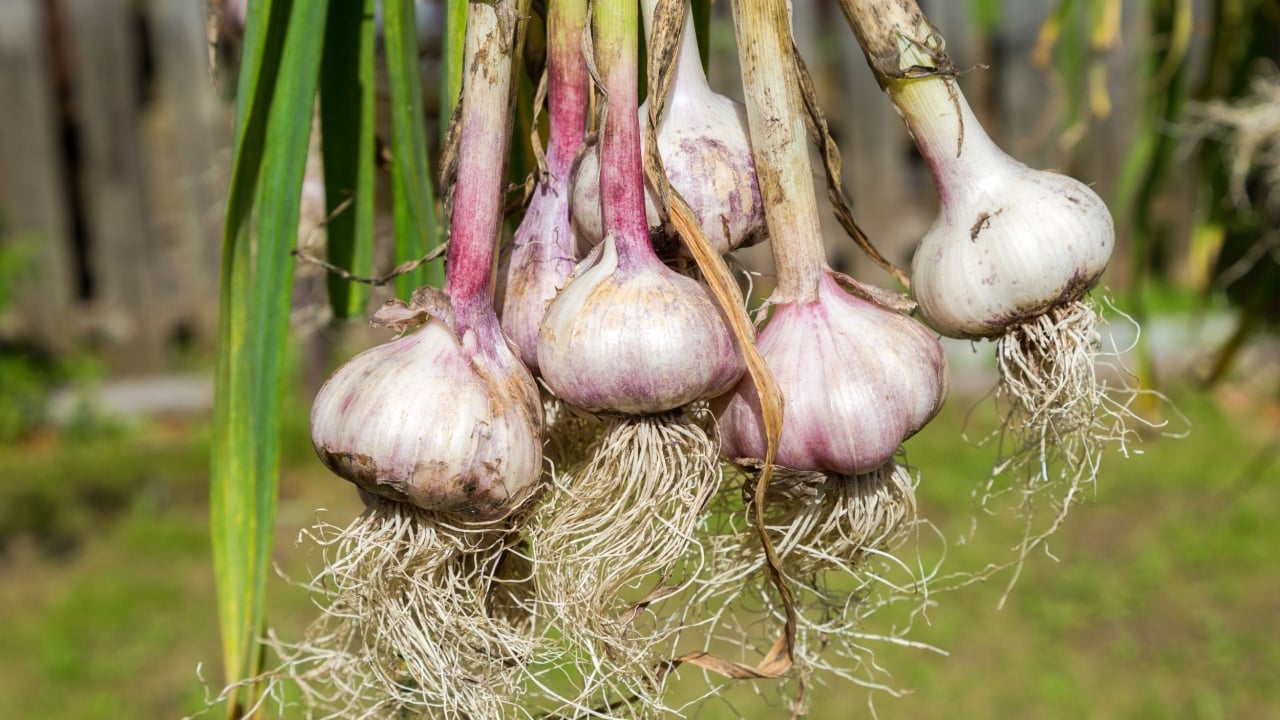
Garlic is beloved for the incredible flavor it brings to countless dishes. While its strong odor can deter some from eating it raw, its health benefits are undeniable.
Munching on a garlic clove can help your body fight free radicals and may even help prevent cancer. Garlic is also celebrated for its ability to relieve cold symptoms, ward off dementia, and potentially lower your risk of heart disease by reducing blood pressure.
Growing garlic is simple, and it’s one of the few plants that thrives under pine trees, making it a great way to utilize that tricky space in your yard.
To use garlic as medicine, eat it regularly with dinner to help manage blood pressure. You can also mix it with honey and lemon to create a natural antibiotic. Some sources, like Midwifery Today, suggest it can be used vaginally to combat yeast infections.
Onions
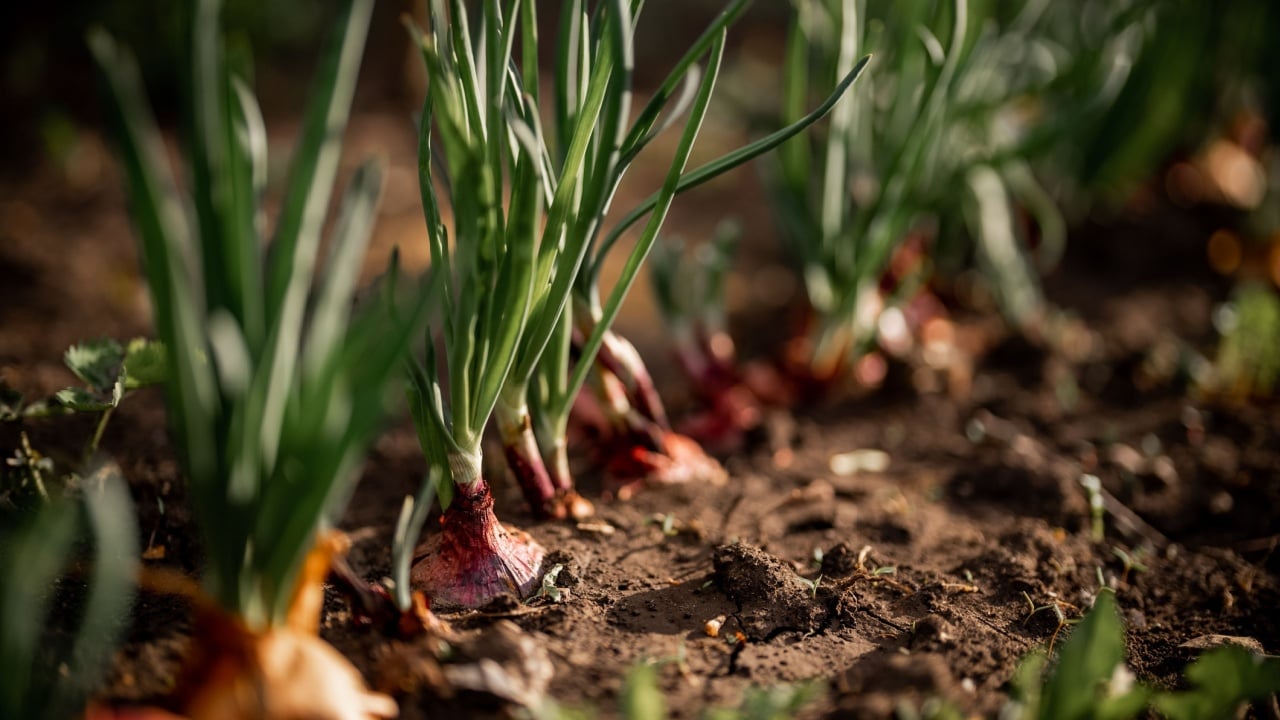
Onions do more than just add a savory depth to your food. They contain both antibacterial and anti-inflammatory properties that can support your cardiovascular health. They are also beneficial for your skeletal system, aid digestion, and may help reduce your cancer risk.
Winter Savory
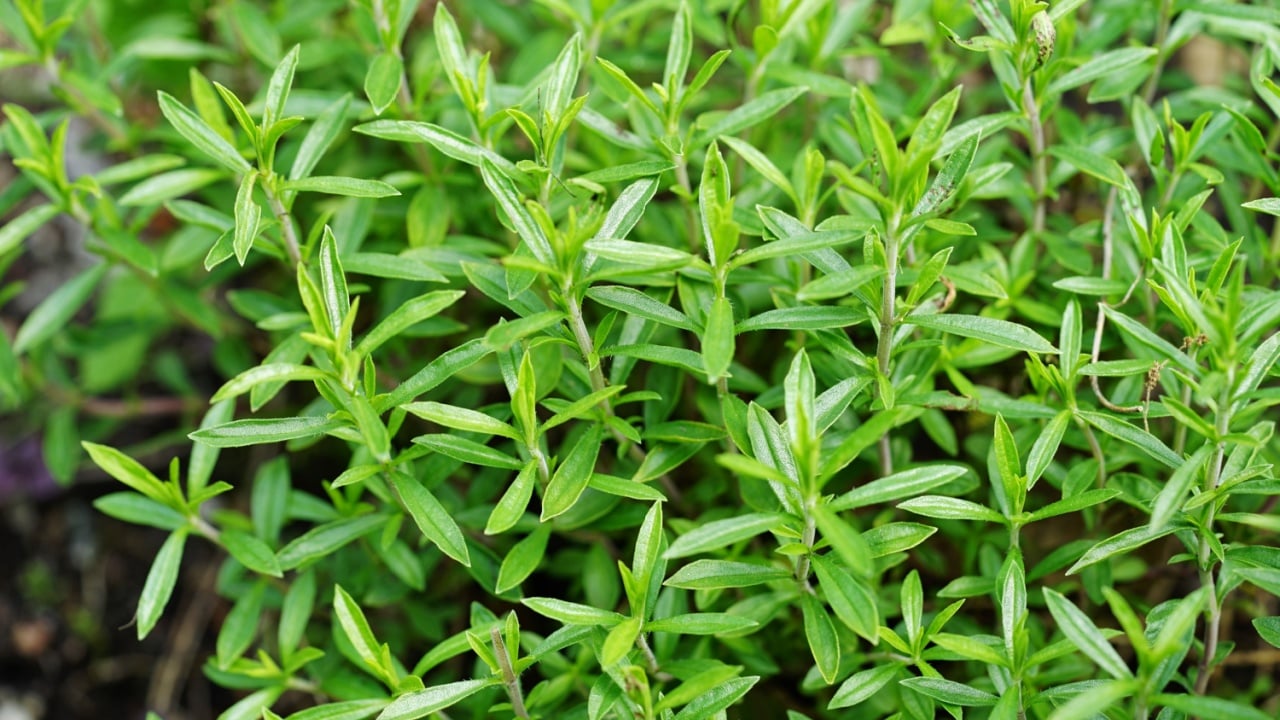
This popular herb is often used to treat infections in the intestines and lungs and to support healthy kidney and liver function.
It helps with digestion, soothes insect bites, and can be used to treat rheumatoid arthritis. It may also work as an appetite stimulant.
Brewed into a tea, winter savory can relieve nausea, headaches, and sore throat pain. It may also ease symptoms associated with the flu, colds, and sinus infections.
Stevia
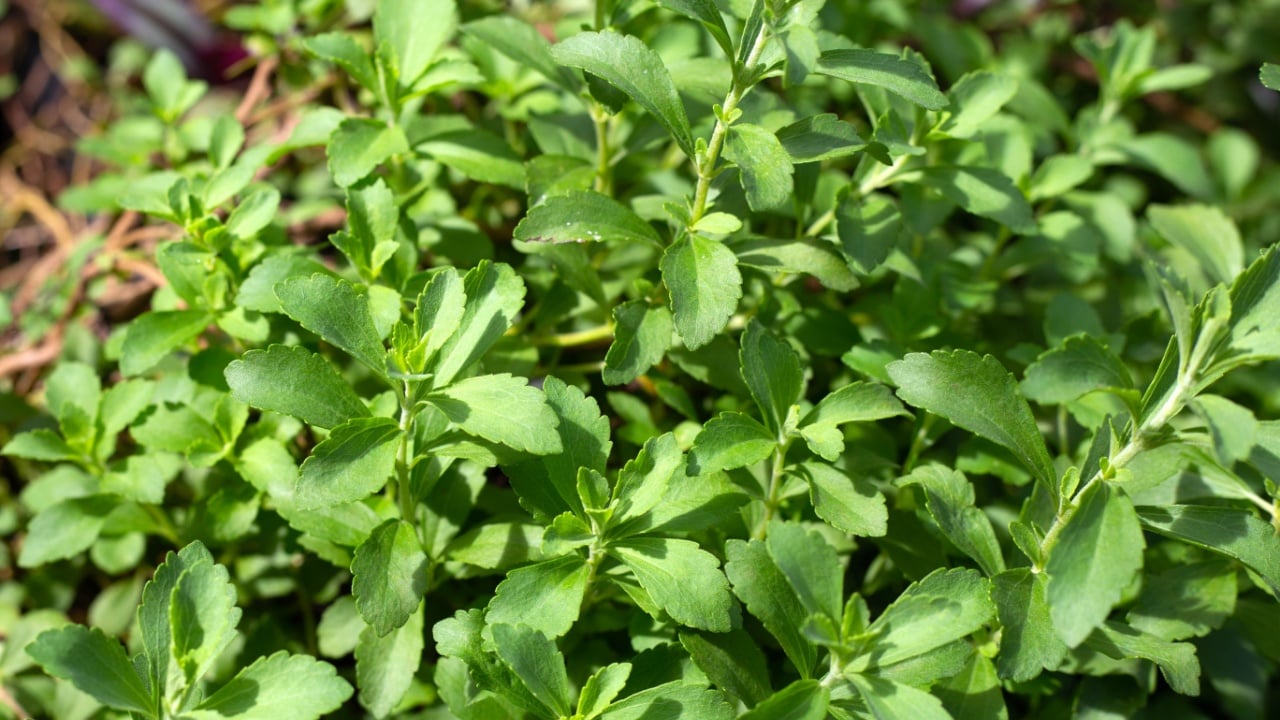
Stevia is a fantastic natural sweetener that delivers the taste of sugar without the calories. It’s a great tool for maintaining a healthy weight while still satisfying your sweet tooth, so you can enjoy your favorite treats without worry. For great tips on cultivating this herb, check out Stevia.net.
Cloves
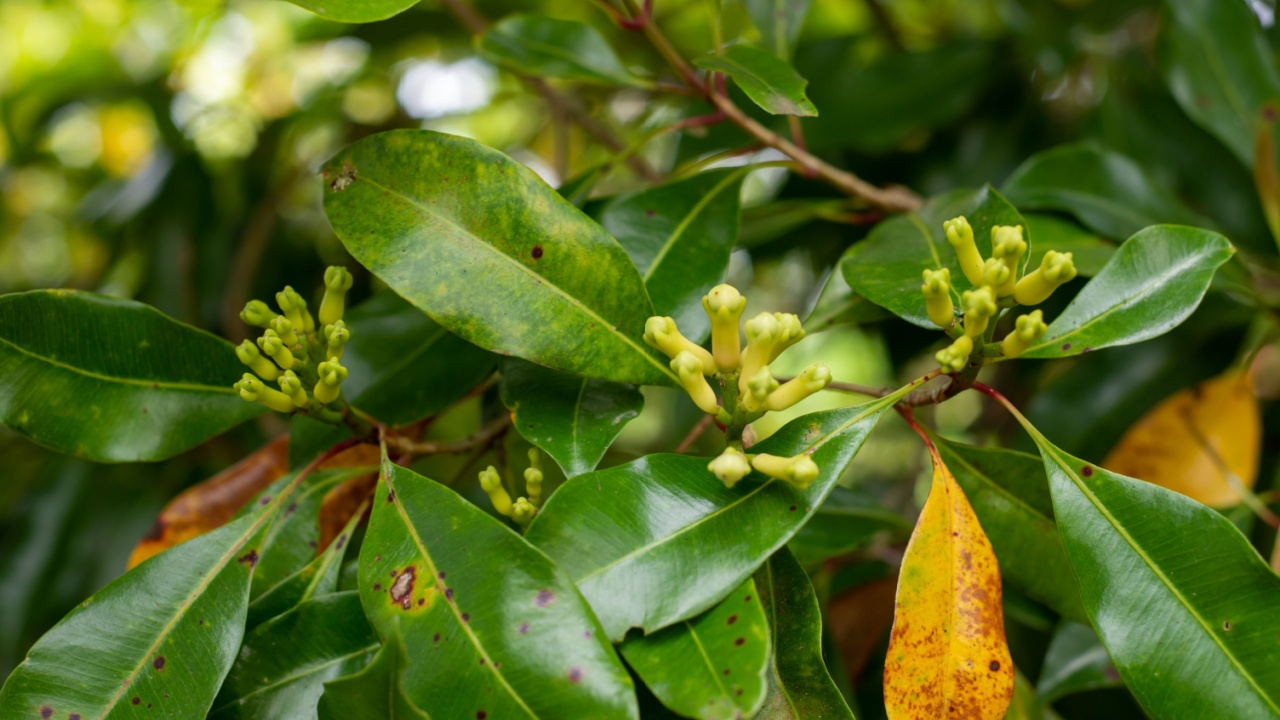
Cloves offer some amazing benefits that contribute to your overall health. They are excellent for easing toothache and stomach pain and can help reduce inflammation. Cloves are also powerful enough to kill a range of harmful bacteria that can make you ill. Clove essential oil is often used to purify the blood, support the immune system, and treat various respiratory issues.
Rue
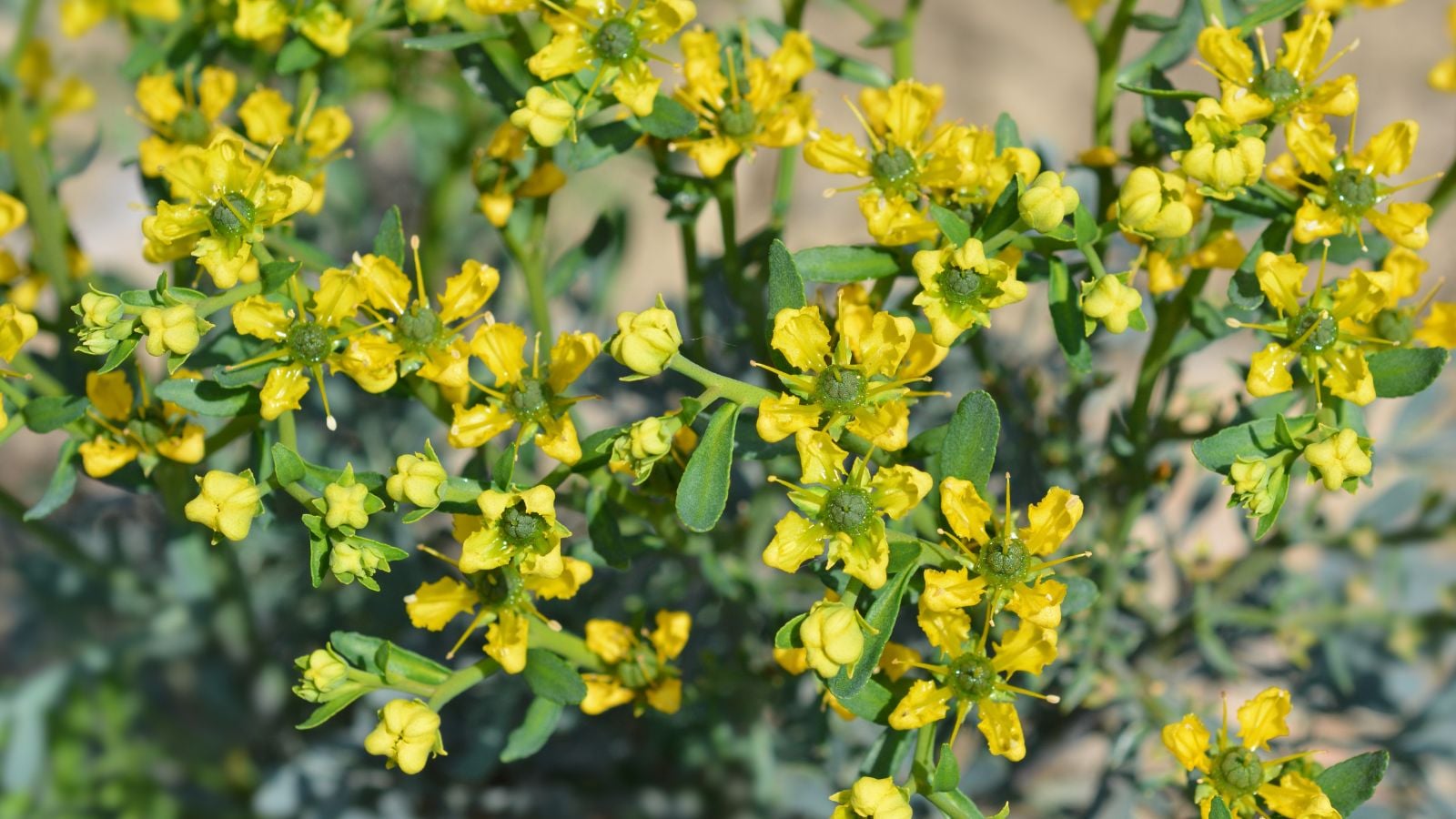
This plant is used to help relieve gas, diarrhea, and nausea. It may also help your body expel worms and ease the pain from arthritis, headaches, cramps, and muscle spasms. Rue can be used to treat issues affecting the nervous system and certain conditions that make breathing difficult.
It is crucial to use rue with caution and not to mistake it for goat’s rue or meadow rue. This plant should be avoided if you are pregnant, as it carries a risk of miscarriage.
Sage
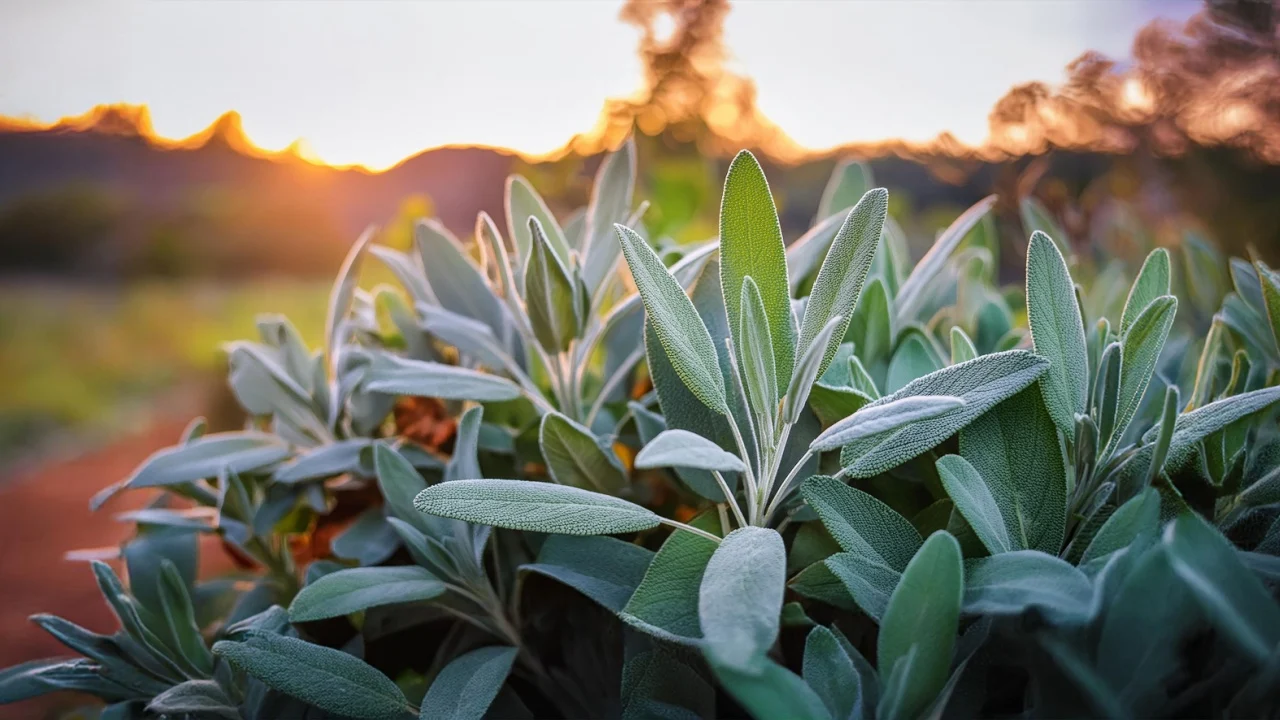
A classic culinary herb, sage also supports the digestive system and helps calm inflammation. It is used to heal gum diseases and skin infections. It may even sharpen your memory, improve focus, and boost concentration.
Sage essential oil is used to fortify the immune system and bones, and it can treat a variety of skin conditions, including eczema and psoriasis.
Licorice
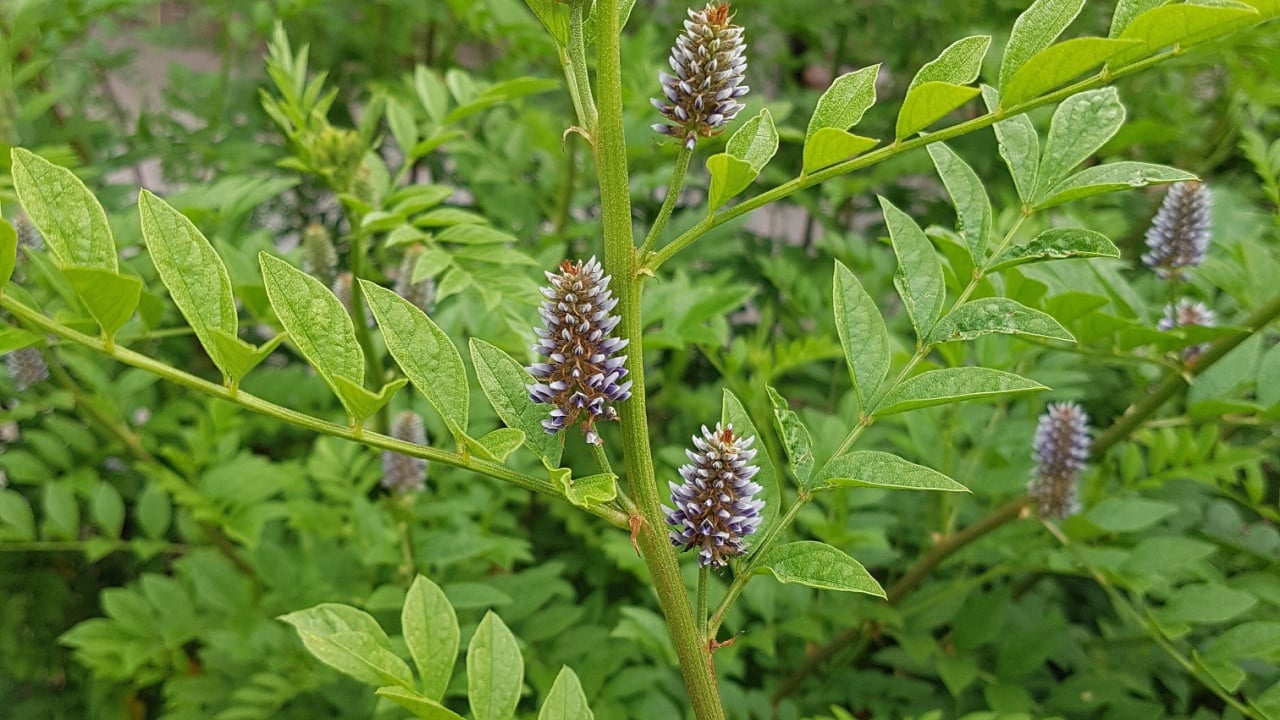
This plant is a powerhouse of antiviral, antioxidant, and antifungal compounds. These properties help relieve symptoms of food poisoning, stomach ulcers, heartburn, and indigestion.
Its anti-inflammatory agents work to boost the immune system, treat respiratory problems, and improve a range of skin conditions.
Thyme
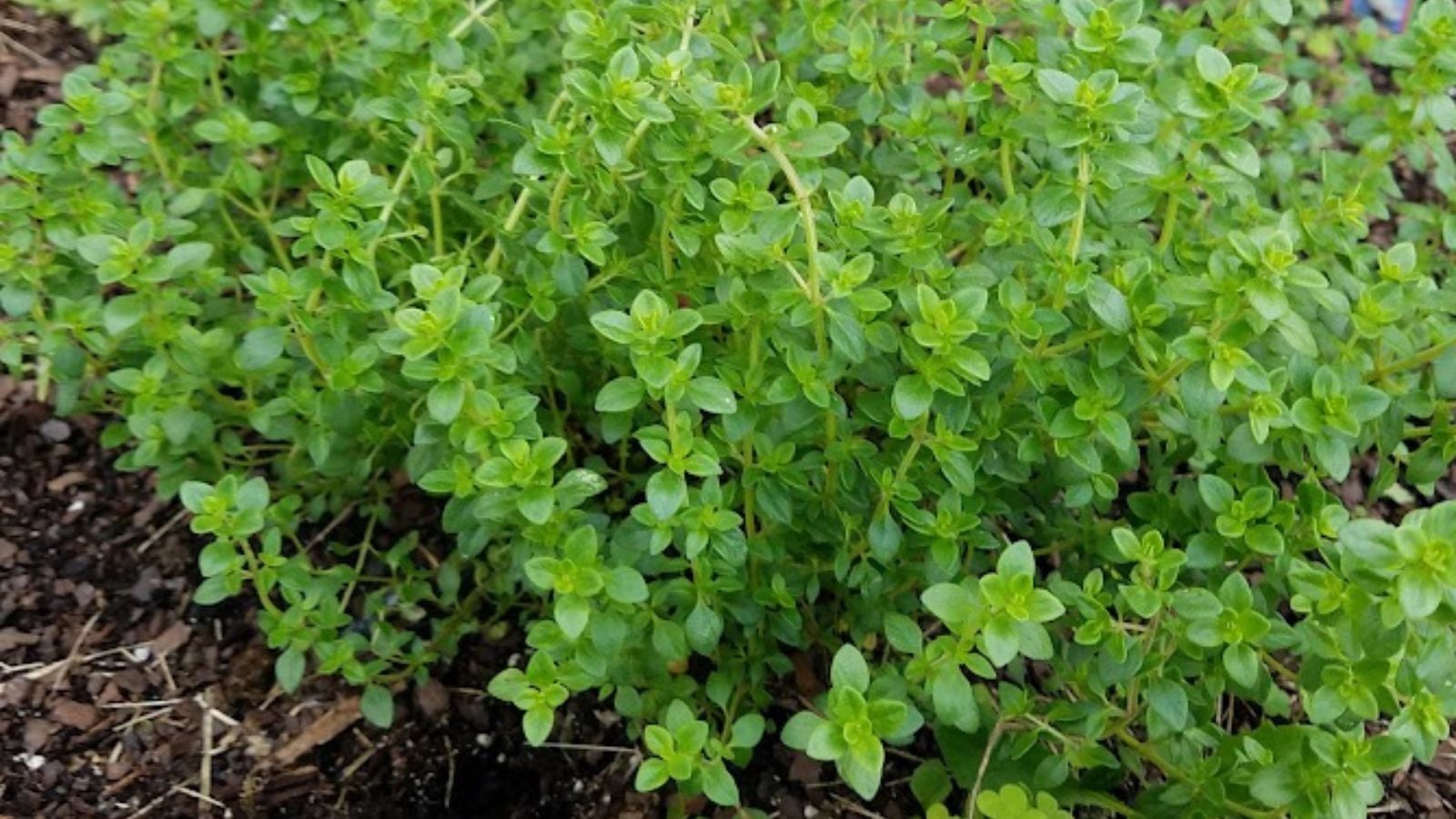
This herb can be used to aid the digestive system and to treat infections, stomach issues, and a sore throat. It may also help relieve coughs and congestion. Thyme also contains potent antiseptic agents that are great for healing minor cuts and scrapes.
Thyme essential oil is a staple in aromatherapy and is often used as a natural disinfectant.
Parsley
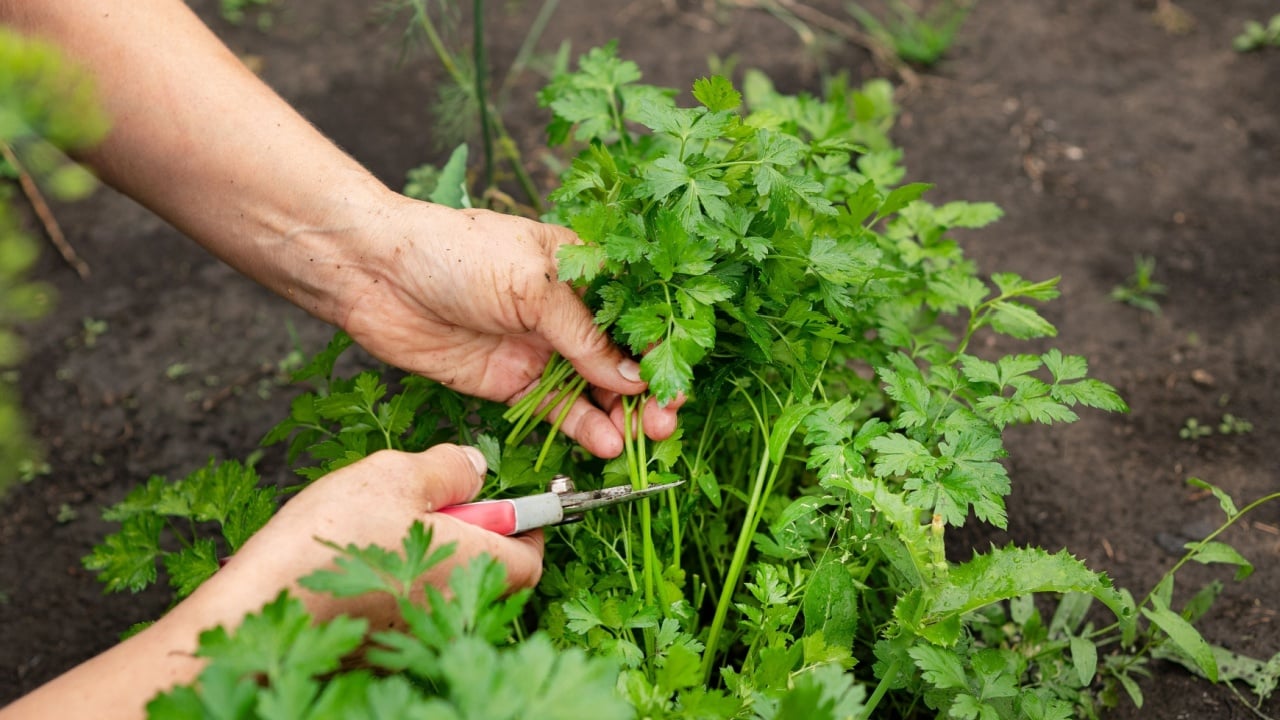
If you’re looking to boost your vitamin A and C intake, start adding more parsley to your meals. It is used to strengthen the immune system, lower the risk of diabetes, and promote stronger bones, thanks to its high vitamin K content. It might also help keep your blood pressure stable and can even freshen your breath.
Ginger
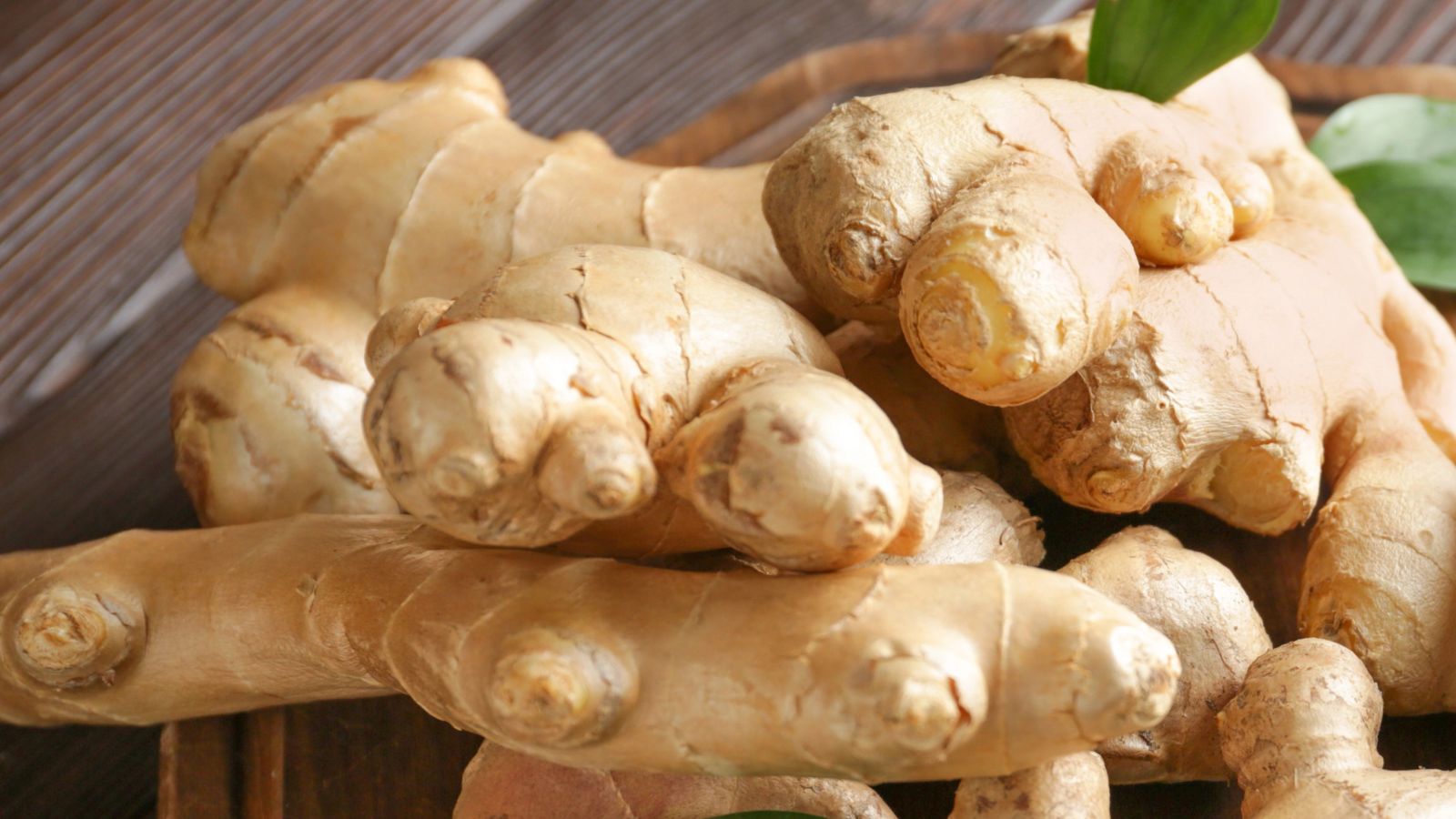
Ginger has a distinctive tangy flavor and has been a cornerstone of Chinese herbal medicine for centuries. It can help relieve heartburn, indigestion, and an upset stomach. It may also ease the pain of headaches and migraines.
Many believe ginger can help kill ovarian cancer cells. It is also widely used to reduce nausea, treat cold and flu symptoms, and support healthy digestion.
American Ginseng
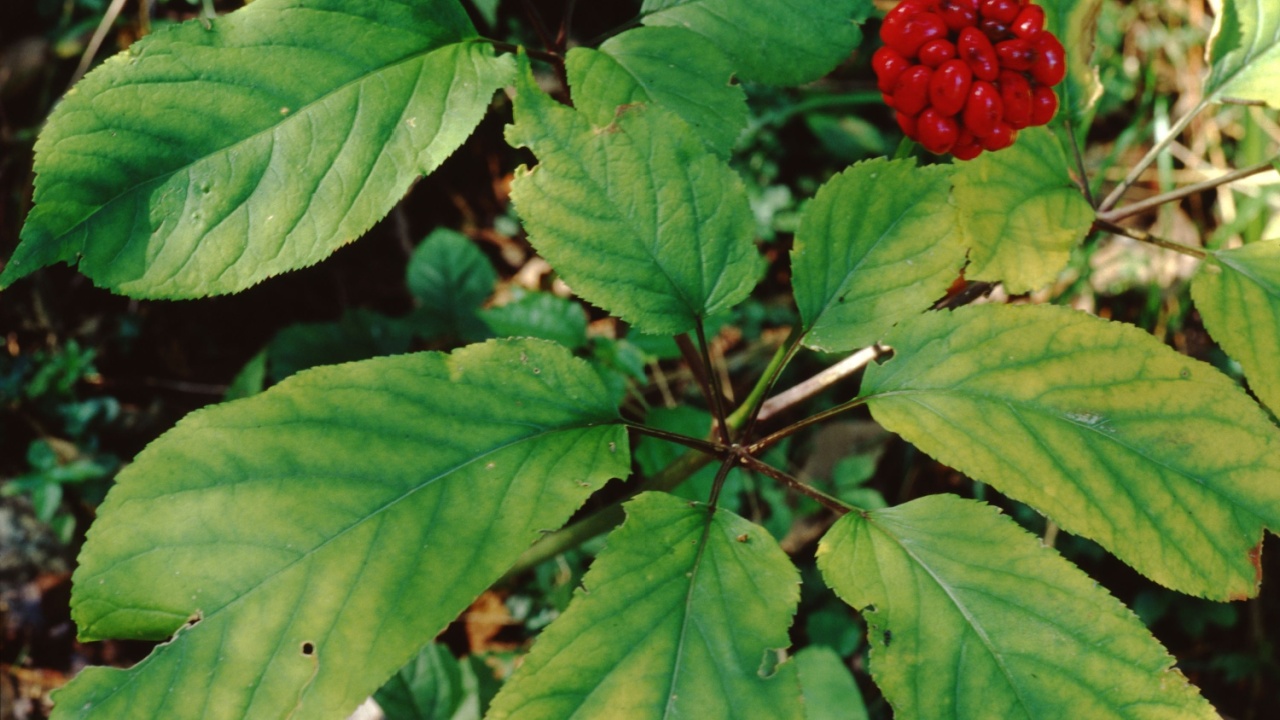
American ginseng may give your immune system a boost, soothe inflammatory issues, and stimulate the central nervous system. Many people use it to improve focus and concentration and to combat mental fatigue. It may also enhance the cardiovascular and endocrine systems. Mother Earth News offers some excellent advice on growing American ginseng.
Dandelions
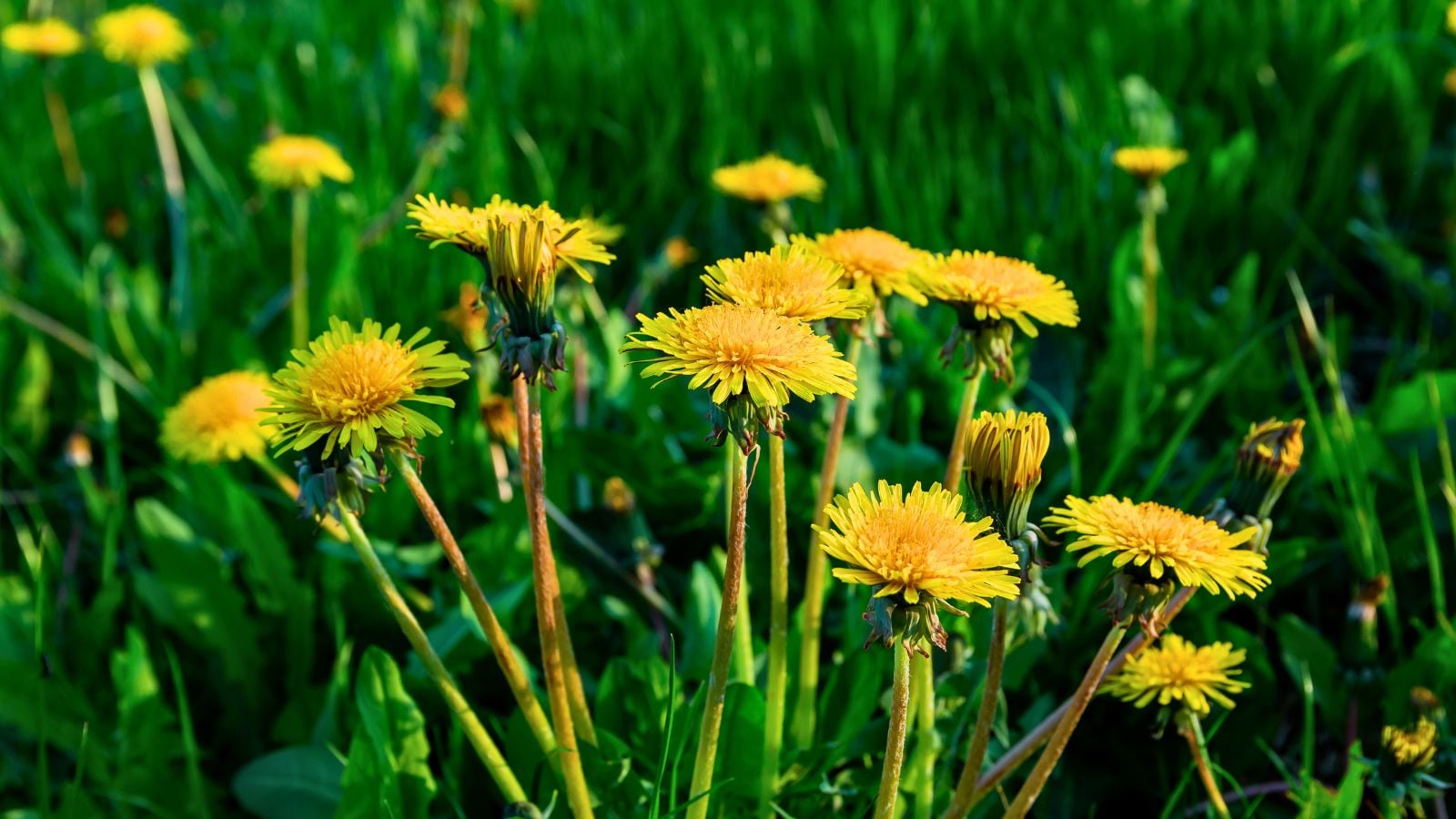
While some see it as a weed, the dandelion plant, with its cheerful yellow flowers, can be a valuable addition to your garden.
It is known for promoting healthy liver and kidney function. It is also used to treat diabetes, acne, and urinary tract infections. Dandelions may also help prevent anemia and assist with weight loss.
Rosemary
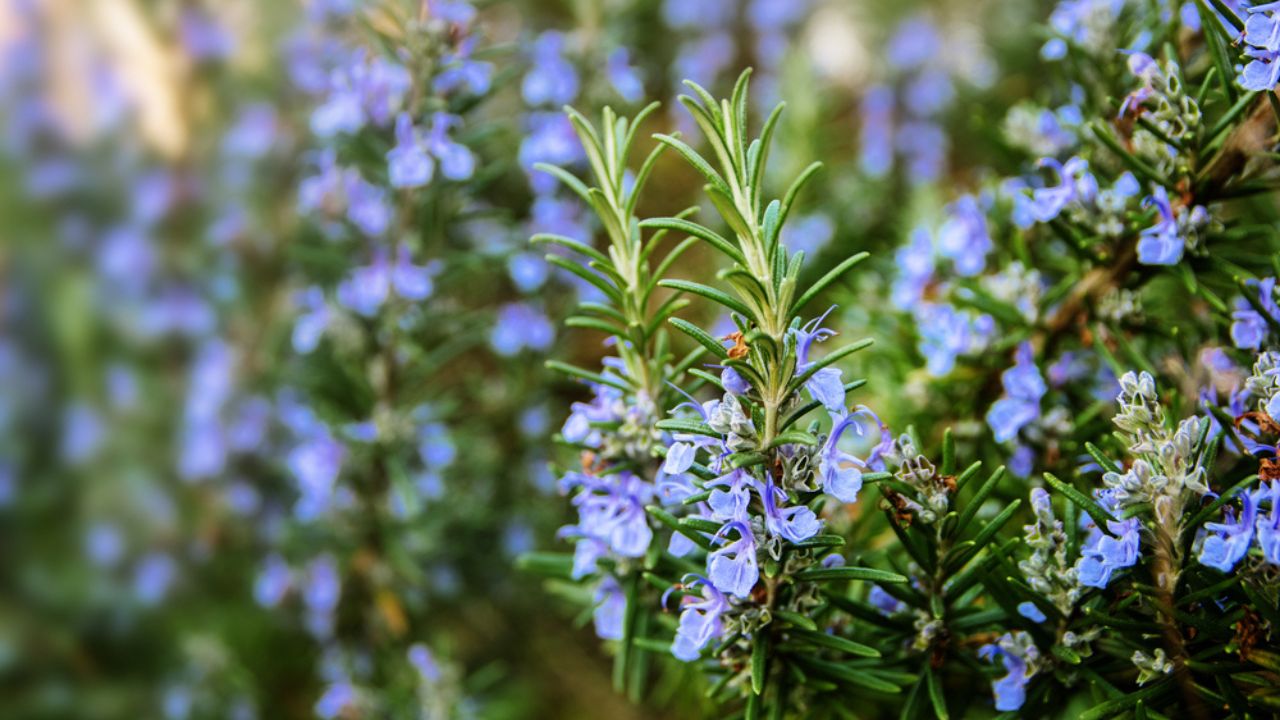
This deeply flavorful herb elevates poultry and many other dishes, but it also offers numerous health benefits. Its antioxidant properties help to improve blood circulation, reduce inflammation, and detoxify the body.
It may also help shield the body from bacterial infections. Rosemary is used to heal many skin conditions and to combat signs of premature aging. In aromatherapy, rosemary essential oil is used to enhance memory and lift your mood.
Lemongrass
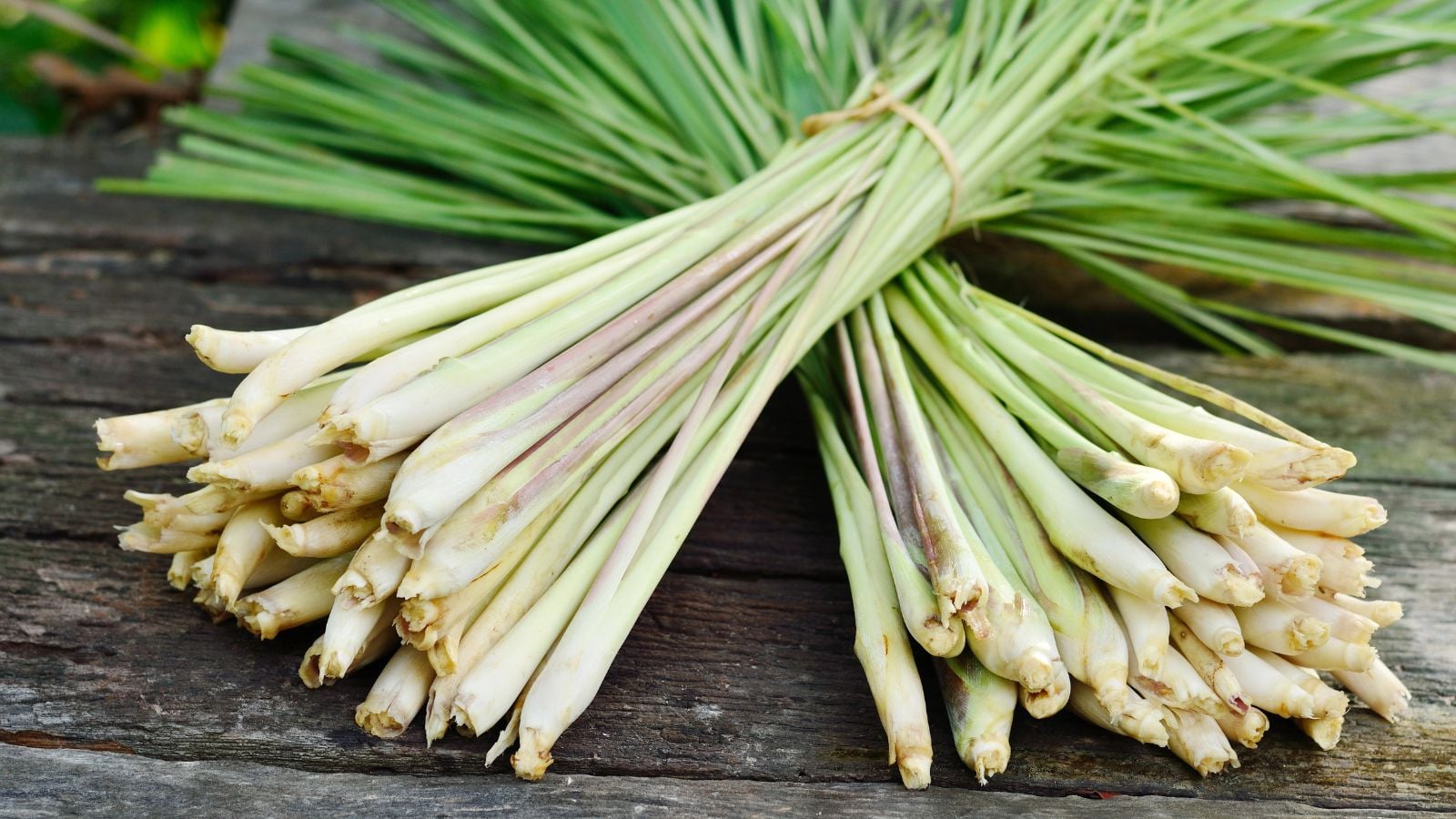
Lemongrass boasts a wonderful lemony fragrance along with antioxidant, flavonoid, antifungal, and antimicrobial compounds that help treat many health issues. It’s used to reduce inflammation, improve digestive problems, and fight off all kinds of infections. Lemongrass tea contains sedative agents that can help you unwind and sleep more soundly.
It helps detoxify the body, reduce fevers, and treat various respiratory disorders. Lemongrass essential oil can stimulate the nervous system, ease anxiety and stress, and relieve a variety of aches and pains.
Safflower
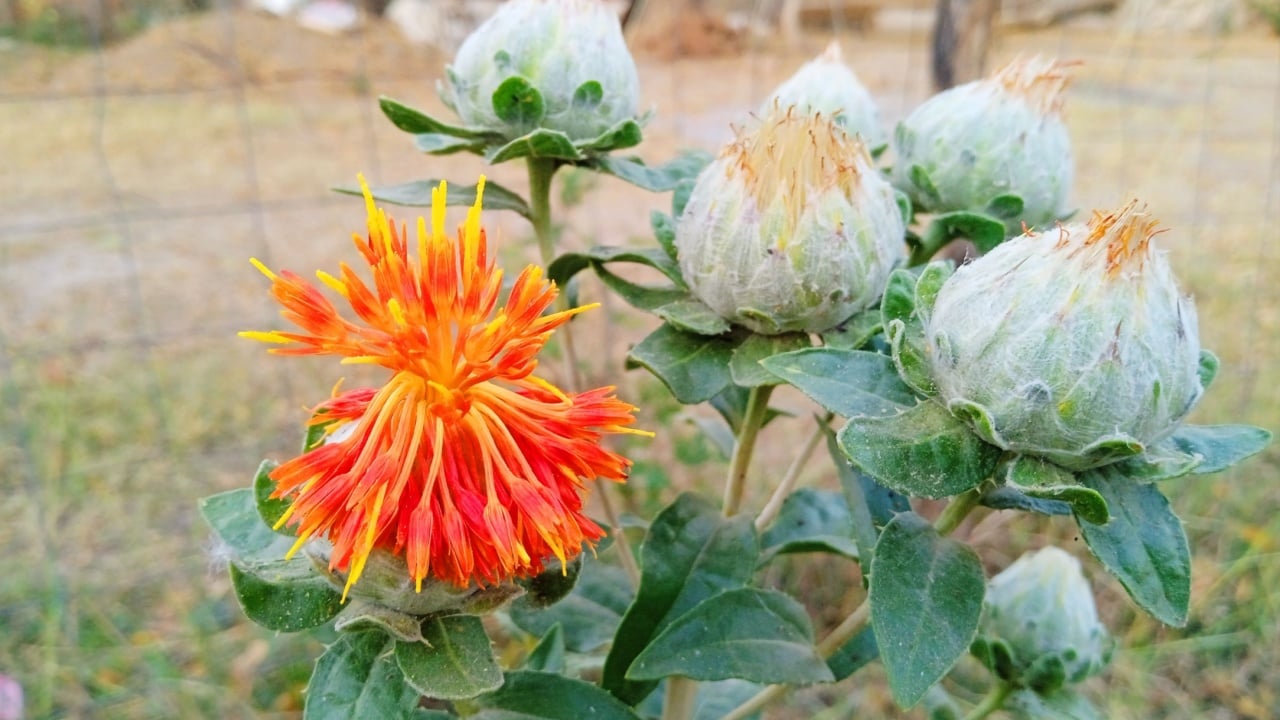
Safflower contains antioxidant agents that help lower your risk of cardiovascular diseases and may even prevent the formation of cancer cells. It can also reduce inflammation, lower your risk of diabetes, and might even help you lose a few pounds.
This is a great herb for your garden, but only if you have enough space. These plants can reach up to three feet in height and have long, spiny leaves.
Chamomile
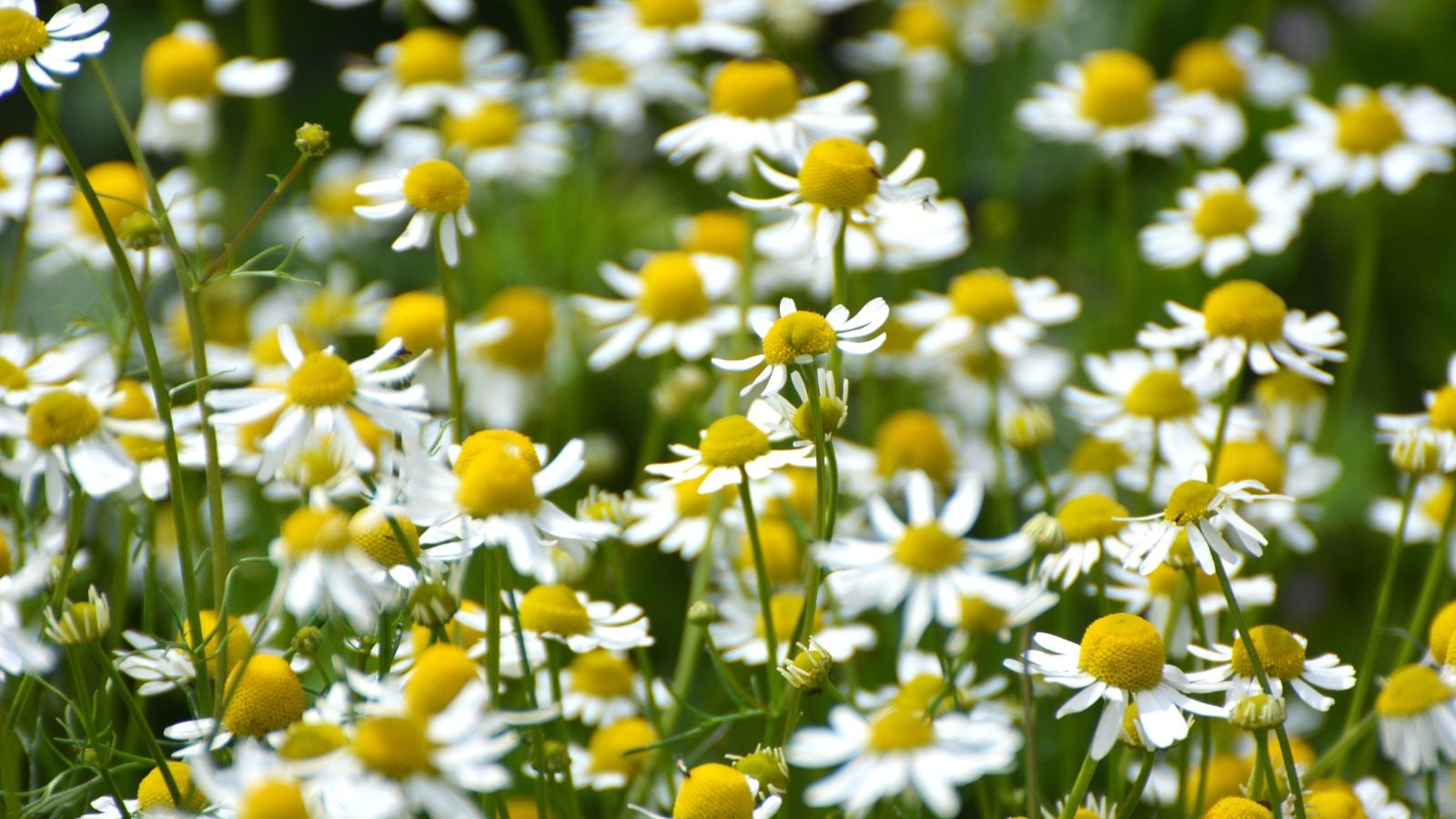
Chamomile tea is a classic remedy for stress, anxiety, and depression. It can also help you relax and get a better night’s sleep.
This gentle herb is also used to relax muscles, ease stomach cramps, and treat IBS. It reduces swelling and inflammation, which may also help relieve allergy symptoms. Chamomile is wonderful for promoting healthy skin and can help fade dark circles under the eyes.
Hibiscus
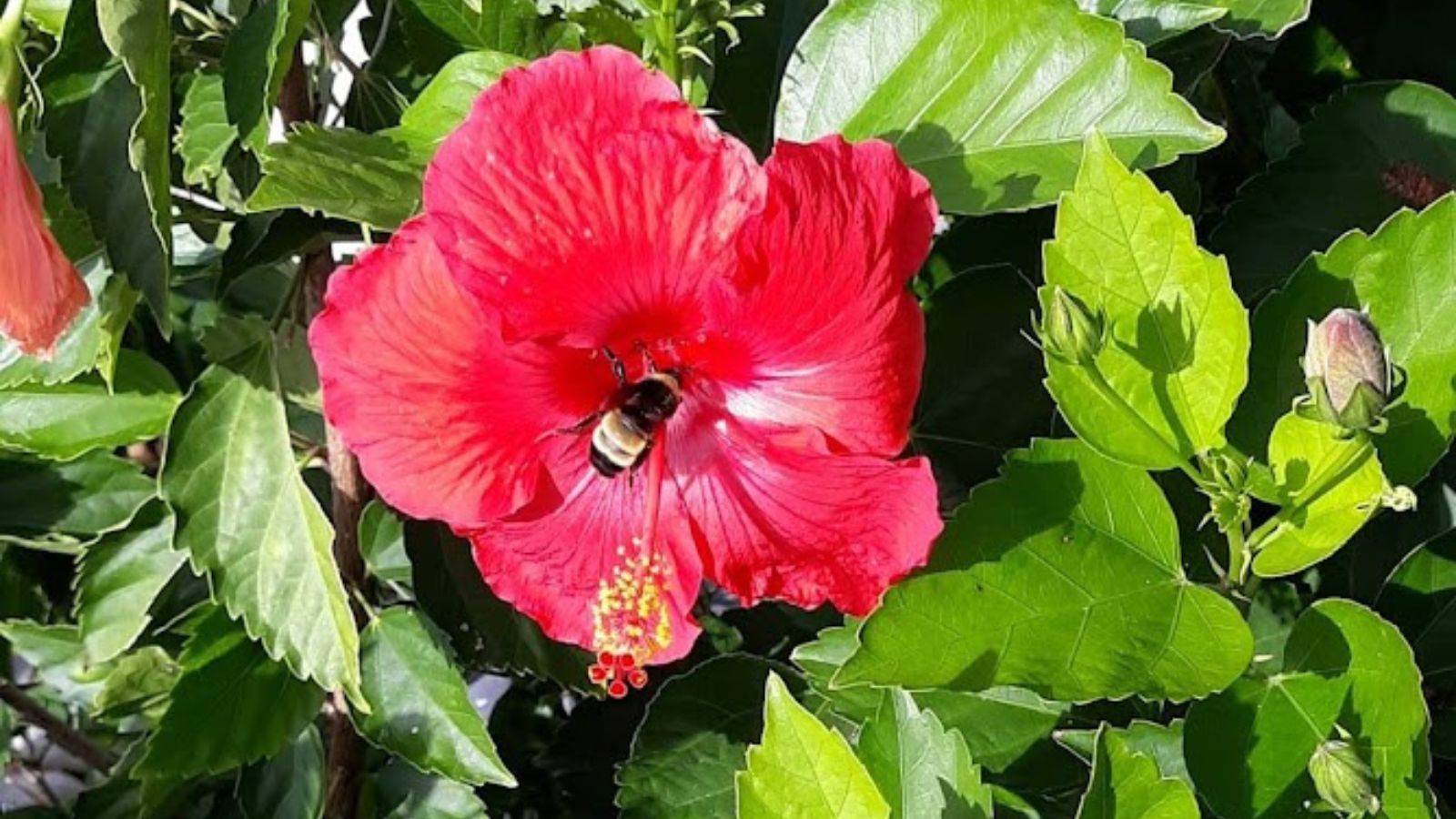
Hibiscus tea is used to help lower blood pressure and contains antioxidants that improve blood circulation. This can help reduce your risk of heart disease and stroke. This herb is also used to treat arthritis pain and diabetes and may even help prevent cancer.
Hibiscus
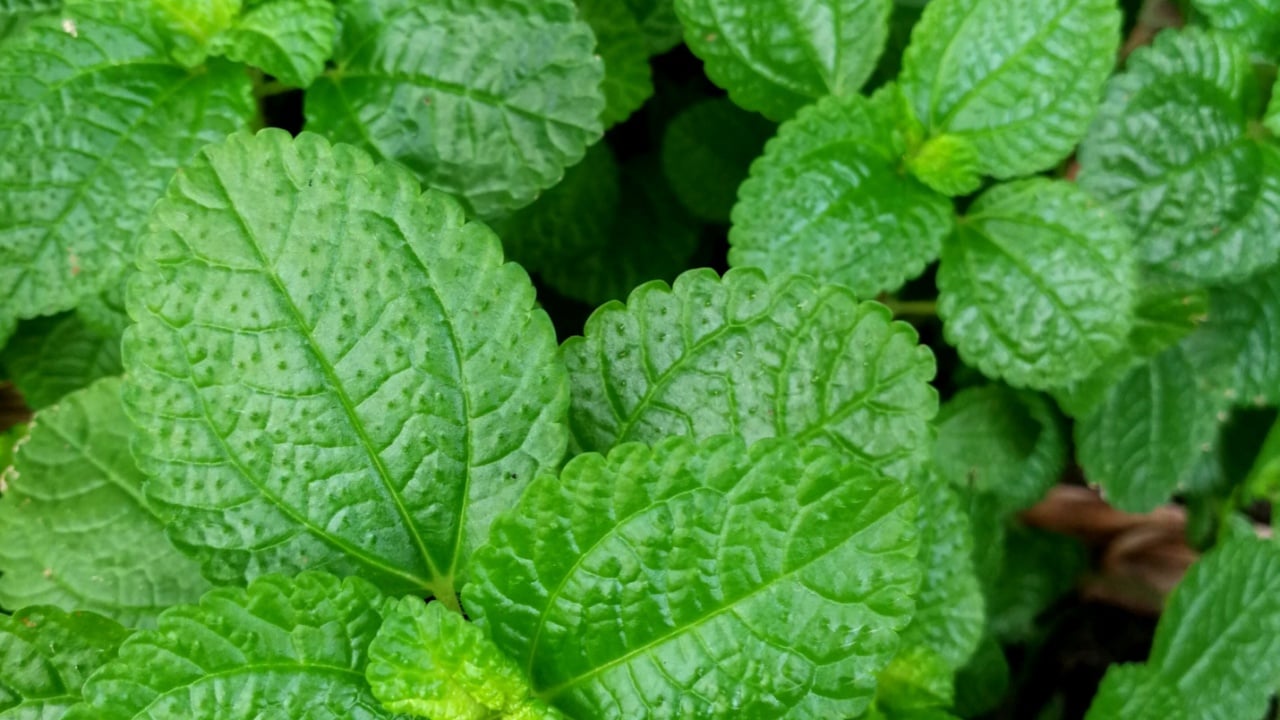
Peppermint supports the digestive system and is a great source of calcium, potassium, and vitamins A, B, and C. Rubbing crushed peppermint leaves on your skin can help relieve sore muscle pain. This herb can also ease nausea, eliminate gas, lower fevers, reduce IBS symptoms, and inhibit bacterial growth.
Peppermint
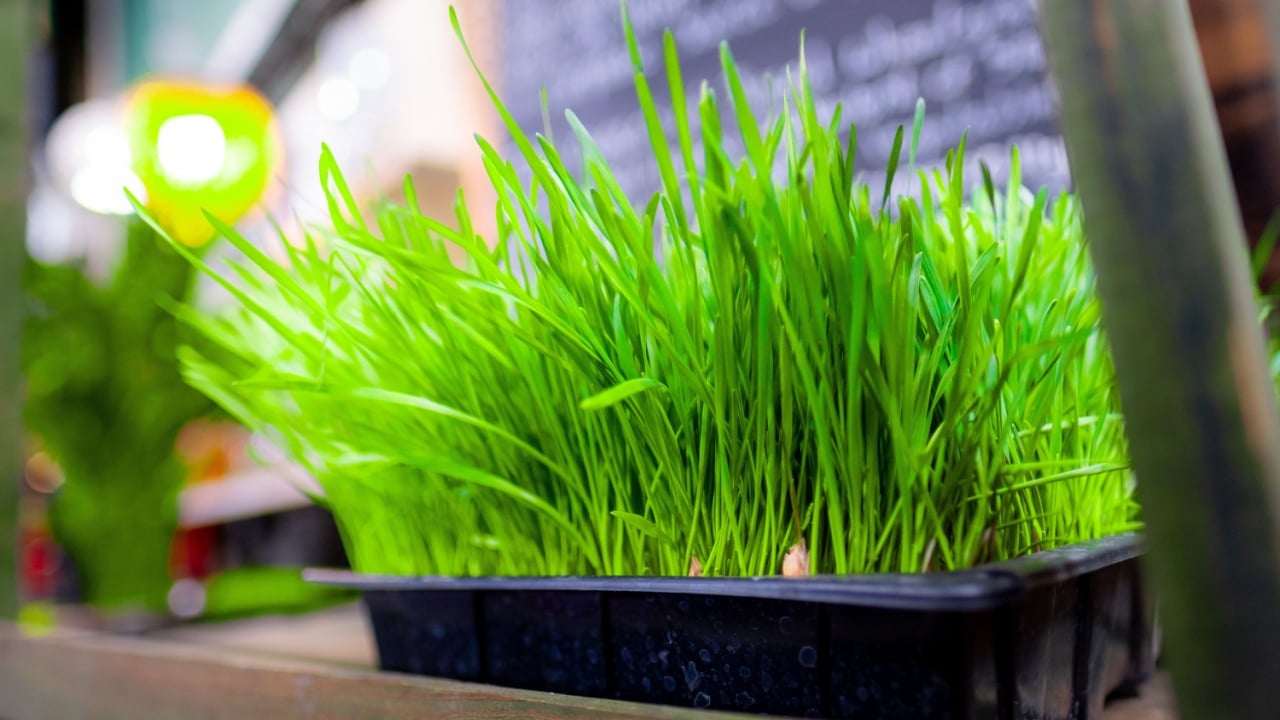
This herb is primarily used to address issues in the gastrointestinal tract, but it can also improve blood flow, stimulate the thyroid gland, and boost metabolism. Wheatgrass also relieves inflammation, constipation, and diarrhea and is used to detoxify the liver.
Wheatgrass
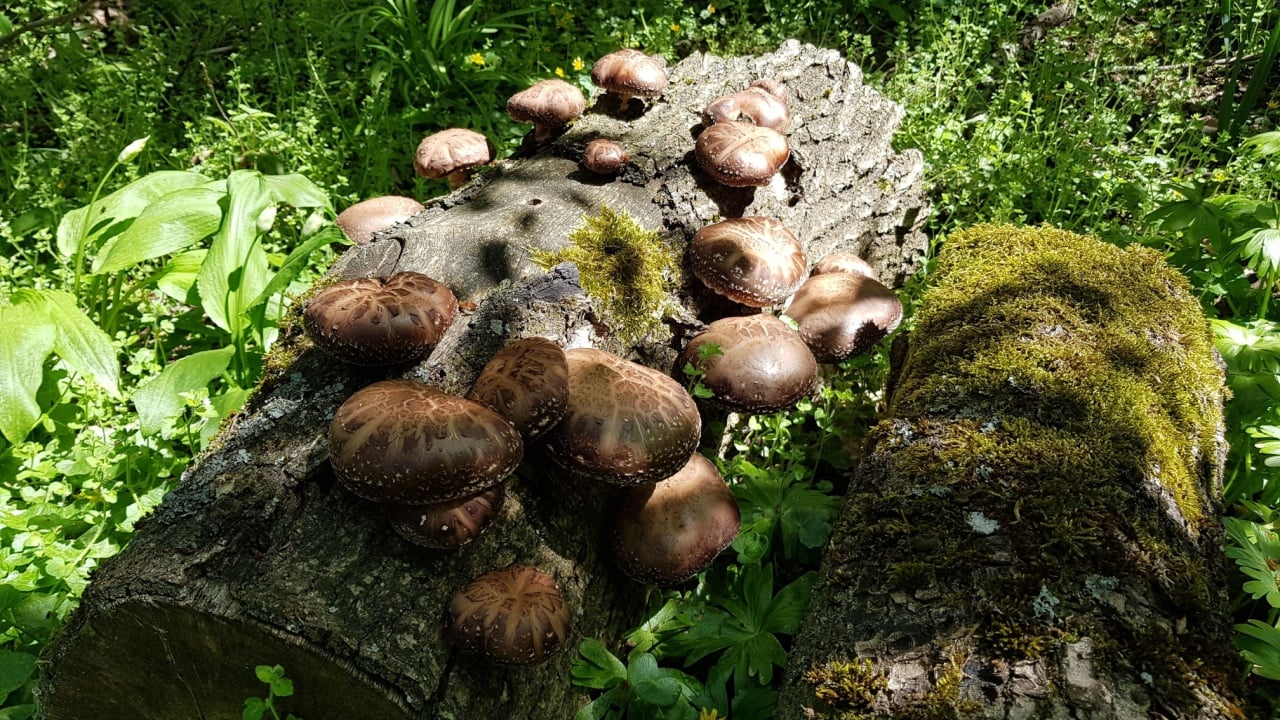
Shiitake is a mushroom that packs a powerful punch of health benefits. It contains eight essential amino acids along with various vitamins and minerals that help fight infections. It is used to boost the immune system, aid digestion, and reduce sensitivity to some food allergies.
Some believe it has the power to kill cancer cells and improve cardiovascular health. It is also included in some weight loss recipes.
Shiitake
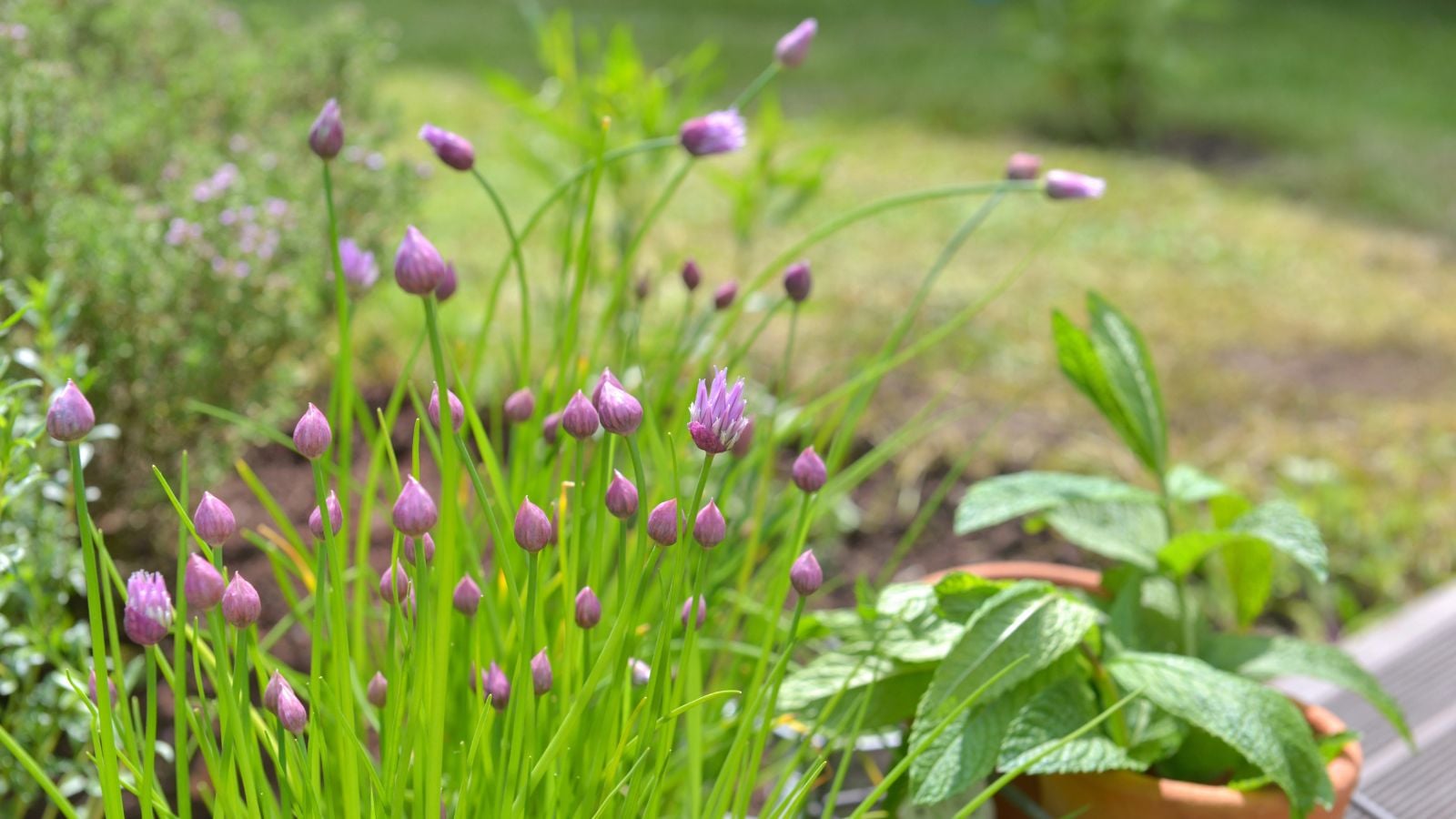
Chives are an excellent source of Vitamin C, beta-carotene, and other vitamins that can improve your overall health. They are used to reduce inflammation, repel insects, and enhance memory.
With very few calories and a high fiber content, chives may help you maintain healthy cholesterol levels and lower your risk of stroke and coronary artery disease. They might even help reduce your cancer risk.
Chives
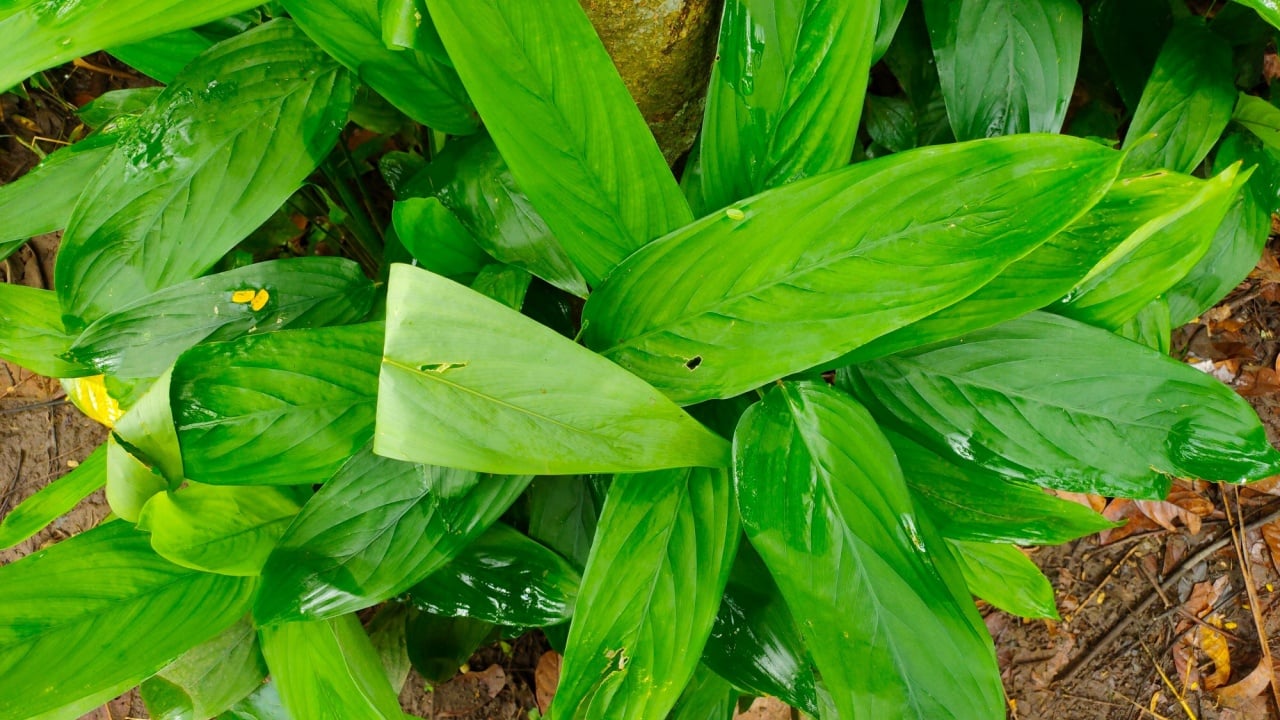
You can roast, stew, or boil arrowroot to unlock its many health benefits, or you can even eat it raw. Arrowroot is a natural antiseptic and is known to improve circulation, aid in digestion, and boost the immune system.
Because it’s gluten-free, it is a fantastic alternative to wheat and other starches, especially for those with celiac disease. It also helps prevent anemia since it contains copper and iron, minerals essential for red blood cell production. It is also high in vitamin B.
Arrowroot
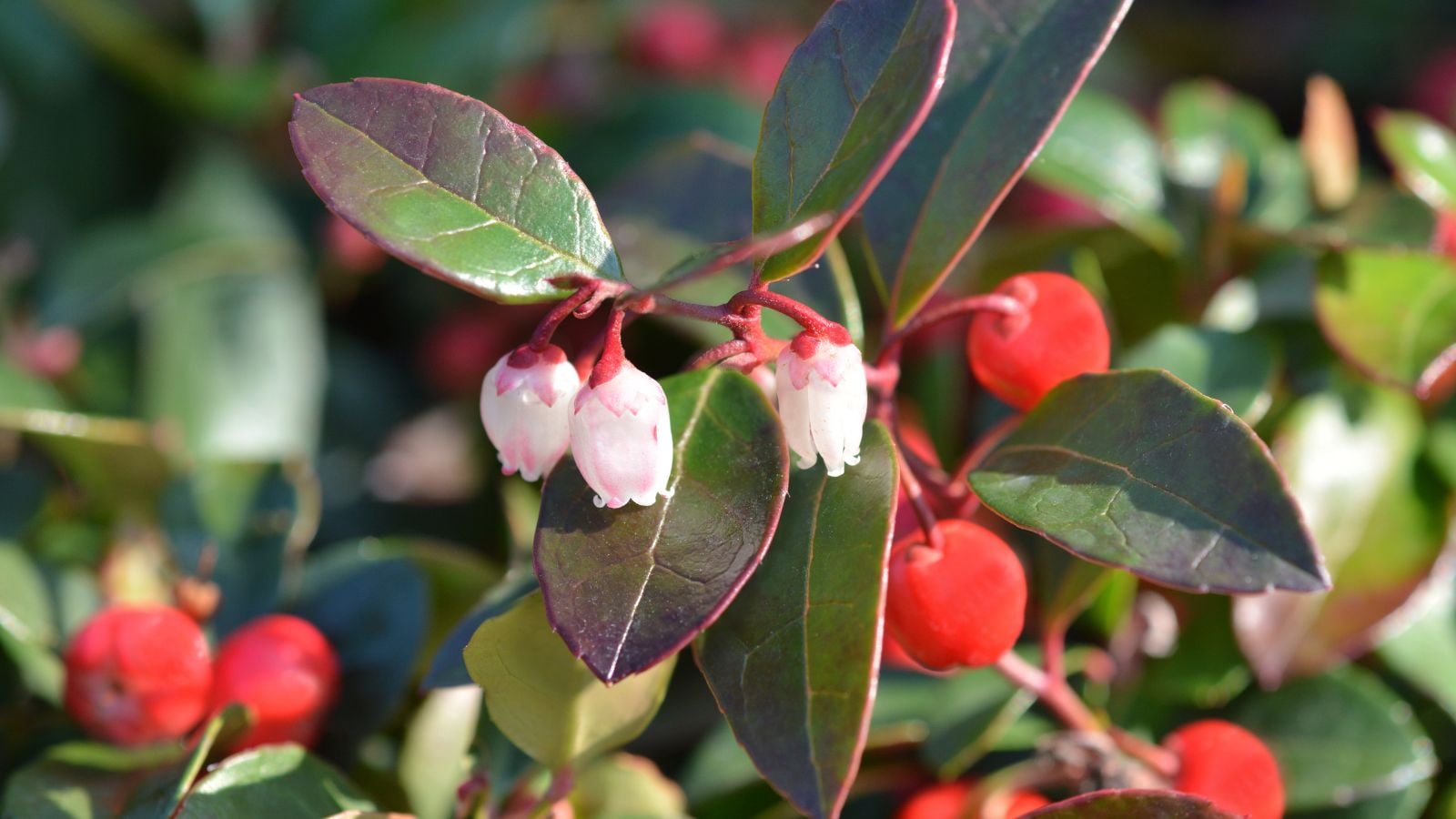
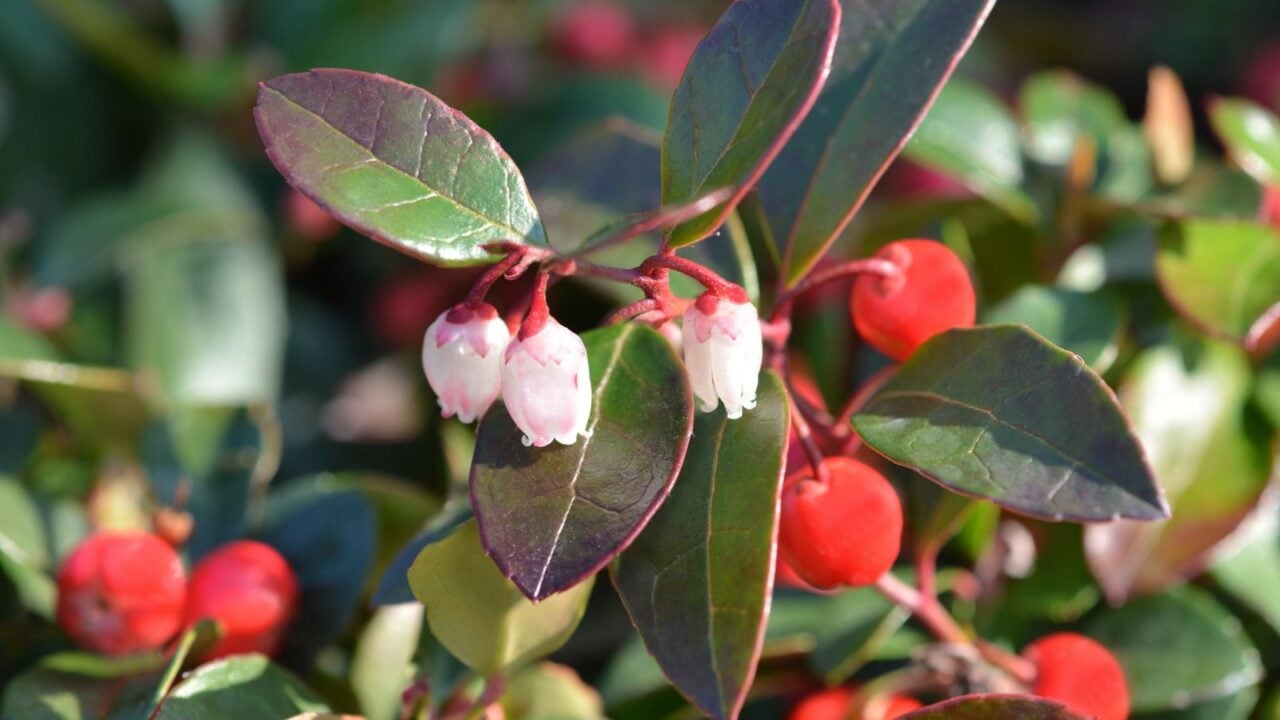
Wintergreen is a lovely ground cover plant that comes with some interesting health benefits.
It has the ability to relieve pain in a way similar to aspirin, and it can help ease indigestion and other digestive troubles.
Wintergreen
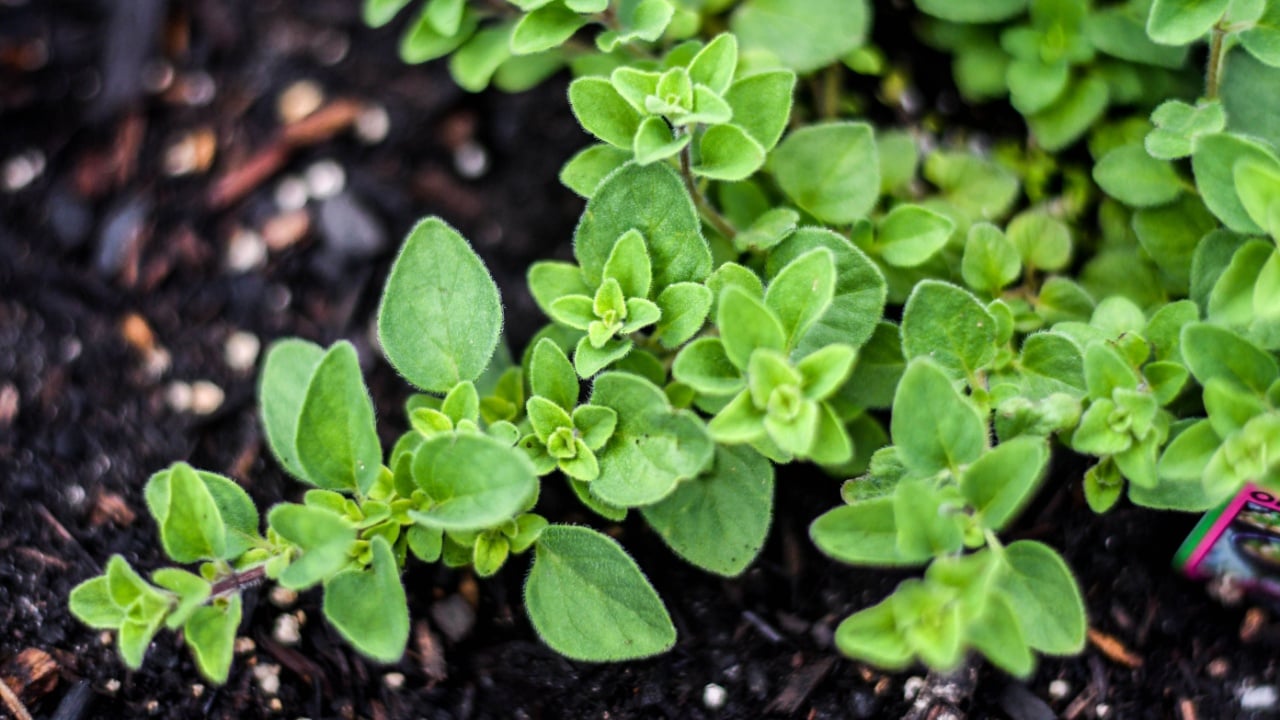
Add this herb to your food to take advantage of its antibacterial and antioxidant properties. Some potential benefits include treating respiratory tract disorders, urinary tract infections, and gastrointestinal issues.
It also contains vitamin K, which is known to help increase protein production that aids in blood clotting and promotes bone growth. Mixing oregano essential oil with a base of olive oil creates a great skincare lotion that can reduce inflammation, swelling, and itching caused by skin disorders.
Oregano
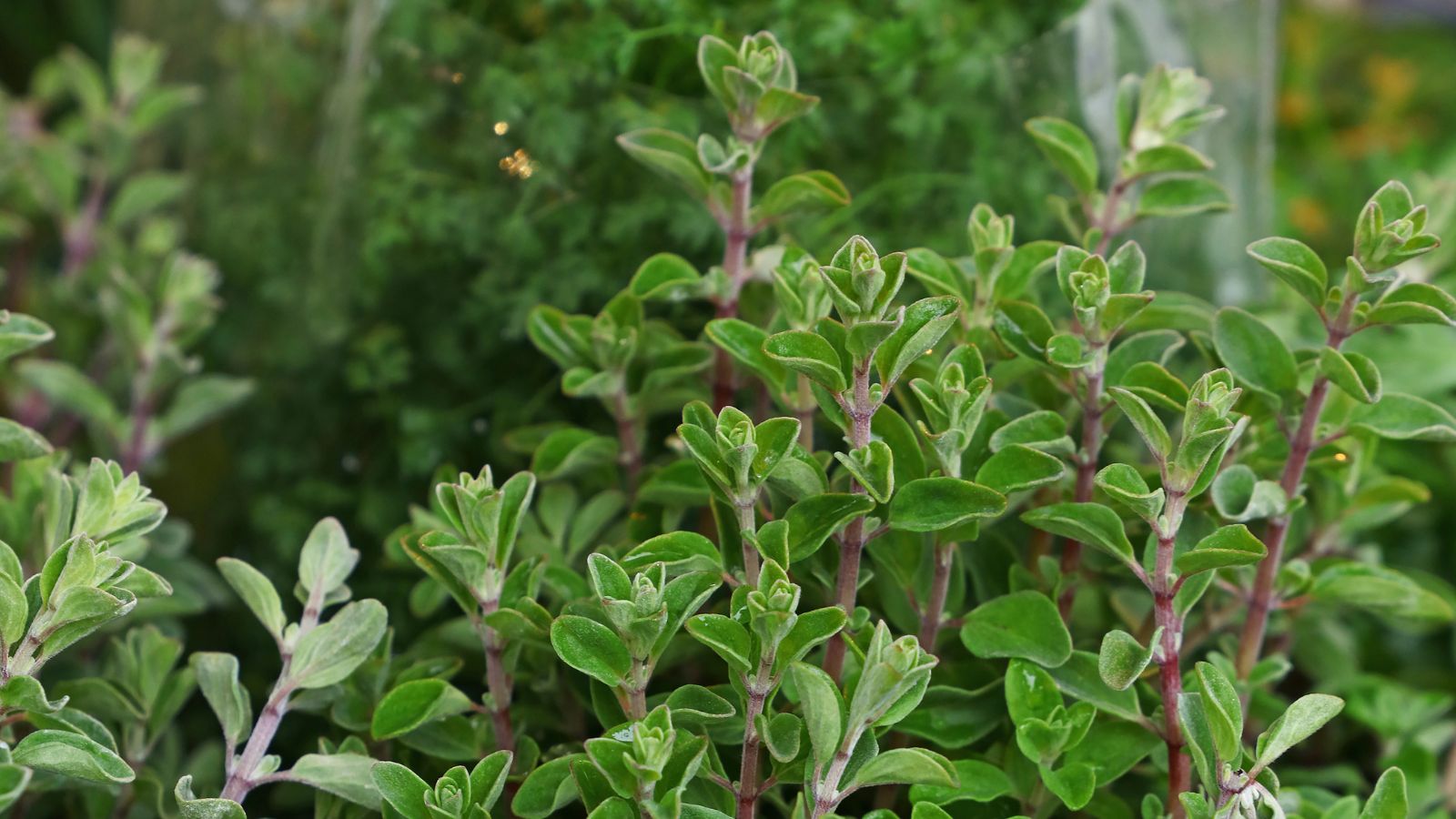
Marjoram tea is mainly used to support the digestive system by relieving nausea, stomach cramps, gas, diarrhea, and constipation. It may also prevent or heal intestinal infections and ease stomach spasms. This plant also has antiviral, antiseptic, and antibacterial agents that fight infections, inflammation, and cold and flu symptoms.
It is used to lower blood pressure and increase circulation, and it may even improve your cardiovascular health.
Marjoram
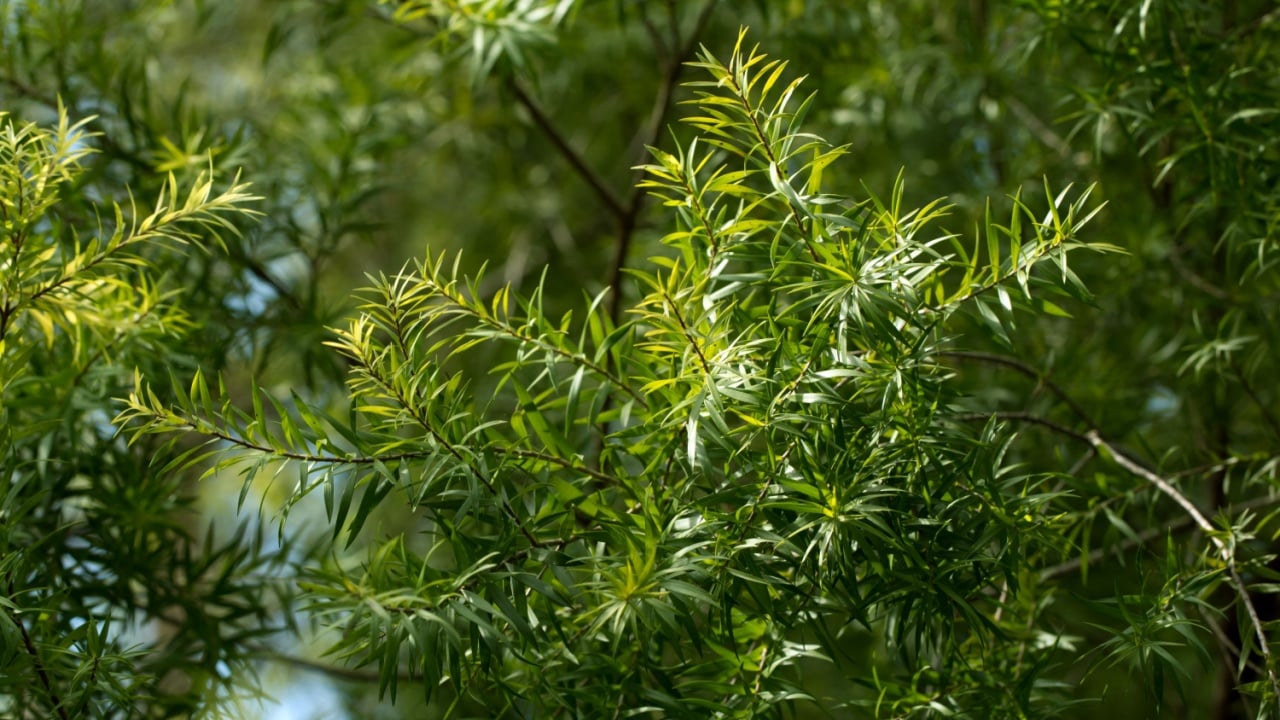
Tea tree has powerful antibacterial and antifungal properties that can help treat all kinds of infections, including athlete’s foot. Its antiseptic agents can reduce fevers and help heal insect bites, burns, and skin problems like acne.
Tea tree essential oil is an important part of aromatherapy and offers even more health benefits.
Tea Tree
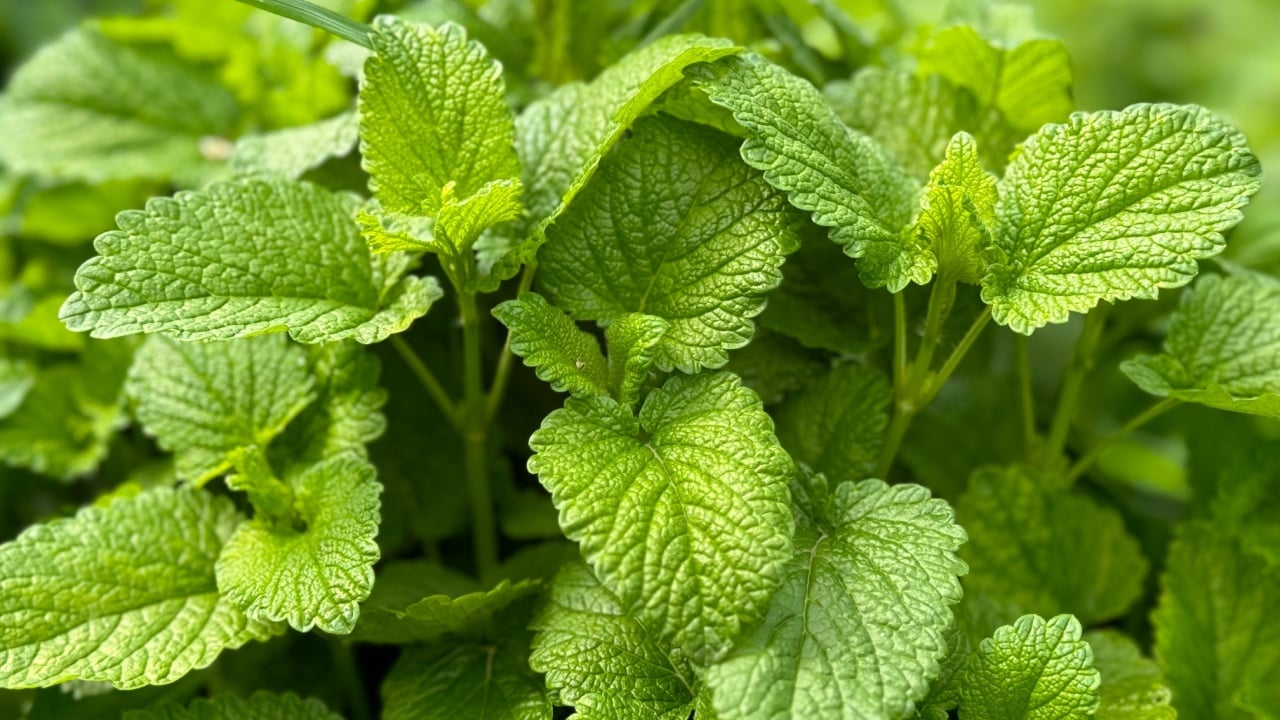
The lemon balm plant produces big, beautiful flowers that bloom in the summer.
You can rub the flowers on your skin to heal insect and mosquito bites. It may also help relieve pain from animal bites and sores caused by the herpes virus. Mixing the nectar with water can create a remedy for colds, coughs, fevers, headaches, and nausea. The bright, lemony fragrance with a hint of mint may also help with depression and mild insomnia.
Lemon Balm
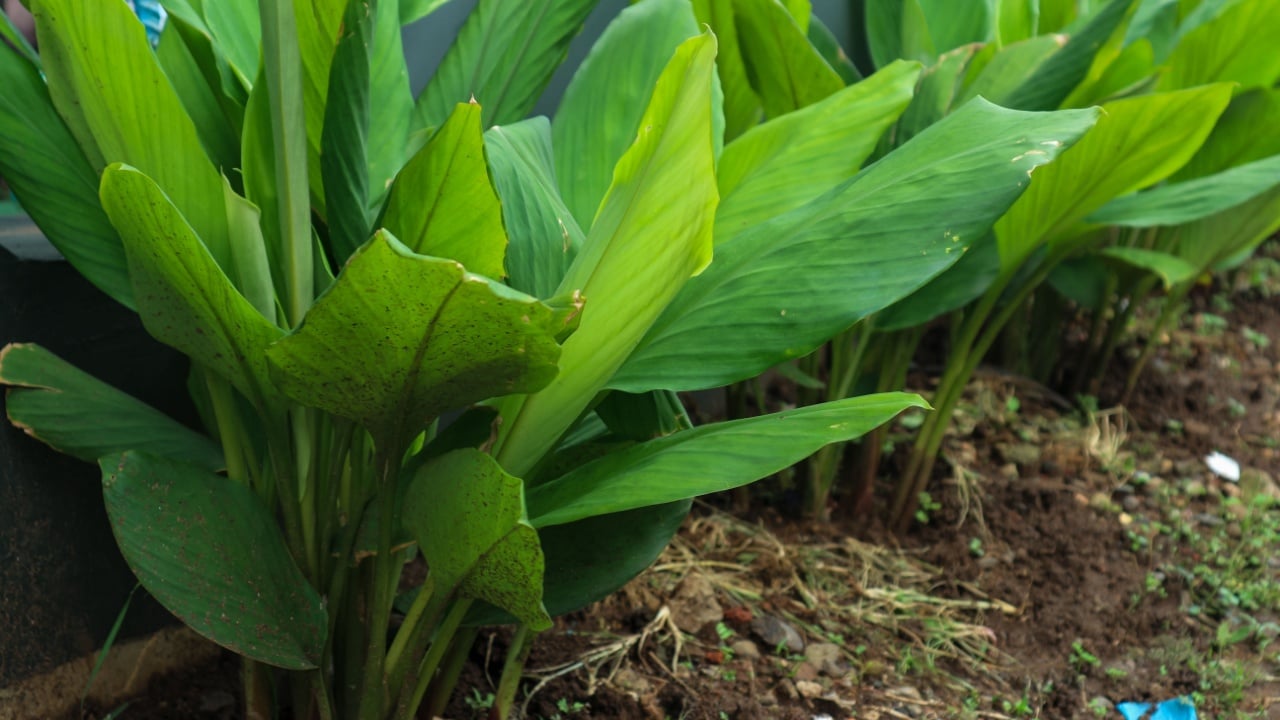
Turmeric contains anti-inflammatory and antioxidant agents that help protect your body from free radicals.
It works by boosting your body’s own antioxidant enzymes. It may also help lower your risk of heart disease, ease depression, and it might even help combat premature aging. Turmeric is also used to treat Alzheimer’s disease and pain caused by arthritis.
Turmeric
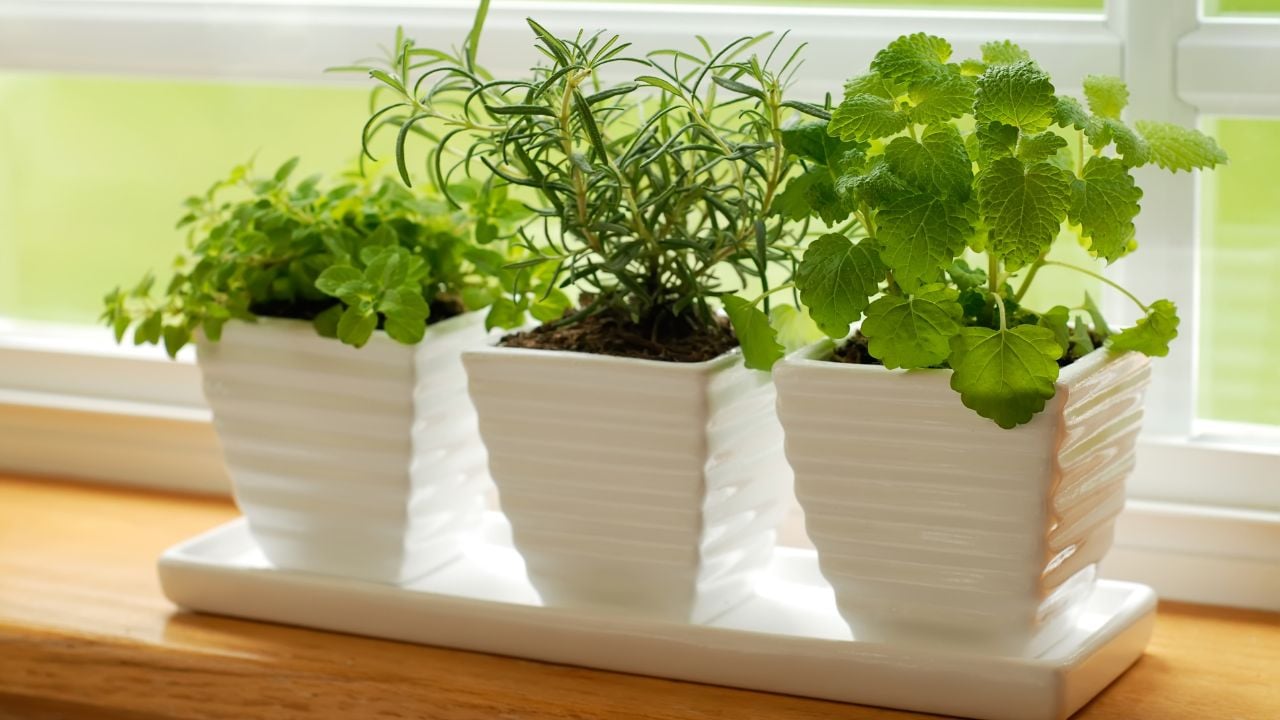
Growing medicinal plants at home provides a natural way to treat many common health issues, and starting your own herbal garden is simpler than you might imagine. Even without a lot of space, you can still cultivate some of your favorite remedies. Many of the herbs mentioned here will thrive on a windowsill, allowing you to have an herbal garden even in an apartment.
Before you start planting, do some research to find the plants with the therapeutic benefits you need and to confirm they will grow well in your climate. Some will flourish in your region, while others might struggle. Choosing plants suited to your area will make it much easier to grow a healthy, thriving garden.
Please remember to discuss any plans to use medicinal plants with your healthcare provider first. This ensures you can talk about potential risks, like allergies or drug interactions, and confirm that the plants you want to use are safe for you.