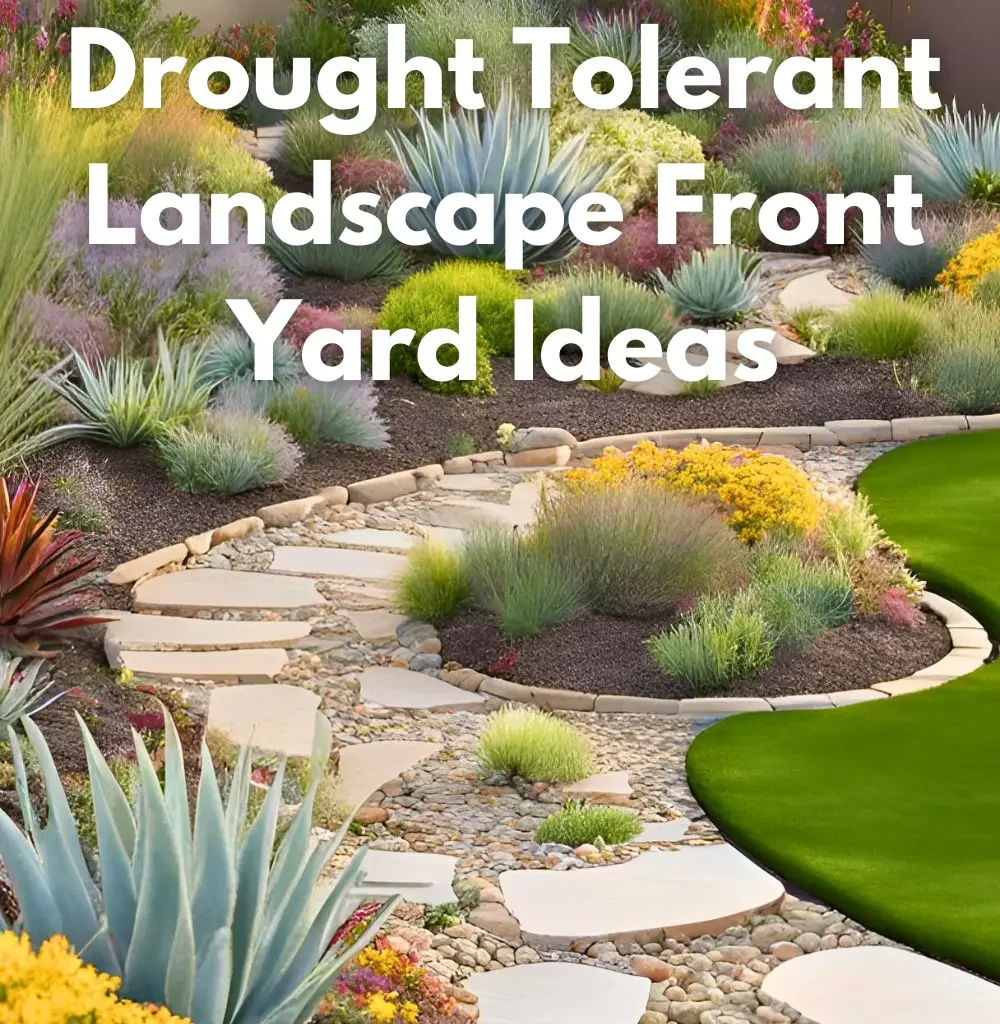
A drought-tolerant front yard can bring together succulents, native plants, ornamental grasses, gravel, and stone for a landscape with plenty of texture and character. With well-draining soil, mulch, thoughtful planting, and efficient watering such as drip irrigation, even a sunny yard can stay attractive while using less water and requiring less upkeep.
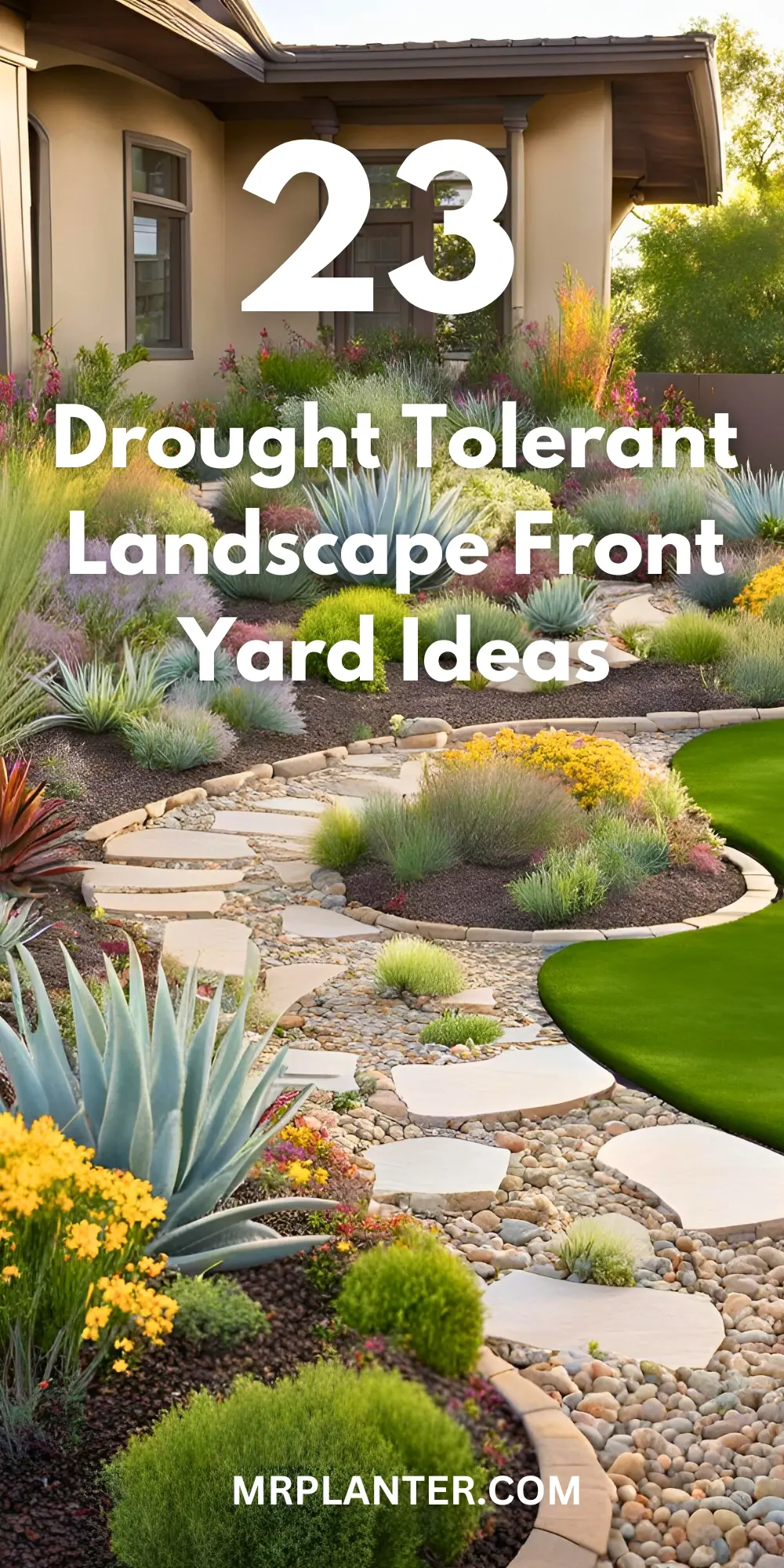
1. Succulent Garden
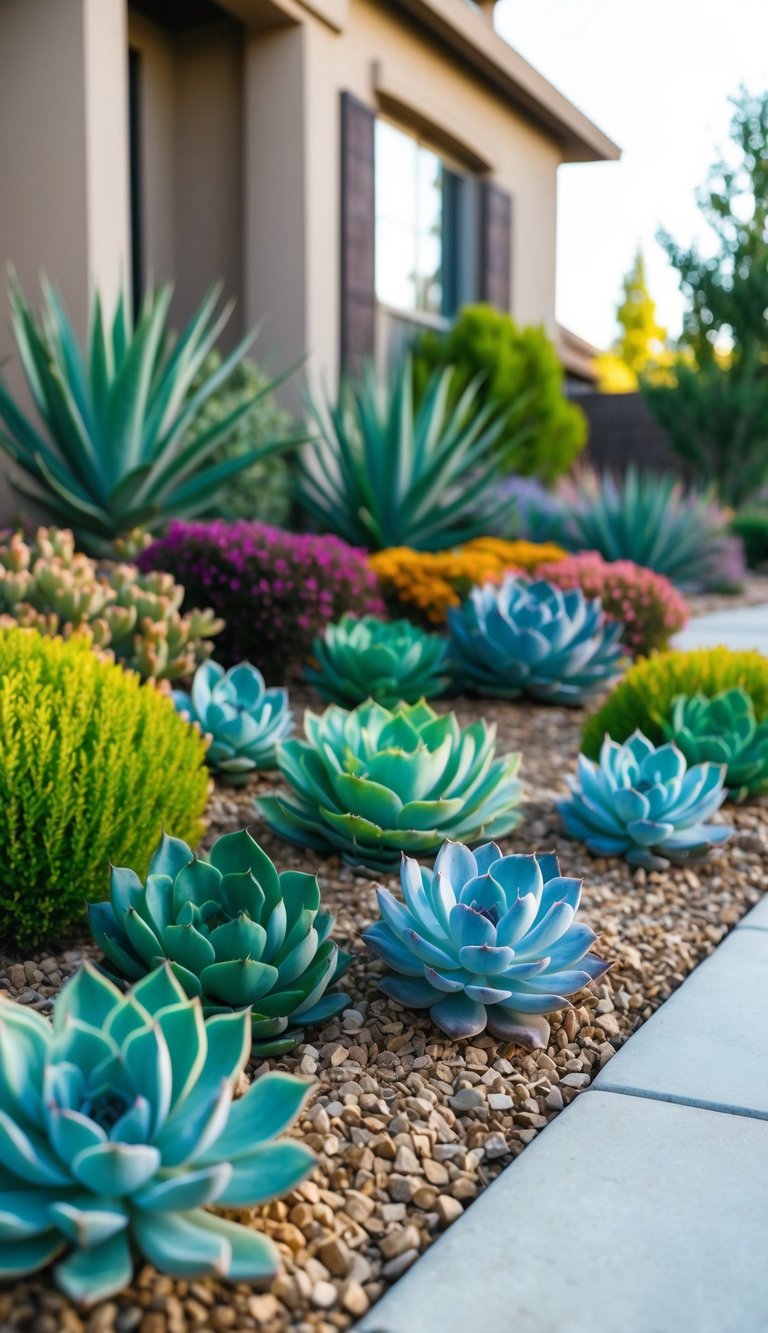
A succulent garden is a fantastic choice for a water-wise landscape. Succulents are incredibly low maintenance and offer a huge variety of colors, shapes, and sizes to work with.
You can create a visually dynamic front yard by mixing different types of succulents among rocks, which adds texture and interest. Arrange them in a design that catches the eye.
Think about using gravel or fine sand as a base for your garden. This material promotes good drainage, which is essential for keeping your plants healthy.
Placing larger rocks around smaller ones helps create a more natural, organic look. This combination gives your garden a unique personality while keeping it incredibly easy to manage.
Succulents need a lot of sun to truly flourish, so pick a spot that gets drenched in light. Remember to water them sparingly, as they prefer dry conditions and too much water can cause root rot.
2. Xeriscape Design
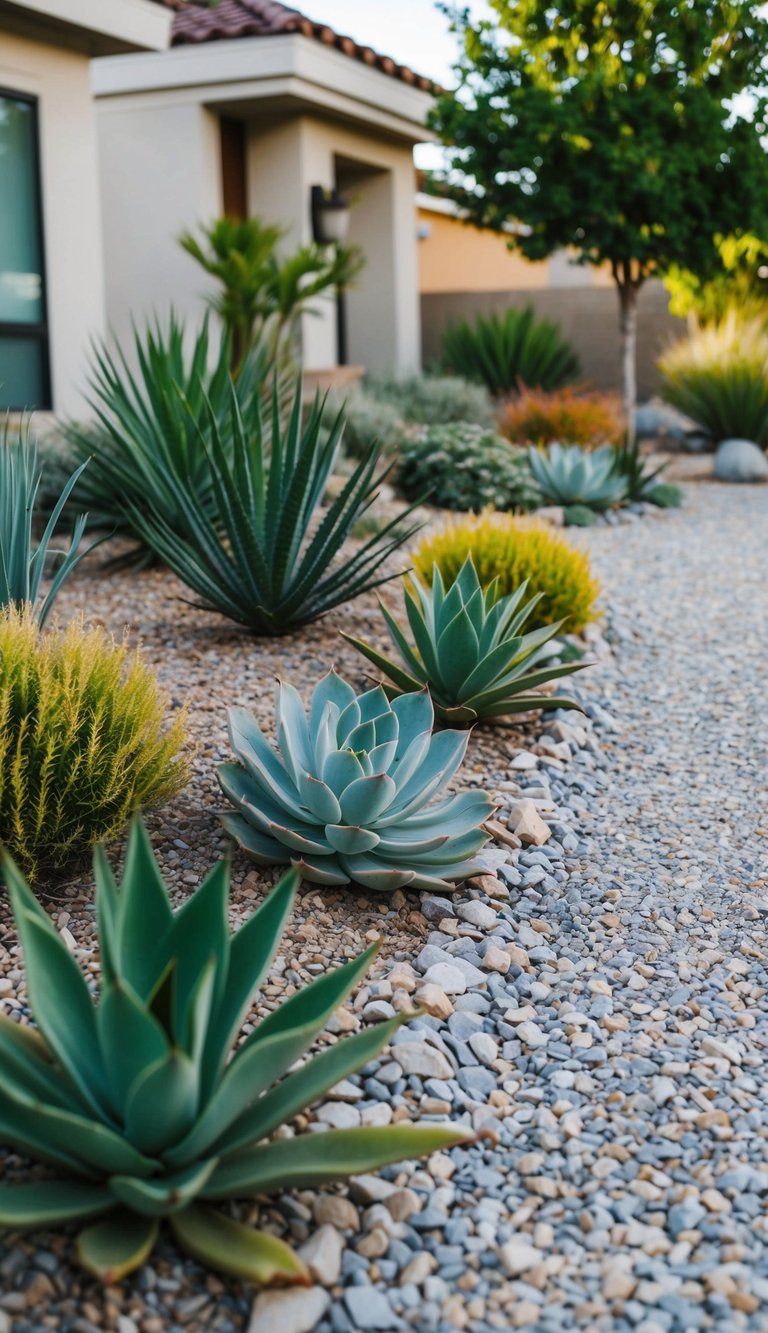
Xeriscape design is your ticket to a beautiful front yard that conserves water. This approach is all about using drought-tolerant plants that thrive with minimal moisture.
Begin by selecting native plants that are well suited to your specific climate. These plants typically demand less maintenance and are already adapted to your local soil.
For a vibrant landscape, combine a variety of textures and colors. Use elements like rocks, gravel, or mulch to help reduce water evaporation and keep weeds at bay.
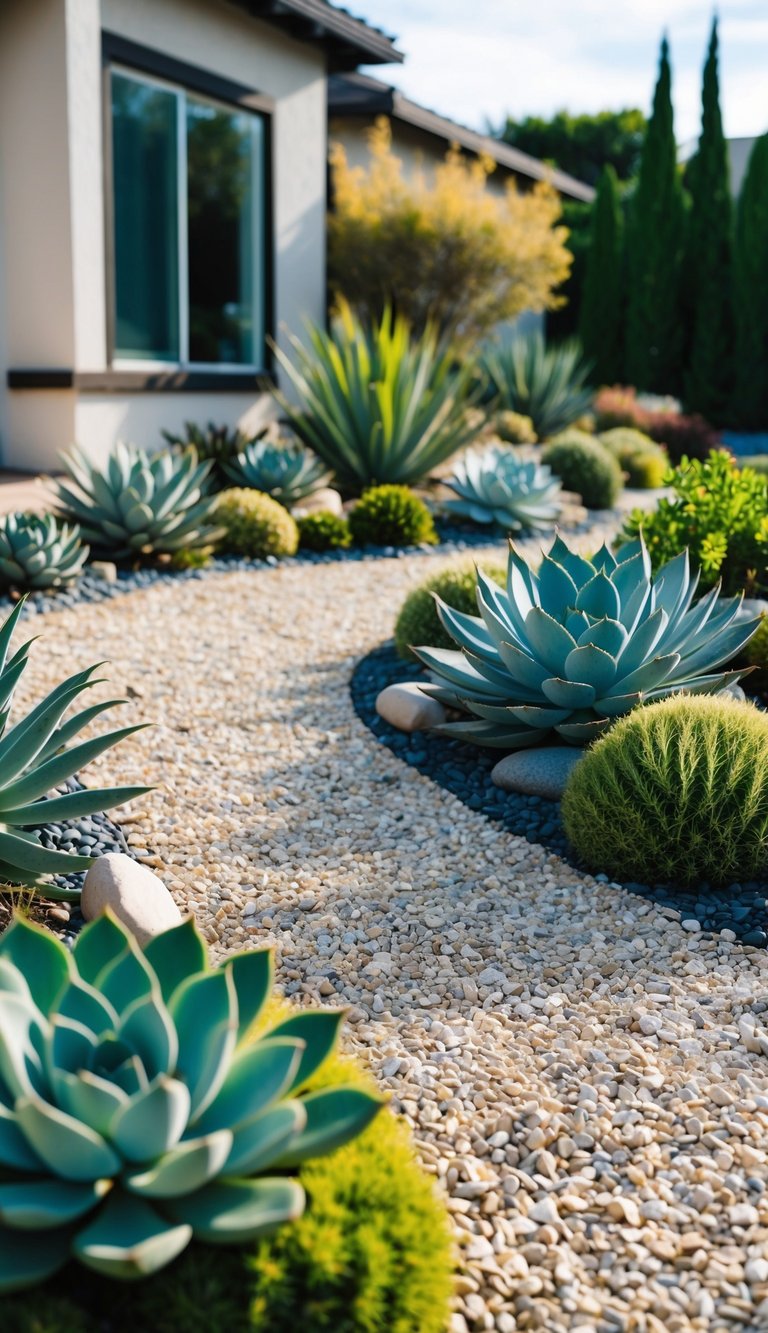
Incorporate pathways made from stone or gravel to elevate the design. These features look fantastic and provide convenient access throughout your garden.
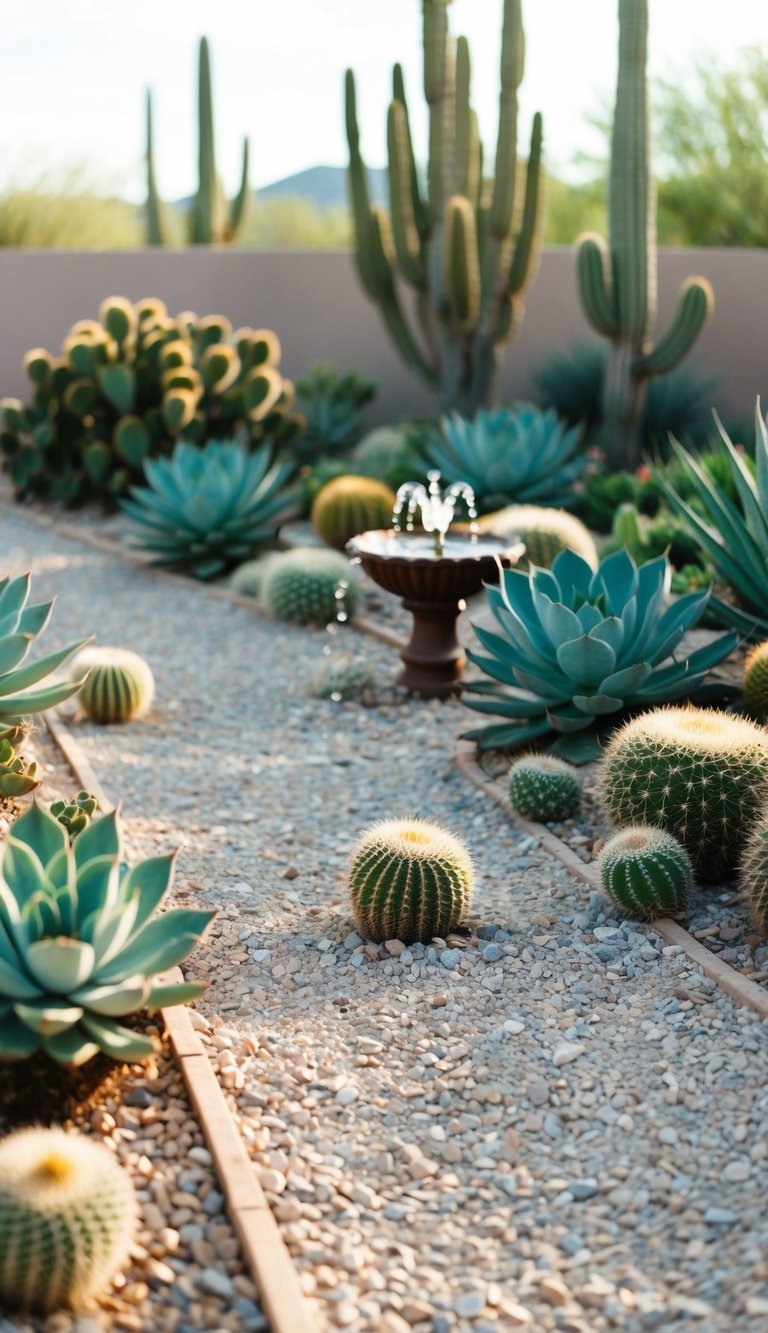
For an extra special touch, you might add a small water feature. A simple fountain or a birdbath can bring a sense of life to your garden and attract local wildlife.
Choose plants that are not only water-wise but also reflect your personal style. This ensures your xeriscape feels like a true extension of your home.
3. Cacti Collection
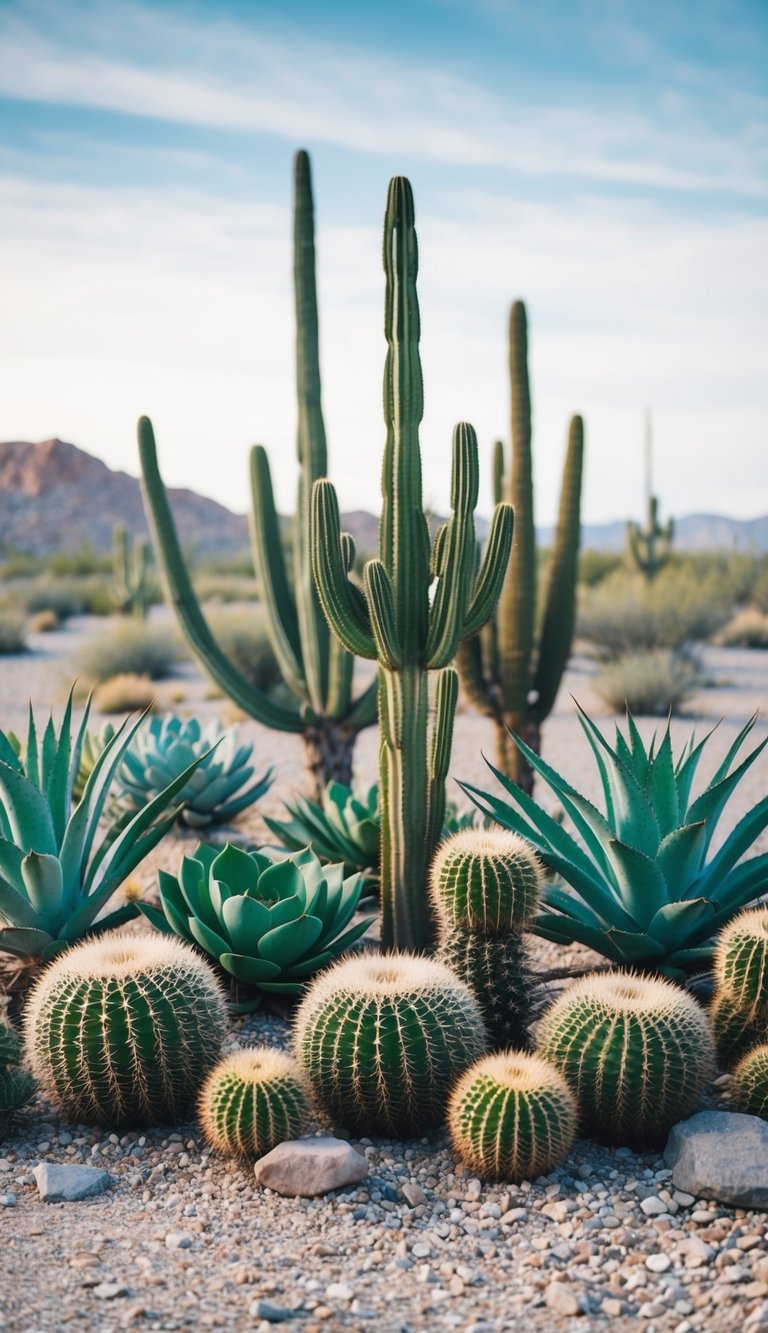
A collection of cacti can bring a truly unique character to your front yard. You can play with different shapes and sizes to build depth and visual interest.
Start by picking drought-tolerant varieties that will thrive in your climate. It’s crucial to plant them in soil that drains well to prevent their roots from sitting in water and rotting.
Consider grouping cacti with complementary colors. A mix of different textures and heights will make your landscape much more visually engaging.
Don’t overlook the importance of spacing. Make sure to leave enough room for each cactus to grow so they don’t become overcrowded. This helps them stay healthy and simplifies maintenance.
You can also soften the overall look by combining your cacti with other drought-resistant plants. This kind of mix gives your garden a more natural and balanced feel.
Always choose cacti that match your personal aesthetic. And remember, water them sparingly, especially just after they’ve been planted.
4. Gravel Paths
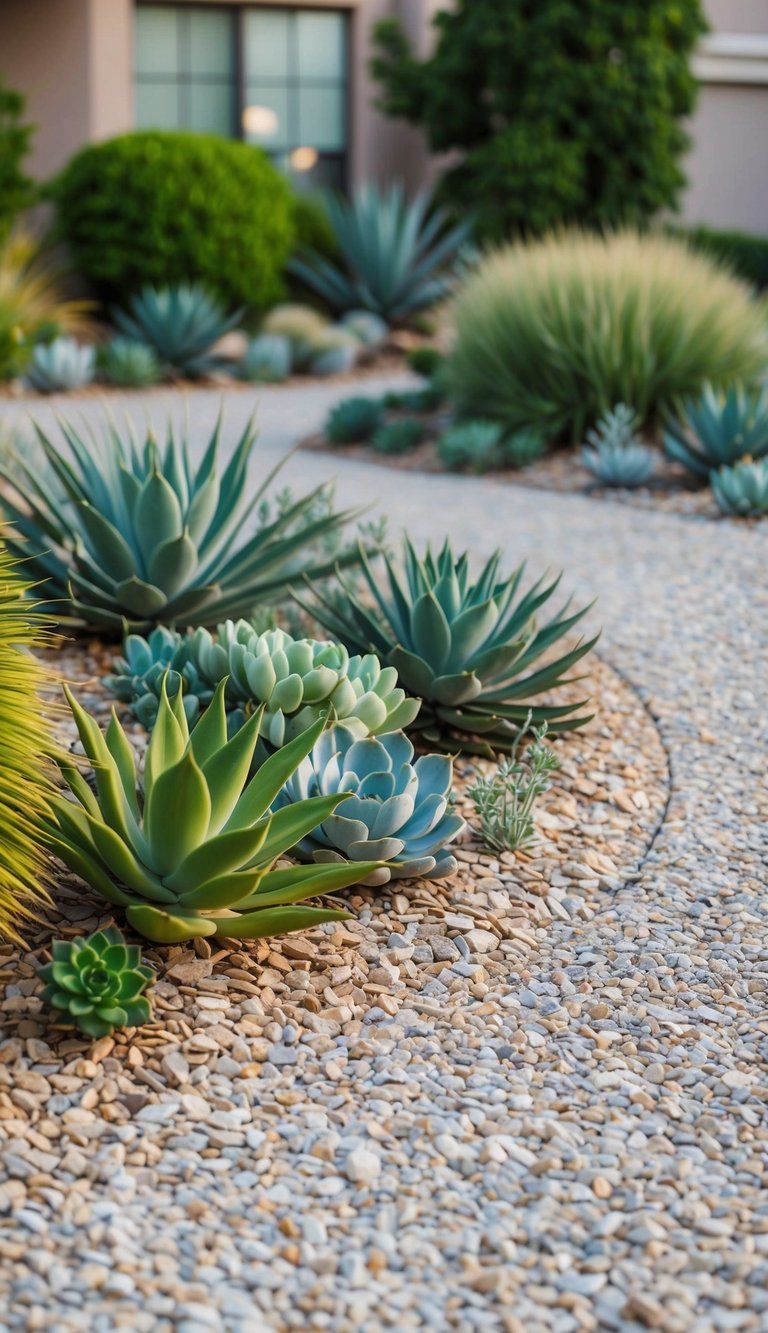
Gravel paths are a wonderful option for any front yard. They have a clean look, are simple to maintain, and improve drainage, which is a big help during rainy seasons.
You can lay the gravel right on top of the soil. In wetter areas, it’s a good idea to put down a layer of landscape fabric first to stop mud from mixing with the gravel. A thin layer of about half an inch is often sufficient.
Adding some drought-resistant plants next to your gravel path can make it even more beautiful. Think about options like sedums or ornamental grasses. These plants do well in dry conditions and can add a pop of color to your garden.
Gravel is also incredibly versatile and complements many different home styles. Whether your yard has a modern or a traditional feel, gravel paths can definitely enhance its appearance.
Always select a gravel that coordinates with the style of your home. A thoughtfully designed path can become a stunning focal point for your entire yard.
5. Bermuda Grass
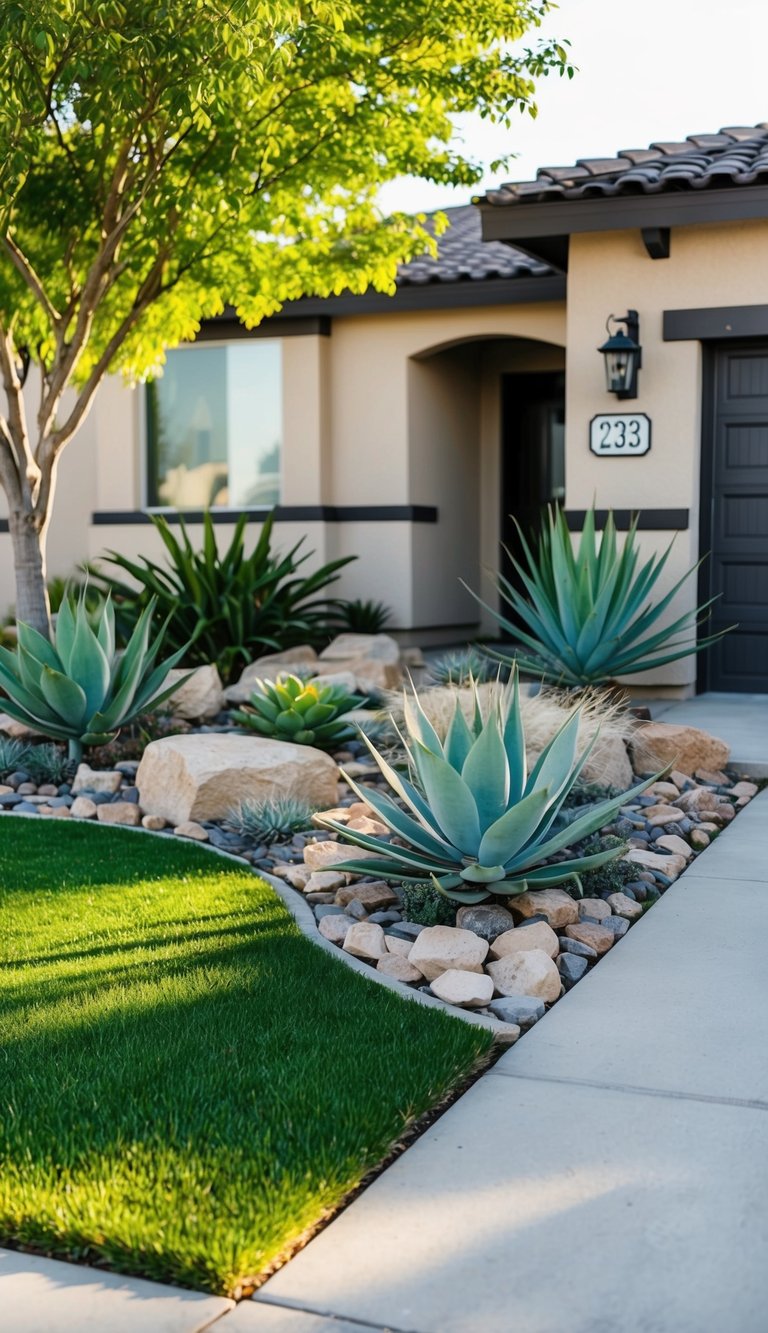
Bermuda grass is a go-to choice for drought-tolerant lawns. It loves warm climates and, once it’s established, needs very little water. This grass gives you a lush, green carpet that stands up well to both heat and foot traffic.
You’ll appreciate how easy it is to care for, as it doesn’t need to be mowed as often as other types of grass. Consistent watering during its early stages is key to helping it establish strong roots.
After it has settled in, you can enjoy a gorgeous lawn with minimal effort. Just be mindful that Bermuda grass can be an aggressive spreader, so you might need to keep its growth in check.
Select the right variety of Bermuda grass for your specific region and watch it flourish. With the right care, it’s a solid choice for any lawn.
6. Lavender Rows
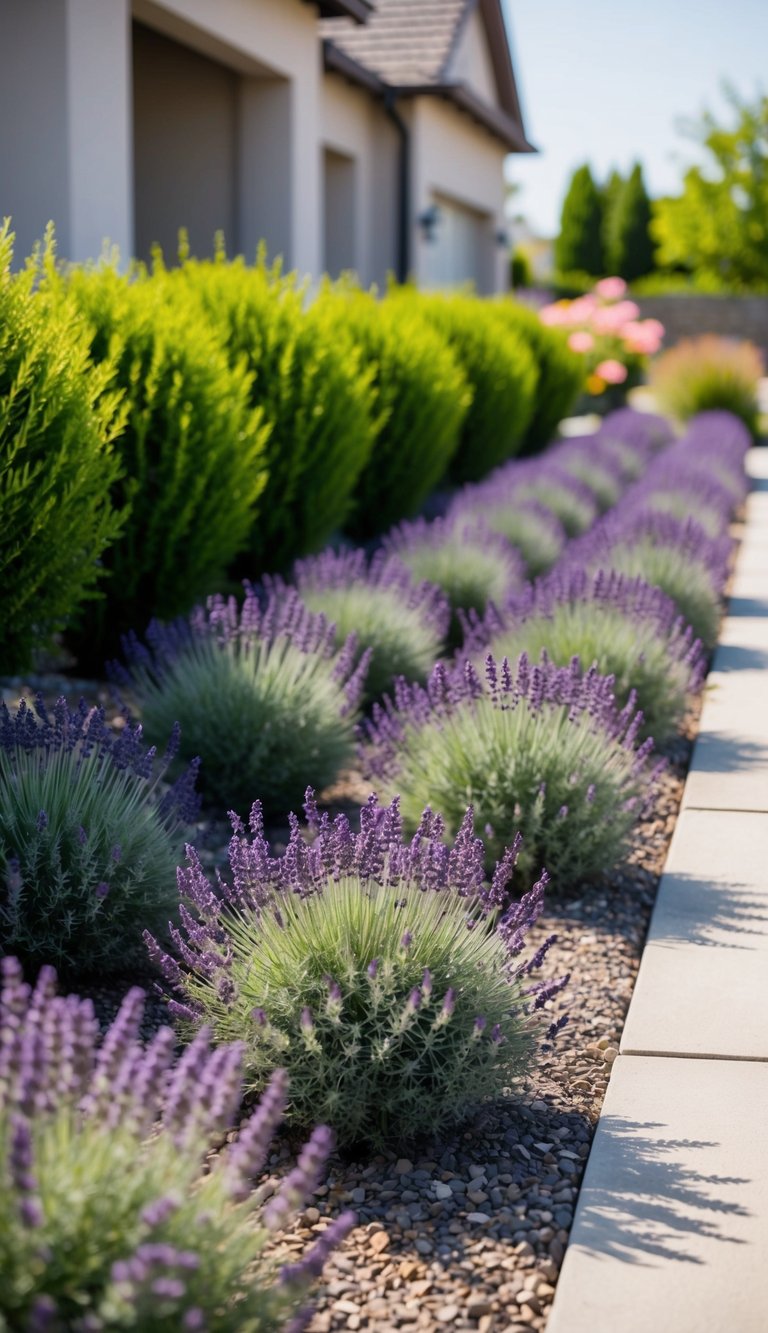
Rows of lavender can bring a sense of beauty and charm to your front yard. These wonderful plants thrive in sunny locations and require very little water after they’ve been established.
You can plant them in neat, straight lines or gentle waves to create a soft, welcoming appearance. Their fragrant flowers are a magnet for bees and butterflies, which will make your garden feel alive.
Think about mixing different lavender varieties to play with varied colors and heights. Lavender looks fantastic next to stones or gravel, which can highlight its natural beauty.
These plants are perfect for borders or for filling in larger patches. Plus, lavender is celebrated for its wonderfully calming scent.
For the best results, plant lavender in soil that drains well. It’s also a good idea to trim them back after they bloom to promote fuller, healthier growth.
7. Mulch Bedding
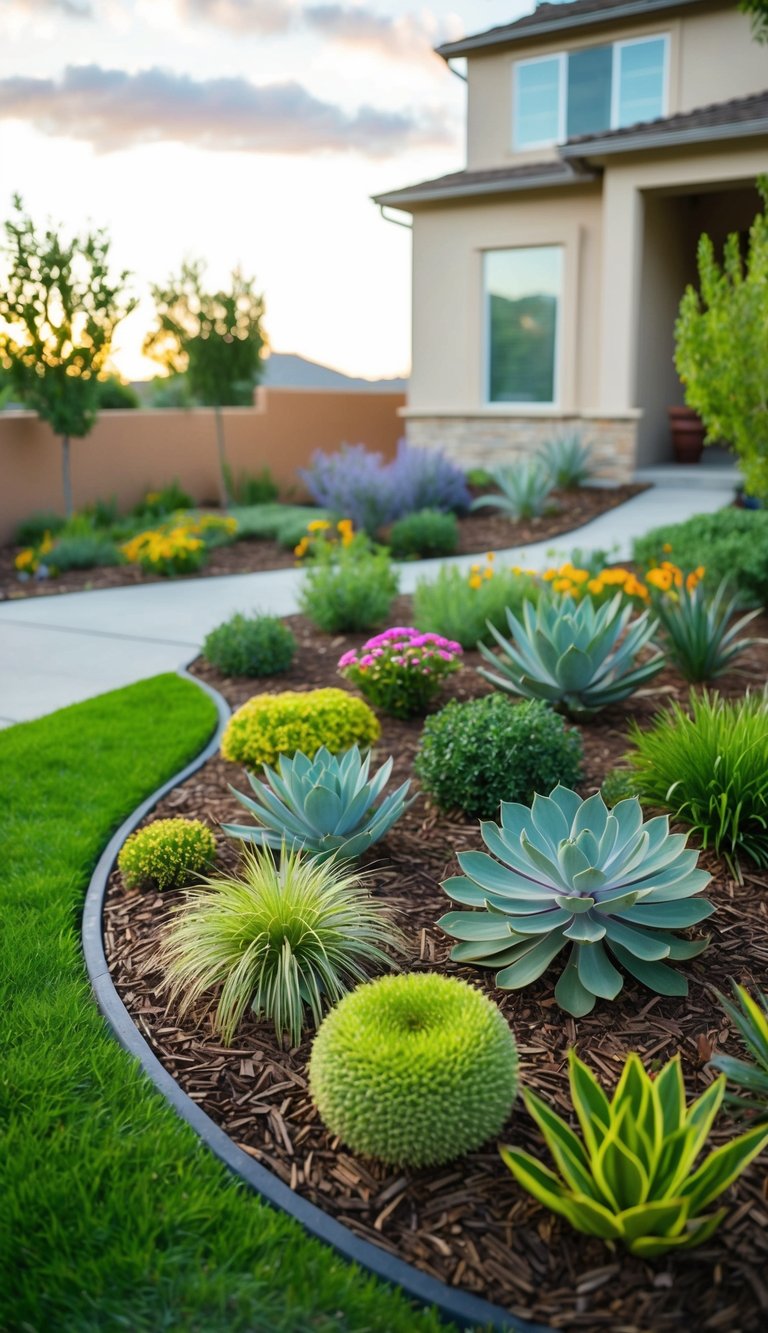
Using mulch in your front yard is an effective strategy for keeping it drought-tolerant. Mulch helps the soil hold onto moisture, which means you won’t need to water as frequently.
You have a choice of different materials, such as wood chips, straw, or gravel. Each option adds its own kind of beauty while protecting your plants.
Gravel is an especially popular choice for xeriscaping. It lets water penetrate the soil without creating puddles, making it ideal for low-maintenance gardens.
Wood mulch has the added benefit of breaking down over time, enriching the soil with nutrients. Just be sure to refresh the layer every few months to keep it effective.
Applying mulch around your plants is also a great way to suppress weeds. With less competition for resources, your plants can thrive, even when water is scarce.
Choose a mulch that complements the overall style of your yard. The right material can elevate your landscape’s appearance and keep your plants happy.
8. Drought-Resistant Shrubs
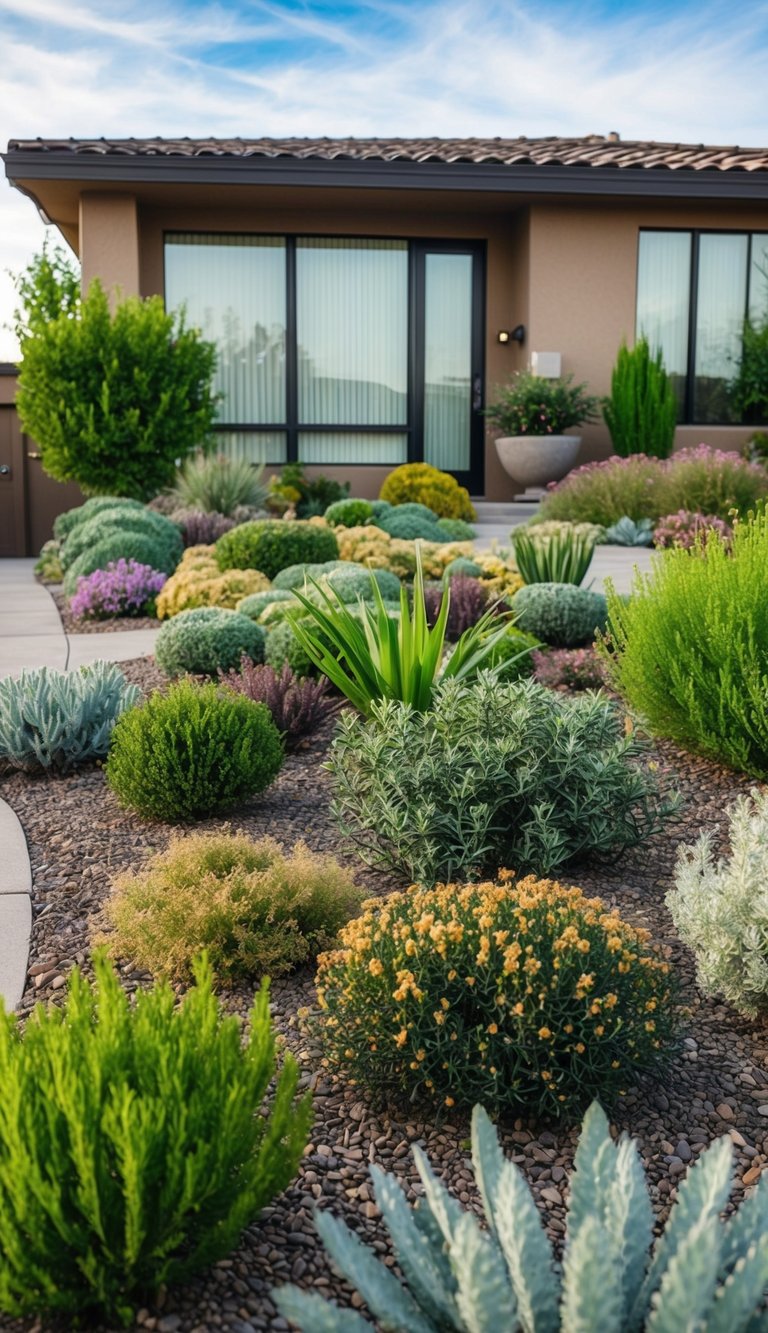
Drought-resistant shrubs are a smart addition to your front yard. They need less water and are built to survive in challenging conditions.
Lavender is one fantastic option. It’s not just beautiful; it also smells incredible. You can find several types, including English and French varieties.
Glossy abelia is another great pick. It’s very adaptable and can be used to create borders or even a hedge.
If you’re looking for a splash of color, think about planting sage. Its striking silvery leaves are not only pretty but also contribute to its drought resistance.
Combining these shrubs with decorative stones or gravel can result in an attractive, low-maintenance landscape. This arrangement also helps the soil retain precious moisture.
These plants add plenty of charm while saving you both time and water. They are a great fit for any style of garden.
For the best results, choose native varieties. They are well-adapted to the local environment and support your regional ecosystem.
9. Rocky Groundcover
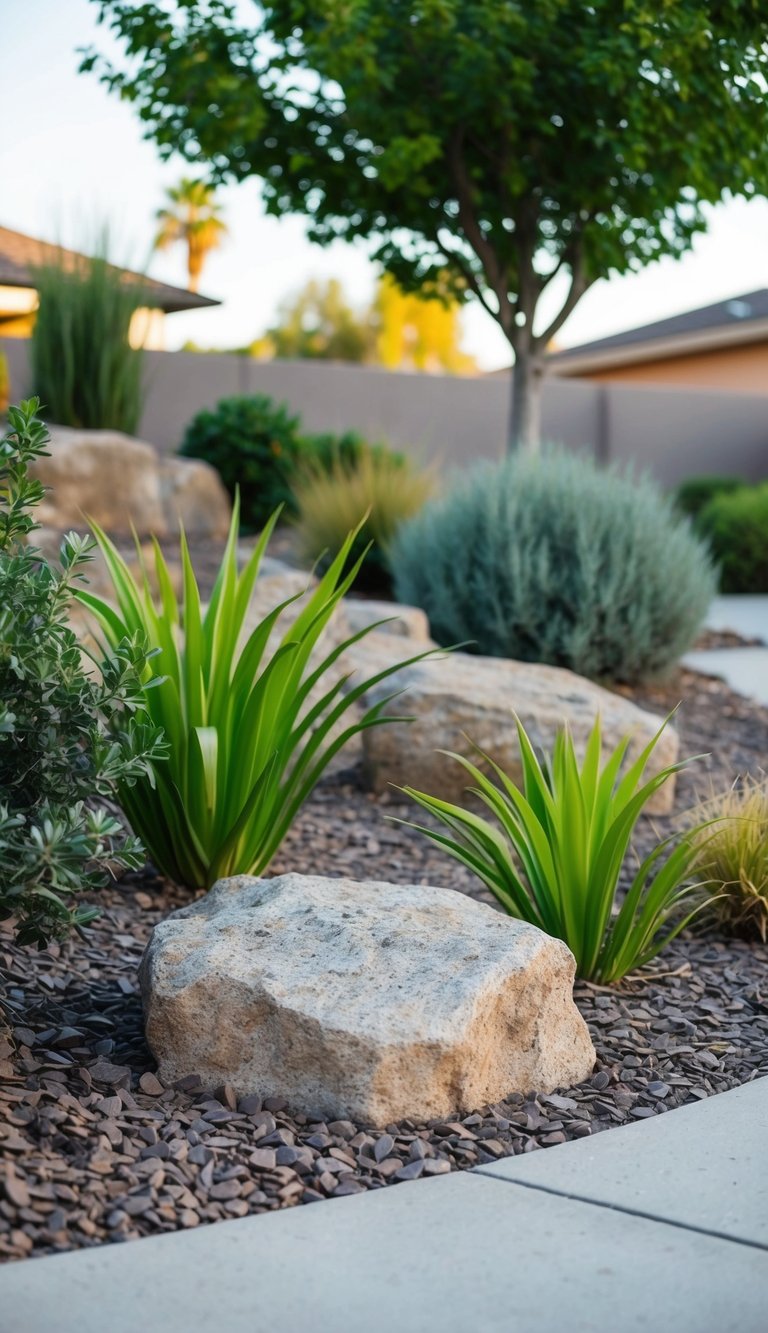
A rocky groundcover is a clever choice for your front yard. It can significantly reduce your water needs while introducing a touch of natural beauty.
You can use materials like gravel or various stones to craft a unique landscape. They don’t just look great; they also help hold the soil in place and prevent weeds from taking over.
Mixing in small plants like sedums among the rocks adds pops of color. These plants are well-suited to dry conditions and require very little upkeep.
Rocky groundcover is also incredibly versatile. You can use it to line pathways or to fill in larger garden areas. It works well with a range of styles, from modern to rustic.
Take some time to map out your design. A well-planned layout ensures the rocks and plants will complement each other perfectly.
This is an excellent way to create a stunning outdoor space while saving water. Feel free to experiment with different rocks and plants to discover your ideal look.
10. Perennial Grasses
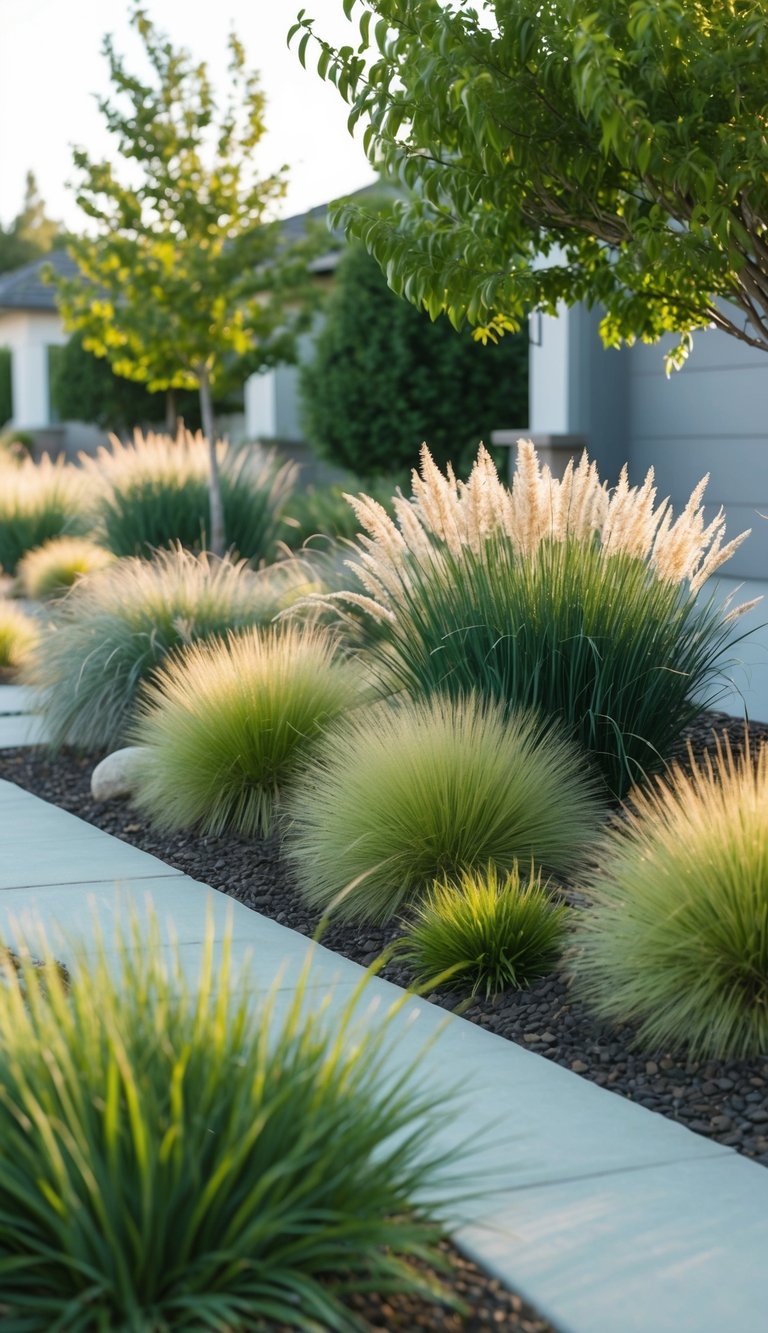
Perennial grasses are a fantastic choice for a drought-tolerant front yard. They need less water and stay beautiful throughout the changing seasons. Some popular examples are fountain grass and blue fescue.
These grasses offer a wide array of colors and textures. You can mix and match them to create compelling visual interest. Their tall, elegant forms add a sense of movement as they sway with the wind.
For a lush effect, you can plant them in clusters. They can also be used as a ground cover, which helps to reduce soil erosion. As a bonus, they attract pollinators to your garden.
Planting them is straightforward. Just be sure to pick a spot with good drainage. Once they are established, they will thrive with very little care.
Consider mixing different types of grasses for a truly unique look. Always check your local climate to ensure you choose the best varieties for your area.
11. Native Plants
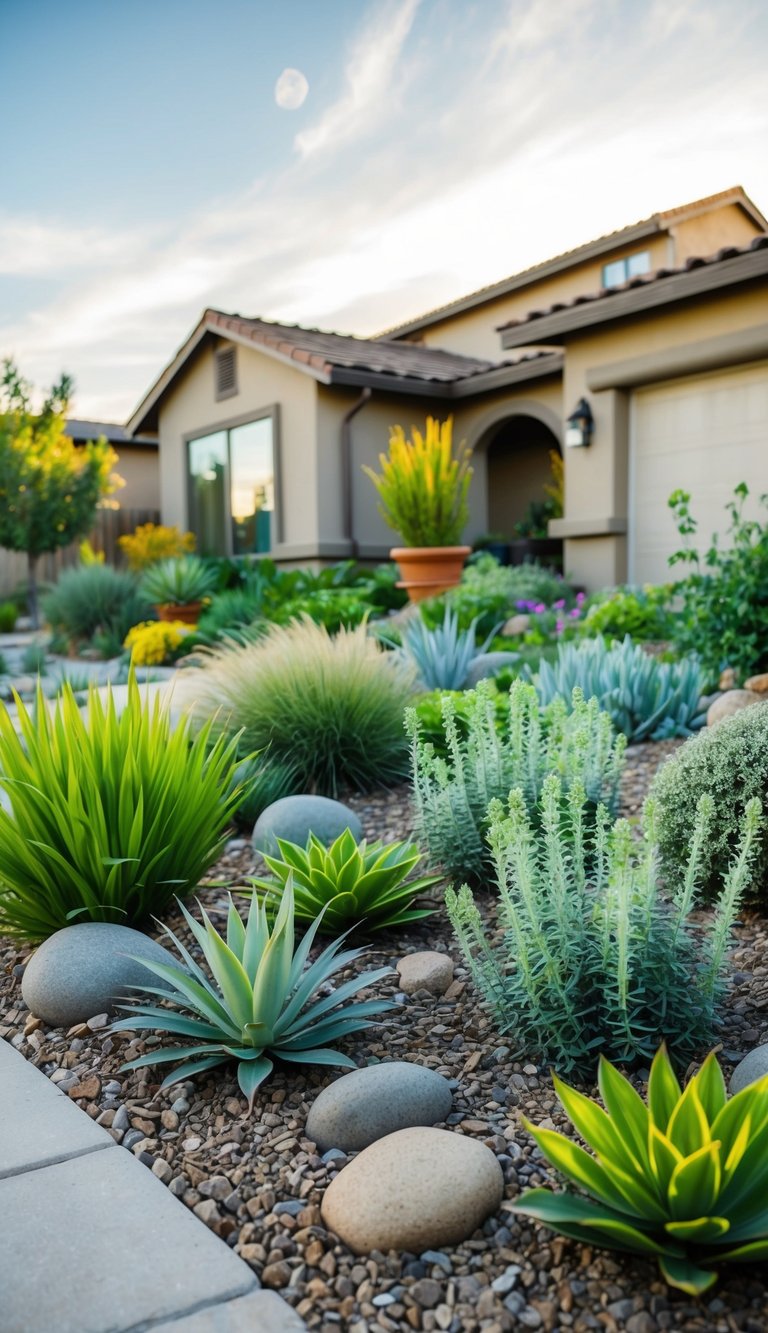
Using native plants in your front yard is a very smart decision. Because these plants are already adapted to your local climate, they will need less water and general care.
Native plants are a natural draw for local wildlife, such as butterflies and birds. This helps to create a lively outdoor space that feels vibrant and full of life.
Great examples of native plants include the Black-eyed Susan and the Santa Barbara Daisy. Both of these are drought-tolerant and quite easy to grow.
Planting native species can also significantly cut down on your garden maintenance. You’ll get to enjoy a beautiful landscape that flourishes with very little effort on your part.
Native plants are often better at resisting local pests and diseases compared to non-native species. This means you can use fewer chemicals in your garden.
Choose native plants to save both water and time. They will thrive in your local conditions and provide valuable support for wildlife.
12. Zen Stone Garden
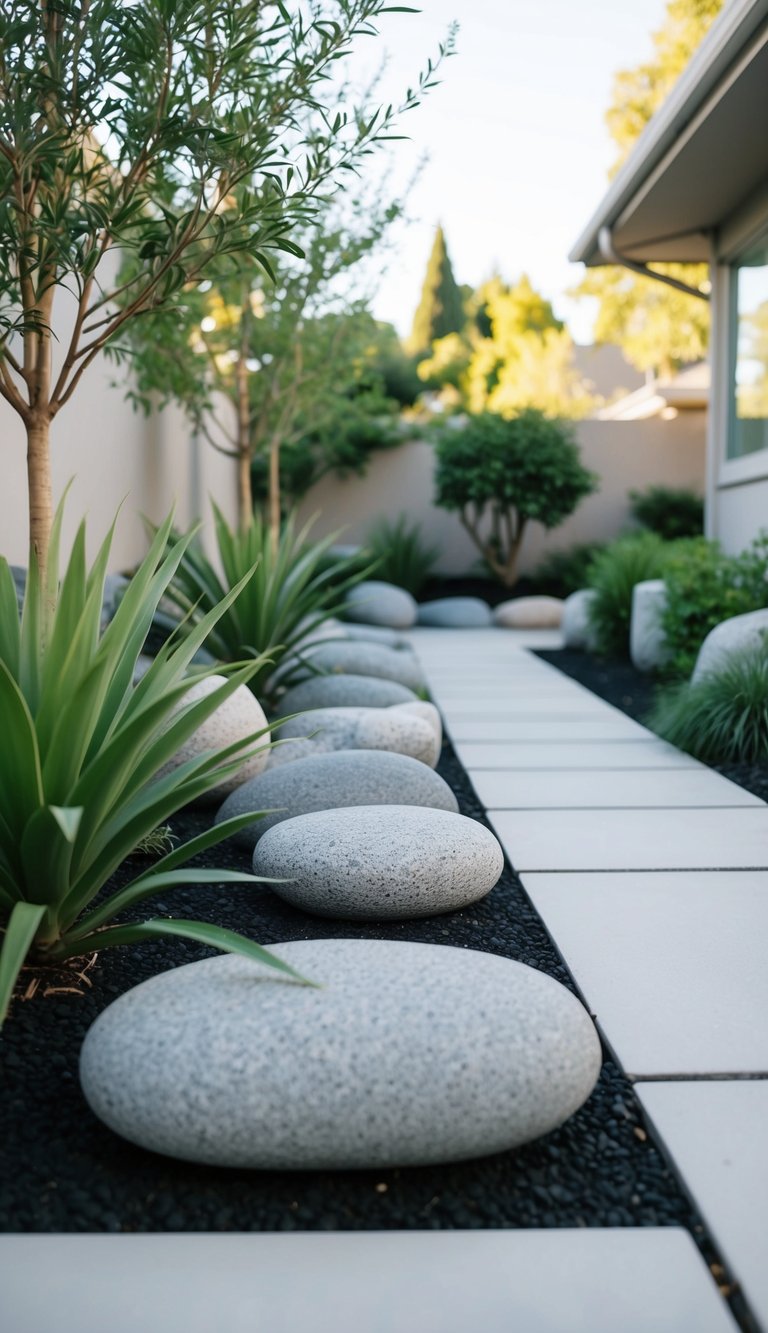
A Zen stone garden offers a calm and simple approach to creating a drought-tolerant front yard. You can use stones of different sizes to create patterns or outline paths. This design style emphasizes minimalism and natural beauty.
Think about adding sand or gravel to represent water, which can be raked into soothing lines. You can also incorporate a few drought-resistant plants, like succulents or ornamental grasses, for a hint of green.
Use large rocks to serve as focal points within your design. They can create a dramatic contrast against the smoother sand or gravel. This not only looks great but also improves drainage.
Remember to arrange all the elements with intention. A thoughtfully planned layout will bring a sense of harmony and peace to your outdoor space.
A Zen garden is all about achieving balance. Keep the design simple, and let the natural elements guide your creative choices.
13. Agave Plants
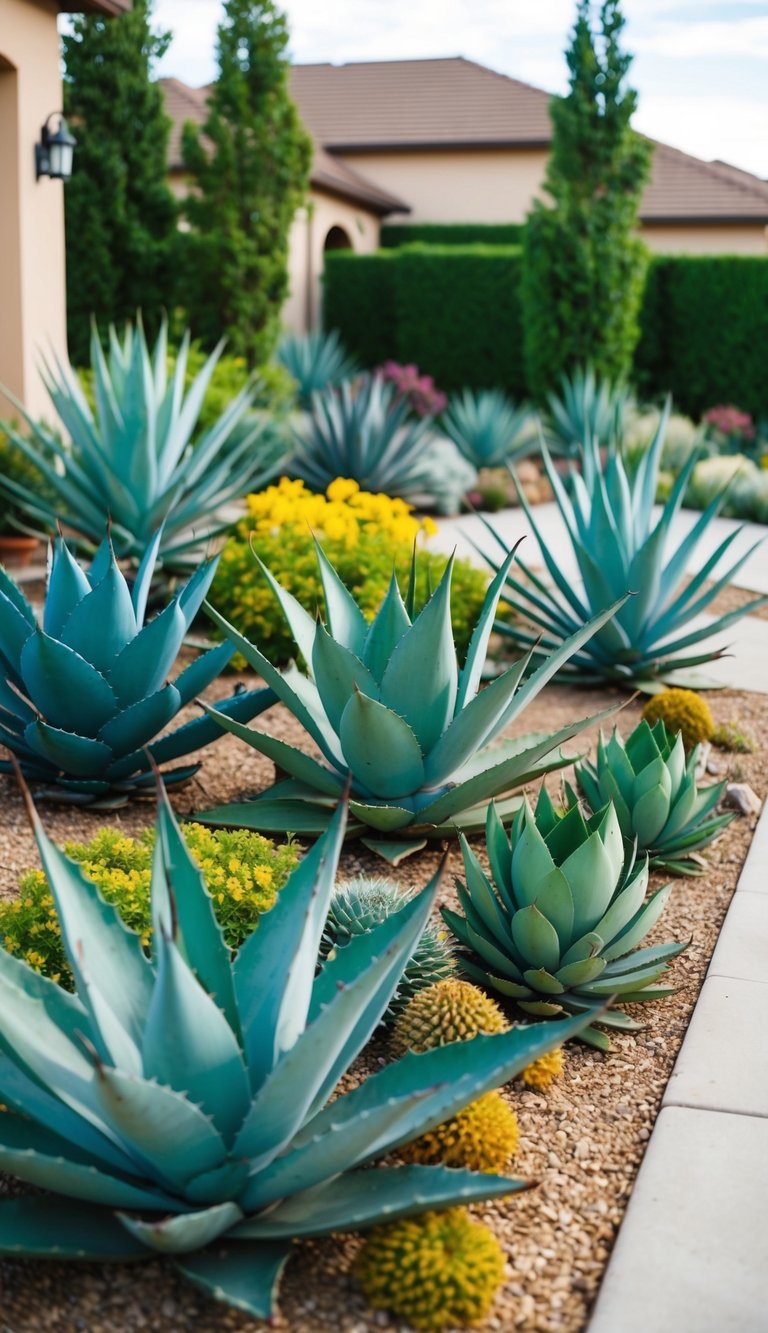
Agave plants are a perfect fit for your drought-tolerant front yard. Their thick, succulent leaves are excellent at storing water, so they don’t require much attention. Just a little watering during extended dry periods is all they need.
These plants come in a wide variety of shapes and sizes. You can use them as striking focal points or group them together to add texture to your garden. They are also adaptable, growing well in either full sun or partial shade.
Agave brings a modern aesthetic and adds unique, spiky details to your landscape. They also look great alongside other drought-resistant plants or colorful flowers, which can help brighten up your space.
If you live in a hotter climate, agave is an excellent choice for reducing water consumption. You’ll get to enjoy their beautiful, low-maintenance presence for years to come.
Agave plants are known for thriving in tough conditions. Just be sure to give them enough room to grow to their full potential.
14. Drip Irrigation
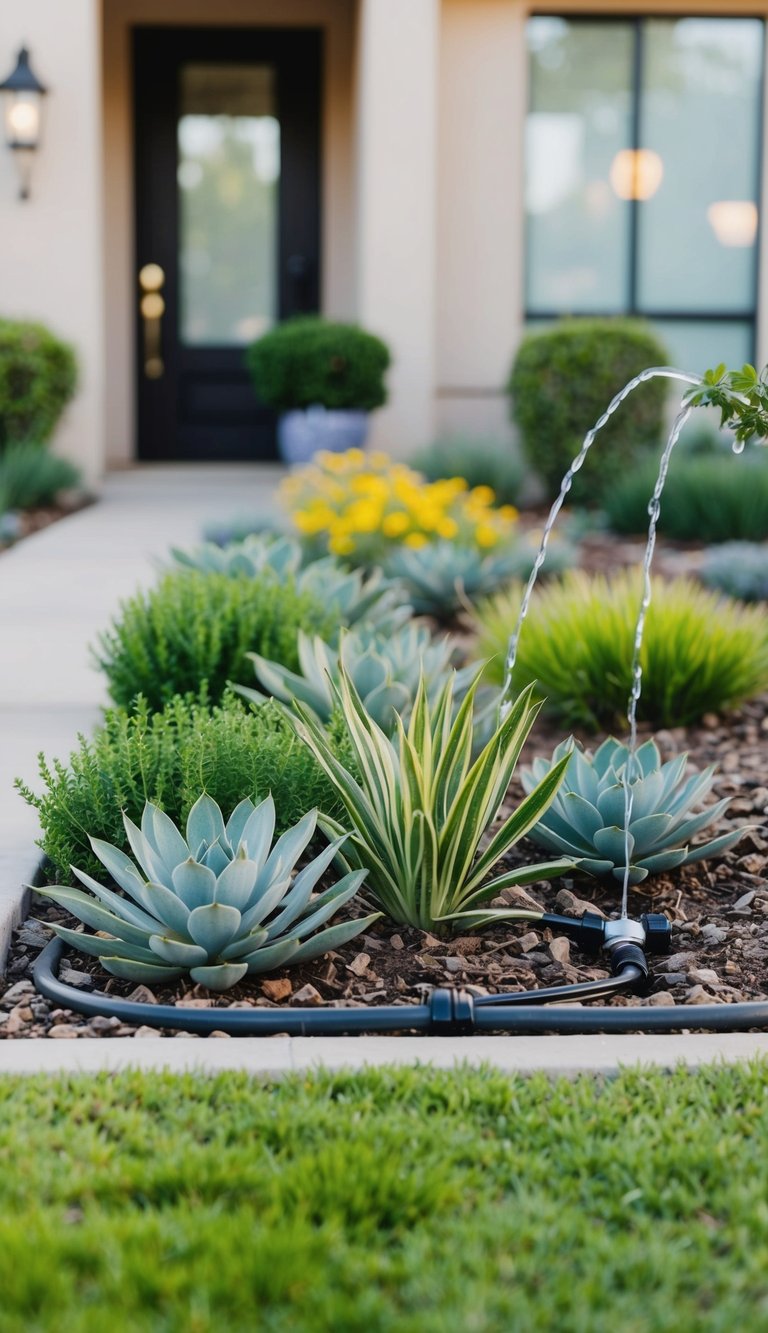
Drip irrigation is a clever method for watering your drought-tolerant landscape. Instead of spraying the entire yard, it delivers water directly to the base of your plants, right where the roots are. This technique saves a lot of water and promotes healthier plant growth.
Setting up a drip system is relatively simple. You can easily find kits at garden supply stores that have everything you need. Once it’s installed, you can customize the water flow for different types of plants.
This system also helps to minimize weeds. Since water is only directed to your plants, there’s less moisture available for unwanted growth nearby. Plus, it lowers the risk of plant diseases that can be caused by wet leaves.
Drip irrigation is also great because it requires less upkeep than traditional sprinkler systems. You can automate it with timers to make sure your plants receive the perfect amount of water every time.
For the best results, inspect the system on a regular basis. A little bit of maintenance can go a long way in keeping your plants happy and healthy.
15. Wildflower Mix
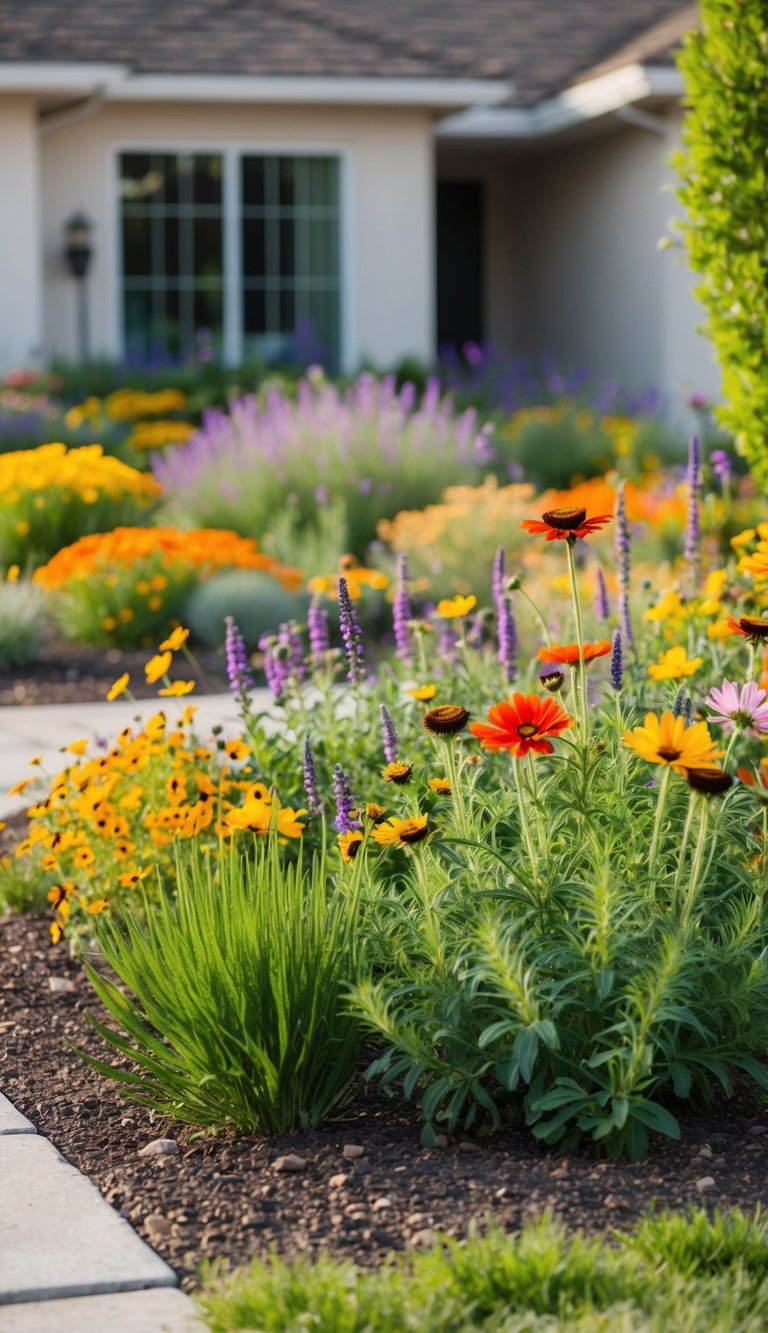
A wildflower mix in your front yard can add a lot of beauty and provide support for local wildlife. For the best outcome, choose flowers that are well-suited to your climate and soil type.
Mix both annuals and perennials to ensure you have continuous blooms throughout the seasons. This diversity will attract pollinators like bees and butterflies, making your yard feel vibrant and alive.
You can create dedicated borders or larger patches of wildflowers. Planting them in clusters tends to look more natural and is more visually appealing.
Make sure to include native wildflowers so they can thrive with minimal attention. These plants are already adapted to your area’s specific conditions, which makes them excellent low-maintenance choices.
Don’t forget to prepare the soil properly before you plant. Clear out any existing weeds and loosen the soil to help the wildflowers establish a strong root system.
Mixing a variety of wildflowers can create a truly stunning landscape. Remember to check local resources to find the best species for your region.
16. Yucca Plants
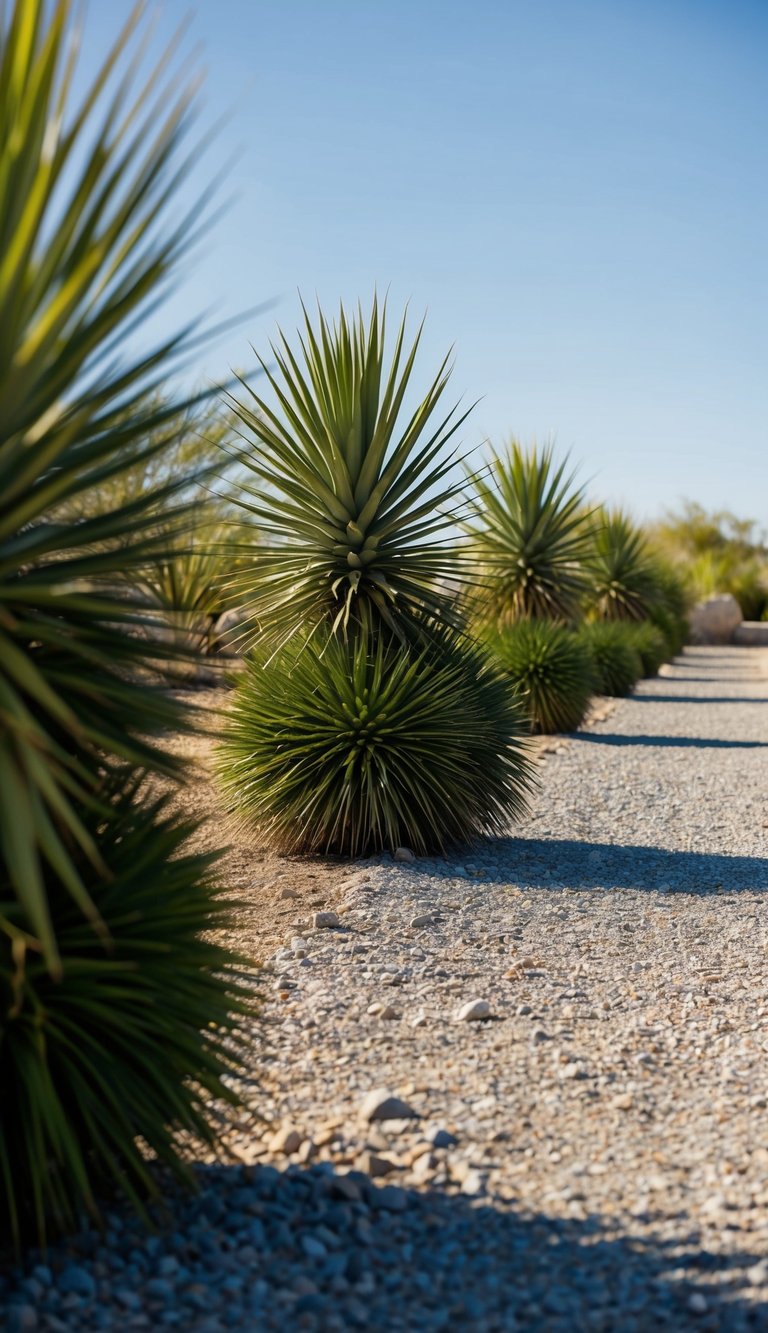
Yucca plants are a perfect addition to your drought-tolerant front yard. Once they’re established, they need very little water and can handle difficult conditions with ease.
These plants have a unique and striking appearance that adds a lot of interest to your landscape. You can find them in various forms, from the tall Joshua tree to smaller dwarf varieties.
Mix yuccas with other drought-resistant plants to create a colorful and lively garden. They look great alongside herbs and succulents.
For a layered effect, plant smaller yuccas in the front and taller ones in the back. This allows you to enjoy a variety of heights and textures in your yard.
Choose the right yucca variety for your available space. They are wonderfully low-maintenance and can bring a lot of charm to any front yard.
17. Bougainvillea Vines
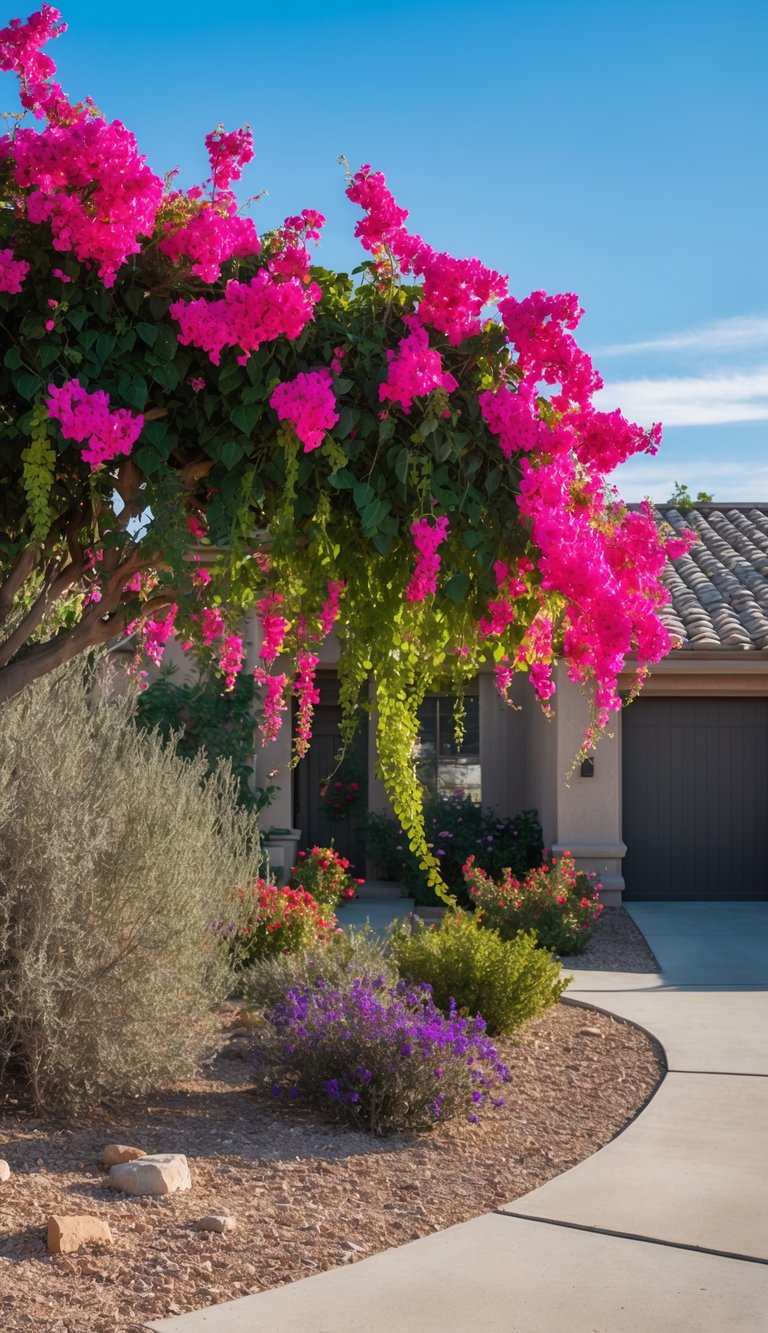
Bougainvillea vines are a fantastic choice for drought-tolerant landscapes. They offer a range of brilliant colors that can instantly brighten your front yard. These tough plants thrive in warm climates and, once established, need very little water.
You can train them to grow up fences or trellises, which adds height and charm to your garden. Bougainvillea can also be grown in containers, making them a versatile option for any space.
They are sun-lovers, so be sure to place them in areas that receive plenty of direct sunlight. This will help them flourish and produce an abundance of beautiful blooms.
For a low-maintenance garden, consider planting them with other drought-tolerant plants. This not only conserves water but also creates a stunning visual effect in your yard.
Make sure to prune your bougainvillea regularly to keep it healthy and to encourage more flowers. And remember, they adore the sun, so don’t hesitate to give them the sunniest spot you have.
18. Ground-Level Planters
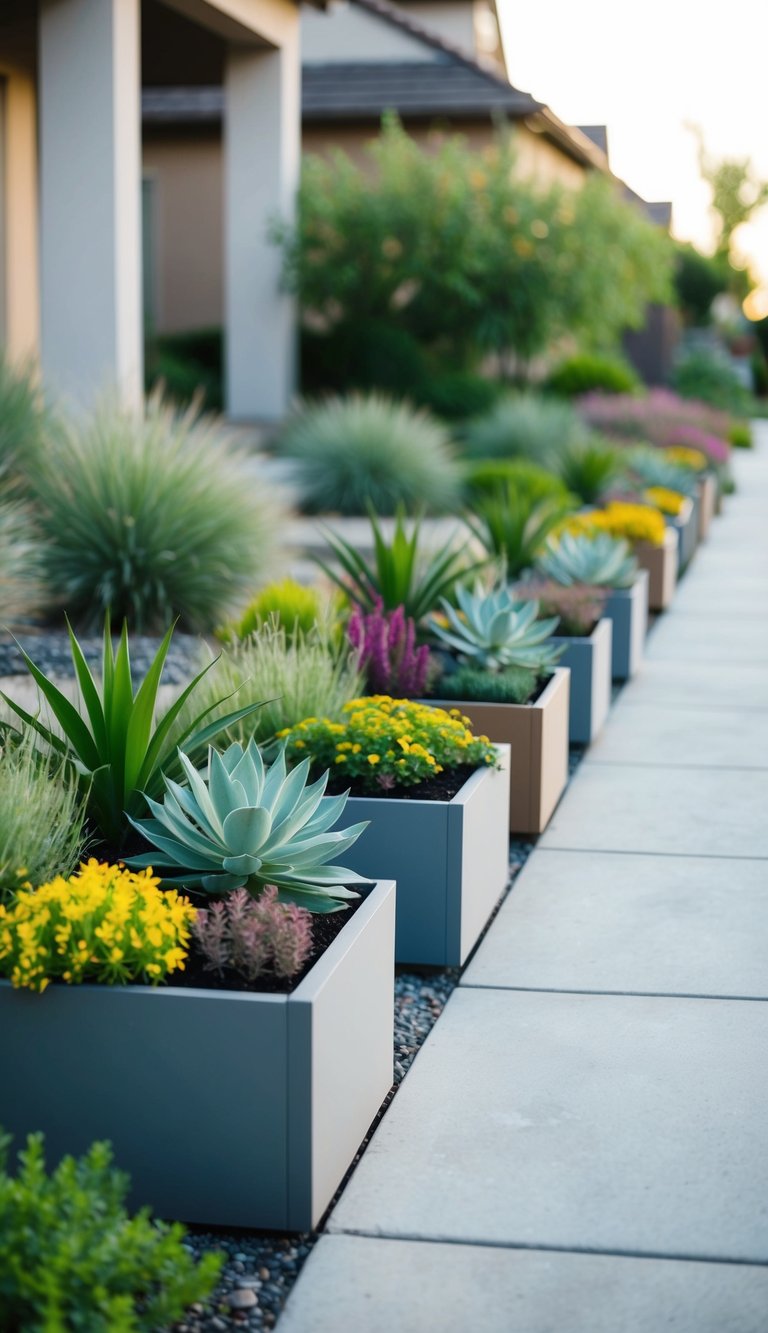
Ground-level planters are a stylish way to enhance your front yard while maintaining a drought-tolerant design. They can be crafted from various materials, like wood or stone, and can help to elevate the look of your plants.
You can fill them with succulents, ornamental grasses, or other water-wise plants. Mixing different colors and textures can create a very eye-catching display.
Placing your planters along walkways or near the entrance to your home can create a warm, welcoming atmosphere. Just be sure to select plants that are known to thrive in your climate.
These planters also contribute to water conservation. By grouping plants together in a contained space, you can reduce water evaporation and make watering more efficient.
Choose plants that are a good match for your local climate to get the best results. This will make your garden easier to maintain and more vibrant overall.
19. Ornamental Grasses
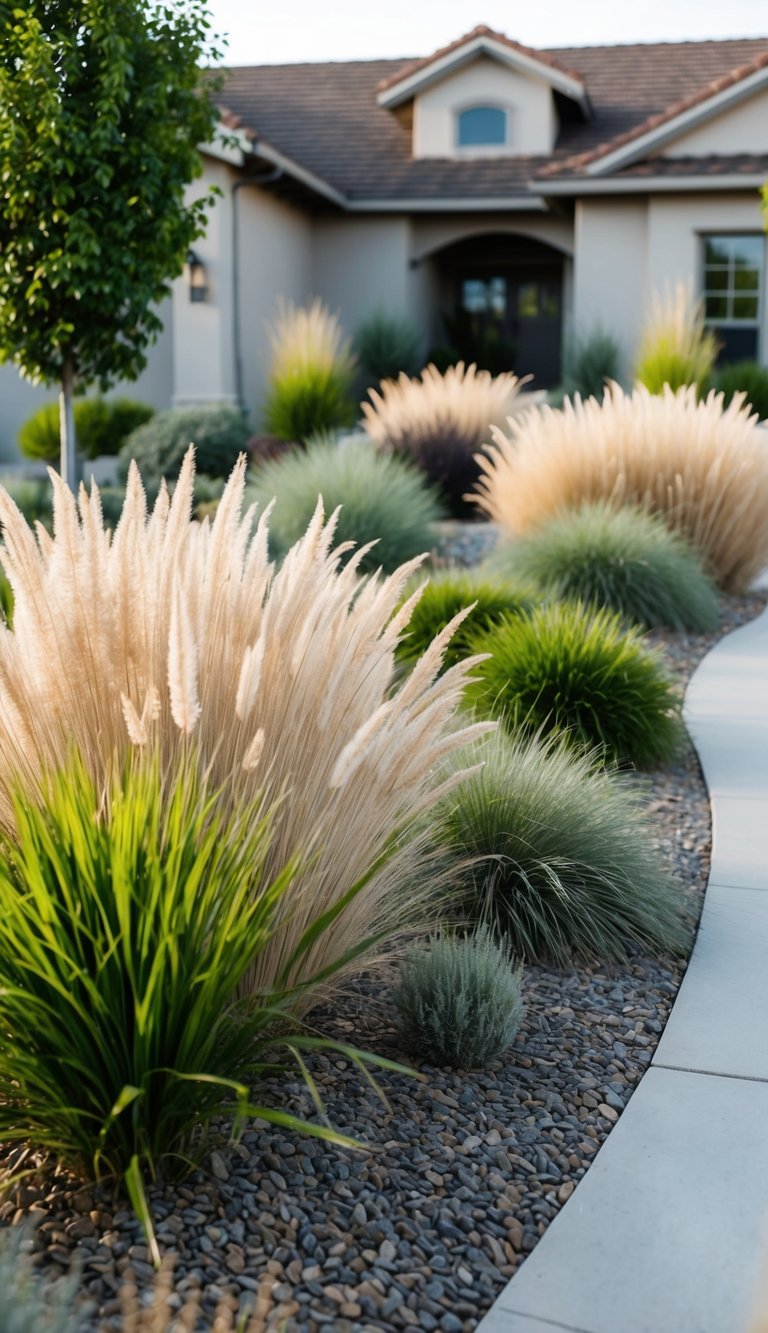
Ornamental grasses are an excellent choice for a drought-tolerant front yard. They are available in a wide range of heights, colors, and textures, which makes them visually compelling.
These grasses do best in sunny areas but can also tolerate some shade. Once established, they need very little water, making them ideal for hotter climates.
Planting varieties like Blue Oat Grass or Japanese Forest Grass can add a lot of charm to your landscape. Some types spread through rhizomes, which allows them to beautifully fill in open areas.
Ornamental grasses also provide a habitat for local wildlife. They create a sense of movement in your garden as they sway in the breeze.
Choose grasses that are well-suited to your local climate. This way, you can enjoy a vibrant yard with very little effort.
20. Terracotta Pots
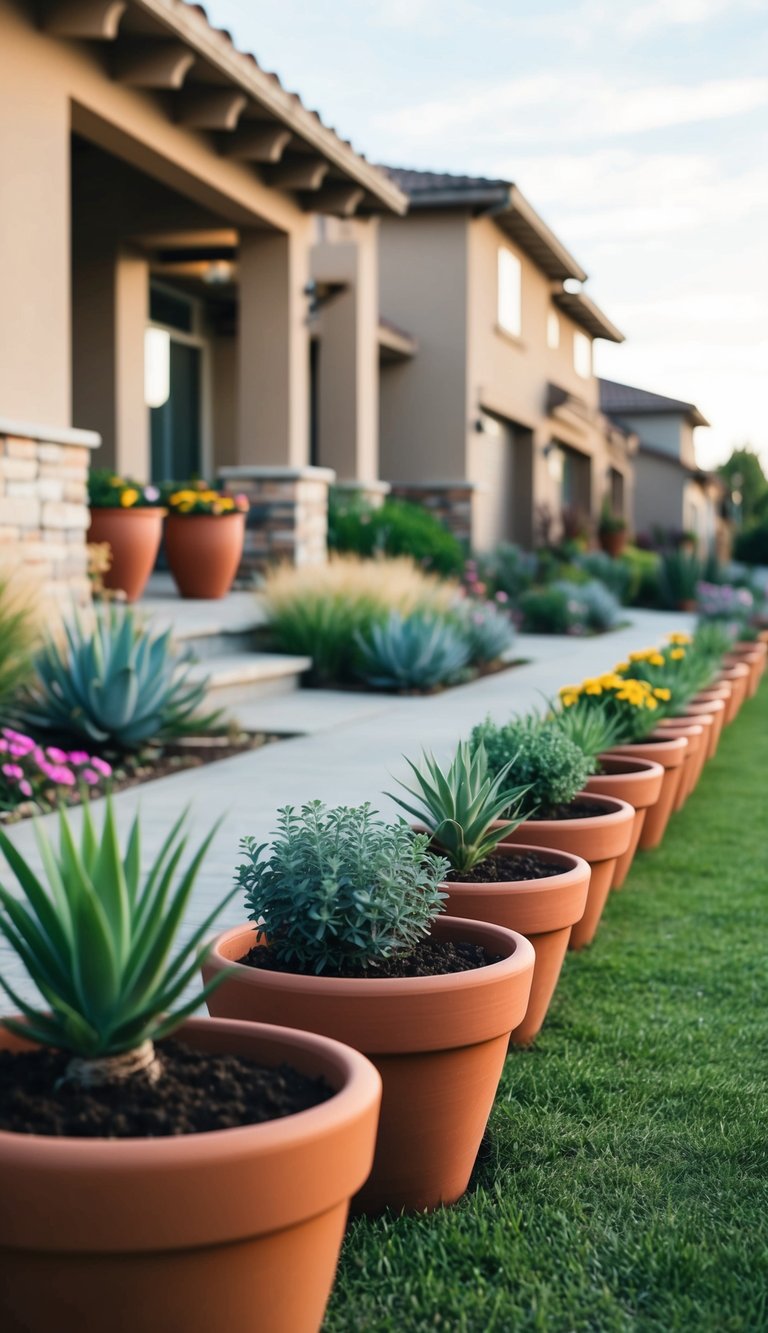
Terracotta pots are a stylish addition to drought-tolerant gardens. They offer excellent drainage, which is a crucial feature when you’re trying to conserve water.
You can fill these pots with a wide variety of succulents and other drought-resistant plants. They add both color and texture to your yard and require minimal care.
Arranging terracotta pots at different heights can create a lot of visual interest. You can also group them together to create a striking display.
For a more polished look, consider adding decorative stones around the pots. This not only enhances the beauty of the arrangement but also helps to keep weeds down.
Use larger pots for bigger plants to ensure they stay healthy. And make sure all your pots have drainage holes to achieve the best results.
21. Large Rocks Arrangement

Incorporating large rocks into your front yard is a smart way to design a drought-tolerant landscape. These rocks can provide both texture and structure, making your garden look appealing throughout the entire year.
You can arrange boulders in clusters or in lines to define the edges of pathways or garden beds. This not only looks great but also helps with water retention by minimizing soil erosion.
For more visual interest, consider mixing rocks of different sizes and shapes. Place them among low-water plants, such as succulents or native grasses, to enhance the overall look and keep maintenance to a minimum.
Another great idea is to create seating areas using large, flat stones. They can be both a practical and inviting feature for outdoor relaxation.
Use natural stones that blend in with your local surroundings for a seamless, harmonious look. Don’t be afraid to experiment with different arrangements until you find one that feels just right.
22. Citrus Trees
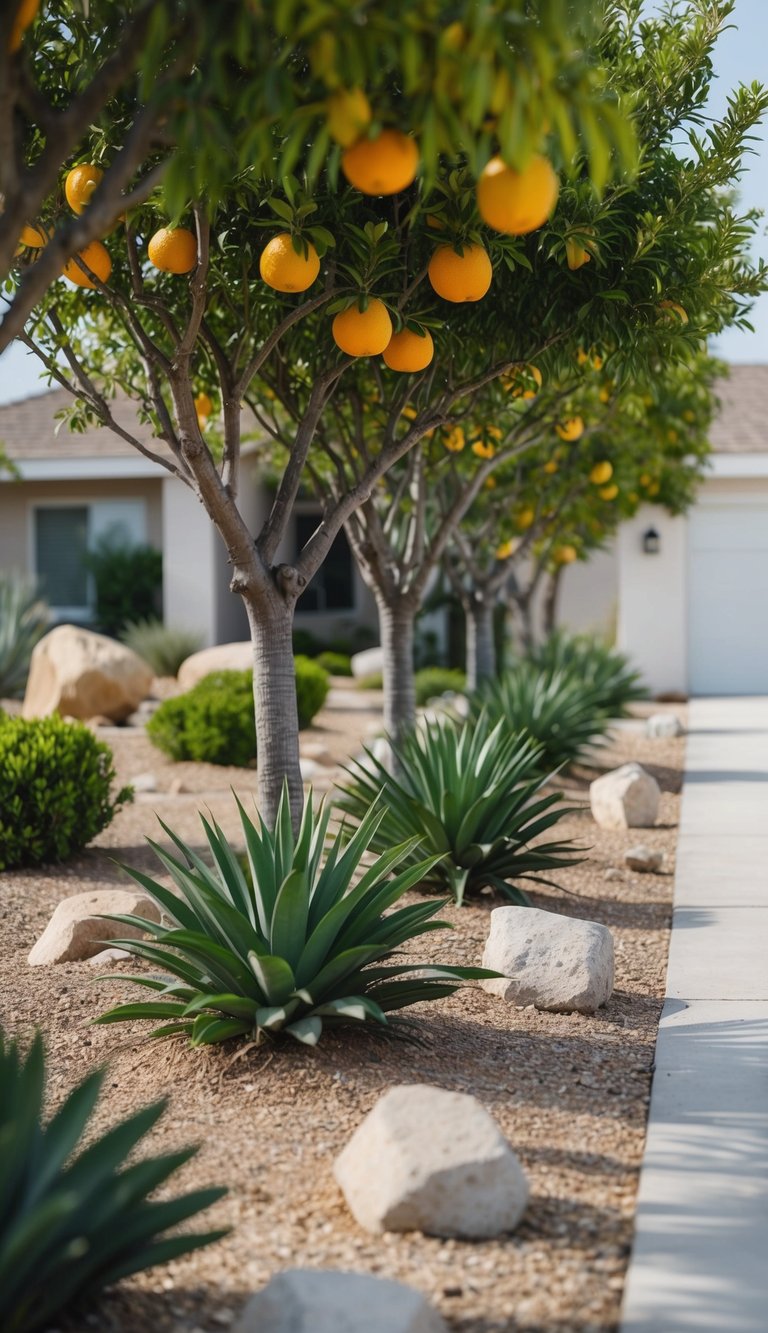
Citrus trees are a wonderful choice for a drought-tolerant front yard. They offer not only beauty but also the bonus of delicious fruit. Varieties such as lemon, lime, and orange do very well in sunny locations with well-drained soil.
Once they are established, these trees require less water. They can also be pruned to fit into smaller spaces, which makes them a versatile option for any yard size. Citrus trees add a lovely pop of color with their bright fruits and wonderfully fragrant blossoms.
When planting, be sure to select a spot that receives full sun. This will help them grow healthy and strong. It’s also a good idea to mulch around the base of the tree to conserve moisture and keep the soil cool.
Citrus trees thrive best in soil that drains well. Make sure to check for pests regularly to keep your trees in good health.
23. Mediterranean Herbs
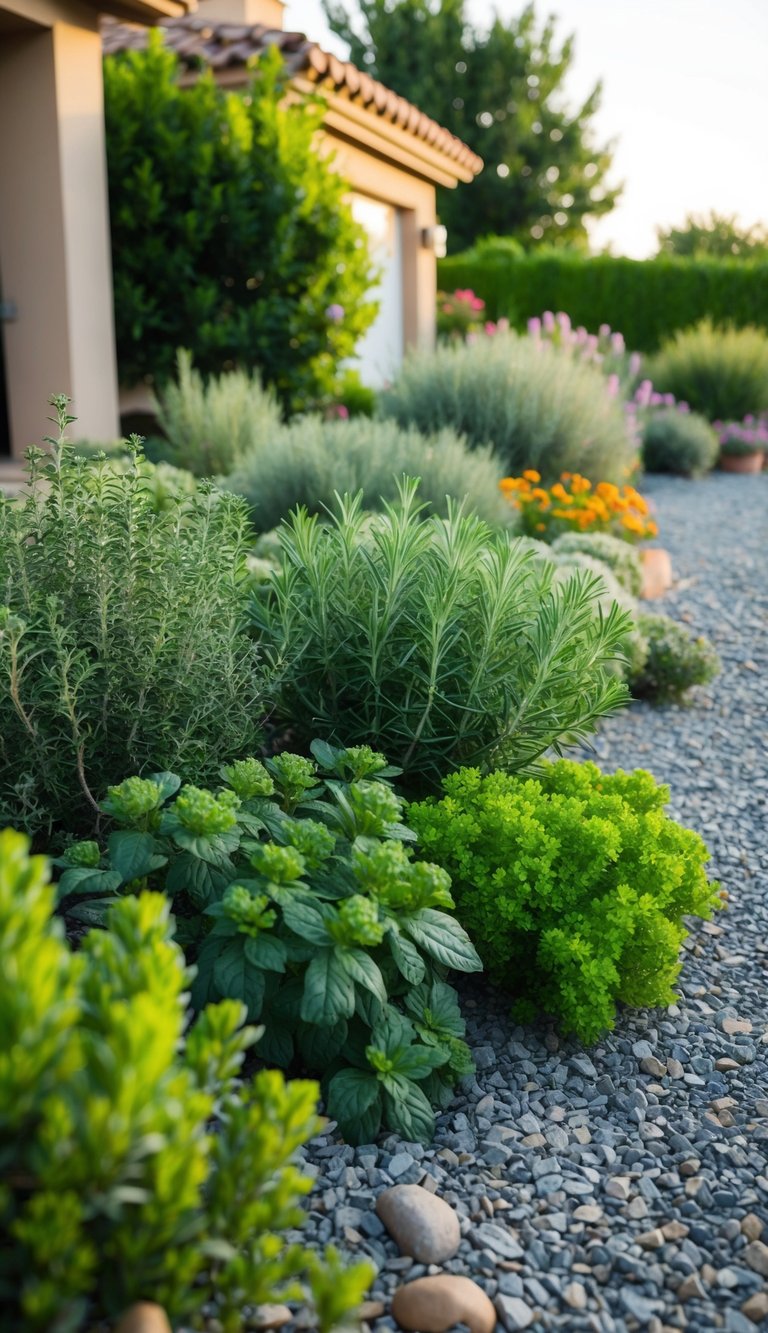
Mediterranean herbs are an excellent choice for a drought-tolerant front yard. They thrive in warm, sunny environments and, once established, need very little water.
Consider planting rosemary, thyme, and oregano. These plants are not only hardy but will also add fresh flavor to your cooking.
Sage and lavender are also popular options. They bring both color and a lovely fragrance to your garden.
You can dedicate a small space to an herb garden or mix them right into your existing landscaping. These plants are great at attracting pollinators, which will make your yard feel full of life.
Just remember to use soil that drains well. This is key to keeping the roots healthy during dry periods.
For the best results, plant your Mediterranean herbs in full sun. They will flourish with minimal care and add a lot of beauty to your space.
Mediterranean Herbs
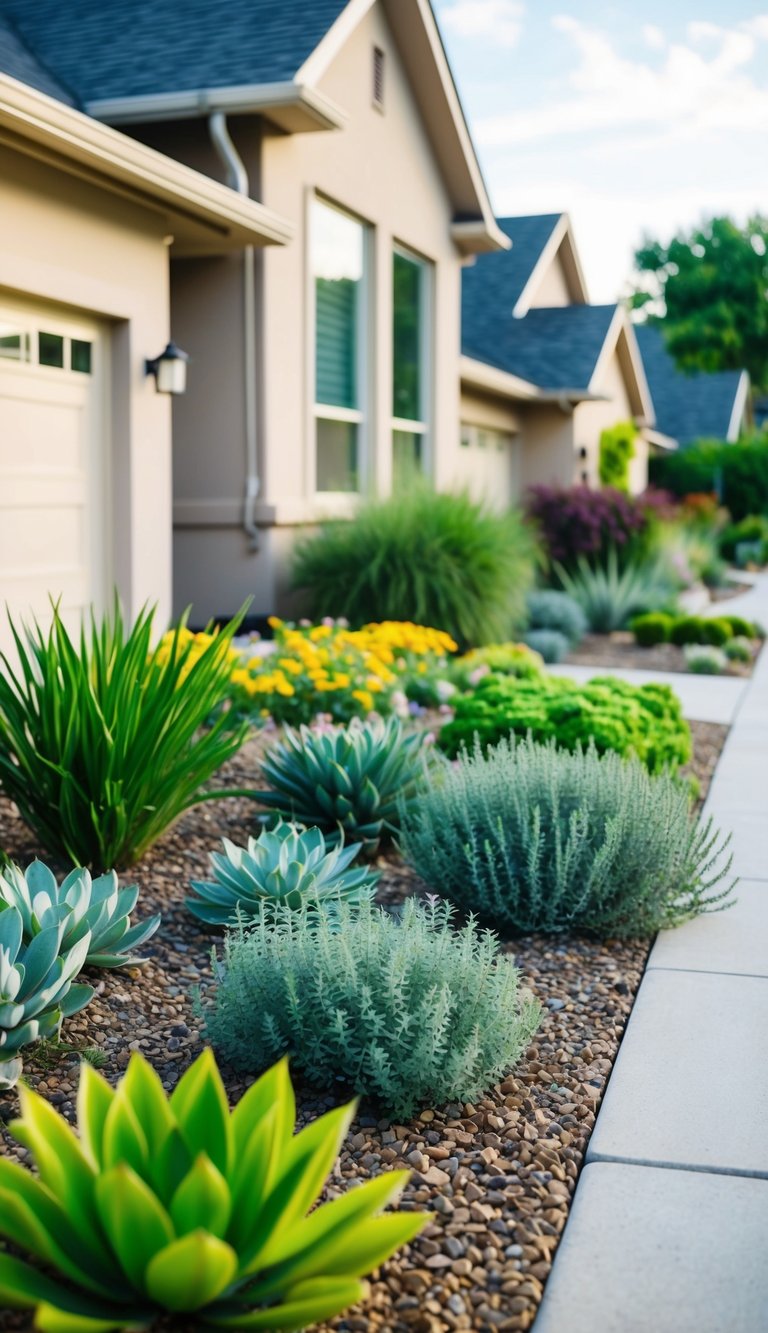
Drought-tolerant landscaping is all about using plants and materials that require less water. This approach can help you create a beautiful and sustainable front yard while also reducing maintenance. Here’s what you should know about the plants that thrive in dry conditions and the benefits of this landscaping style.
What Makes A Plant Drought Tolerant?
Drought-tolerant plants possess special features that help them survive with very little water. A few of these key characteristics include:
Deep Roots: Many of these plants grow deep root systems that can reach moisture far below the surface.
Thick Leaves: Some have thick, waxy leaves that minimize water loss from evaporation.
Drought Adaptations: Plants like succulents store water directly in their leaves, which allows them to endure long periods without rain.
Examples include lavender, sedums, and Russian sage. These plants can thrive in hot, dry climates and often have gray or silver foliage. This feature not only looks attractive but also helps with their drought resistance. By choosing the right plants, you can create a vibrant landscape that needs minimal watering.
Benefits Of Drought Tolerant Landscapes
Choosing a drought-tolerant landscape offers several advantages for both you and the environment. Here is a quick list of the main benefits:
Water Conservation: Using less water helps to preserve this vital resource, which is especially important in dry regions.
Lower Maintenance: These landscapes generally require less upkeep, as many drought-tolerant plants are hardy and resilient.
Cost Savings: Reducing your water consumption can lead to lower water bills over time.
Wildlife Friendly: Native and drought-tolerant plants attract birds, butterflies, and other pollinators, which supports local ecosystems.
By embracing this style of landscaping, you not only beautify your front yard but also take a positive step toward environmental conservation.
Design Principles For Drought Tolerant Front Yards
Creating a drought-tolerant front yard begins with understanding a few core design principles. Achieving a good balance between hardscaping and softscaping, selecting the right soil, and using water-saving techniques are all key to building a sustainable and attractive landscape.
Hardscaping And Softscaping Balance
It’s important to find the right combination of hardscaping (like paths, walls, and patios) and softscaping (plants and soil). Hardscaping materials such as gravel and permeable pavers can help reduce water runoff and allow rainwater to soak into the ground.
Use drought-resistant plants in conjunction with your hardscaping elements. Plants like succulents and ornamental grasses not only save water but also add texture and color. Group plants with similar water requirements together to create more efficient watering zones. A good balance here will make your yard both functional and visually appealing.
Choosing The Right Soil
Healthy soil is the foundation of your entire landscape. Start with well-draining soil that allows water to reach the roots without pooling on the surface. This helps to prevent root rot and ensures your plants get the moisture they need, when they need it.
Adding organic matter, such as compost, will improve the quality of your soil. It enhances moisture retention, which is crucial in dry climates. Perform regular checks on your soil to keep it in optimal condition. A good soil mix can make a significant difference in how well your drought-tolerant plants thrive.
Choosing the Right Soil
Efficient watering is essential for a drought-tolerant yard. Consider installing a drip irrigation system. This method delivers water directly to the plant roots, which reduces waste and encourages deeper root growth.
Mulching can also be a big help. Adding a layer of mulch around your plants traps moisture in the soil and protects the roots from extreme temperatures. You can choose decorative mulch options that fit your style while also being practical.
Finally, review your watering schedule regularly. Water in the early morning or late evening to minimize evaporation. Adjust your plans based on recent rainfall to keep your plants healthy without overwatering.
Maintaining Your Drought Tolerant Yard
To keep your drought-tolerant yard looking its best, you should focus on smart watering practices and seasonal tasks. By using effective irrigation methods and adapting your care routine as the seasons change, you can ensure your plants will flourish with minimal effort.
Efficient Irrigation Techniques
Watering wisely is the key to a successful drought-tolerant yard. You can apply several effective methods:
Drip Irrigation: This system takes water directly to the plant roots, significantly cutting down on waste. It is much more efficient than traditional sprinklers.
Soaker Hoses: You can lay these hoses on the soil surface to deliver moisture directly to the ground. They are perfect for flower beds and garden rows.
Rain Barrels: Collect rainwater to use during dry spells. This helps to lower your water bill and makes good use of a natural resource.
Mulching: Apply a layer of mulch around your plants to help the soil retain moisture. It also helps control weeds, which compete for the same resources.
Adjust your watering schedule based on rainfall and temperature to avoid overwatering your plants.
Seasonal Care Advice
Your yard will require different kinds of attention throughout the year. Here are some key points to keep in mind:
Spring: Fertilize your plants and check for pests as they begin to grow. If rain is scarce, water regularly to support new growth.
Summer: Monitor your plants for signs of stress, such as wilting. Water in the early morning or late evening to prevent evaporation.
Fall: Prepare your garden for the winter by cutting back dead growth and covering sensitive plants. This helps protect them from harsh weather.
Winter: In milder climates, use frost cloths for extra protection. In colder areas, make sure to mulch well to insulate the plant roots.