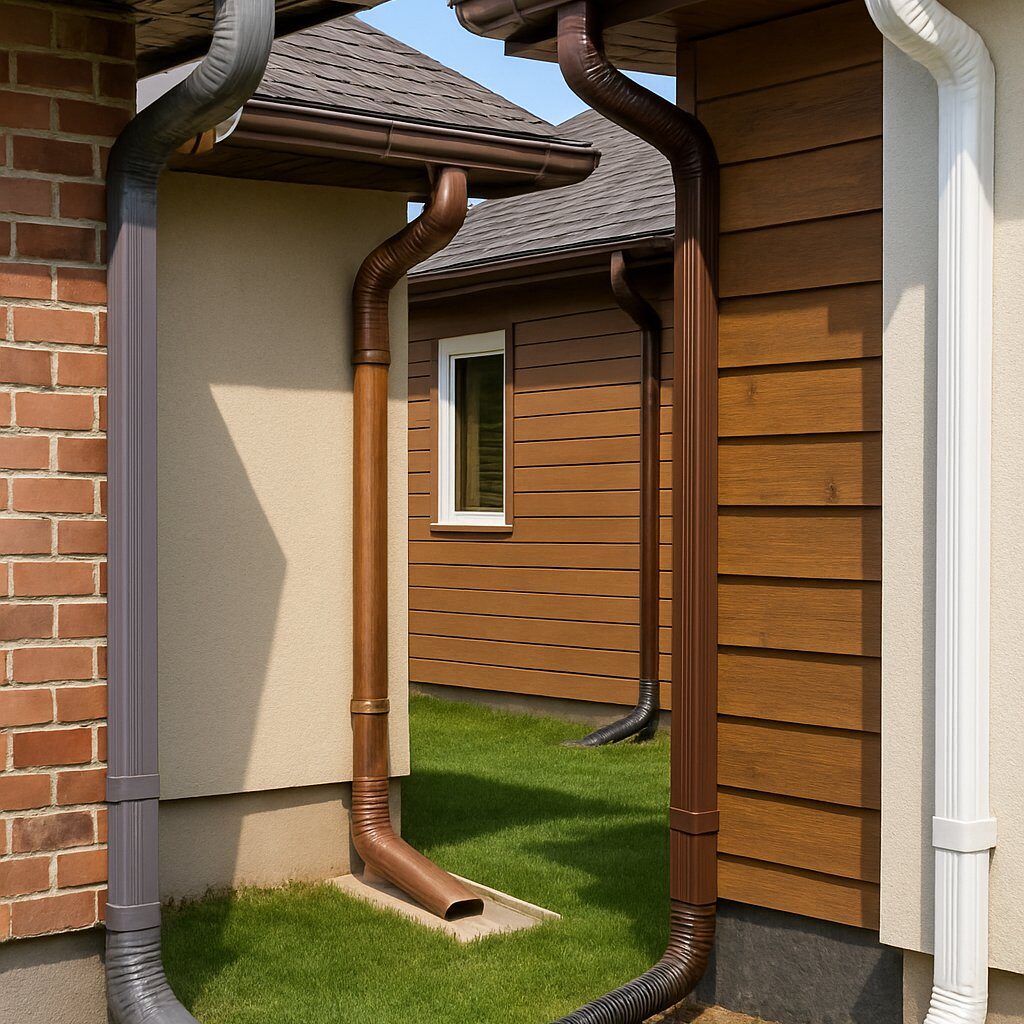
Gutter runoff can be handled in more ways than a basic downspout, from guards and extensions to French drains, dry wells, rain gardens, and swales that move water away from the foundation. Some options collect or reuse runoff, while others carry it underground or guide it through gravel, planting, or a shallow channel.
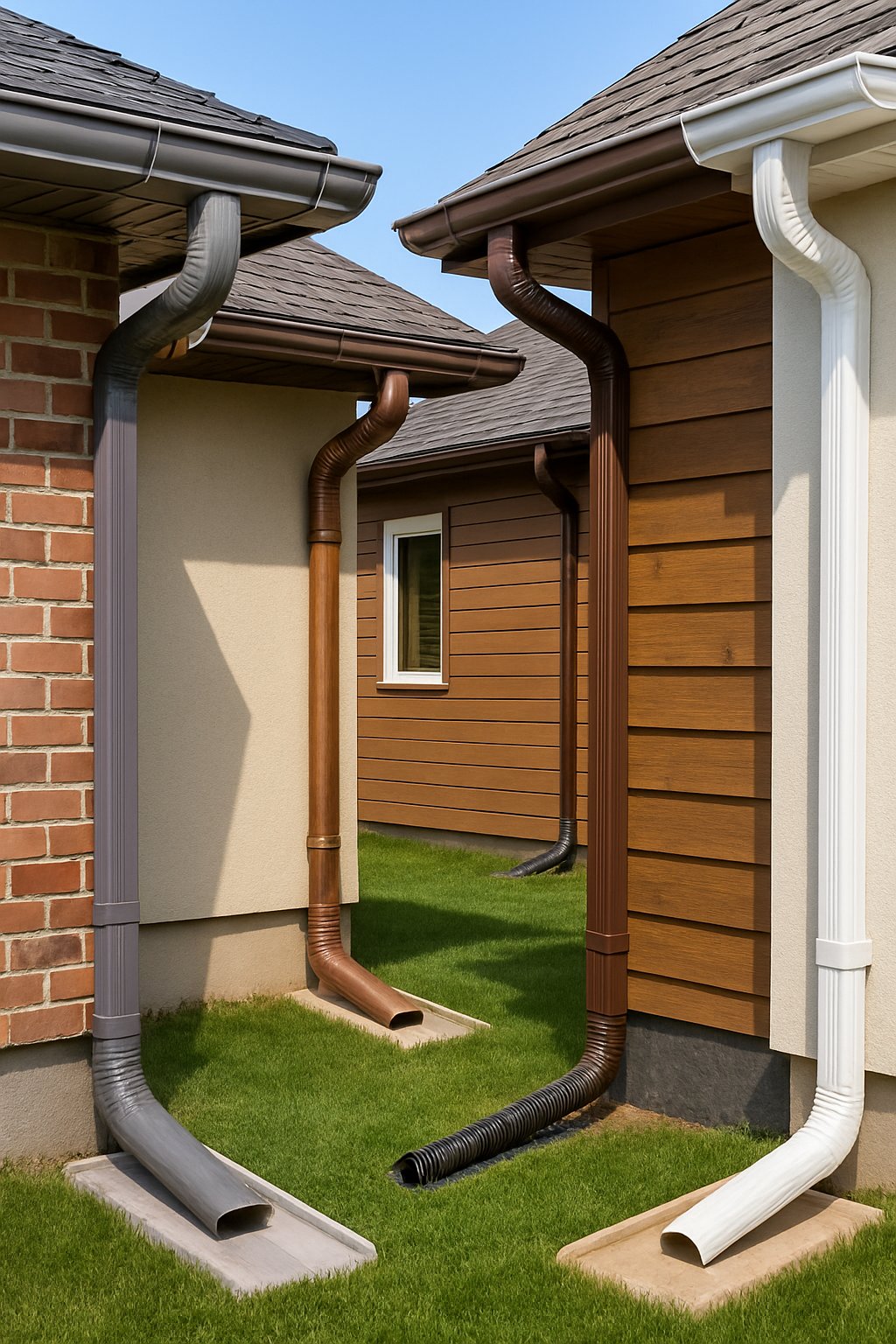
1. Block debris by installing gutter guards
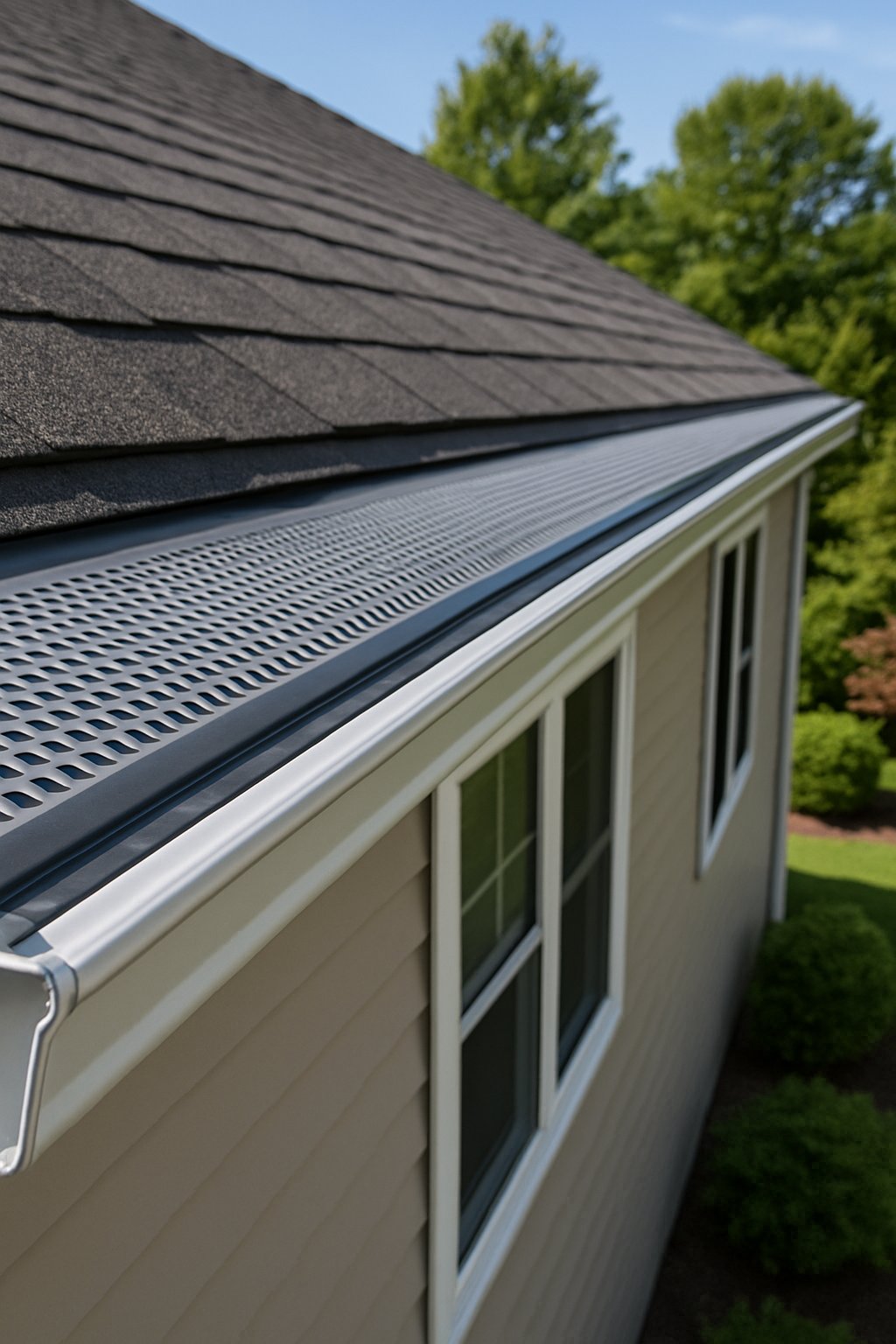
Consider adding gutter guards to prevent leaves and other debris from blocking your gutters. These protective covers sit over the top, allowing water to pass through while keeping larger objects out. They are typically simple to install yourself and can significantly reduce your cleaning time. Just confirm they fit securely and properly cover the openings for both the gutter and the downspout.
Choose guards that are easy to remove for occasional cleaning. A snug fit around your downspouts is essential for preventing backups.
2. Guide water away with downspout extensions
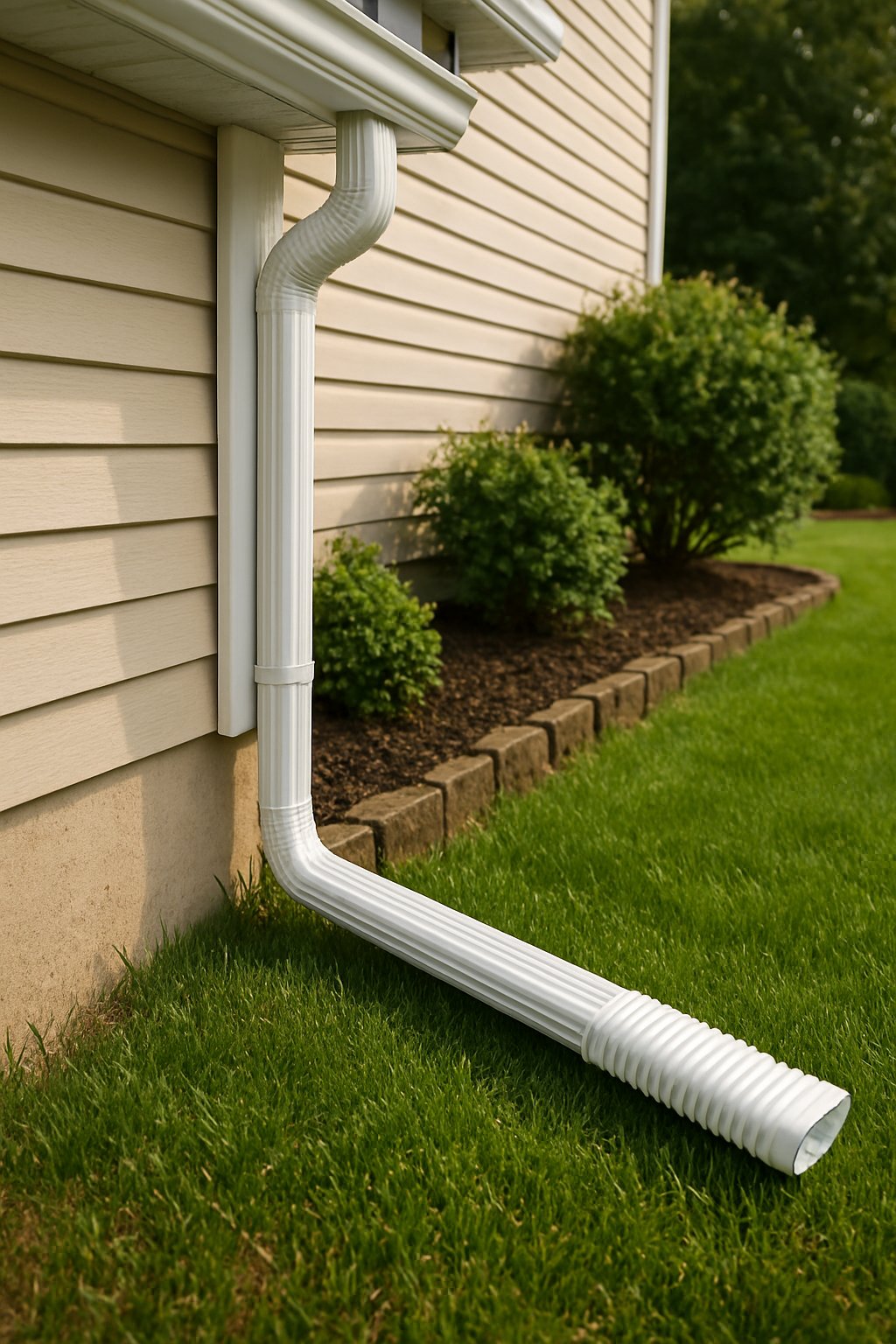
Attach extensions to your downspouts to channel rainwater far from your foundation. These additions help stop water from collecting near your house, which lowers the chance of potential damage. Flexible or corrugated tubing is an effective option, just make sure it connects properly to your downspout. You can choose to bury the tubing or leave it exposed on the ground, depending on your landscaping needs.
Ensure the extension directs water at least four to six feet away from your foundation. Check it periodically for blockages or damage.
3. Use underground corrugated drainage pipes
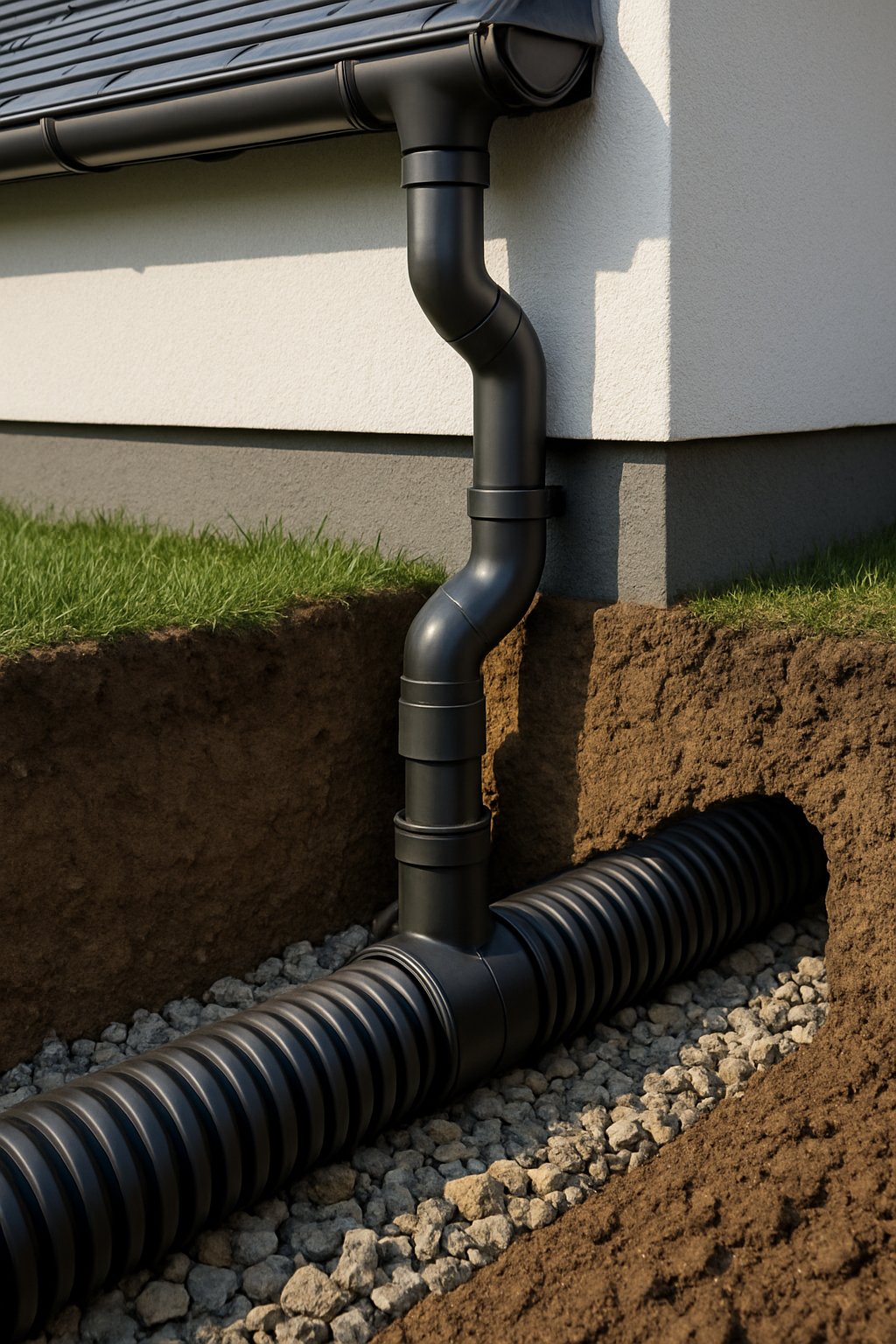
Burying corrugated drainage pipes is a great way to move water away from your gutters. These pipes are flexible, making it easy to navigate them around obstacles like trees or garden beds. Extend the pipe at least 15 to 20 feet from your home to prevent water from pooling. An adapter will connect it to the downspout, and adding a filter will help keep debris out.
Slope the pipe slightly away from your house to ensure smooth water flow. A cleanout plug will also make future maintenance much simpler.
4. Create a French drain to redirect water
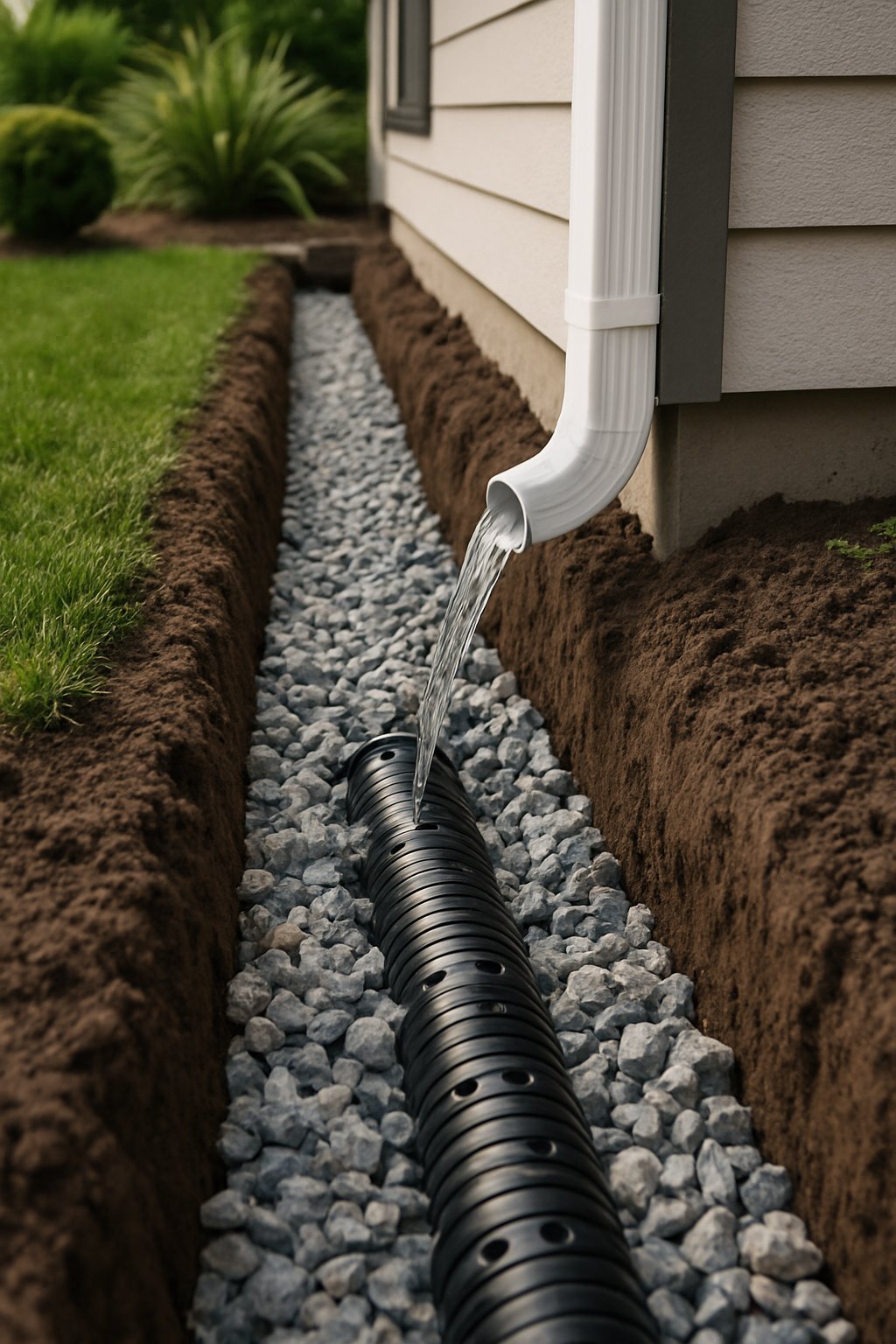
A French drain is a classic and effective method for moving water away from your gutters. Simply dig a trench and fill it with gravel. You can connect your downspouts directly to the drain, which will steer runoff away from your foundation. This solution is particularly useful if your yard has a natural slope or tends to get waterlogged.
A helpful tip is to make sure the trench has a slight slope to maintain water flow. Using landscape fabric inside the trench will prevent soil from clogging the gravel.
5. Install a dry well to collect runoff
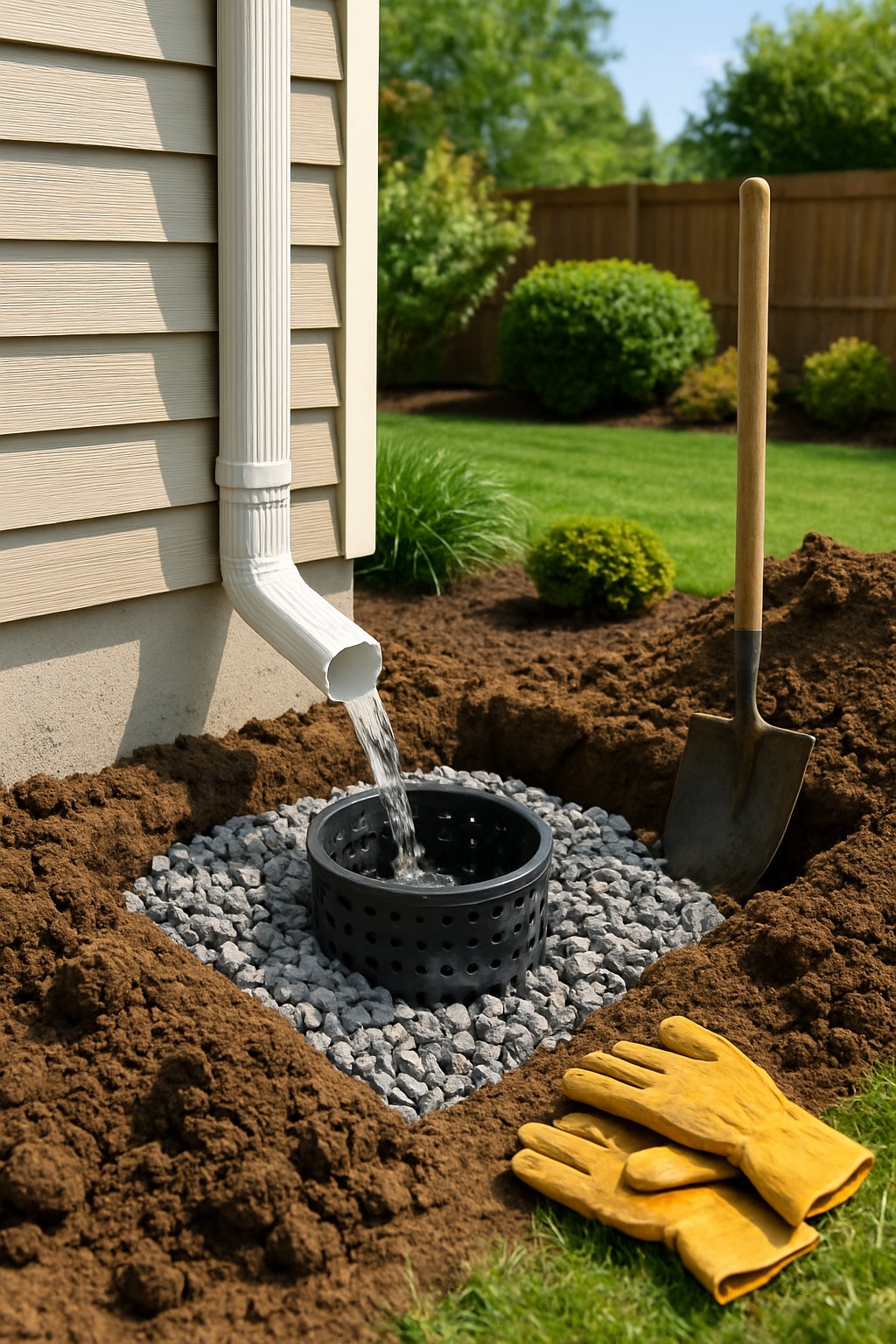
A dry well is an underground structure that gathers rainwater from your gutters, allowing it to slowly seep into the surrounding soil. This system effectively stops puddles from forming and helps prevent flooding near your house. Construct it using crushed stone, perforated pipes, and landscape fabric, and position it where your roof drains for the best performance.
Size your dry well according to your roof area so it can handle heavy rainfall without overflowing.
6. Use Schedule 40 PVC pipes for durability
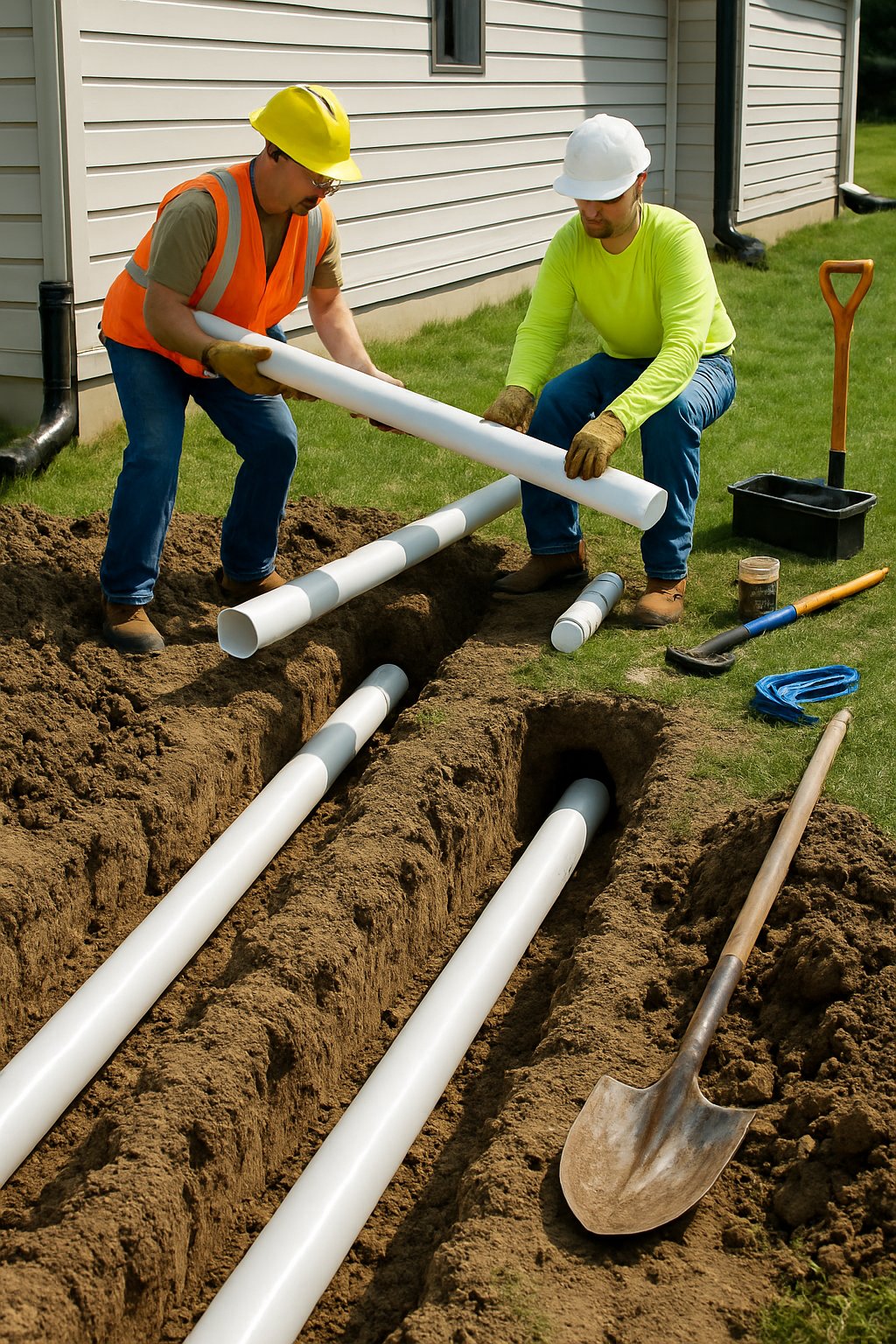
For a long lasting solution, bury Schedule 40 PVC pipes in trenches to carry water away from your gutters. It’s important to create a slight slope in the trench so that water continues to move along the pipe. Because solid PVC is very durable, you can cover it with either soil or gravel to protect it.
Verify the slope before covering the pipe to prevent blockages. Surrounding the pipe with gravel can also improve drainage and provide stability.
7. Add splash blocks at downspouts

Position splash blocks directly underneath your downspouts to guide water away from the foundation. These simple devices slow the flow of water and help prevent the erosion of soil. Choose durable materials that can withstand heavy rainfall, and place the splash block on a flat surface for optimal results.
An important tip is to make sure your splash blocks are kept free of debris to maintain a clear water flow. Angling them so water drains safely away from your foundation is also key.
8. Route runoff into storm drains
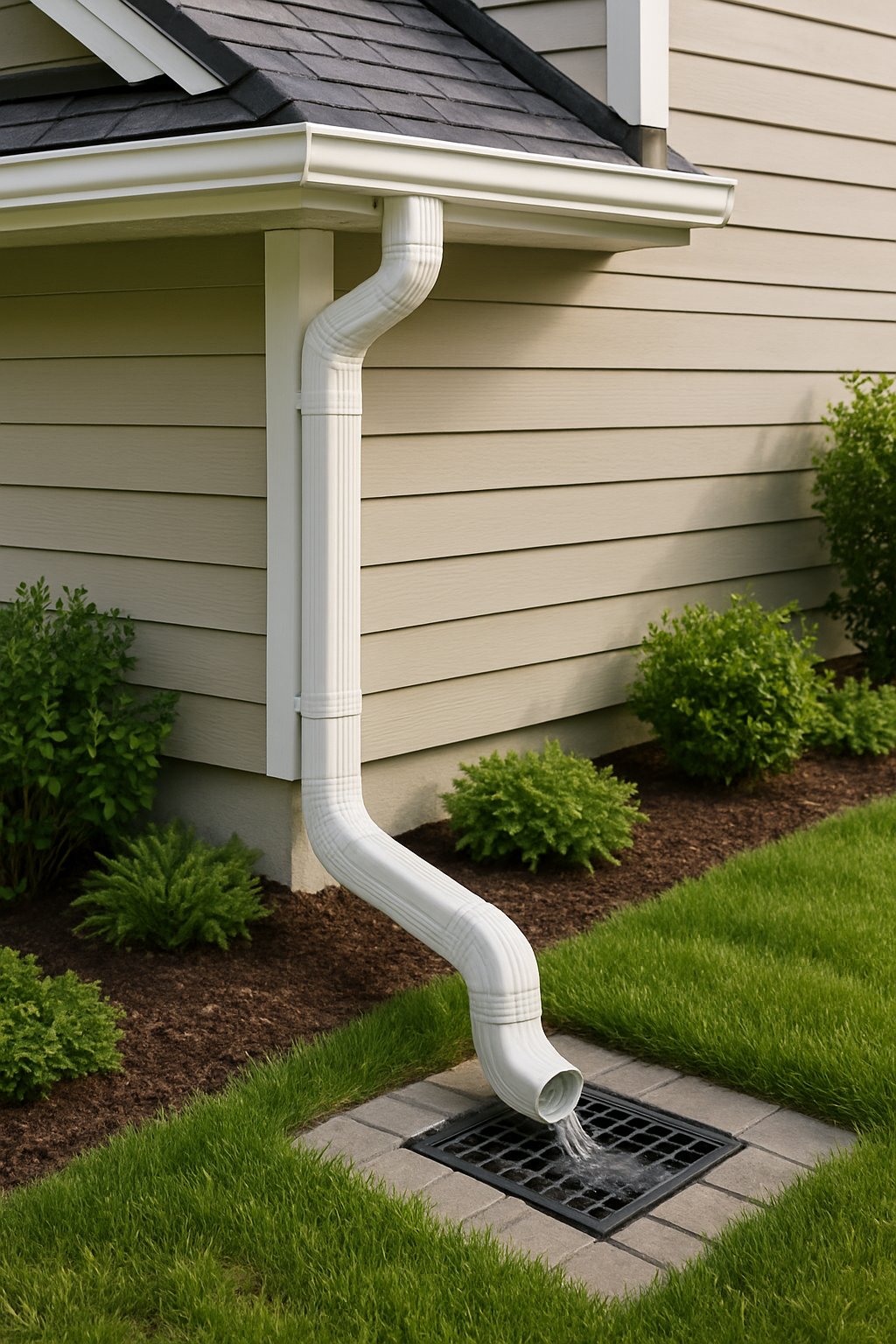
To keep water away from your foundation, direct your downspout runoff into nearby storm drains. You just need to be certain that the connection does not obstruct sidewalks or streets. Using underground pipes to link the downspouts to the storm drains will ensure the water moves smoothly, reducing puddles and preventing soil erosion in your yard.
Inspect your connections for leaks or clogs after heavy rain. Clear away debris frequently to keep the water flowing freely.
9. Use rain chains instead of downspouts
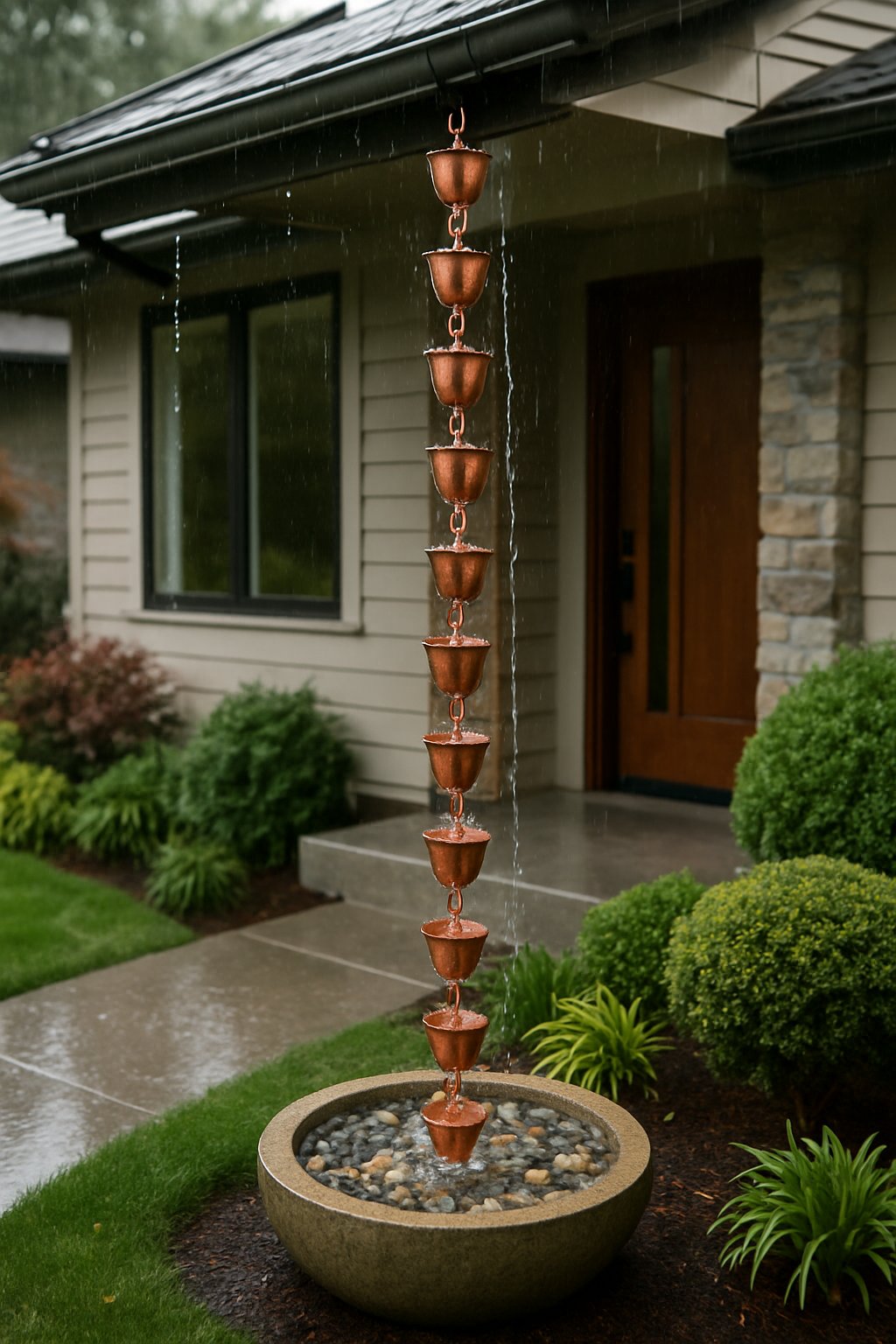
If you’re looking for a touch of style, consider swapping a plain downspout for a decorative rain chain. Rain chains guide water downward in a controlled and visually appealing way, adding a unique element to your home’s exterior. To ensure proper drainage, hang the chain straight and anchor it securely. They are best suited for milder climates, as ice can become an issue in the winter.
A pro tip is to secure the bottom of your rain chain to prevent it from swinging in the wind. Opting for materials like copper or stainless steel will offer durability and low maintenance.
10. Create gravel-filled trenches for drainage
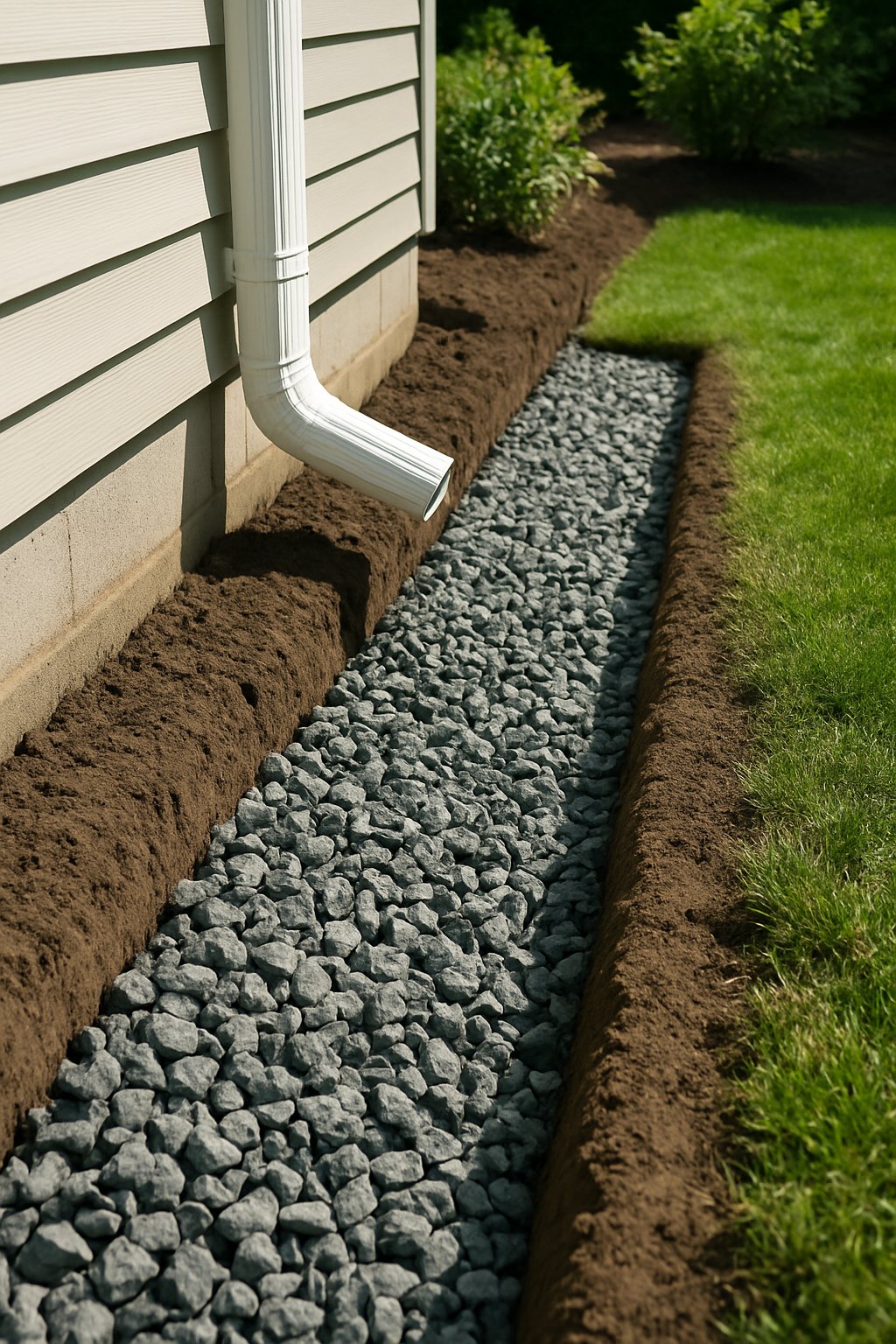
Digging shallow trenches near your gutters and filling them with gravel can help water drain away effectively. The gravel allows water to move freely and helps prevent soil erosion. For even better flow, slope the trench away from your house and cover the gravel with landscape fabric to keep out dirt.
Use river-washed gravel for improved water movement. Adding a layer of geotextile fabric will keep soil out while still allowing water to pass through.
11. Add pop-up emitters for water discharge
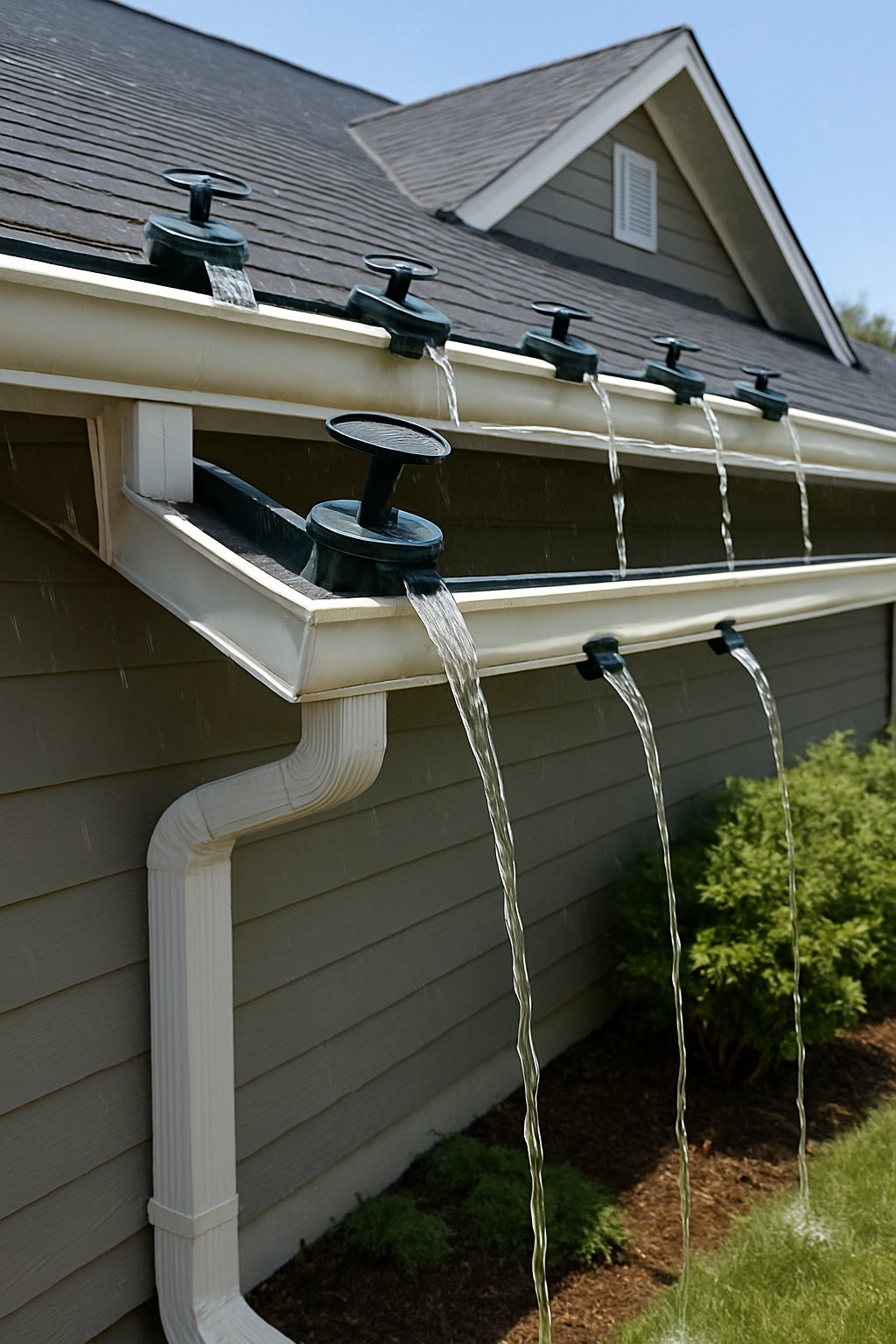
Pop up emitters are a clever solution that pushes water out through a small pipe once enough pressure has built up. They remain closed otherwise, which prevents water from pooling near your foundation. You can connect them to your downspouts or drainage pipes for an easy water flow. They are a low maintenance option that will help keep your yard drier.
A helpful tip is to place pop up emitters where water can safely soak into the ground. Checking them for clogs regularly will keep the water flowing smoothly.
12. Install a rain barrel to collect water
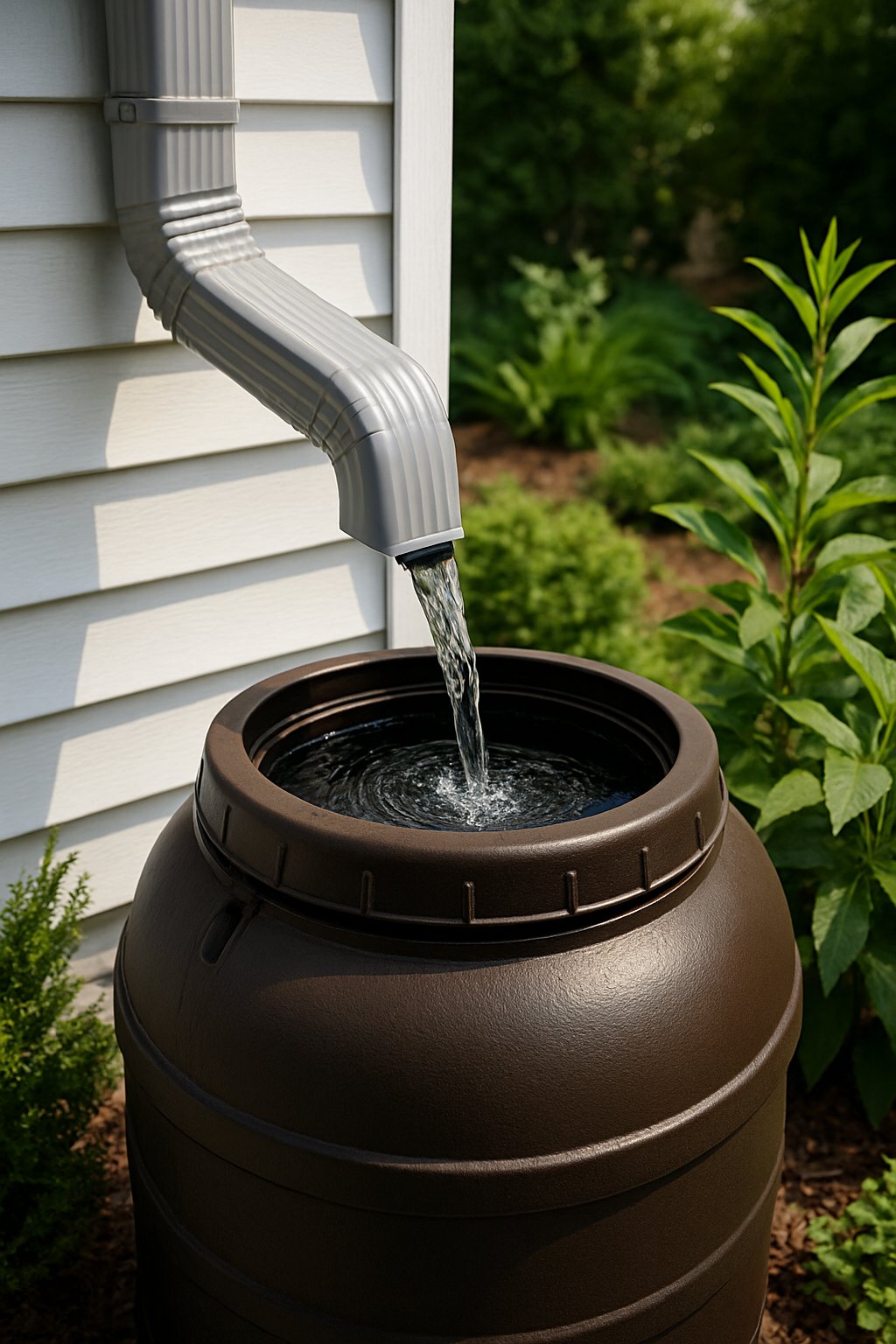
Position a rain barrel at the base of your downspout to collect water runoff from your roof. This collected water can then be reused for your garden, which helps you save a little on your utility bill. It is important to keep the barrel covered to block mosquitoes and debris. For better water flow, place it on a stable, elevated surface.
Use a mesh screen over the barrel’s opening to keep bugs and leaves out. Connecting an overflow tube can guide excess water away from your foundation.
13. Use flexible downspout tubing
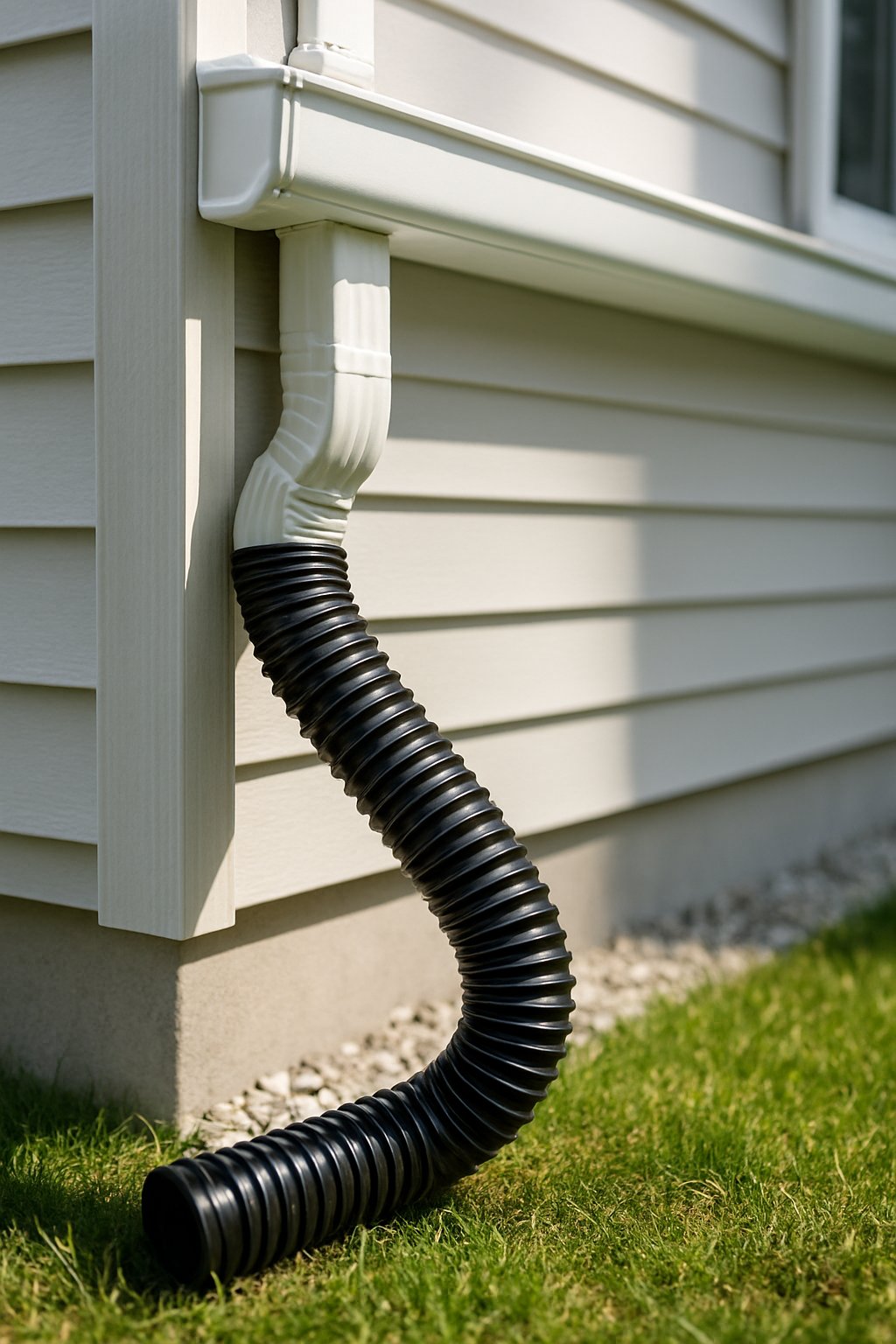
Flexible downspout tubing is a user friendly option that bends to fit the layout of your yard. It effectively guides rainwater away from your foundation and helps prevent water from pooling. You can connect the tubing directly to your downspout and extend it as far as needed. While lightweight, it is durable enough for most rainfall.
A pro tip is to choose tubing that is sturdy enough to handle the amount of rain in your area. Securing it well will prevent it from shifting during storms.
14. Build an underground catch basin
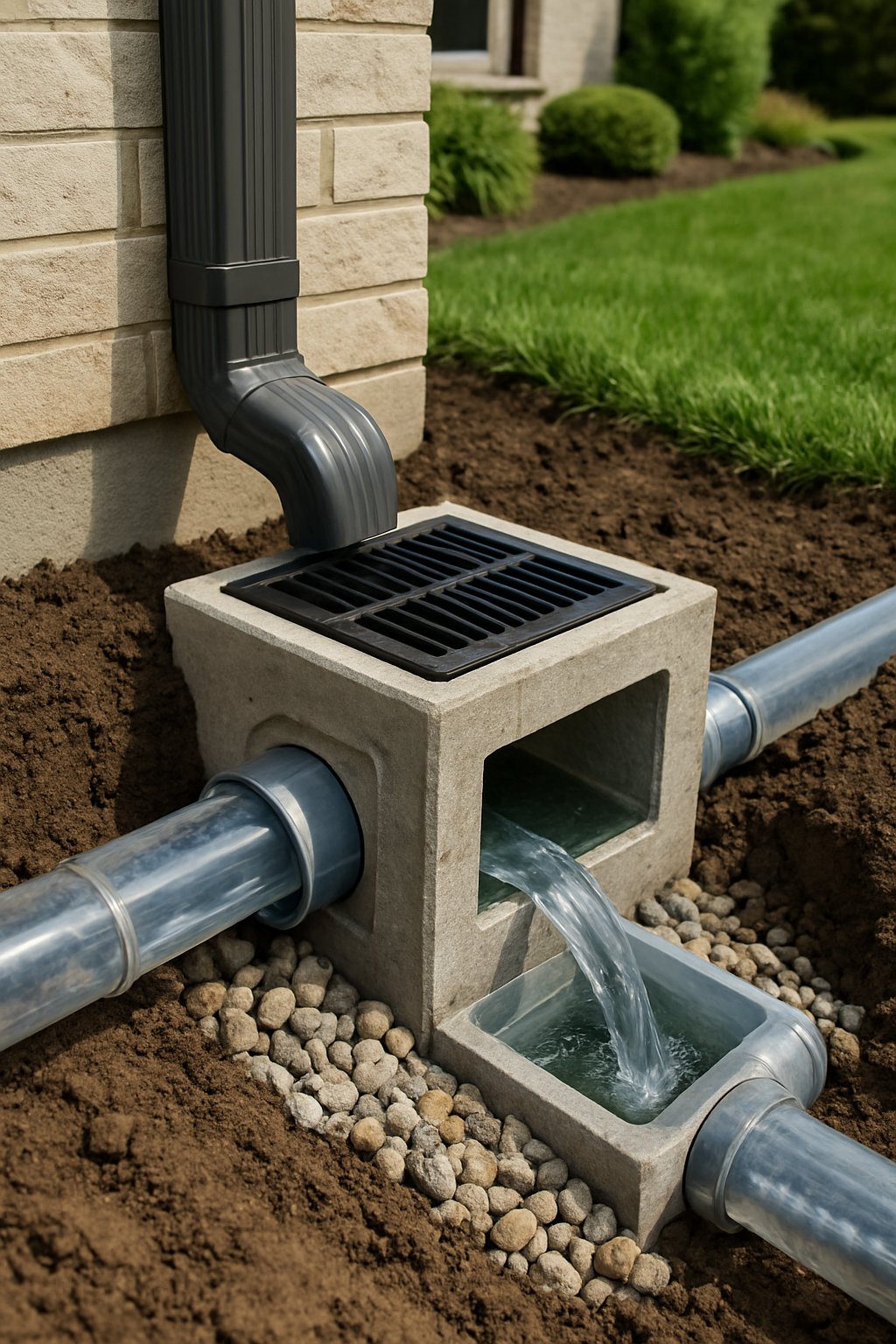
An underground catch basin is a fantastic tool for collecting water from your downspouts while trapping debris, which keeps your drainage pipes from getting clogged. Simply connect your downspout to the basin and then run pipes underground to move the water away. Choosing a basin with a filter will catch leaves and dirt, keeping your system working effectively for a longer time.
Place the basin in areas where water tends to pool to help stop flooding. Regularly check and clean the catch basin to avoid blockages.
15. Slope the landscape away from your foundation
It’s crucial to check that the ground around your house slopes downward and away from it. Even a gentle slope of about three percent can help water run off instead of collecting near your walls. If your yard seems too flat, you might consider regrading it to create a better angle. A small incline away from your home can make a significant difference after heavy rain.
A helpful tip is to pour some water near the foundation and observe if it moves away quickly. If the water lingers, add soil to those low spots so it doesn’t hang around.
16. Seal joints with waterproof sealant
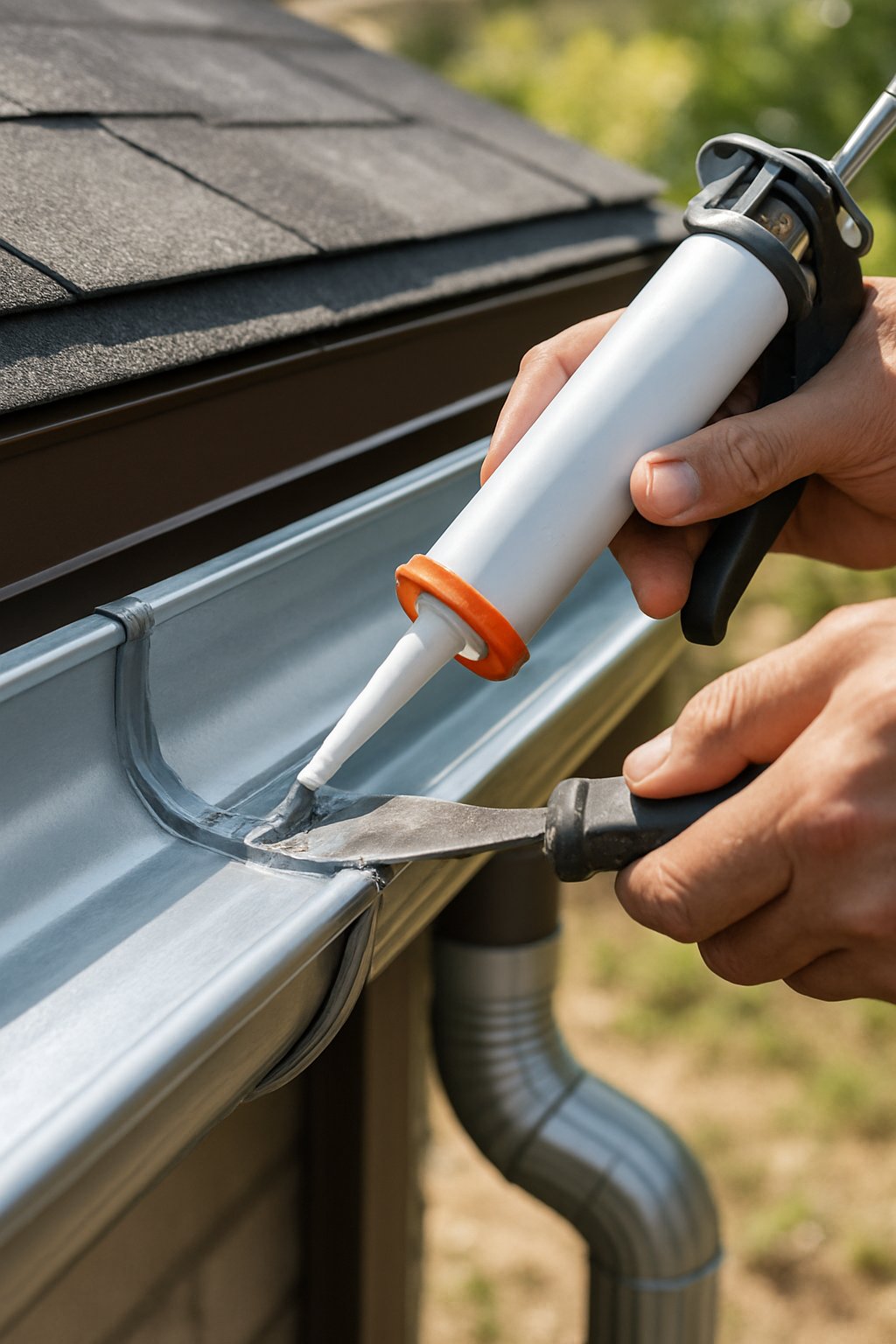
To prevent leaks, make sure to seal your gutter joints thoroughly. Use a waterproof sealant on all seams, corners, and cracks to keep water contained within the gutters and away from your house. Before applying the sealant, clean and dry the area to ensure it adheres properly. Allow the sealant to cure completely before you test the gutters with water.
Check these seals every year. Spotting cracks early can help you avoid bigger problems down the road.
17. Use leaf guards to prevent clogging
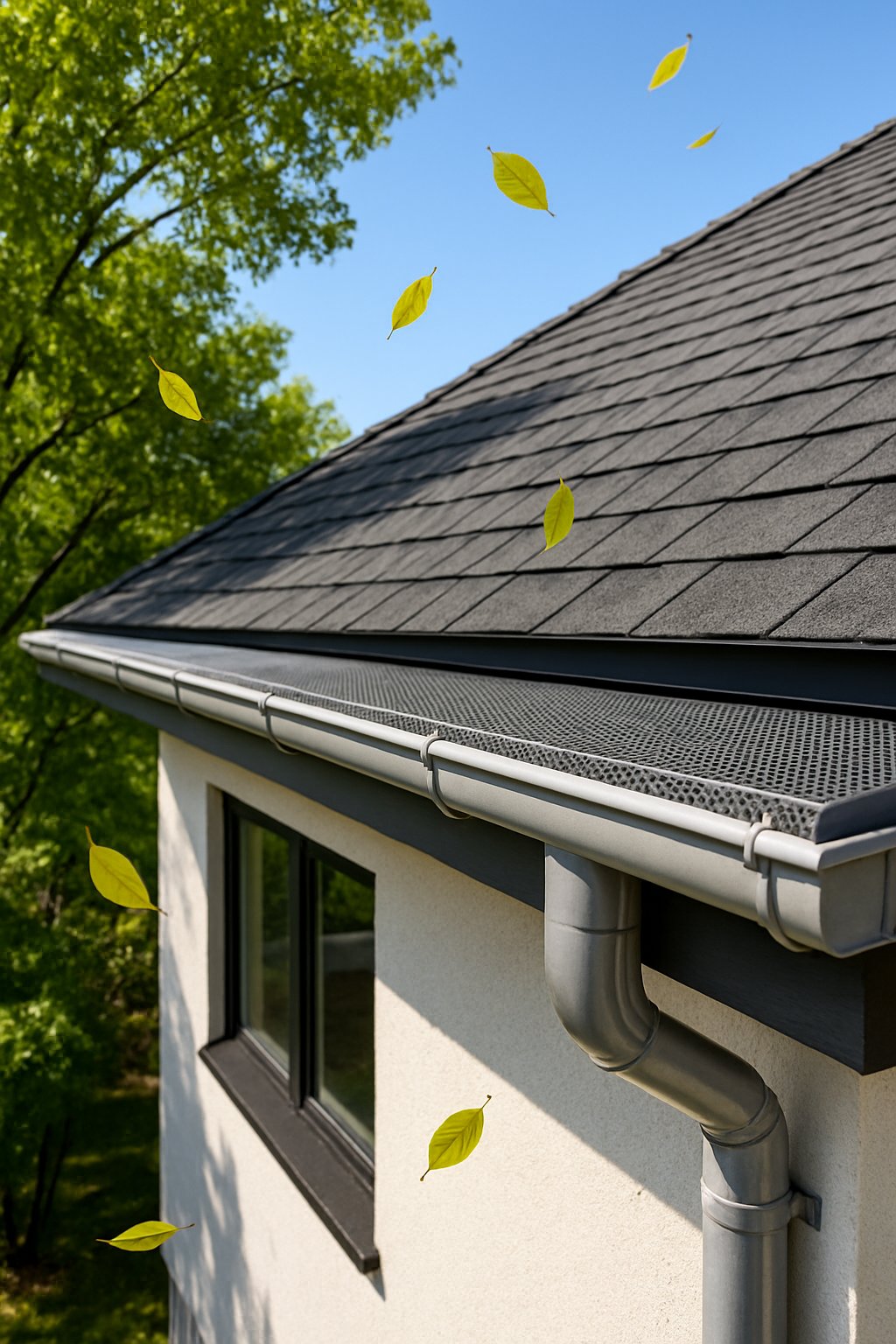
Leaf guards are a great way to keep leaves and other debris out of your gutters, which means you’ll spend less time clearing out clogs. You can find various styles, including mesh and solid covers, to suit your specific needs. Some guards can even block small leaves and moss, allowing water to flow freely. This simplifies maintenance and reduces the risk of overflow during storms.
A professional tip is to match the guard to your gutter size. A yearly cleaning will also ensure the best results.
18. Hang rain diverters on roof edges
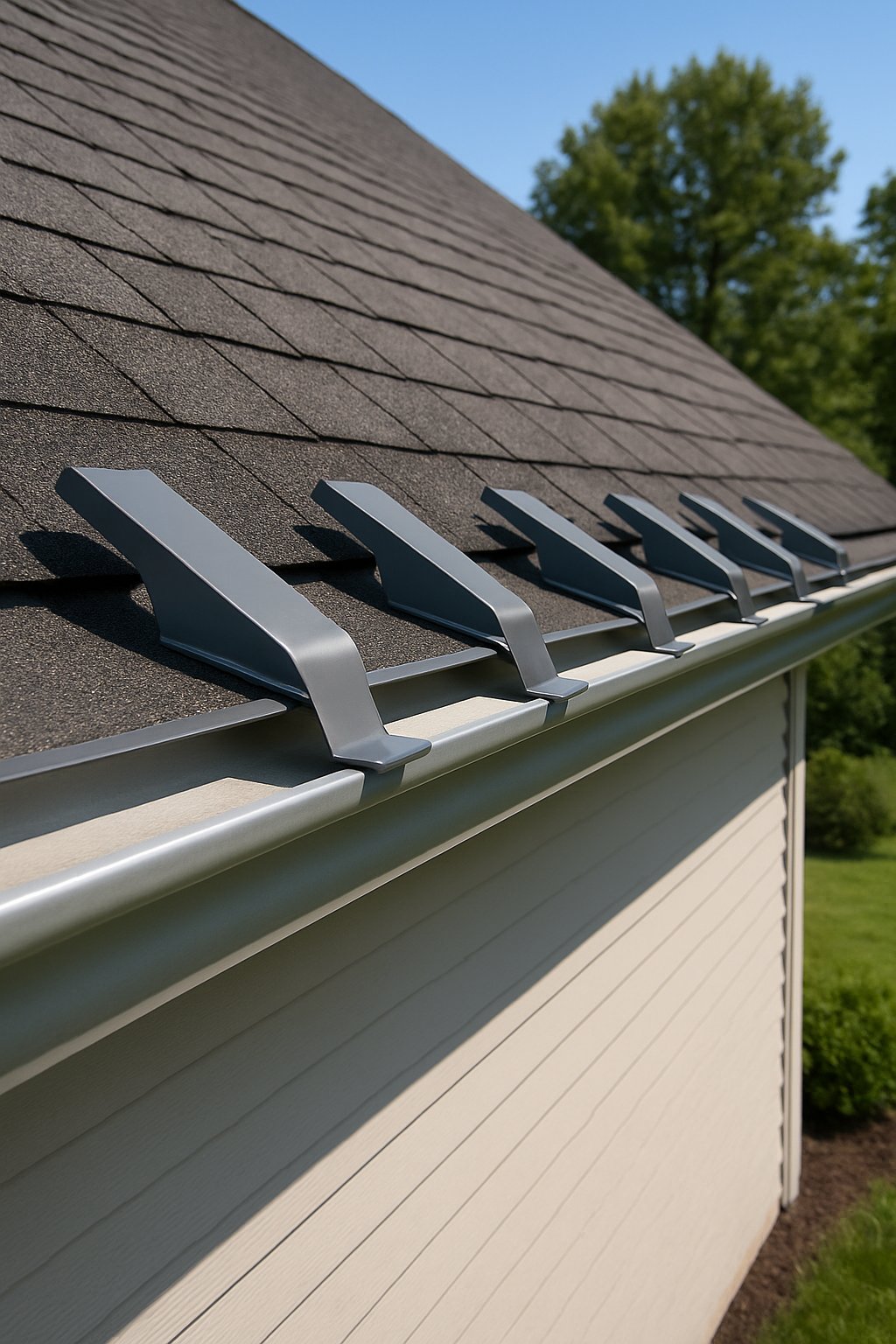
Hanging rain diverters along the edges of your roof can help steer water away from problematic spots. These handy devices prevent water from overshooting the gutters and causing issues below. You should install diverters where water flow is heaviest, such as in roof valleys or at corners. They are simple to add and are compatible with most shingle roofs.
A pro tip is to check that the diverters are secure enough to handle heavy rain. Giving them a look every now and then will help keep things flowing correctly.
19. Install foundation drainage channels

Installing foundation drainage channels is an effective way to move water away from your home’s base. These channels collect rainwater from the gutters and send it off safely. You should place them around your home’s perimeter, ensuring they slope away from the house. Laying gravel or crushed stone underneath can help the water drain even better.
Choose sturdy materials like concrete or plastic for your channels. Keeping up with cleaning and checking the slope will help protect your foundation.
20. Set up a dual pipe runoff system
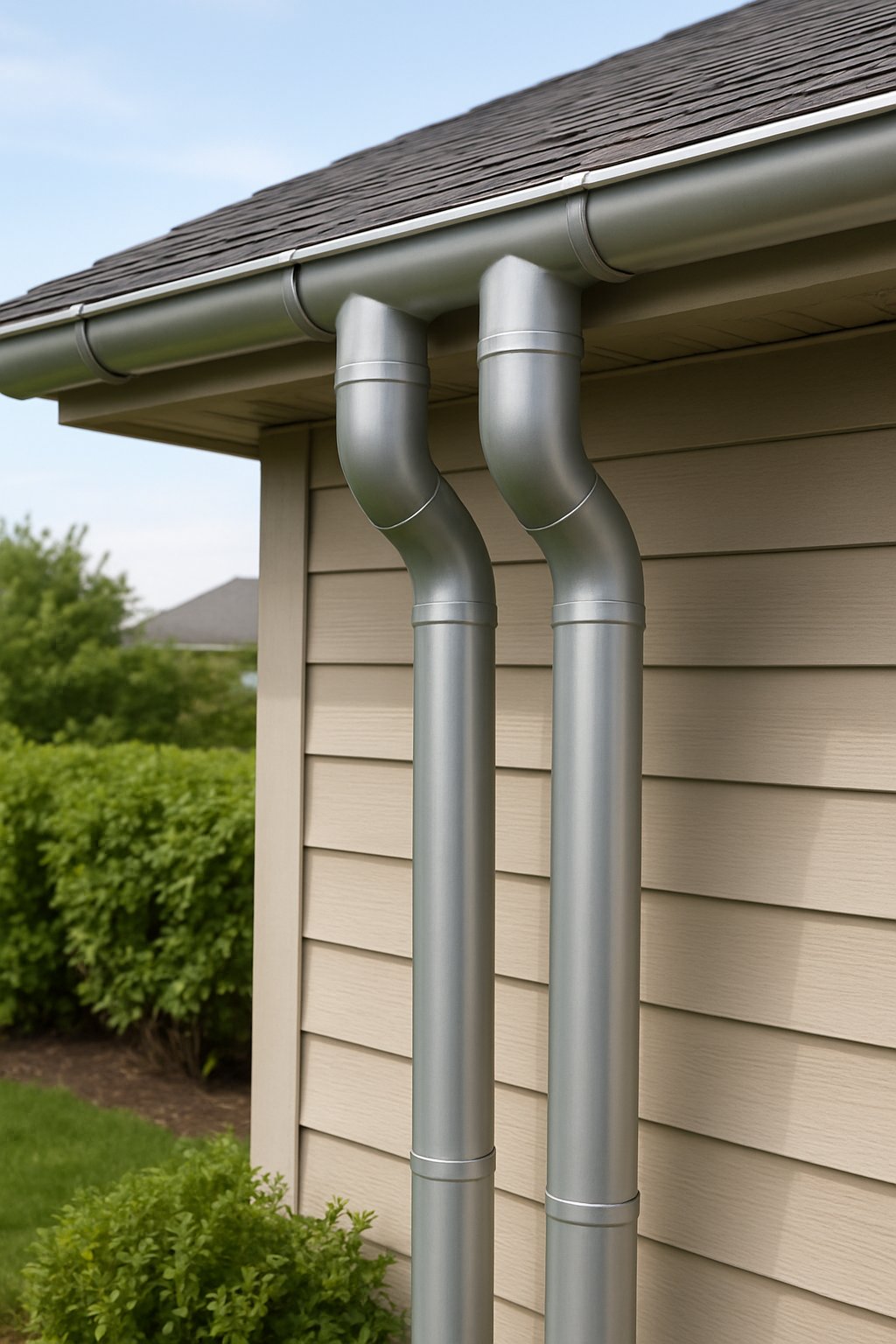
A dual pipe runoff system allows you to manage water from your roof and yard separately. One pipe is dedicated to taking rainwater from the gutters, while the other handles ground drainage. This setup helps prevent water overload and keeps your yard from flooding. It also moves water away from your foundation more efficiently.
A professional tip is to add a catch basin between the downspout and drain pipe to trap debris. This will keep your pipes clear and working longer.
21. Place mulch around downspout exits
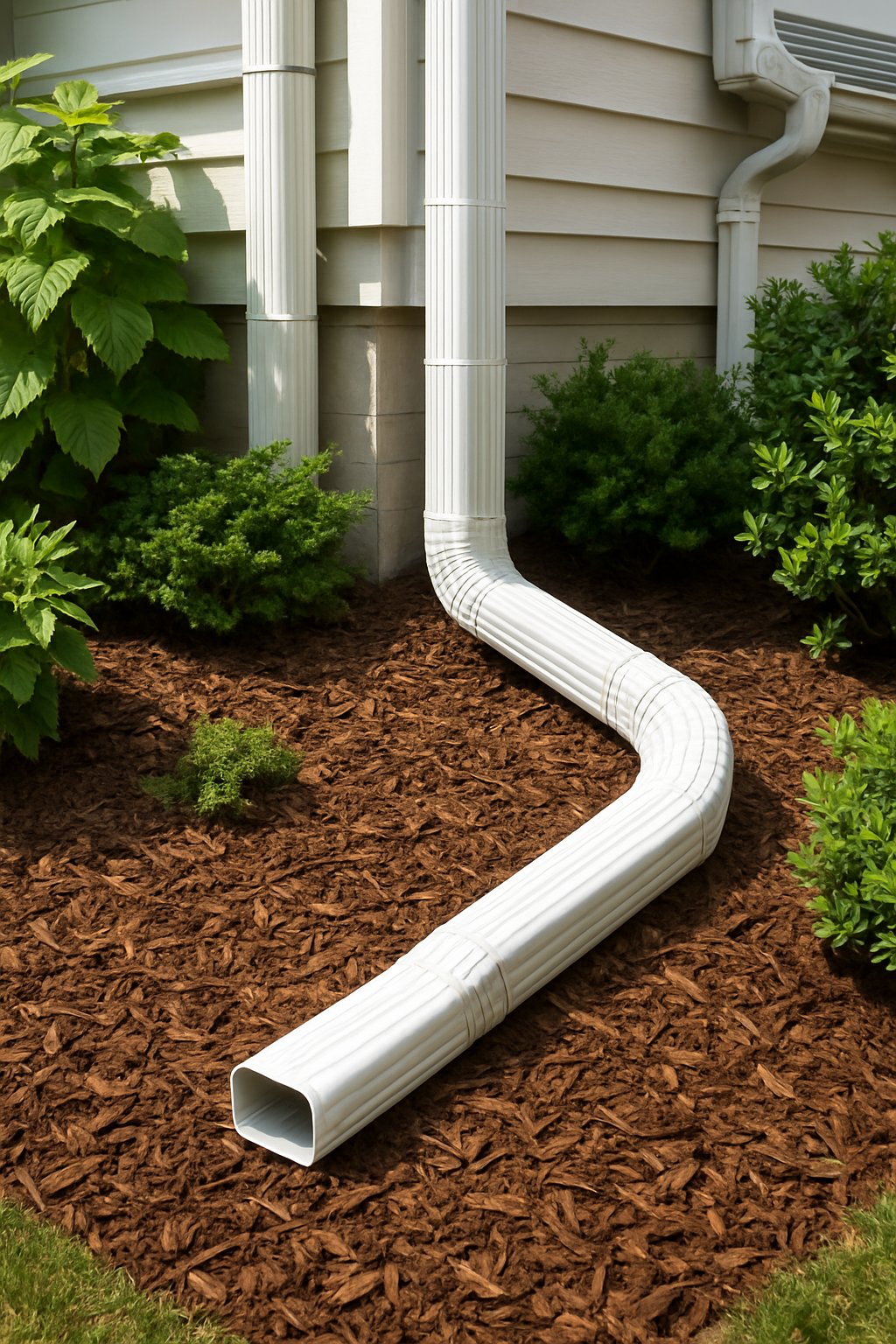
Placing mulch around your downspout exits can help control erosion and prevent soil from washing away. Mulch also absorbs some of the water and protects nearby plants from splashing. Be sure to spread a thick enough layer to shield the soil without blocking water flow. The downspout should direct water onto the mulch, not past it.
A helpful tip is to opt for organic mulch, as it can boost soil quality while combating erosion. Refreshing it occasionally will keep it effective.
22. Use perforated pipe around garden beds
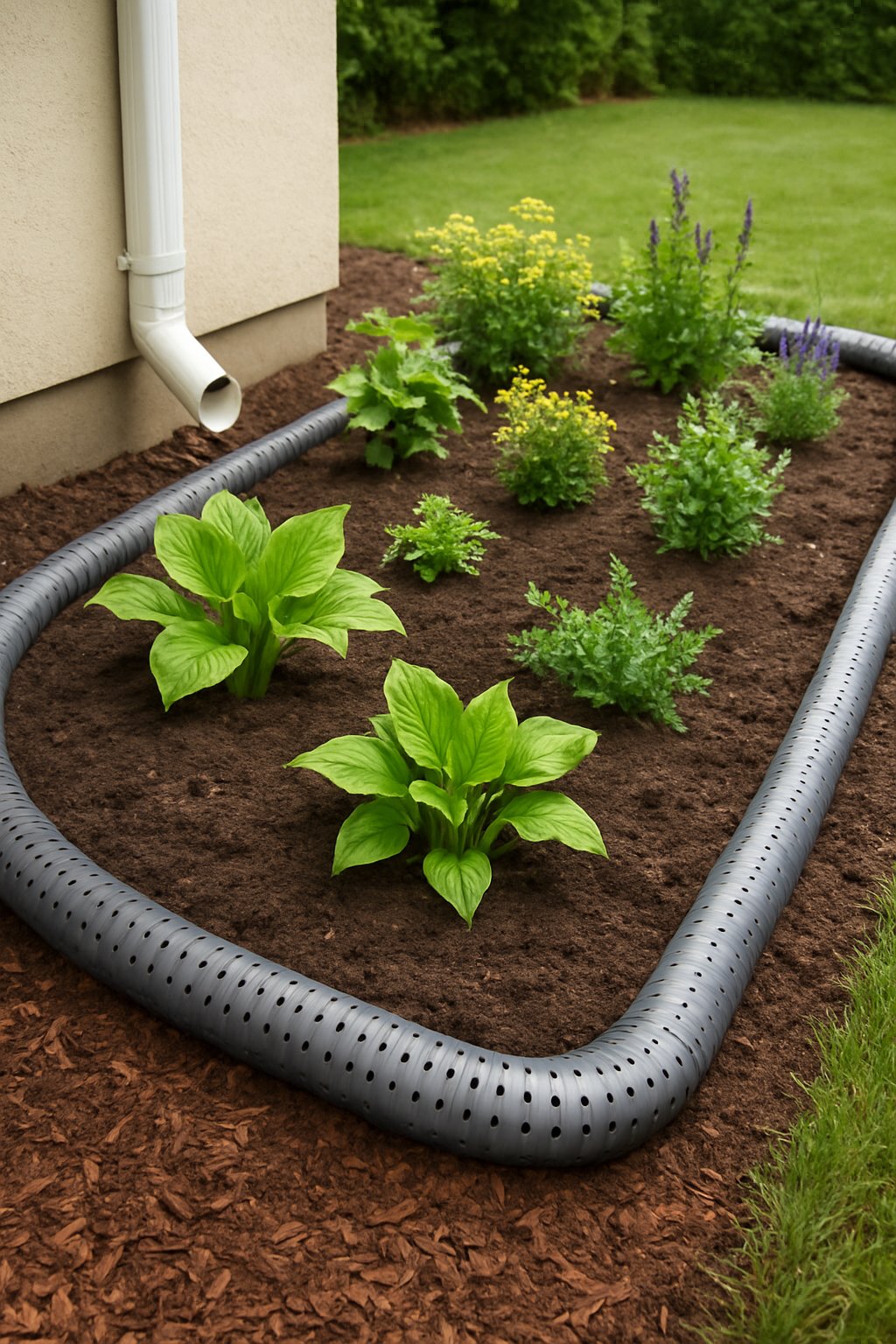
Laying perforated pipe around your garden beds is a great way to manage excess water. The holes in the pipe allow water to drain out slowly, which prevents puddles and root rot. For optimal water flow, surround the pipe with crushed stone. You can also wrap it with landscape fabric to keep soil from clogging the holes.
An expert tip is to slope the pipe a little so water moves away from the bed. That way, it won’t just sit and cause problems.
23. Install a rain garden near drainage

A rain garden is a shallow, planted area that can soak up rain and reduce runoff. You can direct water from your gutters into it. Placing the rain garden where water naturally flows, such as by downspouts, helps prevent flooding and filters the water before it enters the ground. Using native plants that can handle wet roots but also tolerate dry conditions will keep the garden resilient and low maintenance.
Build your rain garden on a gentle slope for easy water flow. Picking plants that suit your local climate will give you the best chance at success.
24. Use a drain grate at the downspout exit
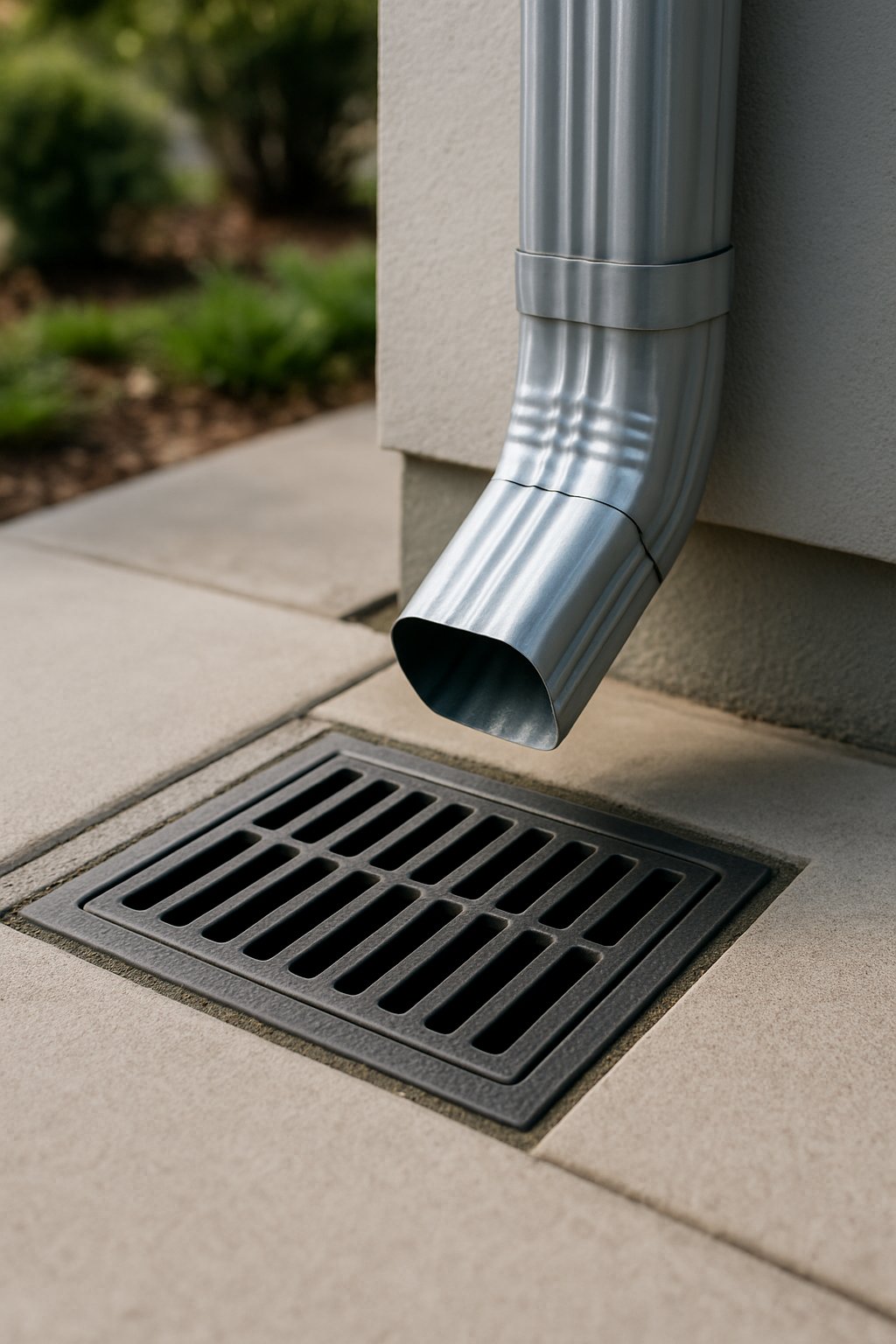
Placing a drain grate at the exit of your downspout can block leaves and debris from clogging the system. This keeps water moving freely and prevents backups or pooling. You can choose a grate made of metal or tough plastic that fits securely over the pipe outlet. It will help your drainage work effectively even during heavy rain.
A pro tip is to put the grate right where water leaves the pipe so debris cannot get in. A quick clean every now and then will keep things flowing smoothly.
25. Direct water to a swale
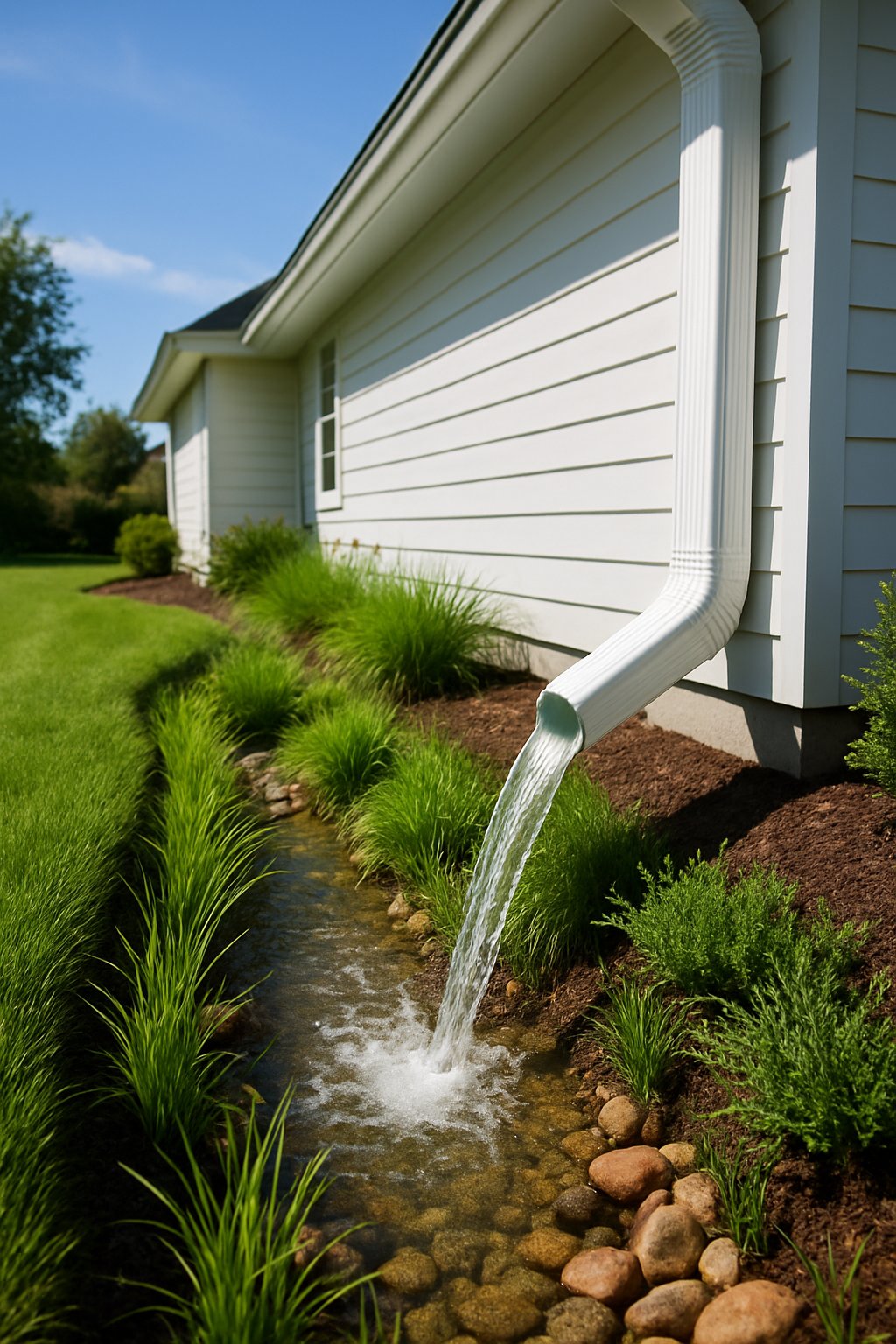
Guiding rainwater from your gutters into a swale, which is a shallow trench, can slow and redirect the water. Swales are effective at preventing flooding and reducing erosion near your house. They send water safely to lower ground or a designated drainage area. It’s a surprisingly simple and natural way to handle runoff.
Keep the swale’s slope gentle so water continues to move. Avoiding sharp bends will also help prevent pooling.
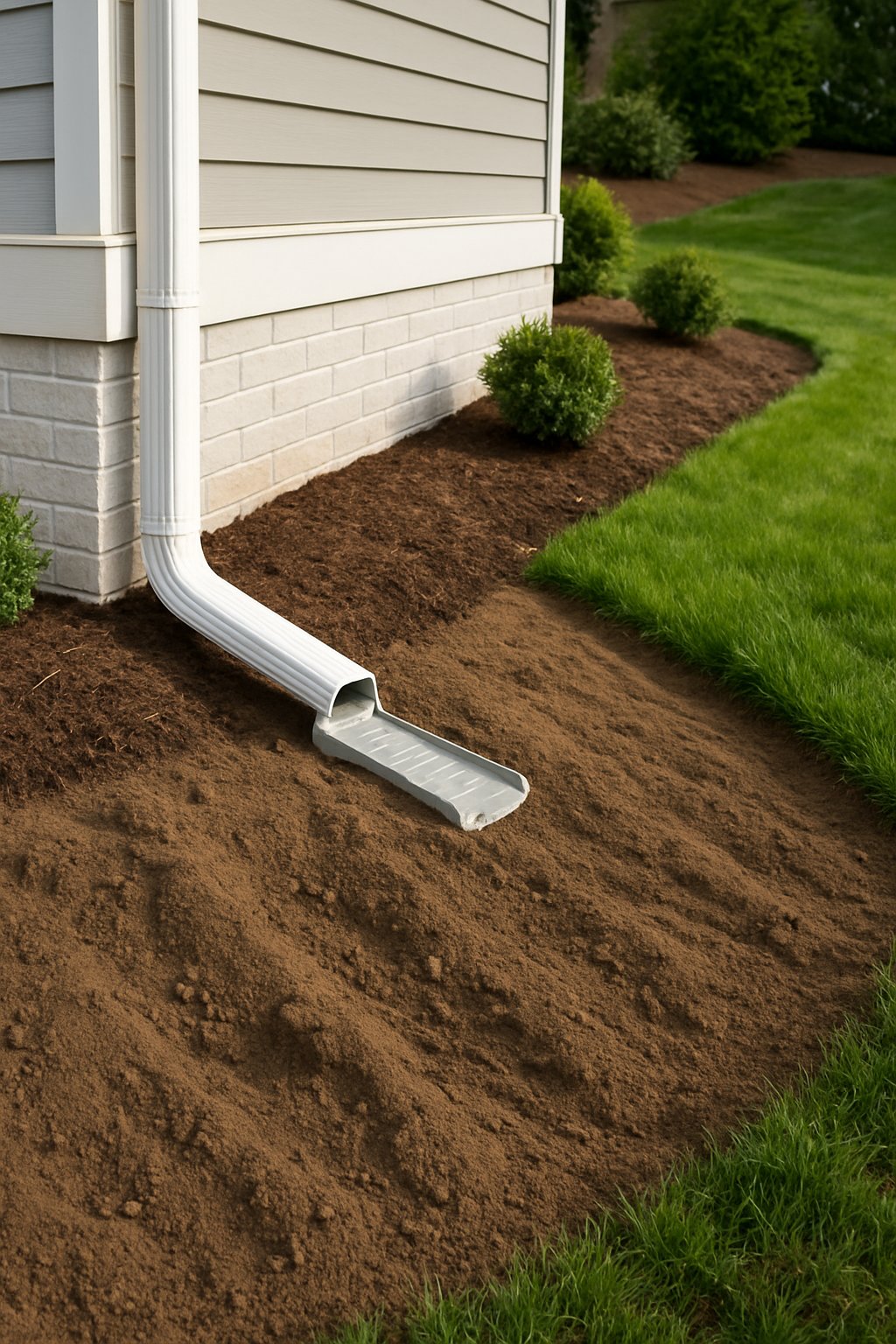
26. Add a splash pad to prevent erosion
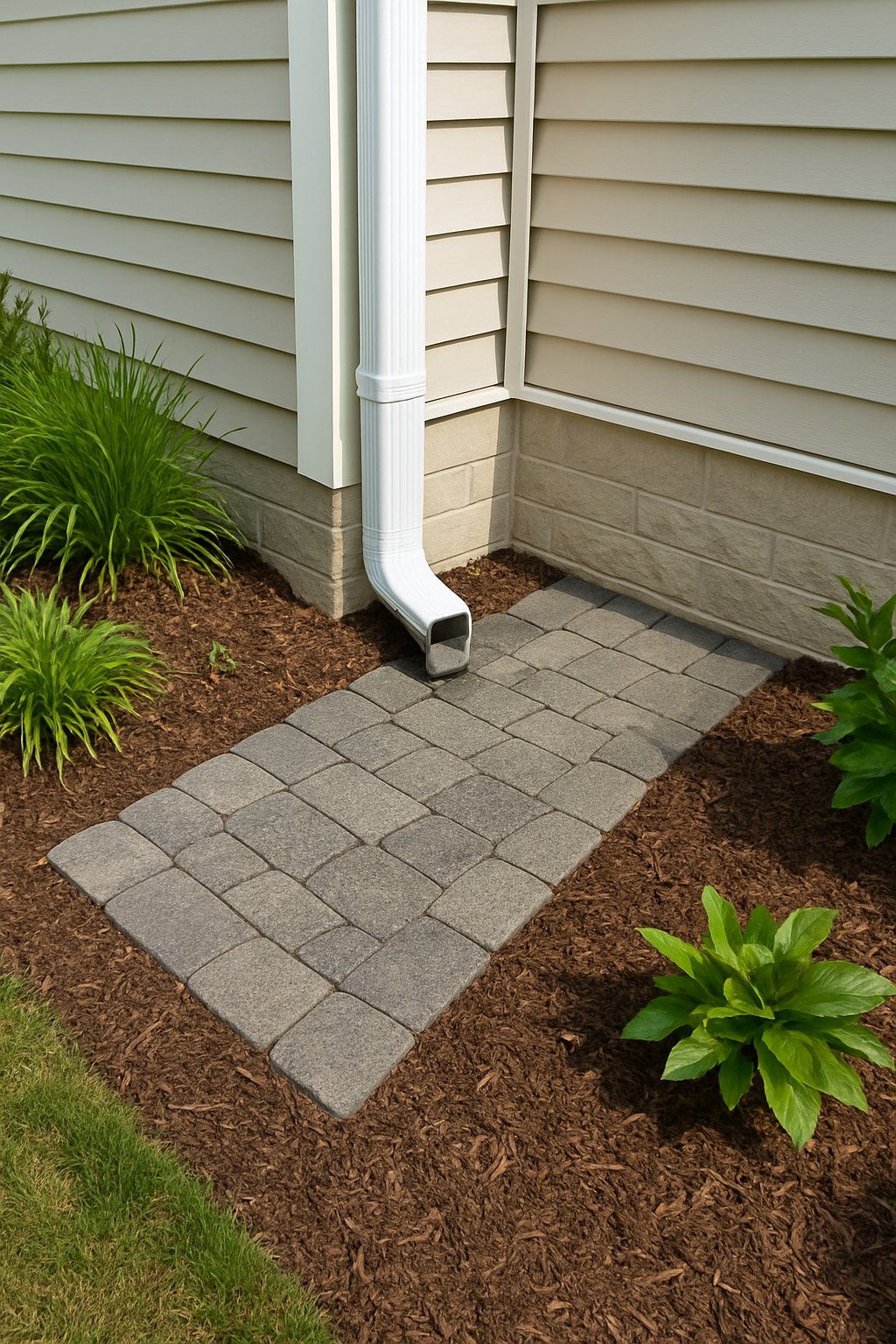
Adding a splash pad under your downspout is a simple way to direct water away from your foundation. It effectively stops soil from washing out and helps keep your yard looking tidy. You can use materials like concrete, foam, or plastic, depending on your style and climate. Splash pads are quick to install and can also help prevent mud splatters on your walls.
Pick a splash pad that moves water at least a few feet from your foundation. Choosing a look that matches your yard will create a nice, finished appearance.
27. Create a dry creek bed for runoff
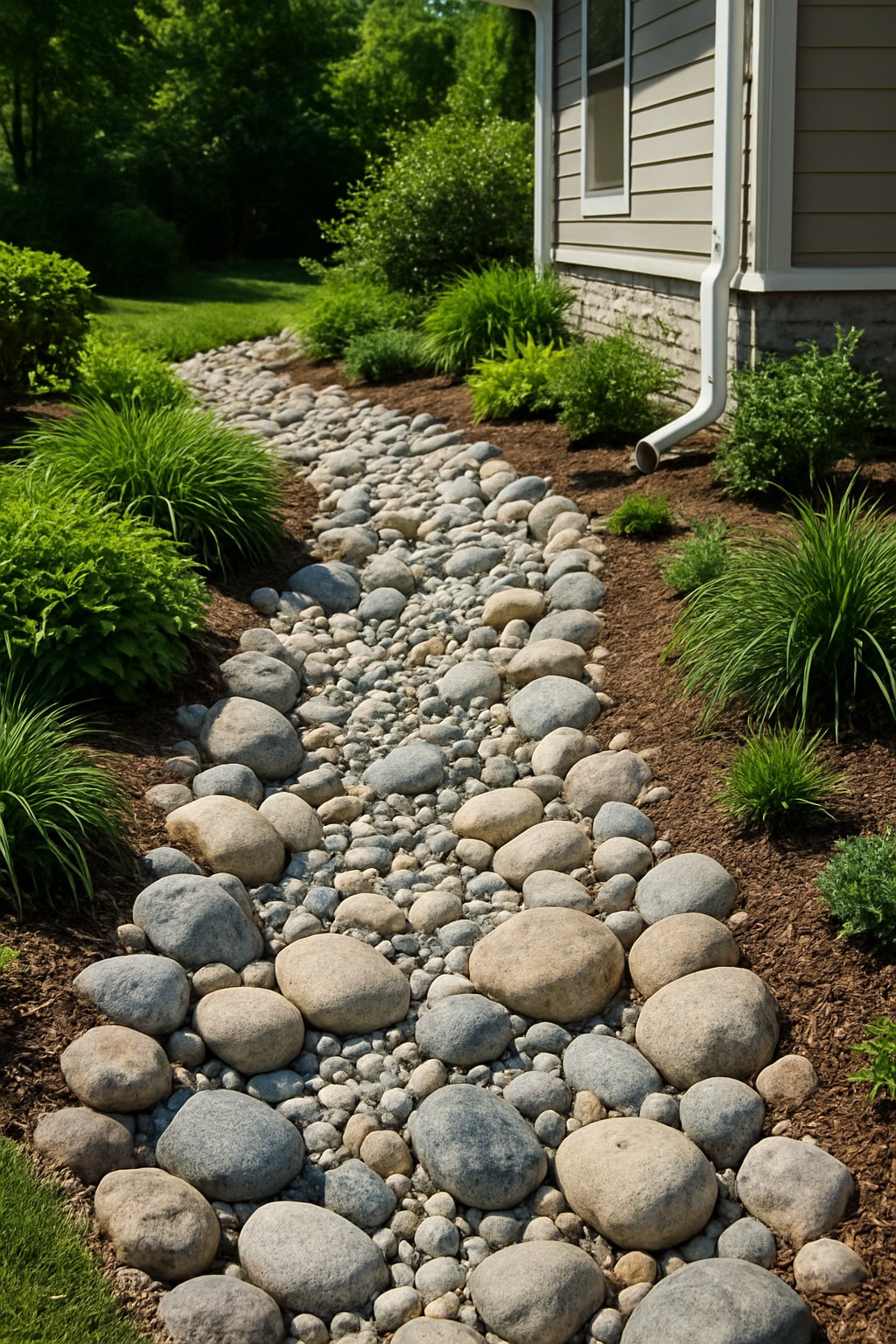
A dry creek bed provides a creative way to steer rainwater away from your gutters. Instead of letting runoff spread, you can use rocks and gravel to guide the water safely through your yard. This approach helps you avoid puddles and messy erosion, and it also adds a natural aesthetic to your landscaping, making it a win win. By setting up a dry creek bed, you keep water from pooling near your house, which protects your foundation. It’s also a low maintenance solution that can handle heavy runoff without much trouble.
Choose smooth river rocks for the best flow and appearance. Make sure your dry creek bed slopes enough to move the water quickly.