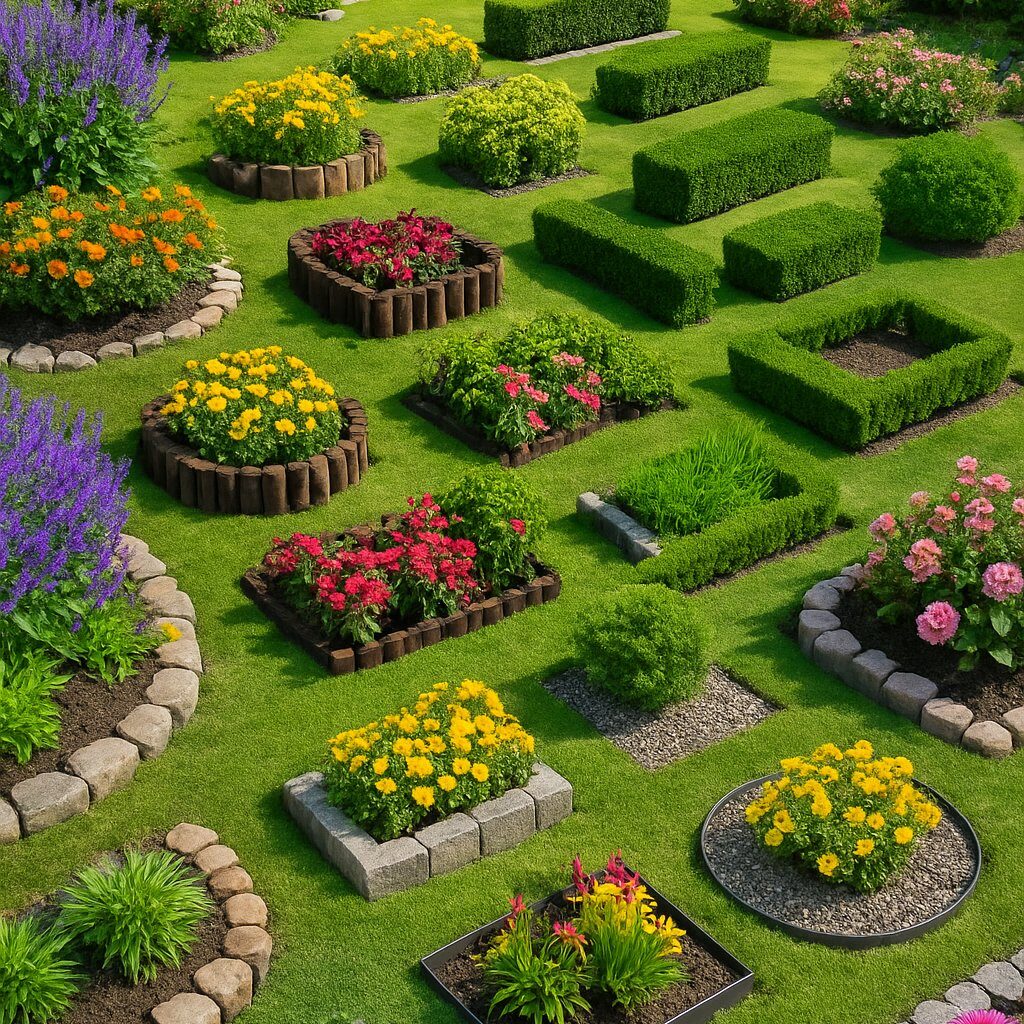
The borders of your garden can completely transform your entire yard. They establish a crisp, clean edge that helps your garden beds pop while keeping everything looking organized and intentional.
Whether you lean towards a natural, free-flowing aesthetic or something more modern and structured, there’s a perfect style waiting for you. It’s all about experimenting to discover what truly complements your space.
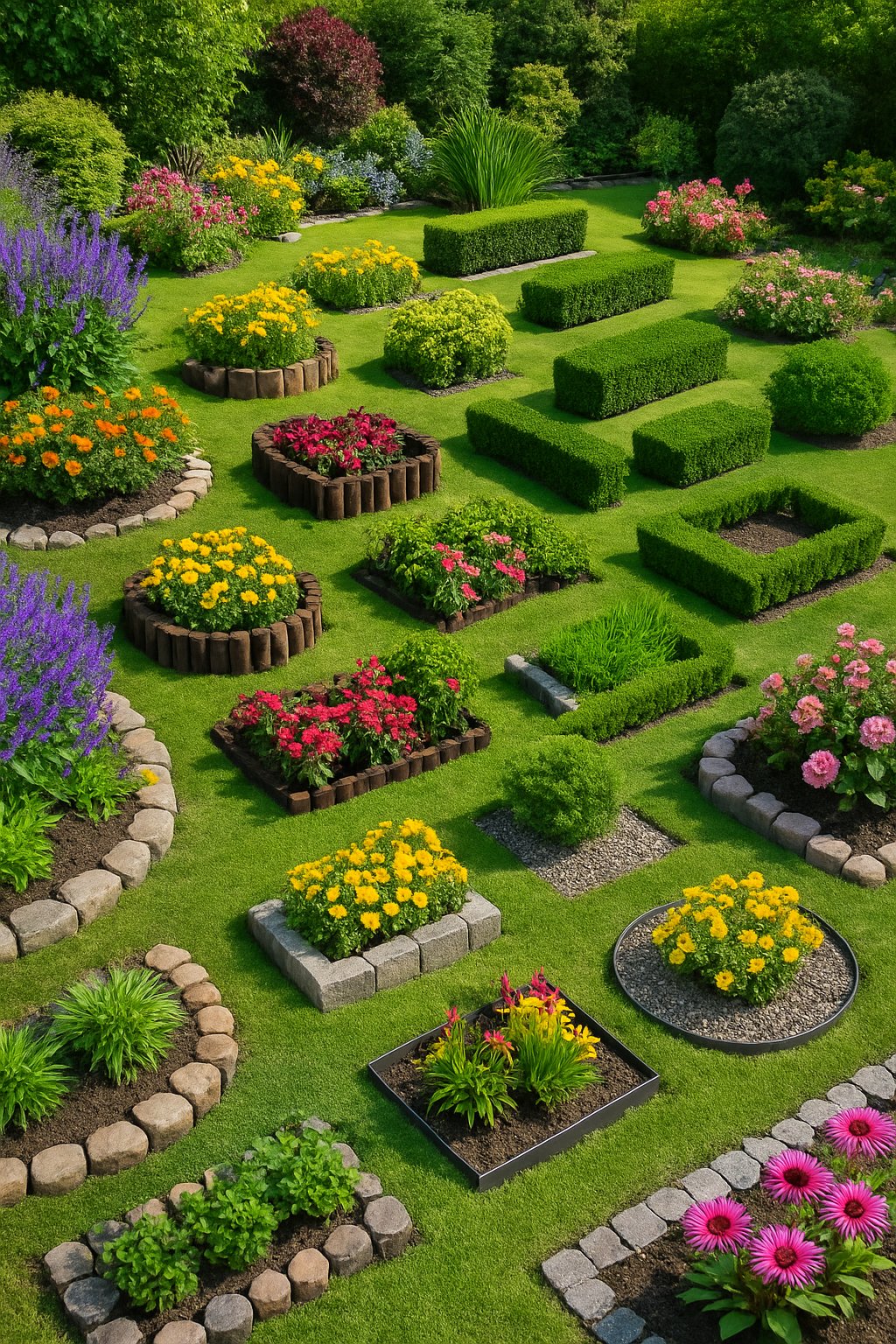
1. Natural Rock Edging for Rustic Flower Beds
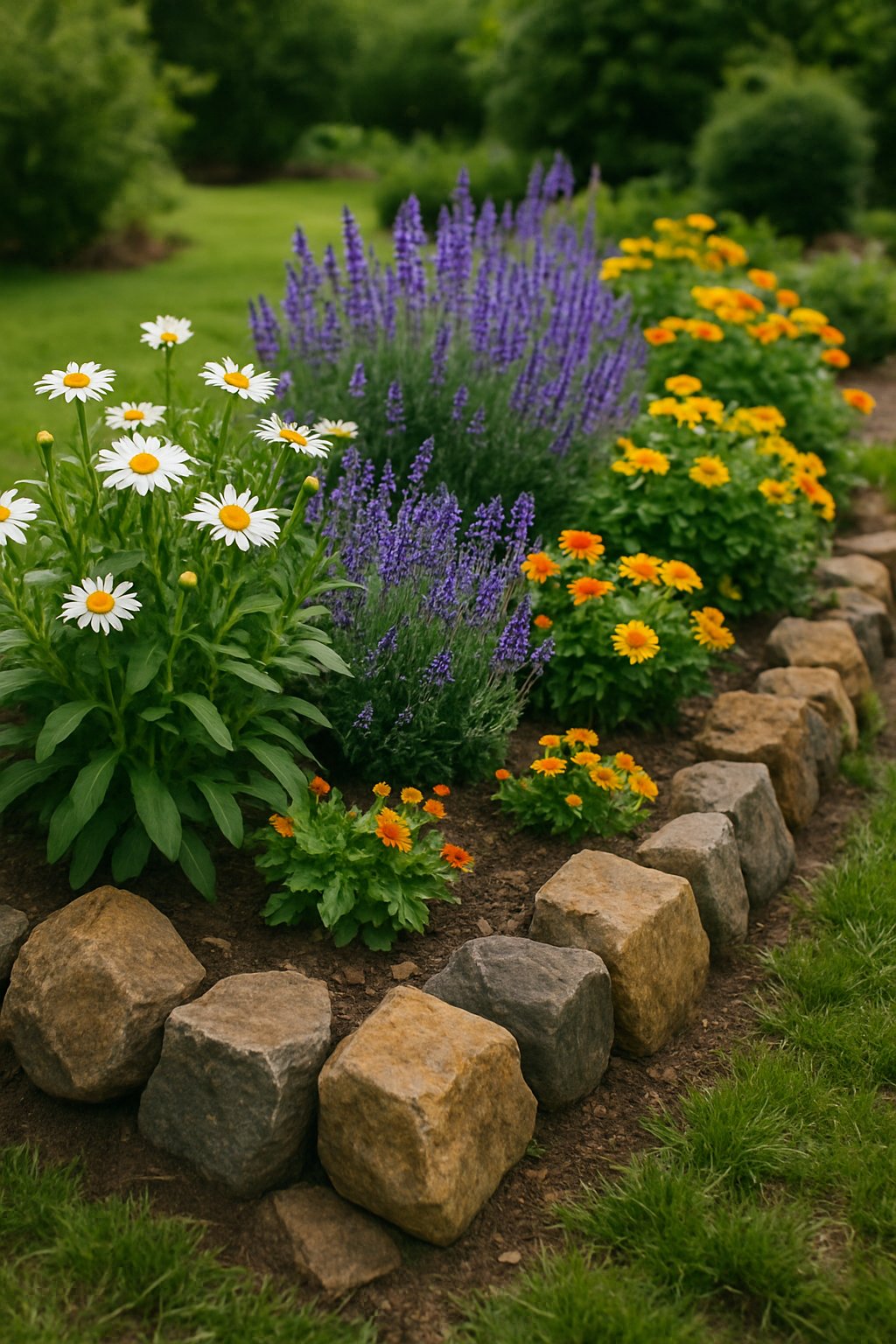
Using natural rocks provides a simple, rustic frame for your flower beds. These stones blend seamlessly with plants, adding a sturdy and grounded feeling to the landscape.
You can choose from various sizes and shapes to create a look that’s all your own. Rocks are excellent for containing soil and mulch, and best of all, they require practically no maintenance.
This type of border will last for years, saving you a lot of fuss. For a natural and low-maintenance option, rocks are a fantastic choice.
Expert Tip: To improve stability, lay a 4 to 6 inch layer of crushed stone beneath the rocks. Use landscape edging along the outer side to prevent grass from growing into the bed.
2. Recycled Brick Borders for a Classic Look
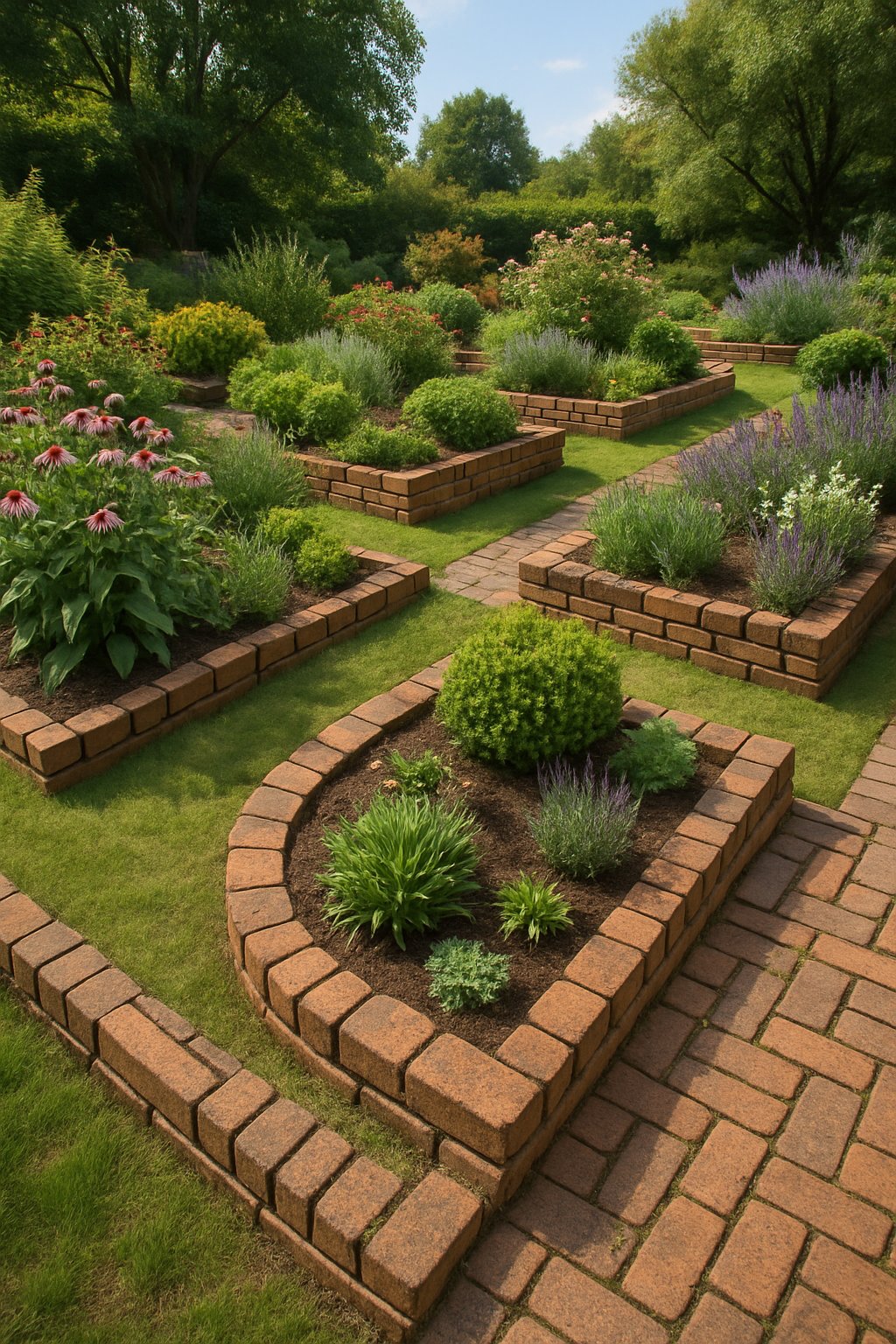
For a timeless and classic atmosphere, consider using recycled bricks. These bricks often have a weathered texture that instantly adds character and history to your garden.
They are incredibly sturdy and can handle changes in weather without issue. You can arrange them in neat rows or stack them to create a small retaining wall for added height.
This border is an eco-friendly choice that is also gentle on your budget, making it a smart and popular pick for many gardeners.
Expert Tip: For the best appearance, clean your recycled bricks with a wire brush before installation. Lay them over a base of sand to keep them stable and prevent them from shifting over time.
3. Wooden Log Slices as Unique Edging
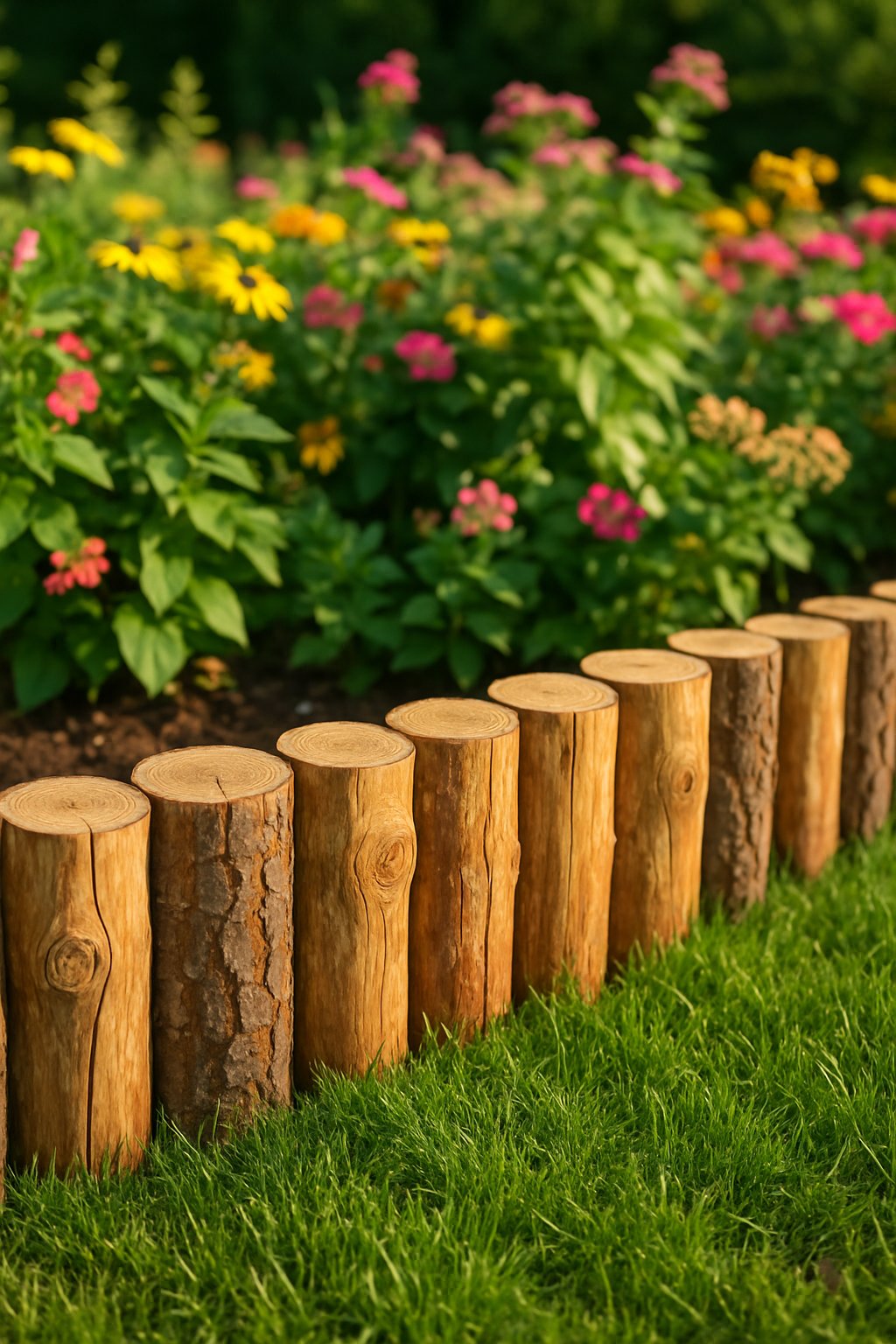
Wooden log slices create a wonderfully natural and rustic border. Simply cut logs into thin, round pieces and arrange them along the edge of your flower bed or pathway.
This method adds charming texture without needing any fancy materials. To make them last longer outdoors, be sure to treat the wood with a quality sealant.
You can also vary the height of the slices to create a more playful and uneven edge. It doesn’t need to be perfectly uniform to look fantastic.
Expert Tip: Use logs from local tree species to better match your garden’s natural style. Always seal the slices to protect them from rot and insect damage.
4. Cedar Fence Plank Edging Buried Flush
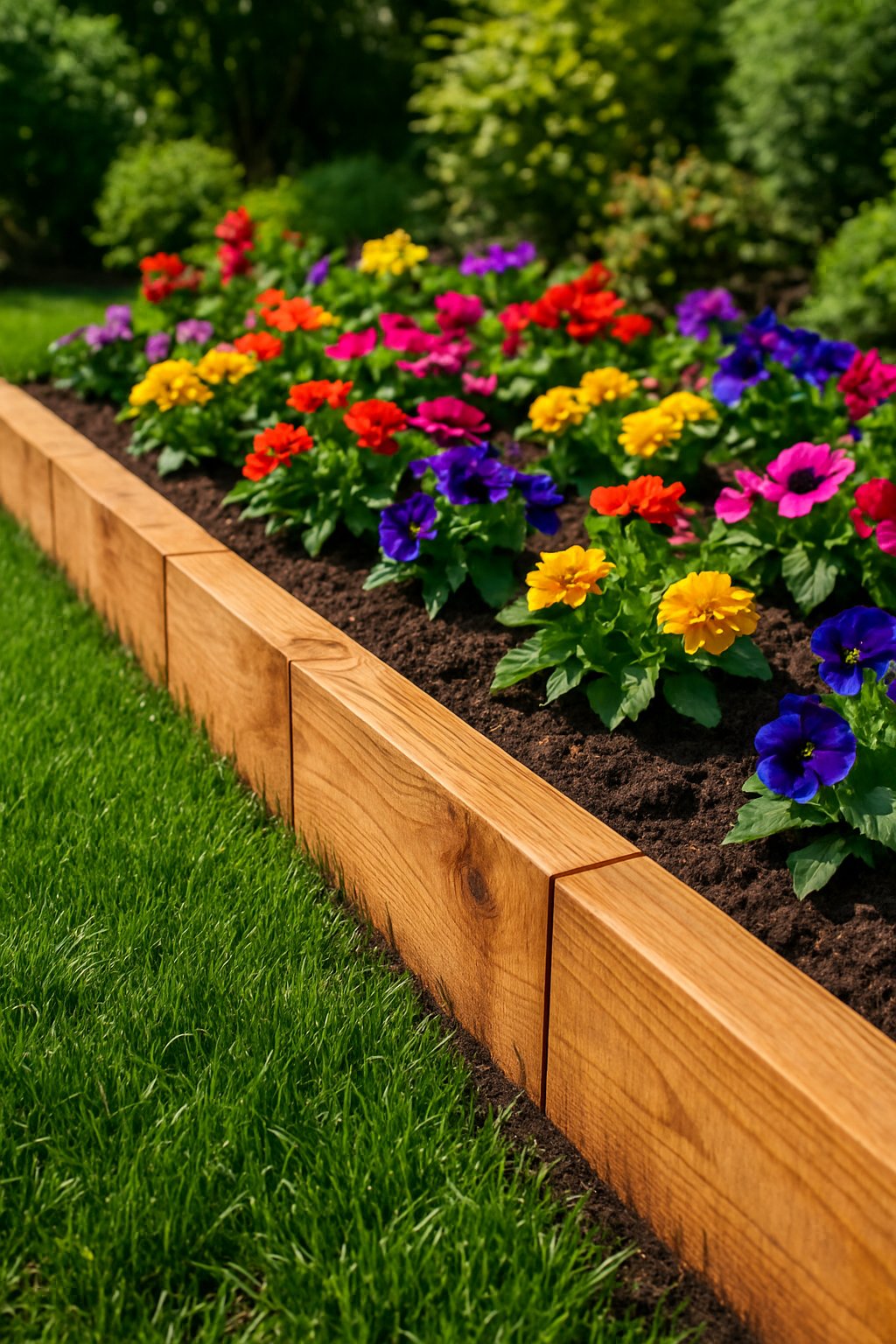
For a clean and natural-looking border, bury cedar fence planks so they are flush with the ground. This technique keeps the planks stable and helps eliminate any tripping hazards.
It also effectively holds mulch and soil within your garden bed. Ensure the planks are either treated or made from naturally rot-resistant wood for maximum longevity.
Bury them deep enough that only the very top edge is visible. This creates a simple yet highly effective look.
Expert Tip: For the neatest appearance, choose cedar planks that are perfectly straight. Seal the cut ends of the wood to guard against moisture and extend their durability.
5. Metal Garden Edging Strips for Clean Lines
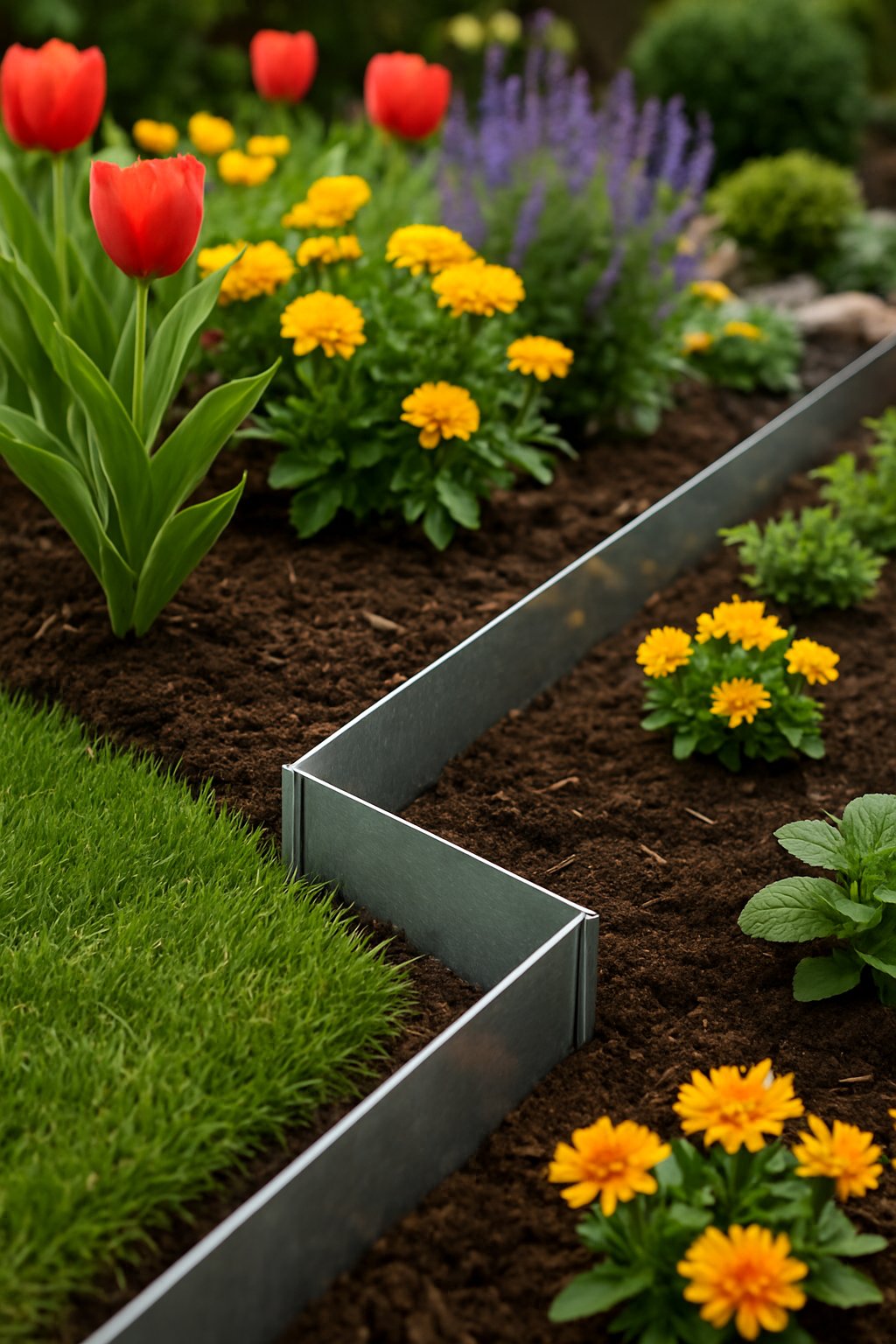
Metal edging strips give your garden exceptionally sharp and tidy lines. You can easily bend them to follow curves or keep them straight for a sleek, modern vibe.
Steel strips are incredibly tough and will not rust or break easily. They are great at keeping grass out of your flower beds and make mowing along the edge much simpler.
These strips are available in different heights and lengths, ensuring there’s an option for every garden. It’s a clean, no-nonsense choice.
Expert Tip: To install metal edging, hammer the stakes in firmly to prevent any shifting. For long-lasting borders, choose a corrosion-resistant steel.
6. Stacked Stone Border for Texture
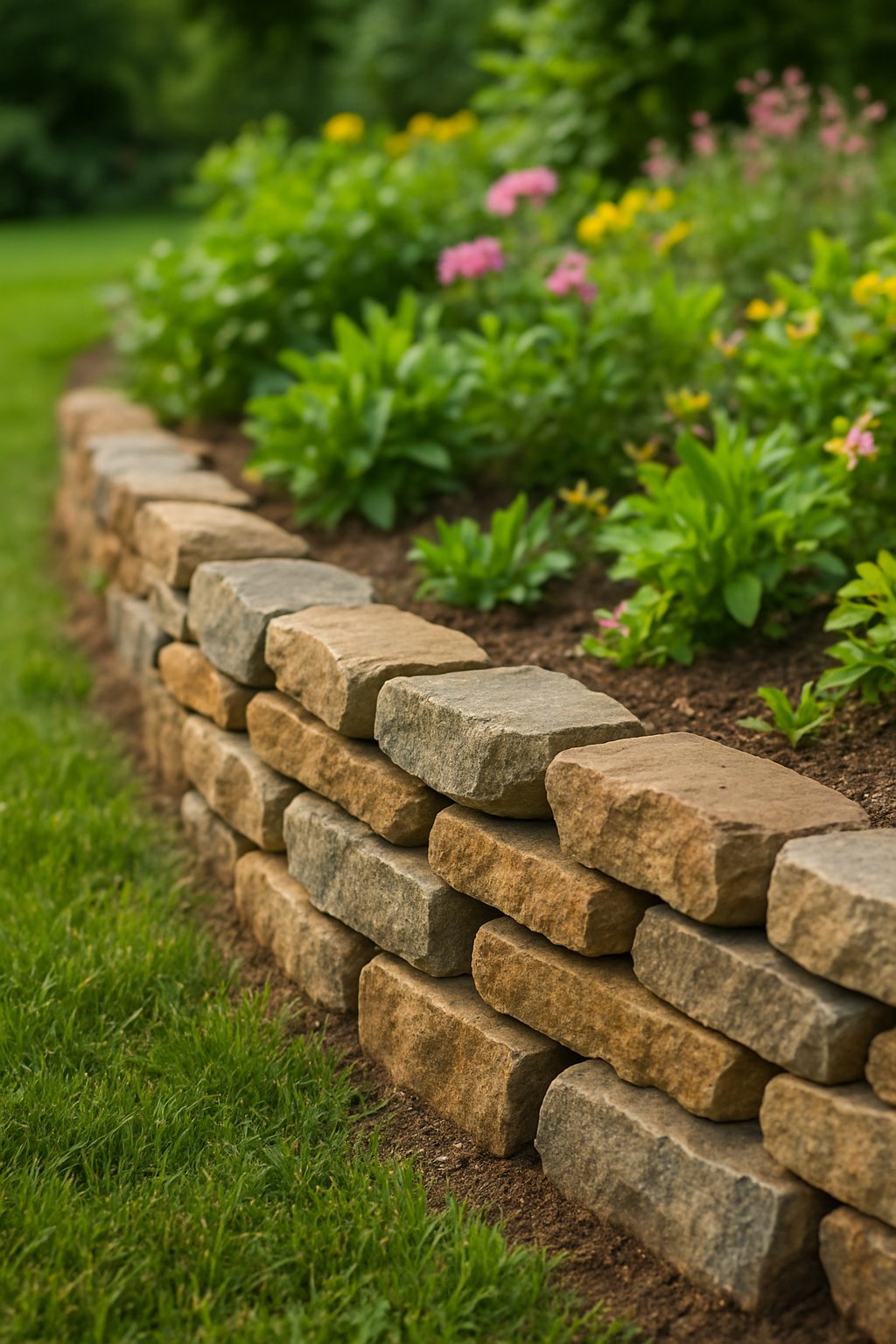
Stacked stone borders contribute a natural, rugged appearance to your landscape. Use flat stones to build a low wall, bringing wonderful depth and texture to your garden.
You can find suitable stones in nature or purchase them from a local garden center. Stack them without mortar for a more casual feel, or add a bit of cement for enhanced stability.
Expert Tip: Ensure the stones fit together tightly to create a stable structure. Begin with larger stones at the bottom to establish a strong, solid base.
7. Low Growing Boxwood Hedges
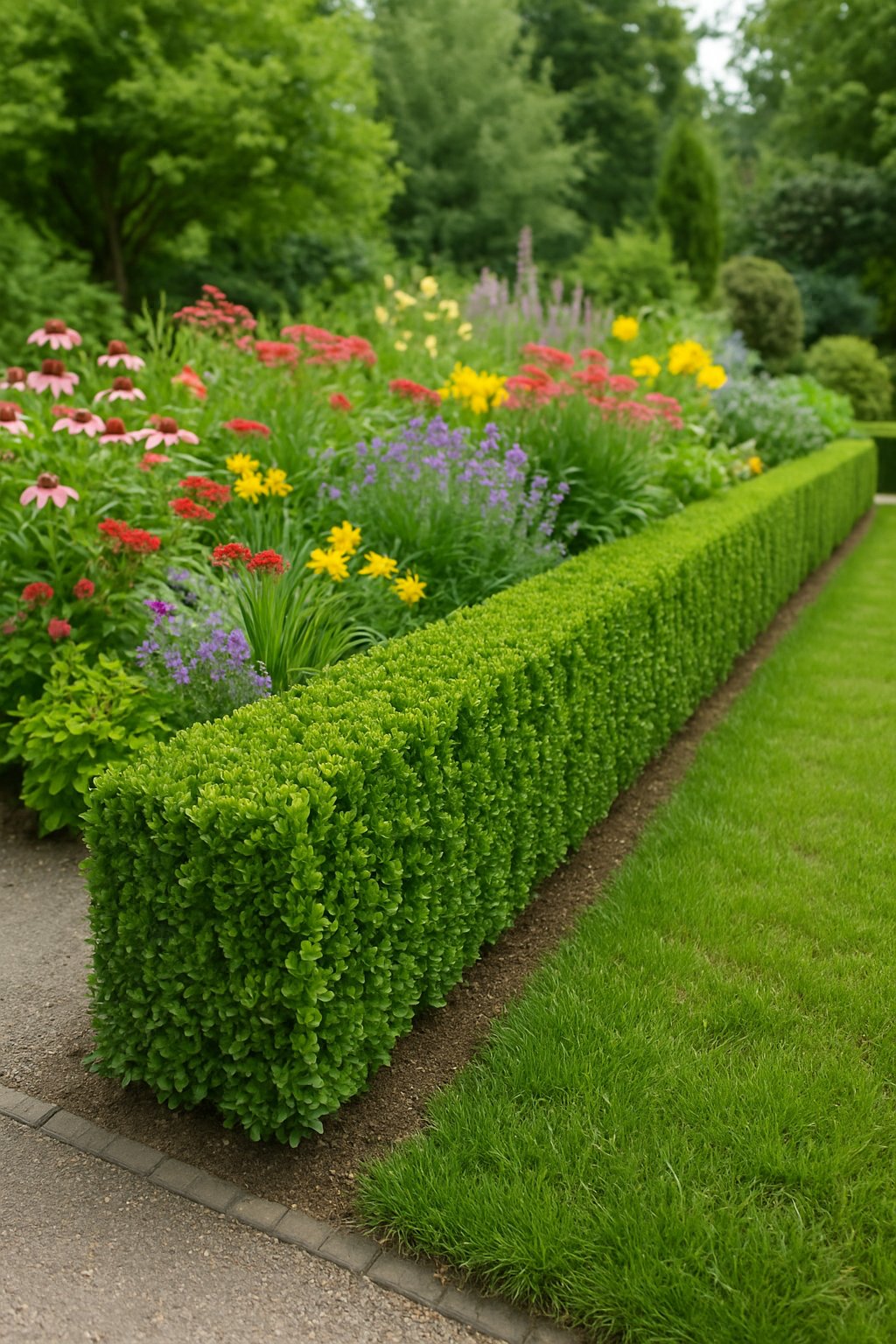
Low boxwood hedges create a neat and simple garden border. They introduce structure without blocking the view or consuming too much valuable space.
These hedges remain green all year and are very easy to shape. You can use them to frame flower beds or line small pathways in your yard.
They have a slow growth rate, so they only need to be trimmed occasionally. It’s a classic look that never feels boring.
Expert Tip: For the best growth, plant boxwoods in well-drained soil where they will receive morning sun. Trim them regularly to maintain a tidy and dense hedge.
8. Perennial Flower Edge for Color Variety
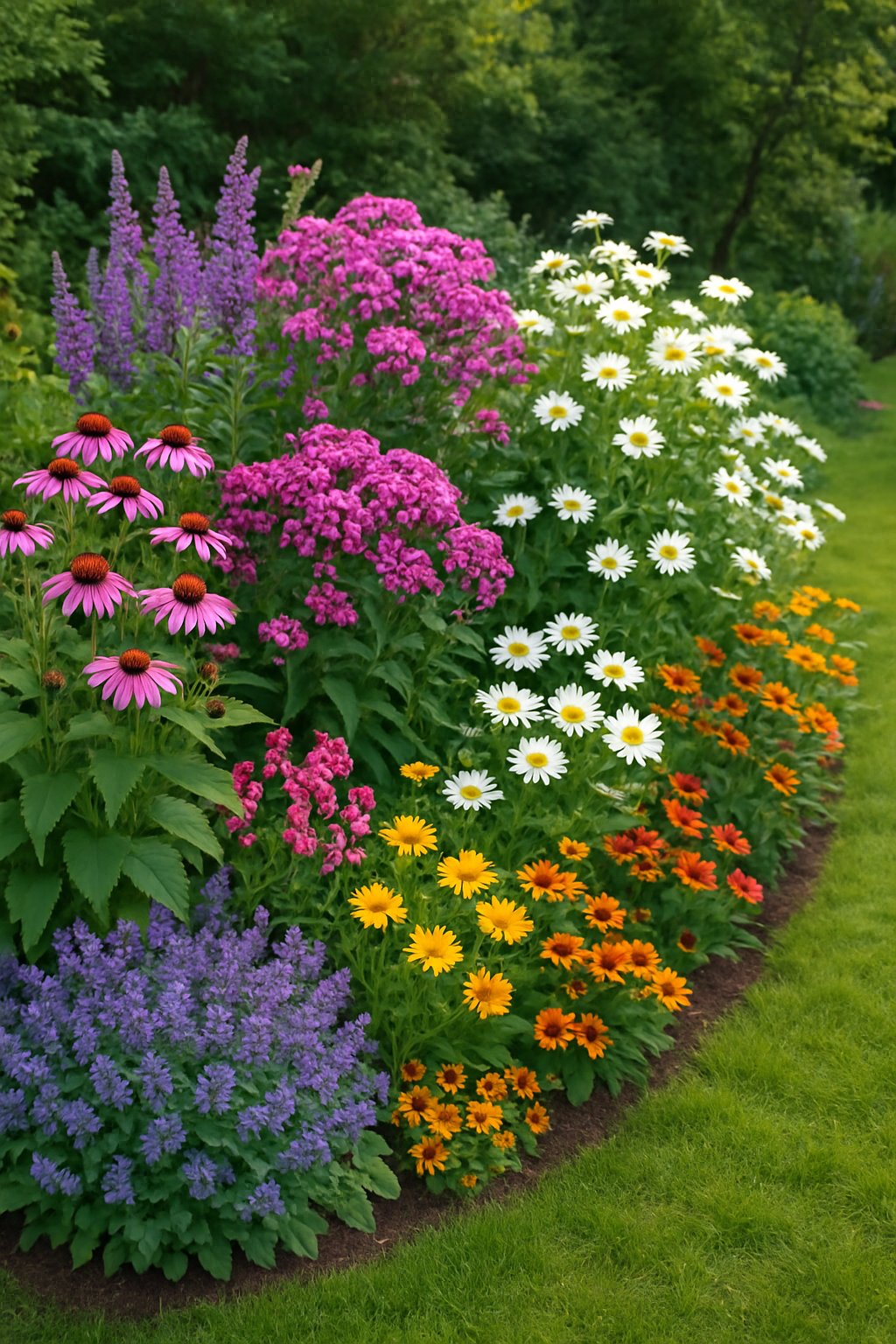
Planting perennial flowers along your garden border ensures a burst of color all season long. These plants return every year, which will save you a lot of time and effort.
Mix different types of perennials for a vibrant edge that evolves with the changing seasons. Choose flowers that are well suited to your garden’s sun and shade conditions for the healthiest border.
This approach gives your garden’s edges a soft and natural appearance that feels easygoing and a little bit wild.
Expert Tip: For continuous color, select a mix of early and late blooming varieties. Use compact perennials to keep your border looking neat and well-defined.
9. Small Ornamental Trees as Borders
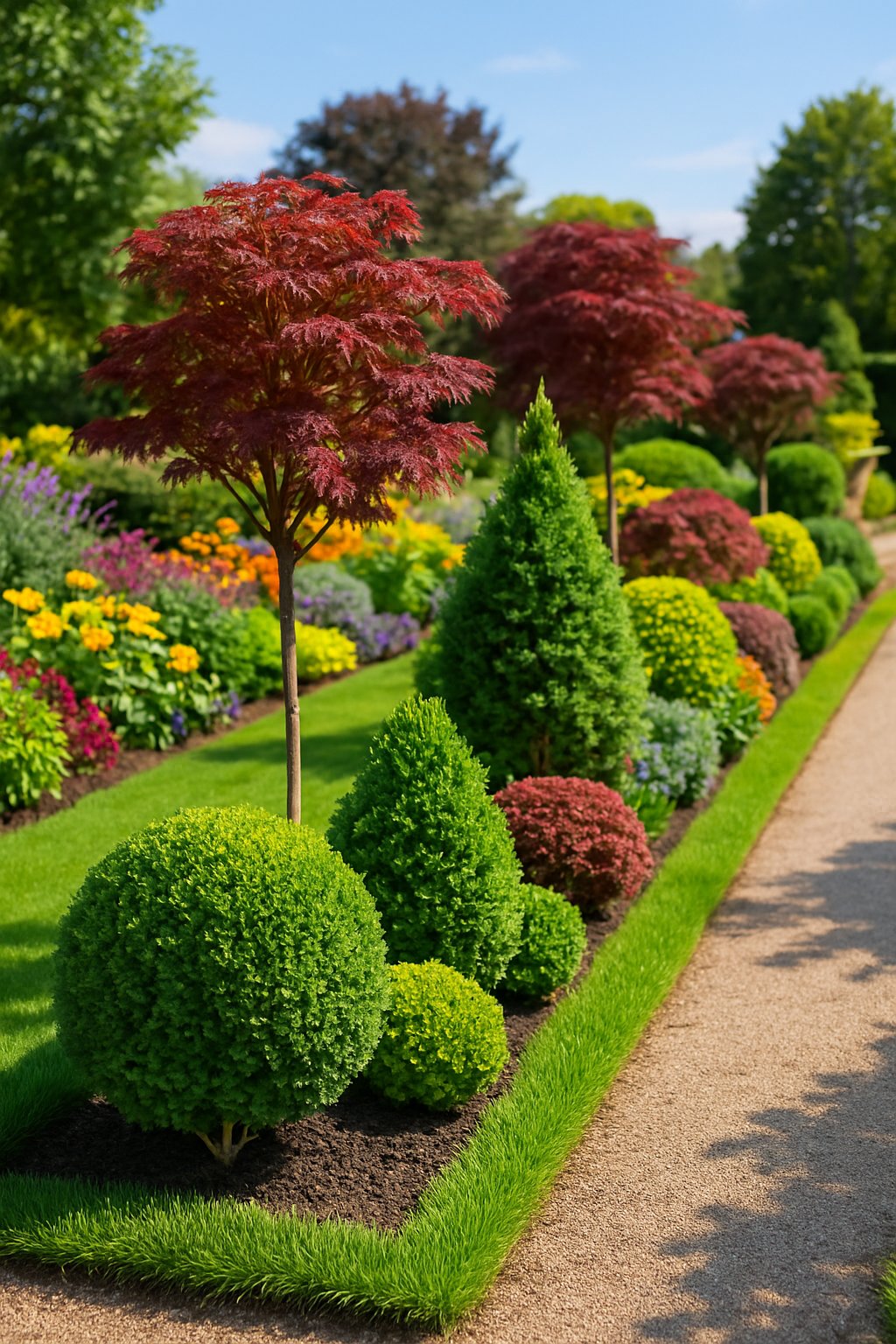
Small ornamental trees are excellent as borders, adding height and structure without taking over the space. They are perfect for lining pathways or defining edges where space is limited.
Select trees that stay compact and provide year-round interest, such as dwarf dogwoods or Japanese maples. Their distinct shapes and colors create a beautiful natural boundary.
Give them plenty of room to grow and make sure their roots do not crowd other plants. Regular pruning will help keep the border looking neat.
Expert Tip: Choose trees that are suited for your specific climate to ensure they grow healthily. Water young trees regularly during their first year to help them establish well.
10. Concrete Blocks Painted Bright Colors
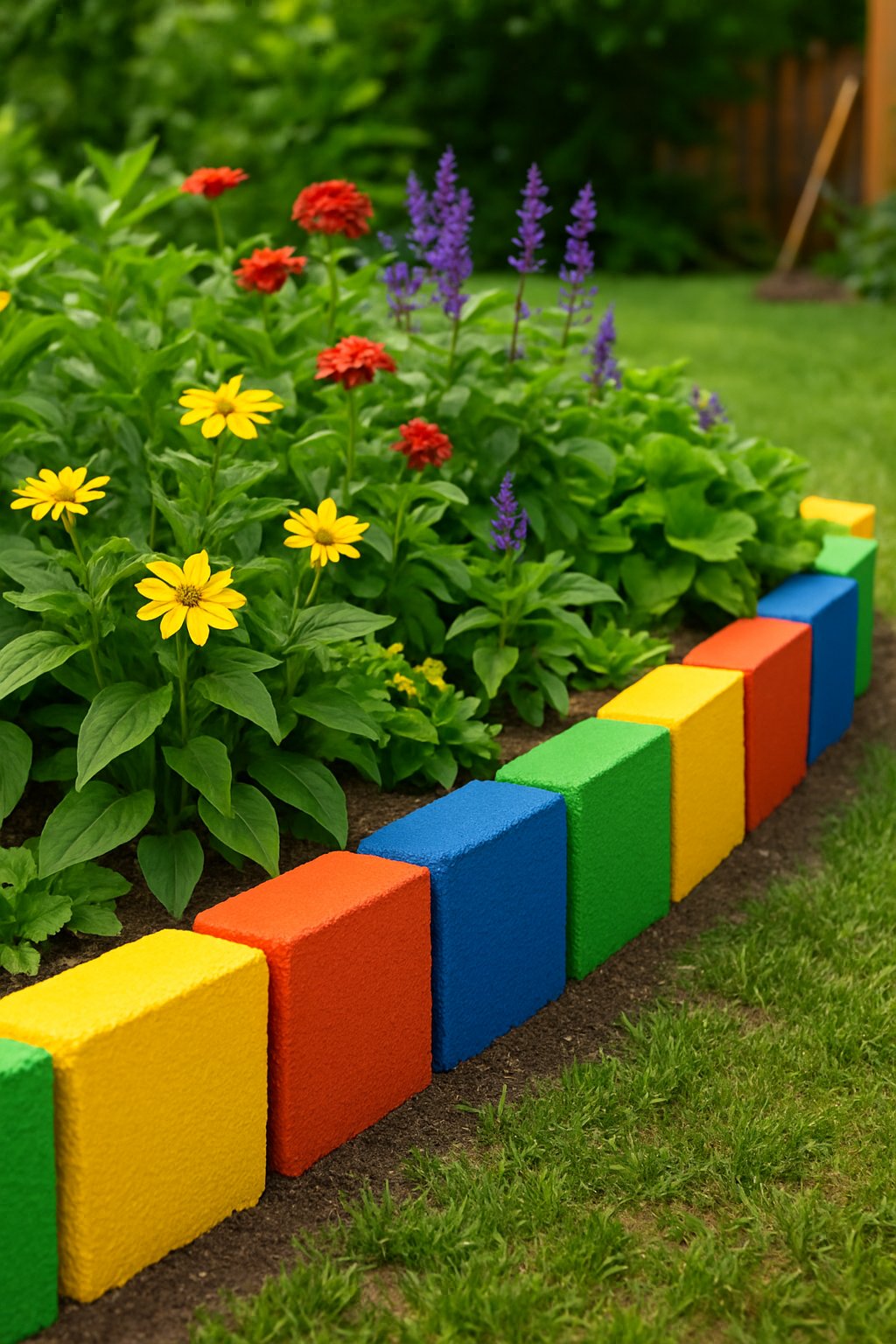
For a bold and lively garden border, paint concrete blocks in bright, eye-catching colors. This is a fun and unique method to bring more energy into your yard.
You can easily rearrange the blocks anytime you want to change up the look. They can also serve as small planters for flowers or herbs.
Expert Tip: To keep the colors vibrant for longer, choose a weather-resistant paint. Seal your blocks to give them extra protection from rain and sun damage.
11. Repurposed Wine Bottles Lined Up
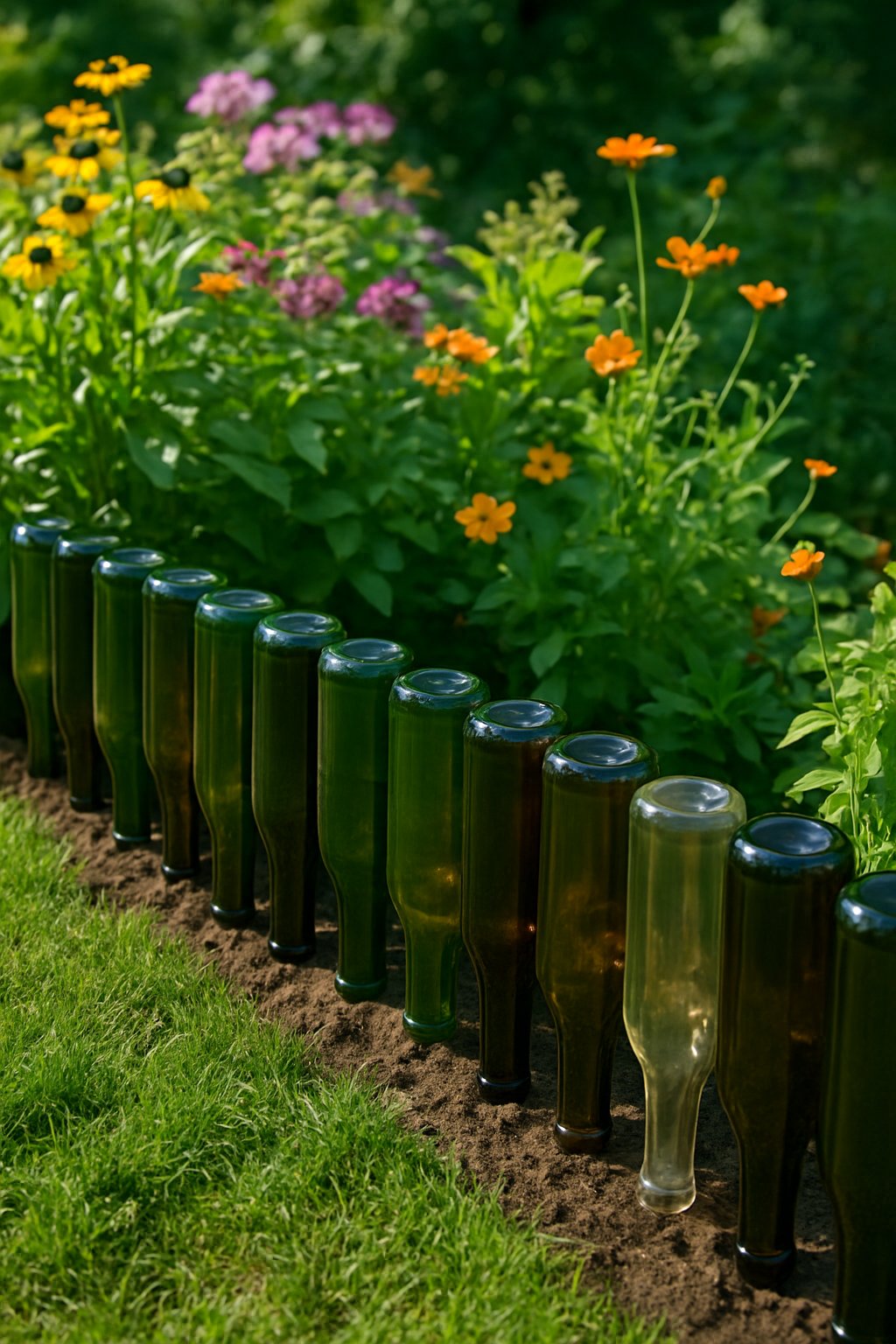
Create a colorful and sturdy border by lining up empty wine bottles with their necks facing down. Use bottles of the same color for a uniform look, or mix and match for more eclectic variety.
Push them deeply into the soil to ensure they remain securely in place. This border is an eco-friendly solution that gives old bottles a new purpose.
It’s a simple way to add charm and protect your garden beds. Plus, it’s a great conversation starter.
Expert Tip: Make sure to clean the bottles thoroughly before planting to avoid attracting pests. Use a rubber mallet to gently tap the bottles into place for a better grip in the soil.
12. Seashell Border for a Beachy Vibe
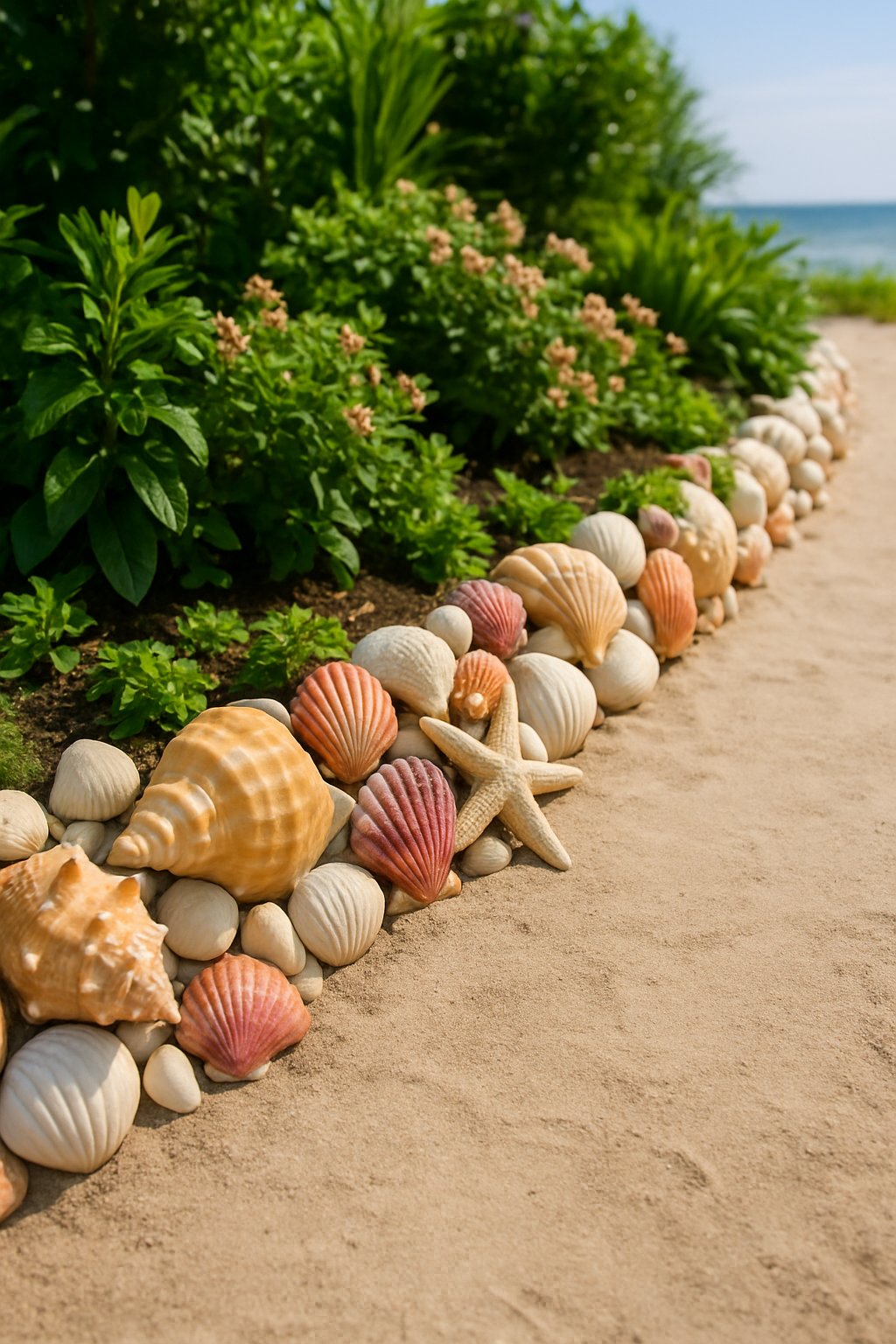
For a natural, coastal feel, scatter seashells along the edge of your garden. Small to medium-sized shells are perfect for lining paths or flower beds.
Over time, the shells will break down, adding beneficial calcium to your soil. This makes them both a pretty and practical choice.
Mix different shell types and sizes for a richer texture. It’s a low-cost method to bring a touch of the beach to your home.
Expert Tip: Use shells that were collected sustainably or buy discarded ones to help protect marine ecosystems. To keep your border neat and longer-lasting, lay them in a shallow trench.
13. Solar Garden Lights Along Edges
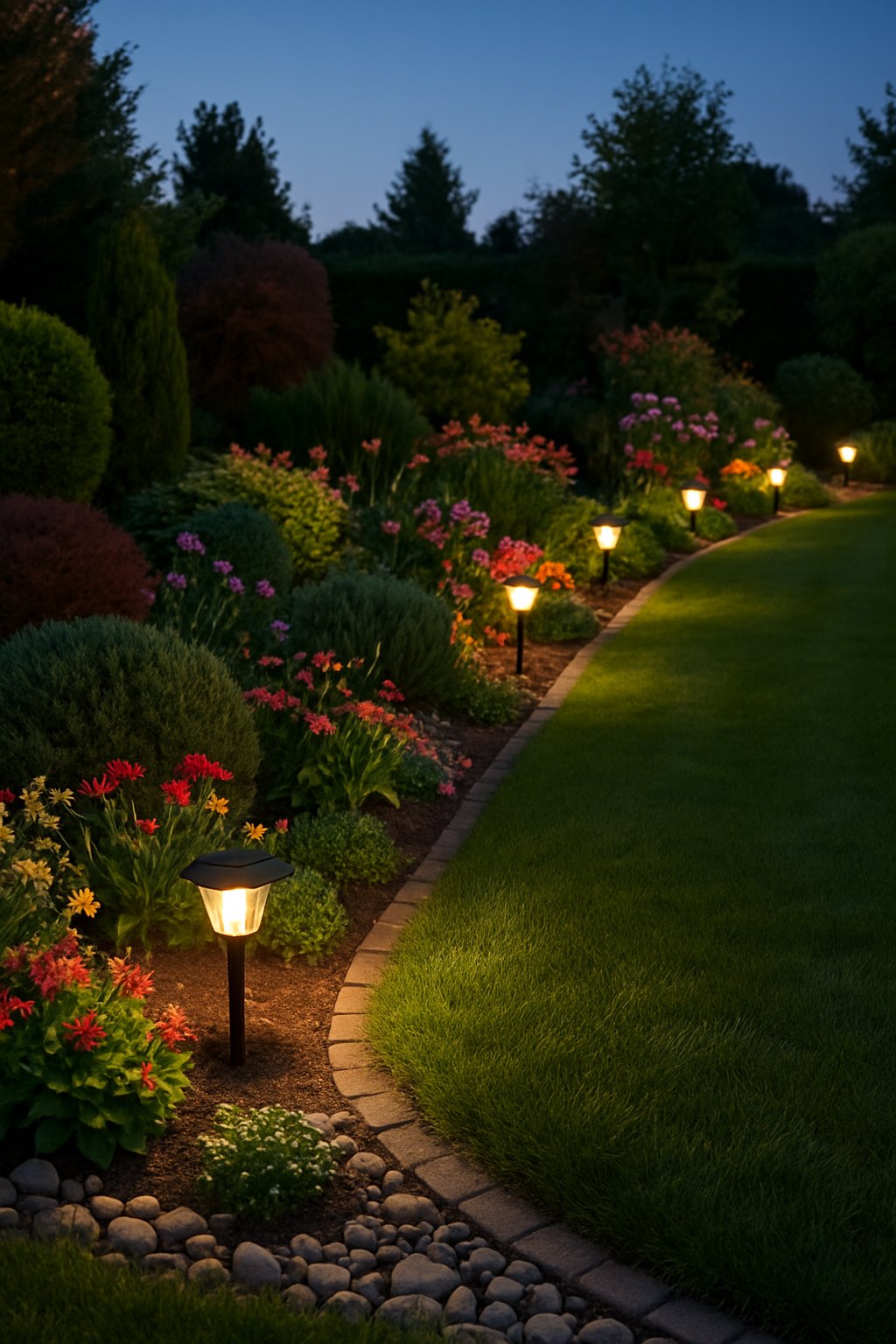
Line your garden borders with solar lights to cast a soft, welcoming glow at night. These lights are powered by sunlight, so you will not need any complicated wiring.
They help define the edges of your garden and create a cozy atmosphere. Select warm-toned lights to subtly highlight your plants and pathways.
Place them close enough together to avoid dark spots, but be careful not to overdo it. Sometimes, a more minimalist approach is best.
Expert Tip: Choose solar lights with adjustable brightness settings to match your garden’s mood. Ensure they receive ample sunlight during the day for better performance at night.
14. Gravel Pathway Borders
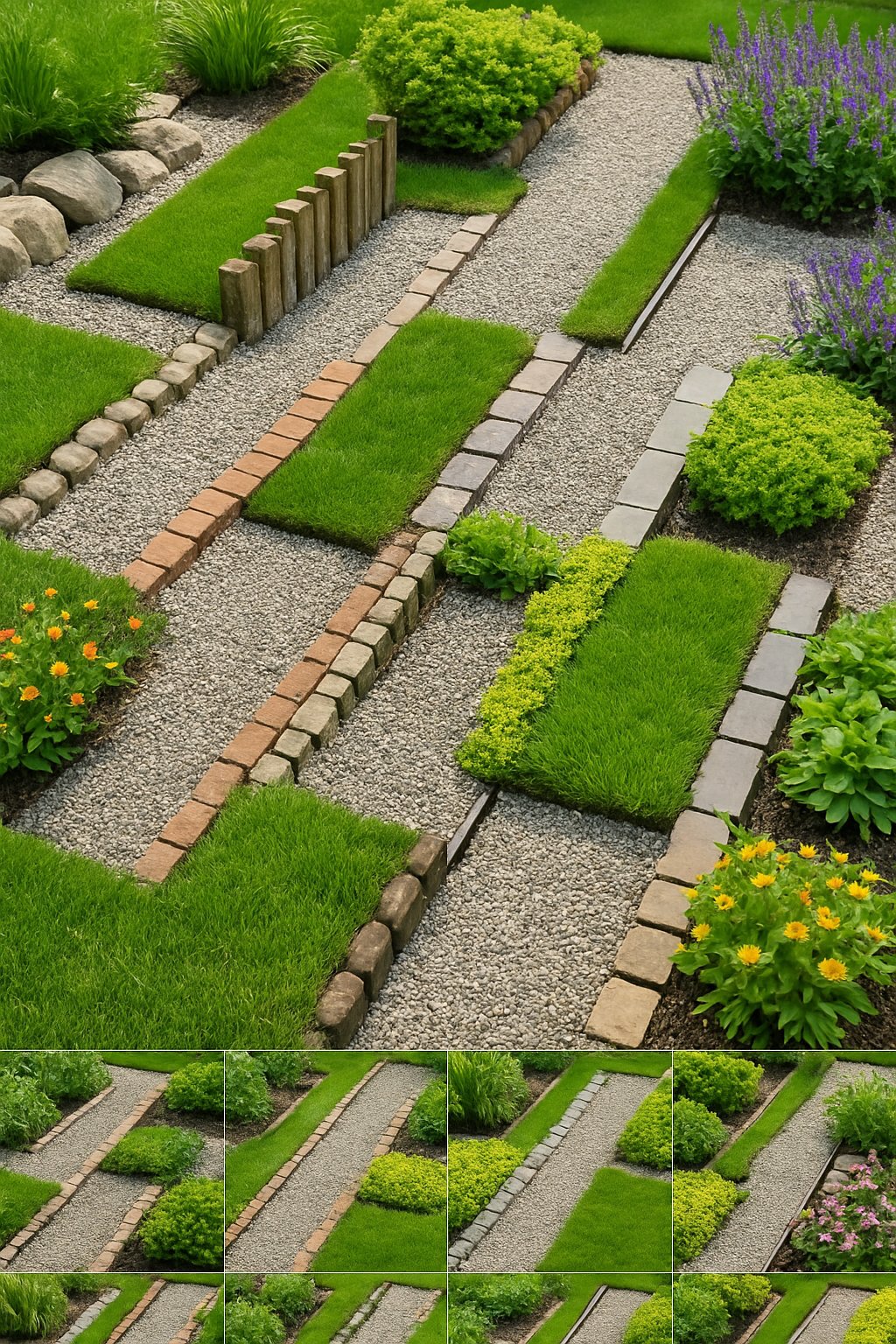
Edge your gravel pathways with materials like bricks, stones, or pavers to prevent the gravel from spilling over into your lawn or garden beds. Wood or metal can also work for a different aesthetic.
Select a border material that complements your yard’s overall style and makes mowing easier. Don’t hesitate to mix materials if you feel like experimenting with a unique look.
Expert Tip: Use crescent-shaped pavers for easier mowing along your gravel path. They effectively hold the gravel in place and protect your grass.
15. Succulent Border Garden
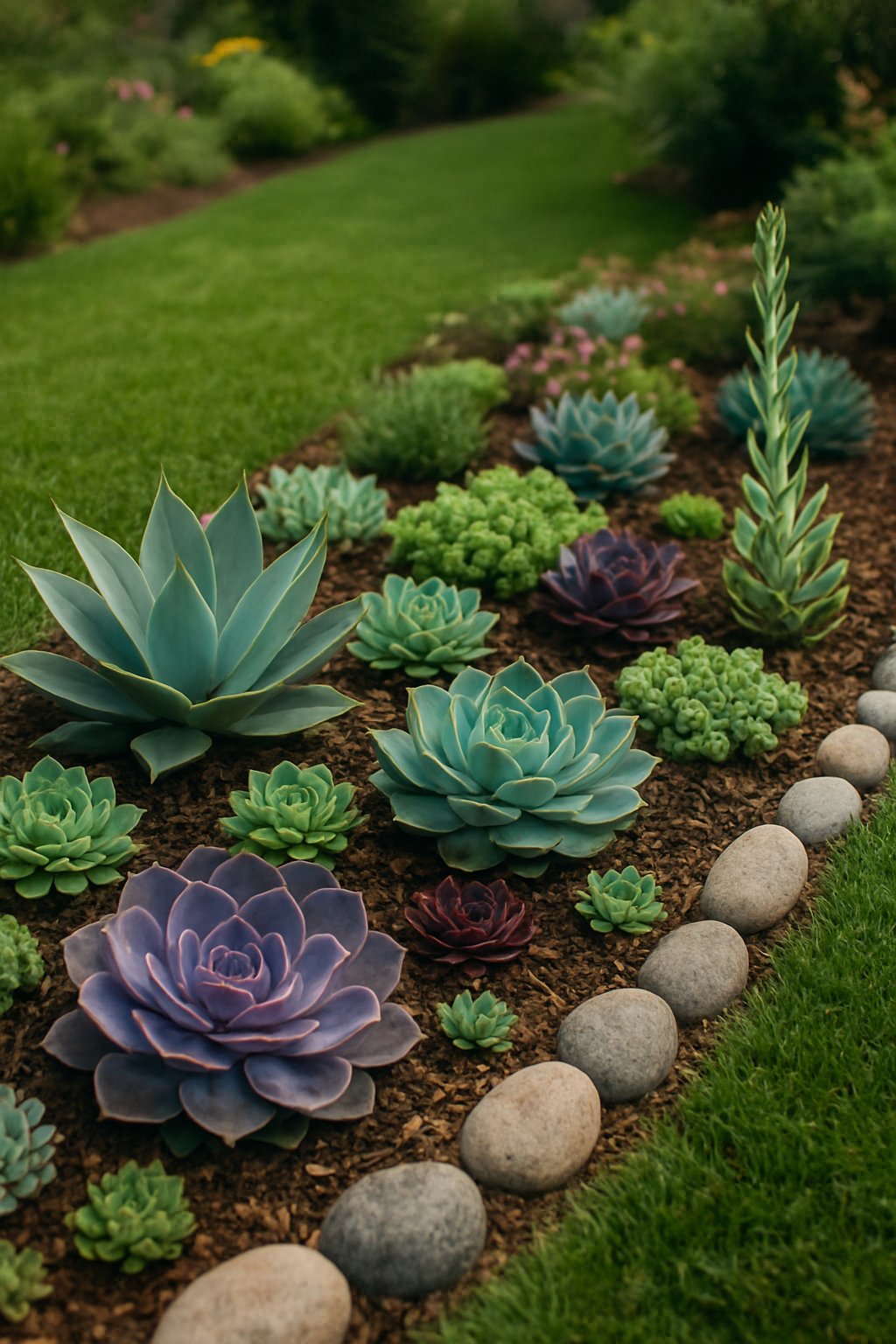
Consider creating a neat border with low-growing succulents. These hardy plants require very little water and can give your garden a fresh, modern appearance.
Mix up different shapes and colors to add texture along your pathways or flower beds. Succulents do best in sunny locations and are incredibly easy to care for.
Expert Tip: For a more visually interesting border, choose succulents with varied heights. Only water them when the soil is completely dry to avoid overwatering.
16. Wooden Railroad Ties for a Bold Edge
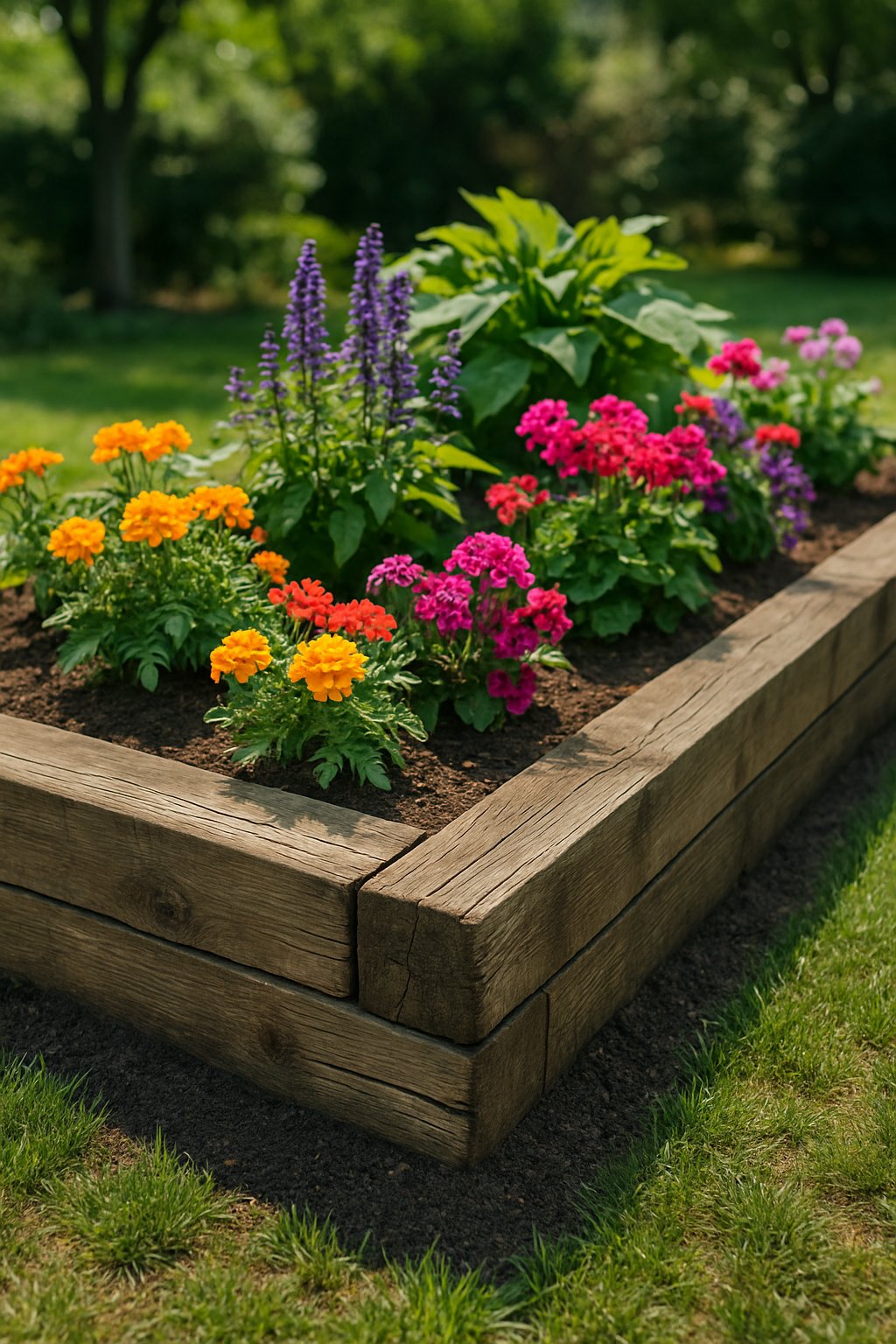
For a bold and natural border, try using wooden railroad ties. Their thick, rugged appearance really stands out and helps keep soil and plants contained.
It’s important to be aware that some ties are treated with chemicals, so exercise caution when placing them near edible plants. Safer options like untreated wood are available and look just as impressive.
Expert Tip: If you use railroad ties, seal them well to minimize weather-related damage. Always confirm if they have been chemically treated before placing them near food crops.
17. Corrugated Steel Garden Walls
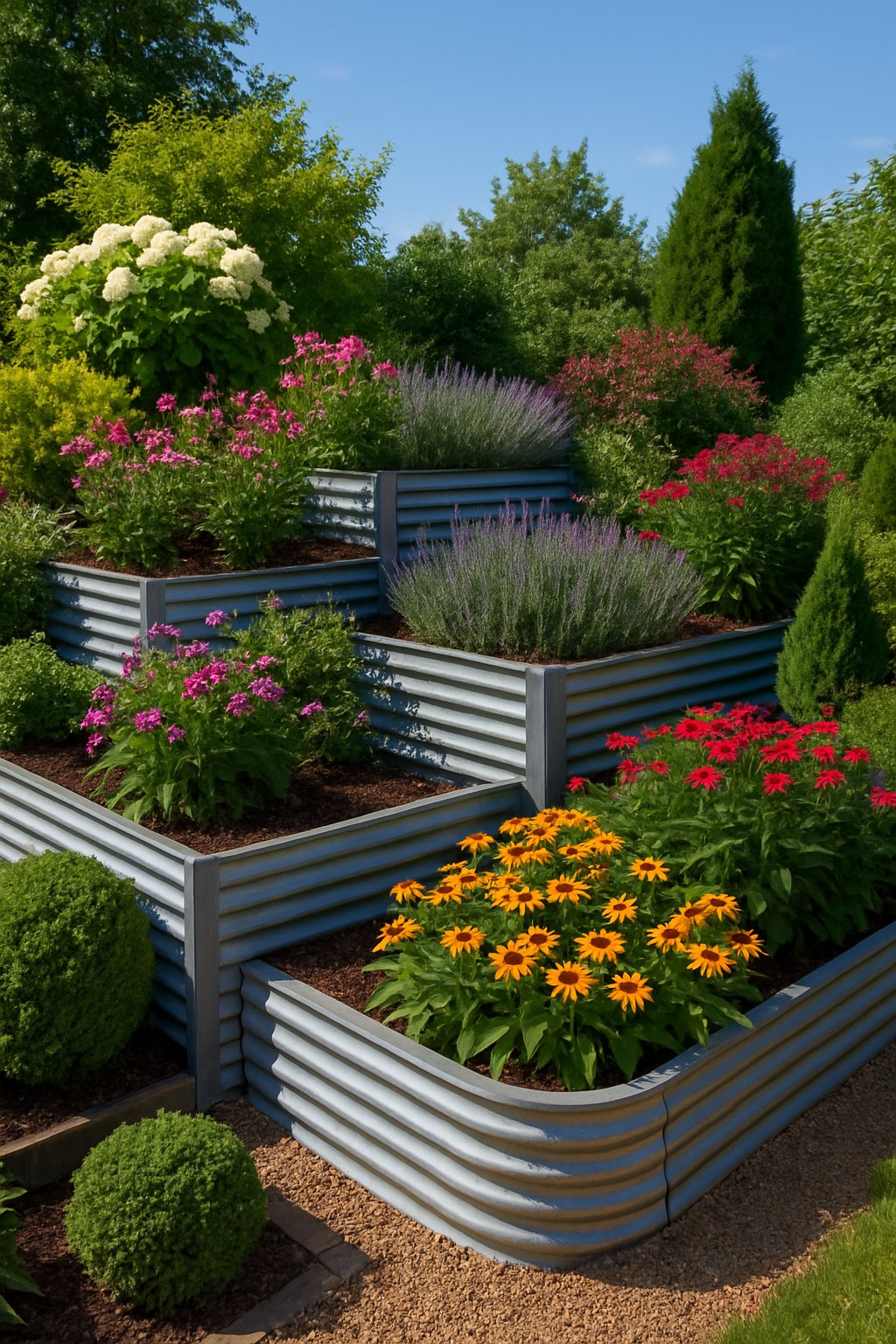
Corrugated steel creates a tough and durable garden wall. It resists rust and stands up well to harsh weather, giving your garden a modern, industrial aesthetic.
Use it to build raised beds or to create simple borders. Either way, it holds its ground effectively. Anchoring stakes can help keep everything steady if you experience strong winds.
It’s a low-maintenance option that is surprisingly effective at blocking weeds and roots.
Expert Tip: To avoid rust and ensure a longer lifespan, use galvanized steel. Secure the walls firmly to prevent any movement during heavy rain or wind.
18. Terracotta Pot Edges Laid Sideways
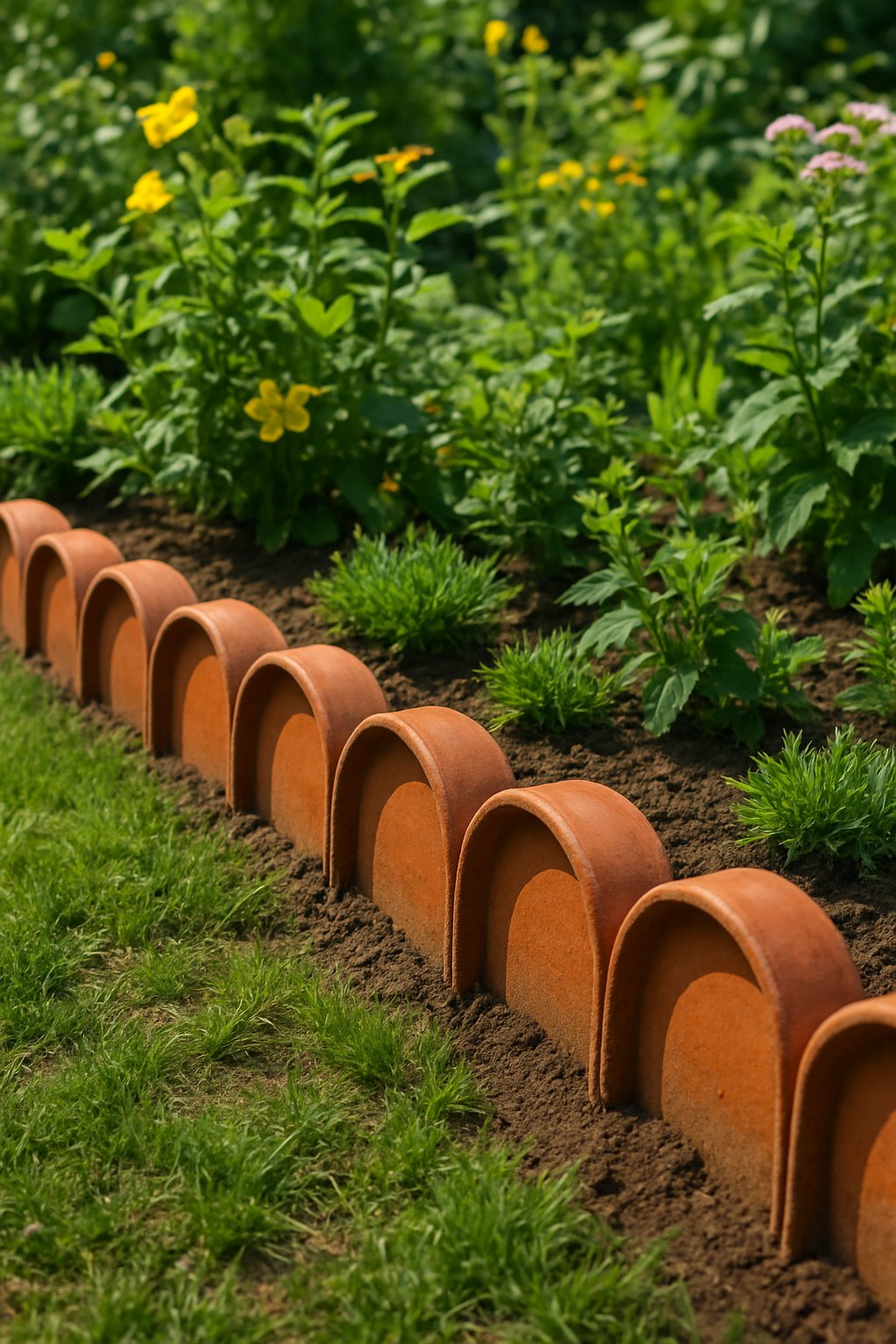
For a quirky and charming garden border, take some old terracotta pots and lay them on their sides. You can line them up to create a curved or straight edge, achieving a warm, earthy look.
You can even fill the pots with soil and tuck in small plants for a bit of extra greenery. This border is easy to install, and you can move the pots if you decide to change the layout later.
Expert Tip: To keep the pots stable, bury about half of each one underground. This will prevent them from tipping over during bad weather.
19. Natural Cypress Mulch Rims
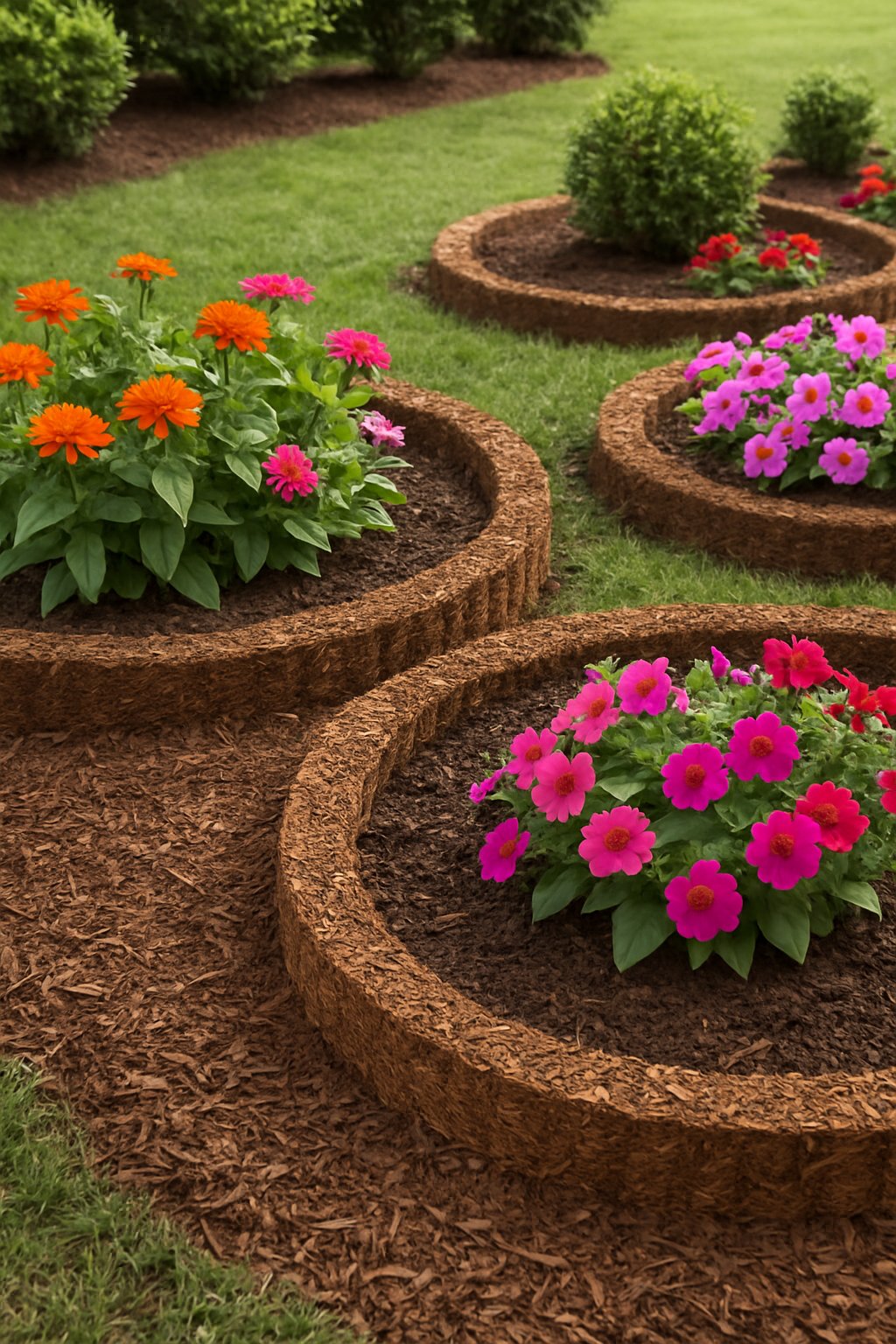
If you’re looking for a border that appears natural and tidy, try using cypress mulch. It helps the soil retain moisture and effectively slows down weed growth.
Cypress mulch decomposes quite slowly, so you will not need to replenish it constantly. You can shape it into clean rims along paths or beds for a soft and inviting finish.
Expert Tip: For the best weed control, spread cypress mulch to a thickness of about 2 to 3 inches. Refresh it annually to keep your garden borders looking fresh and tidy.
20. DIY Pallet Wood Edging
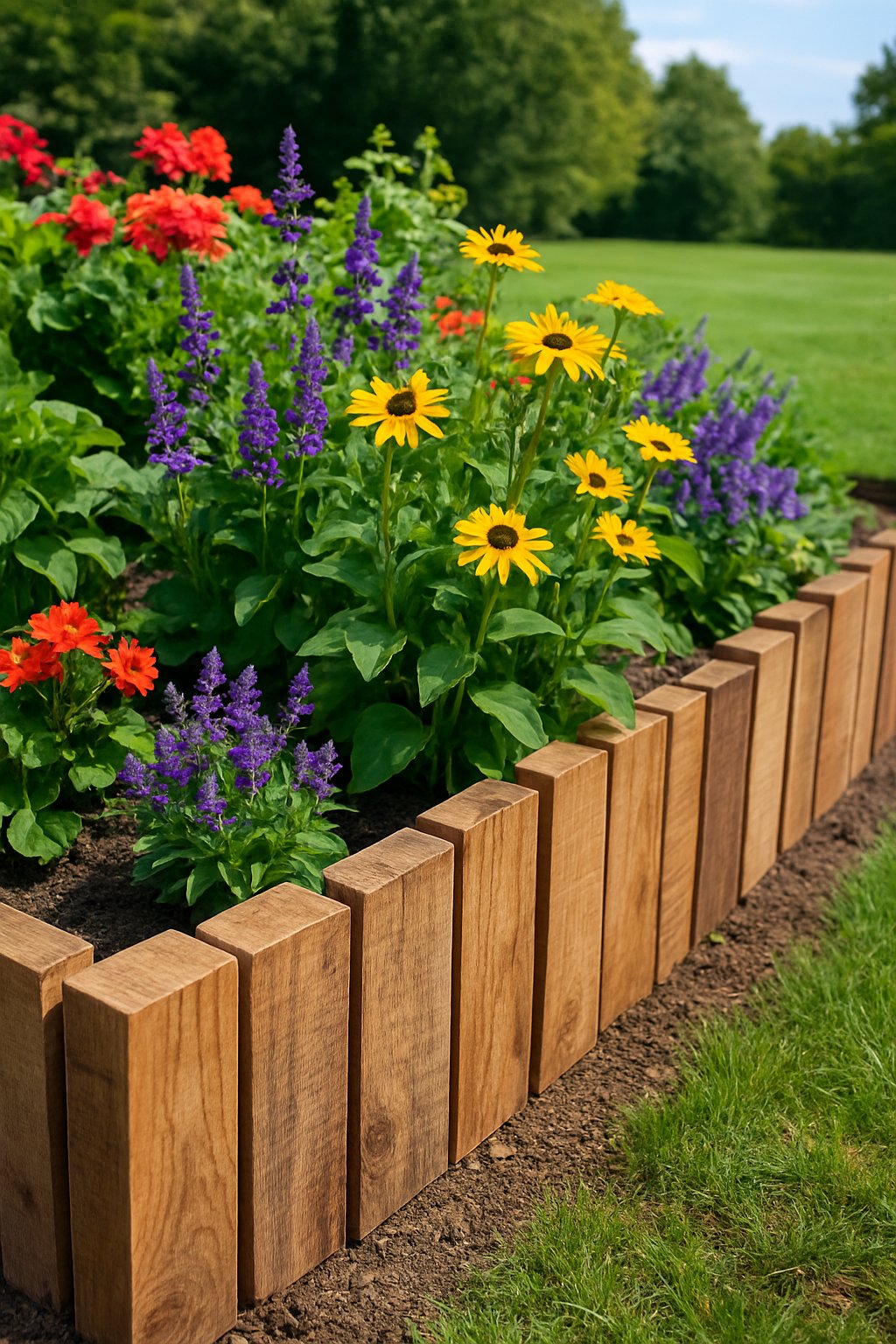
Old pallet wood is an excellent material for garden edging. Cut the boards to your desired length and either stand them upright or lay them flat along your garden beds.
Pallet wood is sturdy, especially if it’s heat-treated or kiln-dried. This approach adds a rustic, natural vibe to your garden without a high cost.
Secure the wood with stakes or nails to prevent it from shifting. You can also paint or stain it if you’re feeling creative.
Expert Tip: Always verify that your pallet wood is heat-treated, not chemically treated. This ensures your garden remains safe and your edging will last longer.
21. Stacked Slate Pieces
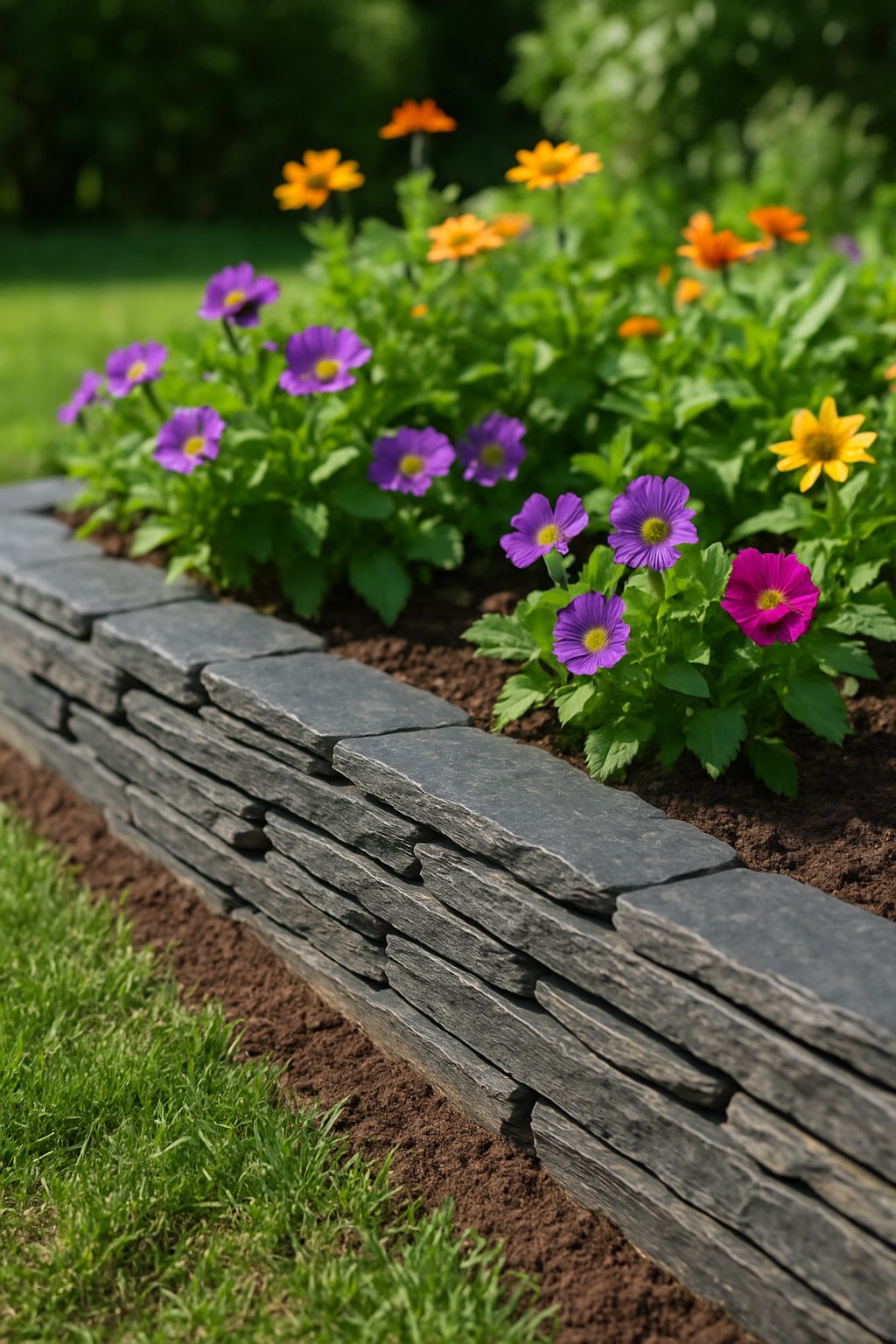
Build a sturdy and elegant garden border by stacking flat pieces of slate. You can layer them to form a low wall that effectively keeps soil and plants contained.
Slate is a tough material that weathers beautifully over time. Opt for pieces of similar size to create a straight, uniform edge, or mix it up for a more relaxed and natural feel.
Expert Tip: To keep your border stable, make sure the base stones are level. Use a rubber mallet to gently tap the pieces into place for a tight and secure fit.
22. Brick Pavers Set in Patterns
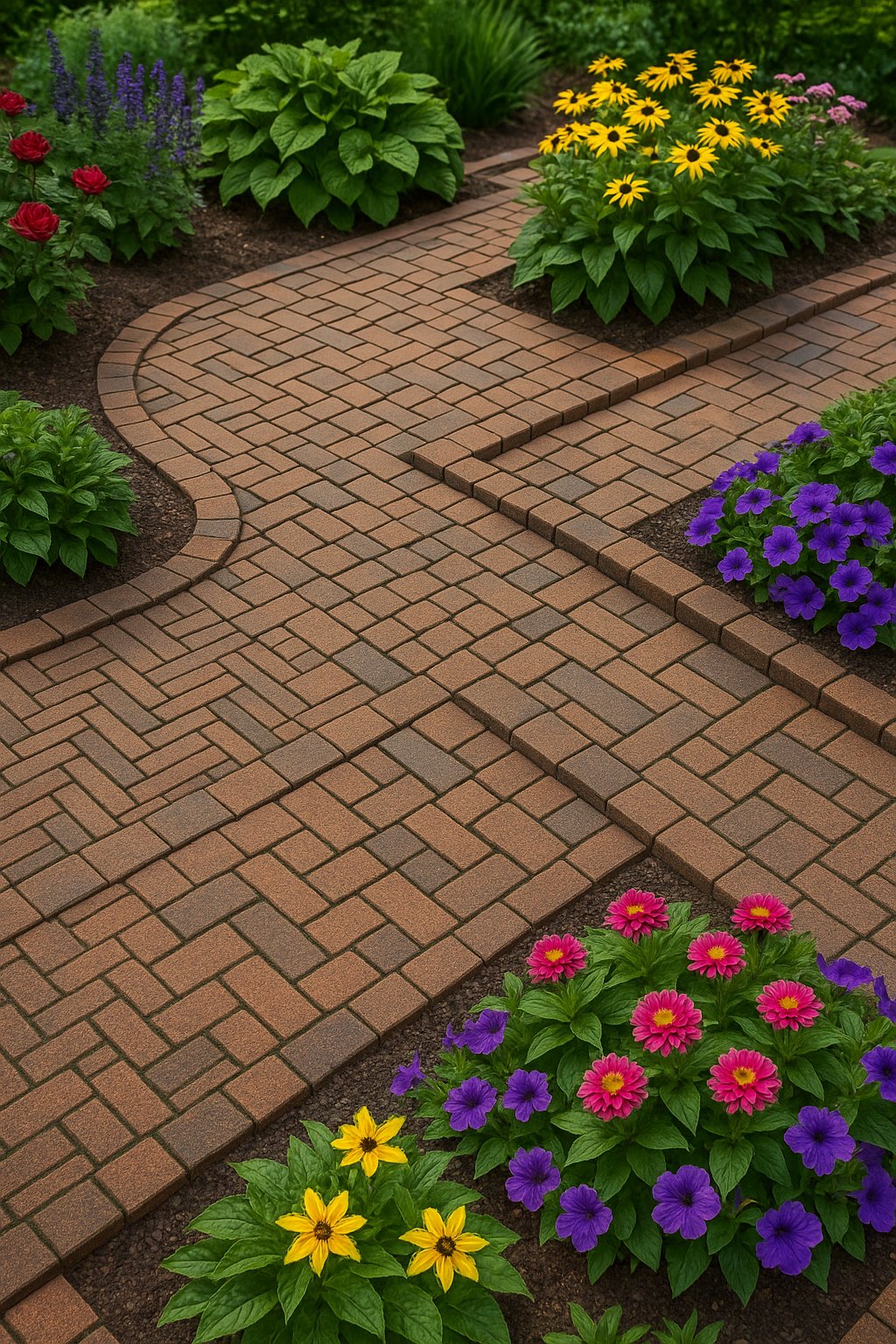
Brick pavers bring a timeless elegance to any garden border. You can lay them in simple, clean lines or try out patterns like herringbone or basketweave for some extra visual flair.
They are great for defining spaces and adding both texture and color. Using patterns can highlight pathways or separate beds with a crisp, professional-looking edge.
Additionally, brick pavers are quite durable, so they will maintain their look for many years.
Expert Tip: For a more natural and interesting pattern, choose bricks with slight variations in color. Lay a sand base first to ensure the pavers remain stable and to prevent shifting.
23. Low Bamboo Fencing
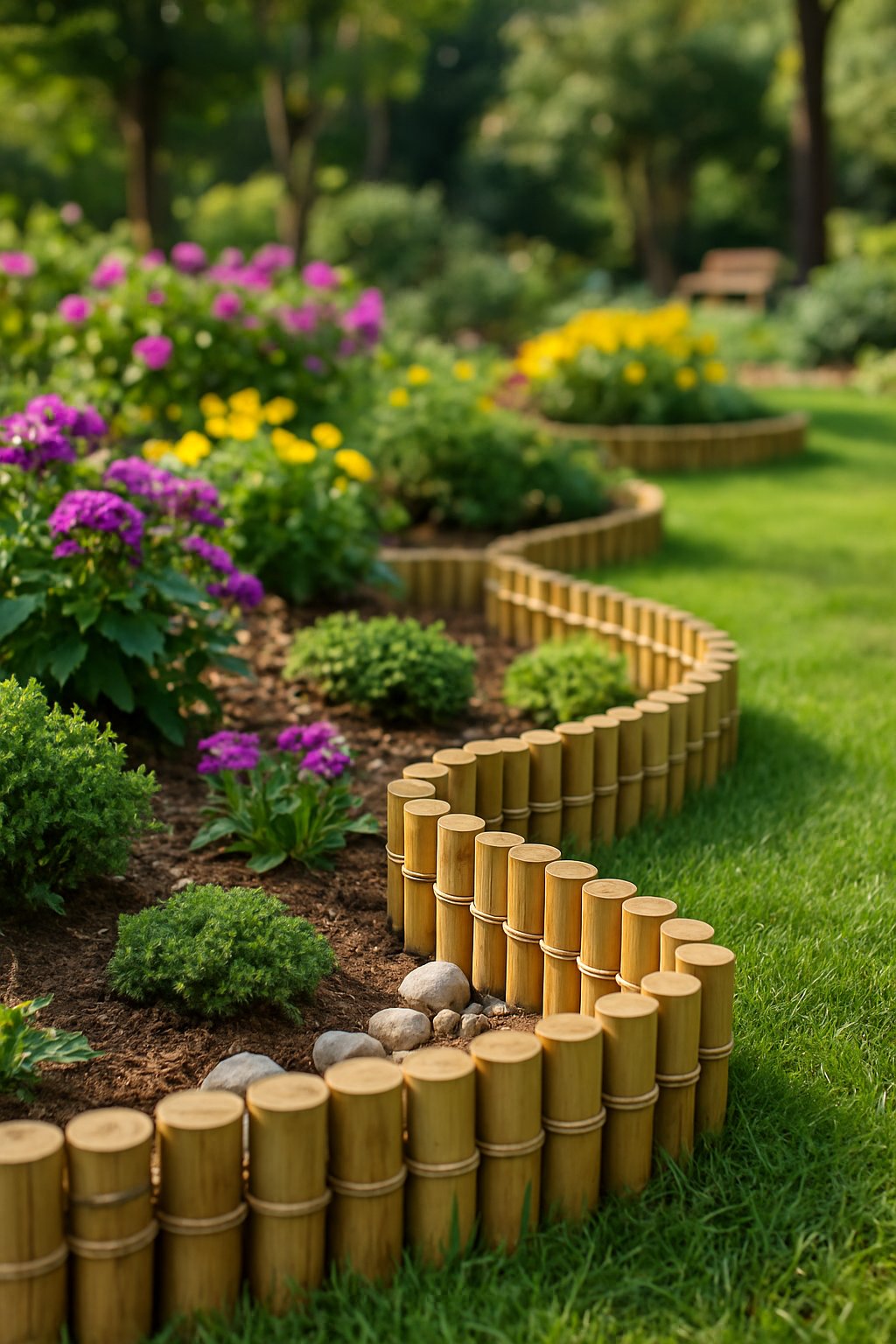
A low bamboo fence provides a simple, natural border for your garden. It keeps the edges looking neat while allowing your beautiful plants to remain the main attraction.
Bamboo is a tough material that holds up well against the weather. You can use short poles tied together or woven into a panel to create a fence that complements almost any garden style.
Expert Tip: For the cleanest finish, choose bamboo poles that have an even thickness. Seal the bamboo to protect it from moisture and pests.
24. Edging with Sturdy Ivy Plants
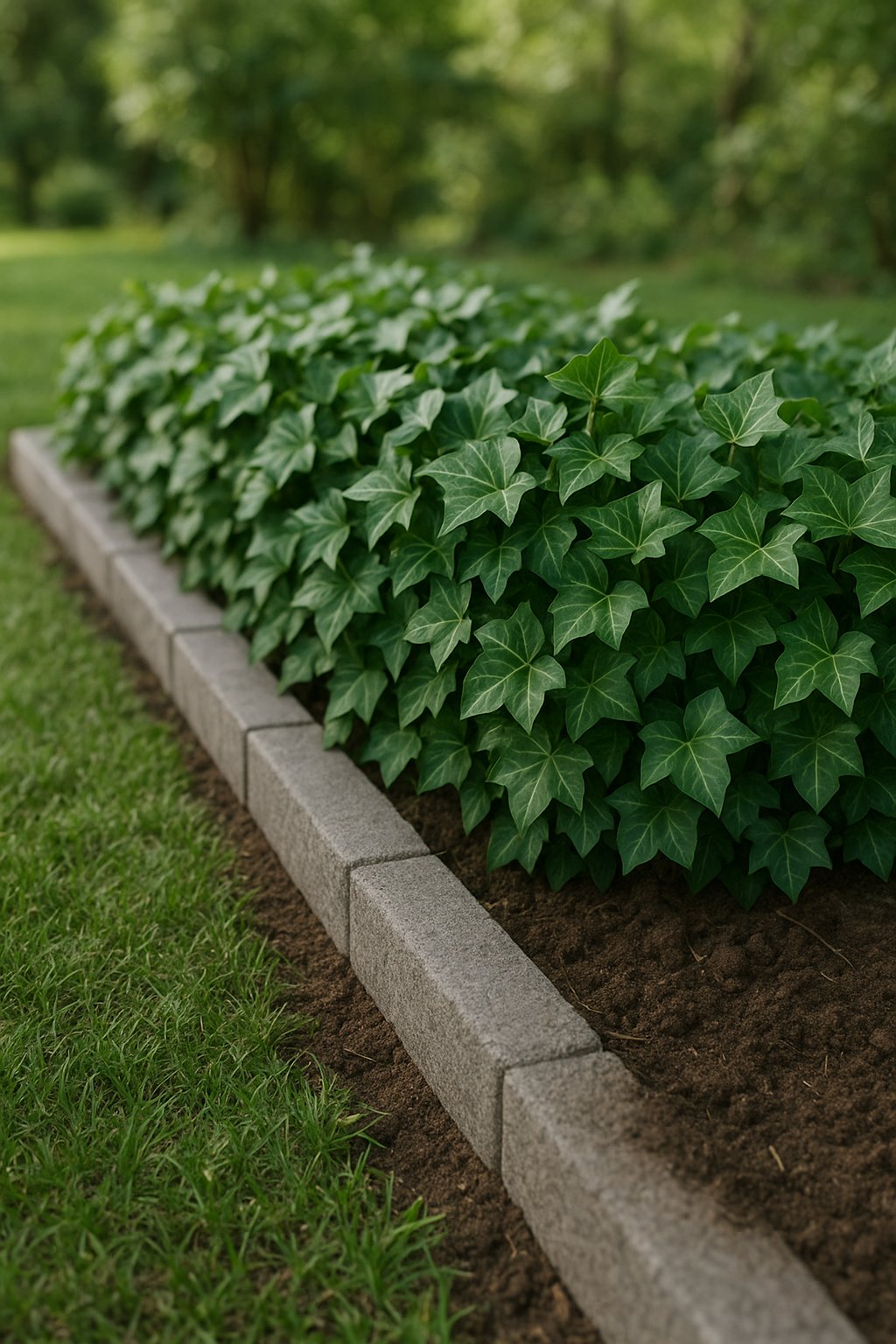
Ivy creates a strong, low-maintenance living border. It grows thick, covering the edges of walkways or beds with a classic, deep green appearance.
You can also train ivy to grow along fences or walls if you want living borders with more height. Just be sure to keep an eye on it, as ivy can become quite invasive if left untended.
Expert Tip: Choose hardy ivy varieties that are well-suited to your climate to avoid potential damage. Trim it regularly to keep your border looking neat and healthy.
25. Reclaimed Metal Pipe Borders
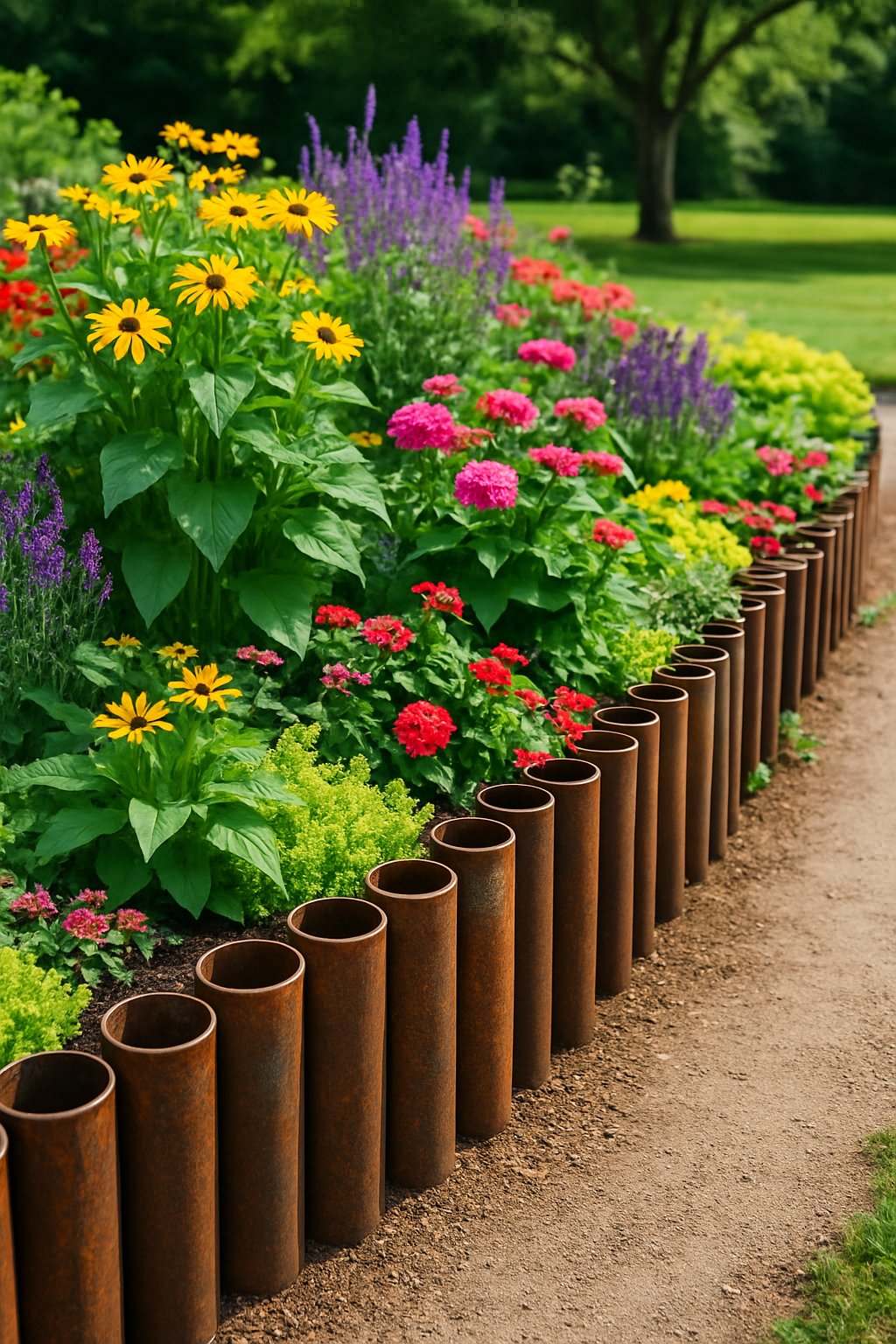
Reclaimed metal pipes can introduce a quirky, industrial edge to your garden. They are incredibly sturdy and work well for holding soil in place.
Arrange them vertically or horizontally to suit your personal style. Metal pipes are durable and will stand up to the weather for years to come.
Using reclaimed materials is an eco-friendly decision that also adds a lot of character. You can paint them or allow them to rust naturally for different aesthetic effects.
Expert Tip: To avoid injuries, make sure to smooth out any sharp edges on the pipes before you install them. Use a rust-resistant paint if you want a longer-lasting finish.
26. Log and Stone Combo Border
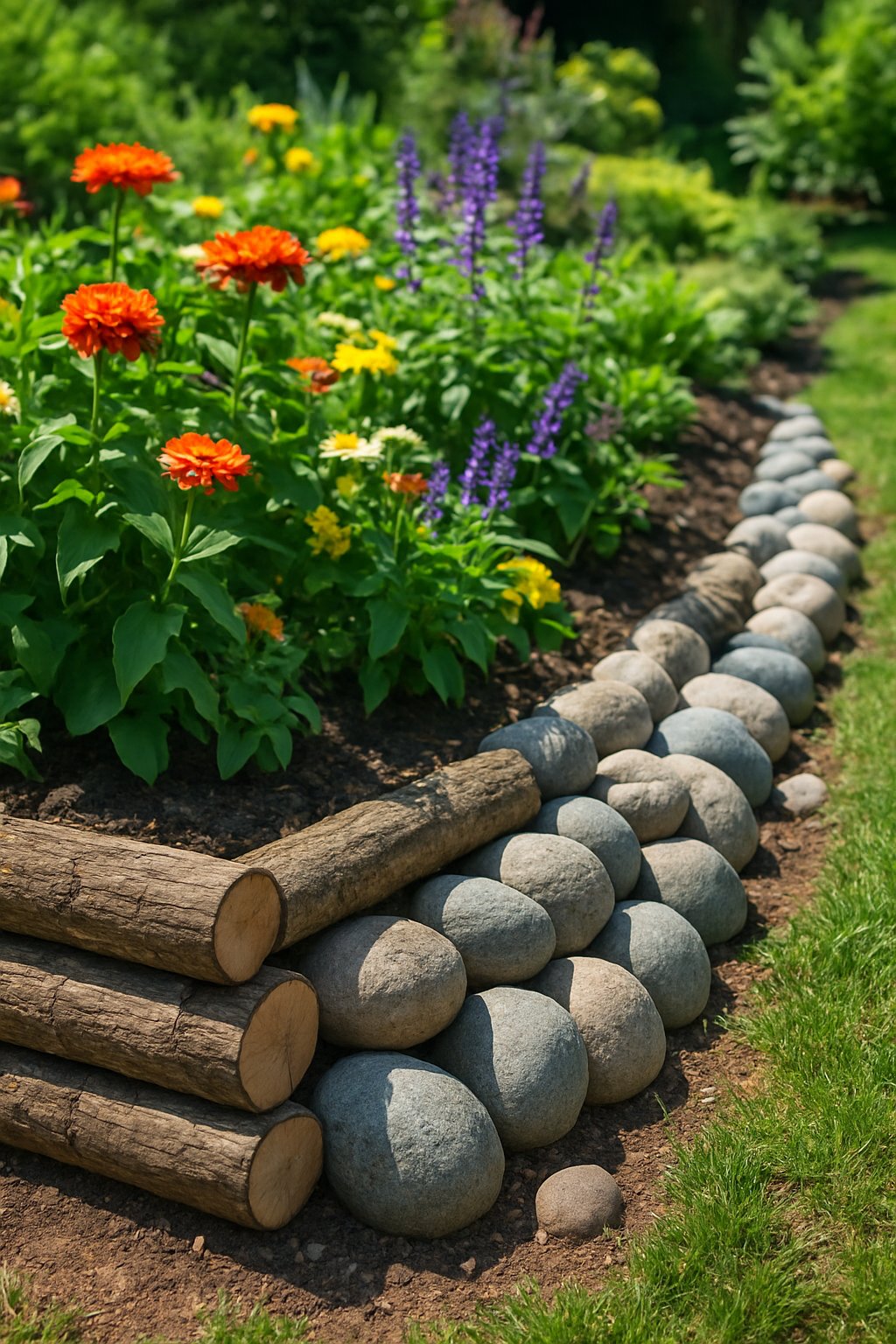
For a border that feels both rustic and natural, try mixing logs and stones. The logs provide a sense of warmth, while the stones add a grounded, earthy element.
Arrange the logs side by side, and then fill any gaps with stones to add both stability and style. This combination is relatively easy to assemble and looks perfectly at home in woodland or country-style gardens.
Expert Tip: To prevent rotting, choose logs that have been treated for outdoor use. Use flat stones to help keep the border neat and stable.
27. Simple Straw Bale Edging
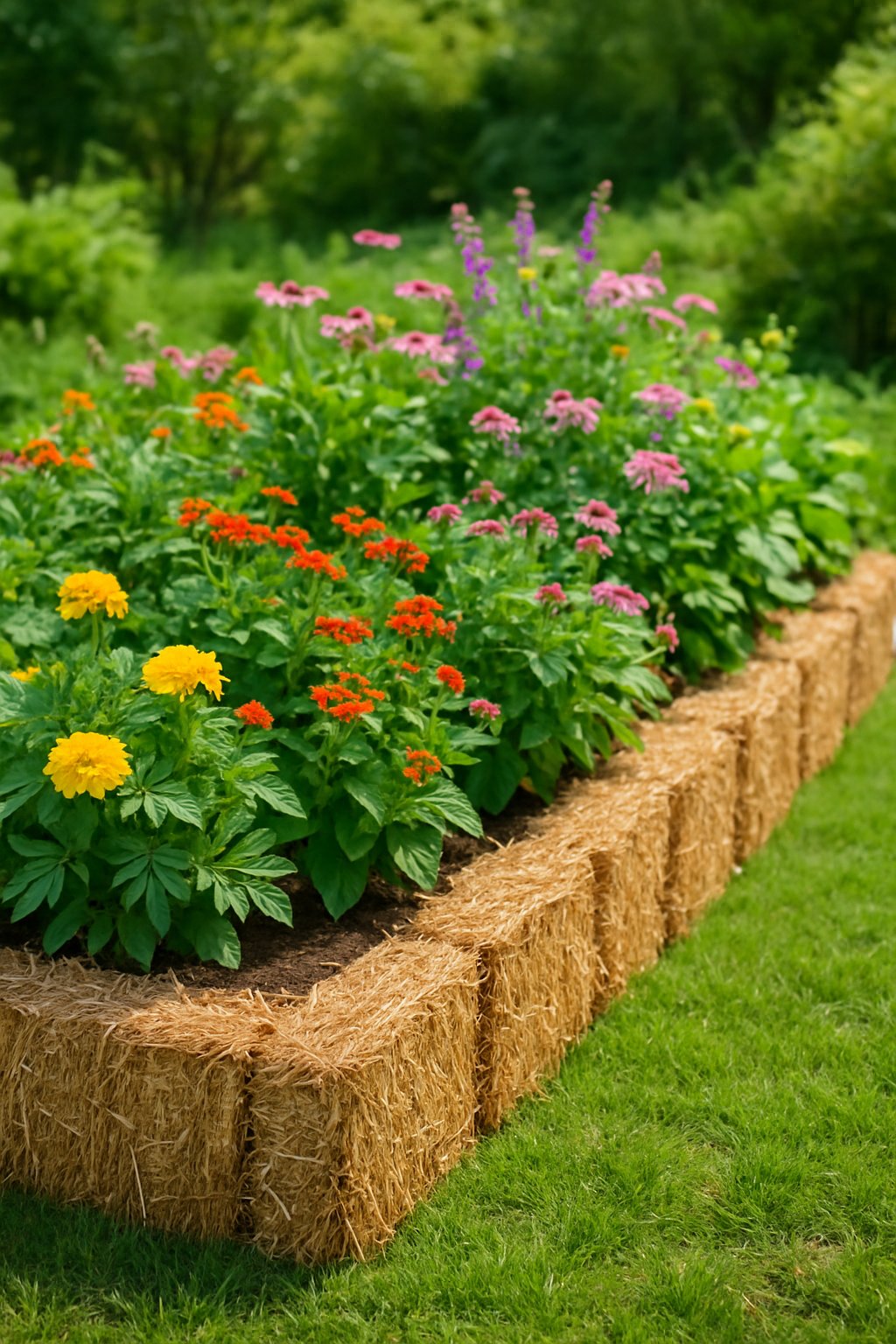
If you’re looking for a natural and easy garden border, consider using straw bales. They lend the space a cozy, rustic vibe and help keep your soil and plants contained.
Straw bales are lightweight, so you can easily move them around whenever you want to change the layout. As they decompose, they also add organic matter back into the soil.
This type of edging is a perfect fit for vegetable beds or small flower gardens. It’s a straightforward solution, but it is very effective.
Expert Tip: Place a tarp underneath the straw bales to slow down decay and prevent weeds from growing through. For a fresh look and healthy soil, replace the bales each season.