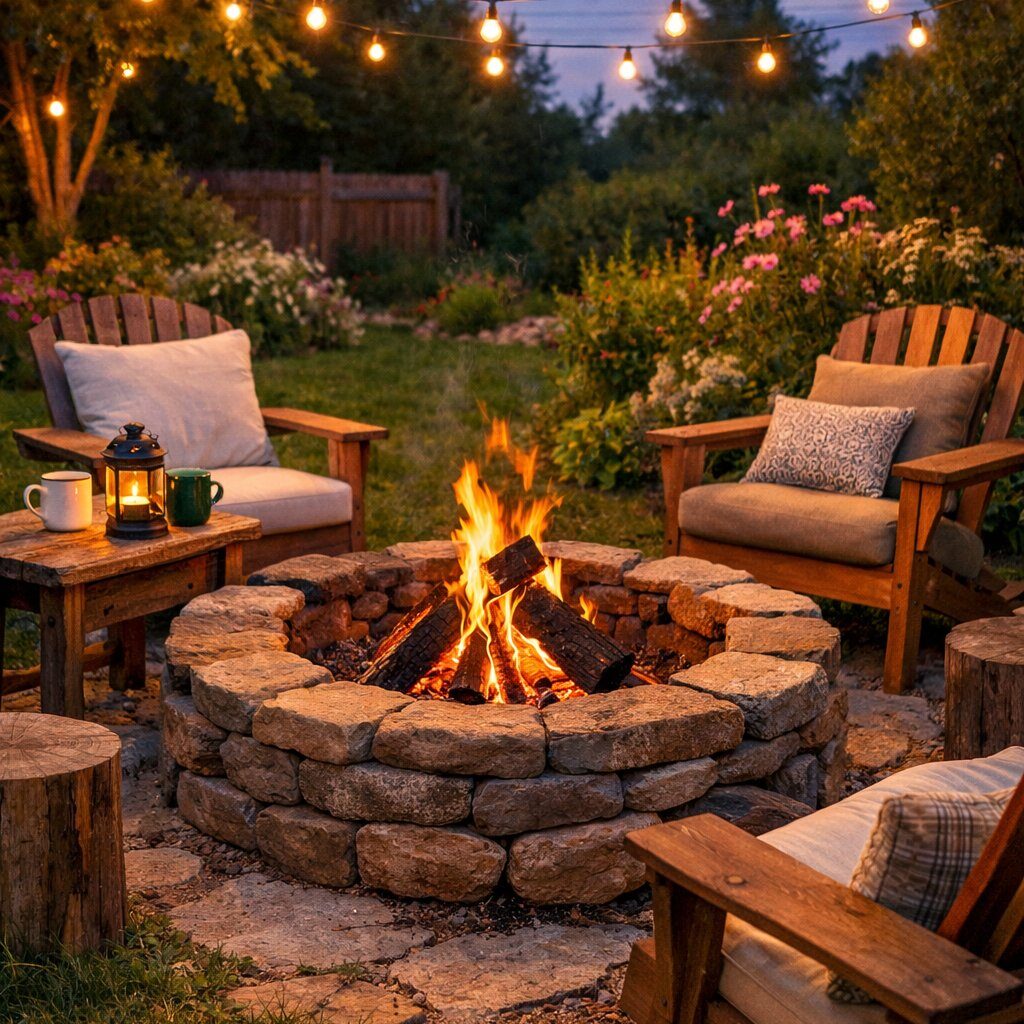
You can transform your backyard into the ultimate retreat without breaking the bank or hiring a team of professionals. Get ready to dive into 18 straightforward ideas designed to make your yard cozier, lusher, and a whole lot more inviting. You will find quick projects covering everything from lighting and seating to unique planters and water features, with options for every skill level. Consider these simple upgrades as the perfect starting point for making your outdoor space a place you never want to leave.
These small victories can inspire bigger transformations and encourage you to spend more time enjoying the outdoors.
1. Install a DIY fire pit for cozy nights without breaking the bank
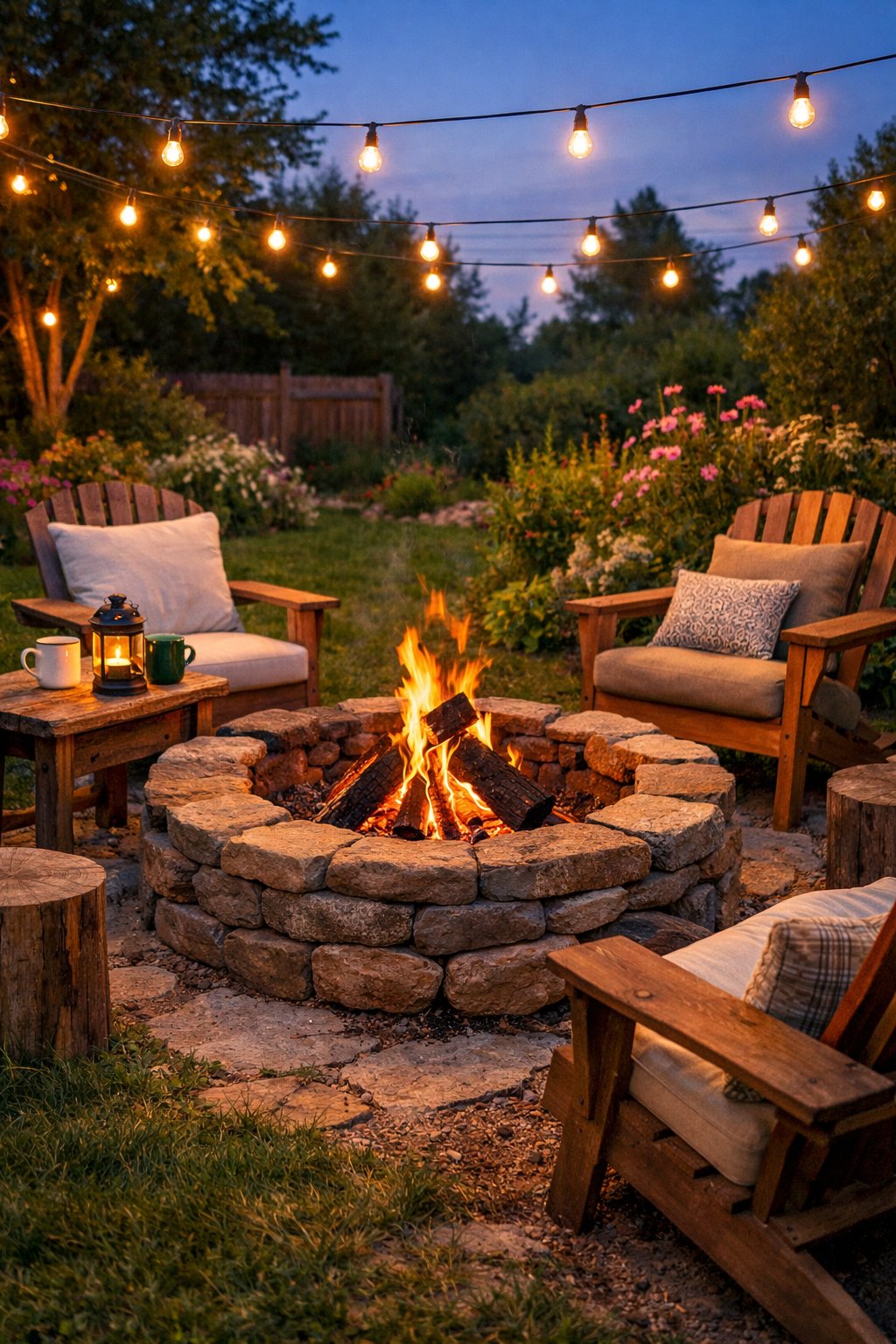
Are you tired of chilly evenings forcing everyone inside? A simple fire pit solves that problem, drawing people together for marshmallow roasting and good conversation. You can construct a basic ring using pavers, concrete blocks, or even a repurposed metal band. This project typically takes a weekend, a bit of effort, and can cost less than $100 with some savvy shopping.
Choose a level area far from fences and overhanging tree limbs. Add a layer of gravel at the bottom to help with drainage, and make sure you only use heat-safe materials for safety. For fuel, seasoned hardwood is your best bet because it burns longer and produces less smoke. Arrange some comfortable chairs around it and hang some lights to create instant backyard charm.
A helpful tip is to begin by outlining your fire pit’s shape with chalk or sand. Always check your local regulations, and keep a bucket of water nearby for safety.
2. Create a vertical garden using pallet planters to save space and add greenery
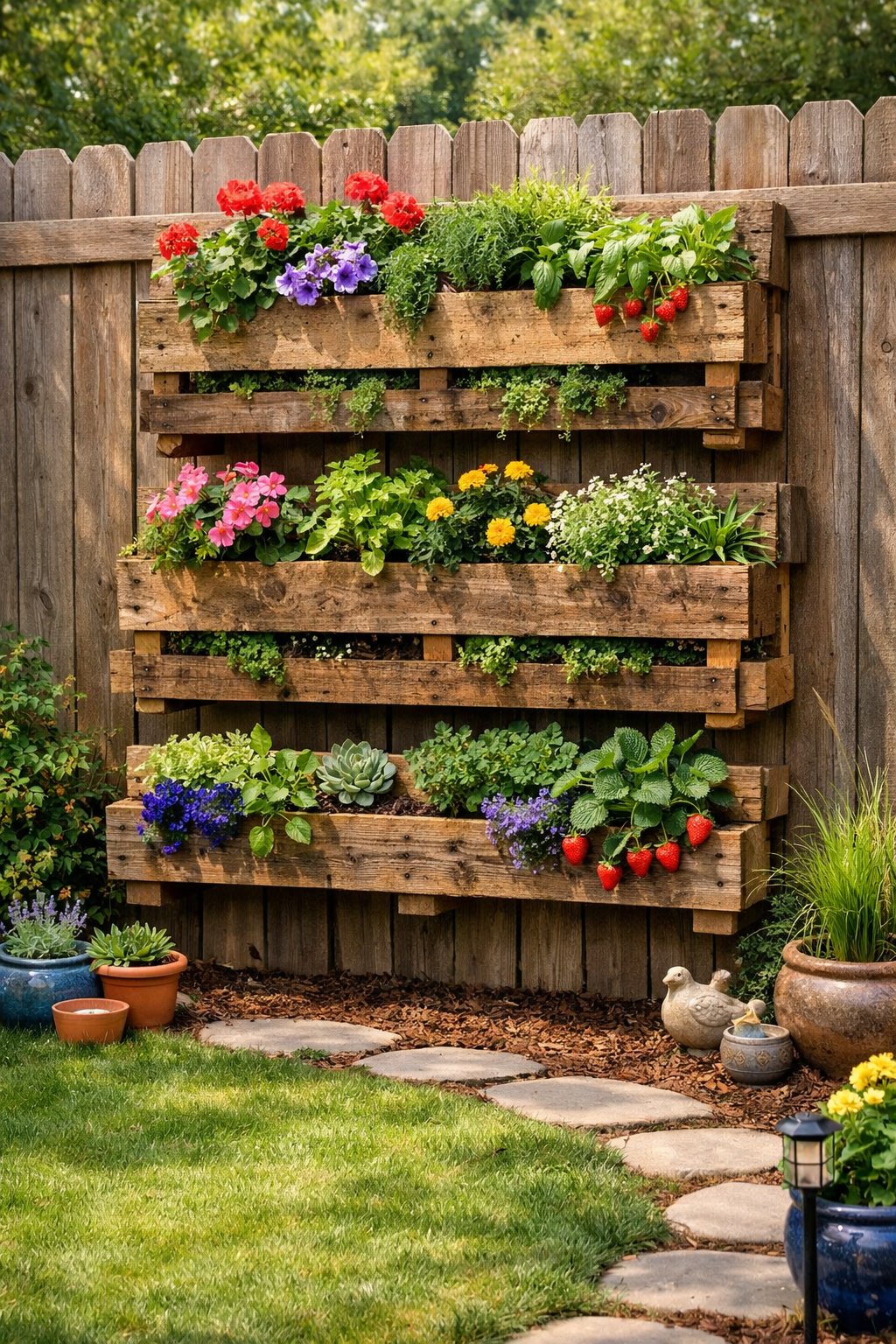
It sounds incredible, but an ordinary wooden pallet can become a vertical garden for a small wall space. Just stand a pallet upright, line the openings with landscape fabric, and fill the slats with quality potting mix. It is an inexpensive and fast project that adds a vibrant touch to any dull wall.
You can hang the pallet on a fence or simply lean it against a shed. It is perfect for growing herbs, lettuce, or small flowers. You will have fresh produce within reach and a beautiful vertical display that looks professionally done. Be sure to use a waterproof backing and good soil to prevent water from creating a mess. Place plants that love sun near the top and those that prefer shade in the lower sections.
A great way to start is with basil and mint, as they grow quickly and are very forgiving. You can switch out the plants with the changing seasons to keep your garden wall looking fresh all year.
3. Add string lights or lanterns to give your backyard a magical glow
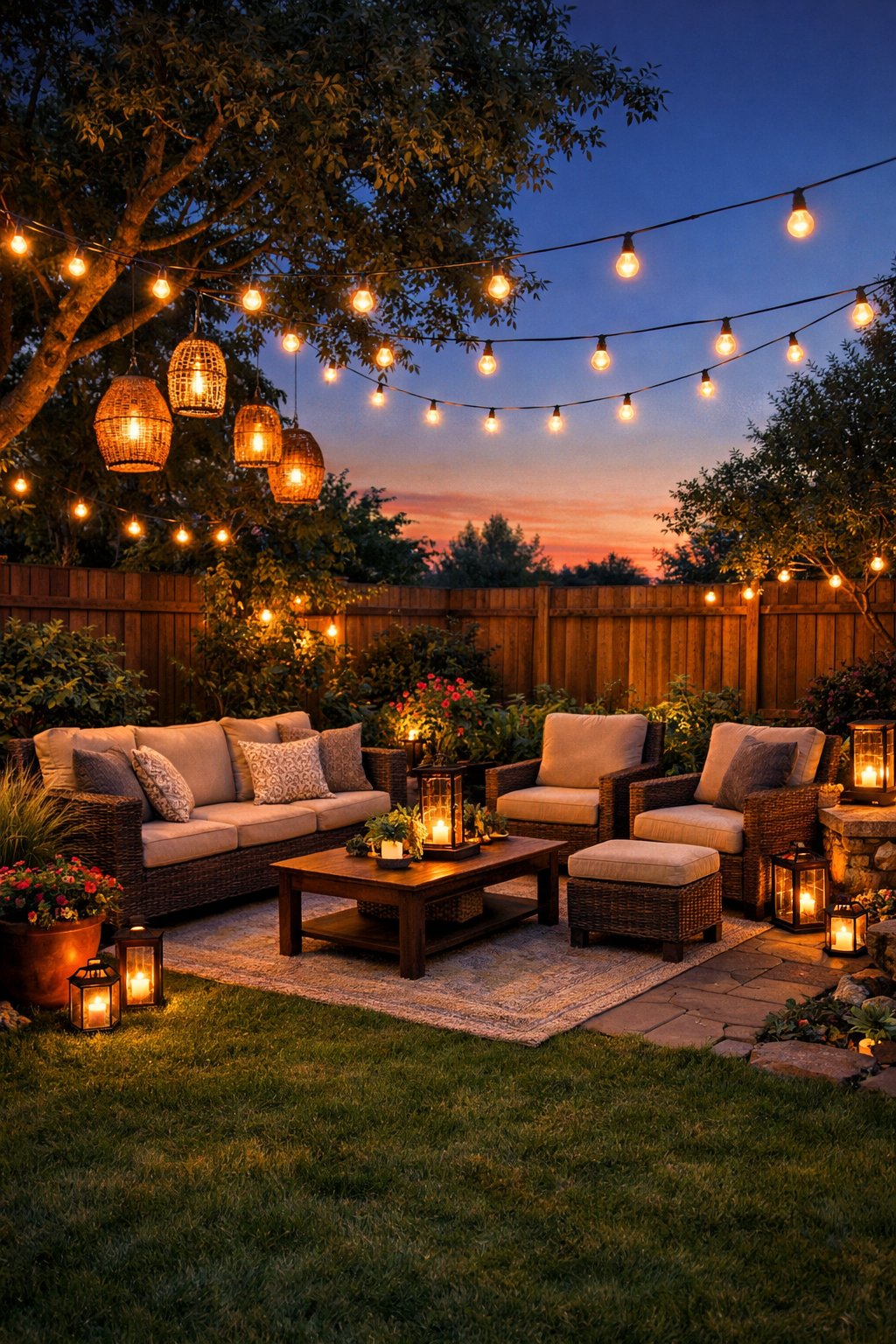
Do not believe that good backyard lighting has to be expensive. String lights and lanterns are simple to install and can turn your yard into a sparkling oasis in just a few minutes. Drape the lights across your patio, weave them through tree branches, or line a fence to cast a soft, inviting glow. For a cozy, layered effect, combine large globe bulbs with delicate fairy lights.
Opting for solar or LED lights means you can avoid the hassle of running extension cords across your yard. Placing a few battery operated lanterns around your seating area makes the entire space feel more usable and welcoming after sunset.
A good approach is to begin with a single strand to see how it looks, then add more lighting to the areas where you spend the most time. Soft white bulbs create a cozier atmosphere and complement any decor.
4. Build a simple raised garden bed for easy veggie or herb growing
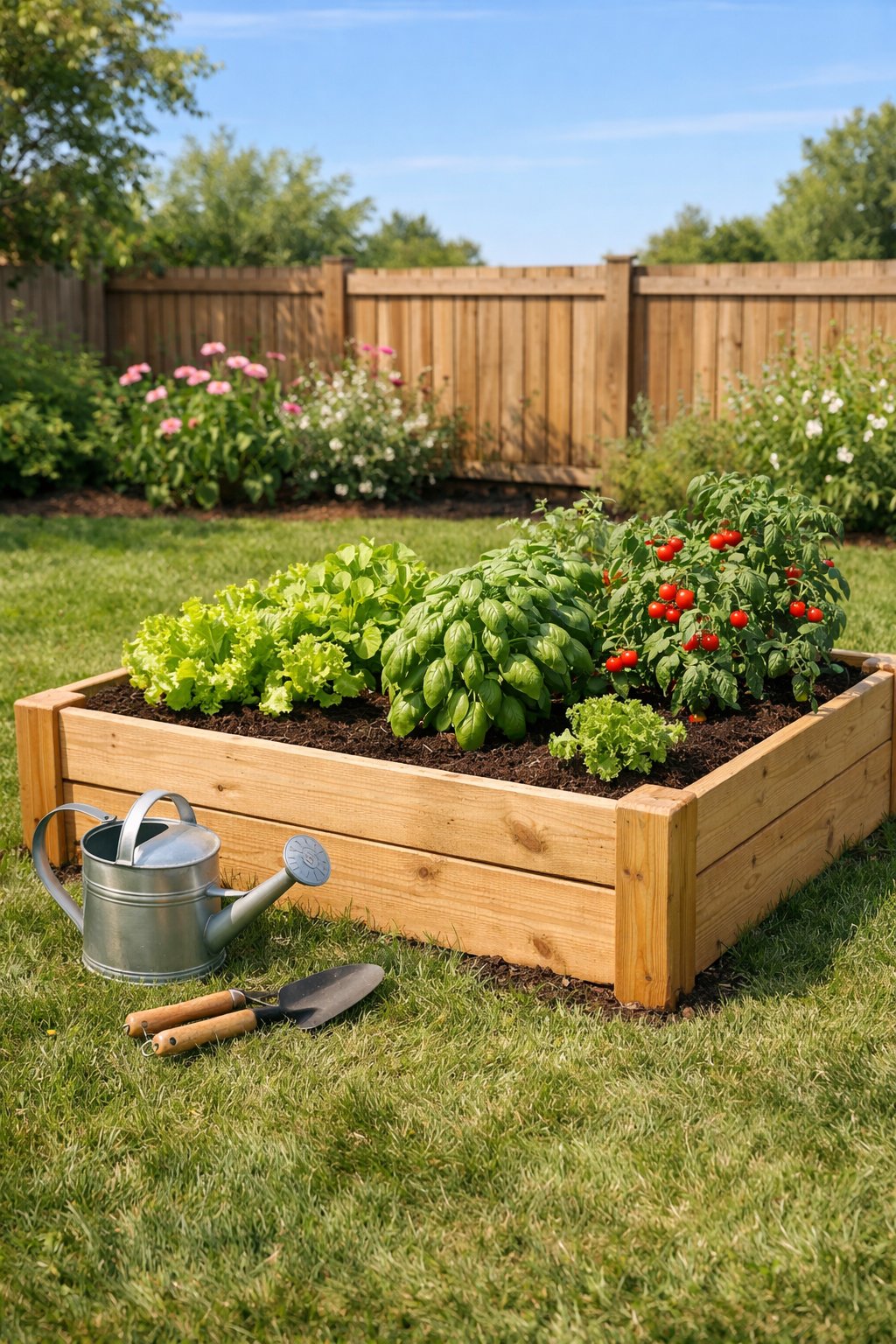
You do not need a massive yard or specialized equipment to grow your own food. A raised garden bed provides excellent control over your soil quality and significantly reduces the effort of weeding. Select a sunny location, build a frame with rot-resistant wood or cinder blocks, and fill it with a quality garden mix. You can assemble the box in one afternoon and begin planting immediately.
Aim for a bed height of about 12 to 18 inches to give roots ample space and to save your back from strain. Planting herbs, lettuce, and peppers closely together will yield quick and easy harvests.
For best results, use soil enriched with plenty of compost and remember to thin out seedlings to prevent overcrowding. Watering your plants in the morning is an effective way to keep them healthy and conserve water.
5. Set up a pet-friendly planter box because fur babies deserve their own garden too
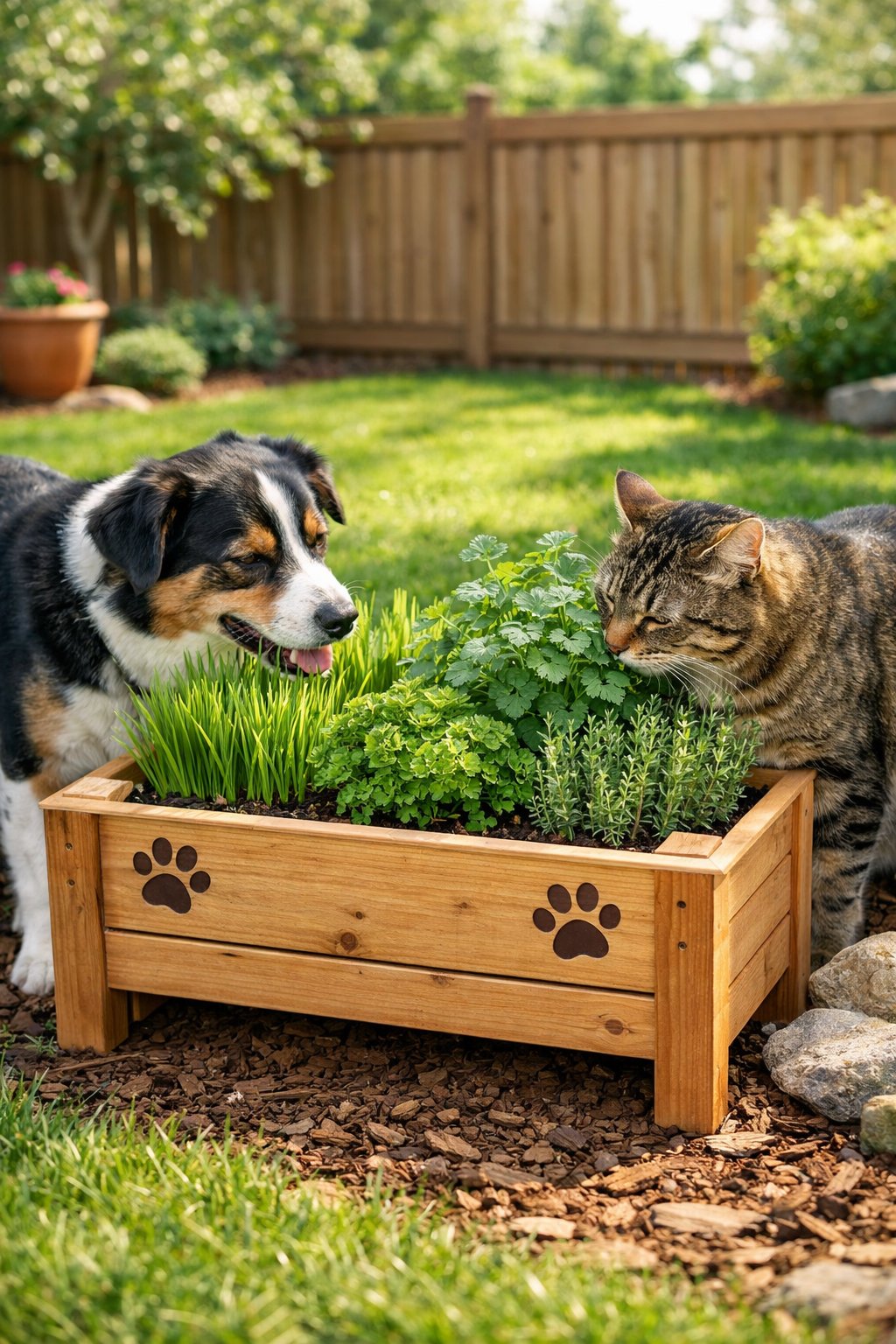
Many common garden plants can actually be harmful to your pets if ingested. You can create a safe space for your furry companion by setting up a dedicated planter just for them, so they avoid chewing on something dangerous. Choose sturdy, non-toxic plants such as cat grass, parsley, or mint. Use a well draining soil and select plants that grow quickly so your pet always has a safe and appealing snack.
Place the planter box in a spot where your pet already loves to relax. You might add a small barrier or low fence if your pet is particularly curious. This helps define their space and keeps your other garden plants protected.
It is wise to start with a small box to see how your pet interacts with it. Rotating the plants each season will keep things interesting and ensure the space remains safe.
6. Put together a grill station using cinder blocks and a metal grate for weekend BBQs
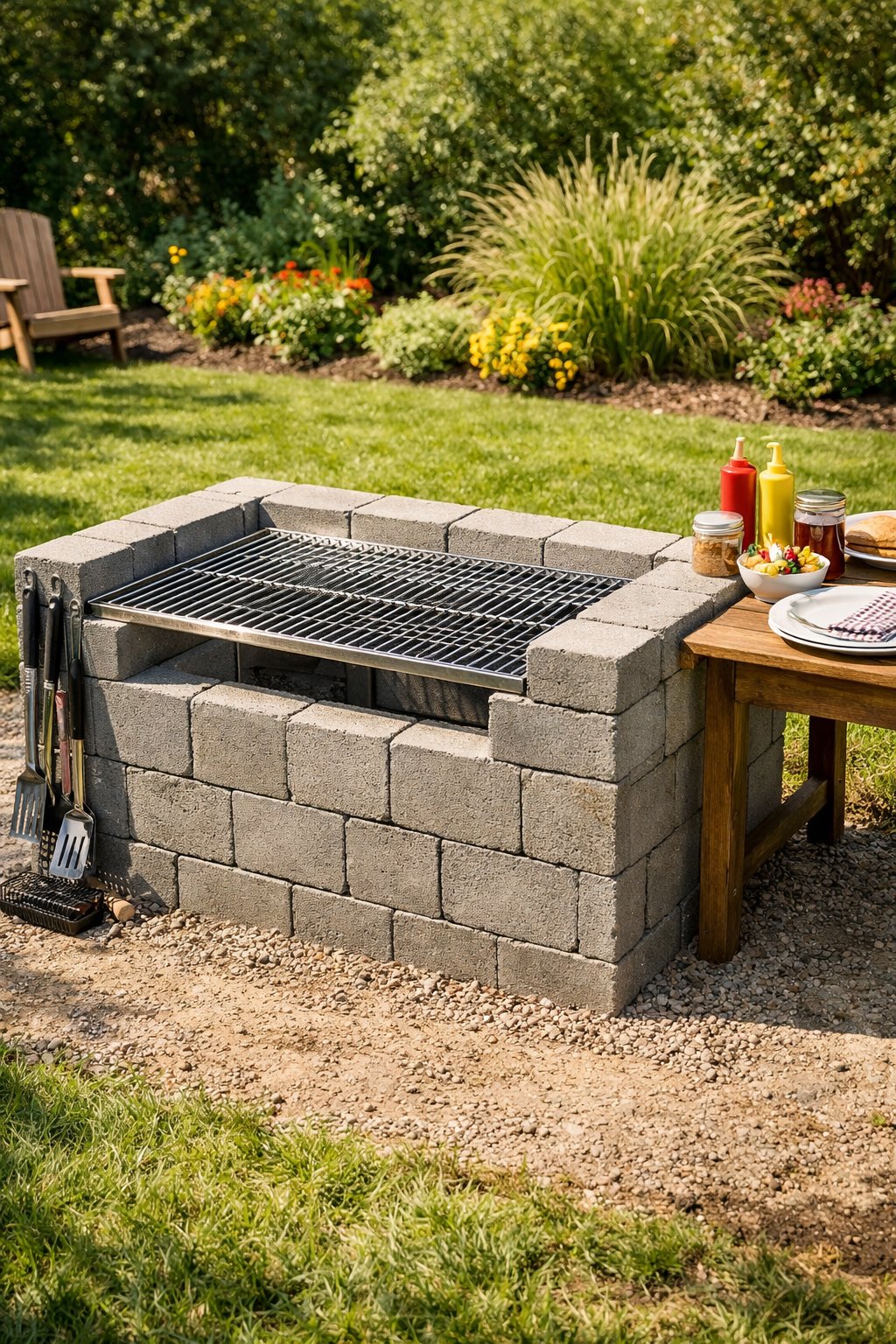
If you are tired of balancing plates and grilling tools on a wobbly table, this project is for you. You can construct a stable and affordable grill station using cinder blocks and a metal grate in just a few hours. Arrange the blocks in a U-shape or a rectangle, ensuring there is a gap for airflow, and then place a metal grate on top. You can add a paver or a wooden plank to one side to create a convenient shelf.
You have the option to dry stack the blocks, which allows you to move the station later, or use mortar for a permanent structure. For a more finished look, you can paint the blocks or cover them with a stone veneer.
For durability, use heat resistant grout or simply leave the firebox area bare to prevent cracking. Always set up your grill on level ground and keep a fire extinguisher within reach.
7. Hang a hammock between two trees for ultimate lazy day vibes
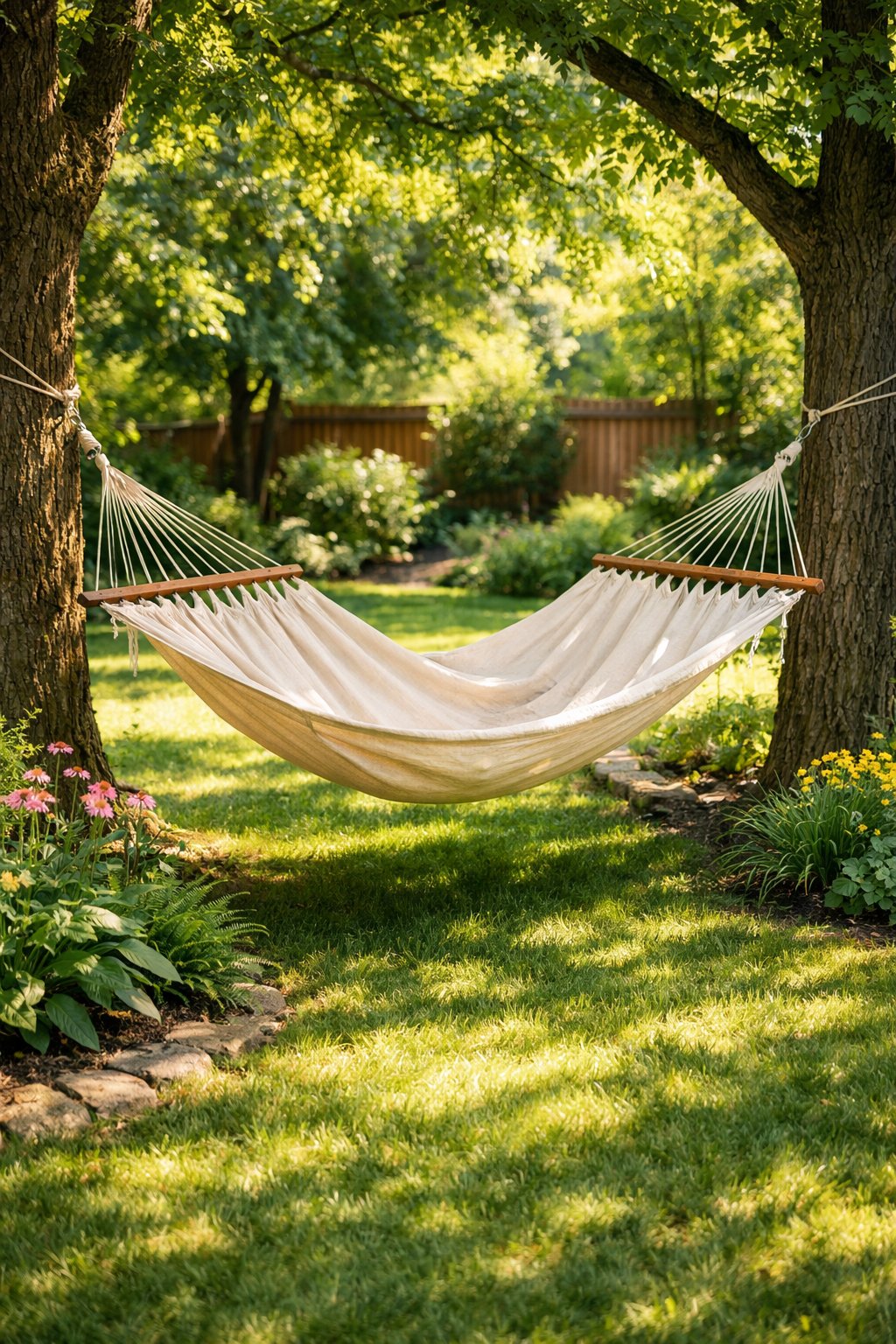
A hammock is more than just camping gear; it is an invitation to enjoy lazy summer afternoons. You can easily hang one between two sturdy trees in minutes, creating the perfect spot for reading, napping, or simply unwinding. Look for trees that are about 12 to 15 feet apart and use wide straps to avoid damaging the bark. Adjust the hammock so its center hangs about 18 inches from the ground when you are in it.
If you do not have suitable trees, a freestanding hammock stand is an excellent alternative that lets you move your relaxation spot wherever you like. Enhance the experience with a pillow, a light blanket, and perhaps some nearby string lights for your own personal retreat.
Always use tree friendly straps that are at least one inch wide to protect the bark. Before you get in, double check that all knots and straps are secure.
8. Use a flowering wall backdrop to turn your yard into a secret garden
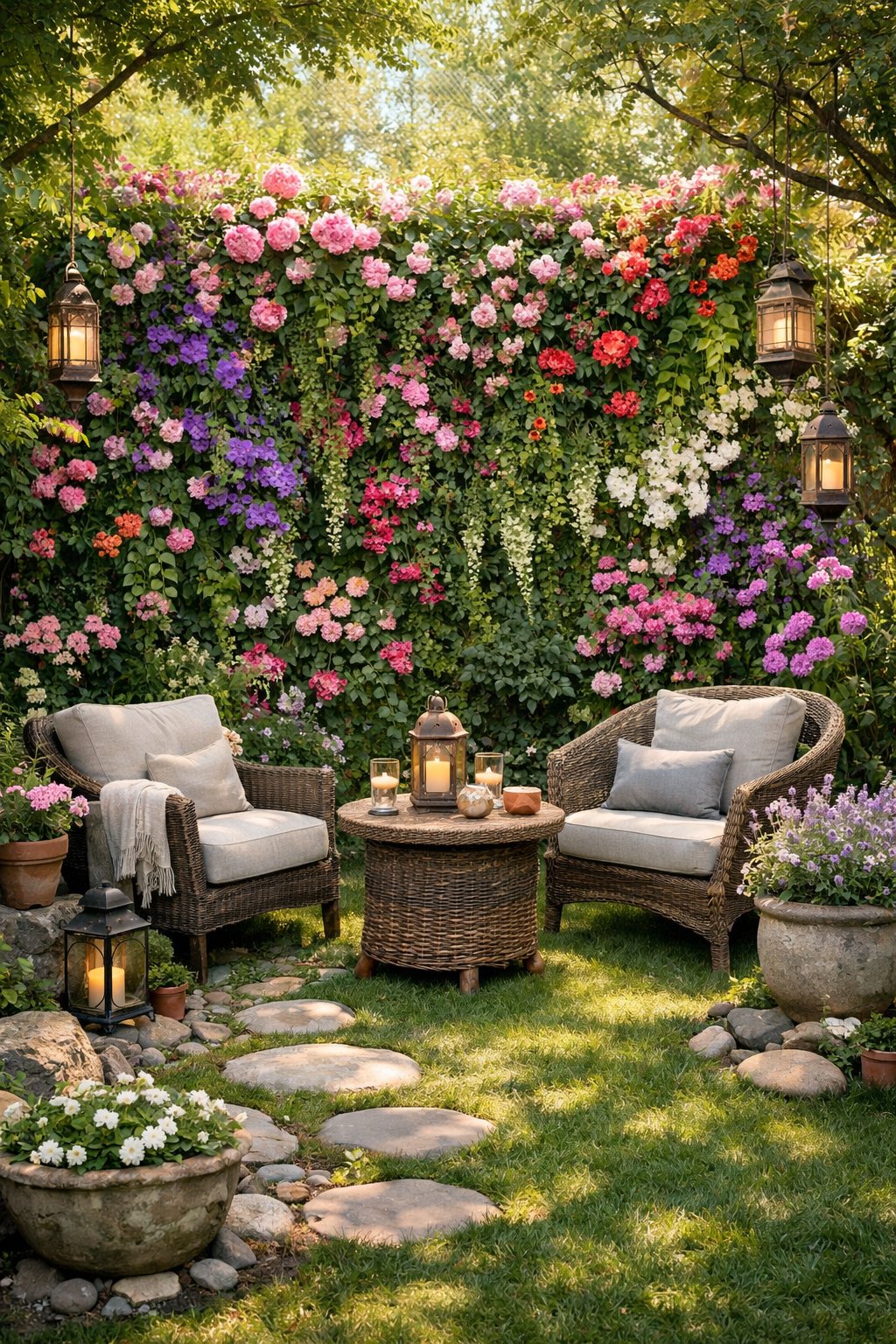
You do not need a lot of money or space to cultivate a secret garden atmosphere. Adding a flowering wall can make even a small corner of your yard feel private and wonderfully lush. Plants like climbing roses, clematis, or trumpet vine will readily scale a trellis or lattice, providing color, fragrance, and seclusion without taking up valuable ground area.
For year round appeal, mix in some evergreen climbers to ensure your wall remains green in the winter. Place a slender bench or a hanging chair nearby to complete your hidden sanctuary, perfect for reading or enjoying a cup of tea.
Provide sturdy supports and plant the vines at the base so they can climb naturally. A light pruning once a year will encourage new blooms and keep the wall looking neat.
9. Repurpose old tires as colorful planters that are both fun and eco-friendly
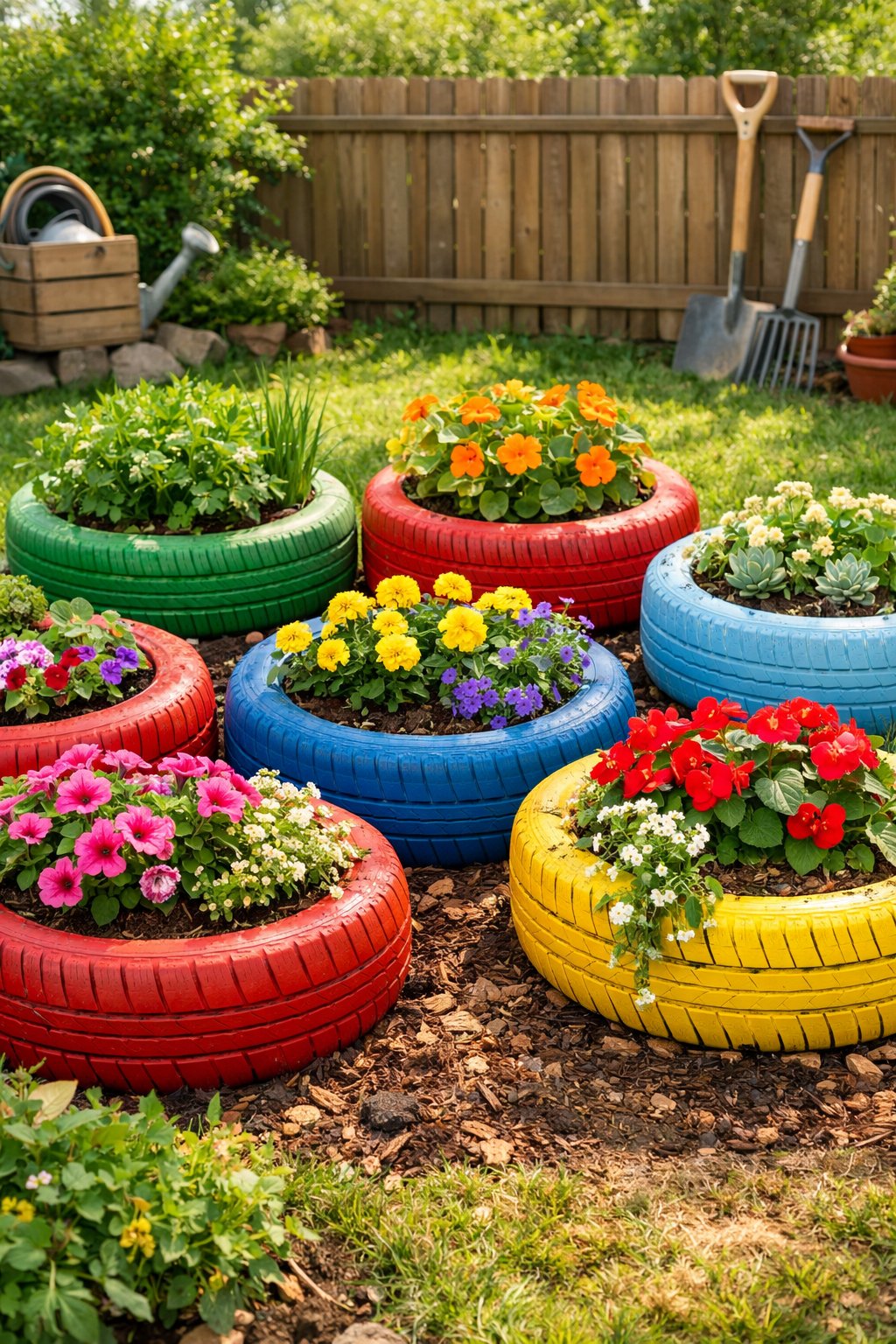
Here is a playful and sustainable idea: old tires can be transformed into durable, colorful planters for almost no cost. Paint a tire a vibrant color like bright blue or bubblegum pink, fill it with soil, and plant some flowers. You can stack them to create different heights, cut the edges to resemble a flower, or even hang one as a unique, swinging planter.
Before planting, wash the tire thoroughly, drill a few holes for drainage, and line it with landscape fabric to hold the soil. These planters are great for petunias, herbs, or succulents, so choose plants that match your style and the amount of sunlight in the area.
Use a non toxic outdoor paint and allow it to dry completely before you add any plants. After a heavy rain, it is a good idea to check the drainage holes to ensure your plants are not sitting in water.
10. Lay down mulch paths for a low-maintenance and neat look
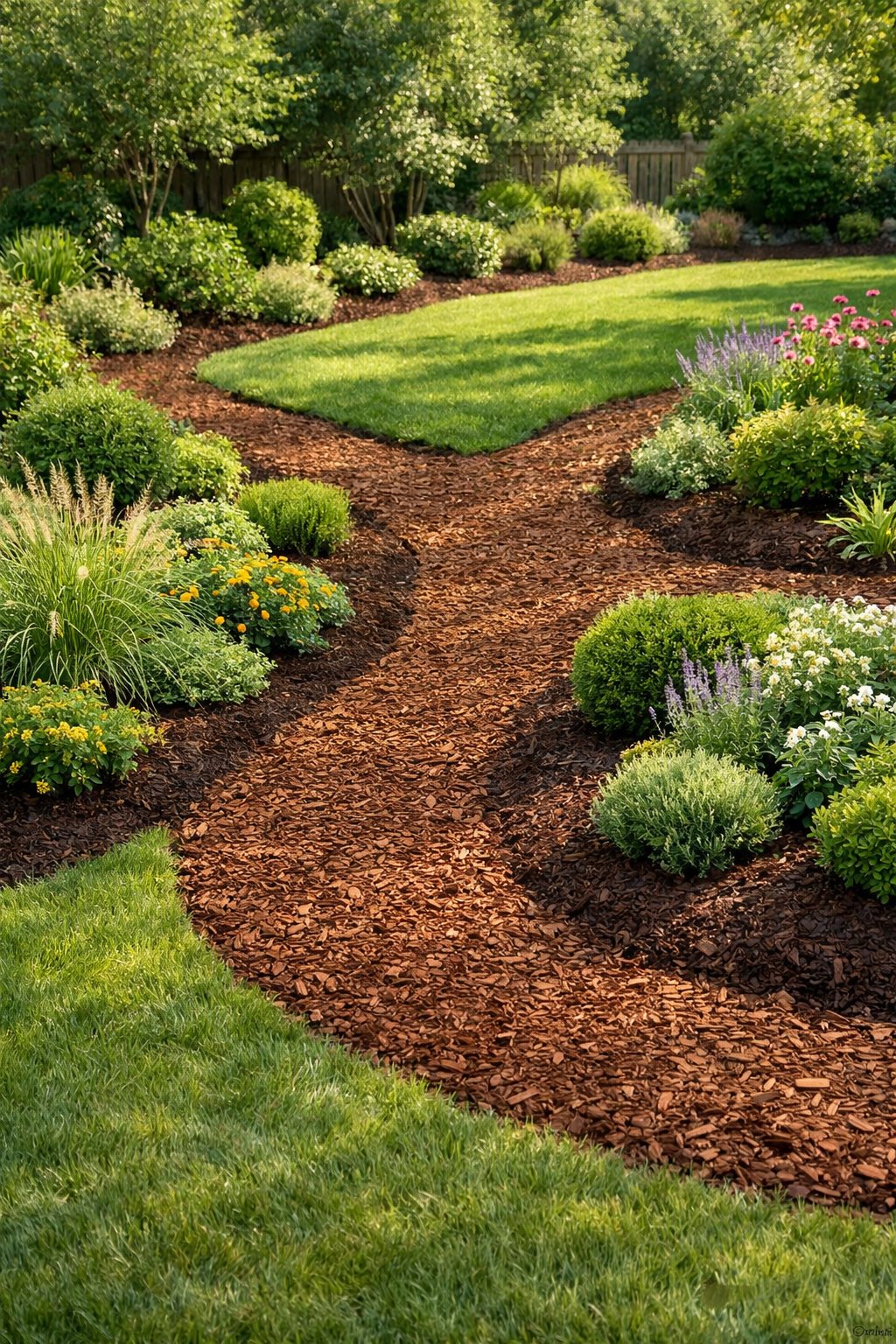
Mulch paths are a durable solution that can conceal yard imperfections and give your entire space a tidy, cohesive appearance. Spreading wood chips or bark creates soft, natural looking walkways. This option is inexpensive, easy to install, and excellent at absorbing water, which means no more muddy shoes after it rains.
To keep the mulch contained, line your path with bricks, stones, or simple plastic edging. For a more solid walking surface, you can incorporate stepping stones into the design. Maintain a mulch depth of about two to three inches and refresh it annually. For added weed control, pull any existing weeds and lay down landscape fabric before adding the mulch.
Recycled hardwood mulch is a great choice as it lasts longer and does not compact as quickly. A fresh layer each spring will keep your paths looking sharp.
11. Create a small pond with floating plants to invite frogs and chill vibes
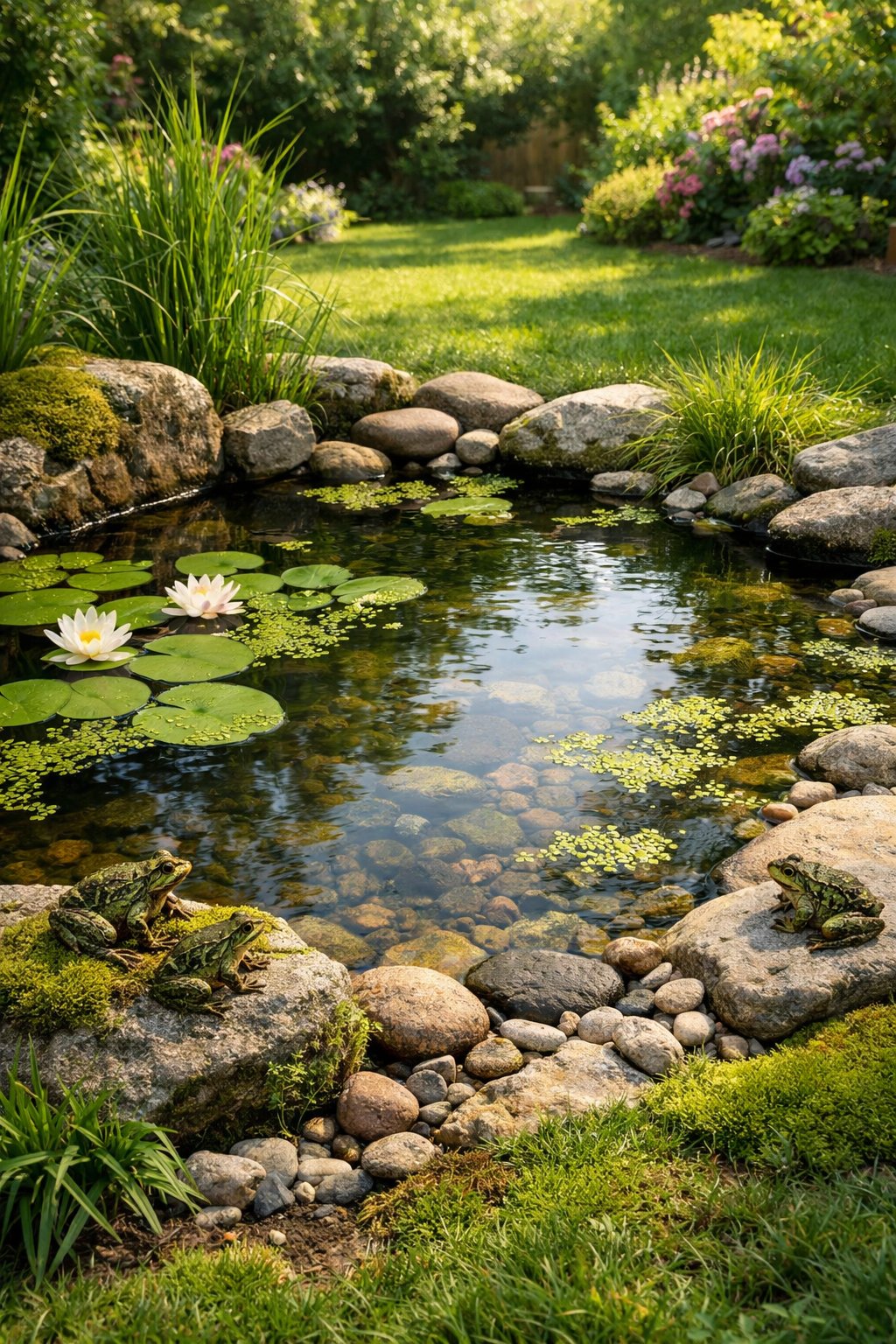
A small pond can bring a surprising amount of calm and wildlife to your backyard much faster than you might imagine. Dig a shallow pond with sloped sides, which allows frogs to easily enter and exit the water. Introduce floating plants like water lettuce or hyacinth to provide essential shade and shelter for aquatic life.
These plants not only keep the water cool but also protect tadpoles from predators like birds. They also contribute to a peaceful and serene atmosphere. It is best to avoid adding fish that might eat frog eggs. Planting native vegetation around the pond’s edge offers additional cover. With a little time, frogs will naturally find their way to your new habitat.
For a frog friendly environment, aim for a pond that is at least two to three feet wide and 12 to 18 inches deep. When maintaining the pond, change only a small amount of water at a time and never introduce frogs from other areas. Let nature take its course.
12. Build a DIY bench from reclaimed wood for extra seating minus the cost
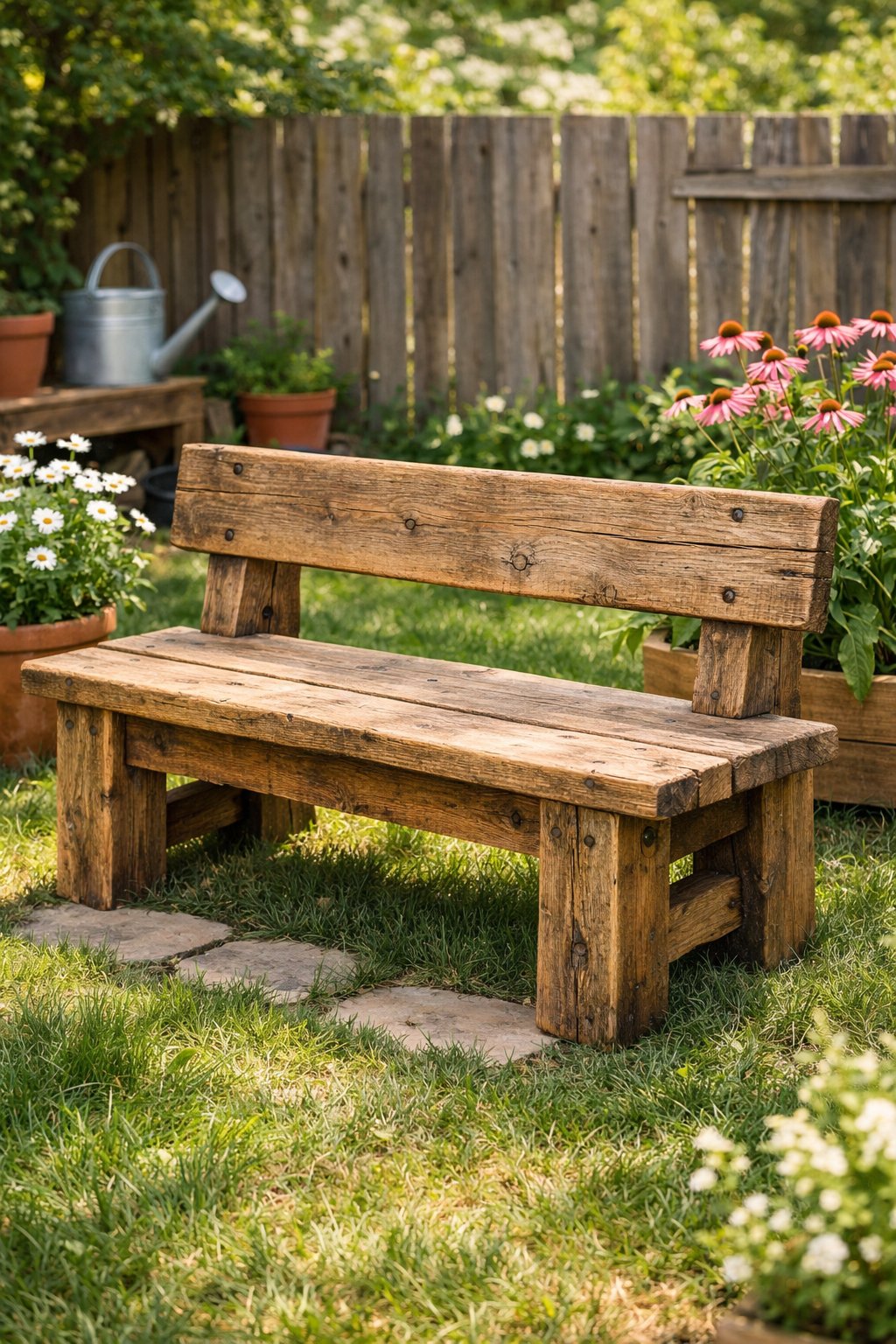
You can create a stylish bench without purchasing new lumber. Old pallets, barn boards, or leftover deck planks can be transformed into sturdy and attractive seating. Simply cut the wood to your desired size, sand away any rough spots, and assemble the pieces with screws. A coat of outdoor paint or oil will protect the bench from the elements.
For added comfort, top it with some cushions or a waterproof pad. The result is a comfortable seat that looks custom made. This project not only saves money but also adds a unique, personal touch to your yard. It is a manageable weekend project, even for beginners.
When selecting your wood, choose treated lumber that is still solid and avoid any pieces with rot. Pre drilling your screw holes is a good practice to prevent the wood from splitting and will make assembly much smoother.
13. Add a bird feeder or birdbath to invite feathered friends and some free nature TV
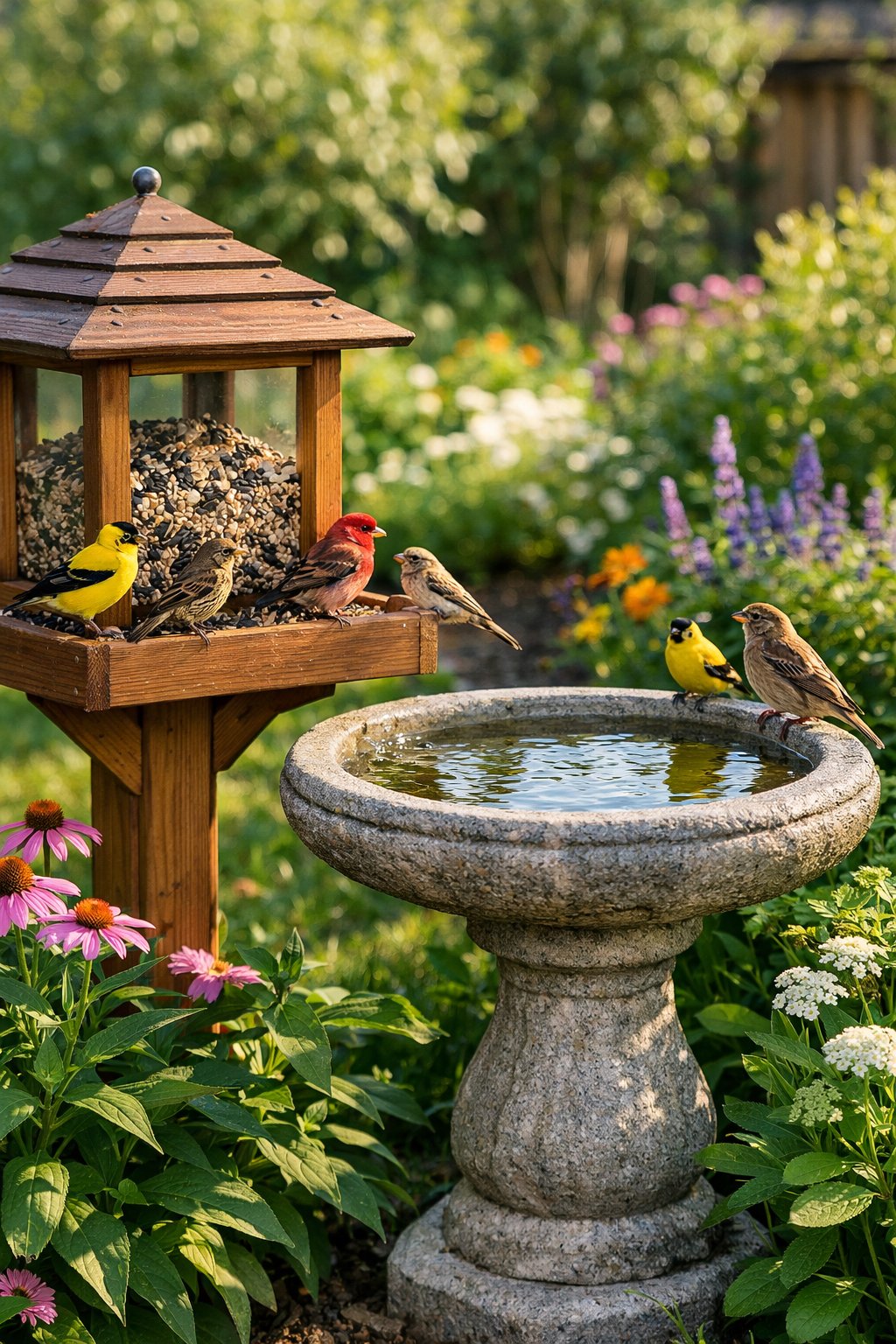
A simple bowl of water can transform your yard into a bustling wildlife hub. Place a birdbath in a location where you can easily see it, such as just outside your kitchen window. Birds are attracted to clean, shallow water, so it is important to maintain it properly. Change the water every few days and give the birdbath a thorough scrub once a week to keep the birds healthy and prevent any odors.
Hang a bird feeder near some shrubs to provide a sense of security for the birds. By offering a variety of seeds, you can attract different types of birds, and you might notice a lot of activity during migration seasons. If you prefer a low maintenance option, a tray or platform feeder is simple to refill and will still allow you to enjoy watching birds bathe and preen, bringing life and energy to your yard.
Position the birdbath in a shady spot to slow the growth of algae. Clean it regularly with a brush and plain water every one to two weeks.
14. Plant drought-resistant succulents for easy-care, year-round greenery
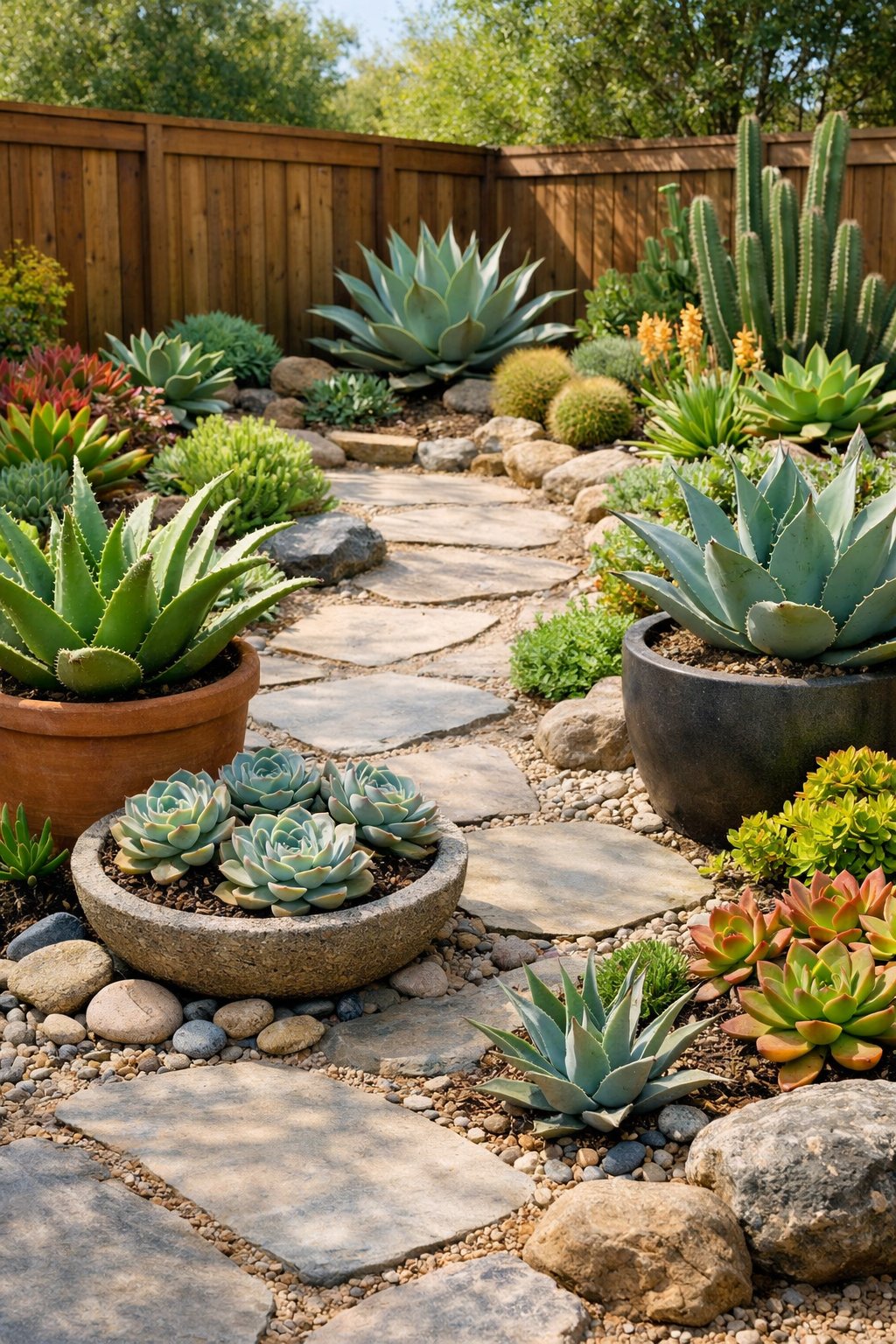
Succulents are more than just cute desk decorations; they are resilient, low maintenance champions of the garden. You can plant them in pots, use them to line a walkway, or fill a rocky corner of your yard. They will maintain their striking appearance even in hot, dry conditions. Some easy to grow varieties include hens and chicks, echeveria, and stonecrop.
These plants thrive in fast draining soil and bright sunlight, so avoid heavy clay soils and mix in some sand or grit. Grouping them according to their watering needs and using shallow pots helps the soil dry out quickly, keeping their roots healthy without constant attention. Place succulents where you can enjoy them daily, as they add color and texture throughout the year with very little effort required from you.
For an instantly impressive display, buy a mix of different sizes. Remember to water them only when the soil feels completely dry to the touch.
15. Use weatherproof outdoor rugs to define chill zones and protect grass
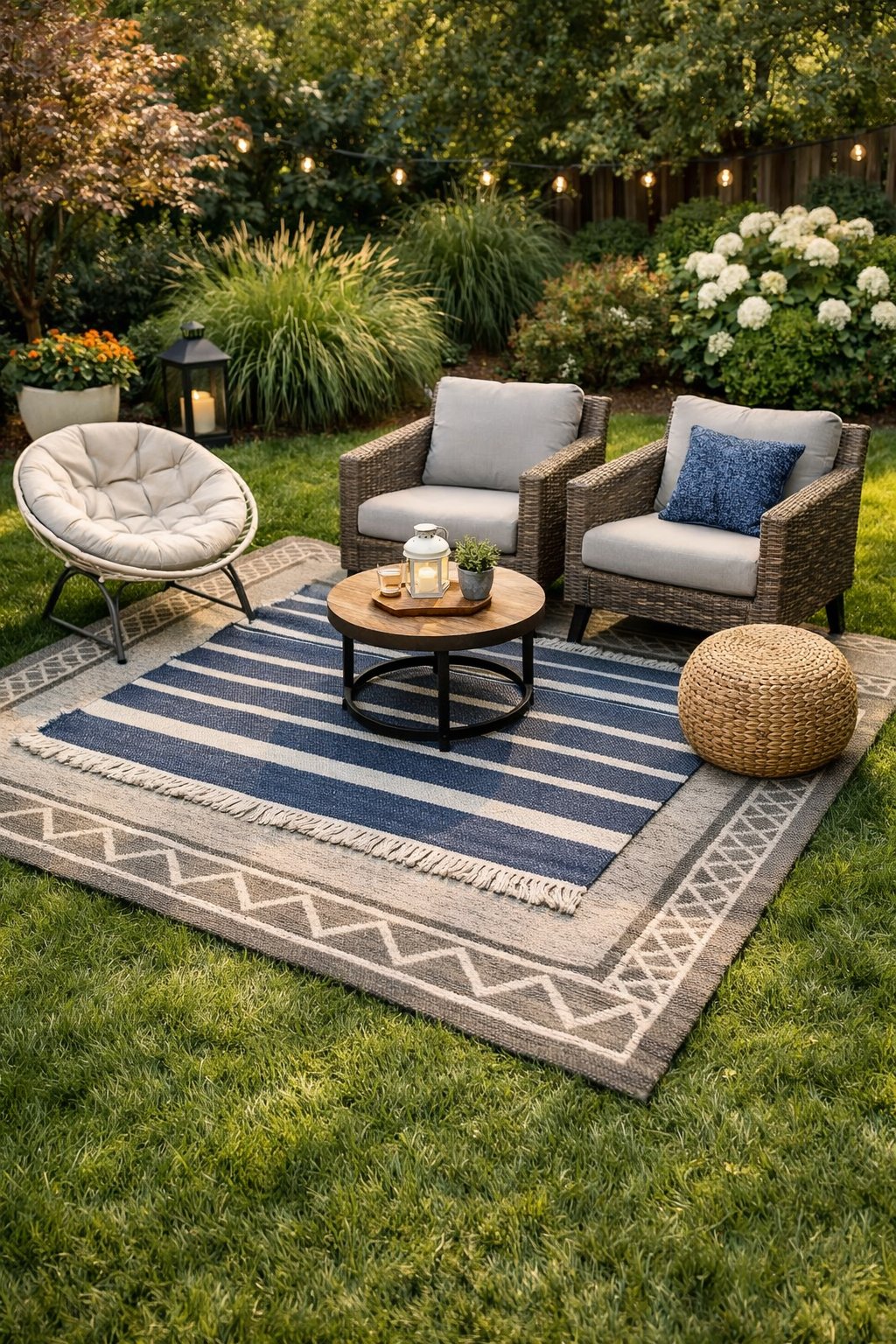
Rugs are not just for indoor spaces. An outdoor rug can protect your lawn while making your hangout area feel much more inviting and defined. Place a weatherproof rug under your outdoor dining or lounging furniture. It immediately makes the space feel more complete and provides a soft surface for your feet.
Choose a rug made from a breathable material that is resistant to fading and mold. Coordinating the rug’s colors with your cushions or planters can make the entire area visually pop. To prevent damage to your lawn, move the rug periodically to allow the grass underneath to get air and sunlight. If it has been in one spot for a while, just lift it to let the grass recover.
Select a rug that is slightly larger than your furniture arrangement to visually tie everything together. Rotating the rug monthly will help keep both your lawn and the rug in good condition.
16. Install simple garden borders with bricks or stones for a polished touch
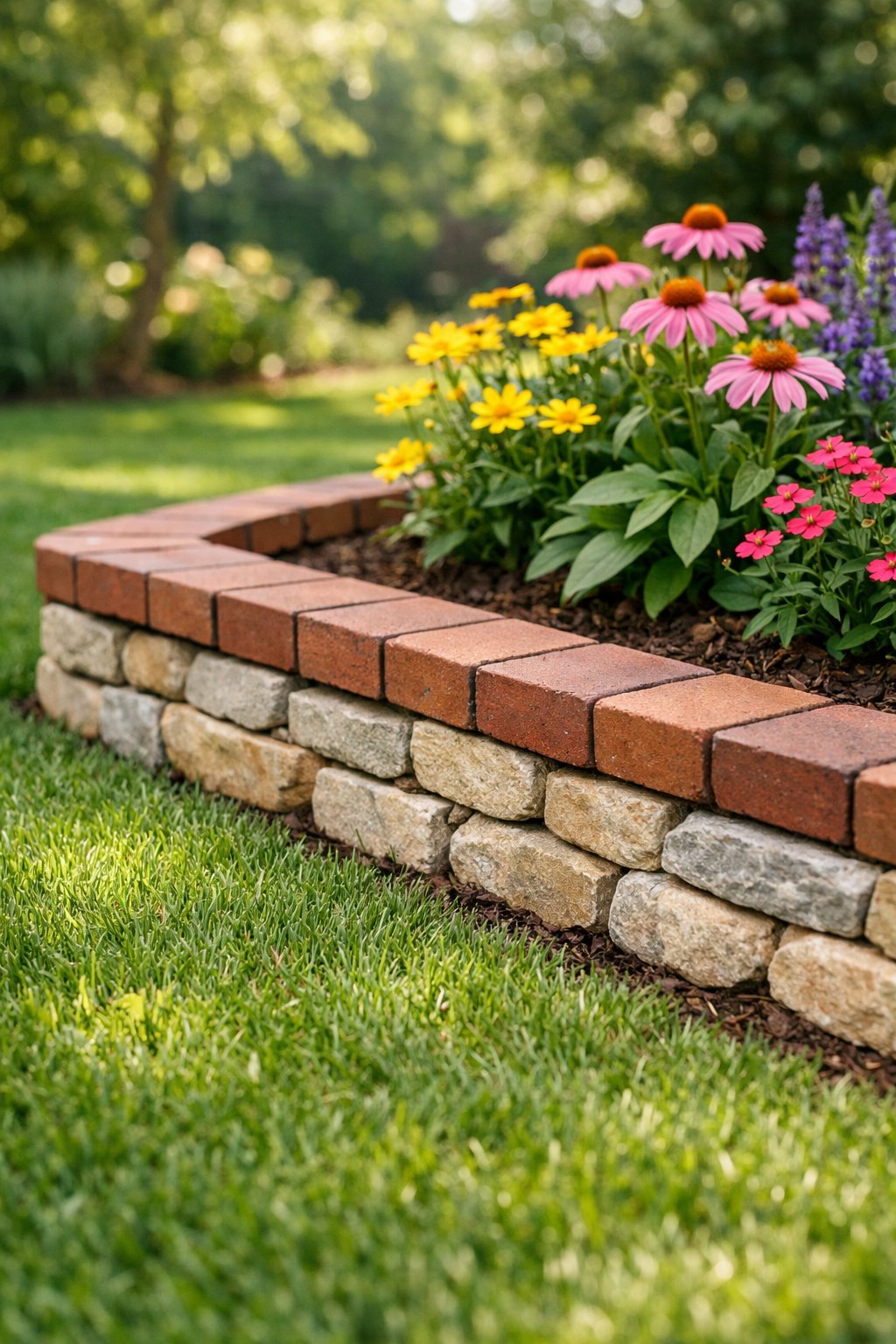
Edging your garden beds is not about making your yard look overly formal. It is about creating a clean, finished look. Laying a line of bricks or stones, whether straight or gently curved, instantly tidies up your flower beds and walkways. Choose brick pavers or fieldstones that complement the style of your home. These borders help keep mulch in place and make mowing much easier.
You do not need any specialized equipment for this project. A rubber mallet, a level, and a base of sand or gravel are all you need to get the job done. Working in short sections can make the task feel more like a fun project rather than a chore that takes up your whole weekend.
A good strategy is to start with one small border to see if you like the look before committing to a larger area. Using recycled or mixed bricks can add charm and also help you save some money.
17. Set up a small herb spiral garden to mix practicality with design
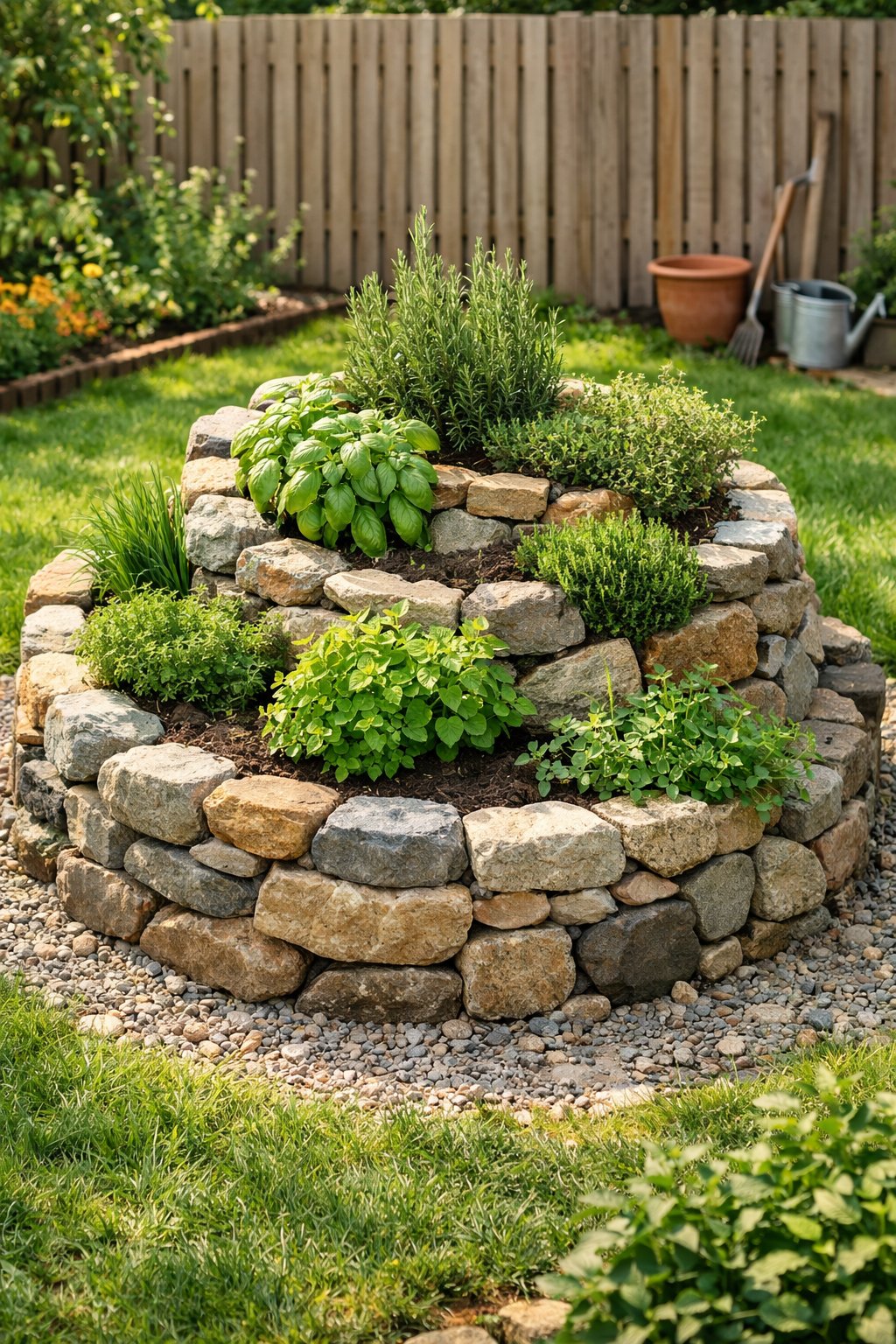
If you have ever wanted fresh herbs but felt limited by space or time, an herb spiral is an excellent solution. This design stacks a winding garden bed, allowing you to grow a greater variety of plants in a compact area. The top of the spiral remains sunny and dry, while the bottom is cooler and retains more moisture. This microclimate allows you to grow plants with different needs, like rosemary and basil, in the same structure.
You can build one from stone, brick, or even stacked pots. It is an attractive feature that conserves water and puts fresh herbs right at your fingertips for cooking. Plant the tallest, sun loving herbs at the top and the more tender ones in the lower, shadier sections. This design is not only space efficient but also encourages more frequent harvesting.
Start with a small spiral and observe how the sun hits it throughout the day before you plant. Water from the top and let the moisture naturally trickle down to the lower levels.
18. Make a fairy garden nook in a shady corner for whimsy and secret storytelling
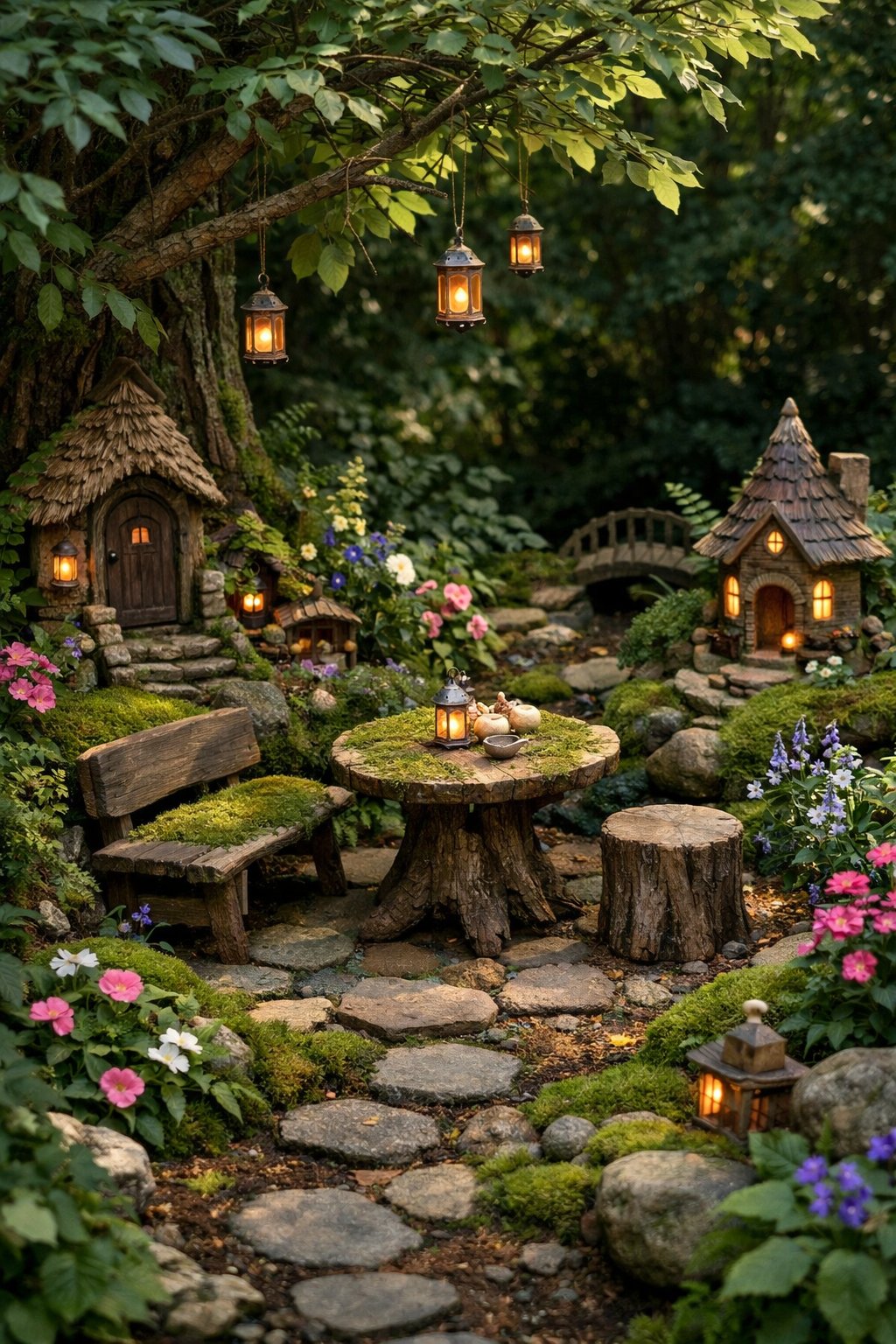
Contrary to popular belief, fairy gardens do not require full sun to add a touch of magic to your yard. Find a cool, shaded corner and let your imagination run wild. By adding tiny doors, winding paths, and low growing plants, you can create a secret nook that feels like a place where stories are waiting to unfold.
Hostas, ferns, and moss are excellent choices for creating a soft, green carpet like effect. You can enhance the scene by scattering a few small stones, placing a miniature bench, or even using a teacup as a planter. These small details make the space look as if fairies have just stepped away for a moment. Keeping the design simple makes it easy for children to participate and for you to tidy up later.
For a bit of enchantment after dark, consider adding a solar powered stake light or a few glow in the dark stones. The gentle light at dusk creates an atmosphere straight out of a storybook.
A great way to approach this is to start with one small scene and gradually add more pieces over time. Encouraging kids to help will bring the garden to life with their imaginative stories.