If you want to know how to bring more butterflies into your yard, you have come to the right place. We have some fantastic ideas for your butterfly garden that will help you create a stunning sanctuary for these vital winged creatures.
Butterflies are critical pollinators for plants and crops, just like bees, wasps, and flies. Their presence signals a healthy ecosystem, and we need to see more of them because the world’s food supply relies on pollinators. The butterfly population has been hit hard by habitat loss and climate change. But here is an opportunity for you. By designing and planting a beautiful butterfly garden, you can enjoy watching butterflies all summer long while also helping the environment. Everything you need to get started is right here.
How do I Attract Butterflies to my Garden?
To attract butterflies, you need to provide them with food. This means planting flowers rich in nectar and pollen in your butterfly garden, especially in warm, bright colors. They also need fruit to get essential vitamins and nutrients. Leaving out cut pieces of fruit will have them flocking to your yard. Butterflies enjoy a sunny spot to rest, perhaps on a small river rock in the sun to soak up some warmth. Make sure this spot is sheltered from the wind, as they can easily be blown away.
A detail many people overlook is that butterflies also need water. You should provide a butterfly puddle or puddler. It is also crucial to avoid using pesticides. If you offer a sheltered area with sun, water, and food, they will visit you every day.
Want to do even more? Butterflies require host plants to lay their eggs on, and some species are quite selective. The Monarch caterpillar, for example, only eats milkweed after hatching, so the eggs must be laid on a milkweed plant for the larvae to survive. By including both host and nectar plants in your butterfly garden design, you will be rewarded with multiple generations of butterflies.
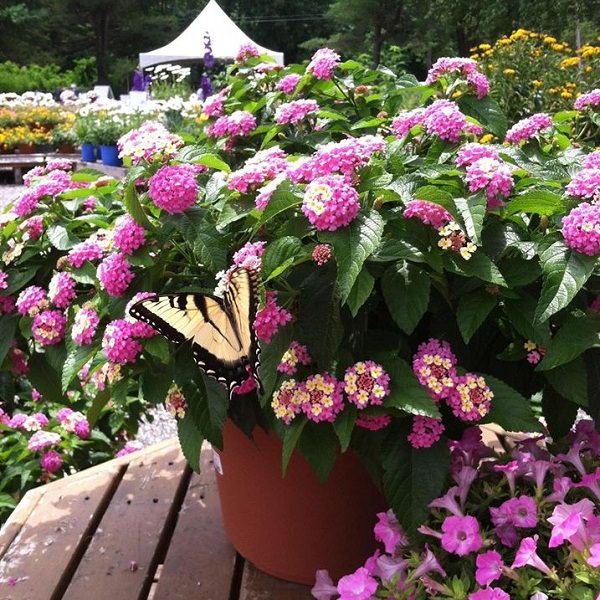
So, that’s the formula: food, shelter, water, and sun. It is a simple concept. You build the habitat they love, and they will come. Planting native species is key, as local butterflies are naturally drawn to them. That is just how nature works. You can find an extensive database of native plants for both the U.S. and Canada at the Lady Bird Johnson Wildlife Center.
Both nectar and host plants can grow well in containers. This means even if you only have a small patio, you can still design an effective butterfly garden.
What’s with those Monarch Butterflies?

A monarch butterfly enjoys a meal of Swamp Milkweed at the Lady Bird Johnson Wildlife Center.
Monarch butterflies travel significantly farther than other species. They migrate twice a year, covering distances of up to 4,000 miles each way. They fly in large groups to the same wintering locations, often returning to the exact same trees. This happens even though the migration cycle spans three to four generations, meaning they are returning to places their great grandparents knew, guided by instinct. The Monarch population has seen a drastic decline in the last decade due to habitat loss and climate change. However, a small recovery is starting to show as more people plant Monarch-friendly butterfly gardens.
Which Flowers Do Butterflies Like Best?
Adult butterflies are primarily searching for nectar plants, unless they are in the egg laying stage of their life cycle. The following are some of the most popular plants for a butterfly garden. For a more complete list of nectar plants, you can visit ButterflyWebsite.com.

Asters are a butterfly favorite. Photo credit Kim Smith Designs.

The lovely lilac blooms of a Butterfly Bush. Source
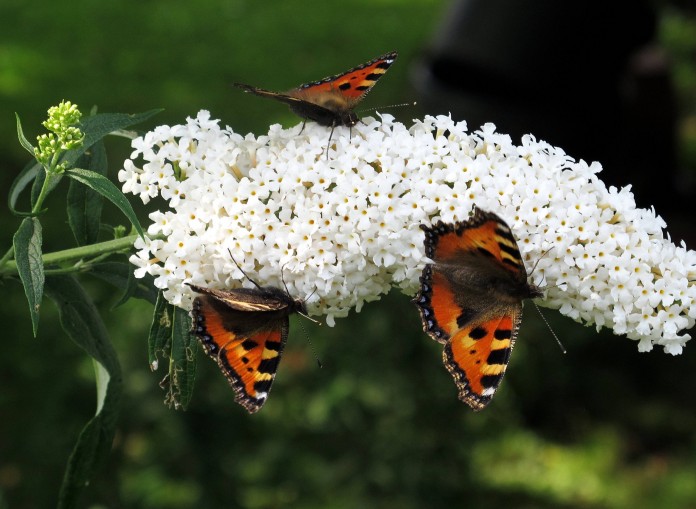
A white Butterfly Bush is equally attractive to them. Source

A Buckeye butterfly rests on a patch of daisies. Source

An Eastern Tiger Swallowtail visits a daylily. Source

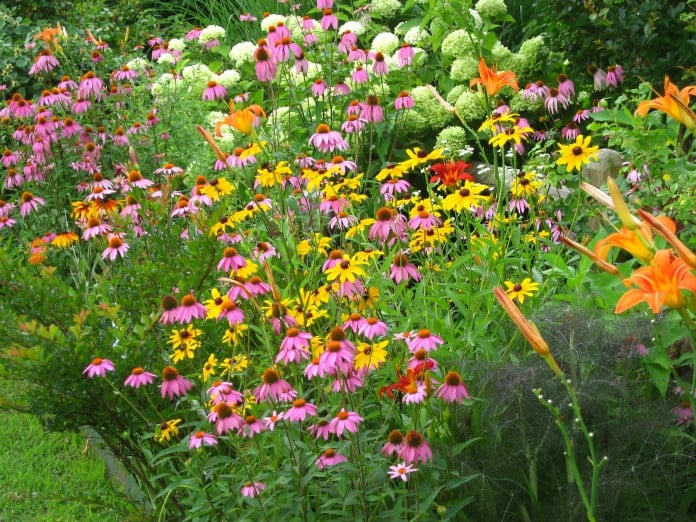
A Tiger Swallowtail on an Echinacea, or Purple Coneflower. Source
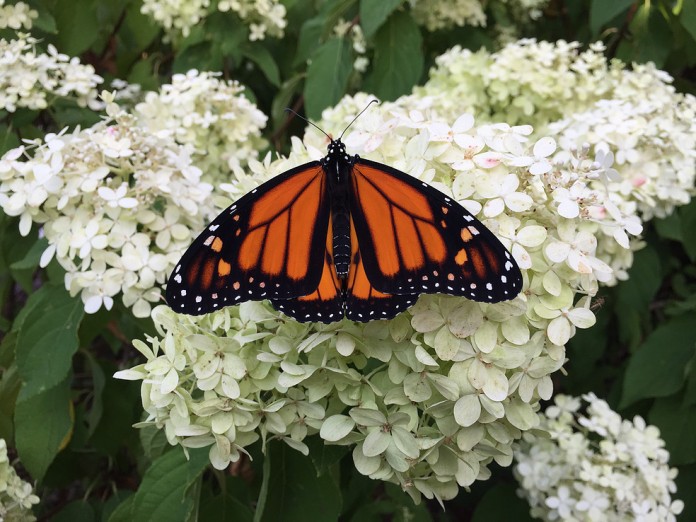
A Monarch finds a meal on a hydrangea. Photo Credit: Jane M. Grillo.
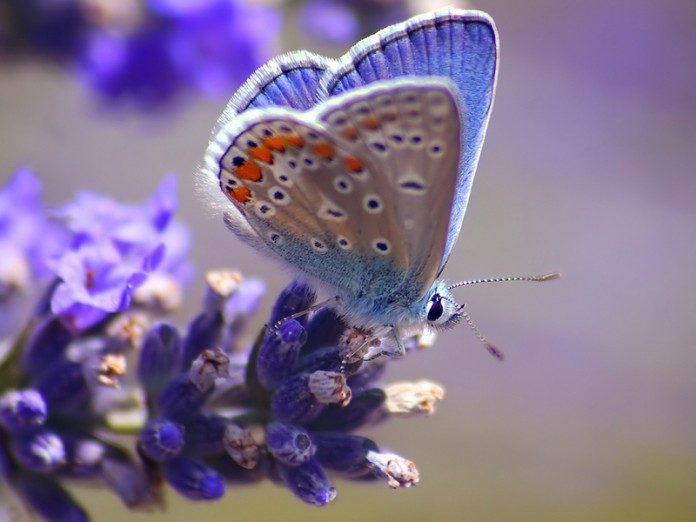
A Petit Papillion butterfly on a stalk of lavender. Source

A Mexican sunflower attracts a Monarch. Source

A Gulf Coast Fritillary on a passionflower. Source

An Eastern Swallowtail enjoys some phlox. Source

The Clearwing is one of the most unique butterflies you will ever see. Source

Zinnias are a guaranteed way to attract butterflies. Source

These Monarch seed balls make gardening simple. Just toss them and let nature handle the rest. They are pre-seeded clumps of dirt containing butterfly favorites. From Gardener’s Supply.
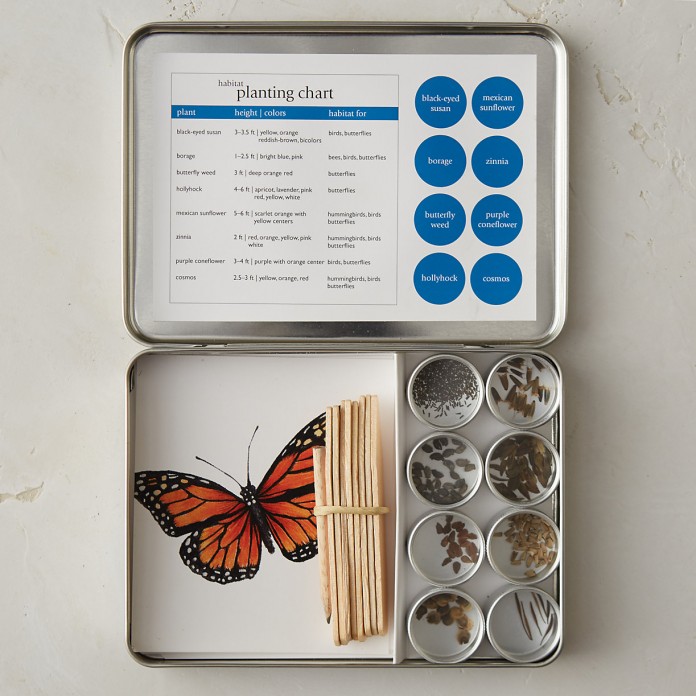
This Butterfly Garden Seed Kit from Terrain includes seeds, stakes, and a planting guide.
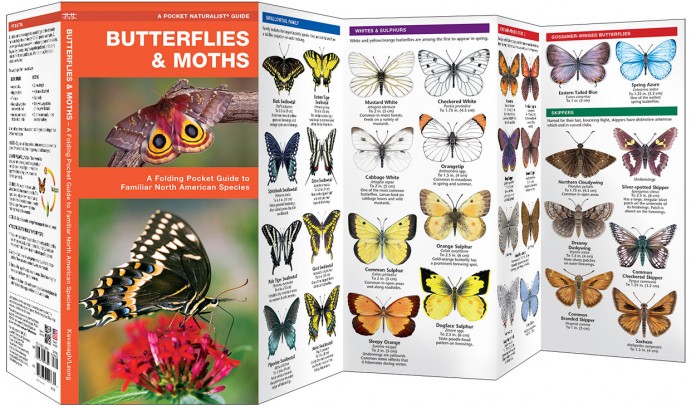
Waterford Press provides a fold out guide to help you identify the butterflies that visit your yard.
Attracting Butterflies with Fruit
Butterflies absolutely love fruit. They actually need it to get vitamins and nutrients that are missing from flower nectar. They enjoy a wide variety of fruits, with some favorites being oranges, grapefruits, peaches, nectarines, kiwi, apples, strawberries, watermelon, and bananas.

Butterflies are even fans of dragon fruit. Source
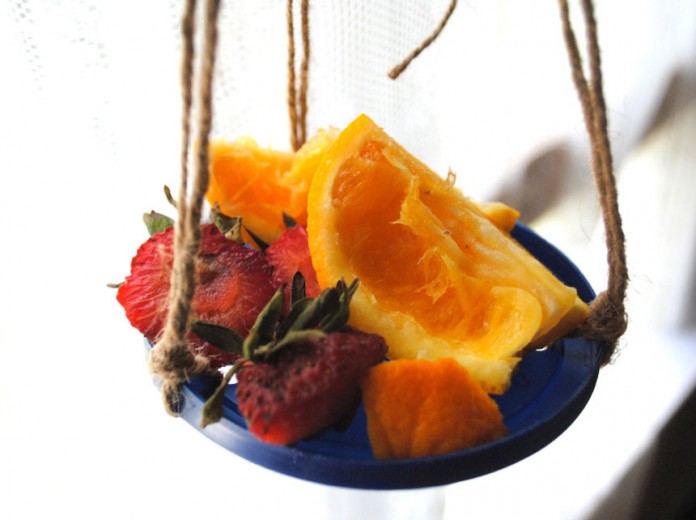
They are particularly drawn to fruit that is starting to spoil, so do not throw it away. This simple DIY feeder is just a yogurt container lid and some twine. It works perfectly. Source

Who knew feeding butterflies could be so fun? They love strawberries, too. Source
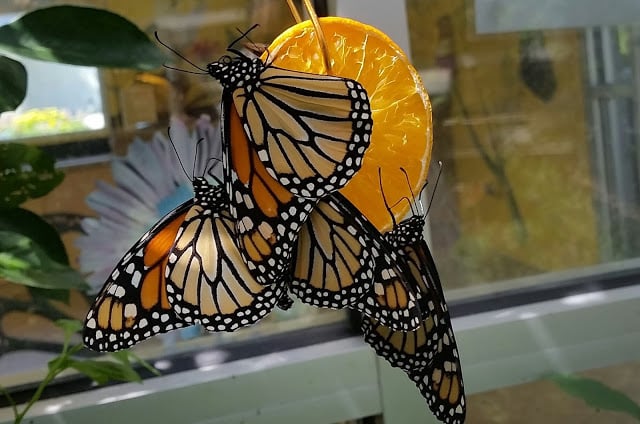
Oranges are a top choice for any butterfly garden. Source
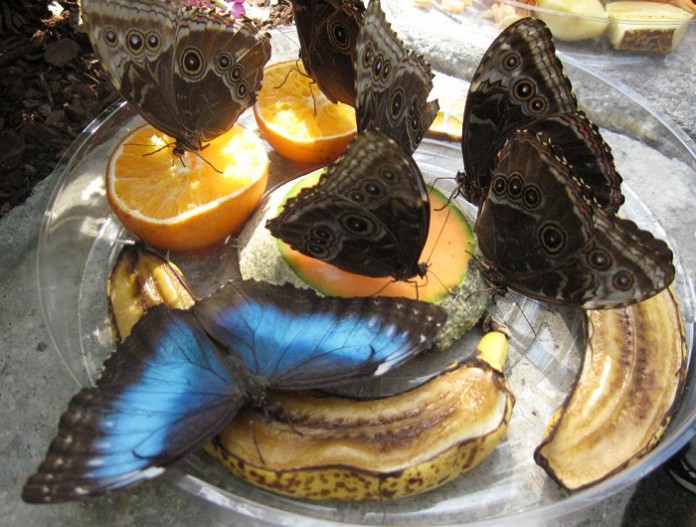
A Blue Morpho butterfly feasts on orange and banana. Keeping the skin on one side of the fruit helps support it as it decays. As the fruit ferments, some butterflies even enjoy getting a little tipsy. Source

Oranges and grapefruits are the two citrus fruits that will bring many different species to your butterfly garden. Source

They are also fond of watermelon. Source

This spread of apples and oranges creates a butterfly buffet.
DIY Butterfly Feeders

A simple bowl or plate is all you really need, but you can certainly create something more stylish. Repurposing an old bird bath by adding a bowl of oranges in the center is a charming and effective idea. Source
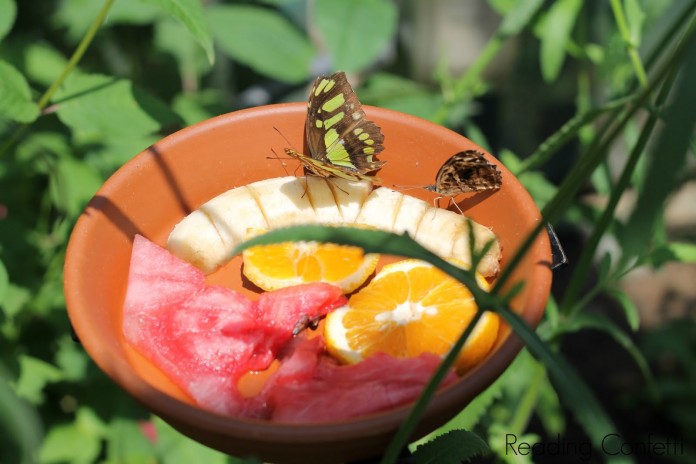
This feeder is just the bottom tray of a terra cotta pot. Feel free to use your imagination. A butterfly garden does not need to be fancy, just effective. Source

This is a super cool feeder made from wire coat hangers and a long branch. From Birds & Blooms.
Gimme Shelter: Butterfly Houses
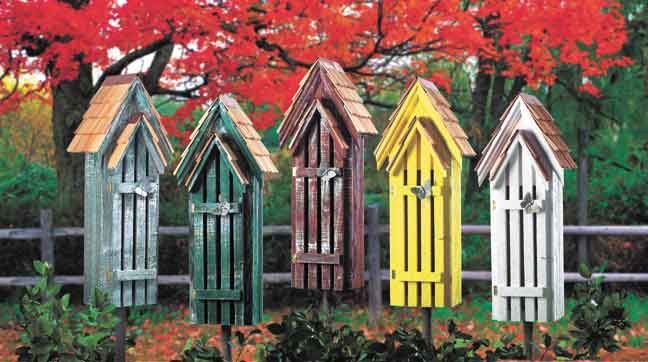
Butterfly houses are similar to birdhouses but are much thinner and have narrow, slot like entrances. Source
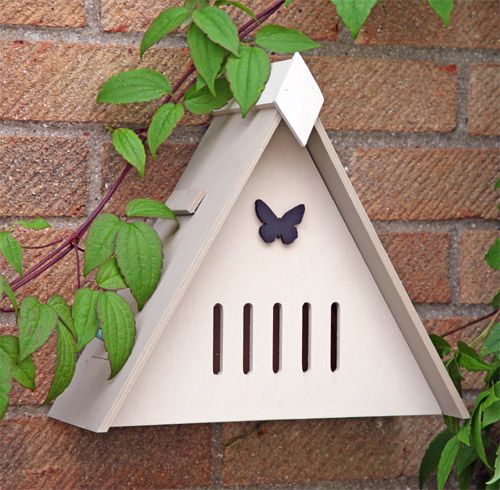
The stately Grosvenor House. Source

This handmade butterfly house from Etsy features bright and cheerful colors that will liven up any garden. Source
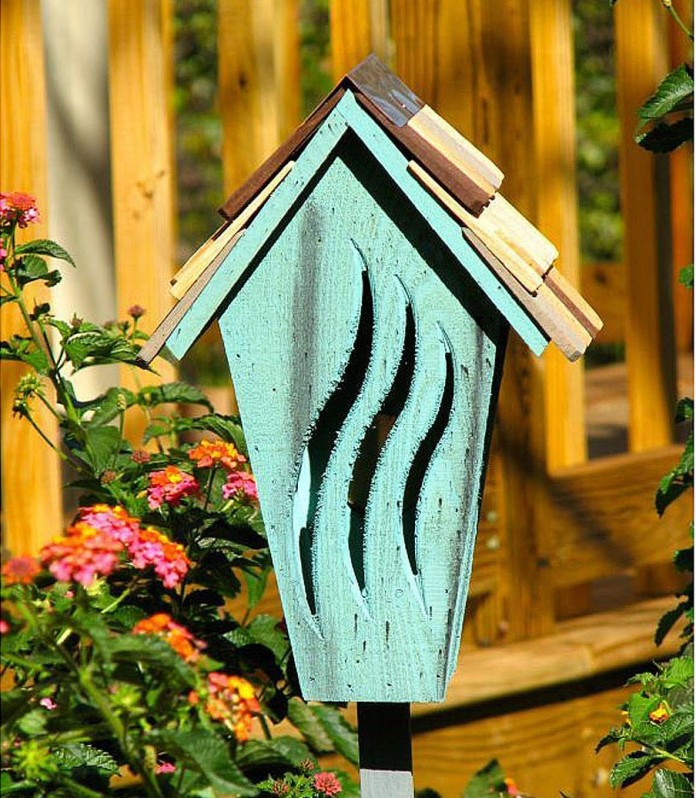
This vibrant turquoise butterfly house is from Uncommon Goods.

Gourd houses offer a gorgeous and unique twist on traditional designs. Source
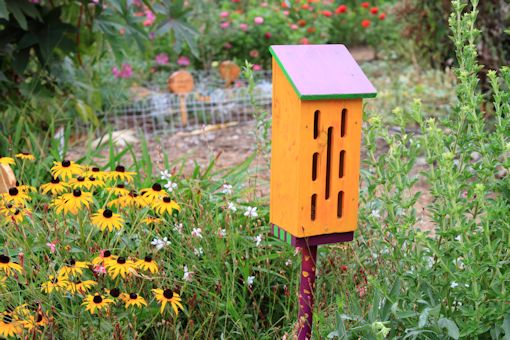
Black Eyed Susans are another excellent flower choice for your butterfly garden. Source
Your Butterfly Garden Needs a Water Source
People often think about feeding birds, hummingbirds, and butterflies, but they frequently forget to provide a water source. All these creatures need water just as much as they need food, and that includes bees, who can also use your butterfly puddles.
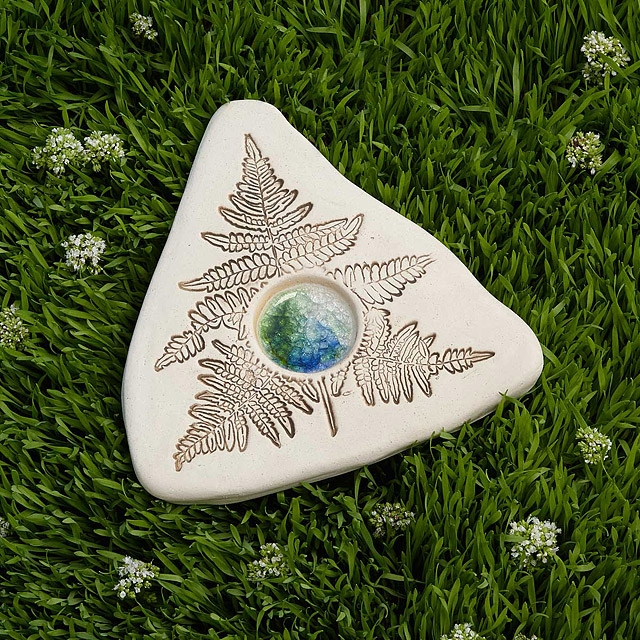
This Butterfly Puddler from Uncommon Goods is quite pretty, but you do not have to buy something so elaborate. You can easily make your own puddles using simple items from around your home.
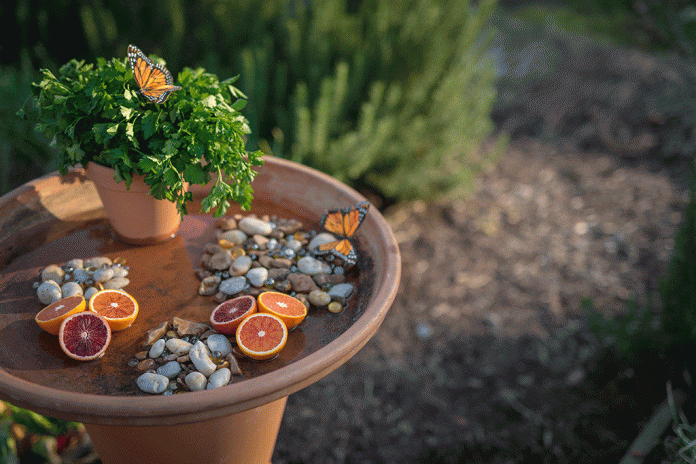
This puddler is simply made from terracotta pots. Place some rocks in the bottom to give the butterflies a place to stand. Source
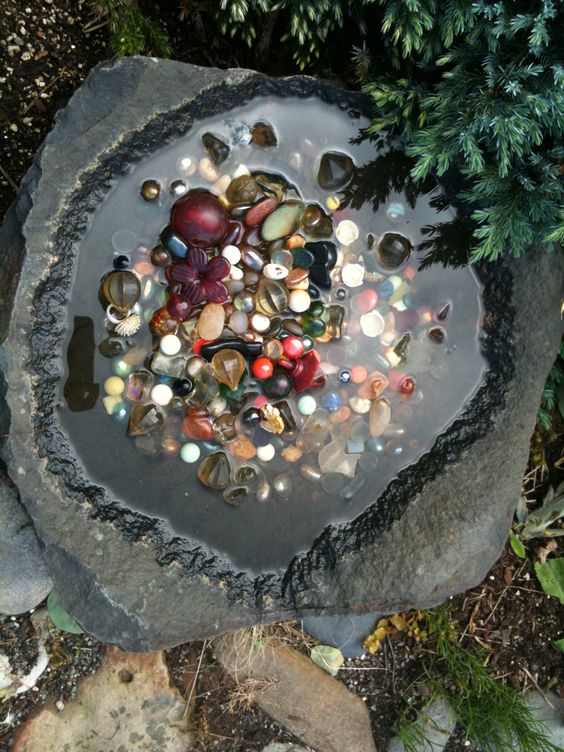
A mix of assorted rocks and glass gems creates an attractive puddler. Remember that a water source is a crucial part of designing a butterfly garden. Butterflies drink from spots where they can stay dry, so you must provide rocks or other perches. Source

Their dry resting spots can be as simple as plastic scrub pads. Butterflies are drawn to bright colors, so keep that in mind when designing your garden. Source

Grow Your Own: A Butterfly Garden from Scratch
It is wonderful to have adult butterflies visiting your garden for nectar, but you will not see as many butterflies overall unless you provide host plants where they can lay their eggs. You can incorporate these plants into your garden design right from the start. Some butterfly species require specific host plants. For instance, monarch butterfly larvae can only grow on the Milkweed plant. Willow and Elm trees are common hosts for other butterflies, as are plants like fennel, thistle, hollyhock, and nearly anything in the cabbage family. For a comprehensive list, you can check this Host Plants List. Be prepared for the caterpillars to do a fair amount of munching on the host plants in your butterfly garden. That is just part of the circle of life.

A Swallowtail caterpillar is seen above, with the resulting butterfly below. Source

Source

This is a Cecropia Caterpillar, which grows into a Giant Silk Moth. Isn’t he adorable? It looks like he has ladybugs on his back. Source
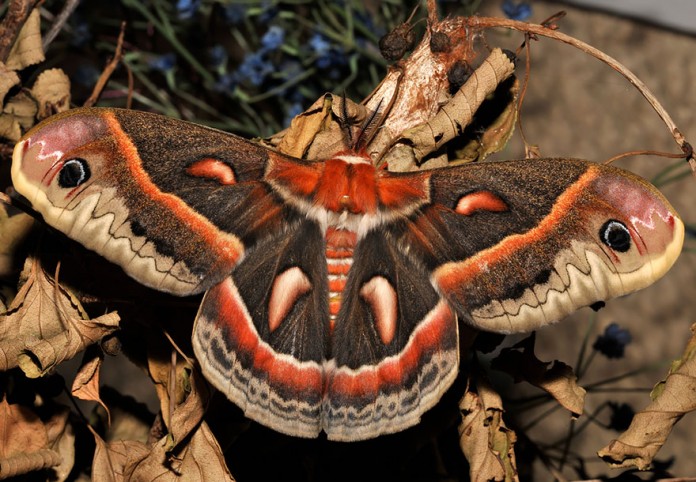
Photo Credit: Chip Miller

Photo: Jim Gilbert

Pailio. Photo Credit: Tetsuya Shimizu

A Monarch Caterpillar is shown above with its butterfly form below. The emerging caterpillars cannot travel to find food, and Monarchs can only survive if their larvae are laid on Milkweed plants. To help the Monarch population recover, it is important to cultivate as many Milkweed plants as possible in your butterfly garden.
Since there are many varieties of this plant, it is crucial to choose a milkweed native to your area. You can look up the right variety for your garden at The Xerces Society, which organizes information by region and state.

This butterfly is a vital pollinator for the agricultural industries in Canada, the US, and Mexico. Buying Milkweed plants online is the best way to attract these butterflies. Monarch Watch offers a comprehensive directory that lists mail order sources for many varieties.

Monarchs gather at the Monarch Biosphere Reserve in Michoacan, Mexico, a designated World Heritage Site.

The incredible Monarch Migration. Source