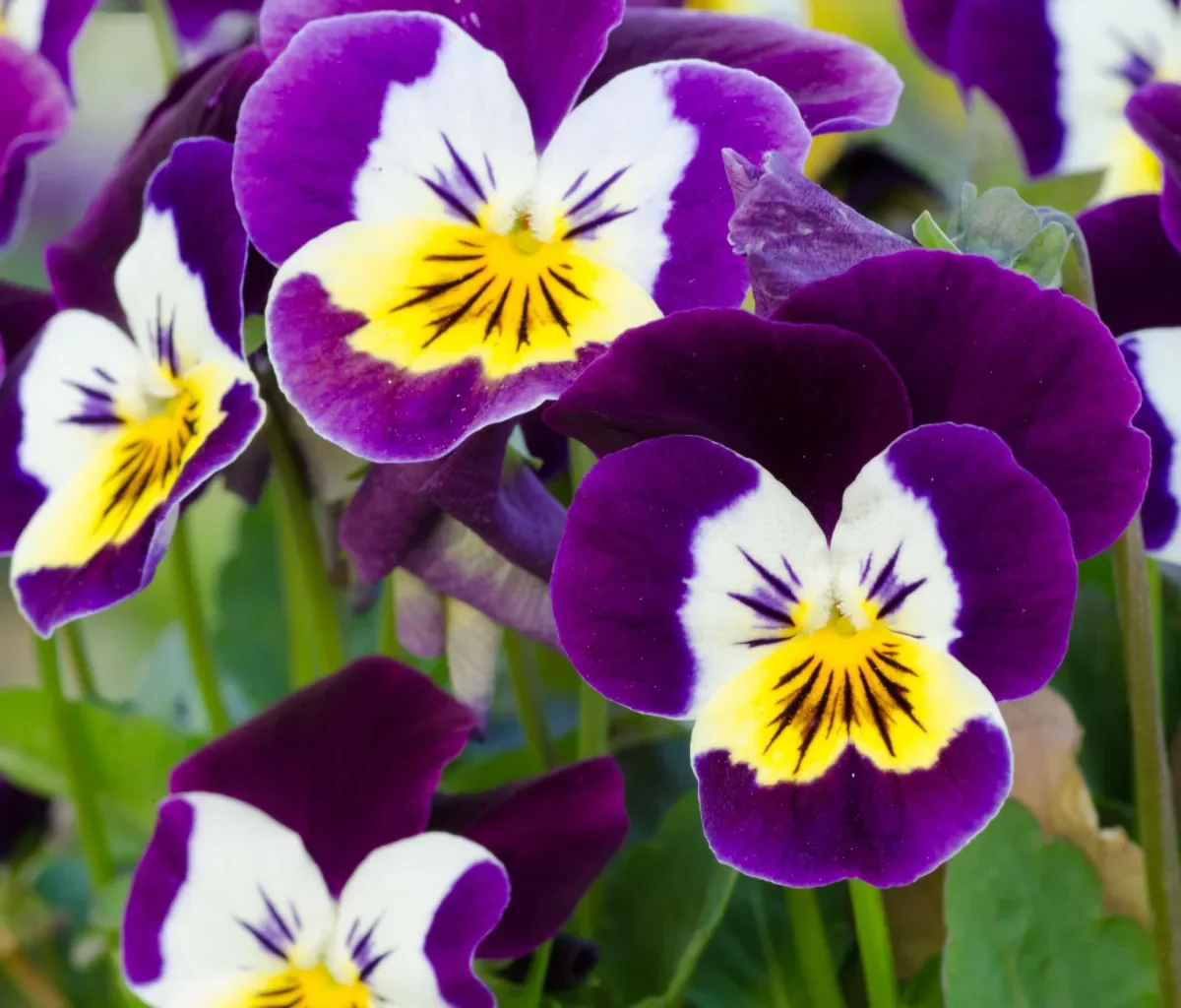
Want the inside scoop on getting your pansies to produce bigger, brighter flowers for longer than ever? Pansies are the undisputed champions of cool-weather annuals, thriving in chilly temperatures that would knock out most other flowers. They can even shrug off a light frost, a freeze, or a bit of snow and keep right on blooming.
This resilience makes them a top pick for gardeners eager to add a splash of color in late winter or early spring. You can plant them when temperatures are still in the 40s, a time when other annuals wouldn’t stand a chance. But there’s a common struggle: keeping those vibrant blooms going once spring starts to heat up. As soon as the thermometer climbs, pansies often begin to fade.
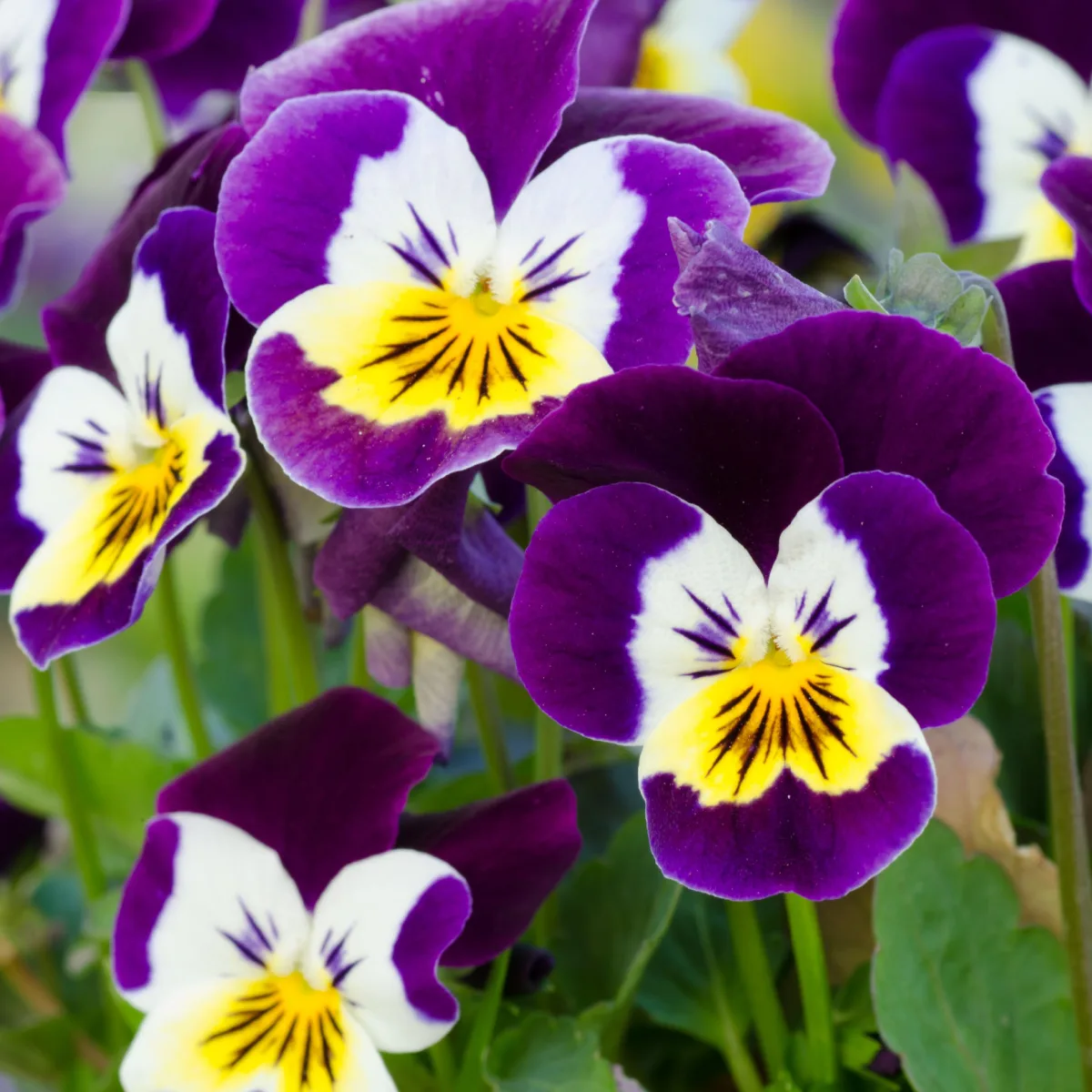
While it’s true pansies aren’t fans of high heat, a little extra attention can make all the difference. With a few simple strategies, you can easily keep them flowering not just through spring, but deep into the summer months as well.
How To Keep Pansies Blooming Longer Than Ever!
Extending your pansy’s flowering season comes down to three straightforward but critical tasks. First, you need to deadhead and prune your plants to encourage new growth. Second, give them a powerful energy boost to fuel that new life. Finally, provide some much needed shade when the summer heat kicks in.
Here’s a detailed look at each of these three steps, plus a few extra tips to help your pansies bloom bigger and last longer than you ever imagined.
#1 Deadheading & Cutting Back – How To Keep Pansies Blooming Longer
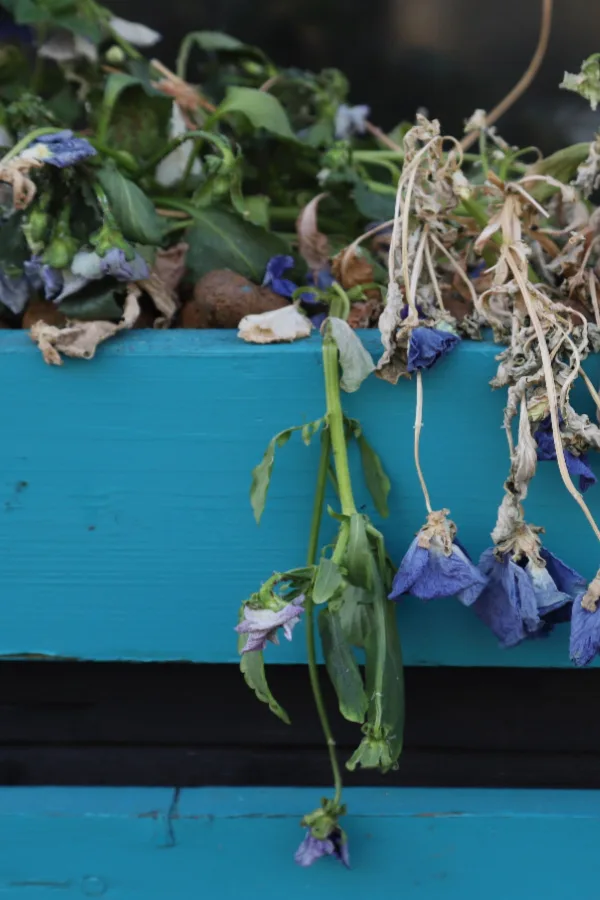
One of the simplest methods for encouraging stronger, longer-lasting pansy blooms is regular deadheading. This just means snipping off old, spent flowers as they begin to fade. The effect is amazing, spurring the plant to quickly produce new buds and blossoms.
When old flowers are left on the stems, they don’t just look messy; they also drain precious energy from the plant. The plant will keep trying to support these fading blooms, wasting resources in the process. As soon as you remove them, that energy drain stops. The plant can then redirect its power toward creating fresh new flowers instead of trying to save the old ones.
Cutting Plants Back In Late Spring
Beyond daily deadheading, you can also give your pansies a more significant prune when they start looking weak or leggy. After a full spring of growth, the stems and leaves can begin to look worn out.
By simply cutting the plant back to just a few inches from the soil, you trigger a full regeneration of new growth. This new foliage will be vibrant and strong, capable of producing a much more impressive display of flowers. Once you see signs of permanent wear in late spring, it’s time to prune them back and follow up with a dose of fertilizer to kickstart their comeback.
#2 Fertilizing For Success – How To Keep Pansies Blooming Longer
In addition to pruning, pansies need a boost of energy to promote more flowers. The type of fertilizer you use, however, plays a huge role in how many new blooms you’ll see. Pansies have unique needs compared to many other annuals.
While other flowering plants often require high levels of phosphorus for blooms, pansies, being more acid-loving, need balanced amounts of nitrogen and potassium with a much lower phosphorus content. For the best results, look for a liquid fertilizer with an N-P-K (Nitrogen-Phosphorus-Potassium) ratio close to 20-10-20. Some manufacturers even produce specialty fertilizers just for pansies and petunias, making it easy to find the right blend.
For example, a product like Jack’s bloom booster offers an ideal ratio of 20-6-22 that quickly greens up foliage and encourages big blooms. Because it’s a liquid, the plant can absorb the nutrients rapidly. A key secret to fertilizing is to provide smaller, more frequent doses rather than large amounts spaced far apart. For optimal growth, apply half the recommended dose every seven to ten days to maintain a steady nutrient supply.
#3 Relocating Your Pansies To Handle Heat – How To Keep Pansies Blooming Longer
Finally, if you grow your pansies in pots or containers, moving them as summer temperatures rise can make a massive difference in how long they continue to flower. In the cool weather of late winter and early spring, pansies should be in a spot where they receive as much sun as possible. During this time, the sun is weaker, and a full-sun location provides the perfect amount of warmth.
That all changes by late spring and early summer. If left in direct, intense sun, pansies will quickly start to decline. For those with container-grown pansies, now is the time to move them to a safer spot.
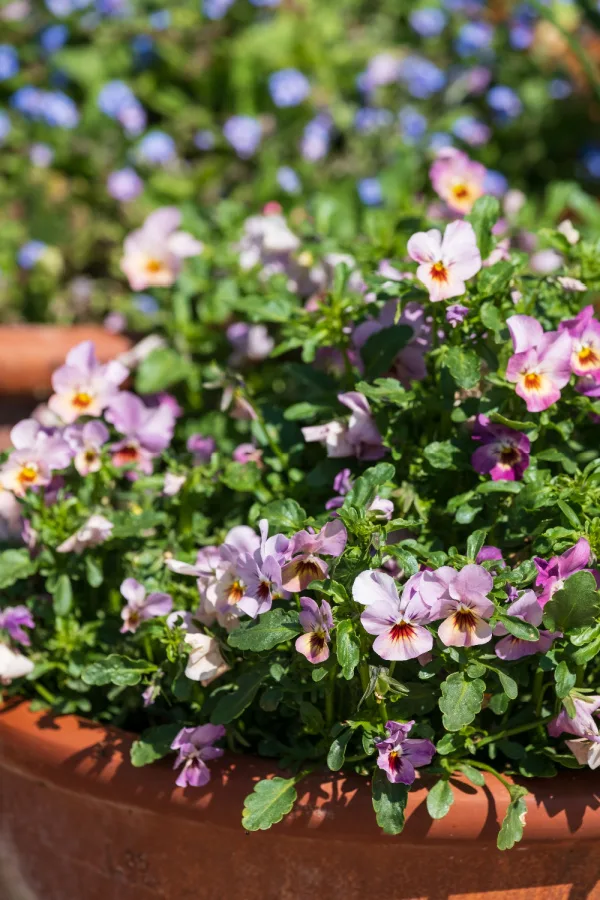
Once the heat sets in, find a location that receives only a few hours of direct sun daily, preferably in the morning or late evening. Providing more shade helps you extend their life well into summer, even when temperatures soar. Lastly, be careful not to overwater. Pansies actually produce more blooms when they aren’t waterlogged. Always check the soil before watering; if it’s still damp, wait a little longer.
With these tips, you can get the most out of your pansies this year, encouraging them to bloom stronger and longer into the season than ever before.