When you hear the word “lilac,” a very specific image probably comes to mind: a classic garden shrub bursting with fragrant, purple-hued blossoms. But what if that was just the beginning? The truth is, the world of lilacs is a dazzling spectrum of color, with varieties showcasing everything from pure, snowy white and delicate pink to rich magenta and even creamy yellow.
These captivating blooms are far more diverse than their name suggests. Hailing from Eastern Europe and Asia, lilacs belong to the Syringa genus, a member of the olive family. This group includes 25 species of deciduous shrubs and small trees, but it has given rise to over 2,000 unique cultivars and hybrids. While they share some common traits, each type of lilac brings its own distinct personality, size, and needs to your garden. Ready to explore a rainbow of possibilities? Get to know some of the most beautiful lilac varieties and discover the stunning range of shades they have to offer.
Things To Know About Lilac Bushes
Lilacs are a genus of woody shrubs from the Oleaceae family, celebrated for their abundant and sweet smelling flowers. With origins in Europe and Asia, these plants are perfectly at home in temperate climates. This adaptability has made them a staple in gardens and parks for centuries, and they thrive in the conditions found across the United States, the UK, Canada, and much of Europe. In fact, most varieties are exceptionally resilient, with cold hardiness down to USDA zone 3.
While many lilacs are shrubs, a few species grow into small trees. Plant sizes can vary dramatically, from a modest 6 or 7 feet to an impressive 32 feet tall. The leaves, typically heart shaped, grow opposite each other on the stem, though some species feature pinnate leaves. The foliage is usually green but can also display blue or silver tones. As deciduous plants, lilacs shed their leaves each winter. Their flowers cluster in large, often dense panicles and come in a surprising range of colors, though the classic pink and purple varieties remain the most well known. Each flower has a four lobed corolla with a distinct tubular base.
Lilacs in Our Gardens

For hundreds of years, lilacs have been a traditional and cherished part of European parks and gardens. Their massive, fragrant blooms, combined with their sturdy, cold hardy nature, make them a low maintenance favorite that actually prefers a cold winter. Their suitability for natural looking landscapes, English country gardens, and urban parks has only cemented their popularity over time.
Whenever a plant becomes a garden staple, a wave of new hybrids and cultivars is sure to follow. A key figure in this story was the French gardener Victor Lemoine, who lived from 1823 to 1911. He is credited with creating most of the modern lilac varieties you see today, including many of the stunning types featured in this list. Before diving in, here are a few essential tips for growing healthy lilac plants.
How To Plant And Care For Lilacs

Lilacs are wonderfully low maintenance plants, which makes them a perfect fit for both city parks and easygoing home gardens. Let’s look at what these lovely plants need to be happy.
As long as the soil is well drained, lilacs are quite adaptable and will grow in loam, chalk, clay, or sand. They prefer a medium amount of organic matter and do surprisingly well in chalk based soil, a rare quality among garden plants. These shrubs need regular watering, but it is important not to overdo it, as most varieties are drought resistant.
For the best results, give your lilac full sun, though it can handle light shade. The ideal soil pH is neutral, somewhere between 6.5 and 7.0, but it will also tolerate slightly alkaline conditions. It does not, however, grow well in acidic soil.
Fertilizing should be kept to a minimum. Overly fertilized soil can actually prevent the plant from flowering. A single application of a general purpose organic fertilizer with an NPK of 10-10-10 in the spring, before it blooms, is all it needs for the year. Most varieties appreciate cold winters, as a few weeks or months of chilly temperatures below 50°F (10°C) encourages a spectacular spring bloom.
You can prune your lilac while it is dormant. Some types can grow quite large, so pruning helps keep them at a manageable size or allows you to train one into a tree shape. Just remember that pruning should always be done with care, respecting the natural form the plant wants to take. As you can see, lilacs ask for very little but give back so much.
20 Types of Lilac bushes For glorious And fragrant Spring Garden
The wonderfully simple spring blossoms of the lilac capture the fresh charm of traditional gardens. With thousands of varieties available, there’s a vast world of lilac bushes ready to infuse your landscape with color and fragrance. To help you choose, this list is organized to showcase different types, from single and double flowered varieties to those with small leaves or extended blooming seasons. You will also find dwarf lilacs perfect for small gardens and containers, as well as exceptionally fragrant hybrids.
Here are some of the best types of lilacs to grow, whether you need a privacy hedge, a standalone shrub, or a beautiful addition to your patio containers.
1: Common Lilac (Syringa vulgaris)

Let’s begin with the foundational species, the common lilac. This is a natural variety that has given rise to an incredible 2,000 different cultivars. It’s the classic wild lilac you might find along the edges of highland woods in Europe. Strong and beautiful, it produces flowers in many colors, though its most iconic shade is, of course, lilac.
Hardiness: USDA zones 3 to 7.
Blooming season: spring.
Size: 7 feet tall (2.1 meters) and 8 feet in spread (2.4 meters).
Flower color: a wide range, mainly on the spectrum lilac, pink and white.
2: Lilac ‘Avalanche’ (Syringa vulgaris ‘Avalanche’)
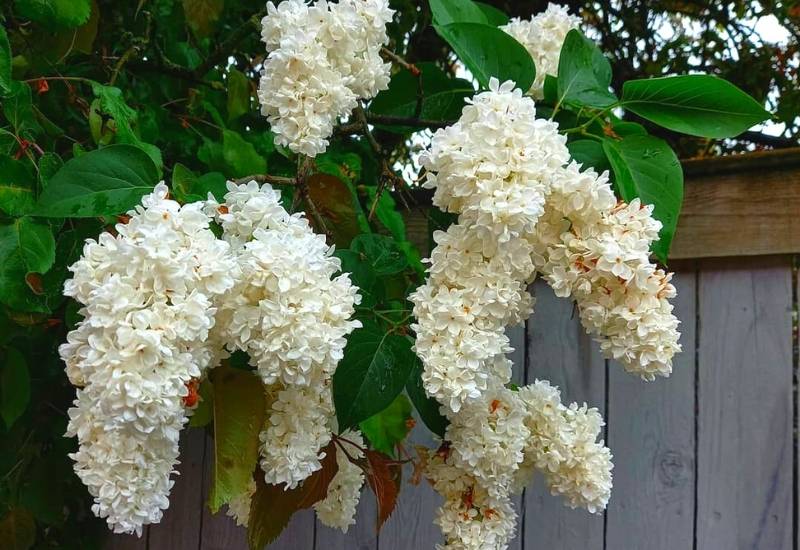
Once a year, the upright panicles of the ‘Avalanche’ lilac are covered in large, showy, snow white flowers. Like most lilacs, the bloom lasts for about three weeks, but during that time, your garden will feel like a pristine ski resort high in the Alps. This variety is an excellent choice for creating a clean, candid look or for designing a pure white garden.
Hardiness: USDA zones 3 to 7.
Blooming season: late spring.
Size: 9 feet tall and in spread (2.7 meters).
Flower color: snow white.
3: Lilac ‘Charles Joy’ (Syringa vulgaris ‘Charles Joy’)
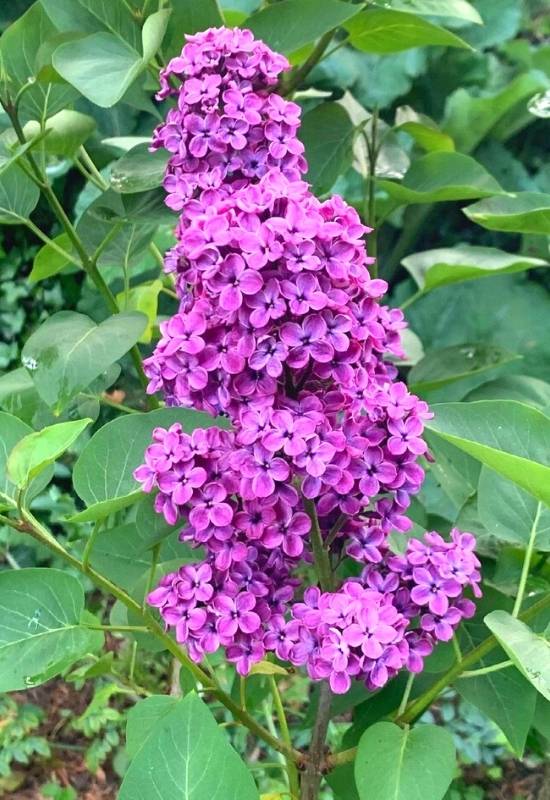
A recipient of the Royal Horticultural Society’s Award of Garden Merit, ‘Charles Joly’ boasts elegant panicles of intense magenta flowers. These double flowers are not only fragrant but also uniquely interesting. The deep, vibrant color of its blossoms is what truly sets this plant apart. Use it to make a bold and energetic statement in your garden.
Hardiness: USDA zones 4 to 7.
Blooming season: late spring.
Size: up to 12 feet tall (3.6 meters) and 10 feet in spread (10 meters).
Flower color: deep and bright magenta.
4: Lilac ‘President Lincoln’ (Syringa vulgaris ‘President Lincoln’)
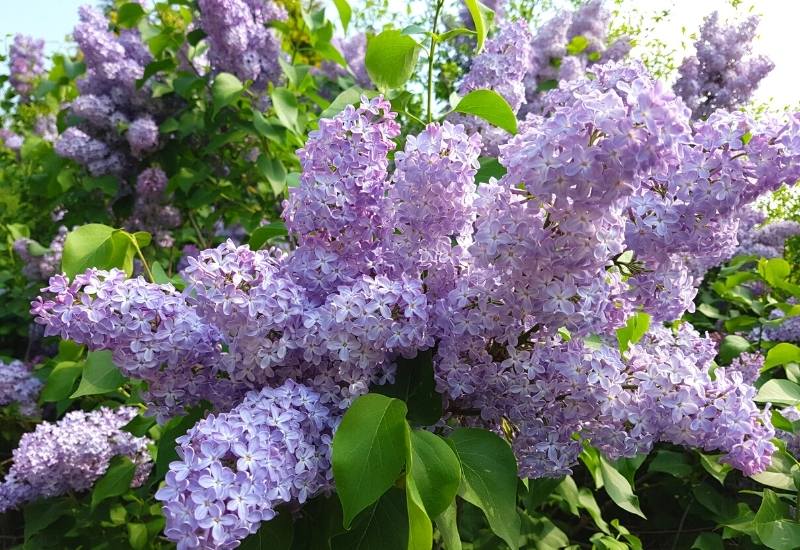
The ‘President Lincoln’ lilac features rich panicles of the most beautiful lavender flowers. This particular shade, combined with the fleshy and glossy texture of the blossoms, creates a striking effect that feels both substantial and delicate. Plant ‘President Lincoln’ in your garden to bring a sense of calm and peace each spring when its lavender blooms cover the shrub.
Hardiness: USDA zones 3 to 7.
Blooming season: late spring,
Size: 10 feet tall and in spread (3 meters),
Flower color: lavender.
5: Lilac ‘Primrose’ (Syringa vulgaris ‘Primrose’)
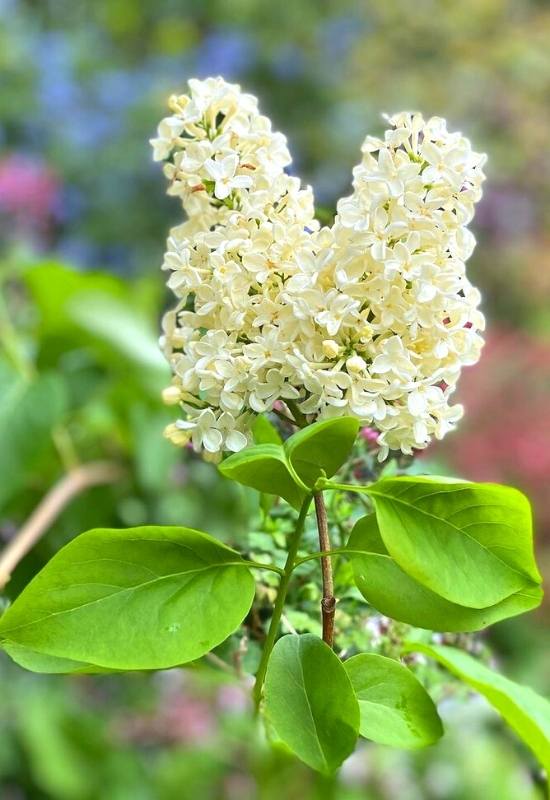
The ‘Primrose’ lilac offers flowers in a very original color. Its unique cream to yellow shade looks stunning against the variety’s light green foliage. The upright panicles appear like candlesticks among the leaves, creating an effect that is simultaneously bright and refreshing. Choose ‘Primrose’ for a breath of fresh air; its color combination brings a sense of youth and freshness to any garden.
Hardiness: USDA zone 4 to 9.
Blooming season: late spring.
Size: 12 feet tall and in spread (3.6 meters).
Flower color: cream to yellow.
6: Lilac ‘Sensation’ (Syringa vulgaris ‘Sensation’)
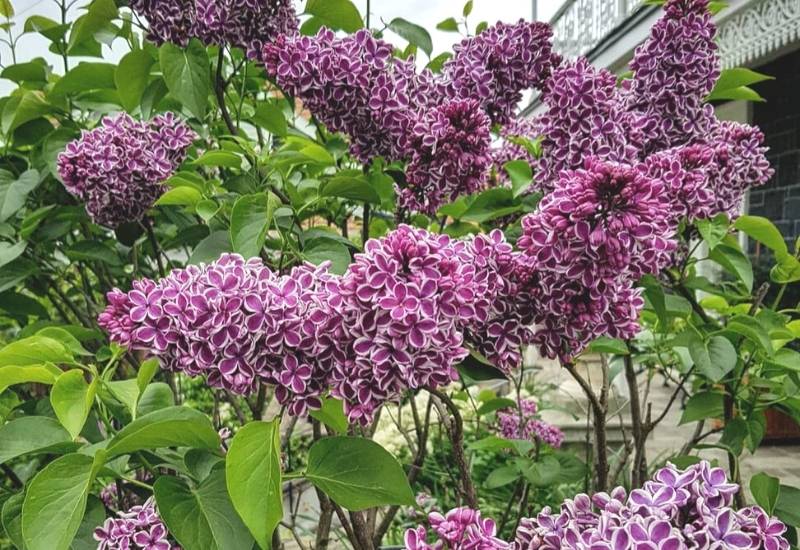
A very popular variegated variety, ‘Sensation’ lilac is truly striking. Its panicles are filled with dark magenta purplish flowers, each one outlined with a crisp white edge. The individual flowers are stunning, and the overall effect of the inflorescence is breathtaking. This unique beauty has earned ‘Sensation’ the Royal Horticultural Society’s Award of Garden Merit. It’s an excellent choice for a garden spot that needs elegance with a showy touch, making it more of a “front garden” plant than a background shrub.
Hardiness: USDA zones 3 to 7.
Blooming season: late spring.
Size: 10 feet tall and in spread (3 meters).
Flower color: dark magenta purple with white edges.
7: Lilac ‘Palibin’ (Syringa meyeri ‘Palibin’)
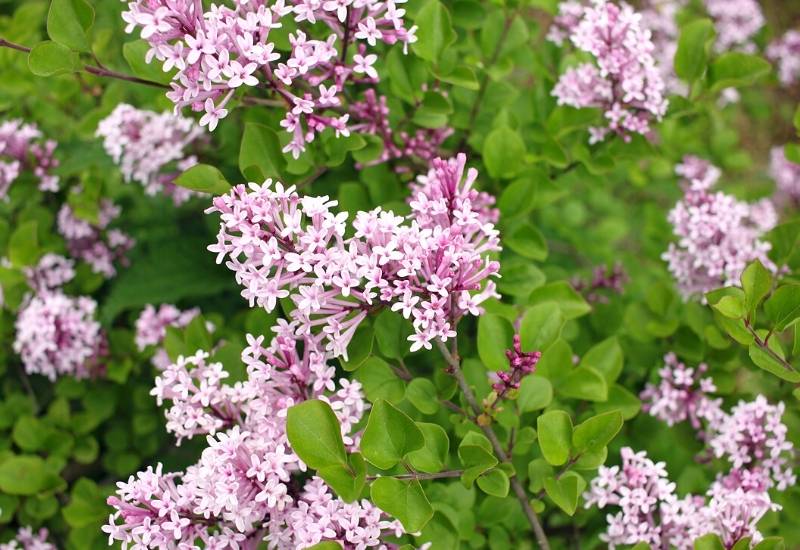
The ‘Palibin’ lilac is incredibly romantic, with huge panicles of pink flowers. The individual blossoms are small, but they are packed so densely into the inflorescences that the effect is unbelievable. While its color is a major draw, this species also blooms longer than common lilacs and is tolerant of urban environments. ‘Palibin’ is the perfect choice if you live in a city and want a romantic lilac, but it is just as beautiful in a countryside setting.
Hardiness: USDA zones 3 to 7.
Blooming season: late spring and early summer.
Size: up to 5 feet tall (1.5 meters) and 7 feet in spread (2.1 meters).
Flower color: pink.
8: Littleleaf Lilac ‘Superba’ (Syringa pubescens microphylla ‘Superba’)
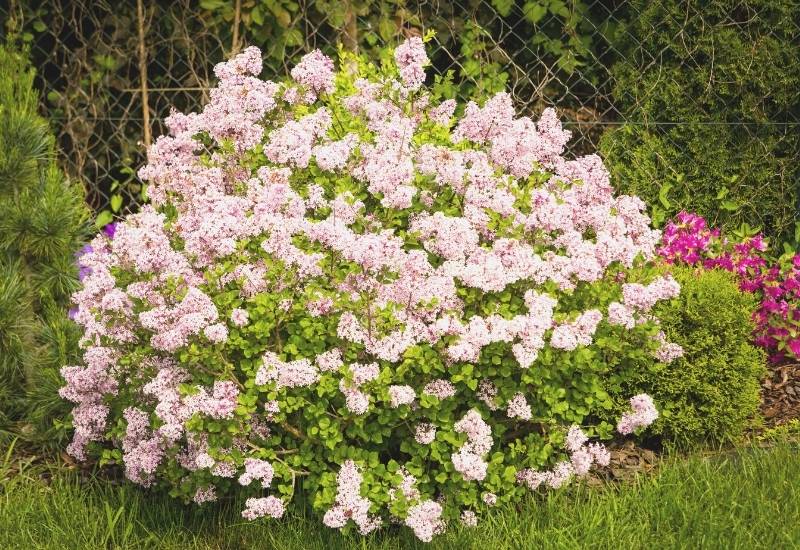
The ‘Superba’ littleleaf lilac features loose panicles of rosy pink flowers, giving it a very natural look. It also has a special quality: it can bloom in the spring and then repeat the performance in late summer or early fall, all while releasing an amazing sweet scent. This is an excellent, deer resistant plant for a naturalistic garden, bringing a vibrant presence wherever it’s planted.
Hardiness: USDA zones 4 to 8.
Blooming season: late spring, the whole of summer, early fall.
Size: maximum 7 feet tall (2.1 meters) and up to 15 feet in spread (4.5 meters).
Flower color: rosy pink.
9: Manchurian Lilac ‘Miss Kim’ (Syringa pubescens subsp. patula ‘Miss Kim’)
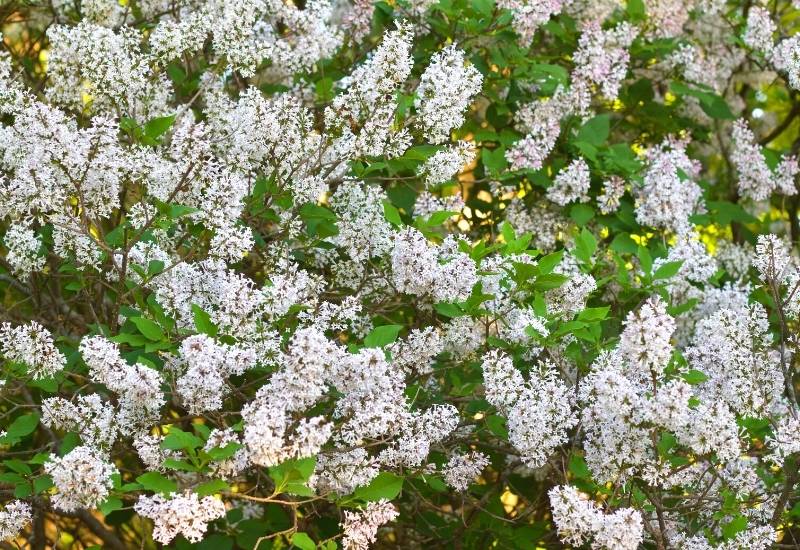
‘Miss Kim’ Manchurian lilac offers colorful flowers and foliage. Its thick panicles are filled with ice lavender flowers, creating a unique effect that is both elegant and cool. The flower buds start as a shade of purple, adding to the color show. But the display doesn’t stop there; the dark green leaves turn a beautiful burgundy in the fall. This winner of the Royal Horticultural Society’s Award of Garden Merit is a plant of many moods, changing throughout the year and making it perfect for a dynamic garden.
Hardiness: USDA zones 3 to 8.
Blooming season: late spring to early summer.
Size: up to 9 feet tall (2.7 meters) and 7 feet in spread (2.1 meters).
Flower color: ice lavender.
10: Lilac ‘Madame Lemoine’ (Syringa vulgaris ‘Madame Lemoine’)
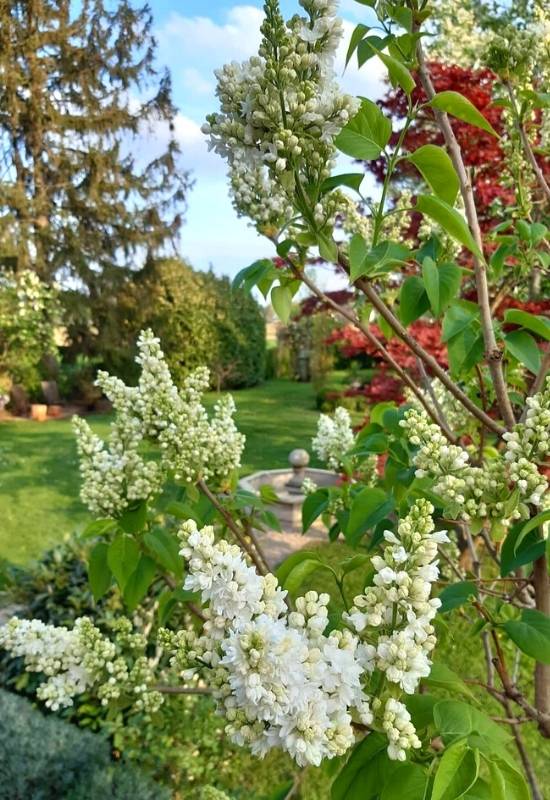
‘Madame Lemoine’ is celebrated as one of the best white lilacs available. Its flowers are so pure and fragrant that they are sure to enchant any visitor. This variety also features double flowers, which makes the panicles look especially full and dimensional. Its blooms can last for up to four weeks, and it has won the Royal Horticultural Society’s Award of Garden Merit. ‘Madame Lemoine’ is perfect for elegant gardens and is one of the few lilac varieties that can even suit a formal design.
Hardiness: USDA zones 4 to 8.
Blooming season: late spring.
Size: up to 10 feet tall and in spread (3 meters).
Flower color: pure white.
11: Cutleaf Lilac (Syringa x laciniata)

The lavender violet flowers of the cutleaf lilac appear in loose, airy panicles. This is complemented by deeply cut, lacy, bright green foliage, which gives it a look very different from most other lilacs. The shrub also has a distinctly round habit, another original feature. This is the lilac variety to choose if you want to add fine texture and lacy elegance to your garden, especially in large borders.
Hardiness: USDA zones 4 to 8.
Blooming season: late spring.
Size: up to 8 feet tall and in spread (2.4 meters).
Flower color: lavender violet.
12: Persian Lilac (Syringa x persica)

The Persian lilac is exceptionally showy and fragrant. Its pale lilac flowers have only four petals and are trumpet shaped. This shrub has dense branching and bluish foliage, creating a very full and decorative effect. It is a winner of the Royal Horticultural Society’s Award of Garden Merit. This striking plant deserves a prominent spot in your garden and is well suited to both informal and formal designs.
Hardiness: USDA zones 3 to 7.
Blooming season: late spring.
Size: up to 8 feet tall (2.4 meters) and maximum 10 feet in spread (3 meters).
Flower color: pale lilac.
13: Reblooming Lilac (Syringa bloomerang®)
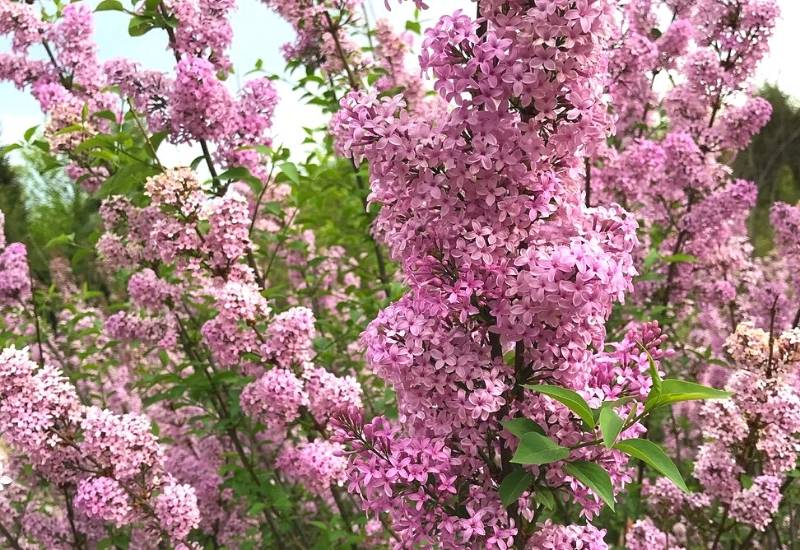
This reblooming lilac is a small cultivar, making it ideal for modest spaces. Available in lilac, purple, and dark pink shades, its panicles are very thick with tiny flowers. The blossoms on this variety are massive, literally covering the entire plant. It blooms twice, first in the spring and again in late summer or fall, though the second bloom is slightly less vigorous than the first. It is an excellent choice for small gardens, containers, and patios, but it also puts on a great show twice a year in a large border.
Hardiness: USDA zones 3 to 7.
Blooming season: late spring, summer and early fall.
Size: 2 to 3 feet tall and in spread (60 to 90 cm).
Flower color: lilac, purple and dark pink.
14: Pekin Lilac ‘China Show’ (Syringa reticulata subsp.pekinensis ‘China Show’)
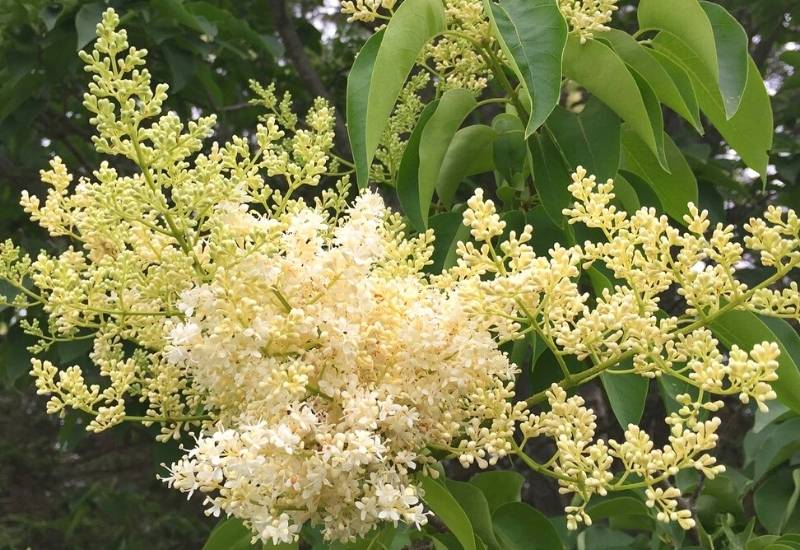
The Pekin lilac is not a shrub but a fairly large deciduous tree. It’s very elegant, with an upright habit and a round canopy. The bark is beautiful, with a reddish brown color that exfoliates like a birch. Cream colored flowers appear in spring, followed by fruits that transition from green to tan. The leaves are a beautiful glossy green. This small tree is so elegant and decorative that you will want it in a visible place, perhaps in the middle of a front lawn. Being salt tolerant and drought resistant, it also adapts well to coastal gardens.
Hardiness: USDA zones 5 to 7.
Blooming season: early summer.
Size: 20 to 30 feet tall (6 to 9 meters) and 15 to 25 feet in spread (4.5 to 7.5 meters).
Flower color: cream.
15: Preston Lilac (Syringa x prestoniae ‘Miss Canada’)
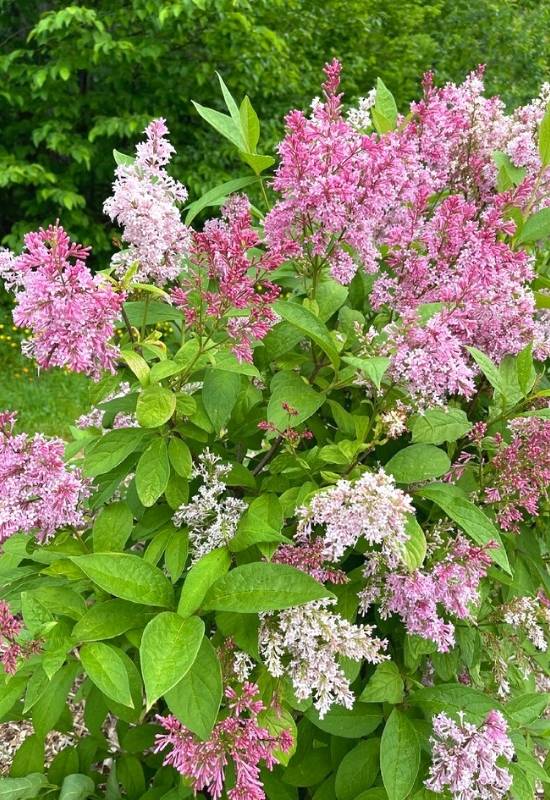
Preston lilac features beautiful, long, thick panicles of rosy pink flowers with a tubular shape and a star shaped opening. This variety has several qualities that set it apart. First, it’s a late bloomer, flowering in the summer. Second, it’s exceptionally cold hardy, so you can grow it even in most parts of Canada. The lance shaped leaves are also quite original. This is a very sturdy variety, excellent for gardens in very cold climates, and it fits best in an informal setting.
Hardiness: USDA zones 2 to 7.
Blooming season: early and mid summer.
Size: 6 to 12 feet tall and in spread (1.8 to 3.6 meters).
Flower color: rosy pink.
16: Japanese Tree Lilac ‘Ivory Silk’ (Syringa reticulata ‘Ivory Silk’)
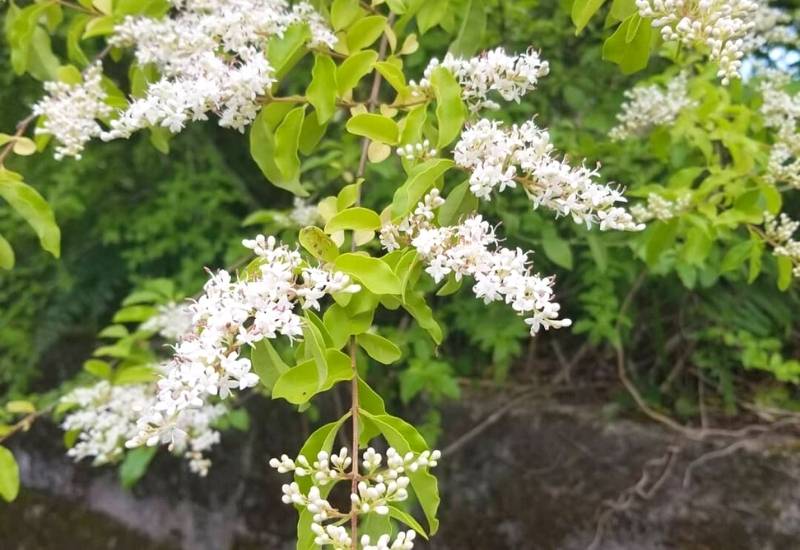
The Japanese tree lilac ‘Ivory Silk’ is one of those versatile “in between” plants. Depending on how you train it, it can be either a small tree or a shrub. When grown as a tree, it is very elegant and upright, with a rounded crown. The bright, cream colored flowers appear late for a lilac, in the summer. Its exfoliating bark offers an extra point of interest. This plant suits an elegant landscape, such as a front lawn or even a formal garden, and can also be a point of interest in public parks.
Hardiness: USDA zones 3 to 7.
Blooming season: early summer.
Size: up to 25 feet tall (7.5 meters) and 20 feet in spread (6 meters).
Flower color: cream.
17: Pekin Lilac ‘Beijing Gold’ (Syringa reticulata subsp. pekinensis ‘Beijing Gold’)
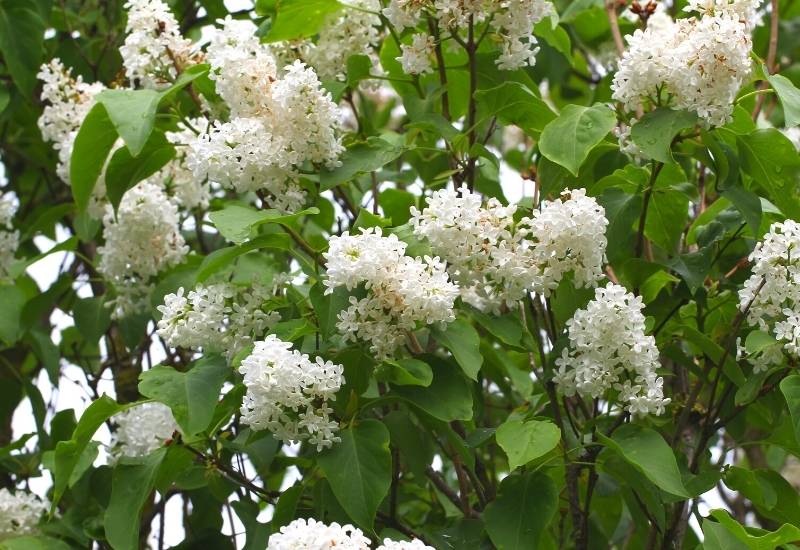
‘Beijing Gold’ Pekin lilac puts on a massive show, and not just when it’s in bloom. This tree lilac flowers in early summer with blossoms of an unusual primrose yellow. Its green leaves turn a brilliant gold late in the fall. Finally, the cinnamon colored bark exfoliates, adding another dimension to this wonderful tree. This is a tree that demands to be admired, so plant it in a focal position, perhaps in the middle of a lawn, in either a formal or informal garden.
Hardiness: USDA zones 4 to 7.
Blooming season: early summer.
Size: up to 20 feet tall (6 meters) and 15 feet in spread (4.5 meters).
Flower color: primrose yellow.
18: Hyacinth Lilac ‘Maiden’s Blush’ (Syringa x hyacinthiflora ‘Maiden’s Blush’)
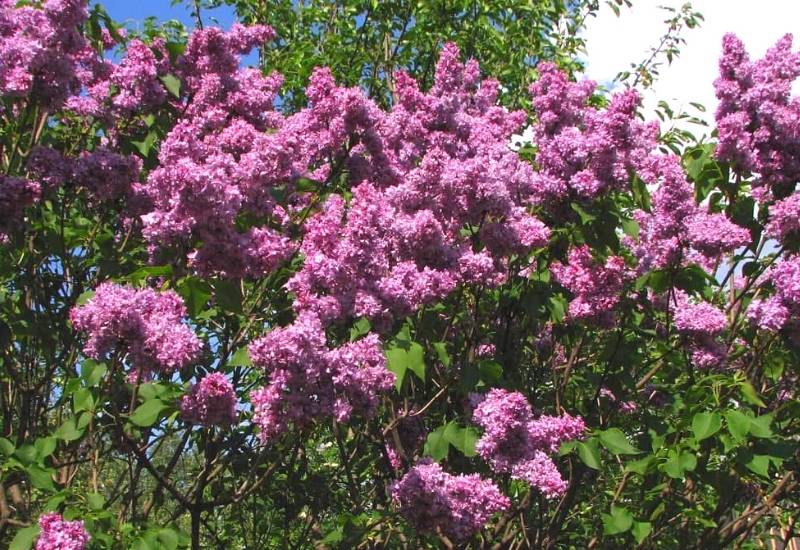
‘Maiden’s Blush’ is an early flowering hyacinth lilac. Its panicles create a striking effect because the buds are reddish purple, but the flowers open to a pale pink. The overall look is reminiscent of a “blush.” The leaves also “blush” in the fall, turning a lovely bronze color. This is a striking plant that changes throughout the year, so it’s best planted where you and your guests can admire it in different seasons. It is more suitable for an informal garden.
Hardiness: USDA zones 3 to 8.
Blooming season: mid spring.
Size: up to 12 feet tall (3.6 meters) and up to 10 feet in spread (3 meters).
Flower color: pale pink.
19: Lilac ‘Andenken an Ludwig Spath’ (Syringa vulgaris ‘Andenken an Ludwig Spath’)
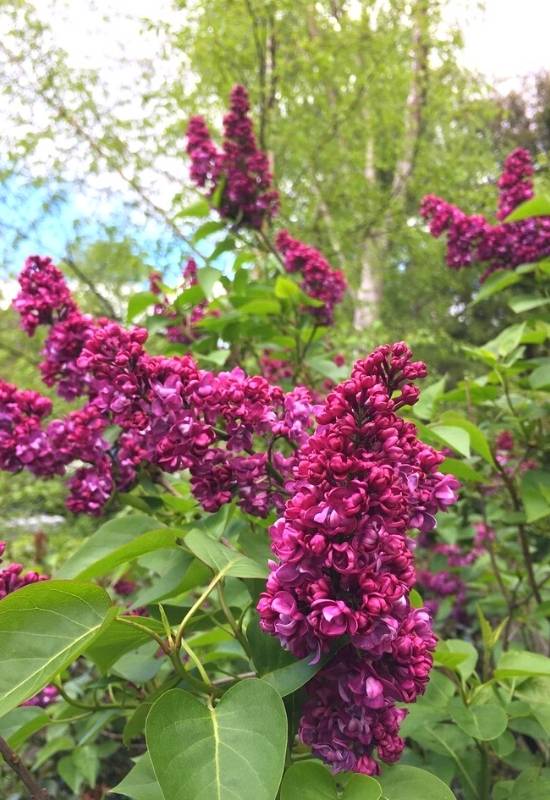
The ‘Andenken an Ludwig Späth’ lilac is a striking purple variety. Its conical panicles are quite long, reaching up to one foot. The color is exceptionally intense and bright, which has made it a favorite among gardeners worldwide. In fact, it’s a winner of the Royal Horticultural Society’s Award of Garden Merit. Purple is a very intense color, and this plant delivers it at its highest expression. Plant it where you know it will steal the show for the entire time it is in bloom.
Hardiness: USDA zones 4 to 7.
Blooming season: late spring.
Size: up to 12 feet tall (3.6 meters) and up to 8 feet in spread (2.4 meters).
Flower color: rich purple.
20: Lilac ‘Beauty of Moscow’ (Syringa vulgaris ‘Beauty of Moscow’)
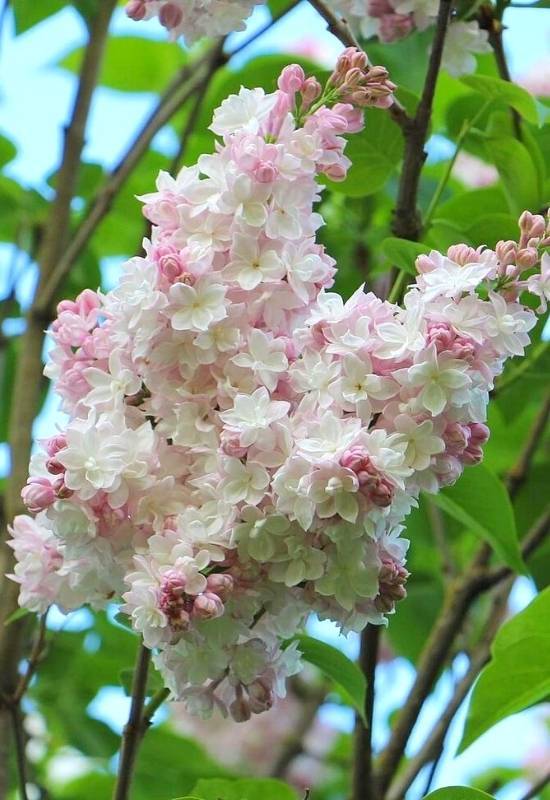
‘Beauty of Moscow’ lilac offers a delicate play of colors. Its flowers are white when open, but the buds are a soft pink. This means the panicles start off pink and slowly transition to white, displaying a beautiful mix of gradients during their three week bloom. This old cultivar, introduced in 1943, is perfect for a natural looking and delicate garden. An English country garden would be an ideal setting for ‘Beauty of Moscow’.
Hardiness: USDA zones 3 to 7.
Blooming season: late spring.
Size: up to 12 feet tall (3.6 meters) and up to 8 feet in spread (2.4 meters).
Flower color: white with pink buds.
There’s More to Lilac than a Color!
While lilac is a color, lilac plants come in so many different shades that perhaps “rainbow” would be a more fitting name. It is often the precise and detailed shades of the flowers that make the biggest difference between them. After meeting lilacs of so many different types, you now know that there are other distinctions as well. Some are shrubs, while others are trees, and a few can even be trained as both.
Some bloom in the spring, others in early summer, and some even bloom twice. You can also find varieties with double or variegated flowers. All have become popular garden staples, especially in temperate regions, because these plants are cold hardy and actually enjoy cold winters. If that sounds like where you live, what are you waiting for? Just review this selection again and find the perfect one for your garden. It is sure to pay you back a thousand times over.