
While gardening doesn’t have many strict rules, a few simple strategies can make all the difference for a great harvest. One of the most critical tips to follow is rotating your garden crops each year.
Did you ever have a fantastic year for green beans, only for them to barely grow the next? Have you noticed that the same plants that thrived last season now seem weak and dull? Maybe your crops even fell victim to a specific disease or pest.
If that sounds like your garden, your green thumb probably hasn’t vanished. The issue might be as simple as not rotating where you plant your crops.
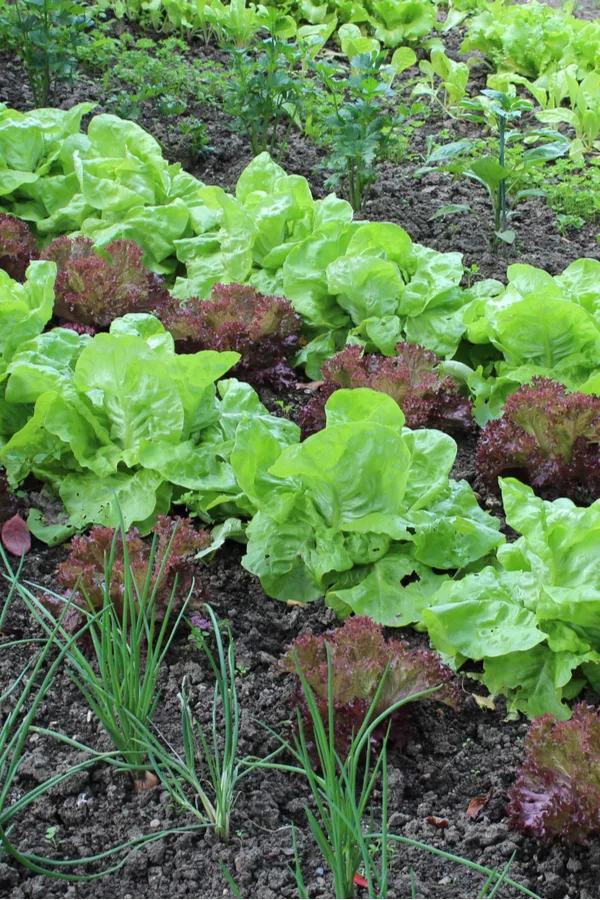
Crop rotation is a cornerstone of successful gardening. It’s a practice that benefits not only your future plants but also the long term health of your soil.
What Does It Mean To Rotate Garden Crops?
Crop rotation is simply the practice of planting vegetables in different spots every year. The goal is to avoid planting the same type of vegetable in the same location for at least three to four years.
For instance, if you plant cucumbers in the southern part of your garden this summer, they shouldn’t return to that spot for another three or four seasons. You would instead select a plant from a different family to grow there next year.
The complexity of crop rotation can vary. Advanced techniques involve using different cover crops or leaving certain areas unplanted for a season, a practice known as letting a section lie “fallow.”
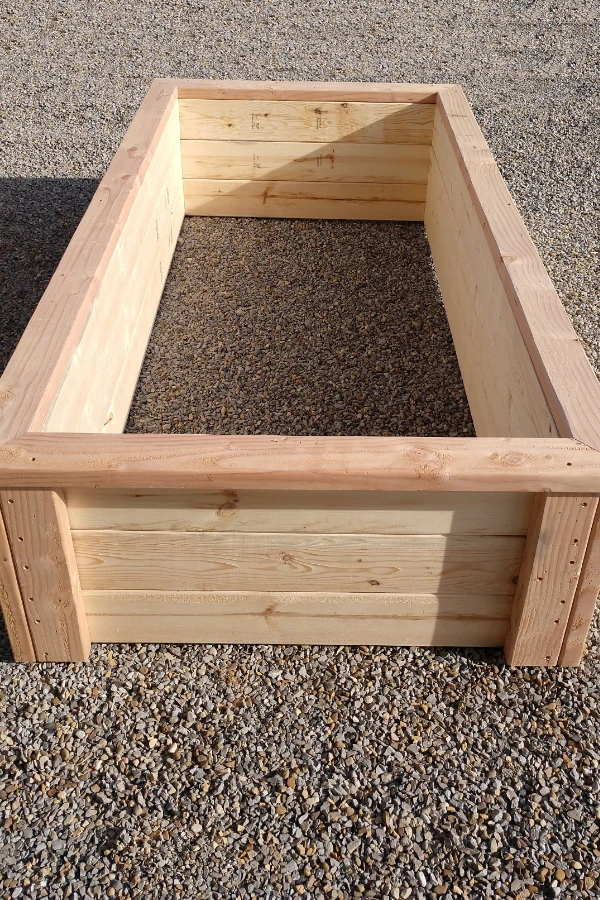
Even if your garden is small, you should still practice some form of rotation. It is just as crucial for raised beds as it is for traditional garden plots. Regardless of the size or style of your garden, moving your vegetable plants around is essential for a productive harvest.
Plant Families
To understand how to rotate your crops effectively, you first need to know how vegetables are categorized into families.
While you might find extensive lists of plant families, sticking to the eight most common ones keeps things straightforward for home gardening.
These families are not grouped by how the plants look. Instead, vegetables are categorized based on the nutrients they consume and the pests and diseases they are vulnerable to. Here are the eight most common vegetable families:
Alliums – Includes chives, garlic, leeks, onions, and shallots.
Asters – Features artichokes, chamomile, endive, lettuce, marigolds, and sunflowers.
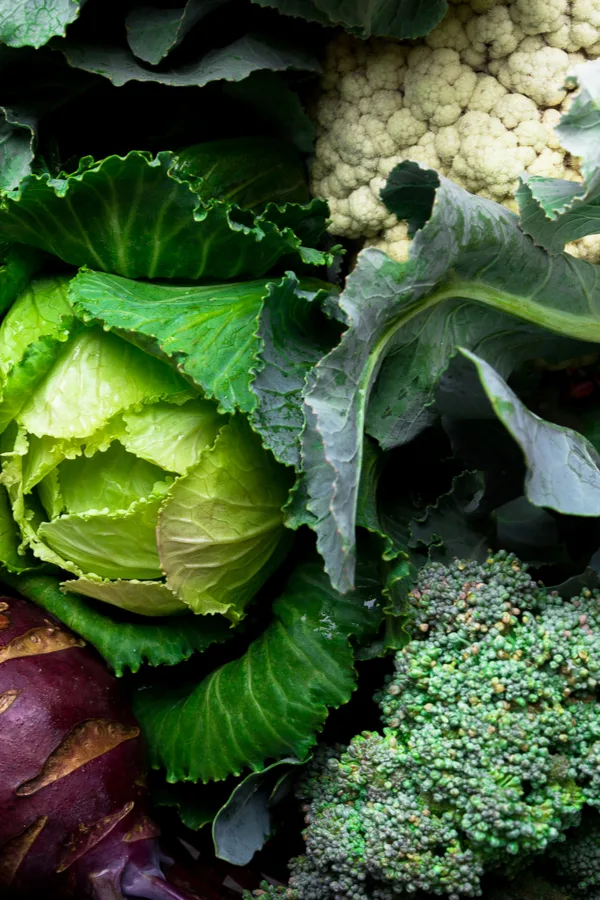
Brassicas – Comprises arugula, broccoli, brussels sprouts, cabbage, cauliflower, collards, cress, kale, mustard greens, radishes, rutabaga, and turnips.
Cucurbits – Contains cucumbers, gourds, melons, pumpkins, summer squash, winter squash, and zucchini.
Grasses – Includes millet, oats, popcorn, rice, sweet corn, and wheat.
Legumes – Consists of green beans, peas, peanuts, and soybeans.
Nightshades – Features eggplant, tomatillos, tomatoes, peppers, and potatoes.
Umbels – Includes carrots, celery, cilantro, dill, fennel, parsley, and parsnip.
Some vegetables, like okra and sweet potatoes, belong to their own families and should also be included in your rotation plan. For the best results, you should grow plants from the same family together and rotate them as a group, rather than rotating individual plants.
Why Rotate Garden Crops?
Reason #1 – To Protect Soil Nutrients
Soil is a living ecosystem of organisms, minerals, nutrients, and organic matter. To thrive and produce a bountiful harvest, your crops need specific nutrients that they draw from the soil.
Over the course of a growing season, these vital nutrients get depleted. If you plant the same types of crops in the same spot year after year, your soil will quickly become stripped of the nutrients those specific plants require.
Each plant family draws on soil nutrients in a unique way. Some are considered heavy feeders. Tomatoes, for instance, consume a great deal of nitrogen to produce fruit. The longer tomatoes are grown in the same soil, the less nitrogen will be available.
Reason #2 – To Prevent Soil-Borne Disease
Another critical reason to rotate crops is to manage soil borne diseases. Certain plant diseases target specific families of vegetables. When the same family remains in one location, the pathogens that cause these diseases can build up in the soil.
As pathogen levels rise, the likelihood of your crops becoming infected increases. Crop rotation helps keep these pathogen populations low, resulting in healthier and more resilient plants.
Reason #3 – To Control Pests
Just as disease pathogens can accumulate in the soil, so can plant specific pests. Many insects, such as squash bugs, exclusively attack certain types of crops.
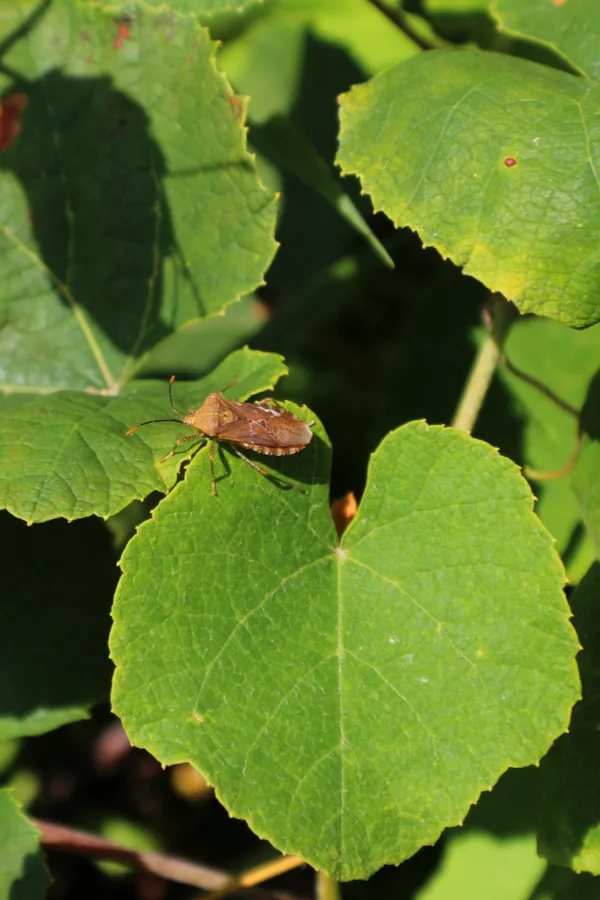
If these pests are not managed in the fall, they can overwinter in the soil. When spring arrives, if you plant the same crop family in that location, the pests will have an immediate food source, allowing them to thrive and reproduce. A large insect population can quickly devastate a garden.
Exceptions To This “Rule”
There are a few exceptions to the rotation rule. Herbs, for example, generally do not need to be rotated. Many are perennial, remaining in the ground all year depending on the climate, and they are typically light feeders on soil nutrients.
Additionally, crop rotation does not apply to perennial vegetables like rhubarb, asparagus, strawberries, raspberries, and artichokes. Since these plants are not replanted annually, they can remain in the same spot.
Remember to amend the soil around these perennial crops with compost or fertilizer to maintain soil health and ensure they continue to grow vigorously.
How To Rotate Garden Crops
As noted before, rotating crops can be as simple or complex as you want to make it. The primary objective is to avoid planting a crop family in the same spot for three to four years.
The method you choose will depend on your garden’s layout and the vegetables you grow. The key is not to get overwhelmed. Here are a few straightforward tips to guide you.
Keep A Garden Journal
One of the most valuable habits for any gardener is keeping a journal. It doesn’t need to be elaborate. You should simply note which crops you grew, where they were planted, and how well they performed.

A simple sketch of your garden layout can help you map out your planting plan. This visual guide will be incredibly useful when planning your rotation for the next season. If you prefer, taking photos is another great way to document your garden’s layout.
The details you include are entirely your choice. Whether you keep it simple or go in depth, your journal will become an indispensable resource for future planting decisions.
Divide Up Your Garden Space
The next step is to divide your garden into distinct sections. Since the aim is a three to four year rotation, breaking your garden into thirds or quarters is an effective strategy.
If you have a larger garden with a wide variety of plants, you can create more sections to extend the rotation cycle. However, a minimum of three sections is recommended to ensure at least a three year rotation.
Plan Out The Sections
Once your garden is divided, try to plant crops from the same family within each section. If you have four sections but grow all eight of the major crop families, you will need to group two or more families together in each section.
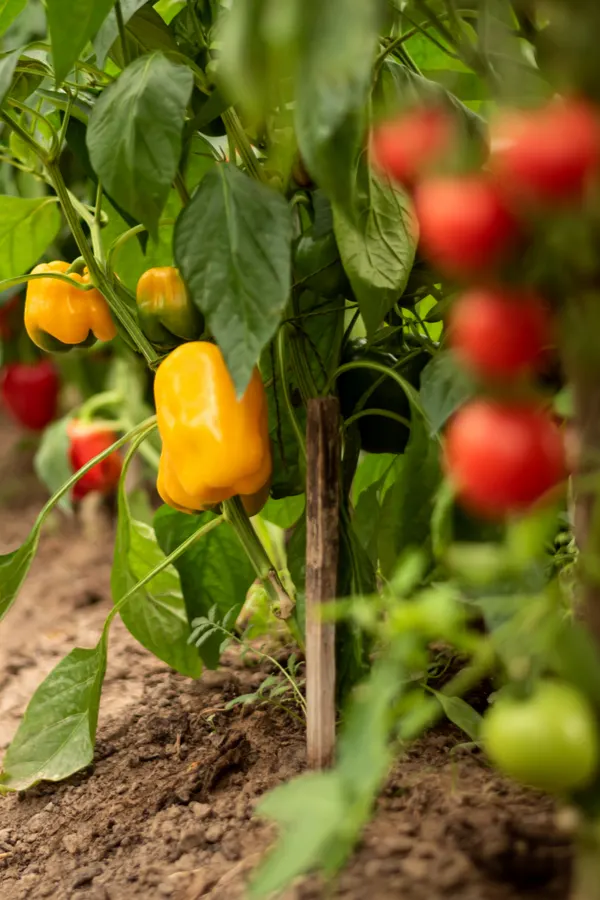
To decide which families to group together, you can use one of several strategies. Some are more detailed than others, so pick the one that best fits your gardening style.
Group By Feeder Type
Some plants are known as heavy feeders, while others are light feeders. This simply means that certain vegetables require a lot of nutrients from the soil to reach their full potential, while others need far less.
Many crops from the Brassica, Nightshade, Grass, and Cucurbit families are heavy feeders. In contrast, crops in the Allium, Aster, Umbel, and Legume families are generally lighter feeders. A good strategy is to pair a heavy feeding family with a light feeding family in each section.
Further down, a chart provides an example of a four year crop rotation. It includes all eight families, grouped with one heavy and one light feeder family per section.
Companion Plants & Groups To Avoid
Certain plants grow particularly well together and are known as “companion plants.” Companion planting offers several advantages in the garden.
Some companion plants are grouped together because they do not compete for the same nutrients. Others help deter pests from their neighbors. Some can even benefit nearby plants in other ways.
For example, corn provides a natural trellis for climbing legumes like peas and beans. You can also plant squash, a Cucurbit, at the base of the corn. The squash plants help suppress weeds and serve as a living mulch.
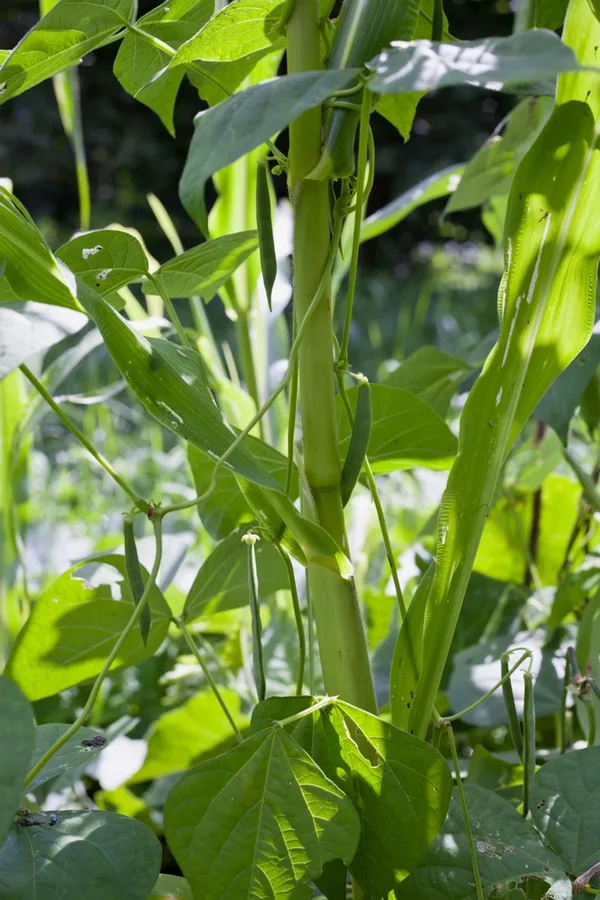
Conversely, some plant families should not be planted together. They might compete too aggressively for the same soil nutrients, or they could attract pests and diseases when grouped. Whatever the reason, avoid these pairings.
Never plant heavy feeders like corn and Nightshades together. Keep Legumes away from Alliums and Brassicas. Also, avoid planting Brassicas next to Nightshade crops.
It’s Time To Rotate Those Garden Crops!
Now that your garden is sectioned off, it is time to plan the rotation. You can use the grouping strategies mentioned above to help decide which crop families should follow others in subsequent years.
For instance, try to avoid planting heavy feeders in the same location for two consecutive years. Instead, follow a heavy feeder with a light feeder the following year to give the soil a chance to recover.
You can also use plants that improve the soil. Tomatoes and corn deplete a large amount of nitrogen. After that season, the soil will be low in this key nutrient. In the following year, plant legumes in that spot. Legumes are nitrogen fixers, meaning they actually replenish the nitrogen levels in the soil. This is a perfect example of using nature to your benefit.
Example Rotation
Imagine you are implementing a four year crop rotation. You have divided your garden into four sections, labeled A, B, C, and D. You have also organized your crop families into four groups, numbered 1, 2, 3, and 4, based on the tips above.
In the first year, you would plant group 1 in section A, group 2 in B, group 3 in C, and group 4 in D. The next year, you rotate. Group 1 moves to section B, group 2 to C, group 3 to D, and group 4 moves into section A. The full rotation would look like this:
First Year = 1A, 2B, 3C, 4D
Second Year = 1B, 2C, 3D, 4A
Third Year = 1C, 2D, 3A, 4B
Fourth Year = 1D, 2A, 3B, 4C
Fifth Year = 1A, 2B, 3C, 4D (The cycle restarts)
Don’t Make It Harder Than It Is!
The main goal is to move your plants around as much as you can. Feel free to experiment from one year to the next to see what works best for your specific garden, and use your journal to keep notes. You might also consider planting a cover crop during the off season to further rejuvenate your soil in addition to practicing crop rotation.
With a bit of planning before the growing season starts, you can ensure a healthy, thriving vegetable garden for years to come.
