
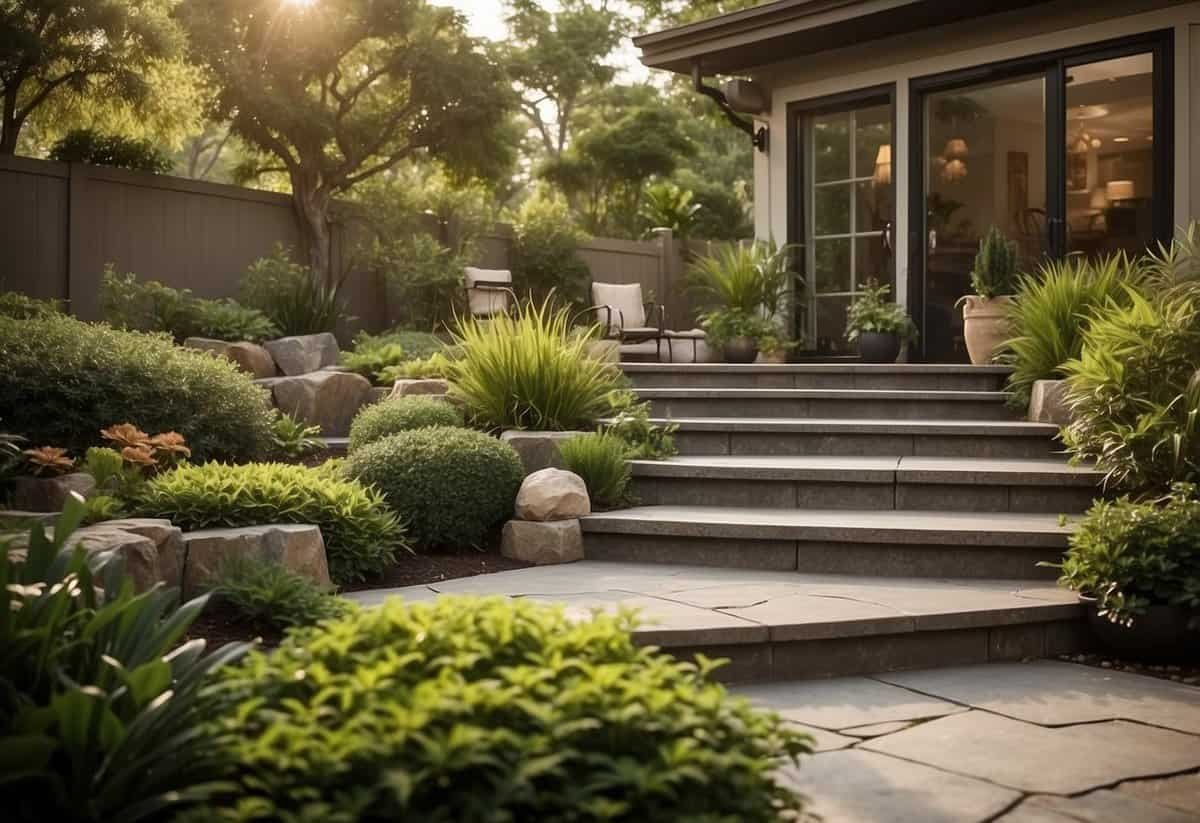
Ready to turn your backyard into a genuine oasis? These easy-to-follow patio ideas will help you completely upgrade your outdoor space without a massive budget. Get ready for some serious inspiration.
Picture yourself relaxing in a comfy chair, a cold drink in hand, surrounded by lush plants and the soft glow of evening lights. These concepts will guide you in crafting a welcoming outdoor retreat perfect for unwinding or hosting friends. From straightforward DIY projects to smart design strategies, you’ll find everything you need.
Is it time to give your backyard a much-needed refresh? Explore these 30 backdoor-to-patio ideas and discover how to transform your space into a place everyone will adore.
Designing Your Backyard Space
Crafting your backyard design begins with evaluating the space you have, choosing a unified theme, and making sure that function and style work together in harmony.
Assessing the Space
Start by taking measurements of your backyard. Pay attention to how sunlight moves across the area throughout the day, identify shady spots, and note any existing features like slopes or trees. This information is key for planning the placement of your patio, plants, and seating.
Next, sketch a simple layout of your yard. Mark down all the current features. Think about what you truly want to include, whether it’s a spot for dining, a fire pit for gathering, or a flourishing garden.

Compile a list of all the materials you’ll need. This might include everything from paving stones and outdoor furniture to specific plants. Review your budget and be prepared to make adjustments to your plan if needed.
Choosing a Theme
Select a theme that reflects your personal style. You could aim for a modern, rustic, tropical, or even a desert-inspired look. When your theme aligns with your home’s architecture, it creates a wonderfully cohesive feel.
Decide on a color palette that enhances your chosen theme. Natural earth tones are perfect for a rustic aesthetic. For a modern design, you might lean towards sleek blacks and cool grays.

Consider the textures you plan to incorporate. Materials like wood, concrete, and metal each bring a different energy to your theme. Pinpoint essential pieces, such as tables or decor, that will reinforce your overall vision.
Balancing Functionality and Aesthetics
Make a list of the activities you envision for the space, like eating, relaxing, gardening, or playing games. Design your layout with specific zones dedicated to each of these functions.
Select furniture and decor that not only fit your theme but also meet your practical needs. Lasting enjoyment comes from choosing comfortable seating, durable materials, and weather-resistant fabrics.
A simple approach helps avoid a cluttered feel. Use plants to introduce life and splashes of color. Mediterranean varieties such as lavender and rosemary are excellent choices for handling dry conditions.
Pathways should be wide enough for easy walking without dominating the landscape. Lighting adds both visual appeal and crucial safety. String lights, lanterns, and low-profile LEDs can build ambiance while illuminating the way for guests.
Materials for Backyard Steps
When you’re planning the steps in your backyard, consider which materials will offer both long-lasting performance and visual appeal. Every option provides a distinct look, so choose what works best for you.
Natural Stone
Natural stone brings a timeless elegance to any backyard setting. You have a variety of choices, including granite, limestone, and slate. These stones are incredibly durable and can withstand heavy foot traffic. They also provide a naturally non-slip surface.

The organic variations in color and texture result in an inviting and one-of-a-kind appearance. Keep in mind that stone often requires professional installation and can be a pricier option. Maintenance typically involves occasional cleaning and resealing to preserve its natural beauty.
Pavers

Pavers are available in a wide array of shapes, sizes, and colors. This versatility allows you to create complex patterns or opt for a simple, clean design. They are also quite sturdy and hold up well against the elements.
Installing pavers can often be a DIY-friendly task, which makes them a cost-effective selection. For maintenance, a regular sweeping and hosing off will keep them clean. You might occasionally need to reset a paver if it happens to shift out of place.
Concrete

Concrete is a highly versatile and durable material for steps. You can choose between pre-cast concrete units or have them poured in place. Concrete can be molded into different shapes and even stained or colored to match your design.
It stands out as a budget-friendly choice that demands minimal upkeep. A regular cleaning with a garden hose is usually enough to keep it looking fresh. While concrete can develop cracks over time, applying a sealer can help prevent this issue.
Wood

Wood steps provide a warm, natural aesthetic for your backyard. Common options include treated lumber, cedar, or redwood. These types of wood are known for their resistance to insects and rot.
Building and repairing wood steps is a relatively straightforward process. They do require regular treatments with a sealant or stain to shield them from weather damage. It’s also wise to check for splinters and loose nails frequently.
Metal

Metal steps, particularly those made from aluminum, offer a modern and sleek appearance. They are an excellent fit for contemporary backyard designs. Metal is a strong material, often coated to fend off corrosion.
Maintenance is minimal, usually just involving occasional cleaning. Be sure to inspect for any rust spots and apply a fresh coat of paint if necessary. Metal steps can become hot under direct sunlight, so you might consider using a mat for added comfort.
Step Styles and Shapes
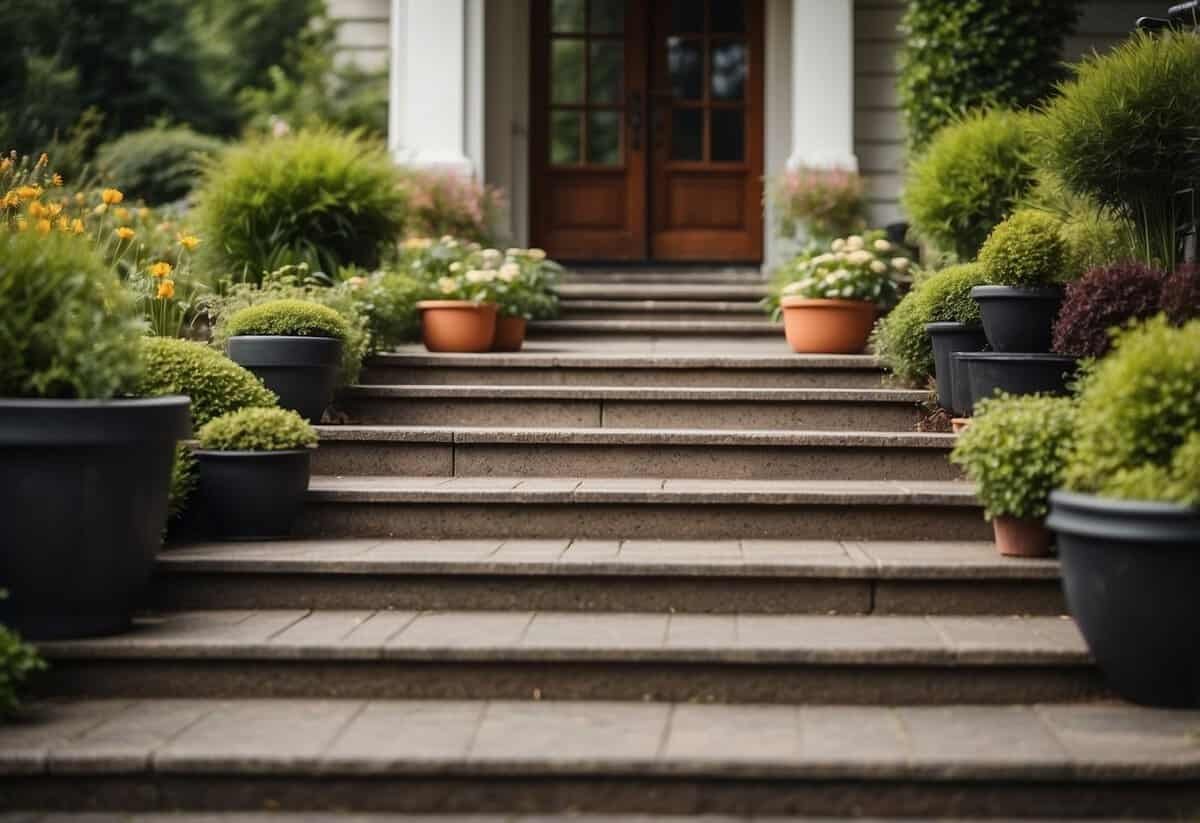
The style and shape of the steps leading to your backyard patio can dramatically alter the atmosphere of your outdoor area. It’s worth considering how each design might complement your overall vision.
Traditional Straight

Traditional straight steps are beautifully simple and highly functional. They integrate seamlessly with most patio designs and are typically easy to construct. You can build straight steps from various materials like concrete, wood, or stone. They offer a classic appearance and are generally a less expensive option. These steps are also ideal for connecting different levels of your backyard with a tidy, clean aesthetic.
Curved

Curved steps introduce a unique and elegant flair to your patio. They are more visually dynamic than straight steps and can impart a soft, flowing quality to your backyard. Building curved steps usually demands more careful planning and precise execution, but the beautiful result is often well worth the effort. Materials such as brick, stone, or molded concrete are best suited for this style. With curved steps, you can fashion a gently winding path that feels exceptionally inviting.
Spiral

Spiral steps are both chic and efficient with space. They are a perfect solution if your area is limited but you still desire an eye-catching design feature. These steps look fantastic in modern and contemporary backyard settings. Spiral steps can be crafted from materials like metal, stone, or even wood. Constructing them can be a more complex task that might require professional assistance, but they frequently become a stunning focal point in any backyard.
Floating

Floating steps deliver a modern, almost futuristic vibe. These steps seem to hover without any visible supports, contributing a sleek, minimalist feel to your patio. They can be made from wood, stone, or concrete and are typically anchored into the ground or attached to a concealed structure. Floating steps can give your backyard a wonderful sense of openness and light, making them a thrilling choice for contemporary designs.
Incorporating Landscaping
Elevate your backdoor-to-patio journey with thoughtfully selected plants, stylish borders, and well-placed lighting. These features can turn your space into a more delightful and practical area.
Plant Selection

Picking the right plants is absolutely essential. Native plants are a fantastic option because they typically require less water and attention. Perennials return each year, which simplifies your maintenance routine. Consider the height and color of your plants; taller varieties can be placed in the back, with shorter flowers framing the steps.
When you’re choosing plants, think about seasonal appeal. Flowers that bloom at different times throughout the year will provide continuous interest. Herbs or vegetables can add a charming kitchen-garden feel. It is also critical to know how much sunlight your garden receives, as some plants need full sun while others flourish in the shade.
Decorative Borders

Decorative borders can significantly improve the look of your backyard steps and patio. Materials like stone, brick, or wood can introduce a natural touch. For a more modern feel, you might choose concrete or metal edging. When selecting materials, consider the architectural style of your home and yard.
Borders are not merely for decoration; they also serve to contain plants and clearly define different areas. This can make your yard easier to maintain. Raised borders can introduce height and dimension to flat spaces and are perfect for planting with vibrant flowers or rich greenery.
Lighting Features

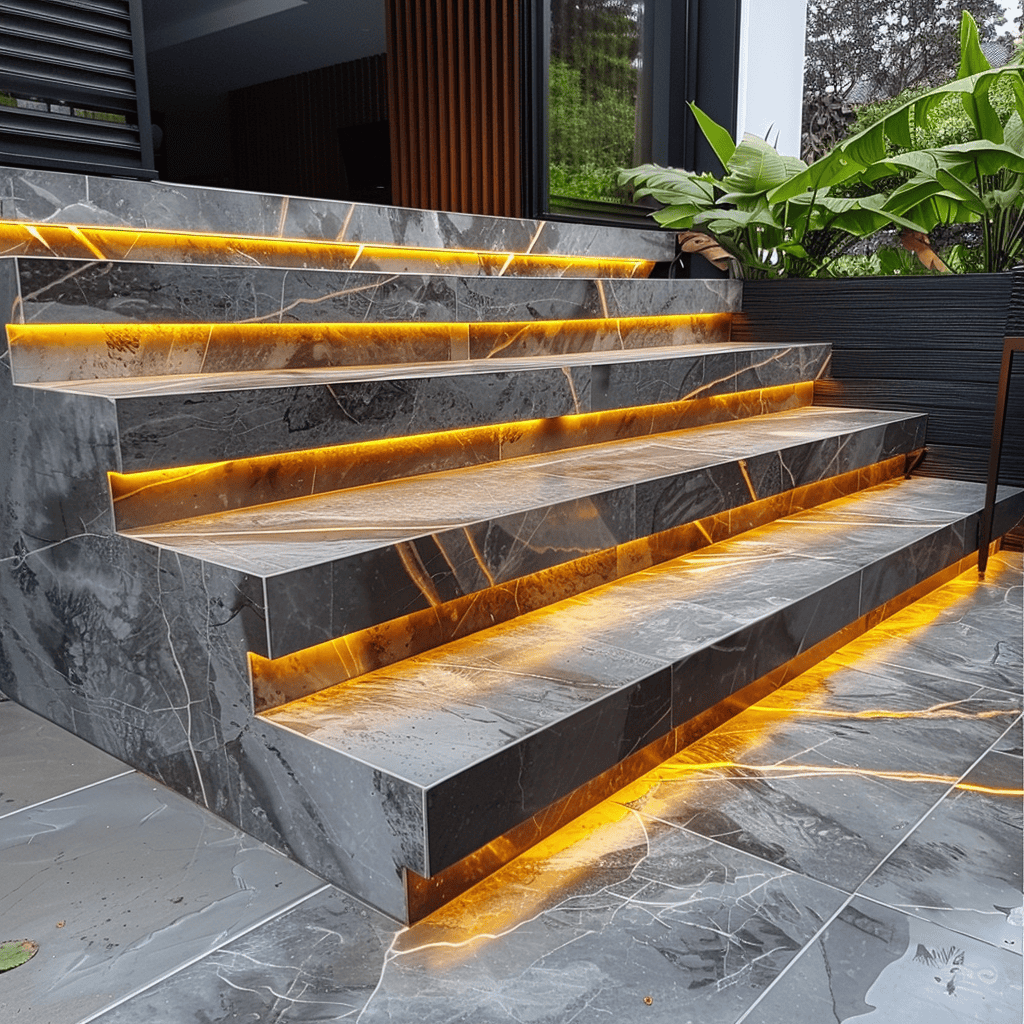
Lighting is a crucial element for creating a welcoming atmosphere. Solar lights are an energy-efficient and easy-to-install choice. String lights can bring a cozy, warm ambiance to the space. Placing lights along the steps also enhances safety after dark.
Think about what you want your lighting to achieve. Accent lights can be used to showcase specific plants or decorative elements. Path lights are perfect for safely guiding guests to the patio. You might also use LED lights, which last longer and consume less electricity. The right lighting can extend the hours you get to enjoy your outdoor space.
Sustainability Considerations
Embracing sustainability can make your backyard patio both beautiful and eco-conscious. This approach involves selecting environmentally friendly materials, managing water use efficiently, and using solar power for illumination.
Eco-Friendly Materials

Opt for materials like recycled plastic, bamboo, or locally sourced wood. Recycled plastic is known for its durability and low maintenance needs. Bamboo, a fast-growing plant, is a fantastic renewable resource. Using locally sourced wood reduces transportation, which in turn lowers carbon emissions.
You could also look into natural stone or pavers made from recycled content. These choices can be very stylish while being kinder to the planet. Applying eco-friendly sealants or finishes can also make more traditional materials a more sustainable option.
Drip Irrigation for Plants

Drip irrigation systems consume significantly less water than traditional sprinklers. Rather than spraying water across a wide area, these systems deliver it directly to the base of each plant. This method minimizes water loss from evaporation or runoff.
You can enhance the system with timers and moisture sensors to guarantee your plants receive the perfect amount of water. This not only conserves a precious resource but also promotes healthier plant growth through consistent hydration.
Solar Lighting Options
Using solar lights is a great way to cut down on electricity consumption. Solar-powered lighting is available in many styles, from festive string lights to practical pathway markers. They gather energy from the sun during the day to provide light at night, a solution that is both cost-effective and good for the environment.
For installation, just place them in sunny areas where they can get a full charge. Some models even come with motion sensors or dimmer settings to use the stored energy more efficiently. Solar lights are simple to install and maintain, making them a superb addition to a sustainable patio.
Safety and Accessibility
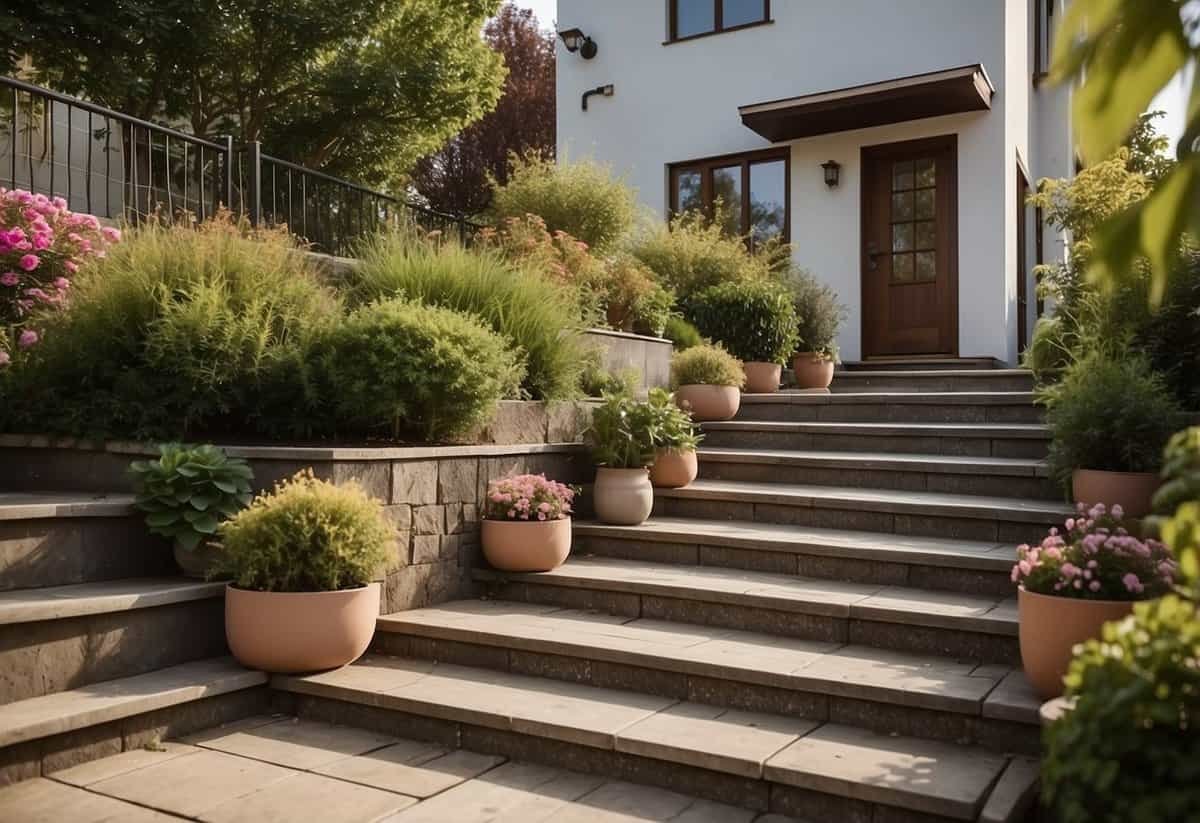
Building safe and easily accessible steps in your backyard is a top priority. Concentrate on features like handrails, non-slip surfaces, and appropriate step dimensions to improve both safety and user comfort.
Handrails and Guardrails
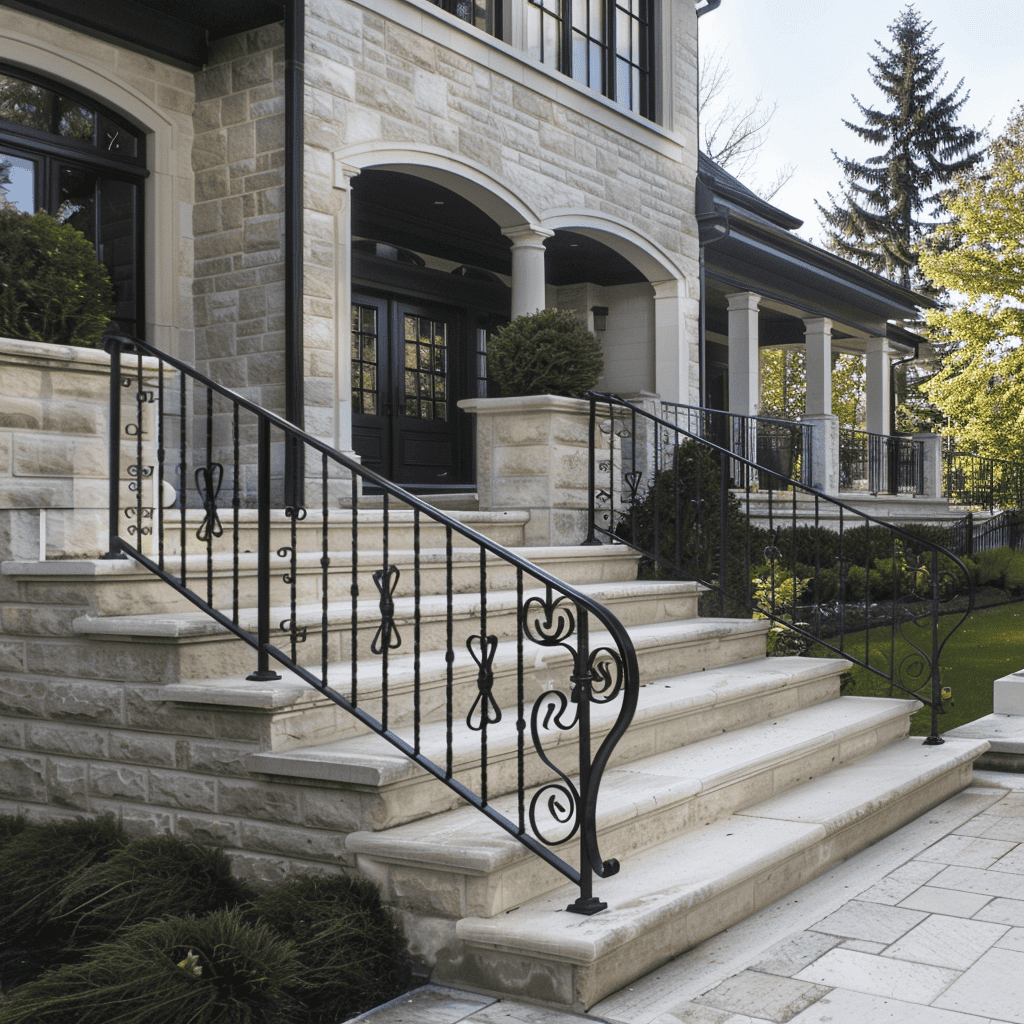
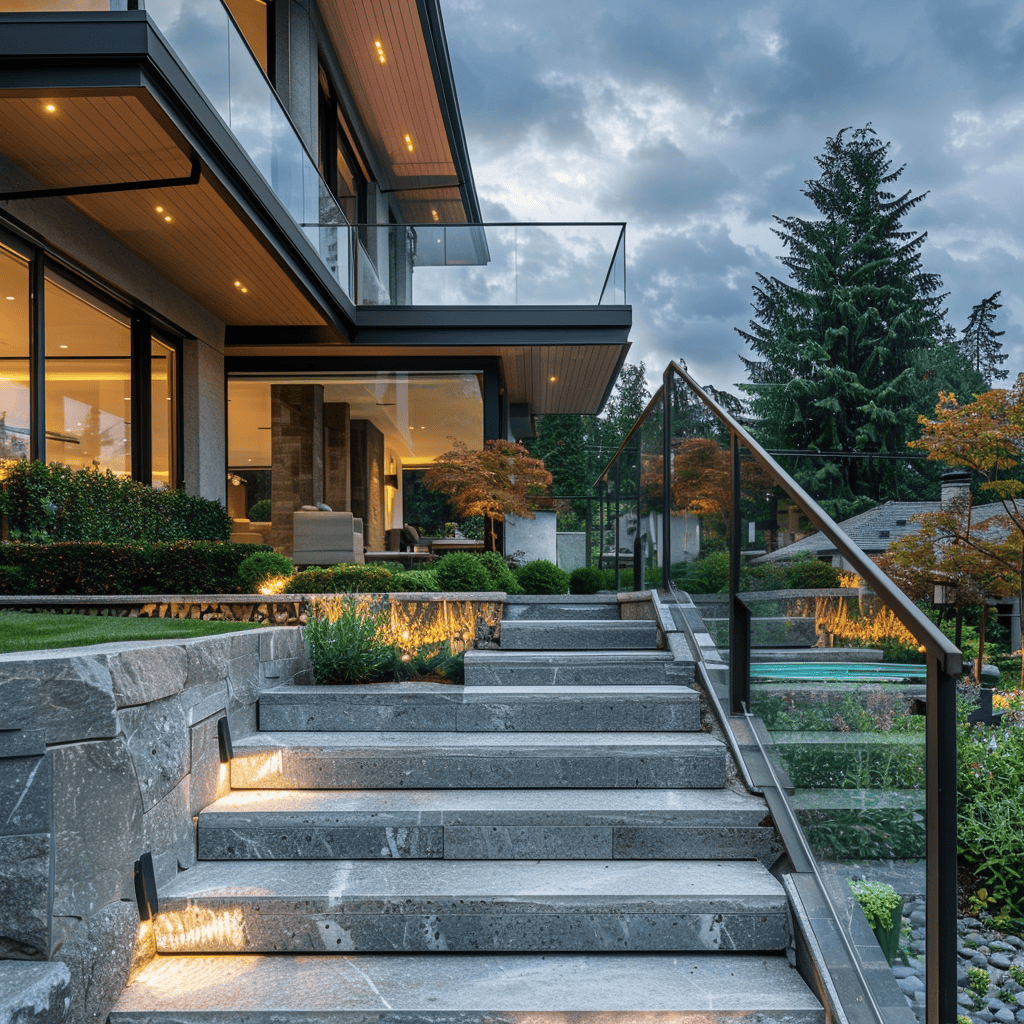
Handrails and guardrails are essential for preventing falls. Be sure to install well-balanced rails on both sides of the steps. They should also be at a comfortable height, typically between 34 to 38 inches above each step. Finally, the rails themselves need to be sturdy and smooth to the touch.
Guardrails are required if your steps are more than 30 inches above the ground. They are designed to stop falls from elevated surfaces. These features are even more critical if you have children or older family members at home.
Non-Slip Surfaces
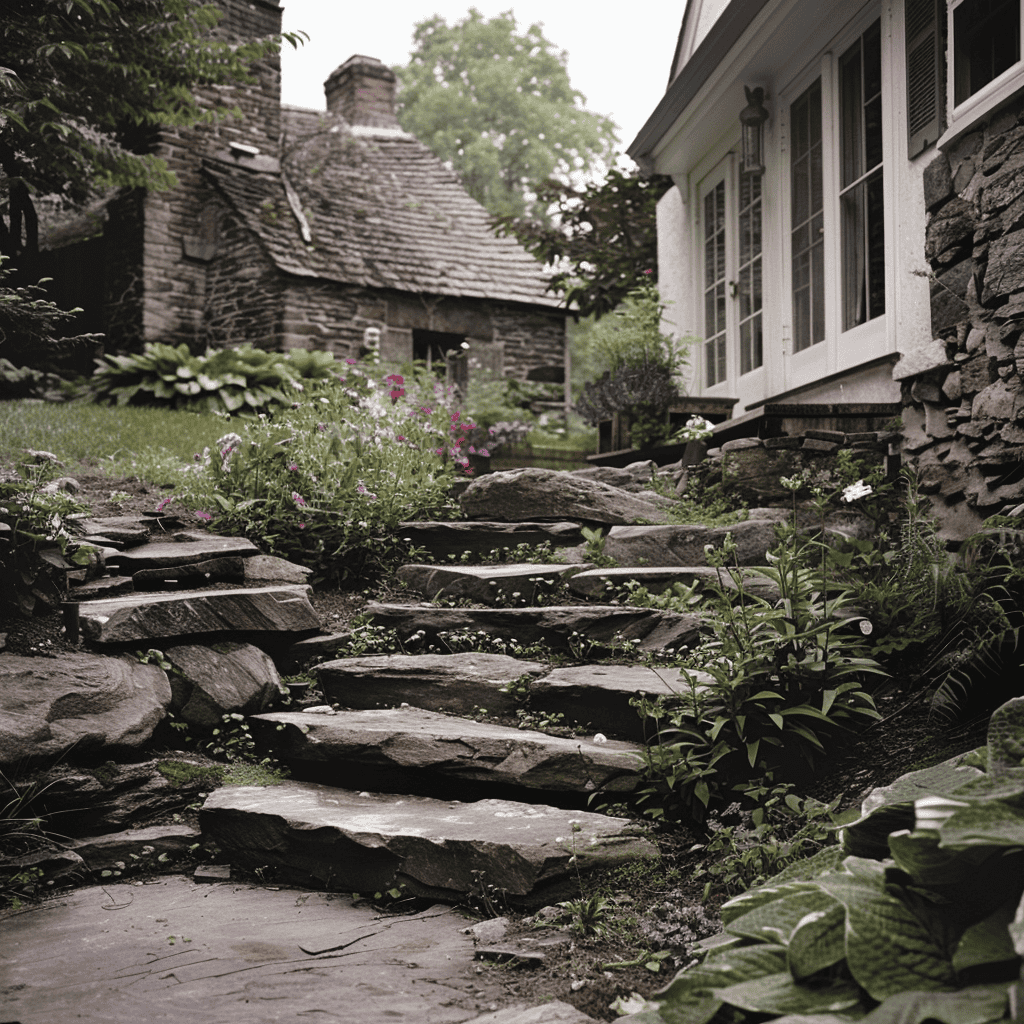
Non-slip surfaces can help prevent accidents, particularly in wet conditions. Opt for materials such as textured stone, concrete, or treated wood. You can also apply non-slip treads or adhesive strips to each step for added traction.
Another option is to install outdoor rugs designed to stay put even when they get wet. These provide extra grip and lower the risk of slipping. Always keep your steps clear of leaves and other debris to ensure their non-slip properties remain effective.
Step Dimensions for Comfort
The size of your steps directly impacts both safety and comfort. The riser height, or the vertical part of the step, should be between 4 and 7 inches. This height is manageable for most people.

At the same time, the tread depth, which is the horizontal surface of the step, should be about 12 inches. This provides ample room for your foot to land securely. Maintaining uniform step sizes is crucial for preventing trips and falls, so ensure all your steps have the same height and depth.
Seasonal Adaptations
Adapting your patio to handle different seasons means picking the right materials that can endure various weather conditions and understanding how to maintain them, especially through the winter.
Weather-Resistant Materials
Selecting the right materials for your patio can make a huge difference in its longevity. Teak wood is exceptionally durable and ages beautifully. Its natural resistance to rain and snow makes it a perfect choice for outdoor applications.

Metal furniture, particularly pieces made from aluminum and stainless steel, holds up well against rust and is simple to clean. Meanwhile, resin wicker offers the look of natural wicker but is far more durable in harsh weather.
Concrete and stone are also excellent choices for patio surfaces. They resist damage from even extreme weather conditions. For any cushions or pillows, be sure to use outdoor fabrics like acrylic or polyester, which are designed to resist fading and mildew.
Maintenance Tips for Winter
Winter weather can be hard on your patio, making proper maintenance essential. Begin by cleaning and storing any cushions and fabrics indoors. Use waterproof covers to shield your furniture. Regularly sweep away leaves and debris to stop mold and mildew from forming.

For metal furniture, applying a protective sealant will help prevent rust. Wooden furniture should be treated with a suitable oil or sealant to keep it from cracking in the cold. It’s also important to shovel snow off your patio promptly to avoid potential damage.
Draining and covering any water features can prevent them from freezing and cracking. Staying on top of these tasks will help ensure your patio remains in great shape all winter long.
DIY vs Professional Installation
Deciding between a DIY approach and professional installation for your patio means balancing factors like budget, time, and your own skill set. Carefully weigh the pros and cons of each path before you commit.
Pros and Cons of DIY
Pros:
Cost Savings: Tackling the project yourself can save you a significant amount of money. You can avoid labor costs entirely by handling the work on your own.
Personal Touch: You get to customize the project to your exact specifications. You have complete control over every material and design choice.
Skill Building: Acquiring new skills can be incredibly rewarding. It’s a wonderful opportunity to gain practical, hands-on experience.
Cons:
Time-Consuming: DIY projects often take much longer than professional jobs. You may need to dedicate several weekends or even months to completion.
Skill Level: More complex tasks require a certain level of expertise. If you lack the necessary skills, you risk making expensive mistakes.
Physical Labor: Preparing and installing a patio is physically demanding. Lifting heavy materials can be a serious challenge.
Finding the Right Contractor
Research: Search for contractors who have positive reviews. Websites like Yelp and Angie’s List are great resources for finding reliable professionals.
Get Quotes: Request estimates from several different contractors. Compare their prices and the services included to make a well-informed decision.
Check Credentials: Make sure any contractor you consider is licensed and insured. This provides protection against potential liabilities and other issues.
Ask Questions: Never hesitate to ask about their experience with projects similar to yours. Request to see examples of their previous work to assess the quality.
Contracts: A written agreement is non-negotiable. Ensure it outlines specifics like the project timeline, total cost, and any offered guarantees.

Communication: Clear communication is vital for a smooth project. Select a contractor who is responsive and open to discussing all the details with you.
Permits and Legal Requirements
Before you begin constructing your backyard patio, it’s crucial to look into the necessary permits and legal requirements.
Step 1: Visit your local government office or check their website.
You need to find out exactly which permits are required for your project.
Step 2: Ask detailed questions. What specific type of permit do you need? What is the typical turnaround time for approval?
Make sure you get clear answers to all your questions.
Step 3: Gather all the required documents. This usually includes a site plan, design drawings, and information about the materials you plan to use.
Step 4: Submit your completed application and pay the associated fees.
Step 5: Wait for the approval. This process can range from a few days to several weeks.
Use this waiting period to get everything else organized so you can start work as soon as you have the permit.
If you live in a neighborhood with a homeowner’s association (HOA), you will also need to review their regulations. HOA rules can often be very strict.
Important: Neglecting to obtain the correct permits can result in fines or even an order to remove your new patio!
Pro Tip: Always keep copies of all your permits and paperwork in a secure place for any future needs.
Budgeting for Your Project
It is essential to carefully plan and manage your budget to ensure your backyard steps project is a success and stays within your financial comfort zone. This requires thinking about cost estimation and navigating the balance between quality and cost.
Cost Estimation
Begin by creating a comprehensive list of all the materials you’ll need. This includes the primary materials for the steps, such as wood, stone, or concrete. Also, factor in tools, safety equipment, and any decorative elements like plants or lighting.
Develop your budget by estimating the cost of each line item. Gather price quotes from various stores and online suppliers to get a clear picture.
| Item | Estimated Cost |
|---|---|
| Lumber | $100 – $200 |
| Concrete Mix | $50 – $100 |
| Hand Tools | $30 – $50 |
| Plants | $20 – $40 |
| Lighting | $30 – $60 |
Always remember to set aside a small contingency fund for any unexpected expenses that may arise.
Quality vs Cost Trade-offs
Consider how long you expect your new steps to last. Investing in high-quality materials might have a higher upfront cost, but it can lead to savings over the long term by reducing repairs and replacement.
For example, treated wood will outlast regular wood, but it comes with a higher price tag.
Sometimes you can save money by taking on parts of the project yourself. You might decide to handle the installation of basic lighting while hiring a professional for more demanding tasks.
It’s perfectly fine to mix premium items with more affordable ones. You could use a very durable material for the steps themselves and then choose budget-friendly plants for the surrounding landscape.
Make sure you weigh your choices based on durability, aesthetics, and overall function to achieve the best possible value for your investment.
Maintenance and Upkeep
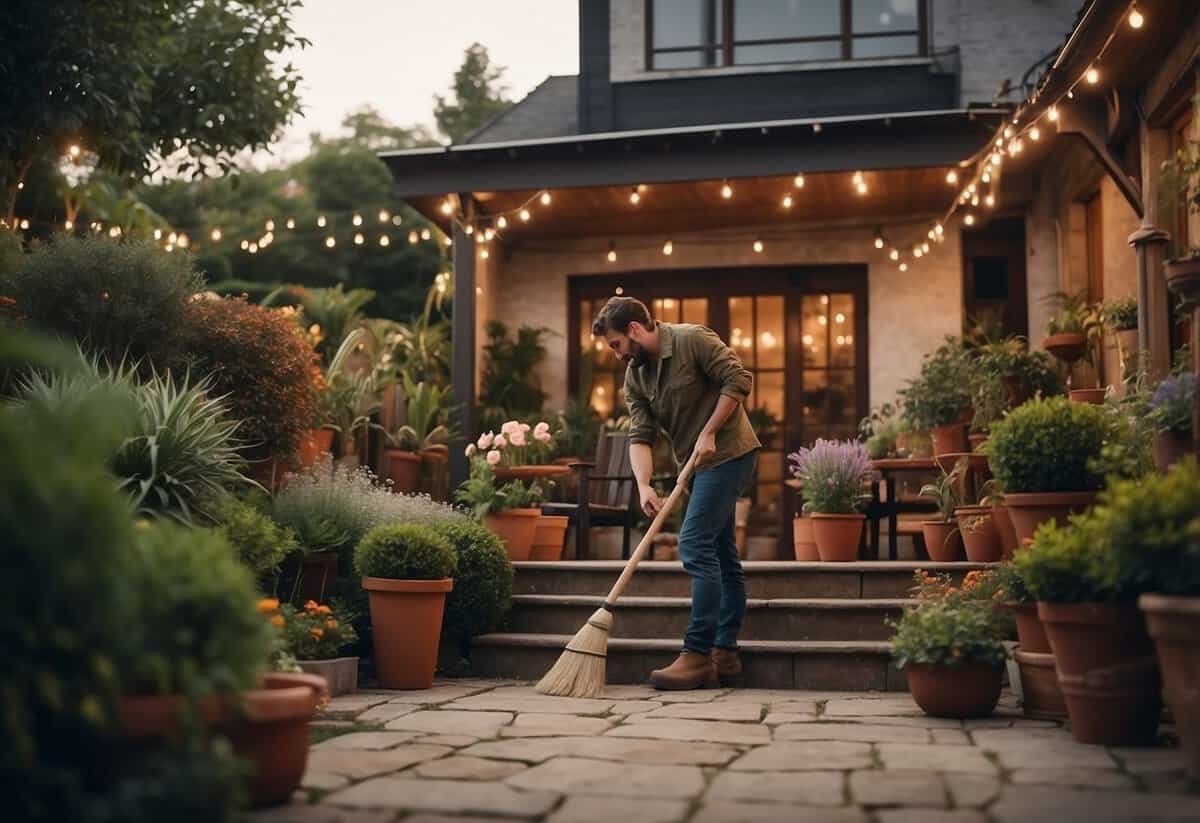
Keeping your patio in top condition involves routine cleaning and prompt repairs. By adopting these simple habits, your backyard space will remain beautiful and safe for many years.
Regular Cleaning
Try to clean your patio weekly. This practice prevents dirt, leaves, and stains from accumulating over time.
Sweep away any debris with a broom or a leaf blower. For a more thorough cleaning, a mixture of water and mild soap works well.
Scrub the surface with a brush to tackle any stubborn stains or algae growth.
Rinse the soap away with fresh water. A power washer can be highly effective if you have a stone or brick patio. Just be sure to adjust the pressure setting to prevent any damage to the surface.
During the fall, clear fallen leaves regularly to avoid staining. In the winter, remove snow and ice gently. It’s best to avoid metal shovels, which can scratch the surface. Instead, opt for plastic shovels or a snow blower.
Repair and Replacement Strategies
Inspect your patio on a regular basis. Keep an eye out for cracked tiles, loose stones, or broken bricks. Addressing small issues early can help you avoid larger problems down the road.
If you find any cracks, fill them with a suitable filler material. For loose stones, reapply the adhesive to secure them back in place.
If a patio tile or stone is damaged beyond repair, replacement may be necessary. Carefully remove the damaged piece, trying not to disturb the surrounding area.
Replace it with a new piece that is a close match in color and size. Secure it firmly with fresh adhesive.
Check for signs of wear and tear around the edges and in the joints. Reapplying sealant every few years will help protect against water damage and fading.
Proper sealing also serves to prevent weeds from sprouting between the tiles or stones.
Before and After Transformations
Witnessing backyard makeovers can provide a huge dose of inspiration and prove that improving any outdoor space is achievable. Real-life stories and happy homeowners show just how impactful these updates can be.
Case Studies
The Smith Family: The Smiths’ backyard was once a simple patch of grass with toys scattered about. They introduced stone steps, vibrant flower beds, and a cozy fire pit area. The result was a warm and inviting space perfect for family nights.
The Johnsons: This family’s yard was dry and dusty. By adding wooden steps, a small pond, and some native plants, their space was transformed into a green oasis. The outcome is a relaxing spot for outdoor yoga and bird-watching.
The Parkers: Their backyard had persistent drainage issues. The installation of terraced steps and rain gardens not only solved the problem but also added significant beauty. The result is a functional and attractive backyard that manages rainfall with ease.
Testimonials
Emily R.: “Our yard felt so bland and had no character. Adding the steps and flowers completely transformed it! Now, we adore spending time out there, and our kids love it too.”
Mark S.: “We were a bit skeptical about the proposed changes, but the transformation was astounding. Our once dusty yard is now lush and beautiful. The wooden steps bring a rustic charm that we just adore.”
Linda & Joe K.: “Dealing with our drainage problems seemed like a huge task, but the terraced steps were the ideal solution. Our backyard is not only functional now but also a wonderful place to host our friends.”
Conclusion
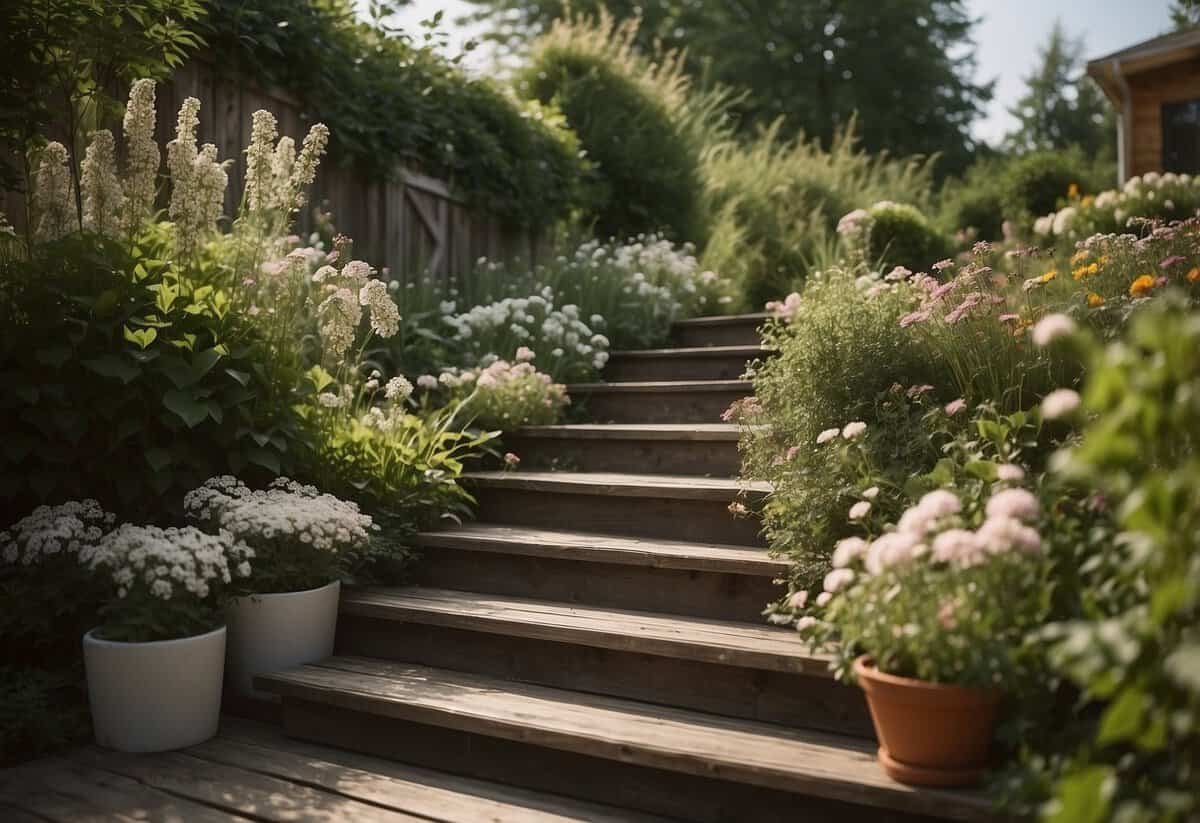
You now have a collection of fantastic ideas to completely transform your backyard patio.
Incorporating decorative stones can make a significant impact. They look wonderful and are also easy to maintain.
Outdoor lighting introduces a sense of warmth. String lights or elegant lanterns can create a very cozy atmosphere.
Don’t forget about comfortable seating. A thoughtful mix of chairs and benches usually works very well.
You might also consider a fire pit. It’s a perfect feature for gatherings and enjoying roasted marshmallows.
Your patio has the potential to become a favorite spot in your home. Have fun with the planning and design process!


