Keeping deer out of your garden can feel like a full-time job. But what if you could have a gorgeous, thriving landscape without constantly worrying about your hard work becoming a midnight snack? It’s totally possible. Get ready to discover a whole new world of landscaping with plants so beautiful, you won’t believe they’re also tough enough to make deer look elsewhere. Your dream garden is waiting.
1. Plant boxwood shrubs
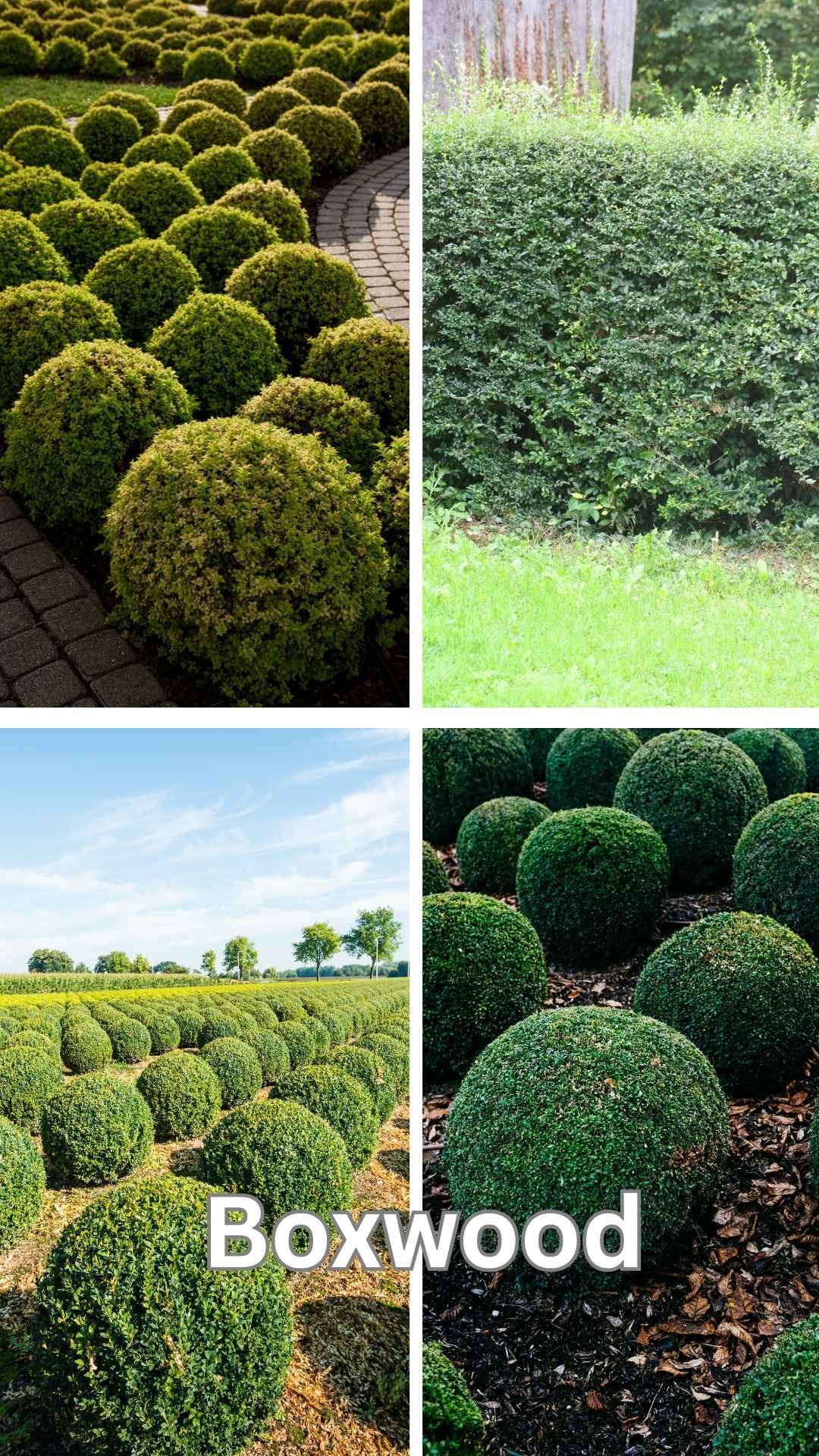
Boxwood shrubs are a powerhouse choice for your garden. Their strong fragrance is a major turn-off for deer, which makes them a reliably safe plant. Because they’re evergreen, you get lush, deep green foliage all year long. Boxwoods are incredibly versatile, perfect for creating private hedges, styling up borders, or even thriving in containers. Their thick, dense growth helps you build a clean, structured look with very little fuss. While they appreciate some water and mulch, they don’t demand constant trimming unless you’re aiming for a specific, manicured shape.
For the healthiest shrubs, make sure your boxwood gets plenty of sunlight and keep an eye out for any pests.
2. Incorporate lavender

Lavender is an amazing addition to a garden that deer tend to ignore. Its powerful scent helps keep them at bay while bringing a splash of vibrant color to your yard. As a bonus, it’s a magnet for pollinators like bees and butterflies, which boosts the overall health and beauty of your garden. You can use lavender as a border or plant it in groups for a big visual impact. It’s also a drought-resistant plant, so it’s a low-maintenance option for hotter climates.
Plant lavender in soil that drains well to get the best results. A little bit of regular pruning will also promote fuller, bushier growth that looks incredible.
3. Use Daffodils

Daffodils are a brilliant pick for deer-resistant landscaping. They contain natural toxins that make them completely unappealing to deer, helping to keep your garden beds safe. For gorgeous spring flowers, you should get them in the ground in early fall. They do best in sunny locations with soil that drains well. You can mix them with other tough plants to make your garden even more beautiful while maintaining your deer defenses.
For a truly stunning visual, plant daffodils in large groups. This move not only looks fantastic but also boosts their deer-repelling strength.
4. Add ginkgo biloba trees

The ginkgo biloba tree is a wonderful option for your landscape design. These trees are naturally resistant to deer, so you can stop worrying about them being nibbled on. They thrive when they get full sun and are quite adaptable to various types of soil. When autumn arrives, their leaves shift to a spectacular yellow, flooding your yard with vibrant color. They are also incredibly low-maintenance and can live for a very long time, becoming a permanent, beautiful fixture in your garden.
Ginkgo trees can also contribute to better air quality. Planting them near busier parts of your property provides extra benefits.
5. Try ornamental grasses

Ornamental grasses are a smart choice for your yard. They introduce texture and height and are generally not very tasty to deer. Varieties such as miscanthus and fountain grass do well in many different climates and can create a truly beautiful landscape. You can plant them along borders or in striking clusters. Combining them with other plants that deer avoid can also help protect your entire garden from being browsed.
To get the best results, pick grass varieties that are suited to the light conditions in your yard. This helps them flourish while keeping deer away.
6. Include Japanese Forest Grass
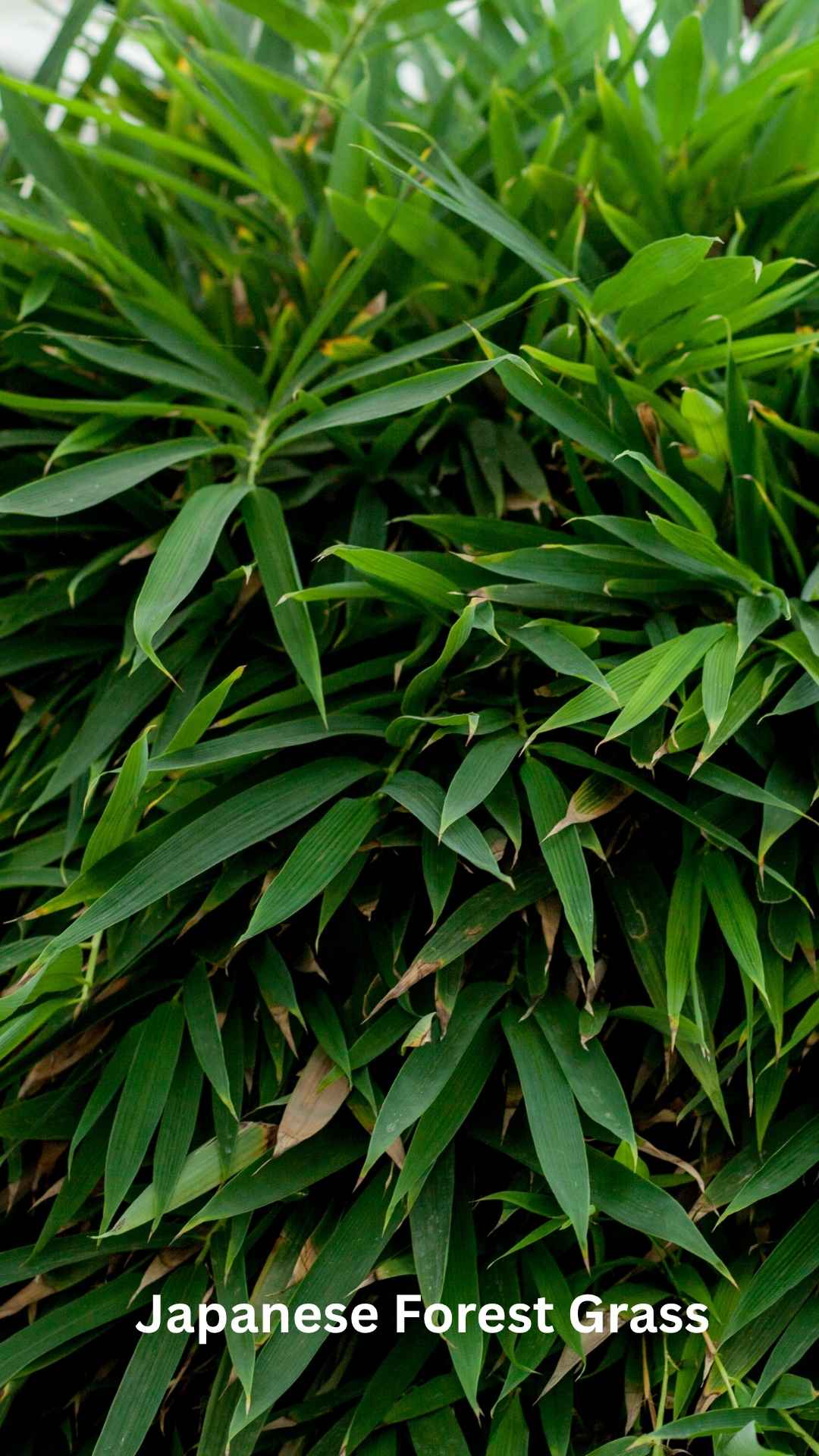
Japanese forest grass is an excellent selection for your garden. It brings a soft, textural element that makes any shaded corner feel more inviting. This grass is also deer resistant, which means you can enjoy a gorgeous garden without the stress. Its bright green and gold colors can really liven up your outdoor space.
For a more substantial look, plant Japanese forest grass in clusters. It grows best in well-drained soil and prefers a little bit of shade.
7. Opt for ferns
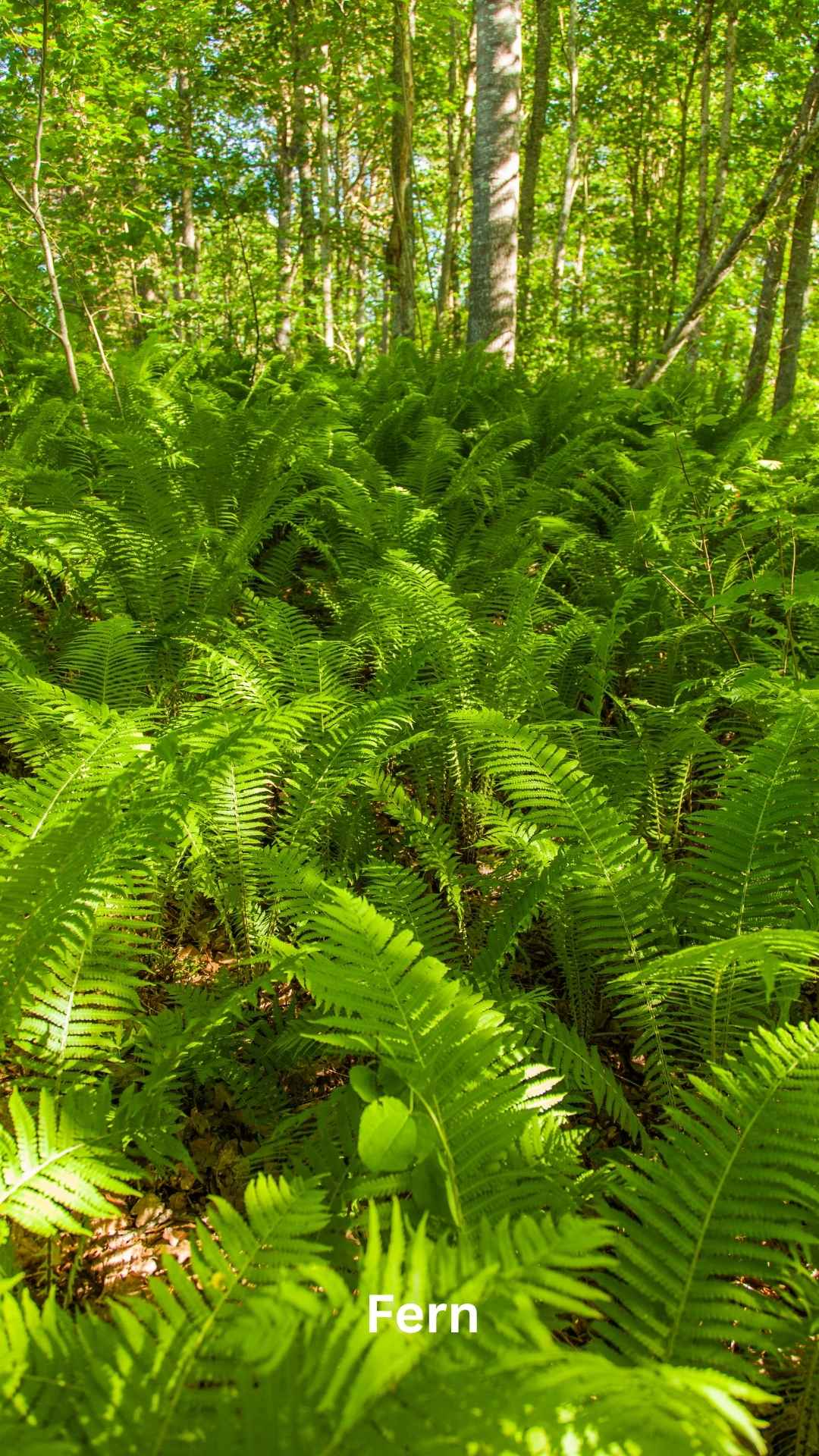
Ferns are a fantastic option for landscaping that keeps deer away. Their fibrous fronds are typically unappetizing to deer. Plus, they flourish in shady spots, bringing a lush, green feel to your garden. Ferns are available in numerous varieties, which gives you a wide range of leaf shapes and colors to work with. This allows you to create plenty of visual interest without attracting hungry visitors.
Think about mixing several types of ferns together to create a layered effect. This technique adds depth to your garden beds while keeping them safe from deer.
8. Choose rosemary bushes

Rosemary bushes are a superb choice for your garden since they are naturally deer-resistant. The intense aroma of rosemary usually deters deer, making it a very clever landscaping selection. On top of that, rosemary is simple to maintain and can grow well in a variety of soil conditions. You can use these bushes to define borders or add them to mixed plantings for extra appeal.
For the best growth, plant your rosemary in a spot that gets full sun. You can also use cuttings from the plant in your cooking for extra benefits!
9. Consider foxgloves

Foxgloves are a wonderful pick for a deer-proof garden. These tall, flowering plants have a distinctive shape and are available in many different colors. Deer often find their texture and taste unappealing. They are also quite low maintenance and can thrive in various soil types. For the best performance, plant them in a location that gets full sun or partial shade.
Foxgloves can reseed on their own, so you might notice more flowers popping up each year. Just be mindful, as the plants are toxic if ingested.
10. Add Lamb’s Ear Plant

Lamb’s ear is a fantastic choice for your garden. Its fuzzy, silvery leaves not only add a unique look but are also resistant to deer. This plant flourishes in spots with full sun to partial shade and prefers soil that drains well. You can use lamb’s ear as a ground cover to fill in any bare areas. It’s also drought-tolerant, meaning it can handle tough, dry conditions.
Lamb’s ear grows well in containers, too. Just be sure that the potting mix you use allows for good drainage!
11. Plant peonies
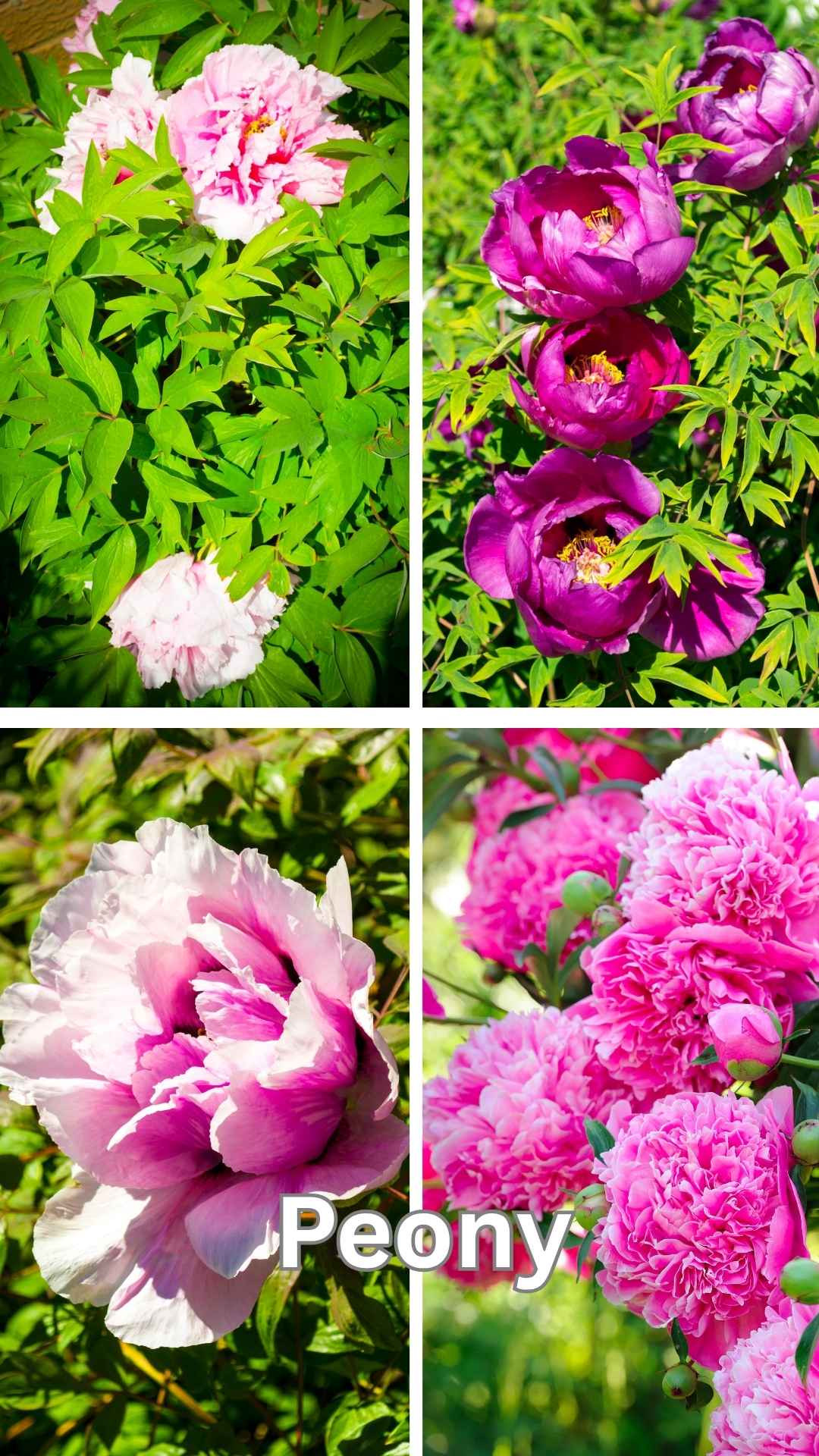
Peonies are a truly spectacular choice for your garden. These beautiful flowers come in a wide range of colors, including pink, red, and white. Deer typically leave them alone due to their fibrous leaves and stems. These plants are also remarkably tough. They are able to tolerate both drought and cold conditions. When cared for properly, peonies can thrive for many, many years.
Provide your peonies with plenty of sunlight and well-drained soil. This will help them grow strong and resist diseases.
12. Use iris plants
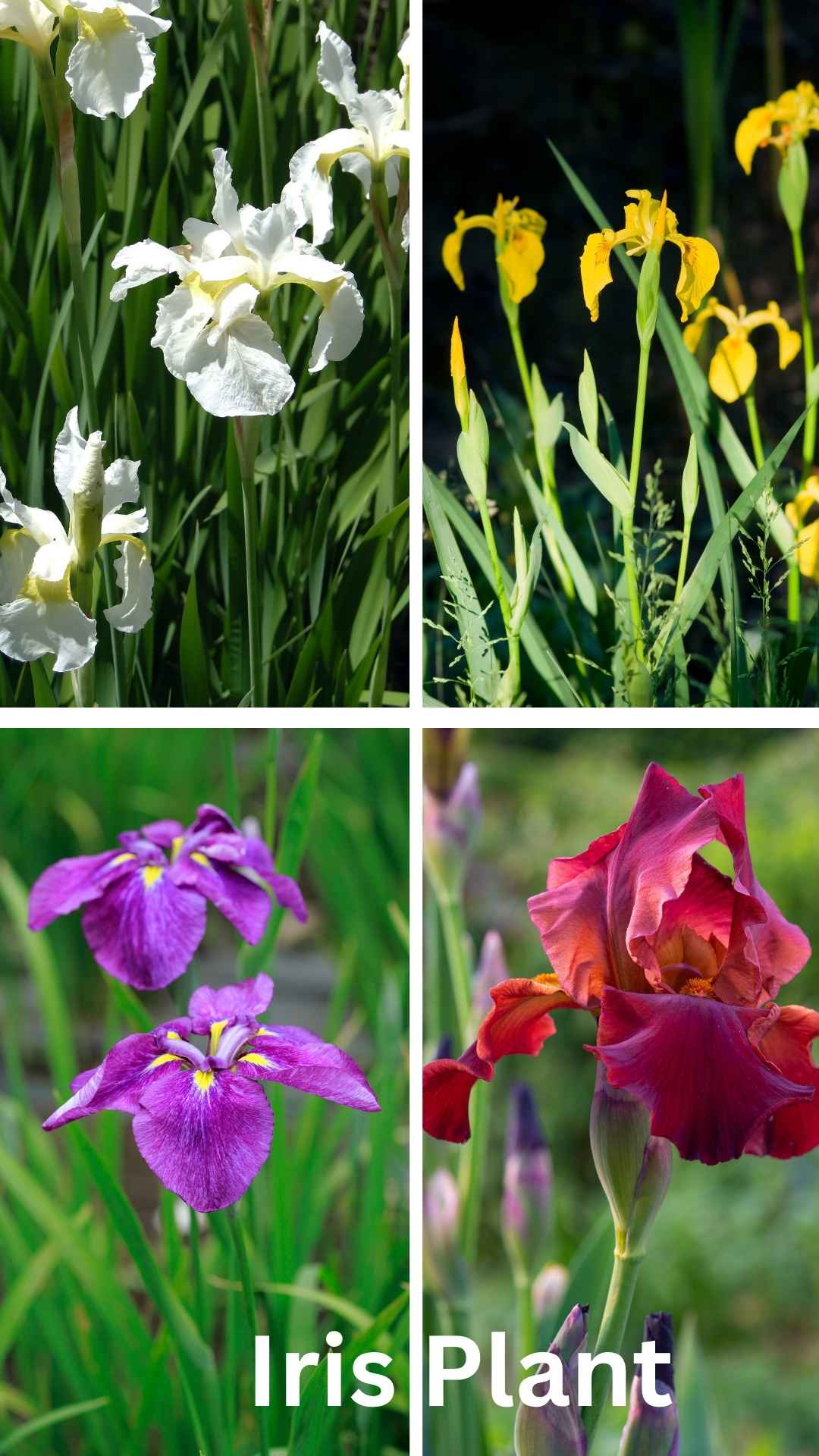
Iris plants are not only gorgeous but also resistant to deer. Their brilliant colors and distinctive shapes can bring a lot of charm to your landscape. You can select varieties that flower in different seasons, ensuring a continuous display of color all year. They thrive in a range of environments, from full sun to partial shade. Planting irises in soil with good drainage will help them flourish.
For a breathtaking display, mix different iris colors together. Removing spent flowers regularly will encourage even more blooms.
13. Try marigolds

Marigolds are a wonderful selection for your garden. They produce bright, warm-colored blooms that can energize any space. Additionally, their strong fragrance and slightly bitter flavor make them unappetizing to deer. You can plant them in sunny areas and appreciate their flowers all through the warmer seasons. They are also simple to grow and return annually, making them a dependable feature in your landscape.
Consider adding marigolds to your vegetable garden. They can help repel pests while also adding a touch of beauty!
14. Include Black-Eyed Susans

Black-eyed Susans are an excellent pick for your garden. These cheerful yellow flowers feature dark centers and bloom from the middle of summer through fall. They are hardy plants that deer generally avoid because of their coarse leaves. Beyond keeping deer away, these flowers also attract butterflies and bees. They flourish in full sunlight and well-drained soil, which makes them very easy to maintain. Add some Black-eyed Susans to your yard to create a vibrant and dynamic landscape.
For a greater visual impact, plant Black-eyed Susans in groups. They look amazing when placed next to other colorful perennials!
15. Grow catmint
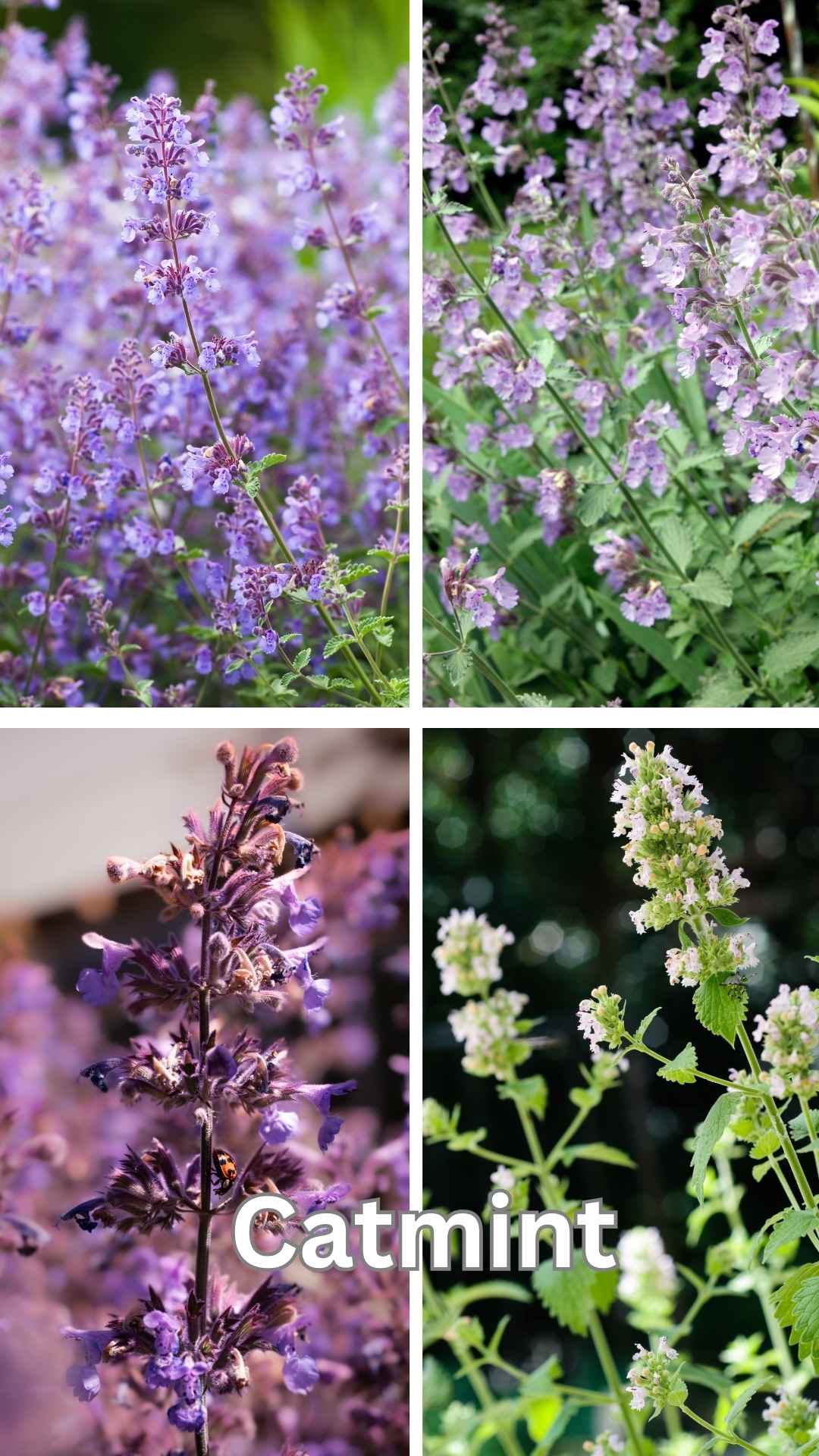
Catmint is a fantastic choice for your garden. It can reach up to three feet in both height and width but will remain more compact if planted in less fertile soil. This plant does best with full to partial sun and requires soil with good drainage. After it’s established, catmint becomes drought-tolerant, making it a very low-maintenance option. Its fragrant leaves help keep deer away, so you can enjoy your garden worry-free.
Plant catmint along pathways to enjoy its lovely scent. It will also draw in beneficial insects like bees!
16. Include Russian Sage
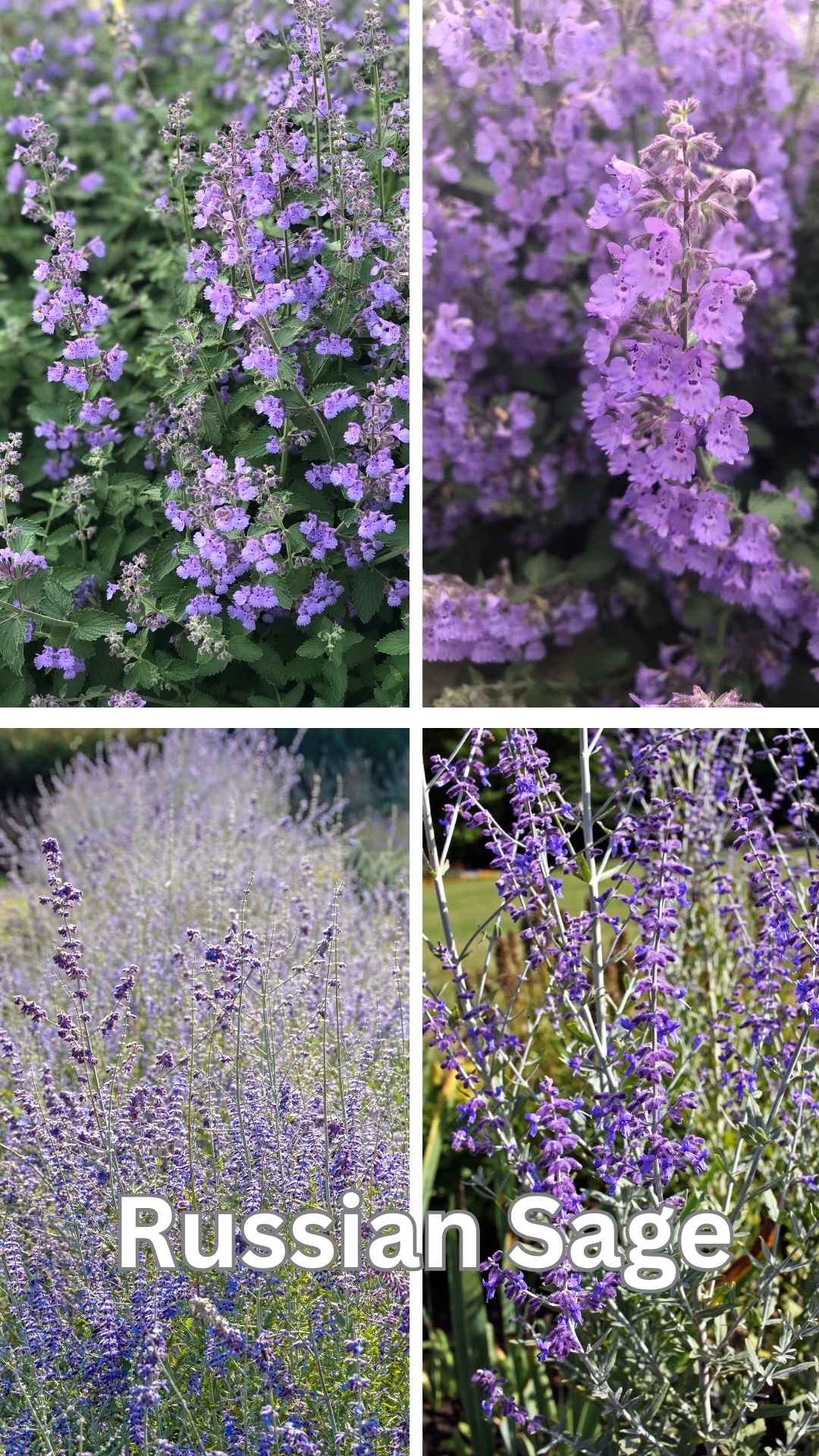
Russian sage is a superb choice for your garden. This plant is celebrated for its silvery foliage and beautiful purple flowers. It’s also resistant to deer, which makes it an ideal plant for gardens where deer are a common issue. You can plant Russian sage along borders or use it as a ground cover. It thrives in sunny locations and requires very little water once it’s established. Its low-maintenance quality makes it perfect for gardeners with busy schedules.
For the best results, plant Russian sage in soil that drains well. It loves sunshine and can handle dry conditions with ease.
17. Plant yarrow
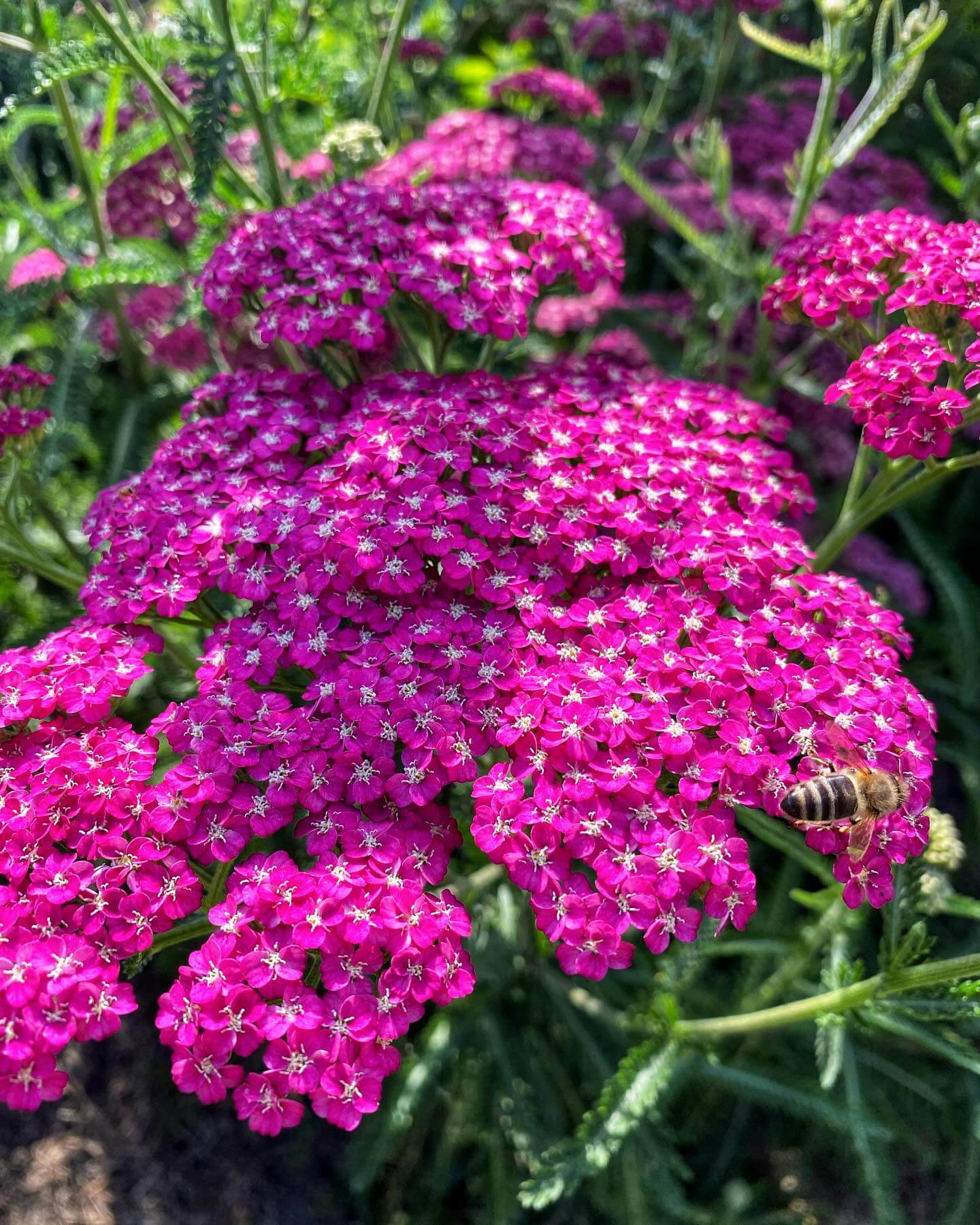
Yarrow is an excellent selection for your garden. It’s colorful, attracts helpful insects, and is well known for being deer resistant. You can appreciate its vibrant blooms while simultaneously keeping deer away. This perennial is also easy to care for and grows well in different types of soil. Plus, yarrow is a perfect fit for border plantings or in mixed beds.
For the most abundant blooms, plant yarrow in sunny areas. Pruning it regularly helps keep the plant healthy and bushy.
18. Choose hellebores
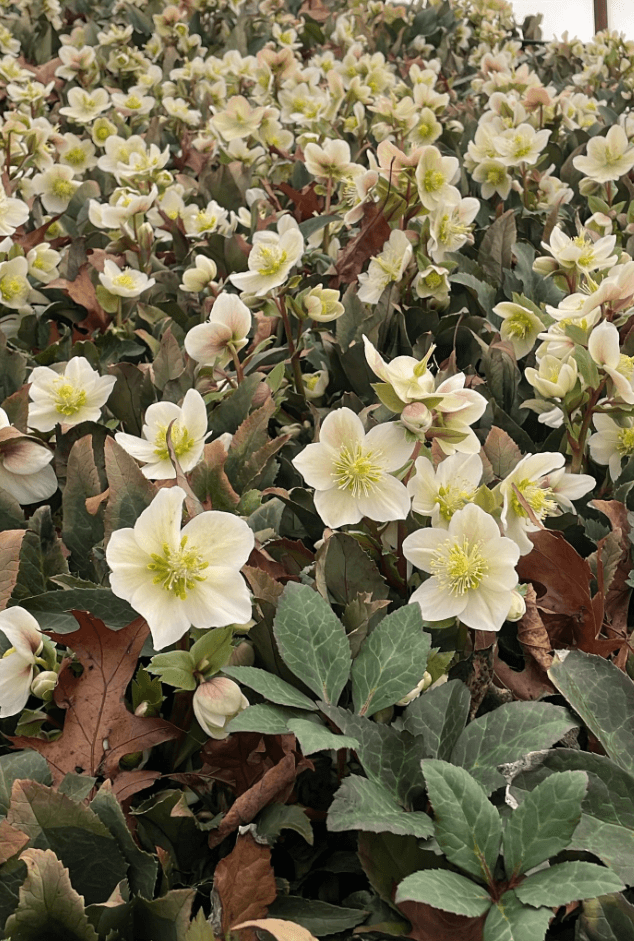
Hellebores are a brilliant choice for your garden because they are resistant to deer. They do well in shade and can tolerate a bit of neglect, making them ideal for low-maintenance garden designs. These plants flower in the winter or early spring, providing a pop of color when most other plants are dormant. You’ll also love their attractive foliage. Hellebores are evergreen and can brighten your yard throughout the colder months. For a lovely garden combination, you can pair them with other plants that also love the shade.
For a fuller, more complete look, plant hellebores in groups. They will create a stunning visual that persists through all the seasons.
19. Incorporate snapdragons
Snapdragons bring brilliant colors to your garden and are also resistant to deer. They flourish in the cooler temperatures of spring and fall, which makes them perfect for seasonal arrangements. Available in various colors and heights, they can be adapted to fit into any landscape plan. Planting snapdragons in clusters produces a gorgeous visual. They also attract pollinators such as bees and butterflies, which adds to the liveliness of your garden.
For the best results, plant your snapdragons in soil that drains well. They prefer full sun, so choosing a sunny location will help them thrive.
20. Try spirea shrubs
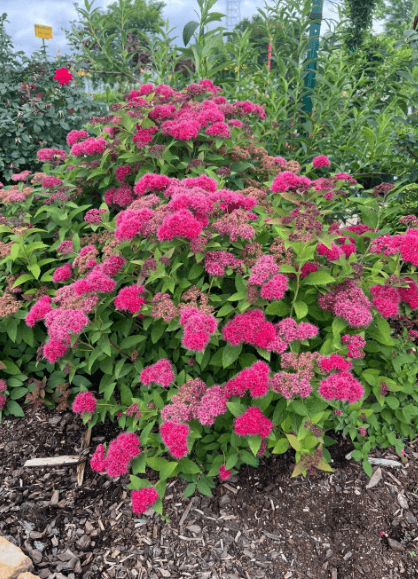
Spirea shrubs are a fantastic choice for your garden. They are known for their beautiful flowers and appealing leaves. Plus, deer tend to avoid them. These shrubs are available in many different sizes and varieties. You can find spirea with a range of colors, making your landscape lively and full of interest. They are also simple to care for, which means less effort on your part. This frees up more of your time to simply enjoy your outdoor space.
Select a variety that flowers at different times to keep your garden colorful throughout the seasons. Regular pruning will help maintain their shape and encourage more blooms.
21. Add Allium
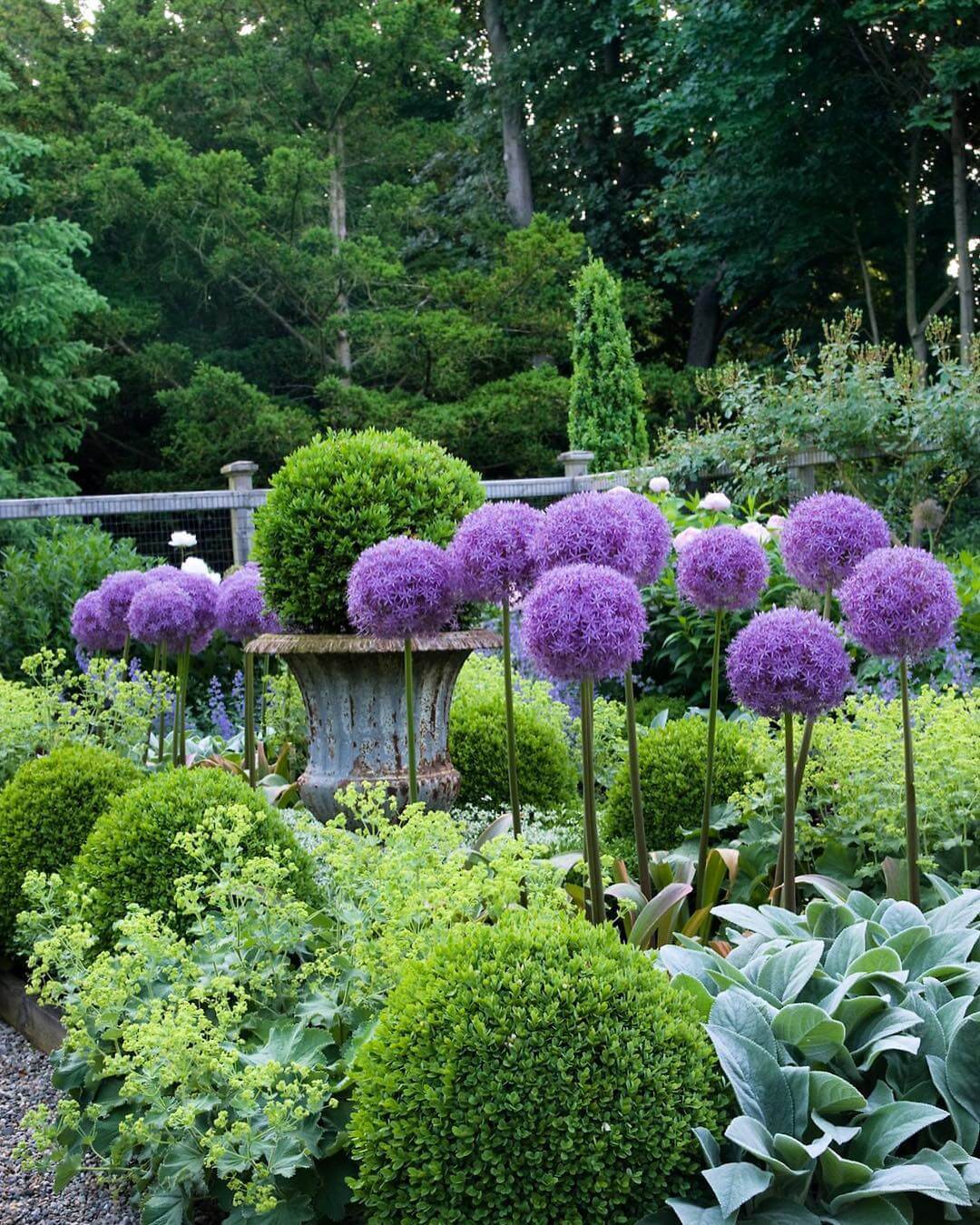
Alliums are a wonderful selection for your garden. They are available in a variety of heights and colors, which makes them quite visually striking. These plants are also resistant to deer, so you will not have to worry about them being eaten. They bloom in the late spring and summer, introducing unique shapes and textures into your landscape. You can pair them with other flowers to create a truly vibrant look.
For a stunning display, mix different varieties of allium together. To get the best impact, be sure to plant them in groups.