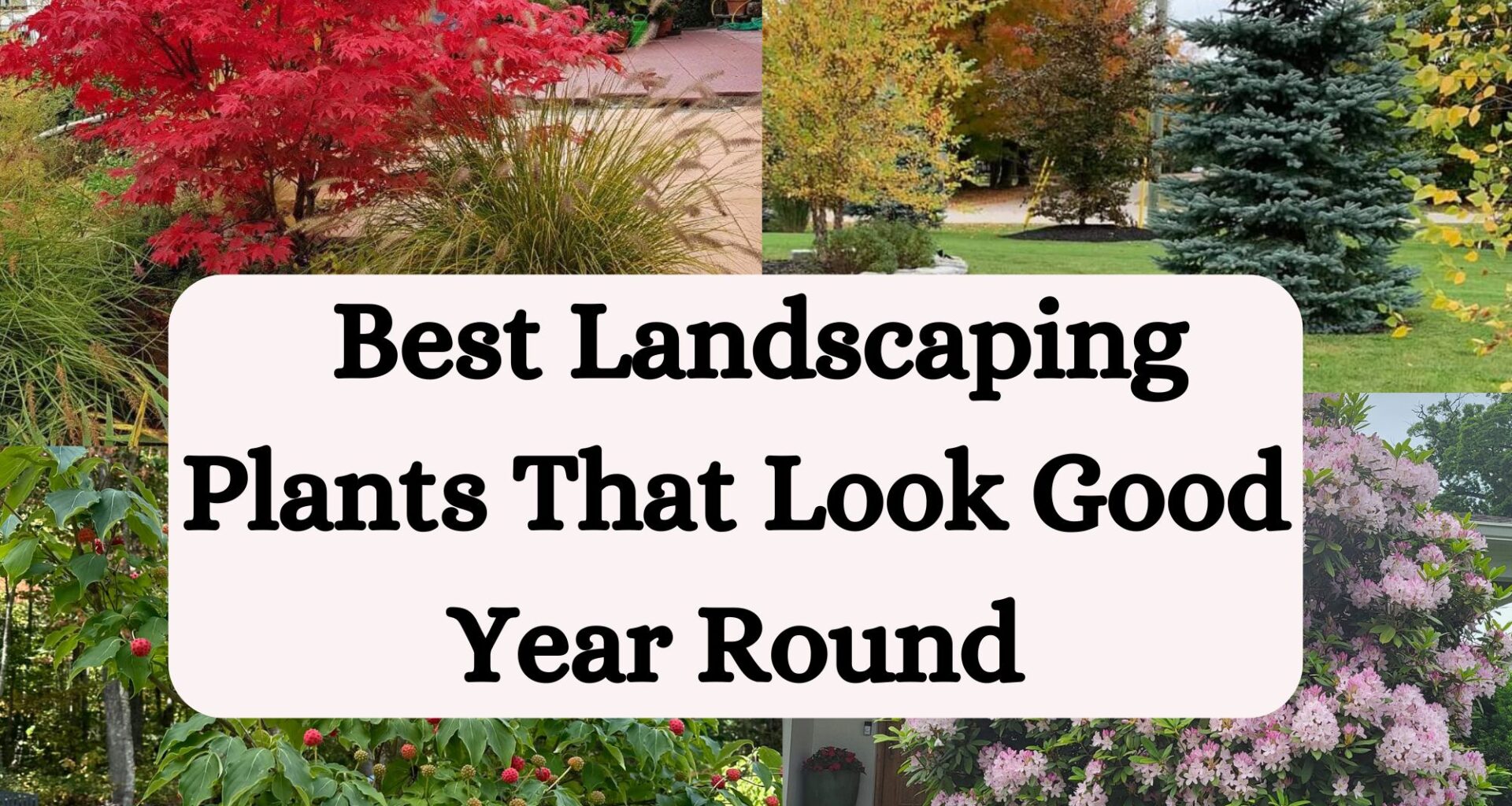
A garden that stays interesting through winter needs more than a burst of spring and summer flowers. Evergreen trees and shrubs provide lasting foliage, while ornamental grasses, perennial flowers, groundcovers, deciduous plants, and climbers bring color, texture, berries, bark, and movement across the seasons.
20 Landscaping Plants That Look Good Year Round
Evergreen Trees
1. Japanese Maple (Acer palmatum)
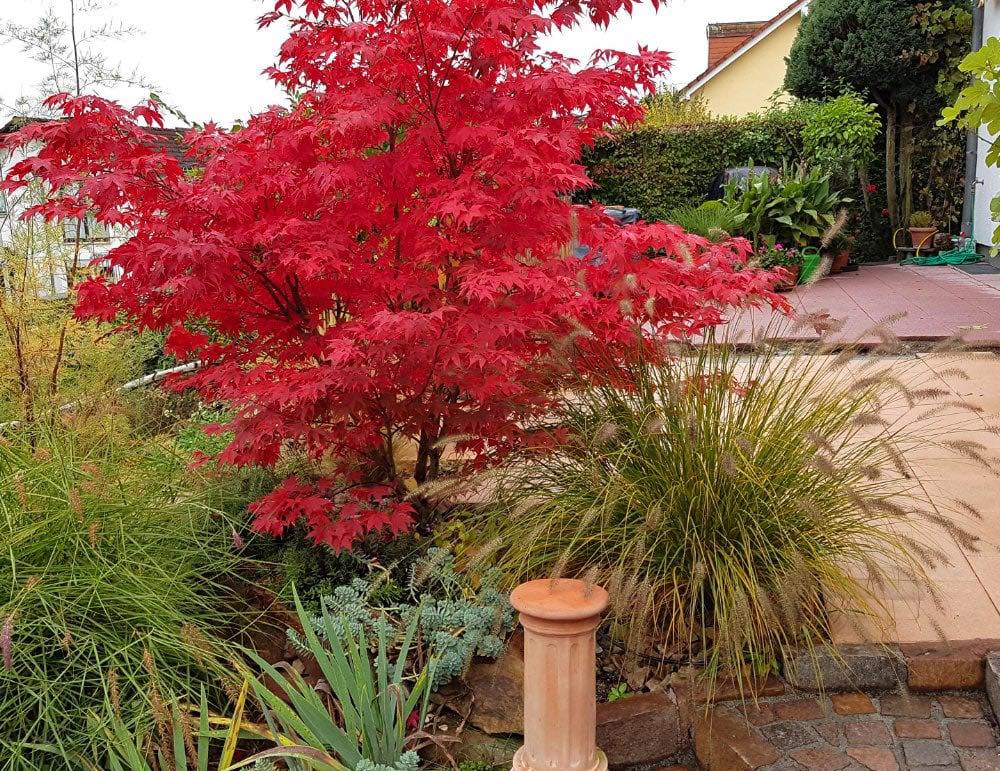
Plant this tree as a stunning focal point, celebrated for its gorgeous foliage and distinctive shape. For smaller areas and patios, you can pick a compact variety of Japanese Maple to grow in a container.
This tree is adored for its year-round appeal, showing off colorful leaves in spring, summer, and autumn. Its sculptural branches continue to provide visual interest throughout the winter landscape.
The Japanese Maple does best in hardiness zones 5 to 8.
2. Pine Trees (Pinus spp.)
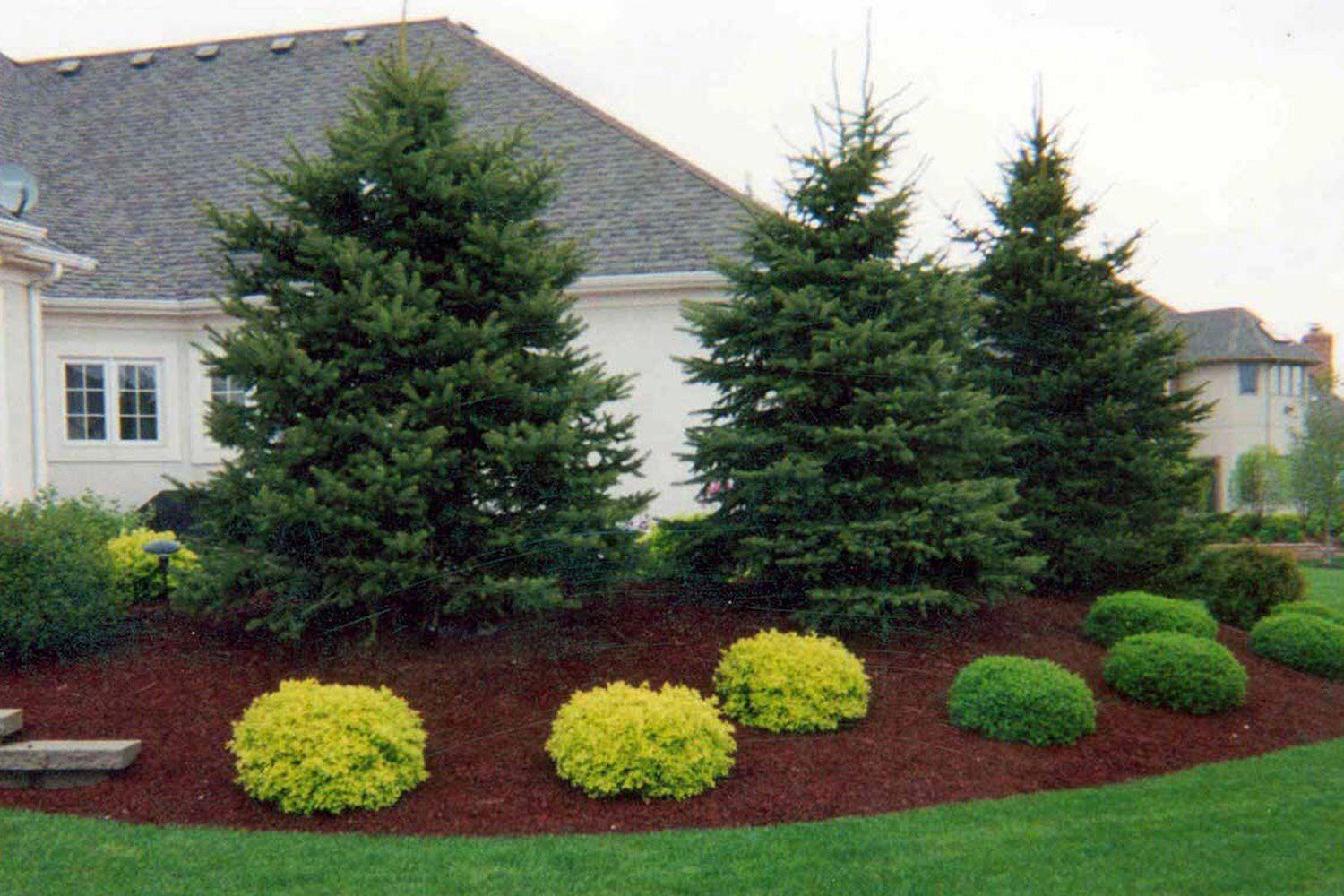
The unique needle-like leaves of a Pine Tree stay green throughout the year, delivering consistent color and texture to your landscape. This plant is widely admired for its versatility, beauty, and constant appeal.
Beyond their good looks, Pine Trees also offer privacy, protect against wind, and provide both shelter and food for local wildlife.
Hardy in zones 2 to 10, this tree can also serve as a centerpiece in larger gardens.
3. Holly (Ilex aquifolium)
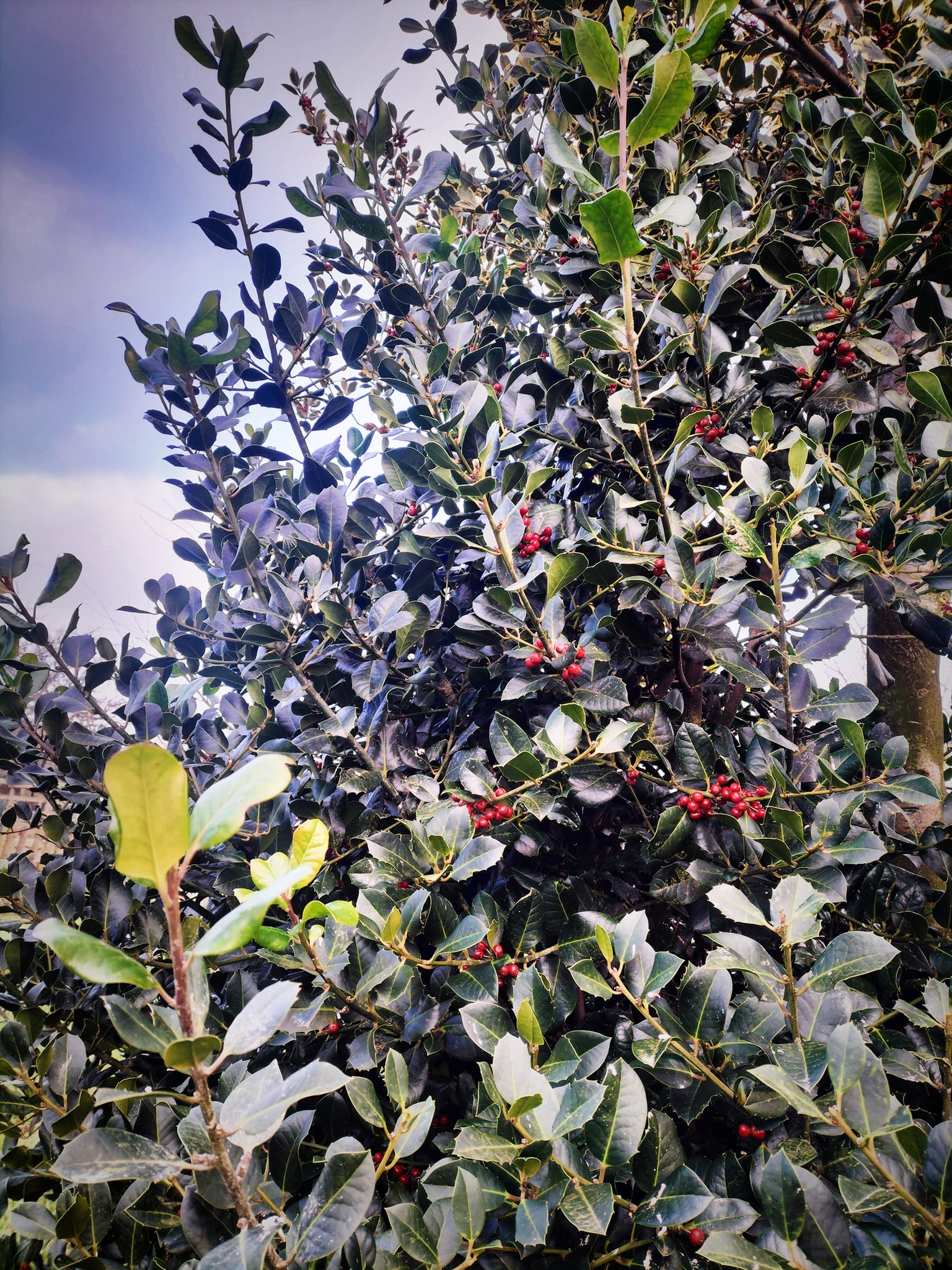
Use tall Holly varieties to define your garden’s borders, create edging for pathways, or establish effective screens for privacy and wind protection. No matter which type you select, you’ll have a versatile and beautiful plant with glossy leaves and vibrant berries that offer ornamental appeal.
When winter arrives, Holly berries add bright pops of color, which will attract birds to your home. It is suitable for hardiness zones 3 through 11.
4. Fir Tree (Abies)
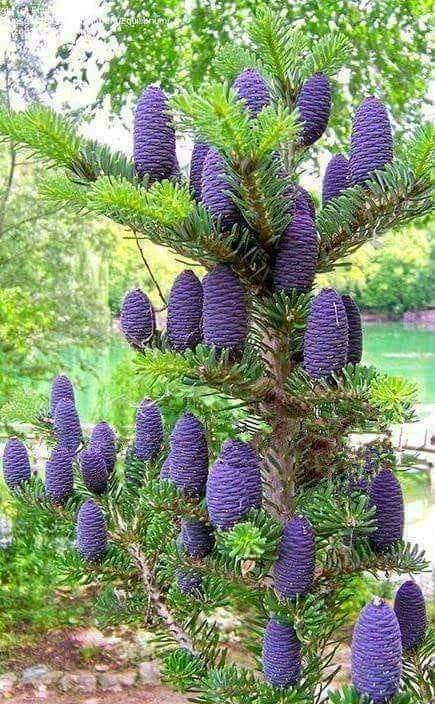
The symmetrical, cone-shaped growth and lovely evergreen foliage of Fir Trees will bring a sense of elegance and charm to your yard, creating a visually satisfying focal point.
With these plants in your landscape, your home will maintain a splash of green even in winter, as they keep their needles all year.
Fir trees also release a pleasant scent, which is especially noticeable around the holidays. They perform best in hardiness zones 3 to 8.
Evergreen Shrubs
5. Boxwood (Buxus spp.)
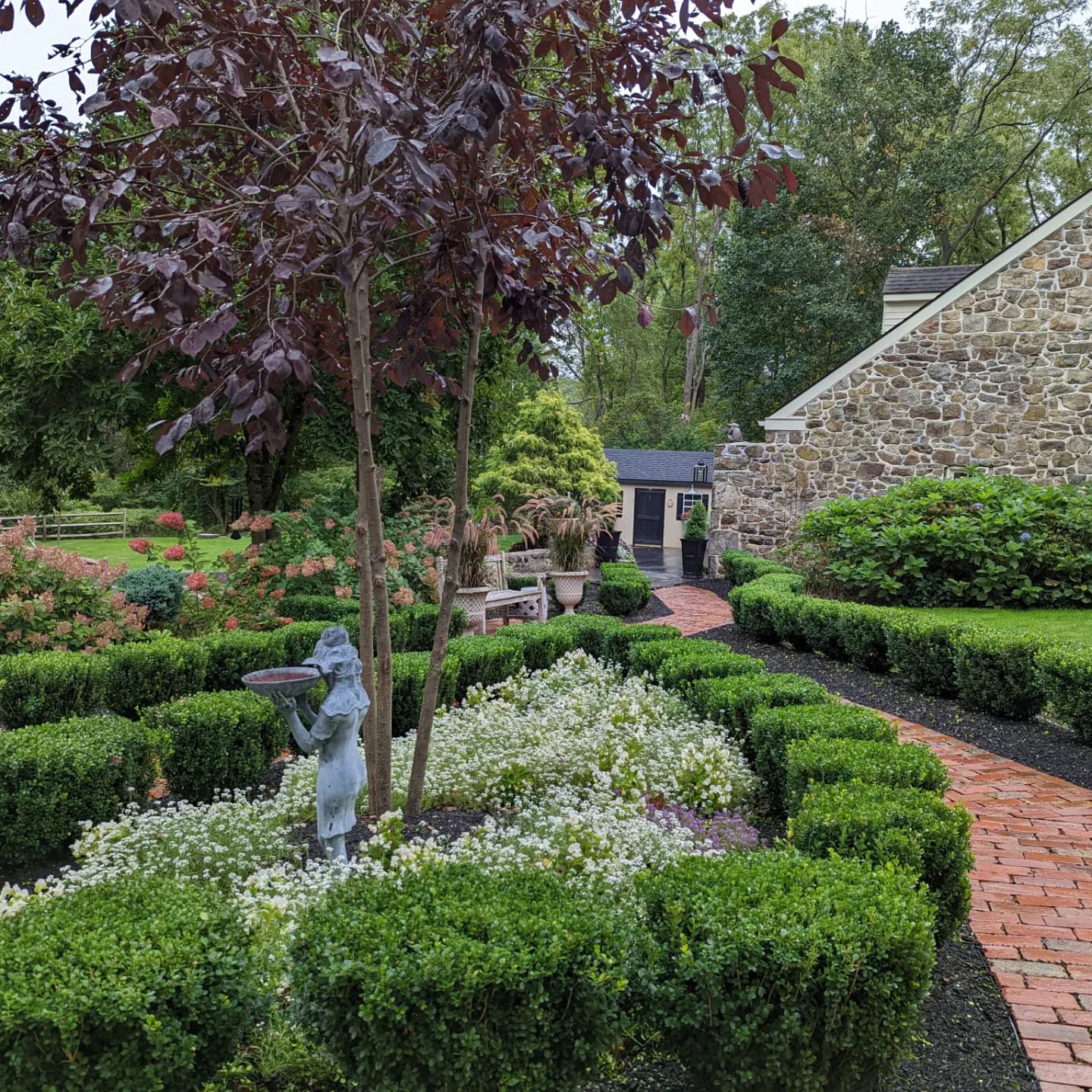
Are you aiming for a formal aesthetic in your landscape? Boxwood is a fantastic choice for plants that provide year-round appeal. Its dense foliage and tidy growth pattern make it perfect for formal garden layouts.
You can use this plant to form clean lines and geometric shapes, which boosts the visual appeal of your property.
Boxwoods are well suited for hedges, topiaries, borders, and standalone ornamental shrubs, and they grow well in zones 5 through 9.
6. Yew (Taxus spp.)
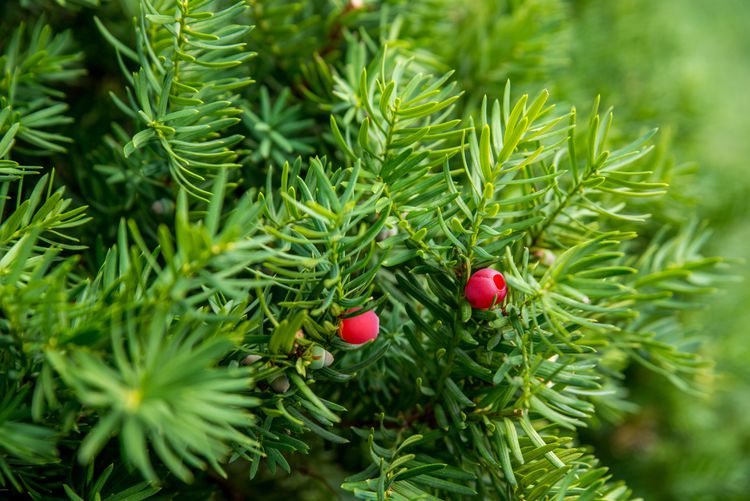
Yew’s dark green foliage, dense growth, and fine texture enhance any landscape, but exercise caution to avoid ingestion. Every part of this plant is extremely toxic, with the exception of the fleshy red berries, known as the aril. These berries also contribute ornamental value.
Additionally, this plant holds mythological significance and adapts to various growing conditions, making it a truly complete package. It can be planted in hardiness zones 2 to 10.
7. Rhododendrons (Rhododendron spp.)
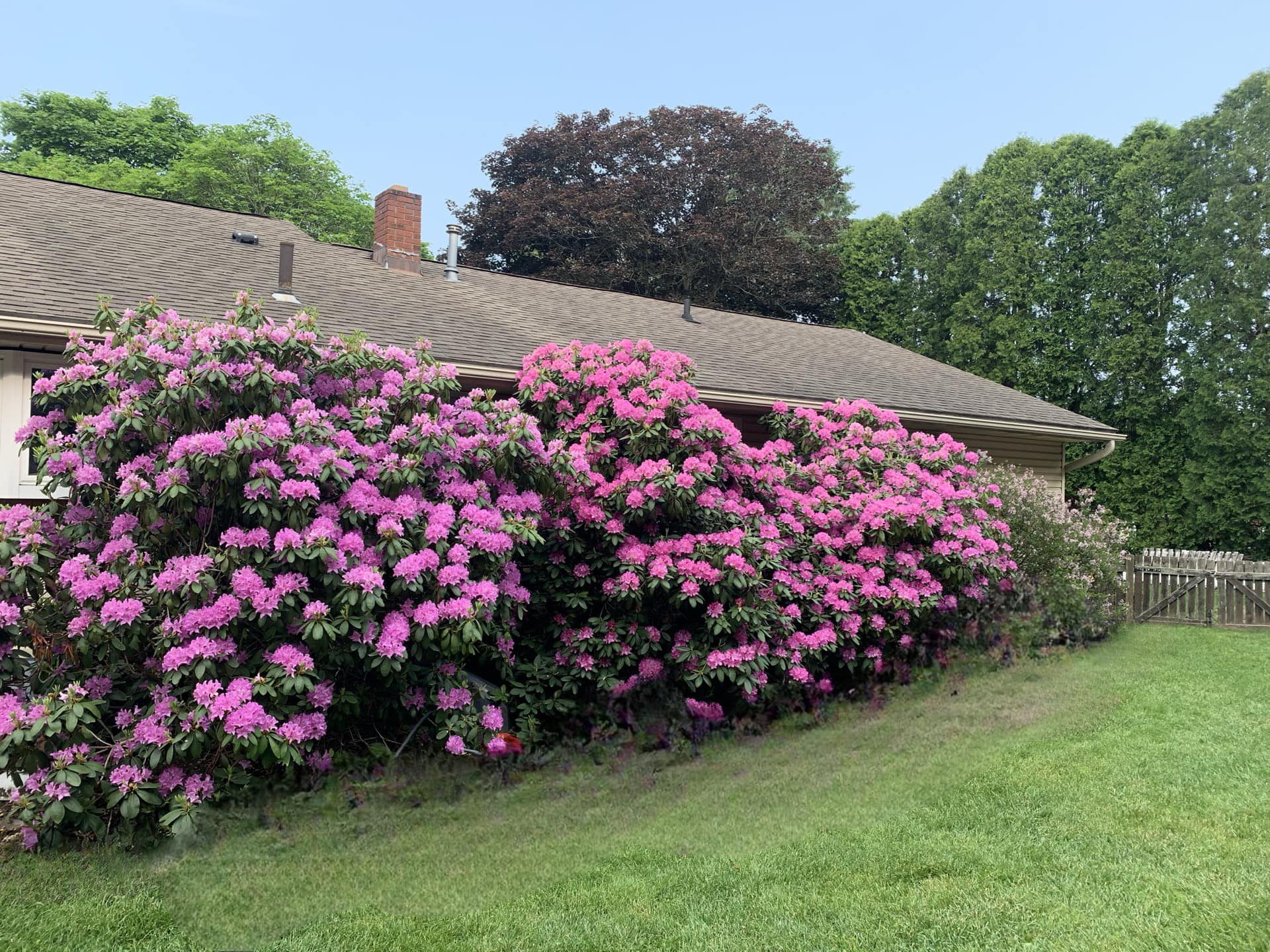
This evergreen shrub is famous for its vibrant and spectacular blooms. Its breathtaking flowers, glossy evergreen foliage, and ability to grow in different climates make it a popular landscaping choice. The flowers appear in a range of colors, including shades of purple, white, pink, and red.
When Rhododendrons are not flowering, the shiny evergreen leaves will keep your home looking attractive all year. It is a good fit for hardiness zones 4 to 9.
Ornamental Grasses
8. Fountain Grass (Pennisetum spp.)
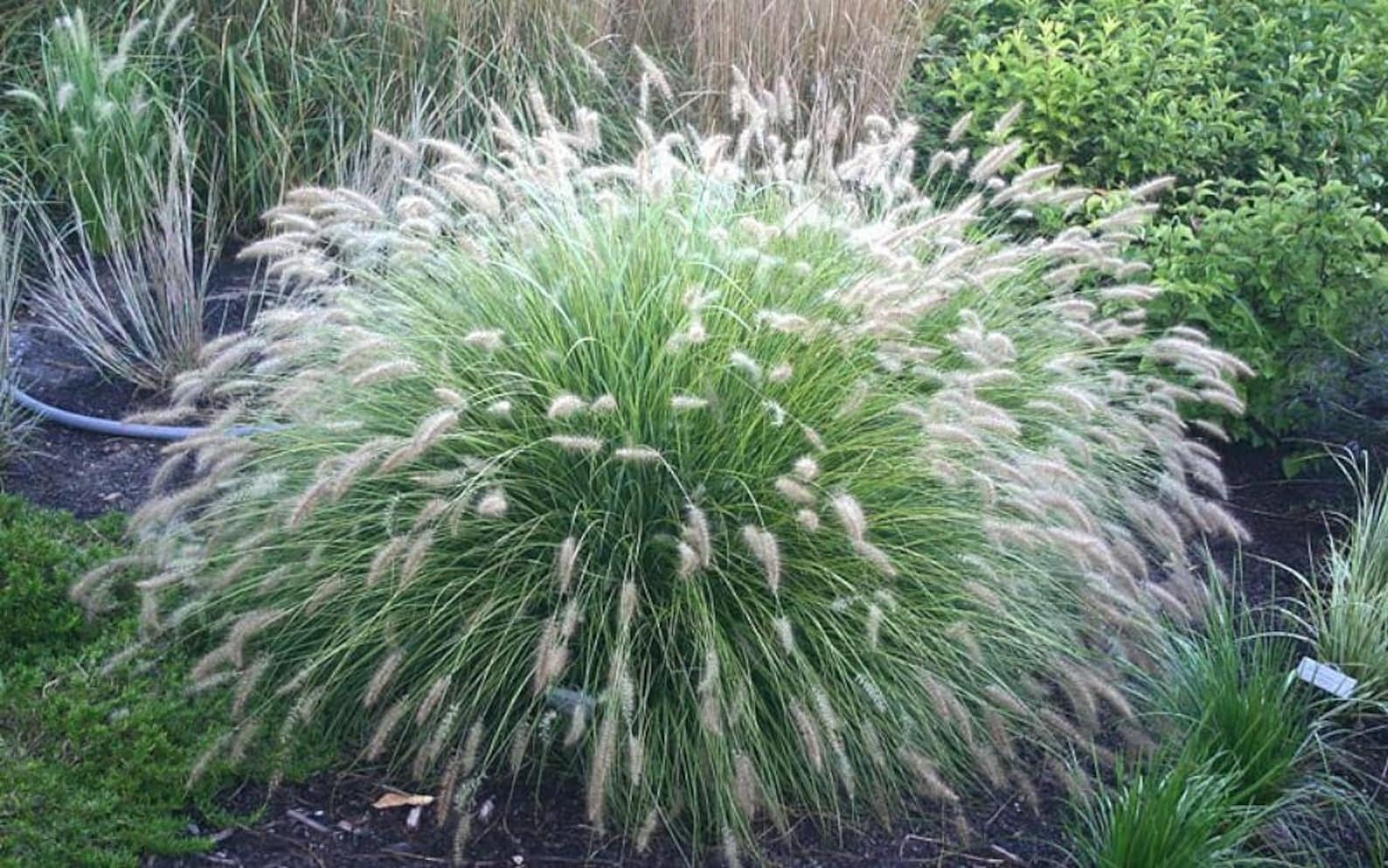
Bring texture and movement to your landscape with fountain grass. This ornamental grass is recognized for its graceful, arching growth and feathery flower heads that sit above the foliage on tall stems. They create an elegant display as they sway with the wind.
You can use Fountain Grass for borders or as an edging plant to define paths or flowerbeds. It also grows well in containers, where it adds vertical interest and a soft texture. Its varieties are hardy in zones 4 through 10.
9. Switchgrass (Panicum virgatum)
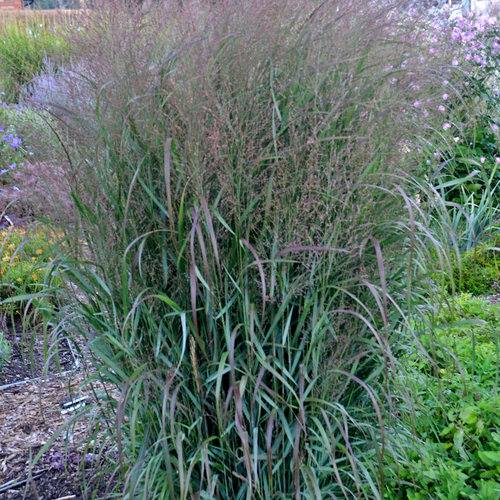
Switchgrass is especially graceful from late summer to early fall when it develops feathery flower panicles that rise over the foliage. It enhances the visual appeal of landscapes with its elegant form, attractive foliage, and airy flowers that introduce movement and texture.
Because it can handle wet conditions, it is a great choice for rain gardens and areas with poor drainage. It thrives in hardiness zones 3 to 9.
Perennial Flowers
10. Lavender (Lavandula spp.)
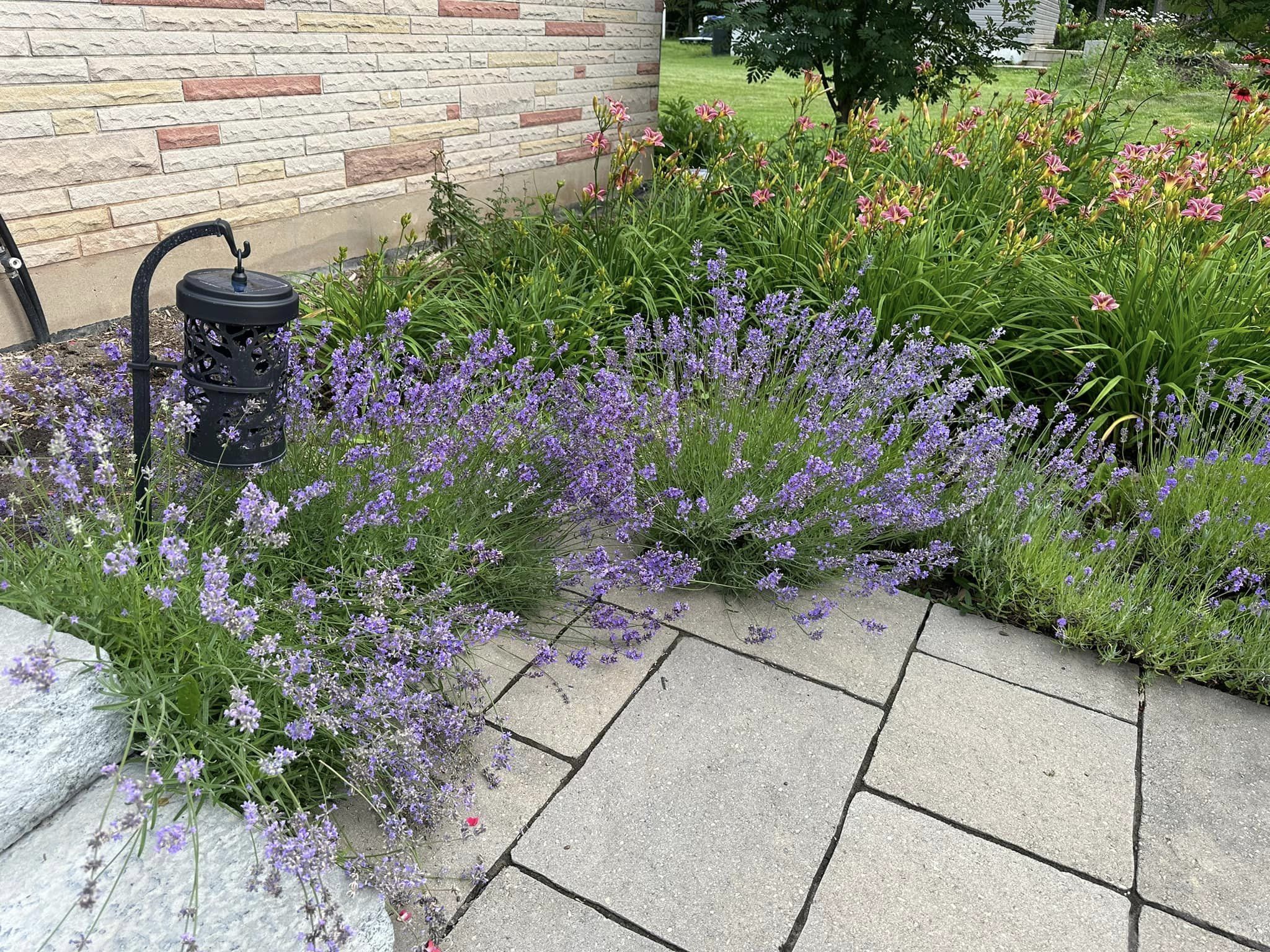
There is so much to appreciate about Lavender, from its fragrant flowers and calming properties to its ornamental worth. It features silvery-green leaves and grows tall, slender flower spikes topped with small, aromatic flowers in purple, blue, pink, or white hues. These flowers also give off a soothing and fragrant scent.
Enjoy this beautiful plant in your flower beds, borders, patio, and deck if you are in hardiness zones 5 to 0.
11. Sedum
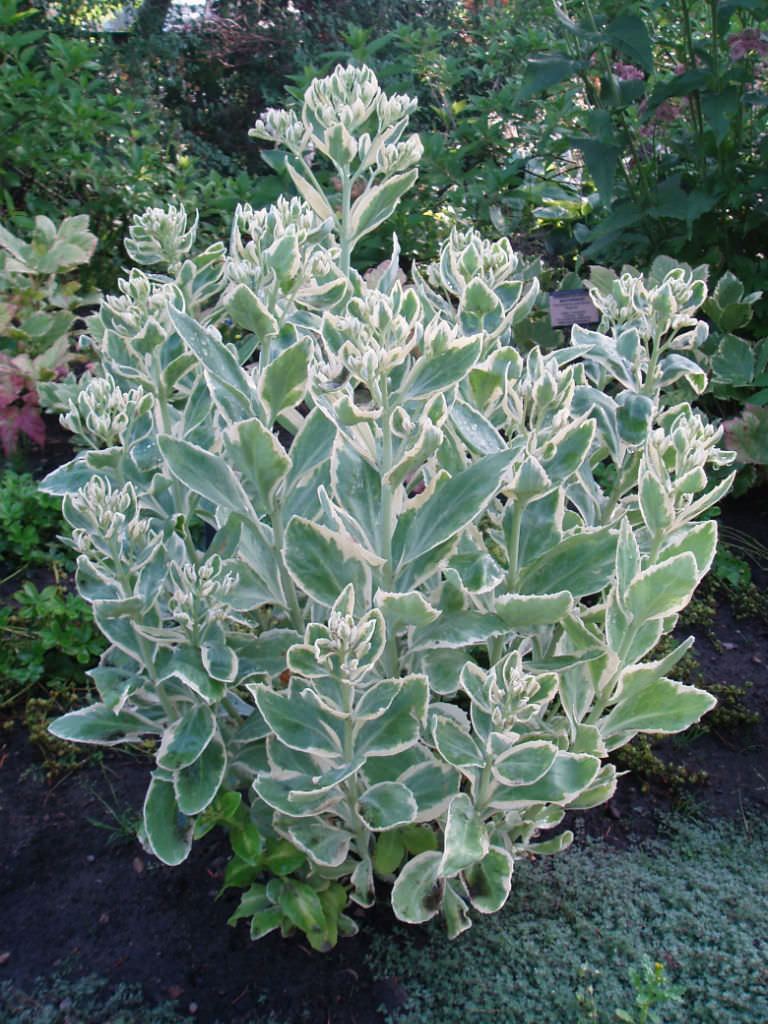
Sedum keeps its attractive appearance all year but is especially striking in late summer and autumn when its flowers produce a burst of color. It grows clusters of star-shaped flowers that can be pink, white, red, or yellow. Its foliage can also vary, ranging from blue-gray to deep green and even purplish colors.
It is best suited for hardiness zones 3 through 11.
12. Black-Eyed Susan (Rudbeckia spp.)
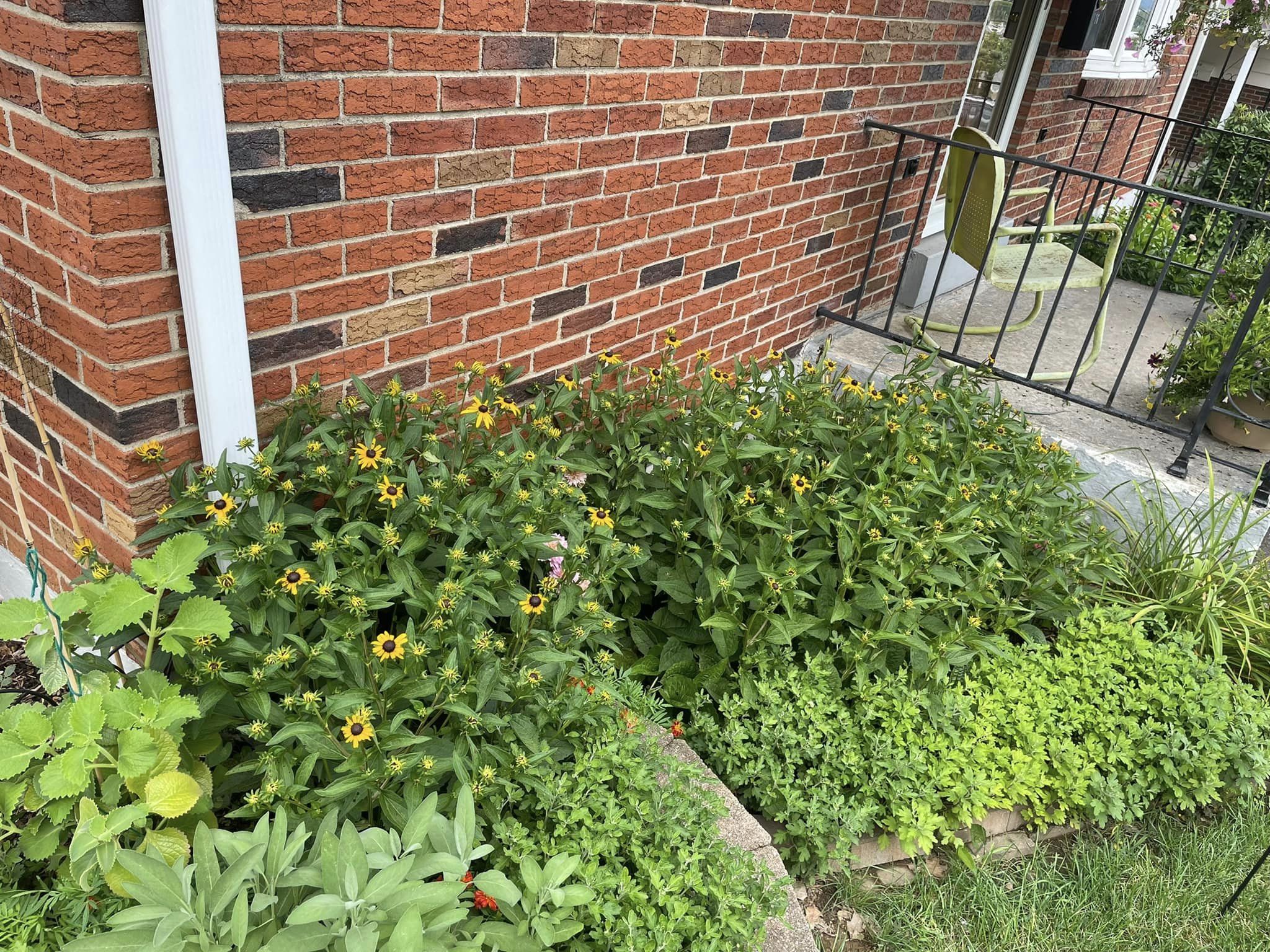
Add a touch of untamed beauty and vibrant color to your landscape with this lovely plant. It features daisy-like flowers with yellow or orange petals and a noticeable dark central disk, which gives it the “black eye” name. Its coarse, rough foliage also brings texture to the garden.
This plant is particularly stunning in late summer and early fall when it is in full bloom. It grows well in hardy zones 3 to 11.
Groundcovers
13. Creeping Jenny (Lysimachia nummularia)
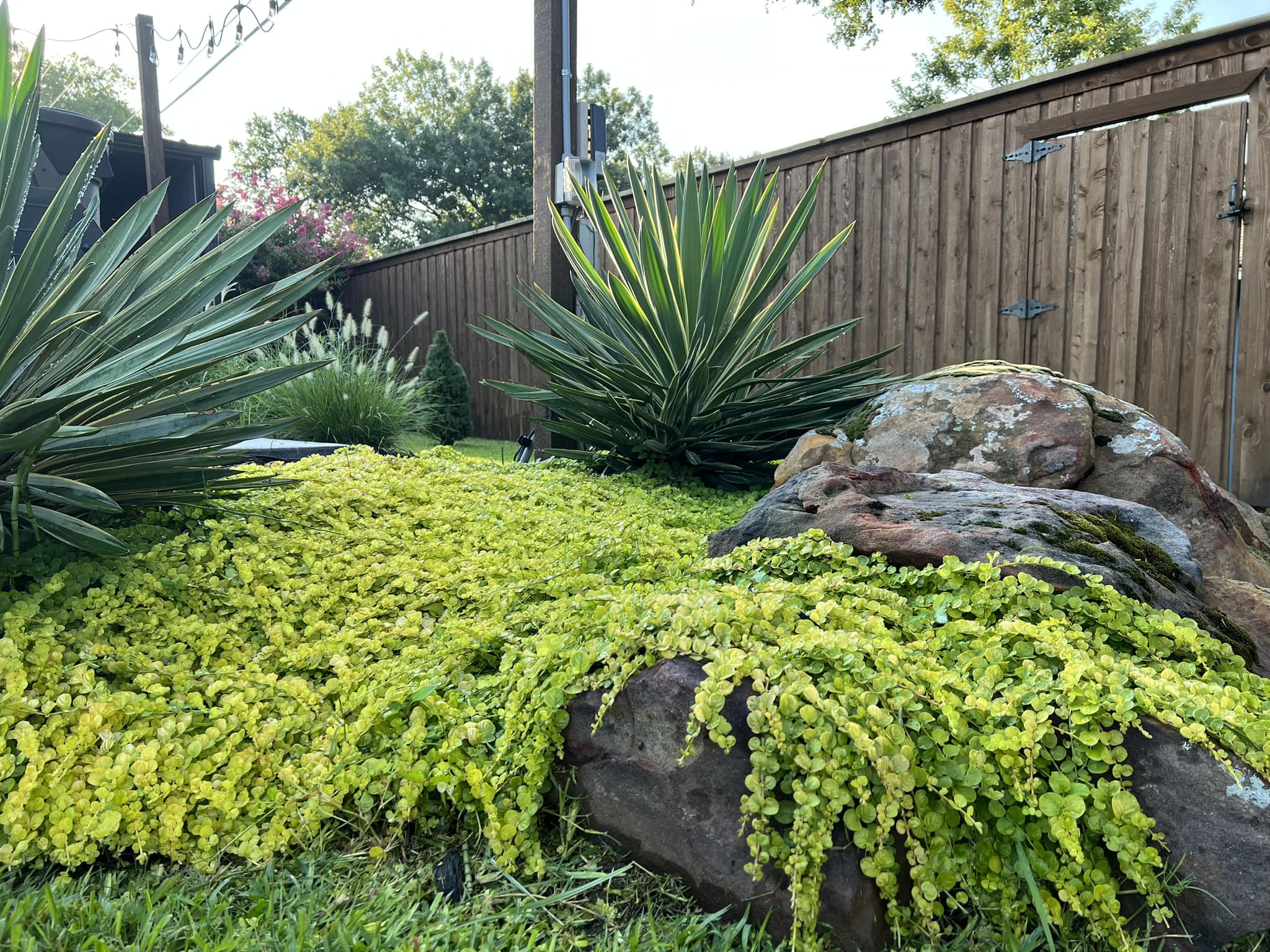
Creeping Jenny is a perennial that can spread and cascade, creating a carpet of vibrant color with its small, rounded leaves in bright yellow or chartreuse. In addition to being a groundcover, you can plant it along the edges of water features, in rock gardens for a splash of color and texture, or in containers to create dramatic trailing effects.
While its primary draw is the beautiful foliage, you will also appreciate its small, yellow, cup-shaped flowers that appear in the summer. Plant it in hardy zones 3 to 9.
14. Ajuga (Ajuga reptans)
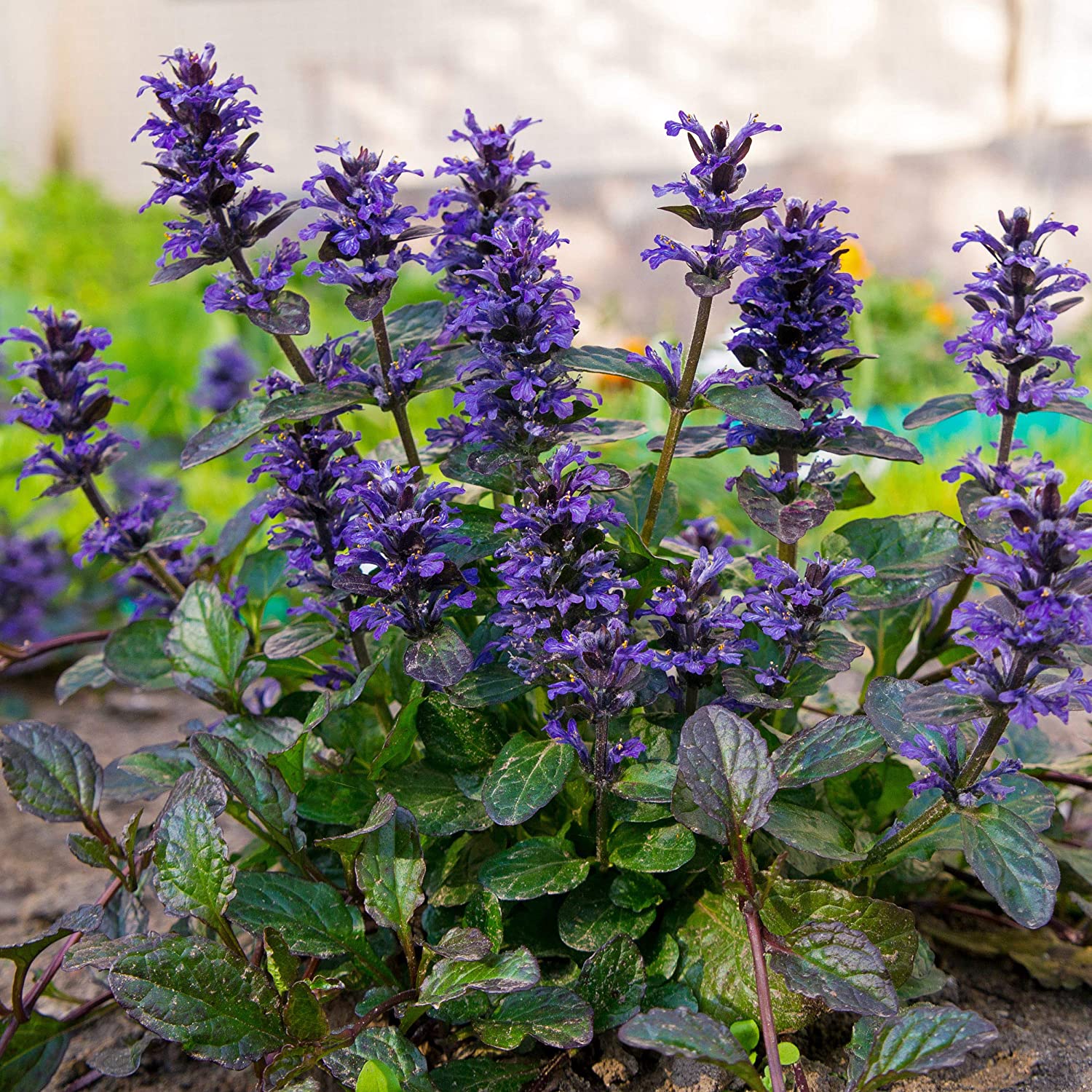
This low-growing perennial is a popular landscaping choice due to its adaptability, simple care, and ability to add color and texture to different garden areas. Its rosettes of leaves come in colors ranging from deep green to bronze and burgundy, and sometimes even variegated patterns.
It flourishes in hardiness zones 3 to 10 and sends up spikes of small, tubular flowers in blue, purple, pink, or white during the spring.
Deciduous Trees
15. Red Maple (Acer rubrum)
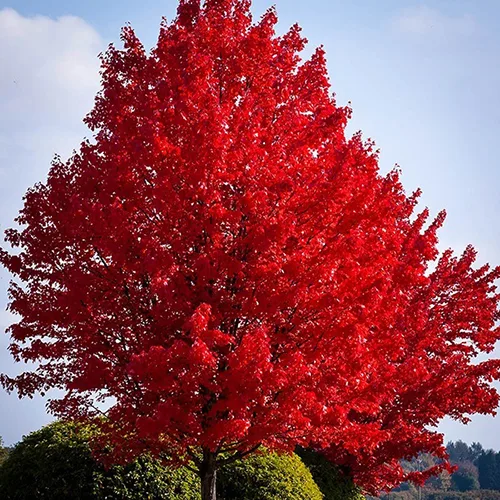
Red Maples are easily recognizable by their distinct lobed leaves that transform into brilliant shades of red, orange, or yellow in the autumn. In the spring, they develop clusters of small red or yellow flowers, which are later followed by the winged seeds known as samaras, a hallmark of maple trees.
You can grow it to provide shade or as the main focal point of your landscape. It is best for hardiness zone 9.
16. Dogwood (Cornus spp.)
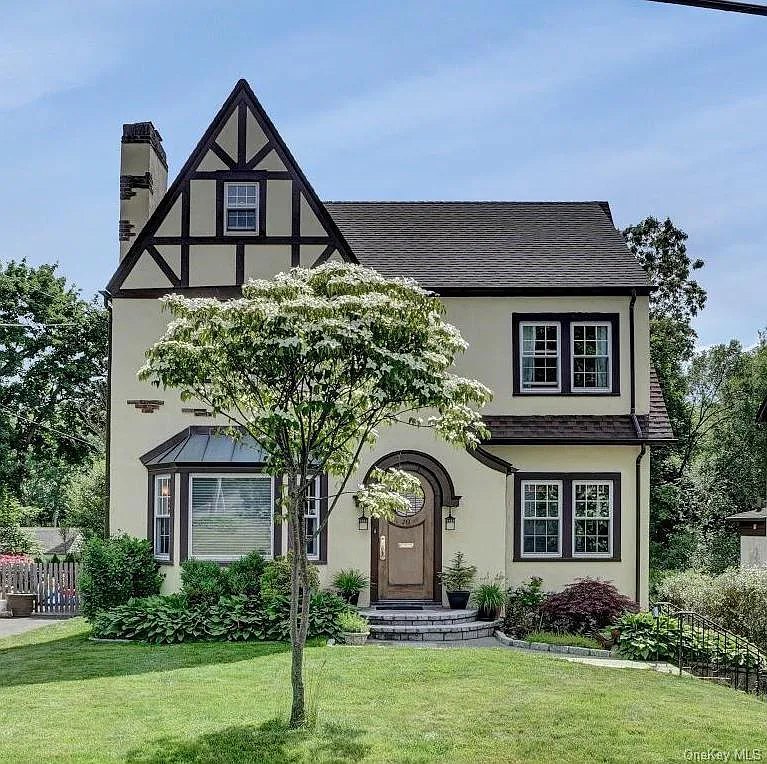
From an aesthetic perspective, Dogwoods are exceptionally beautiful and eye-catching, featuring unique flowers, colorful foliage, and vibrant bark. They flower in spring, with blooms surrounded by bracts that look like petals. Certain species, such as the Redtwig Dogwood, are notable for their vivid winter bark.
This plant, hardy in zones 5 to 9, has something special to offer in every season.
Deciduous Shrubs
17. Winterberry (Ilex verticillata)
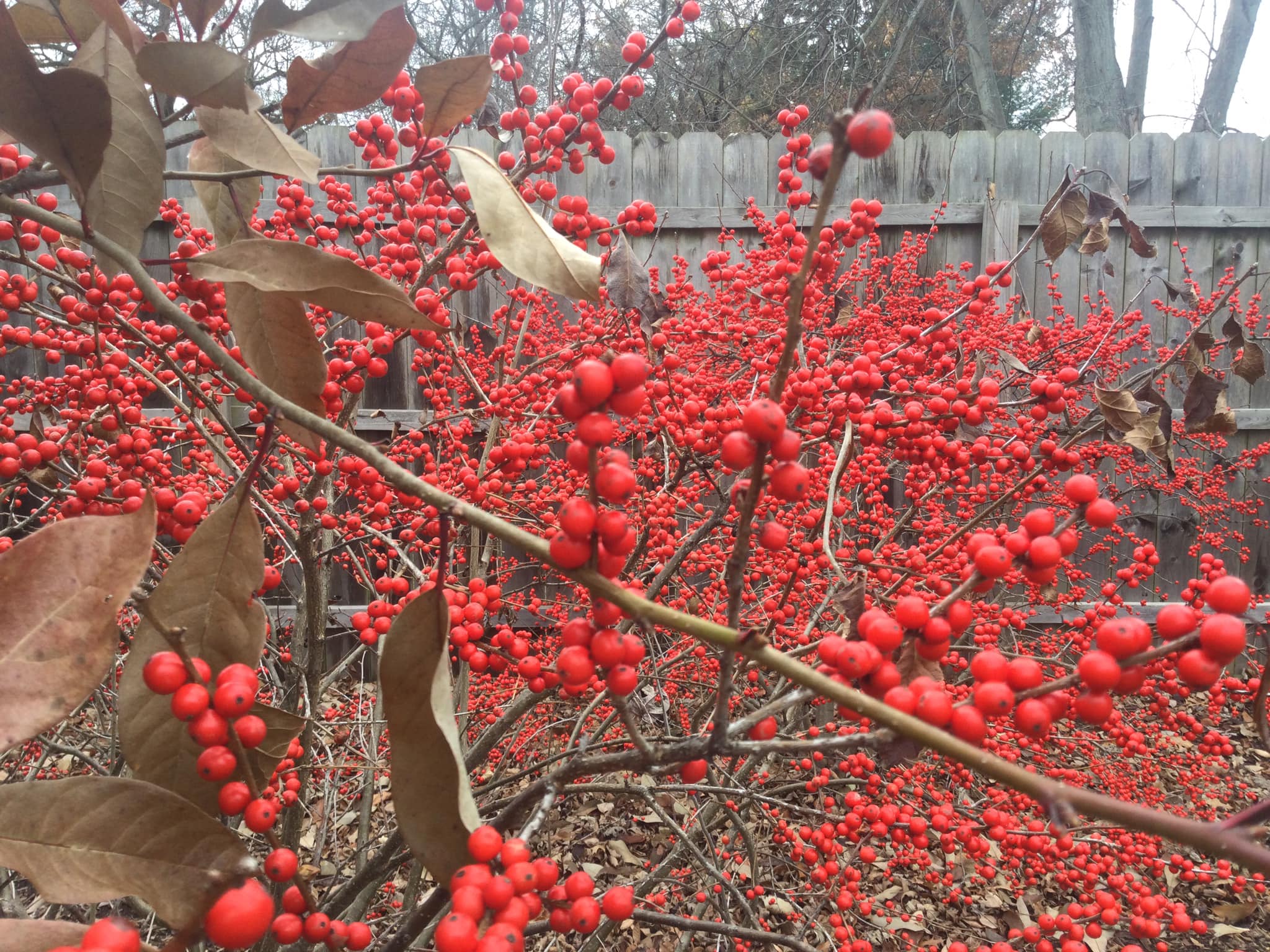
This plant provides a striking visual, particularly during the colder months. Its red berries appear in the fall and last through the winter. Since it thrives in damp soil, it is an excellent choice for wetland gardens or rain gardens.
The vibrant red berries of the Winterberry create a beautiful contrast against a snowy landscape. It is suitable for hardiness zones 3 to 9.
18. Ninebark (Physocarpus opulifolius)
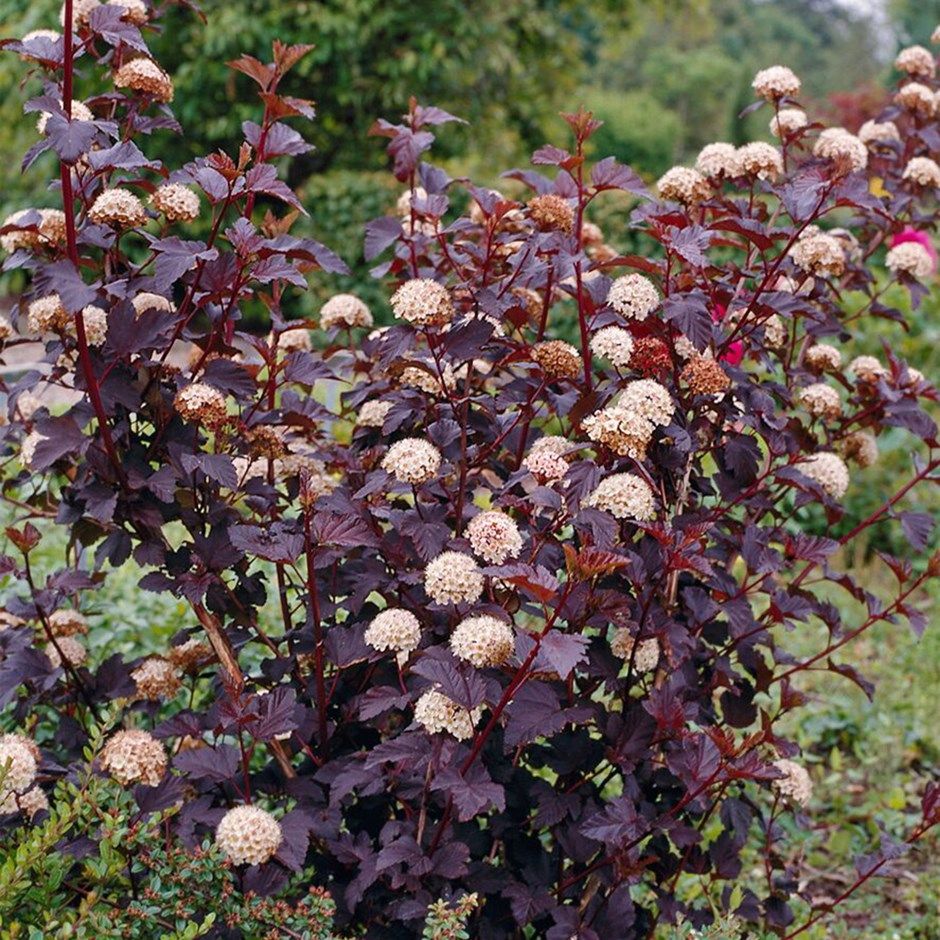
Visually, this shrub stays beautiful even in winter because of its distinctive peeling bark. The foliage also comes in a variety of colors depending on the specific type, from deep burgundy to green and even combinations with variegation.
From spring to summer, ninebark develops clusters of small, white to pinkish flowers, which are followed by decorative seed pods. It can be grown in hardiness zones 2 to 8.
Climbing Plants
19. Clematis
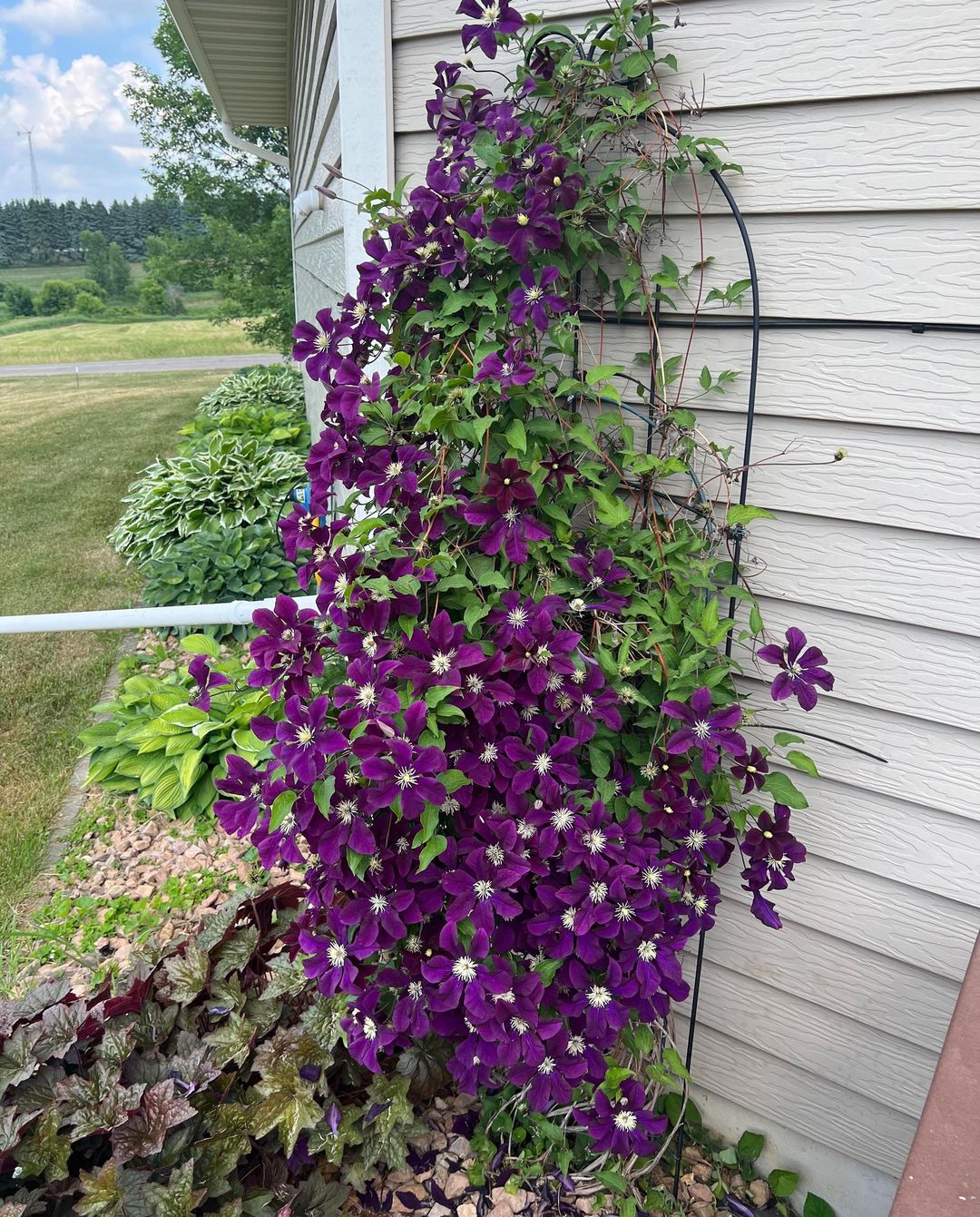
If you are looking for a breathtaking year-round climbing plant, consider Clematis. It adds vertical interest, color, and elegance to trellises, gardens, and fences. It features compound leaves with a bold green look and produces flowers in a range of shapes, sizes, and colors, which vary by type.
It is well suited for hardiness zones 4 to 9.
20. Trumpet Vine (Campsis radicans)
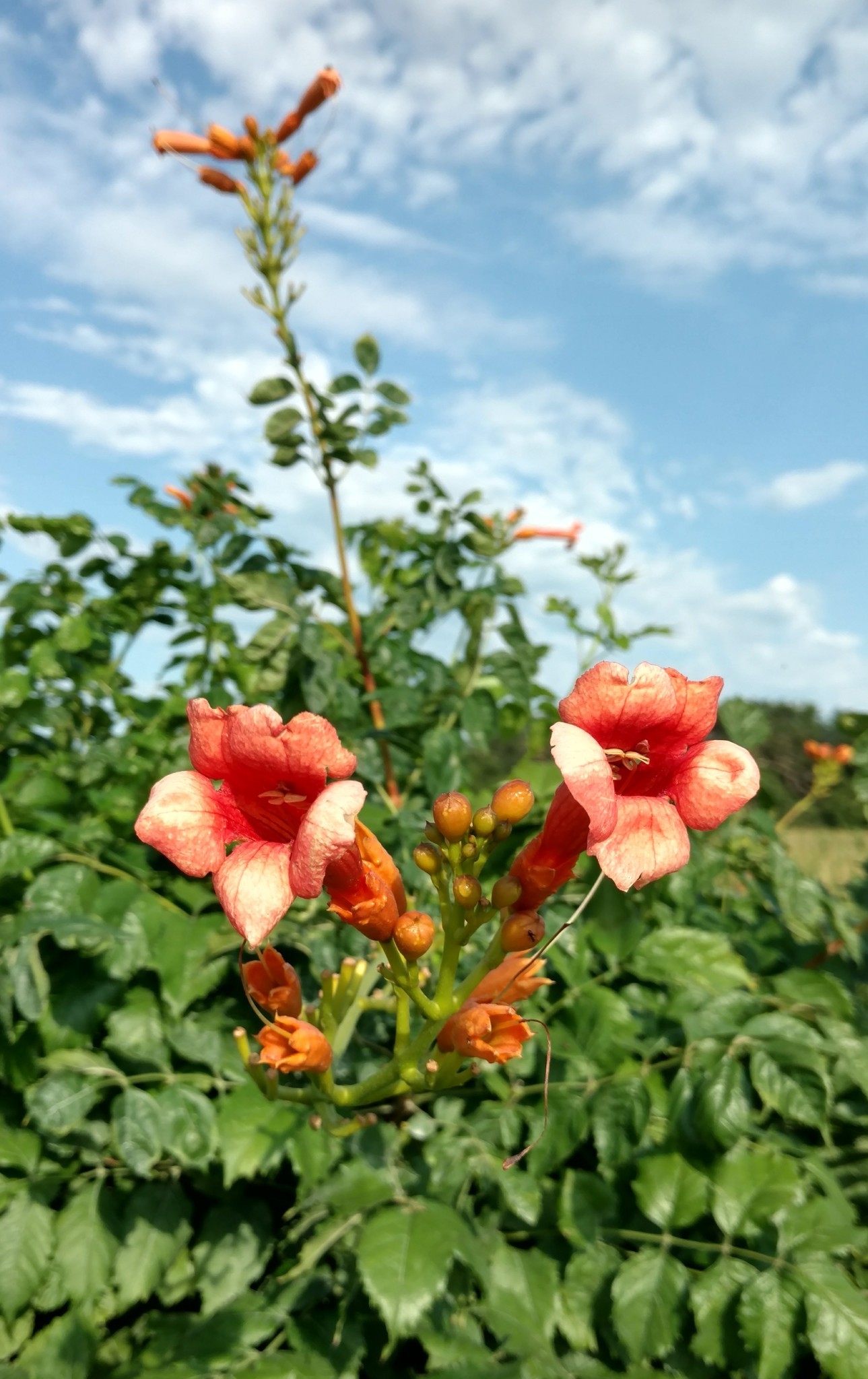
This is another climbing plant, popular for its ability to cover structures like fences and arbors. A Trumpet Vine is a fast grower, celebrated for its large, trumpet-shaped flowers in shades of orange, red, or occasionally yellow.
The Trumpet Vine is a good fit for hardiness zones 5 to 9.
Summary
Careful plant selection is crucial when you are aiming for plants that will be captivating throughout the entire year. Pay attention to sunlight, soil conditions, water needs, and hardiness zones to make sure the plants you select will flourish all year.
By carefully choosing from the 20 landscaping plants mentioned here, you will be on your way to creating a balanced and visually stunning garden that is a delight to the senses every season.