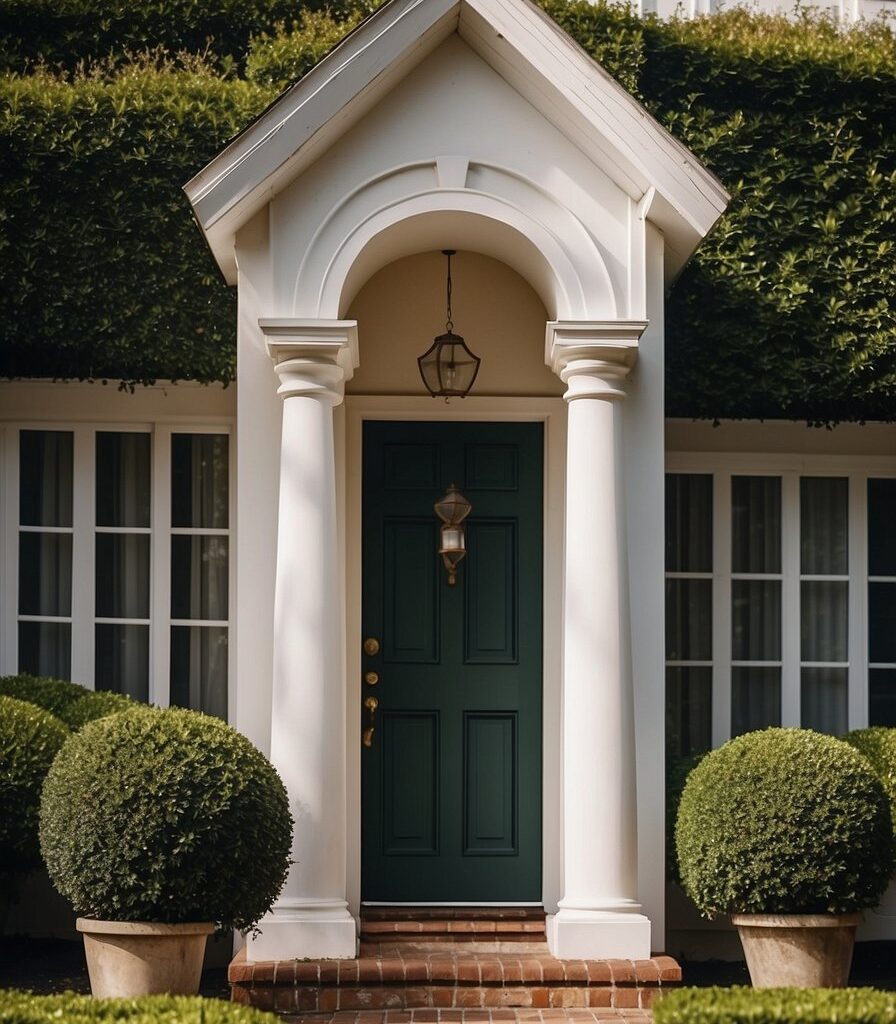
The right bushes can completely transform your home’s curb appeal, adding color, texture, and structure that makes your front yard pop. From classic evergreens to showy flowering shrubs, there’s a perfect plant to make your home feel more inviting and stylish.
Get ready to explore 21 amazing options that will have your neighbors admiring your landscape all year long.
1. Boxwood
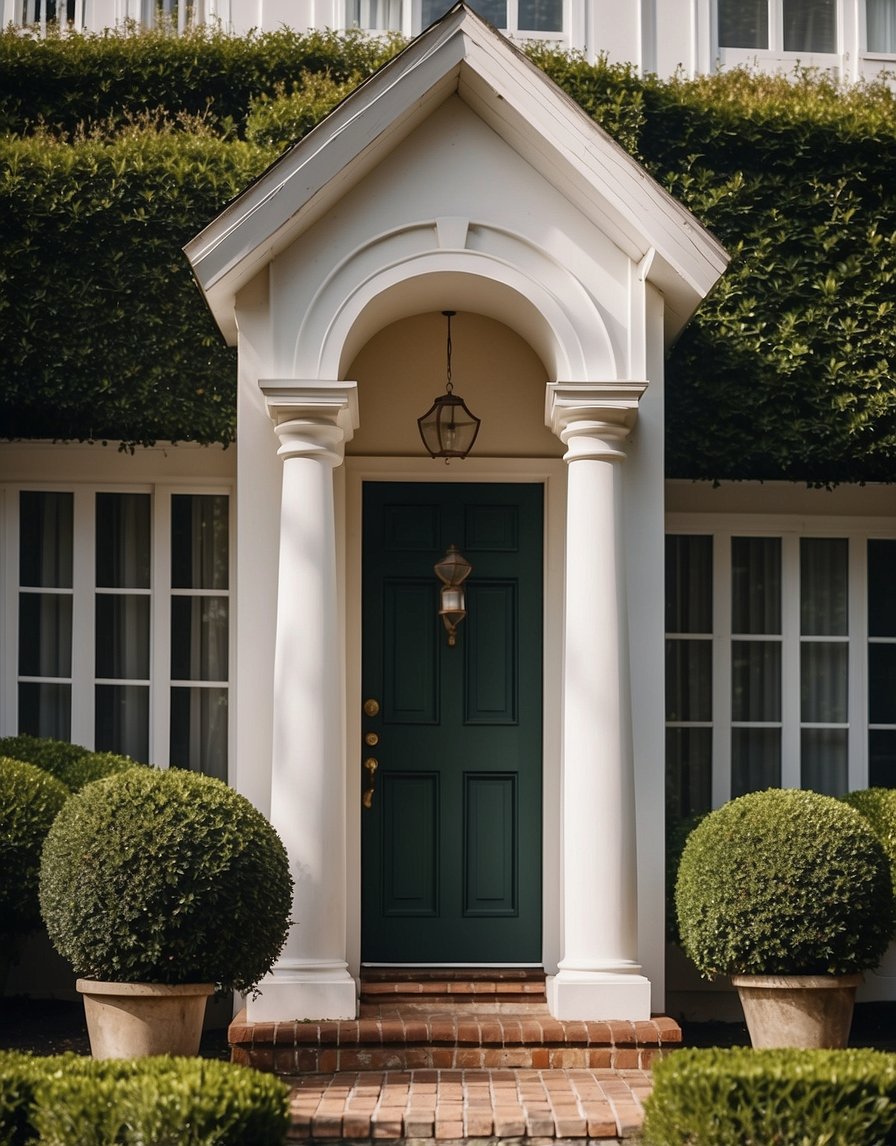
For a timeless, classic look in your front yard, boxwoods are an ideal choice. These evergreen shrubs maintain their lush green color throughout the year and can be sculpted into clean, formal shapes.
Thriving in a variety of climates, they can grow from just a few feet to over six feet tall.
You can use them to line pathways, define driveways, or anchor your foundation beds.
2. Azalea
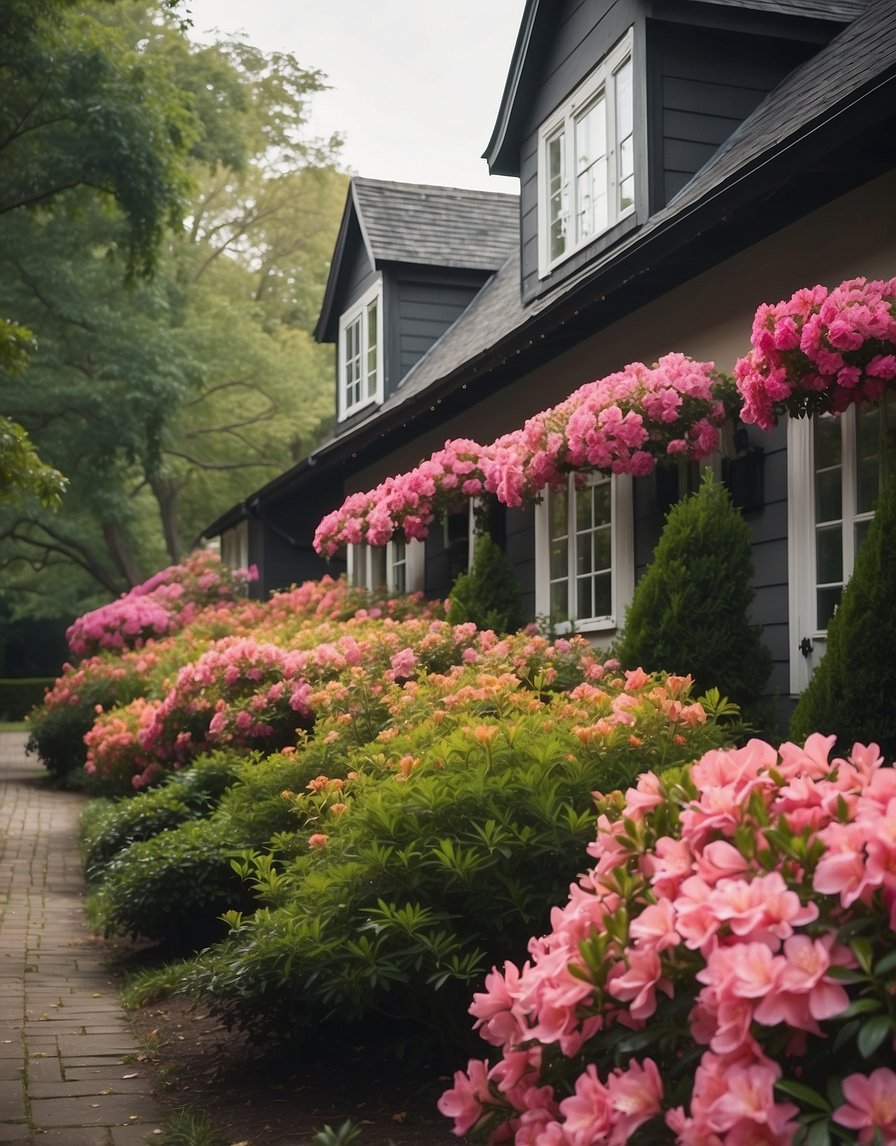
Azaleas are a fantastic option for the front of any home, delivering gorgeous flowers with minimal fuss.
To help them flourish, plant your azaleas where they can soak up the morning sun but get some relief in the afternoon shade.
These shrubs prefer acidic soil, ideally with a pH level between 4.5 and 6.0, so using the correct soil and fertilizer is key.
3. Hydrangea
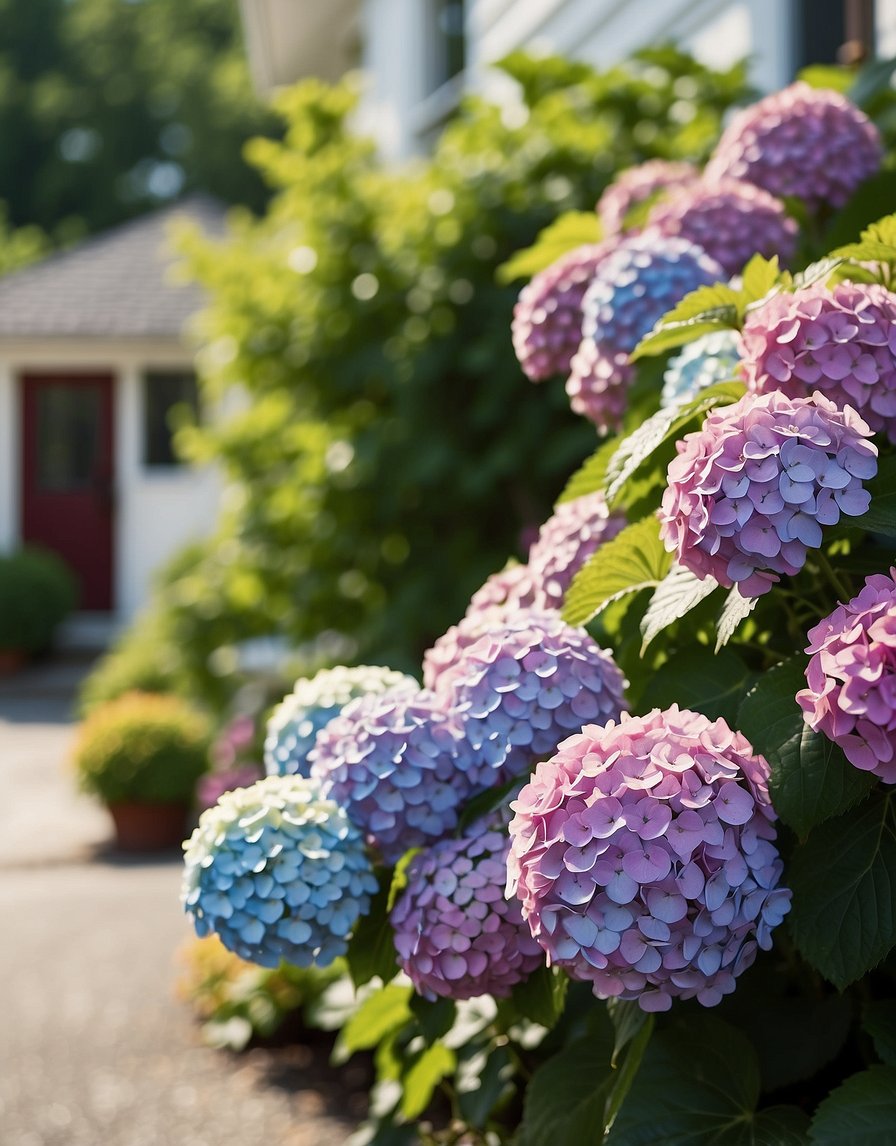
To inject some serious color into your front yard, look no further than hydrangeas. Their huge, dramatic blooms appear in a spectrum of white, pink, blue, and even purple, making your landscape feel vibrant and inviting.
You can plant hydrangeas to line a walkway or group them to form a breathtaking hedge.
These fast growers can soar up to 15 feet tall.
Hydrangeas perform best in partial shade with well-drained soil.
For a gorgeous combination of foliage and flowers, try pairing them with hostas or heucheras.
4. Rose Bush
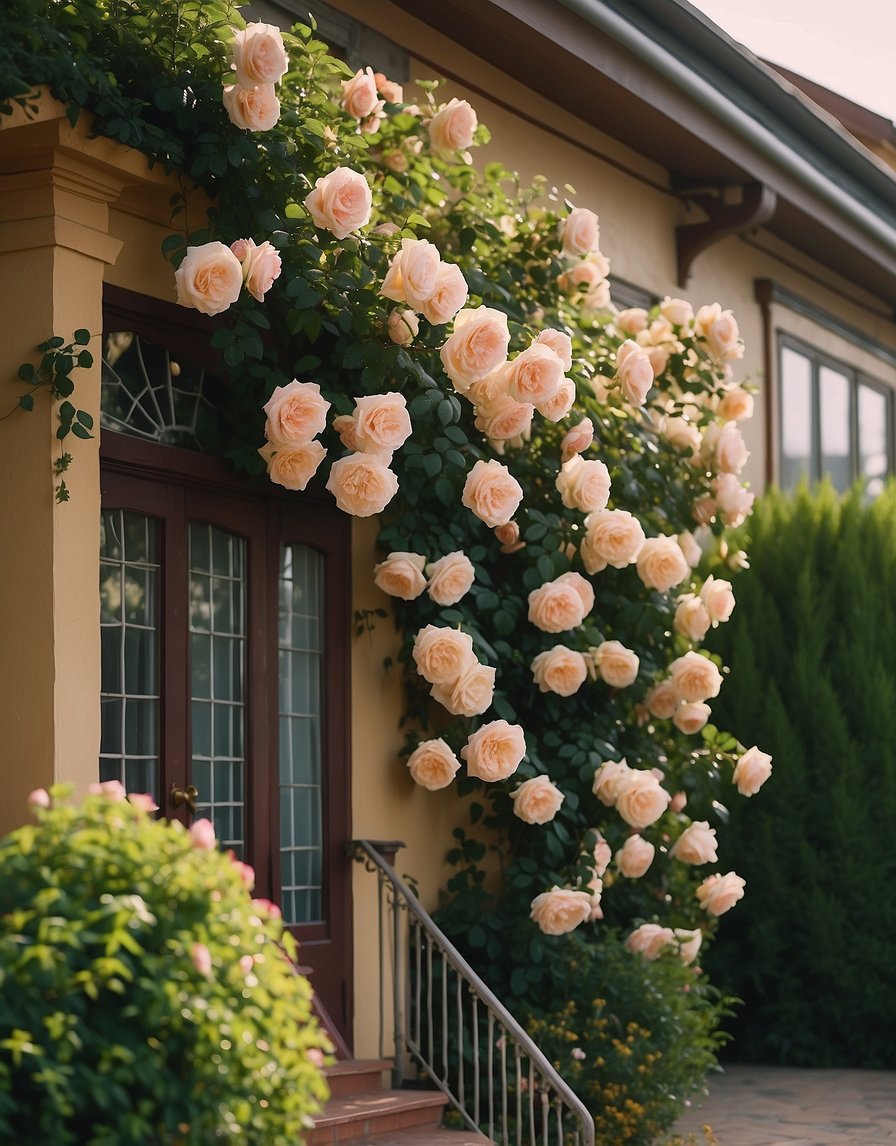
Rose bushes introduce an element of beauty and rich color. They are available in a wide array of colors and types, thriving in full sun with well-drained soil.
Ensure your roses receive a minimum of six hours of direct sunlight every day.
It’s important to space them correctly to allow for good air circulation, which is a key step in preventing disease.
Roses work beautifully as living borders, where their vibrant colors create striking garden edges.
5. Forsythia
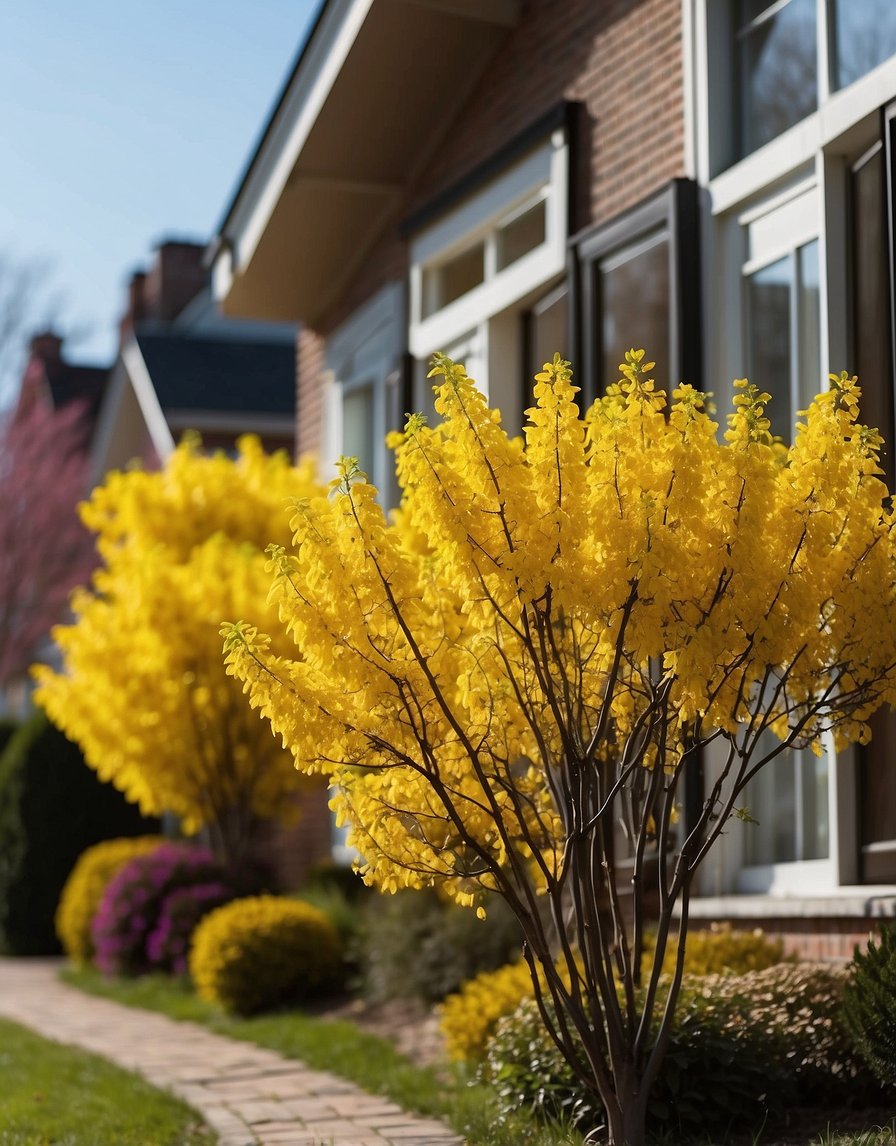
Forsythia is a go-to choice for bringing a burst of bright color to your front yard. This shrub is celebrated for its dazzling yellow flowers that emerge in early spring, offering a bold statement after a long winter.
This plant is quite low-maintenance, adapting well to different soils and tolerating everything from full sun to partial shade. Another benefit is that it requires very little pruning.
If you’re working with a smaller yard, the Show Off® variety is a compact option that’s perfectly suited for city environments.
This particular type grows to about 5 to 6 feet in both height and width.
6. Lilac
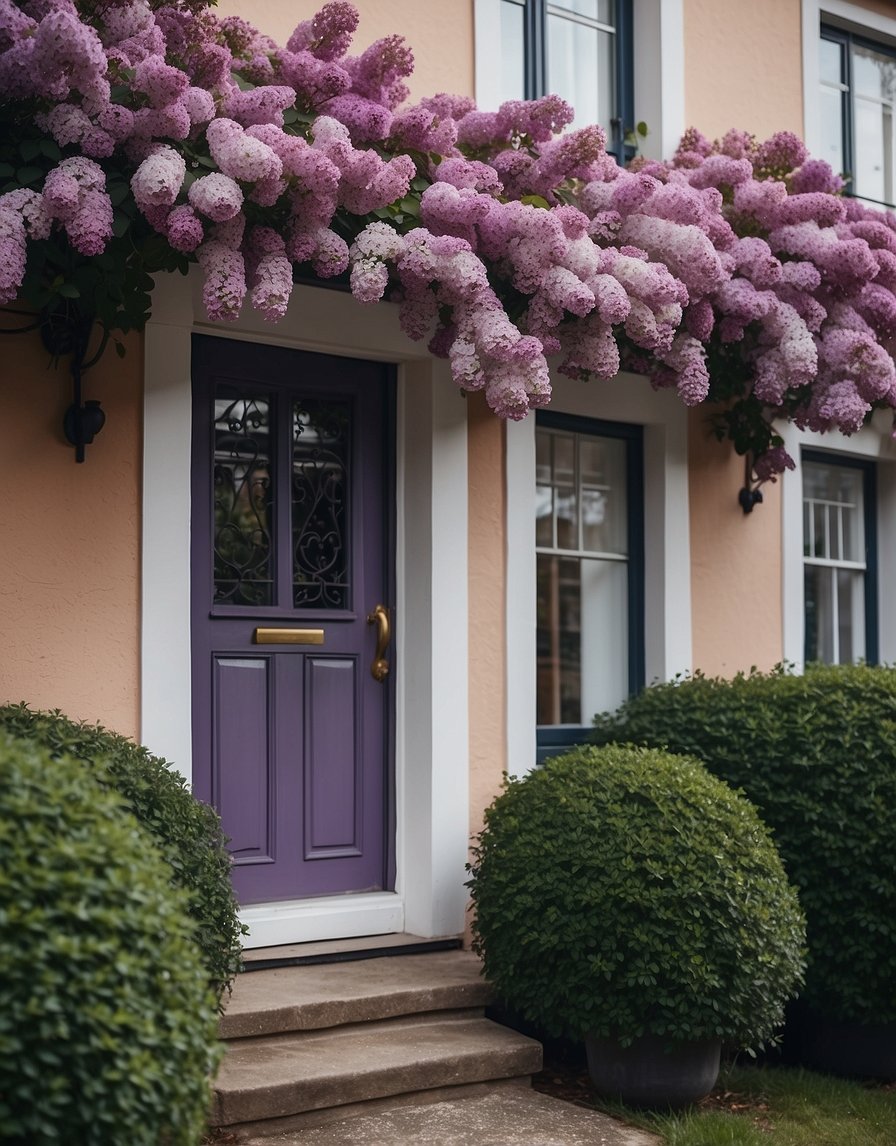
Lilacs are an excellent selection for the front yard, prized for their stunning blooms and delightful fragrance.
They flourish in well-drained soil with a pH between 6.5 and 7.5.
Your lilacs need plenty of sunlight, so find a spot that provides at least six hours of direct sun daily.
Prune them in late spring just after they finish flowering to stimulate fresh growth.
7. Holly
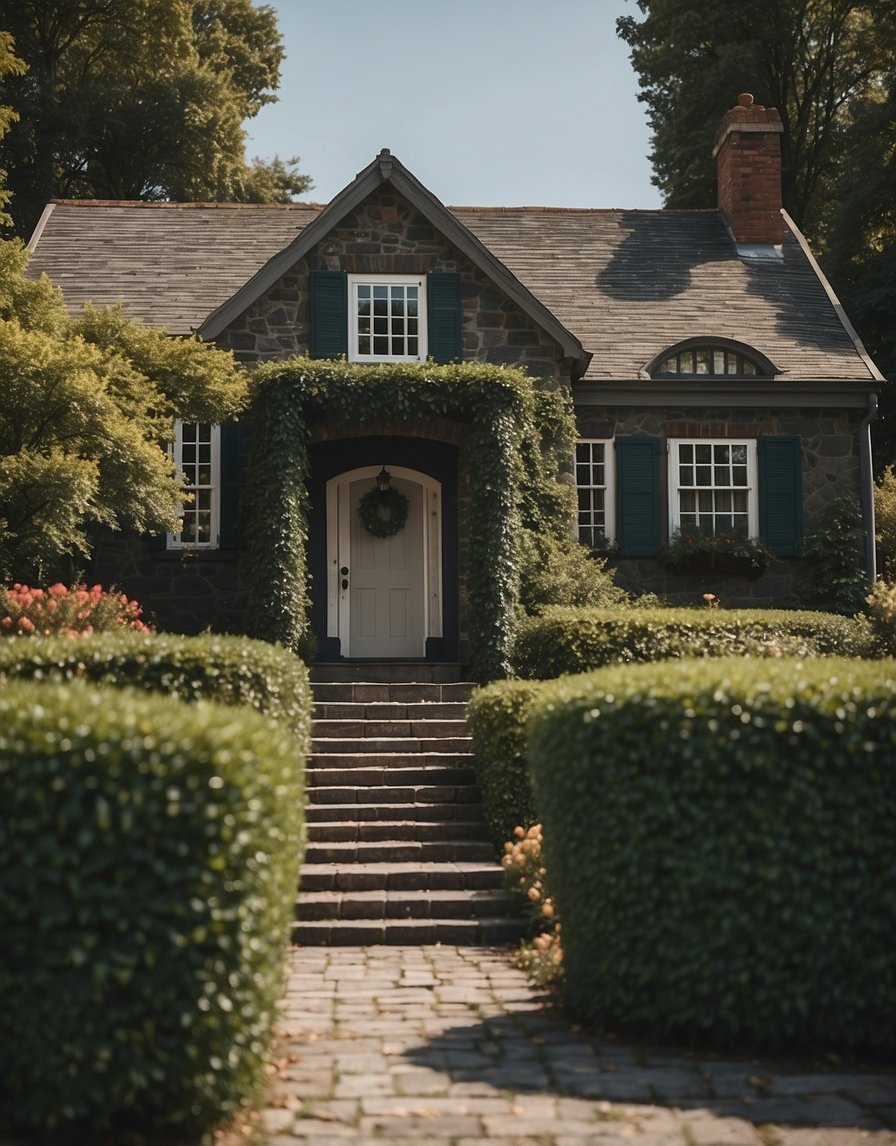
Holly bushes bring a wonderfully festive atmosphere to your front landscape. They are recognized by their glossy, dark green leaves and brilliant red berries, with many varieties that adapt well to different climates.
American holly is a popular selection for front yards. While it can become quite tall, you can easily trim it to fit your desired space. It also requires a male plant nearby to produce its signature vibrant berries.
For those in colder regions, Blue Holly is a fantastic choice.
Its bluish-green leaves and small white spring flowers will brighten your garden. This type is hardier against the cold compared to some other varieties.
8. Lavender
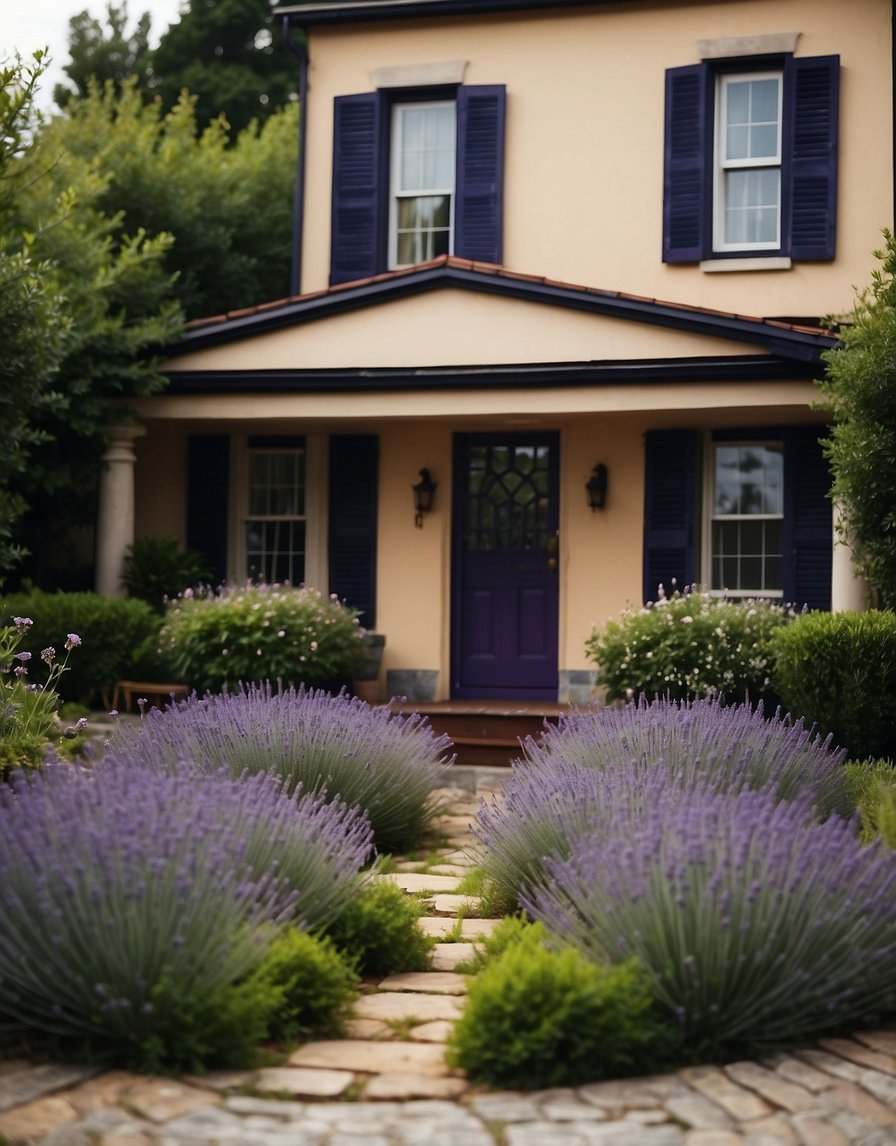
Lavender is a stellar addition to the front of your house. Its purple flowers provide a splash of color, while its pleasant aroma fills the air. It’s also a low-maintenance, drought-tolerant plant.
You can use lavender to form a beautiful hedge or border.
It also works well for underplanting trees, filling the area with both beauty and fragrance.
To thrive, lavender requires a spot with abundant sunlight and well-drained soil.
Remember to trim it periodically to maintain its shape and encourage healthy new growth.
9. Juniper
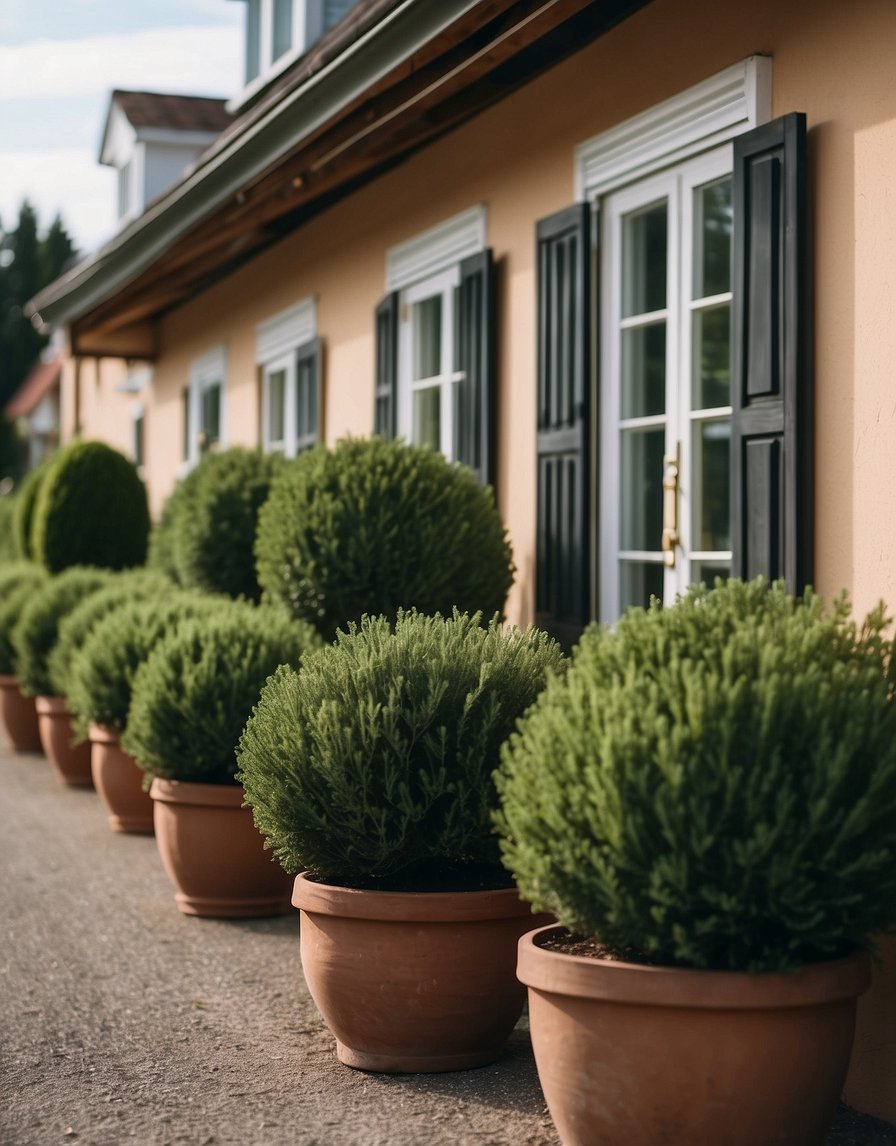
Juniper bushes are a favorite for their hardiness and incredible versatility. They are available in many forms, from prostrate and weeping to bushy shapes. These evergreen shrubs feature needle-like foliage and may produce small, fleshy cones that resemble berries.
Junipers do best in full sun and well-drained soil.
Once established, they become drought-tolerant, making them a superb choice for low-effort landscaping.
The foliage color spans from green to blue-green, ensuring year-round visual interest in your front yard.
Junipers are ideal for creating borders or as a ground cover.
They can also serve as foundation plantings or accent pieces, and their resistance to pests and diseases is an added perk.
10. Rhododendron
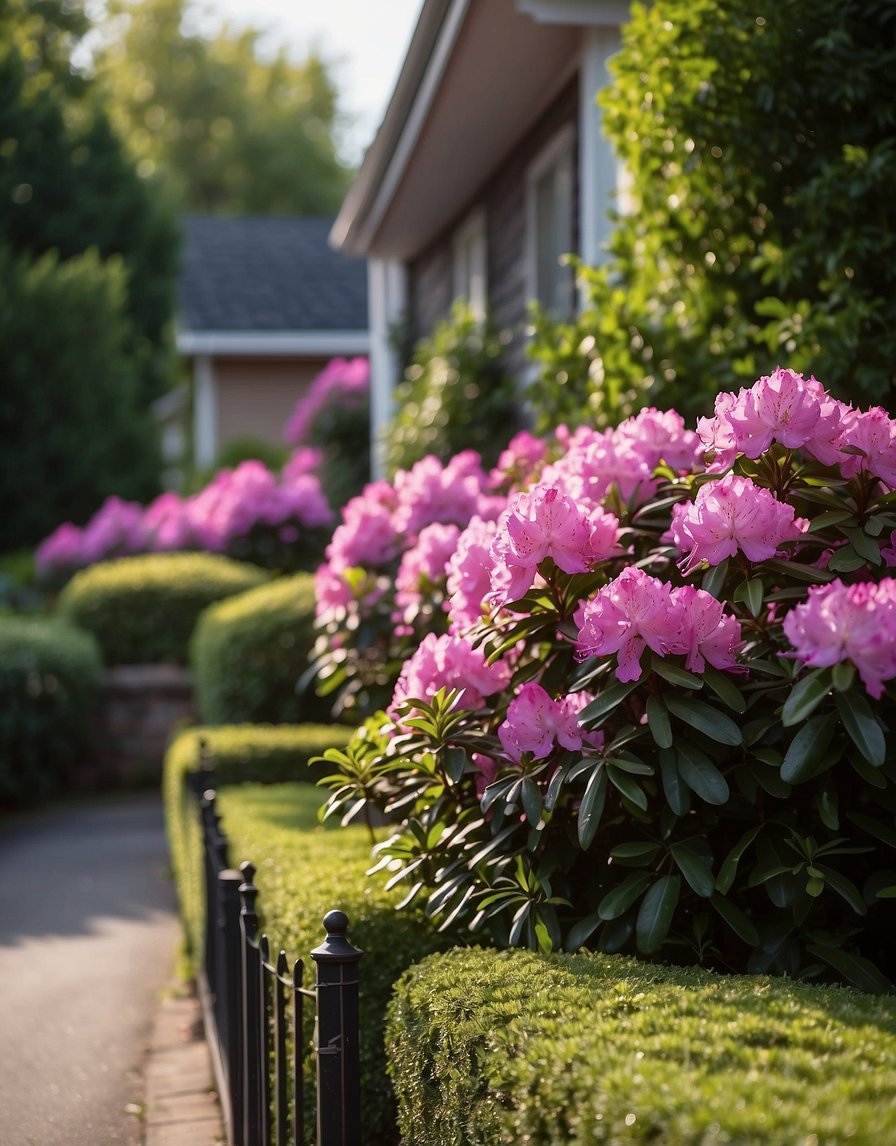
Rhododendrons are a wonderful choice for the front of your home. They typically reach a height of 4 to 6 feet, adding vertical interest without overwhelming the landscape. These evergreens possess leathery leaves, 3 to 6 inches long, that contribute a lush texture to your garden.
Rhododendrons burst into bloom in the spring, treating your yard to vibrant colors with their dense flower clusters.
They prefer shadier, damper environments, so planting them in a location that avoids intense sun and has proper drainage is best.
11. Spirea
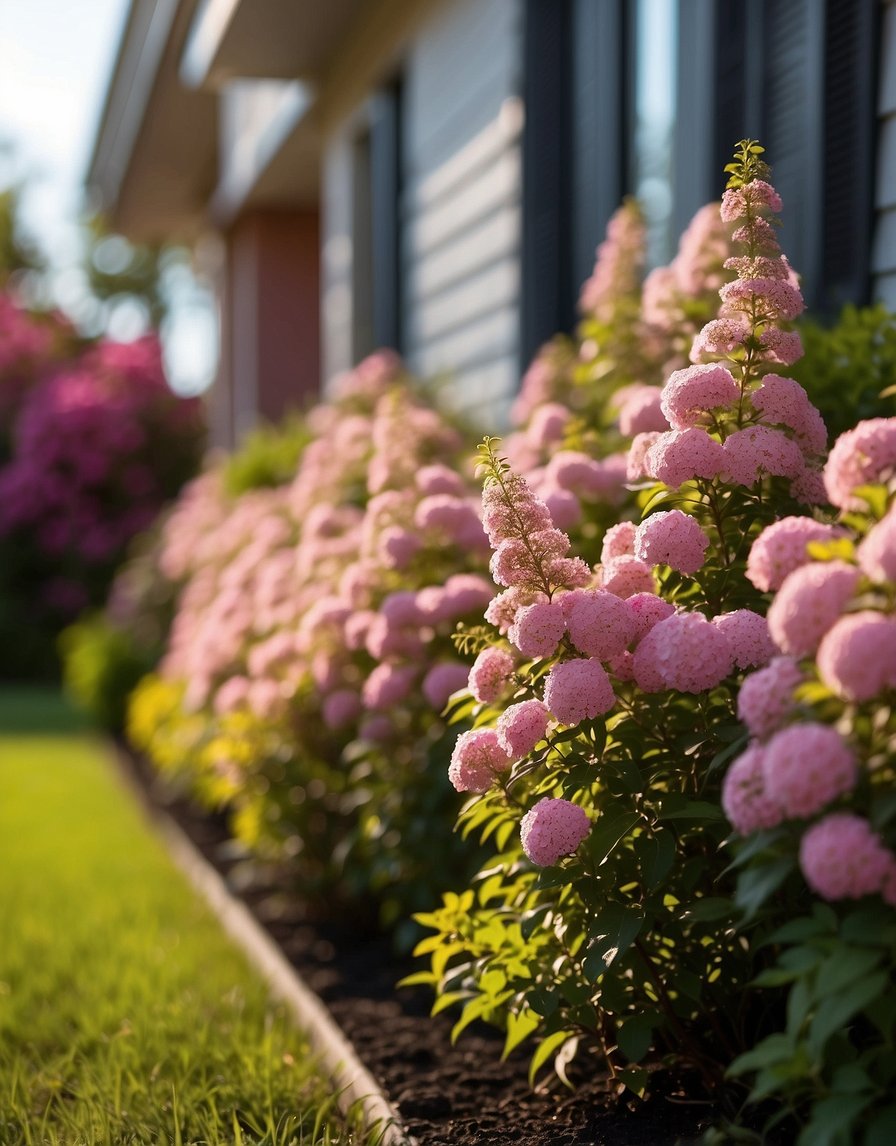
Spirea is a delightful pick for the front of your house. This shrub features colorful, dynamic leaves and flat clusters of flowers that make it a real showstopper. It grows well in hardiness zones 3 to 9 and loves a spot with full sun.
Many varieties exist, like ‘Tor Gold,’ which stands about 3 to 4 feet tall.
12. Weigela
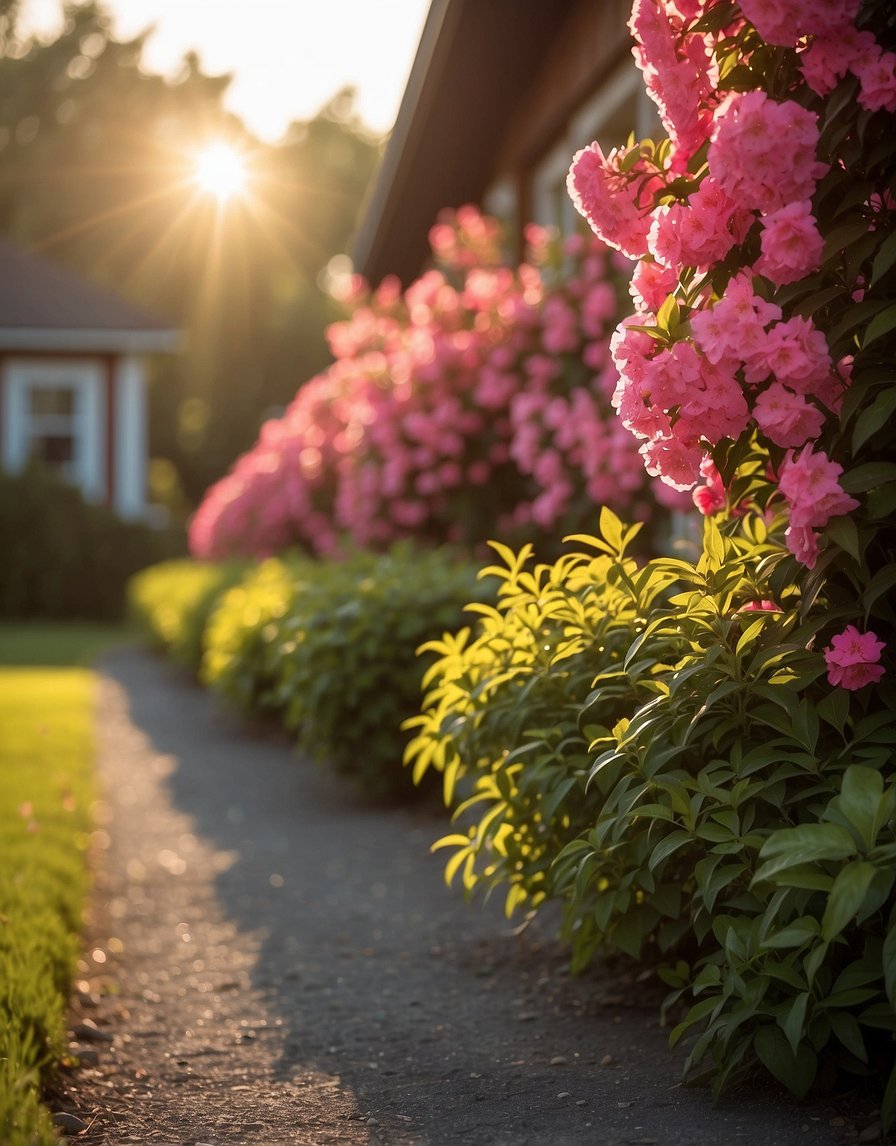
Weigela bushes are a superb choice for bringing a splash of color to your garden. These shrubs flower in spring, with lovely pink blossoms that create a beautiful contrast against their green leaves.
Certain varieties, such as Midnight Wine, boast dark purple foliage and maintain a compact size, making them ideal for containers or tight garden spots.
Weigela is simple to care for and requires very little upkeep.
Plant them in well-drained soil and ensure they receive plenty of sunshine.
They are quite hardy and can handle a range of conditions, which makes them an excellent pick for many different landscaping designs.
13. Camellia
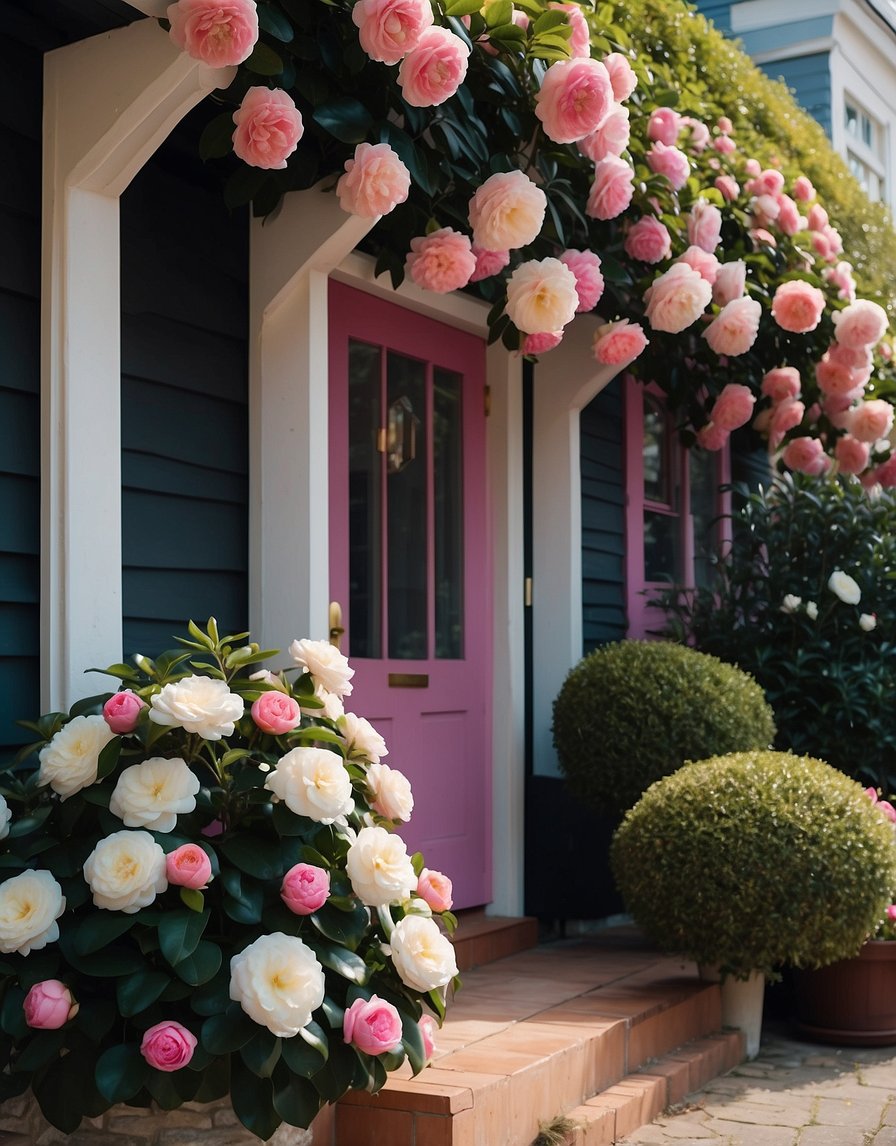
Camellias are a gorgeous option for the front of your house. Available as either shrubs or small trees, they present a variety of flowers, from simple single blossoms to lush, full blooms.
These plants do best in well-draining soil that is slightly acidic. They prefer a shadier side of the house, which makes them perfect for areas that don’t receive a lot of direct sun.
As evergreens, Camellias offer year-round greenery. Their flowers blossom in lovely shades of pink, red, and white. With the right care, they will bring spectacular beauty to your garden.
14. Barberry
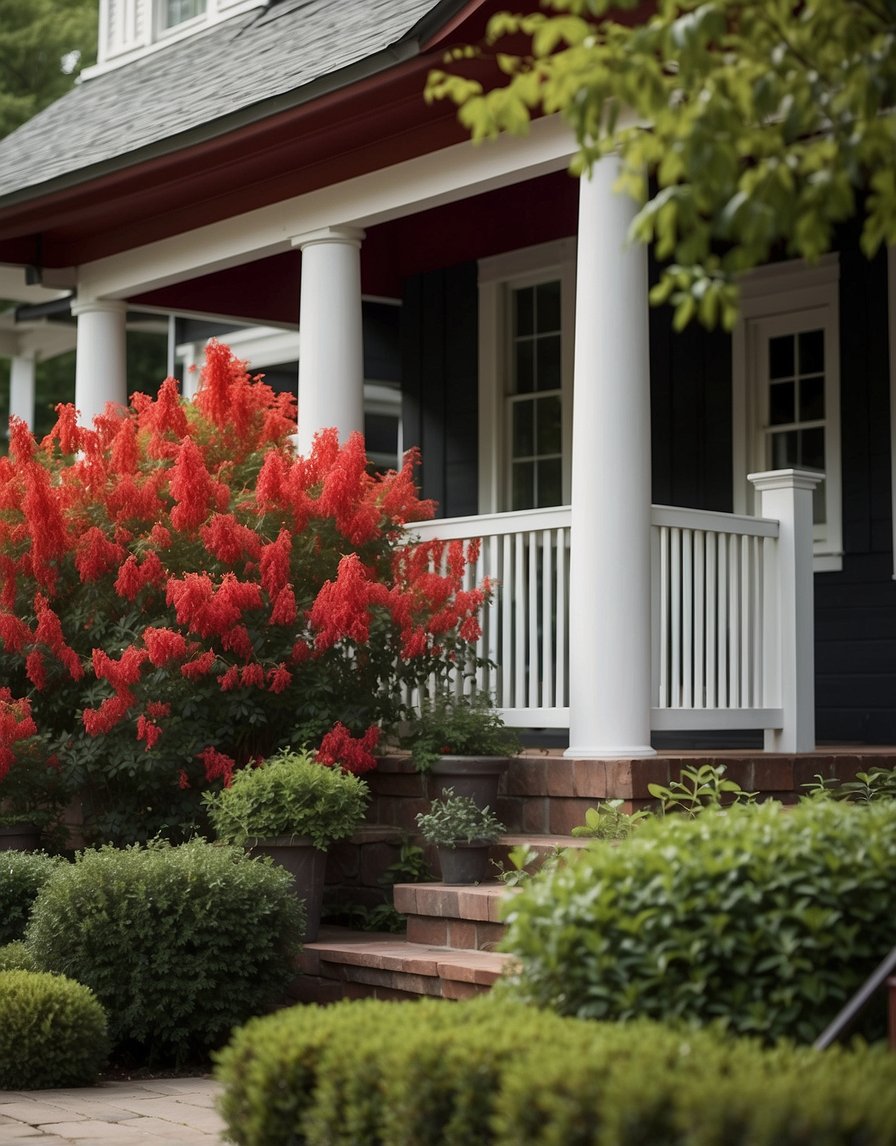
Barberry bushes are an excellent choice for adding color to your front yard. They are available in different varieties, such as the Helmond Pillar and Orange Rocket. These plants are particularly celebrated for their vibrant foliage.
They thrive in full sun but can also tolerate some shade. Loamy, well-draining soil with a pH between 6.0 and 7.5 is ideal.
Barberries are tough plants that can resist rust, making them a low-maintenance option. They are perfect for small spaces and can brighten up any border or container.
15. Dogwood
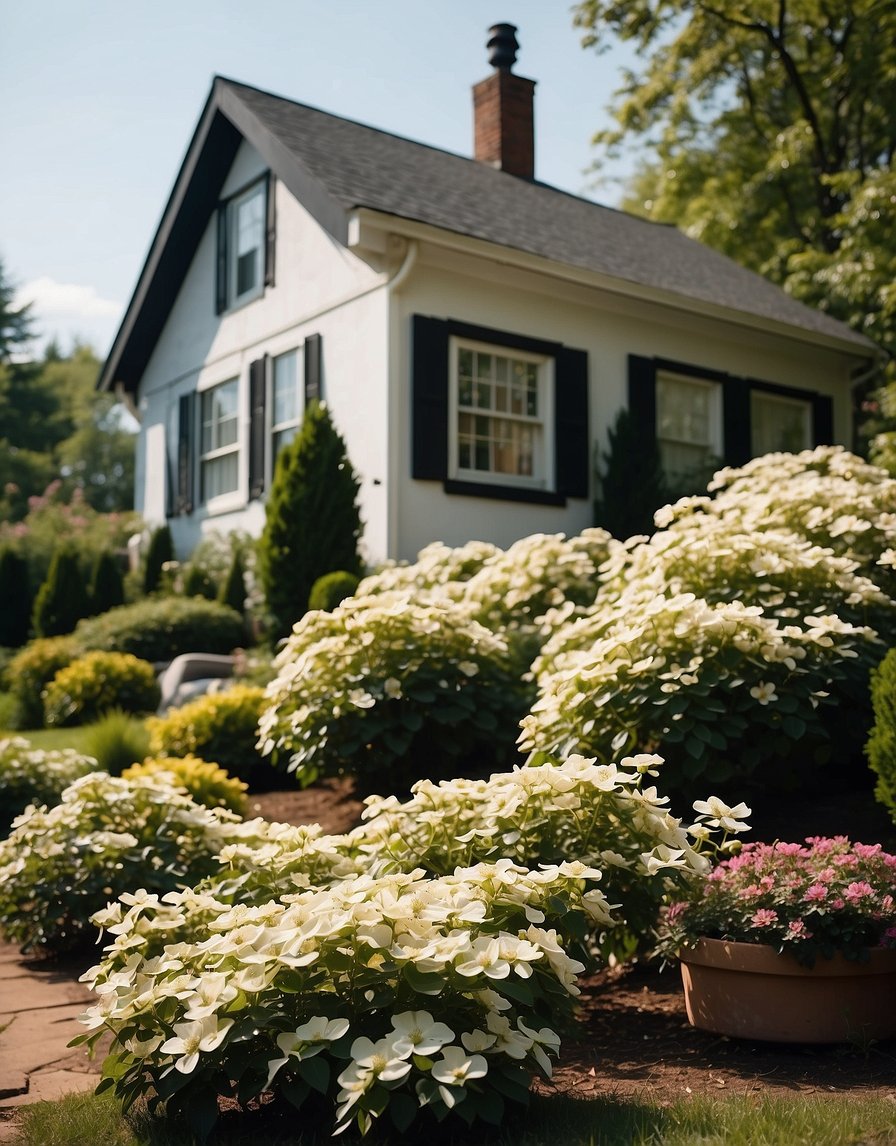
Dogwood bushes are a wonderful selection for enhancing the beauty of your front yard. These plants are celebrated for their lovely flowers and colorful leaves. They are available in many varieties that can flourish in diverse climates.
Kousa Dogwood is a popular type because of its edible fruits and resistance to disease. It grows well in zones 5 to 8 and is also resistant to deer.
Red-osier Dogwood commands attention with its brilliant red twigs. This characteristic makes it a powerful visual choice for year-round appeal.
16. Privet
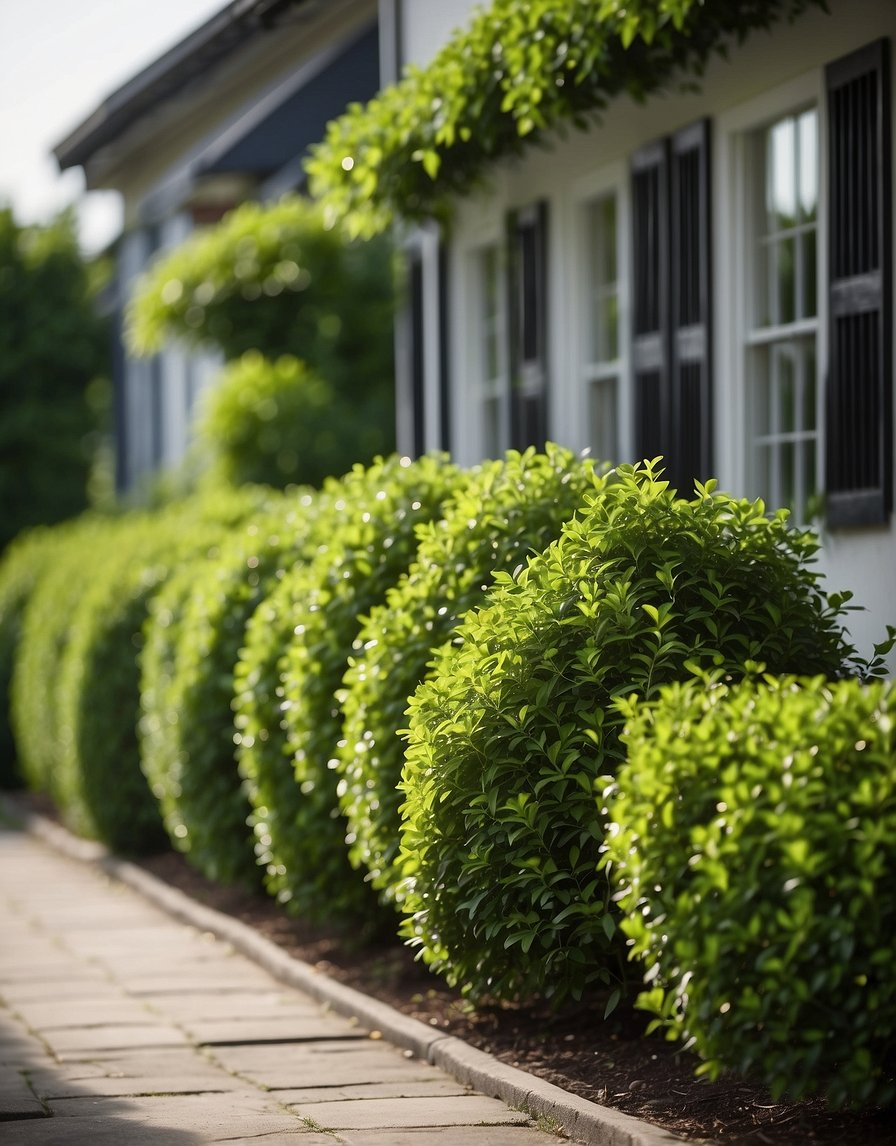
Privet is a widely used choice for front-yard landscaping. This shrub has dense foliage and can be sculpted easily into hedges or topiaries. It remains green throughout the year, ensuring consistent privacy and a tidy look.
Privet is a fast grower, capable of reaching heights from 4 to 15 feet. It thrives in conditions ranging from full sun to partial shade and can adapt to various soil types.
17. Indian Hawthorn
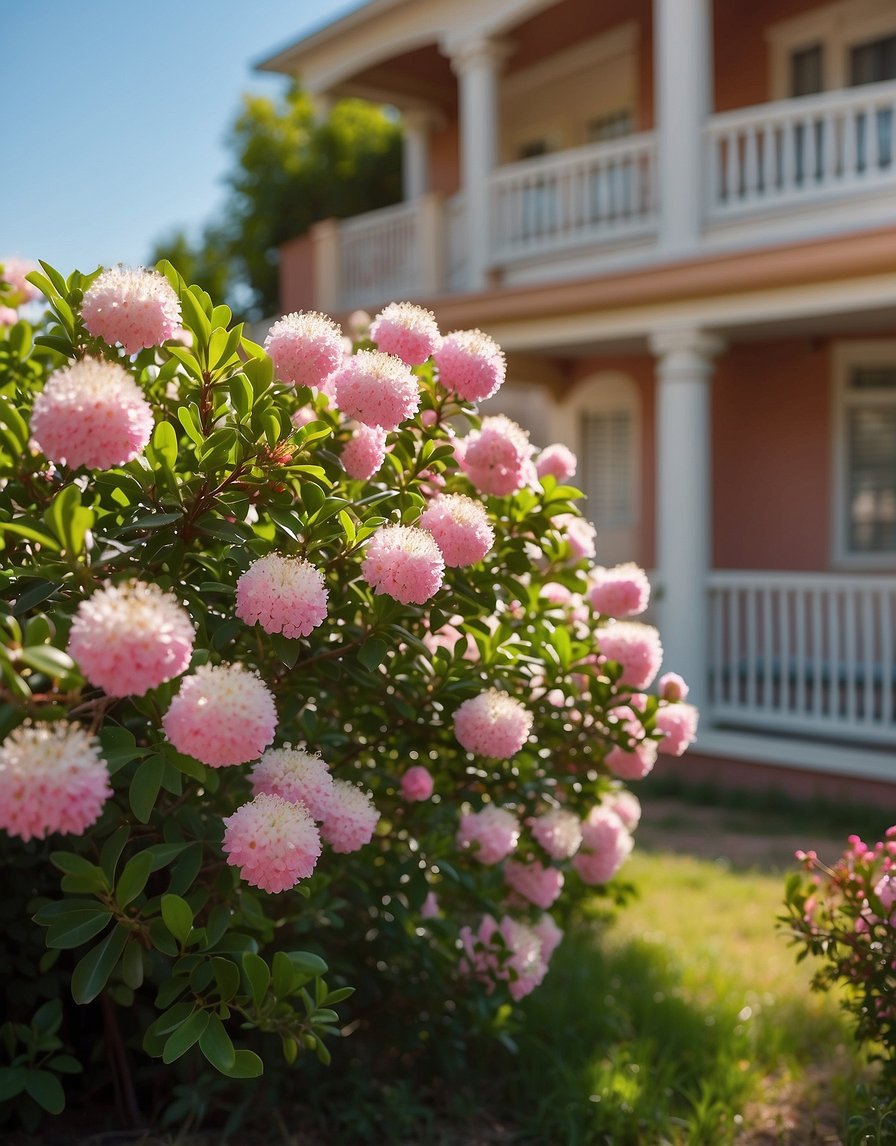
Indian Hawthorn is a compact, rounded evergreen shrub that brings a beautiful look to the front of your house. It features leathery leaves and eye-catching spring flowers. During the winter, it develops purple-black berries.
You should plant Indian Hawthorn in a sunny location. Space the plants 18 to 24 inches from each other to provide adequate room for growth.
Water it consistently, but avoid letting the soil become completely dry. You can also gather its seeds and plant them in pots over the winter.
18. Yew
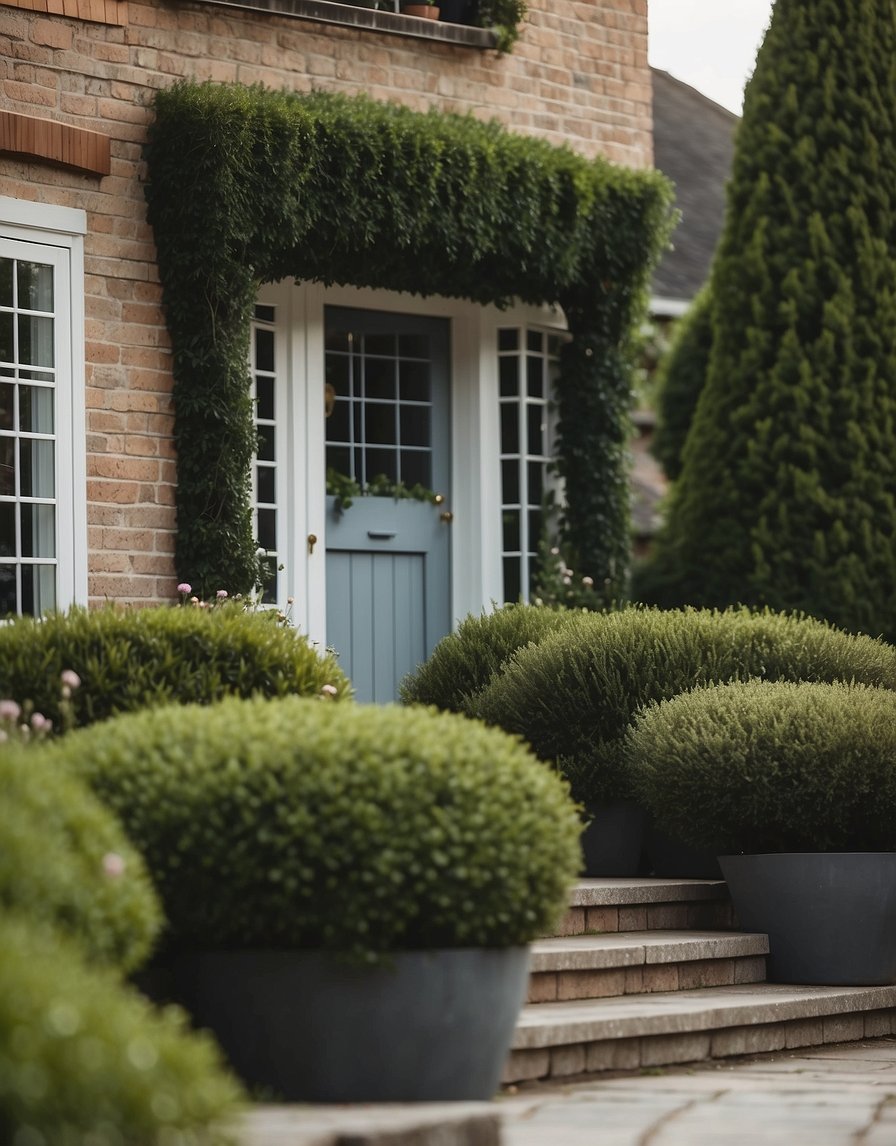
Yew shrubs are both attractive and versatile. They feature dark green, needle-like leaves and can be pruned into a variety of shapes. Yews perform well in either sun or shade, which makes them a flexible choice for different areas of your yard.
These shrubs can grow up to 20 feet tall, but you can maintain a shorter height with regular trimming. They are also deer and drought resistant, which makes them a low-maintenance option.
19. Smoke Bush
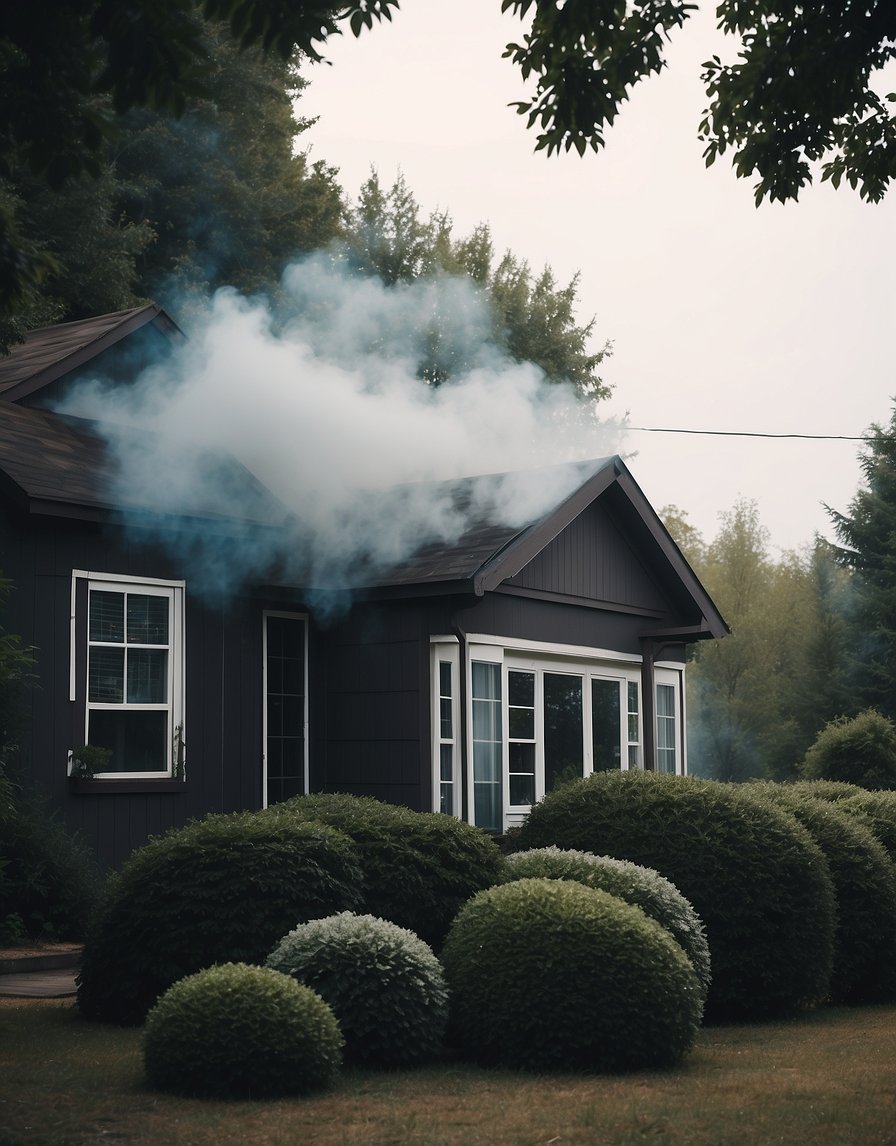
Smoke Bush delivers a burst of color with its striking purple leaves. It can be grown as a shrub or a small tree, potentially reaching a height of 15 feet.
For the most vivid color, plant it in a full sun location. Make sure the soil is well-draining and not excessively wet, as it favors drier environments.
Water it deeply while it’s young, but this plant is drought-tolerant once it’s established. For the best results, prune in late winter or early spring.
20. Butterfly Bush
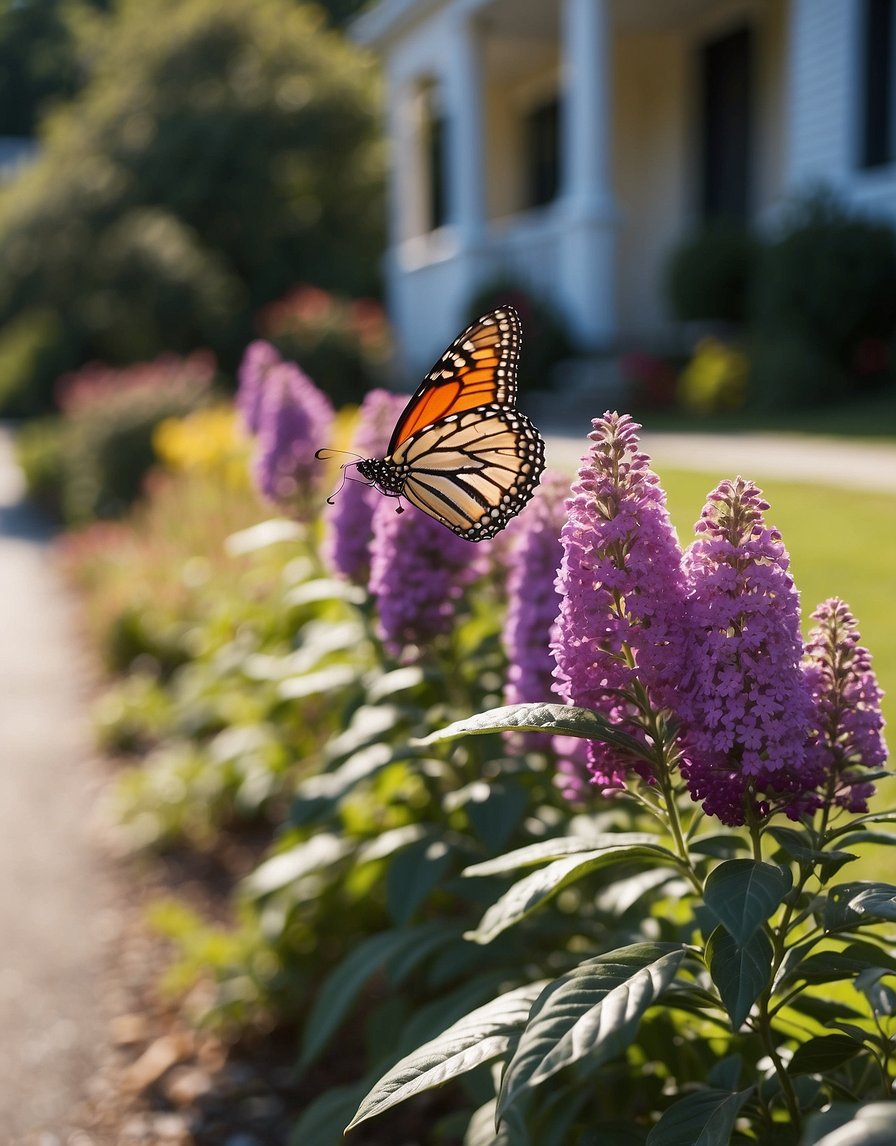
Butterfly Bushes, also called Buddleja, are ideal for bringing vibrant colors to your garden. They draw in butterflies and other pollinators with their lovely blooms. These shrubs typically grow to a height between 5 and 10 feet.
They flourish in full sun but can also handle partial shade. Be sure to plant them in well-drained soil. They are characterized by long, arching branches and clusters of fragrant flowers that appear in purple, black, and other shades.
21. Viburnum
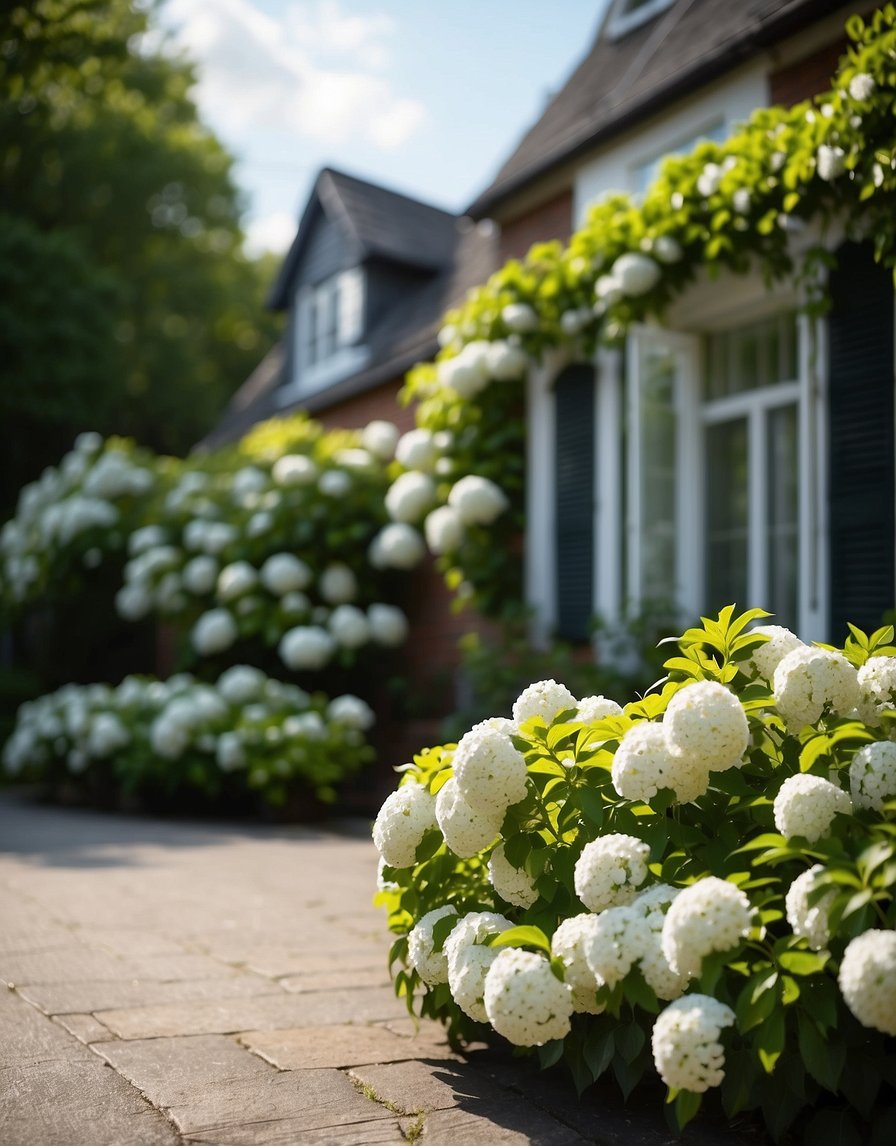
Viburnum is a highly adaptable shrub that can grow as tall as 20 feet. It is an excellent choice for privacy hedges or as a standalone feature plant. Its green leaves can reach up to 6 inches in both length and width.
This shrub does best in well-drained soil and with plenty of sunlight. During its first growing season, water it deeply and regularly. After it’s established, you can water it less frequently.
Importance of Bushes in Front of the House
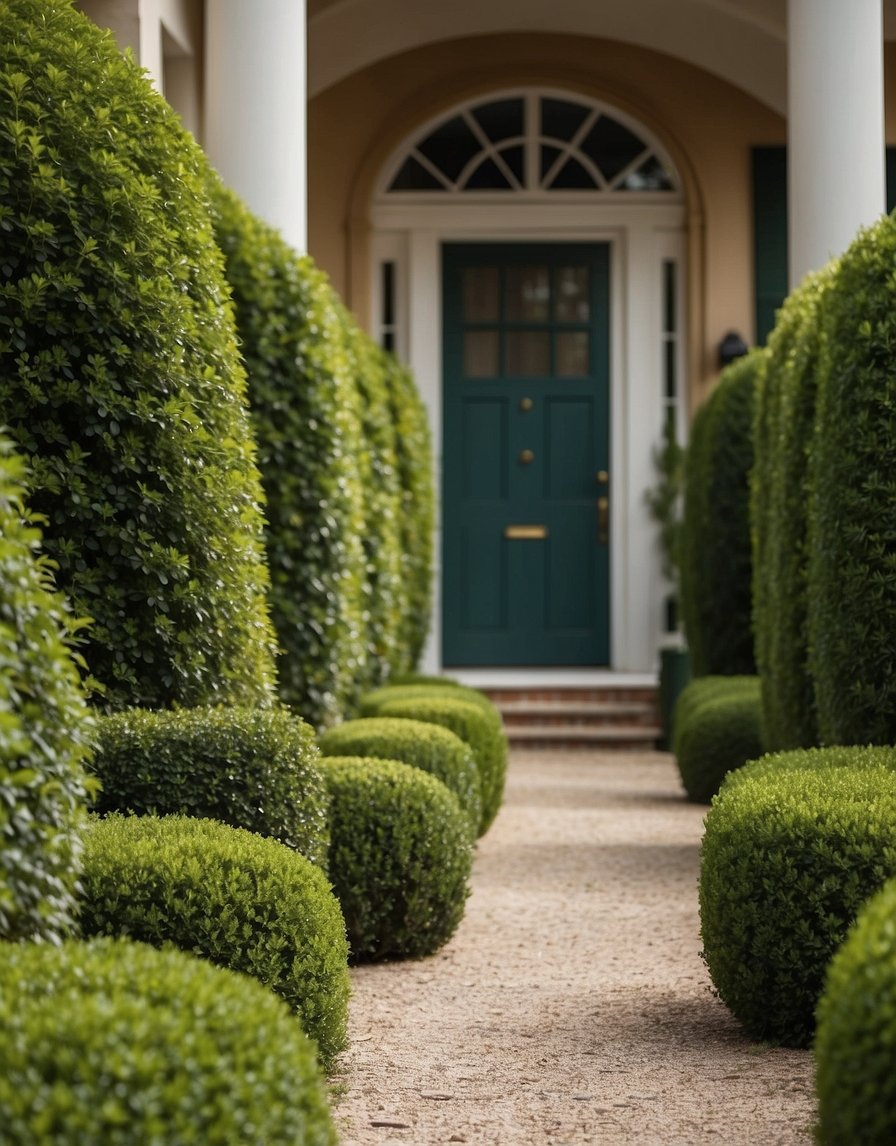
Bushes planted in front of your house can significantly enhance its appearance, offer environmental advantages, and provide a degree of privacy and security.
Curb Appeal
Bushes are essential for improving your home’s curb appeal. This is the initial impression your home makes on visitors and passersby.
Gorgeous bushes, like roses or junipers, introduce color and texture, making your home feel more welcoming.
Low-maintenance shrubs such as Chinese fringe flowers are fantastic because they look great without demanding a lot of work.
A well-maintained front yard can even increase your home’s market value should you ever choose to sell.
Environmental Benefits
Bushes contribute significantly to the environment. They aid in purifying the air by absorbing pollutants and producing oxygen. They also help to reduce noise pollution by serving as natural sound buffers.
Planting bushes like Bottlebrush Buckeye can attract pollinators such as bees and butterflies, which benefits your local ecosystem. Additionally, their root systems help prevent soil erosion by holding the soil firmly in place.
Privacy and Security
Bushes can create a natural layer of privacy, eliminating the need for fences. Tall, thick shrubs like English yew can effectively screen your home from view. This allows you to enjoy your front yard without feeling exposed.
Bushes can also enhance security. Placing dense bushes beneath windows can make it more difficult for intruders to get close.
While not a substitute for a security system, they do add an extra barrier that can be quite effective.
Choosing the Right Bushes
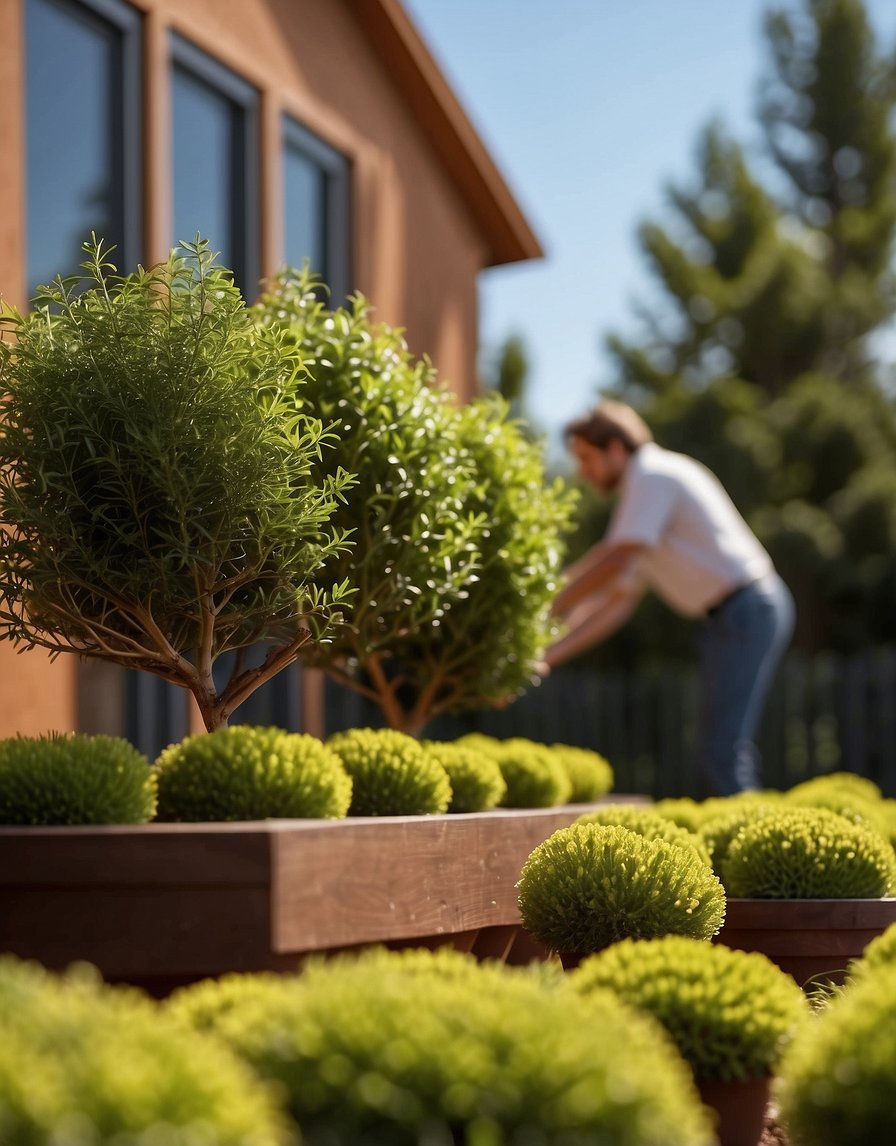
Selecting the ideal bushes for the front of your house is a fun and fulfilling process. To make the best selections, consider your climate, the amount of maintenance you are prepared to handle, and the growth habits of the plants.
Climate Considerations
Your local climate is a critical factor to consider. Some bushes excel in hot, sunny locations but may struggle in colder or shadier areas.
For instance, roses flourish in hardiness zones 3 through 9 and require full sun.
Junipers, particularly the blue star variety, thrive with ample sunlight and well-drained soil. If you reside in a cooler climate, you might consider a plant like the English yew, which tolerates shade and lower temperatures.
Always verify the hardiness zone for any bush to ensure it is suitable for your local climate. Soil type can also be important, so be sure to check that as well.
Maintenance Levels
Not everyone has the time or inclination to care for high-maintenance bushes. Some shrubs demand frequent pruning, watering, and attention, while others are much more self-sufficient.
Evergreen junipers are relatively low-maintenance. They require minimal pruning and are drought-tolerant. In contrast, roses often need consistent pruning, feeding, and pest management.
If you prefer an easy-care option, look for bushes described as drought-tolerant or slow-growing. Andromeda bushes, for example, grow slowly and do not require constant attention, making them an excellent choice for busy individuals.
Growth Patterns
Bushes exhibit a wide range of growth patterns. Some grow tall and slender, while others spread out wide and remain low to the ground.
Consider the amount of available space and the aesthetic you wish to create.
English yew spreads widely, potentially reaching 15 feet across, which makes it ideal for covering large areas.
On the other hand, Pieris, or andromeda, can grow quite tall, achieving heights between 4 to 12 feet. This could be beneficial for adding vertical dimension to your landscape.
For a low, spreading shrub, think about junipers like the blue star variety. Their low growth habit makes them perfect for ground cover or as a border.