Raised garden beds make it possible to grow vegetables, herbs, and flowers in small outdoor spaces using practical materials such as wood, metal, bricks, and cinder blocks. From simple boxes and low brick borders to tiered planters, trellis combinations, and enclosed designs, these budget-friendly setups can fit a wide range of gardens and growing plans.
What Is A Raised Garden Bed?
A raised garden bed is exactly what it sounds like, a plot for growing plants that sits several inches above the ground. The soil depth can range anywhere from 8 to 24 inches, depending on what you’re planting. It’s crucial to use materials that resist decay to make sure your bed lasts. The structure also needs to be strong enough to hold the soil and the growing plants. For DIY projects, popular wood choices include cedar, oak, redwood, and locust because of their durability. If you’re looking for a quick and easy design, cinder blocks are an excellent alternative.
What Vegetables Go Together In A Raised Bed?
Raised beds aren’t just for perennials and herbs; they’re perfect for growing your own vegetables. A single large bed can typically house several types of veggies without a problem. Companion planting works well here, with successful pairings like carrots and lettuce, tomatoes and carrots, beets and onions, or radishes and kale. But be careful, not all plants are good neighbors. Planting different squash varieties near each other can be risky because they might attract the same pests. Similarly, tomatoes shouldn’t be planted with cabbage, broccoli, or kale, as this can stunt their growth.
Raised Vegetable Garden Beds
Raised garden beds simplify vegetable gardening: gather the materials, add soil, and plant the vegetables you want to grow.
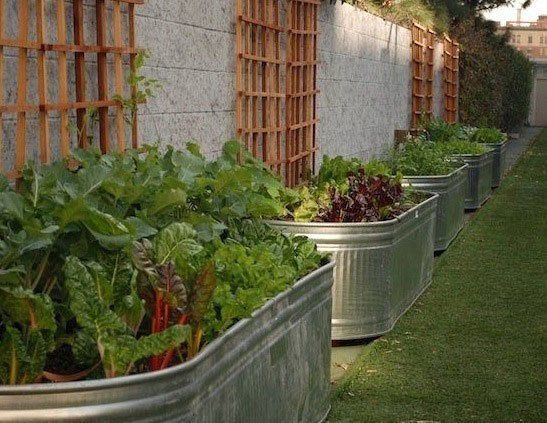
1. Metal Raised Veggie Bed
While wooden garden beds are common, metal offers a fantastic alternative for anyone who wants to avoid the work of cutting wood. It’s simple to set up, with a medium-sized opening that makes filling it with soil and plants a breeze. The design is incredibly sturdy, so you won’t have to worry about the weathering that affects wood over time. For a visually appealing layout, grow some vegetables with companion plants and place the beds about a meter apart along the edge of your garden.
2. Raised Trellis Vegetable Garden
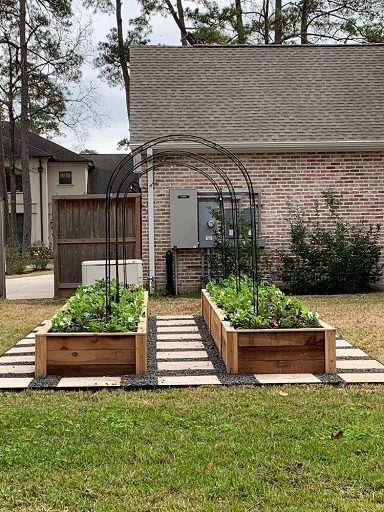
Why not combine a trellis with a raised garden bed? This combination is perfect for growing vining plants like squash and zucchini. The setup is mutually beneficial; the trellis supports the plants as they grow vertically, and the bed provides the ideal growing medium. This approach makes harvesting much easier since you won’t have to navigate crawling vines on the ground. Plus, it keeps your backyard looking clean and organized. Enhance the look by adding a garden path and black gravel.
3. Tall Raised Garden Bed
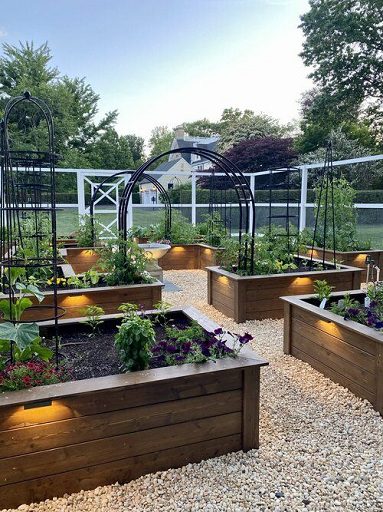
It can be frustrating when children and pets play in your vegetable garden, running around and trampling the precious crops. Thankfully, a tall raised garden bed eliminates this problem. Your kids can even learn about gardening alongside you by observing the vegetables growing safely in the bed. Consider installing warm lights on the edges to highlight the wooden bed at night. Creating a small pathway around the bed allows for easy access. Spreading gravel can prevent slips and adds a charming touch to the garden.
4. Outdoor Kitchen Garden
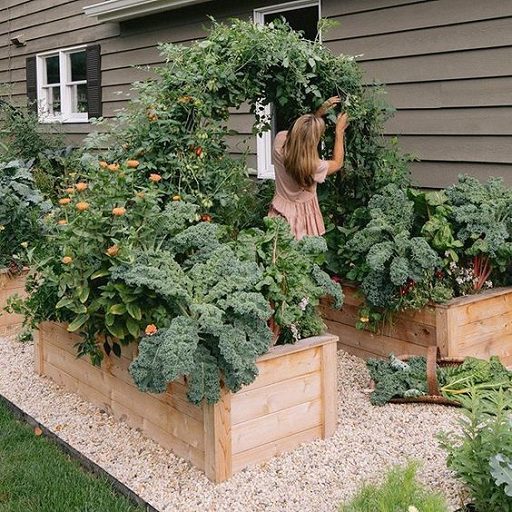
Harvesting your own food is a wonderfully rewarding activity, and you can create your very own kitchen garden right in your backyard. Simply prepare two cedar blocks and a metal trellis for extra support. Arrange the boxes about half a meter to a meter apart, leaving a small path between them. Then, install the trellis so it connects both boxes. Fill them with soil suited to your chosen vegetables. Spreading gravel around the area helps prevent it from getting muddy in the rain. When harvest time comes, you can pick fresh veggies and cook a delicious meal!
5. Vegetable Garden Bed Landscape
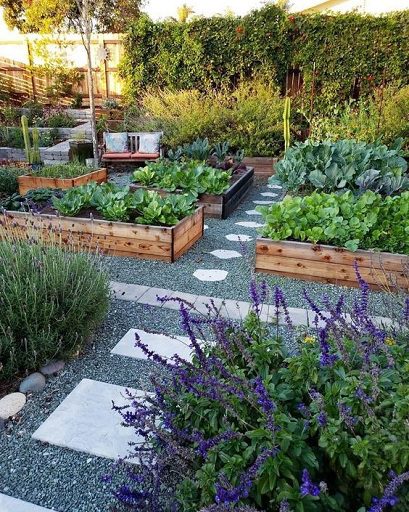
Move beyond the traditional vegetable garden and explore your creative side. Build a setup that delivers both abundant harvests and a stunning landscape. In the wooden boxes, plant vegetables like kale or lettuce with varying shades of green leaves. This creates a beautiful color gradient when they’re ready to harvest. You can also plant perennials across from the vegetable bed to add a splash of vibrant color. If you prefer herbs, catnip and dill make excellent companion plants. For a finishing touch, create a small garden walkway between the boxes using natural and black stones.
6. Wooden Garden Bed
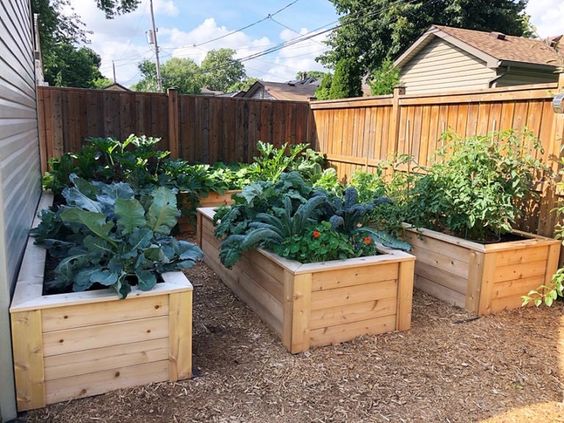
This is a must try for anyone who wants a functional raised garden bed without focusing too much on aesthetics. You don’t need many materials, just wooden boxes. Arrange them in three horizontal rows, leaving a small space between each to serve as a path. Plant your favorite vegetables in the wooden planters, making sure the varieties you choose won’t compete for nutrients. Incorporating companion plants can also help manage pest problems.
7. Pocket-Friendly Vegetable Beds
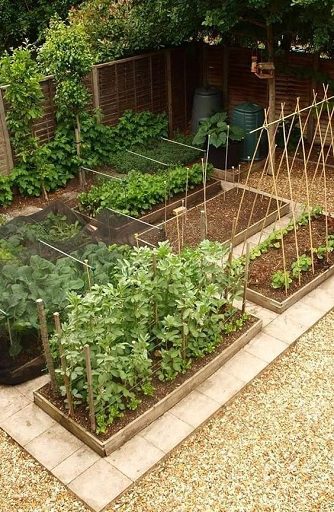
This is an ideal choice for those with limited space and a tight budget. The design combines small and tall wooden boxes, making it a perfect fit for low growing vegetables like tomatoes. You can also install a mini trellis if you want to grow trailing plants, such as zucchini. To protect your vegetables from being stepped on, create a border of natural stones around them. Placing a net over your leafy greens, like kale and lettuce, can help prevent pests.
8. Veggie Garden Boxes
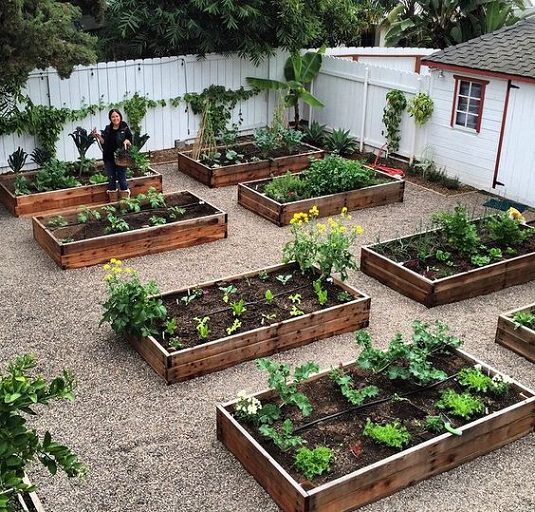
Wooden boxes are a reliable choice for building a raised garden bed, and here’s another idea that might catch your eye, especially if you have a large backyard. You can create boxes of various sizes to suit the growth habits of different plants. Place each box about one meter apart. Fill them with soil and start planting. Covering the ground around the boxes with gravel helps maintain a clean look and prevents the area from becoming waterlogged.
9. Backyard Raised Veggie Bed
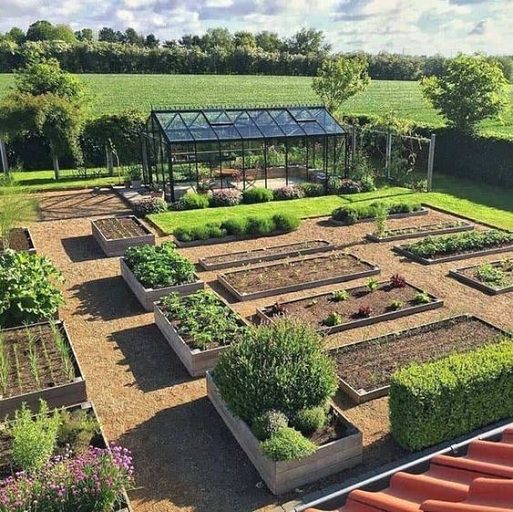
Green landscaping doesn’t have to be limited to shrubs and trees. Try growing green vegetables in a raised garden bed. Not only will you enjoy the beautiful scenery, but you’ll also get to enjoy the fresh vegetables you’ve grown yourself. Arrange short, vertical boxes for growing herbs. Use larger boxes to create a border that separates the garden from a path. For an even more attractive look, you can plant a lawn as part of the outdoor layout.
10. DIY Raised Garden
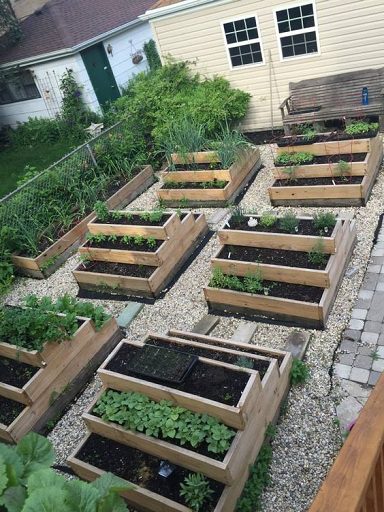
While this project may not be for everyone, the result is definitely worth the effort. Unlike typical single tier beds, this design offers more growing space with its three levels. Fortunately, it’s not as complicated to build as it looks. Start by making six wooden boxes from wooden blocks, adjusting the size based on your garden area and the vegetables you plan to grow. After filling them with soil, arrange three boxes on the bottom, two on the middle level, and one on top. Spreading gravel on the ground adds a nice aesthetic touch.
11. Minimalist Garden Bed
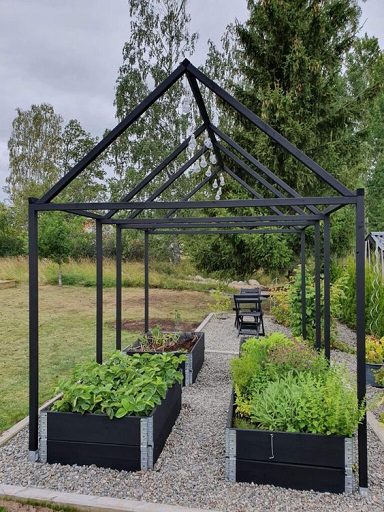
You might assume this raised garden bed is expensive, but it is simply a clever arrangement of boxes that creates a sophisticated look. The required materials are wood for the vegetable beds, black paint, and long wooden blocks to construct the house-like structure. The black color creates a striking yet balanced look that complements the surrounding landscape. The roof design also provides a framework for adding protection during the rainy season. For an artistic touch, install a string of lights to illuminate the area at night.
12. Green Veggie Landscape
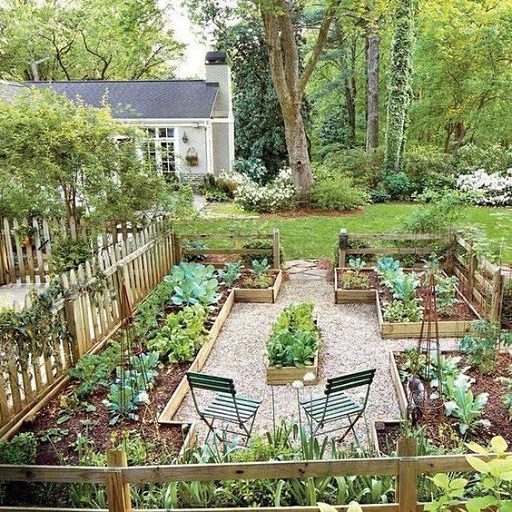
Beyond providing homegrown food, a vegetable garden can become a standout feature of your home. This is easy to achieve with a raised garden bed design. Simply prepare wooden or metal planters and fill them with green, leafy vegetables. Arrange them along both sides of the fence that borders your backyard. Place a small box in the middle for growing herbs. Then, spread stones around the area and set up a pair of chairs facing the backyard gate.
13. Simple Vegetable Garden Bed
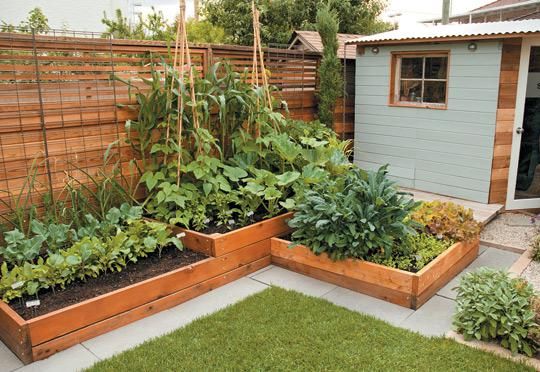
Even if you only have a small garden space, it’s not a problem! You can create a vegetable garden with this raised garden bed design without any trouble. It doesn’t require a lot of materials, just wooden boxes and bamboo trellises. You can build a rectangular box that rests on the ground and two other square ones. Place the rectangle against the fence, then stack a square planter on top to create a two tier design. Install two trellises above to support vining plants. The other square planter can be placed next to this setup.
14. Cheerful Veggie Bed
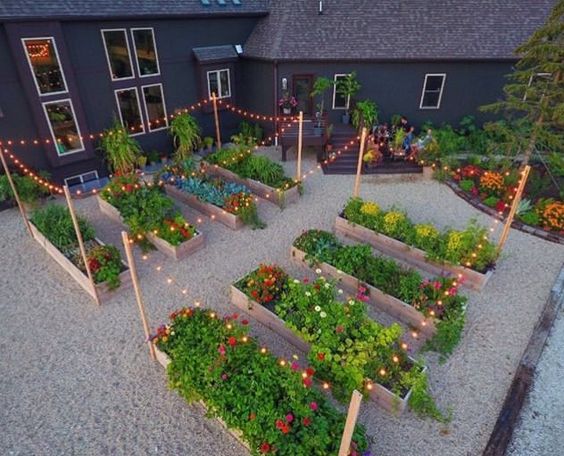
If you’re a fan of colorful decor, this raised garden bed setup will perfectly match your style. It features several wooden boxes planted with a mix of vegetables and flowering companion plants in an alternating pattern. This layout brings a cheerful energy to the area. The warm light bulbs installed underneath the raised bed add to the vibrant atmosphere, making the experience of growing and harvesting vegetables even more enjoyable.
Creative Garden Bed Designs
Some people love to go the extra mile. If that sounds like you, try one of these creative garden bed designs. In addition to being a place for planting, these setups also serve as beautiful decorations for your outdoor space.
15. Combo Garden Bed And Trellis
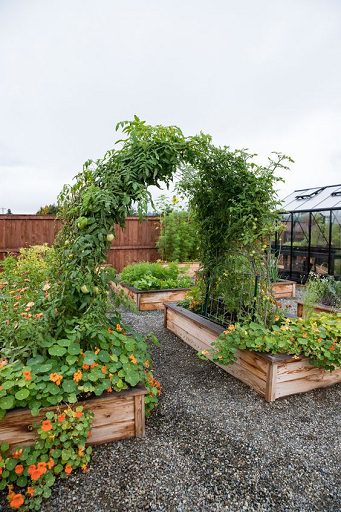
While previous designs used a trellis for vine support, this idea takes a different approach. You can get more playful by using the support as a welcoming garden gate. The raised beds are there to anchor the structure and can be filled with flowers to beautify the garden. It’s best to choose an arching trellis and grow plants with thick leaves to cover it. We also recommend fruit bearing varieties, so the fruit can adorn the trellis during harvest season. In the beds, plant flowering plants with vibrant blooms in shades of orange, yellow, or pink.
16. Unique Wooden Bed
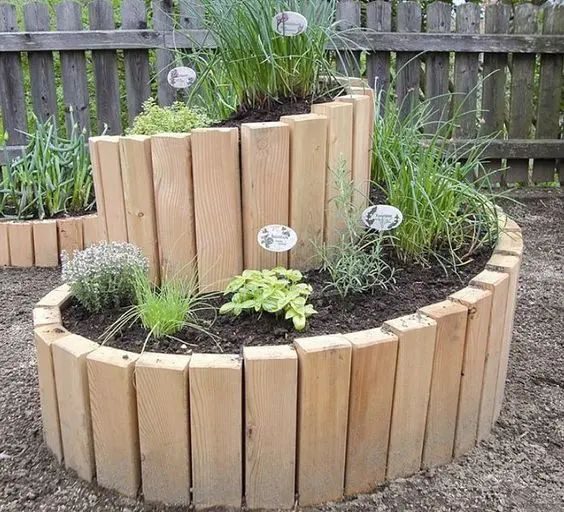
Not everyone has the space for large garden beds. Some prefer a smaller, more distinctive design, like this unique wooden bed. Instead of purchasing new materials, you can use wood from your basement to create the base of the structure. Cut the wood into pieces of varying lengths. Arrange them from shortest to longest in a circle, spiraling upwards using the principle of an inclined plane. Remember to leave space to add soil and plant your desired herbs or flowers.
17. Fencing With Raised Garden Bed
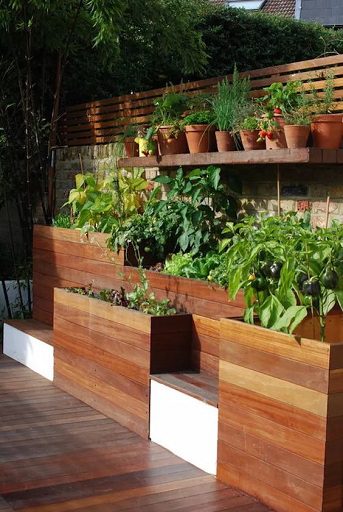
Make the most of the space near your backyard fence by building a raised garden bed with a stylish twist. First, build the raised wooden bed against the fence. Create tiers to give tall plants enough room to grow properly, then construct another, smaller bed in front of it to provide additional growing space. To give the setup a neat, fresh look, sand the wood and paint it brown.
18. Lovely Flowers Bed
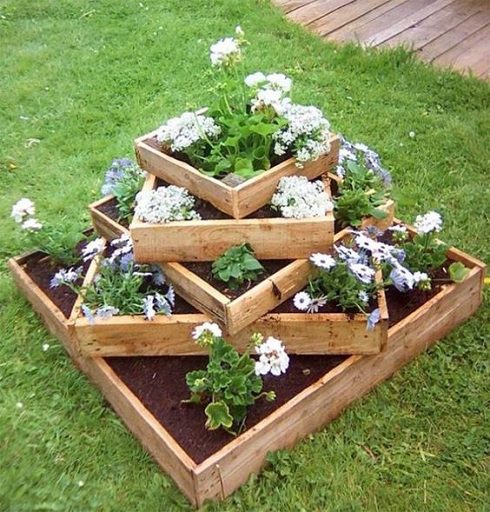
This design might seem complicated at first glance, but it’s actually just a collection of wooden boxes of various sizes arranged in layers. The positions are varied to create a unique and dynamic setting. Unfortunately, the narrow spaces make it unsuitable for plants with deep root systems. But don’t worry! You can still plant flowering plants or herbs in every available corner. Build one in the middle of your lawn to make it a central focal point.
19. Mini Enclosed Garden Bed
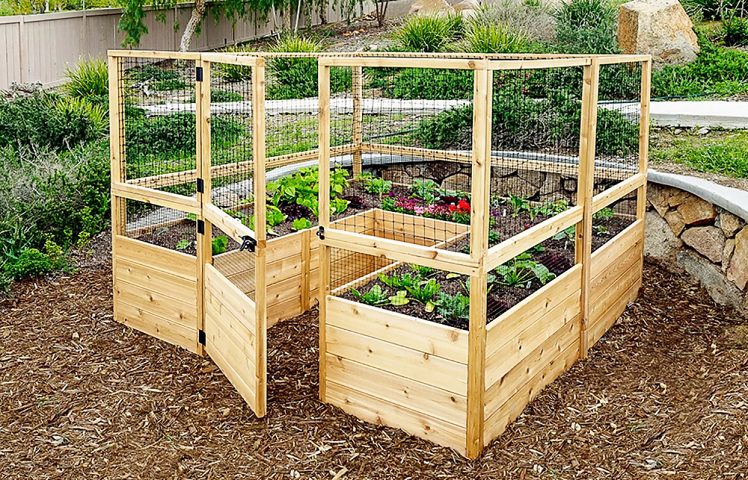
Sometimes, people worry about wild animals damaging their gardens while searching for food. This design is here to address those concerns. It’s quite simple, really. The wooden boxes are arranged in a “U” shape, with a fence built around the entire layout. You can also add a door for easy access, which doubles as protection. For added security, install a latch and padlock.
20. Landscaping Garden Bed
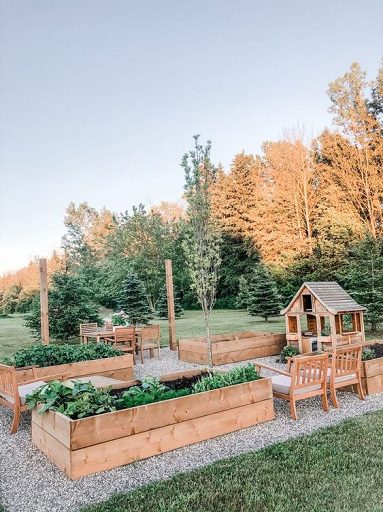
Here’s another affordable raised garden bed setting that looks incredibly stylish. It only requires two rectangular wooden planters placed parallel to each other. Leave a one meter gap between them to create a path. Next to the beds, place two wooden chairs you already own. Spreading gravel around this layout would be an interesting addition. If you have some extra funds, you could build a tiny dog house to pamper your pet and enjoy this area together.
21. High Raised Tropical Garden
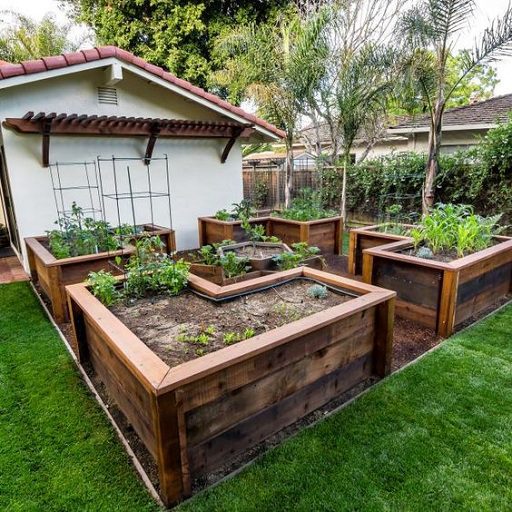
Tall beds are easy to spot, which makes them an excellent choice for preventing your garden from being trampled. You can easily build this setup next to your house using cinder blocks or wood. Prepare the materials you want to use and form an “L” shape. The height should be determined by the type of plants you plan to grow. Place the beds in each corner of your designated area, leaving some distance between them for access. For a tropical touch, planting palm trees around the beds is a brilliant idea.
22. Perennial Garden Bed
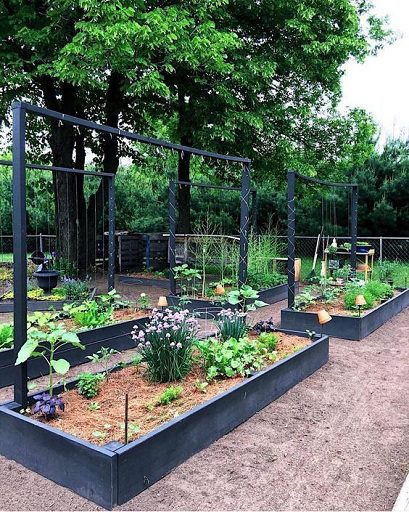
If you’re not interested in growing vegetables, perennials are one of the best choices for inexpensive raised garden bed ideas. Most of them produce stunning flowers and return year after year, so you won’t have to worry about stimulating their blooms. To create one, simply arrange black painted wood into a rectangular shape. Then, fill the area with soil and plant your flowers. You can also build an additional structure to hang Tumblr lights, making it glow beautifully at night.
23. Modern Raised Garden Bed
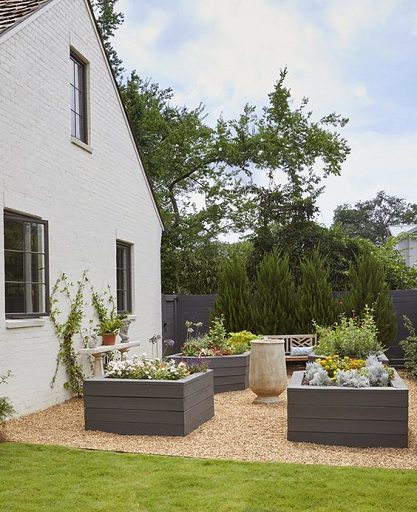
A limited budget does not have to stop you from creating something extraordinary. While you may not be able to replicate every detail, you can adopt the concept of this modern raised garden bed. It features four large boxes painted gray, emphasizing a minimalist theme. A mini fountain adds to the modern feel of the setting. For a more affordable alternative, you could replace the fountain with a bird bath. Spreading gravel around the area helps create a neat and tidy look.
24. Narrow-Raised Veggie Garden
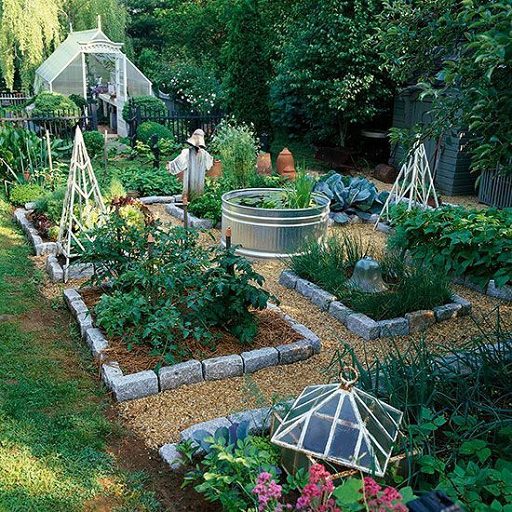
Not all garden beds need to be high; the ideal setup depends on the types of plants you want to grow. This is an example of a short and low design. Unlike many other beds that use wooden boxes, this one uses bricks to create a border for the plants. You can also use cinder blocks, as they are a cheap alternative. The addition of a round metal pond introduces a water feature to this setting. To keep birds away, place a scarecrow in the center of the garden.
25. Fancy Raised Bed Garden
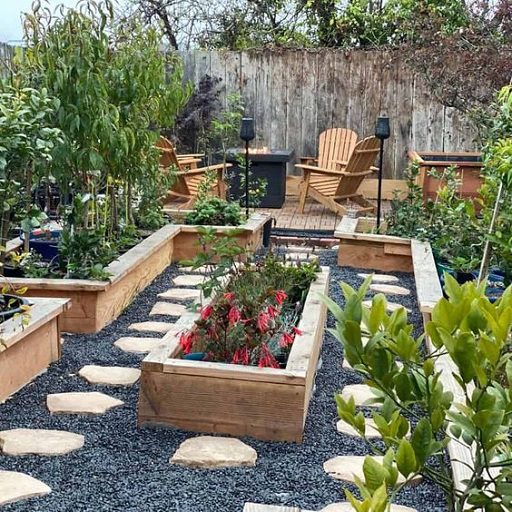
Last but not least, we have a fancy garden bed that remains understated and elegant. The charming arrangement makes this raised bed look more luxurious than others. Instead of lining up all the boxes, you can place one in the middle while the others serve as borders. We recommend planting cheerful flowering plants in the center box to make it a standout feature. Then, arrange flat stones with black, crushed limestone to create a garden path. And just like that, you’re all set!
Final Thoughts
Building inexpensive raised garden beds on a limited budget might seem like a challenge. But with a clear plan and a bit of creativity, you can easily create one. These raised beds are an excellent option for homes with small areas, as they don’t require much space.
However, it’s important to consider the design and size of the beds based on the plants you want to grow to ensure they can thrive happily.
FAQ (Frequently Asked Questions)
What is the best material to use for raised garden beds?
If you’re interested in creating raised garden beds, you might consider using wood materials like oak, cedar, or black locust. Not only are they sturdy, but these types of wood are also resistant to decay. This means you won’t have to worry as much about termites or fungi, even in high humidity. For a natural yet sophisticated garden setting, natural stones can also be a great choice.
Are cinder blocks safe for raised beds?
Cinder blocks are safe to use for garden beds because they are essentially made of concrete. They are also easy to arrange, and their center holes are perfect for planting your vegetables or flowers. A common approach is to arrange them in a square, fill the middle with soil, and use the cinder blocks themselves as a border for planting.
Do vegetables grow better in raised beds?
It’s no surprise that you can successfully grow vegetables in raised beds. In fact, you can create an outdoor kitchen garden filled with vegetables, herbs, and even fruits that you can harvest throughout the seasons. Just make sure the vegetables you plant are compatible and can grow well next to each other.
Additionally, it’s a good idea to choose companion plants to help deter bugs and create a beneficial environment for the vegetable plants in your raised garden beds.
How deep should a raised garden bed be?
To provide enough space for root growth and development, you should prepare a soil depth of at least 8 inches for your raised garden beds. Some vegetables, like tomatoes, require as much as 24 inches! So, it’s important to know the needs of the plants you want to grow. A proper soil depth also allows for better air circulation and water absorption.
How cheap can you build a garden bed? The cost depends on the materials you choose.
Don’t worry if you’re on a tight budget but still want to build a garden bed. You can now find raised garden bed kits at the store for as little as $30! These kits usually include wooden materials, like cedar, and all the necessary hardware (such as nails) to assemble the bed. Another option is to build one with cinder blocks, which typically cost around $1 to $2 per piece.