Ready to transform your backyard? These 27 landscaping ideas offer simple, budget-friendly ways to create an outdoor space that truly reflects your style. You don’t need a massive budget to turn your yard into the perfect spot for relaxation or gatherings with friends and family.
Whether you have a sprawling lawn or a compact patio, you’ll discover inspiration that fits your needs. It’s time to unlock the full potential of your outdoor area and start enjoying it more than ever before.
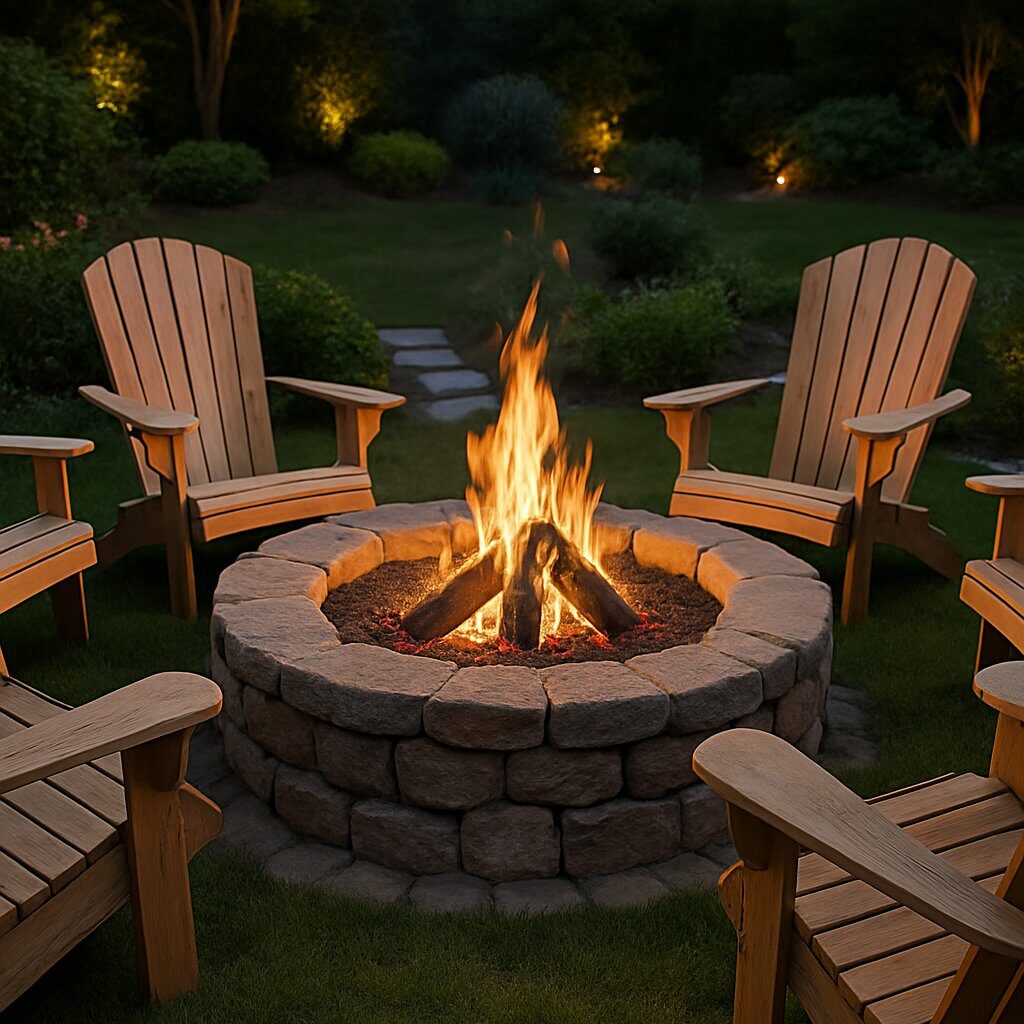
1. Create a cozy fire pit with surrounding Adirondack chairs
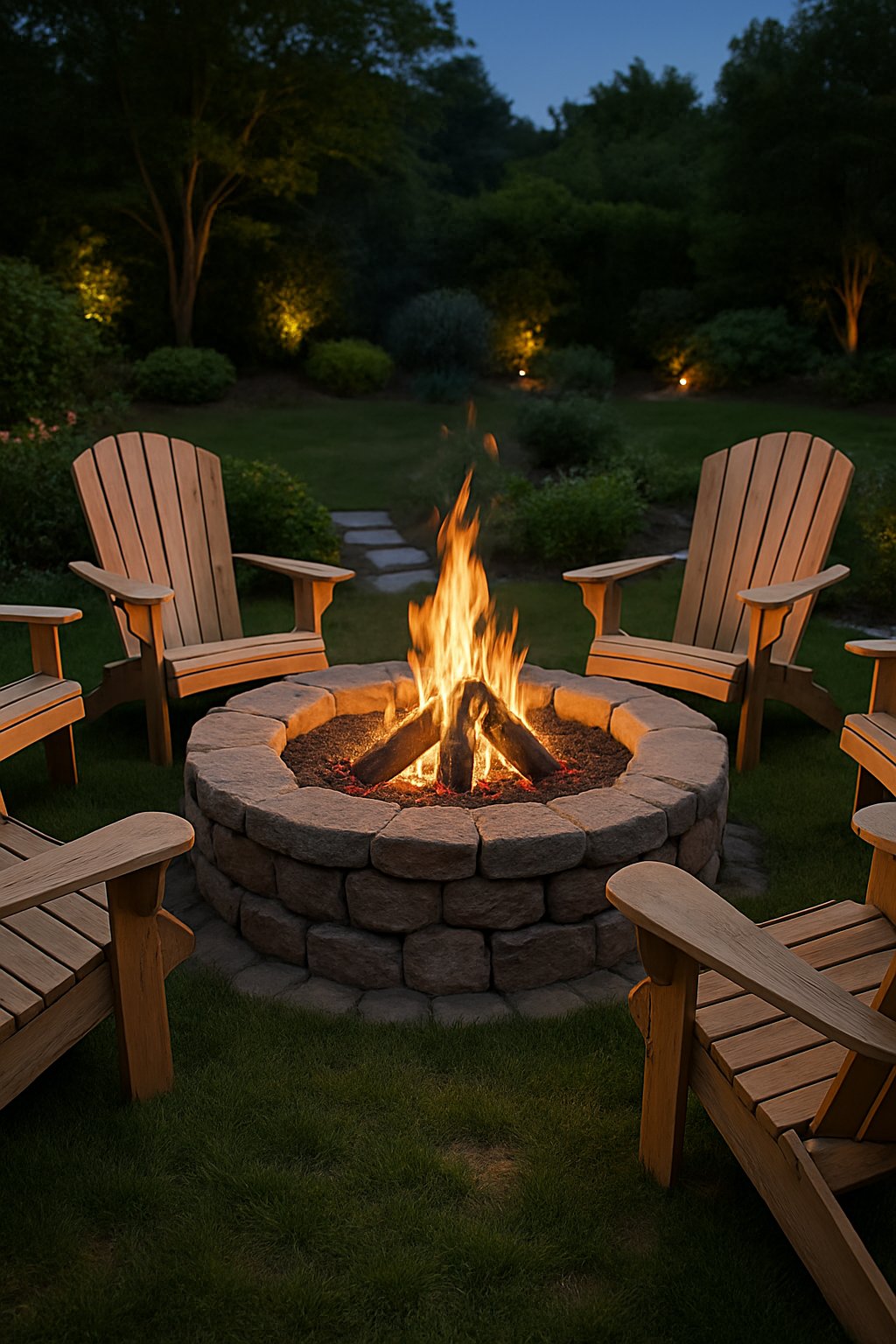
Select a fire pit that complements your yard, whether it’s a stone or metal design. Place it in a central location on your patio or lawn to ensure it’s easily accessible for everyone.
Position classic Adirondack chairs around the fire feature. These chairs are known for their comfort and timeless appeal, and you can find them in everything from natural wood tones to vibrant blues.
A circular or semicircular arrangement encourages conversation and creates a welcoming atmosphere. For an extra layer of comfort on cooler nights, consider adding cushions or throw blankets.
Illuminate the space with the warm glow of string lights or lanterns for ambiance after sunset. Ensure there’s enough room between chairs for safety while maintaining a close-knit, friendly feel.
To enhance privacy and soften the overall look, plant some shrubs or small trees nearby. This simple touch can make the area feel like a secluded retreat.
For long-lasting enjoyment, choose weather-resistant Adirondack chairs. Position your fire pit thoughtfully so that wind doesn’t direct smoke toward your guests.
2. Build a stone patio under your deck
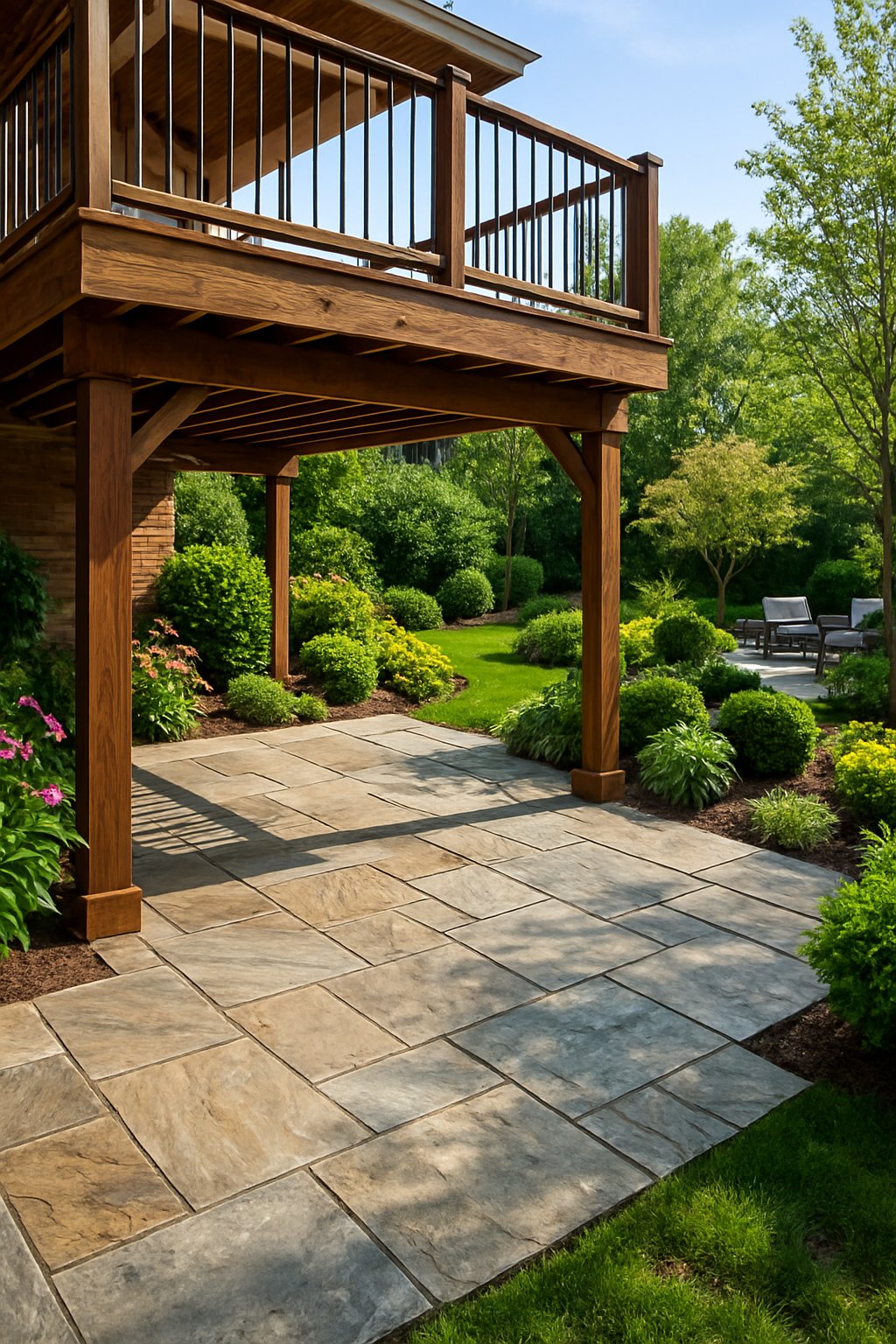
By adding a stone patio beneath your deck, you can unlock valuable new living space. This shaded area becomes a perfect retreat for relaxing or enjoying outdoor meals.
Begin by leveling the ground under the deck. A layer of packed gravel will create a stable foundation, preventing the stones from shifting over time.
Next, lay down your chosen flagstones, bricks, or pavers. A relaxed, natural pattern looks fantastic and doesn’t require precise cuts. Select stones that harmonize with your backyard’s overall aesthetic.
This landscaping solution is not only budget-friendly but also requires less maintenance than wood. It effectively prevents mud and improves drainage in the area.
Make the space functional by adding outdoor furniture or storage solutions. Even a once-dark and overlooked spot can be transformed into an inviting hangout.
Ensure a durable and stable base by packing the gravel tightly. Using edging will help keep the stones securely in place for years to come.
3. Add an above-ground spa with seating nearby
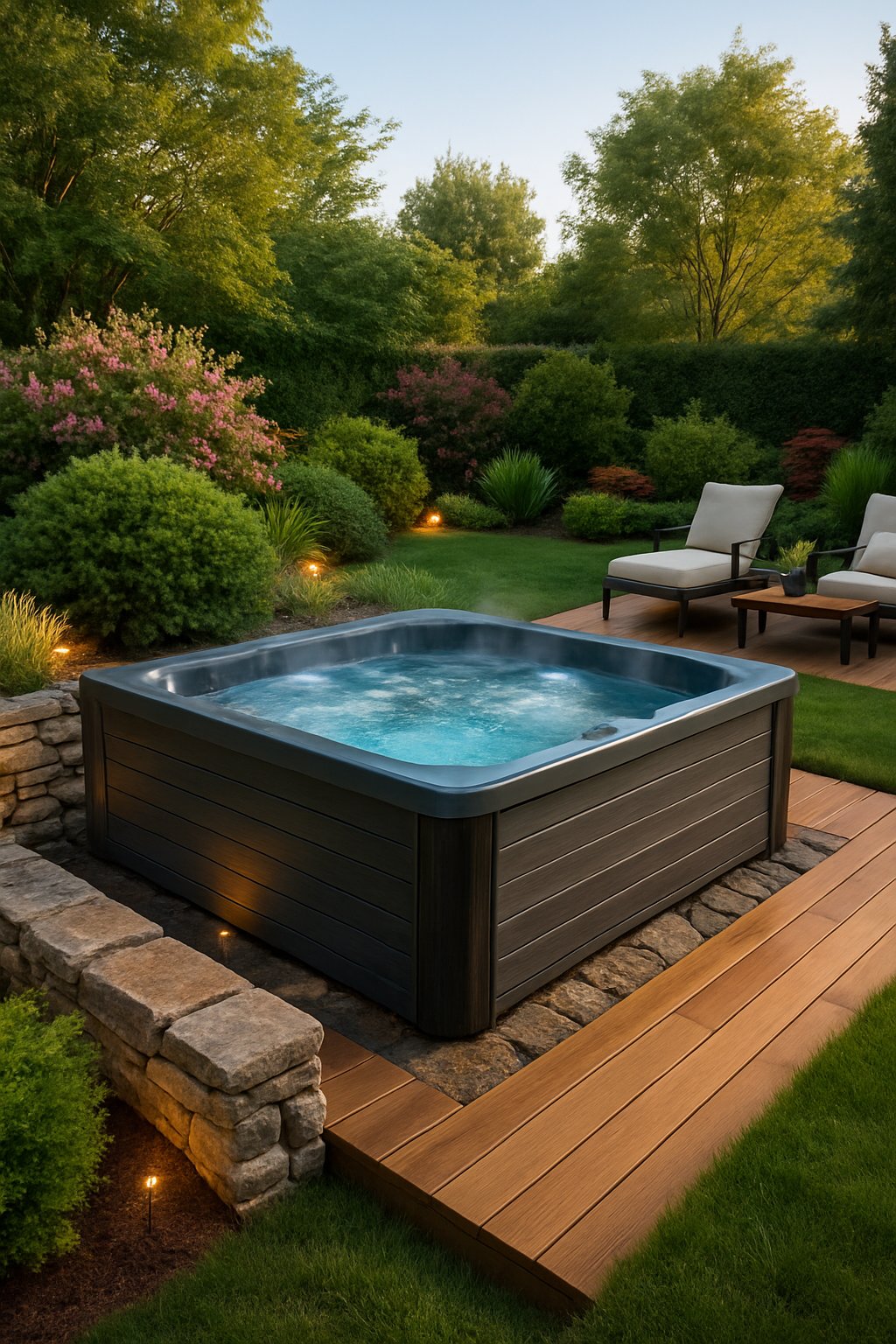
An above-ground spa offers a relaxing oasis without the commitment of a major installation. You can position it directly on your lawn or a raised deck, simplifying both setup and maintenance.
Place seating near the spa, such as built-in benches or comfortable outdoor chairs. This design fosters a cozy, social atmosphere for gathering with friends and family.
Enclose the area with lush plants or privacy screens to cultivate a tranquil ambiance. Soft lighting will allow you to enjoy the space long after the sun goes down.
Consider placing a small table or side stand near the seating area. It’s a convenient spot for drinks and snacks, saving you trips back inside.
Select weatherproof seating to ensure it remains in good condition throughout the year. Thoughtful lighting can accentuate the spa area, making it a calm and beautiful focal point in the evening.
4. Install a calming water feature like a small pond
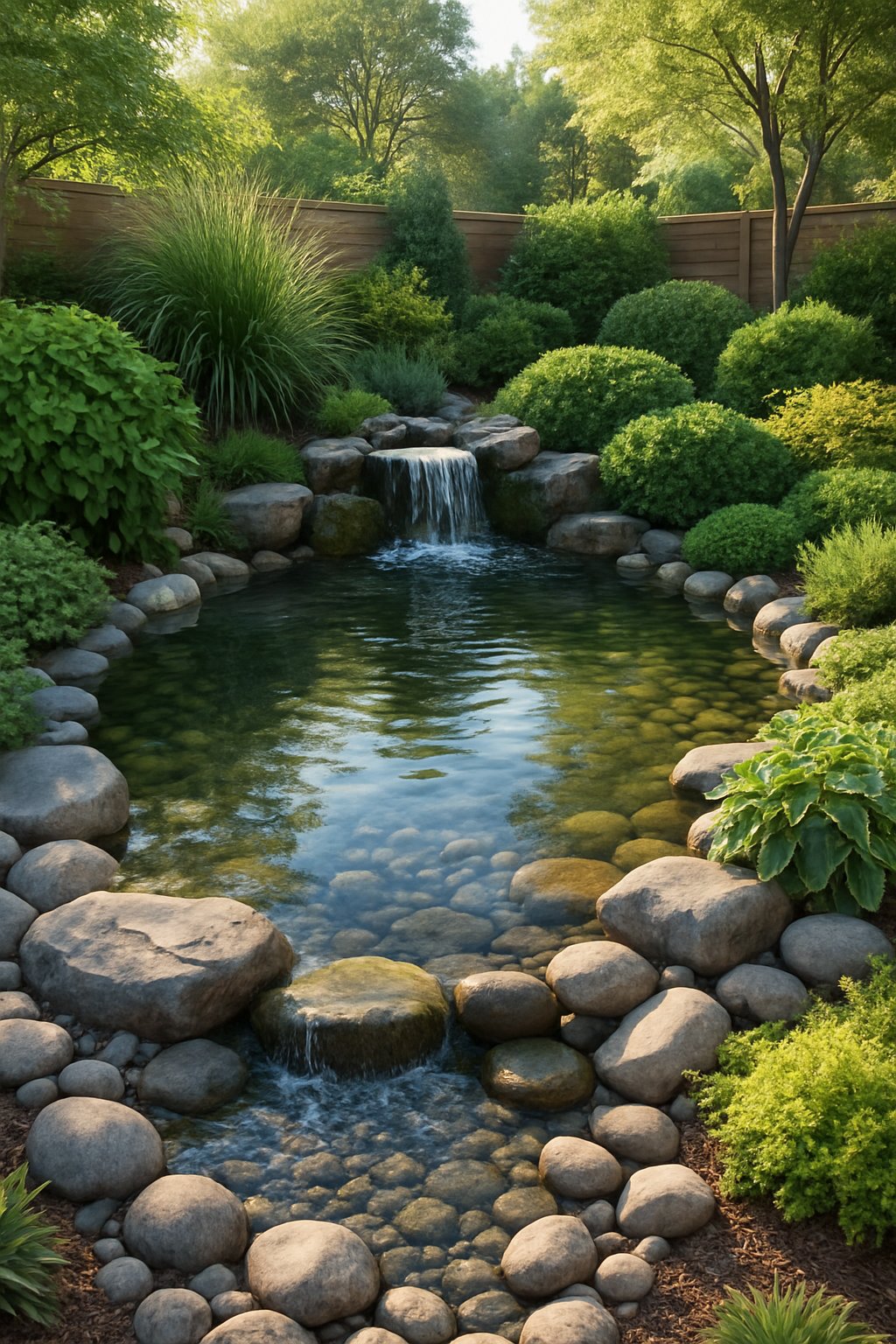
Introduce a sense of tranquility to your backyard with a small pond. You don’t need a large area to appreciate the soothing sound of water; a compact pond with a fountain or bubbling rock can make a significant impact.
You can use a preformed liner or dig a shallow hole and line it with a waterproof material. Incorporate aquatic plants along the edges to give it a more natural appearance.
For a touch of vibrant color, consider adding small fish like koi. Position the pond where you can easily see and hear it, perhaps near a patio or your favorite outdoor chair.
To achieve that calming water sound, install a small waterfall or fountain. Many simple DIY guides are available if you prefer to handle the project yourself.
Choose plants suited to your local climate for easier pond maintenance. Place your pond in a location that receives some sun, but not constant exposure, to help manage algae growth.
5. Plant a mix of tropical-looking plants for a lush vibe
Create a lush, green sanctuary by selecting a variety of tropical plants. For a dynamic, layered effect, combine taller plants like banana palms with shorter options such as the bird of paradise.
Vary the leaf shapes and textures to add visual interest. Bright flowers can introduce pops of color without overwhelming the space. Including evergreen varieties will keep your garden vibrant all year.
Plant them closely together to achieve a dense, immersive feel. Applying mulch around the base of the plants will help retain moisture and suppress weeds, reducing your workload and giving you more time to relax in your garden.
Use striking planters near your tallest plants to make them stand out. This technique creates eye-catching focal points and introduces additional color to the landscape.
6. Set up a hammock between two sturdy trees
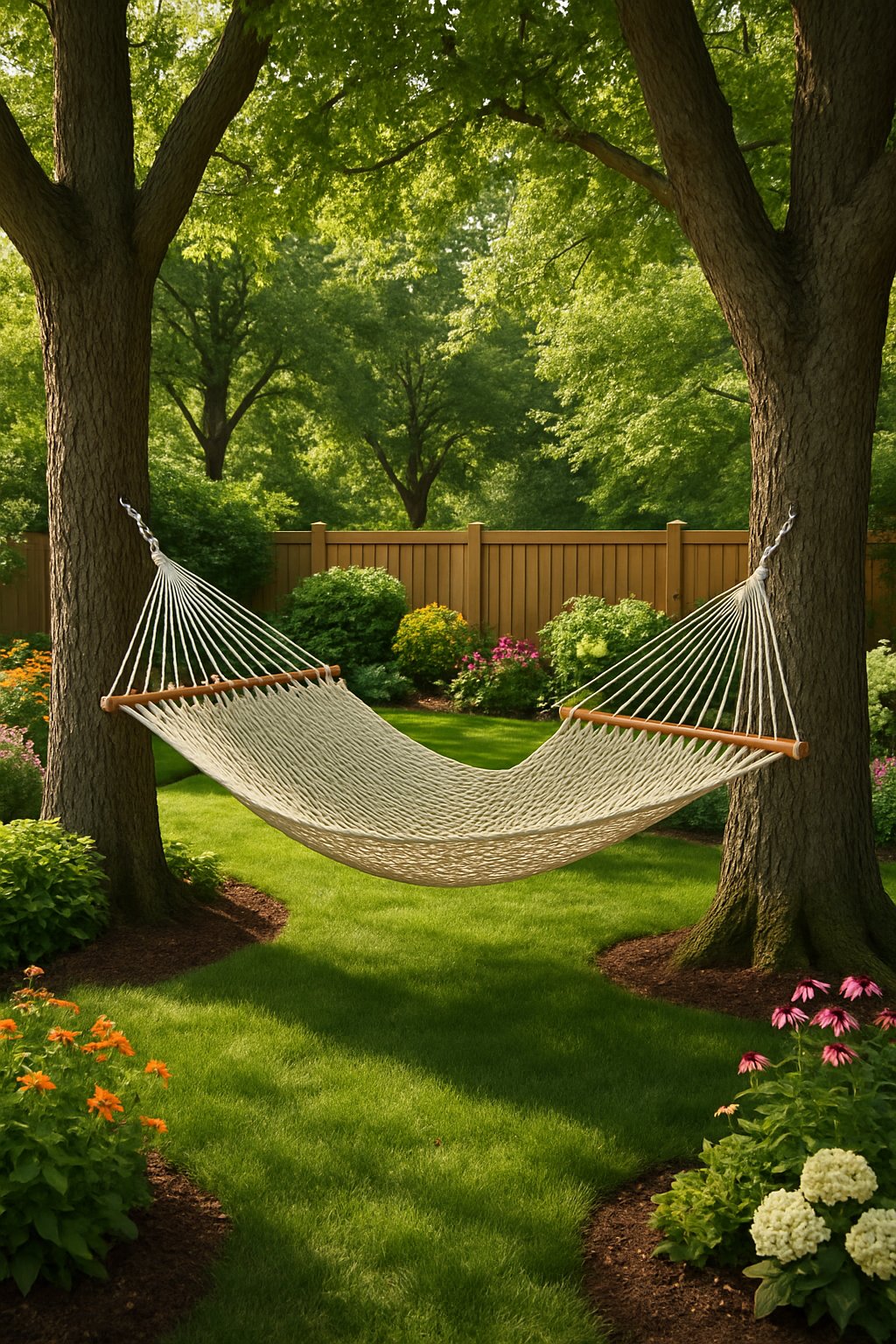
Find two healthy trees that are spaced approximately 12 to 15 feet apart. They should have substantial trunks to ensure they can safely support your weight.
Use durable straps or ropes specifically designed for hammocks, wrapping them carefully around the trunks. Avoid using nails or screws, as they can damage the trees.
Hang the hammock so its lowest point is about 18 inches from the ground. This height prevents it from sagging too much or feeling overly tight when you get in.
Frequently inspect the hammock and its straps to confirm everything remains secure. It’s always a good idea to double-check the setup before climbing in.
For a more private and secluded feel, position the hammock near bushes or tall plants. It will feel like your own personal escape.
Gently test the hammock’s stability before fully settling in. Using wide straps is a great way to protect the tree bark and maintain the health of your trees.
7. Make a rock garden with drought-resistant plants
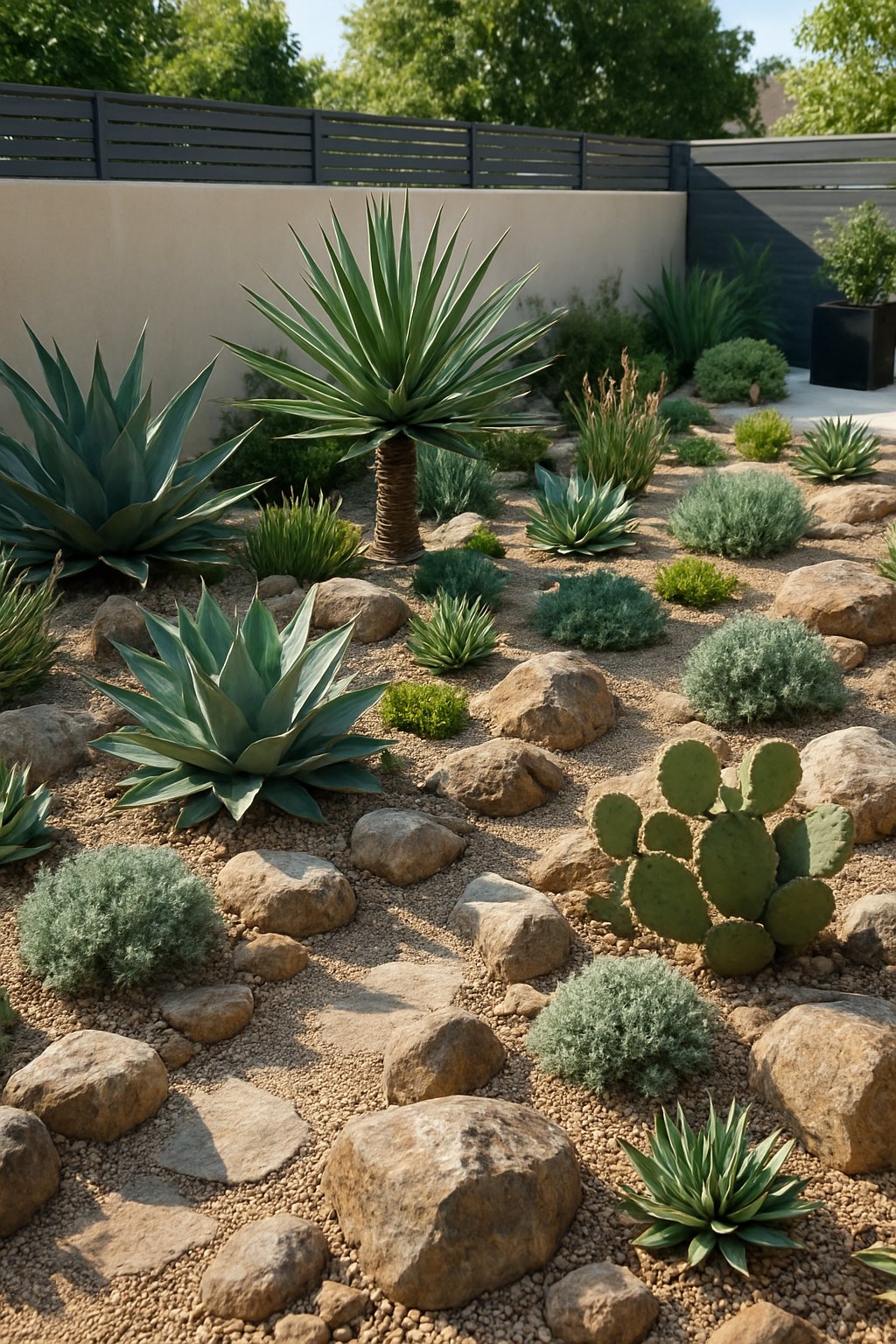
A rock garden featuring drought-resistant plants is an excellent choice for low-maintenance landscaping. Arrange rocks of various sizes to add depth and structure, then plant succulents, cacti, or native grasses in the spaces between them.
This type of garden conserves water while remaining beautiful even in dry conditions. Planting among the rocks helps the soil retain moisture and stay cool. You can add pebbles or larger stones for additional texture.
Consider creating a dry stream bed with gravel to enhance the garden’s naturalistic appearance. Burying some of the rocks halfway can create a softer, more integrated edge. Always choose plants that are well-suited to your local climate to minimize upkeep.
Apply mulch around your plants to help lock in moisture. Grouping plants with similar watering requirements will make caring for them even simpler.
8. Add a pergola with climbing vines for shade
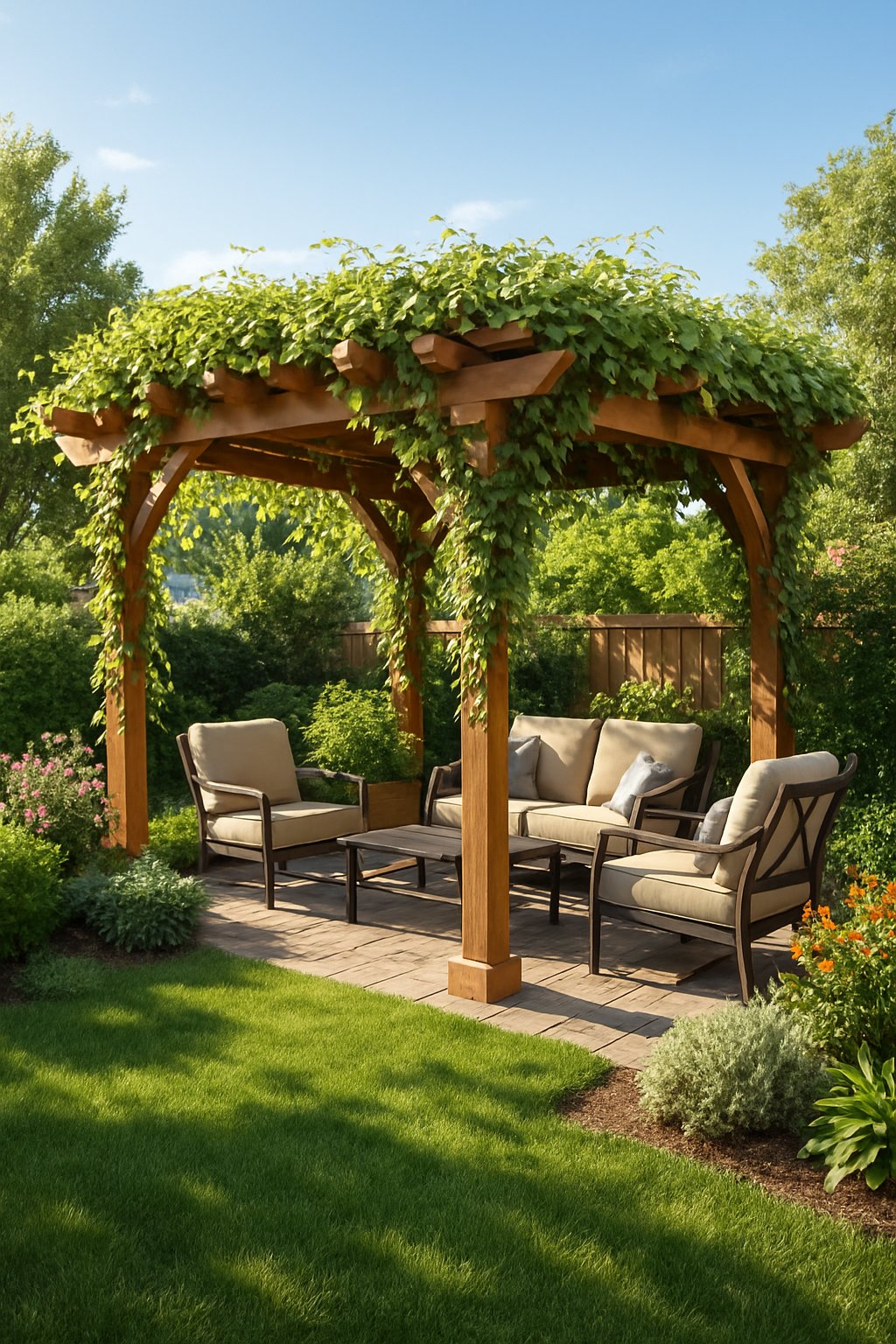
A pergola can add both shade and architectural elegance to your yard. Train climbing vines to grow over it, creating a living canopy that offers cool relief and stunning beauty. Fast-growing vines like coral honeysuckle or jasmine also provide a degree of privacy.
Select a pergola made of wood or metal, depending on your personal style. The vines will envelop the structure, lending a soft, leafy feel to your outdoor living area. This design allows for air circulation while blocking direct sun, making it perfect for hot afternoons.
Place the pergola over a patio or along a garden path to form a shaded walkway. As the vines mature, they will create a lush, green ceiling. If you desire more color and fragrance, opt for flowering vines.
Choose vines that are well-adapted to your climate to ensure they grow with minimal fuss. Occasional trimming will keep the growth tidy and encourage a fuller canopy. Soon, you’ll have an inviting, cool sanctuary right in your backyard.
Guide the vines along the pergola’s structure early on to promote even coverage. Native plants are often a great choice as they typically require less maintenance and thrive in local conditions.
9. Design garden rooms with hedges for privacy
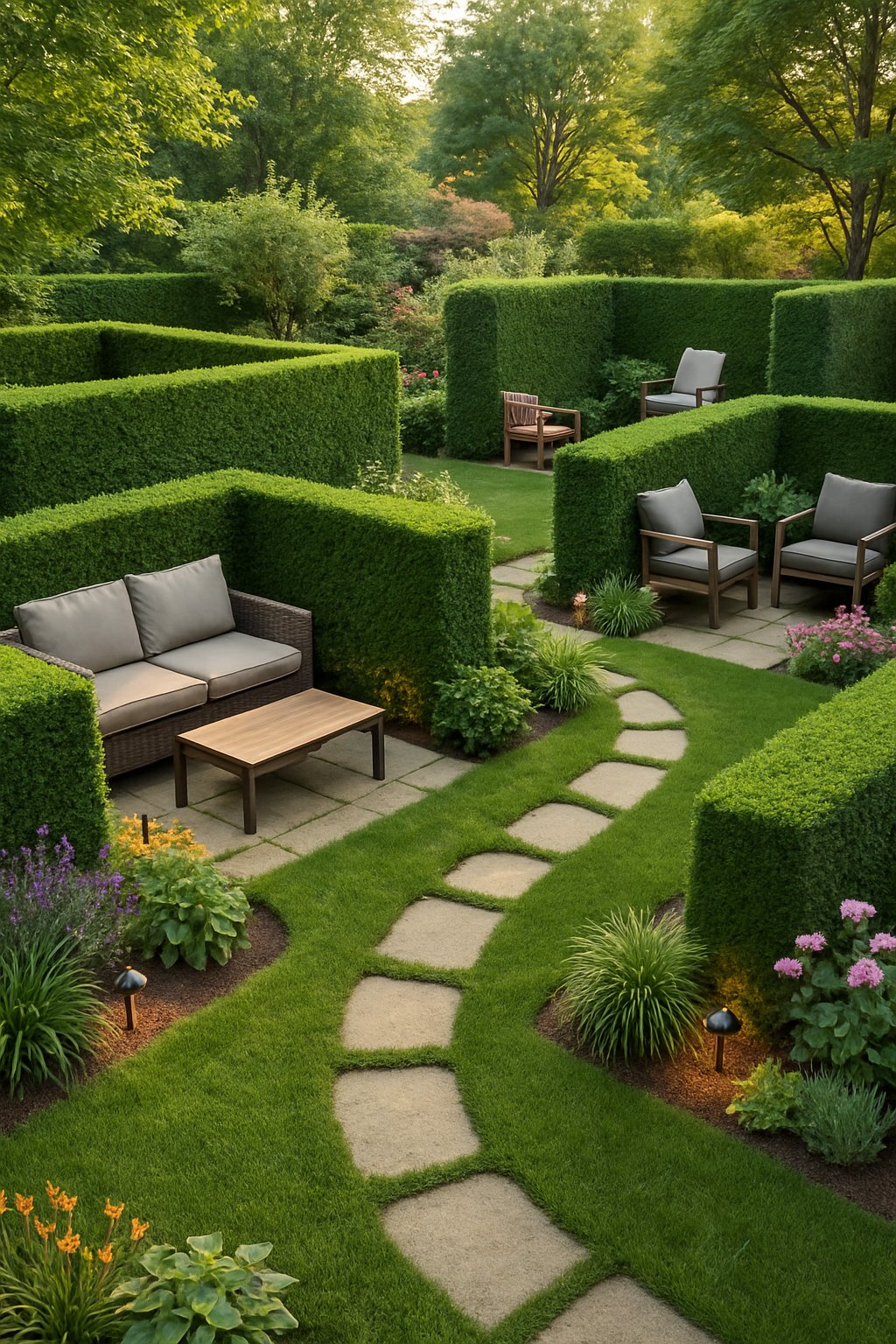
You can use hedges to divide your backyard into distinct “garden rooms.” These natural, leafy walls can shield views from neighbors and give each area a private, secluded atmosphere.
Select hedge plants known for their dense, tall growth, such as arborvitae or boxwood. Regular pruning will help shape them, giving your garden rooms a clean, intentional look.
Hedges offer a natural aesthetic that complements any landscape design. You can use them to enclose seating nooks, outdoor dining spaces, or play areas, making each section feel like its own unique space.
Consider the size of your yard before you plant. Choose varieties that will provide a solid privacy screen without overwhelming the space.
For a more inviting and varied look, try mixing different hedge species or incorporating flowering shrubs and small trees.
Layering your hedges can create extra privacy and a fuller appearance. Consistent trimming is key to maintaining neat, well-defined, and comfortable garden rooms.
10. Create pathways using natural stone or gravel
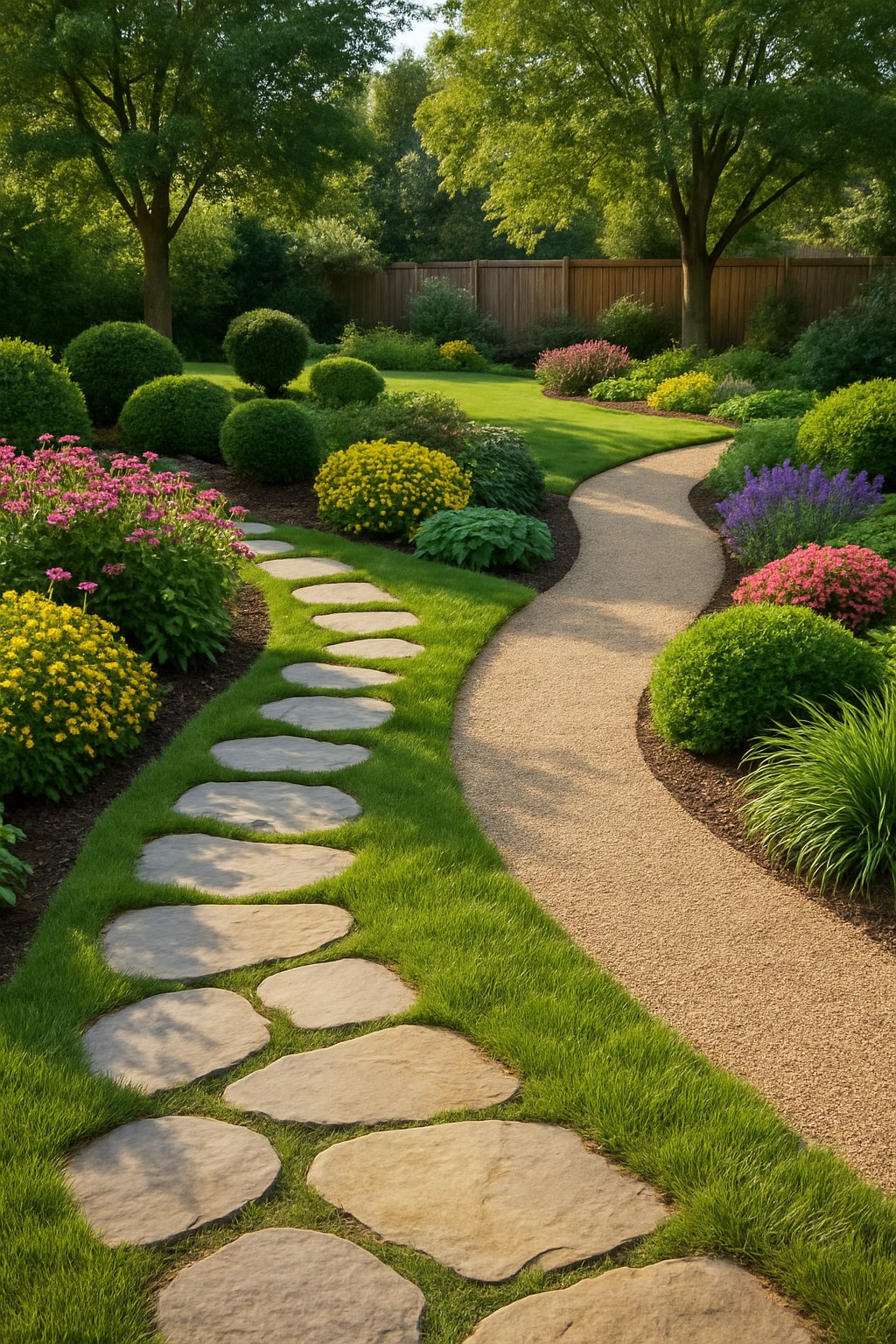
Pathways made from natural stone can lend a timeless elegance to your landscape. Laying down irregular flagstones creates a rustic and inviting walkway.
Stone is exceptionally durable and withstands various weather conditions, ensuring your path will last for years. Gravel is another excellent option; it’s cost-effective, provides good drainage, and requires very little maintenance.
For added character, you can combine gravel with timber edging or stepping stones. Both materials blend seamlessly with the surrounding plants and garden beds.
Paths allow you to navigate your yard easily without damaging the turf or compacting the soil. Consider adding solar path lights to illuminate the walkway after dark, enhancing both beauty and safety.
Select stone sizes and shapes that align with your yard’s overall style. Make sure the path is wide enough for comfortable and unhurried walking.
11. Include a raised vegetable or herb garden
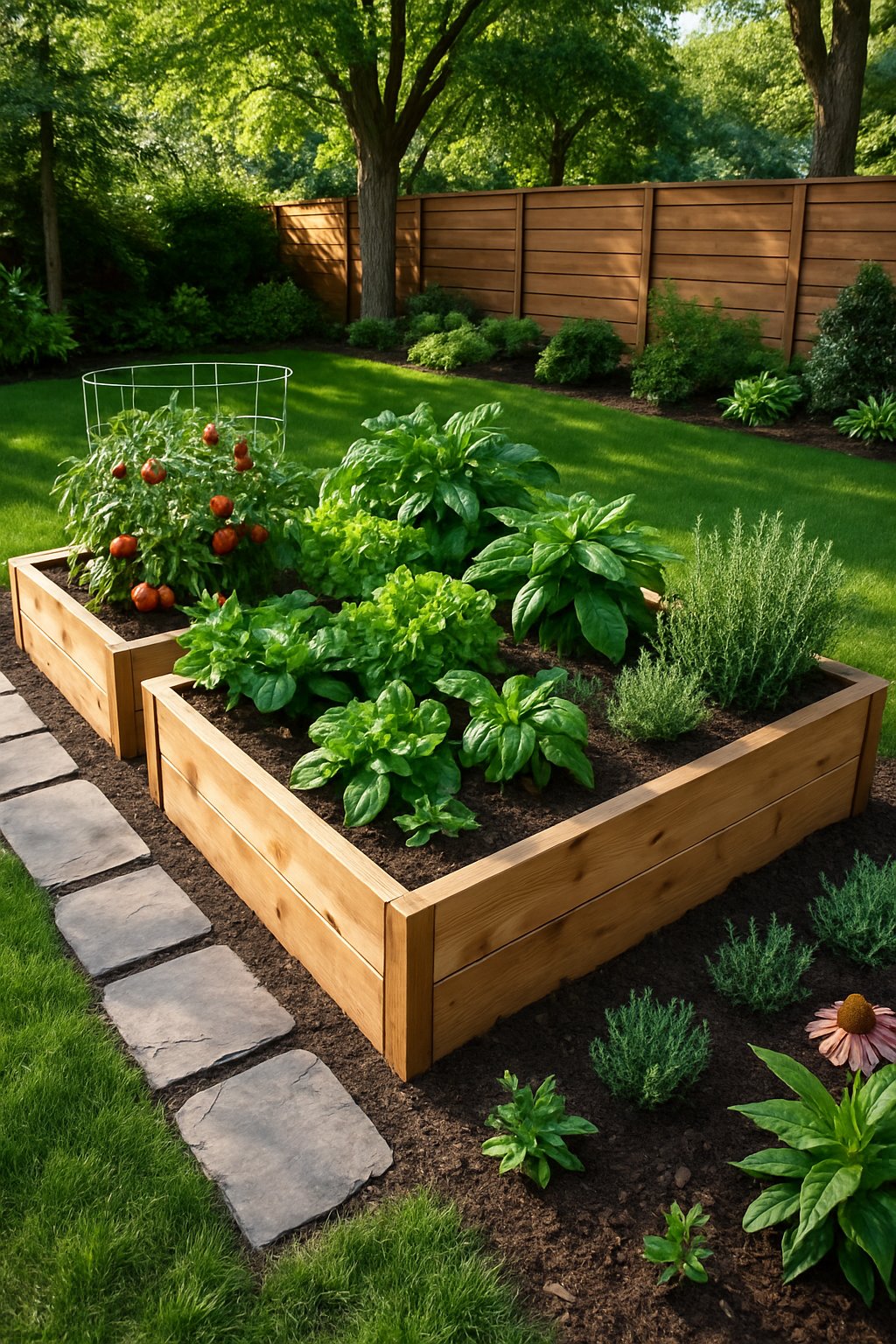
A raised garden bed makes growing your own vegetables and herbs much simpler. It gives you greater control over the soil quality, which ultimately leads to healthier plants.
These beds are also effective at deterring weeds and pests. They fit well in smaller yards and maintain a neat appearance, especially when framed with crisp edges or decorative trim.
Planting a combination of vegetables and herbs means you’ll have fresh ingredients just steps from your kitchen. Tending to these beds is also easier on your back, as it reduces the need to bend down so far.
Incorporate trellises for climbing plants like beans or peas to add height and visual appeal to your garden. Raised beds also help protect your crops from pets or active children while keeping pathways clear.
Opt for organic soil to give your plants a healthy boost. Rotating your crops each season will help maintain soil fertility and reduce the risk of disease.
12. Build an outdoor kitchen with grill and prep area
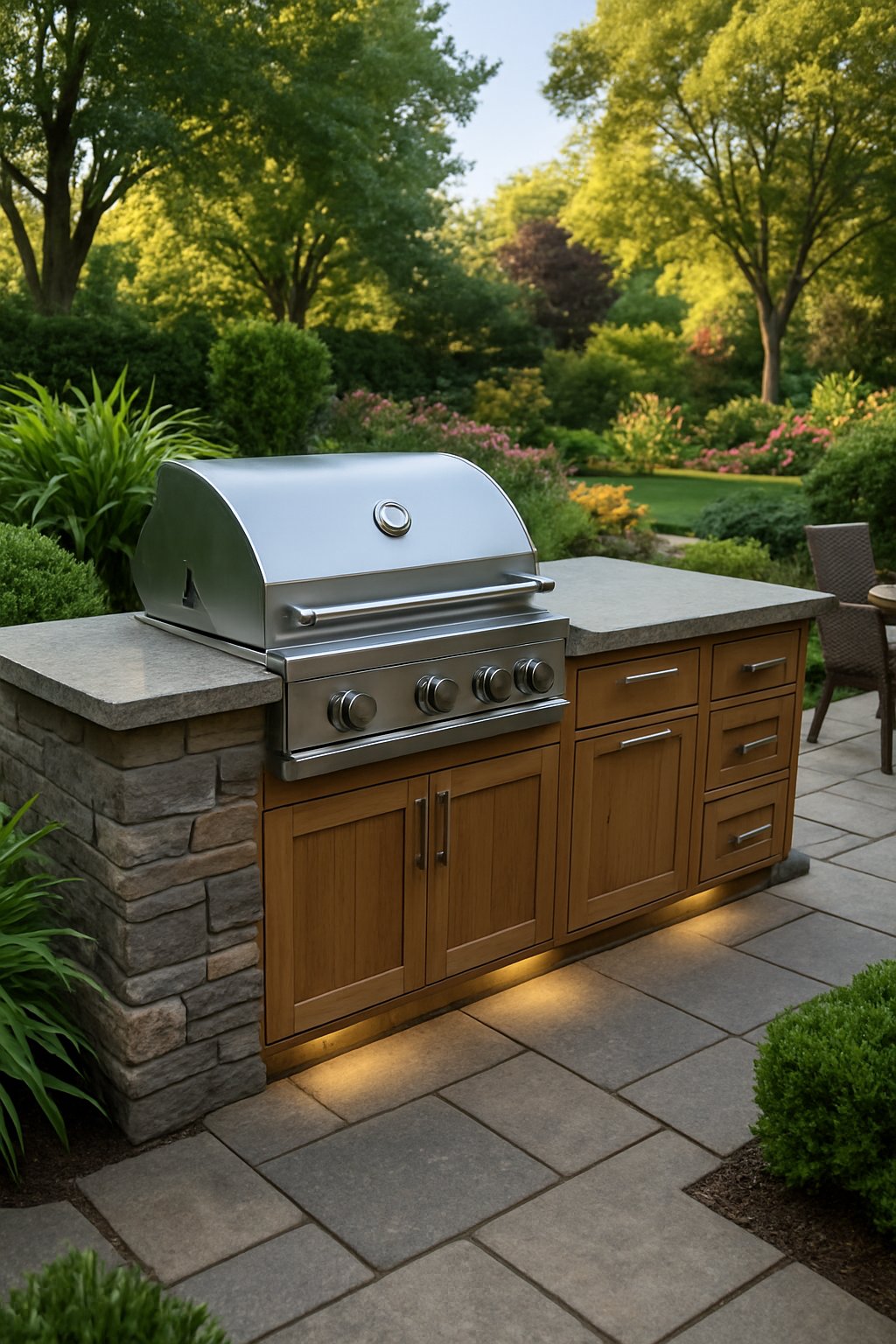
Take your gatherings to the next level by building an outdoor kitchen. The centerpiece is the grill; choose a gas model for convenience or charcoal for that classic smoky taste.
A prep counter next to the grill is essential. It allows you to chop, season, and plate your food without constantly going back and forth to the house. Stone or concrete countertops are stylish and easy to clean.
Incorporate storage for your utensils, spices, and propane tank to keep everything organized and within reach. If possible, adding a sink for washing hands and produce is a great convenience.
Consider adding a cover, like a pergola or a large umbrella, over your kitchen. This provides shade from the sun and shelter from light rain. Using materials like stone or brick gives the kitchen a durable and polished look.
Design a simple layout that allows for easy movement between the grill, prep station, and storage areas. Always include some form of overhead cover to extend your outdoor cooking season.
13. Install solar-powered garden lights along paths
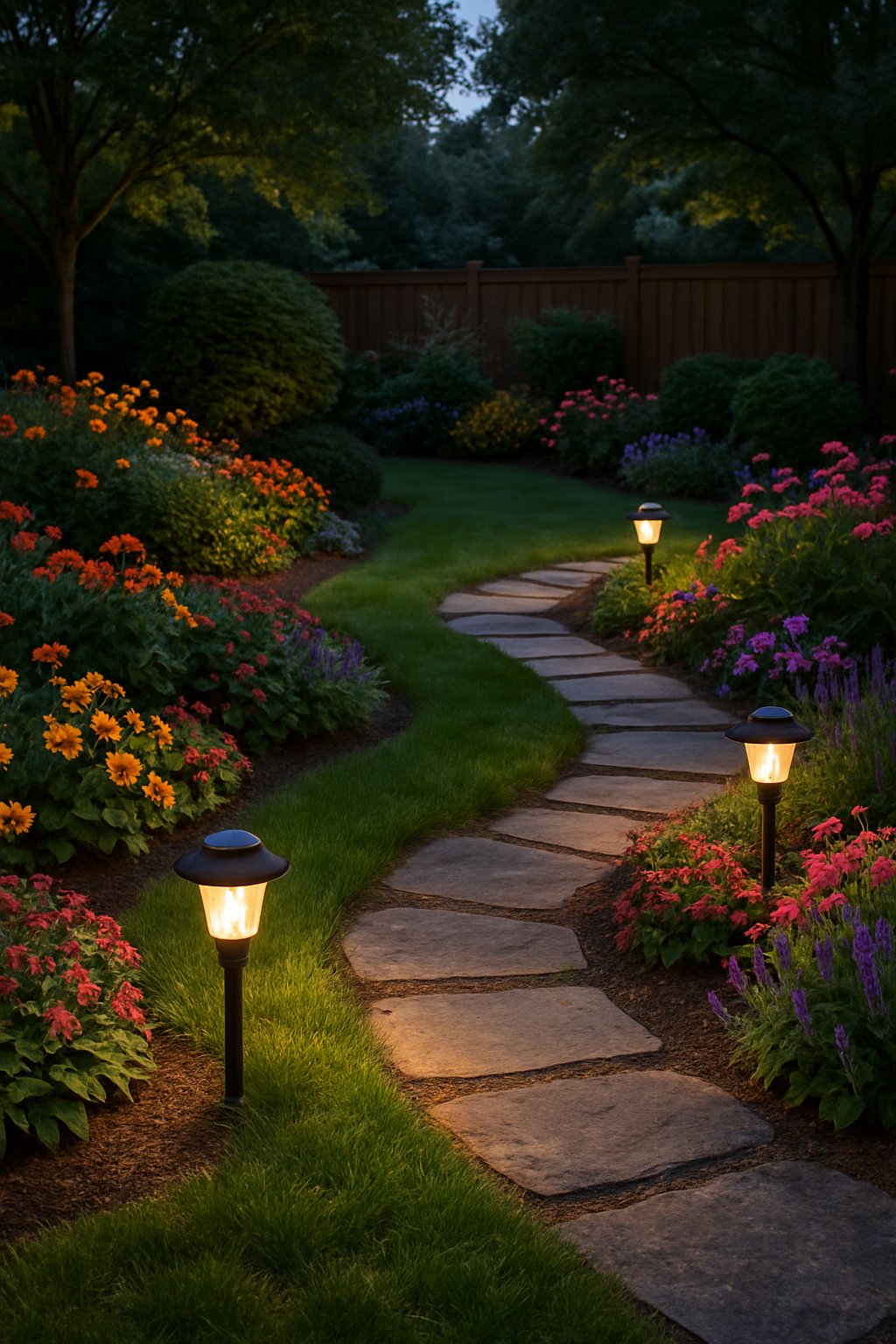
Give your garden paths an instant upgrade with solar-powered lights. These lights charge during the day by absorbing sunlight and turn on automatically as evening falls, all without any complicated wiring.
They provide safe guidance through your yard after dark while casting a soft, inviting radiance. You can choose from various styles, including stakes, globes, or lanterns, to complement your landscape.
Because they don’t require electrical outlets, you have the freedom to place these lights anywhere you like. Spacing them evenly along walkways creates a clean and cozy effect.
Many models offer different lighting options, from warm white to color-changing bulbs, allowing you to set the perfect mood. Most are designed to be weatherproof, so they can be left in place year-round.
Position your solar lights where they can receive at least six hours of direct sunlight. An occasional wipe of the solar panels will help them maintain their brightness.
14. Use native plants to reduce maintenance
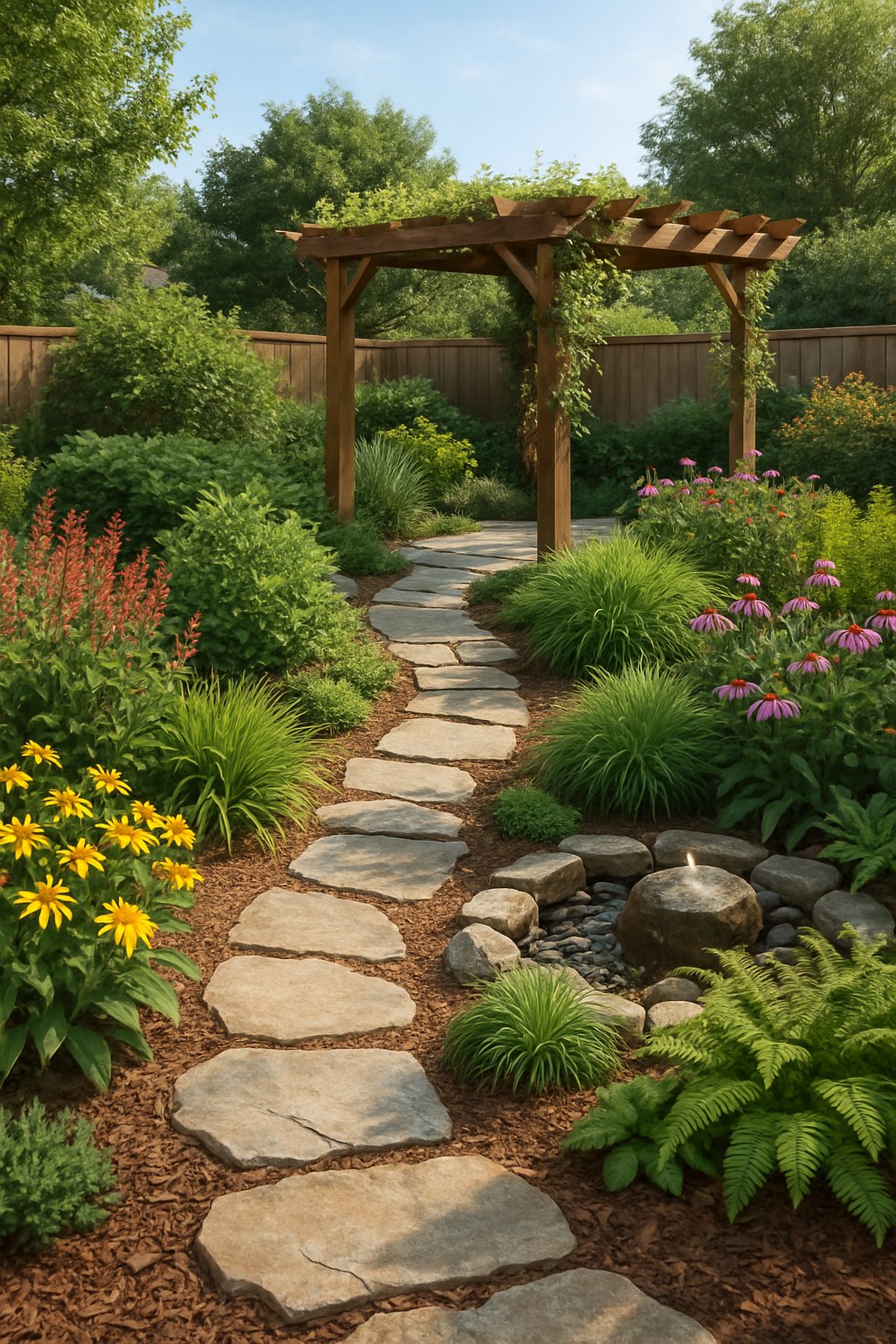
Planting native species is a smart way to create a beautiful, low-maintenance garden. These plants are already adapted to your local soil and climate, meaning they require less water and fewer fertilizers than non-native varieties.
Native plants also have a natural resistance to local pests, which reduces the need for chemical treatments. They are a great way to attract birds, butterflies, and other pollinators, contributing to a healthy and vibrant ecosystem in your backyard.
With a wide variety of shapes and colors available, native plants can seamlessly blend into your region’s natural aesthetic. Your yard can gain a beautiful, authentic look with significantly less effort.
Start by introducing a few native plants to see how they perform in your garden. Grouping them according to their water needs will make their care even more straightforward.
15. Add a fire table for warmth and ambiance
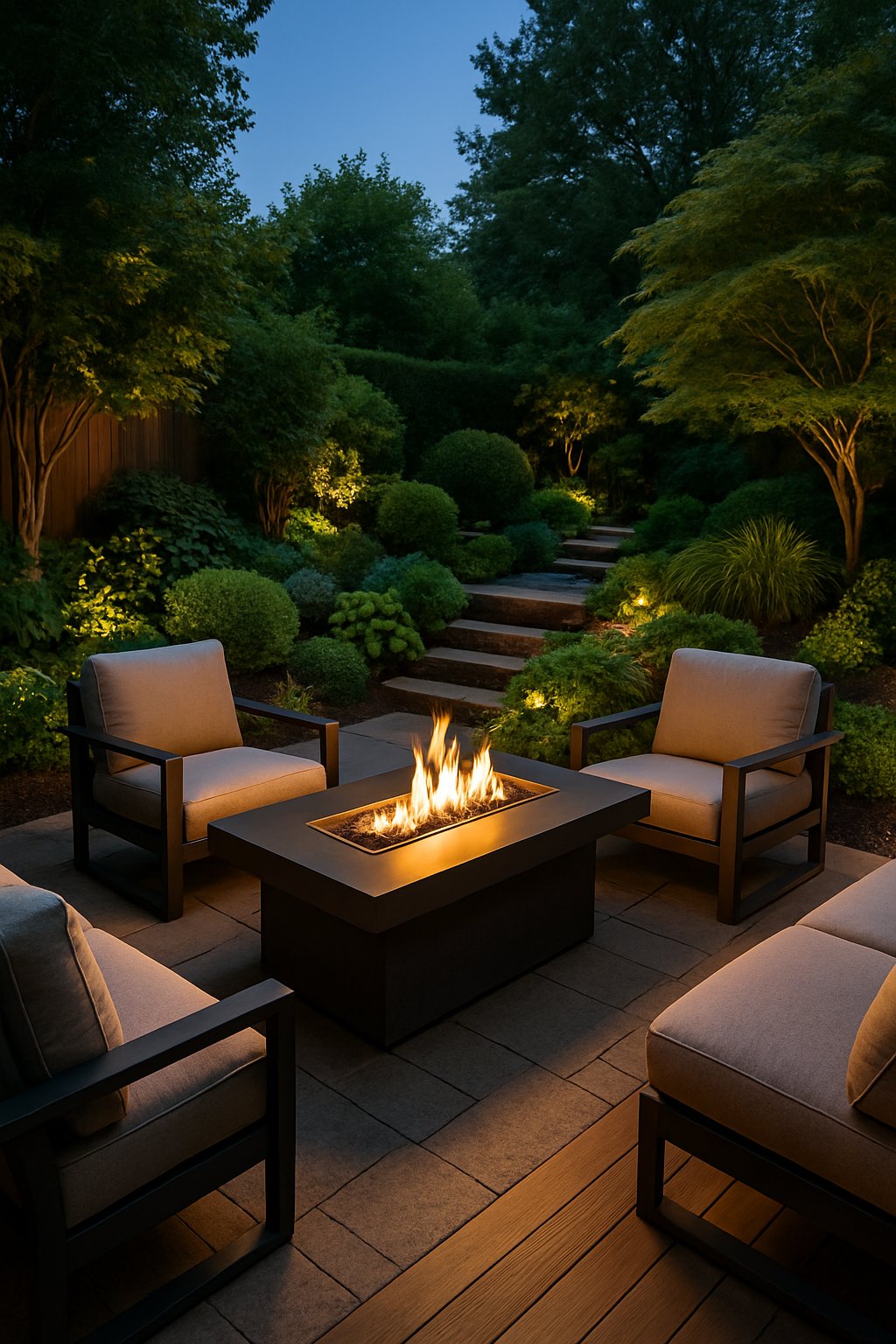
A fire table can bring both warmth and sophisticated style to your outdoor space. It serves as a natural gathering point for family and friends on cooler evenings.
These tables cleverly combine a central flame feature with a surrounding flat surface, providing a convenient place for drinks or snacks. They are available in a wide array of shapes and finishes, making it simple to find one that suits your decor.
Models that run on gas or propane ignite instantly and offer adjustable heat control. A fire table can make your patio feel more inviting and effectively extend your outdoor season.
Place your fire table near comfortable seating to create a cozy and conversational atmosphere. The gentle light and warmth it provides can enhance any evening.
Select a fire table with a durable, weather-resistant surface. It will maintain its great looks throughout the year with minimal upkeep.
16. Create a kids’ play zone with safe mulch flooring
Using mulch for the flooring in a children’s play area provides a cushioned surface that can help reduce scrapes and soften falls. For optimal safety, choose soft options like rubber mulch or pea gravel that is between 1/4 and 1/2 inch in size.
For effective protection, the mulch should be spread to a depth of at least 6 to 12 inches. Rubber mulch is long-lasting and tends to stay in place, while pea gravel is an affordable option that offers excellent drainage.
Ensure the play area has some shade from trees, umbrellas, or a pergola to keep children cool. Periodically check the surface and replenish the mulch as it compacts or displaces over time.
Choose a type of mulch that won’t scatter easily to help keep the play zone tidy. Installing a border around the area can help contain the mulch and prevent slips.
17. Install a built-in bench around a tree base
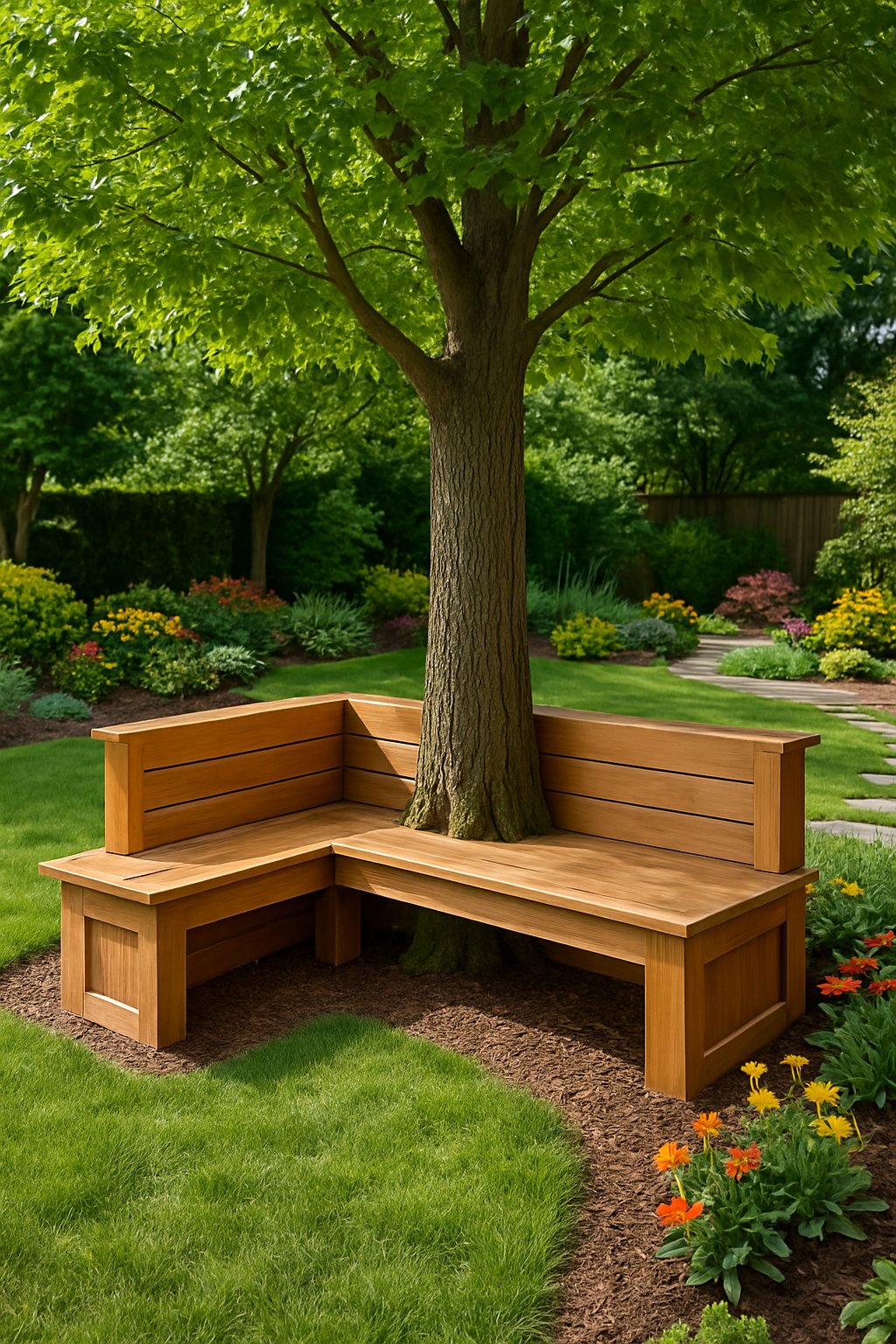
A bench built around the base of a tree provides both extra seating and a pleasant shady spot. This design makes excellent use of space and creates a natural-feeling retreat in your yard.
Select a circular or curved bench that conforms to the shape of the tree. Wood is an ideal material choice as it blends harmoniously with the natural landscape.
It’s important to leave adequate space for the tree trunk to grow, preventing any potential damage. You can add mulch or decorative stone beneath the bench for a clean, finished look.
The bench should be anchored securely to ensure it remains level and safe for use. This also helps protect the tree’s underlying root system.
Using weather-resistant wood will result in a more durable, longer-lasting bench. Leaving a small gap between the bench and the trunk promotes air circulation and helps prevent moisture-related issues.
18. Add colorful flower beds with seasonal blooms
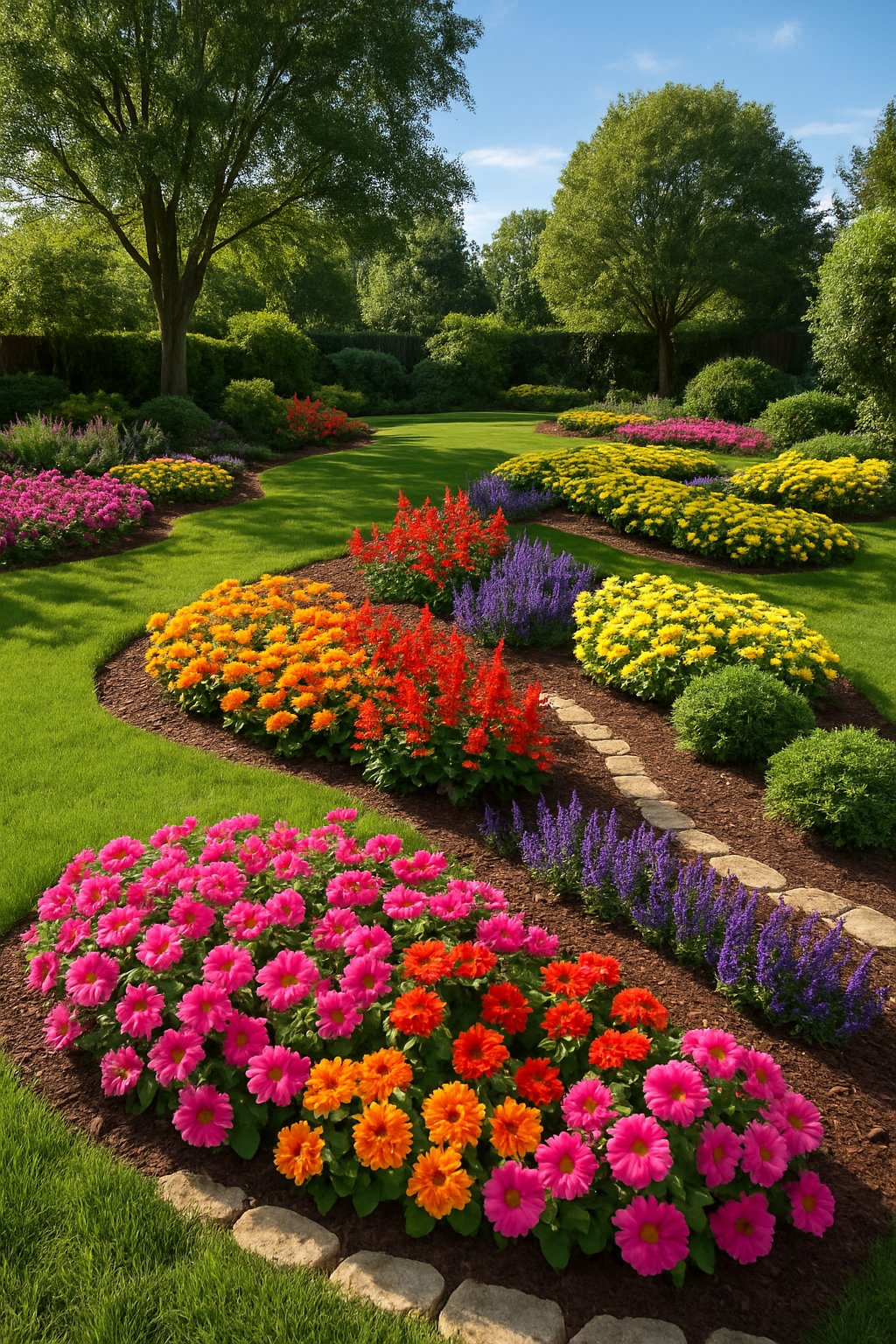
By planting seasonal flower beds, you can ensure your backyard is vibrant with color throughout the year. Start in the spring with cheerful blooms like tulips and daffodils.
As summer arrives, introduce marigolds and zinnias to maintain a high-energy display. In the fall, mums and asters can provide warm, cozy tones that reflect the season.
Even winter can have its colorful moments. Plant evergreens or berry-producing bushes to keep some visual interest in the landscape. For a truly eye-catching bed, vary the heights and colors of your plants.
Choose plants that are well-suited to your local soil and climate. You can add a layer of mulch or small rocks to create a tidy appearance and improve drainage.
Plan your layout carefully to ensure there is always something in bloom, regardless of the time of year.
A mix of perennials and annuals can save you time while still allowing you to refresh your flower bed’s look. Rotating your plants with the seasons will provide continuous color and simplify their care.
19. Set up a bird feeder and birdbath combo
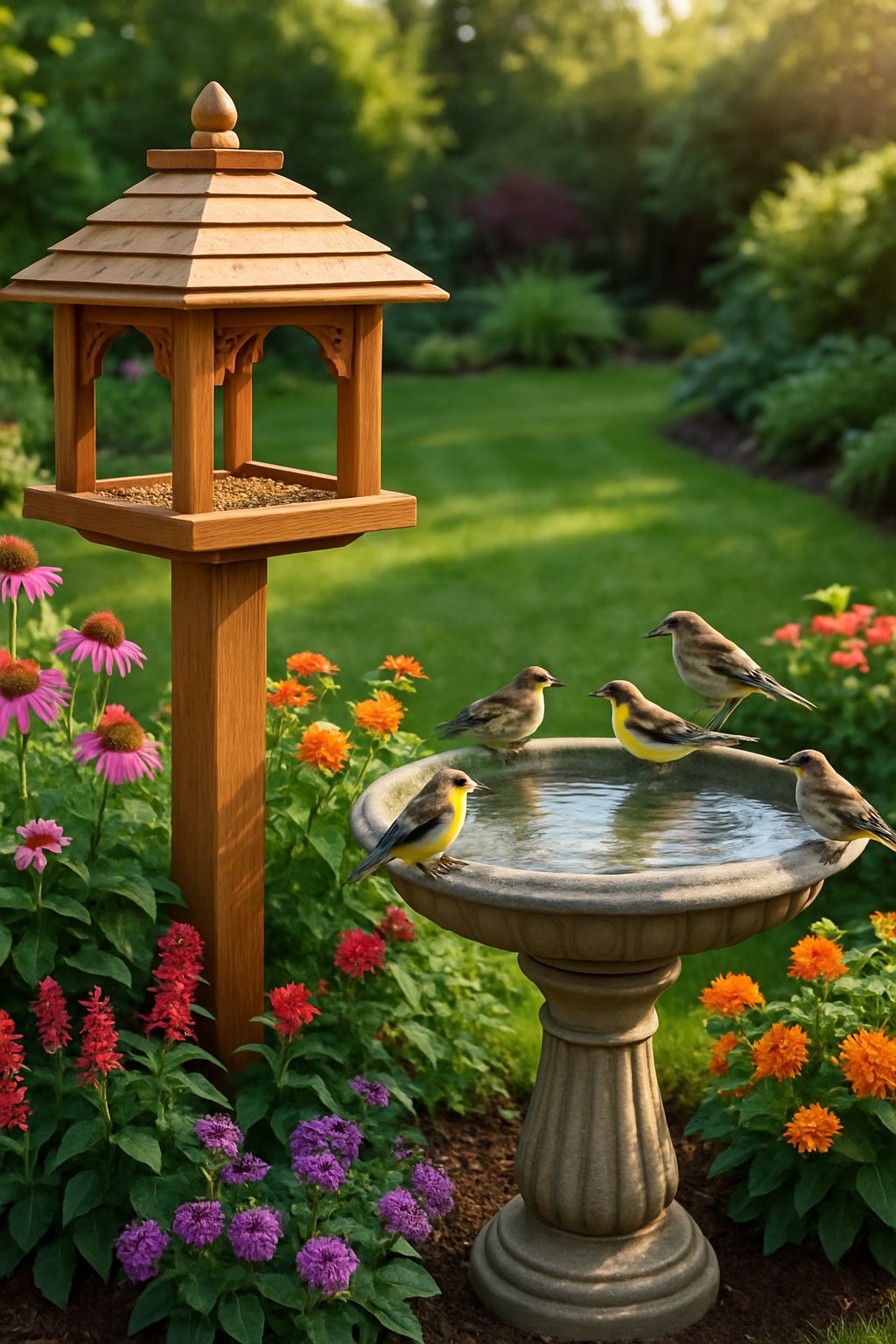
Placing a bird feeder and a birdbath together can create a lively hub for avian visitors. You’ll be able to enjoy watching birds as they come for both food and water.
Position the feeder and bath near shrubs or trees. This provides the birds with a safe place to perch and seek cover.
It’s important to keep the birdbath clean, refilling it with fresh water daily. Select a feeder that is appropriate for the types of birds in your area, such as a tube feeder, a platform feeder, or a more decorative, themed option.
Make sure the feeder is securely installed so it can withstand windy conditions. Place the birdbath in a location that receives a mix of sun and shade to help keep the water fresh and cool.
Spreading mulch or pebbles around the base of the setup will help keep the area neat and prevent it from becoming muddy.
Keeping a 5-gallon bucket with cleaning brushes nearby can simplify regular maintenance. Frequent cleaning of feeders and baths is essential to prevent the growth of mold and deter pests.
20. Place large decorative pots with succulents
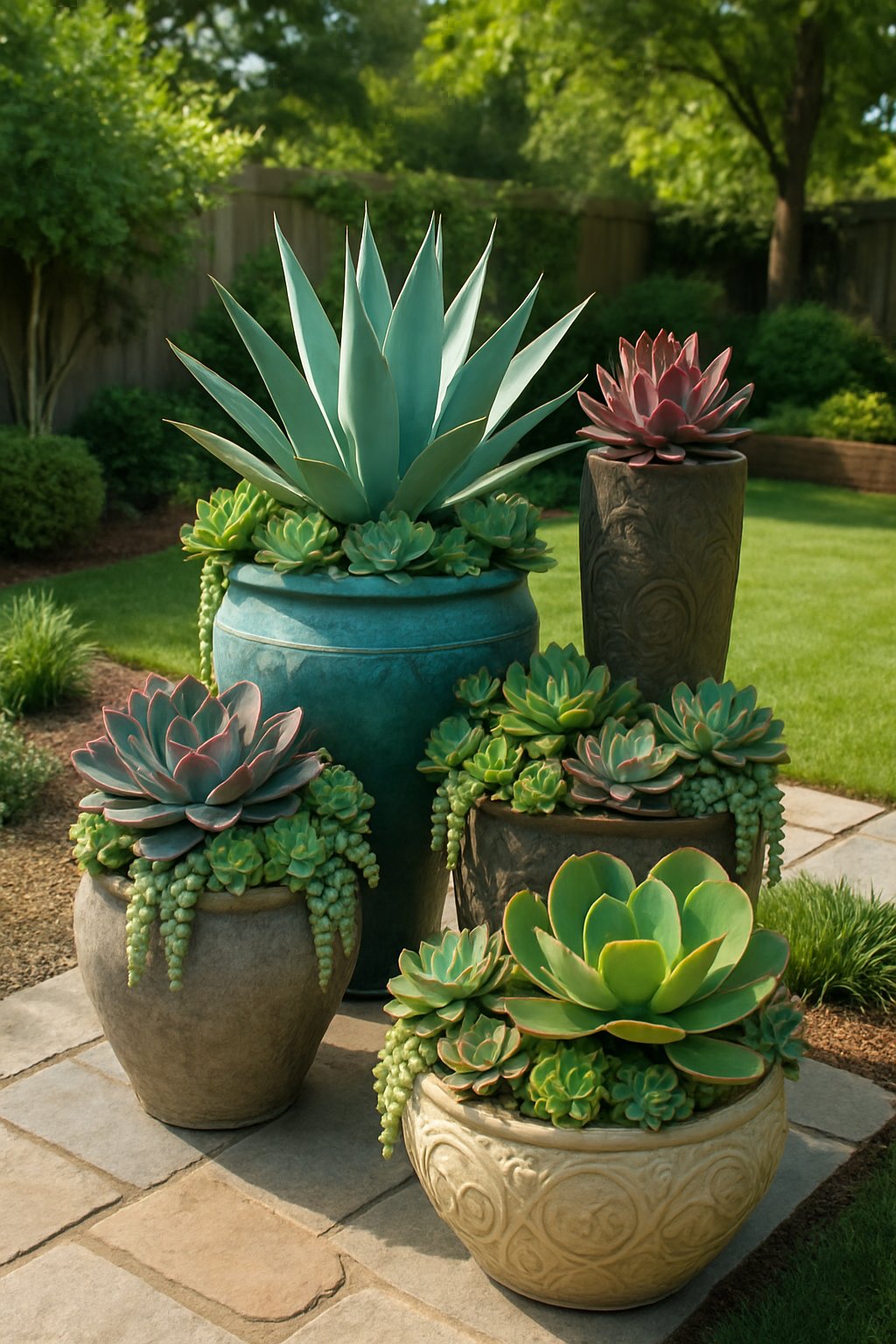
Large pots can serve as dramatic focal points in any backyard design. Use oversized containers to showcase your succulents and introduce varying heights into your garden layout.
Succulents require soil that drains well, so ensure your pots have drainage holes or a bottom layer of gravel. This prevents the roots from becoming waterlogged and rotting.
For a visually interesting display, combine different succulent varieties in a single pot to create a contrast of textures and colors. Just be sure to group plants with similar watering needs to keep them all healthy.
Consider placing pots on pedestals or even inverted pots to create a layered effect that draws the eye. This technique also elevates your succulents, making them easier to admire.
Choose pots made from durable materials like concrete or fired clay. They can withstand the elements and provide year-round protection for your plants.
Using a light-colored pot can help reflect heat and keep your succulents cooler. Adding a top layer of gravel to the soil can improve drainage and help prevent pests.
21. Build a small backyard pond with fish and plants
A small pond can completely transform the atmosphere of your outdoor space. Start by digging a shallow area and fitting it with a pond liner to contain the water.
Use rocks or gravel around the pond’s edge to secure the liner and give it a natural look. Introduce aquatic plants like lilies or reeds, which help keep the water clean and offer shelter for fish.
For a lively pond, choose small fish such as goldfish or koi. A pump or a small waterfall will keep the water moving, which is important for oxygenation.
Position the pond where it will get a balance of sun and shade. This helps regulate plant growth and keeps your fish healthy.
Regularly remove dead leaves and weeds to prevent them from clogging the pond.
Opting for native aquatic plants can make your pond easier to care for. A small pump is a great addition to help maintain water clarity and the well-being of your fish.
22. Design a vertical garden on a fence
A vertical garden on your fence is a fantastic way to save space and create living art. You can use materials like wooden pallets, wire mesh, or trellises as the foundation for your garden.
Attach small planters, crates, or pots directly to this structure. This setup is ideal for growing herbs, succulents, or flowers that are suited to vertical cultivation.
This idea works well even in very small backyards, turning a plain fence into a beautiful and noteworthy feature.
Water your vertical garden regularly and ensure the containers have good drainage. If your fence is made of wood or metal, choose planter materials that are compatible and durable enough for outdoor use.
You can brighten up the space with colorful plants, providing you with fresh herbs or flowers and making your yard feel much more cheerful.
Begin with lightweight planters to avoid putting too much strain on your fence. Grouping plants with similar watering needs will make their care more efficient.
23. Add a cozy outdoor dining area with string lights
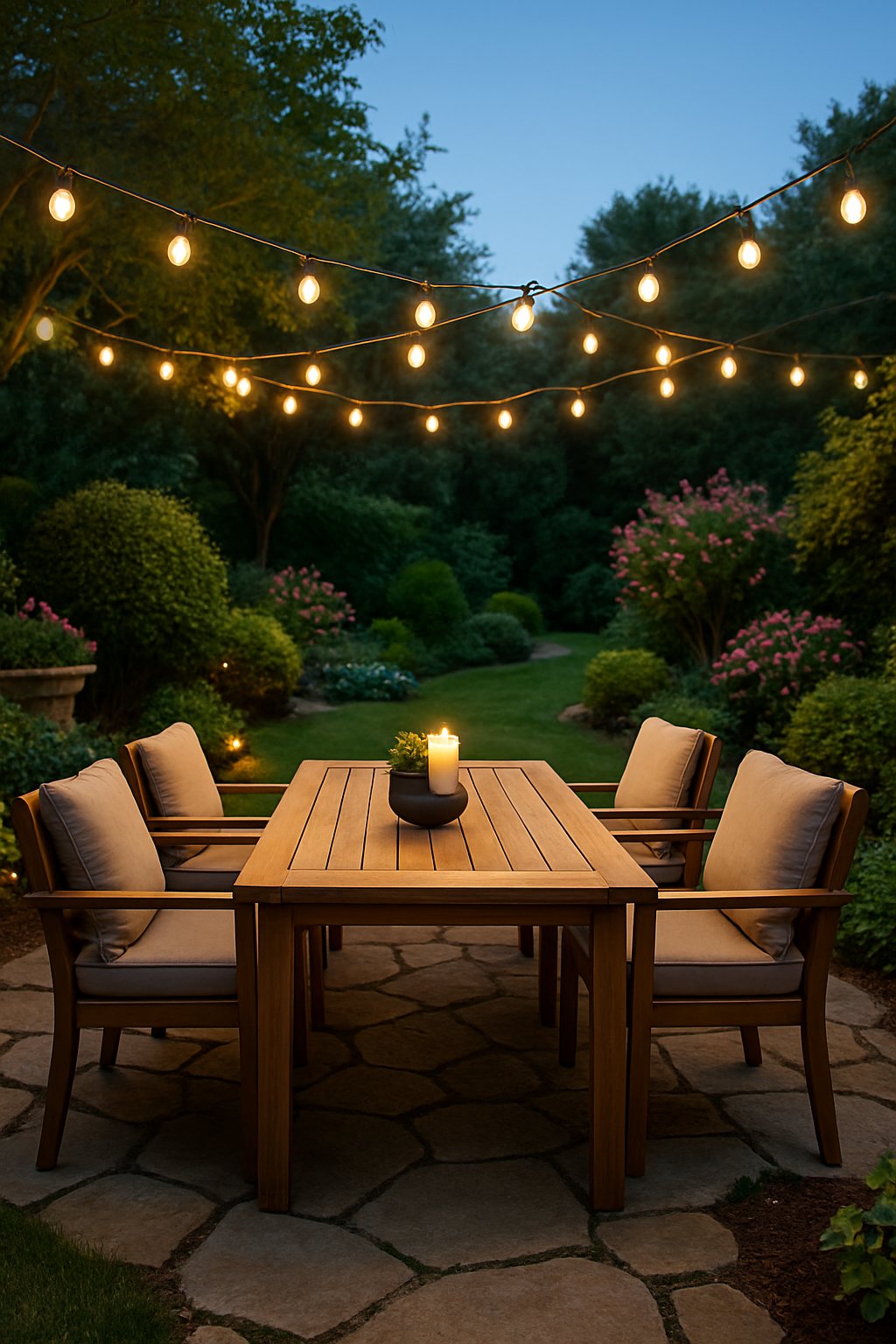
Create an outdoor dining spot to fully take advantage of your backyard. For a warm and inviting ambiance, hang string lights above the area.
This lighting works beautifully over pergolas, decks, or patios. String lights are simple to install and are available in a wide variety of styles.
Choose globe lights or fairy lights to match the mood you want to create. They provide illumination without being harsh, helping to maintain a relaxed and mellow atmosphere.
Complement the lighting with simple outdoor furniture, like a wooden table and comfortable chairs. For extra coziness, you can add cushions and lanterns.
This space will be perfect for everything from family dinners to casual get-togethers with friends.
Using solar-powered string lights can help save energy and eliminates the need for extra wiring. Hang the lights low enough to create a soft, intimate glow, but high enough so they are not in the way.
24. Create a wildflower meadow for low upkeep
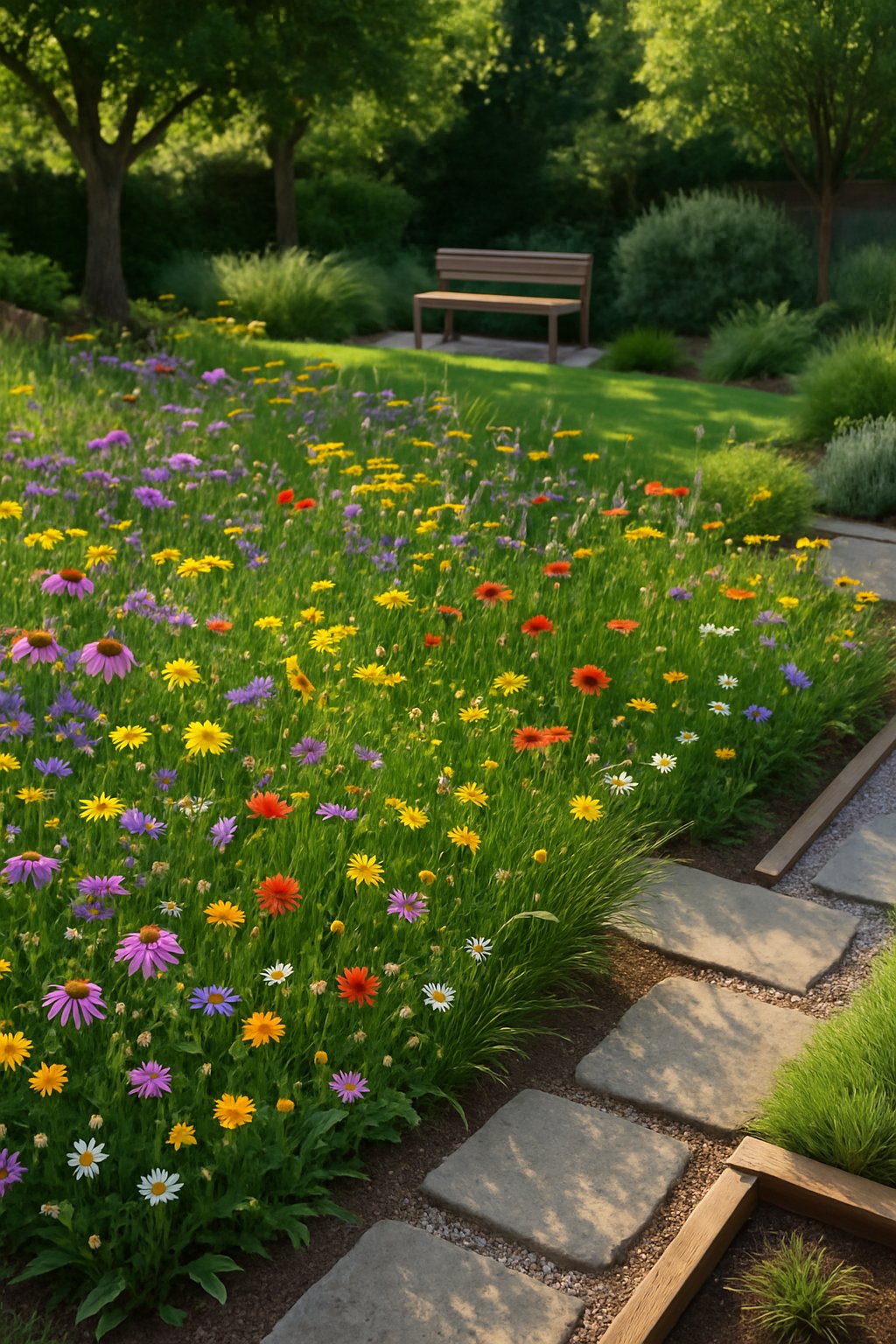
A wildflower meadow can bring a beautiful, natural look to your yard with very little maintenance. It also serves as a haven for pollinators like bees and butterflies, which benefits the local ecosystem.
Select wildflowers that are native to your region. They will require less water and attention because they are naturally adapted to your climate. Prepare the soil by removing existing grass and weeds to give the seeds a strong start.
Once the meadow is established, occasional mowing is all that’s needed to keep it healthy and tidy. Over time, your meadow will evolve, filling with color and changing its appearance with the seasons.
Choose a sunny location for your meadow and plant a mix of short and tall wildflowers to create variety. Water the area lightly until the seeds have sprouted, and then you can let nature handle the rest.
25. Use stepping stones to separate garden zones
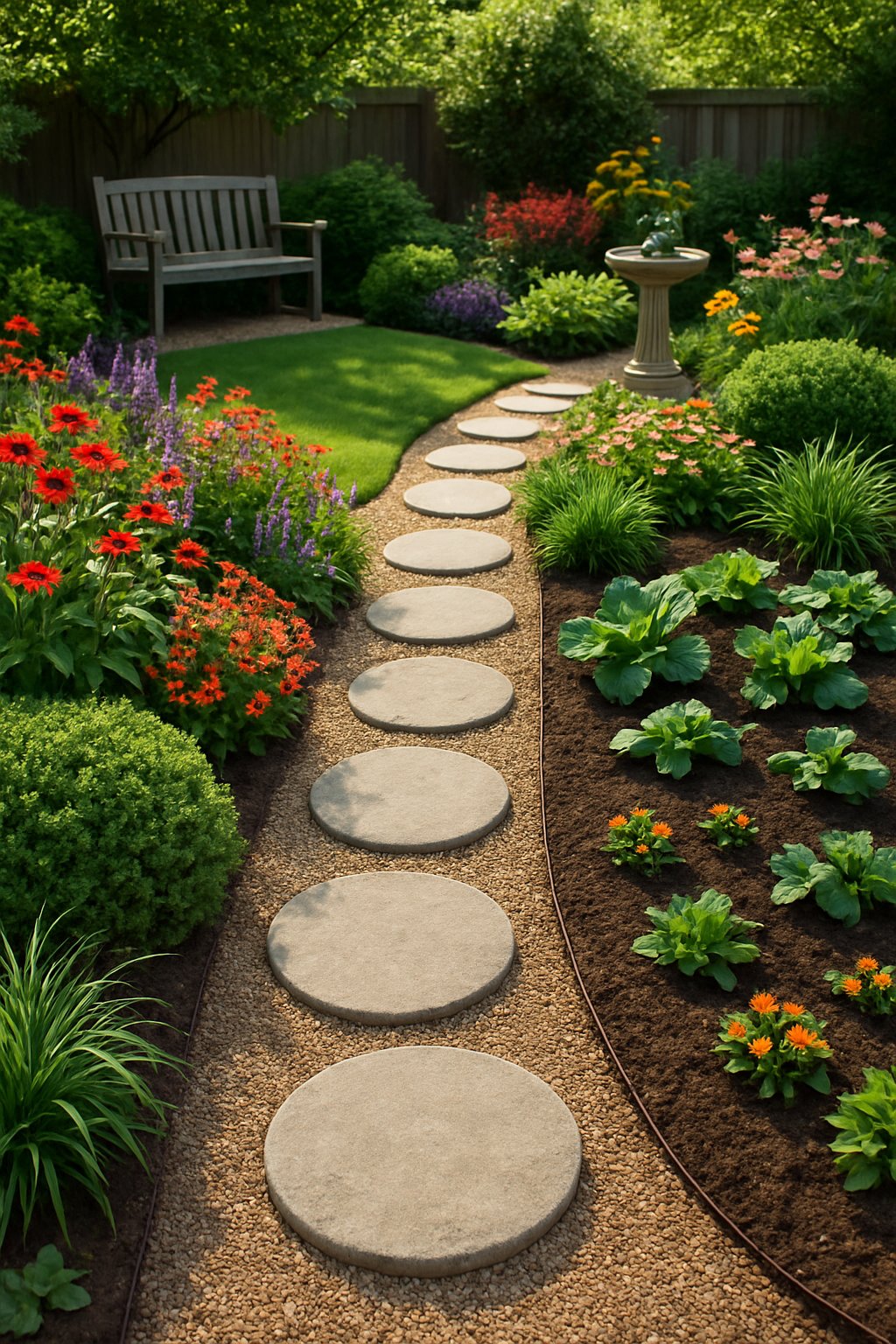
Stepping stones are a simple and effective way to divide your backyard into distinct areas. You can lay them down to create clear paths between your garden, patio, or various seating zones.
This method allows you to define different spaces without the need for walls or fences. Arrange the stones in straight or curved lines to naturally guide movement through the yard.
Leaving small gaps between the stones allows grass or ground cover to grow through, softening the overall look. Choose stone shapes and sizes that are in harmony with your landscape’s style.
Stepping stones also help to manage foot traffic, which can keep your lawn looking neat and healthy. You can use different materials or colors of stone to help distinguish each area.
Set each stone firmly into the ground to ensure it doesn’t wobble. Using stones that contrast with your garden floor will create a clear and stylish pathway.
26. Set up a DIY pallet wood garden planter
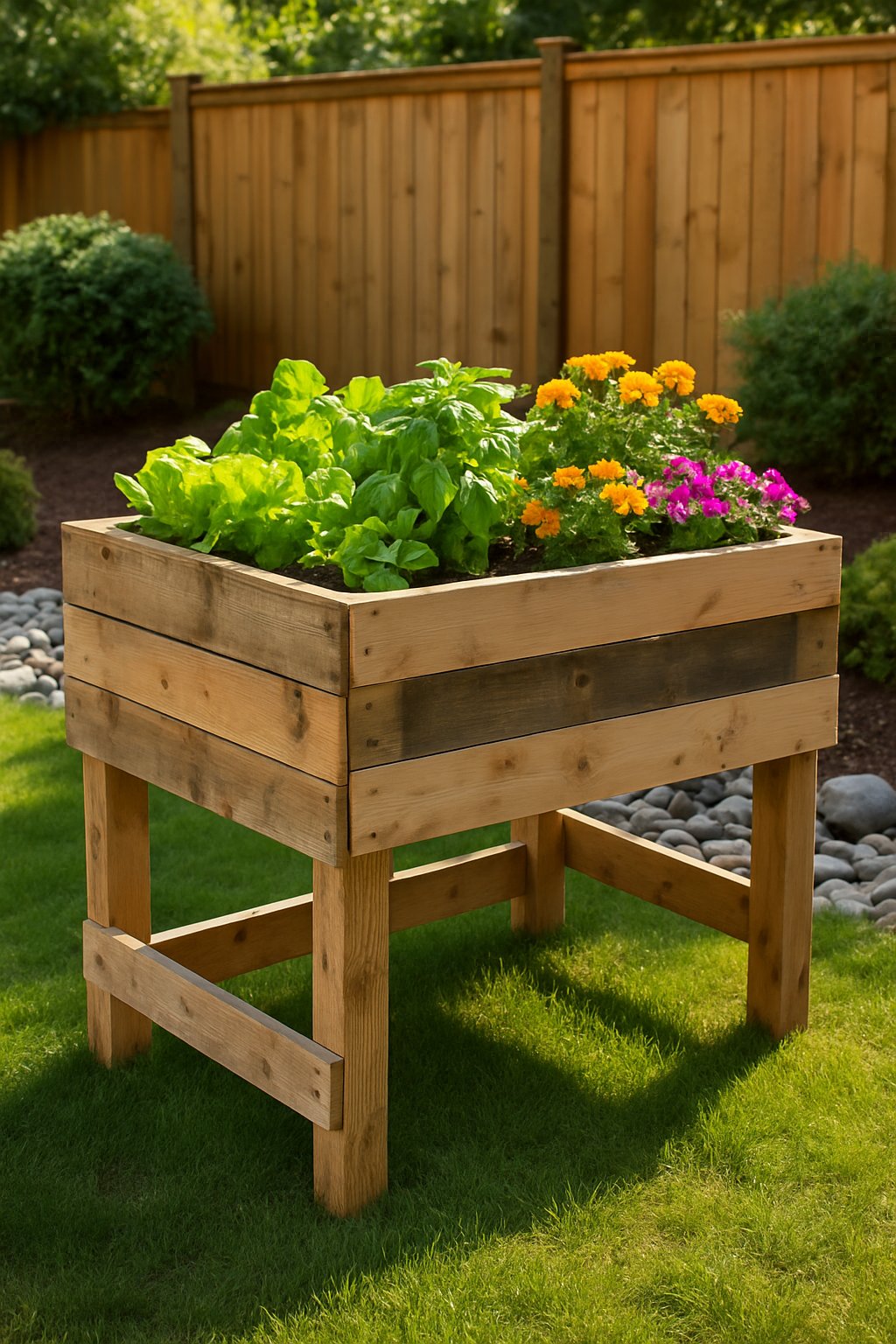
You can transform old pallets into a garden planter for a creative and budget-friendly way to add more greenery to your yard. Build either vertical or horizontal planters to save space and introduce a rustic-chic style.
It’s important to ensure the pallet wood has not been treated with harmful chemicals, to keep your plants safe. Sand any rough edges and reinforce the wood if it seems weak.
You can attach small pots to the pallet or line it with landscape fabric to contain the soil. This setup is well-suited for growing herbs, flowers, or even small vegetables.
For support, lean your pallet planter against a wall or fence. Water it regularly, and choose plants that are known to grow well in compact spaces.
This DIY project can be easily customized to fit your personal style or the dimensions of your garden.
Always use untreated pallets to protect your plants from chemicals. Adding a plastic liner can help prevent soil from falling out and will also prolong the life of the wood.
27. Add a hammock chair on your porch
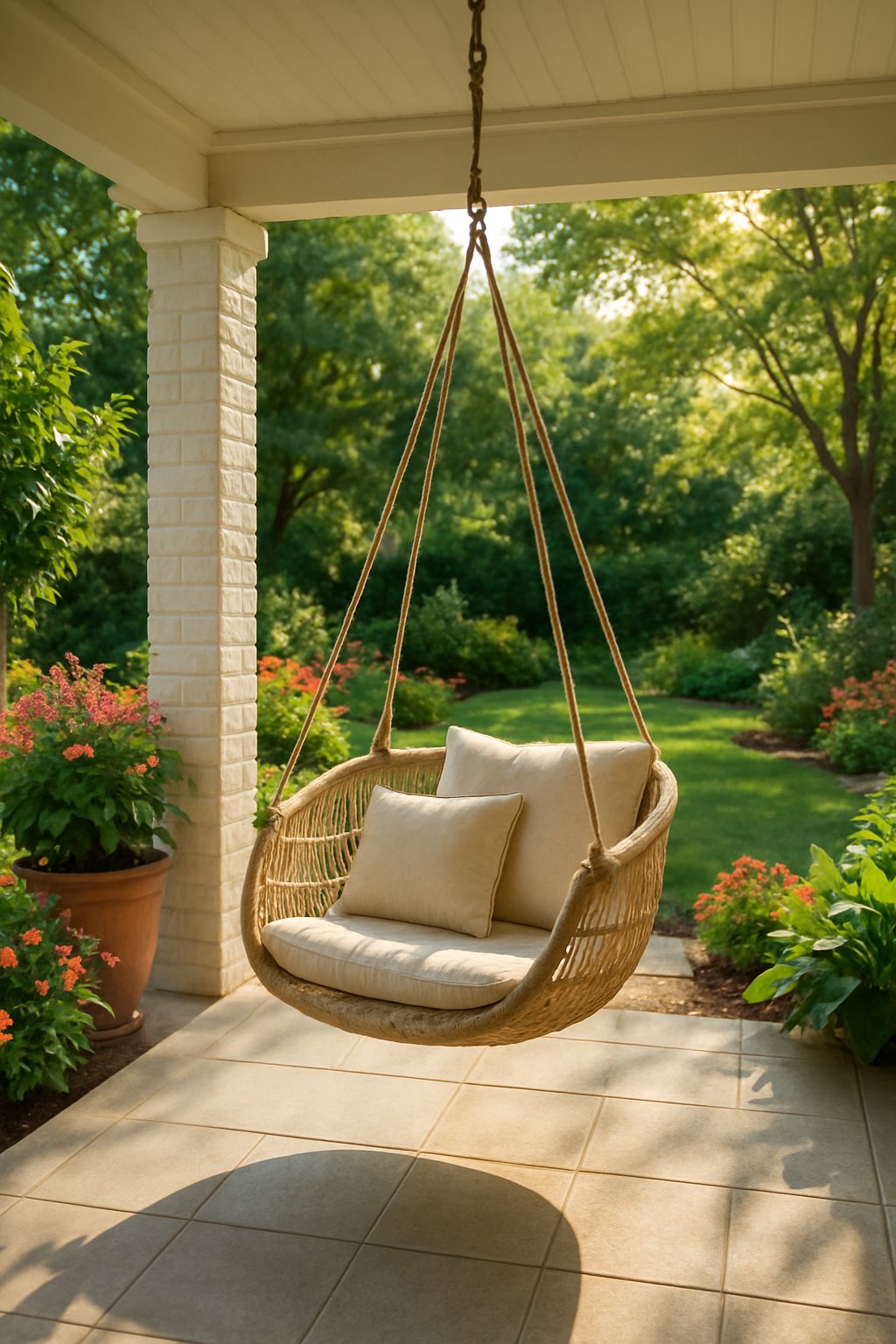
A hammock chair can instantly add a relaxed atmosphere and a comfortable seating option to any porch. It provides a cozy spot to settle in with a good book or simply enjoy the breeze.
Unlike a traditional hammock, a hammock chair is very space-efficient. This makes it an excellent choice for smaller porches where you still want to add a touch of personality.
Hang it from a ceiling joist or another sturdy beam. It’s crucial to verify that the support is strong enough to handle your weight to avoid any accidents.
Select a chair made from a weather-resistant fabric to ensure it holds up against rain and sun exposure. This will help prevent issues like mildew from developing after a few showers.
Adding some bright cushions can provide extra comfort and a pop of color to liven up your outdoor space.
When hanging your hammock chair, check the height to make sure your feet can comfortably rest on the ground. Use outdoor-rated rope or chains for durability and safety.