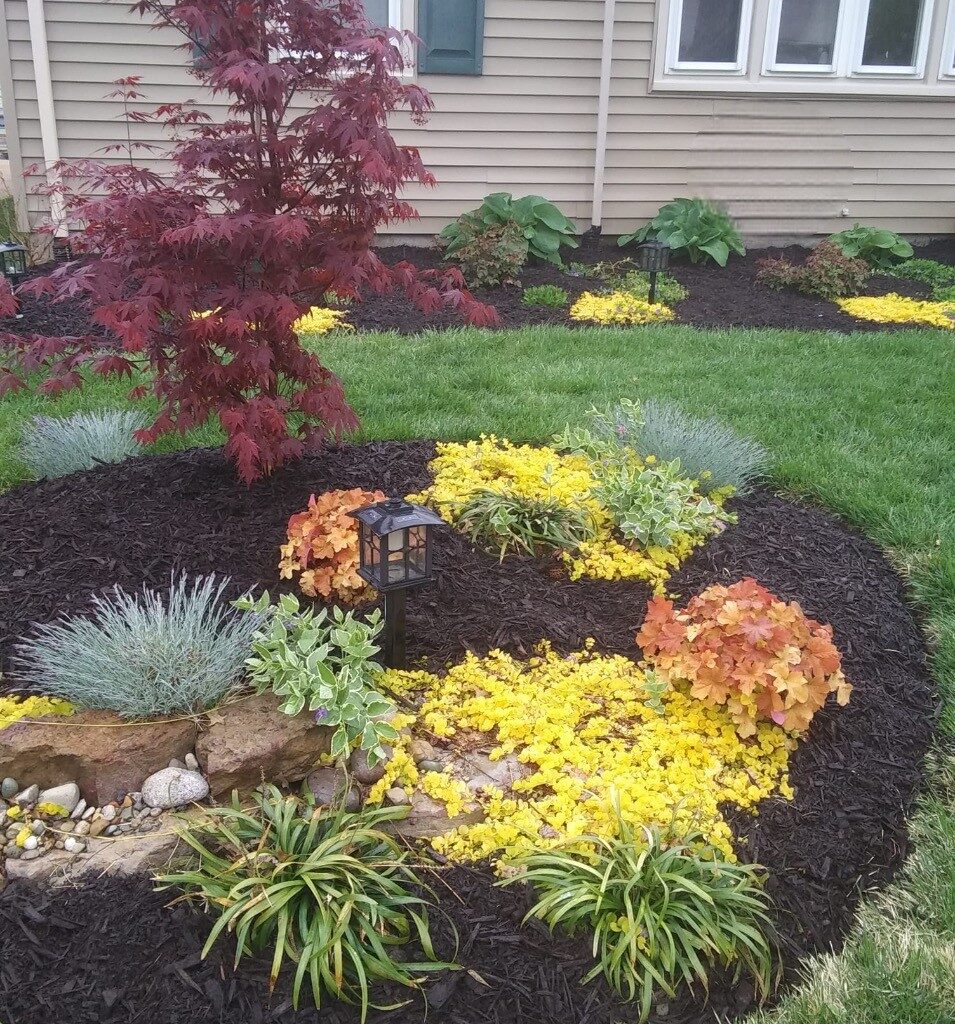
Mulch does more than just make your garden look good; it’s a powerhouse for holding in moisture, regulating soil temperature, and keeping weeds down. But even with the best intentions, weeds can still manage to poke through. So, how do you stop weeds from taking over your mulched beds?
Keeping these invasive plants out is essential for a healthy and tidy garden. With the right approach, you can successfully defend your mulched areas from unwanted growth. This guide will walk you through the most effective ways to prevent weeds from growing in your mulch.
How To Keep Weeds Out Of Mulch
1. Thoroughly Clear The Area Before Mulching
Begin by completely removing all existing weeds and their roots from the space you plan to mulch. You have to be meticulous, because any fragments left in the soil can regenerate and spread.
Before you start pulling, it helps to identify the types of weeds you’re facing. This knowledge will give you insight into their growth habits and the best removal methods.
For perennial weeds with deep roots, use a shovel or fork to dig down and extract the entire root system. In contrast, you can handle annuals or shallow-rooted weeds by grasping them at the base and pulling firmly upward, making sure the whole plant comes out.
2. Soil Preparation
With all the weeds gone, your next step is to prepare the soil by loosening it with a garden fork or tiller. This process aerates the earth, creating ideal conditions for your plants to thrive while discouraging weed growth. It also helps improve root development, microbial life, and water infiltration.
Avoid tilling too much, which can disrupt the soil’s natural structure. Aim for a balanced approach, especially in established garden beds, to protect the soil’s ecosystem.
Let the prepared soil settle for a day or two before you add the mulch. This ensures you have a stable foundation for the mulch layer.
2. Choose The Right Mulch
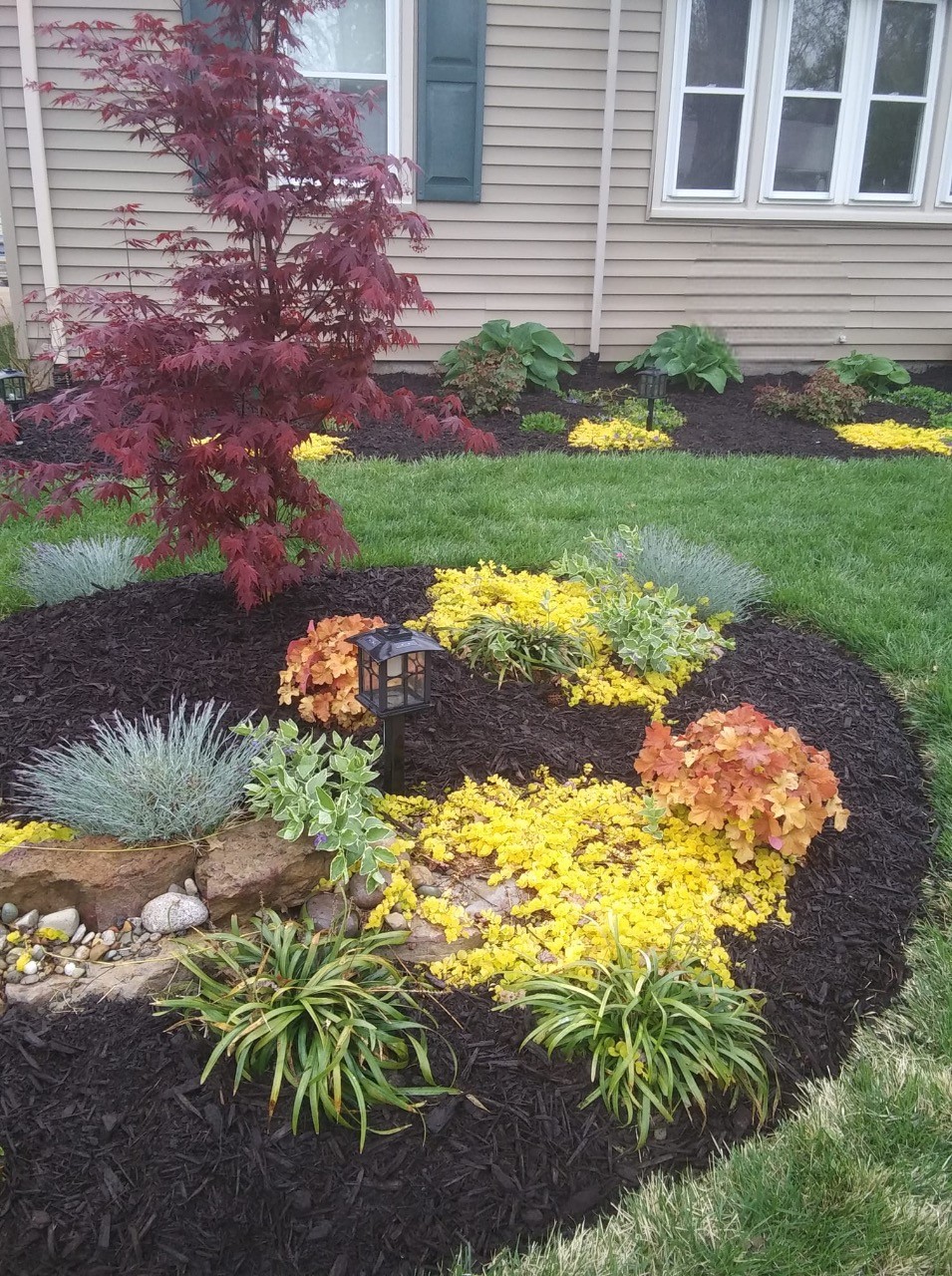
Select a high-quality mulch that is well-suited for weed suppression and your garden’s overall health. Your choices fall into two main categories: organic and inorganic.
Organic mulches like straw or hay are excellent weed deterrents that break down quickly, adding nutrients to the soil, which makes them perfect for vegetable gardens. Wood chips or bark mulch also decompose to feed the soil, but they do so more slowly. They are very effective at suppressing weeds and retaining moisture.
On the inorganic side, materials like gravel or rocks offer a long-lasting solution for weed control and are best for areas with little to no plant growth.
Also, consider your climate when choosing a mulch. Pine straw is a great option for warmer regions with acidic soil, while shredded hardwood may be better in cooler climates.
Finally, match the mulch to your plants’ needs. Acid-loving plants, for example, do well with pine needle mulch, while straw mulch is a fantastic choice for vegetable beds.
4. Adopt Proper Mulching Techniques
Your success in keeping weeds out also hinges on using the right application methods. This includes applying the mulch correctly and creating clear boundaries.
When you spread the mulch, aim for a layer that is two to four inches thick. This depth is perfect for blocking sunlight and stopping weed growth. Distribute the mulch evenly across the soil, making sure there are no clumps or gaps.
To prevent weeds from creeping in from surrounding areas, install edging to define the mulched space. A clear border makes ongoing maintenance and weed control much more manageable.
5. Utilize Weed Control Strategies
You can add another layer of defense against weeds by using a couple of proven control strategies under your mulch.
a) Landscape Fabric
Consider placing landscape fabric on the soil before you add mulch. This fabric creates an excellent physical barrier that stops weeds from emerging through the mulch layer.
This barrier blocks weed growth while still letting water and nutrients through. However, it can sometimes slow down penetration, so use it thoughtfully. When you install it, cut the fabric to fit the area perfectly and overlap the edges to prevent weeds from finding their way through the seams.
b) Pre-emergent Herbicides
Applying pre-emergent herbicides can prevent weed seeds from germinating and getting a foothold in your mulched areas. These herbicides establish a barrier in the soil that inhibits seed germination, stopping weeds before they even start. During application, spread the product uniformly to create a consistent shield.
6. Proper Maintenance
Don’t neglect your garden after mulching, or you’ll give weeds a chance to sprout. Establish a routine to check your mulched areas weekly or every other week, especially during the main growing season. During these inspections, look for any new weed growth or areas where the mulch is thinning.
Early action is crucial for controlling weeds. Remove any you find immediately, either by hand-pulling or with a tool, to stop them from establishing themselves and spreading.
You should also replenish the mulch layer from time to time to maintain its two to four-inch thickness. Check the depth at the beginning of each growing season and add more as needed.
The edging around your mulched beds requires attention as well. Keep it trimmed and maintained to prevent grass or weeds from crossing over. Maintain clear boundaries by repairing or replacing edging materials when necessary.
7. Proactive Weed Control
The strategies above will prevent most weeds, but what should you do about the stubborn few that pop up anyway? You have effective options, from natural remedies to chemical solutions.
i) Natural Weed Remedies
You can explore natural methods for eliminating weeds without relying on synthetic chemicals. Some practical choices include:
Vinegar Solution: Create a spray by mixing household vinegar with a small amount of dish soap, which helps the liquid stick to the plant. Apply it directly to the weeds.
Boiling Water: Carefully pour boiling water directly onto weeds growing through the mulch to scald them.
Corn Gluten Meal: Sprinkle corn gluten meal over the soil surface before weed seeds can germinate. It acts as a natural pre-emergent herbicide.
ii) Chemical Solutions
If weeds continue to be a problem, consider using selective herbicides. These products target specific types of weeds without damaging the surrounding plants. Apply these chemicals directly to the leaves of the target weeds, following the package directions for timing and dosage.
Summary
The fight against weeds can feel like a never-ending battle. While mulch is a fantastic weed control tool, you still need to work to keep weeds from breaking through it. To succeed, use proactive measures, apply mulch correctly, perform regular maintenance, and be ready to try different strategies to get rid of any weeds that appear.