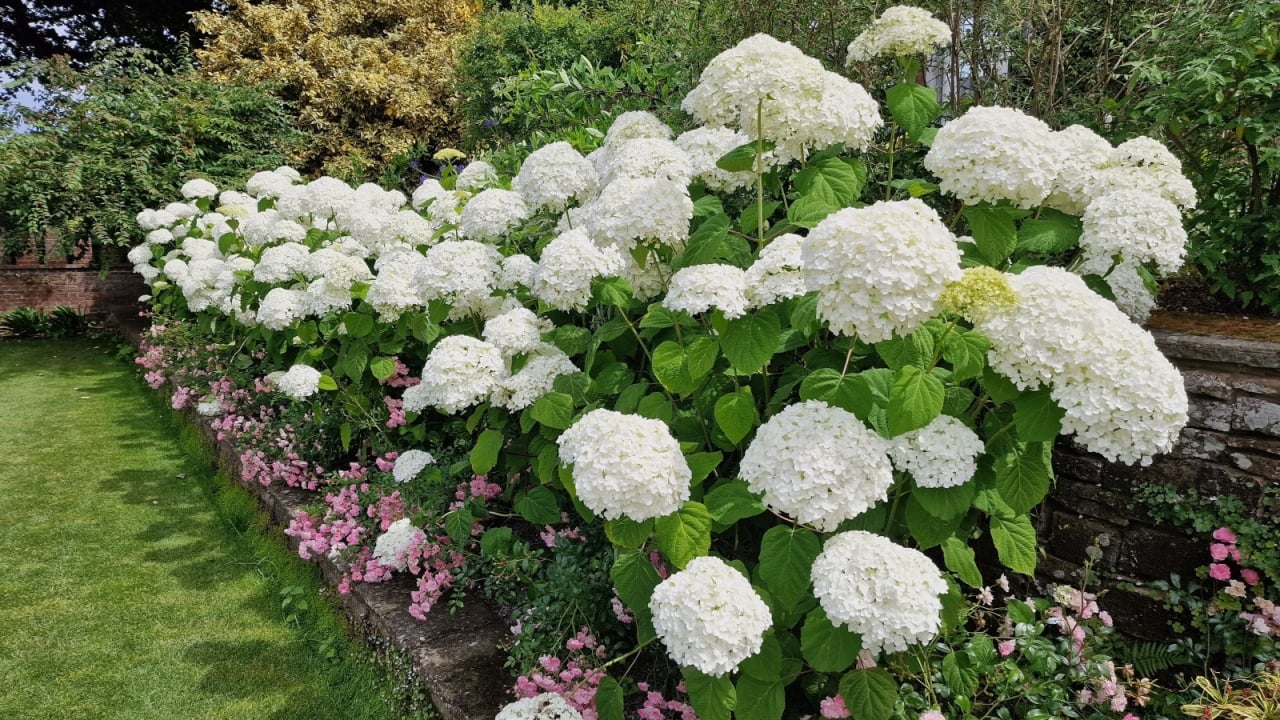
Hydrangea color is not pure garden luck, but it is not a free-for-all either. Soil pH can help guide eligible blooms toward blue, pink, or purple, while variety, genetics, weather, and the starting flower color set the boundaries, so changing them takes testing, careful amendments, and patience.
Our Favorites
Some of the top hydrangea varieties known for their color-changing abilities include:
- Nikko Blue Hydrangea (Hydrangea macrophylla ‘Nikko Blue’)
- Endless Summer Hydrangeas
- Let’s Dance® Starlight Hydrangea (Hydrangea macrophylla LET’S DANCE Starlight ‘Lynn’)
If you want to influence the hue of these beautiful, long-lasting flowers, you can. The process combines a little bit of fun science with some thoughtful preparation. One of the most unique qualities of hydrangeas is their ability to change color, a process that happens naturally but can also be guided once you understand the science behind it.
You can use these simple tricks to adjust the flower color of hydrangeas planted in your front yard for a customized landscape.
How To Change Hydrangea Colors
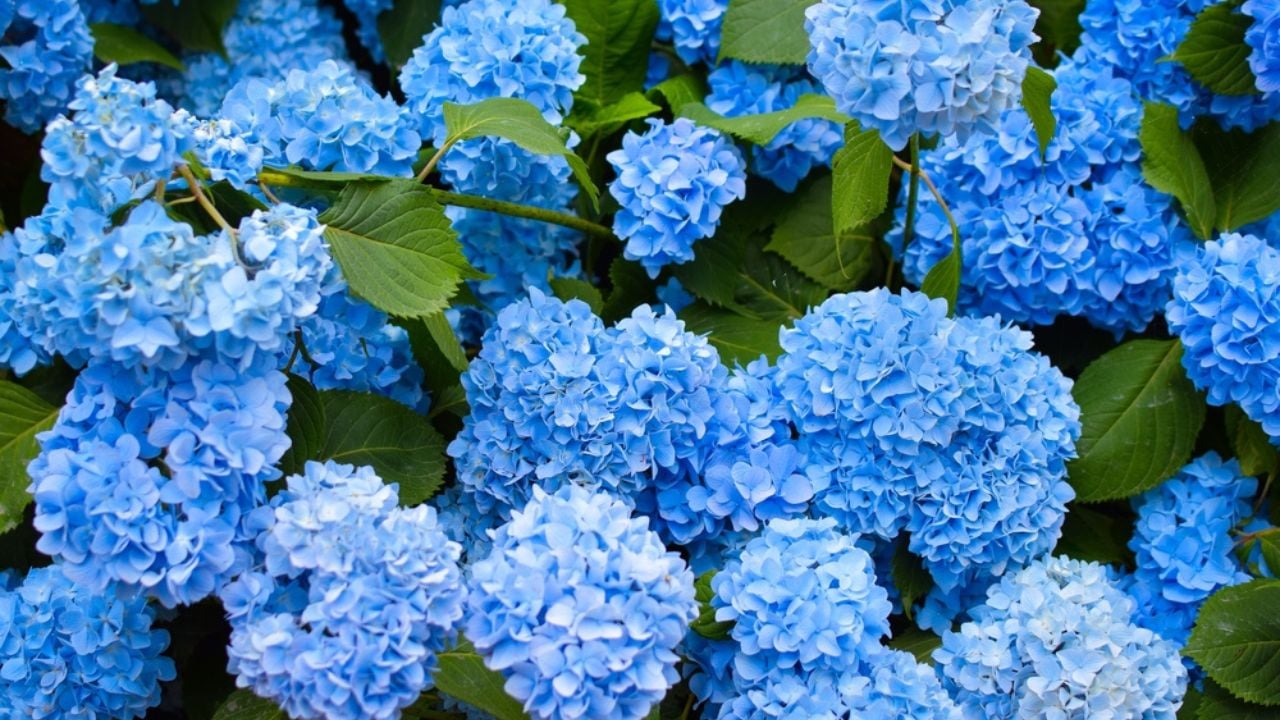
First, it is essential to understand that hydrangeas naturally change color based on the pH level and conditions of the soil they grow in. It is definitely possible to alter the color of your hydrangeas, but there are some key factors to know before you start. Since the soil’s pH is the main driver, creating the right conditions to manage it is your first step.
For the most control over your hydrangea’s color, growing them in pots is the best approach. Container gardening gives you complete authority over the soil conditions, which makes managing the flower color much easier. This does not mean you cannot change the color of hydrangeas planted directly in the ground, it just requires a bit more effort.
When hydrangeas are first planted or moved, they often change color on their own. This happens as the plant adapts to its new home and soil. It can take some time for the final color to appear because the plant needs to fully acclimate. This is a normal and expected part of the process, but what if you want to direct the color yourself?
Before diving into the methods for changing your hydrangea’s color, it is important to recognize the natural limits. You cannot simply choose any color you can imagine and force the flowers to match. There are scientific principles at play that dictate the possible color transformations. Let’s explore those boundaries.
Limitations on Color Changes
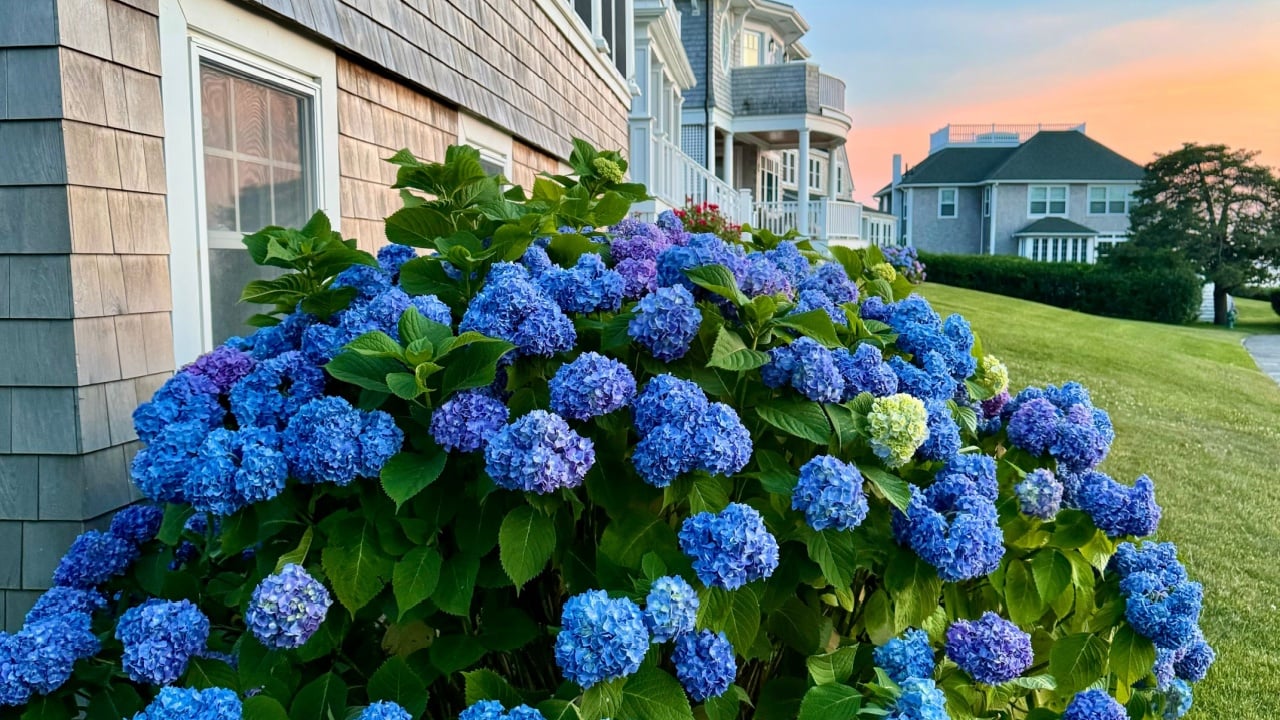
It is important to note that while altering hydrangea colors is achievable, you are still working within the bounds of nature. This means there are certain limitations to keep in mind. To successfully change your hydrangea blooms, you must first understand what is and isn’t possible.
- You cannot change a white hydrangea to blue or pink. While some white varieties may develop pink or red tints as they age, this is not a guaranteed outcome, and there is no way to influence this change.
- It is challenging to alter the intensity of a bloom’s color. While you can guide a flower to become pink or blue, you cannot control the specific shade or brightness. You must accept the results nature provides, which are influenced by the plant’s genetics, weather, and overall health.
- If you live in a very hot region, achieving deep red hues is unlikely. These plants do not produce their most intense colors in consistently warm climates. You may be able to get a dark pink, but a true red is rare for gardeners in the south. Growing them in containers might offer a better chance.
With these limitations in mind, let’s look at how you can achieve some of the most sought-after hydrangea colors.
How to Make Hydrangeas Blue
Hydrangeas become blue as a direct result of the soil’s pH. A soil pH lower than 6.0 will typically yield blue or lavender-colored flowers. Conversely, a pH above 7.0, which is alkaline, results in pink and red tones. To transform a pink hydrangea into a blue one, you must lower the soil’s pH. You can accomplish this by adding sulfur or aluminum sulfate directly to the soil.
If your flowers are currently pink, it indicates your soil is naturally alkaline. You can shift them to blue by making the soil more acidic. When using aluminum sulfate to maintain a blue color, mix about 4 tablespoons into a gallon of water. Drench the soil at the plant’s base with this solution every two to four weeks.
How to Make Hydrangeas Pink
Flower color is directly tied to the pH level of the soil. Pink flowers result when the plant takes up limited aluminum from the soil, while blue flowers occur when aluminum is available.
To encourage pink blooms, you need to limit the plant’s absorption of aluminum from the soil.
To determine your soil’s current pH, you can use a testing kit. Alternatively, a soil sample can be taken to a county extension office for analysis. Many gardeners prefer using home kits for the convenience of testing and adjusting the colors on their own schedule.
You can raise the soil’s pH level, making it more alkaline, by adding lime. Simply follow the instructions on the product packaging. After applying it, retest your soil with your kit to see where the level is.
Achieving the desired pH may require several applications, and it can still take a few months for the flowers to fully transition to the new color. Patience is key during this process.
The plants need time to adjust to the new soil conditions, so the change happens gradually. A rapid shift would likely harm or kill the plant.
How to Make Hydrangeas Pink
You may already be aware that these plants can also produce stunning purple flowers. If you’ve seen this beautiful color and want to replicate it in your garden, you can.
In highly acidic soil with a pH below 6, the flowers will be blue. In alkaline soil with a pH above 7, they turn pink or red. However, in soil that is only slightly acidic or neutral, with a pH between 6 and 7, you might get purple flowers, or even a mix of blue and pink on the same bloom.
To achieve this, your goal is to create very neutral soil. Finding that perfect balance can sometimes be a process of trial and error.
Continue testing your soil until you reach that neutral pH range of 6 to 7. You may need to add more of one amendment or another to get consistent results in the target zone.
Once the pH is right, give your plants time to respond to the changes, and you should begin to see the colors shift accordingly.
With these tips, you can confidently steer the color of your hydrangeas. Give it a try yourself!
If you love your hydrangeas but are ready for a new look, you now have the knowledge to make it happen. Knowing how to change hydrangea colors will make your garden the talk of the neighborhood. Plant a few more and enjoy a spectacular color show!