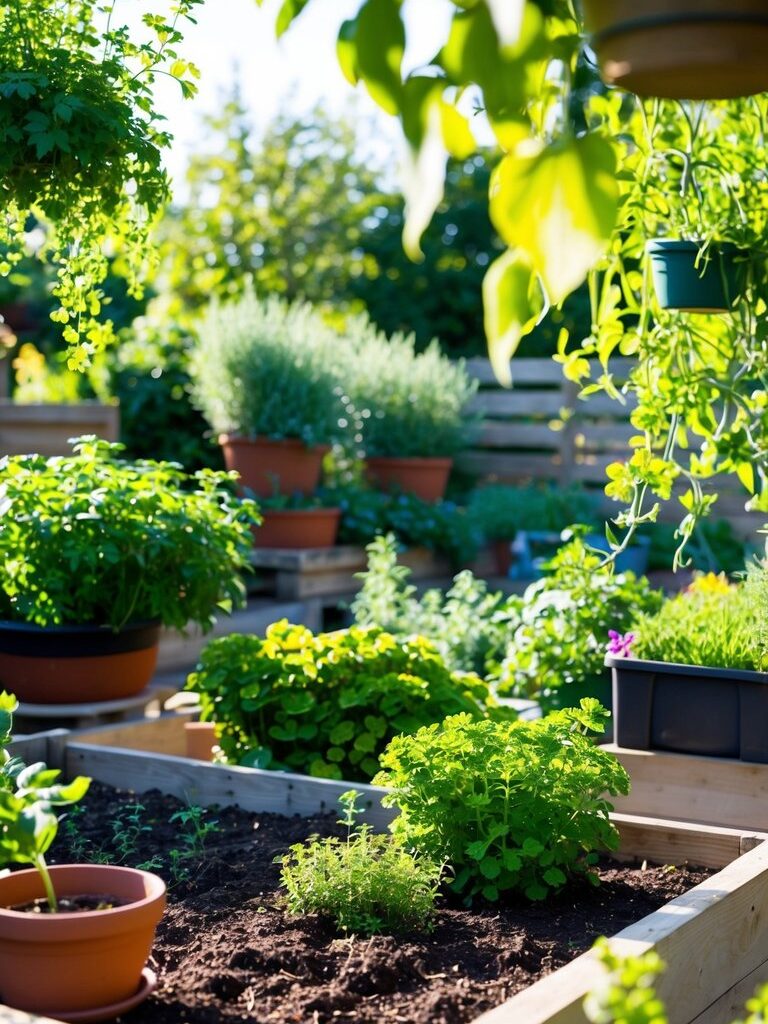
Cultivating your own herbs is a deeply satisfying and fun venture. Whether you have a sprawling backyard or a cozy apartment balcony, you can easily integrate a personal herb garden into your home.
These concepts will empower you to introduce fresh, vibrant flavors into your cooking, all while adding a splash of beautiful greenery to your living space.
Get ready to explore some inspired DIY projects and practical tips that make herb gardening an absolute breeze.
1. Start with a Compact Pot
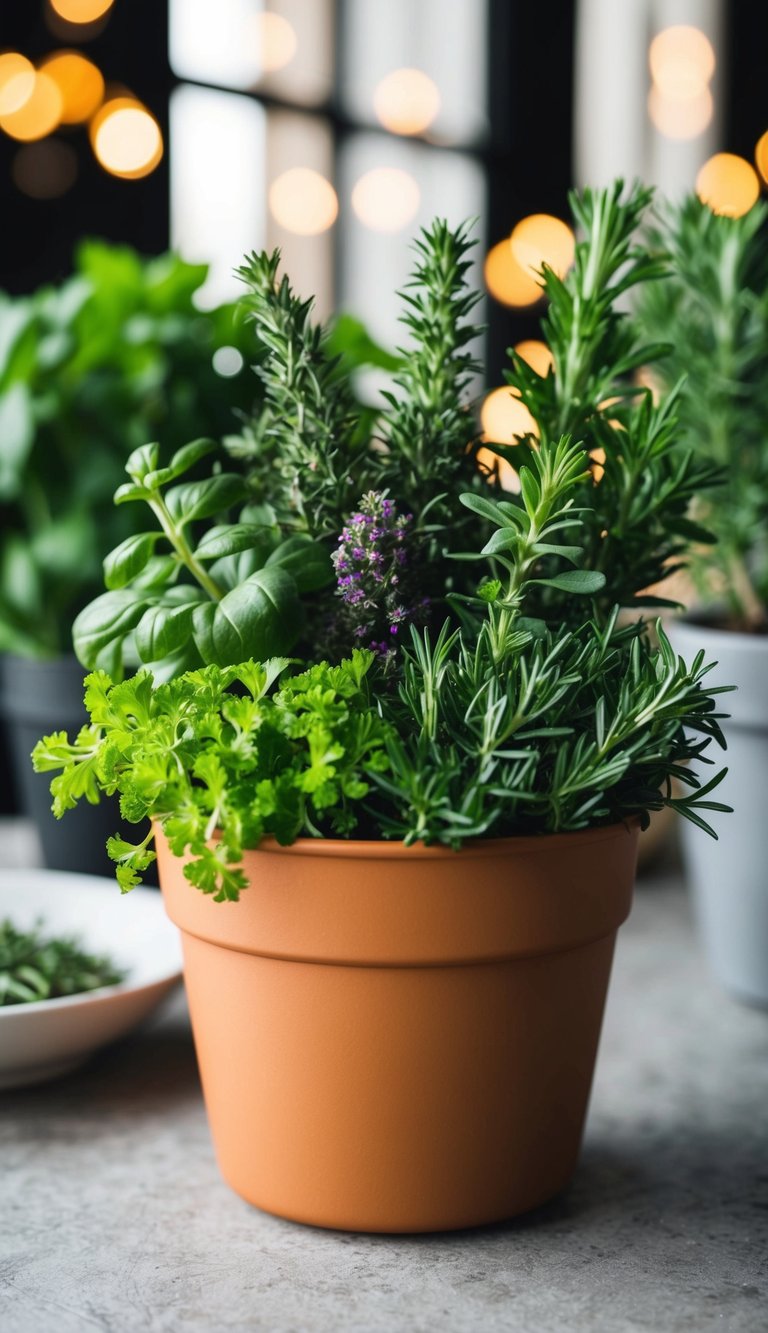
Beginning your herb garden with a compact pot is an excellent strategic move. A pot with a smaller footprint is simple to manage and can be placed just about anywhere in your home or on a balcony. This size also fosters healthy development, since herbs do not require a vast amount of space to flourish.
It is crucial that the pot offers proper drainage. Good drainage is key to preventing overwatering, a common issue that can cause harm to your plants. You can easily find small pots made from various materials, such as clay or plastic, at any local garden center.
Select a pot that provides at least 6 inches of depth to support a healthy root system. Herbs like basil and thyme perform exceptionally well in containers of this size.
2. Try a Vertical Herb Garden
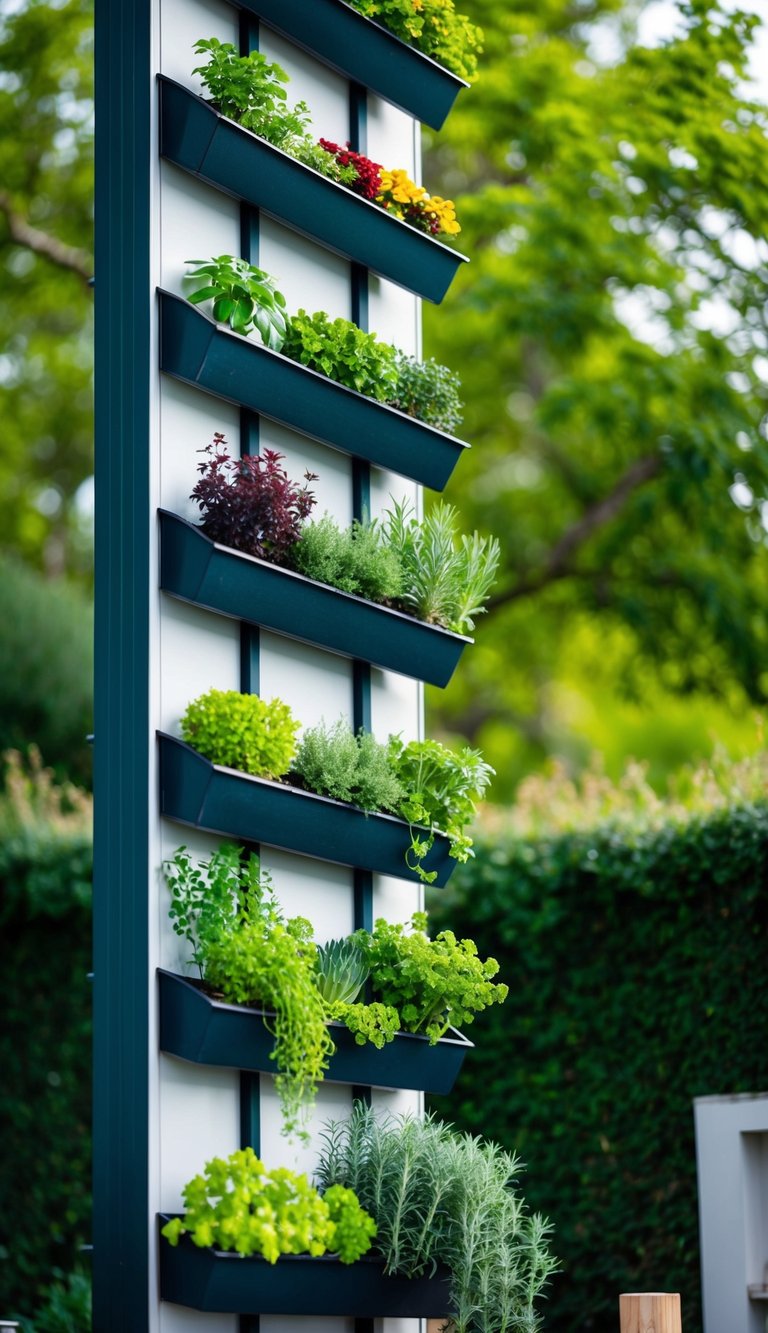
A vertical herb garden presents a fantastic solution for growing your favorite herbs while conserving precious floor space. You can utilize walls, fences, or any other vertical surface to establish a garden that is as functional as it is beautiful.
Consider hanging individual pots, using wooden pallets for a rustic look, or even repurposing old furniture like dressers. These creative approaches allow you to organize your herbs efficiently and keep them conveniently within reach for your culinary adventures.
Always choose herbs that are well suited to your local climate. Water them consistently, but also confirm they have sufficient drainage to encourage optimal growth.
3. Mix Perennials like Rosemary and Thyme
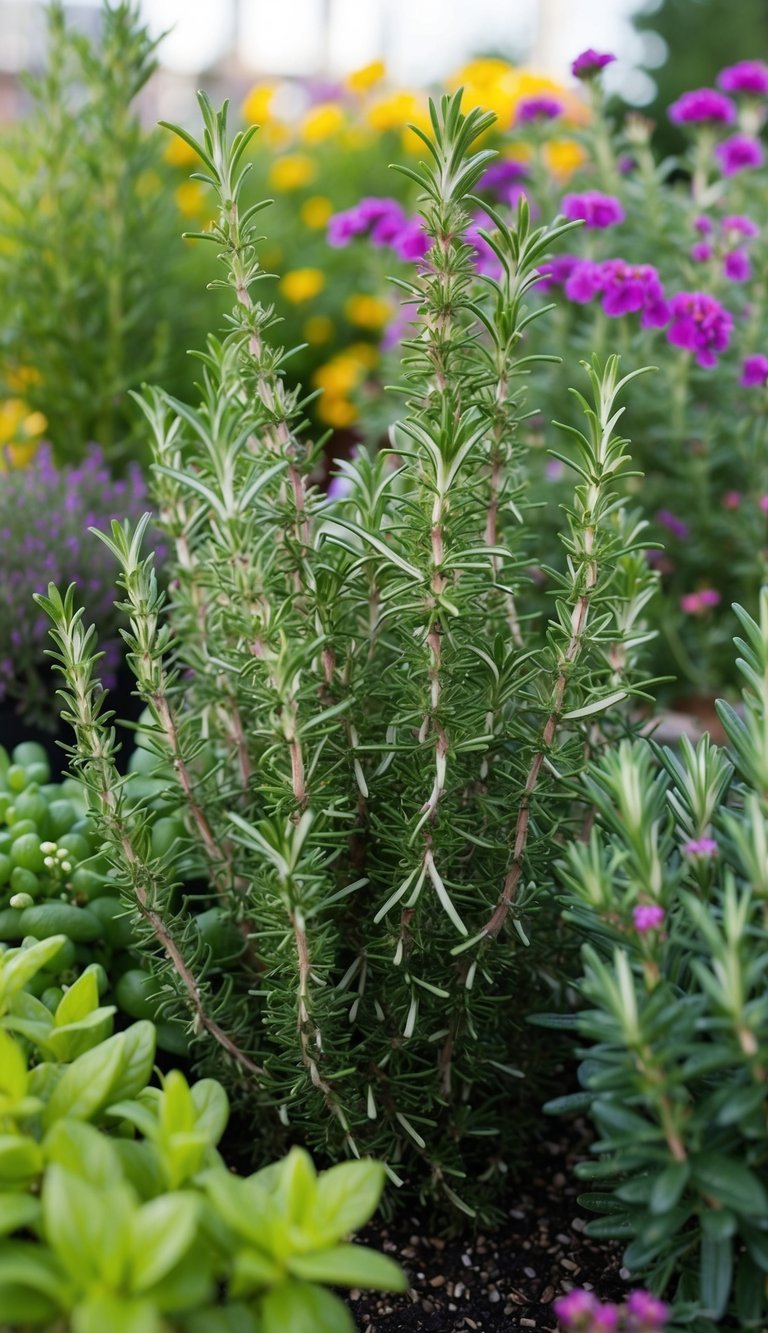
Combining perennial herbs such as rosemary and thyme is a wonderful way to bring both flavor and visual appeal to your garden. These particular herbs grow well together and are perfect culinary companions in the kitchen.
Rosemary contributes a robust, powerful aroma, while thyme introduces a more subtle and earthy note. For the best results, plant them in soil that drains well and make sure they receive an abundance of sunlight.
You can create a visually stunning herb garden by pairing rosemary and thyme. They not only look fantastic next to each other, but they will also elevate the taste of your favorite dishes.
4. Create a Kitchen Windowsill Garden
A kitchen windowsill garden is an incredibly practical way to have fresh herbs available right where you need them most. You can use small, individual pots or even charming mason jars to cultivate favorites like basil, parsley, or chives.
Ensure your chosen containers have adequate drainage and position them on a windowsill that receives plenty of sunlight. It is a good practice to rotate them from time to time to promote balanced, even growth.
Water your herbs whenever the soil feels dry to the touch. With just a little attention, you will have a constant supply of fresh herbs to enhance your cooking.
Begin with easy to grow herbs like basil and parsley. They thrive indoors and are versatile in many different recipes.
5. Use Hanging Planters for Mint
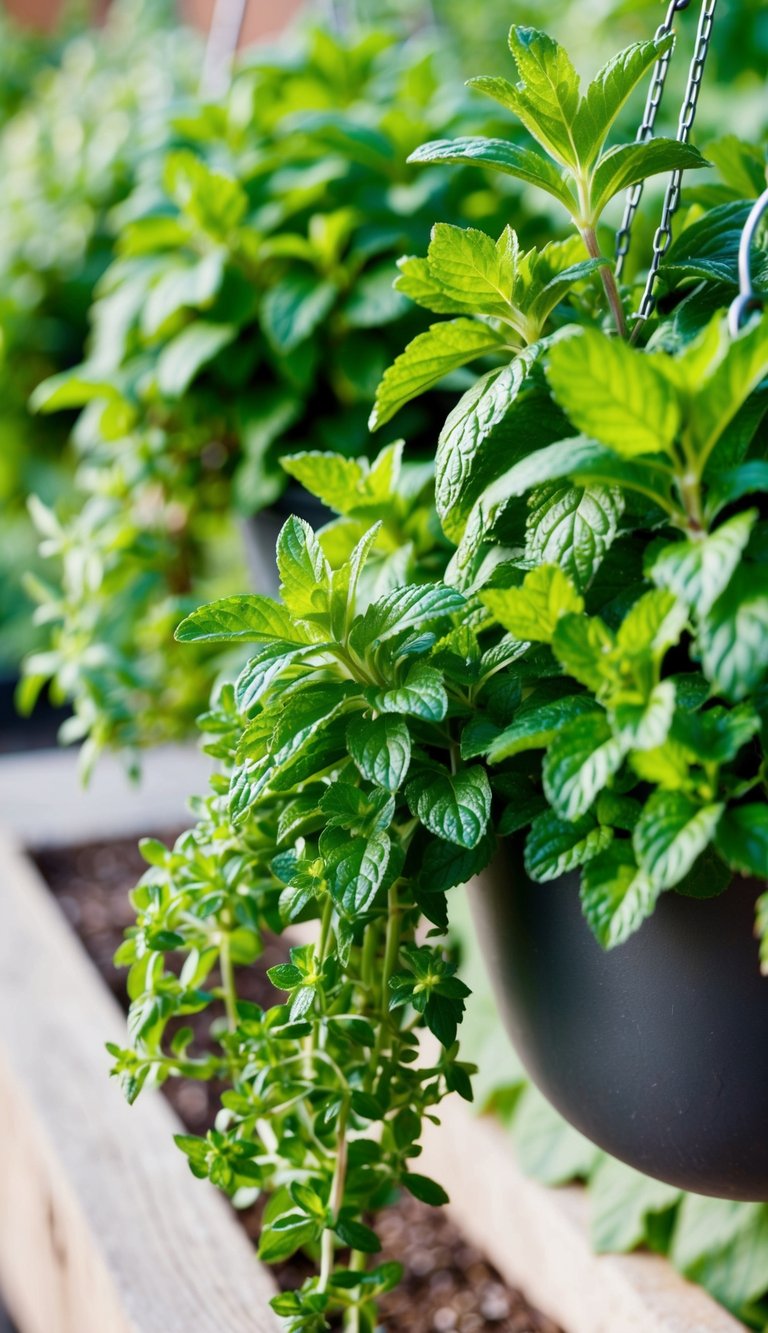
Hanging planters offer a fun and stylish method for cultivating mint. This approach saves valuable ground space and adds a decorative touch to porches or fences. Mint also has a lovely trailing habit, which creates a beautiful cascade of greenery in any area.
By using hanging planters, you effectively contain the mint. This prevents the plant from aggressively spreading throughout your garden. You can enjoy a fresh supply of mint for your recipes and drinks without it taking over your entire yard.
Mint adores sunlight, so be sure to hang your planters in a bright, well lit location. You will also need to water them regularly to maintain healthy, fresh mint plants.
6. Incorporate Herbal Spirals
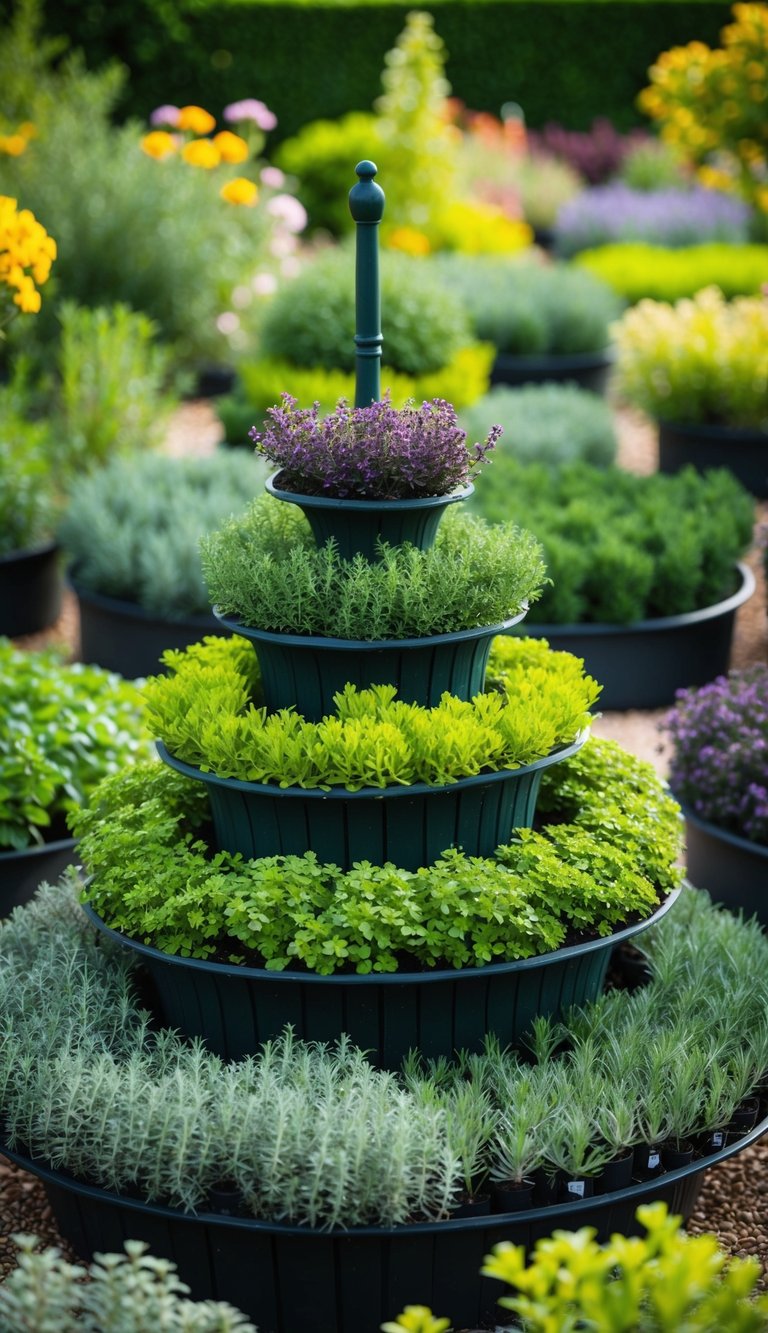
An herb spiral is an ingenious way to maximize the potential of your garden area. This unique design utilizes a spiral form to create multiple microclimates and growing conditions within a compact footprint.
The top of the spiral is perfect for herbs that prefer full sun and excellent drainage, like rosemary and thyme. The lower sections are better suited for herbs that appreciate more moisture, such as mint.
Herb spirals are not just visually distinctive; they also improve accessibility. You can effortlessly reach plants at various levels without having to bend and strain your back.
Be sure to construct your spiral using durable, sturdy materials. A well built spiral will provide years of enjoyment and enhance your overall gardening experience.
7. Grow Herbs in Recycled Containers
You can very easily cultivate herbs using a variety of recycled containers. Everyday items like plastic bottles, mason jars, and even empty milk cartons can be transformed into excellent planters.
Just remember to clean them thoroughly and create drainage holes in the bottom. This simple step ensures your herbs have a healthy environment to grow and thrive.
Unleash your creativity by painting your recycled containers to add a pop of color to your garden. Just make sure any materials you use are safe for your plants.
8. Plant Fast-Growing Basil
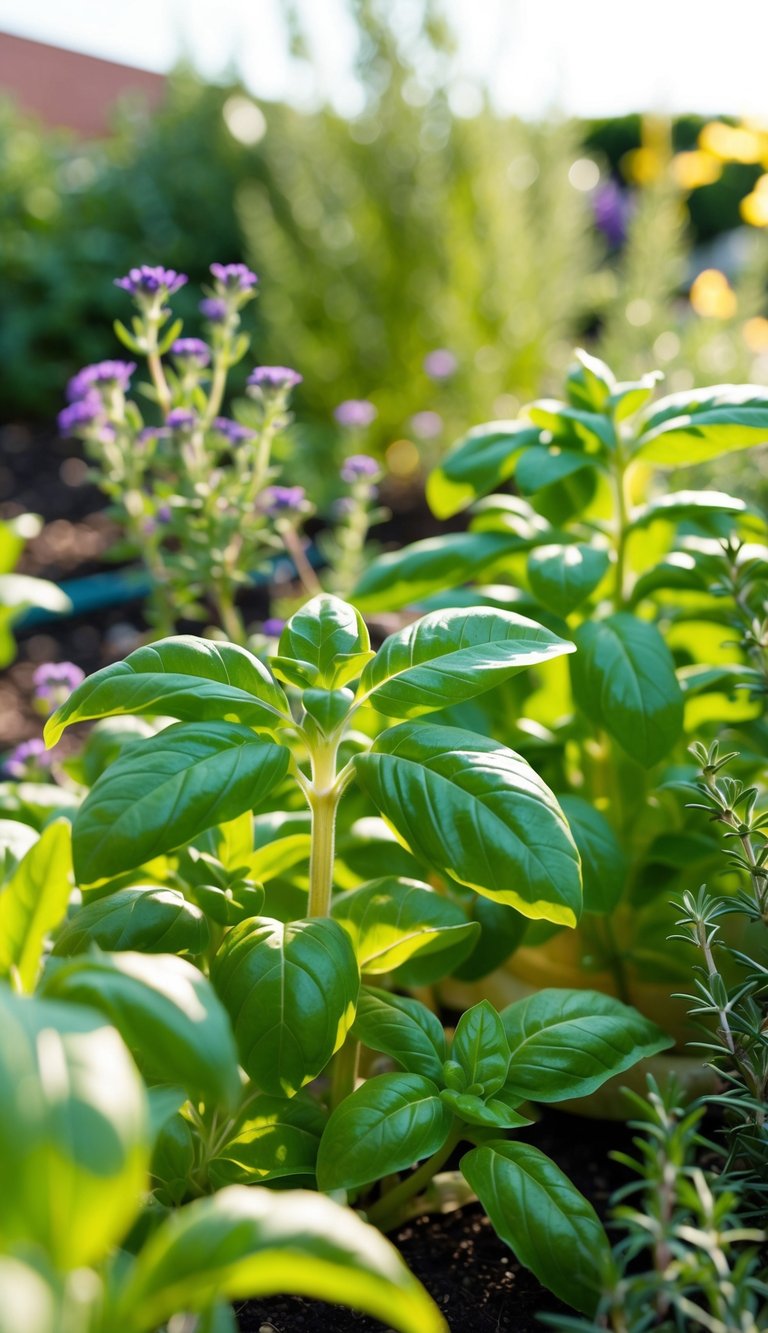
Basil stands out as one of the most straightforward herbs to cultivate. It loves warm conditions and can be ready to harvest in only a matter of weeks.
Choose a sunny location with soil that drains well. Consistent watering is key to promoting healthy growth, but be careful not to let the plant become waterlogged.
Trimming the leaves frequently will encourage the plant to produce new growth. You can also explore planting different varieties of basil to introduce more flavors and colors to your garden.
Basil needs warmth, so it is best to wait until the danger of the last frost has passed before planting. Maintaining moist soil will yield the best results.
9. Opt for Edible Flowering Herbs
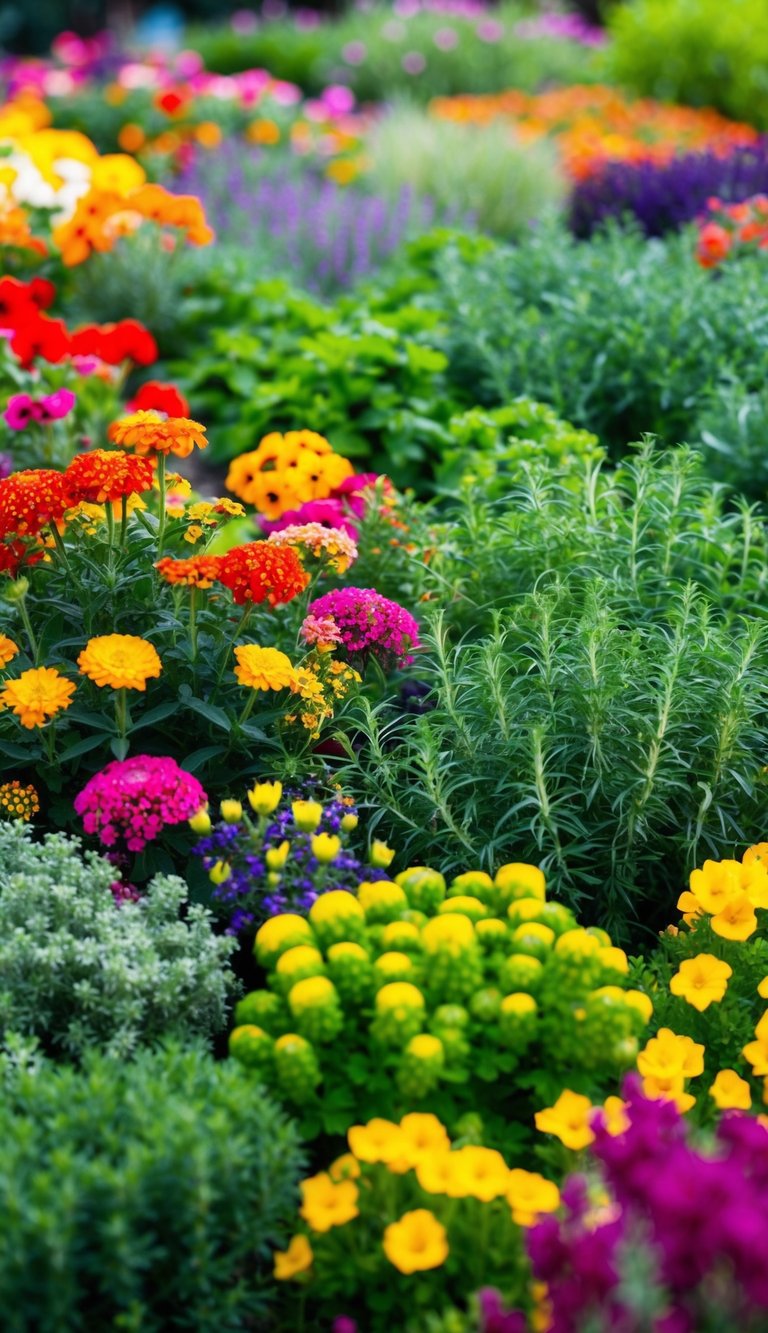
Cultivating edible flowering herbs is a great way to add both beauty and flavor to your garden. Herbs like nasturtiums and borage are not only delicious but also produce stunning, vibrant flowers. These blossoms can be used to brighten up salads or as eye catching garnishes.
Chive flowers are another wonderful and tasty choice. They offer a delicate onion flavor and can add a lovely finishing touch to your dishes. Think about incorporating these types of herbs to create a garden that is as delicious as it is visually appealing.
Mix flowering herbs throughout your garden beds for a spectacular look. They will attract beneficial pollinators and significantly enhance your meals.
10. Grow Cilantro in Shaded Areas
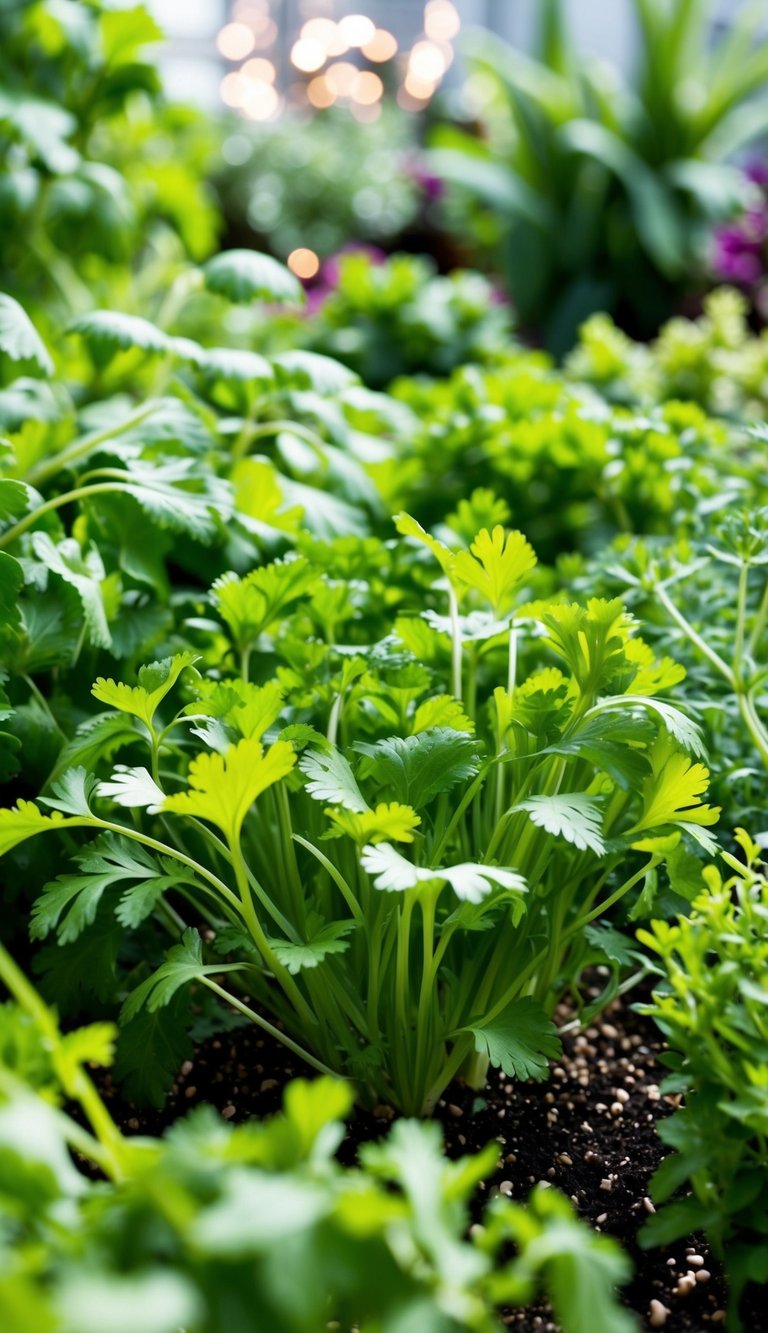
Cilantro does best in cooler temperatures, so planting it in a shaded spot can lead to a more successful harvest. If you live in a hotter climate, find a location for your cilantro that receives morning sun followed by afternoon shade. This arrangement helps prevent the plants from wilting under intense heat.
You can plant cilantro alongside other vegetables, particularly brassicas and legumes. This companion planting method not only optimizes space but also allows taller plants to offer some protective shade during the warmest hours of the day.
Cilantro enjoys companionship. Try pairing it with taller plants to provide maximum shade and foster a highly productive garden.
11. Contain Aggressive Growers like Mint
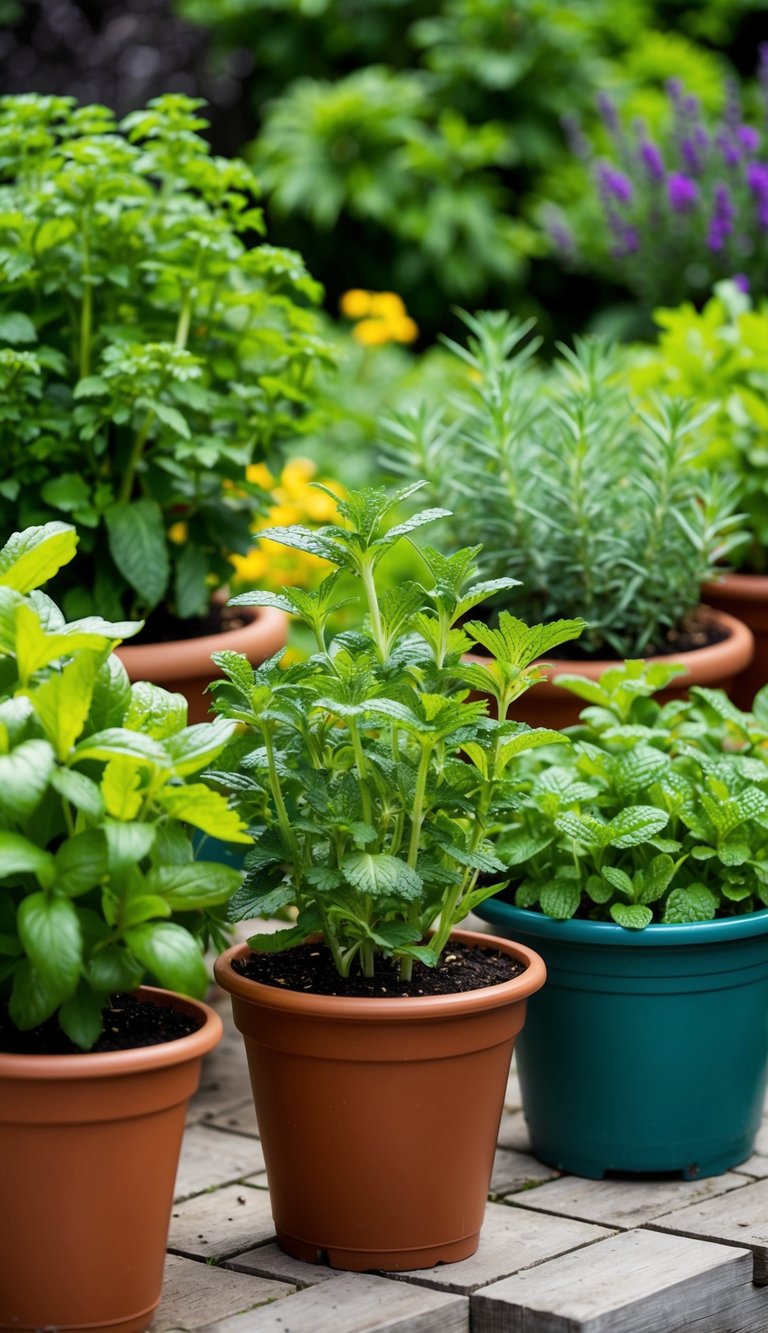
Mint is a well loved herb, but its rapid growth can quickly overwhelm your garden. To manage its aggressive nature, you should plant mint in its own separate pot. This technique effectively contains its root system and stops it from spreading uncontrollably.
Using pots also gives you the flexibility to move your mint around your garden as needed. You can select containers that complement your garden’s aesthetic while successfully keeping your mint under control.
Plant mint in a large container that has drainage holes. This allows the herb to thrive while remaining neatly contained.
12. Design Raised Bed Herb Gardens
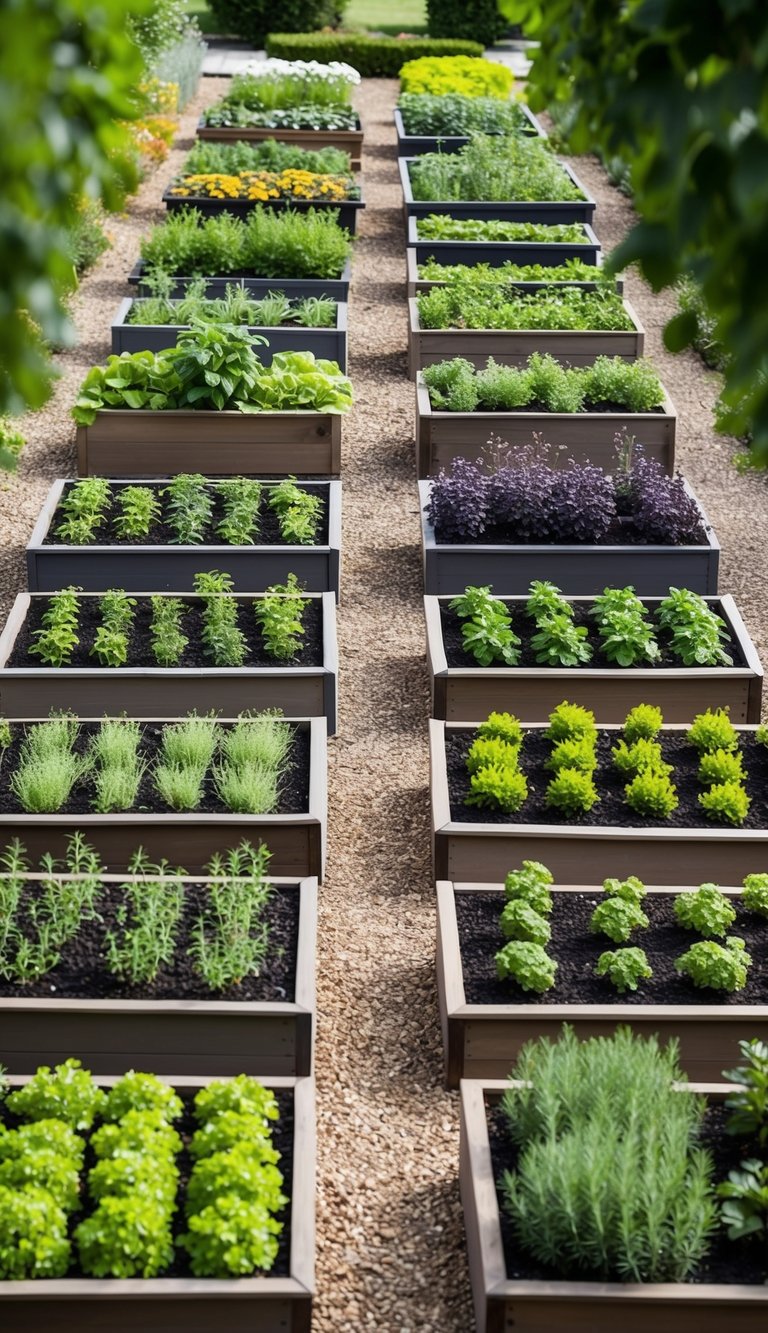
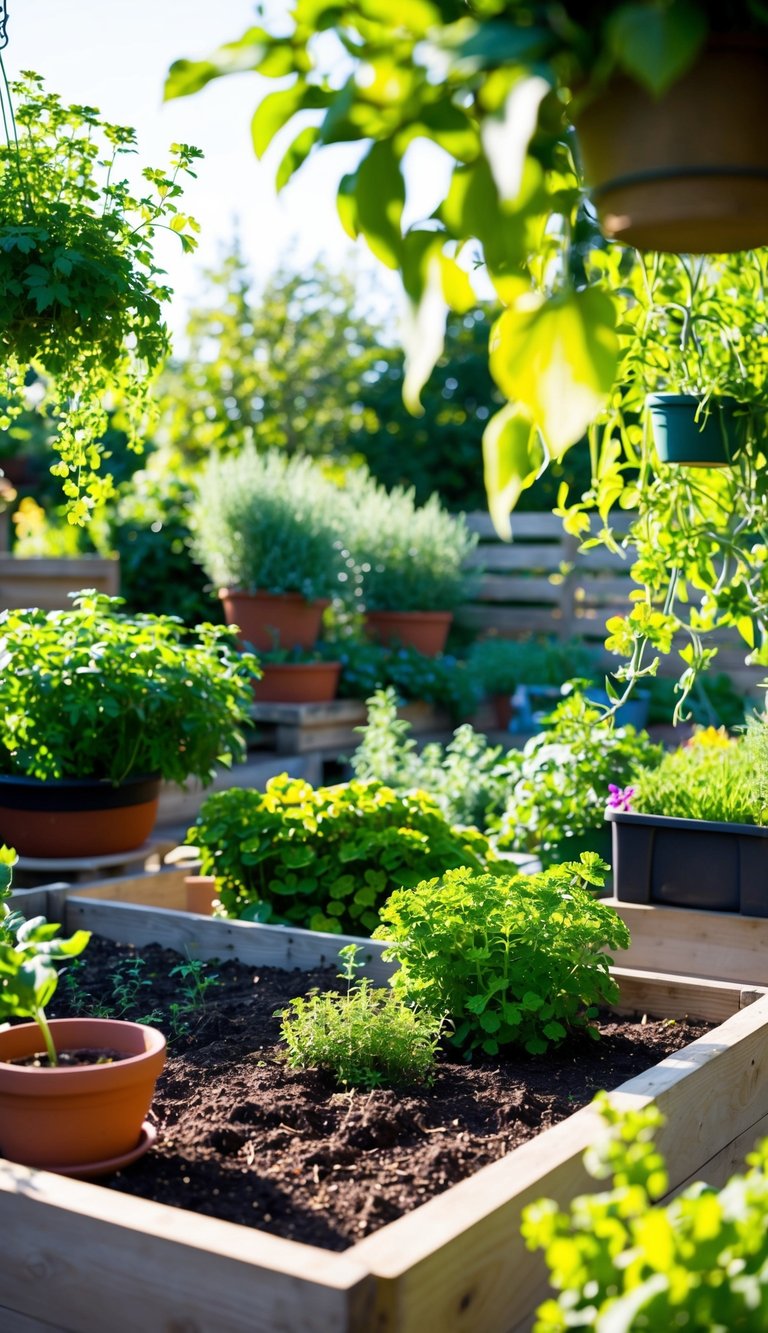
Creating raised bed herb gardens is an excellent method for maximizing your gardening area and keeping your herbs neatly organized. You can select from various shapes, such as rectangular or square, to best fit your available space.
Consider using materials like wood or stone to construct the borders. This not only helps to clearly define the gardening space but also adds a beautiful aesthetic element to your garden’s overall design.
You can strategically plan your layout according to the amount of sunlight each herb requires. Grouping herbs with similar needs for light and water together will make their care much simpler.
Think about adding a trellis for vining herbs to conserve space. This also creates a striking vertical element in your garden.
13. Plant Lemon Balm for a Refreshing Scent
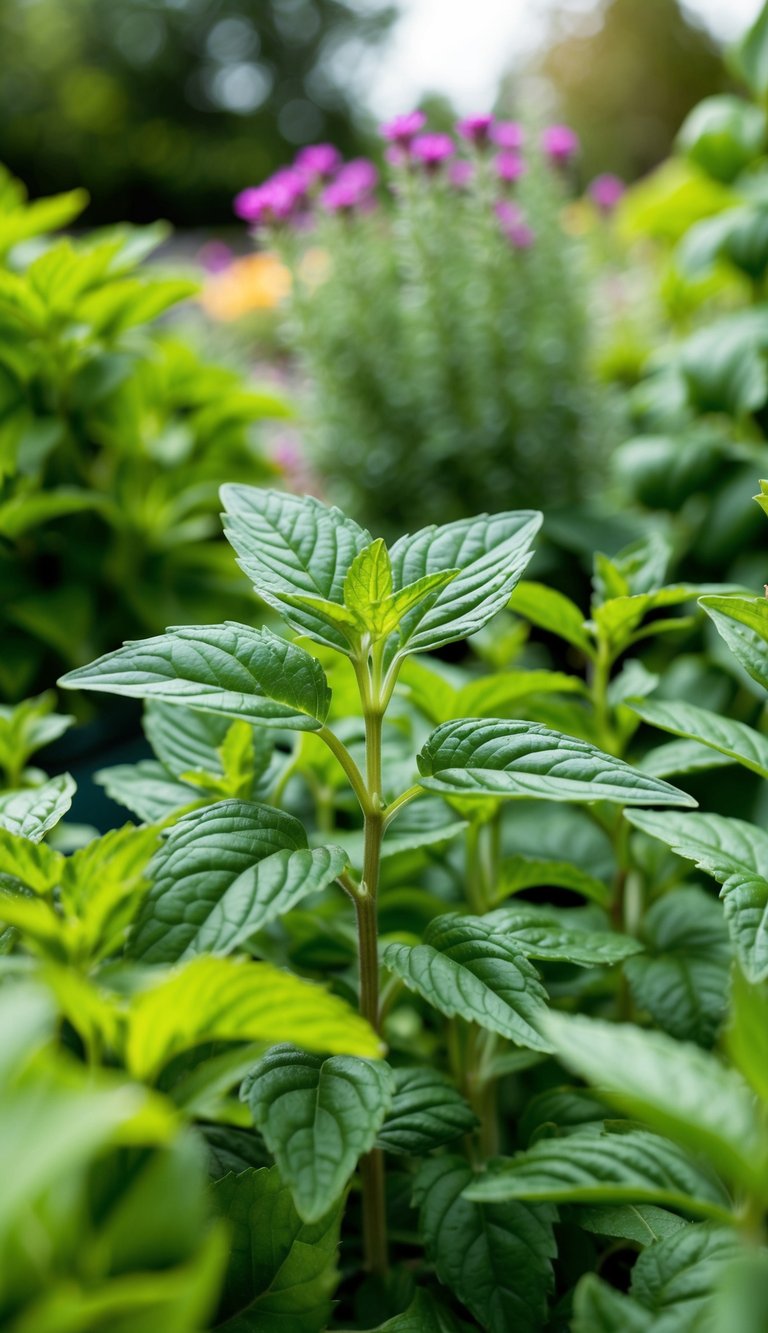
Lemon balm makes a wonderful addition to any herb garden. It releases a lovely, fresh fragrance that can make your outdoor space feel even more welcoming and pleasant.
You can easily propagate lemon balm from either seeds or cuttings. It is a resilient plant that prospers in a wide range of growing conditions.
This herb pairs beautifully with others, including mint and bee balm. Planting them together will result in a fragrant and visually colorful garden area.
Lemon balm grows very well in pots, which makes it easy to reposition around your garden. Try keeping it close to your kitchen for convenient access to its fresh leaves.
14. Use Self-Watering Pots
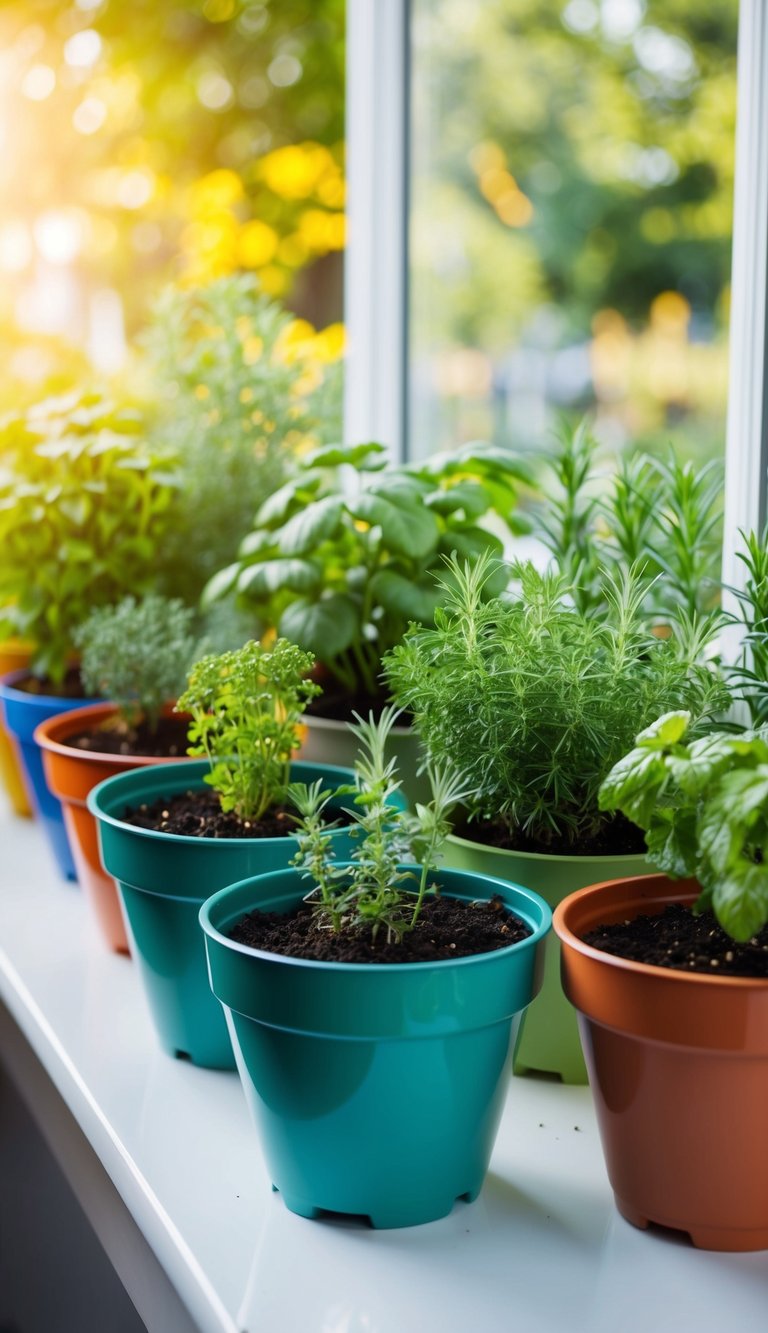
Self watering pots are a fantastic tool for maintaining the health of your herbs. They ensure a steady supply of moisture, so you no longer need to guess about over or under watering. You can even fashion your own using basic materials like soda bottles and cotton string.
These pots are particularly useful if your schedule is busy or if you travel frequently. Simply set them up, and your herbs will flourish with minimal intervention on your part.
Place a small plastic container in the bottom of the pot to serve as a water reservoir. This simple hack can help keep the soil consistently moist for a longer period.
15. Experiment with Dill in Sunny Spots
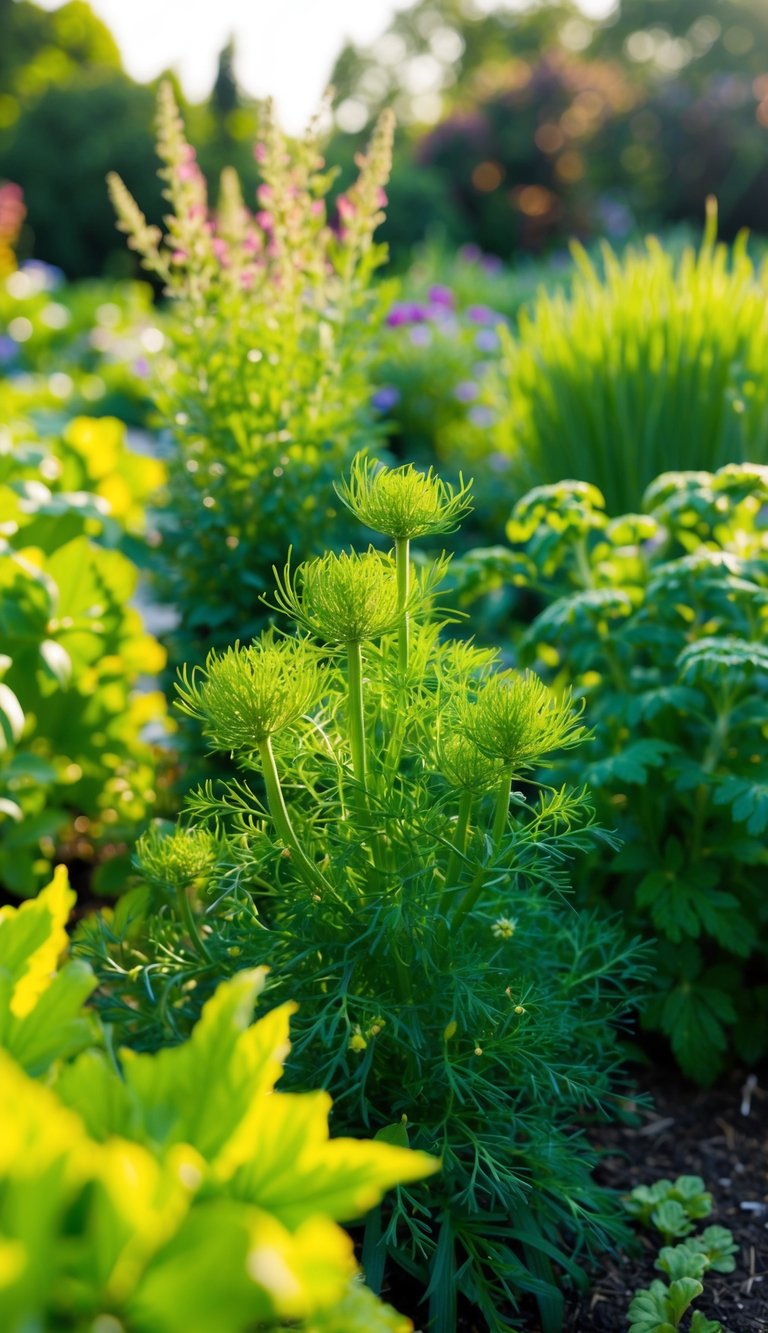
Dill is a sun loving herb, so be sure to choose the sunniest location in your garden. It thrives in soil that drains well, which allows its roots to breathe properly. Sow the dill seeds directly into the garden bed and cover them with a light layer of soil.
Remember to thin the seedlings as they grow to ensure each plant has adequate space to mature. Dill can impart a wonderful flavor to salads and other dishes, so get ready to enjoy your fresh harvest.
It is important to water dill regularly, especially during its growth phase. Dill can wilt very quickly in dry conditions, so monitor the soil moisture levels closely.
16. Create a Herb-Themed Patio Corner
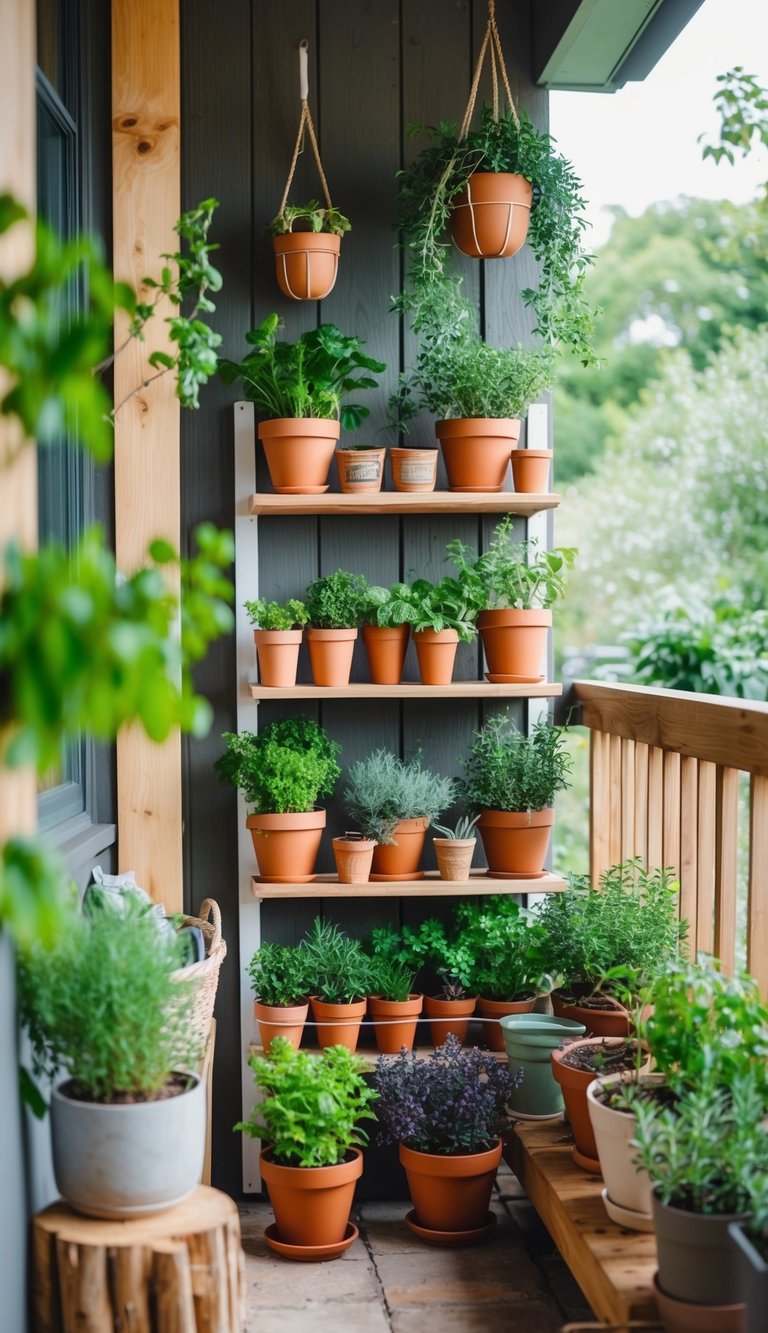
You can transform a small corner of your patio into a delightful herb garden. Utilize various containers like pots or baskets to arrange layers of different herbs. This type of setup simplifies their care while making your outdoor area feel warm and inviting.
Select herbs that you use often in your cooking, such as basil, mint, or thyme. Organize them in a way that provides easy access while also being aesthetically pleasing. You can also incorporate small decorative touches like garden markers or colorful stones to add extra personality.
Mix your herbs with flowers for a truly vibrant display. Just make sure the location receives enough sunlight for the herbs to grow properly.
17. DIY Herb Wall with Shelves
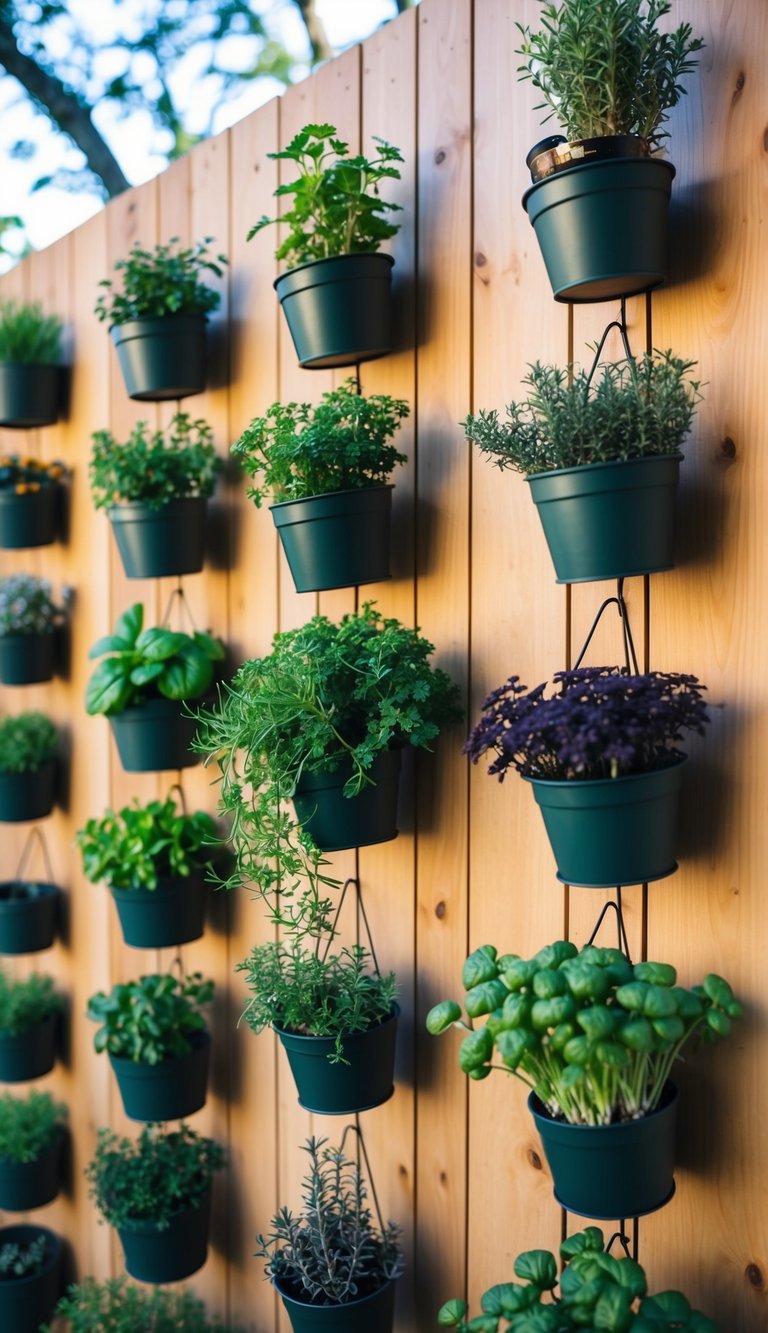
A DIY herb wall is a clever solution for saving space while enjoying the benefits of fresh herbs. You can mount shelves directly onto a wall and then arrange your potted herbs. This creates a decorative feature and keeps your herbs conveniently accessible.
Choose durable materials for the shelves, such as wood or metal, to adequately support the weight of your plants. Arrange the pots strategically to ensure all the herbs receive sufficient sunlight. This setup is not only visually appealing but also makes tending to your garden very easy.
Select herbs that grow well in similar conditions, like basil and parsley. This will help you create a lush and attractive herb wall.
18. Incorporate Chive Blossoms for Color
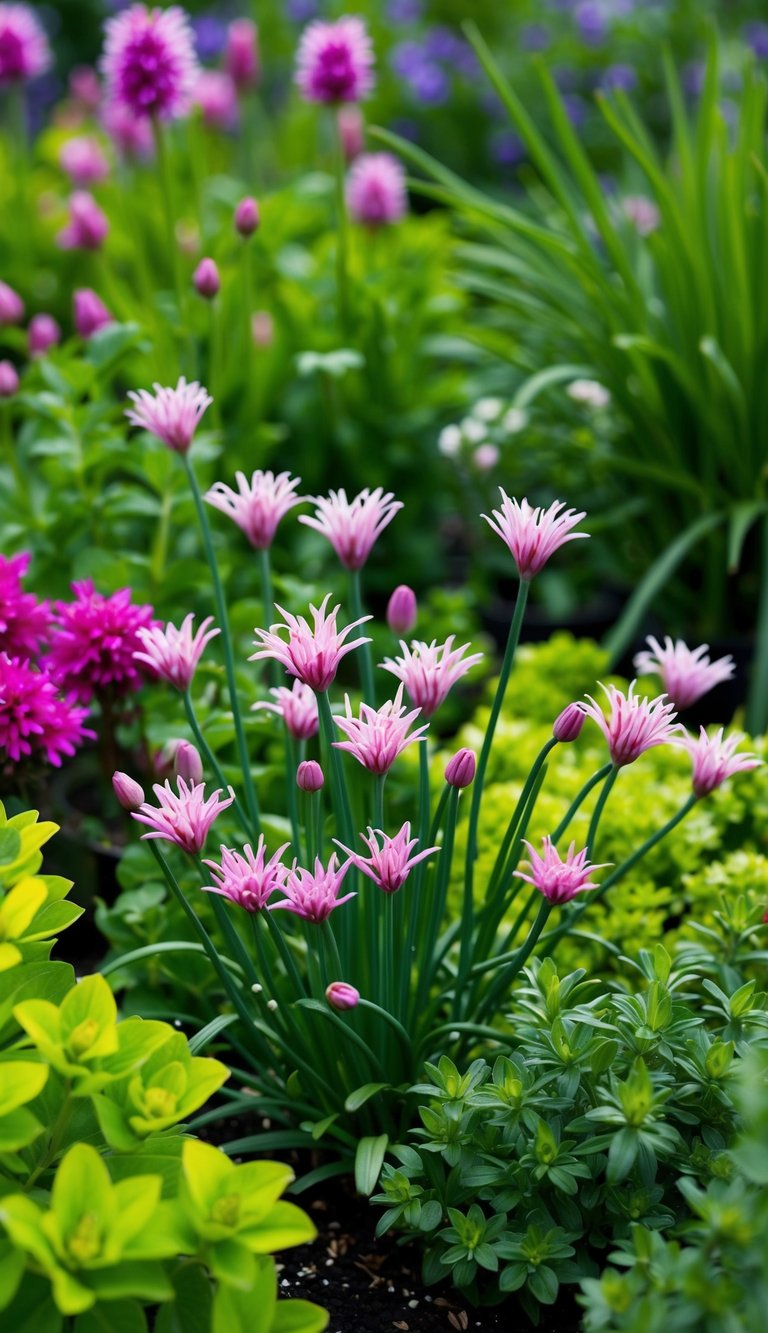
Chive blossoms can introduce a splash of brilliant purple to both your garden and your plate. You can toss them into salads or use them as a garnish to liven up your meals. Their distinct appearance is sure to impress your guests and make your culinary creations memorable.
Consider making a chive blossom vinegar by steeping the flowers in vinegar for about a week. This process not only deepens the color but also infuses the vinegar with a subtle onion flavor, perfect for dressings and marinades.
Chive blossoms are completely edible, so feel free to incorporate them into your cooking. They contribute both beauty and flavor to any dish.
19. Try Hydroponic Herb Gardening
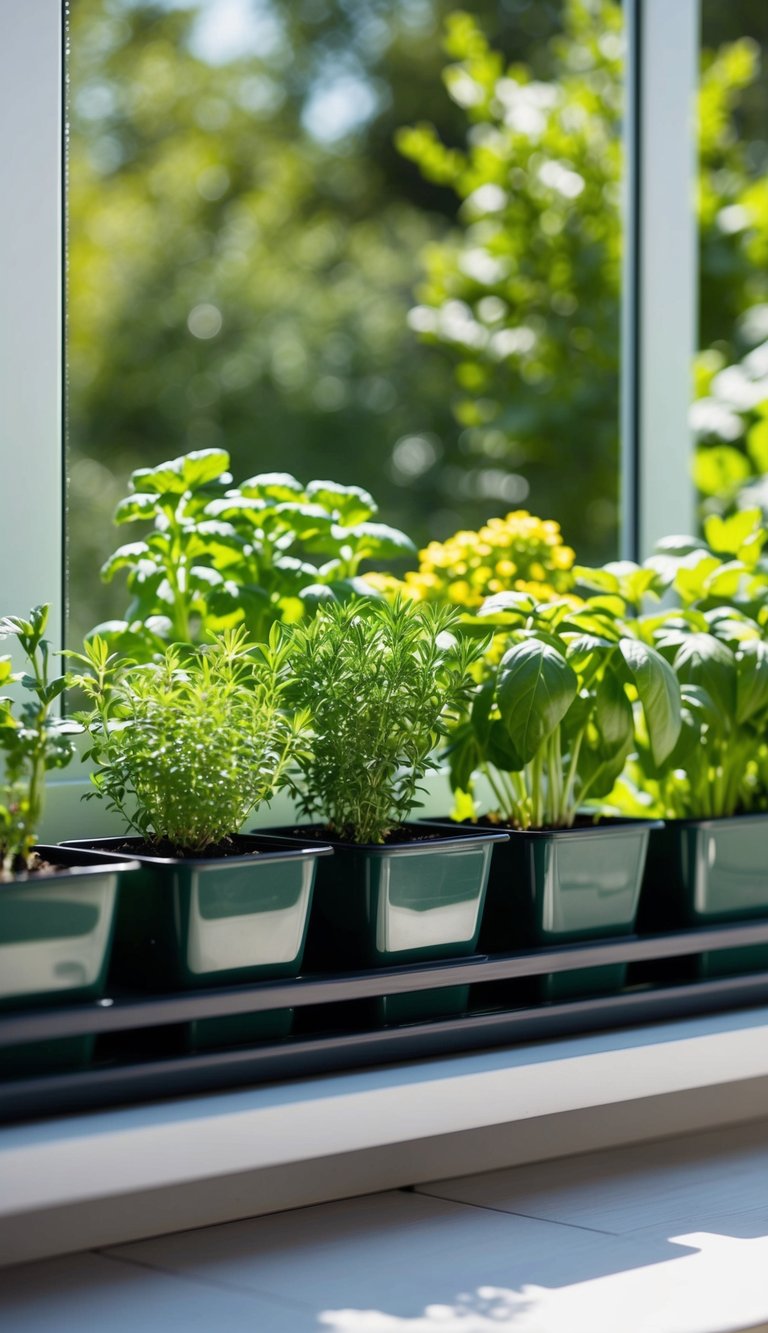
Hydroponic gardening provides a way to grow herbs without any soil. This technique relies on water and a nutrient solution, which makes it a cleaner and more manageable option for indoor environments. It is an ideal choice for small apartments or kitchens.
You can cultivate herbs like basil, mint, and parsley throughout the entire year. A straightforward hydroponic setup can provide you with fresh herbs whenever you need them.
Start with easy to grow herbs like basil and mint. They mature quickly and are excellent choices for beginners.
20. Add a Fragrant Lavender Border
Planting a lavender border around your herb garden can frame it with a beautiful, aromatic edge. The lovely purple flowers of the lavender plant attract pollinators and can also help deter some harmful pests.
You can plant lavender along garden pathways or as a border for your herb beds. Its powerful fragrance adds a calming ambiance, making it perfect for relaxing and enjoying your garden.
Select lavender varieties that are appropriate for your specific climate. Pruning regularly will keep your lavender plants healthy and stimulate more abundant blooms.
21. Plant Parsley Under Taller Plants
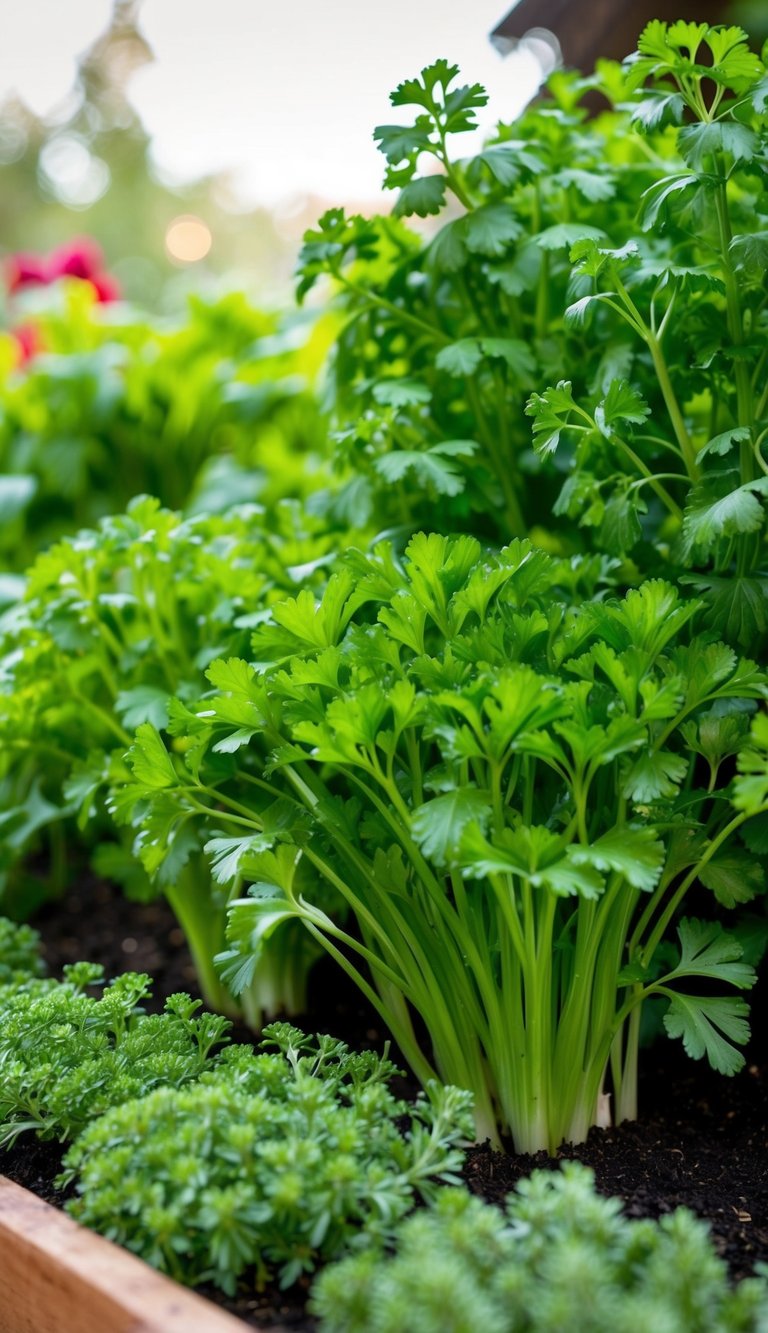
Planting parsley beneath taller plants is a very strategic gardening technique. The taller companions offer protective shade, shielding the parsley from intense, direct sunlight. This allows the parsley to flourish without experiencing heat stress.
You can pair parsley with plants such as tomatoes or peppers. These vegetables grow tall and will not compete with the parsley for ground space.
This kind of diverse planting can also help to deter pests and may even enhance the flavors of the companion plants.
Plant parsley near taller vegetables for a mutually beneficial arrangement. The parsley gets some needed shade, while the taller plants benefit from having a companion.