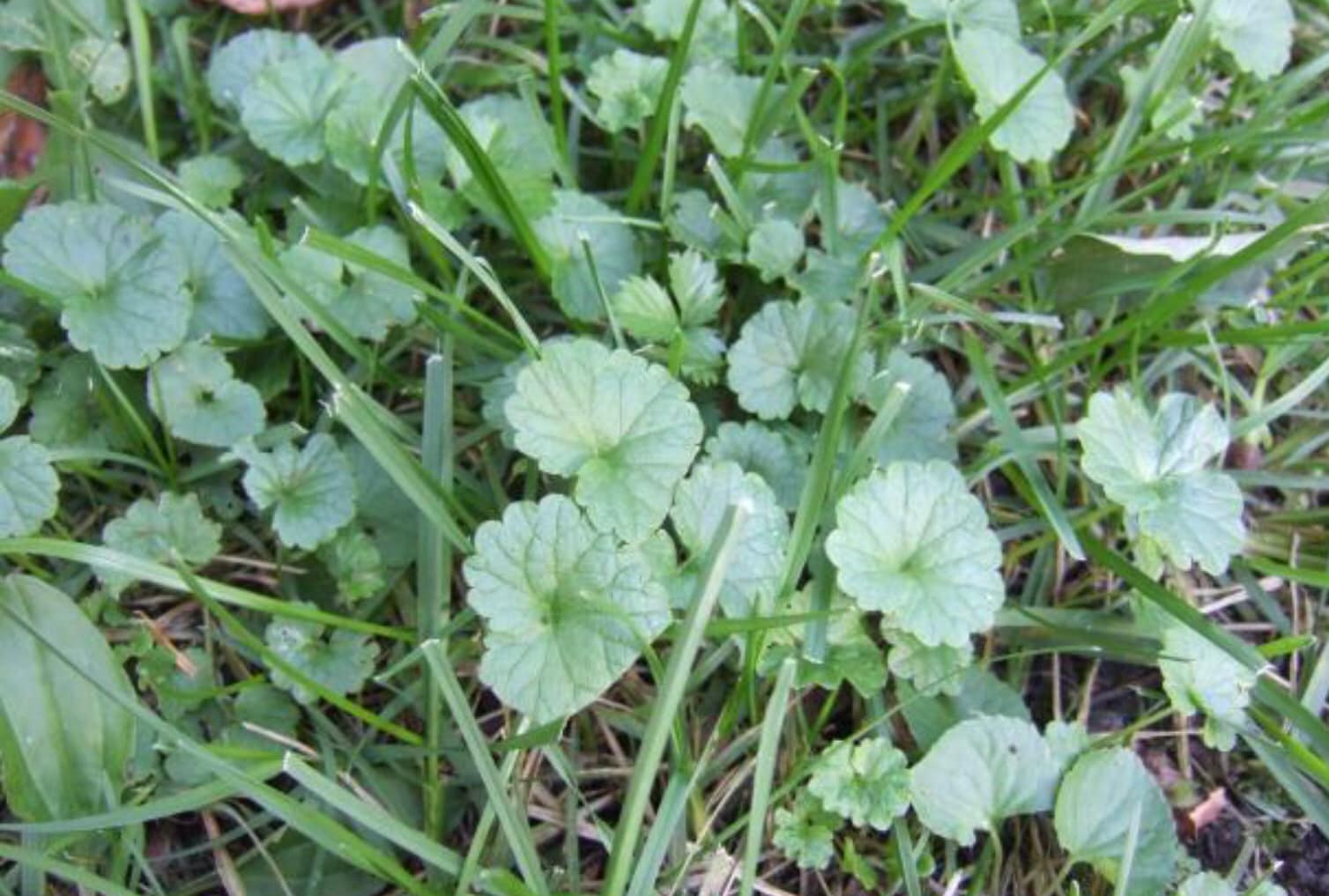
Creeping Charlie is a classic case of a good plant gone bad. Its resilience and dense growth make it a great ground cover if you want it, but a total nightmare if you don’t. This aggressive weed will happily invade your lawn, choke out your garden, and even march right into your neighbor’s yard. If you didn’t plant it on purpose, it’s time to take action before it completely takes over. So, what’s the most effective way to eliminate ground ivy without collateral damage to your other plants? Let’s dive into the best strategies.
What Does Creeping Charlie Look Like?
It’s easy to mistake creeping Charlie for plants like creeping Jenny, so a positive ID is the first step. You don’t want to accidentally remove the wrong plant. Here’s a quick guide to correctly identifying this common weed.
a) Leaves
The leaves of creeping Charlie are a key feature. They are glossy, have a round or kidney-like shape, and typically measure between one and two inches across. Their color is usually a deep green, and they feature toothed or scalloped edges. You’ll notice the leaves grow in opposite pairs along the plant’s stems. If you crush one of the leaves, it will release a distinct minty smell.
b) Stems
Creeping Charlie is characterized by its long, square stems that creep along the ground. As the plant gets older, these stems can become somewhat woody and take on a purplish color. The plant spreads by rooting at its nodes, which allows it to form thick, sprawling mats.
c) Flowers
The flowers are another clear identifier for creeping Charlie. They are small and tubular, presenting in shades from purple-blue to a bluish-violet. These funnel-shaped blossoms feature a prominent lower petal and show up in clusters where the leaves meet the stem. Expect to see them from late spring into early summer, often attracting pollinators like bees.
d) Growth Habit
When left to its own devices, creeping Charlie spreads rapidly, capable of covering large sections of your lawn or garden. It maintains a low profile, growing close to the ground and weaving a dense, carpet-like layer over the soil surface.
Related Post: Creeping charlie look alikes
How To Get Rid Of Creeping Charlie In Lawn And Garden
Once you’ve confirmed that creeping Charlie is the culprit, the next move is to get rid of it. Taking action quickly is crucial before it suffocates your other plants. Let’s look at several effective methods for elimination.
1. Hand Pulling
The most direct and budget-friendly approach to removing creeping Charlie is pulling it by hand. While this method is highly effective, it’s also very labor-intensive, so be sure you’re ready for the task. The goal is to physically remove the weeds, getting as much of the root system as possible to stop it from growing back.
Here’s how to get rid of Creeping Charlie through hand pulling:
a) Gather The Tools and Materials
Gloves: Creeping Charlie can leave a sticky residue on your hands, so wearing gloves is a good idea.
Knee Pads: For larger invasions, you’ll be spending a lot of time on your knees. Knee pads will provide essential protection and comfort while you work.
Hand Trowel or Garden Fork: A small trowel or fork is perfect for loosening the soil around the weed patches, which makes extracting the roots much easier.
b) Prepare
Get your gardening gloves and knee pads on. Have a plastic bag or another container ready to collect the weeds as you pull them.
c) Identify Creeping Charlie
Pinpoint all the areas in your lawn and garden where creeping Charlie has appeared. A thorough survey ensures you can address every visible patch.
d) Loosen the Soil
Carefully use your hand trowel or garden fork to break up the soil around the targeted patches. Work gently to avoid damaging any nearby plants you want to keep.
e) Gently Pull
Take hold of the creeping Charlie stems near the base, close to the soil, and pull them out with a steady, gentle motion. If you encounter stubborn, deep roots, use your tool to help lift the plant out of the ground.
f) Dispose
Put all the pulled weeds into your designated bag or container. Seal it securely to keep the weed from spreading. It’s best to dispose of it with your local waste collection. Avoid composting creeping Charlie, as it can easily re-root and start growing again.
g) Repeat as Necessary
You’ll likely need to go through this process more than once, especially with a severe infestation or if you miss any spots. Persistence is key, so keep an eye on your lawn and garden for any new growth.
2. Use Herbicides
If manual removal isn’t your preference, herbicides offer another solution. You can choose between selective herbicides, which target specific weeds like creeping Charlie while leaving desirable plants unharmed, or non-selective herbicides, which will kill any plant life in the application area.
Look for a herbicide made specifically for broadleaf weeds, a category that includes creeping Charlie. Products containing chemicals such as 2,4-D, dicamba, or triclopyr are known to be effective against this particular weed.
For application, you’ll need a garden sprayer or a handheld spray bottle. Always wear the proper protective equipment, including gloves, eye protection, and clothing that covers your arms and legs, to prevent direct contact with the herbicide.
Steps for Using Herbicides
a) Read the Label
Always read the herbicide label carefully. It contains critical information on application rates, timing, safety measures, and which specific weeds the product controls.
b) Time The Application Period Properly
For the best results, apply herbicides when creeping Charlie is actively growing. This is typically during the spring or early fall.
c) Weather Conditions
Apply the herbicide on a calm day without any wind. Wind can carry the herbicide spray to other plants, causing unintended damage. Applying it in rainy conditions can cause the product to wash away before it can work.
d) Spot Treatment
For smaller infestations or scattered patches, spot treating with a handheld spray bottle is a great approach. Aim the spray directly onto the creeping Charlie leaves, taking care to avoid overspray on your other plants.
e) Broadcast Application
A broadcast application with a garden sprayer is more efficient for larger areas of infestation. Mix the herbicide as directed by the manufacturer and apply it evenly over the affected lawn, but avoid oversaturating the soil.
f) Reapplication
Depending on how widespread the problem is, you may need to reapply the herbicide. Check the manufacturer’s guidelines for the recommended time between applications. Complete eradication can take time, so patience and persistence are essential.
g) Post-Treatment Care
Avoid mowing your lawn for a few days after application to allow the herbicide to be fully absorbed by the weed. After that, you can return to your regular lawn care routine of mowing, watering, and fertilizing to promote healthy grass growth and discourage weed regrowth.
h) Disposal
Clean your sprayer thoroughly after you’re finished, following the instructions on the herbicide label. Properly dispose of any leftover herbicide according to local regulations, and be sure to rinse your protective gear as well.
3. Mulching
You can effectively suppress creeping Charlie’s growth by applying a layer of mulch. In addition to weed control, mulching is beneficial for retaining soil moisture, regulating soil temperature, and boosting the overall health of your soil.
Steps for Mulching
a) Prepare the Area
Before you mulch, clear the area of any existing creeping Charlie and other weeds. This initial cleanup prevents them from simply growing up through the new mulch layer.
b) Apply the Mulch
Spread your chosen mulch evenly over the soil in your garden beds, creating a layer that is two to three inches thick. Organic mulches like wood chips, straw, leaves, or compost are excellent choices because they also enrich the soil as they decompose.
c) Maintain the Mulch Layer
Check on your mulch periodically to ensure it remains at the ideal thickness. If you notice it thinning out, add more to keep its weed-suppressing power strong.
d) Mulch Near Plants
When applying mulch around trees and shrubs, be careful not to pile it up directly against the stems or trunks. Leaving a small gap helps prevent a moist environment that can lead to disease.
4. Smothering
This method is particularly effective for dealing with small patches of creeping Charlie in garden beds or along walkways. The idea is to cover the infested area with a physical barrier, blocking sunlight and stopping the plant’s growth.
Follow these steps:
First, remove any visible creeping Charlie and weeds from the area you plan to smother. Cut a piece of landscape fabric large enough to cover the entire affected section. Lay the fabric down, making sure it completely covers the cleared-out region. Secure the edges of the fabric with mulch or weights to hold it firmly to the ground. This will stop creeping Charlie from pushing through any openings. Check the area from time to time to make sure the fabric is still secure. If any new growth appears around the edges, pull it out immediately.
Conclusion
Getting rid of creeping Charlie is a manageable task, but it requires persistence and the right approach. Whichever method you decide on, being proactive is the key to successfully controlling this invasive weed. Remember that keeping your lawn or garden free of this plant is essential for its beauty and long-term health.