Are you looking at the spot where your tomatoes thrived last year and wondering how to bring that tired soil back to life? Tomato plants are hungry feeders, and they can pull a tremendous amount of nutrients from the ground, leaving it depleted. Revitalizing that patch of earth is essential before you plant again.
Ideally, you would never plant tomatoes in the same location for several years. This rotation allows the soil to naturally recover its nutrient balance. It also minimizes the risk of blight and other diseases that can linger in the soil. For gardeners with small spaces or raised beds, however, rotating crops isn’t always an option.

So, what’s the solution? In these cases, it’s crucial to actively revitalize the soil before the new season begins. Even if you plan to plant something other than tomatoes, restoring the soil is important.
If you neglect to replenish the 1oil, there may not be enough nutrients left to support healthy growth for any plant you choose. After a full season of supporting tomatoes, the soil will be hungry for some attention!
The Toll Tomato Plants Take On Your Soil
Throughout their entire life cycle, tomato plants are heavy feeders. From small seedlings to mature, fruit-producing giants, they constantly draw nutrients from the soil.
Tomatoes require large quantities of nitrogen, phosphorus, and potassium, the three main plant nutrients. Nitrogen is vital for the plant’s growth and development, supporting strong roots, branches, and healthy leaves for photosynthesis.
Phosphorus is necessary for root development and flowering, while potassium is key for producing abundant fruit and maintaining overall plant health. Tomatoes also consume a significant amount of another crucial nutrient: calcium.
An insufficient supply of calcium can cause blossom end rot, a condition that can ruin a large part of your potential harvest.

Additionally, tomatoes absorb trace amounts of magnesium, sulfur, iron, and zinc, all of which are important for the growth of any vegetable plant. The impact is not just on nutrients.
After a full season, the soil can be left weak, crumbly, and lacking structure. Soil without proper structure has difficulty retaining moisture and nutrients, which makes it challenging to sustain any plant life at all.
How To Re-Energize The Soil Where Your Tomatoes Grew Last Year
How can you give your soil the nutrients it desperately needs? Simply adding fertilizer isn’t the complete answer. Fertilizer doesn’t do anything to rebuild soil structure or improve its ability to hold water and nutrients.
The true key to revitalizing your soil is to replenish both its structure and its nutrient content. This process is not overly complicated. You can easily do it by adding a few power-packed ingredients to your soil before planting. The best part is that many of these amendments can be sourced for free.
5 Simple Ingredients You Can Add To Re-Energize The Soil Where Tomatoes Grew
If you have a large garden, it can be challenging to amend the entire space. When recharging specific areas, focus on applying the ingredients near where last year’s plants grew. If you plant in rows, this targeted approach is an easy way to conserve your amendments.
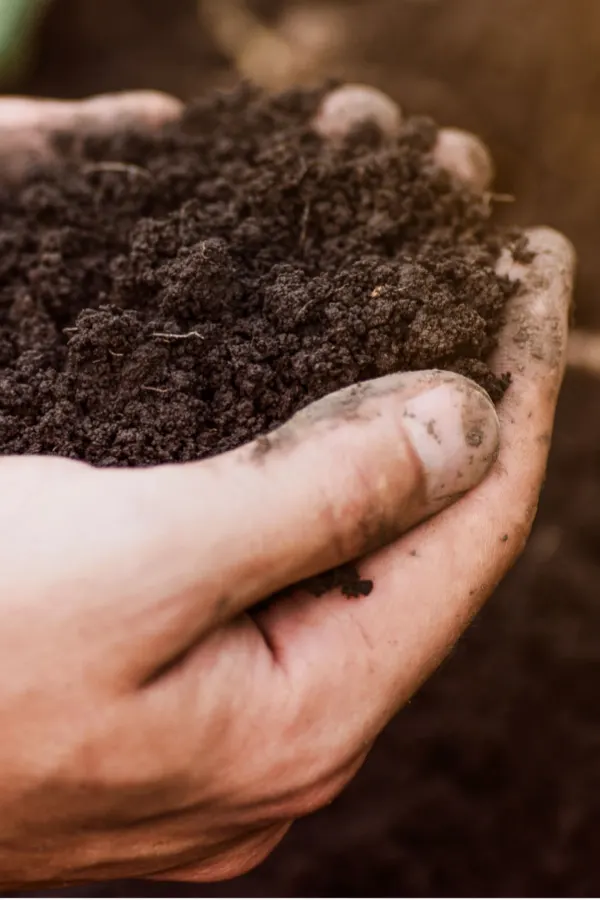
For those with a large garden space, planting a cover crop every fall is a fantastic strategy. It covers the entire garden and helps recharge large areas of soil. In addition to a cover crop, here are the things you can use now to get that soil ready for this year.
Compost – How To Re-Energize The Soil Where Your Tomatoes Grew Last Year
The most important ingredient you can add to tired soil is compost. It is truly the perfect soil amendment. Not only is compost bursting with nutrients, but it is also full of humus and provides excellent structure.
Furthermore, it contains active organisms and beneficial bacteria that help bring old soil back to life. It is difficult to use too much compost, but as a minimum, mixing a few shovels full into each old planting hole area is a great start.
Of course, when you do plant, adding even more compost directly into the new planting hole is essential.
Wood Ashes – How To Re-Energize The Soil Where Your Tomatoes Grew Last Year
The ashes from your fireplace or fire pit are not only free but also excellent for recharging the soil where your tomatoes grew last year.
Wood ashes contain a high amount of calcium (about 20%). They also provide a good amount of potassium. Beyond the nutrients, ashes help build soil structure and can make a real difference in the soil’s ability to absorb water.
So how much should you use? Mixing one to two cups around the area where each tomato plant grew is a good rule of thumb. When you plant this year, you can also mix a quarter cup of ashes directly into the planting hole.
One final note on wood ashes is that too much can be a bad thing. Excessive amounts of ash can alter the soil’s pH. For that reason, sticking to the recommended ratios is the best course of action.
Ground Egg Shells & Coffee Grounds – How To Re-Energize The Soil Where Your Tomatoes Grew Last Year
Ground eggshells are another incredible way to re-energize the soil. Eggshells are full of calcium and other trace minerals and nutrients.
To get the benefits of eggshells quickly, you need to grind them into a fine powder. Large pieces of eggshell can take over a year to break down. To power up your soil fast, grind the shells into a powder using an electric coffee grinder.
Coffee grounds are rich in nitrogen and other trace nutrients. Because they are already finely ground, they are absorbed into the soil quickly. Beyond their nutrients, they also help the soil absorb and retain moisture.
How many coffee grounds should you use? While you can spread them all over your garden, aim to add one to two cups near every old planting hole. Feel free to bury the coffee filter there too, as it will break down quickly and add organic matter.
Grass Clippings – How To Re-Energize The Soil Where Your Tomatoes Grew Last Year
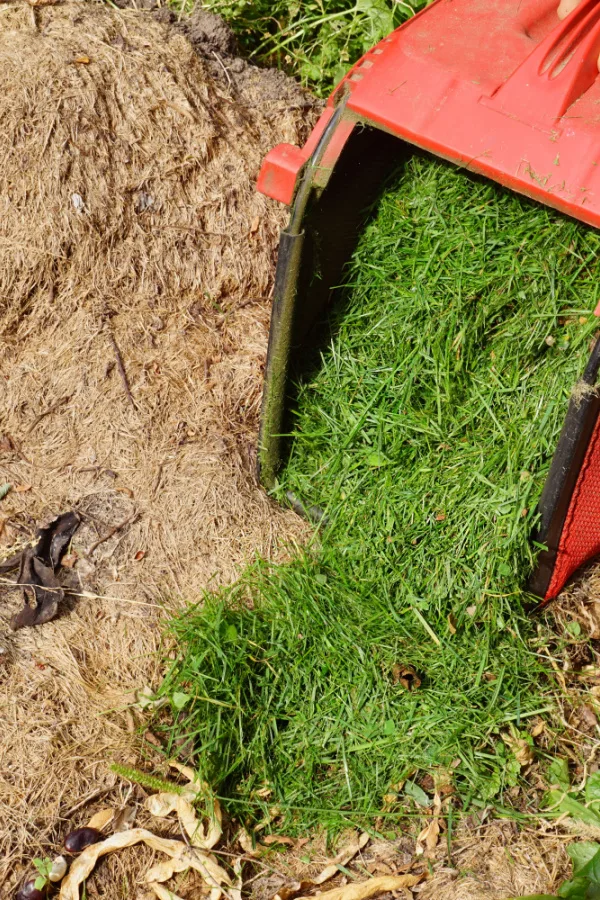
Last but not least, don’t forget to add grass clippings. Grass clippings, especially when green, are full of nitrogen. They also contain many other trace minerals and nutrients. As the clippings decompose, they add a tremendous amount of humus, organic matter, and structure to the soil.
To use them, simply spread an inch or so of clippings on top of the soil and work it into the top few inches. Clippings are also great to use as a mulch around your plants during the season. As they break down, they release nutrients and add more structure to the soil.
A note on grass clippings: if you use a weed and feed product on your lawn, you should avoid using those clippings. The chemical residue can get into your garden soil and affect your crops.
Here’s to taking the time to re-energize your soil before you plant, especially when it comes to the area where your tomatoes grew last year.