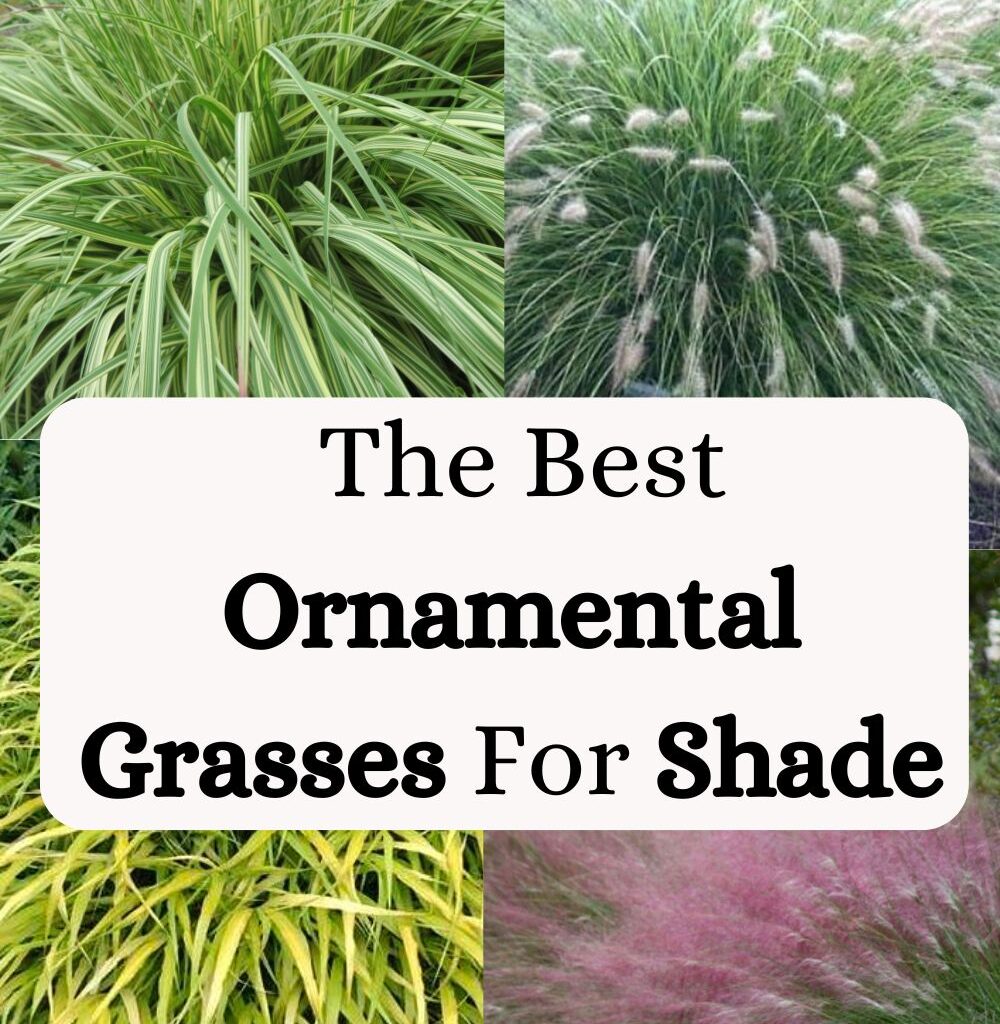
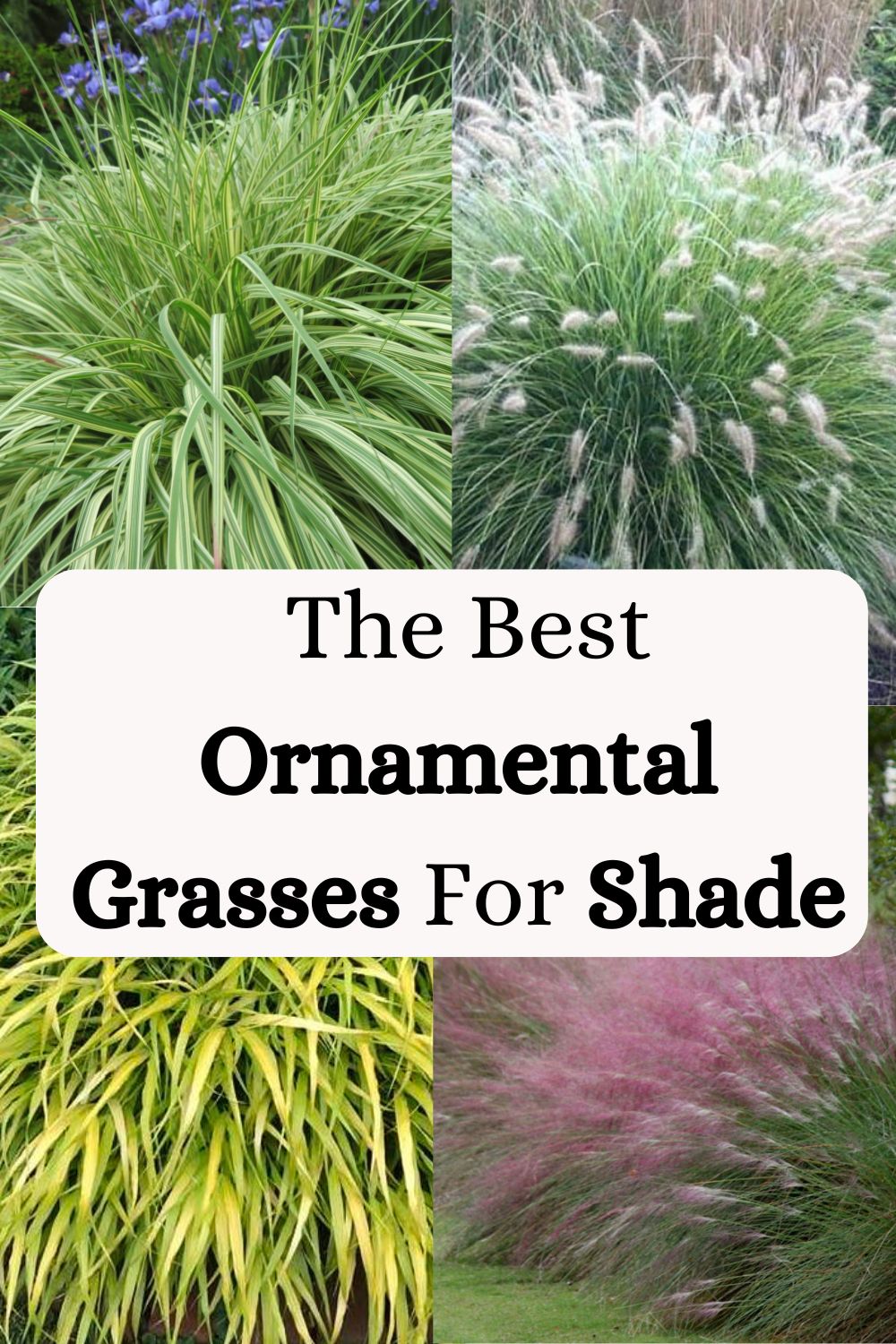
Shady garden beds do not have to settle for flat, forgettable greenery. From arching Hakone grass and variegated sedges to airy seed heads, colorful plumes, and dense ground covers, these ornamental grasses bring texture, movement, and contrast to low-light spaces in a range of sizes and growing conditions.
15 Best Ornamental Grasses For Shade
1. Hakone Grass (Hakonechloa)
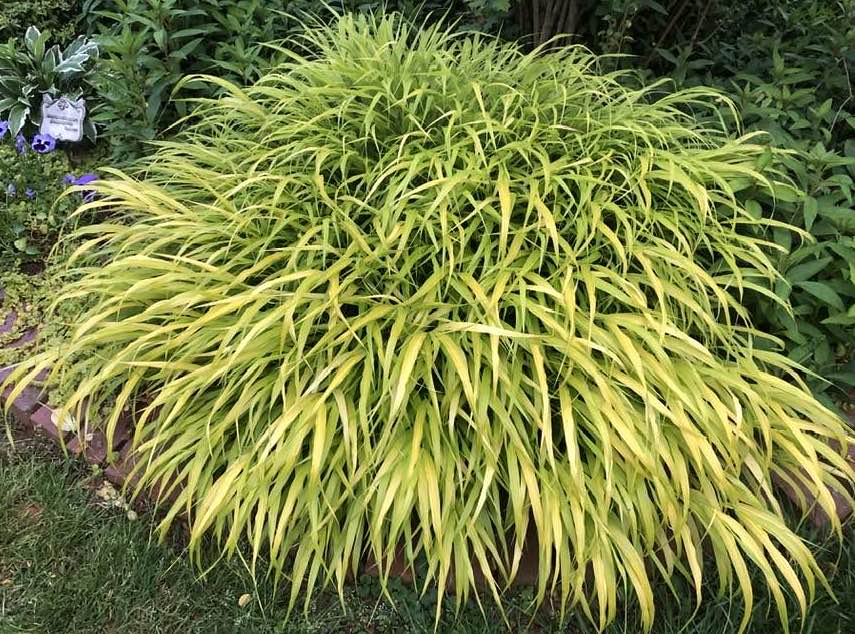
This stunning clump-forming grass from Japan brings elegance to any shaded corner and is hardy in zones 5 to 9. Your landscape will get a major upgrade from its delicate, slender blades that arch gracefully. The foliage appears in a spectrum of green hues, from a vibrant chartreuse to a deep, rich green.
Reaching a height of about 12 to 18 inches, Hakone grass spreads outward to form a beautiful mounding shape. For a truly breathtaking effect, plant it in large groups to create a lush and flowing ground cover.
As autumn arrives, this low maintenance plant puts on a final show. Its foliage transforms into brilliant shades of red, orange, and copper, adding a warm, inviting charm to your garden.
Related Post: Best tall ornamental grasses for privacy
2. Japanese Sedge (Carex morrowii)
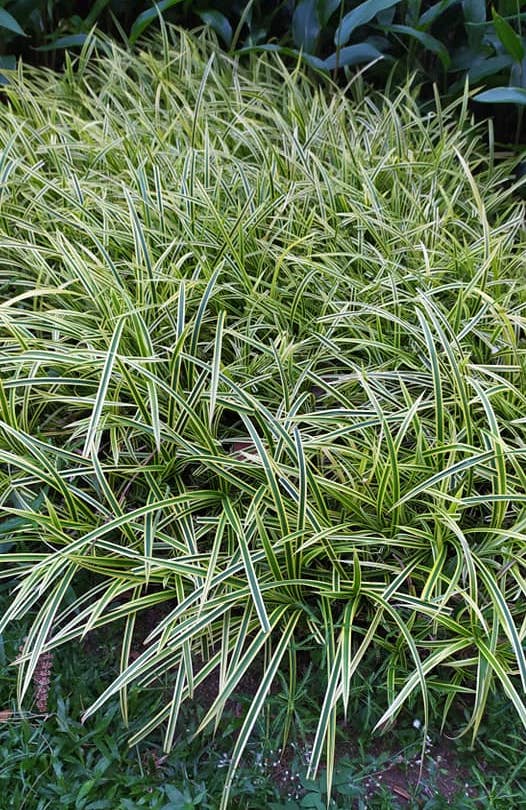
Transform the shaded parts of your lawn with this beautiful grass like plant, perfect as either a ground cover or an accent piece. It features narrow, arching leaves of a deep green color, growing to a height of around 12 to 18 inches.
You can choose from several cultivars of Japanese Sedge, some of which feature striking variegated leaves with stripes of yellow, cream, or white.
Because it forms dense tufts and spreads slowly through rhizomes, it’s a wonderful solution for filling in bare spots. This process creates a lush, carpet like effect that brings life to your garden. It is recommended for hardiness zones 5 to 9.
3. Tufted Hairgrass (Deschampsia cespitosa)
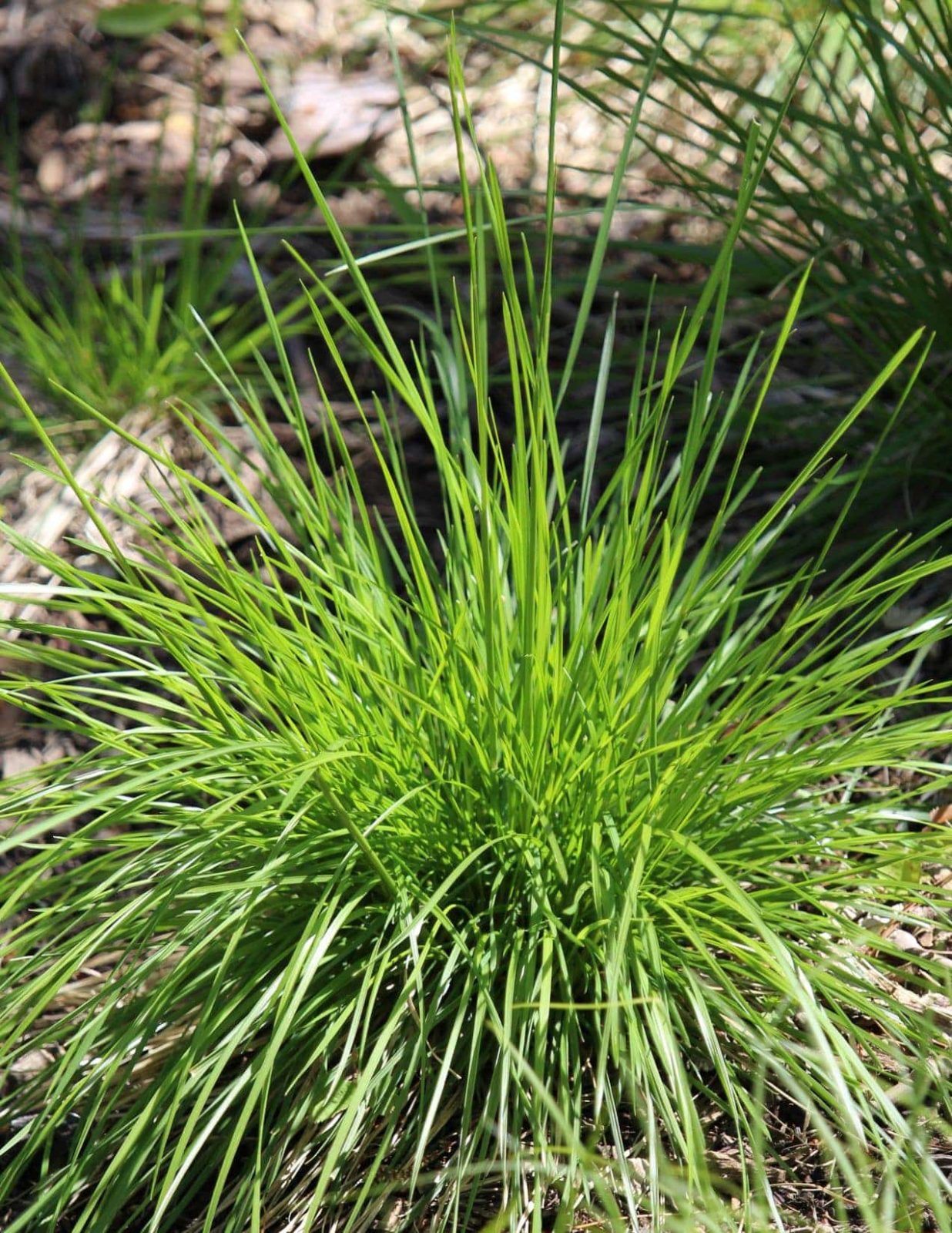
Tufted Hairgrass is highly prized for its elegant look and its knack for growing well in shade. It is important to know that its ability to tolerate shade can fluctuate based on local conditions, but it generally performs well in zones 4 to 9.
This ornamental grass is characterized by its narrow, arching leaves in a deep green shade. The foliage gathers into dense, attractive clumps.
While it prefers dappled sunlight or partial shade, it can also handle full shade. This adaptability makes it an excellent choice for woodland gardens or other areas that receive limited direct sunlight.
4. Muhly Grass (Muhlenbergia Capillaris)
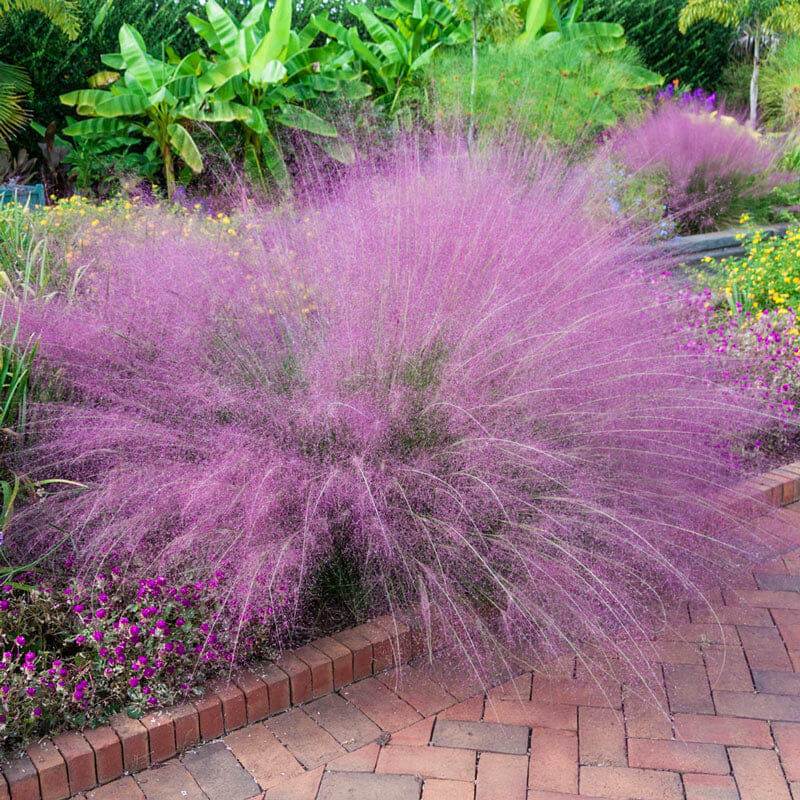
While Muhly Grass flourishes in conditions from full sun to partial shade, its most celebrated feature is the spectacular display of feathery flower plumes in shades of pink and purple. Its dramatic floral show creates a truly captivating backdrop in any garden.
For a vibrant and almost ethereal appearance, plant this hardy and versatile grass in groups. The airy, delicate plumes will create a stunning mass of color.
Muhly grass is perfect for adding texture and color to rock gardens, naturalized areas, or garden borders. It is suitable for hardiness zones 6 to 10.
5. Northern Sea Oats (Chasmanthium latifolium)
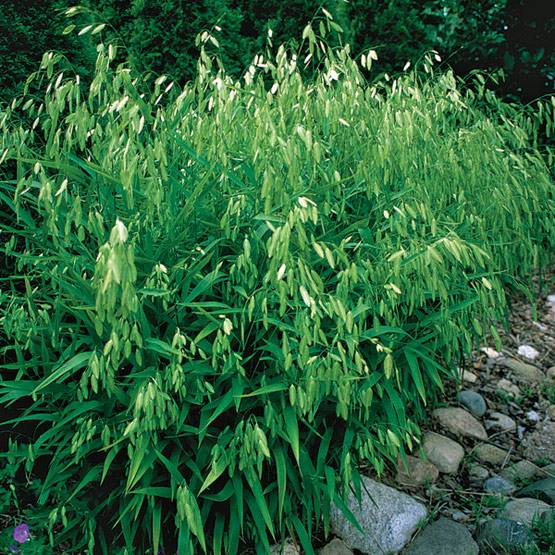
A key feature of this ornamental grass is its capacity to thrive in shade, bringing unique texture and interest to many garden designs. The plant’s broad, arching leaves are a bright green and look similar to bamboo, providing a lovely backdrop for its unique seed heads.
When late summer rolls around, Northern Sea Oats will elevate your lawn with its flat, bamboo like seed heads that hang elegantly from the stems.
These seed heads begin as green and shift to a bronze or coppery color as they mature, ensuring a beautiful display that lasts well into the fall. It’s a great fit if you live in hardiness zones 3 to 8.
6. Blue Fescue
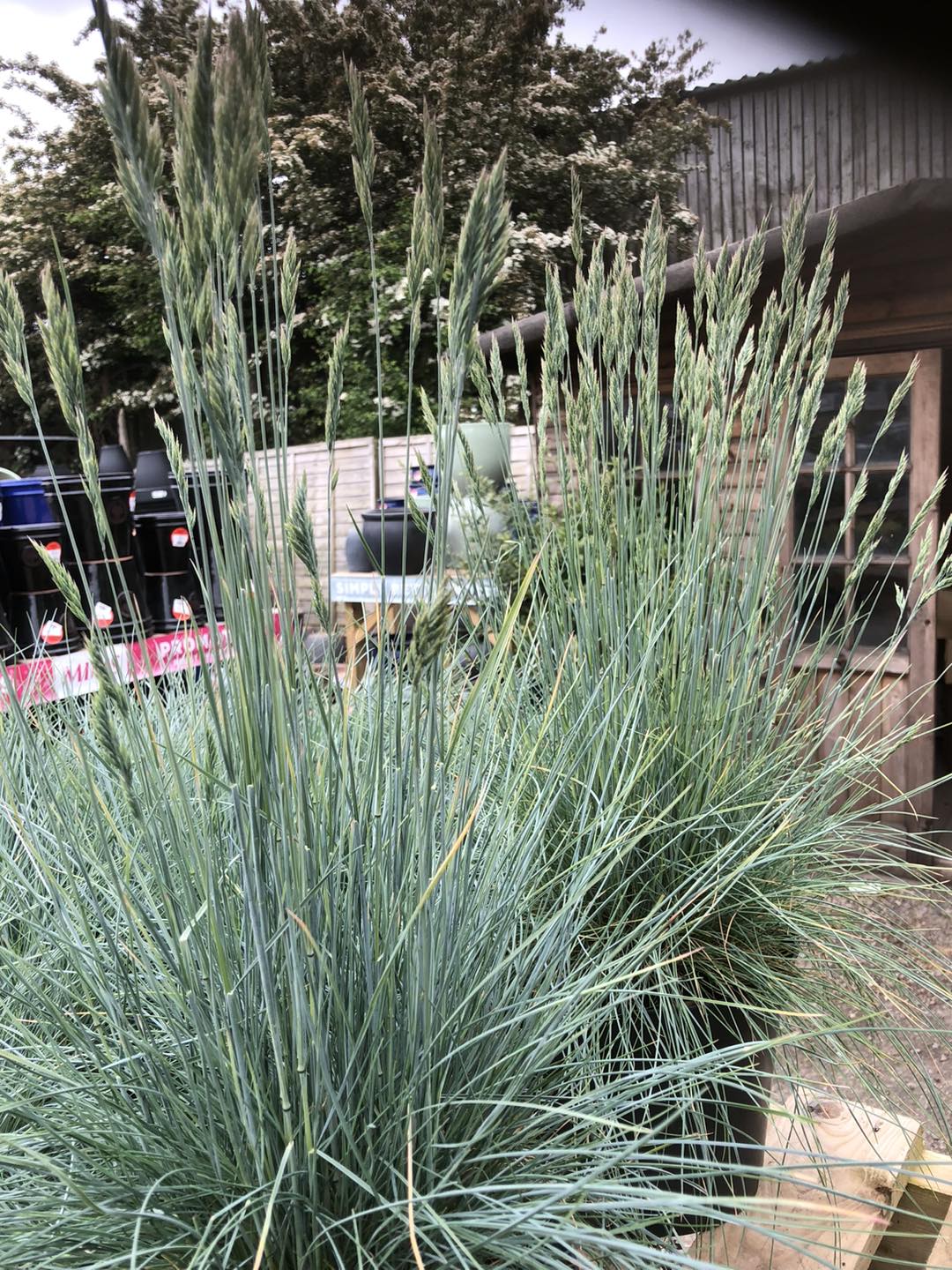
While many other grasses shift their colors with the changing seasons, Blue Fescue holds its signature blue hue throughout the entire growing period. You can count on its cool and refreshing look to last. Though it loves full sun, it also has no problem with light shade. Blue Fescue is best suited for hardiness zones 4 to 8.
Beyond its striking blue color, this grass has fine textured, narrow leaves. The foliage grows into compact, clumping tufts that typically reach between 6 and 12 inches high. Even if your garden has poor soil, Blue Fescue is an excellent and resilient choice.
7. Variegated Purple Moor Grass (Molinia caerulea)
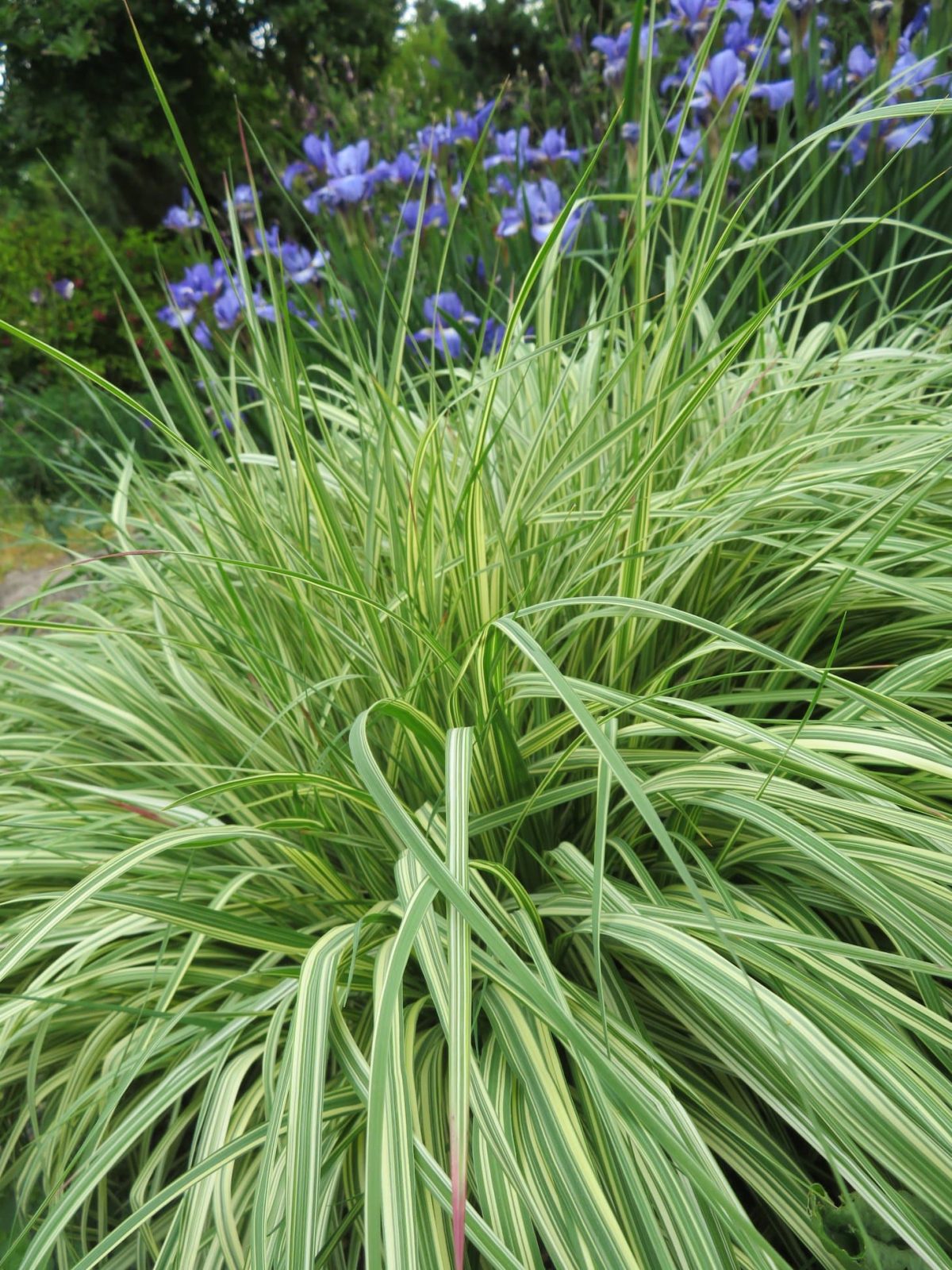
Searching for an eye catching grass for your winter garden? The Variegated Purple Moor Grass could be the perfect plant for you, especially in hardiness zones 5 to 9. It has a preference for soil that is consistently moist and can handle wetter conditions, making it a great option for rain gardens or spots with poor drainage.
Once it’s established, it can also endure occasional dry periods, though it might lose some of its vibrancy without enough moisture.
It is also quite adaptable to different light situations. It can handle a range of sun exposures but does best in full sun to partial shade, which allows it to fit into various garden layouts.
8. Sedge (Carex Spp.)
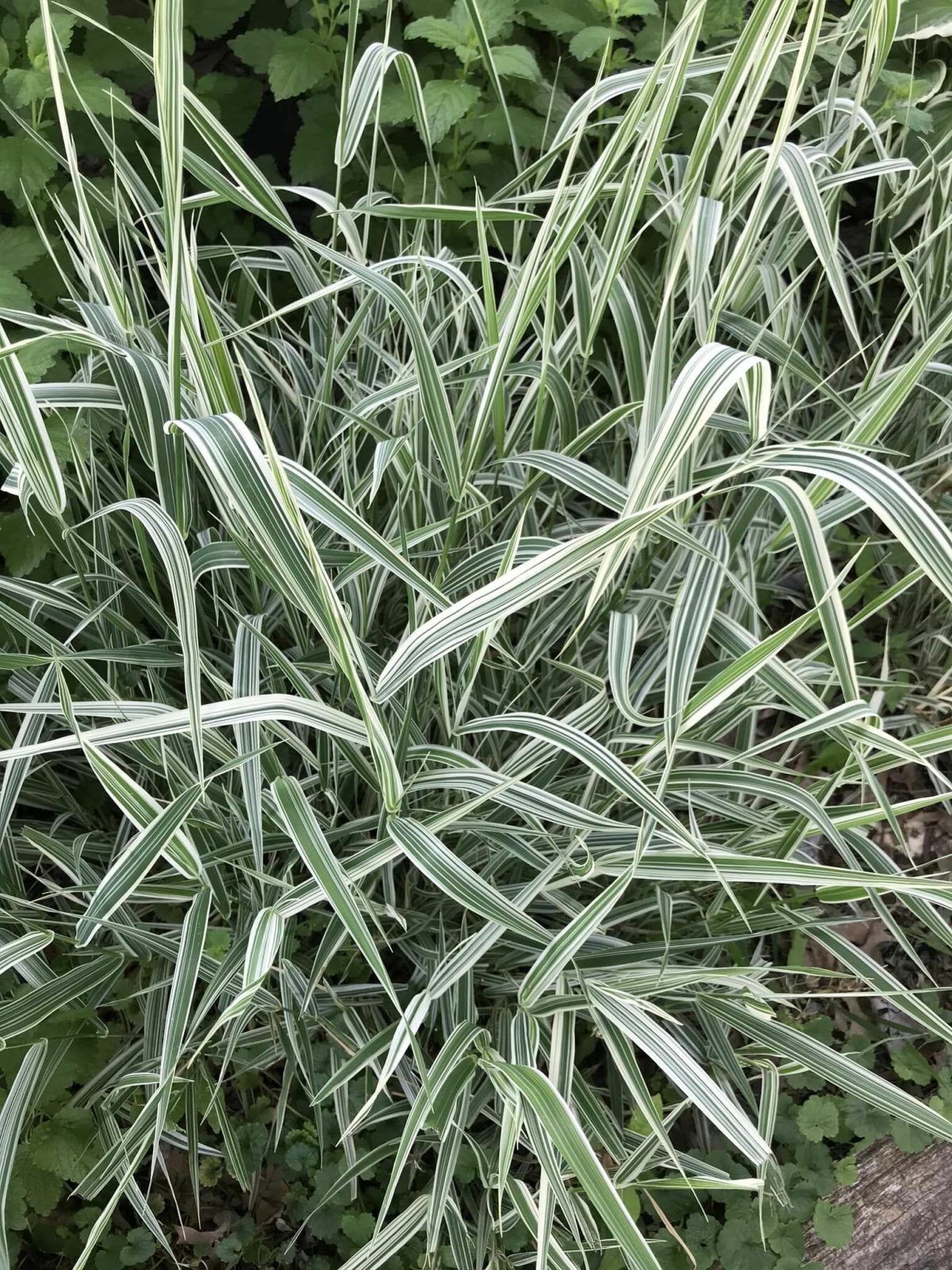
Sedge is a fantastic evergreen grass that loves the shade and mixes beautifully with other plants. Use it to fill the shaded spots in your lawn or garden for a wonderfully natural appearance.
You have a wealth of choices when it comes to looks, as its grass like foliage offers a variety of colors, textures, and heights depending on the species you select.
Some species, for example, have very narrow leaves. Others feature delicate, fine foliage, while some have much broader leaves.
The color palette includes shades of green, blue green, or even variegated patterns. The ideal growing zones for Sedge will vary based on the specific species.
9. Japanese Sweet Flag (Acorus gramineus)
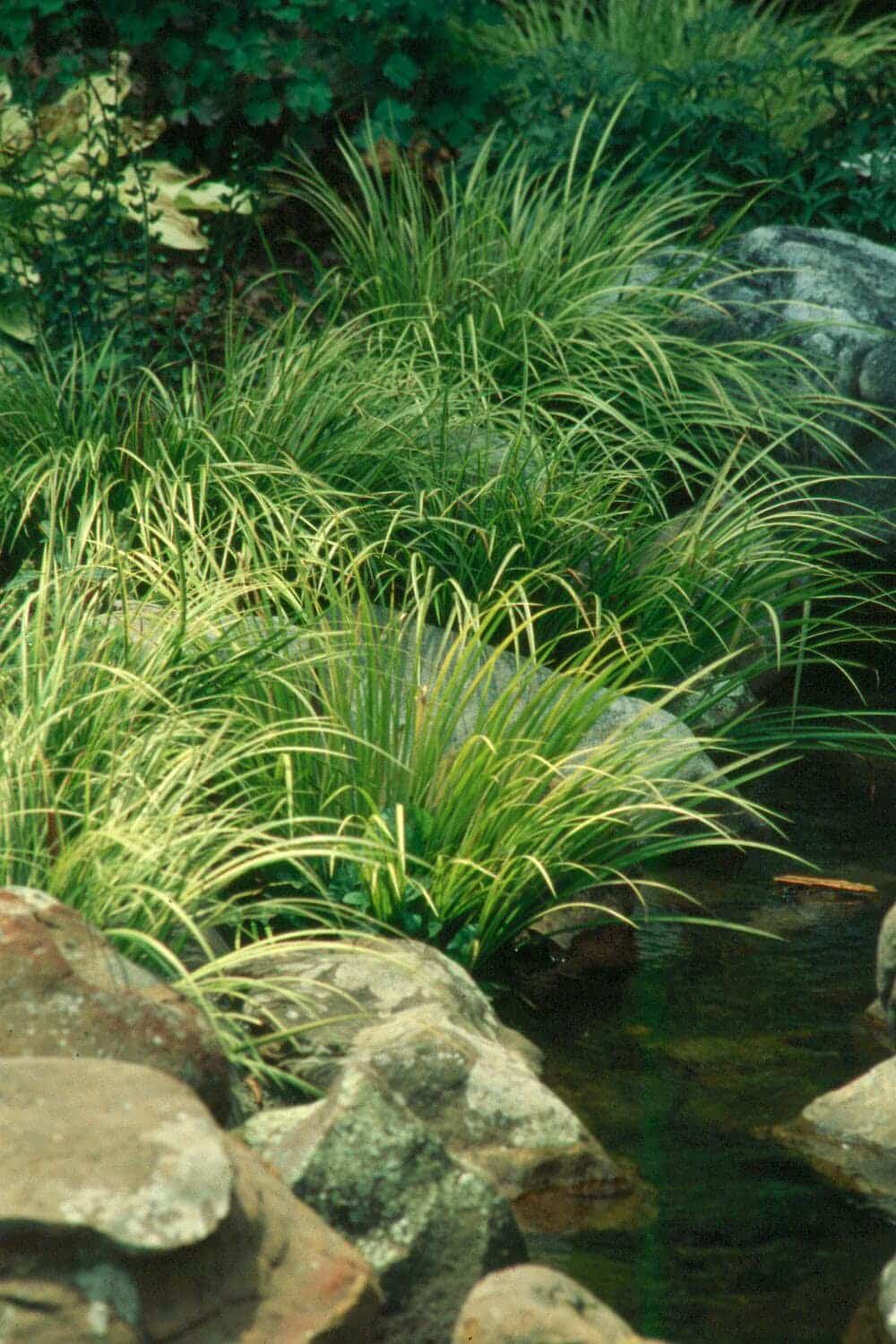
Ornamental grasses are a great way to boost your lawn’s visual appeal, but some also deliver a lovely fragrance. The Japanese Sweet Flag is celebrated for both its beautiful foliage and its pleasant scent.
When you brush against or crush its narrow, sword shaped leaves, which can be green or variegated with creamy white or yellow stripes, they release a delightful fragrance.
This plant is an excellent ground cover, particularly in shaded or moist areas where other plants might not survive. It thrives in hardiness zones 5 to 9.
You might also plant it alongside water features like ponds or streams, where it can add both texture and a pleasant aroma.
10. Variegated Feather Reed Grass (Calamagrostis x acutiflora ‘Overdam’)
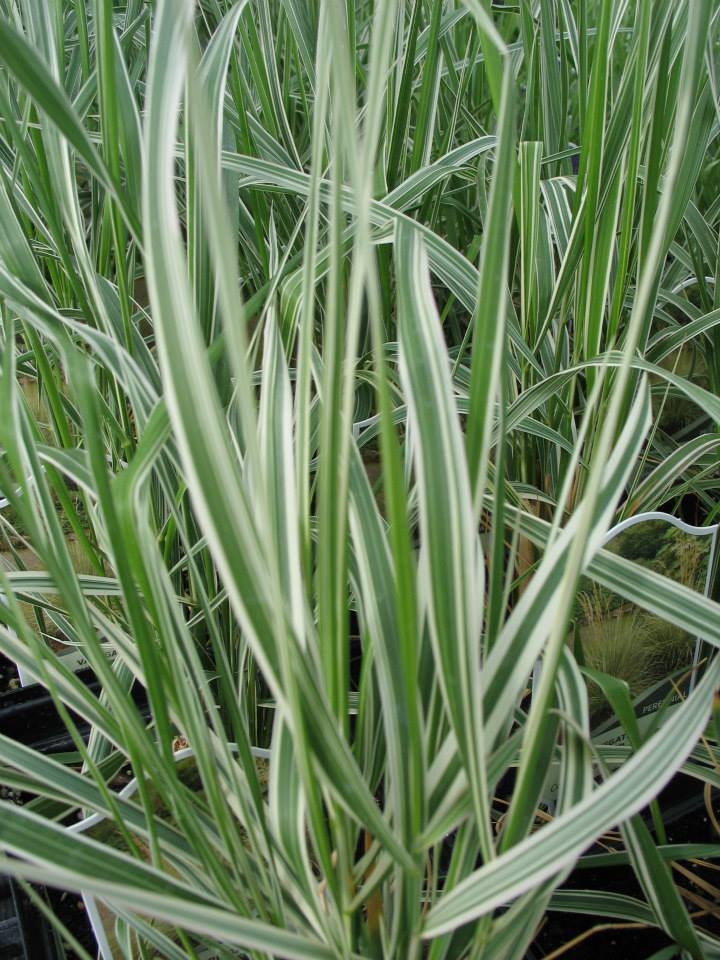
This ornamental grass is a common sight in gardens because it brings texture, movement, and visual interest to any space. This is all thanks to its graceful plumes and variegated foliage. It’s an ideal choice for zones 4 to 9.
The feathery, erect plumes of this grass appear in the summer, starting with a pinkish hue. They slowly fade to a golden or tan color as they mature.
The plumes remain through the winter, ensuring your lawn stays visually engaging long after the growing season has ended.
11. Quaking grass (Briza media)
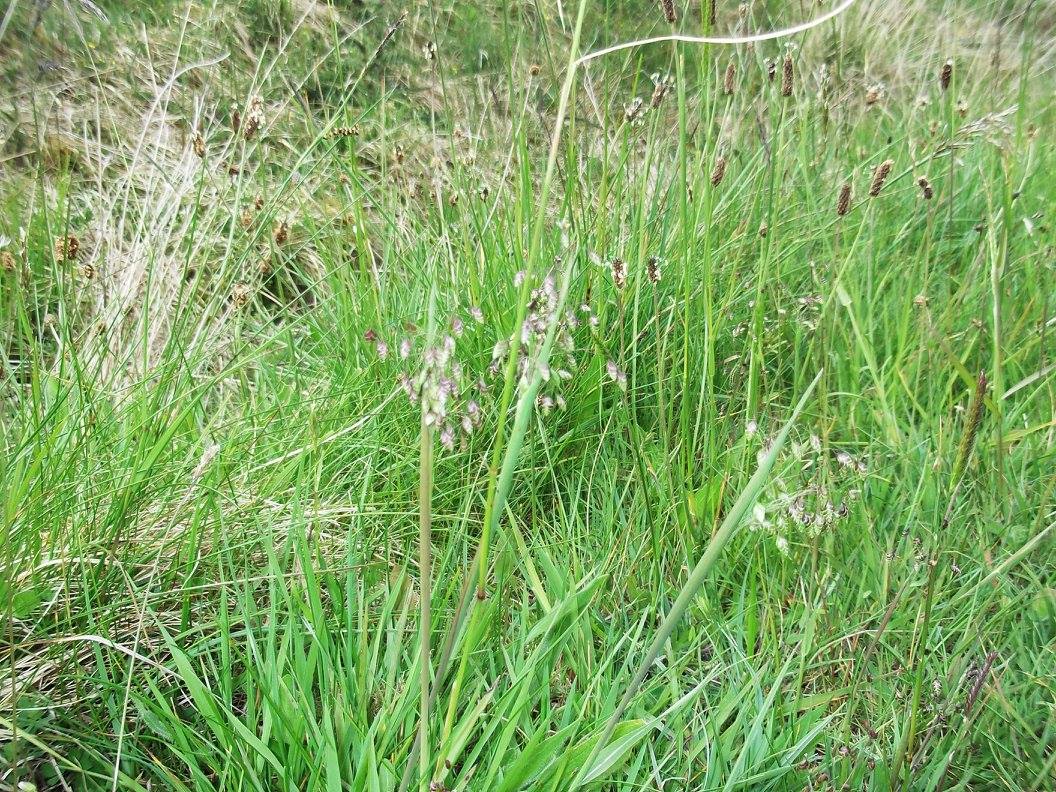
This self seeding ornamental grass is a perfect choice if your goal is to cultivate a naturalistic, meadow style garden. You can pair this grass with other ornamental grasses or flowering perennials to create a soft, charming, and ethereal atmosphere.
While this grass, suited for zones 4 to 9, features slender, arching green leaves, its star attraction is its ornamental seed heads. These are airy, nodding panicles that tremble and sway with the slightest breeze, producing a mesmerizing quivering motion.
12. Dwarf fountain grass (Pennisetum alopecuroides ‘Hameln’)
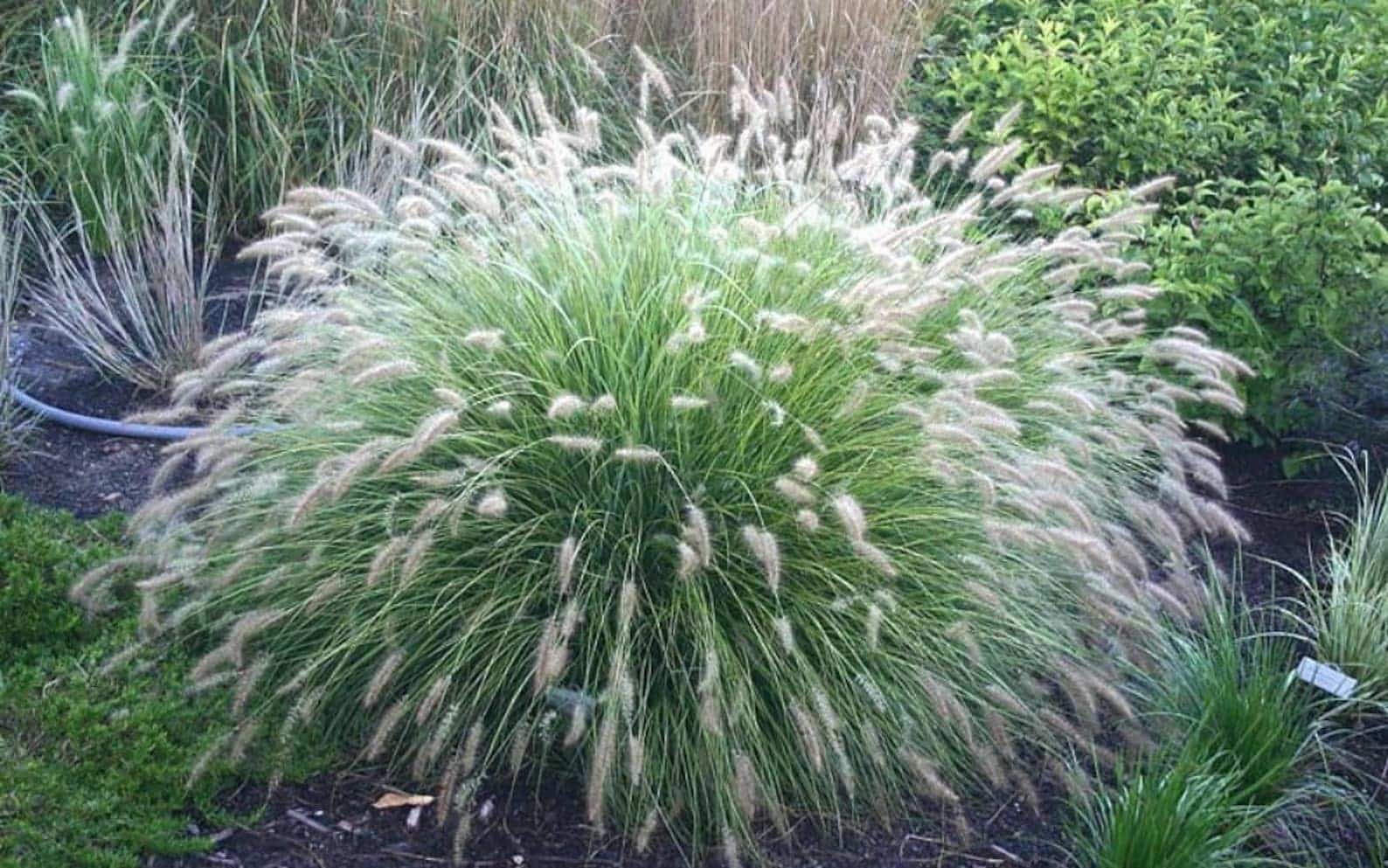
You’ll love this compact ornamental grass for its graceful shape and fluffy, bottlebrush like flower heads. These qualities make it a popular choice for bringing movement, texture, and visual appeal to garden landscapes.
Given its smaller size, it is a great pick for containers, borders, and smaller gardens. It also serves as an excellent ornamental grass for shady spots and does well in zones 5 to 9.
13. Soft Rush (Juncus effusus)
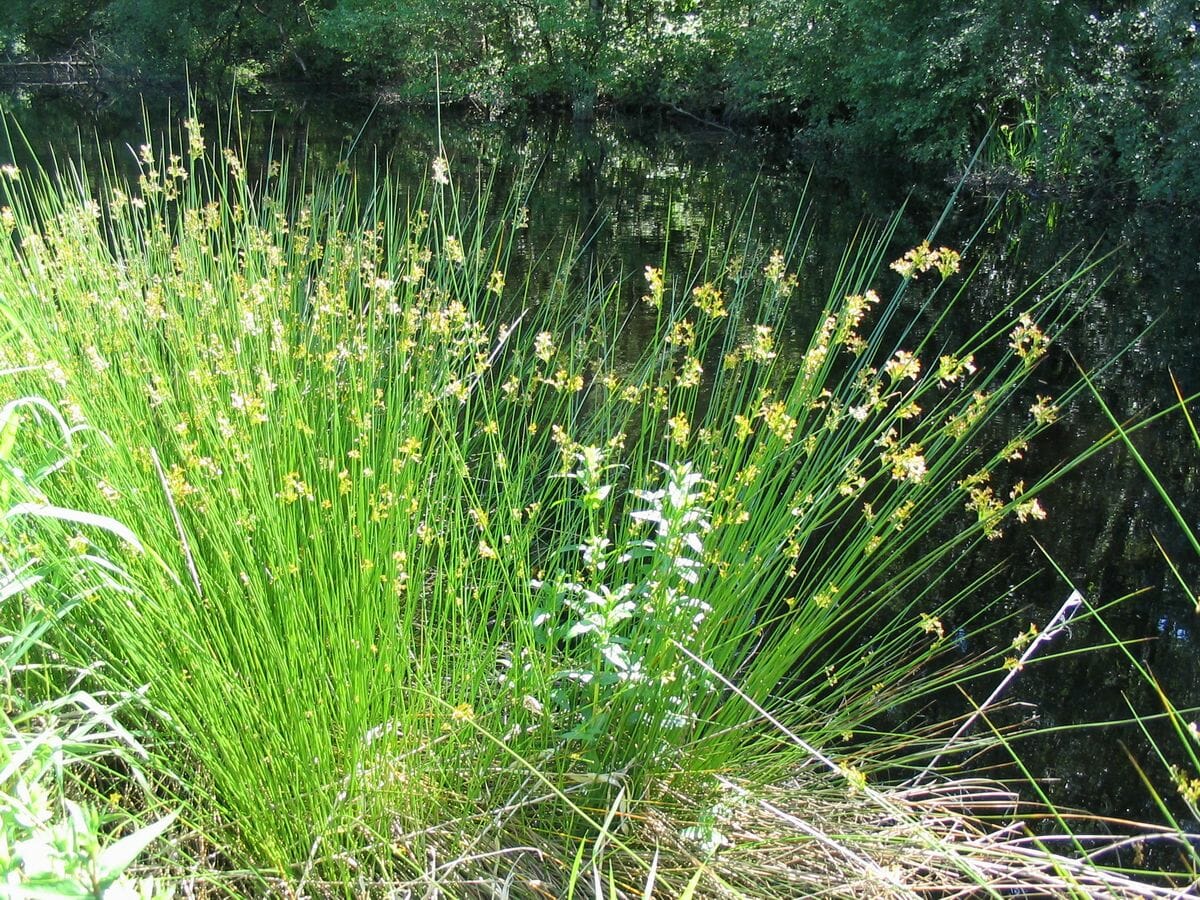
This perennial, grass like plant is a great recommendation if you want to add texture and interest to moist areas or water gardens. It is particularly well suited for hardiness zones 4 to 10.
It is identifiable by its dense tufts of smooth, upright, cylindrical stems that resemble grass and can grow to about 2 to 3 feet tall.
This plant will create a tidy and structured look in your spaces, as it grows in a dense, tufted manner. The main visual appeal of Soft Rush is its stems, especially since its long, slender, dark green leaves are not very noticeable.
14. Lilyturf (Liriope muscari)
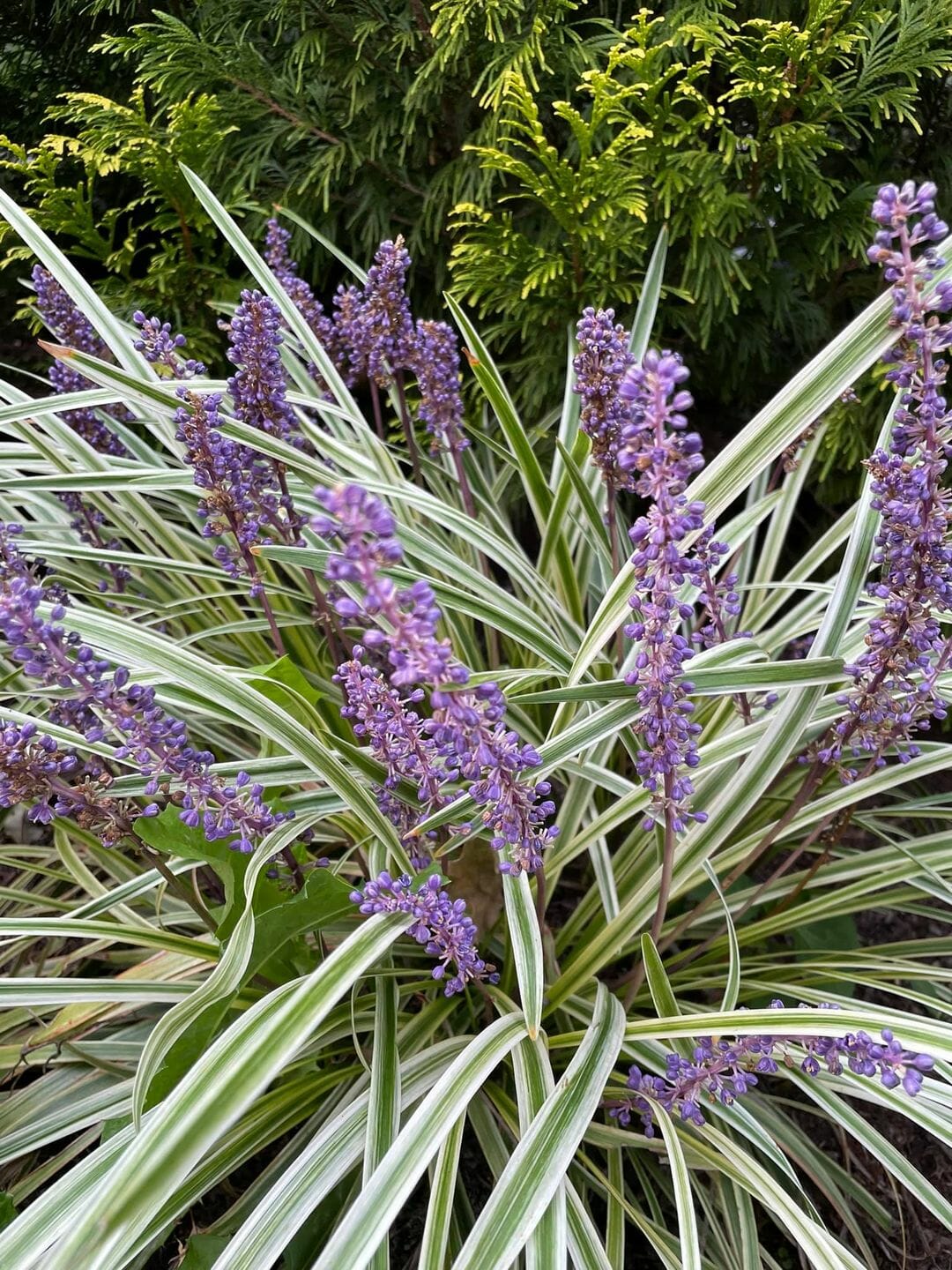
This versatile and attractive perennial plant is an excellent ground cover, especially in shady areas where other plants often have trouble growing.
It can handle a range of soil types, from clay to sandy soil, but it grows best in moist, well drained soil. It is best suited for hardiness zones 5 to 10.
With Lilyturf, your landscape will maintain its appeal throughout the year, thanks to its dense, grass like tufts of long, narrow, and arching leaves.
Additionally, from late summer into early fall, it produces slender spikes of small, bell shaped flowers in purple or violet blue that rise above the foliage, creating a beautiful contrast.
15. Mondo Grass (Ophiopogon Japonicus)
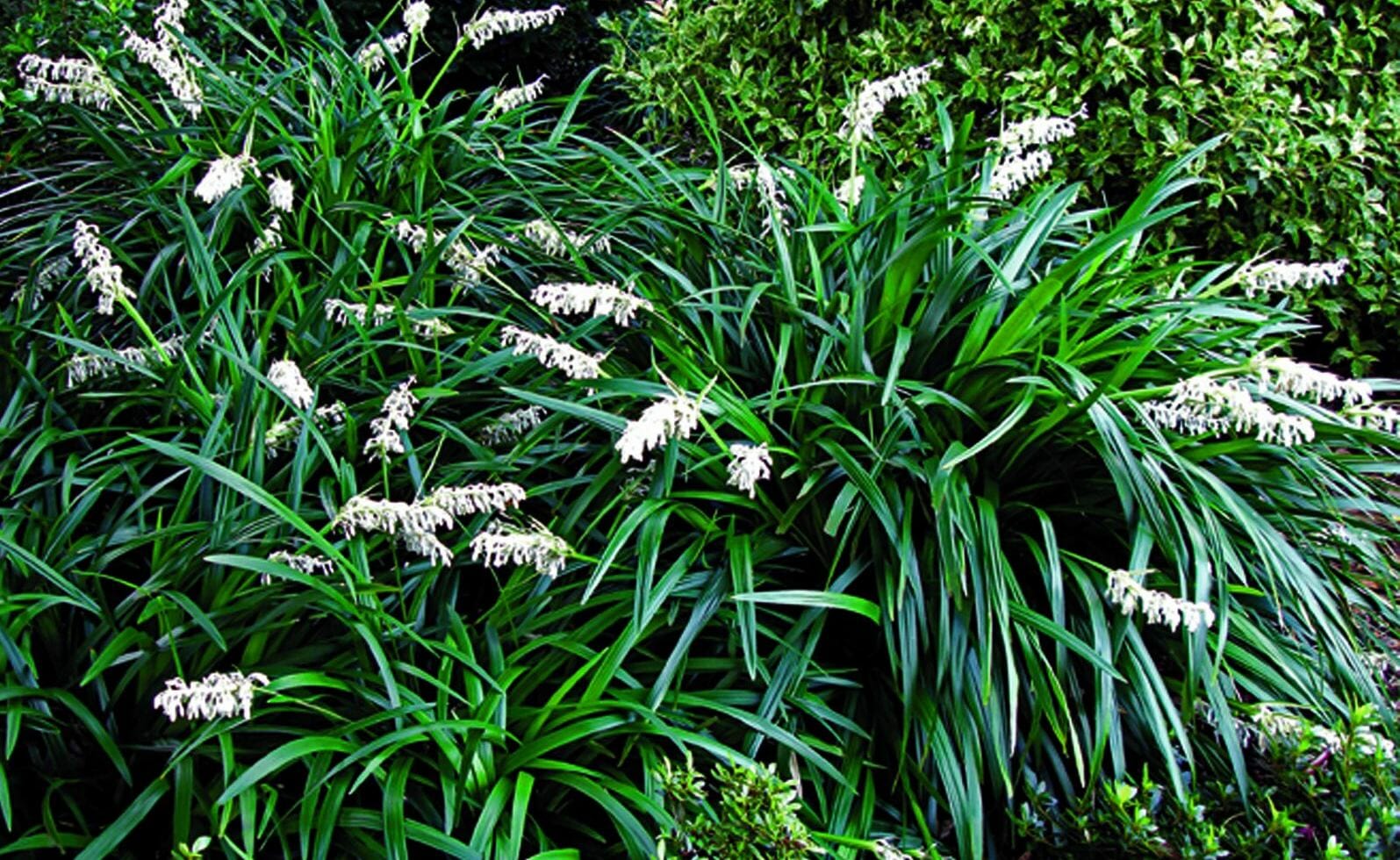
Use Mondo Grass, which is hardy in zones 6 to 11, to fill in the spaces between your larger plants. You can also use its dense foliage to create a lush, uniform appearance and to provide a striking contrast with other plants in rock gardens or mixed borders.
It forms dense, beautiful tufts of dark green foliage and has an excellent ground covering habit.
Its visual appeal doesn’t stop there. It also grows small, inconspicuous flowers in pale purple or white, which are then followed by blue black or black berries.
Furthermore, the foliage of this low growing, clumping ornamental grass stays evergreen in many areas, offering visual interest all year long.
Final Remarks
Ornamental grasses are typically associated with thriving in partial or full sun, so it’s easy to assume they aren’t right for shady locations. However, certain species, like the ones mentioned here, flourish in the shade.
Consider adding them to the shaded parts of your lawn or garden to introduce texture, contrast, and movement. They are also low maintenance, provide beautiful foliage color and patterns, and can even help with erosion control.