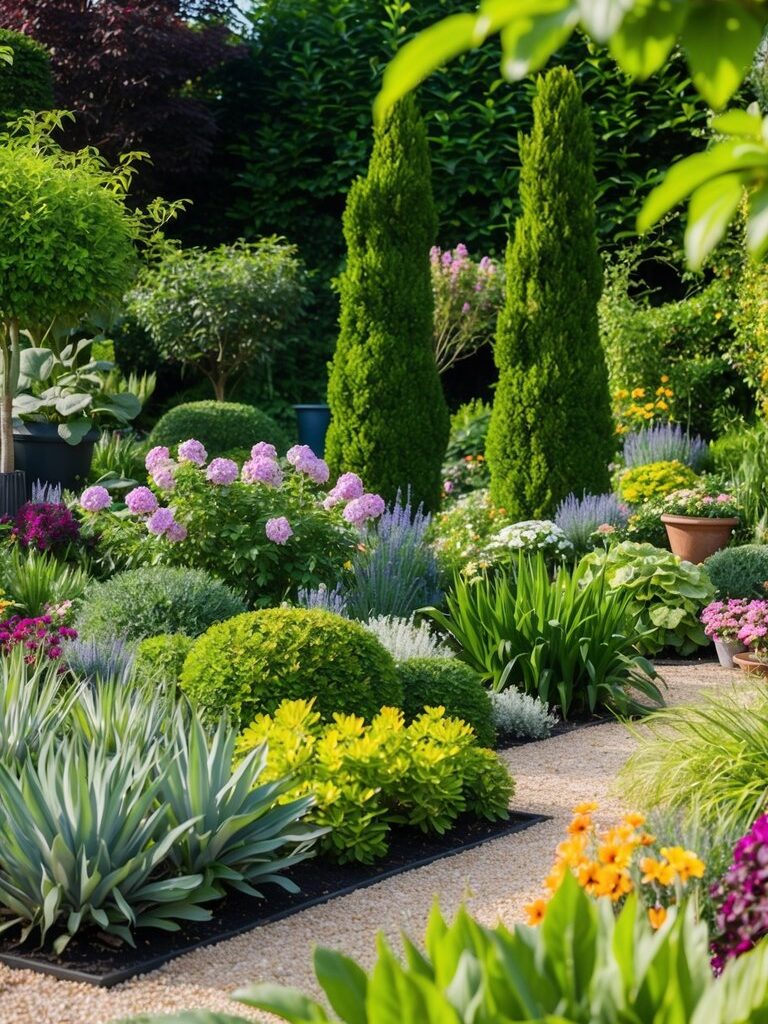
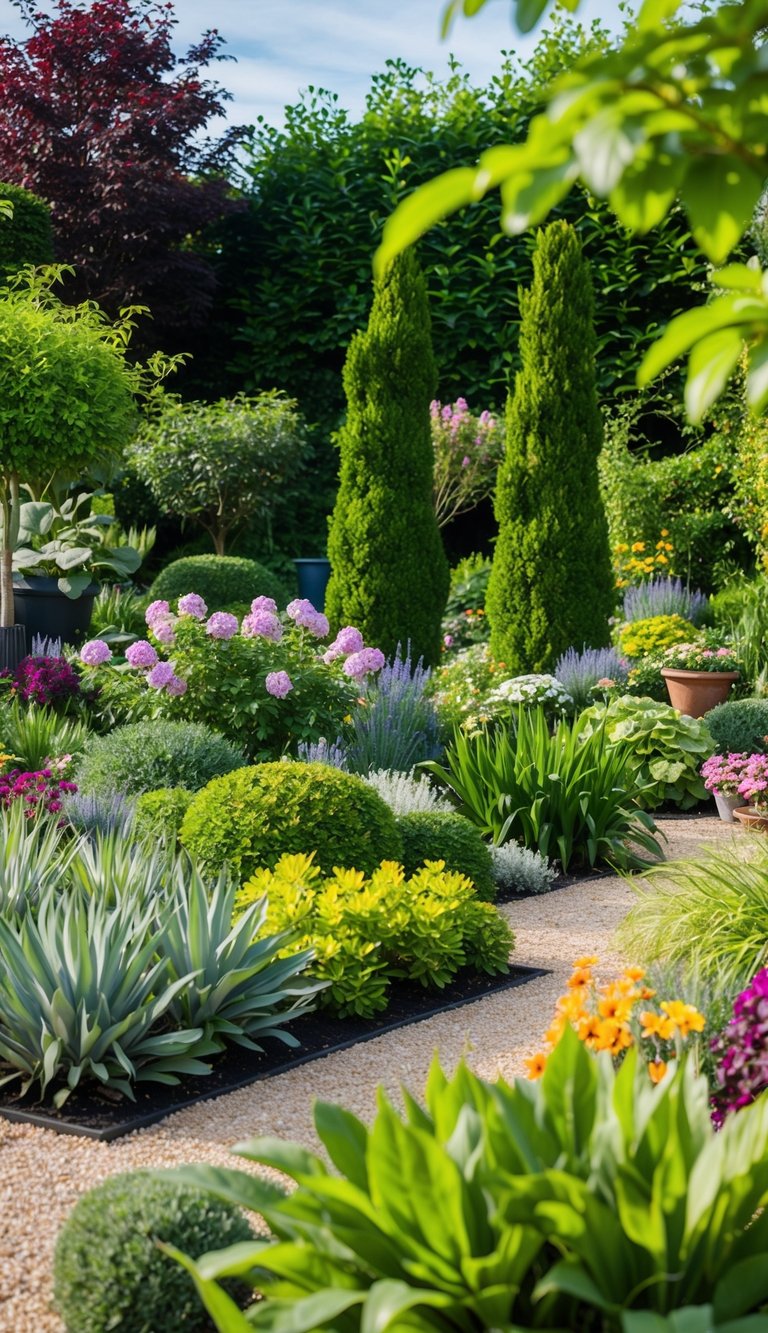
A yard can shift from a blank patch of grass into something far more expressive, with gravel-raked Zen gardens, vertical succulent walls, native plants, fire-pit seating, stepping-stone paths, and small water features shaping the space. Layer in flower beds, raised vegetable gardens, privacy hedges, outdoor dining areas, pergolas, garden lighting, and sculptures to create an outdoor setting that feels intentional, inviting, and distinctly yours.
1. Create a Zen garden with gravel and stones
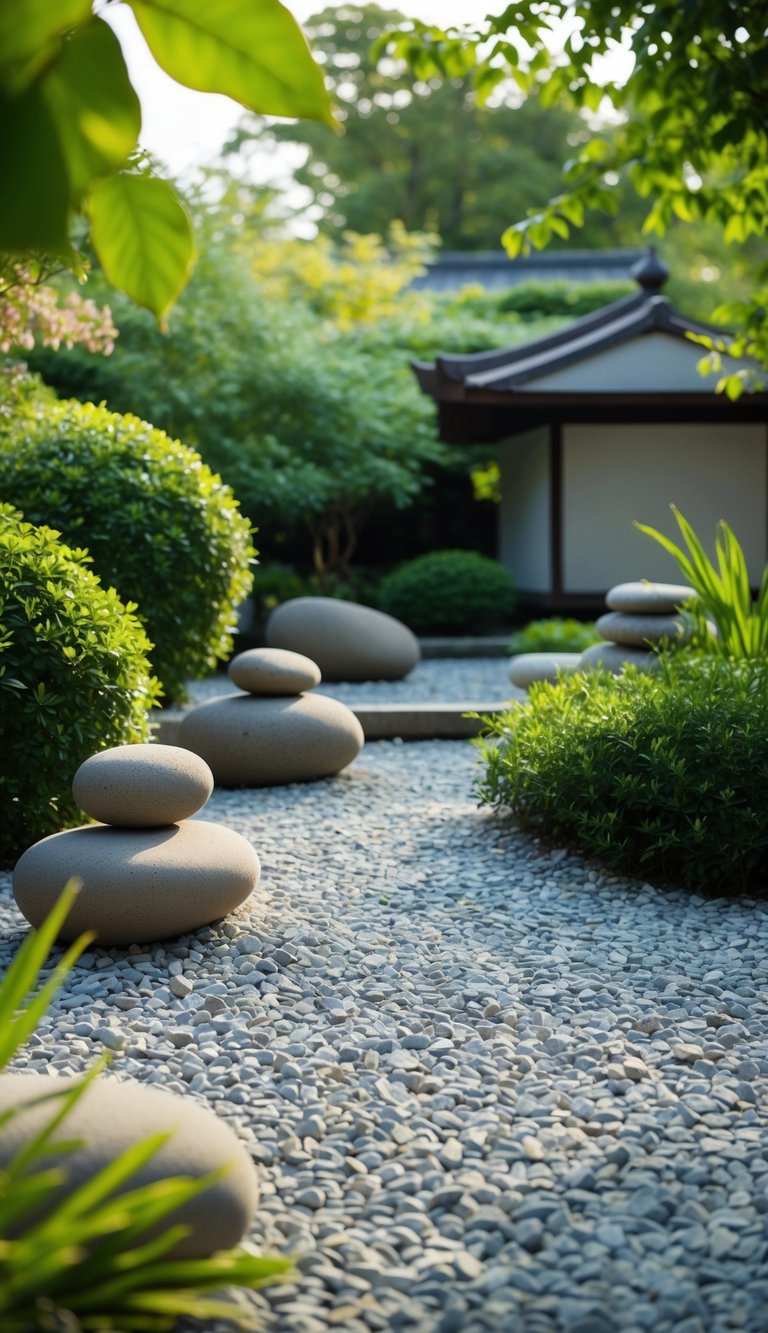
A Zen garden offers a simple path to tranquility in your outdoor space. The thoughtful use of gravel and stones is key to cultivating a peaceful, calming atmosphere.
Begin by selecting a flat, sunny spot. Next, rake the gravel into patterns that suggest the gentle ripples of water, adding visual texture that immediately captures attention.
Integrate stones of various sizes to achieve a sense of balance. Smooth, rounded stones create a beautiful contrast against the fine gravel, while larger boulders can serve as powerful focal points.
You might also consider adding a few small plants or trees along the garden’s edge. This helps maintain a natural feel without cluttering the minimalist design.
For a striking visual effect, use a mix of white and black gravel. Keeping the overall design simple is the best way to amplify the feeling of peace.
2. Install a vertical succulent wall
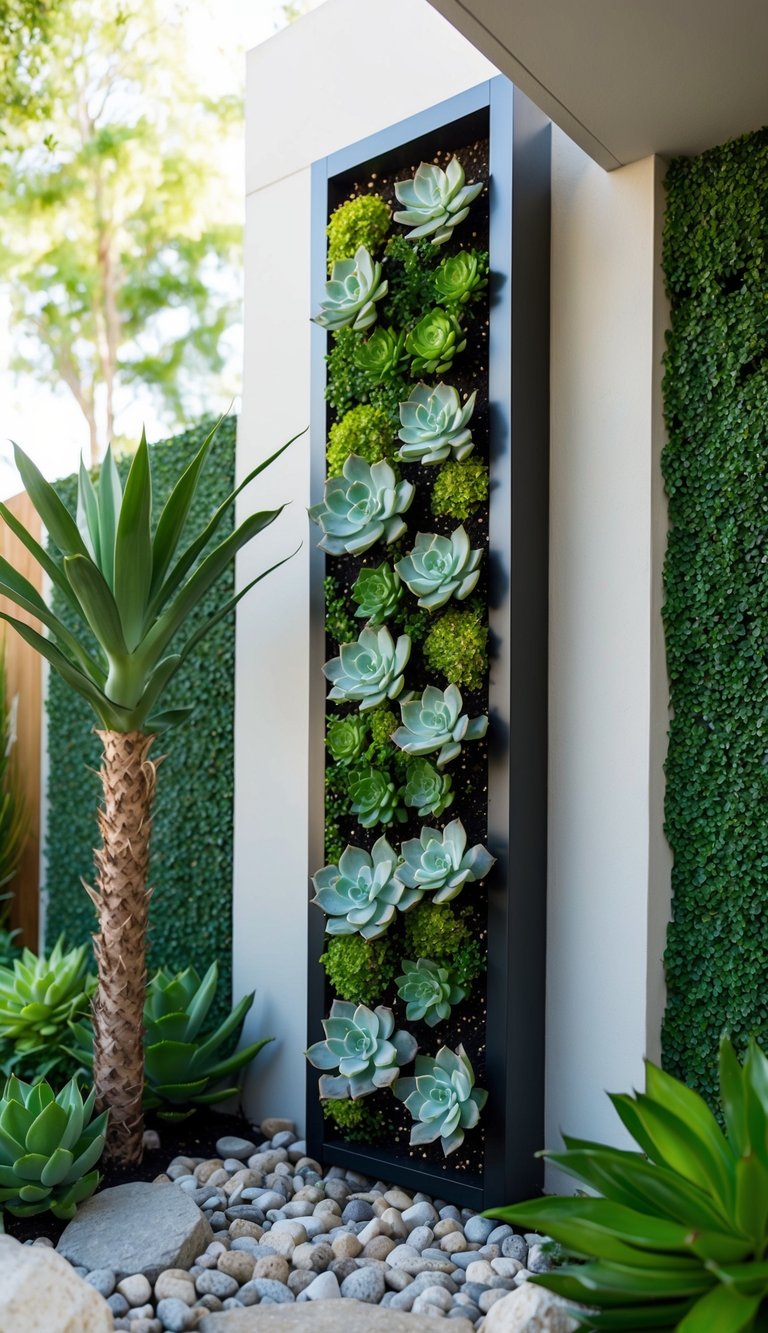
A vertical succulent wall introduces a pop of living beauty to any area. Because it takes up almost no ground space, this idea is absolutely perfect for smaller yards or balconies.
You can create your wall using repurposed pallets, custom wooden frames, or even wall-mounted fabric pockets to hold the plants. Select a diverse array of succulents for a display that’s rich in color and visual interest.
Ensure the wall is positioned to receive plenty of sunlight. Providing well-draining soil is crucial for keeping your succulents healthy and happy.
Be careful not to overwater; these drought-resistant plants require very little maintenance and should be watered sparingly.
For a truly vibrant look, blend various textures and colors. It’s also wise to check for pests regularly to keep your vertical garden in top shape.
3. Add a water feature like a small pond
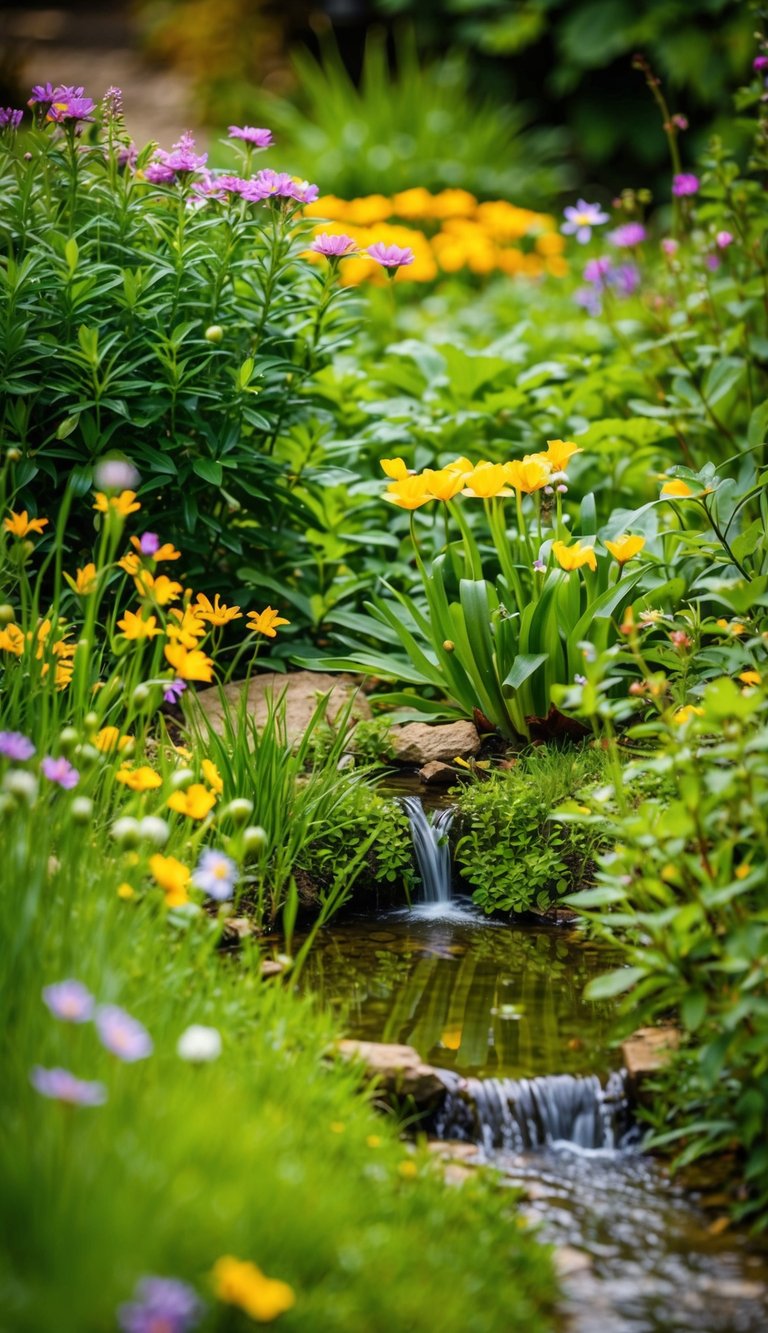
Incorporating a small pond into your yard can instantly craft a serene and welcoming environment. It acts as a natural focal point while attracting wildlife like birds and beneficial insects.
The soothing sound of trickling water adds to the peaceful ambiance. Consider planting around the pond’s edge to give it a more natural, integrated appearance.
A waterfall not only enhances the pond’s beauty but also oxygenates the water, which is a great way to help keep it clean and clear.
You could also include decorative stones or a small fountain to boost the pond’s overall charm.
Choose plants that are well-suited to your local climate. This simple step will ensure your pond ecosystem thrives and looks fantastic.
4. Use native plants for low-maintenance appeal
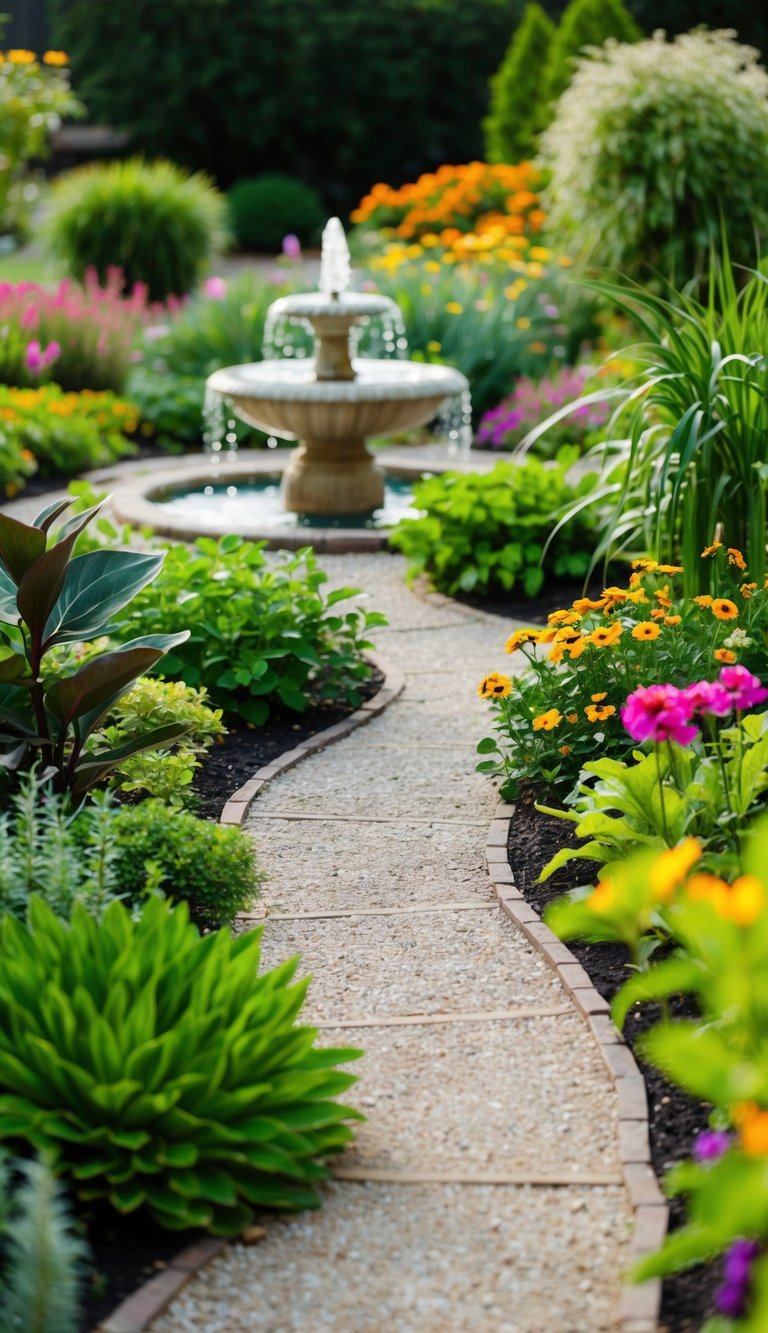
Opting for native plants is a brilliant strategy for effortless landscaping. Since these plants are already adapted to your region’s climate, they demand significantly less water and general care.
Native plants flourish in their natural setting. They require much less fuss compared to non-native species, saving you time on watering, fertilizing, and pruning.
They also serve as a magnet for local wildlife. Birds, butterflies, and bees are naturally drawn to native flora, which adds a dynamic layer of life and beauty to your yard.
Planting native species is a sustainable choice. They consume fewer resources and actively support the local ecosystem, creating a win-win for both you and the environment.
For the best results, select plants native to your specific area. They will look incredible and require minimal upkeep.
5. Set up a cozy fire pit area
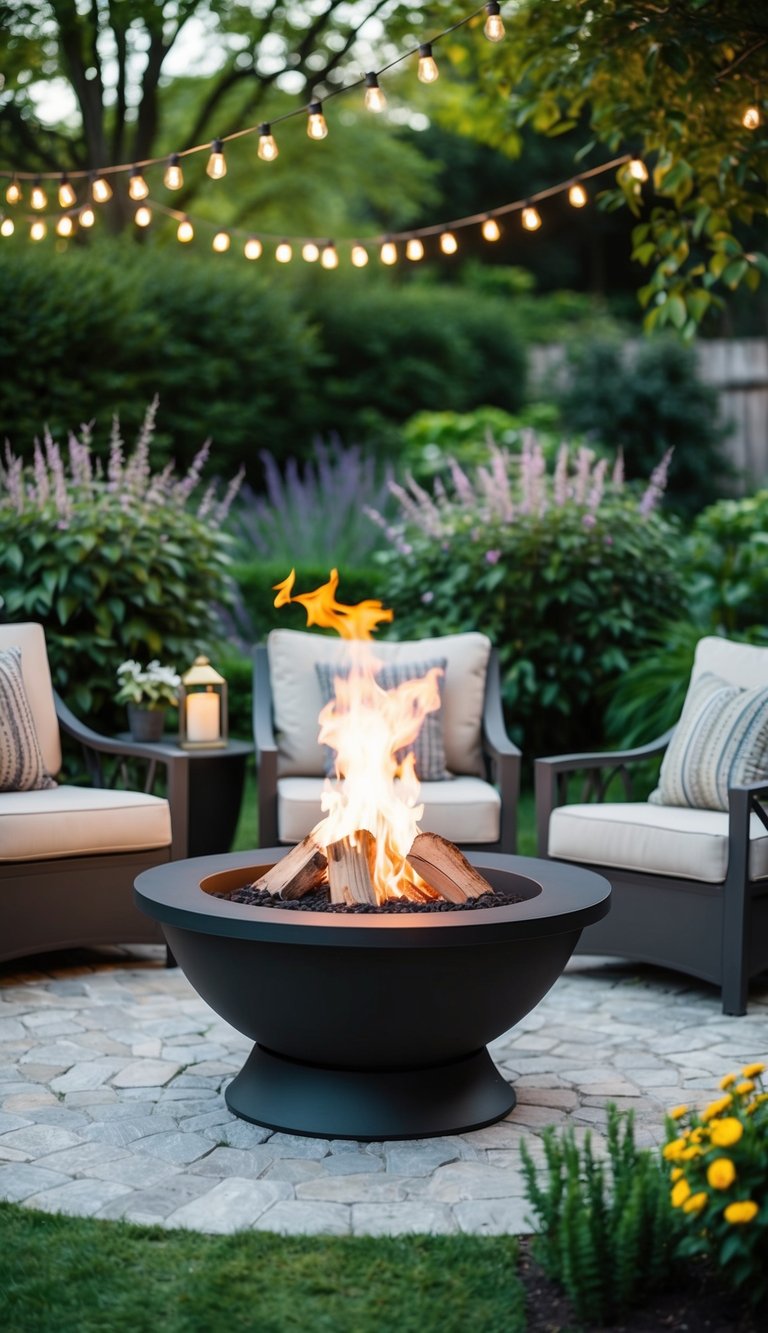
A cozy fire pit area can make your backyard the ultimate warm and inviting destination. Select a central location for the pit that is safely distanced from other structures and offers ample room for seating.
Stone or brick are excellent choices for a durable, long-lasting fire pit. Arrange comfortable seating like benches or chairs around it, and toss in some cushions for an extra touch of coziness.
Think about adding some ambient lighting for nighttime gatherings. String lights or lanterns are perfect for enhancing the atmosphere and creating a magical evening glow.
Plants can also help beautify the space. Use potted plants or low-growing shrubs to frame the area with a natural border.
For safety, always position your fire pit a good distance away from trees or buildings. This ensures you can enjoy your fires worry-free.
6. Incorporate a wooden arbor with climbing roses
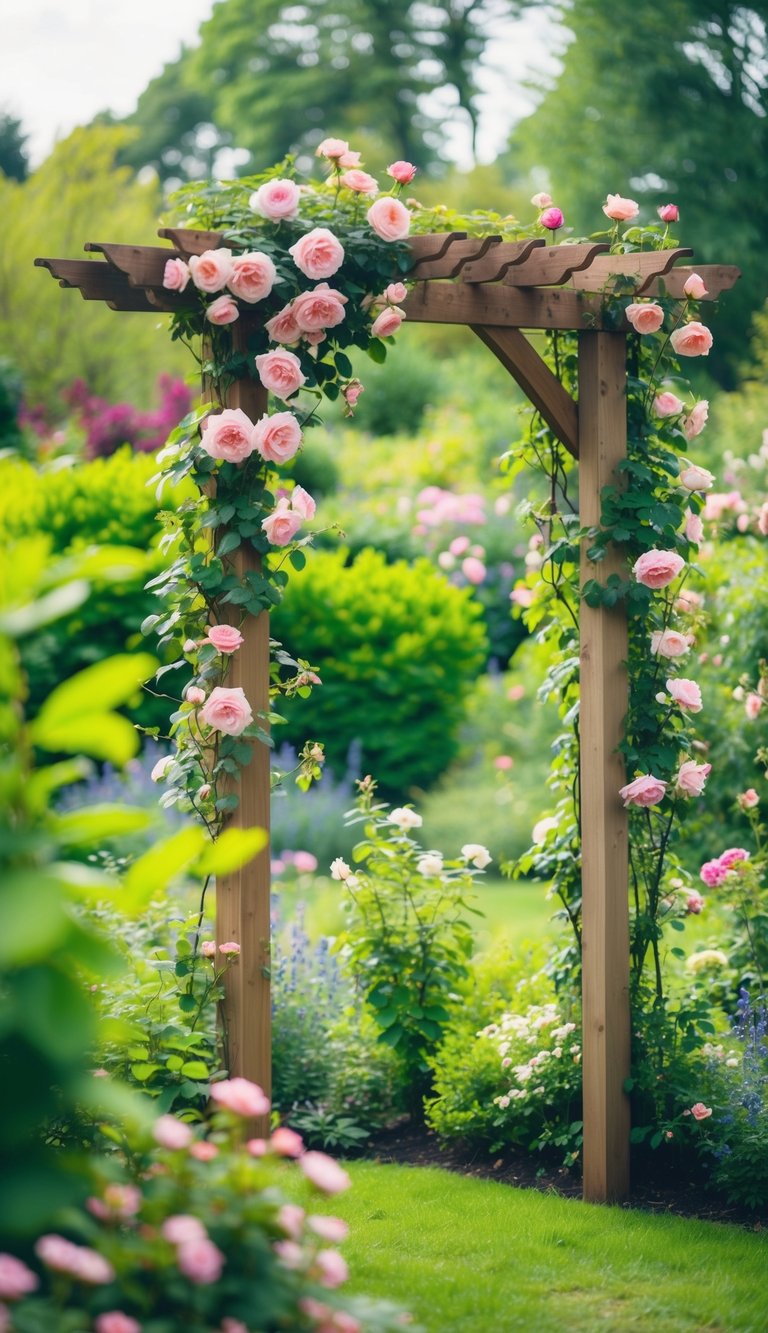
A wooden arbor instantly adds a charming focal point to your garden. When draped with climbing roses, the effect becomes truly magical.
The stunning beauty of climbing roses can elevate any part of your yard, whether it’s framing a pathway or creating a canopy over a seating area. Be sure to choose a sturdy wooden arbor that can handle the weight of the roses as they mature.
Plant the roses at the base of the structure. As they grow and climb, they’ll form a breathtaking natural arch bursting with colorful flowers.
You can even plant different rose varieties to get a mix of colors and fragrances. Proper care, including regular watering and pruning, is essential for a healthy display.
Position your arbor in a sunny location to promote the best growth. Consistent maintenance will help your roses flourish and keep your garden looking fresh.
7. Design a rock garden
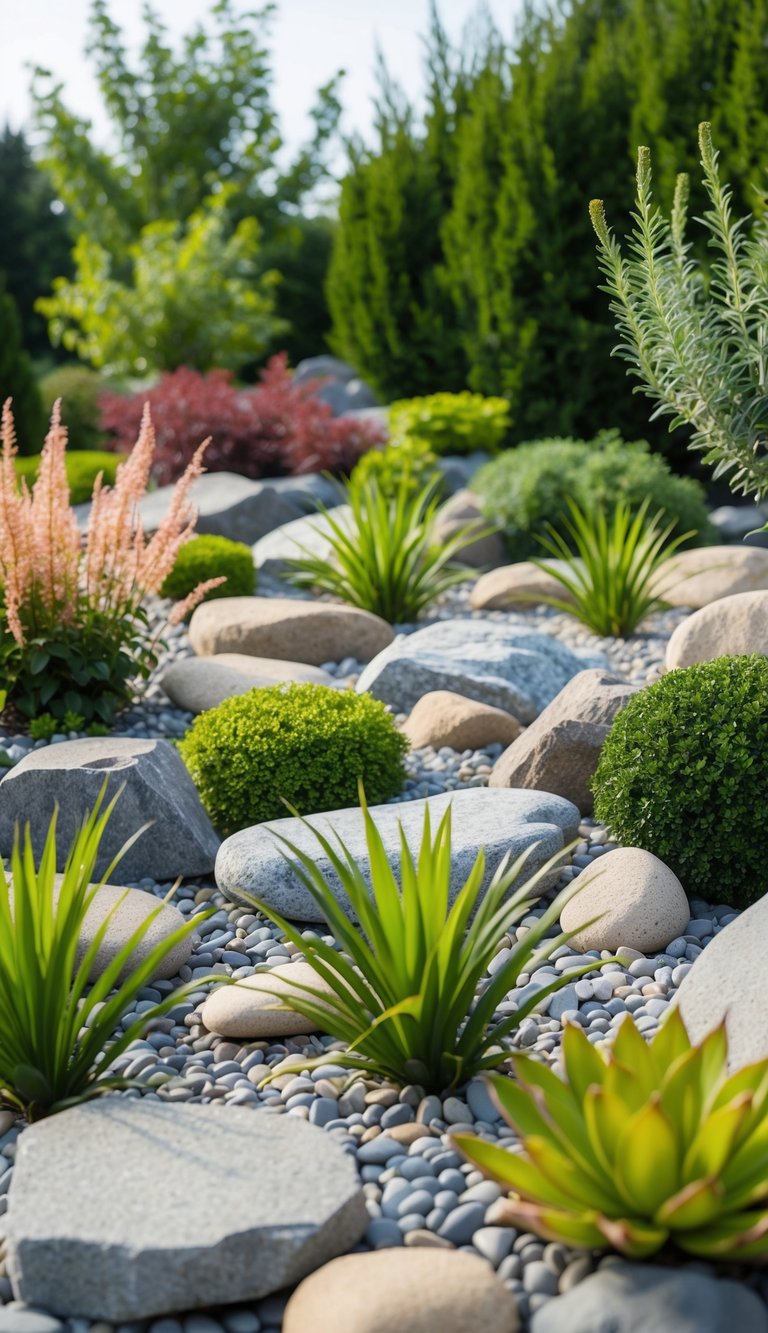
Designing a rock garden is a fun and satisfying project. You can start with a small feature in a corner of your yard or dedicate a larger area to a more ambitious design.
Select a variety of rock sizes and types. Pebbles, boulders, and river stones all contribute a unique aesthetic to the final look.
Consider including low-maintenance plants that are known to thrive in rocky conditions. Dwarf conifers are an excellent option, especially for smaller gardens.
Arrange the rocks and plants in a way that feels organic and natural. For a modern, clean appearance, keep the lines of your design simple.
Feel free to incorporate pathways or decorative elements like sculptures to add extra character to your garden.
Mixing stones of different colors is a great way to create an eye-catching display. Remember to leave enough space for your plants to grow and fill in!
8. Build a DIY wooden deck
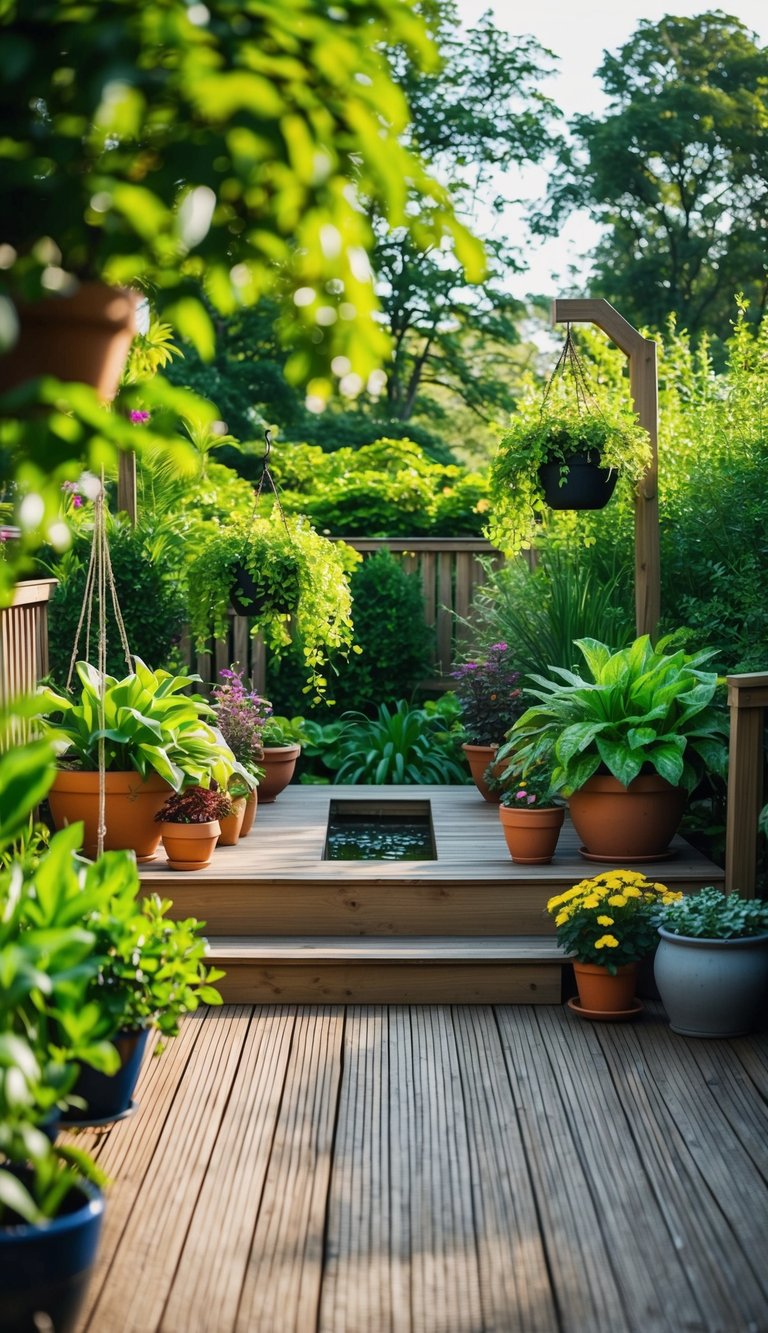
Building a wooden deck is a fantastic way to transform your outdoor living space. It provides the perfect spot for relaxation or entertaining guests, and it’s a rewarding project you can do yourself.
First, plan out the deck’s size and shape, ensuring it complements your yard’s layout. You’ll need materials like treated lumber for the frame and durable decking boards for the surface.
You can find plenty of free plans online to guide you. Look for a design that matches your style and skill level.
Gather your essential tools, including a saw, measuring tape, and level. Having the right equipment will make the construction process smoother and safer.
As you build, make sure to follow all local building codes. This is crucial for ensuring your deck is structurally sound and safe.
Don’t skip the final step of applying a quality wood sealant. This protects the deck from weather damage and significantly extends its lifespan.
Always measure twice to prevent costly mistakes. Also, choose materials that are suited for your climate to ensure maximum durability.
9. Create a herb garden near the kitchen
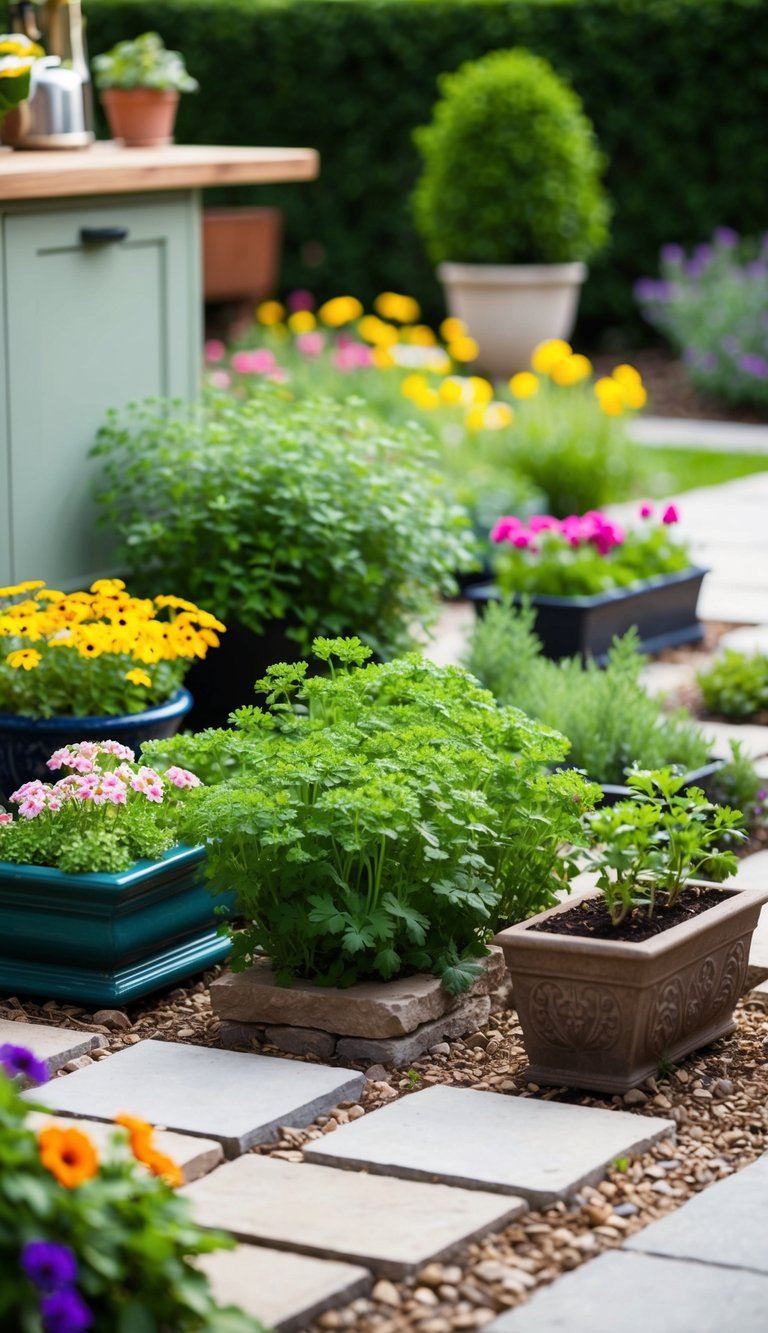
A herb garden situated close to your kitchen is both a smart and delightful idea. Having fresh herbs on hand can instantly elevate your cooking and add incredible flavor to your dishes.
You can use many different spaces for your garden. A sunny windowsill, a spot on the countertop, or a small balcony can all work perfectly. If space is tight, a drawer herb garden is a clever solution; simply line a deep drawer with a tray and fill it with small pots.
Use attractive containers to give your herb garden a stylish look. Plant herbs you use often, such as basil, parsley, and thyme, so you can easily snip what you need while cooking.
An open area with good lighting is ideal for helping your herbs grow. Water them regularly and ensure there’s good air circulation. If you lack natural light, small grow lights can be a great alternative.
Start with just a few herbs you love to use. You’ll appreciate the convenience and the amazing taste of fresh flavors right at your fingertips.
10. Add solar-powered garden lights
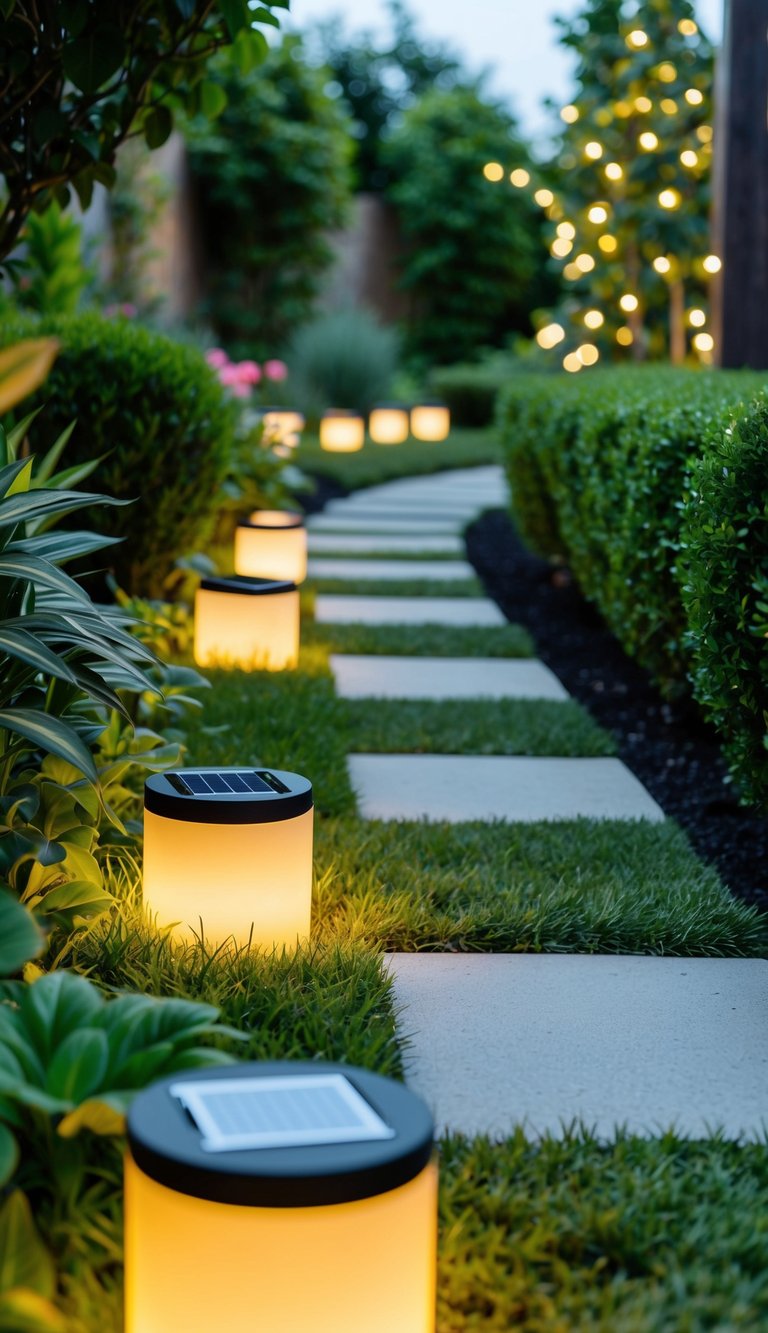
Solar-powered lights are a fantastic way to enhance your outdoor landscape. They are available in a wide range of styles, from stake lights to elegant hanging lanterns, so you can easily find ones that match your aesthetic.
These lights charge up with sunlight during the day and switch on automatically as evening falls. Installation is a breeze since no wiring is involved.
Place them along walkways, around flower beds, or near seating areas to cast a warm, inviting glow. They also improve safety for navigating your garden after dark.
For a personalized touch, try mixing and matching different styles. You can even place solar-powered fairy lights inside mason jars for a whimsical, charming effect.
Choose lights with adjustable brightness levels to help you set the perfect mood for any occasion.
11. Design a pathway with stepping stones
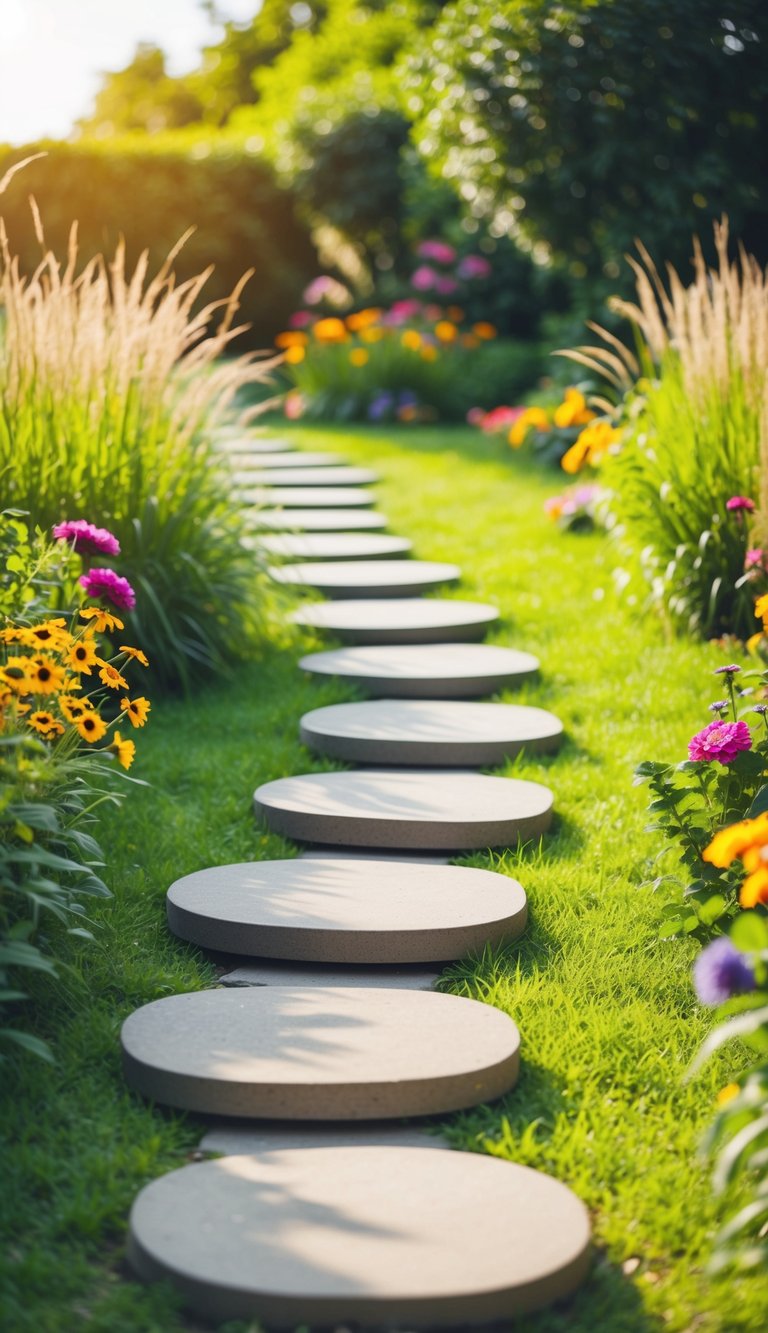
A stepping stone pathway is a simple yet effective way to add charm to your garden. You can get creative with a mix of materials, including natural stone, wood slices, or even colorful mosaics.
The path can meander through your plants, inviting exploration, or lead directly to a special feature in your yard. This design allows you to walk through your garden without damaging grass or flower beds. Plus, it’s a fun DIY project that injects personality into your space.
When placing the stones, consider the spacing to ensure a comfortable and natural walking pace. You can also fill the gaps with small pebbles or gravel for added visual flair.
Select stones that reflect your personal style. It’s an opportunity to express your creativity and make your garden truly unique.
12. Plant a privacy hedge with evergreen trees
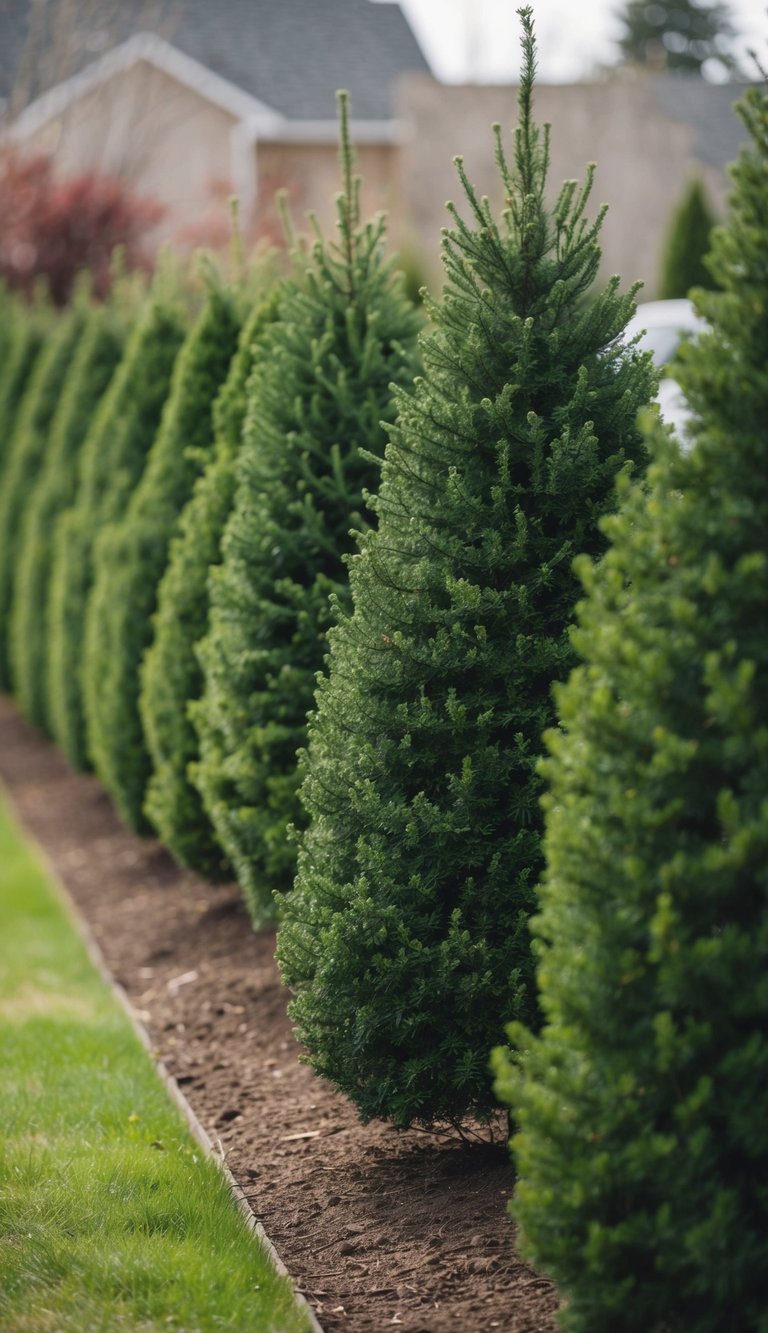
Evergreen trees are an excellent choice for creating a natural privacy hedge. They maintain their green foliage all year round, providing a dense, consistent screen from outside views. They also do a great job of blocking noise and wind.
Consider popular options like arborvitae or yews. Arborvitae is fast-growing and adapts well to various soil types, while yews are slow-growing but can flourish even in shaded areas.
Proper spacing during planting is crucial for optimal growth and ensuring the trees fill in to form a solid hedge over time. Regular watering is vital, especially during their first year of establishment.
Trimming your hedge will keep it looking tidy and encourage denser, bushier growth. It’s also important to check for pests to maintain the health of your plants.
Pick a variety that suits your climate and give it enough room to grow. A well-planned hedge will be a beautiful and functional addition to your yard for many years.
13. Use colorful annuals for vibrant flower beds
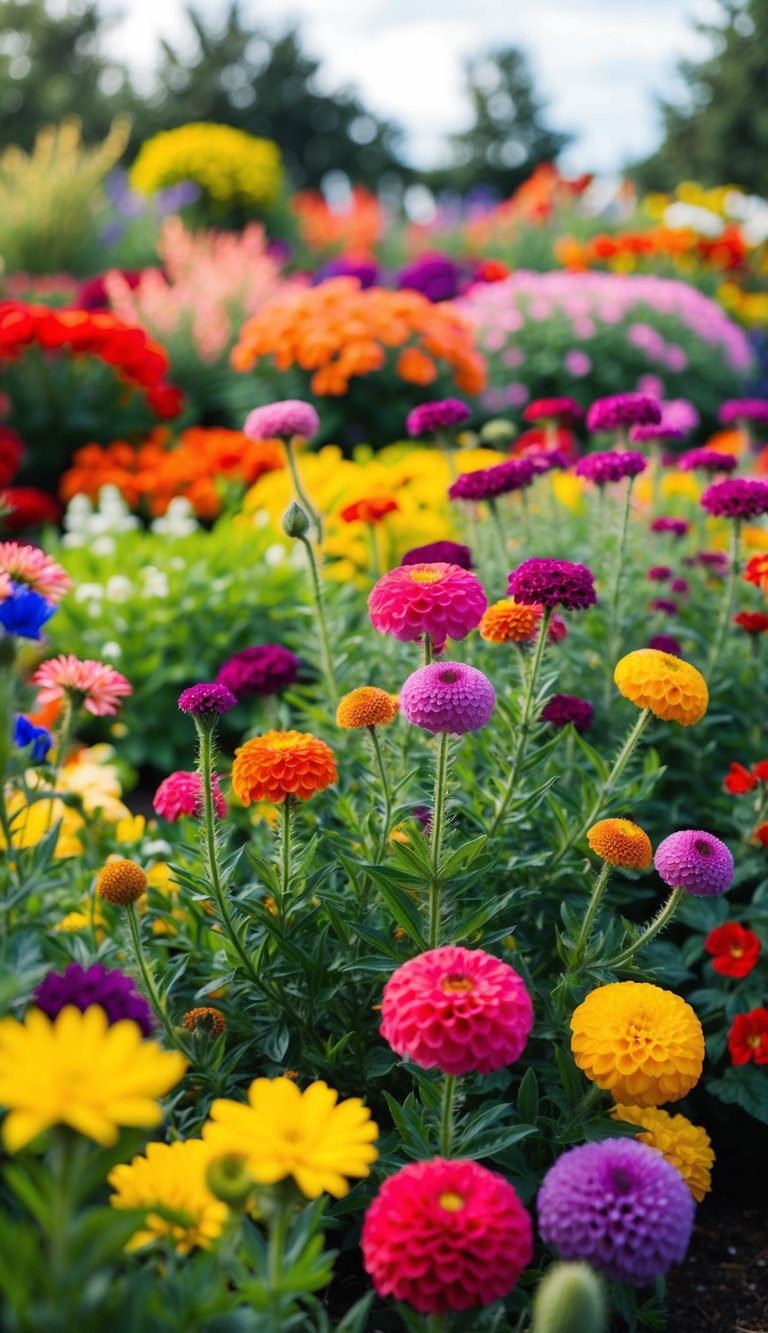
Vibrant annuals can transform any flower bed into a spectacular, lively display. Since they bloom throughout the entire season, they provide a continuous source of color for your landscape.
Choose flowers with complementary colors. Plants like gomphrena and petunias can be paired to create truly stunning combinations. Try using rich purples alongside softer hues for a beautiful contrast.
Plant your annuals in well-drained soil and make sure they get full sun. These conditions will help them thrive and produce an abundance of blooms.
For even more visual appeal, mix plants of different heights and textures.
Annuals are perfect for creating borders or serving as focal points in your garden. With countless colors and varieties to choose from, you can easily customize your space.
14. Set up a hammock between two trees
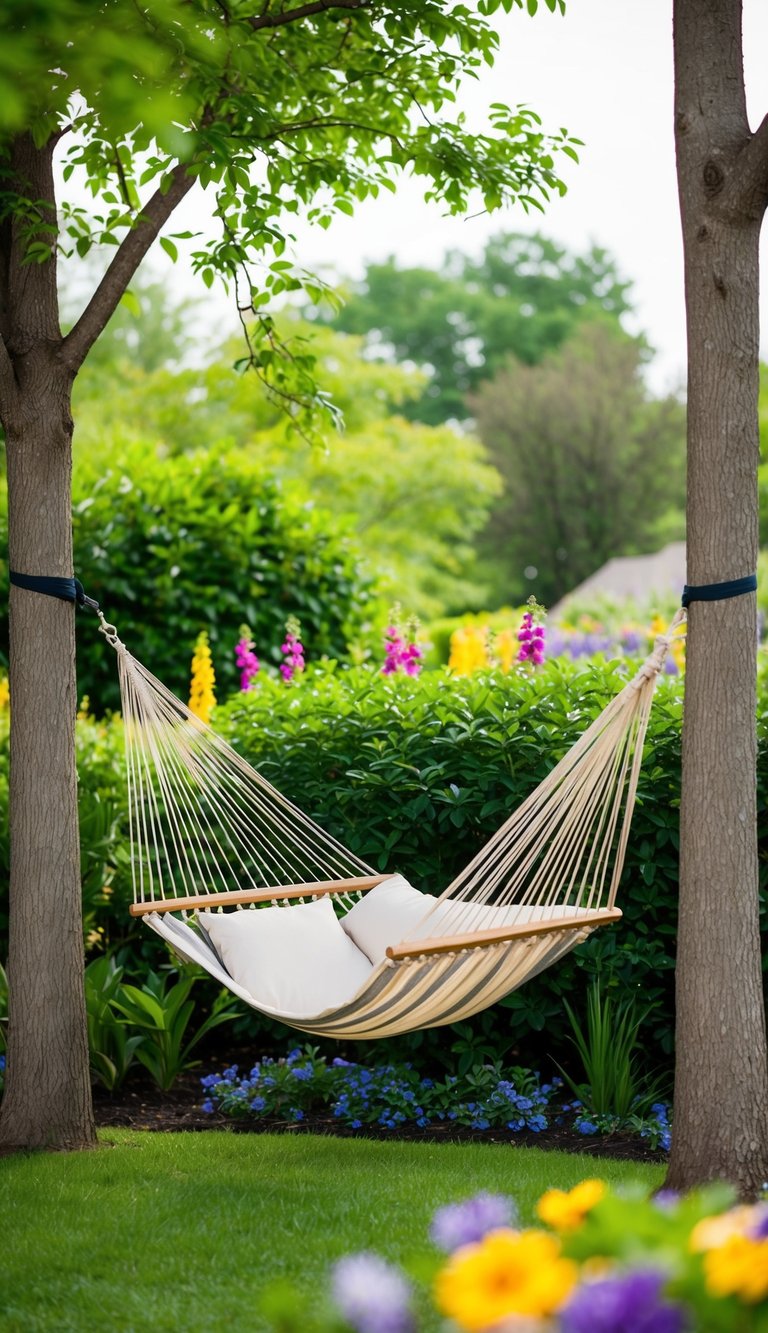
Hanging a hammock between two trees is a wonderfully simple way to enjoy your yard. Start by finding two sturdy trees spaced roughly 10 to 15 feet apart, and ensure their branches can safely support your weight.
Use strong ropes or tree-friendly straps to secure the hammock firmly. Wrapping the straps around the tree trunks is easy and helps protect the bark from damage. Aim to hang the hammock about 4 to 5 feet off the ground.
Now, just sit back and soak in the peaceful vibes. Adding a few pillows can make your hammock even more comfortable. You can also decorate the surrounding area with lights or plants to enhance the charm.
15. Construct a raised vegetable garden bed
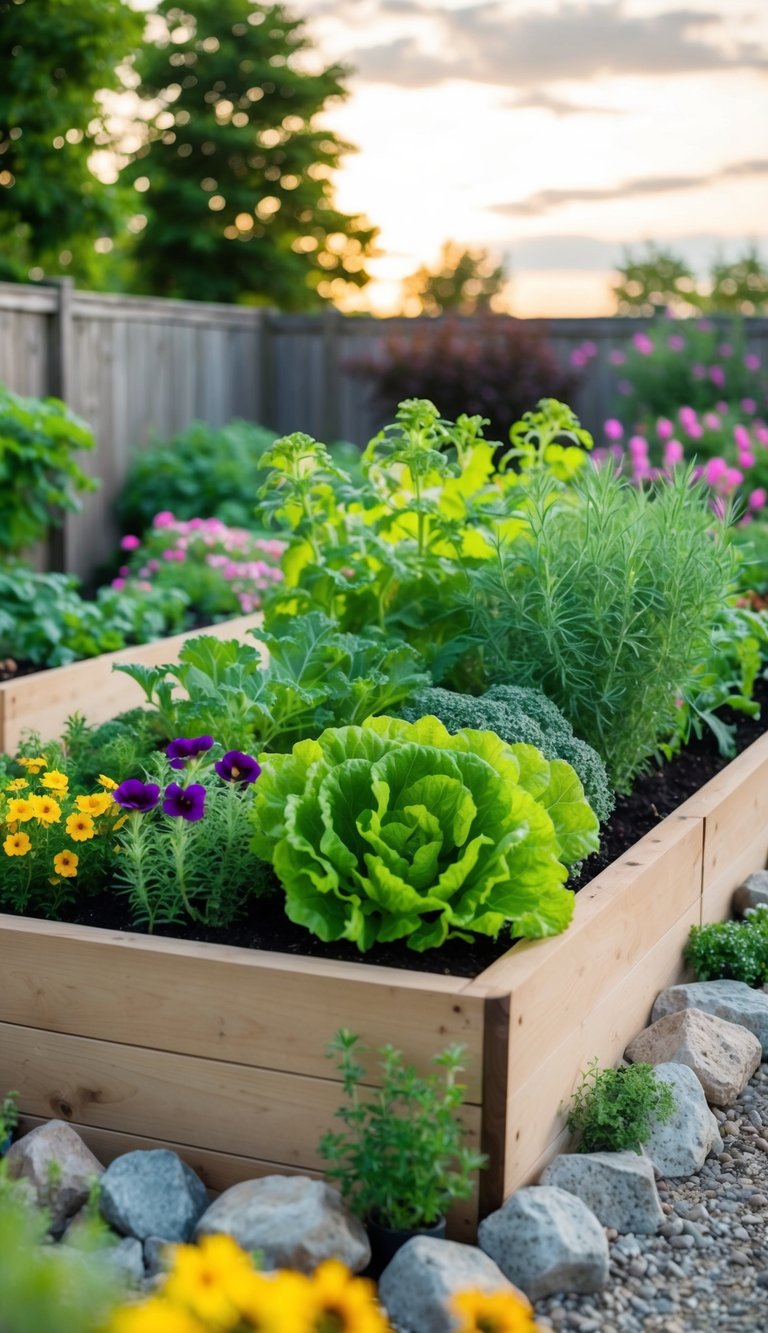
A raised vegetable garden bed is an excellent way to start growing your own food. This method offers superior drainage and gives you complete control over the soil quality, helping your plants to flourish.
You can construct the bed from various materials, such as wood, bricks, or even cinder blocks. Pick a location in your yard that receives ample sunlight, as most vegetables require at least six hours of direct sun daily.
Ensure the bed is a minimum of 12 inches deep to allow for healthy root growth. For the best results, fill it with a high-quality soil and compost mixture.
Raised beds also reduce the amount of bending required for gardening, making the activity more comfortable and enjoyable. As a bonus, they can help deter certain pests.
16. Install a small fountain for ambiance
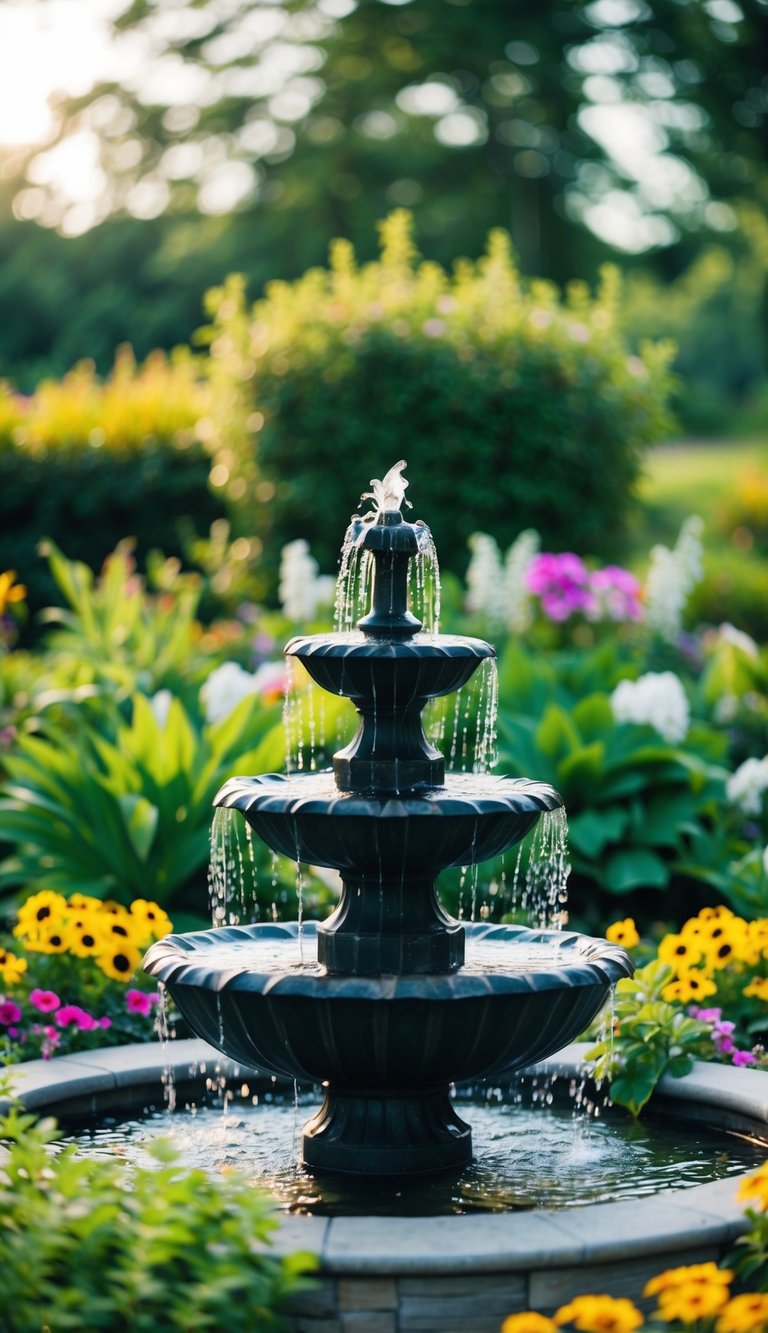
A small fountain can make any outdoor space feel more welcoming and serene. The gentle sound of moving water creates a calming atmosphere that is perfect for relaxation.
You can place a fountain in a garden, on a patio, or even in a compact corner of your yard. There are many styles available to match your space, whether you prefer a rustic, modern, or classic look.
Small fountains are typically easy to maintain. You can keep the water sparkling clean with natural solutions that are safe for the environment.
Arranging plants or flowers around the fountain will amplify its beauty and attract birds and butterflies, creating a lively and enjoyable environment.
17. Decorate with garden sculptures
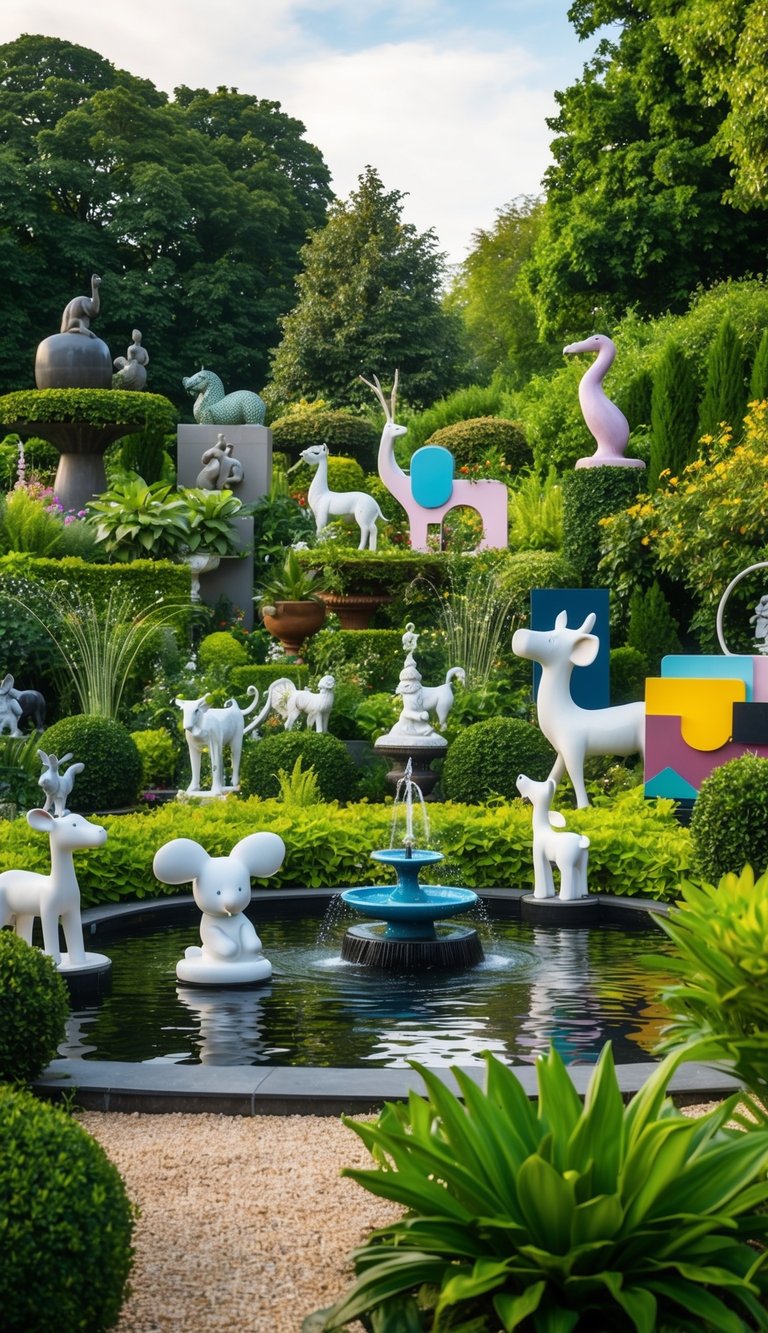
Garden sculptures are a fantastic way to add personality and charm to your outdoor space. They serve as unique focal points that capture attention and spark visual interest.
You can select from a wide variety of styles, from modern geometric forms to classic figurines. Materials like metal, stone, and ceramic offer different aesthetics to suit your taste.
Sculptures are versatile and work well in many garden settings. A sleek sphere can complement a contemporary design, while a rustic statue might be the perfect fit for a cottage-style garden.
Try placing sculptures among your plants for a more integrated, natural look. This approach helps blend the artwork seamlessly with the garden’s inherent beauty.
To keep your garden looking fresh, consider rotating your sculptures with the seasons. Always think about how each piece complements its plant surroundings for a cohesive design.
18. Build an outdoor dining area
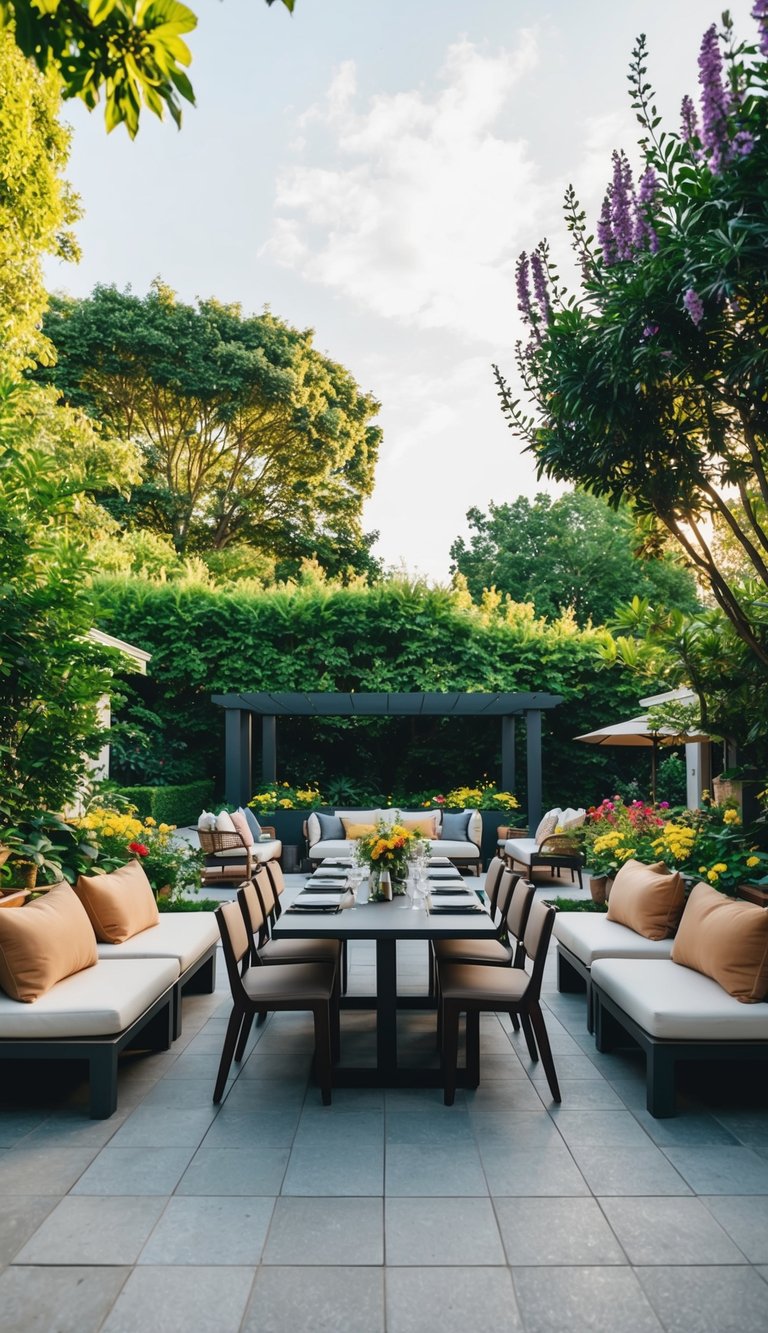
An outdoor dining area can significantly enhance your backyard experience. You can begin by selecting a level spot on your patio, deck, or a section of your lawn.
There are many table styles to consider that can suit your taste, from a simple picnic table to a more elegant dining set. Just make sure there’s enough room to comfortably place chairs around it.
Adding shade is crucial for comfort on hot days. A large umbrella or a pergola can provide welcome relief from the sun. For evening meals, some string lights can add a magical touch.
Placing plants around your dining space will create a cozy and inviting atmosphere. Choose fragrant herbs or flowering plants for a fresh feel. You can also use an outdoor rug to help define the area.
Don’t overlook the flooring. You can use patio stones, wood decking, or even gravel, as each option contributes a different look and feel to your space.
19. Use ornamental grasses for texture
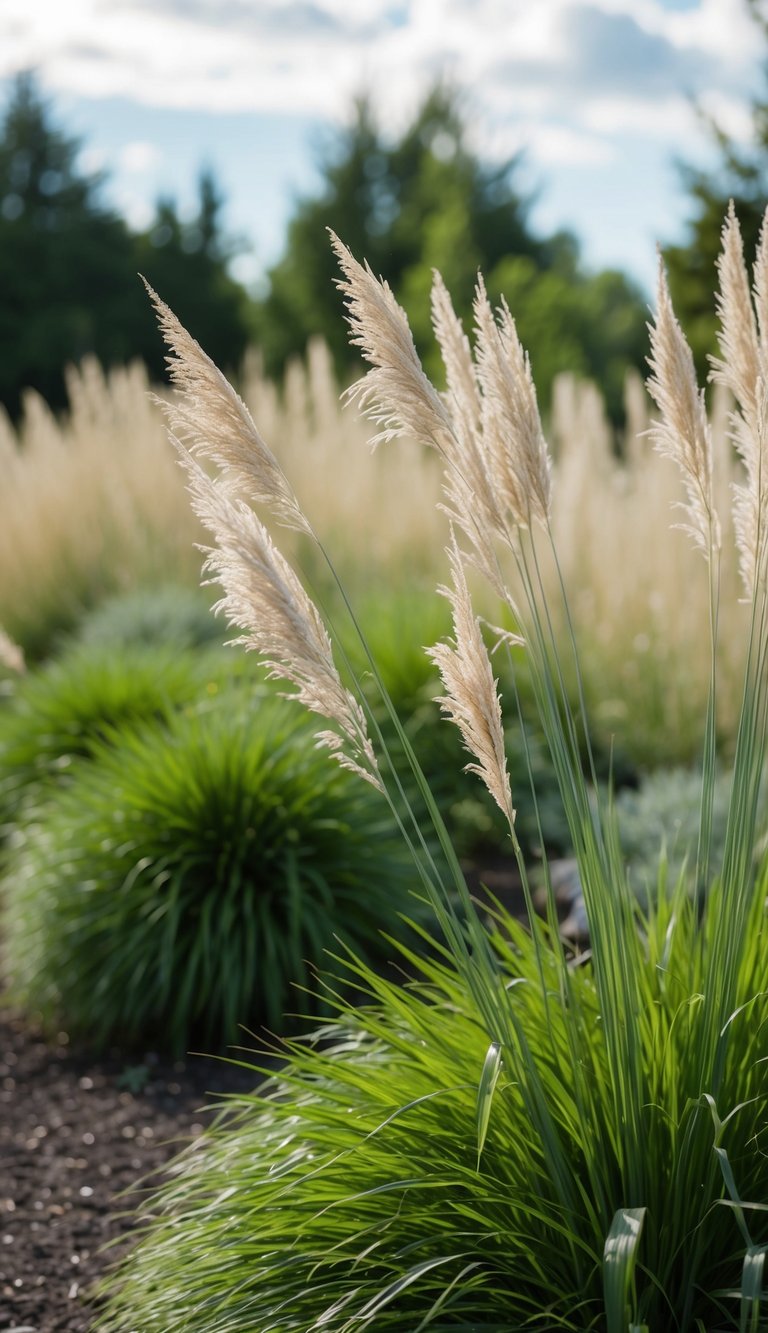
Ornamental grasses introduce a unique and dynamic texture to your landscape. They are excellent for softening the hard lines of features like walls, fences, and pathways.
You can group taller grass varieties together to create natural screens, which are perfect for blocking unwanted views or adding a bit of privacy.
Lower-growing grasses can be used to define the edges of paths and garden beds, contributing to a clean, polished look. Combining different heights and shapes adds layers of interest to your garden.
Using grasses in your borders brings movement and life to the space. The way they sway and rustle in the wind creates a wonderfully calming effect.
For a more dynamic look, mix different types of grasses. Pay attention to their various colors and heights to create added visual appeal.
20. Create a shaded seating area with a pergola
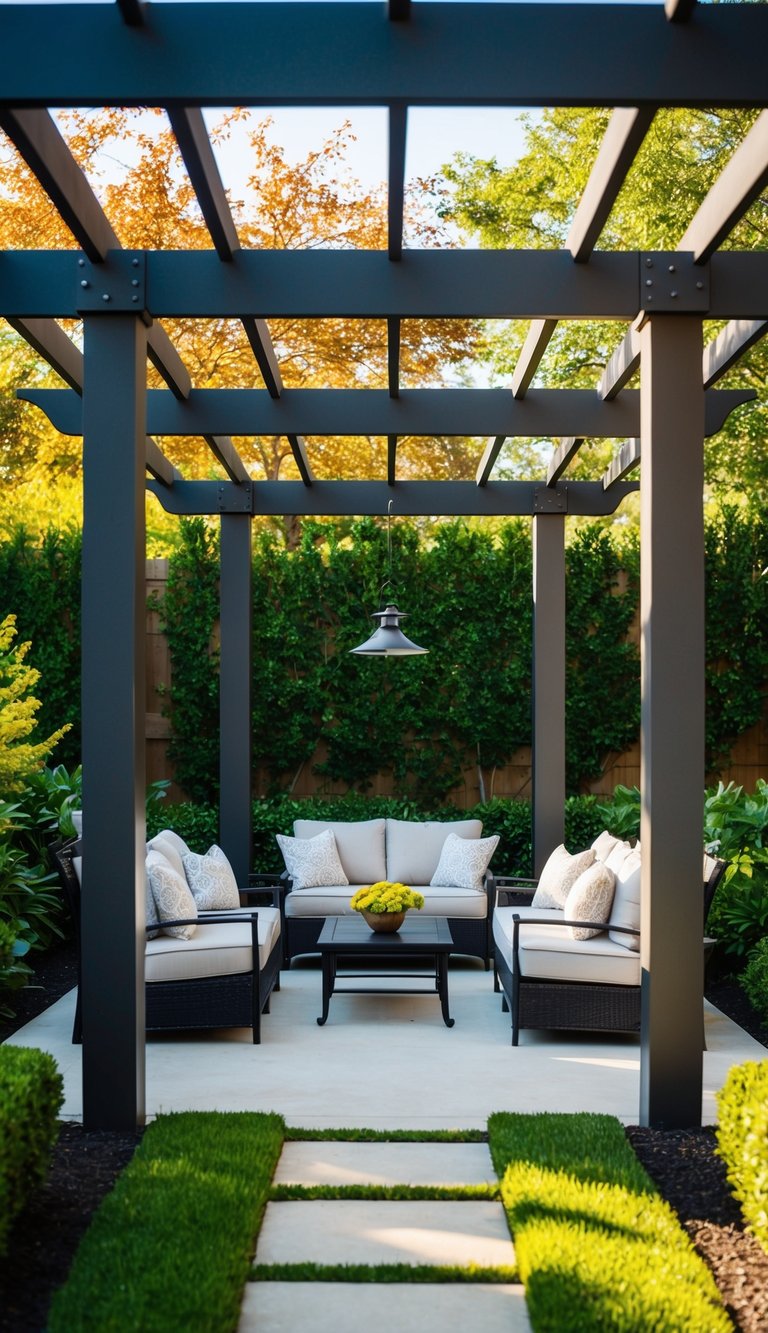
A pergola is an excellent way to design a comfortable, shaded seating area. It provides partial shelter from the sun, making it an ideal spot for relaxing outdoors. You can install it over a patio, deck, or garden space.
These structures can be customized to perfectly fit your yard’s dimensions. Add benches or plush cushions for extra comfort. For enhanced shade and beauty, consider growing climbing plants like wisteria or jasmine up the posts.
A pergola also helps to define an outdoor “room” in your landscape. It creates a cozy and distinct nook for gathering with friends and family.
For evening enjoyment, add some lighting. Twinkling string lights or hanging lanterns can produce a warm and inviting atmosphere.
Choose construction materials that complement your home’s architectural style. This will help your pergola blend seamlessly with the surrounding landscape.
21. Incorporate a modern metal sculpture
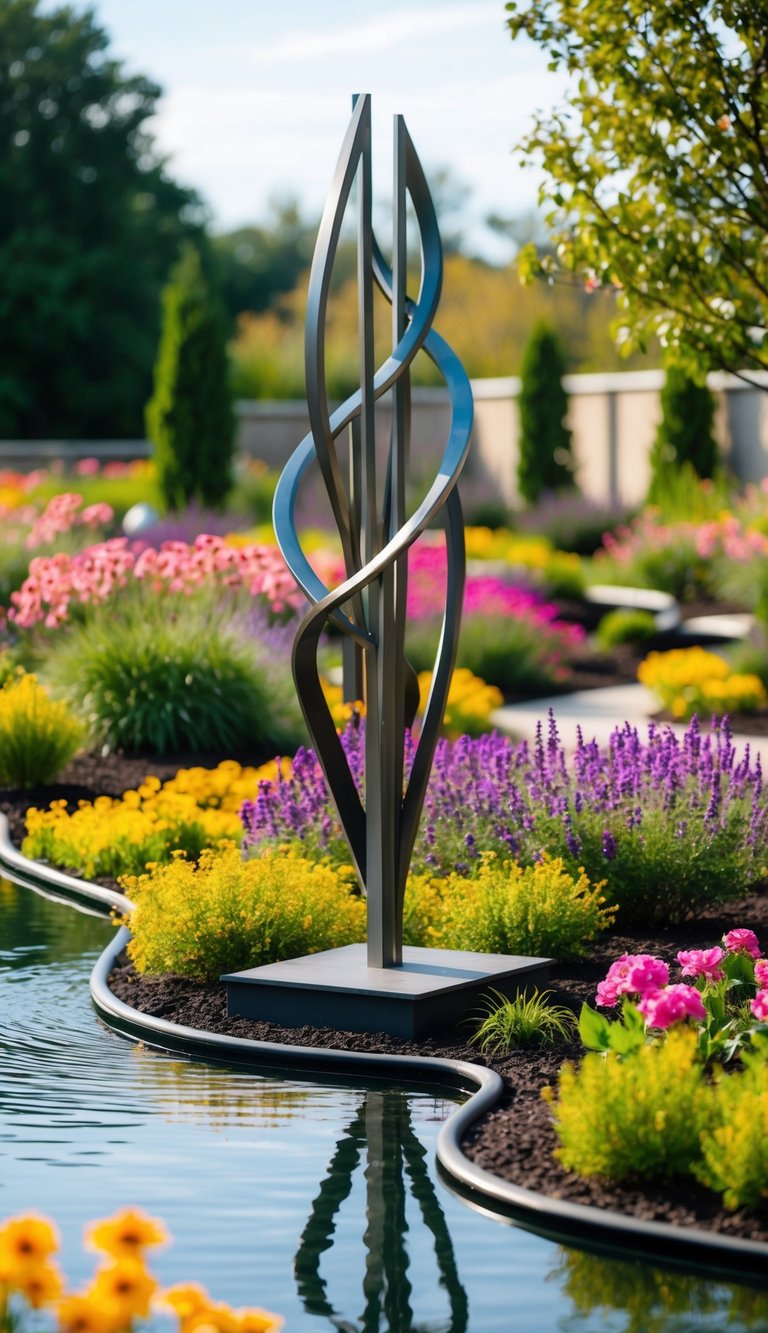
A modern metal sculpture can make a bold statement in your garden. These art pieces create a powerful point of interest and draw the eye, giving your space a truly unique feel.
Select a sculpture that aligns with your personal style. You might prefer something sleek and minimalist, or perhaps a more abstract and colorful piece. The possibilities are vast.
Place the sculpture in a location where it’s visible from multiple angles. This allows it to alter the garden’s appearance as you move through the space.
Also, consider how sunlight will interact with the sculpture throughout the day. Metal surfaces can reflect light beautifully, adding a dynamic quality to your landscape.
Choose a piece that complements your surrounding plants. Balancing the hard, industrial feel of metal with softer greenery can create a striking and harmonious effect.