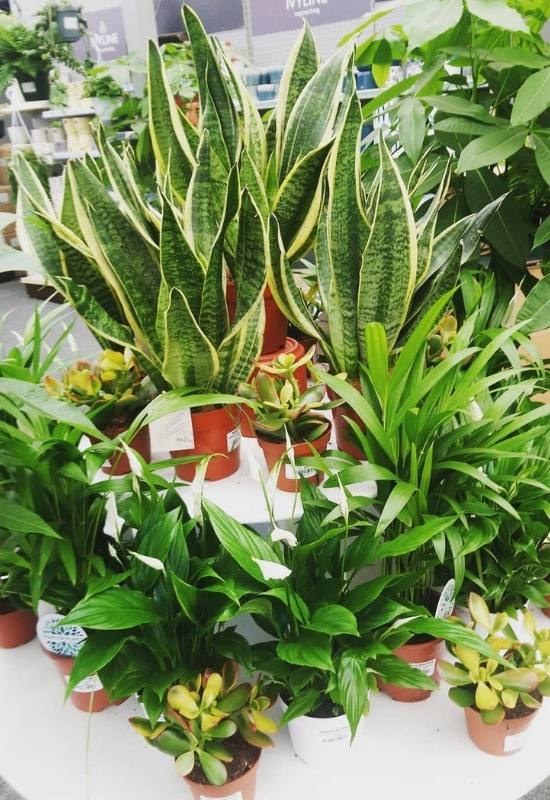
While every plant brings a touch of life indoors, some are believed to be true powerhouses of positivity, capable of inviting good fortune and prosperity right into your home. If you’ve ever explored Feng Shui, you know that the right houseplant in the right place can be a magnet for health, happiness, and wealth. Some plants, like the money tree and lucky bamboo, even wear their auspicious reputations in their names.
According to Feng Shui principles, placement is key. Setting a lucky plant near a window or beside a sofa can awaken dormant positive energy and get it circulating throughout your living space. What’s more, many of these good-fortune botanicals are also fantastic air purifiers. Plants like the golden pothos work double duty, cleansing your home of airborne toxins while simultaneously sweeping out negative energy and ushering in good vibes.
Here is a curated list of 15 Feng Shui-approved plants celebrated for their ability to attract everything from love and luck to cold, hard cash. This might just be your lucky day.
15 Lucky Plants To Have At Home To Attract Your Good Luck And Prosperity
Ready to invite some good fortune into your life? These are the 15 plants you’ll want to get your hands on. Let’s start with a classic.
1: Lucky Bamboo (Dracaena sanderiana)
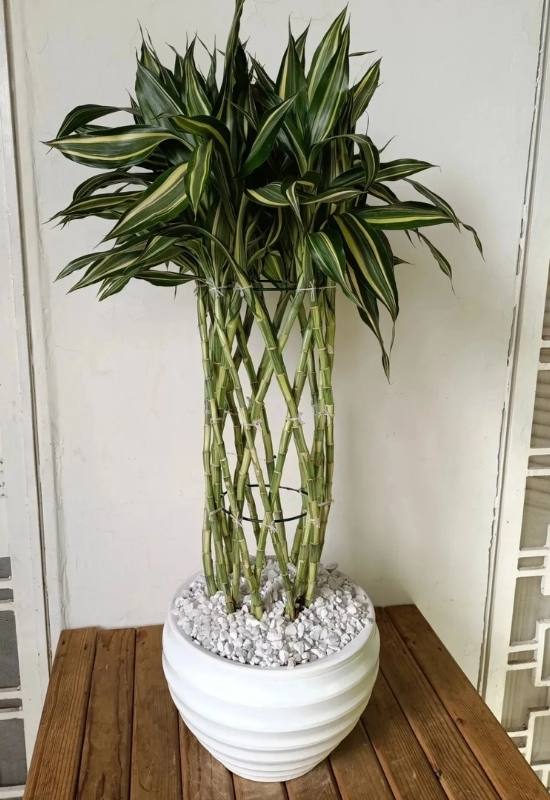
Lucky bamboo is a famously easy-to-grow houseplant that practically radiates positive energy. Growing it from a simple stalk cutting is a fun and satisfying project for all ages. It quickly develops long, pointed, mid-green leaves that lend an elegant and attractive look to any room. You can even train its stems to grow in artistic spirals, turning it into a living sculpture.
In Feng Shui, this plant is a powerhouse, representing Fu (happiness), Lu (wealth), and Soh (long life). The number of stalks also carries meaning, with seven symbolizing health, nine for great luck, and ten for perfection. The only number to avoid is four, which is associated with death.
Perfect for minimalist or Zen-inspired decor, lucky bamboo is a low-maintenance choice that thrives in hydroponic setups, making it ideal for display in sleek glass vases. This plant is best grown as a houseplant in USDA zones 10 to 11. It prefers indirect light, growing happily in medium or even low-light indoor conditions. It can reach up to 40 inches tall and 18 inches wide. For soil, a well-drained, rich, and fertile potting mix with a mildly acidic to neutral pH is best.
2: Desert Rose (Adenium obesum)
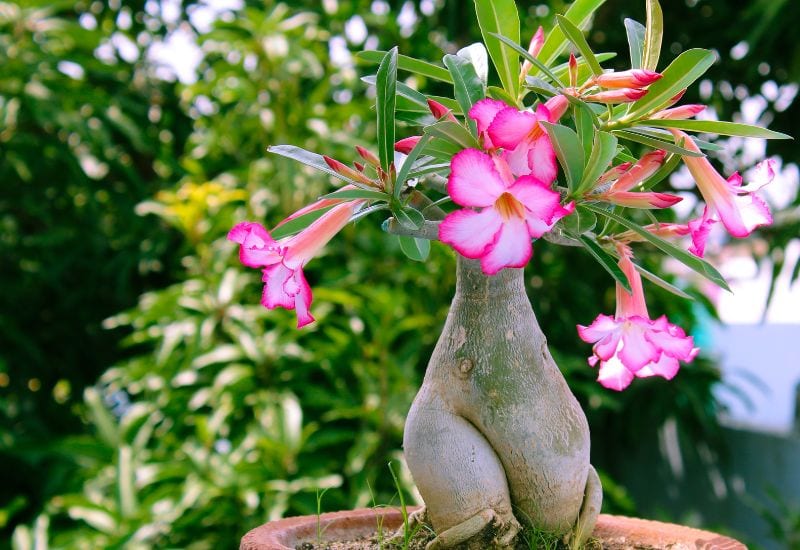
The desert rose is another renowned lucky plant, typically grown indoors. If you happen to live in a hot climate, however, you can add it to your garden. Outdoors, it matures into a small tree, but in a container, it remains compact, though its trunk is anything but thin. It boasts a very large, smooth, beige trunk reminiscent of a baobab, which splits into short branches crowned with tufts of glossy, dark green oval leaves.
At the end of these branches, you’ll be treated to stunning star-shaped flowers. The blooms are a pale magenta in the center, fading to a more intense shade at the edges. Originating from Africa and the Arabian Peninsula, this unique plant harmoniously blends exotic beauty with positive energy. The peaceful-looking desert rose is a perfect statement piece for a bold living room or office. In gardens, it suits tropical, desert, and Mediterranean styles.
It thrives in USDA zones 10 to 11. Outdoors, it needs full sun, while indoors it prefers bright, indirect light. You can expect blooms from early spring to mid-summer. While it can grow up to 10 feet tall in the ground, it stays much smaller in pots. This drought-tolerant plant requires a very well-drained, sand-based soil or a cactus mix with a mildly acidic or neutral pH.
3: Banyan Tree (Ficus citrifolia)
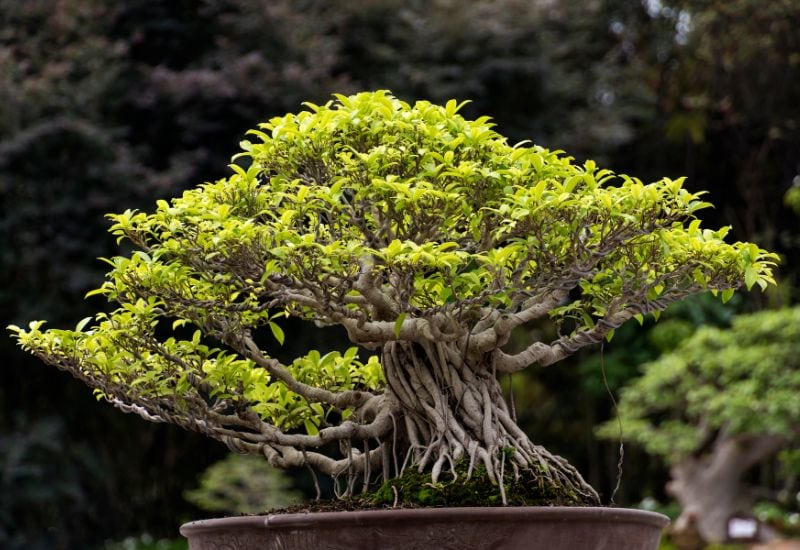
The banyan tree is famous for bringing good luck, but its massive size and need for hot climates can be a challenge. Luckily, you can easily find this tree as a bonsai, a form for which it is perfectly suited. Its large, smooth trunk and low, broad branches give it an ancient, established look even in miniature. It produces the broad, oval, leathery mid-green leaves with dark undersides characteristic of its larger relatives.
An outdoor banyan tree will bloom with tiny flowers and produce fruit three times a year. If you opt for the popular bonsai version, it looks stunning on a coffee table, desk, or as a centerpiece for a luxurious dinner party. This plant is hardy in USDA zones 10 to 11 but is usually grown as a bonsai houseplant. It needs full sun or partial shade. Use a standard bonsai mix of pozzolana, potting soil, pumice stone, and sifted akadama in equal parts.
4: Japanese Aralia (Fatsia japonica)
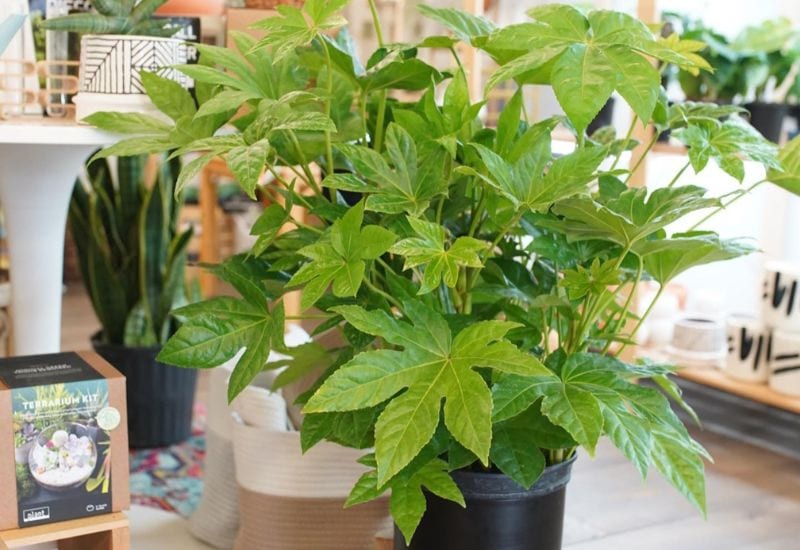
The lush, dramatic foliage of the Japanese aralia is a symbol of health, abundance, and good luck. This evergreen shrub features enormous leaves, reaching up to 14 inches in width and length, with deep lobes that accentuate their palmate shape. They are fleshy, rubbery, and incredibly glossy, with a mid-to-dark green color, although the ‘Spider’s Web’ cultivar offers striking variegation. The overall effect is one of luxuriant, tropical-rainforest exoticism.
This plant is a wonderful houseplant but is also suitable for gardens in moderately warm climates, thriving in USDA zones 7 to 9. It even produces unusual clusters of white flowers in the fall, especially when grown outdoors. Whether in a container or in the ground, Japanese aralia provides verdant foliage and a wave of soothing, exotic energy. It can grow 4 to 5 feet tall, prefers medium indirect light indoors, and needs a well-drained soil that never fully dries out.
5: Peace Lily (Spathiphyllum wallisii)
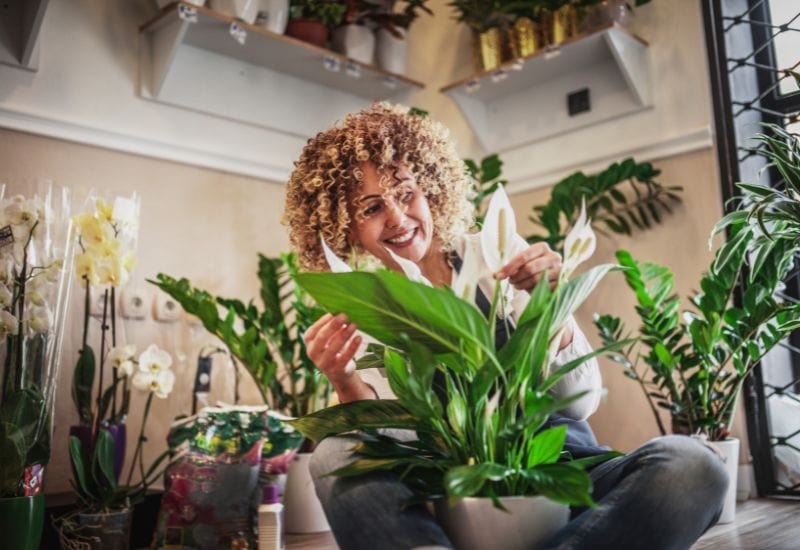
According to Feng Shui wisdom, growing a peace lily invites good fortune into your life, family, and home. Its unique “flowers” are linked to peace, prosperity, and sympathy. These are not true flowers but large, white, petal-like bracts that elegantly surround a thick central cluster of tiny blooms. They create a lovely harmony with the pointed, broad, and glossy mid-green leaves.
The entire plant, with its long stems and arching foliage, exudes the elegance of a swan, promoting a sense of serenity and well-being. A peace lily is equally at home outdoors in warm climates or as a houseplant. Hardy in USDA zones 10 to 11, it can even become a semi-naturalized feature in a garden, offering lots of luck with very little demand. It thrives in partial or dappled shade outdoors and tolerates a range of indirect light indoors, from bright to low. Expect it to bloom in spring and sometimes again in the fall, with each bloom lasting for two months. It grows 1 to 2 feet tall and requires high-quality, rich potting soil that is kept consistently humid.
6: Jade Plant (Crassula ovata)
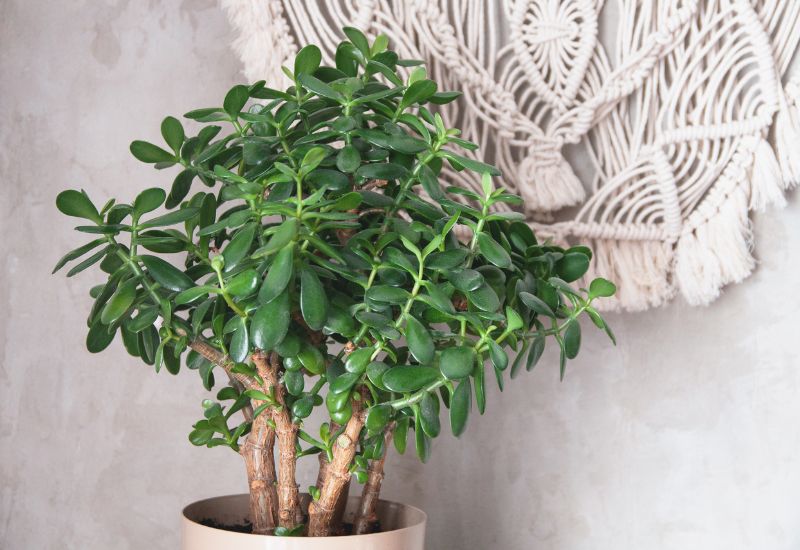
The jade plant is another Feng Shui favorite, believed to bring wealth and encourage friendship. Its appearance is reminiscent of the precious stone, with round, thick, succulent leaves of a beautiful jade green that look like tiny jewels. The leaves are known to reflect joy and friendship, contributing to the plant’s overall reputation for good luck and fortune. As the seasons change, the leaves can take on hints of yellow and red.
Its elegant branches are covered in a smooth, paper-like skin and arch gracefully, giving it the look of a natural bonsai crossed with a piece of jewelry. In spring, it bursts into a profusion of light pink, star-shaped flowers, a display that helped it win the prestigious Award of Garden Merit from the Royal Horticultural Society. Whether indoors or outdoors, the jade plant is a wonderful companion, looking especially beautiful in elegant pots that highlight its unique form.
It’s hardy in USDA zones 9 to 12. It needs full sun or partial shade outdoors, and bright indirect light indoors. In containers, it stays small, but can reach up to 9 feet tall in the ground. Use a cactus mix for indoor pots. This plant is tolerant of drought, salt, and rocky soil.
7: Daffodil (Narcissus spp.)
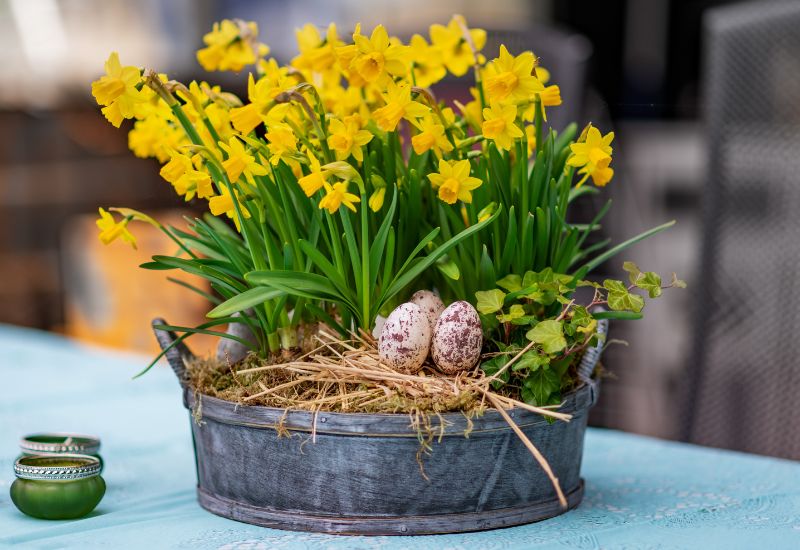
Daffodils are pure positivity in floral form, bringing serenity, rejuvenation, and good luck. These cheerful flowers are surprisingly easy to grow indoors and are becoming increasingly popular as houseplants. You have a wealth of varieties to choose from, including poet’s daffodil, jonquil, and trumpet daffodils, with single, double, or semi-double blooms in shades of white, bright yellow, orange, and even pink.
These incredibly fragrant spring flowers erupt with beauty early in the season, acting as harbingers of warmer days to come. Daffodils also have strong ties to literature and inspiration, famously immortalized in a poem by William Wordsworth. They are perfect for low-maintenance gardens, providing a sudden burst of life. You can also grow them in containers or a simple hydroponic system, like a beautiful glass vase, to enjoy them indoors. Their life cycle is short, and after blooming, the bulbs can be stored in a cool, dark, dry place for the next year.
Hardy in USDA zones 3 to 8, they thrive in cooler climates but can be grown indoors anywhere. They need full sun or partial shade. Depending on the variety, they grow from 6 inches to 2 feet tall. They prefer medium-fertile, well-drained soil.
8: Ginseng Ficus (Ficus retusa)
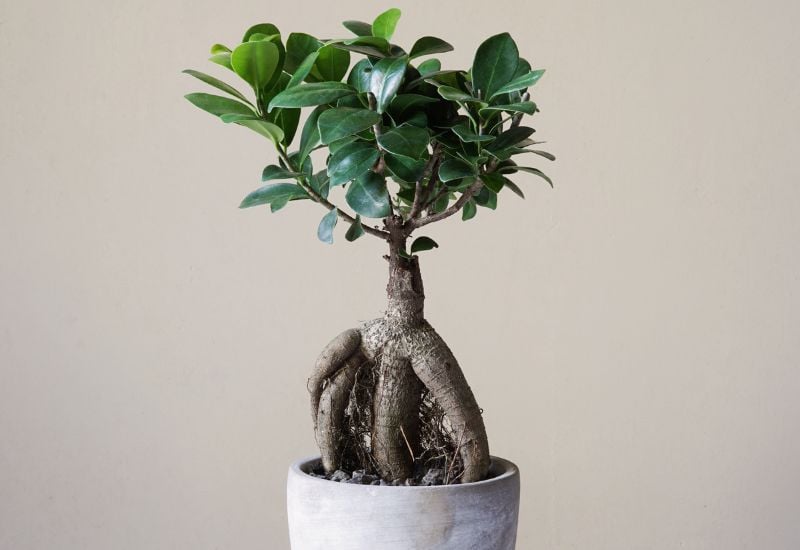
Ginseng ficus is a popular houseplant that brings good vibrations and fortune. While it can become a large tree in the wild, it remains small in pots, like a natural bonsai. It’s sometimes called the “Buddha tree” because it grows large, swollen roots above the ground, forming what looks like a big belly, yet it happily fits into small containers. The crown is typically small and flat or umbrella-shaped, with the classic elliptical, dark green, and very glossy leaves of a ficus.
A very resilient tree, the ginseng ficus is tolerant of neglect and quite forgiving. Its unique appearance makes it an ideal living statue for desks and coffee tables, where it can spread its positive energy. It is hardy in USDA zones 10 to 11 but is usually kept as a houseplant. It thrives in bright but indirect light. In a pot, it will stay between 16 and 32 inches tall. Use a well-drained general potting soil. Once established, it is drought tolerant.
9: Snake Plant (Sansevieria trifasciata, now renamed Dracaena trifasciata)
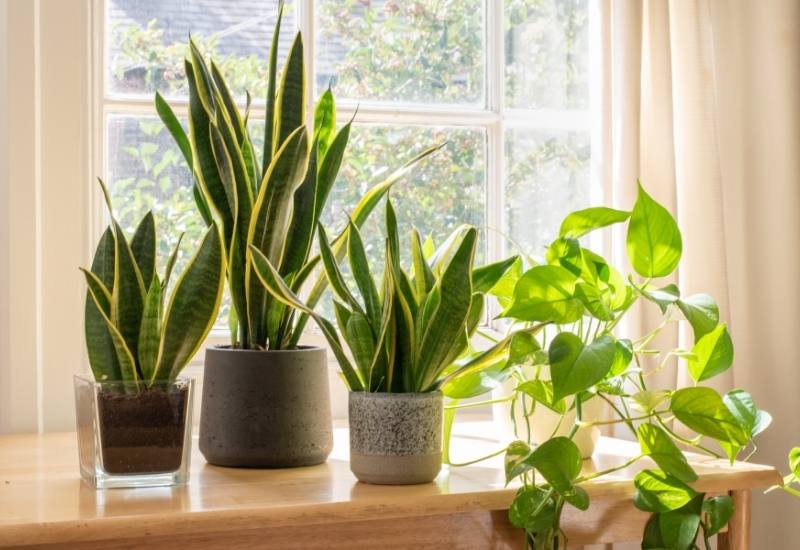
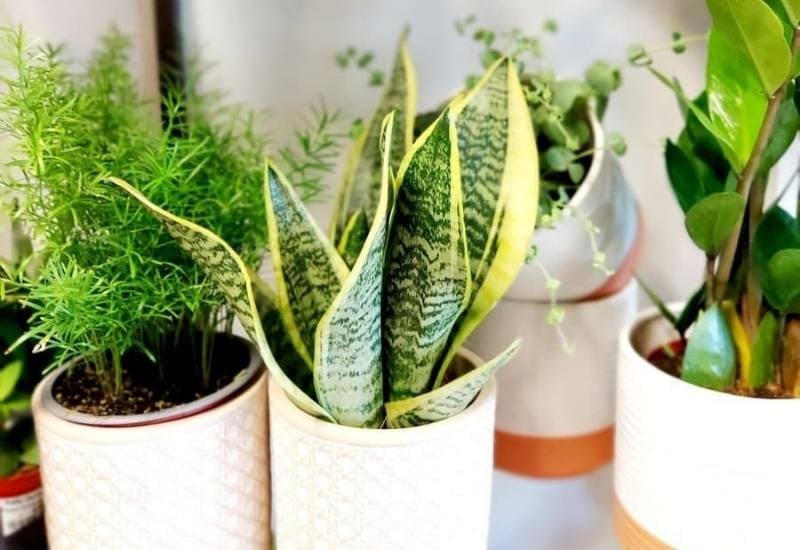
The snake plant is perfect for clearing negative energy from enclosed spaces and purifying the air. Despite some debate, this popular and sculptural houseplant is considered positive in Feng Shui. Its strong wood element is believed to cut through negativity and offer protection. For the best results, place it in an area without a lot of foot traffic. This succulent, with its pointed, tongue-like leaves striped in shiny dark green and lime yellow, might even surprise you with fragrant green flowers once a year. The snake plant is also exceptionally low maintenance. Once you find the right spot, it becomes a steady, decorative presence that needs only a little water weekly, and even less in winter. Usually grown as a houseplant, it is hardy in USDA zones 11 to 12. It prefers medium to low indirect light. This plant typically grows 2 to 4 feet tall. It needs a well-drained potting mix, such as a cactus mix, and should be kept on the drier side.
10: French Lavender (Lavandula stoechas)
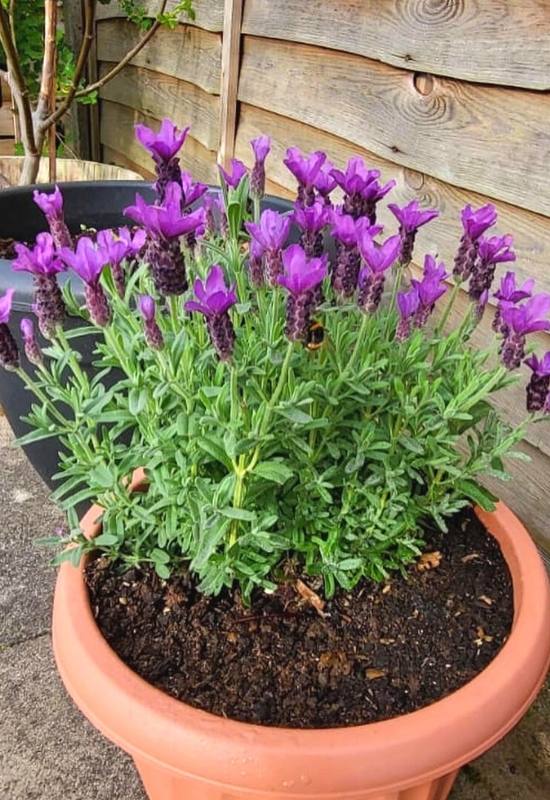
Lavender radiates pure good energy, making it a perfect plant for attracting good luck and wealth. Beyond its uses in aromatherapy, soaps, and perfumes, it also boasts one of the highest vibrational frequencies of any plant, at 118 MHz. While English lavender is well known, French lavender is a common choice for indoor spaces. It’s relatively small but produces showy, plume-like flowers in shades from white to magenta.
The top flowers on each spike have large, prominent petals, while the rest form a thick cluster resembling a colorful corn cob. Its thin, decorative foliage grows on upright stems and can be green or even silver-blue, depending on the variety. French lavender is perfect for kitchens or informal rooms, filling any space not only with luck but also with its wonderful, calming scent. It is hardy in USDA zones 8 to 9, but you can grow it indoors in any climate. It needs lots of bright, indirect light and well-drained soil. This drought-tolerant plant grows 1 to 3 feet tall.
11: Golden Pothos (Epipremnum aureum)
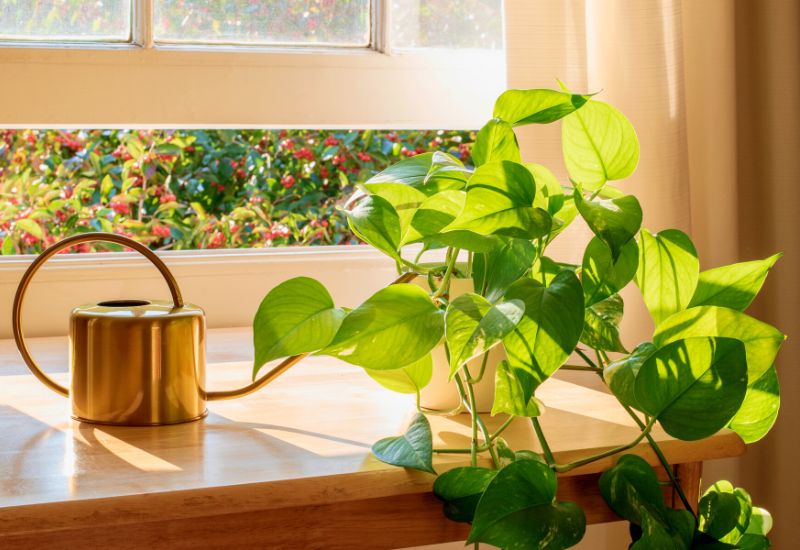
Golden pothos is not just one of the most beloved houseplants ever; it’s also a Feng Shui powerhouse that generates a flow of good energy, attracting wealth and good luck. On top of that, it is an extraordinary air purifier. This beautiful plant features long, trailing branches adorned with large, heart-shaped leaves splashed with patches of light green and cream-yellow. The color of the foliage will reflect the amount of light it receives, becoming more variegated in brighter spots.
This elegant friend is known to reduce anxiety and stress. For the best energetic results, place it in a corner of a room. Golden pothos is ideal for draping from shelves or cupboards and also makes an excellent bathroom plant. It’s easy to grow and propagate and adapts perfectly to simple hydroponic methods, like being placed in a vase of water. Although it can grow up to 40 feet long in nature, indoors it will stay around 10 feet and is very easy to trim. It prefers bright, indirect light and a well-drained, soilless potting mix.
12: Money Tree (Pachira aquatica)
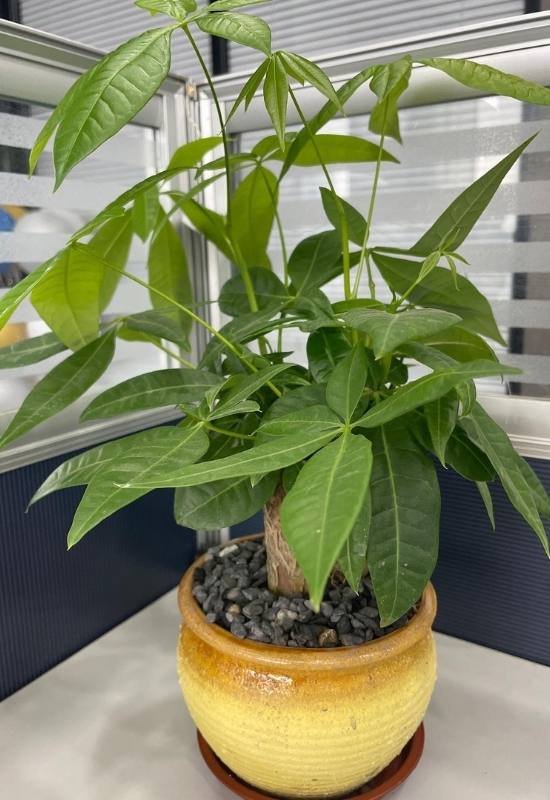
As its name implies, the money tree is believed to bring financial prosperity to your household. Native to Central and South America, this exotic beauty is especially popular in Taiwan and other East Asian countries, where it’s kept indoors to attract abundance and wealth. It’s also known as the Guiana chestnut because of its foliage, which features long, broad, and glossy emerald-green leaves that almost look artificial.
The leaves form elegant crowns atop incredible multiple trunks that are famously intertwined in braids. The base of the trunk is slightly bulging and dark brown, transitioning to a light brown, paper-like section before turning green where the small branches emerge. With its strong presence, the money tree is a perfect statement piece for any living space. Regular pruning keeps it lush and vibrant. It also loves constant humidity, so be sure to mist it regularly, especially in the summer.
Hardy in USDA zones 10 to 12, it’s typically grown as a houseplant. It needs bright, indirect, and diffuse light, making an east-facing window ideal. Indoors, it can grow up to 8 feet tall. It thrives in a well-drained, sandy, peat-based soil. Allow the top few inches of soil to dry out between waterings.
13: Rubber Plant (Ficus elastica)
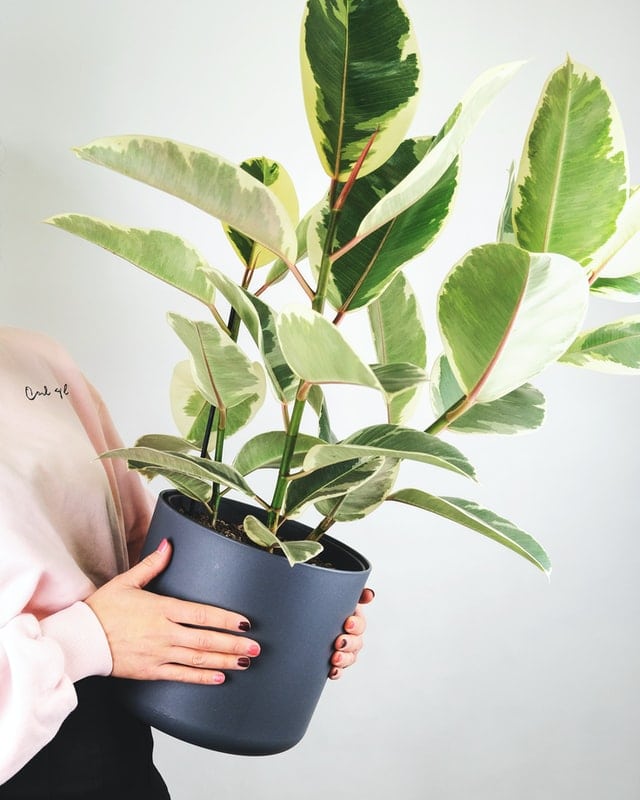
You can place a rubber plant in any part of your home to welcome good luck, and it’s especially potent for attracting wealth, money, and prosperity. It’s also a highly decorative and popular houseplant. The name comes from its broad, glossy, elliptical leaves that look as if they’re made of rubber. Each leaf can reach 12 inches in length and features a distinct, straight central rib. The light plays beautifully off their clean, shiny surfaces.
The colors are just as amazing, ranging from rich emerald green to deep purple. Young leaves first appear curled up like red horns before unfurling. The rubber plant grows into a lovely, showy bush with an upright habit that can turn any indoor corner into an exotic, sculptural focal point, all while boosting your prosperity. Typically grown indoors, it is hardy in USDA zones 10 to 11. It prefers bright, indirect light and can reach about 8 feet tall indoors. Use a well-drained, loose potting mix, and keep the soil consistently humid.
14: Boston Fern (Nephrolepis exaltata)
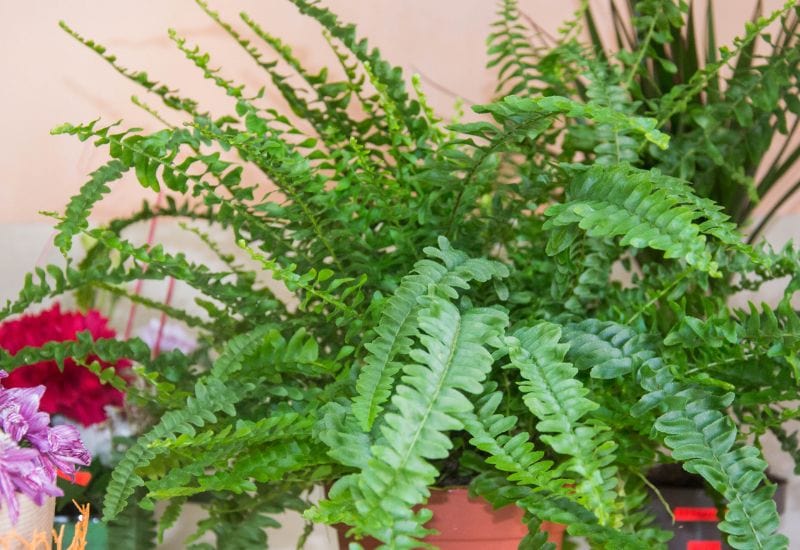
According to Feng Shui, the Boston fern is a magnet for pure positive energy and good luck, actively repelling negative vibes. Whether you place it indoors or out, you’ll feel its bright energy fill your home. The plant forms a thick tuft of bright green, finely segmented fronds that are light-filled and have a gracefully draping habit. Each leaf is a long, filigree-like blade composed of many tightly packed, triangular leaflets.
Its cheerful appearance is enough to bring a smile to your face. Popular in hanging baskets, it can be placed anywhere you want to clear out negativity. This plant is also a winner of the Award of Garden Merit from the Royal Horticultural Society, so you’ll be getting a true champion of good fortune. The Boston fern is an easy-to-grow, low-maintenance, and very forgiving plant, often seen on bookshelves and in various other indoor spots. Hardy in USDA zones 8 to 12, it prefers bright indirect light in the fall and winter and medium indirect light in the spring. It grows 1 to 3 feet tall and needs a light, humus-rich, and very well-drained potting mix that is kept humid.
15: Cattleya Orchids (Cattleya bicolor subsp. brasiliensis)
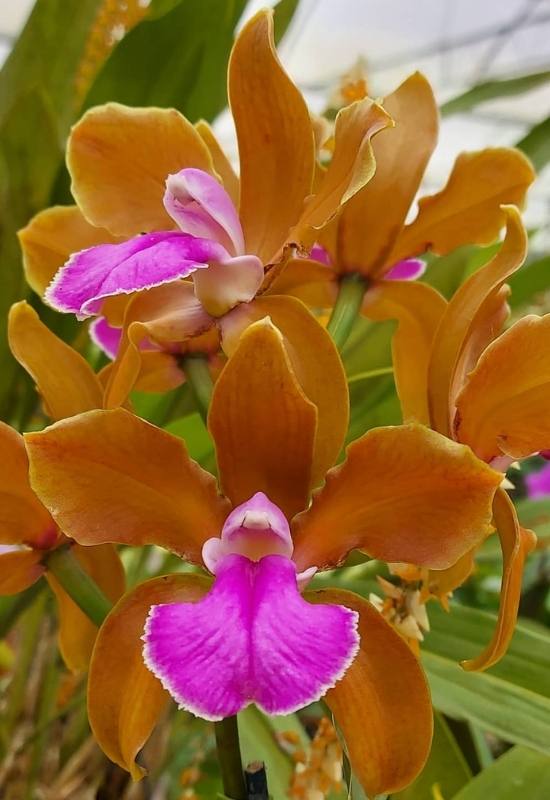
The cattleya orchid stands out among orchids. While not as common as moth or slipper orchids, it is a stunning beauty with lovely shades of purple, the color of good luck. The labellum, or lip, is open and shaped like parted lips in a bright magenta shade. The other five sepals have an elegant and unusual bronze-purple tint. The flowers are about 4 inches across and stand out beautifully against the glossy, long, and leathery mid-green leaves. These leaves emerge from decorative pseudobulbs, completing the spectacular look of this Brazilian native. As an epiphyte that naturally grows on trees, this plant should be placed where everyone can admire it. It’s better suited for homes than offices, as the air in workplaces can often be too dry. Hardy in USDA zones 10 to 13, it is mostly grown as a houseplant. It can bloom at any time of the year except winter, often repeatedly. It needs bright to medium indirect light and should be planted in orchid bark, never soil. Keep it humid at all times, spraying it abundantly, especially in the hot season.
Lucky Plants for Lucky People!
Whether you place them inside or out, the right plants can help clear negative energy and attract good fortune to you, your family, and your home. Just remember to treat them with care, and in return, you’ll get a better life and a much greener environment.