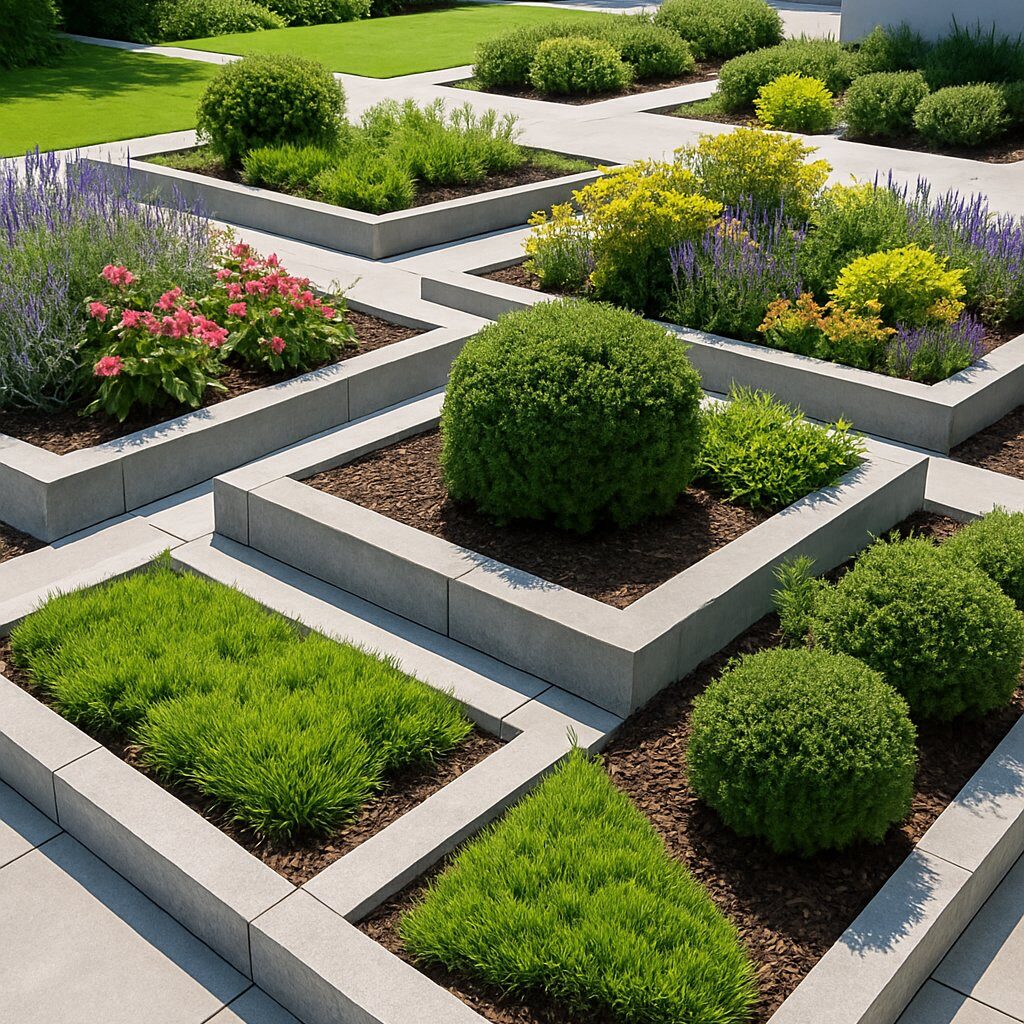
Thinking about a refresh for your garden? A modern design might be the perfect answer if you want an outdoor space that is both sophisticated and simple to maintain. It doesn’t matter if your space is a small balcony or a huge backyard, there are countless ways to blend simplicity with beauty.
Modern garden design focuses on clean lines, minimal clutter, and choosing plants and features that make your space a joy to use. You don’t need a massive budget or a degree in landscaping to craft a modern garden that feels both serene and inviting. With a few smart strategies, you can transform your outdoor area into a personal retreat that perfectly matches your style.
Let’s explore how a few modern elements can invigorate your garden without adding unnecessary complexity.
1. Incorporate geometric garden beds for a sharp, clean layout
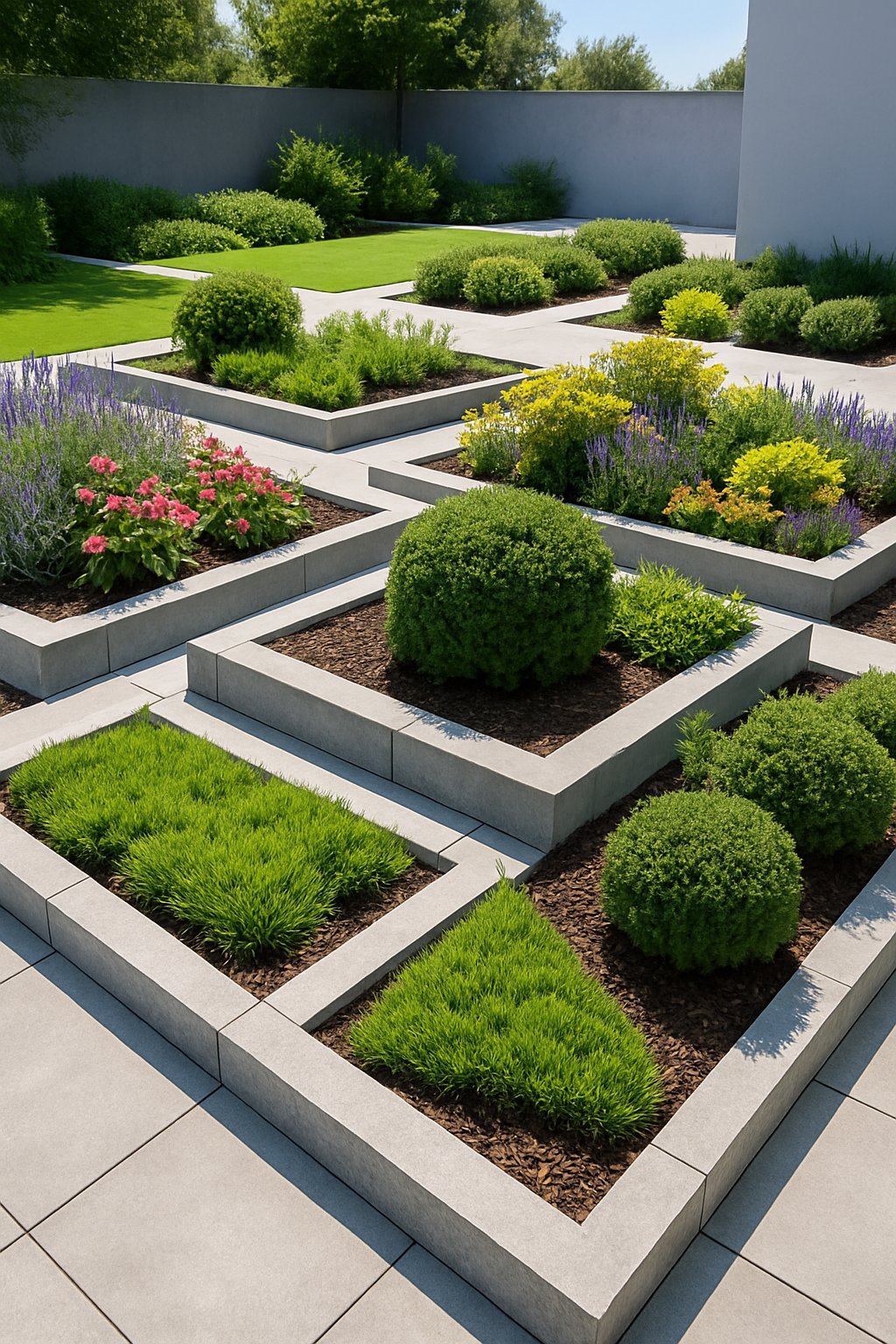
Have you ever seen how shapes can completely redefine a space? Using geometric garden beds brings a crisp, organized atmosphere to your yard.
Consider using squares, circles, or triangles to create distinct sections for your plants. This approach is visually calming and simplifies maintenance. Strong lines and clear patterns give the entire garden a modern, well planned look. Raised beds made of wood or metal will add even more definition.
Playing with different shapes can be especially effective if your garden has an irregular layout. Hexagons interlock neatly, while circles can introduce a softer element to the design.
2. Use sculptural grasses like blue fescue for texture
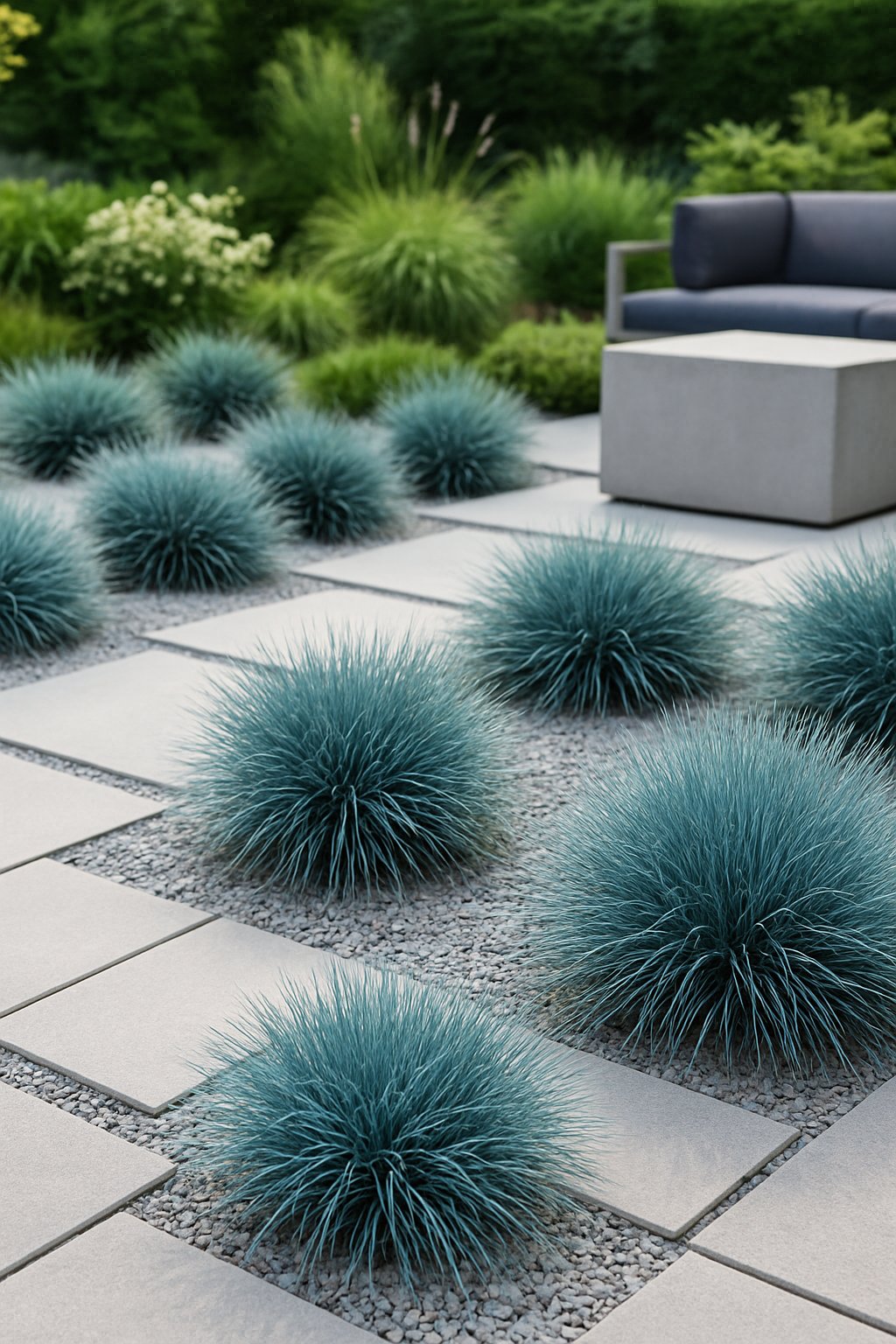
You might dismiss grass as just ordinary, but blue fescue is something special. This unique plant adds a cool, modern touch while also bringing a bit of softness. Its distinctive appearance keeps the garden looking interesting all year.
Blue fescue is a neat, low growing grass, making it ideal for lining borders or placing in rock gardens where a tidy look is desired. It also moves gracefully in the wind, adding a tranquil, peaceful quality to your garden.
It provides form, color, and motion without demanding extra maintenance. That’s a clear win.
3. Add minimalist water features like reflecting pools
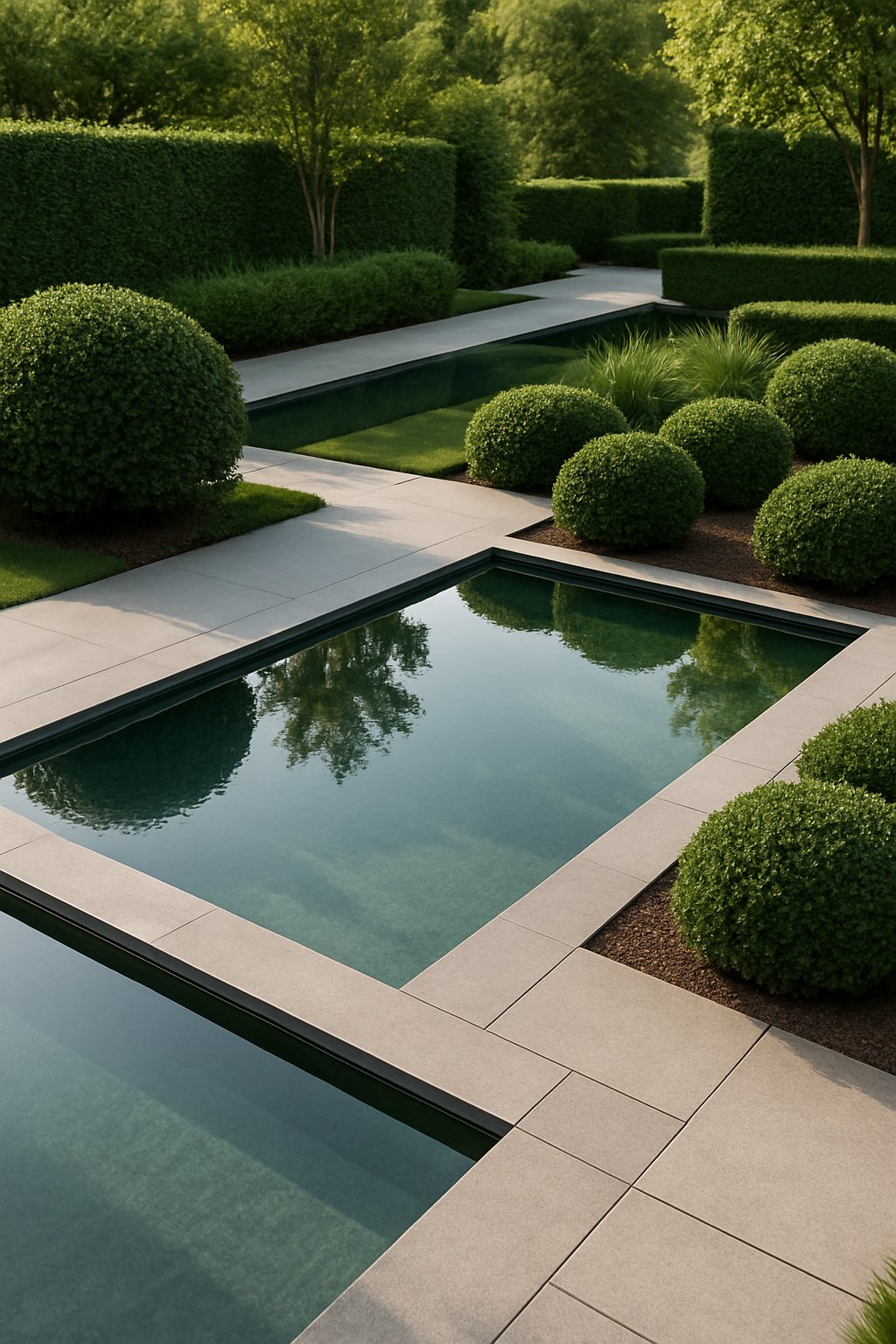
Do you think water features are a lot of trouble? Reflecting pools could change your perspective. They are shallow and simple, acting like a mirror to capture the sky, trees, and other nearby elements. There are no noisy pumps or complicated setups.
A reflecting pool is a natural fit for a modern garden. Its smooth, glassy surface and clean edges introduce a sense of balance and serenity. You can complement it with stone pathways or wooden decks. For a touch of sound, a small waterfall edge can create gentle, soothing movement.
Minimalist water features like this provide elegance without clutter. They help make your garden feel larger and more expansive.
4. Opt for monochrome plants with varying leaf shapes
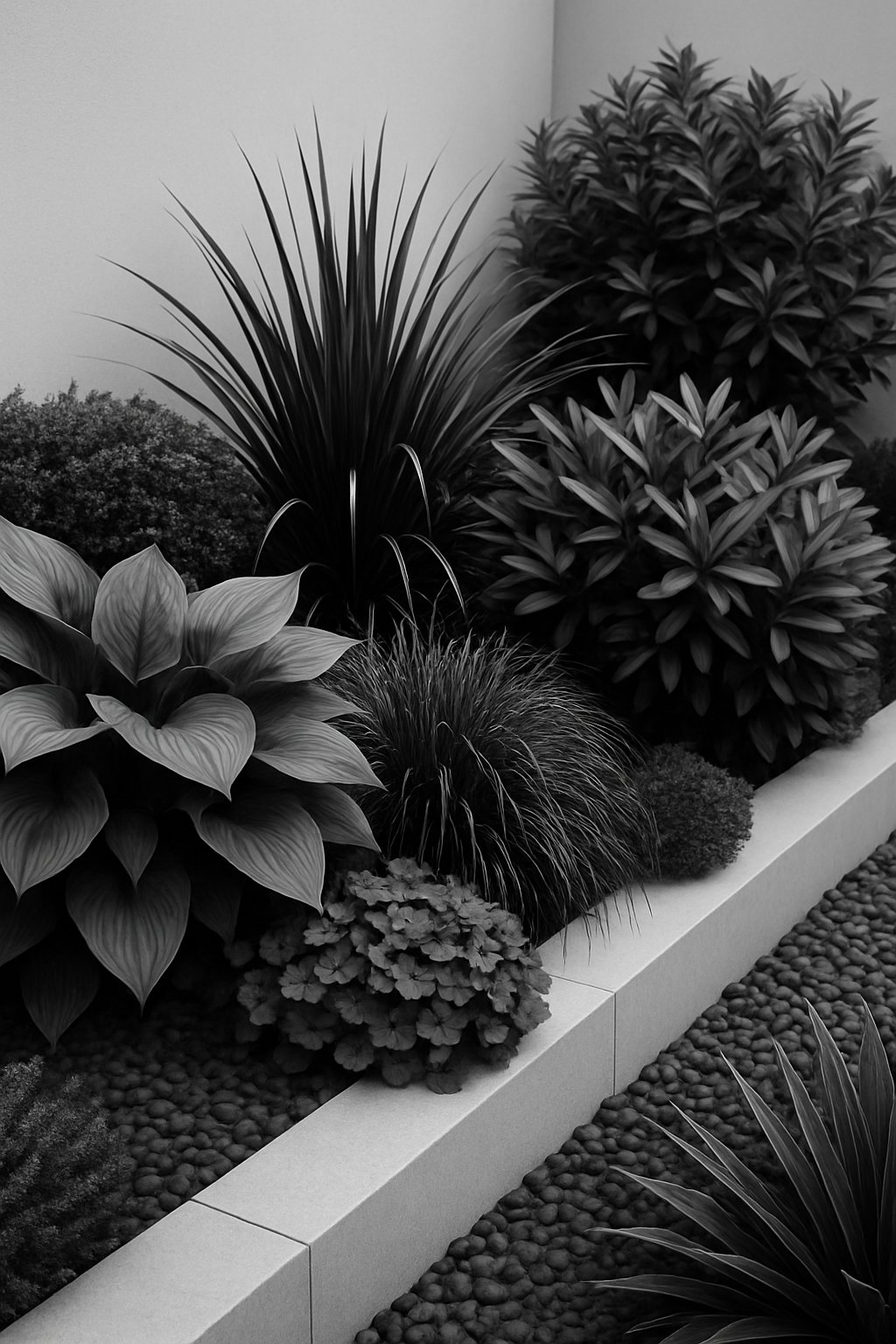
Does a garden with a single color sound boring? It can actually be incredibly captivating if you focus on diverse leaf shapes and textures. Try combining large, broad leaves with smaller, spiky ones, or mix plants with smooth and ruffled edges.
Even when everything shares the same hue, these contrasts keep the scene dynamic. The design becomes more about shadows, light, and movement than color alone. A collection of plants in a similar shade but with different forms makes your garden feel both peaceful and full of life.
5. Install sleek, linear LED garden lighting
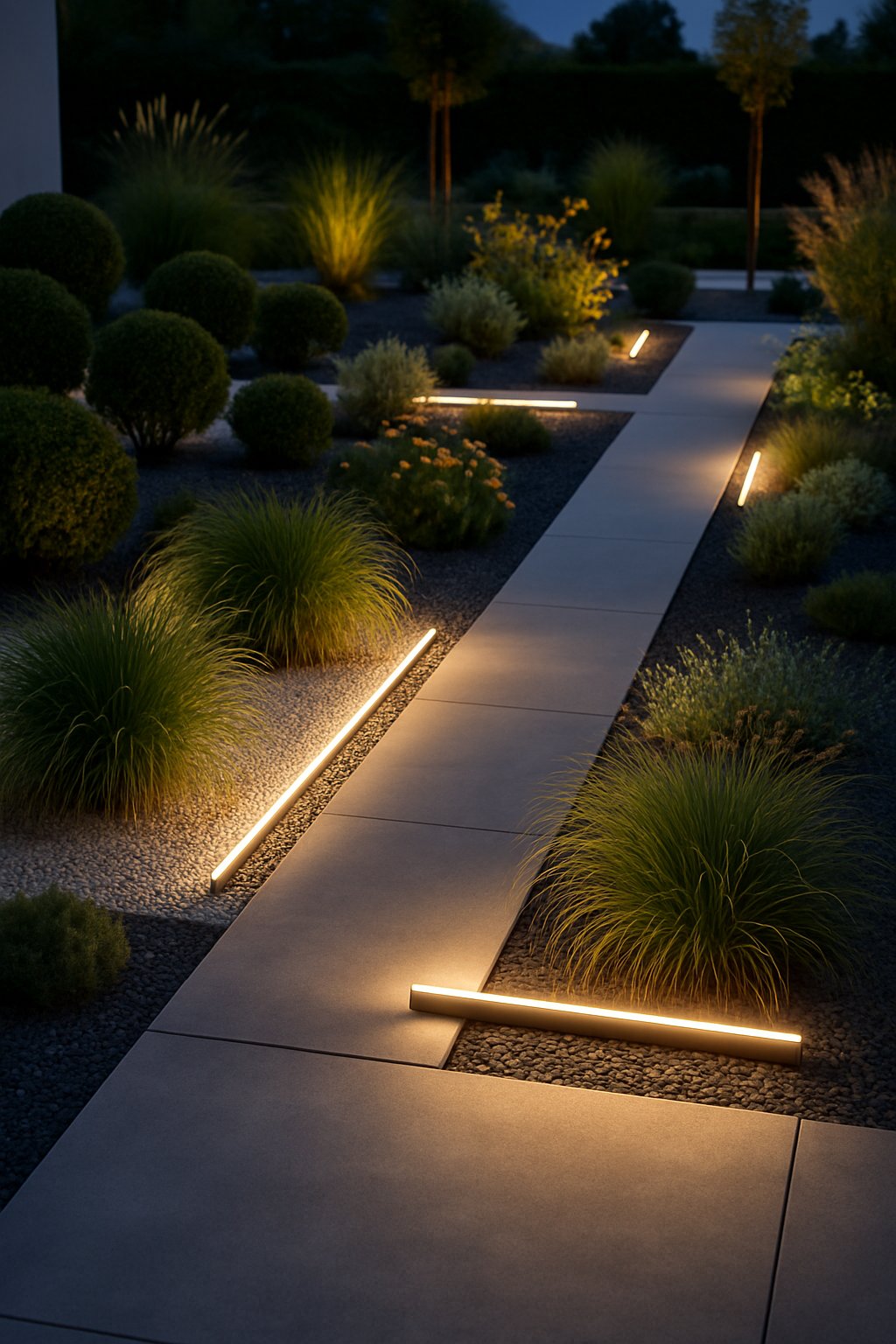
Move beyond the traditional lamp on a post. Linear LED strips can completely transform your garden’s nighttime atmosphere. These slender lights can be tucked under steps, placed along pathways, or hidden beneath benches. They emit a soft, continuous glow that accentuates your favorite areas.
LEDs consume very little energy, so they won’t lead to a high electricity bill. They also align perfectly with a minimalist, modern aesthetic. You can even find curved LED strips that follow winding paths flawlessly. The goal is subtlety, brightening your garden while maintaining a relaxed mood.
Sometimes it’s best to have a professional handle the installation to ensure safety and a polished final look.
6. Integrate natural stone pathways in simple patterns
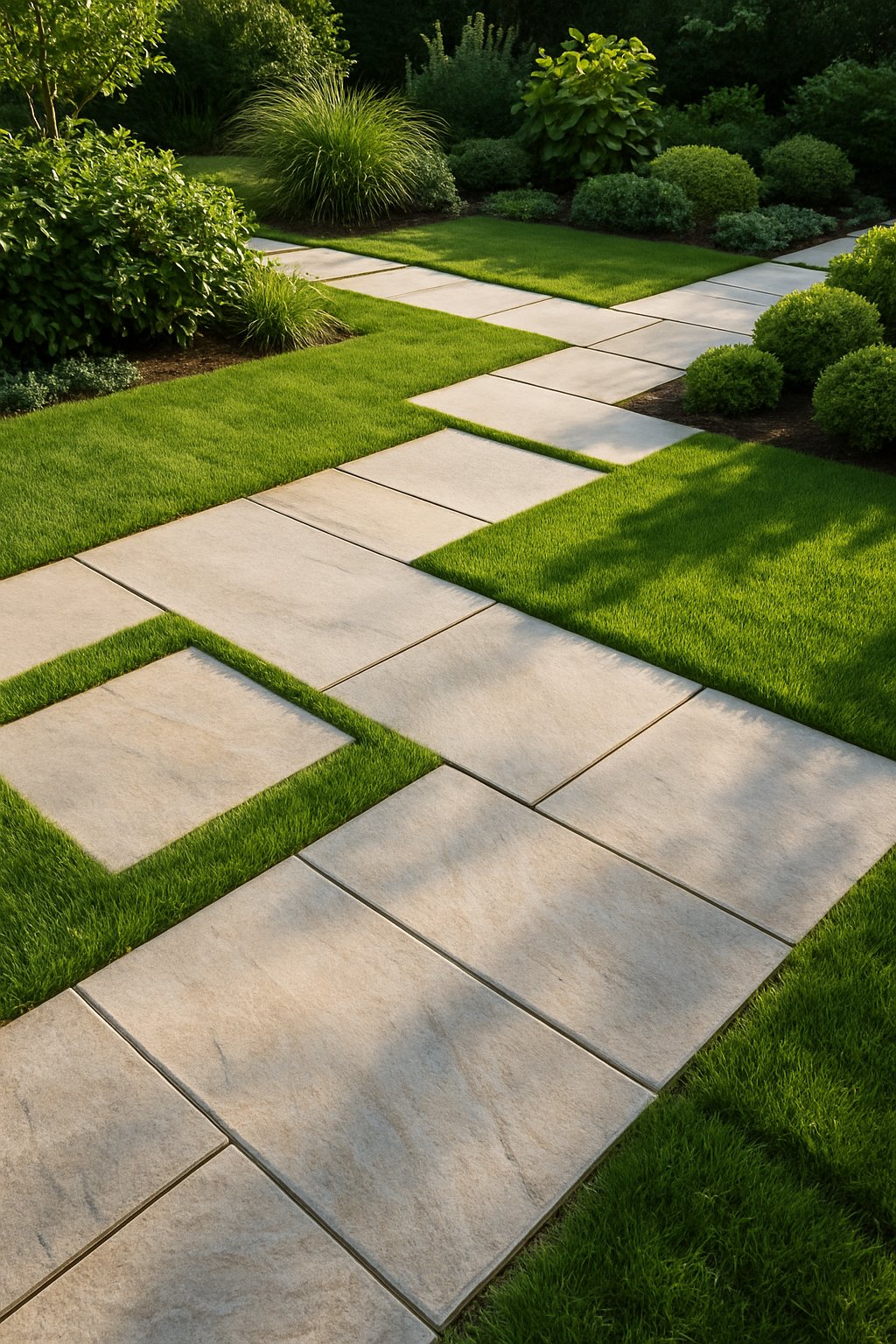
Have you ever felt a sense of calm while walking on a stone path? Integrating natural stone pathways with simple designs can open up your garden and make it feel more inviting.
The clean lines of the path guide your eye without overwhelming the plants or the overall design. Natural stones are available in a wide variety of shapes and colors, allowing you to choose what best suits your garden. Straight lines, gentle curves, or classic stepping stones are all great options.
Stone paths are durable and will last for years, which means you won’t have to worry about frequent upkeep. These paths create a grounded, serene atmosphere. They connect different areas of your garden while keeping everything feeling fresh.
7. Choose evergreen shrubs for year-round structure
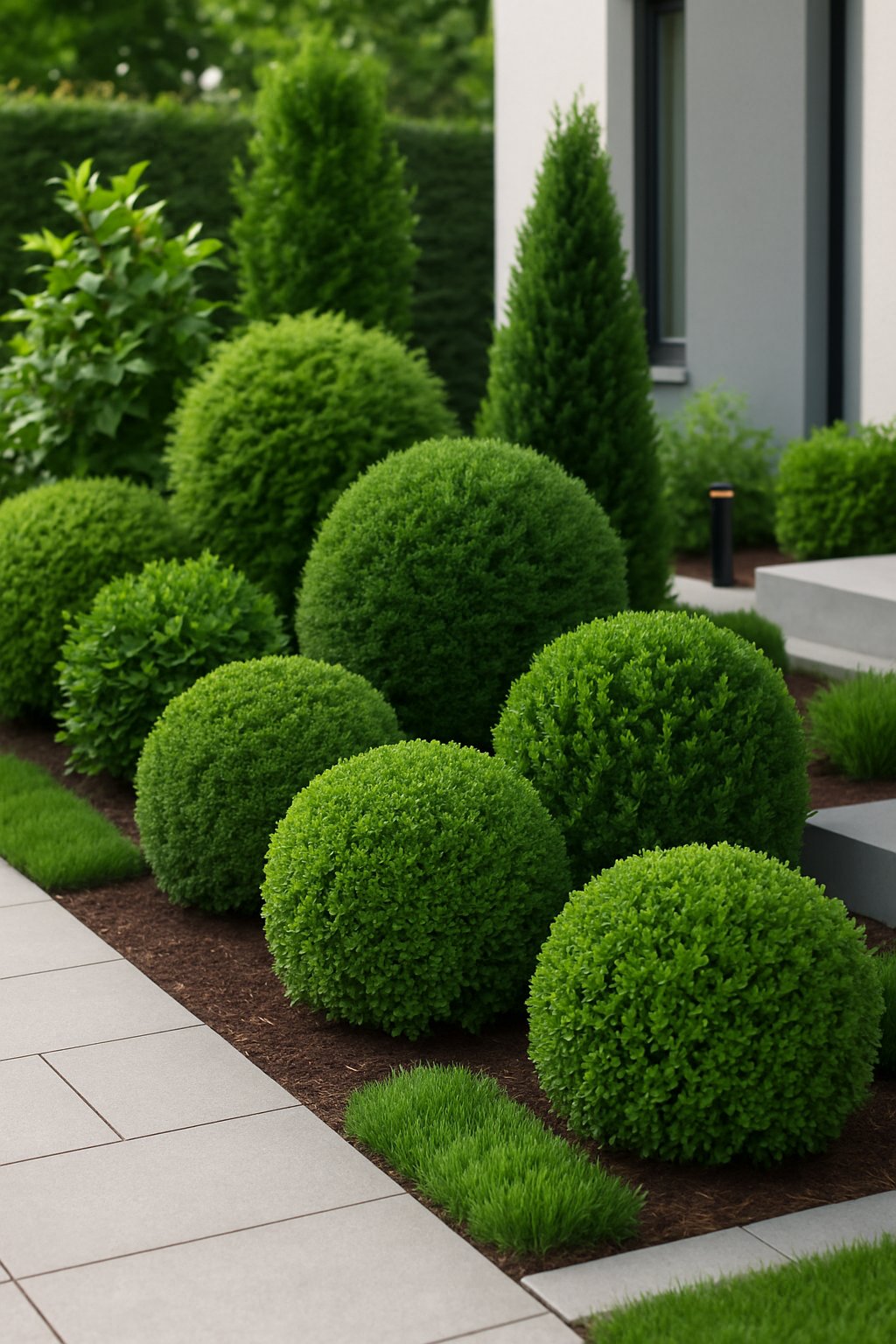
While many think gardens are only at their best in spring and summer, evergreen shrubs ensure your space remains vibrant throughout the year. Evergreens provide shape and color even during the cold, gray months. Use them to create borders, add privacy, or give your yard a consistent structural foundation.
Boxwood, holly, and other evergreens respond well to trimming, so you can shape them to your liking. They require minimal maintenance and help your garden feel welcoming in any season.
8. Mix concrete planters with warm wooden accents
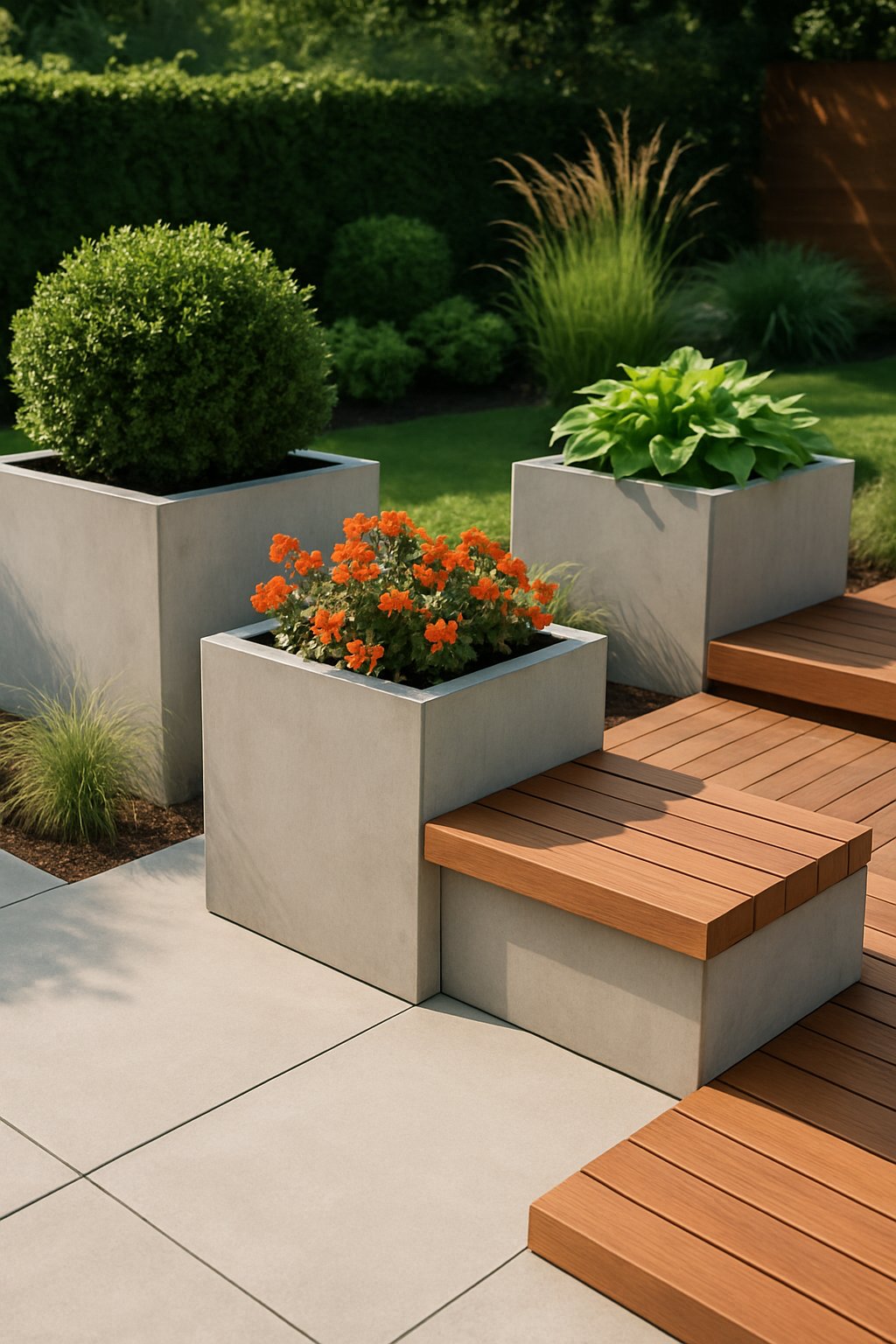
Concrete planters can sometimes feel a bit stark, but adding wooden elements can make everything seem warmer and more inviting. Wood softens the industrial look of concrete, and the two materials create a pleasing balance between modern and natural styles.
Concrete is incredibly durable, while wood brings texture and vitality. You could try planters with wooden frames or feet, or even use wooden molds to create a unique design. This combination offers durability and charm in one package, and it’s a relatively easy look to achieve.
9. Design a focal point with a large agave or yucca
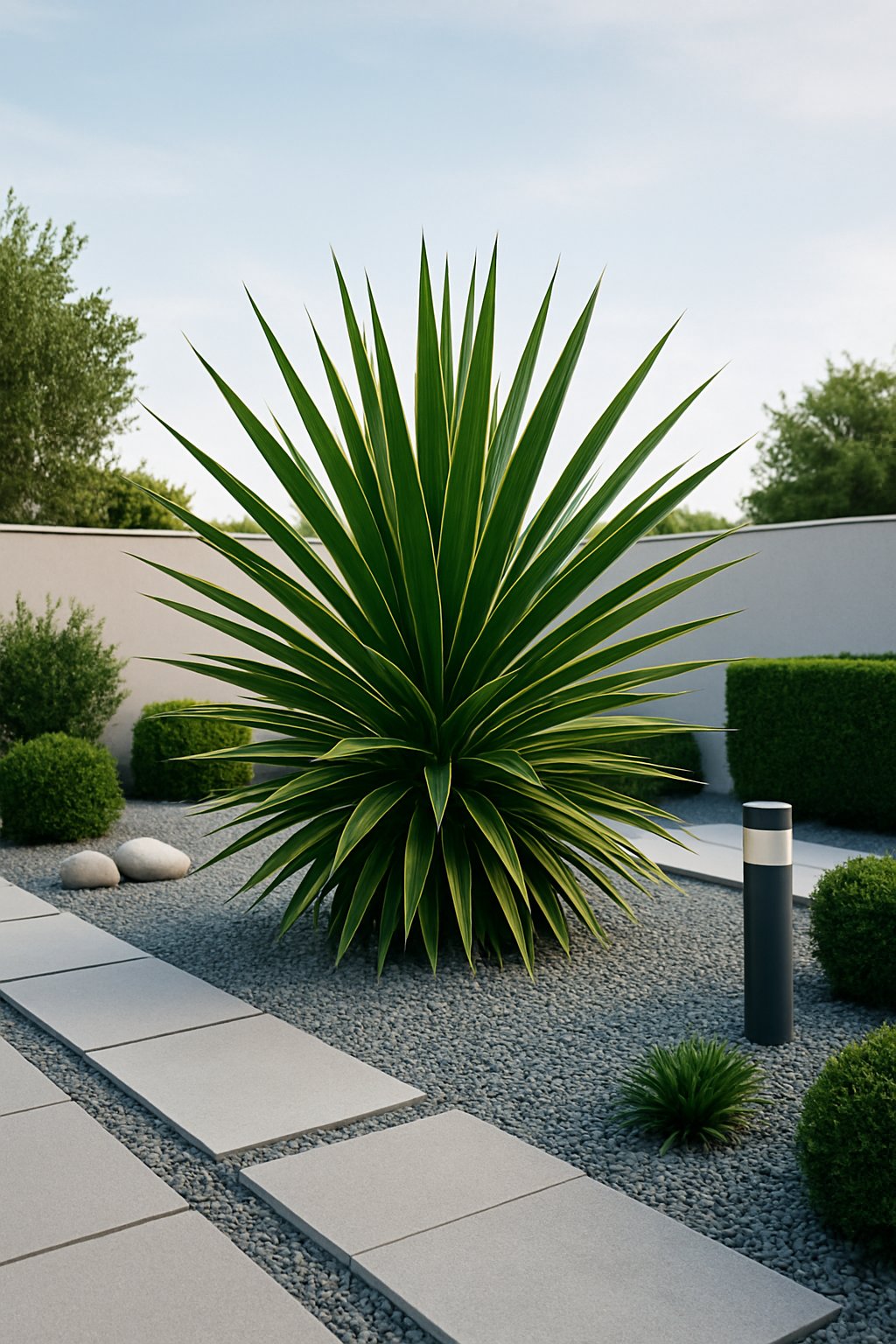
Have you noticed how a single, dramatic plant can command attention? A large agave or yucca placed centrally in your yard can do exactly that. Their sharp, sculptural forms naturally draw the eye. Position one near a path or in the middle of a space to add a sense of drama and balance.
Agave and yucca require very little water or care, giving you a striking visual without much work. You can pair them with smaller, drought tolerant plants for variety, but it’s best to avoid clutter. It’s almost like adding a piece of living art to your garden.
10. Use gravel or decomposed granite instead of traditional mulch
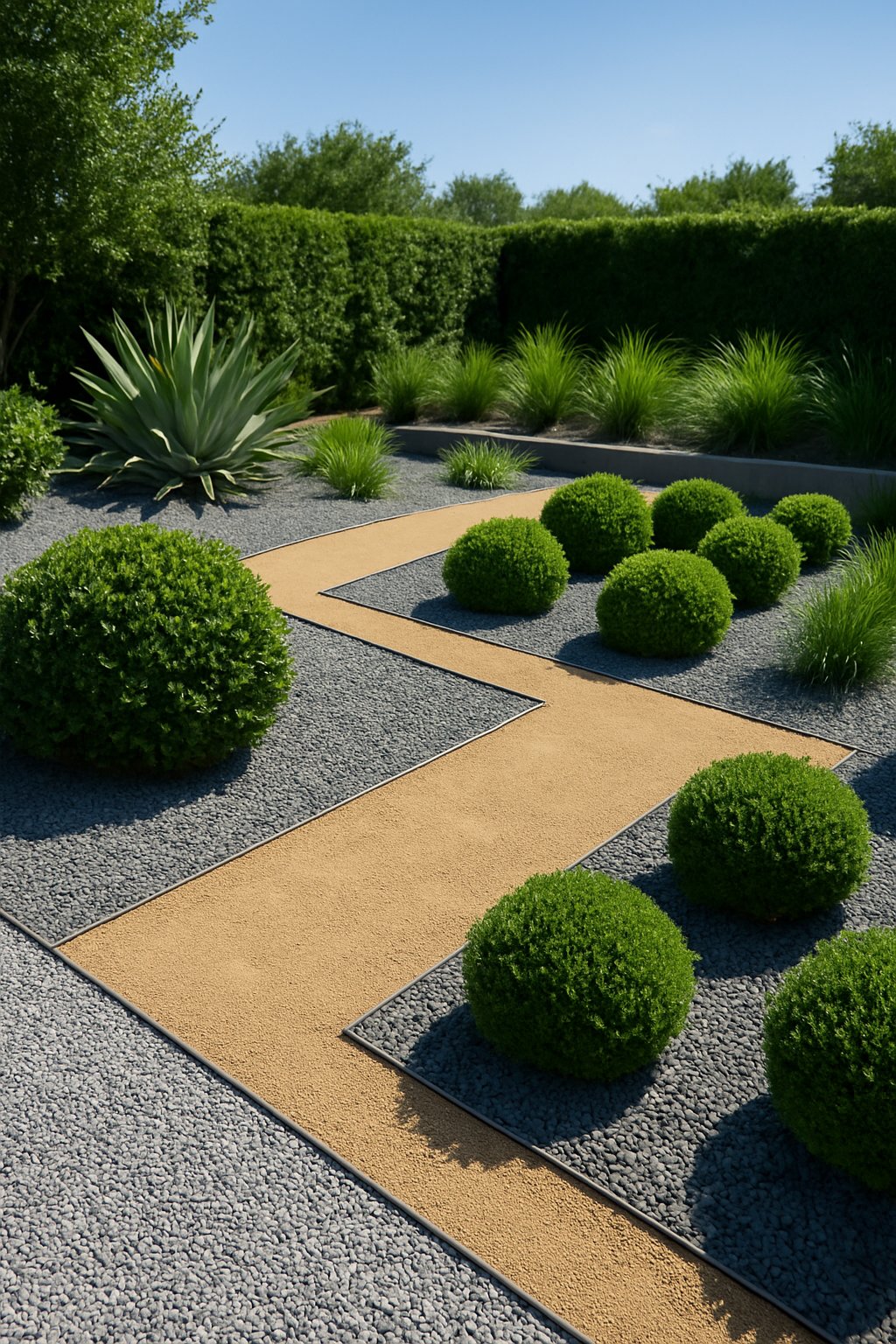
Traditional mulch decomposes quickly and requires frequent replacement, which can be a hassle. Gravel or decomposed granite, on the other hand, will last much longer. These materials don’t break down like wood chips, so your garden maintains a tidy look for years.
Decomposed granite offers a natural, earthy feel and can be compacted to create stable paths or seating areas. Gravel functions similarly and comes in a variety of colors and sizes. Both options provide excellent drainage, which keeps your plants healthy and prevents root rot. They are low maintenance, easy to refresh, and lighter colors can even help keep your garden cooler.
11. Create vertical gardens with simple metal trellises
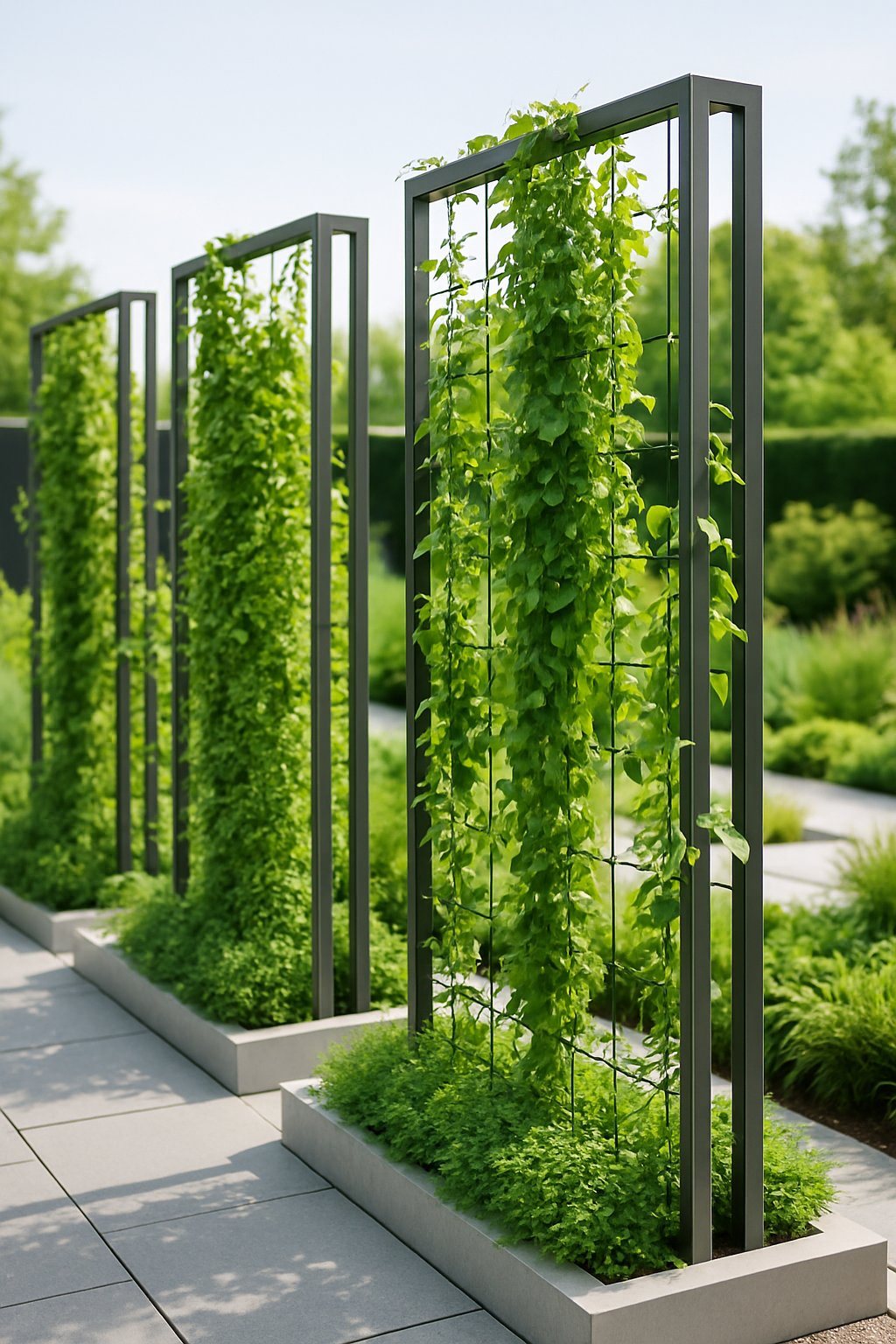
You might think of a metal trellis as just a functional support, but it can actually be a standout feature in your garden. Metal trellises allow you to grow plants upward, which is perfect when you’re short on ground space.
This vertical element can make your garden feel larger and more dynamic. These trellises are available in many shapes, from simple grids to interesting geometric designs. They are sturdy and can easily withstand bad weather. Climbing plants like clematis or ivy grow beautifully on these frames and create a fantastic look. They also add a modern, organized feel to your outdoor space.
Setting one up is straightforward. Just place it near a wall or fence and gently guide your plants as they grow. Before long, you’ll have a living wall that’s full of color and style.
12. Place a statement outdoor sculpture or modern art piece
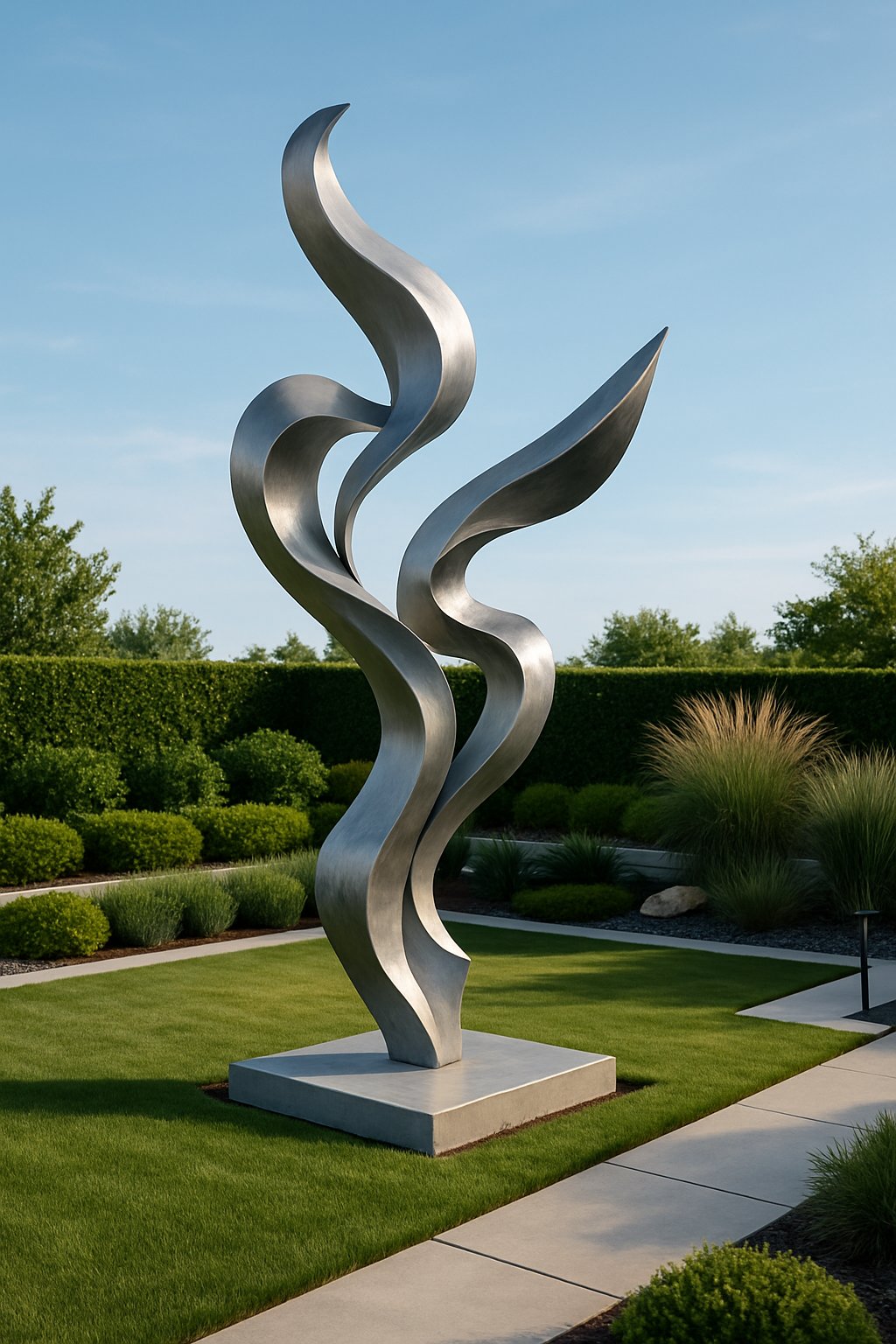
Have you ever entered a garden and found your gaze immediately pulled toward a single piece of art? It’s remarkable how much a sculpture can alter an outdoor environment. One compelling sculpture can quickly become the centerpiece of your garden.
You might choose something sleek and modern, like a steel or abstract form, or perhaps a natural stone or wood piece that suits your personal style. The right art does more than just occupy space; it interacts with light and shadows, giving your garden a fresh look throughout the day. Try placing your art among plants or near a water feature. This helps to connect all the elements, turning your entire garden into a creative sanctuary.
13. Plant boxwood hedges trimmed into clean lines
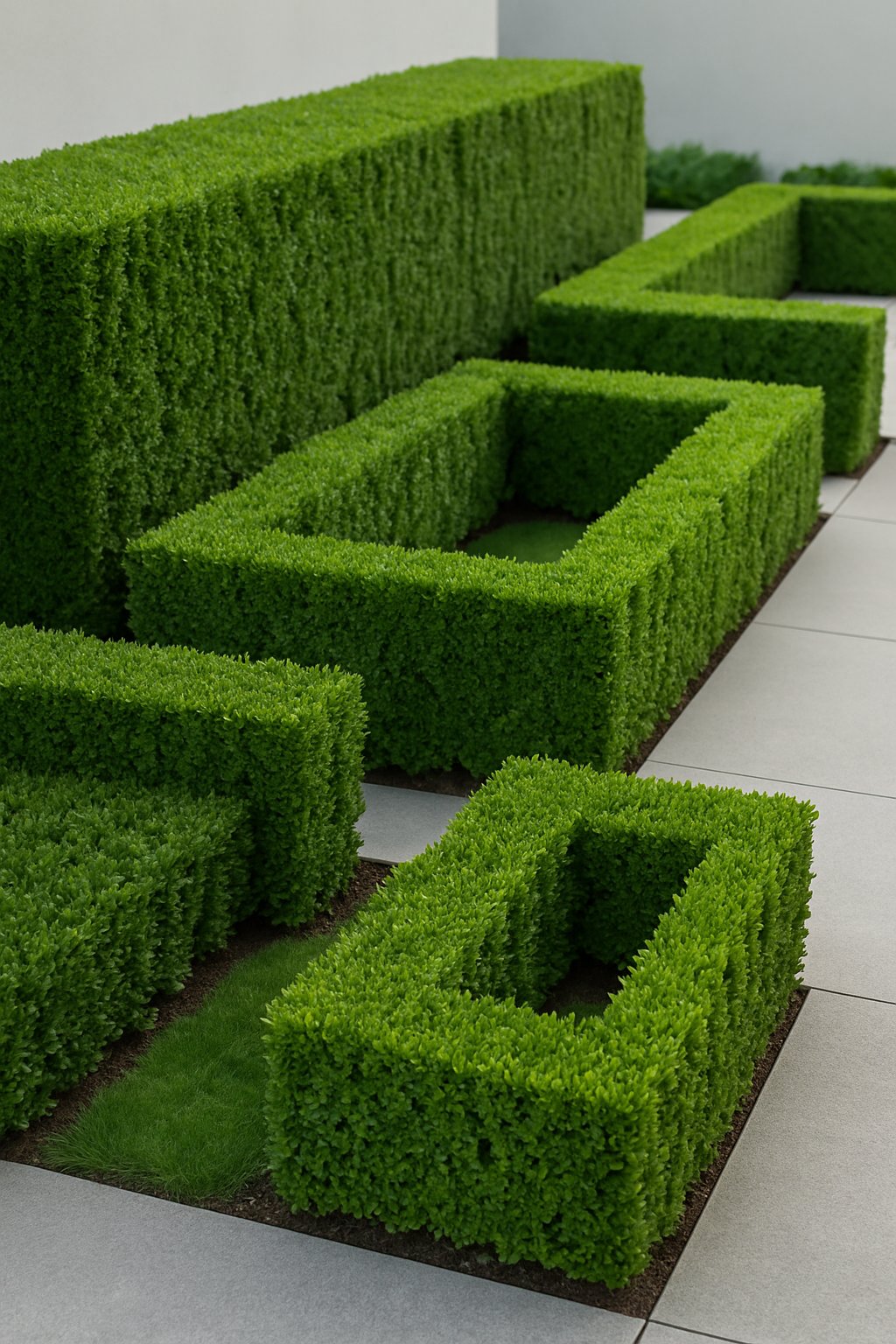
You may see boxwood hedges as just another type of bush, but when they are trimmed into crisp, clean lines, they can completely transform your garden’s atmosphere. They create a natural enclosure that looks both elegant and understated.
Boxwoods hold their shape very well, making them perfect for creating borders or achieving a more formal aesthetic. You can use them to guide visitors along a pathway or to frame a favorite seating area. Their evergreen leaves ensure your garden looks sharp throughout the year. With regular trimming, you can maintain a modern, tidy look.
14. Design a subtle outdoor kitchen with stainless steel finishes
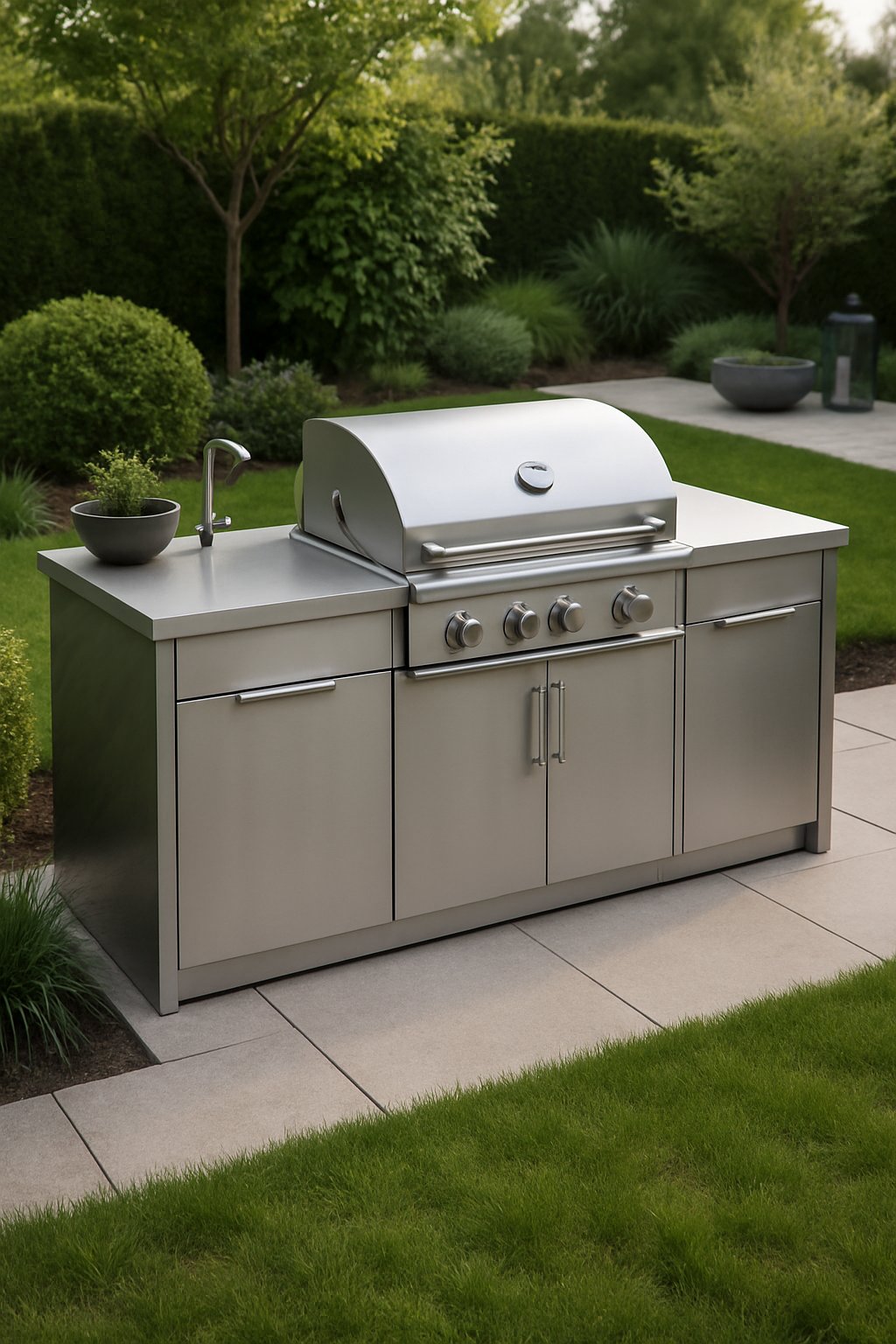
Outdoor kitchens don’t need to be extravagant. Using stainless steel finishes allows you to maintain a sleek and simple design, adding a cool, modern feel without being obtrusive. Stainless steel is durable and can withstand the weather, staying sharp for years. If you focus on clean lines and smooth surfaces, the kitchen will feel calm and balanced.
Try incorporating some neutral tones; gray or black pairs wonderfully with the garden’s greenery. A subtle design lets the kitchen blend into the background, allowing your plants and patio to remain the focal point. The result is a relaxed space that’s always prepared for a cookout or a quiet coffee break.
15. Add an urban rooftop garden with compact, drought-tolerant plants
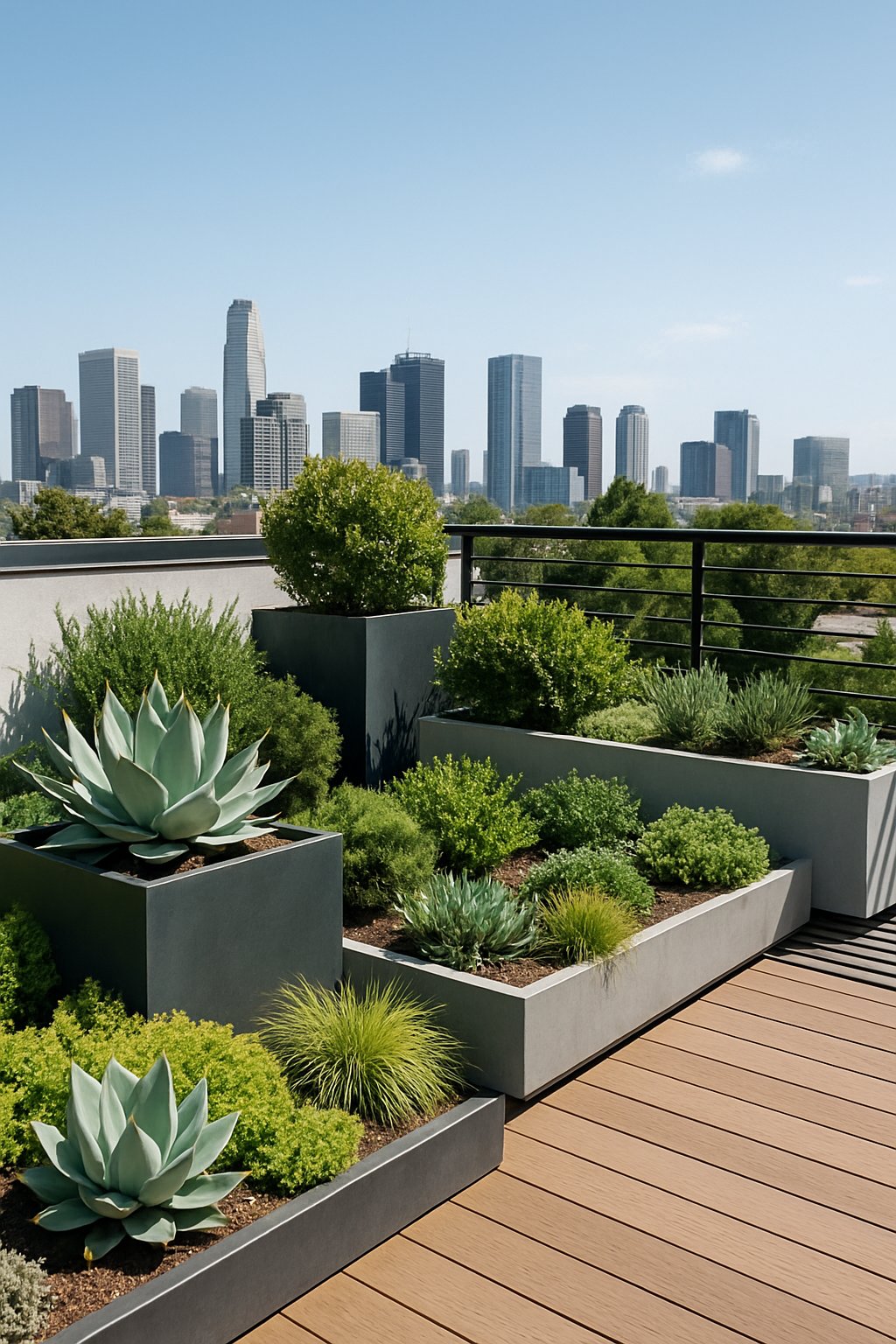
You might look at a rooftop and see only empty space, but it could be transformed into a green oasis. Compact, drought tolerant plants make this easy, requiring minimal watering while providing plenty of color and life. Succulents, herbs, and even some vegetables can flourish in containers or small rooftop beds.
These plants don’t take up much space, so your rooftop continues to feel open and airy. You can add solar lights or recycled planters to make the space cozy in the evening. It’s an intelligent way to incorporate a garden into city living without a great deal of effort.
16. Incorporate wild grasses to soften minimalist layouts
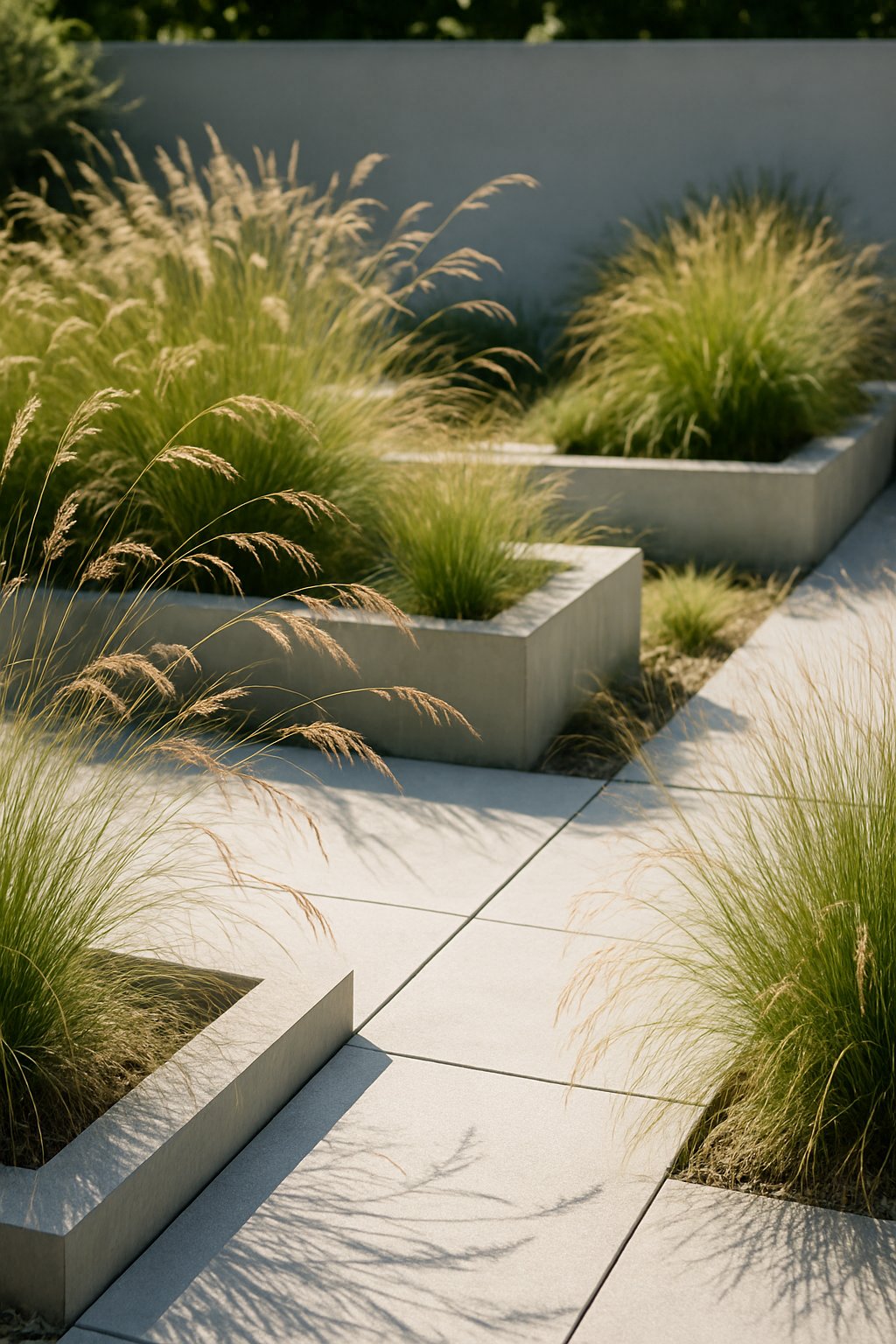
Minimalist gardens can sometimes feel a bit rigid. Wild grasses are perfect for breaking up those sharp, straight lines and introducing some gentle, natural movement. They are very low maintenance and can fit into almost any space, whether large or small.
Wild grasses pair well with stones, gravel, or simple plantings, and they don’t require much water. This creates a peaceful atmosphere with soft textures and a relaxed energy. You can try mixing grasses of different heights and colors for added depth, but keep it simple to maintain a calm feeling.
17. Use black or slate-colored garden furniture
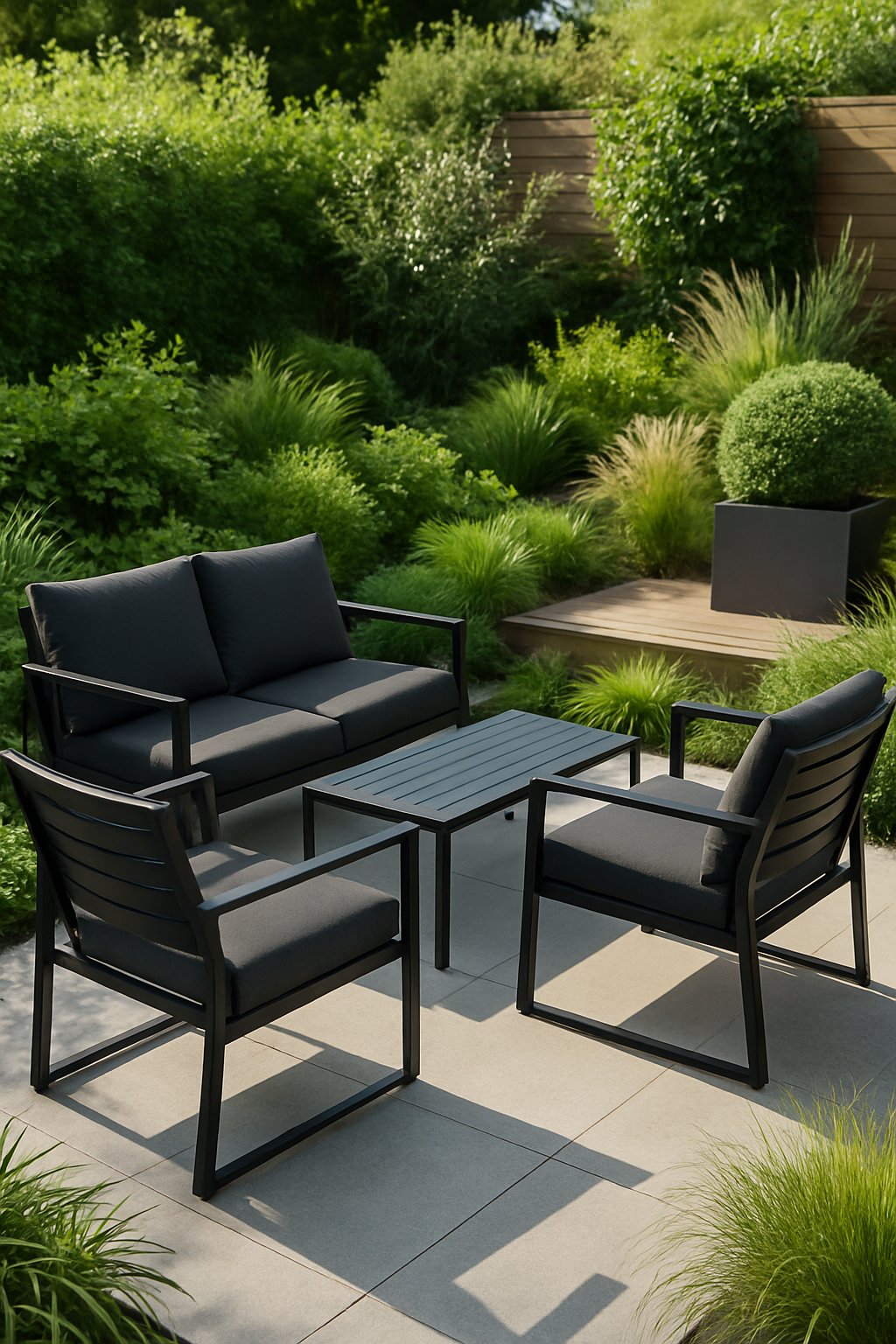
Have you ever noticed how the color of furniture can change the entire feel of a garden? Black or slate colored pieces provide a cool, modern look without clashing with your plants. These darker tones act as a quiet backdrop, allowing the colors of your flowers and foliage to truly shine.
They also blend seamlessly with stone paths or walls, creating a sense of unity throughout the space. Black or charcoal furniture is great at hiding dirt and always feels solid and timeless. If you’re aiming for a space that is both calm and stylish all year, this is an excellent choice.
18. Layer plants by height for visual interest without clutter
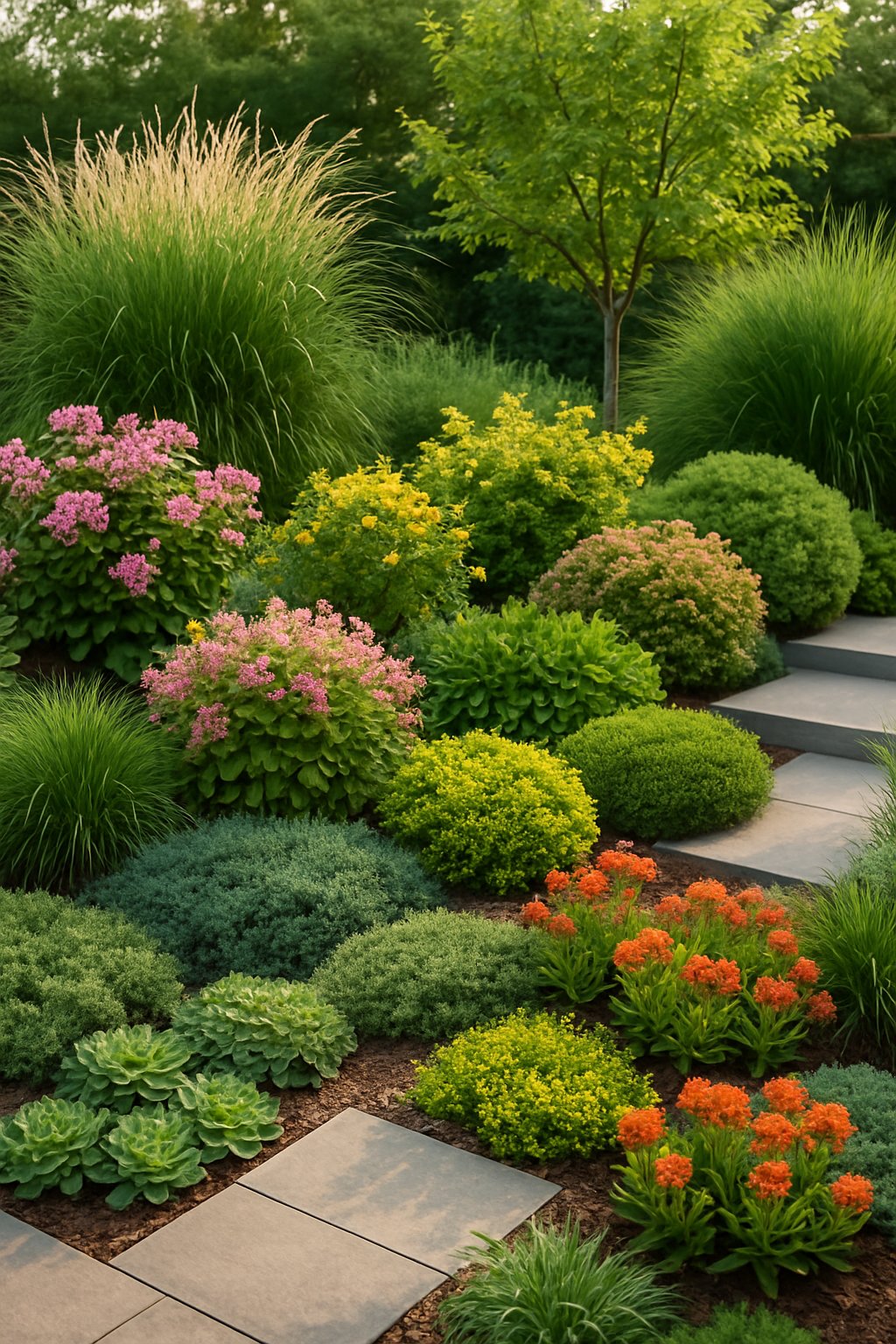
You might think that layering plants will result in a messy garden, but it’s actually a technique for keeping things organized and dynamic. Place tall plants in the back or center, followed by medium sized ones, and finish with low growing plants at the front or along the edges.
This arrangement creates depth and ensures the garden remains visually engaging. Each plant receives adequate light and space, so nothing feels overgrown. You can mix up shapes and textures for more variety, but avoid going overboard. Choosing plants with different bloom schedules will keep your garden evolving throughout the year.
19. Include modern Scandinavian-style furnishings and planters
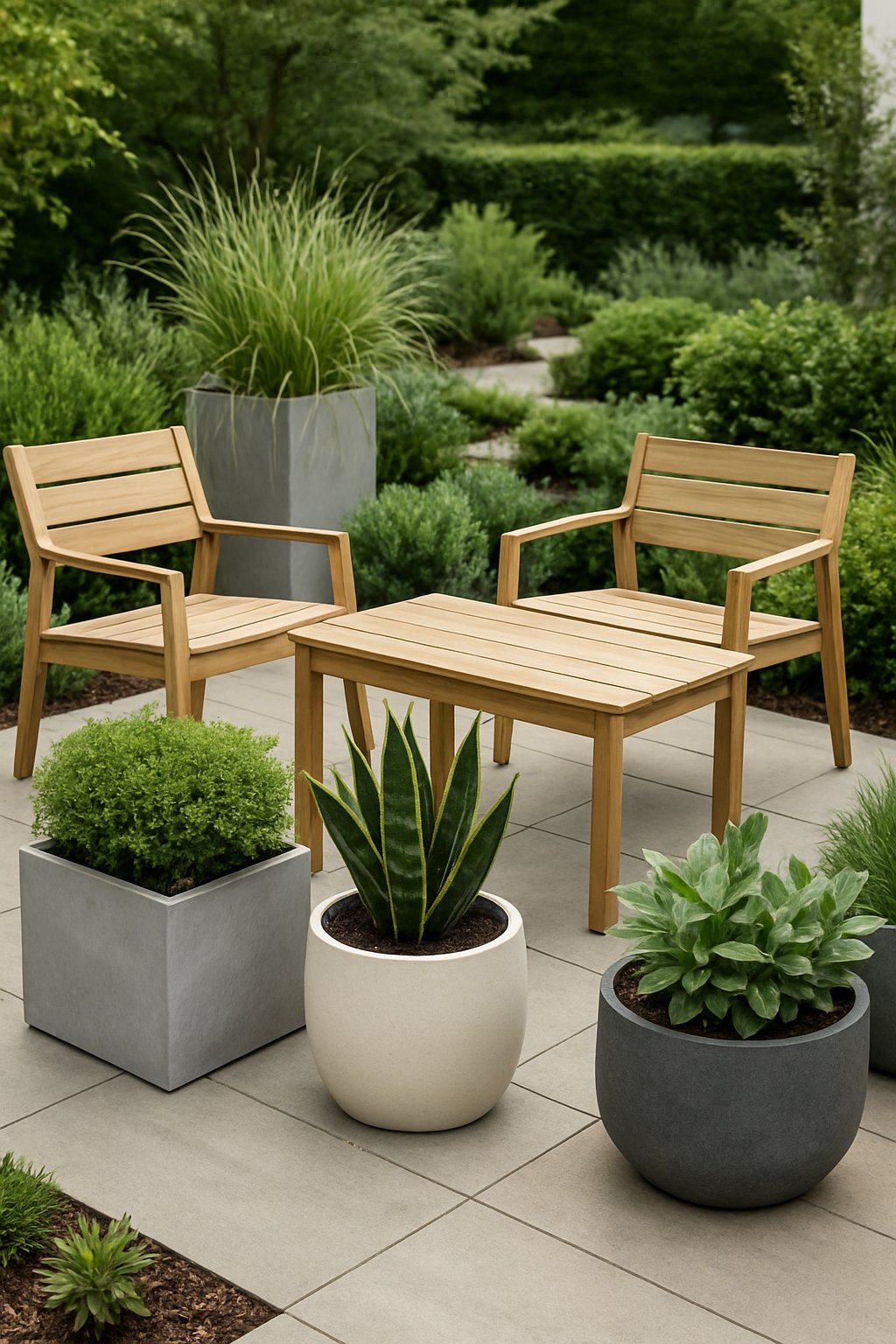
Have you ever tried adding just one or two simple pieces of furniture to your outdoor space? Scandinavian style is all about clean lines, natural materials, and creating a cozy, inviting atmosphere. Low wooden benches, weathered teak tables, and minimalist planters can integrate seamlessly into a modern garden.
They are built to last and can make your outdoor area feel warm without being cluttered. Adding a couple of planters with green plants or flowers helps to keep the space feeling fresh. Scandinavian gardens typically embrace simplicity, allowing the natural beauty of your plants to be the focus.
20. Introduce minimalist pergolas with flat roofs
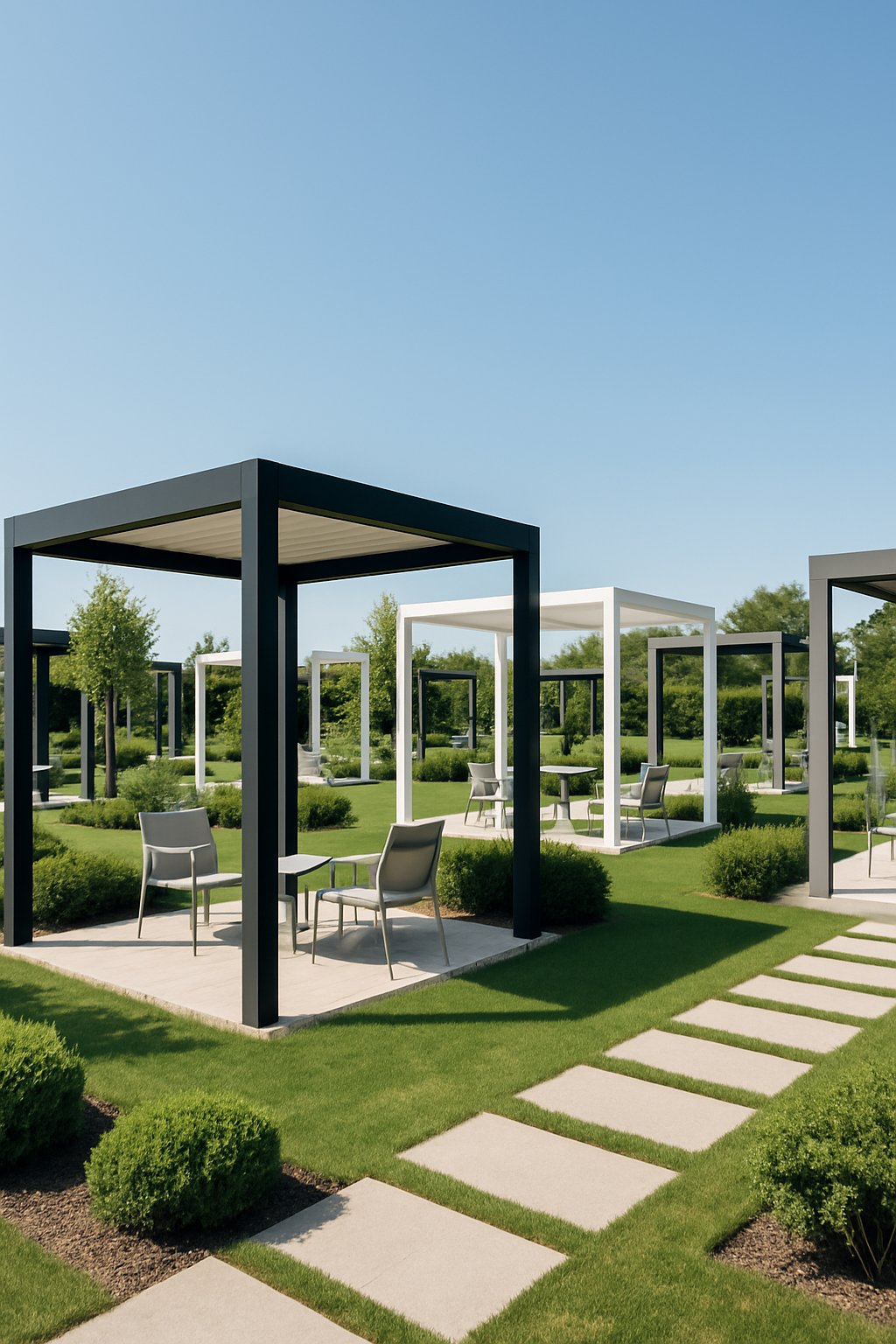
You might associate pergolas with ornate, traditional designs, but minimalist versions with flat roofs create a completely different effect. They give your garden a serene, clean appearance that is easy to appreciate. Flat roofs add a modern touch and help keep your space feeling open and airy.
They provide ample shade while still allowing light to filter through, so you can relax outdoors without being in direct sun. Most of these pergolas are made from strong, weather resistant materials, ensuring they last and keep your space comfortable throughout the seasons.
21. Use native plants suited to your climate for easy care
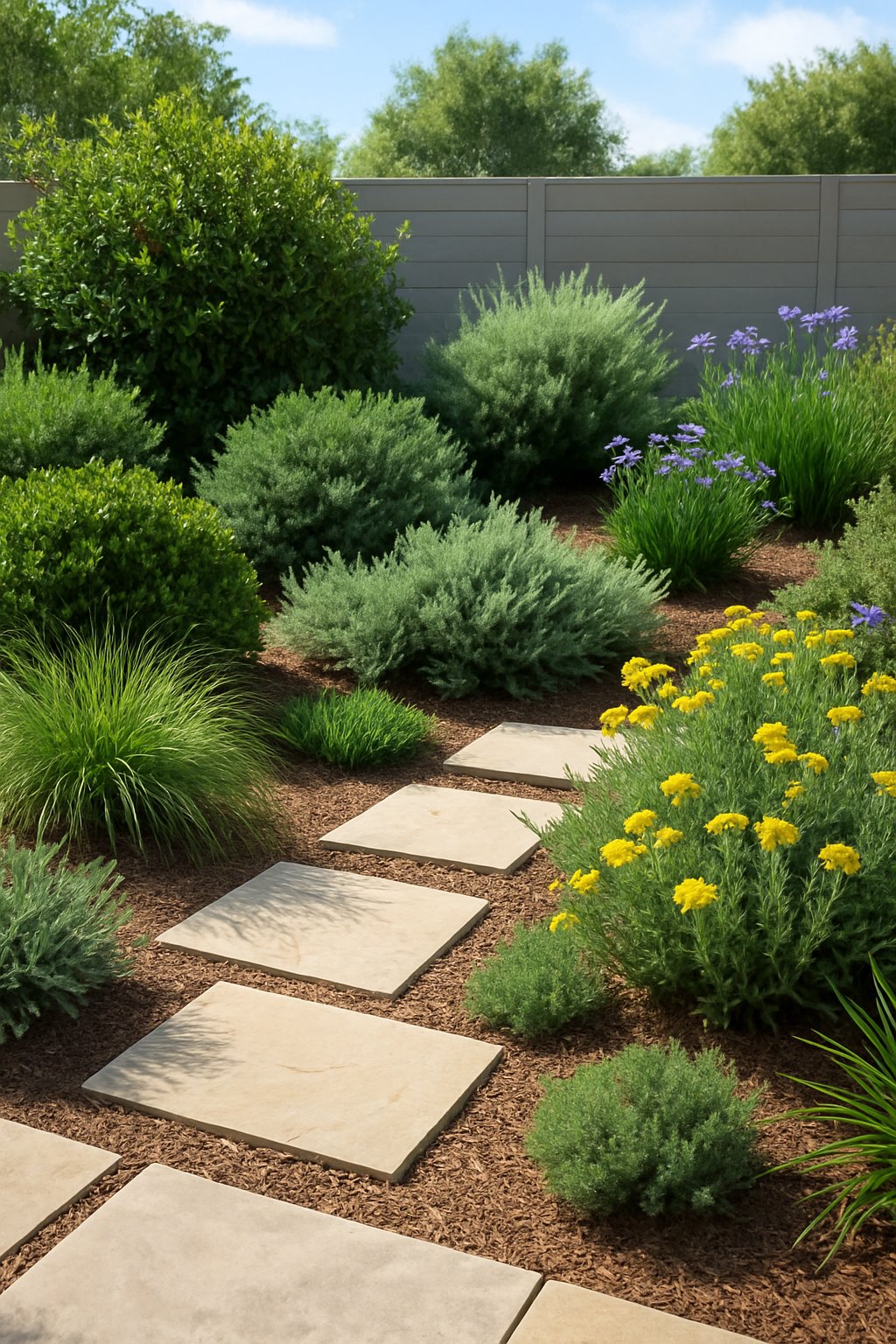
You might be wary of the watering and maintenance that gardens often require, but using native plants can make things much simpler. They are naturally adapted to your local weather and soil conditions, so they grow robustly with very little intervention. Native plants also support local birds and bees, contributing to a healthy, natural ecosystem.
You can save both time and money, as they don’t require special soil or chemical treatments. By selecting the right native species, your garden can remain green and vibrant with minimal effort on your part.
22. Design a meditation corner with sleek benches
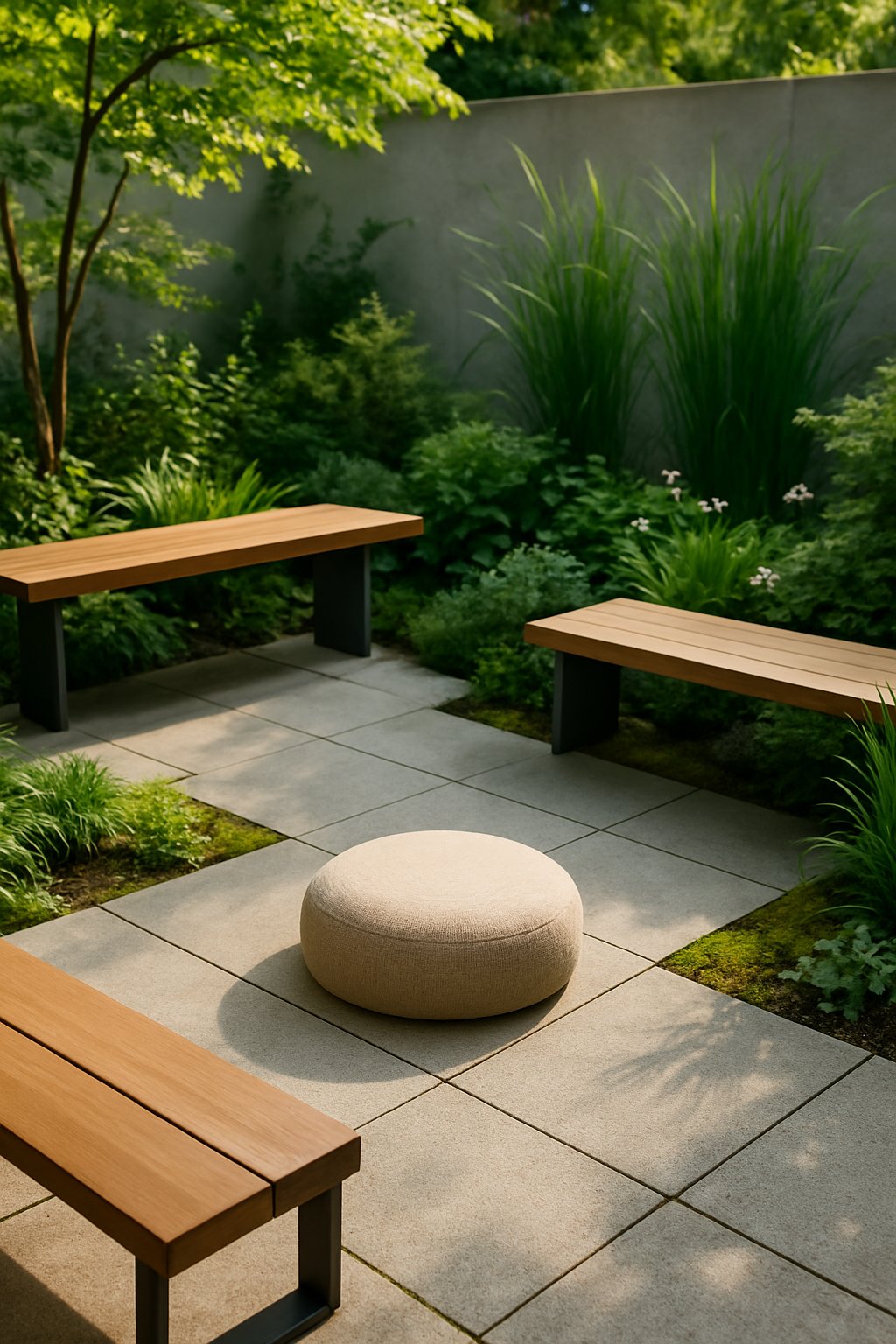
You may not realize it, but a simple bench can truly affect your state of mind. A sleek, clean lined bench can provide a quiet spot for you to breathe and just be present. Place your bench where light and shade intersect, perhaps near the gentle sound of water or your favorite plants.
Keeping the surrounding area uncluttered can help your mind relax. You might add a few calming plants nearby, such as a small bonsai or soft ferns. The objective is to create a gentle, peaceful space that feels like a small private retreat.
23. Add ambient lighting for evenings without harsh glare
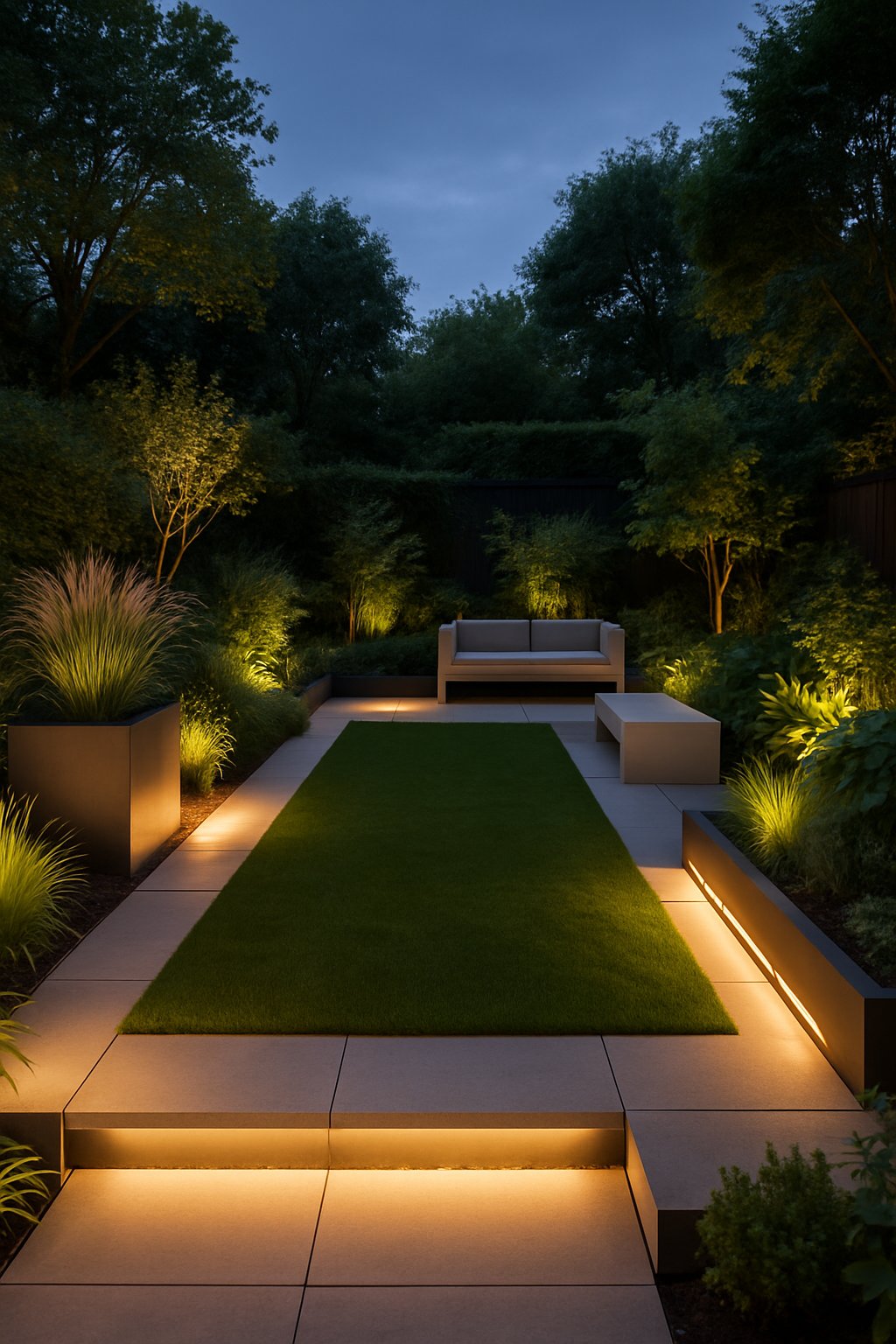
Have you ever noticed how some garden lights can be unpleasantly bright? It can feel like you’re in the spotlight when you’re just trying to relax. You likely want your garden to have a soft, inviting glow at night, and ambient lighting is perfect for achieving that.
Try using soft white bulbs, but be strategic about their placement. Using a cover or choosing frosted lenses can help diffuse the light, preventing it from shining directly into your eyes. It’s a good idea to tuck a few lights behind leafy plants or use fixtures with shades. This creates a much more natural feel.
String lights overhead or small path lights are also excellent choices. These touches make your garden feel cozy and welcoming. You get enough light to see, but the overall mood remains calm. That’s the ideal balance for unwinding after dark.