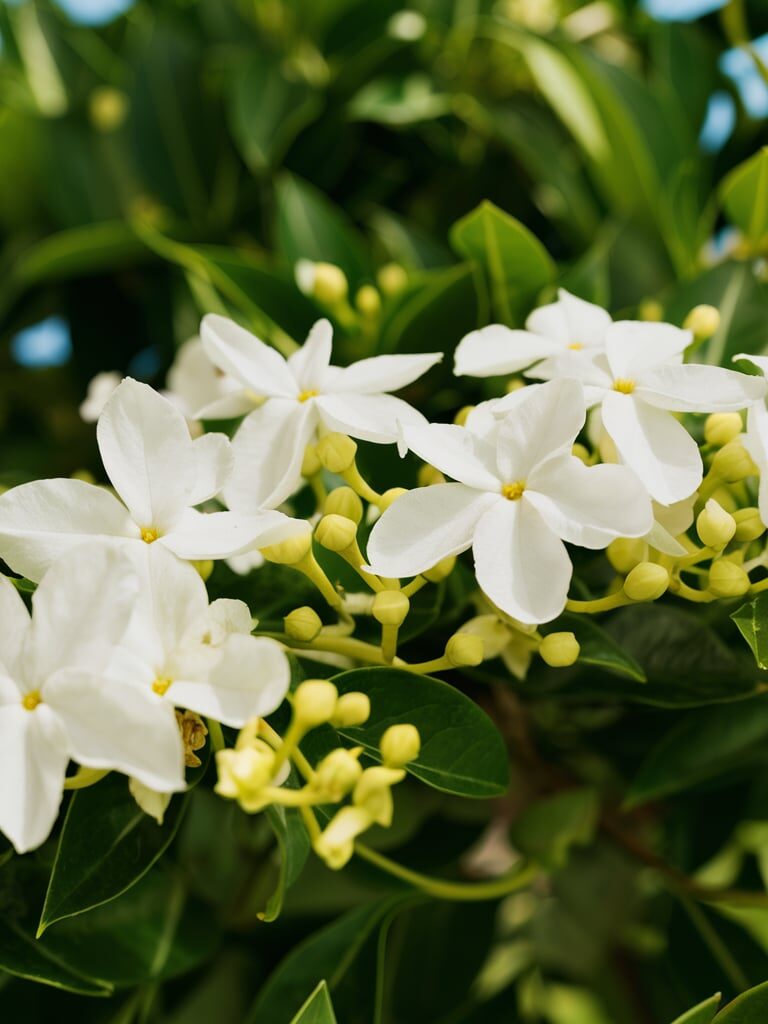
Why settle for a yard that’s just beautiful when it can be an absolute feast for the senses? Planting strategically fragrant flowers and herbs can transform your outdoor area into a delightful escape. Get ready to discover the top smelling plants that will boost your garden’s charm and make every moment spent outside a truly pleasant one.
1) Jasmine
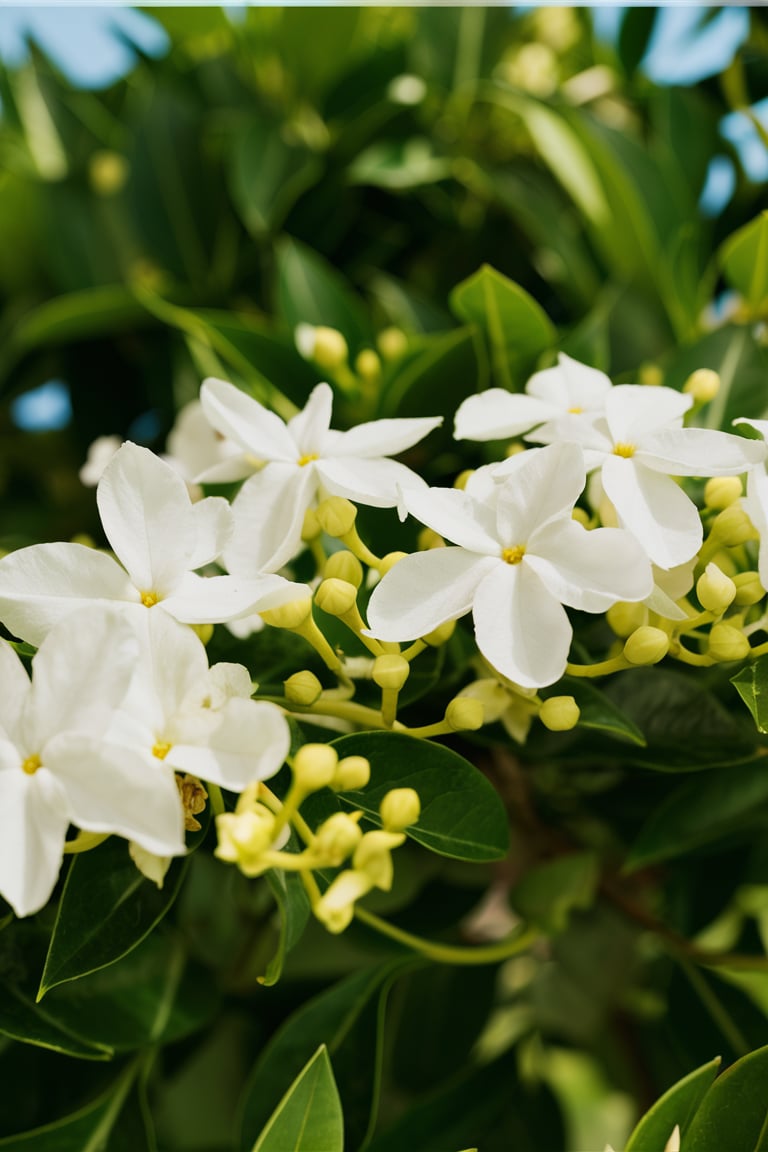
Jasmine plants are legendary for their powerful and sweet fragrance. These blossoms can perfume your entire yard, with a scent that becomes particularly enchanting in the evening.
You have several varieties to consider, such as Italian Jasmine or Star Jasmine. While Star Jasmine isn’t a true jasmine, it delivers an equally amazing aroma.
For the best results, provide your jasmine with full sun to partial shade in moist, well-drained soil.
| Plant Scientific Name | USDA Hardiness Zone |
| Jasminum floridum | 7-9 |
| Jasminum humile | 7-9 |
| Trachelospermum jasminoides | 7-9 |
2) Gardenia
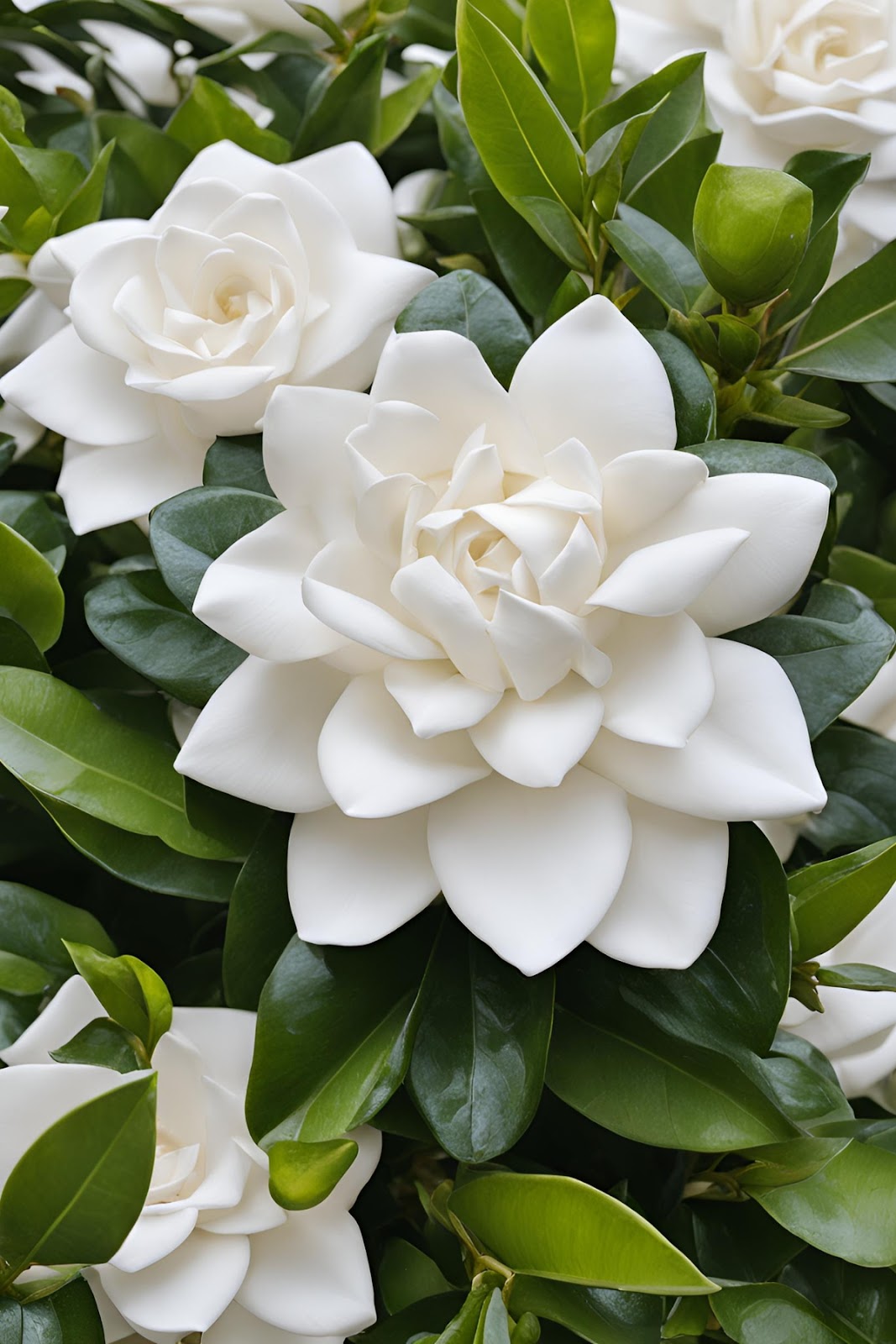
Gardenia is a beloved flowering shrub celebrated for its incredibly fragrant, creamy white blooms. Its sweet and heady perfume is the perfect way to add a delightful scent to your yard.
These plants grow best within USDA Hardiness Zones 6 through 11. Be sure to place them in acidic soil that is moist and well-draining. In hotter regions, they appreciate a bit of partial shade.
| Plant | Scientific Name | USDA Hardiness Zone |
| Gardenia | Gardenia jasminoides | 6-11 |
3) Lavender
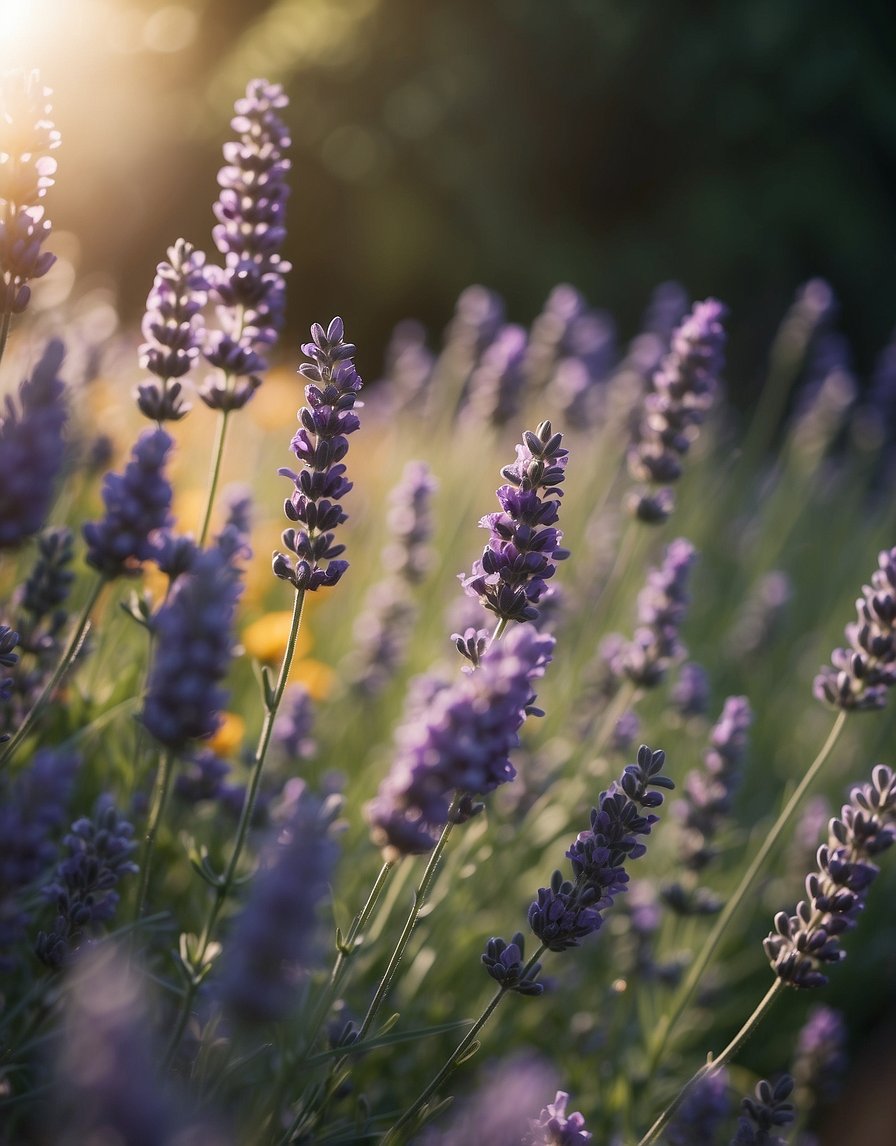
Lavender is a top pick for countless gardeners. Its potent fragrance makes it a wonderful addition to any outdoor space.
English Lavender, or Lavandula angustifolia, features striking deep purple flowers and attractive silvery green leaves. It typically grows between 12 and 18 inches tall, making it ideal for borders and containers.
Another variety, Lavandin (Lavandula x intermedia), is also worth mentioning for its particularly intense scent.
| Plant | Scientific Name | USDA Hardiness Zone |
| English Lavender | Lavandula angustifolia | 5-9 |
| Lavandin | Lavandula x intermedia | 5-8 |
4) Lilac
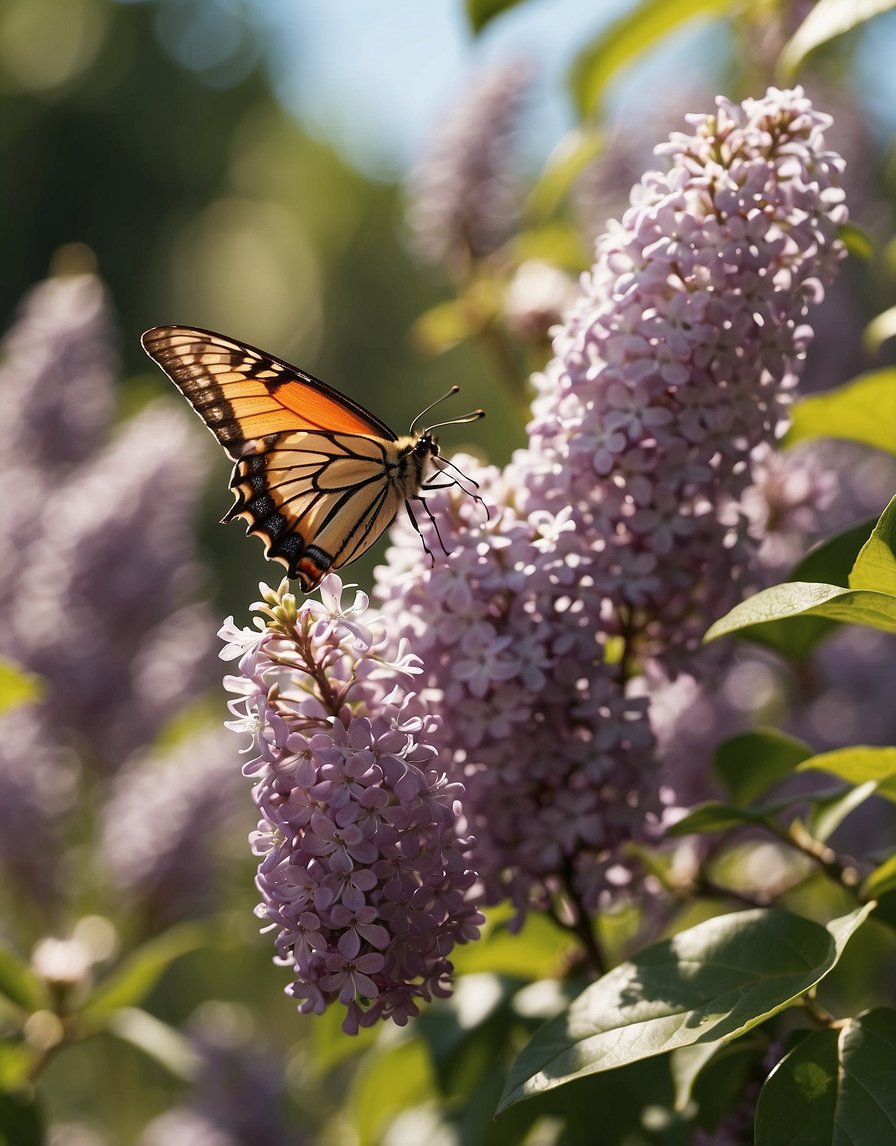
Lilacs are famous for their sweet aroma that can easily fill an entire yard. They offer a range of colors, including white, pink, and deep purple. Their straightforward beauty makes them a consistently popular selection.
These bushes are simple to grow and care for. They flourish in well-drained soil with plenty of full sunlight. Lilacs usually bloom in the late spring, bringing a vibrant burst of both color and fragrance.
| Plant | Scientific Name | USDA Hardiness Zone |
| Lilac | Syringa vulgaris | 3-7 |
5) Rosemary
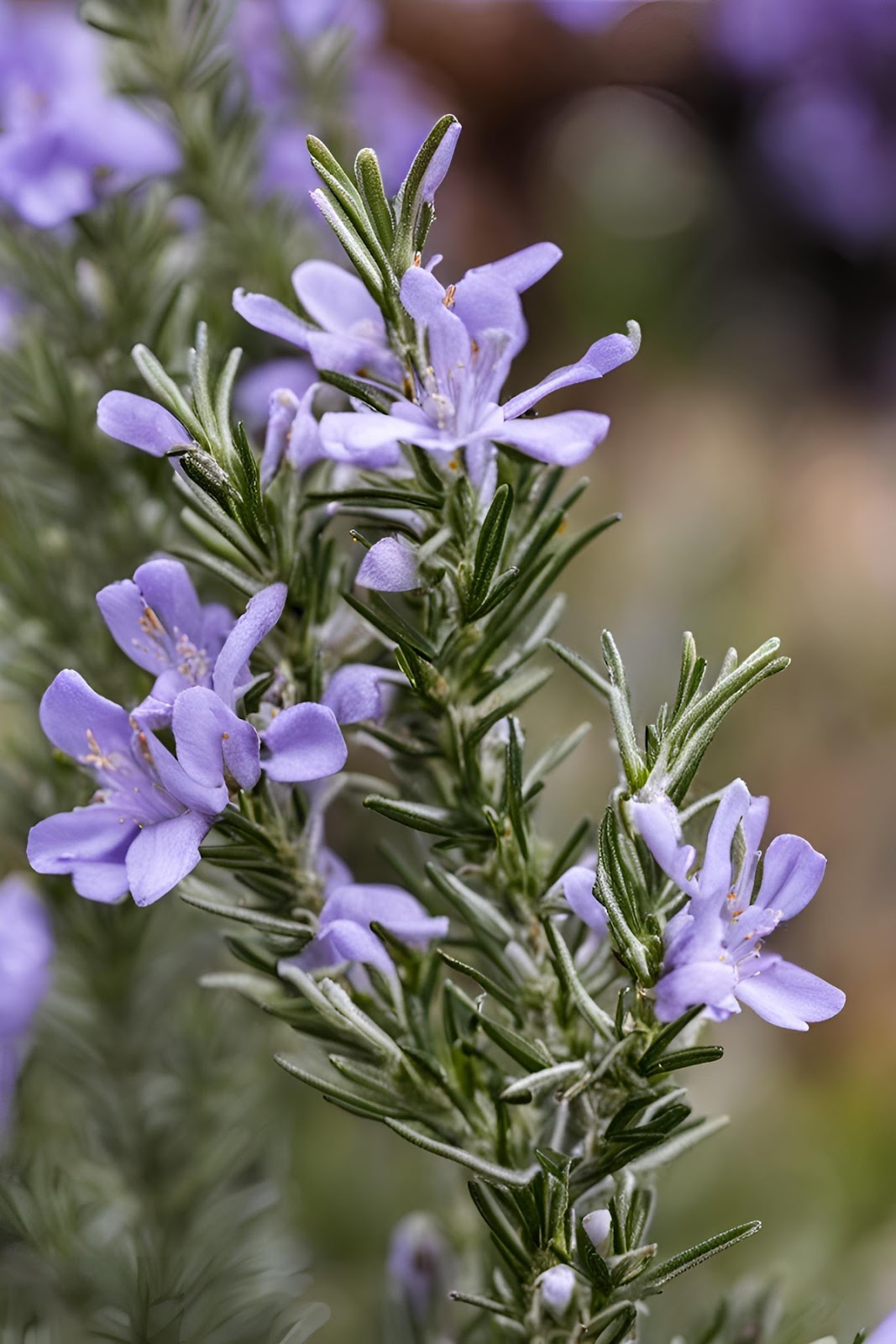
Rosemary is more than just a culinary herb; it smells incredible in a garden. This plant has a strong, woody aroma and thrives in sunny locations with well-drained soil.
It also requires very little water, which is great for gardens in drier climates. Plant it near your patio or by a window to fully enjoy its wonderful scent.
| Plant | Scientific Name | USDA Hardiness Zone |
| Rosemary | Rosmarinus officinalis | 7-10 |
6) Magnolia
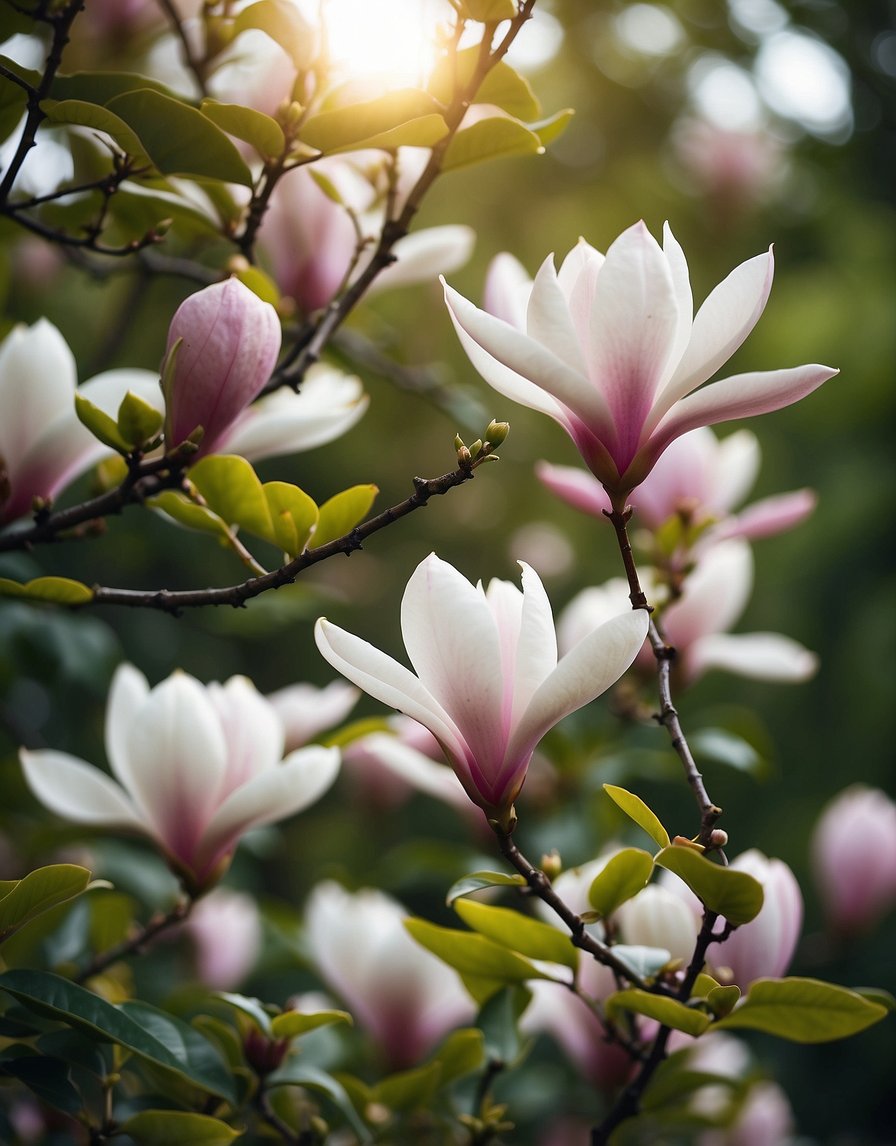
Magnolias are stunning, fragrant trees. Their huge white or pink blossoms are not only a visual treat but also smell absolutely amazing. They do best in acidic, well-drained soils and are adaptable to either full sun or partial shade.
Planting a magnolia adds a touch of elegance and a sweet perfume to your landscape. They are a suitable choice for Zones 4 to 10.
| Plant | Scientific Name | USDA Hardiness Zone |
| Magnolia | Magnolia spp. | 4-10 |
7) Honeysuckle
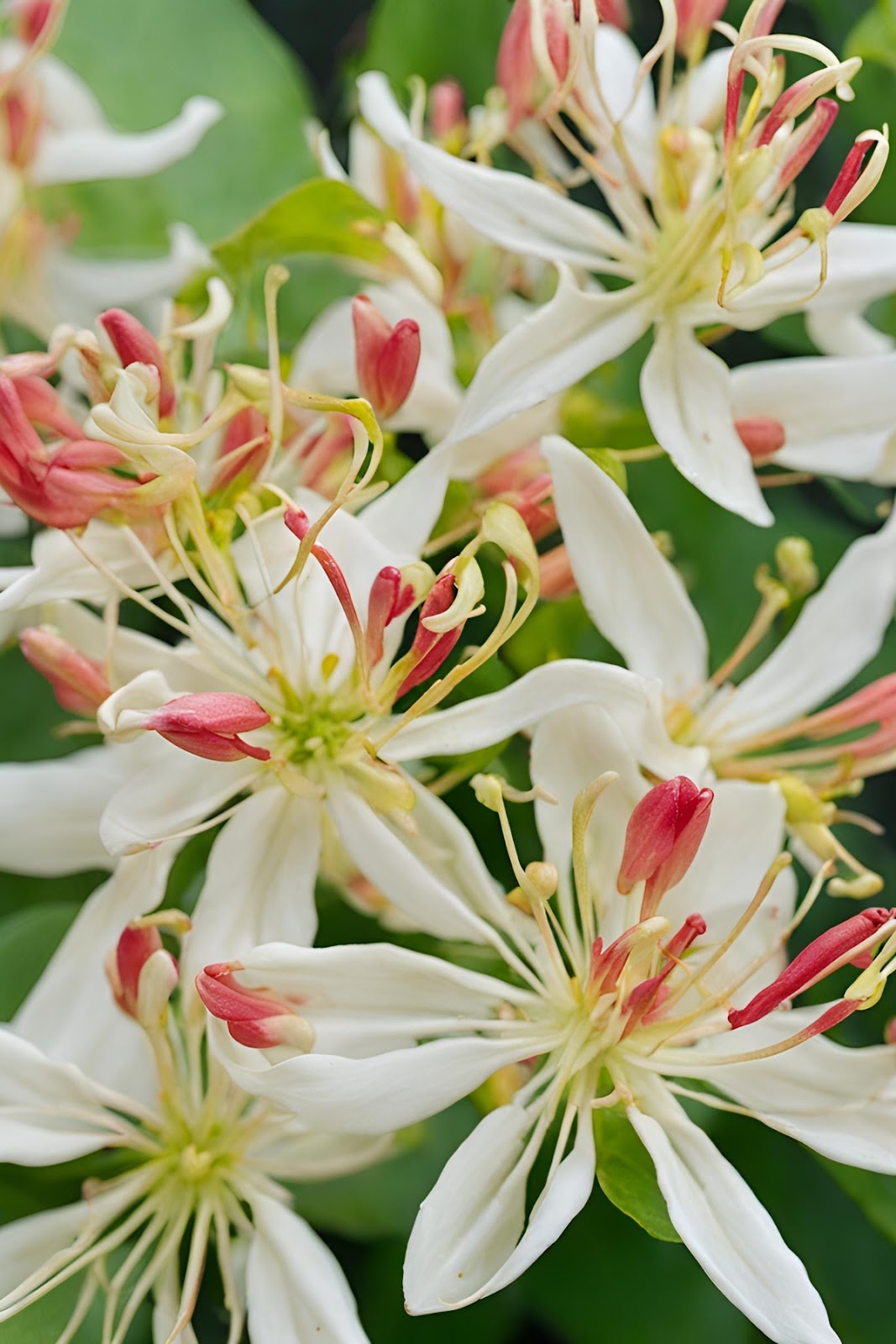
Honeysuckle infuses any garden with vibrant color and a delightful fragrance. Its sweetly scented flowers attract hummingbirds and butterflies all season long. Watching these pollinators visit the blooms can turn your outdoor space into a dynamic natural haven.
This adaptable vine works beautifully in many landscape designs. You can train it to climb fences, guide it over a trellis, or let it grow into an informal hedge. The flowers come in a spectrum from brilliant red to pure white, creating a beautiful contrast with the foliage.
However, choosing the correct variety is essential. Many common types, like Japanese honeysuckle (Lonicera japonica) and Amur honeysuckle (Lonicera maackii), are extremely invasive.
These aggressive plants can quickly overtake native flora and provide little benefit to the local ecosystem. Their berries offer minimal nutrition for wildlife while they push out more beneficial native plants.
Opting for native honeysuckle varieties helps create a healthy, balanced garden environment. Coral honeysuckle (Lonicera sempervirens) is an excellent choice, with its classic tubular red flowers that hummingbirds find irresistible.
For gardens in the west, orange honeysuckle (Lonicera ciliosa) provides similar benefits. Both of these species are hardy, require little maintenance, and truly support local pollinators and birds.
Native honeysuckles grow well in USDA hardiness zones 4 through 9, depending on the specific type. They do best in full sun to partial shade with well-draining soil, rewarding you with gorgeous blooms without the risk of aggressive spreading.
| Plant | USDA Hardiness Zone | Species |
|---|---|---|
| Coral Honeysuckle | 4-10 | Lonicera sempervirens |
| Orange Honeysuckle | 4-9 | Lonicera ciliosa |
| Limber Honeysuckle | 3-5 | Lonicera dioica |
8) Sweet Alyssum
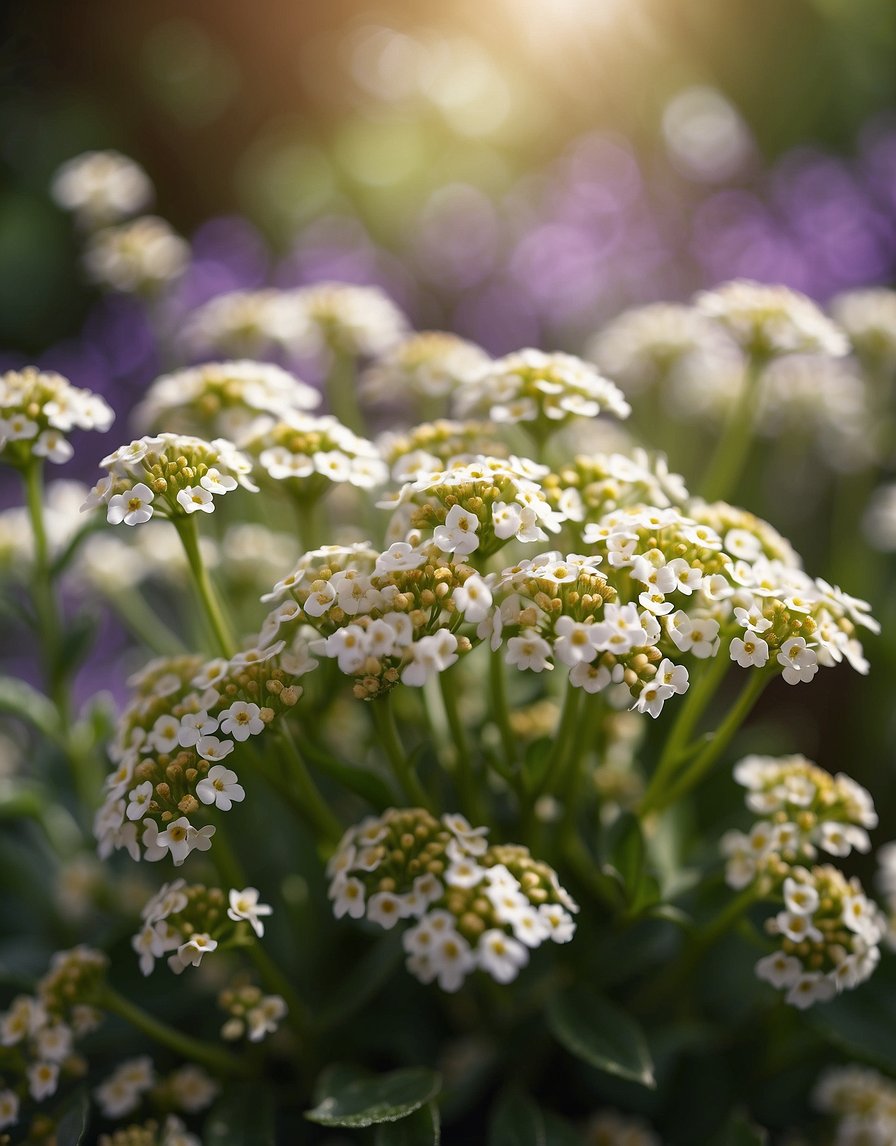
Sweet Alyssum is a fantastic option for your yard. It produces clusters of tiny flowers that deliver a surprisingly powerful and sweet fragrance.
These flowers are versatile enough to grow in borders, hanging baskets, and containers. You will love how they fill your garden with a lovely aroma.
Sweet Alyssum is somewhat drought and heat tolerant but does best in soil that drains well.
| Plant | Scientific Name | USDA Hardiness Zone |
| Sweet Alyssum | Lobularia maritima | 5-9 |
9) Daphne
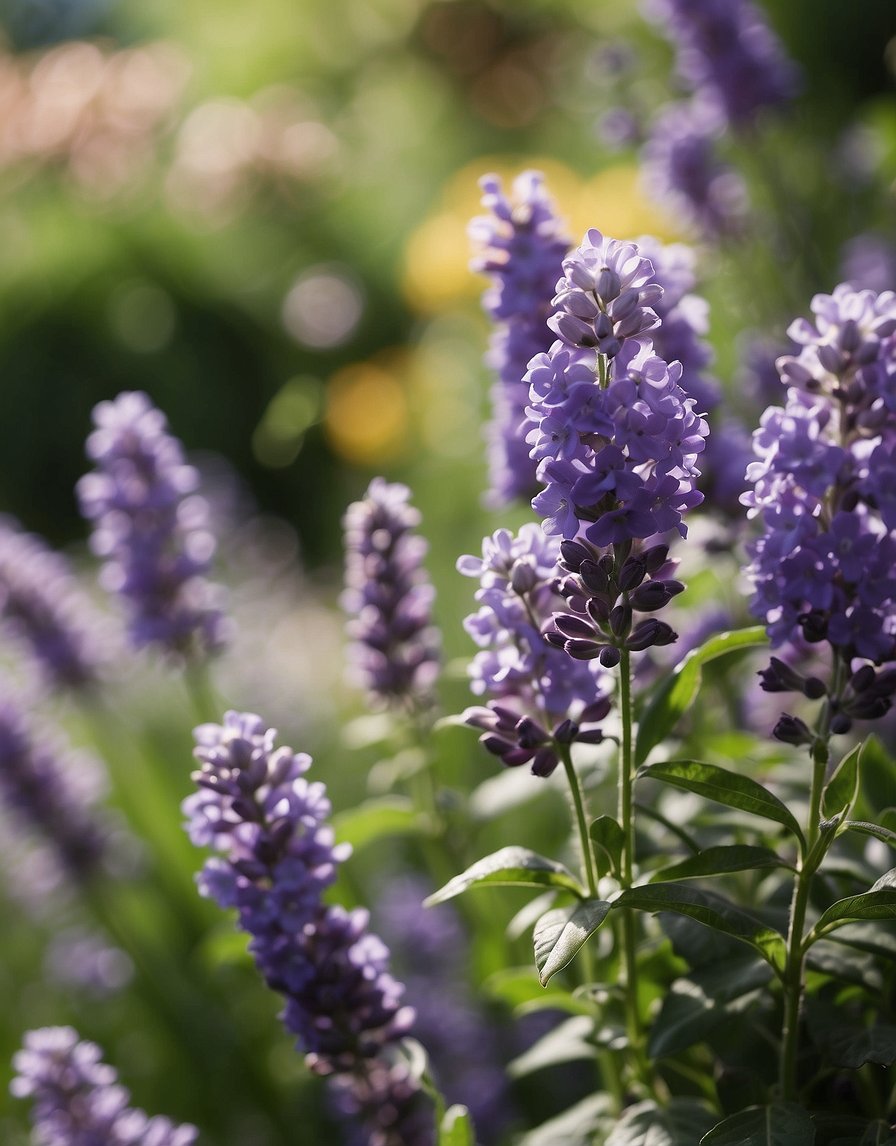
Daphne is a gorgeous plant renowned for its wonderful fragrance, making it perfect for adding a sweet scent to your yard. Its flowers, often in shades of pink or white, bloom in the early spring.
You can enjoy its delightful aroma from a distance, making it a great pick for any garden layout. For the best growth, place it in a spot that offers well-drained soil and partial shade.
| Plant Scientific Name | USDA Hardiness Zone |
| Daphne spp. | 4-9 |
10) Mock Orange
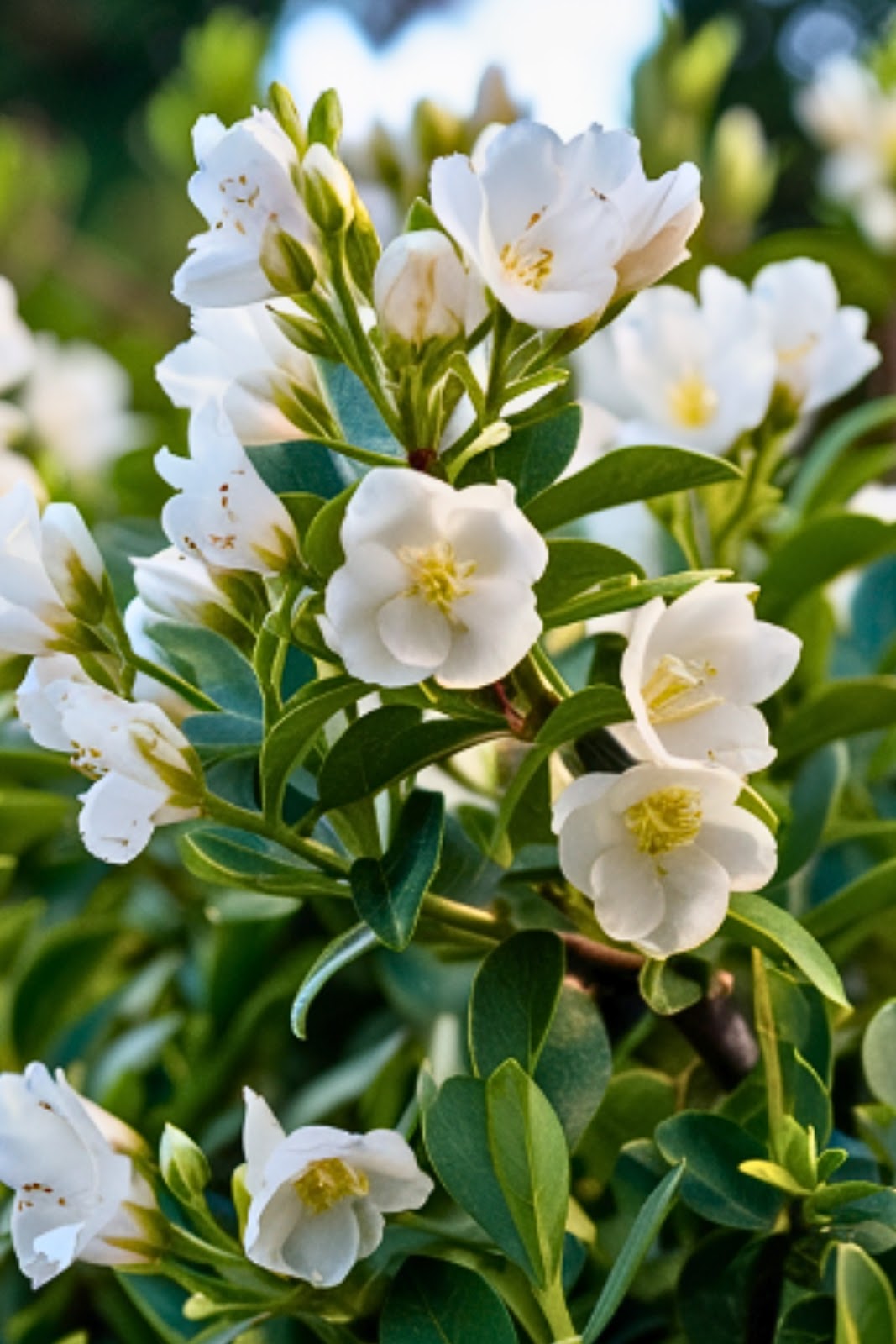
Mock Orange is a superb choice for a fragrant yard. It is known for its sweet smelling white blossoms that emerge in the early summer. These flowers can fill your garden with a pleasant aroma.
These plants are typically easy to cultivate. They flourish in sunny locations with soil that drains well. They are also effective at attracting pollinators like bees and hummingbirds to your garden.
| Plant scientific name | USDA Hardiness Zone |
| Philadelphus coronarius | 4-8 |
11) Sweet Pea
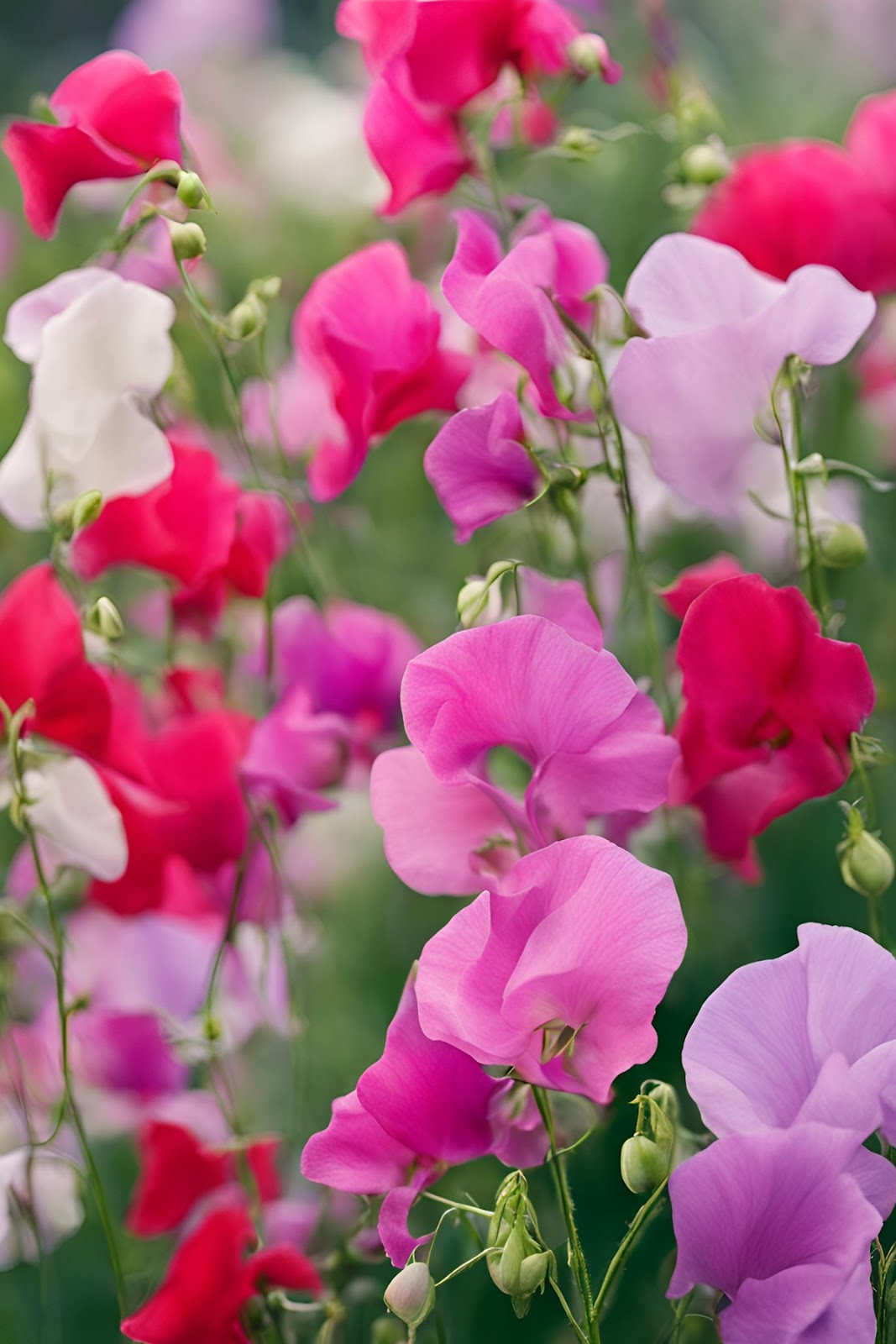
Sweet Pea is a lovely plant that contributes both charm and fragrance to a yard. Its flower clusters appear in a wide array of colors, from pink and purple to white. The scent is sweet yet strong, which is ideal for garden borders and trellises.
These plants thrive in sunny areas and require well-drained soil. They also make for excellent cut flowers, allowing you to bring their delightful aroma inside.
| Plant | Scientific Name | USDA Hardiness Zone |
| Sweet Pea | Lathyrus odoratus | 2-11 |
12) Wisteria
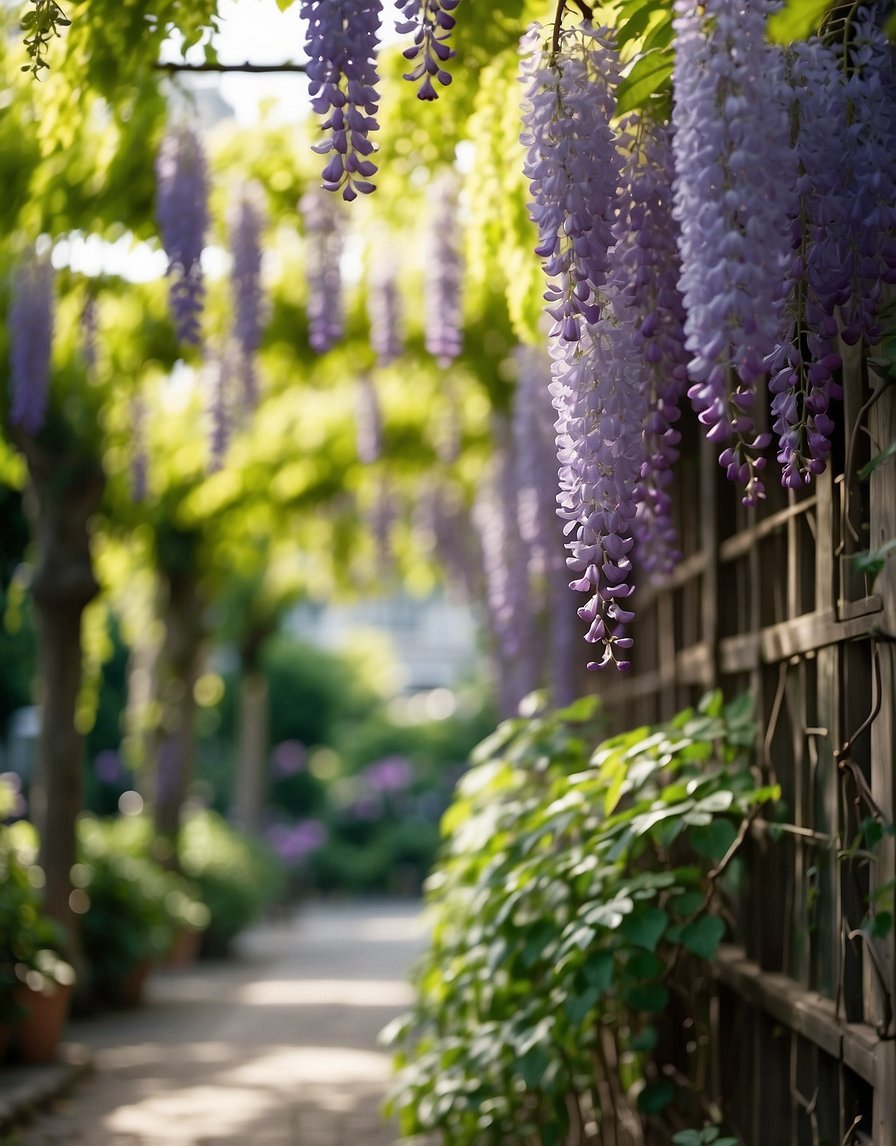
Wisteria is a magnificent climbing plant capable of adding a sweet perfume to your landscape. Its cascading flowers are available in colors like white, pink, lavender, and blue.
Exercise caution when planting Wisteria, as it has a tendency to grow aggressively. It can spread quickly and overwhelm other plants in the area.
Select a location where it has ample room to expand, or consider planting a native variety to better manage its growth.
| Plant | Scientific Name | USDA Hardiness Zone |
| Chinese Wisteria | Wisteria sinensis | 5-9 |
| Japanese Wisteria | Wisteria floribunda | 4-9 |
13) Plumeria
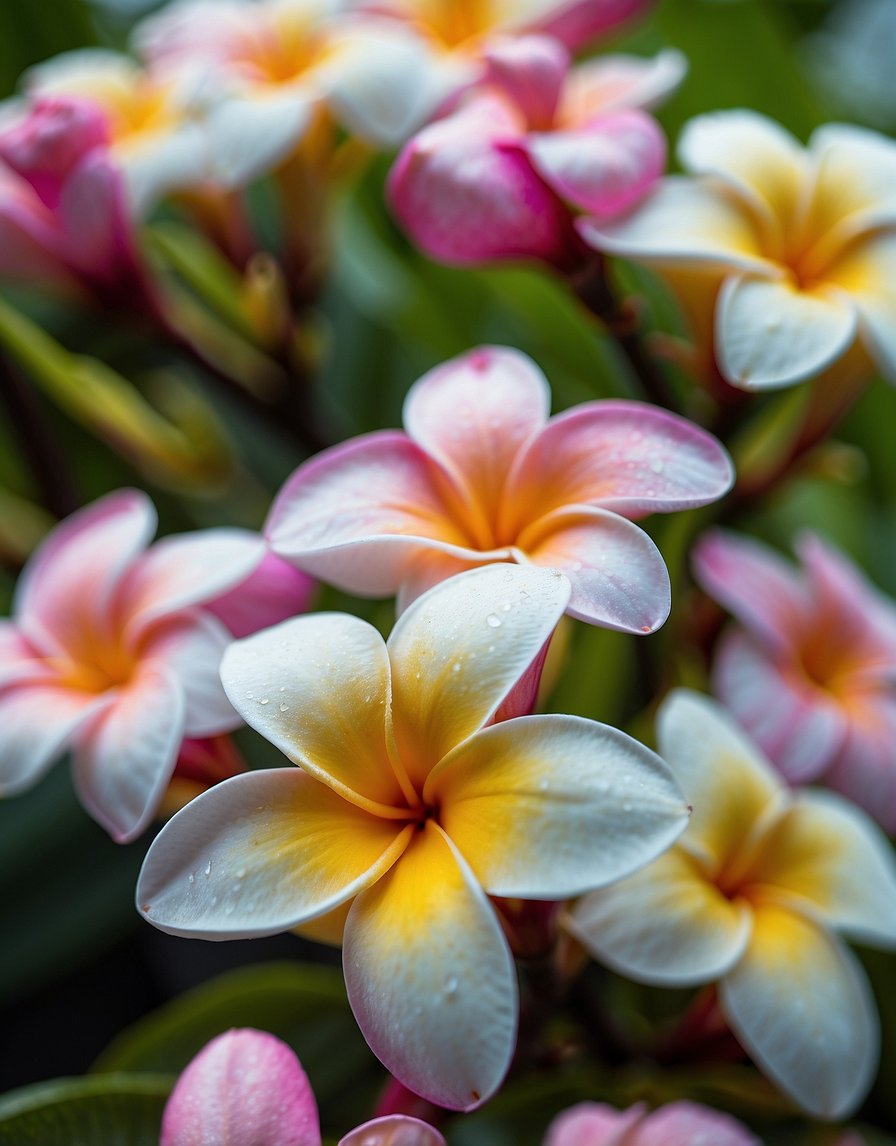
Plumeria is an essential addition to your yard if you adore fragrant flowers. This tropical plant is celebrated for its incredibly sweet smelling blossoms.
Certain varieties, such as ‘Vera Cruz Rose’ and ‘Aztec Gold’, fill the air with amazing scents reminiscent of roses and ripe peaches.
These beautiful plants thrive in zones 9 to 11 and require abundant sunlight. Ensure they are watered thoroughly but avoid letting them become waterlogged to maintain their health.
| Plant | Scientific Name | USDA Hardiness Zone |
| Plumeria | Plumeria spp. | 9-11 |
14) Night-Blooming Jasmine
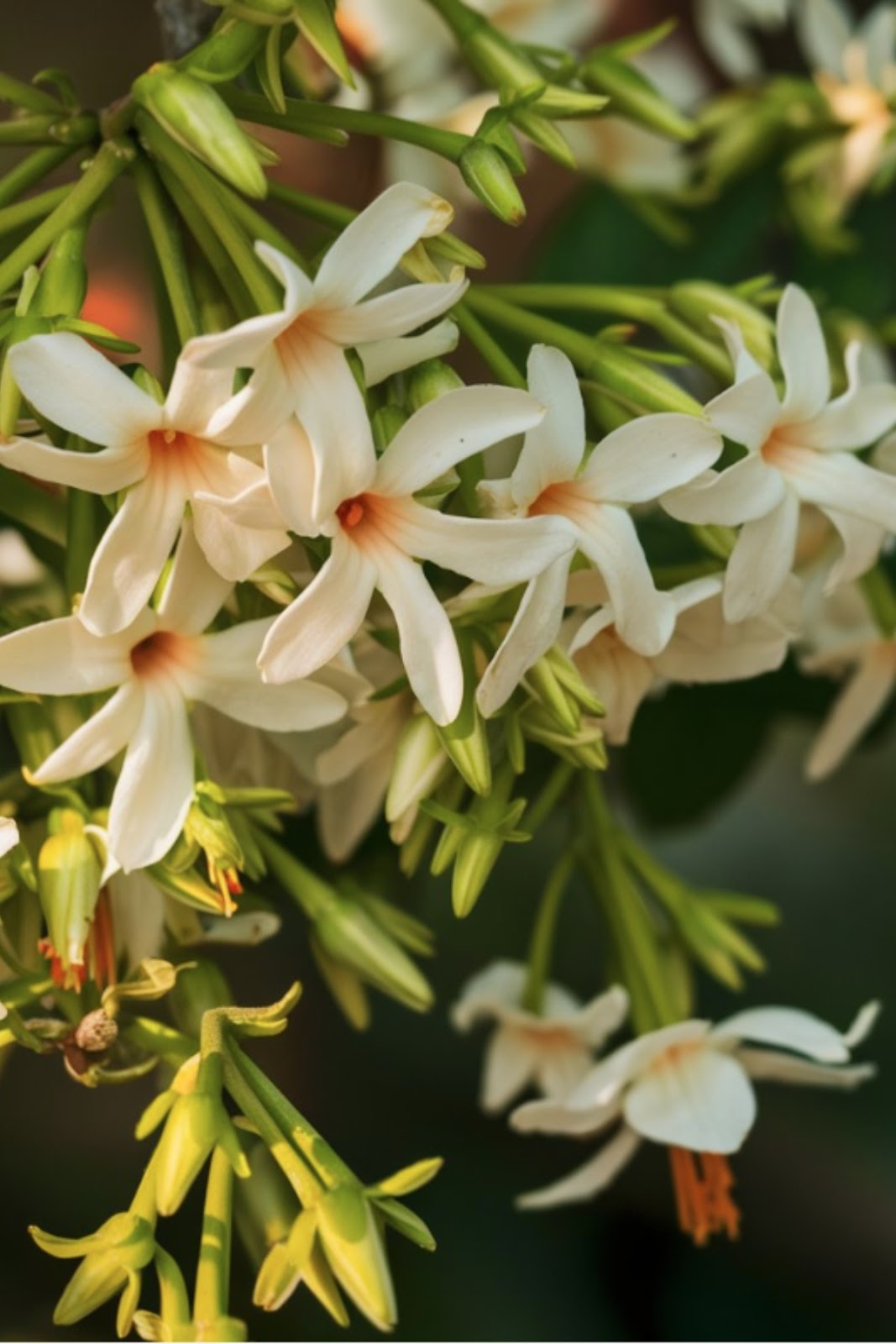
Night-Blooming Jasmine is an evergreen shrub that yields tubular, white-yellow flowers that open after dark. This plant is well known for its powerful fragrance that envelops the garden once the sun has set.
It grows well in conditions ranging from full sun to partial shade and prefers a warm, humid environment.
Plant it during the spring in a location with well-draining soil.
| Plant Scientific Name | USDA Hardiness Zone |
| Cestrum nocturnum | 8-11 |
15) Sweet Autumn Clematis
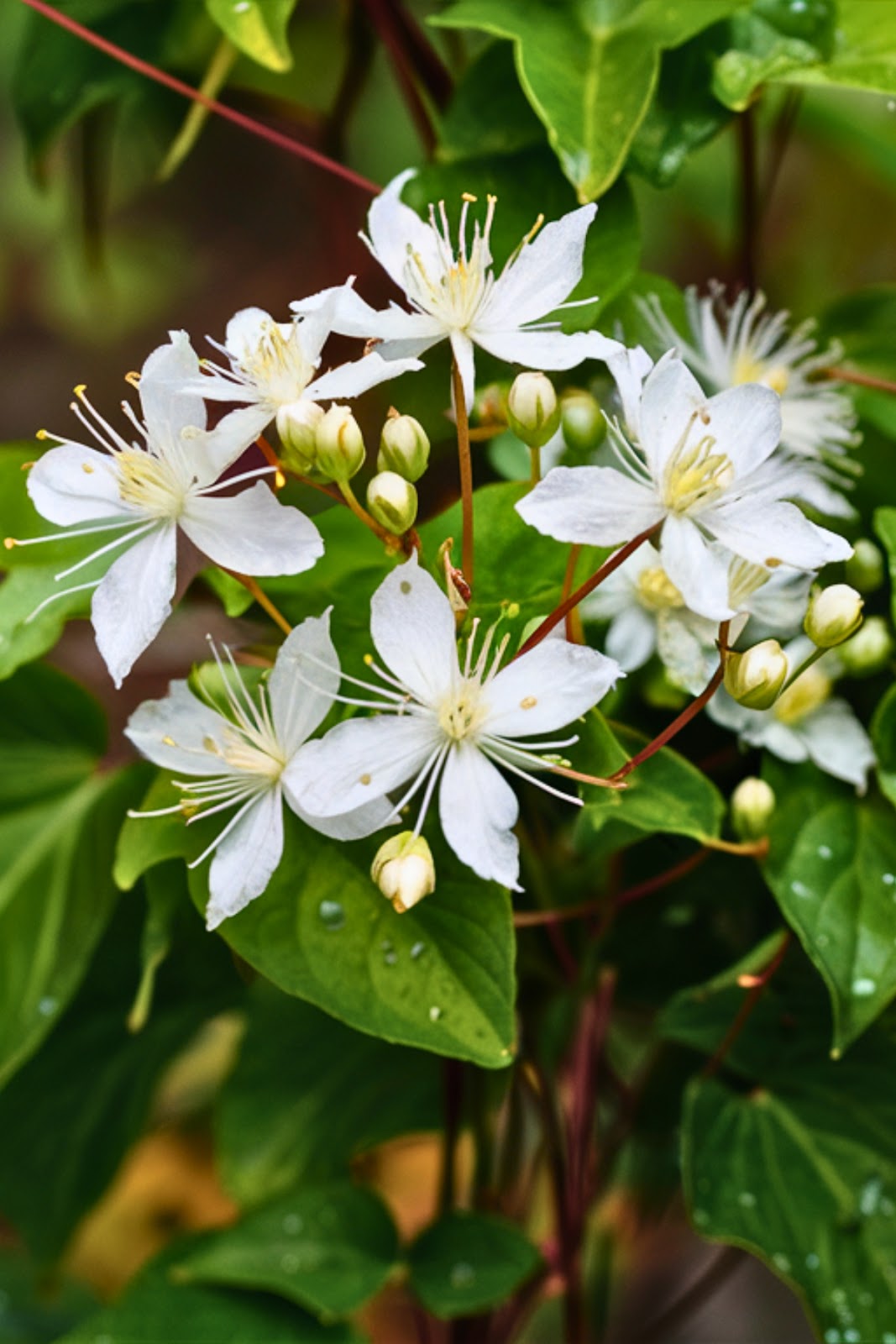
Sweet Autumn Clematis is a large, deciduous vine that showers your yard with starry, creamy-white blossoms from late summer into the fall.
This plant releases a sweet scent that blankets your garden when it is in full bloom.
It performs best when planted in full sun with well-drained soil.
Caring for it is straightforward. You can easily prune it back in the fall or early spring.
| Plant Scientific Name | USDA Hardiness Zone |
| Clematis paniculata | 4-9 |
16) Hyacinth
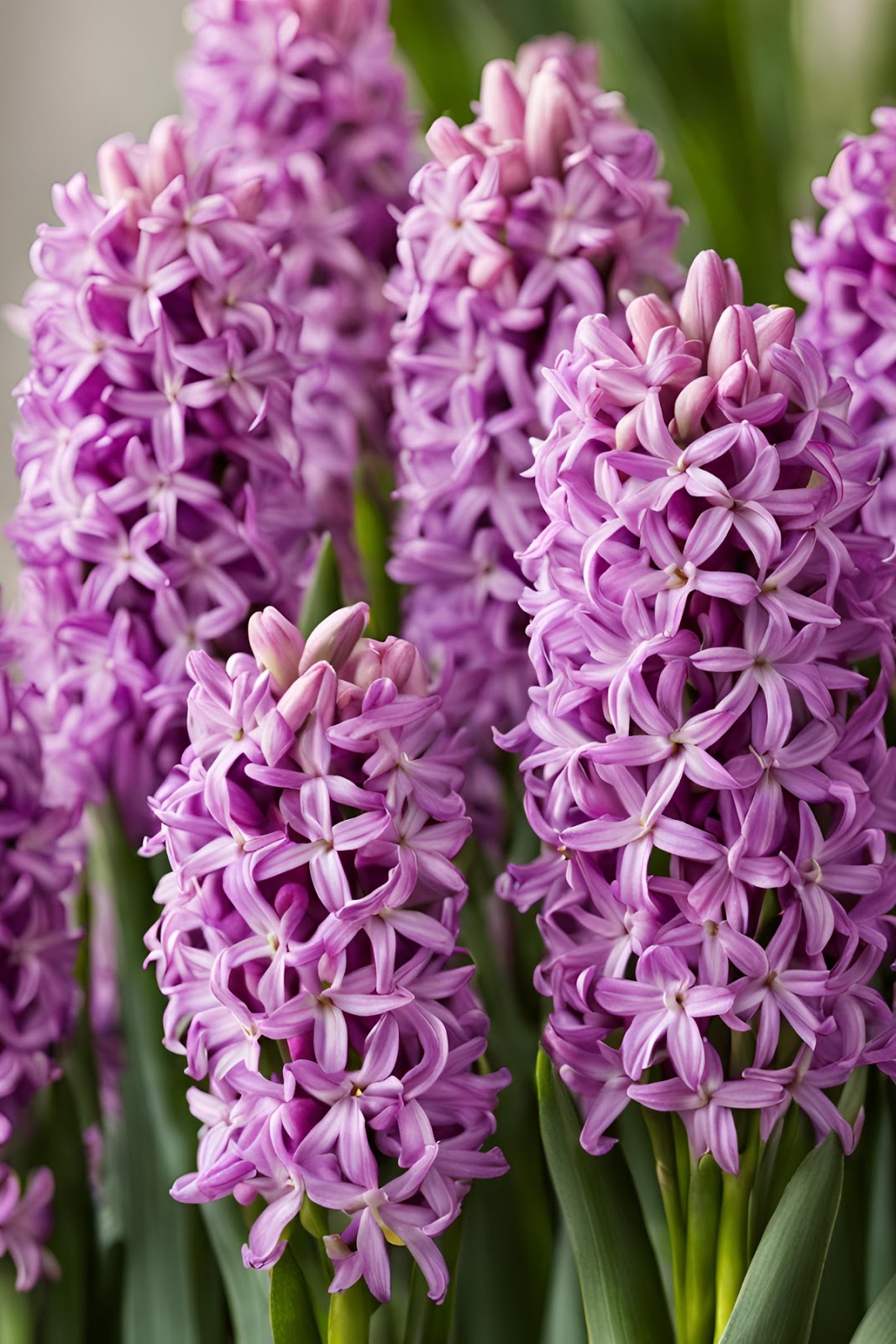
Hyacinths are a superb addition to any garden, boasting beautiful blooms in light blue, pink, or purple.
These flowers are easy to cultivate in well-drained soil and can be planted in full sun or partial shade.
Hyacinths possess a sweet fragrance that can create a truly delightful atmosphere in your outdoor space.
Consider planting them in clusters to get the most out of their wonderful scent.
| Plant Scientific Name | USDA Hardiness Zone |
| Hyacinthus orientalis | 3-9 |
17) Frangipani
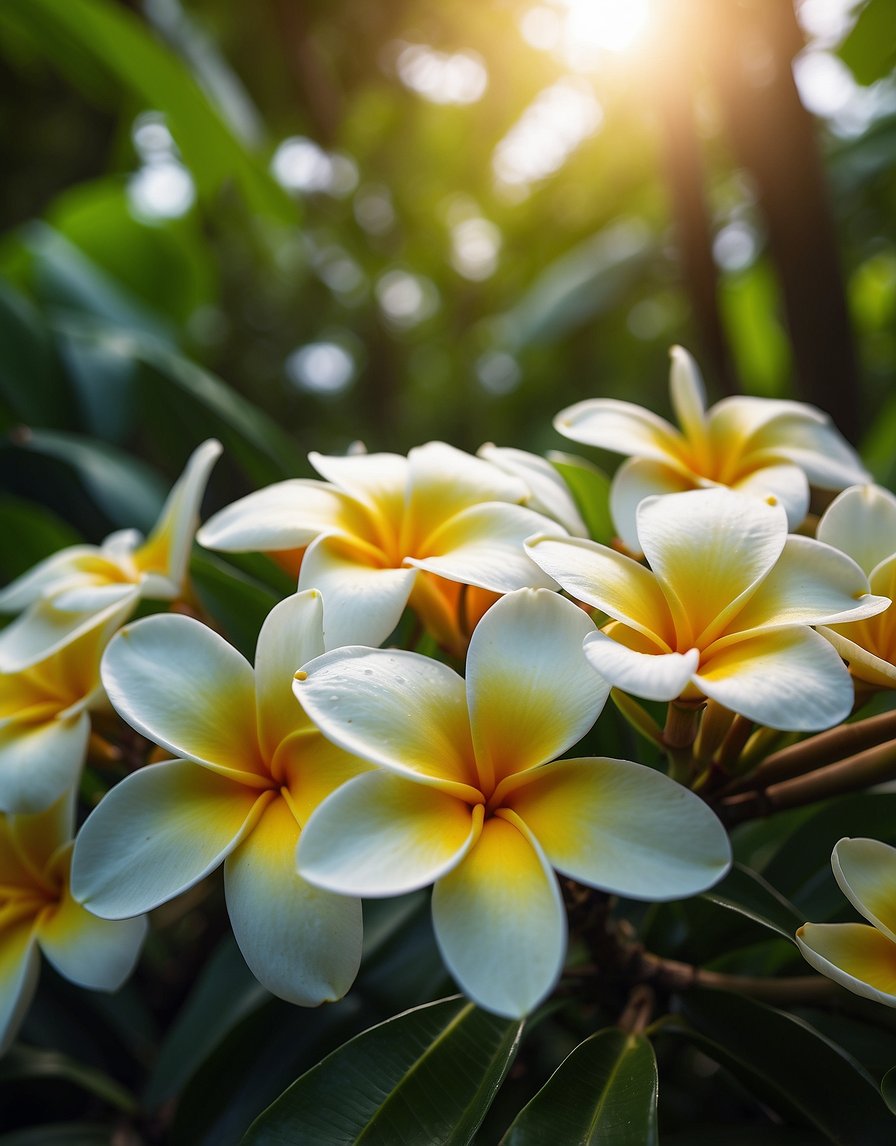
Frangipani is a charming plant with a lovely scent that is perfect for your garden. It adores full sun and requires well-drained soil to flourish. Water it deeply but avoid overwatering.
The plant’s gorgeous flowers come in a range of colors from white to pink, adding a touch of beauty and fragrance to your landscape.
| Scientific Name | USDA Hardiness Zone |
| Plumeria spp. | 9-11 |
18) Angel’s Trumpet
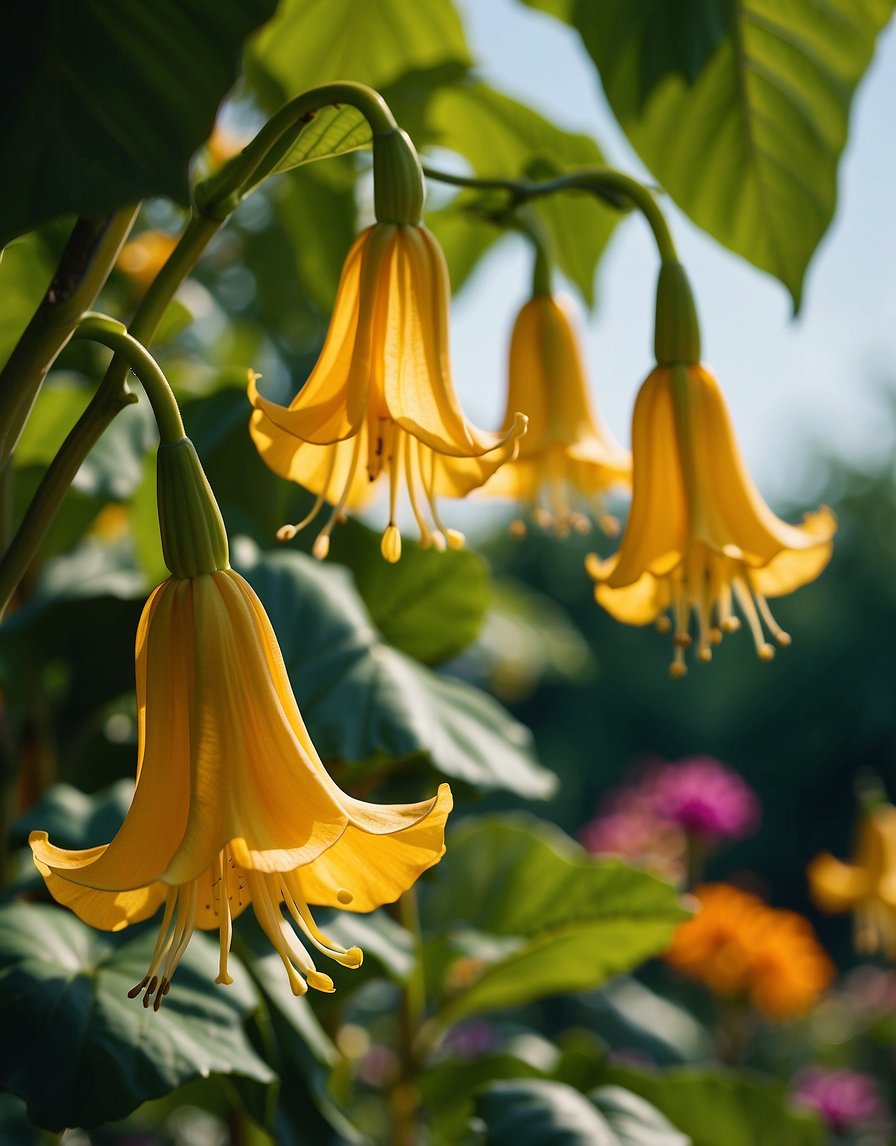
Angel’s Trumpet is a tropical stunner with enormous, trumpet-shaped flowers that appear in a variety of shades. The blossoms are highly fragrant, with a scent that intensifies at night.
These plants need a great deal of sunlight and should be watered consistently to keep the soil moist. It is important to be cautious, as every part of this plant is toxic if eaten.
| Plant Scientific Name | USDA Hardiness Zone |
| Brugmansia | 8-10 |
19) Lilies of the Valley
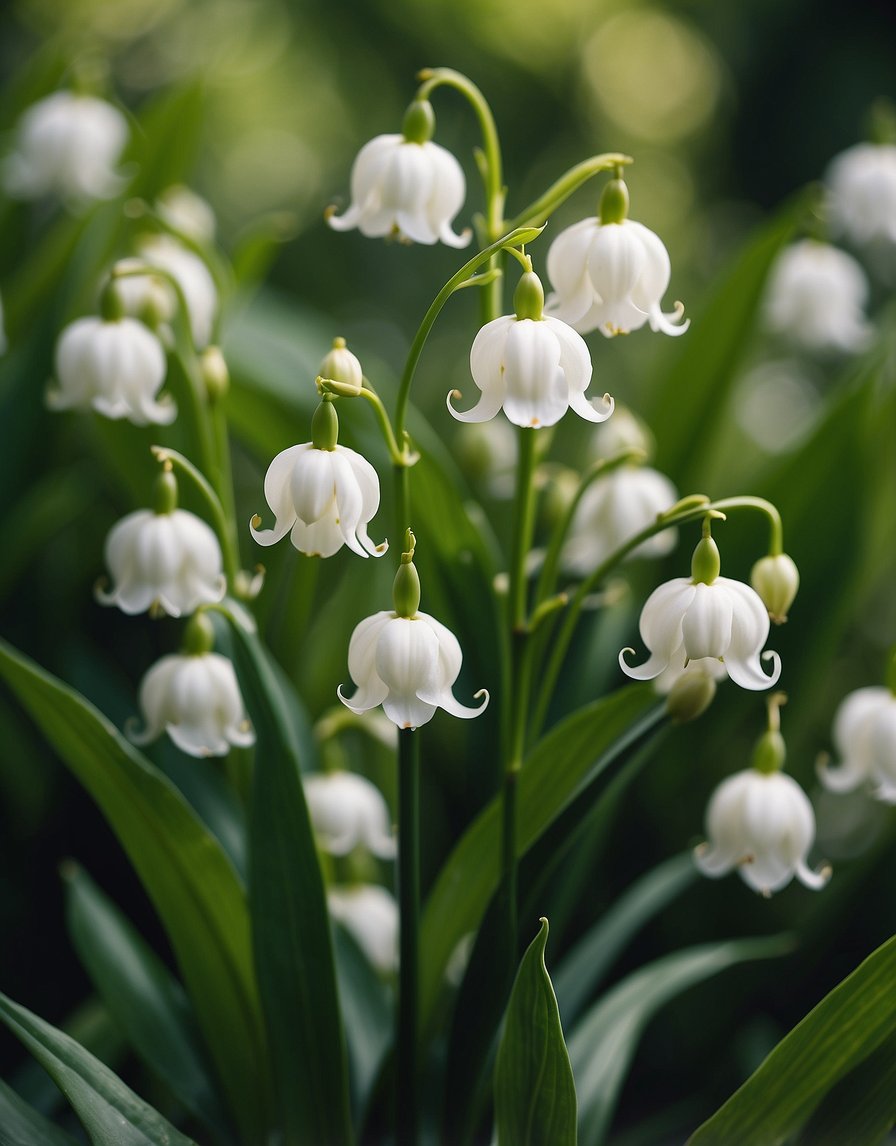
Lilies of the Valley are delicate, bell-shaped flowers. They are widely known for their enchanting scent.
These plants thrive in shady spots and produce their flowers in the late spring. Their fragrance is most potent in the evening.
They prefer moist soil that drains well. Be sure to provide them with enough room to spread and grow.
| Plant | Scientific Name | USDA Hardiness Zone |
| Lilies of the Valley | Convallaria majalis | 3-8 |
20) Star Jasmine
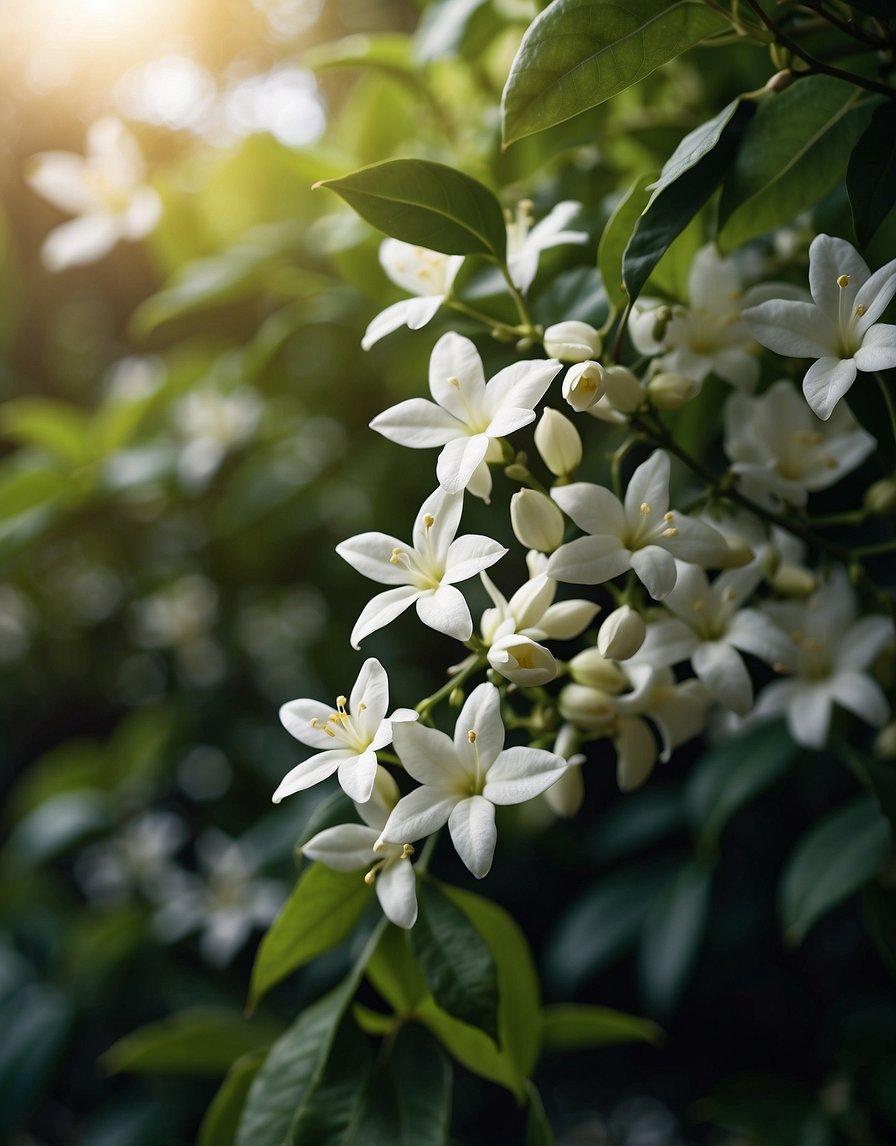
Star Jasmine, which also goes by the name Trachelospermum jasminoides, has a sweet and distinct fragrance.
This is a fast-growing vine that is capable of reaching up to 30 feet in length when given proper support.
It flowers from the spring into the early summer and performs well in locations with full sun to partial shade.
| Plant Scientific Name | USDA Hardiness Zone |
| Trachelospermum jasminoides | 8-12 |
21) Scented Geranium
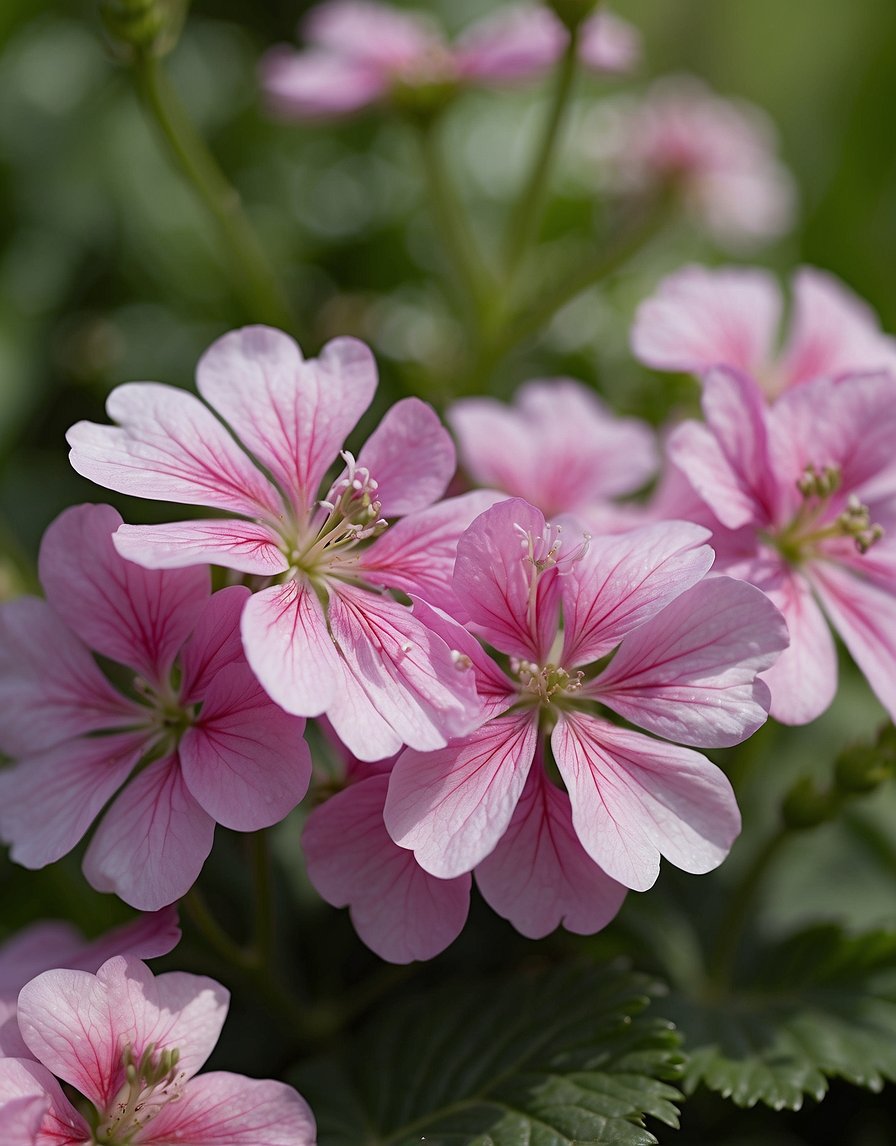
Scented geraniums introduce a variety of delightful fragrances to your yard. They are available in numerous scents, including citrus, mint, and rose. Their leaves are uniquely textured and come in different shapes and colors.
These plants are simple to look after. They require well-drained soil and a generous amount of sunlight. Water them on a regular basis, but be careful not to make the soil overly wet.
| Plant | Scientific Name | USDA Hardiness Zone |
| Scented Geranium | Pelargonium spp. | 9-11 |
22) Peonies
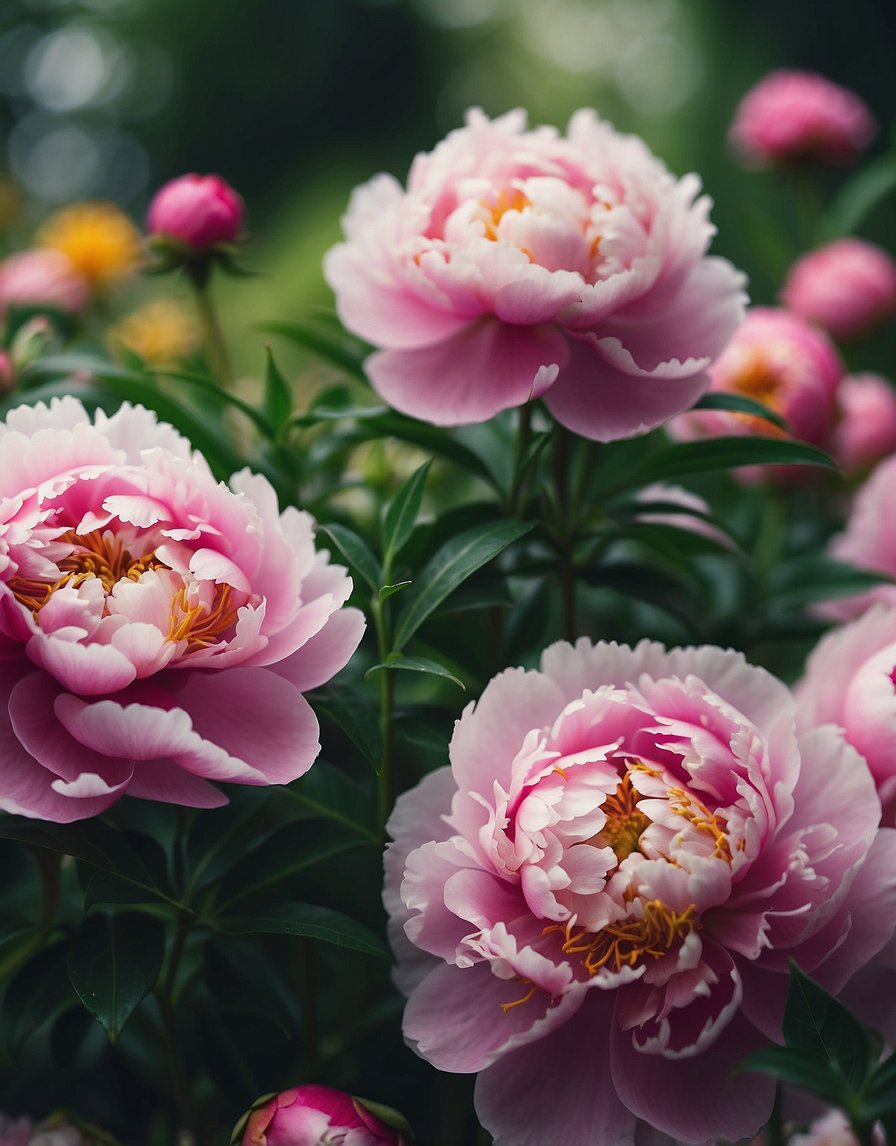
Peonies are a fantastic choice for your yard. Famous for their beautiful, large flowers, they also possess a powerful fragrance.
You will discover that some varieties, such as Dr Alexander Fleming and Eden’s Perfume, are especially notable for their scent. They also feature strong stems, which makes them excellent for cutting and bringing indoors.
Peonies are available in several colors like pink, white, and red, and their double petals only add to their appeal.
| Plant | Scientific Name | USDA Hardiness Zone |
| Dr Alexander Fleming | Paeonia lactiflora | 3-8 |
| Eden’s Perfume | Paeonia lactiflora | 4-8 |
23) Four O’Clocks
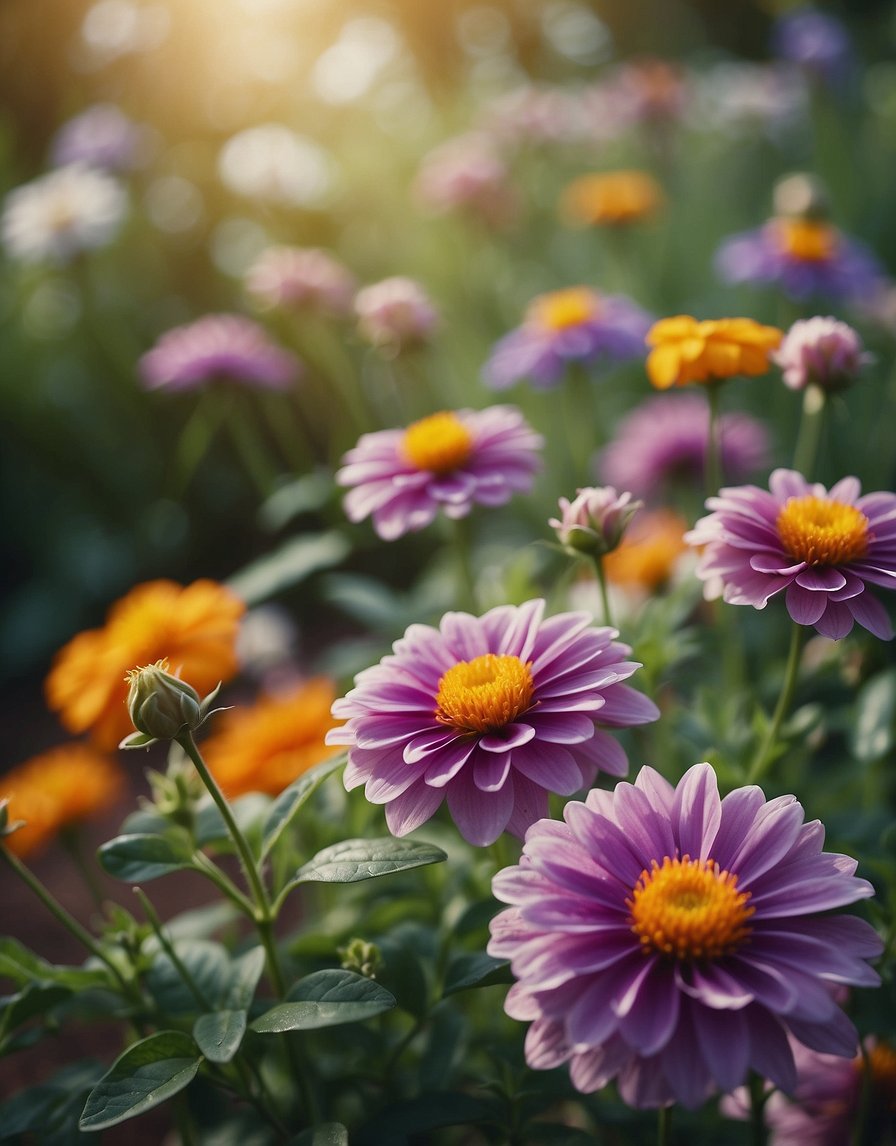
Four O’Clocks are distinctive because their flowers bloom in the late afternoon and remain open into the evening. Their fragrance is often compared to honeysuckle and will fill your yard with a sweet aroma.
Plant these lovely flowers in a spot with full sun and well-draining soil. They come in a multitude of colors, including pink, yellow, white, and even multi-colored varieties.
| Plant Scientific Name | USDA Hardiness Zone |
| Mirabilis jalapa | 7-10 |
24) Osmanthus
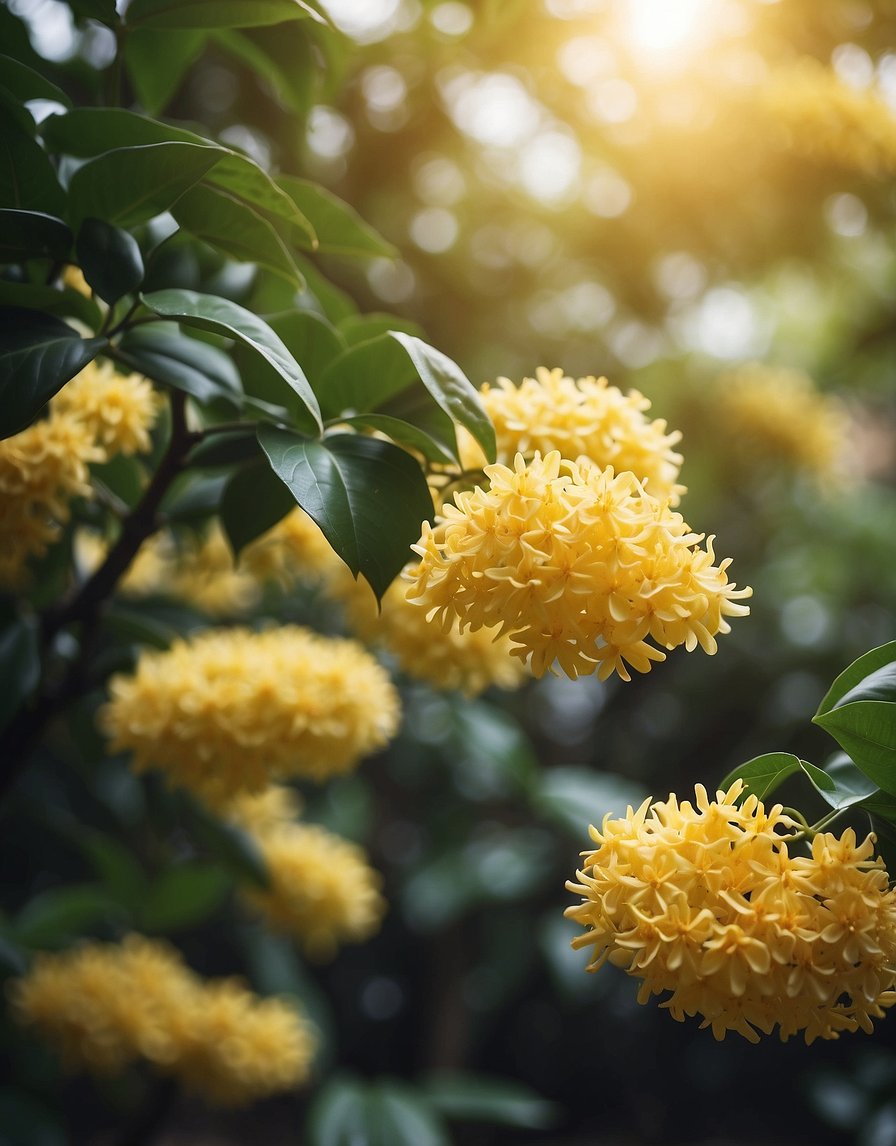
Osmanthus is a popular option for many gardens and is prized for its lovely fragrance. It blooms in the early spring, releasing a jasmine-like scent that perfumes the air.
This evergreen shrub can reach a height of up to 15 feet. This makes it a wonderful choice for creating hedges or serving as a standalone feature in your yard.
You can even bring cut branches inside to act as a natural air freshener!
| Plant Scientific Name | USDA Hardiness Zone |
| Osmanthus fragrans | 8 to 11 |
25) Phlox
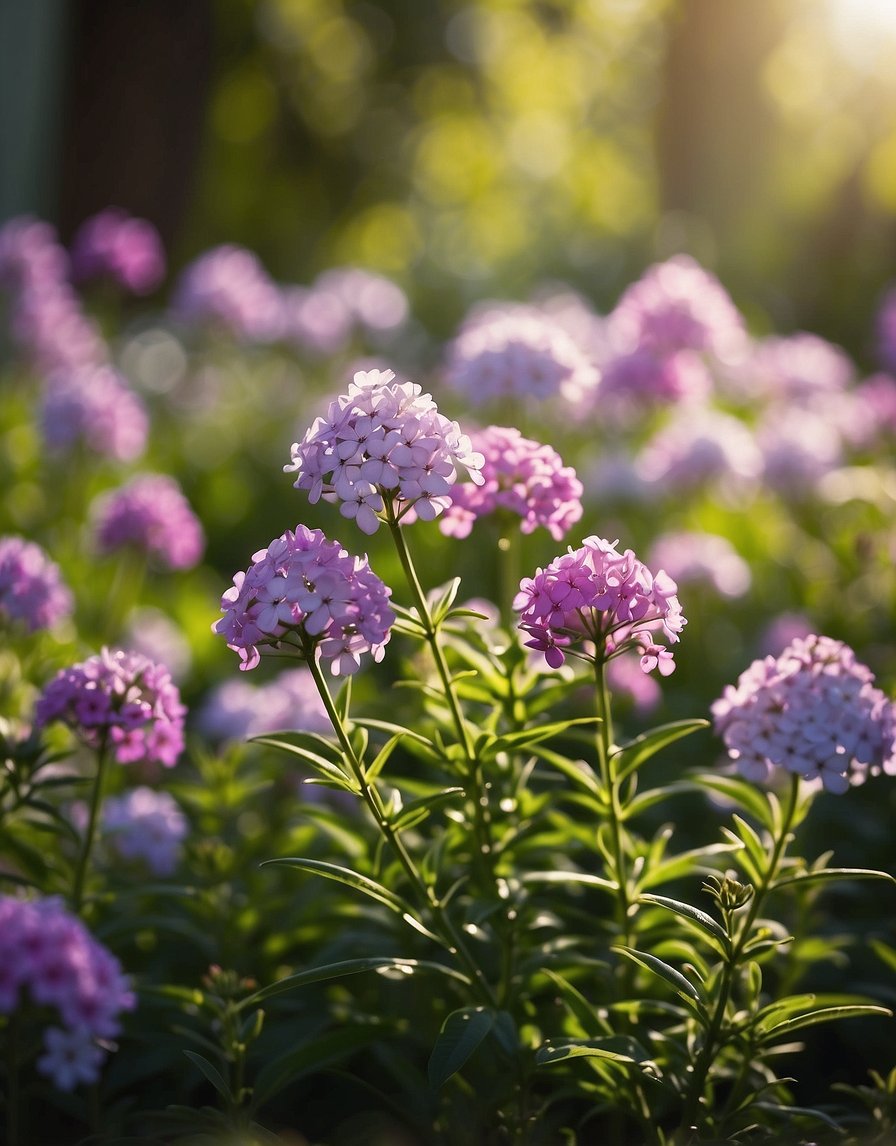
Phlox is a marvelous choice for your garden. It produces fragrant blooms that are available in white, pink, or purple hues.
This plant does best in full sun but is also capable of growing in partial shade. It typically grows to be 2 to 4 feet tall and can spread to a similar width.
As a native to the eastern United States, phlox flourishes in many regions of the country.
| Plant Scientific Name | USDA Hardiness Zone |
| Phlox paniculata | 4-8 |
How to Choose the Best Smelling Plants for Your Yard
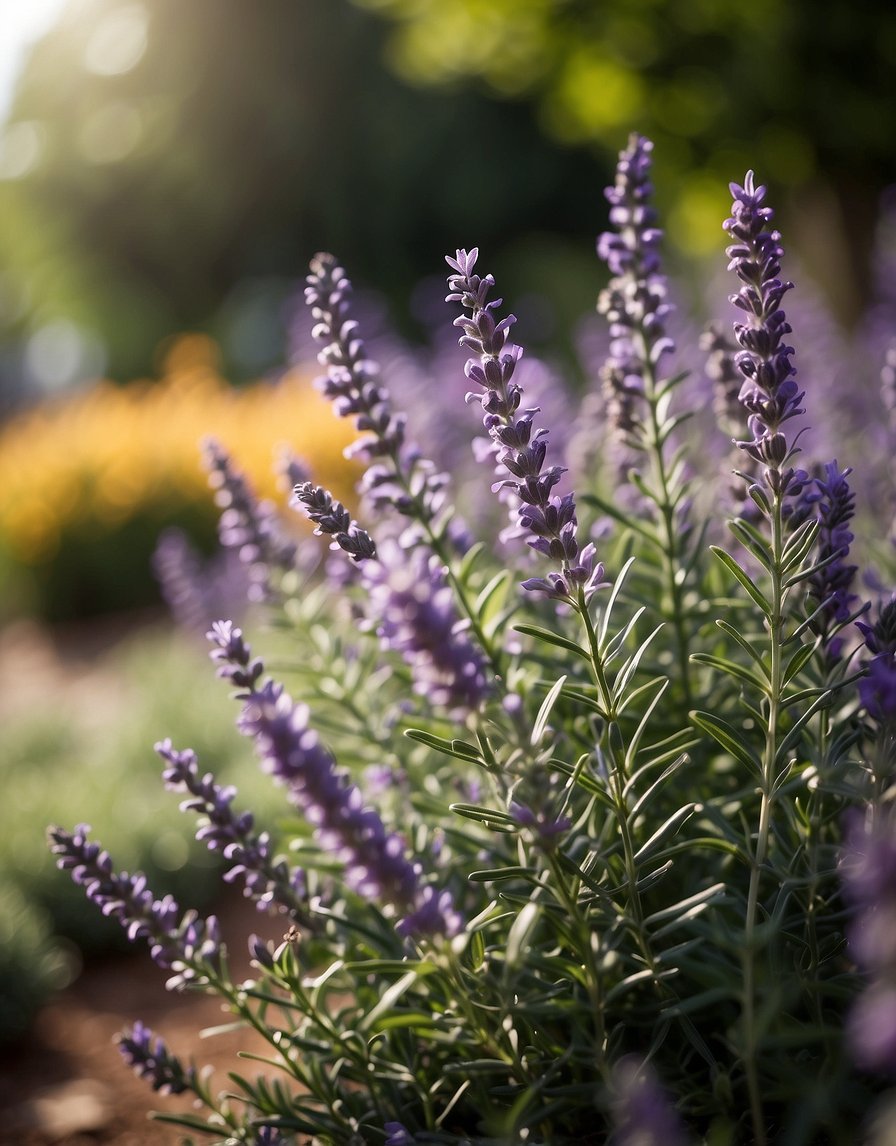
Selecting the ideal fragrant plants for your yard requires a few considerations. Breaking down the process makes it much easier to choose wisely.
Consider Your Climate
Before selecting any plants, you must identify your climate zone, as different plants are suited for different regions. For instance, honeysuckle does well in Zones 4 through 10. If your home is in a cooler area, you might look for hardier plants like specific types of daffodils. Warmer climates can support more delicate, tropical plants such as jasmine.
Some plants cannot tolerate frost, while others require a cold period to flower properly. Always match your plant selections to the specific weather patterns of your location.
Assessing Sunlight and Shade
When picking fragrant plants, consider the amount of sunlight your yard receives. Plants such as English roses demand full sun, which is defined as a minimum of six hours of direct sunlight each day. Conversely, some varieties can flourish in partial shade.
Take time to observe your yard at different times of the day to understand how the sunlight moves across it. This knowledge will help you position your fragrant plants in spots where they are most likely to thrive. The amount of sun or shade will directly influence a plant’s health and the intensity of its fragrance.
Maintenance and Care Needs
Different plants come with varying levels of required care. Honeysuckle is a low-maintenance option, making it a solid choice if you want plants that don’t need much fuss. Others, like gardenias and roses, may demand more of your attention, including specific pruning techniques and regular watering.
Think about your own lifestyle and how much time you can realistically devote to garden maintenance. Some fragrant plants might also have specific soil requirements, such as needing well-drained soil or a certain pH level. Select plants that align with your gardening habits and soil conditions to ensure a healthy, fragrant yard.
Benefits of Fragrant Plants in Your Garden
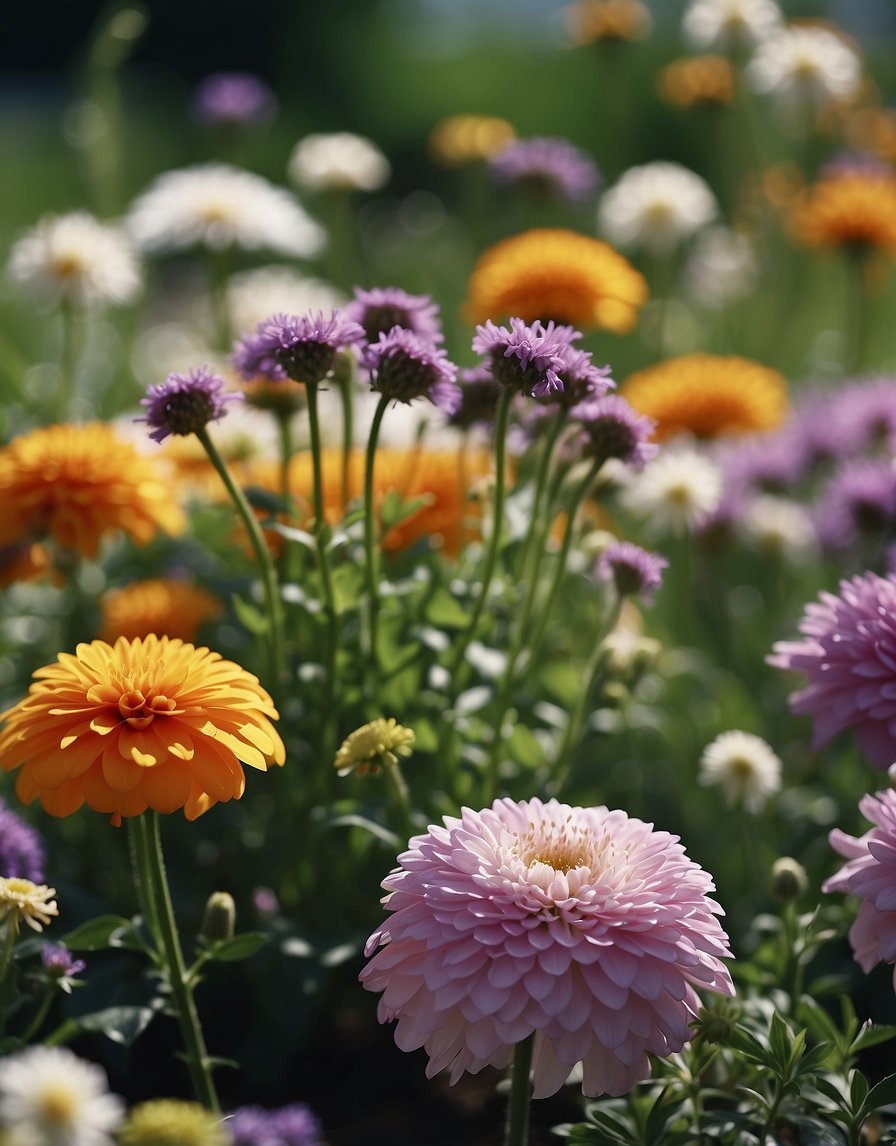
Fragrant plants can lift your spirits, attract vital pollinators, and foster a calming environment. Let’s look at how these plants can enhance your outdoor living space.
Enhancing Your Mood
The aromas from fragrant plants can have a positive impact on your mood and overall well-being. Inhaling the scent of flowers like lavender or jasmine can help reduce stress and promote relaxation.
Certain plants can even help with concentration. For example, rosemary is known to improve memory and focus. Including these plants in your garden can make it a more pleasant and beneficial place to spend your time.
Different plants provide different benefits. You may notice that citrus scents feel energizing, while floral aromas have a calming effect. Planting a variety can help create a balanced and happy atmosphere.
Attracting Pollinators
Fragrant plants act as a magnet for pollinators. Creatures like bees, butterflies, and hummingbirds are naturally drawn to sweet smelling flowers such as honeysuckle or clematis.
Bringing pollinators to your garden is crucial for its health. These animals help your plants reproduce by spreading pollen, which ensures that your fruits, vegetables, and flowers continue to thrive.
An increase in pollinators also leads to better biodiversity. A diverse garden is a healthier one and is less susceptible to disease. By planting fragrant flowers, you are actively supporting the local ecosystem.
Creating a Relaxing Atmosphere
Incorporating fragrant plants can transform your garden into a tranquil retreat. The various scents can help you relax and unwind after a long day.
Plants like gardenias or lilies can create a spa-like ambience right in your backyard. Picture yourself sitting on your patio, enveloped by the gentle scents of your favorite blossoms.
Think about planting these flowers around seating areas or along walkways where you spend the most time. The pleasant smells will greatly enhance your enjoyment and relaxation in your outdoor sanctuary.