

When spring and summer roll around, so do the ants. Get ready to tackle these tiny invaders when they march into your yard and across your driveway. Instead of reaching for chemical killers that can pollute your soil and water, consider a more natural approach. Using everyday household items, you can eliminate these pesky insects without harming the environment, your pets, or your family. This guide has everything you need to know about getting rid of ants in your yard and driveway for good.
7 Natural Ways to Get Rid of Ants in the Yard and Driveway

Understanding how to handle ants the natural way helps you not only get rid of them but also makes your yard a place they’ll want to avoid. Here are some of the best natural methods for clearing ants out of your yard and driveway.
1. Sprinkle Baking Soda or Baby Powder
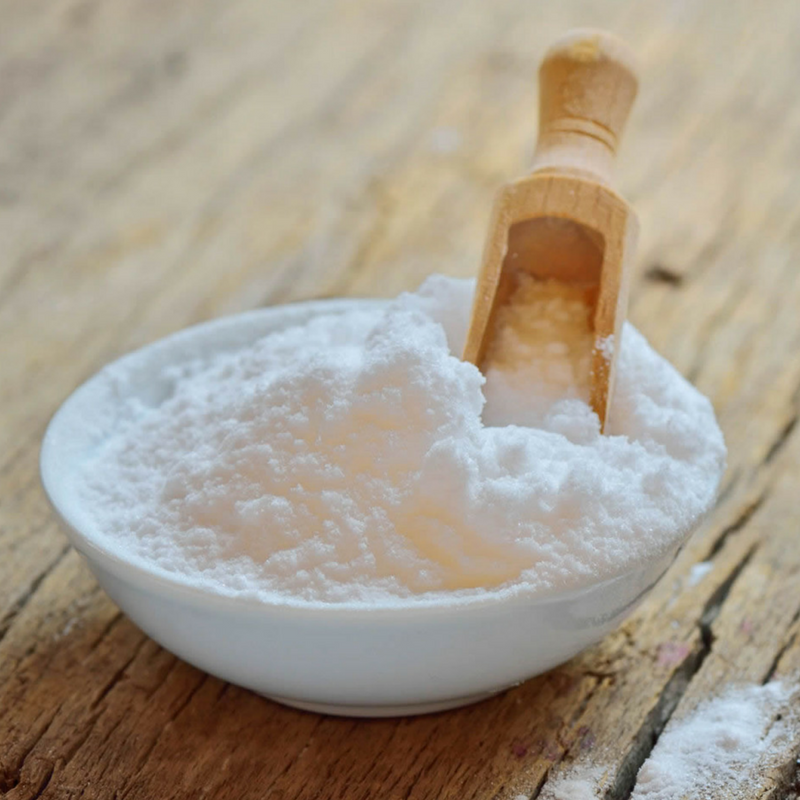
Ants breathe through small pores called spiracles on their exoskeletons. A sprinkle of baby powder or baking soda is all it takes to clog these openings, effectively suffocating the insects. Baking soda has a double-action effect; if an ant ingests it, a chemical reaction inside its body will prove fatal.
How To Use Baking Soda/Baby Powder
First, apply baby powder or baking soda directly where you see high concentrations of ants. This includes on and around anthills, inside nests, and along their invisible scent trails.
Next, create a protective barrier. Sprinkle a line of baby powder or baking soda around your outdoor living spaces and any potential entry points to your home. While ants might cross the line, they won’t get very far before the powder takes effect.
For a more proactive approach, create an ant bait by mixing powdered sugar and baking soda in equal parts. The sugar attracts the ants, who will eat the mixture and carry it back to their nest for the rest of the colony to share. This method is incredibly effective because the bait is distributed throughout the entire colony, ensuring a widespread takedown. While baby powder is safe to use anywhere, be mindful that baking soda can dehydrate soil and grass. Both powders will need to be reapplied after watering your yard or after it rains, as they wash away easily.
2. Diatomaceous Earth (DE)
Diatomaceous earth is a fine powder made from the microscopic fossils of tiny aquatic organisms called diatoms. While these particles are too small to affect humans, they are a powerful natural weapon against ants. The sharp edges of DE particles slice through an ant’s exoskeleton, causing it to dehydrate and die. The major drawback is that DE becomes ineffective when wet, so you’ll need to reapply it often in outdoor areas. It can also cause irritation if it gets in your eyes, so wearing safety goggles and a dust mask is a smart move.
How To Use Diatomaceous Earth (DE)
You can find food-grade diatomaceous earth at a local garden supply store. Be sure to avoid the industrial-grade version. Spread this powder over ant trails, on anthills, and in any other spots where you’ve noticed ants congregating.
To stop ants from making their way onto your property, sprinkle DE around your driveway, patios, and other high-traffic zones. Create a barrier of diatomaceous powder around all potential entry points to your house, like windows, doors, and vents. If you’ve spotted ants near your sink or in the pantry, applying DE there will help exterminate them. Remember to reapply the powder after it rains or after you’ve watered the yard, as moisture renders it useless.
3. Borax/Boric Acid

Borax is a naturally occurring mineral compound, while boric acid is its refined form. Both products are lethal to crawling insects like ants because they disrupt their digestive systems once ingested. However, borax and boric acid come with a few warnings. They are toxic to both humans and pets if consumed or inhaled and can also be harmful to your plants. Direct contact can irritate the skin, so it is essential to wear protective gloves and eyewear when handling these substances.
How To Use Borax/Boric Acid
To create a potent ant bait, mix borax or boric acid with a food that ants find irresistible. You can make several types of bait, using liquid foods like syrup or solid foods like sugar, to see what they prefer.
Place these baits in various locations where you’ve seen ant activity, both indoors and outdoors. Good spots include the middle of an ant trail, near an anthill, or close to a food source they’ve discovered. When you see ants gathering around the bait, resist the urge to get rid of them. Let them carry the poisoned food back to their colony, where it will be shared with and eliminate many more ants.
4. Boiling Water
This might be the simplest method of all for getting rid of ants. The intense heat of boiling water kills them instantly. Any ants that manage to survive the initial pour will likely abandon the nest because the hot water destroys their home. Use extreme caution with this method, as boiling water can cause severe burns. It can also damage your grass and soil, creating a soggy, bare patch in your yard. Another potential issue is that the water may cool down before it reaches the queen ant, who is typically hidden deep within the nest.
How To Use Boiling Water To Kill Ants
Bring a large pot of water to a rolling boil. Carefully take it outside and use a rake to clear away the top of the ant mound, exposing the nest’s entrance. Slowly and deliberately pour the boiling water directly into the opening. Try to get as much water as possible into the hole rather than just soaking the surrounding ground. Check back after a few days to see if the colony has been eliminated. If not, repeat the process.
5. Garden Hose Water
You can also use a simple garden hose to take care of ants living underground. The goal is to completely flood their nest with water, which will eventually drown them. Keep in mind that some ants can survive underwater for up to 24 hours, so you may need to soak the colony several times to finish the job. Be careful not to oversaturate the area in one go, as this can suffocate your grass and leave a muddy, unattractive spot on your lawn.
How To Use Garden Hose Water
First, rake away the surface of the anthill to expose the nest underneath. Then, take your garden hose and direct a steady stream of water into the nest’s opening. Let the water run for about 30 minutes. After the time is up, check the nest to see if the ant colony has been wiped out. If you still see living ants, you’ll need to repeat the process.
6. Soapy Water
Soapy water is another effective and natural way to get rid of ants in your yard. The soap works by breaking down the ants’ cell membranes and destroying the protective waxy layer on their bodies, which causes them to dehydrate and die. For an even more potent solution, you can add oil, which will clog their breathing pores and suffocate them. Just be careful when using this mixture, as it can be harmful to your plants.
How To Use Soapy Water
In a spray bottle, mix one tablespoon of liquid dish soap for every quart of water. To make the solution more powerful, add a bit of olive oil or vegetable oil. Spray the soapy water directly on any ants you see outside the nest for an instant kill. Then, pour the rest of the mixture into the anthills to eliminate the ants inside. Soapy water has no lasting harmful effects, so you can continue to apply it as needed.
7. Artificial Sweeteners
Rounding out the list of natural ant-killing methods are artificial sweeteners. Products like Nutrasweet, Equal, and Splenda contain substances like aspartame or saccharin, which act as neurotoxins to ants. These sweeteners interfere with the ants’ brain cells, ultimately killing them.
How To Use Artificial Sweeteners
Create an enticing bait by mixing the sweetener with a tablespoon of apple juice or milk. Place this mixture in a shallow dish where ants can easily access it, such as near an anthill or along a known ant trail. For the best results, set out baits in several different spots. Let the ants come to the traps and carry the poison back to their nest to be shared with the rest of the colony.
Final Remarks
Getting rid of ants in your yard naturally doesn’t have to be a major challenge. With the seven methods outlined here, you have plenty of options to choose from. No matter which approach you decide to take, always be careful to protect yourself, your family, and the plants in your yard.