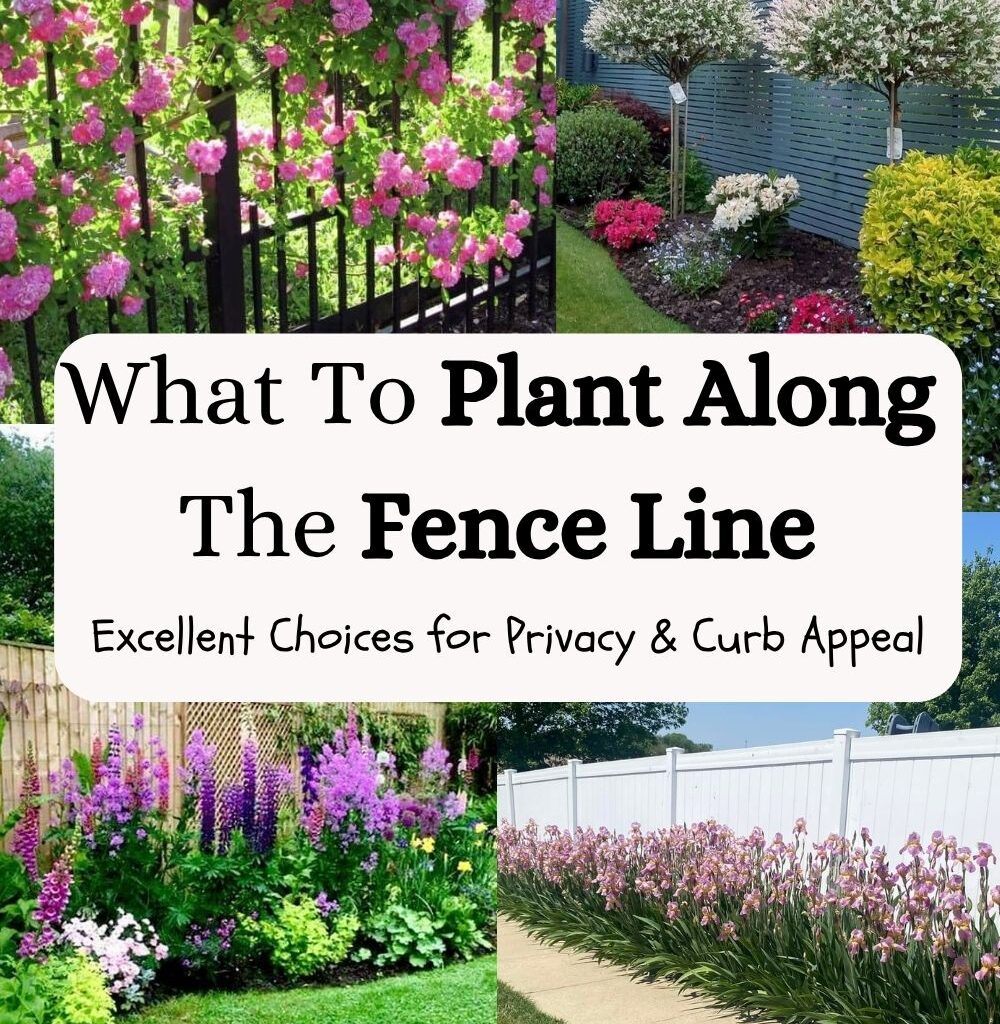
A fence line can be a lively mix of flowering climbers, fragrant vines, evergreen screens, and soft ornamental grasses instead of a plain boundary. Clematis and climbing roses bring dramatic blooms, while arborvitae, holly, ivy, hydrangea, and blueberry bushes add structure, texture, privacy, or seasonal interest in their own ways.
What To Plant Along The Fence Line: 16 Plants That Look Amazing Year-Round
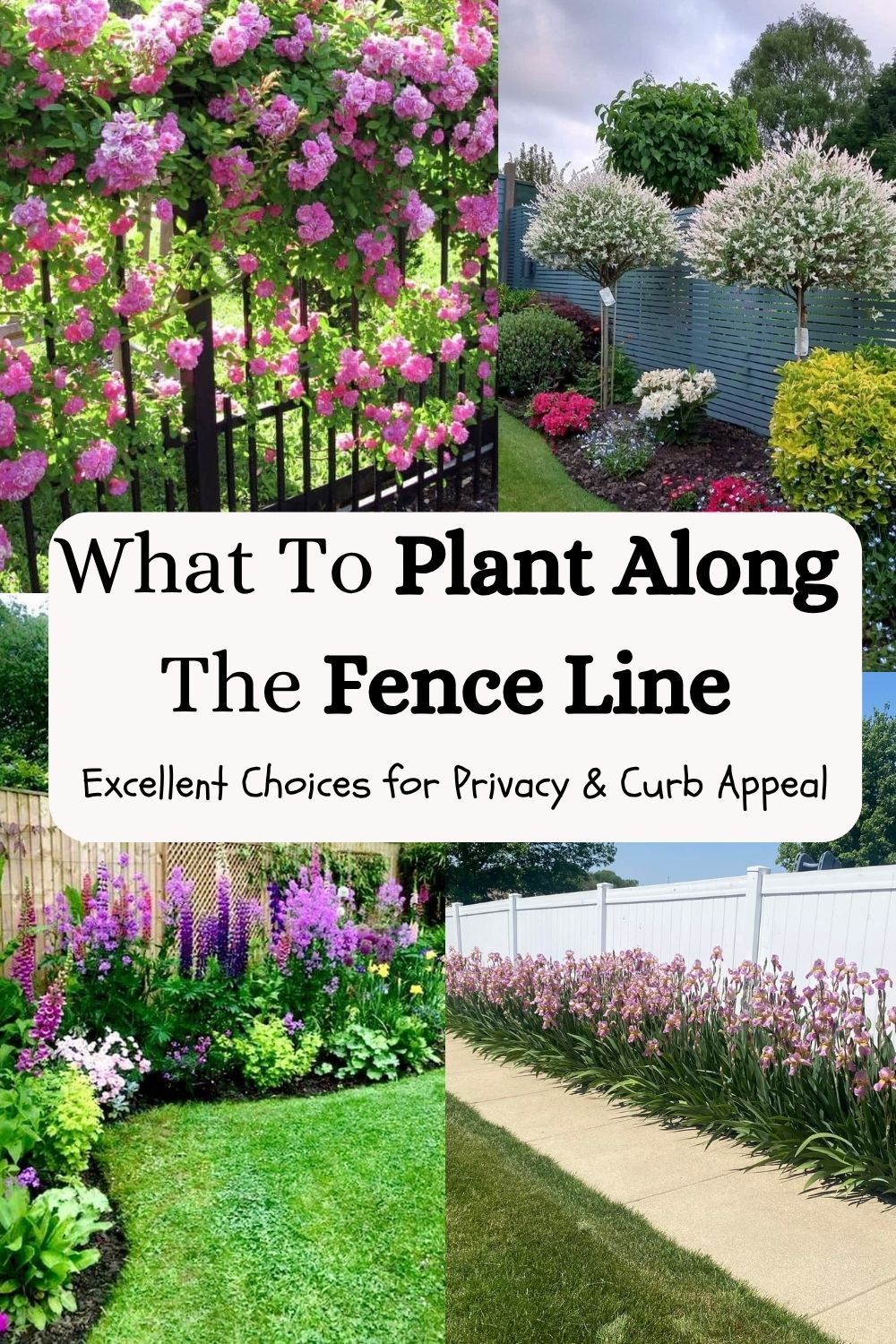
Here are some of the best plants you can use to liven up your fence line.
1. Clematis
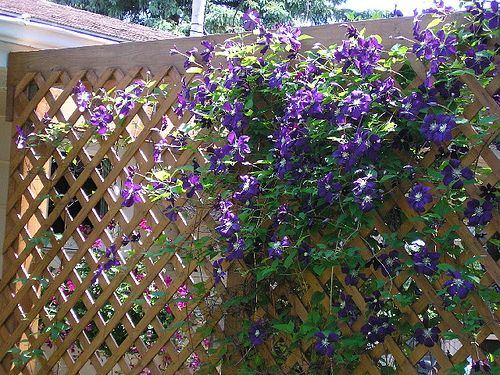
Clematis is a climbing vine celebrated for its breathtakingly large and colorful flowers. Beyond its stunning blooms, this plant adds a delightful green backdrop to any fence. With the right care, clematis can turn a plain fence into a true showstopper.
You will need to be patient, as this plant requires a year or two to fully establish itself before it produces a heavy flush of flowers.
To help it thrive, be sure to install a trellis, wireframe, or another type of support structure near the fence. This gives the vine something to grab onto as it climbs.
Hardiness zones: 4-8
2. Climbing Roses
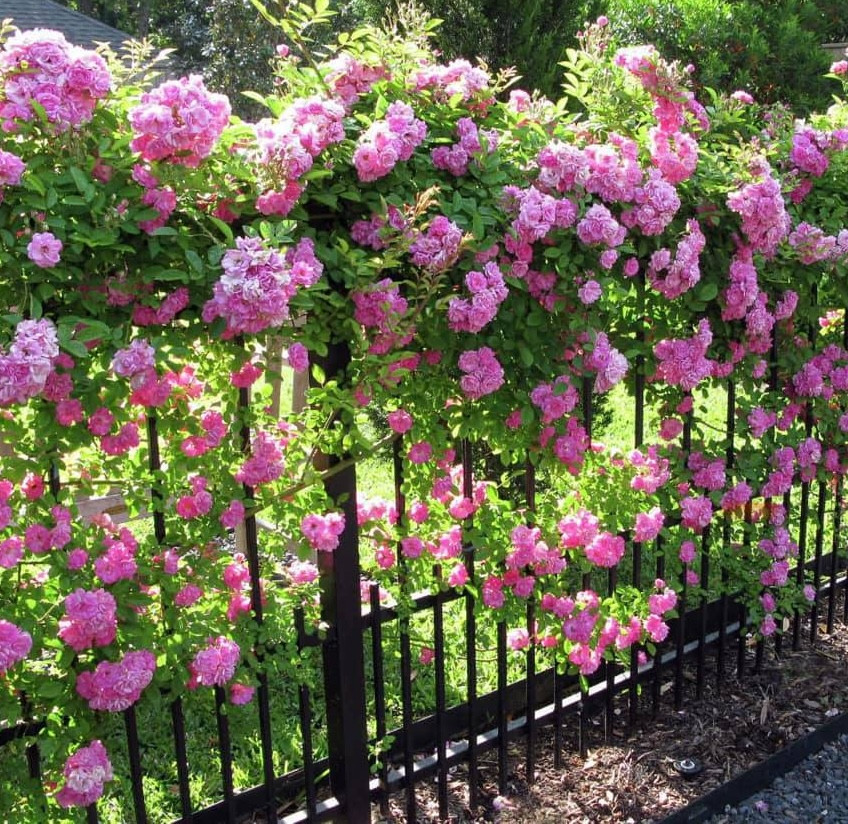
For a beautiful and romantic look, you can’t go wrong with climbing roses along your fence. Some of the most beloved varieties include Blaze, New Dawn, and Climbing Peace.
Whichever variety you choose, make sure to give your climbing roses a sturdy support system, like a trellis or an arbor. This provides stability and offers both vertical and horizontal support for the canes.
It takes a few years for climbing roses to mature and hit their full potential. The wait is well worth it, as they will reward you with an abundance of gorgeous blooms that bring charm and elegance to your garden fence.
Hardiness zones: 5-9
3. Foxglove
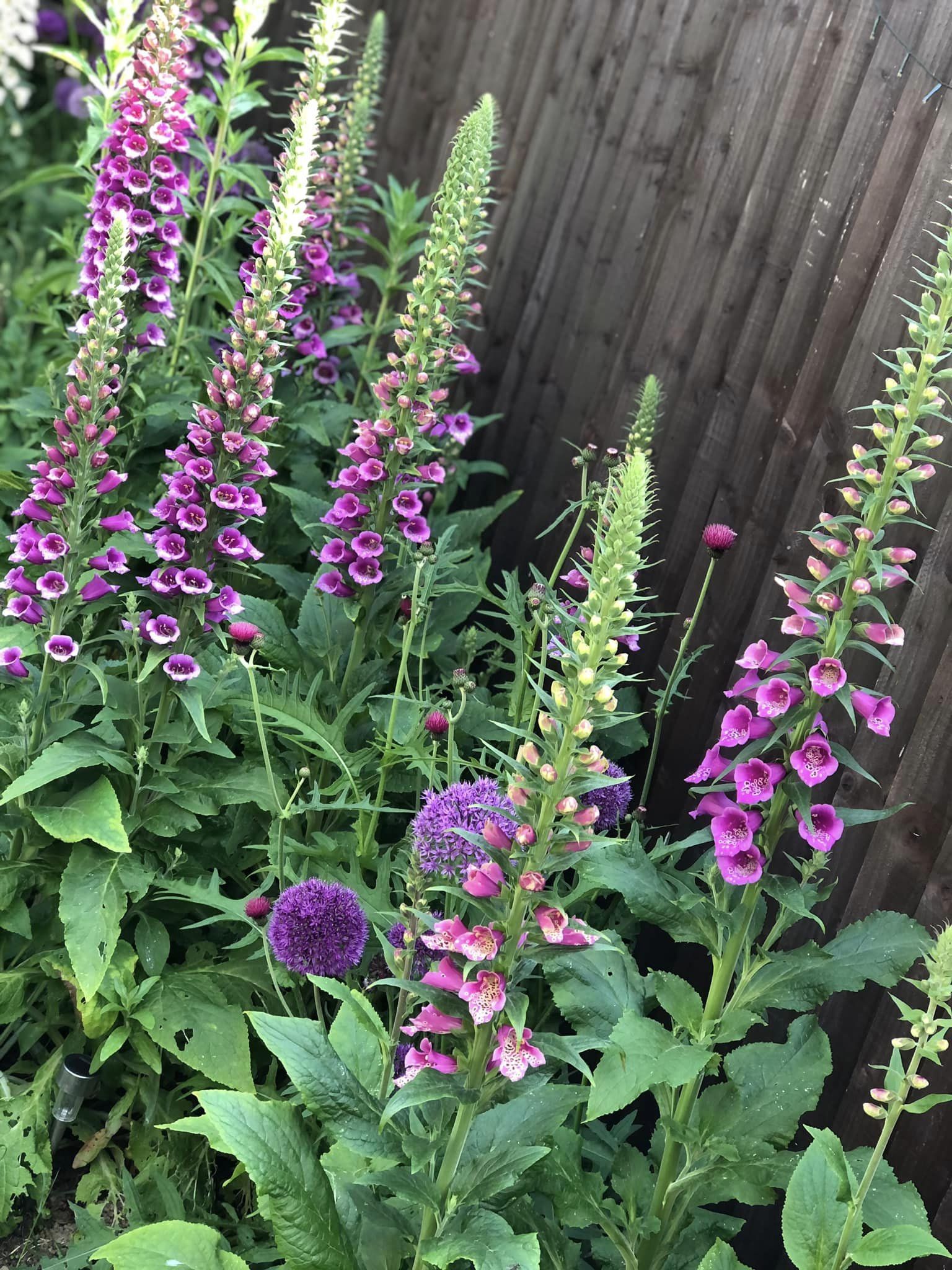
Foxglove, or Digitalis purpurea, is an outstanding selection for a fence line, blending aesthetic beauty with practical advantages. Its tall spires are covered in bell-shaped flowers in captivating shades of pink, purple, and white, turning a simple fence into an enchanting, vibrant border.
The plant’s impressive height adds vertical interest, which creates a striking visual backdrop while also contributing a measure of privacy. Foxglove is also a magnet for beneficial pollinators like bees, helping to create a healthy garden ecosystem. It’s known for being adaptable to various soil types and needs very little maintenance, making it a resilient and easy-care option for anyone wanting a charming, low-effort addition to their fence.
Hardiness zones: 4-9
4. Jasmine
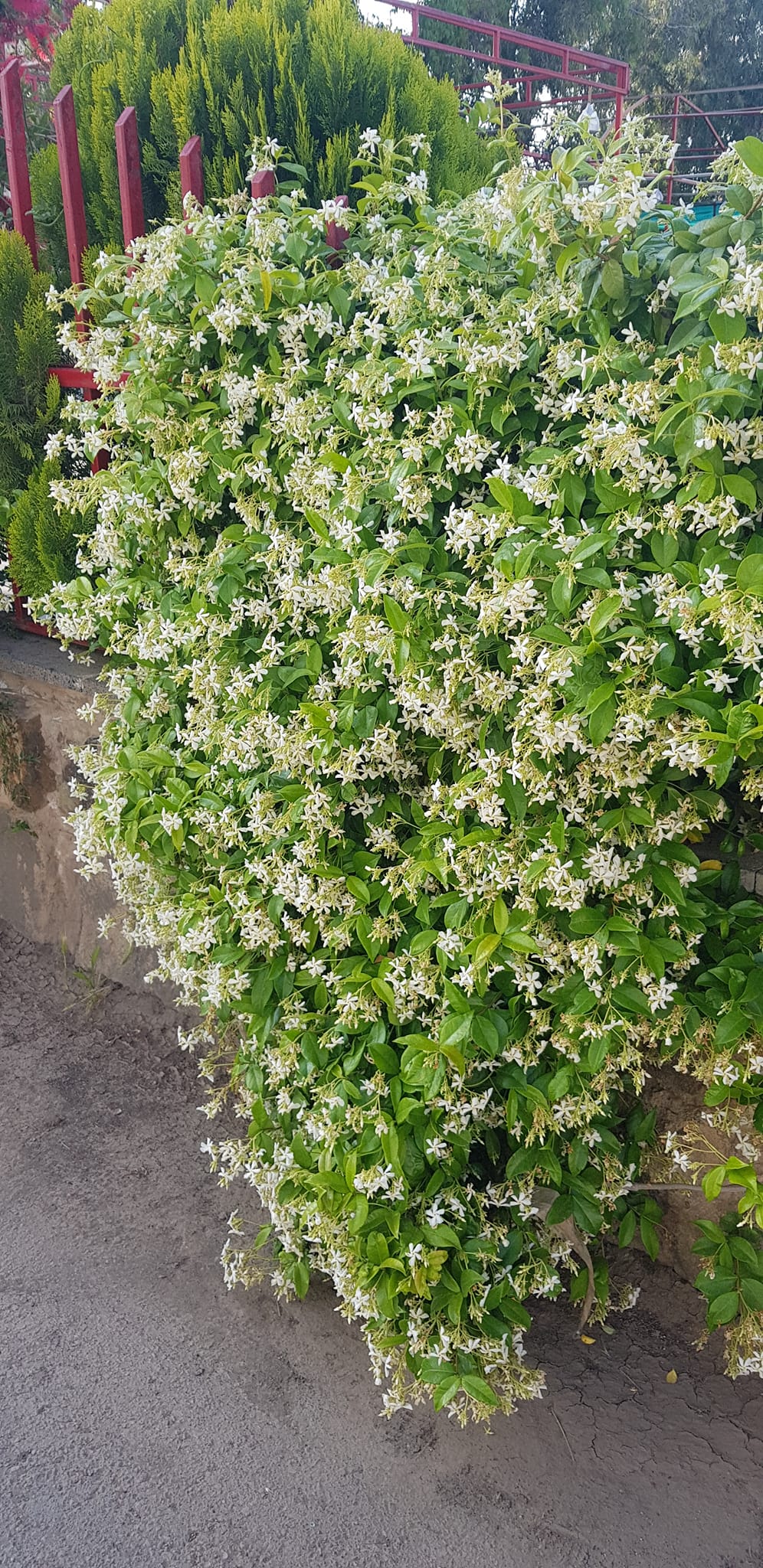
There are many excellent reasons to plant jasmine along a fence, from its lovely appearance to its practical benefits.
Jasmine’s fragrant flowers release a sweet, captivating aroma, particularly in the evening. This wonderful scent fills your outdoor area and greatly enhances the overall atmosphere.
The plant’s clusters of small, star-like white or yellow flowers and its glossy, dark green foliage will add beauty to your home. Jasmine also works as a natural fence cover, softening the hard edges of the structure with its lush, full growth.
Hardiness zones: 7-10
5. Bearded Irises
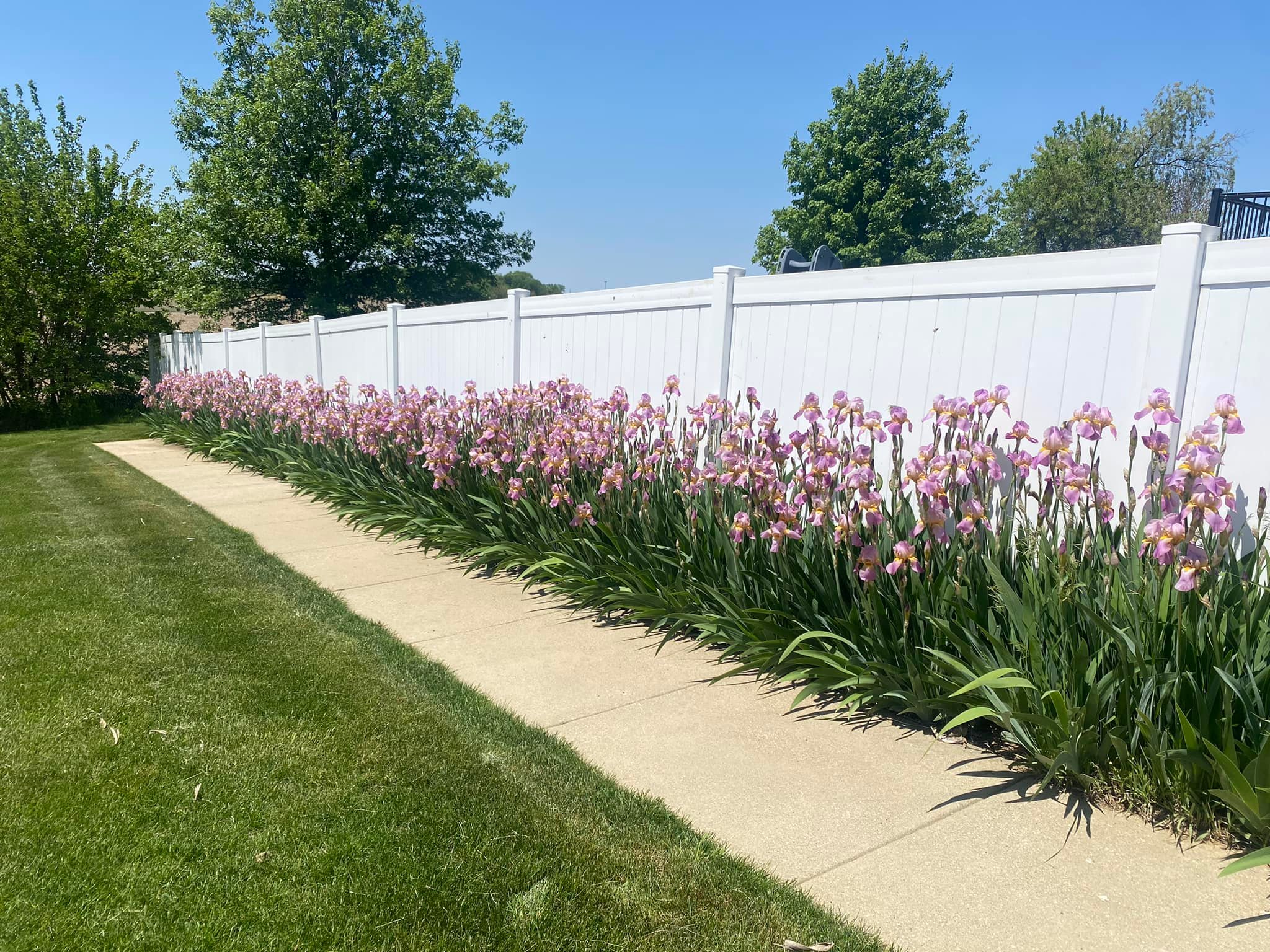
If your goal is to transform a plain fence into a stunning garden feature, bearded irises are an unbeatable choice. These tough perennials flourish in full sunlight with very little fuss. They don’t require complicated soil or constant watering, yet they’ll reward you with a spectacular burst of color each spring.
When planted along a fence, irises form a lush, natural border that looks both intentional and sophisticated. Their upright, sword-shaped leaves provide structure and greenery throughout the season. The blooms themselves, available in shades from soft lavender and pink to rich purple and bright yellow, create a fantastic display that continues for several weeks.
Planting irises in a large group creates a high-impact, cohesive design with minimal work. It’s a perfect way to turn an ordinary fence into a vibrant centerpiece of your garden.
5. Bearded Irises
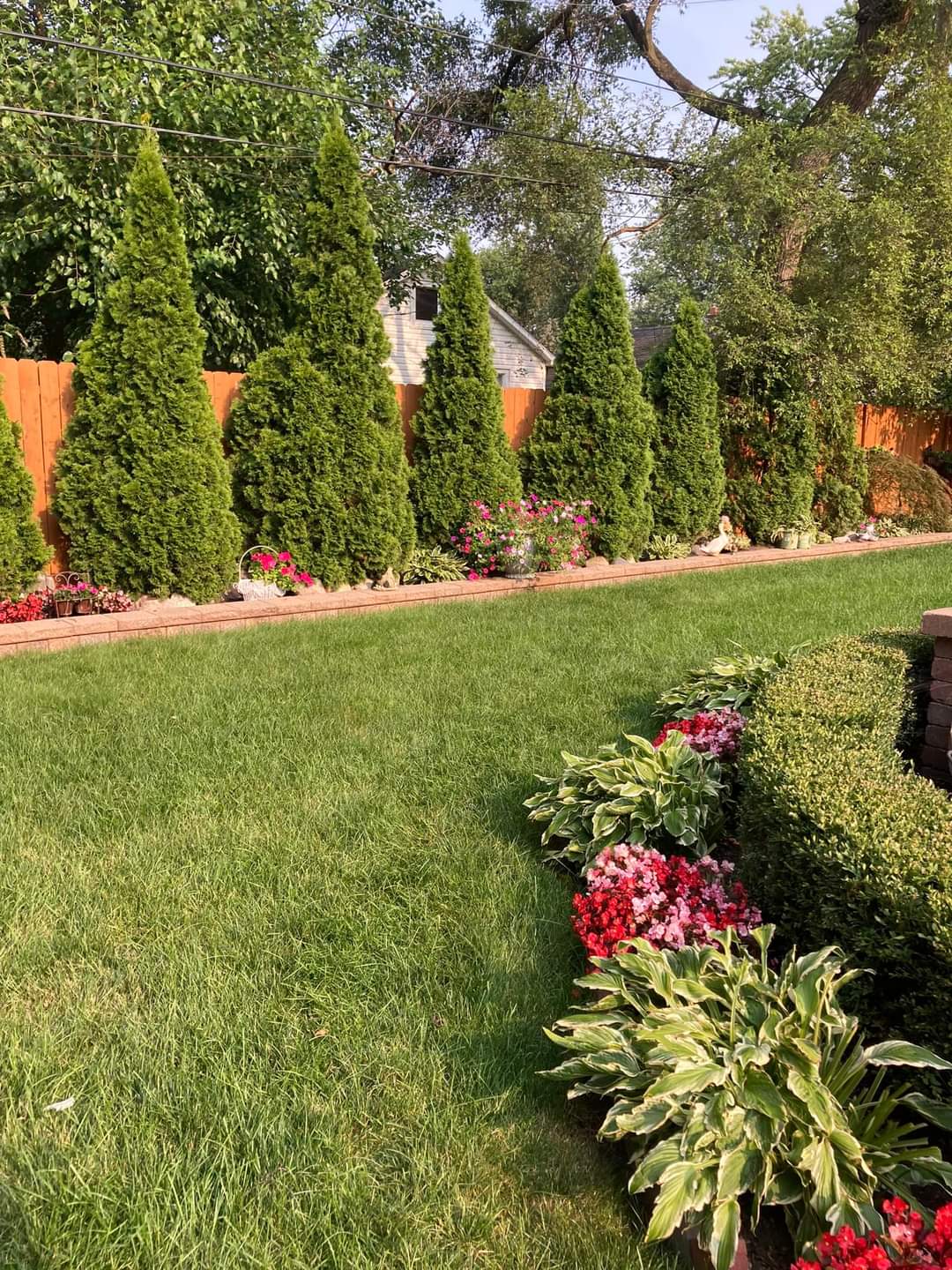
Arborvitae is one of the best choices for lining a fence, particularly varieties like Emerald Green. These evergreens deliver year-round privacy thanks to their dense, bright green foliage, which effectively screens out unwanted views and provides a lush backdrop for your yard.
Their naturally slender, upright growth habit is perfect for planting along fences without consuming too much space. Once they are established, they need very little pruning.
Arborvitae also boosts your home’s curb appeal, adding a touch of structure and elegance that nicely complements flowers, shrubs, and hardscaping. They are easy to grow in various climates and soil types, making them a durable, low-maintenance solution for creating beautiful property boundaries.
Hardiness zones: 3-8
7. Morning Glory
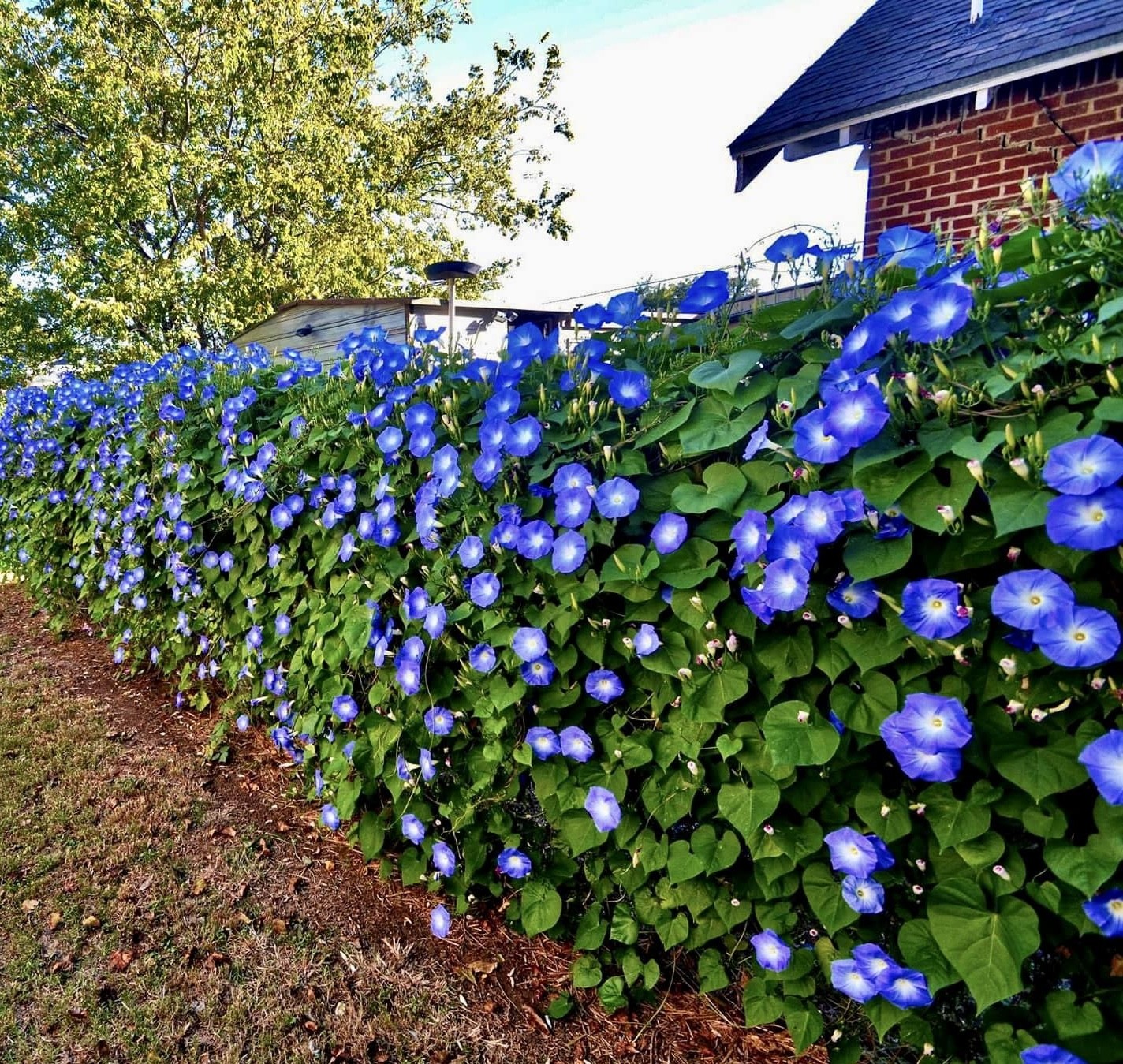
If you don’t want to wait years for your plants to mature, morning glory is an excellent, fast-growing option. This plant will quickly blanket your fence with colorful trumpet-shaped flowers in shades of white, pink, purple, or blue.
Morning glories produce a huge number of blooms throughout the growing season. This offers a continuous and beautiful display of flowers that adds a whimsical feel to your fence line.
Because morning glories are twining vines, they will naturally wrap around supports as they grow. Provide a structure to encourage them to climb upward and keep the vines off the ground.
Hardiness zones: 2-11
8. Panicle Hydrangea
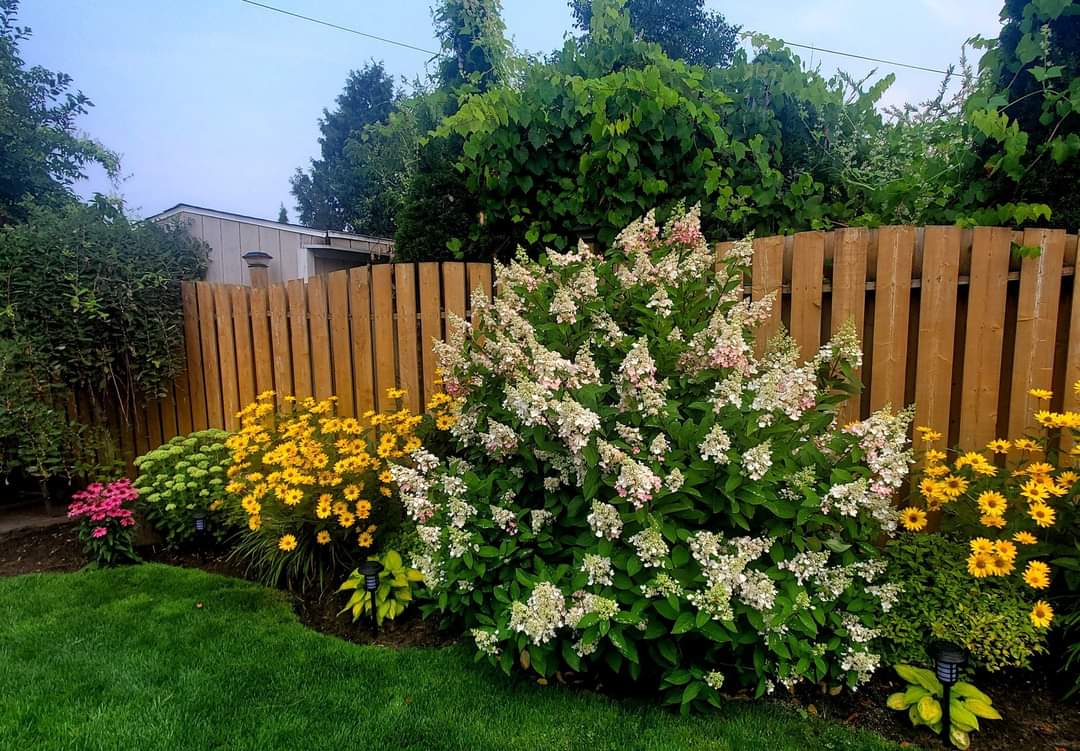
Panicle Hydrangea (Hydrangea paniculata) is a fantastic choice for planting along a fence. This versatile and hardy deciduous shrub is known for its large, cone-shaped flower clusters that appear in summer. The blooms gradually change color into the fall, providing visual interest across multiple seasons.
These hydrangeas are low-maintenance and can adapt to different soil conditions. They tolerate both full sun and partial shade, which makes them well-suited for a fence line where light conditions can change throughout the day.
With a moderate growth rate, panicle hydrangeas can grow to be 8 to 15 feet tall, creating a dense and attractive border. Their bushy, upright form adds privacy and serves as a beautiful backdrop for your garden.
Additionally, Panicle Hydrangeas are quite resistant to pests and diseases, making them a dependable and beautiful choice for your fence line landscaping.
Hardiness zones: 3-8
9. Holly
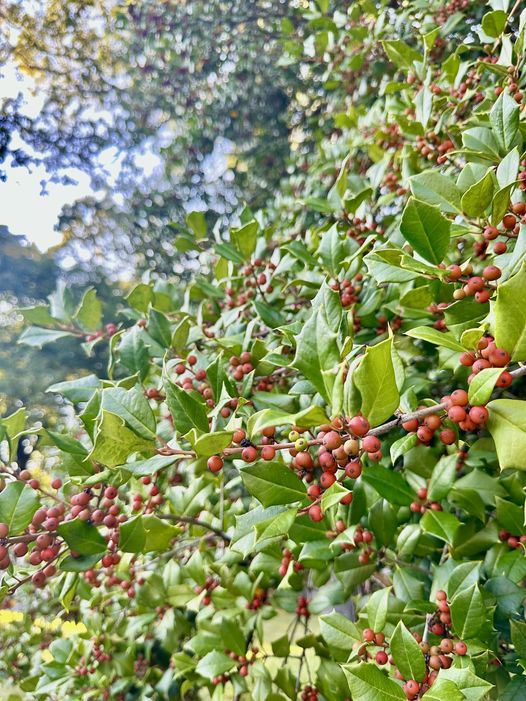
Planting holly along your fence can provide a lovely evergreen backdrop for your yard. But that’s not all it offers. The plant provides year-round interest and a festive charm, especially with its iconic red berries that appear in the winter.
Hollies are a great way to break up the visual monotony of a solid fence. When you are choosing a holly variety, consider its mature size, foliage type, and berry production.
If you want those classic holly berries, you’ll need to plant both female and male holly plants. As an alternative, you can select a self-pollinating variety that produces berries without needing a separate male plant.
Hardiness zones: 5-9.
10. Mexican Feather Grass and Perennials
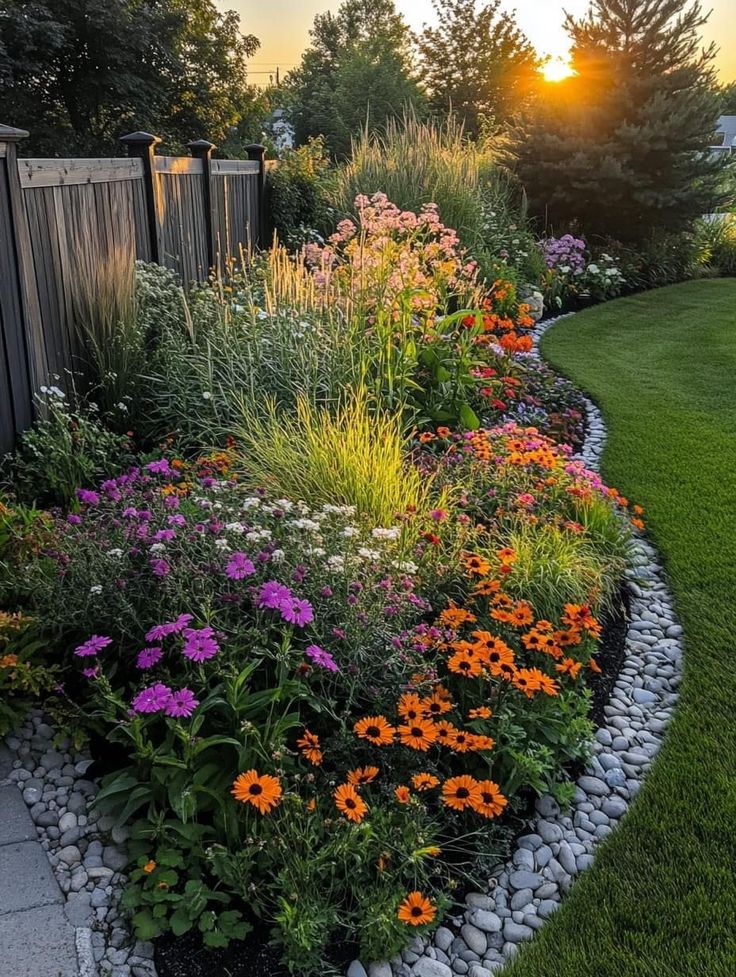
Ornamental grasses might not be the first thing that comes to mind for a fence line planting, but nothing compares to them when it comes to adding texture to a landscape. Let the graceful look of Mexican feather grass bring a dazzling effect to your home.
You’ll appreciate its fine-textured, delicate foliage, which looks like a soft cascade of feathery plumes that sway gently along your fence. While it won’t create a solid barrier, this low-maintenance ornamental grass can offer some screening by partially obscuring the view with its elegant, wispy fronds.
This grass provides year-round interest. Its foliage is green during the growing season, and its tan-colored plumes remain attractive well into the winter.
Hardiness zones: 5-10
11. Ivy
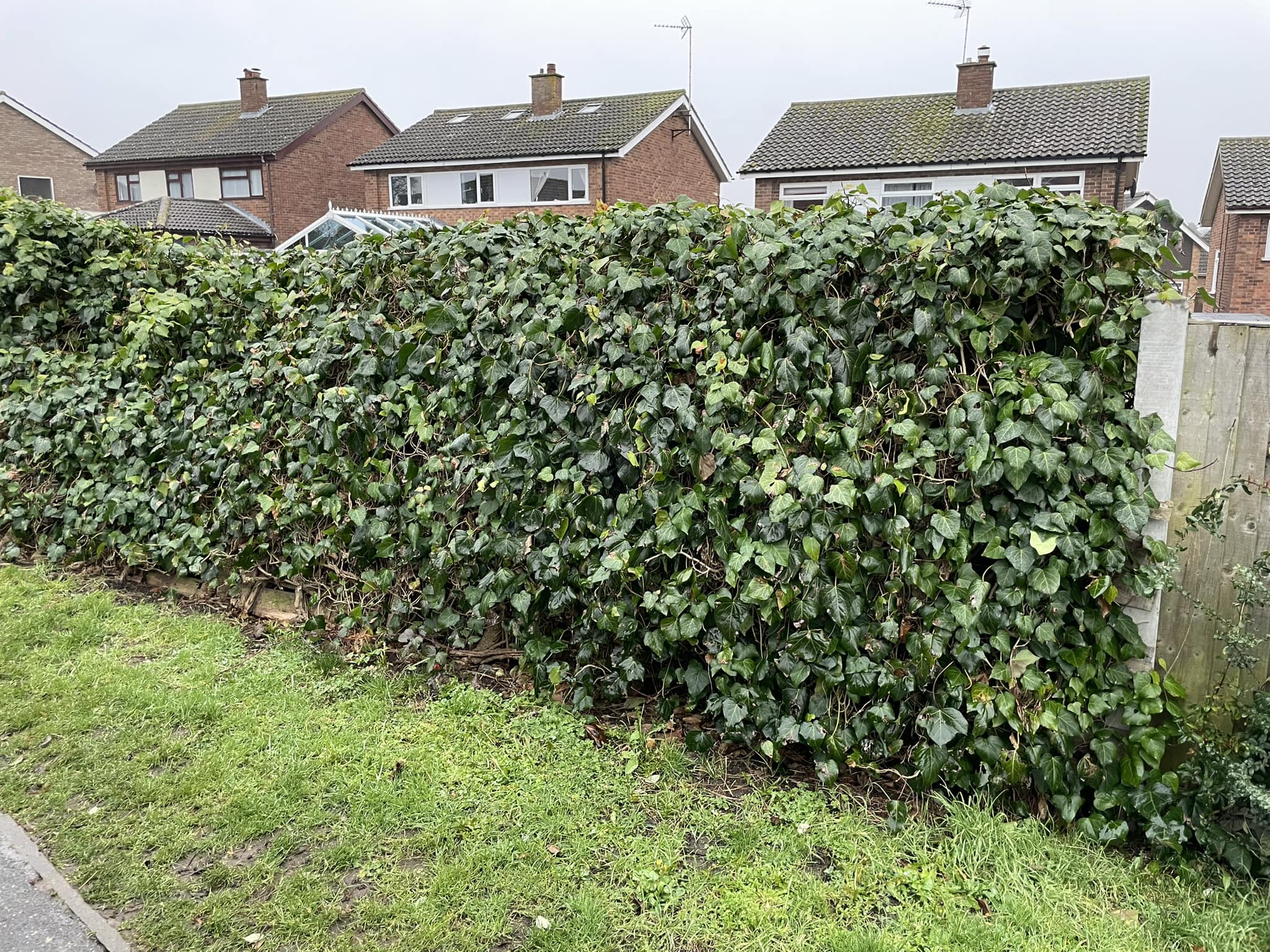
Soften the hard lines of your fence and bring a touch of natural beauty to your property with this timeless climbing plant. Ivy may be a classic choice, but its lush green foliage and trailing vines create a classic and visually appealing look.
Beyond making your landscape feel more welcoming and organic, ivy can serve as an effective natural screen. If you train it to grow densely over your fence, it will create a living barrier that protects you from the prying eyes of neighbors and people passing by.
Hardiness zones: 4-13
12. Cherry Laurel
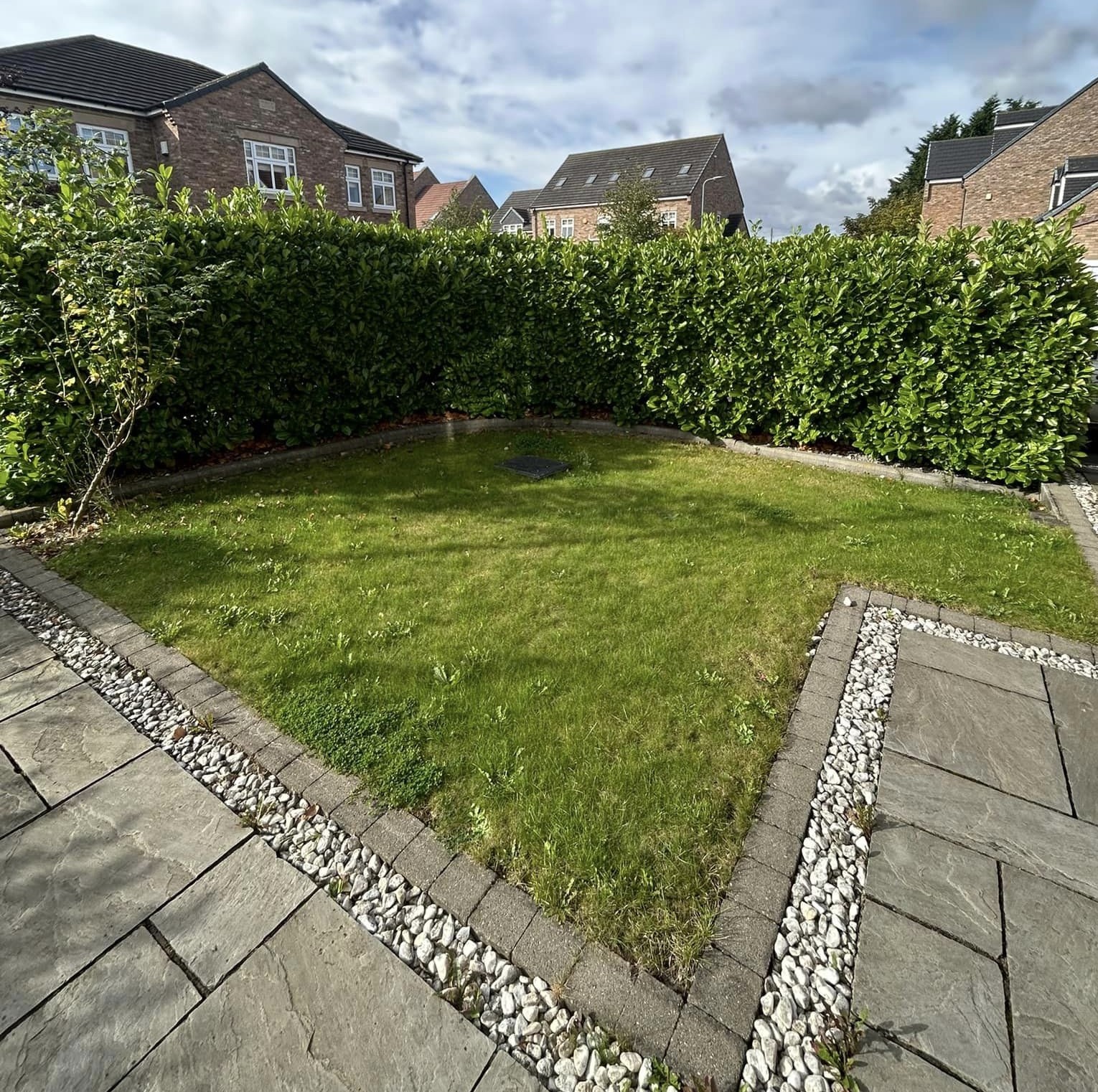
Here is another excellent plant for creating an effective privacy screen, shielding your yard from the view of neighbors or anyone passing by.
Keep in mind that this low-maintenance shrub can be toxic if eaten, so it’s best to avoid it if you have pets or small children. Additionally, it is considered an invasive plant in some regions.
Cherry laurel keeps its green foliage all year long. This ensures your fence line will remain attractive and provide privacy even during the winter months.
The glossy, dark green leaves of the cherry laurel provide a lush and appealing backdrop for your entire landscape.
Hardiness zones: 4-9
13. Curtain Creeper
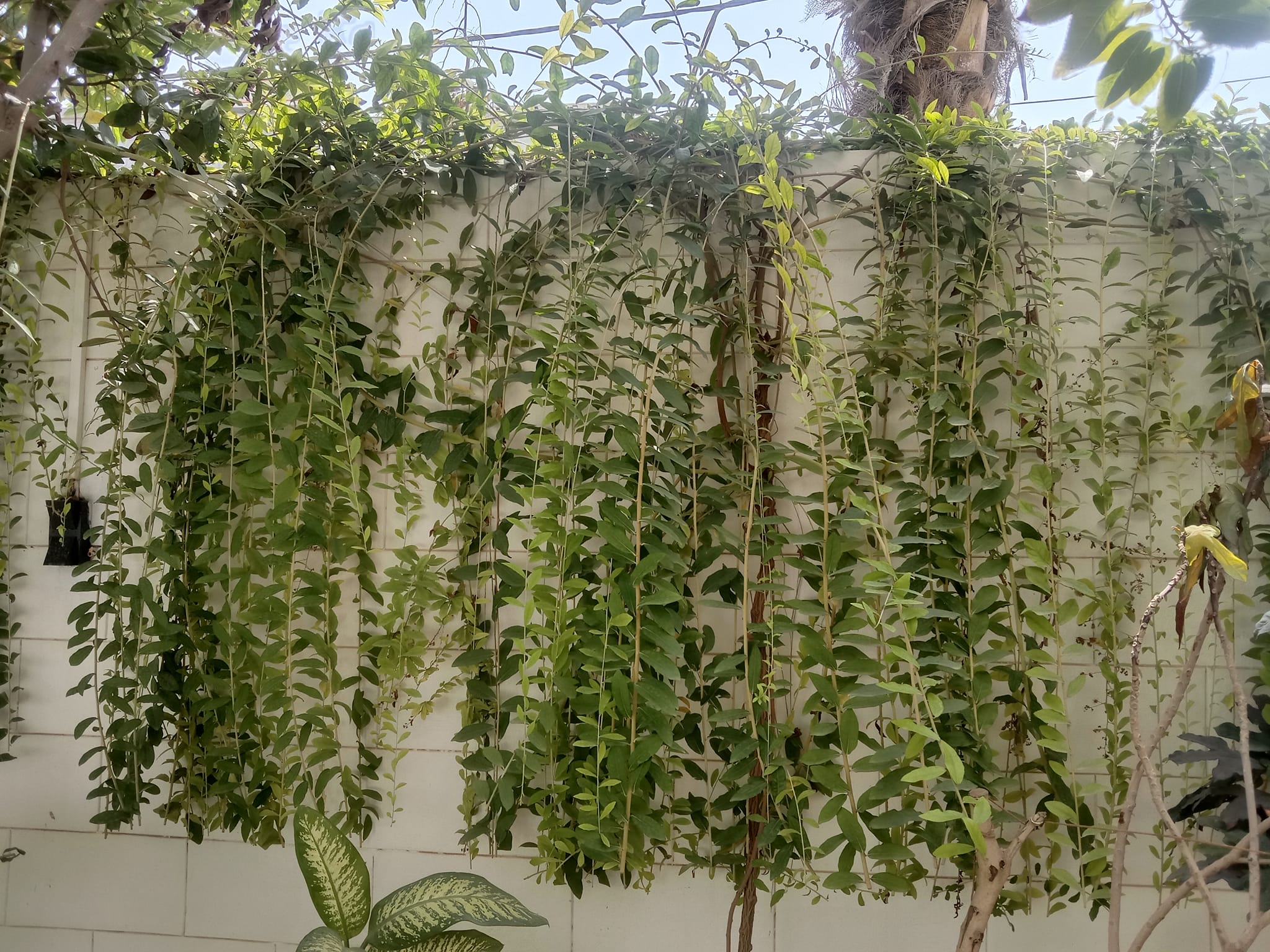
The most attractive features of this plant are its cascading growth habit and its vibrant flowers. When a curtain creeper is allowed to cover a fence, it produces a stunning, natural curtain-like effect that is especially beautiful when it’s in bloom.
It can also partially block views from the outside, creating a more private and secluded feeling in your outdoor living space. You can easily train a curtain creeper to climb fences, walls, or a trellis.
You should be aware, however, that this plant can grow aggressively and is considered invasive in some areas. It also offers only limited privacy.
Hardiness zones: 9 and above
14. Azalea
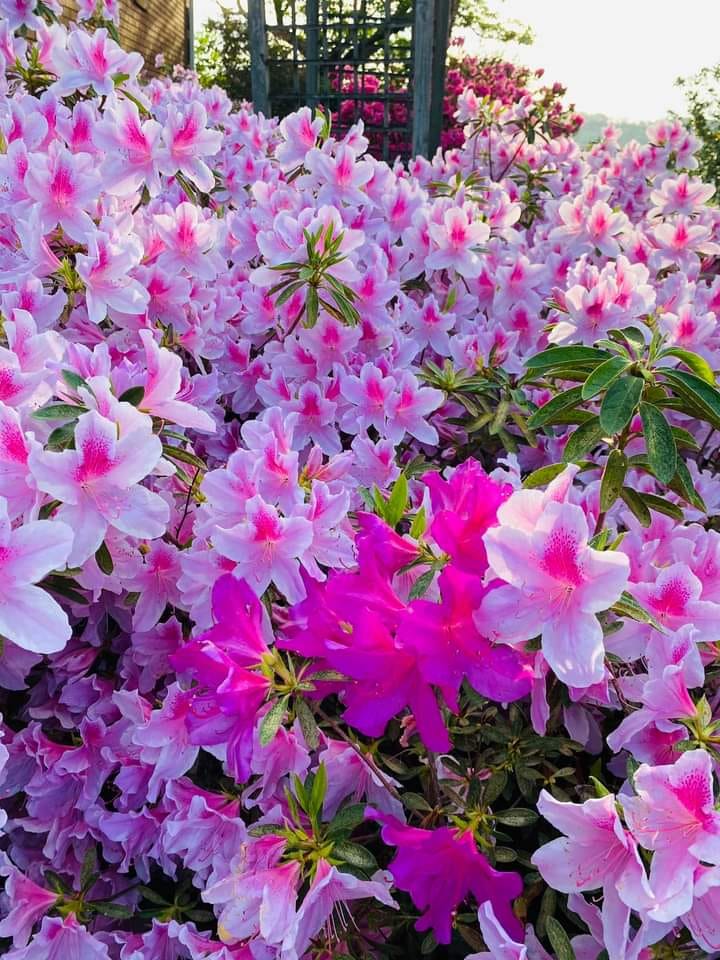
The vibrant and showy flowers of the azalea will create a stunning display in your landscape each spring. You can find them in purple, white, red, or pink, adding a burst of color to your yard. The lush foliage and beautiful flowers will soften the look of any fence.
Azaleas are available in a wide variety of sizes, which allows you to pick the perfect ones to suit your space and style. Some varieties are compact, while others can grow quite tall.
Additionally, azaleas can be either deciduous or evergreen. You can choose deciduous types for their beautiful fall foliage colors or go with evergreen varieties to provide year-round interest and appeal along your fence.
Hardiness zones: 6-9
15. Bougainvillea
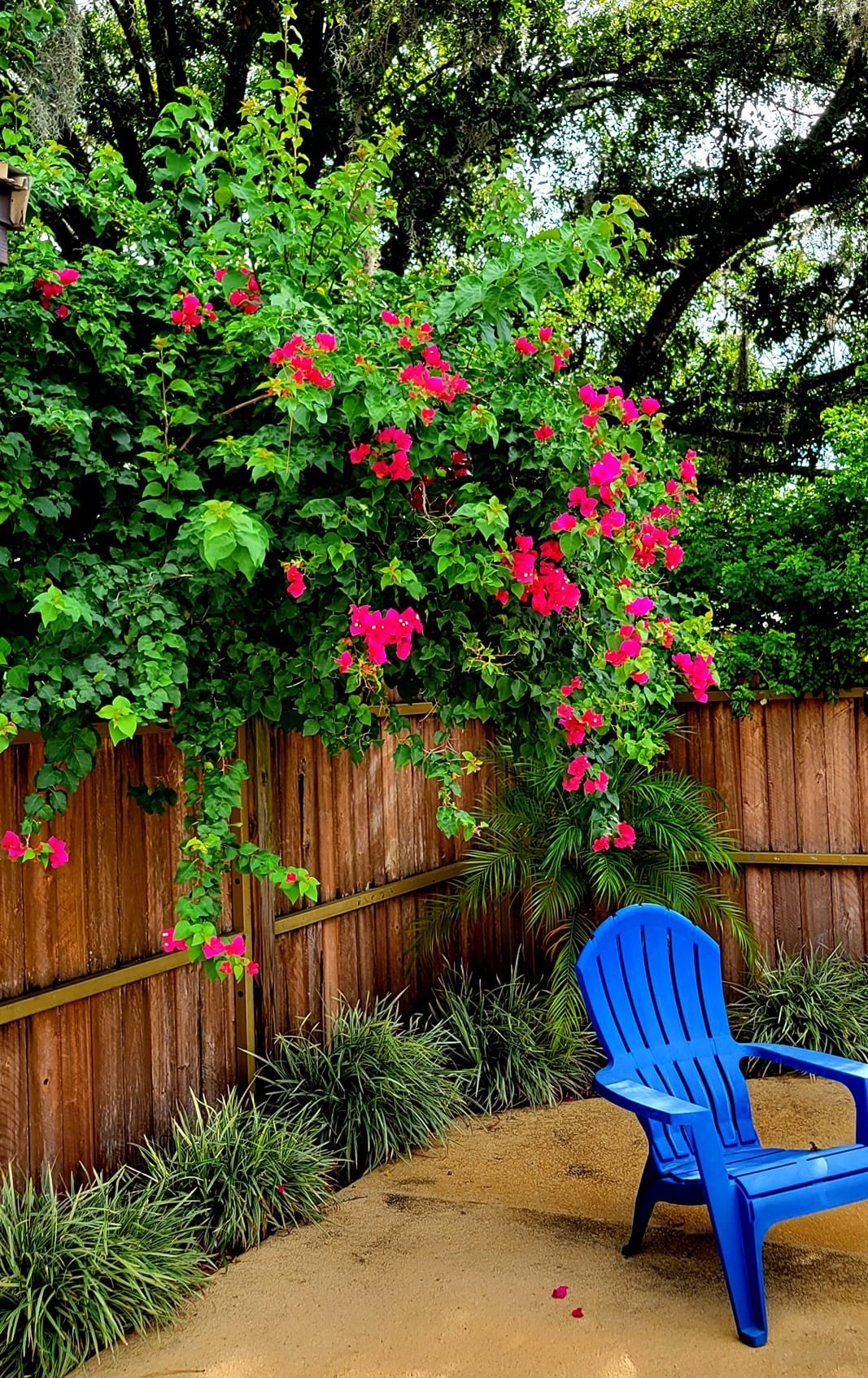
Adorn your fence with the vibrant and eye-catching bracts of bougainvillea. These colorful bracts, which are actually modified leaves, surround the plant’s small, less conspicuous flowers. They come in a stunning range of colors, including red, pink, orange, purple, and white.
You can train it to grow along fences, walls, or trellises, or grow it as a standalone shrub. Its climbing and sprawling growth allows you to shape it to fit your preferences and the space you have.
This plant is an ideal choice if you live in an area with limited rainfall or water restrictions, as it is drought-tolerant and thrives with less watering.
If you prefer not to deal with thorns, especially with kids or pets around, you can choose one of the available thornless bougainvillea varieties.
Hardiness zones: 9 and above
16. Blueberry Bushes
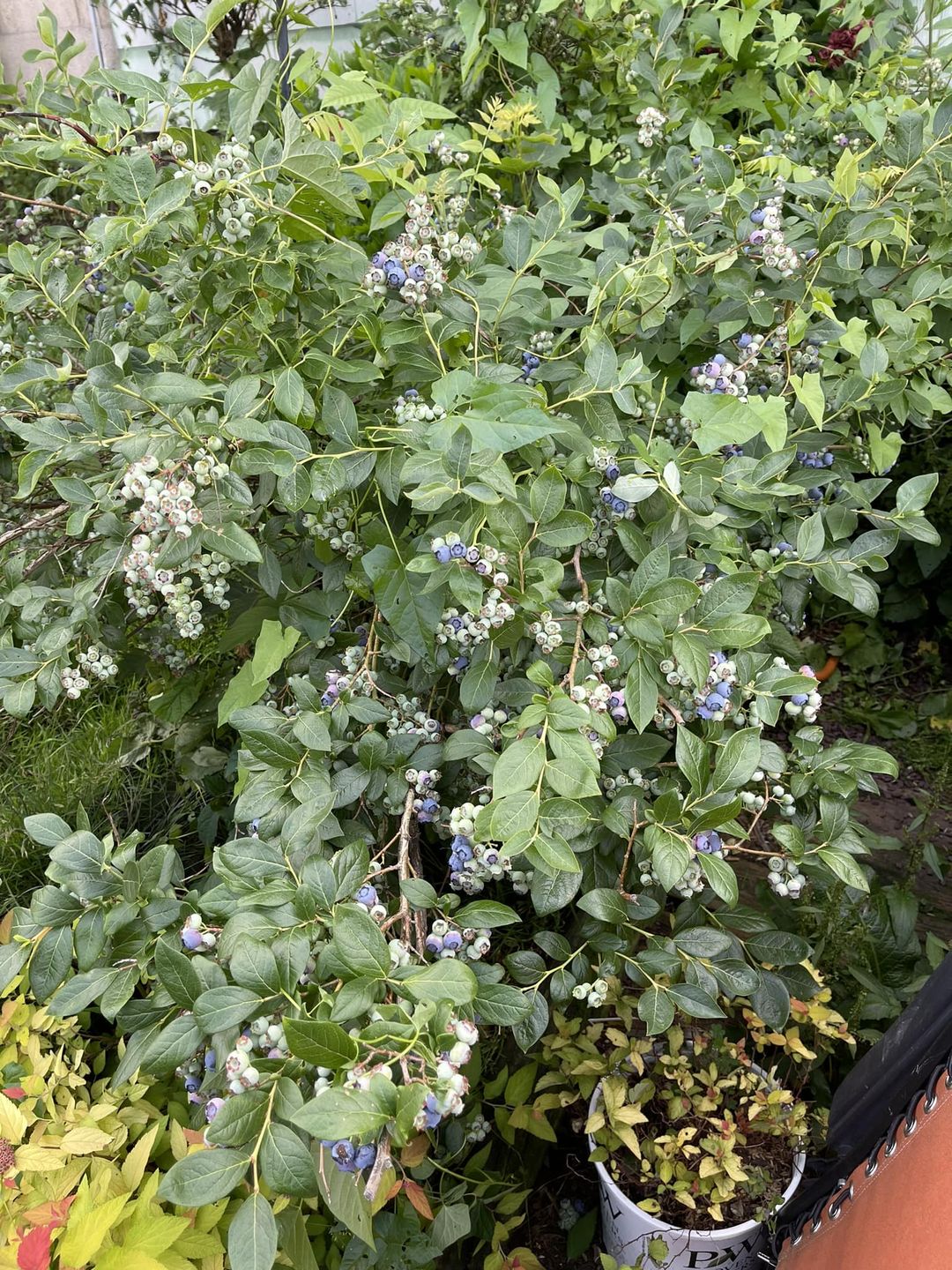
You can greatly enhance the look of your landscape by planting blueberry bushes along your fence. In the spring, they produce delicate, attractive pink or white flowers. Later in the year, their foliage turns a vibrant color in the fall.
Their neat growth habit and compact size will spruce up your property. Best of all, you get to harvest delicious and healthy berries that you can eat fresh or use in all sorts of recipes, like pies, muffins, jams, and smoothies.
Blueberry bushes offer visual interest all year round, from their changing leaf colors in the fall and attractive bark in the winter to their delicious fruit during the summer.
Hardiness zones: 3-9.
Conclusion
By planting the right combination of plants along your fence, you can elevate a simple boundary into a lively and functional element of your garden. A thoughtful selection of trees, shrubs, vines, and perennials can create a beautiful and useful space that offers privacy, welcomes wildlife, and boosts the overall charm of your outdoor area.