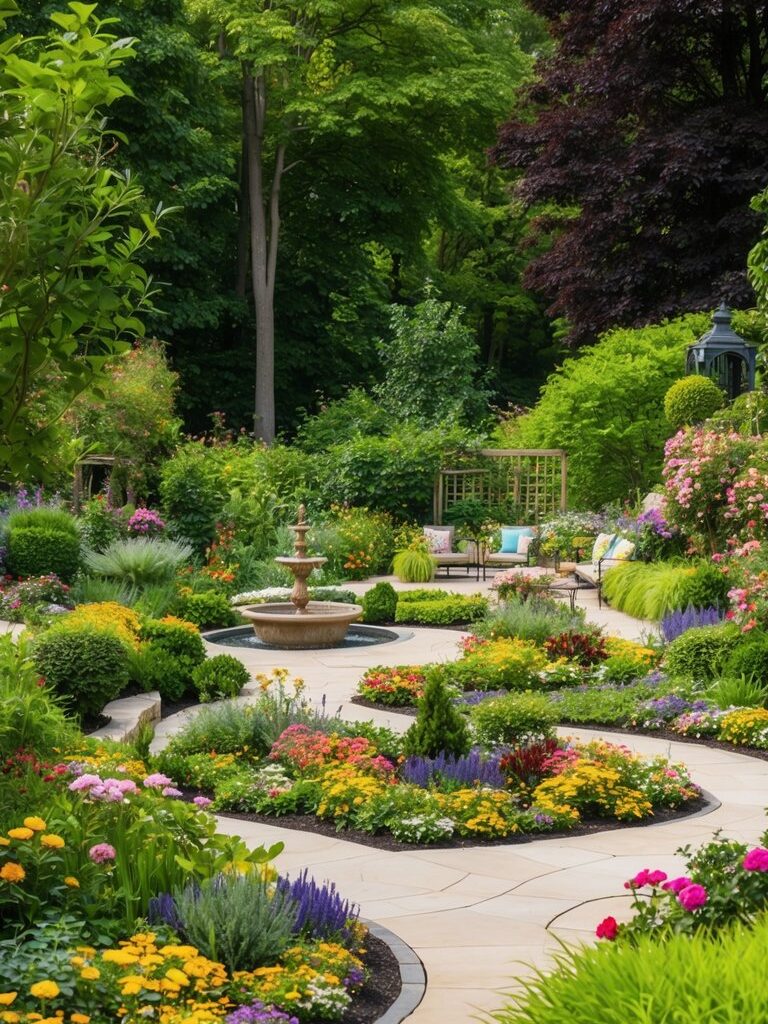
Gardening is a fantastic way to breathe new life into your yard and get you spending more time in the sun. It doesn’t matter if your space is a sprawling plot or a tiny balcony, there are countless ways to make it your own. These 25 garden ideas are here to spark your creativity, helping you craft an outdoor space that’s both stunning and a total joy to be in.
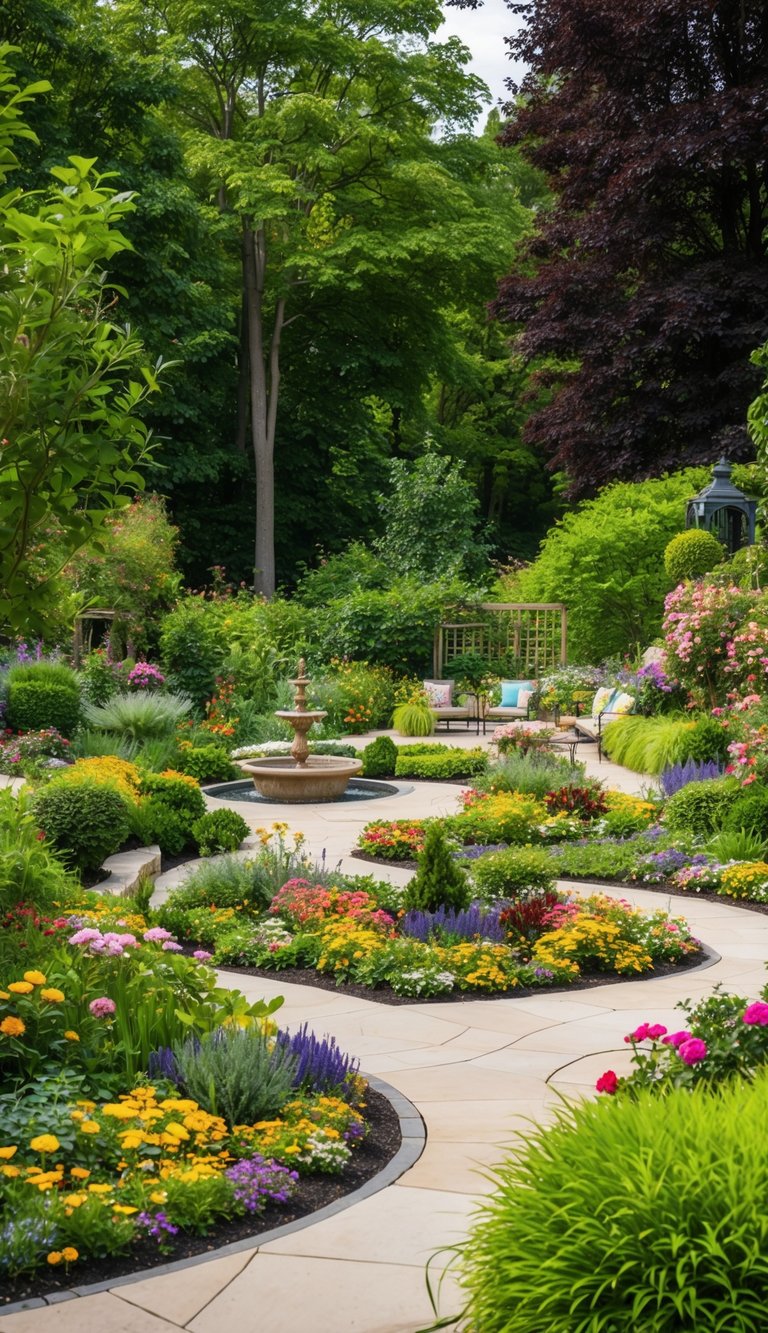
1. Build raised garden beds for better soil control
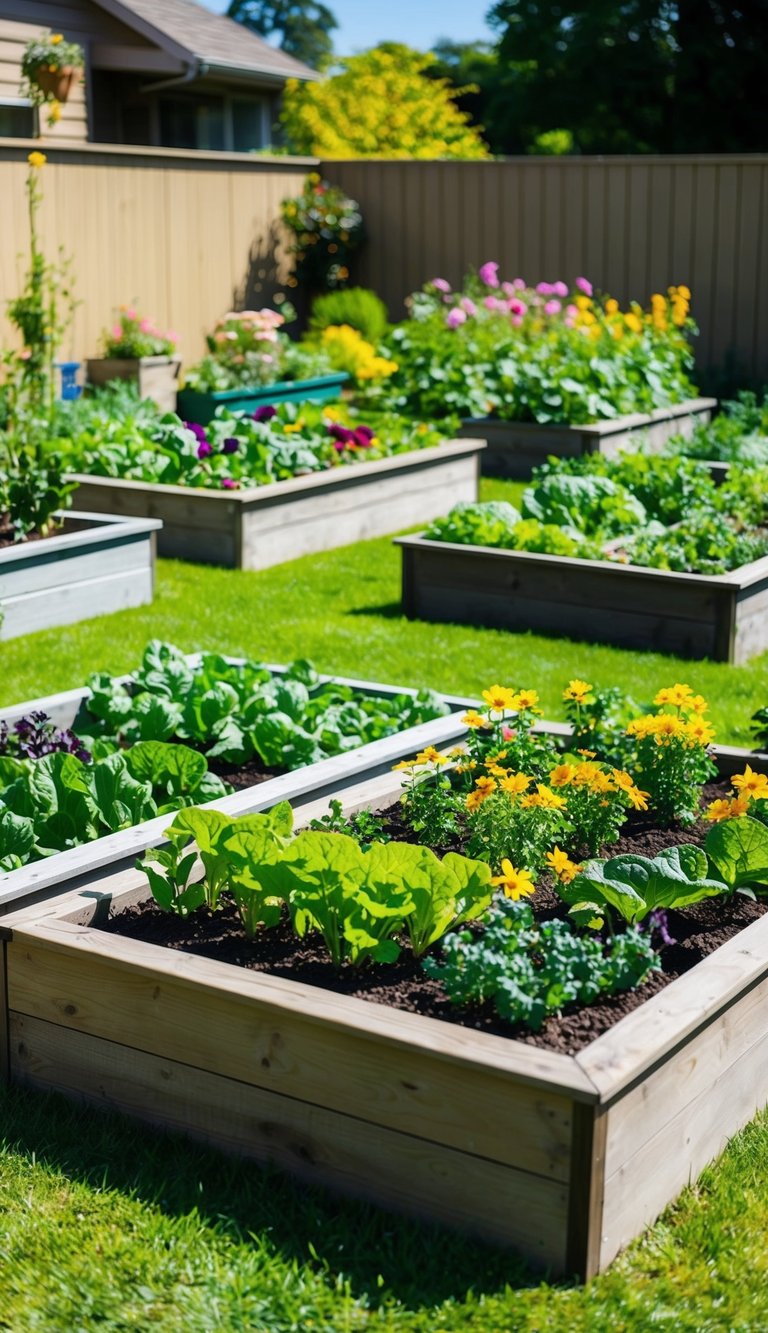
Raised garden beds give you total command over your soil. You can load them up with the perfect soil blend for whatever you’re growing, which means no more struggling with poor drainage or compacted earth. They are also much better at keeping weeds at bay compared to ground-level plots. Plus, working in a raised bed is a whole lot kinder to your back and knees. For a safe and durable build, use untreated wood or bricks and remember to mix in compost regularly to keep the soil packed with nutrients.
2. Plant a vertical garden with hanging planters
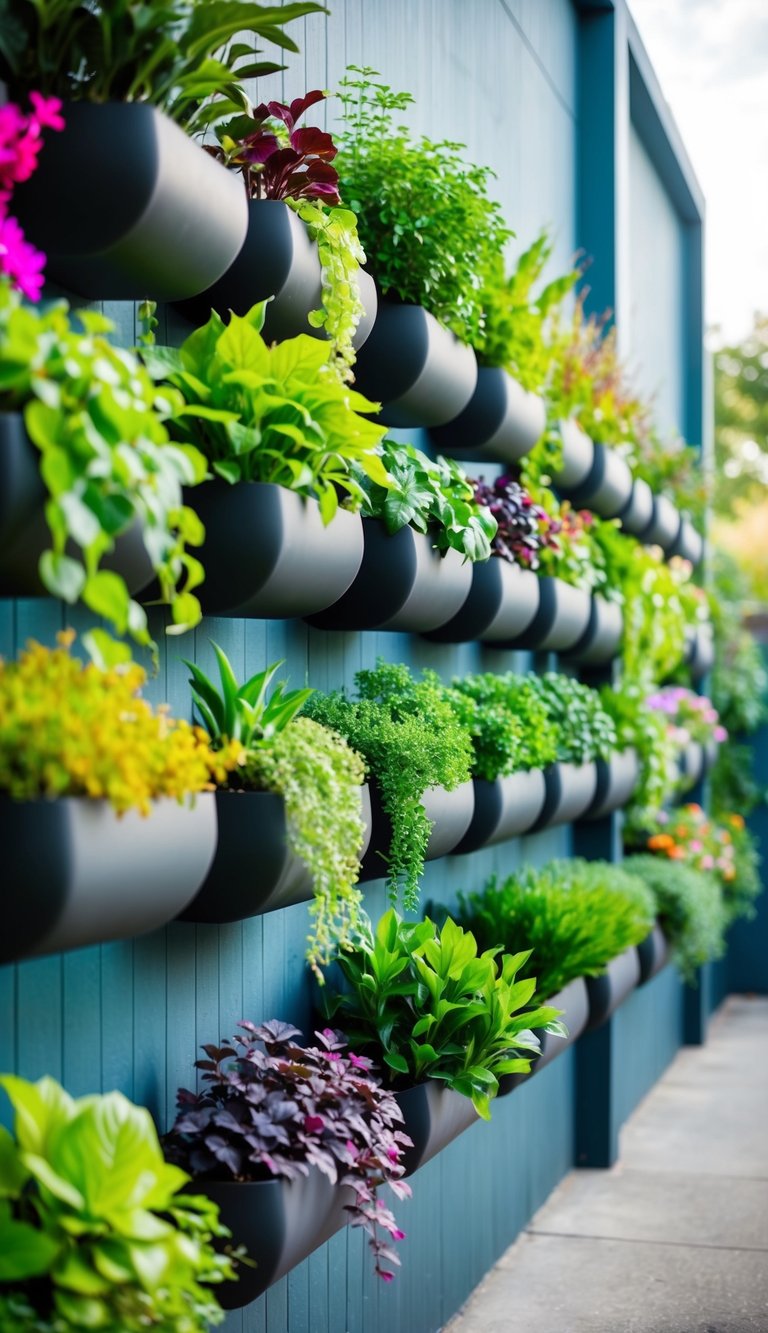
Save a ton of space by taking your garden vertical with hanging planters on a wall or fence. Use a grid wall or sturdy hooks to make sure your plants are secure. For a dynamic, lively display, mix up the sizes and types of plants you use. This approach is a game-changer for both indoor and outdoor areas where you’re short on ground space. To keep your supports from getting overstressed, stick with lightweight pots, and water with care to avoid any messy drips on the floor below.
3. Create a garden buffet for pollinators with colorful blooms
To keep pollinators fed all season long, plant a wide mix of flowers that bloom at different times. Bright colors like blue, yellow, and purple are especially good for attracting bees and butterflies. Using native plants is a great way to support your local wildlife. A variety of flower shapes and sizes will appeal to different kinds of pollinators. Make sure to skip the pesticides to maintain a safe haven for them. For best results, arrange your flowers in clusters, which makes it easier for pollinators to spot their next meal, and include some flat-topped flowers so bees have an easy place to land.
4. Use terra-cotta pots for a classic look
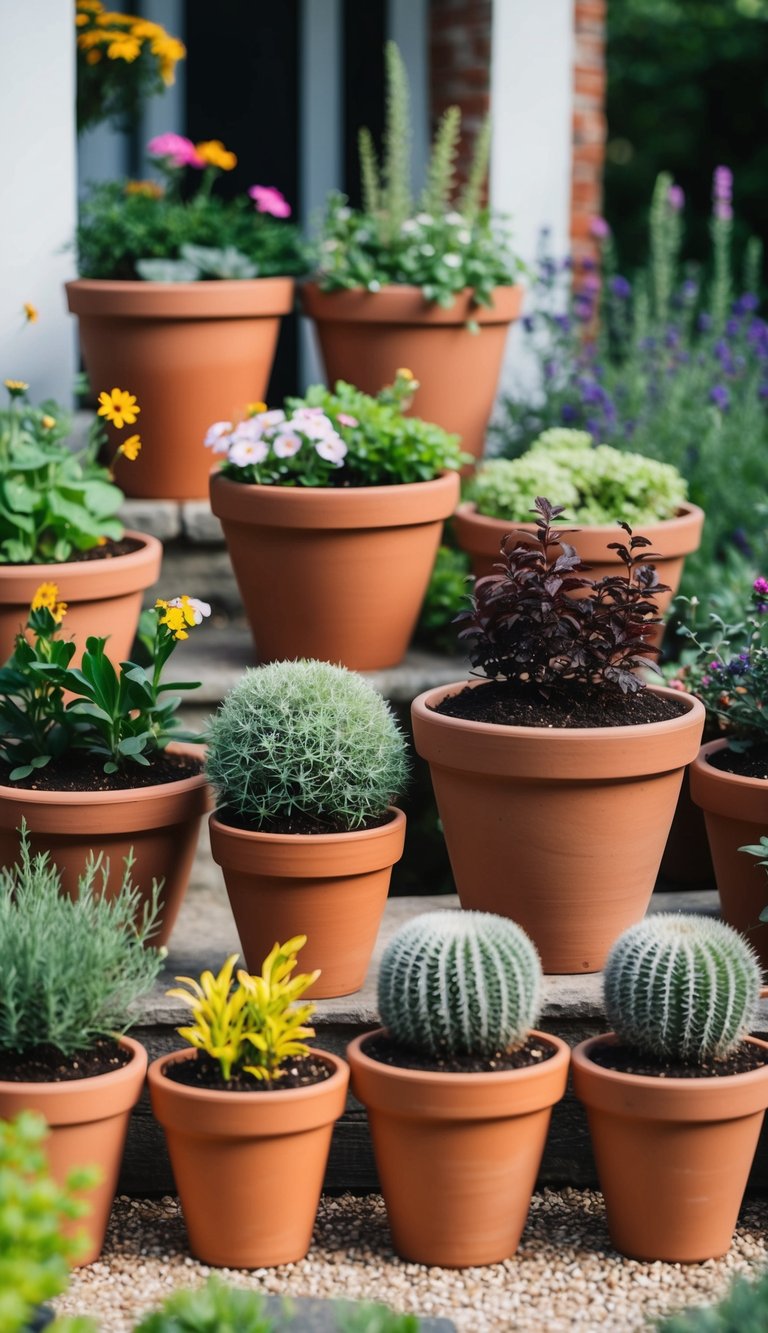
Terra-cotta pots bring a timeless, classic charm to any garden setting. Because they’re porous, they promote excellent airflow and drainage, which helps plants like herbs and succulents thrive. You can easily give them a vintage, aged look with a simple mix of garden lime and water. Grouping or stacking these pots creates an effortlessly elegant display. Mix up the pot sizes to create more visual interest, and always be mindful when watering to prevent cracks from forming during colder weather.
5. Add an arched trellis for climbing plants
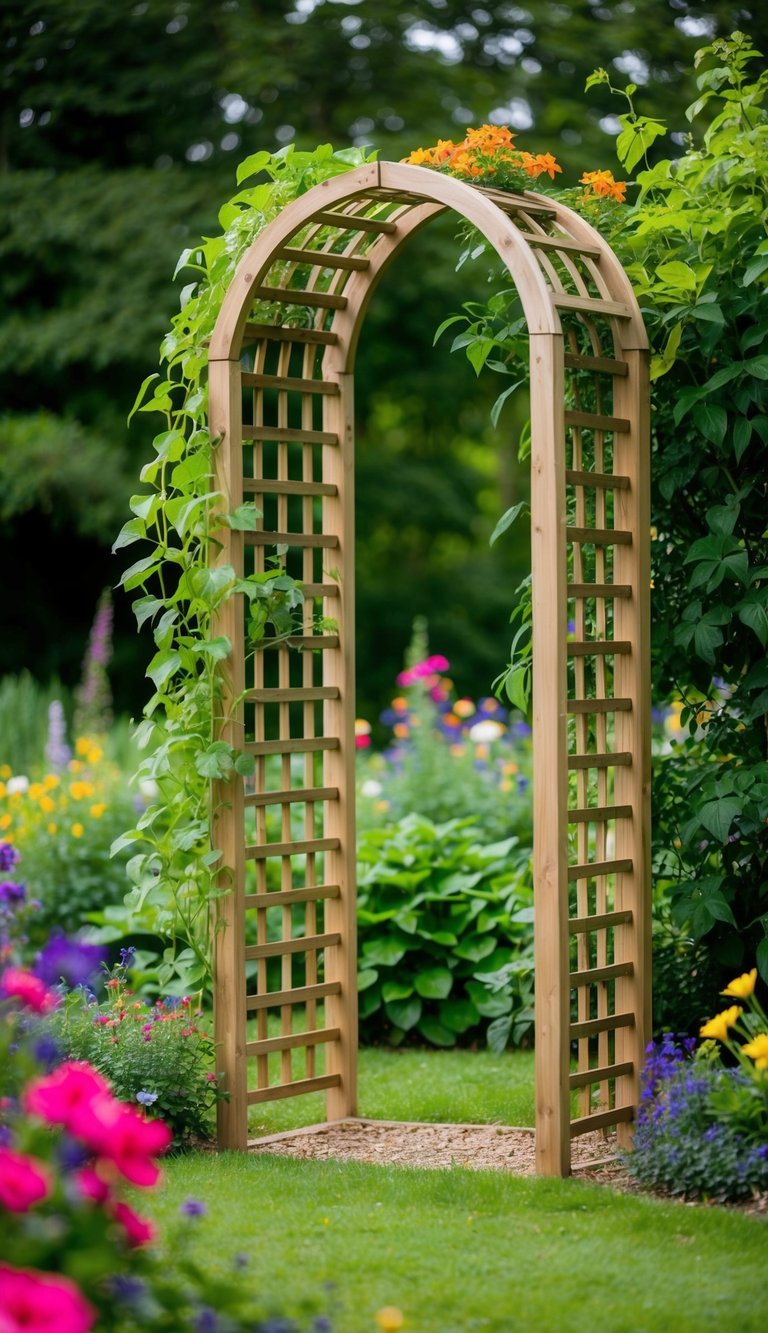
An arched trellis is an amazing way to introduce height and structure into your garden. It’s perfect for encouraging climbing plants like beans, gourds, or flowers to grow upward. You can build one from wood or metal to achieve a more natural aesthetic. Position it as a dramatic garden entrance or a central focal point to add both beauty and functionality to your space. Go for sturdy materials like thick branches or cattle panels that can handle the weight of heavy plants, and make sure the arch is wide enough for you to pass through easily.
6. Incorporate fast-growing vines for shade
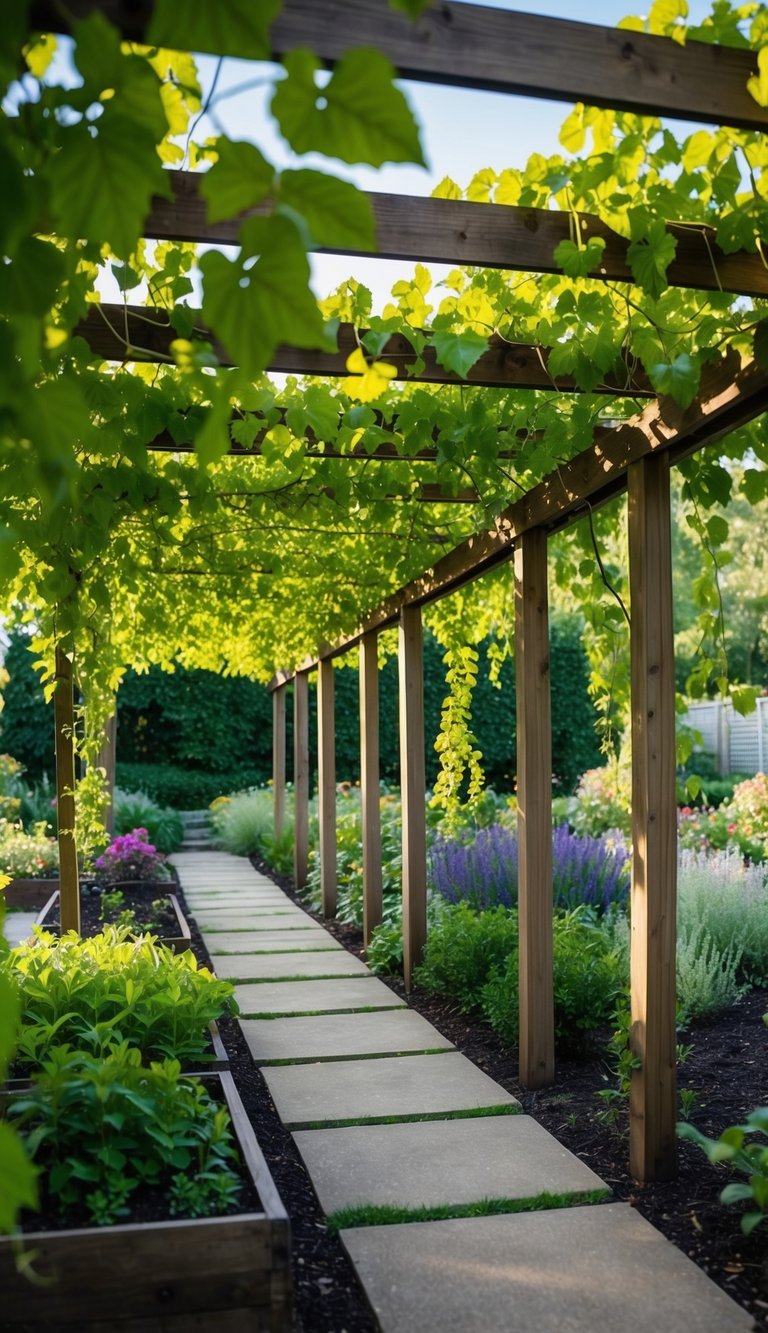
Fast-growing vines can quickly add some welcome shade to your garden. Varieties like honeysuckle and butterfly vine will rapidly climb pergolas or trellises, creating cool, green retreats. Their flowers also introduce pops of color, making your outdoor area even more inviting. Choose vines that are well suited to your garden’s climate and sunlight conditions. This ensures they’ll flourish and provide the shade you’re looking for with minimal effort. Remember that regular pruning is key to keeping your vines healthy and looking sharp.
7. Try container gardening for small spaces
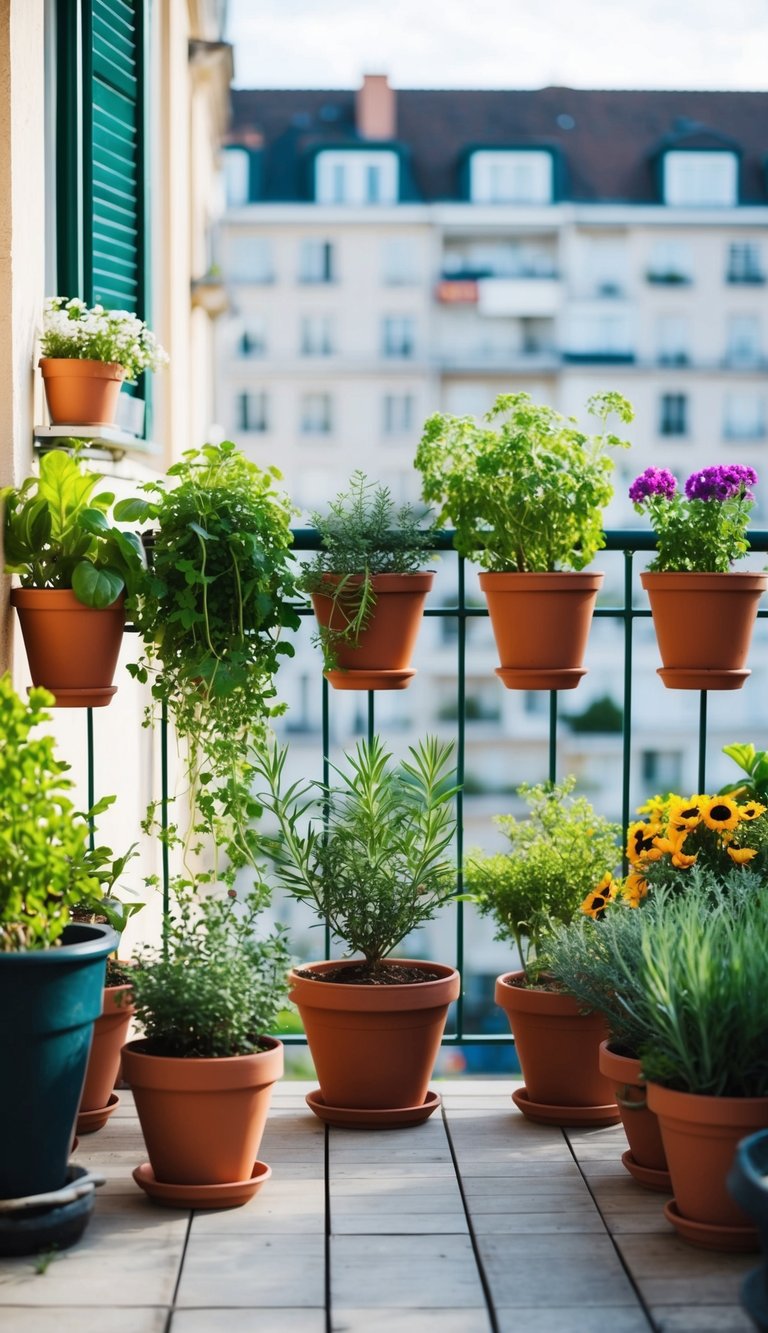
If you’re working with limited room, container gardening is the perfect solution. You can use anything from traditional pots and planters to repurposed old containers to grow vegetables, herbs, or flowers. This method works beautifully on patios, balconies, or in small yards. Just make sure you select the right soil and use containers with good drainage to ensure your plants stay healthy. One of the best parts of container gardening is the flexibility; you can move your plants around to catch more sun or shield them from harsh weather, making it an easy-to-manage option anywhere.
8. Grow herbs like chives, parsley, and wild garlic vertically
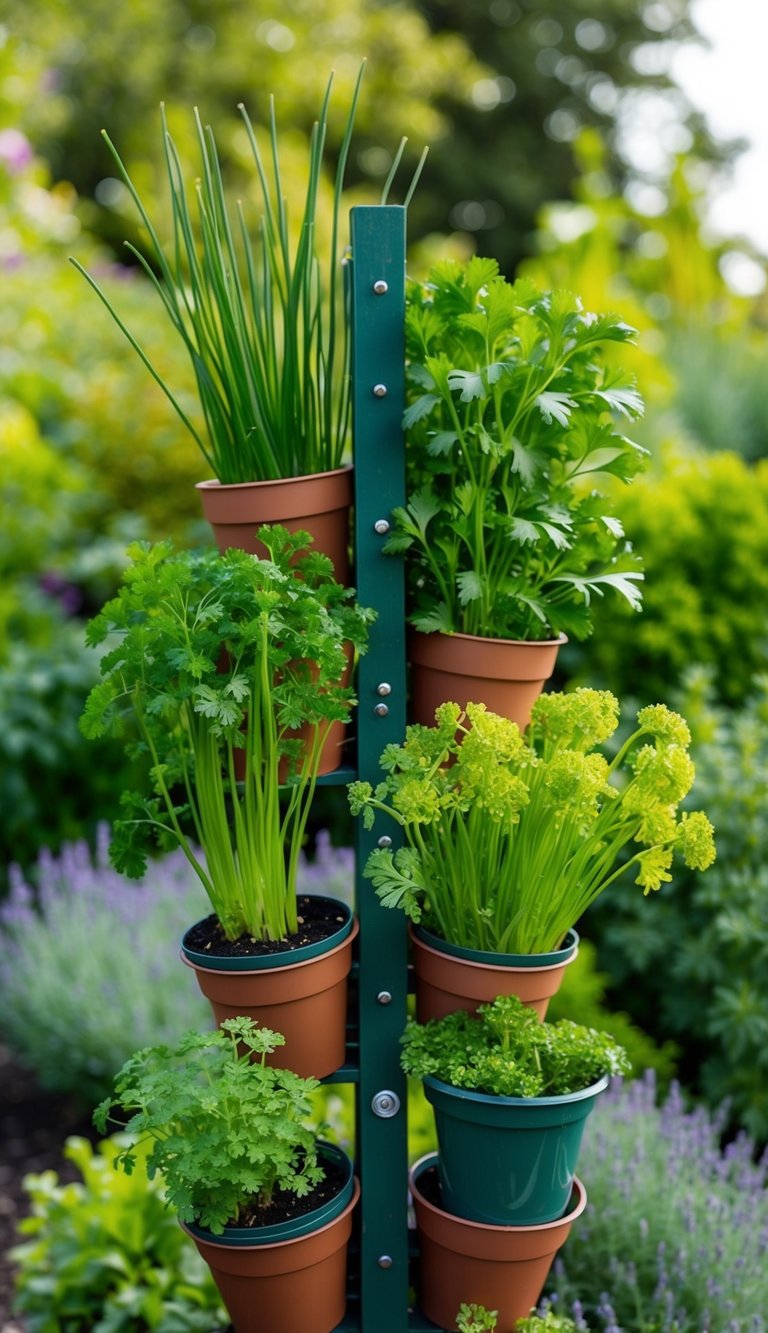
Growing herbs vertically is a brilliant way to save space while keeping your garden tidy. You can use vertical towers, hanging pots, or wall planters for this. Herbs such as chives, parsley, and wild garlic are perfect for these setups because their shallow soil needs are easily met. A vertical herb garden also makes harvesting a breeze. They look fantastic on small patios or balconies where ground space is a precious commodity. For best results, choose lightweight containers for easier placement and ensure your vertical garden receives at least four to six hours of sunlight each day.
9. Design a cozy cottage garden with old-fashioned flowers
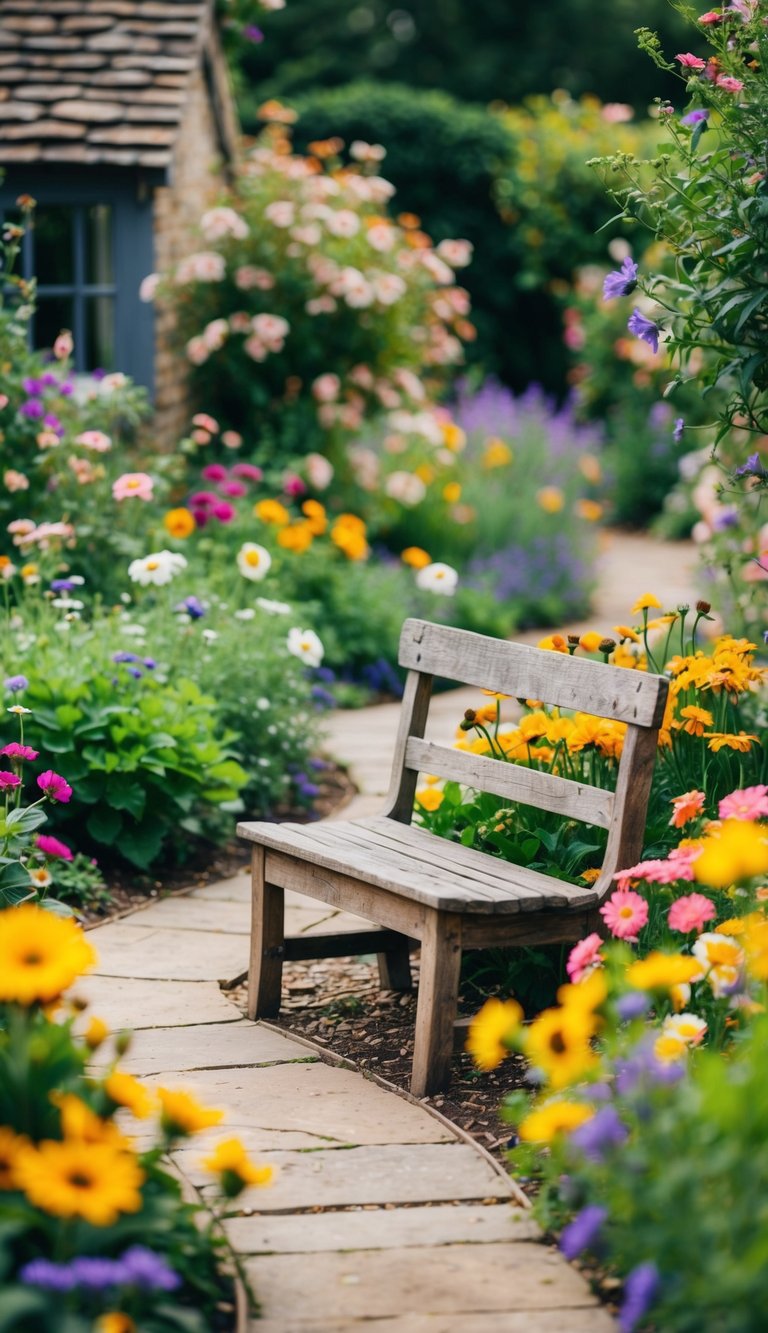
You can cultivate a warm and inviting garden space by planting old-fashioned flowers such as roses, larkspur, and sweet peas. These blooms add a delightful charm, filling your garden with soft hues and sweet fragrances. To capture that authentic cozy, relaxed cottage feel, keep the planting arrangement informal. Mix taller plants with lower ones to create a full, layered appearance. Don’t stress about perfect, straight lines; cottage gardens are celebrated for their natural and easygoing vibe. Choose flowers that bloom at different times to keep your garden vibrant for longer, and maintain steady watering to help these vintage beauties flourish.
10. Use perennial plants for low-maintenance blooms
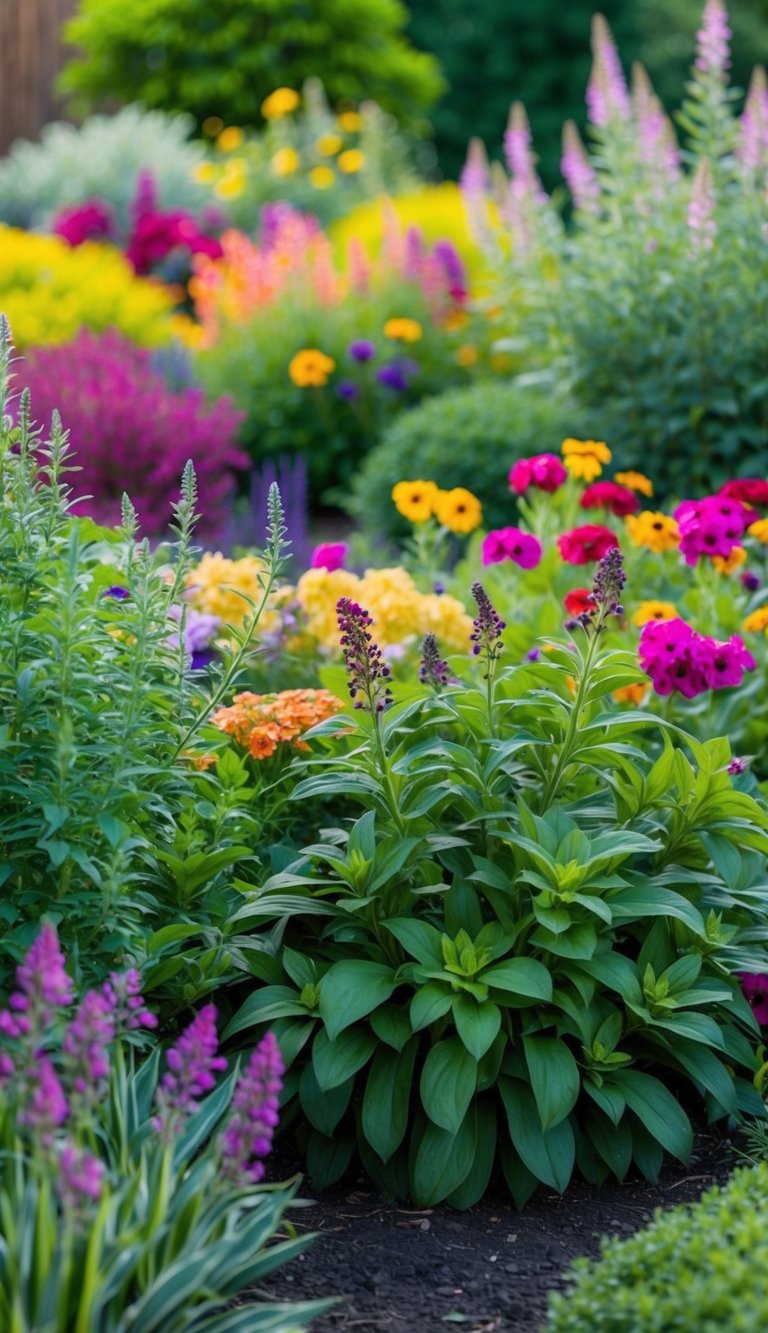
Perennial plants are a fantastic low-maintenance option because they return year after year, saving you the hassle of replanting every season. They save you time and keep your garden looking lush with minimal effort. Varieties like black-eyed Susans or coneflowers provide lasting color. Perennials are also highly adaptable to various garden conditions, which makes them a great choice for beginners. For the easiest care, pick perennials suited to your local climate and group plants with similar needs together.
11. Include bulbs in the fall for spring flowers
Planting bulbs in the fall is your ticket to a burst of brilliant color come spring. Easy-to-grow options like daffodils, tulips, and crocuses are perfect for this. Be sure to plant your bulbs at the correct depth in soil that drains well. A good watering after planting will help the roots establish before winter sets in. To get a longer-lasting spring display, plant a mix of early and late bloomers, and make sure to get them in the ground before it freezes.
12. Make a shady garden area with hostas and ferns
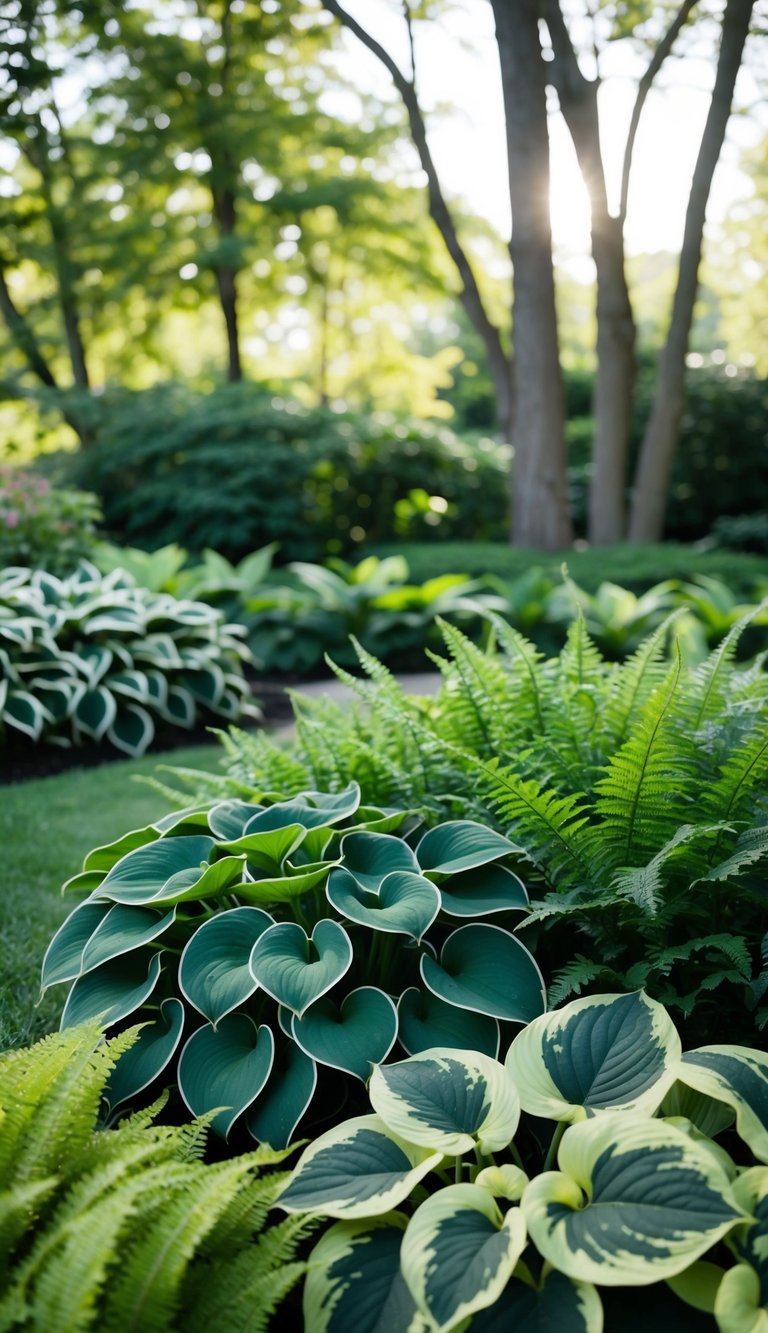
Hostas and ferns are your go-to plants for shady areas, adding a wealth of green texture to your garden. You can mix various types of hostas, especially the variegated kinds, to illuminate darker spots. Ferns introduce a soft, feathery texture that contrasts beautifully with the broad leaves of hostas. Try planting them near trees or along shaded paths to forge a serene, cool retreat. Both plants require moist, well-drained soil to really thrive. Adding a layer of mulch will help keep the soil cool and moist, and choosing hostas with different leaf colors will add visual interest even in the deepest shade.
13. Craft homemade sun catchers for decoration
You can create simple yet beautiful sun catchers using materials like colored glue, beads, or clear plastic. Hang them in sunny spots throughout your garden to add dazzling pops of color. For a more personal touch, try pressing flowers or leaves between clear sheets. These DIY decorations will catch and reflect the light, brightening up your entire outdoor space. To make the colors truly pop, choose spots with direct sunlight, and use waterproof materials to protect your creations from the rain.
14. Mix edible plants with ornamental ones
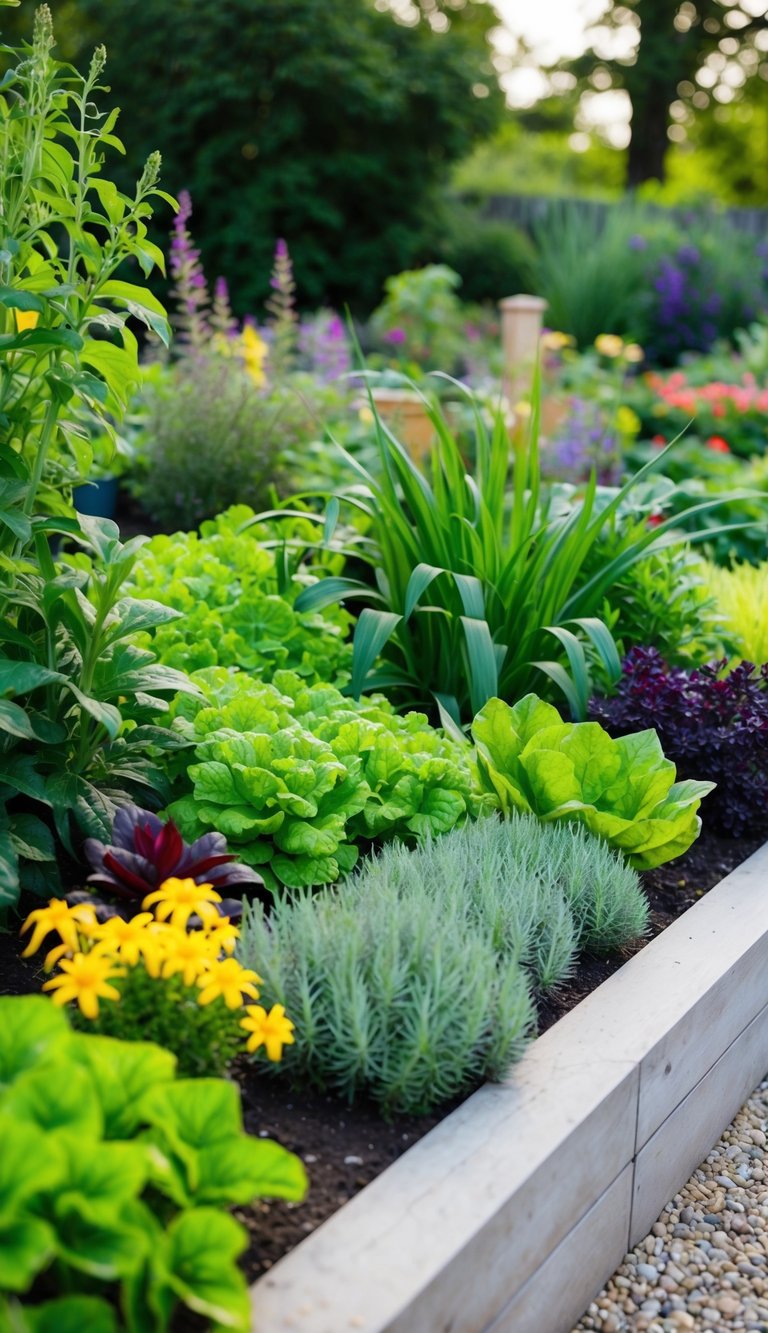
By planting edible and ornamental plants side by side, you can create a garden that’s as delicious as it is beautiful. Select edibles with striking colors or interesting shapes, like Swiss chard or purple cabbage, to enhance the visual appeal. Consider their size and texture to ensure they blend seamlessly with your flowers. This mixed-planting approach saves space and makes your garden a more engaging place to explore. To keep things looking great, pick edibles that stay relatively tidy and won’t spread aggressively, and use leafy greens or small fruits to add layers without overcrowding other plants.
15. Use raised beds to improve drainage
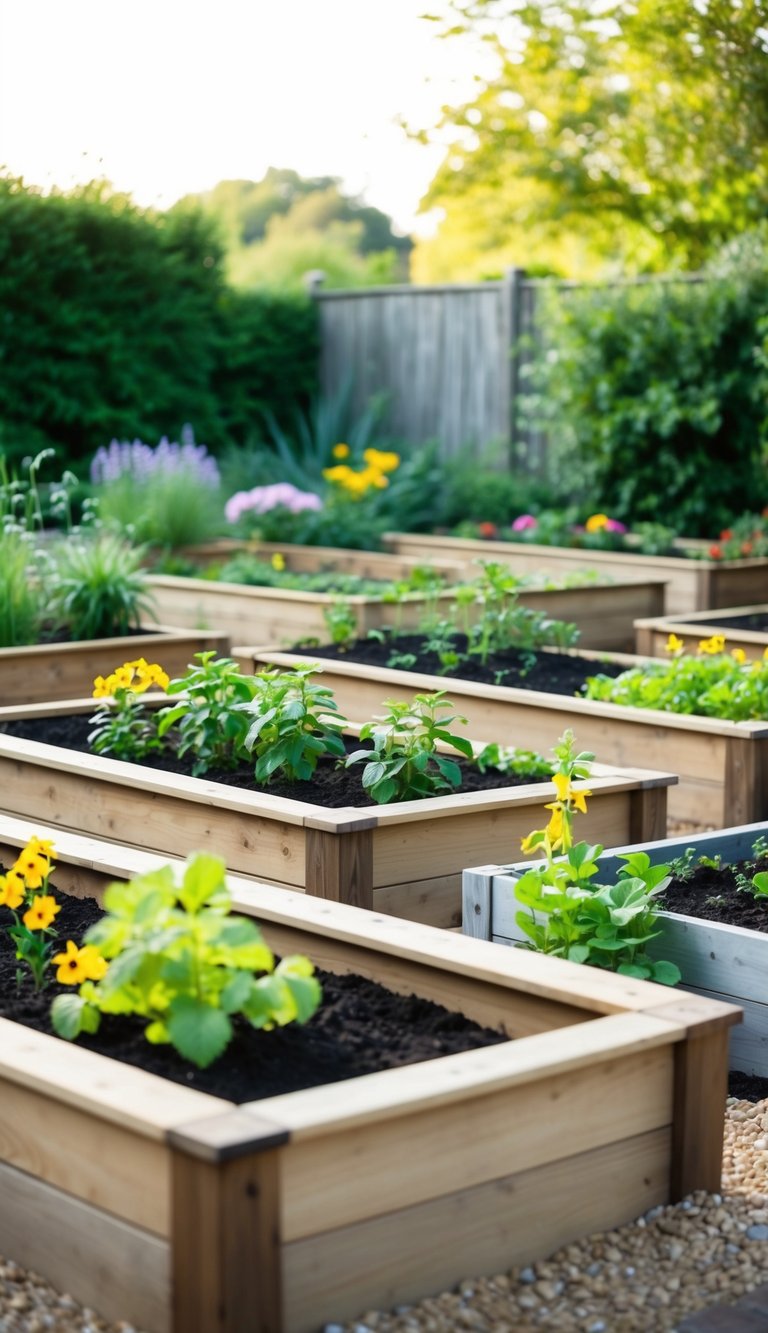
Raised beds are superior to ground-level gardens when it comes to water drainage. They prevent water from pooling around your plants, which is crucial for keeping roots healthy. If you’re dealing with heavy or clay-like soil, a raised bed is an effective way to prevent soggy conditions. Aim for a bed depth of at least 18 inches to ensure good drainage. You can even add a layer of gravel beneath the soil to help water move through more quickly; just use landscape fabric to keep the two layers separate. Be sure the soil mix in your bed is loose and avoid compacting it during planting to maintain free-flowing water.
16. Install vertical flower planters for strawberries
Vertical planters are a game-changer for growing strawberries, as they save space by encouraging upward growth. You can use wall-mounted planters, tubes, or stacked pots. These setups also improve air circulation and keep the fruit off the ground, which significantly reduces the risk of rot. Make sure your planter has excellent drainage and is watered regularly. Strawberries need a lot of light to produce well, so choose a sunny location. For easier moving, opt for lightweight containers, and consider adding a drip irrigation system to provide consistent moisture without overwatering.
17. Add vintage garden decor for charm
You can infuse your garden with unique character by incorporating old items like antique pots or rusted tools. These pieces add a distinctive look and can often be found for very little money at thrift stores or flea markets. Mixing these vintage finds with your plants creates a cozy, lived-in atmosphere that feels truly special. Look for sturdy pieces that you can clean up and repurpose. A fresh coat of paint can breathe new life into old items without sacrificing their charm.
18. Plant shade-tolerant plants in dark spots
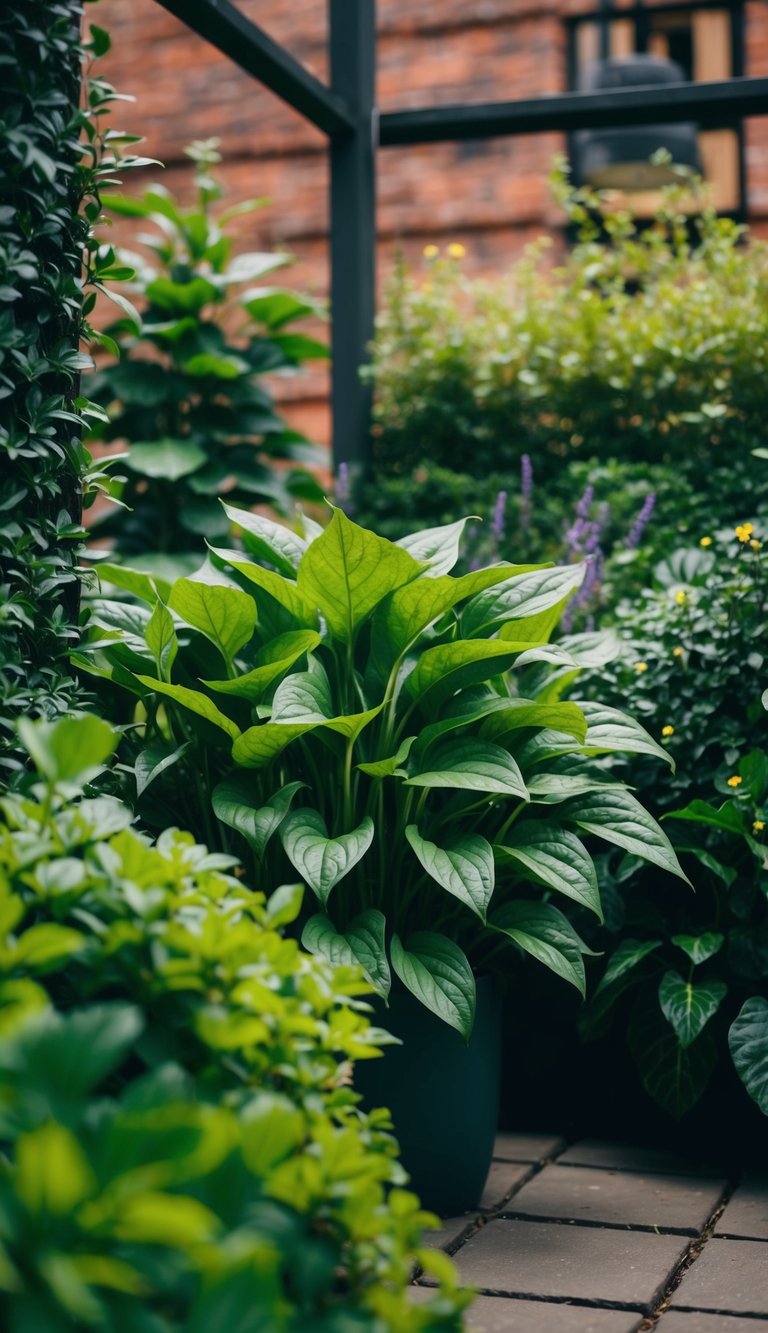
You can easily brighten up the darker corners of your garden by selecting plants that don’t require much sunlight. Plants like hostas, ferns, and Japanese forest grass are excellent choices for these conditions. They stay lush and add interesting texture even in low-light environments. For the best chance of success, look for options that thrive in USDA zones 4 through 8. Mixing different shades of green will create depth and visual interest in those shadowy spots. Choose your plants based on how much shade the area receives throughout the day, and add mulch to keep the soil moist and protect the roots.
19. Consider a fence with climbing roses
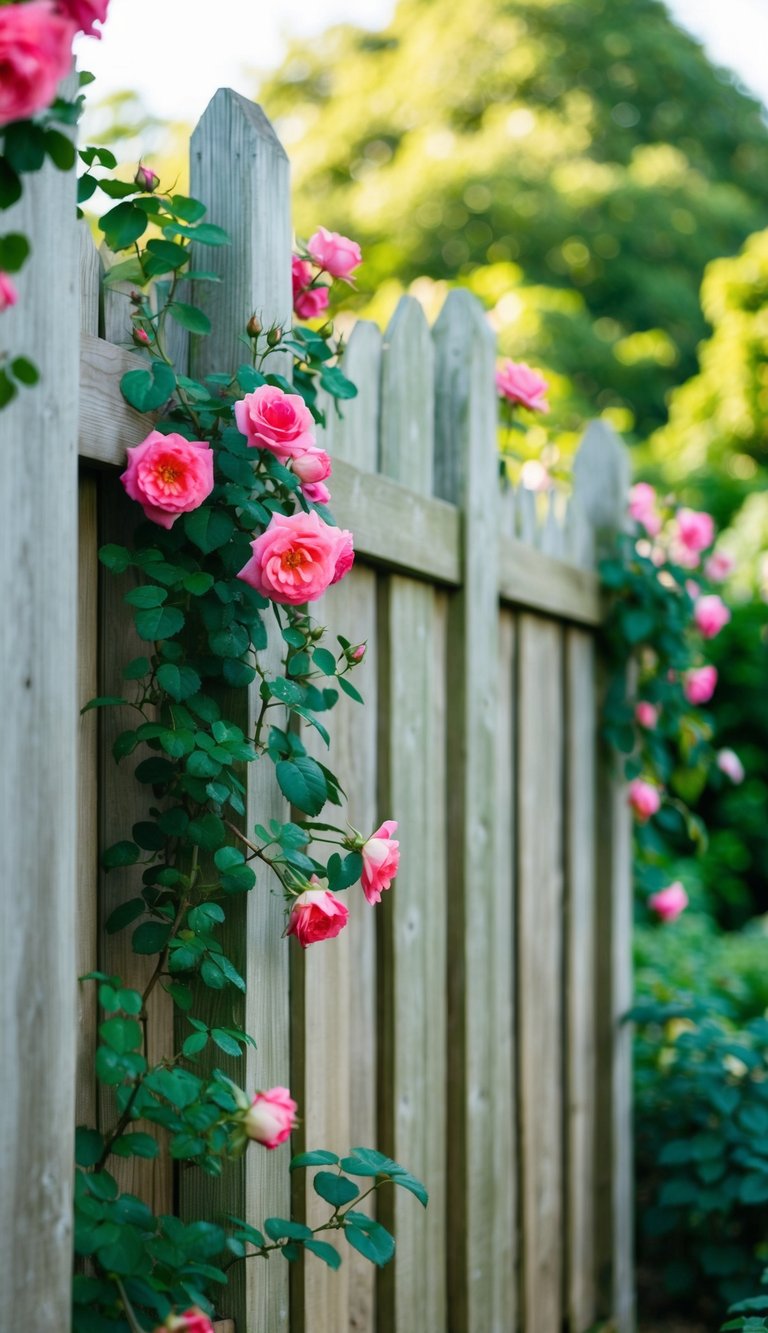
Climbing roses have the power to transform an ordinary fence into a stunning, living screen. Plant them about 8 inches away from the fence to give their roots enough room to expand. A sturdy fence is ideal, but you can also add supports to help the roses climb with ease. They provide both beautiful color and a sense of privacy without taking up valuable garden space. Use a gentle tie to train the roses as they grow, and be sure to keep the base clear of weeds to help them flourish.
20. Include native plants to attract local wildlife
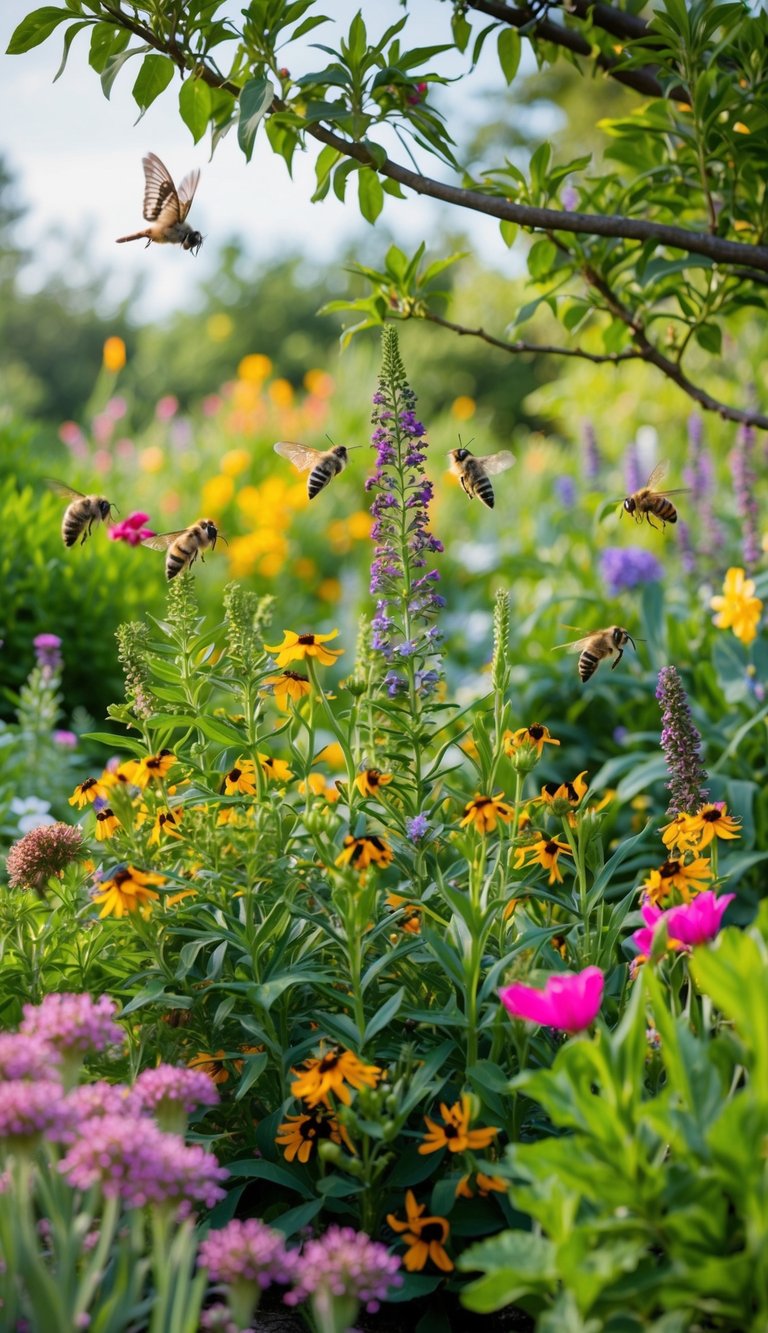
Planting native species is a wonderful way to support the wildlife that naturally belongs in your region. These plants offer essential food and shelter for birds, butterflies, and other local creatures. Because they are already adapted to your area’s climate and soil, native plants are typically much easier to care for. Incorporating them into your garden creates a healthy, balanced ecosystem that naturally invites and sustains wildlife. For a lively garden year-round, choose a mix of native trees, shrubs, and flowers to provide continuous habitat for many different species.
21. Create a small fairy garden with miniature accessories
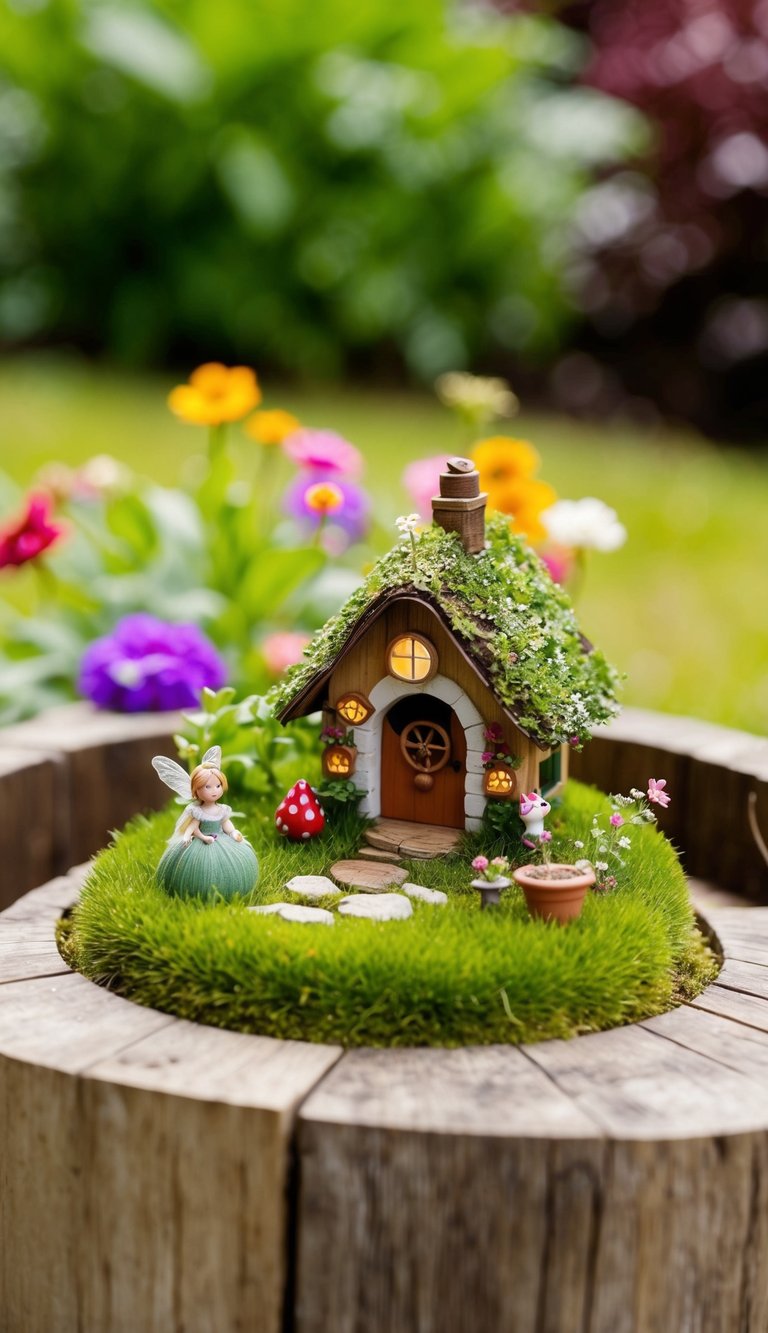
You can craft a whimsical fairy garden right in your yard or even inside your home using tiny plants and miniature decorations. Create charming little paths with pebbles or small slices of wood for a natural touch. Small benches, houses, or fairy statues will make the scene even more magical. Start your garden in a small container or a quiet corner of your yard. To keep the space from feeling overcrowded, stick to small, easy-to-care-for plants. For a truly enchanting effect, use a shallow container with good drainage and add tiny LED lights to make your fairy garden sparkle at night.
22. Use mulch to keep soil moist and weed-free
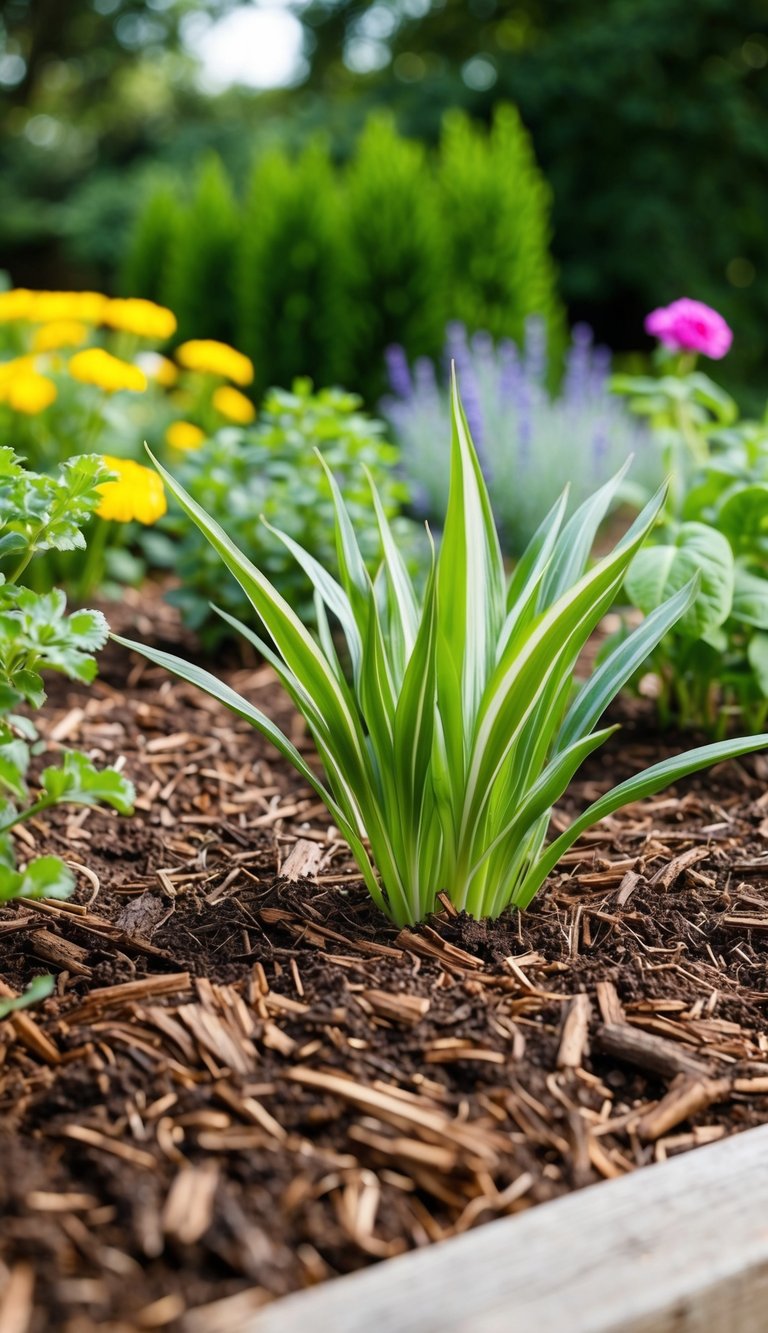
Mulch is a garden essential that helps retain soil moisture by slowing down water evaporation. It also effectively blocks sunlight, which prevents weeds from sprouting up around your plants. You can use materials like grass clippings, straw, or shredded leaves as mulch. This protective layer also helps to maintain a steady soil temperature. To keep it effective, be sure to replace organic mulch like straw annually. For the best results, spread your mulch about 2 to 3 inches thick and always opt for untreated materials to avoid introducing unwanted chemicals into your garden.
23. Plant colorful annuals for seasonal pops of color
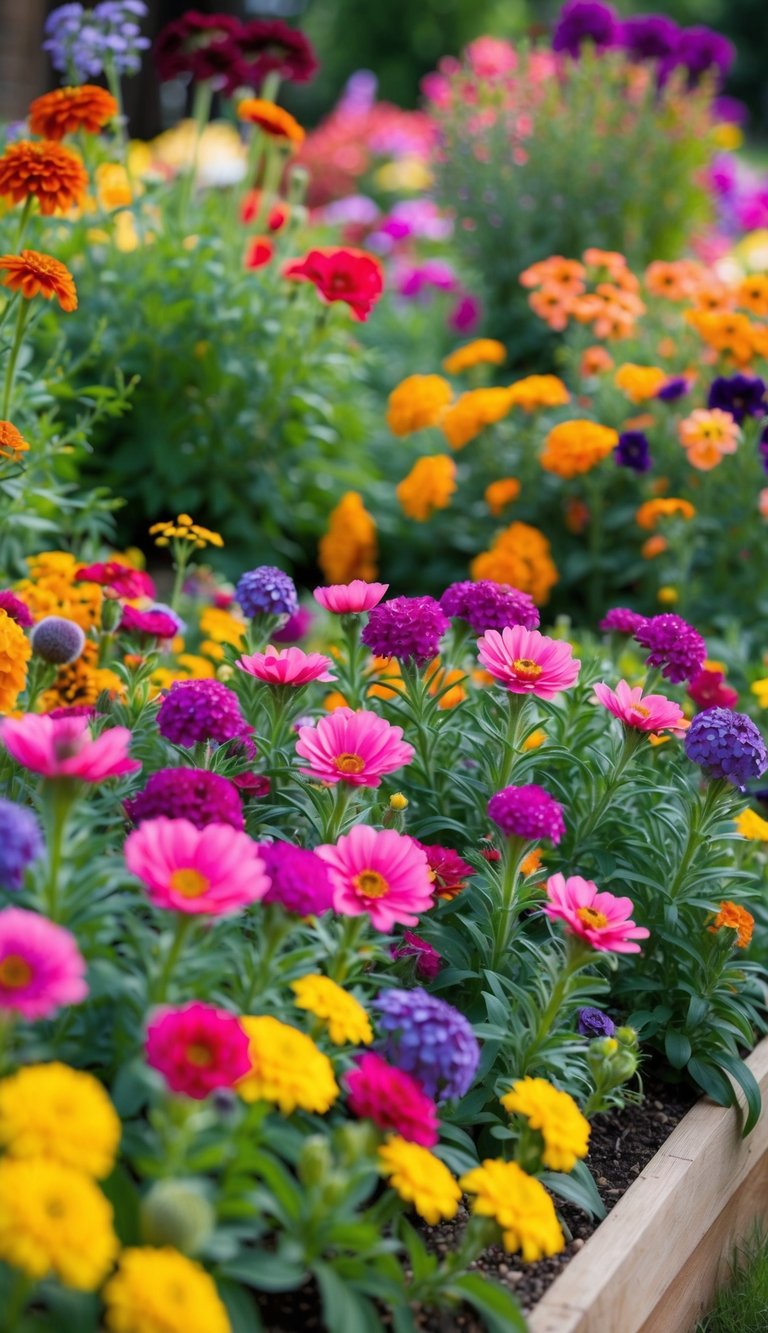
You can instantly brighten up your garden by planting a variety of colorful annual flowers. These plants bloom continuously throughout the season and are available in countless shades, giving your space a fresh, vibrant look. Easy-to-grow annuals like begonias or zinnias are also great for attracting pollinators. Since you plant new annuals each year, you have the freedom to experiment with new color schemes. They are also perfect for filling in any gaps between your shrubs and perennials, making your garden appear full and lively. For the best blooms, choose annuals that thrive in your local climate and water them regularly.
24. Add garden lighting for evening enjoyment
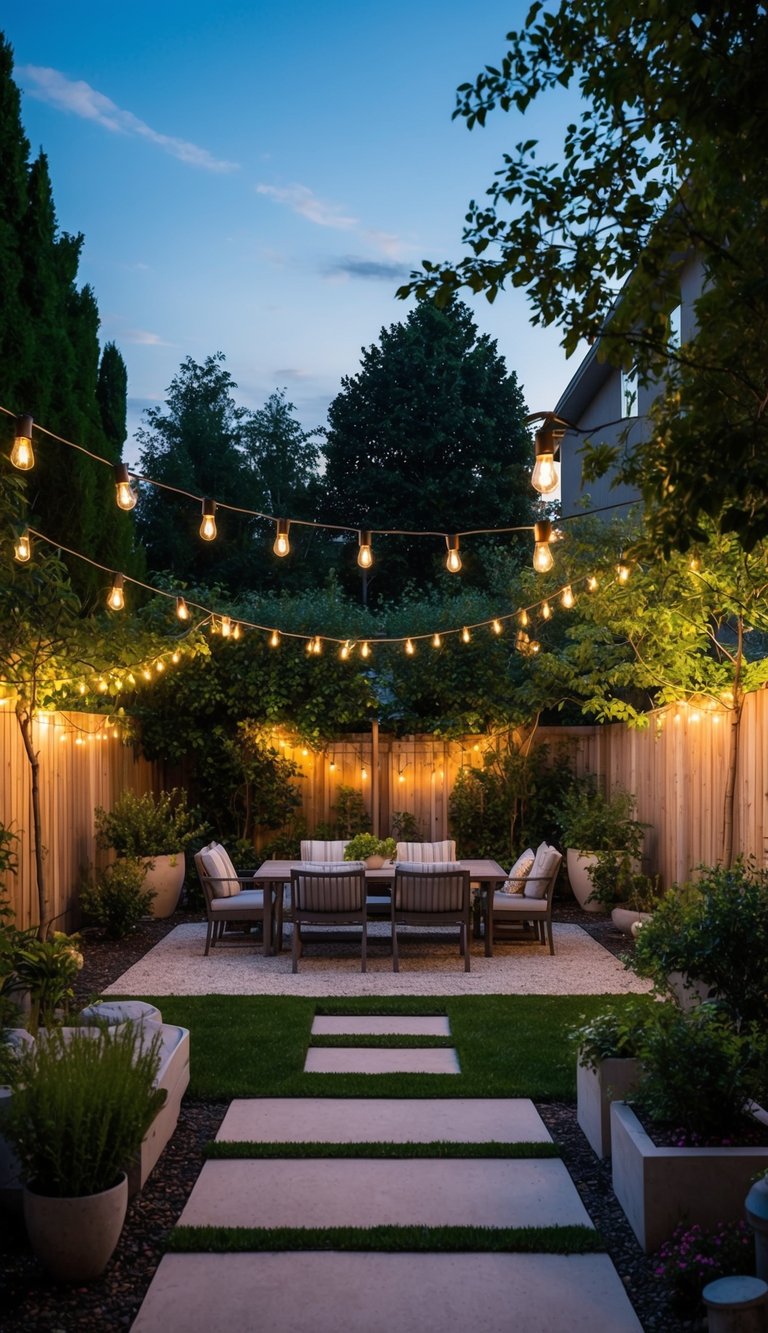
Garden lighting allows you to appreciate your outdoor space long after the sun goes down. Hang lanterns from trees or posts to cast a warm, inviting glow. You can also use string lights to outline paths or wrap around seating areas to brighten the space. Solar-powered lights are an energy-efficient and easy-to-install option. Mixing different levels and types of light adds a charming, natural feel to the garden. For a cozy atmosphere, use soft, warm lights to avoid any harsh glare, and place them at varying heights.
25. Craft pathways with natural stones
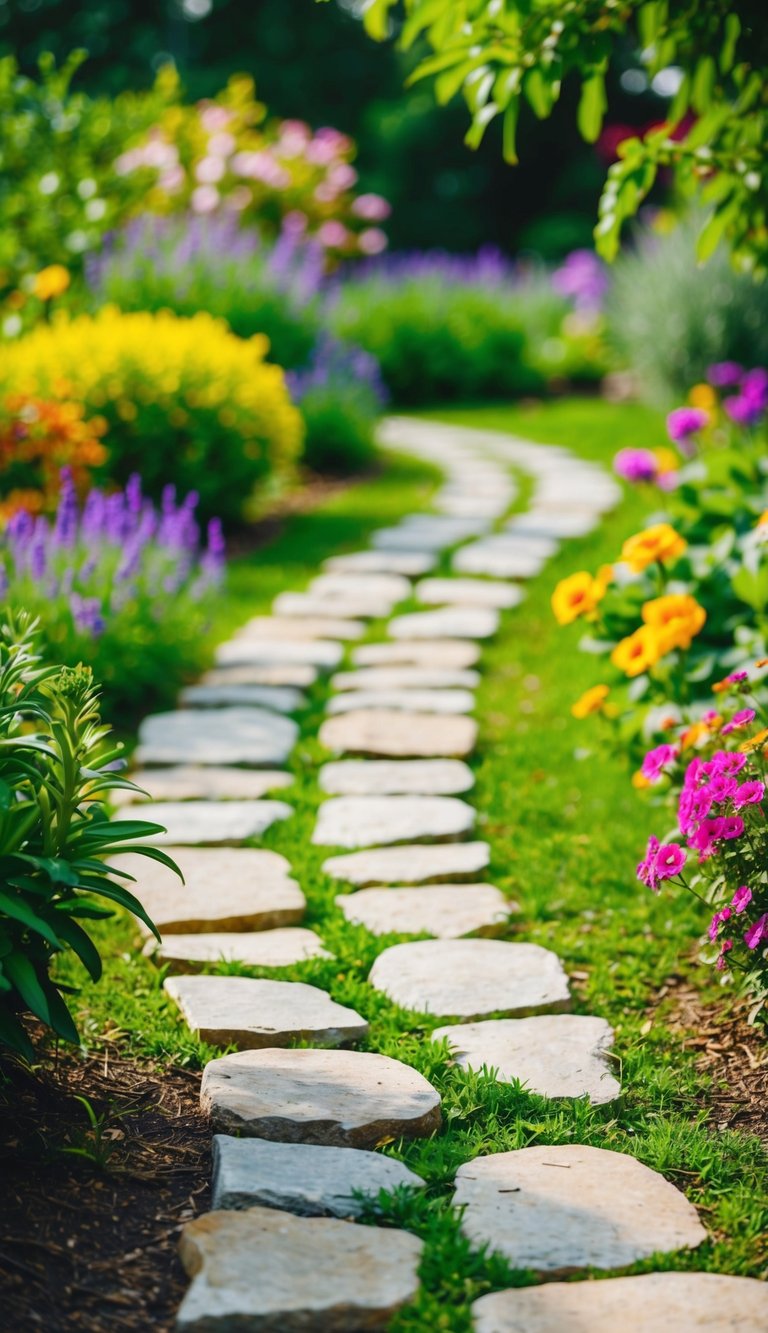
Creating pathways with natural stones is a simple way to give your garden a beautiful, earthy aesthetic. Stones such as flagstone or slate are excellent choices because they blend seamlessly with the surrounding soil and plants. You can arrange them in straight lines or gentle curves to complement the unique shape of your garden. Natural stones are also incredibly durable and require very little maintenance. For a safer walking surface, choose stones that are flat and wide, and be sure to lay them on a firm base to prevent them from shifting over time.