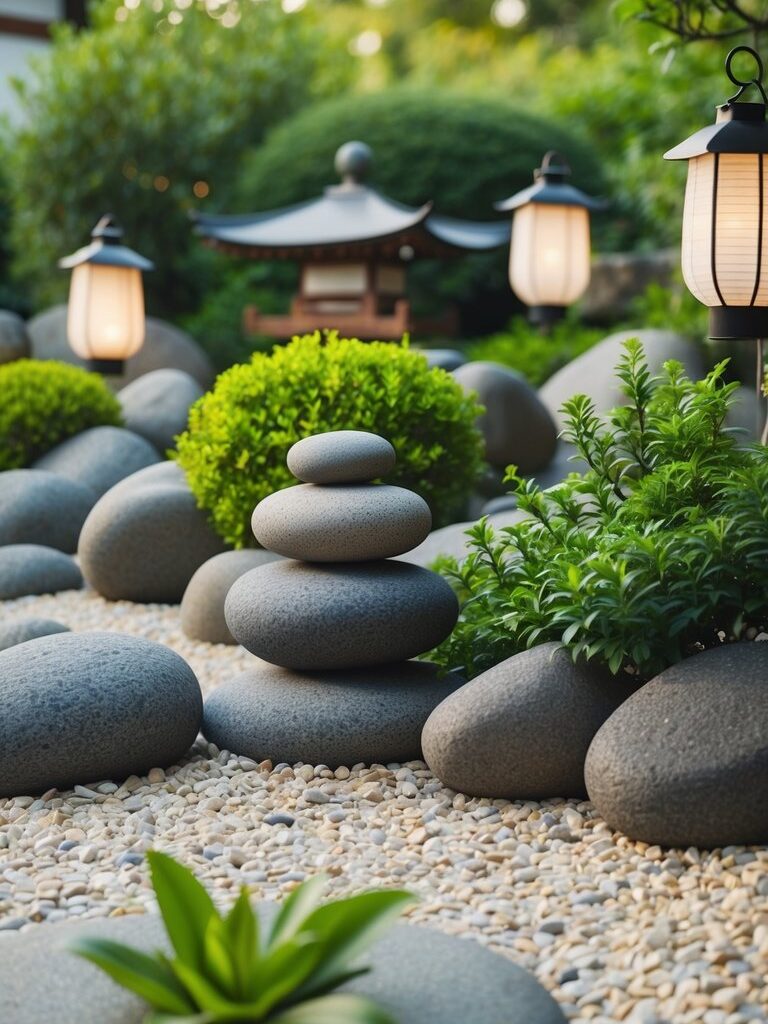
You can craft a small Japanese garden to bring a dose of tranquility and elegance right to your home. Even the most compact areas have the potential to radiate the beauty of Japanese design.
From carefully selected plants to distinctive landscaping features, you have a world of options to create the perfect atmosphere. Let’s explore these ideas and get your next garden project started.
1. Create a Zen rock garden
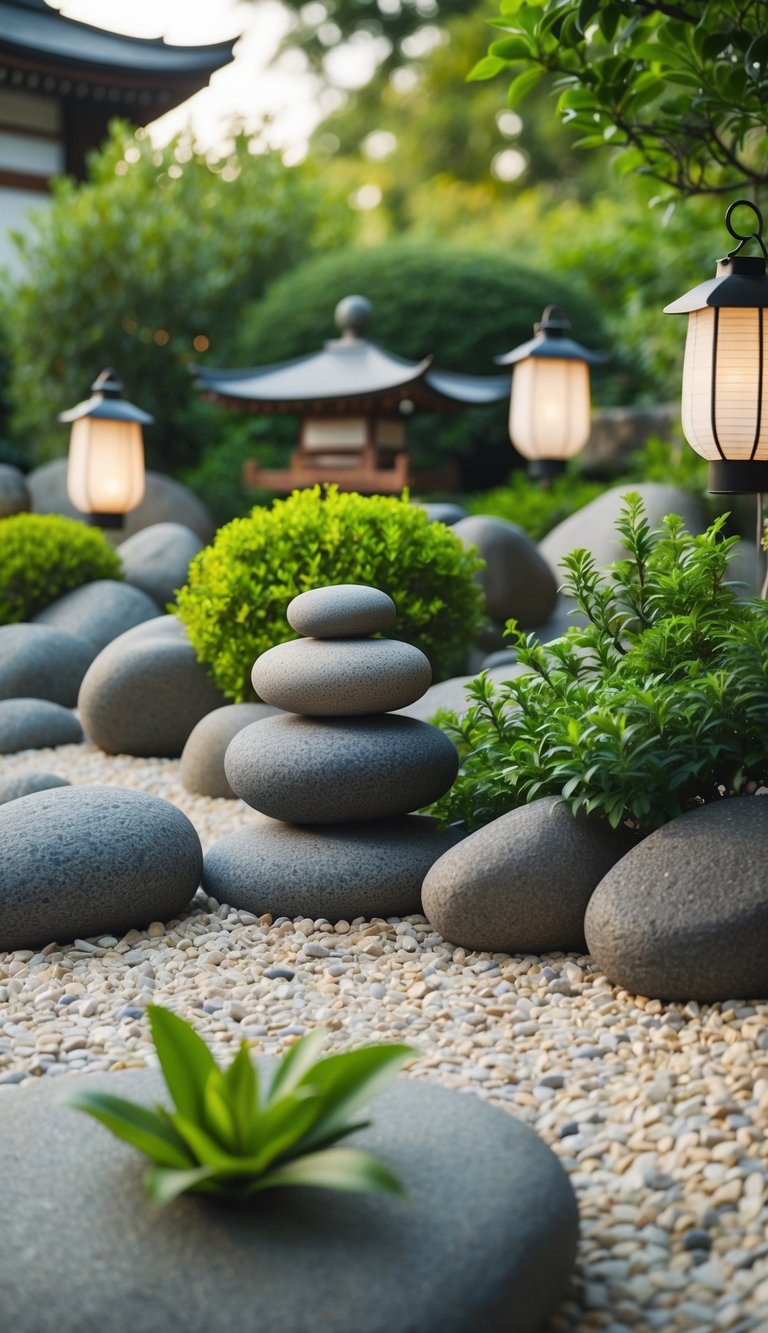
A Zen rock garden is a gorgeous project for your small space. Begin with a flat patch of land, clearing away any grass or weeds. Use gravel or sand to form raked patterns, which produce a calming visual effect.
Bring in larger rocks and boulders to generate interest. Position them with care, as they symbolize mountains or islands in Japanese tradition. You can also integrate plants like moss or tiny shrubs for a pop of green.
Sticking to a simple color palette helps maintain a serene and uncluttered design. The right materials can turn your garden into a peaceful sanctuary just outside your door.
Expert Tip: “Finer gravel works best for achieving a soothing effect with raked patterns. Regular maintenance is key to preserving the lasting beauty and peace of your garden.”
2. Plant dwarf Japanese maples
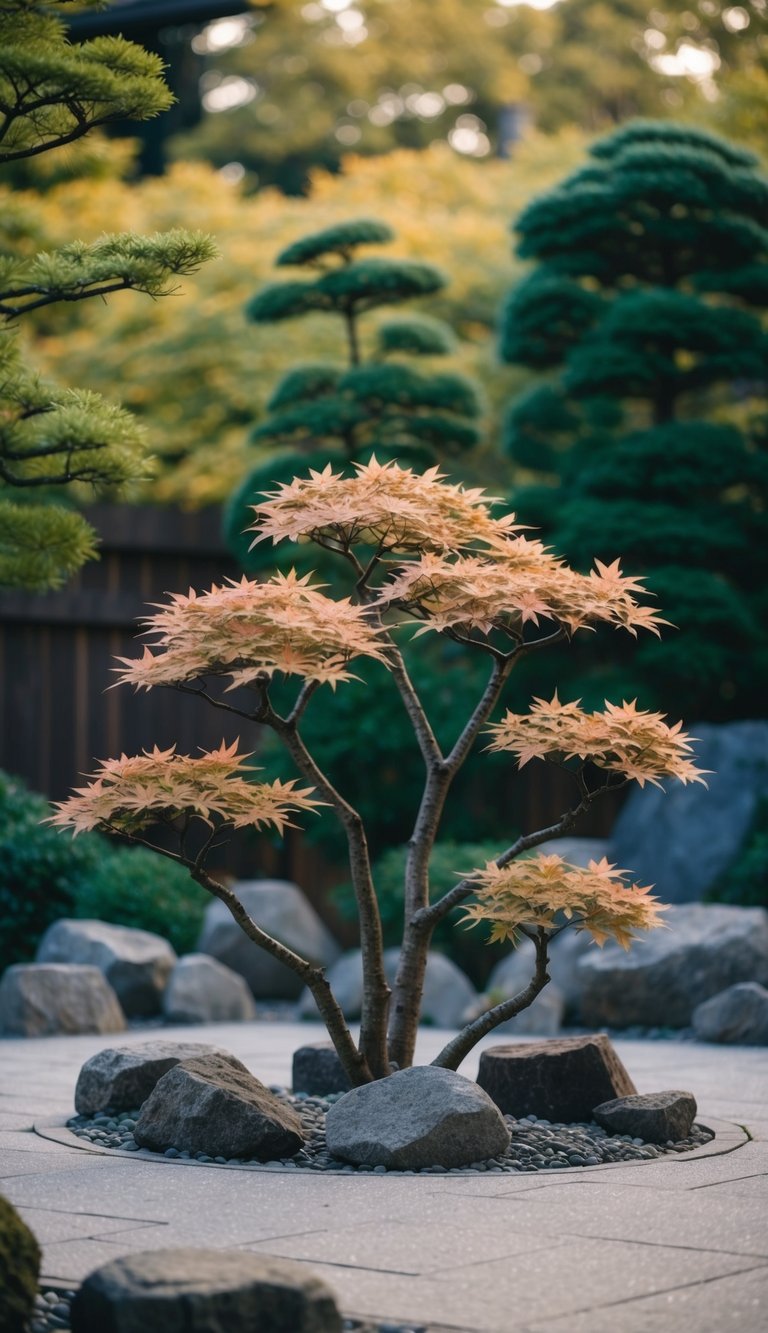
Dwarf Japanese maples are an excellent fit for small gardens. Their compact nature makes them perfect for containers or cramped spaces. These trees introduce a splash of color and elegance into your landscape.
Place them next to rocks or water elements for a truly serene composition. They can also be pruned to match your specific design vision. This adds a layer of charm and appeal to your outdoor area.
Expert Tip: “Dwarf Japanese maples need well-drained soil to flourish. Be sure to water them consistently, particularly during hot spells.”
3. Add a bamboo fountain
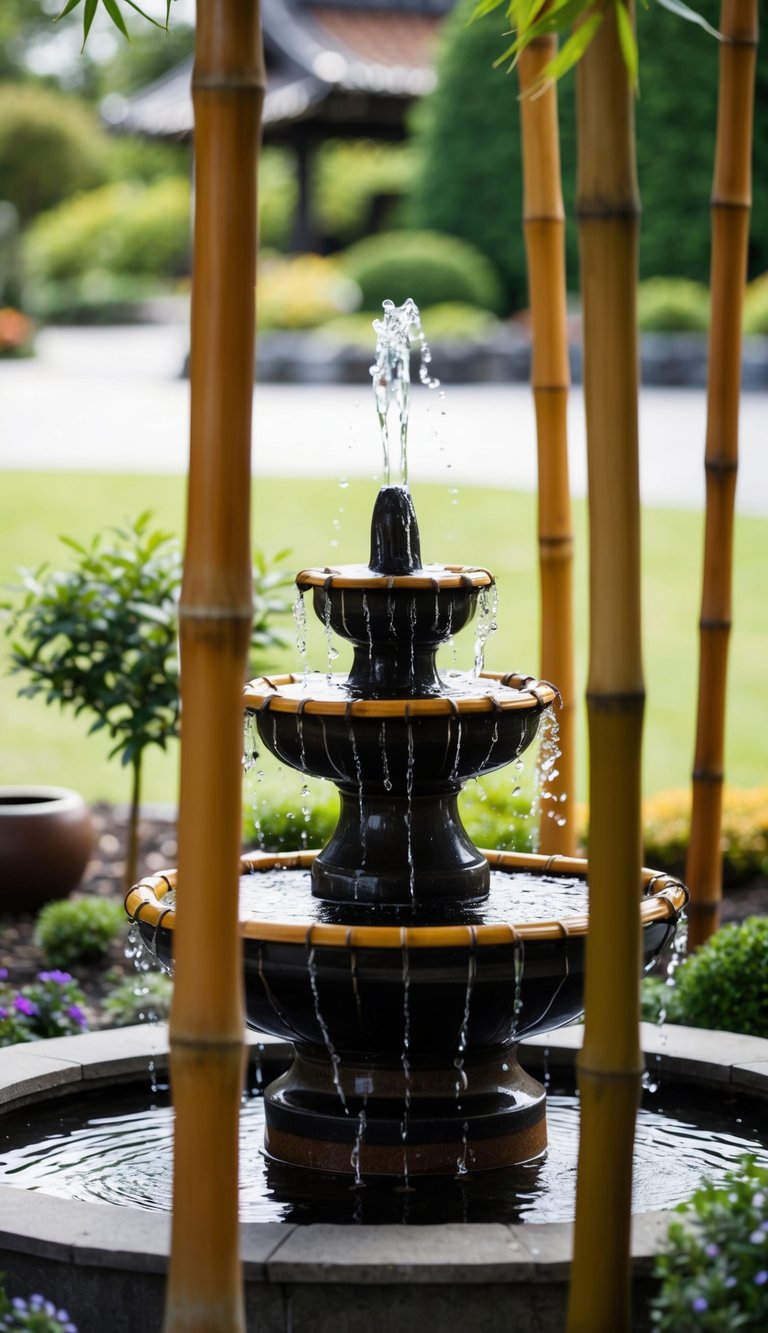
A bamboo fountain can introduce a calming ambiance to your small Japanese garden. These features are typically crafted from natural bamboo and produce the gentle, flowing sounds of water.
They are simple to care for and can be integrated into a variety of garden layouts. Plus, numerous DIY tutorials are available if you feel inspired to build one on your own.
Expert Tip: “Place the fountain in a location where the sound of the water is easily heard. It amplifies the peaceful atmosphere of your garden.”
4. Use gravel paths for serenity
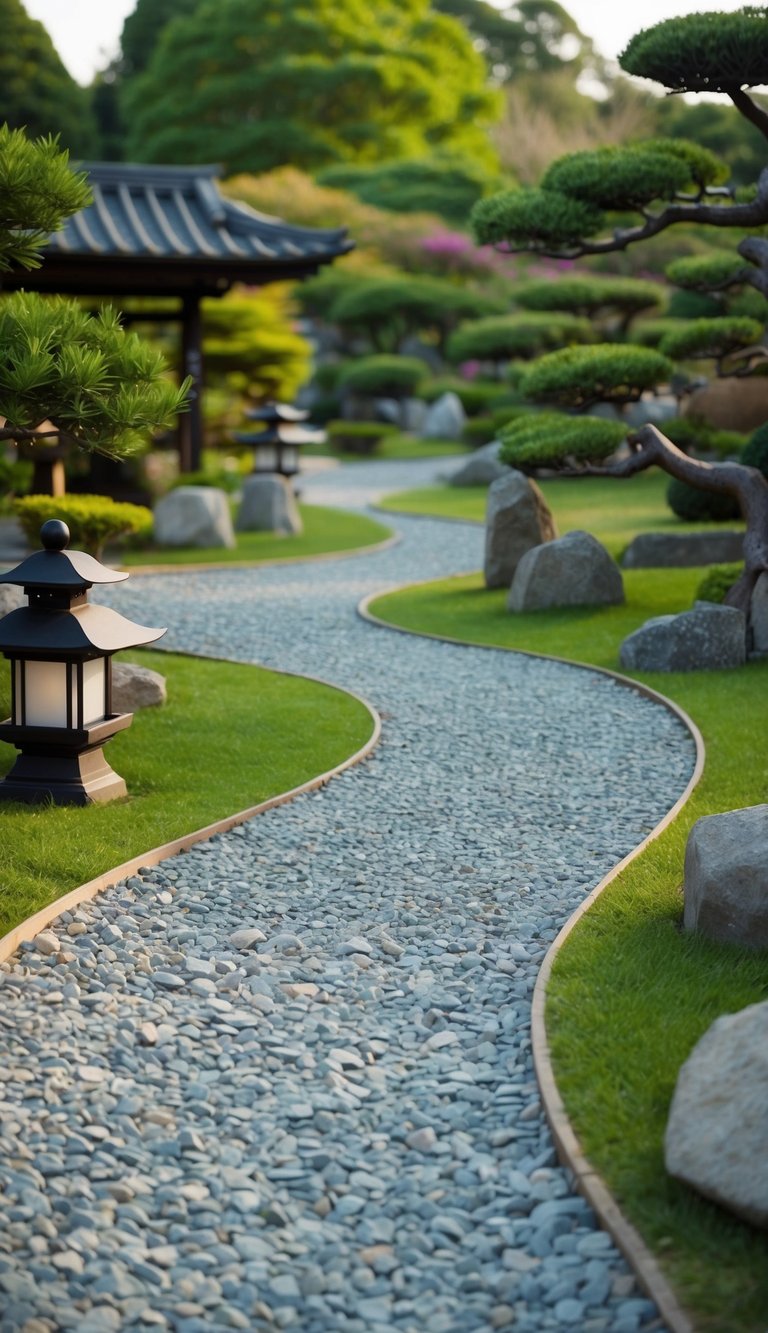
Gravel paths can bring a peaceful quality to your Japanese garden. They evoke the appearance of water and create a soft, gentle sound as you walk on them. This contributes to a very calming environment.
Gravel is also low maintenance and well suited for small areas. You can define the paths with stones or plants to make them feel even more inviting.
Expert Tip: “Opt for light-colored gravel to help brighten your garden. It reflects sunlight, which enhances the peaceful feeling of the space.”
5. Introduce a small koi pond
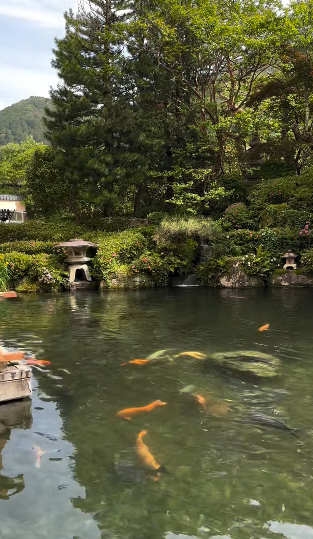
A small koi pond can infuse your Japanese garden with beauty and tranquility. Plan for a pond that measures at least 6 by 8 feet with a depth of 4 feet to ensure your koi remain healthy. This size provides enough room for swimming and maintains good water quality.
Think about locating the pond in a sunny area to create a warm environment. Frame it with rocks and plants for a naturalistic look. It’s also important to include hiding spots for the fish, such as aquatic plants or decorative elements.
Expert Tip: “Select native plants to place around the pond, which can help attract beneficial wildlife. Check the water quality frequently to keep your koi happy and thriving.”
6. Incorporate stepping stones
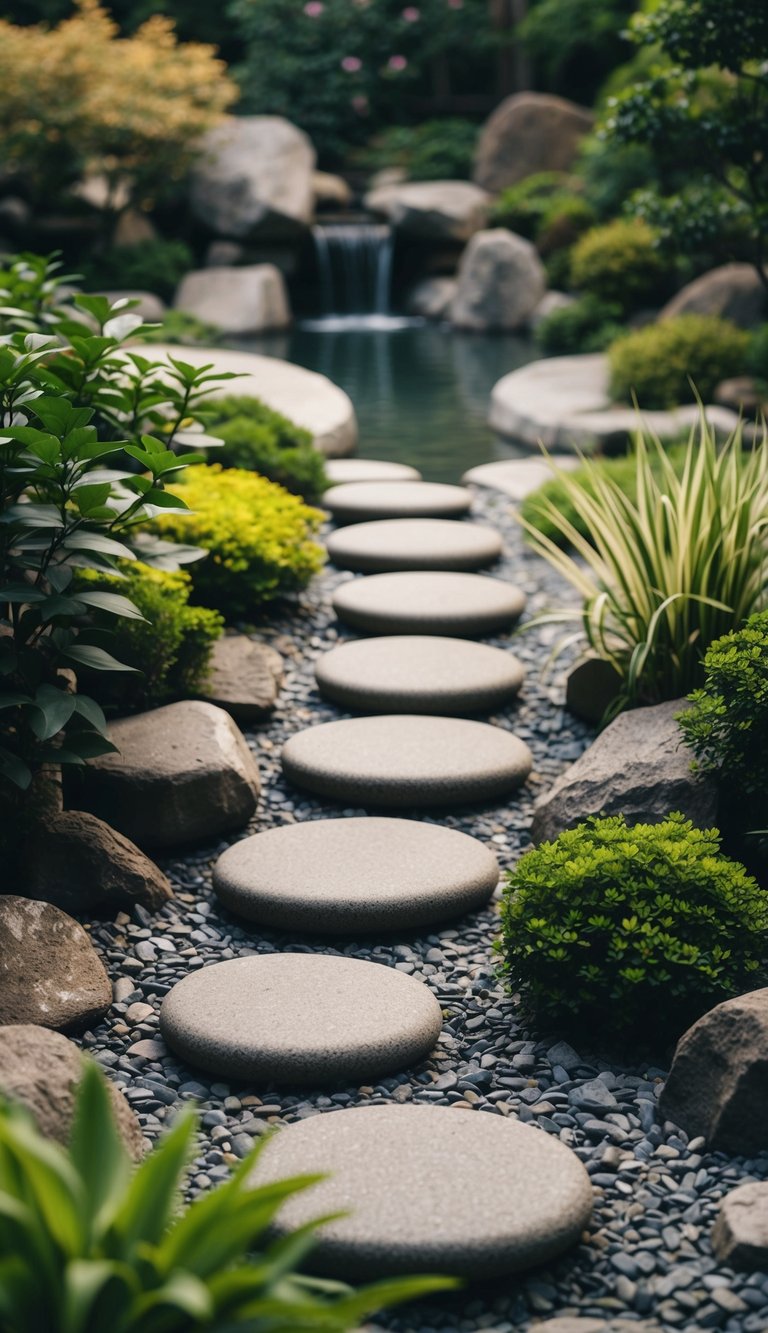
Stepping stones are a fantastic method for creating a pathway in your small Japanese garden. They direct visitors through the area and add a delightful touch. You can choose natural stone or concrete for a crisp, clean aesthetic.
Setting stepping stones within gravel or sand creates a beautiful visual contrast. This arrangement can be designed to suggest a river or stream. Remember to space them out evenly to make walking comfortable.
Expert Tip: “Pick stones that harmonize with your garden’s overall design. You might consider using a variety of shapes and sizes to add more visual appeal.”
7. Design a minimalist tsubo-niwa
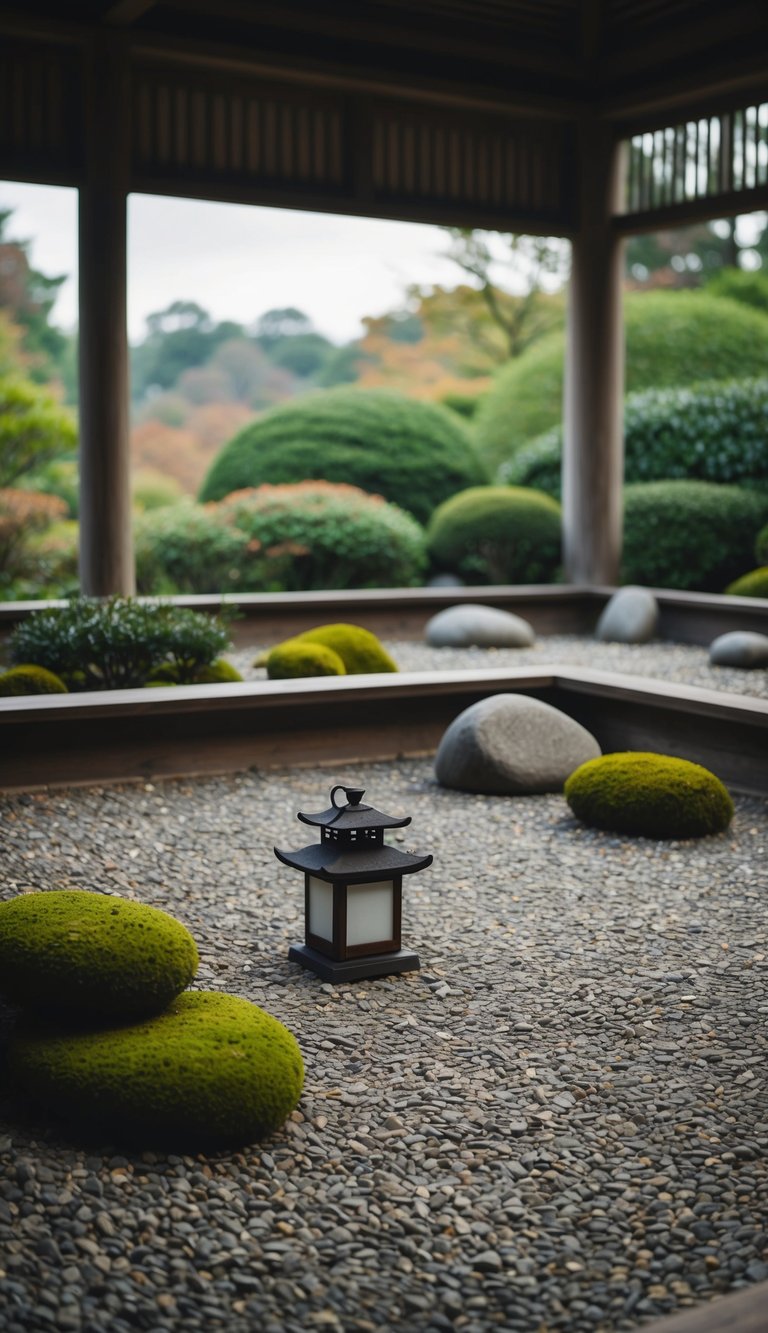
A minimalist tsubo-niwa is a celebration of simplicity and peace. Begin with a small area and select just a few essential elements, such as stones, gravel, or a compact water feature.
Use neutral tones and clean lines to cultivate a calming atmosphere. Plants should be used sparingly, perhaps a single bonsai or an ornamental grass, to preserve the uncluttered aesthetic.
Expert Tip: “Keep your design uncomplicated, focusing on high-quality components. This approach makes your tsubo-niwa not only beautiful but also easy to care for.”
8. Choose low-growing moss
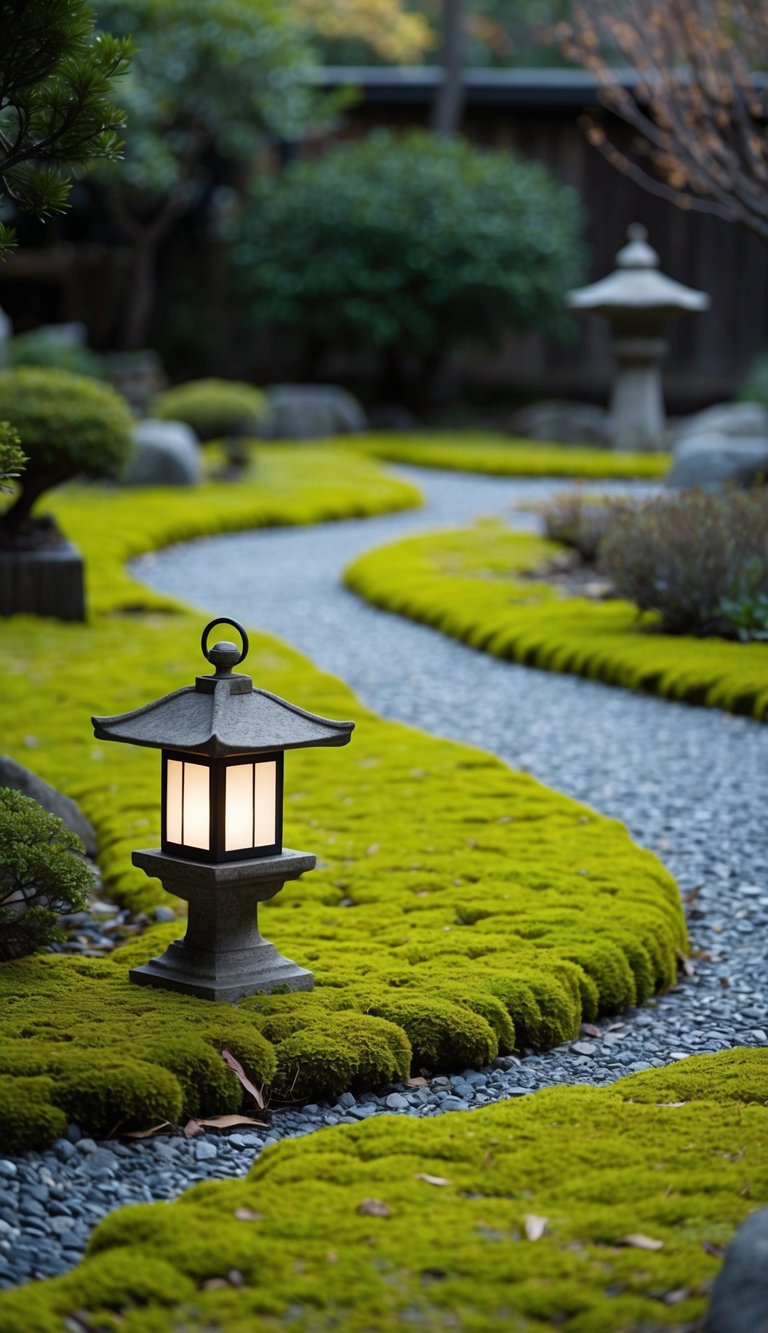
Low-growing moss can bring a soft, lush quality to your Japanese garden. It establishes a carpet like groundcover, making the space feel incredibly inviting. Moss flourishes in shady spots and demands very little upkeep.
When choosing moss, think about varieties like O-sugi-goke, known for its dense growth. This type of moss looks like a miniature forest floor.
Expert Tip: “Plant moss in separate patches to create areas that look natural. Make sure to keep it moist to encourage the best growth.”
9. Add a stone lantern
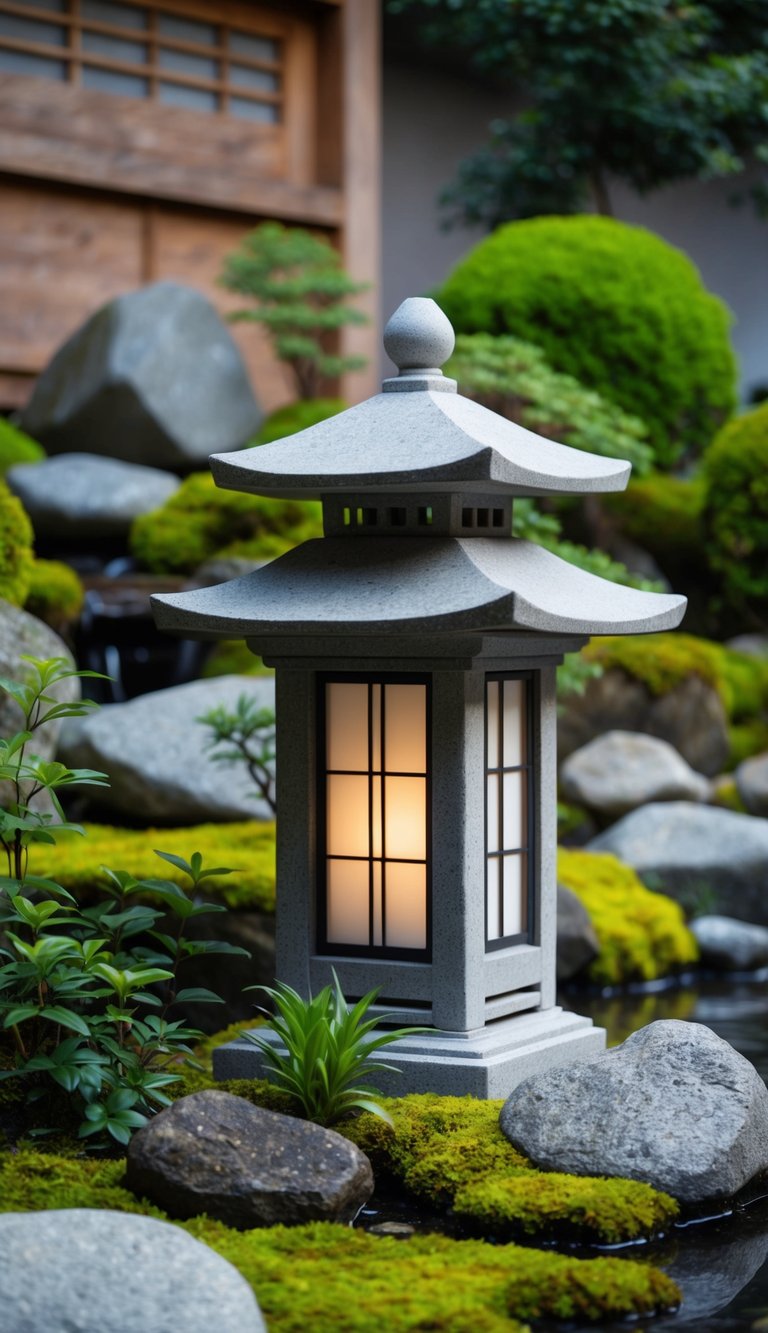
A stone lantern can instantly elevate your small Japanese garden. These lanterns contribute a sense of calm and beauty, serving as a focal point that captures attention. You can discover them in many styles, from classic to contemporary, to suit your garden’s theme.
Position the lantern next to a path or near a seating nook. This placement not only provides functional lighting but also reinforces the tranquil mood of your space. Combine it with some gravel or sand to complete the look.
Expert Tip: “Select a lantern that is proportional to your garden’s size. A smaller lantern will foster a cozy feeling without dominating the space.”
10. Create asymmetry with plant placement
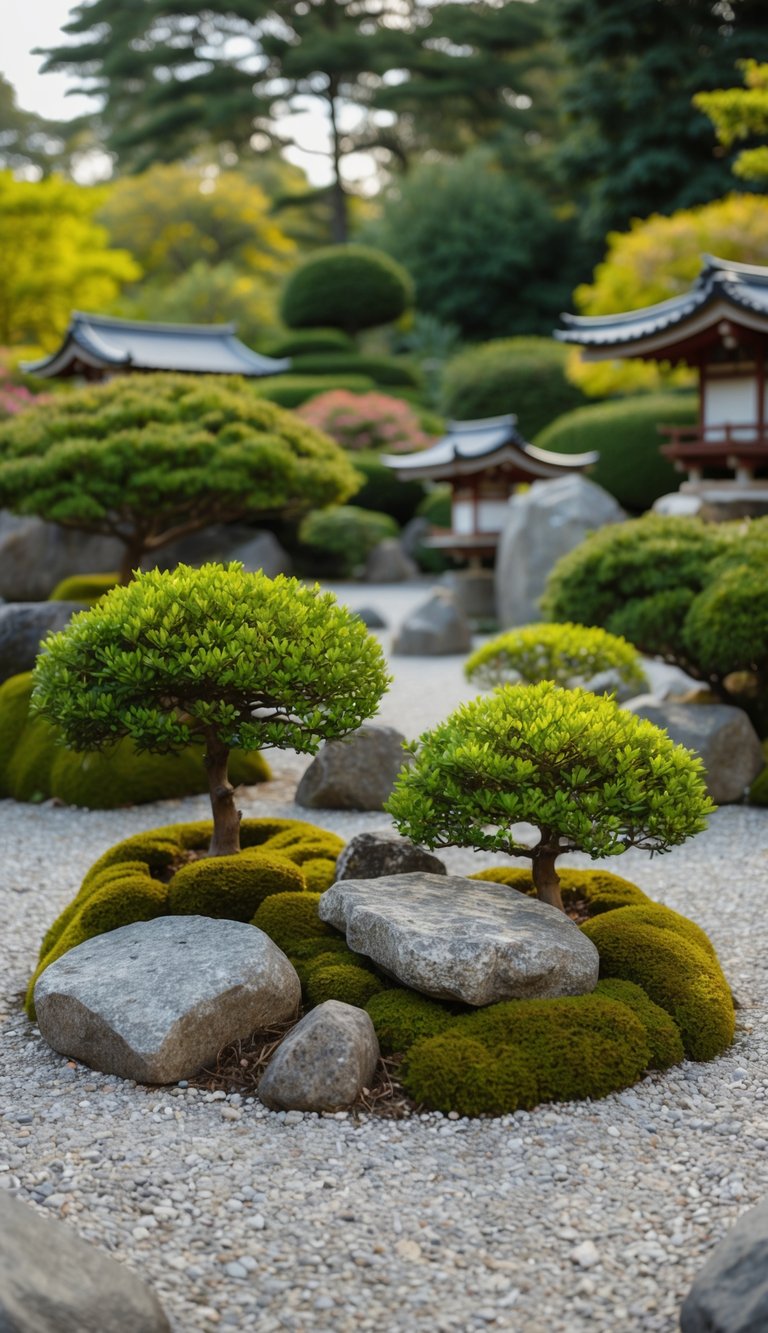
Asymmetry gives your garden a more natural appearance. Rather than arranging everything in straight, predictable lines, vary the heights and types of plants you use.
Put taller plants on one side and shorter ones on the other. This method builds visual interest and a sense of balance without appearing overly structured.
Expert Tip: “When grouping plants, use odd numbers. This often creates a more natural and aesthetically pleasing arrangement.”
11. Use evergreen shrubs
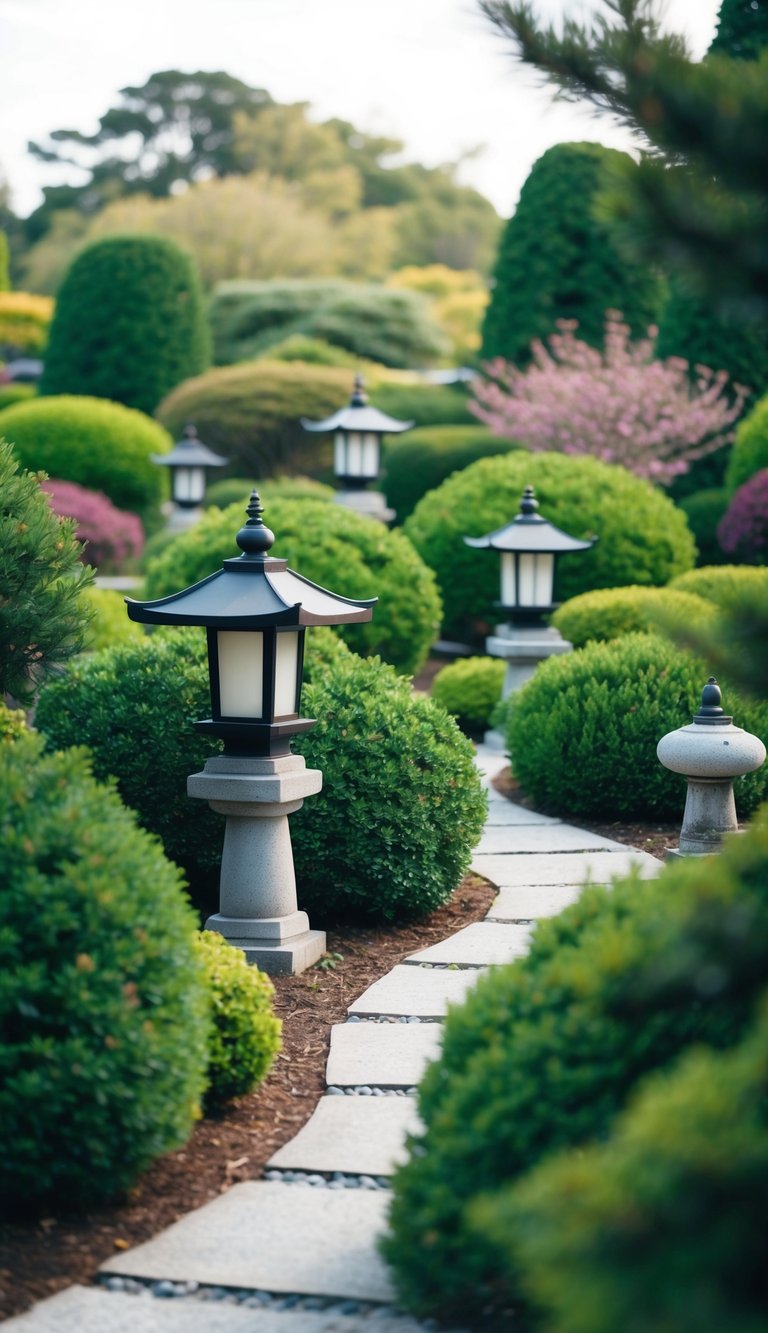
Evergreen shrubs are perfect for achieving a lush look in a compact Japanese garden. They deliver color and form throughout the year, ensuring your space is inviting no matter the season.
Think about using smaller varieties such as Japanese holly or Aucuba. These plants are a great fit for borders or as foundation plantings. They add a lovely touch without demanding too much space.
Expert Tip: “Pick several kinds of evergreens to create a rich tapestry of textures. Always remember to maintain balance in your space for a natural feel.”
12. Incorporate a pagoda statue
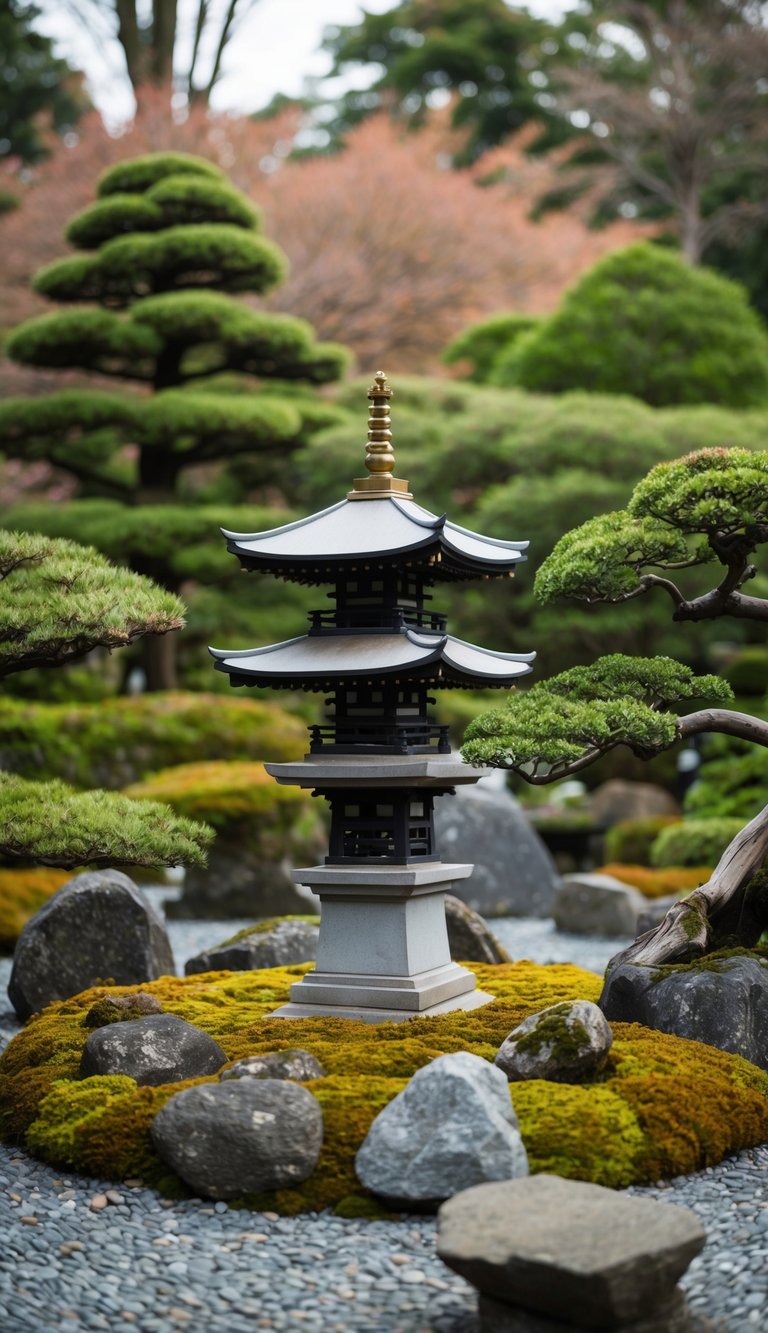
A pagoda statue can introduce a sense of calm and charm into your small Japanese garden. These statues are available in a range of sizes and styles, so you can easily find one that is a perfect match for your space.
A pagoda doesn’t just act as a decorative piece; it also deepens the serene atmosphere. Place it by a water feature or nestle it among plants to establish a striking focal point.
Expert Tip: “Go for a pagoda statue with natural hues to ensure it blends seamlessly with your garden. A little moss on the statue can make it look even more authentic.”
13. Plant flowering cherry blossoms
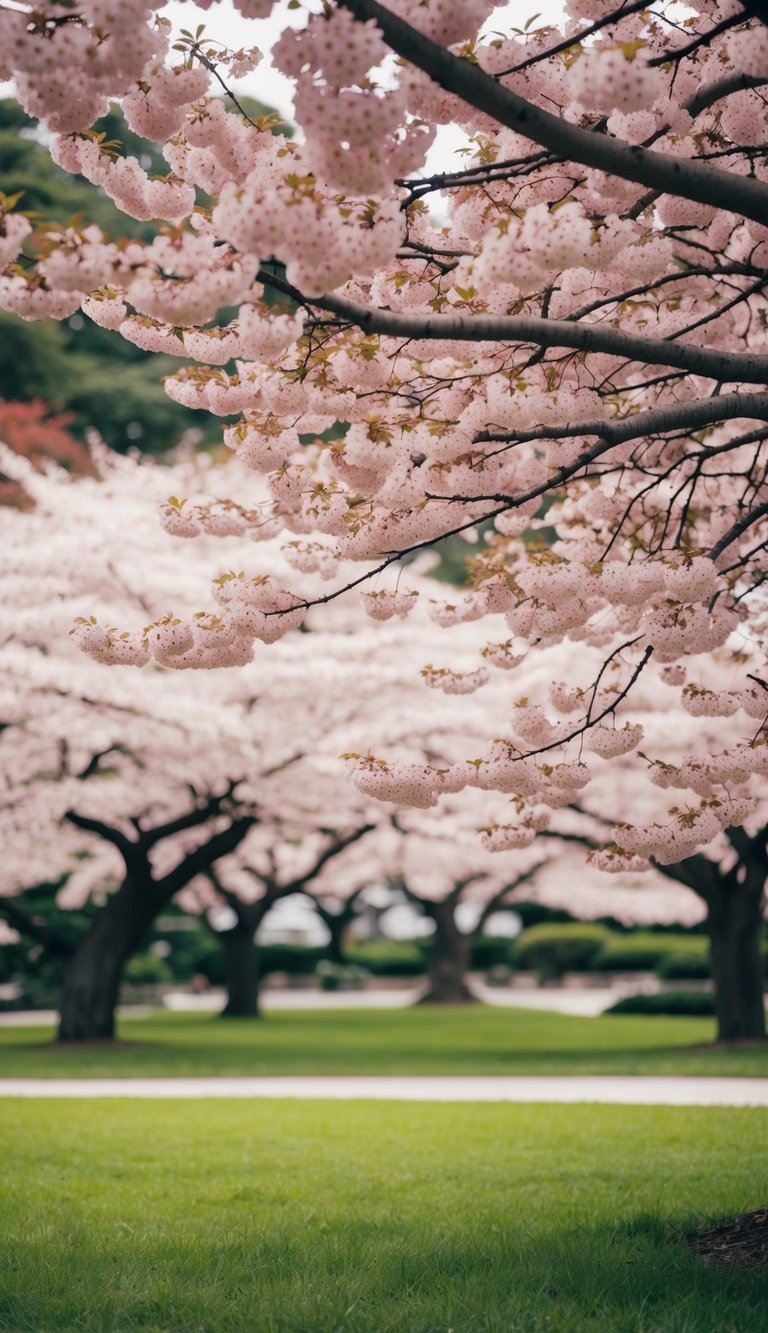
Flowering cherry blossoms are a stunning option for your small garden. They provide a burst of color and a sweet scent in the springtime. If your yard is on the smaller side, choose varieties specifically suited for compact spaces.
These trees can become a breathtaking focal point. You could plant them near a pathway to amplify your garden’s charm. Just ensure they receive adequate sunlight and have enough space to flourish.
Expert Tip: “Select the right variety for your area. Pruning them regularly will help manage their size and shape.”
14. Try a raked gravel pattern
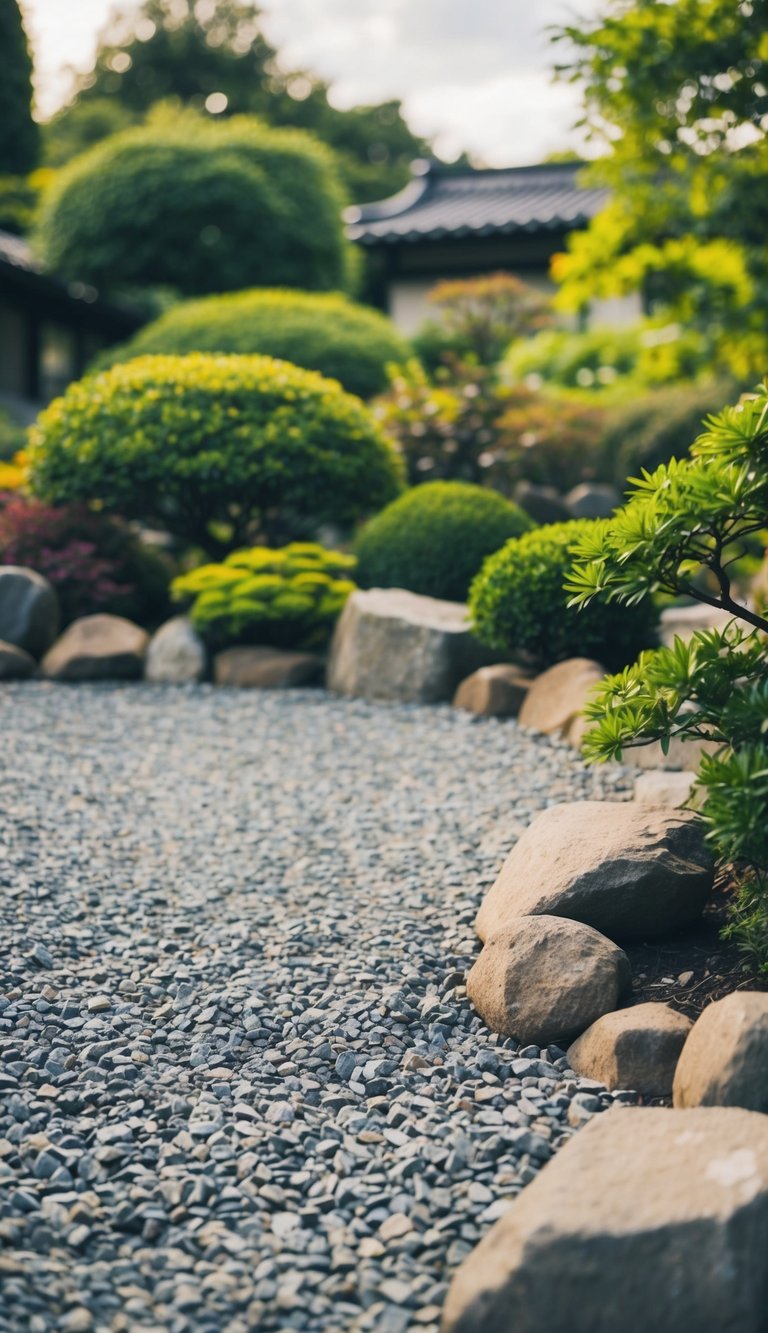
Raking gravel is a wonderful way to create beautiful patterns in your garden. The lines symbolize water ripples, bringing a tranquil quality to the space. You can use white gravel or sand to represent water and then rake it into captivating designs.
Feel free to play around with different lines, curves, and shapes until you find a style you love. This can be an enjoyable and meditative activity that infuses your garden with character.
Expert Tip: “For a traditional appearance, use a bamboo rake. Refresh the patterns periodically to keep your garden looking clean and orderly.”
15. Select shade-loving ferns
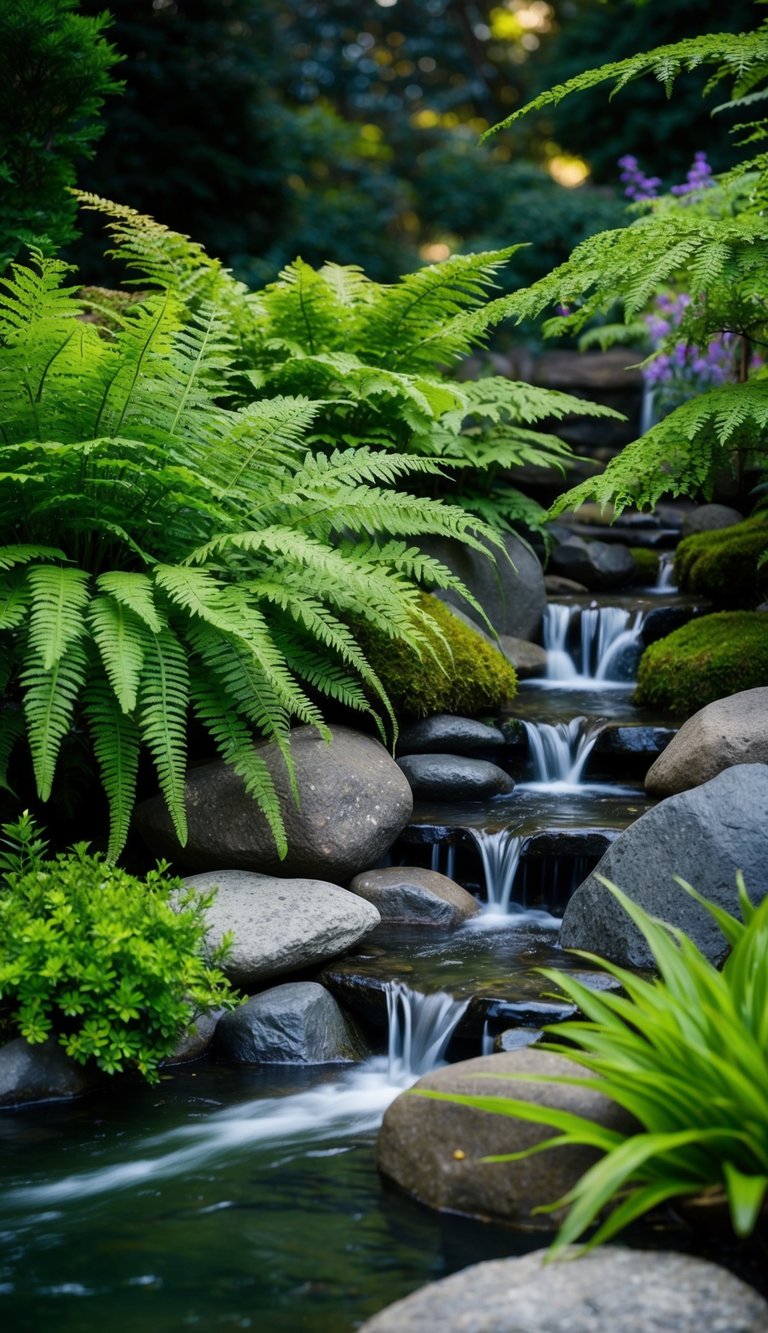
Shade-loving ferns can help brighten up your small Japanese garden. They do well in low light conditions and contribute a lush, green feel. Popular options include Japanese painted ferns and maidenhair ferns.
These plants don’t require much maintenance and grow happily in moist, shaded spots. Their distinctive forms and textures help create a calming environment.
Expert Tip: “Consider mixing different types of ferns to add more interest. Arranging them in clusters can achieve a more natural appearance.”
16. Add a compact bamboo fence
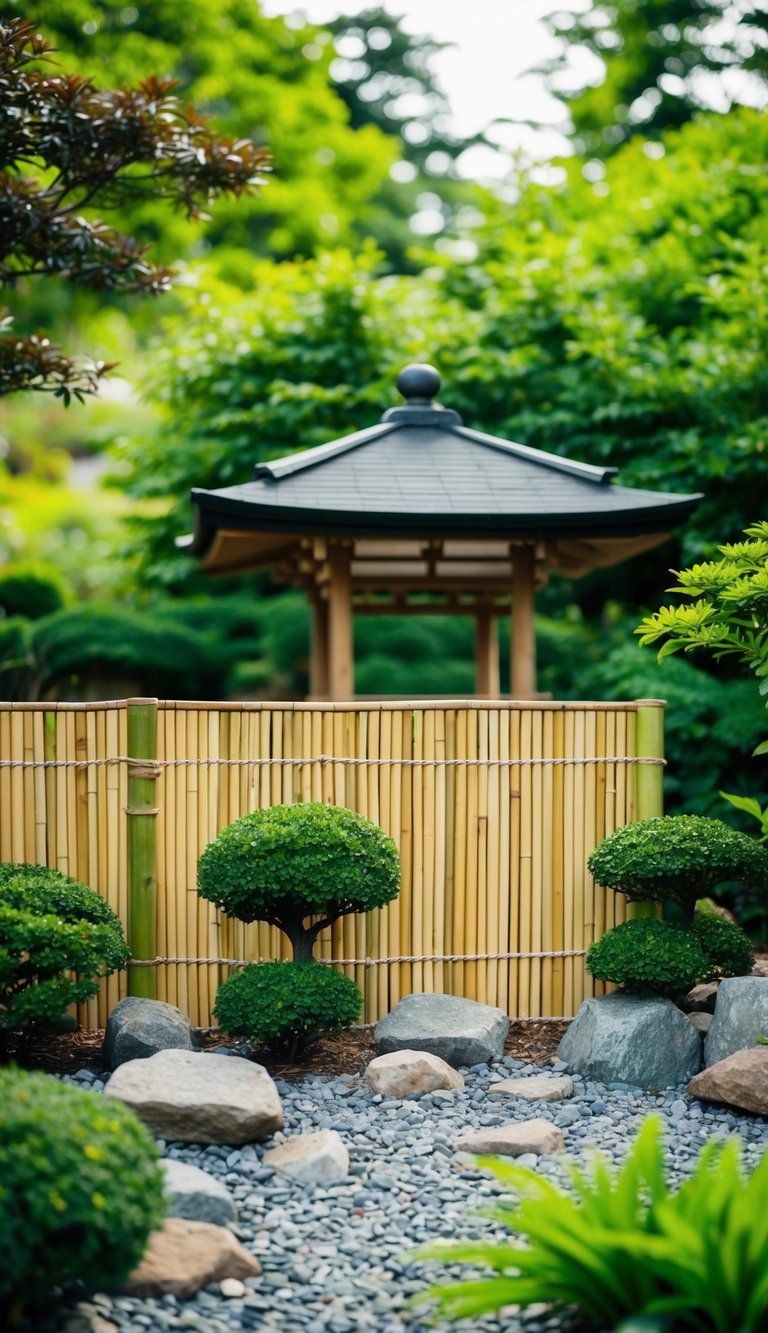
A compact bamboo fence can significantly improve the look of your small Japanese garden. It provides charm and a sense of privacy without consuming a lot of room. Bamboo is a lightweight material and is simple to install.
For a unique design, think about using panels of staggered heights. This not only adds visual appeal but also enhances privacy. Additionally, the natural look of bamboo pairs beautifully with plants.
Expert Tip: “For a brighter appearance, choose bleached bamboo. It can lighten up your garden space without feeling overwhelming.”
17. Design a small tea garden area
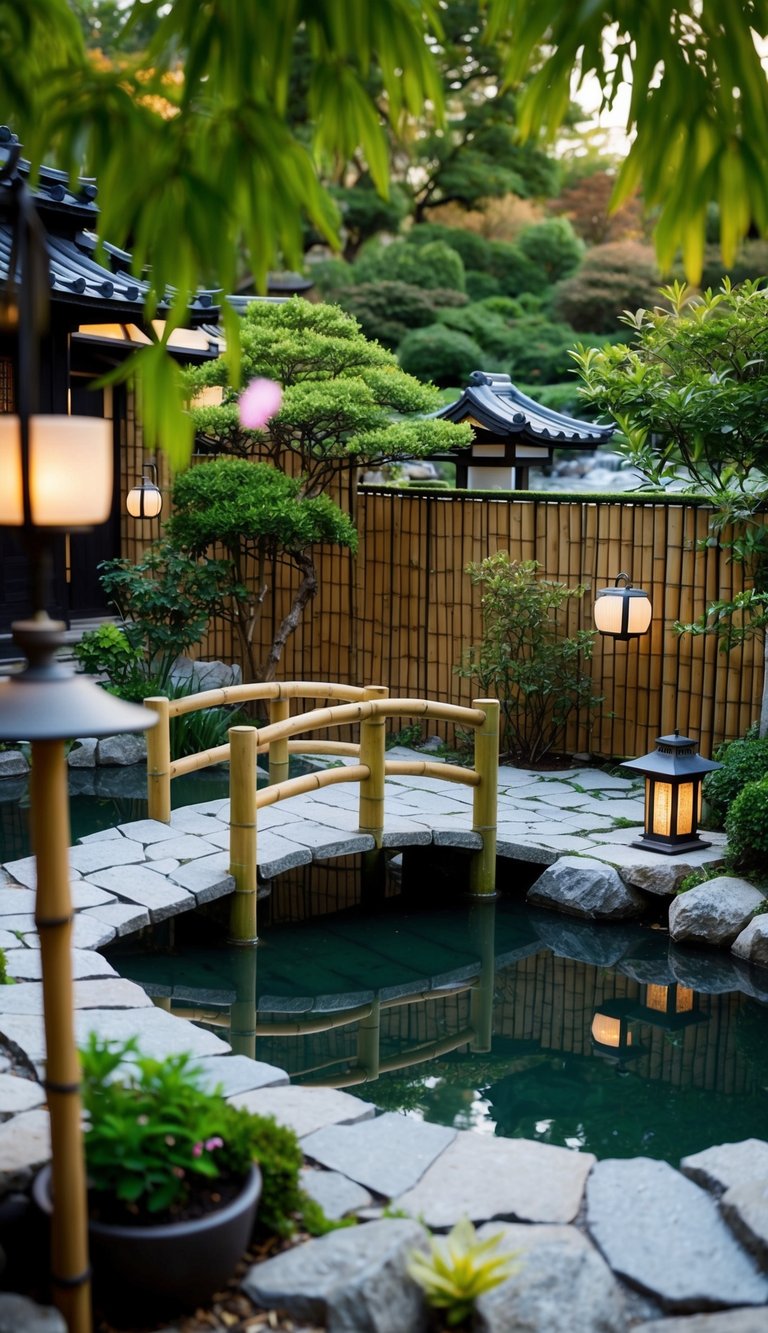
A small tea garden can add a touch of charm to your yard. Begin by picking a quiet corner that gets plenty of sunlight. You can grow tea plants like Camellia sinensis, the source of all traditional teas.
Set up a simple patio or a small seating area with a table. This creates the perfect nook for you to enjoy a cup of tea while surrounded by nature.
You can also use stones or gravel to make a path that leads to your seating spot.
Including Japanese lanterns is another way to add extra ambiance. These features will help your tea garden feel both peaceful and welcoming.
Expert Tip: “Choose plants that will thrive in your specific climate. Keep the area neat to maintain a calming effect.”
18. Include a simple water basin
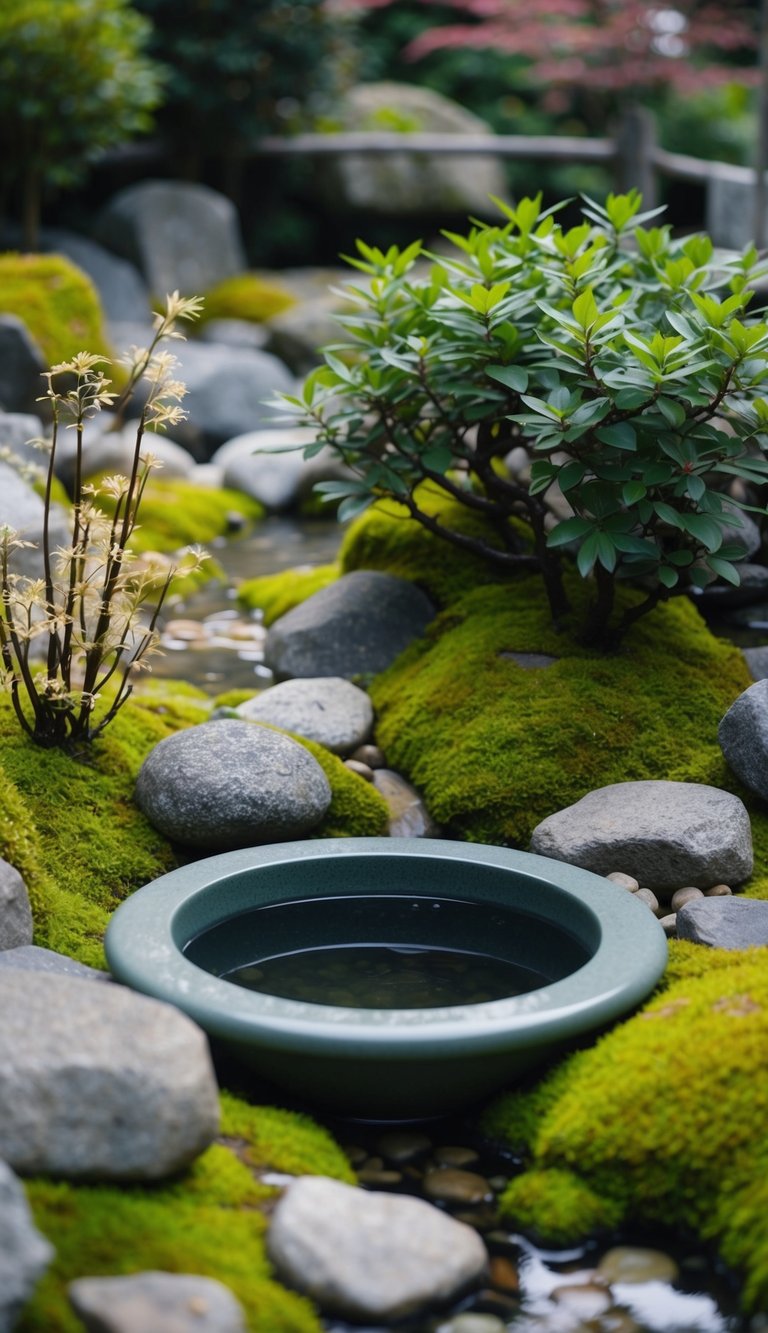
A simple water basin can add a layer of beauty to your small Japanese garden. It creates a focal point while also bringing a sense of calm. Set it at ground level so it’s easily accessible and catches the eye.
For a more authentic feel, consider using natural materials like stone. You can fill it with water or even some decorative pebbles. A basin is a wonderful way to enhance the peaceful atmosphere you’re aiming for in your garden.
Expert Tip: “Find a location where the basin’s reflection is visible in the water for a stunning visual. This one small detail can transform your area into a tranquil retreat.”
19. Use weathered wooden bridges
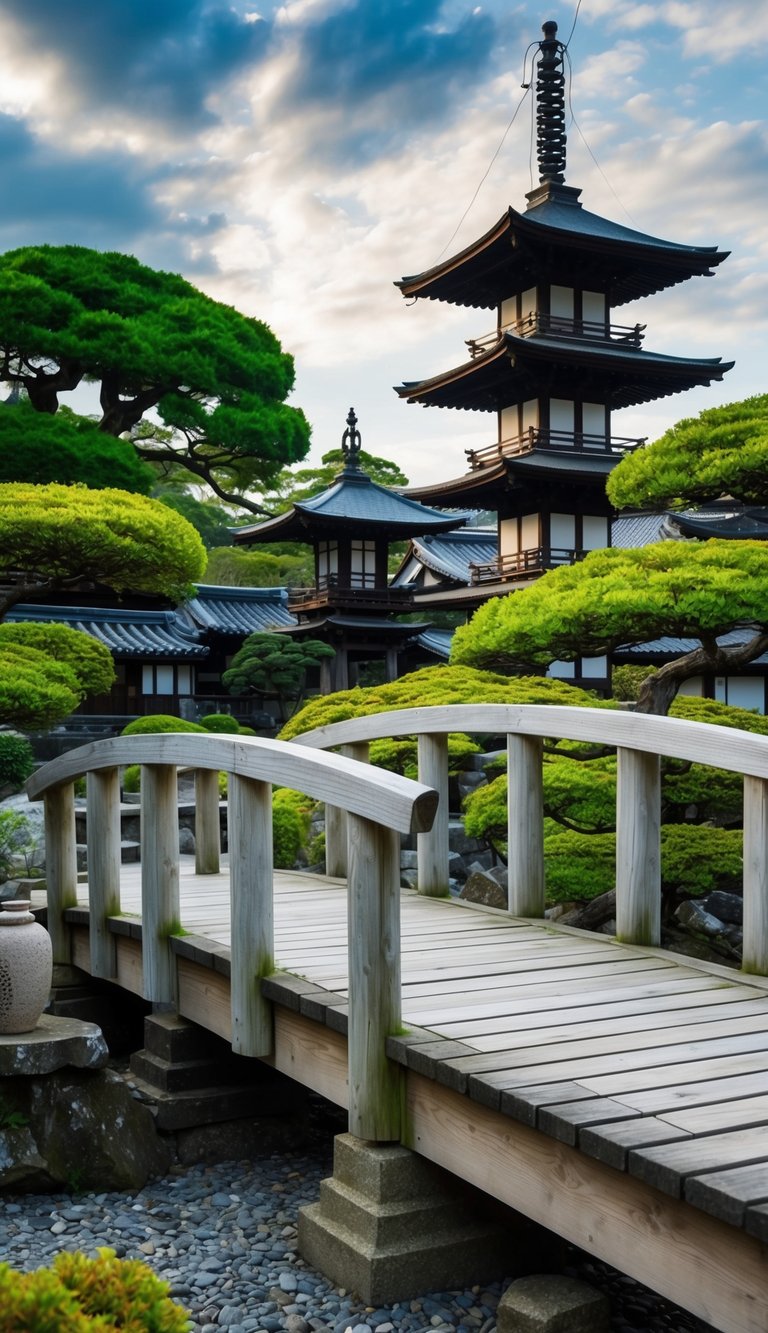
Weathered wooden bridges can lend a lot of charm to your Japanese garden. Their rustic appearance blends in beautifully with nature, creating a peaceful scene. You can place them over a small pond or a dry pathway, which makes your garden feel more inviting.
These bridges often take inspiration from traditional styles, like the yatsuhashi, which features simple lines and forms. The wood’s natural aging process gives it character, helping it merge with the surrounding landscape.
Expert Tip: “Select a type of wood that can endure the elements while retaining its rustic look. Regular upkeep, like applying a sealant, can help extend the life of your bridge.”
20. Add contrasting textures with rocks
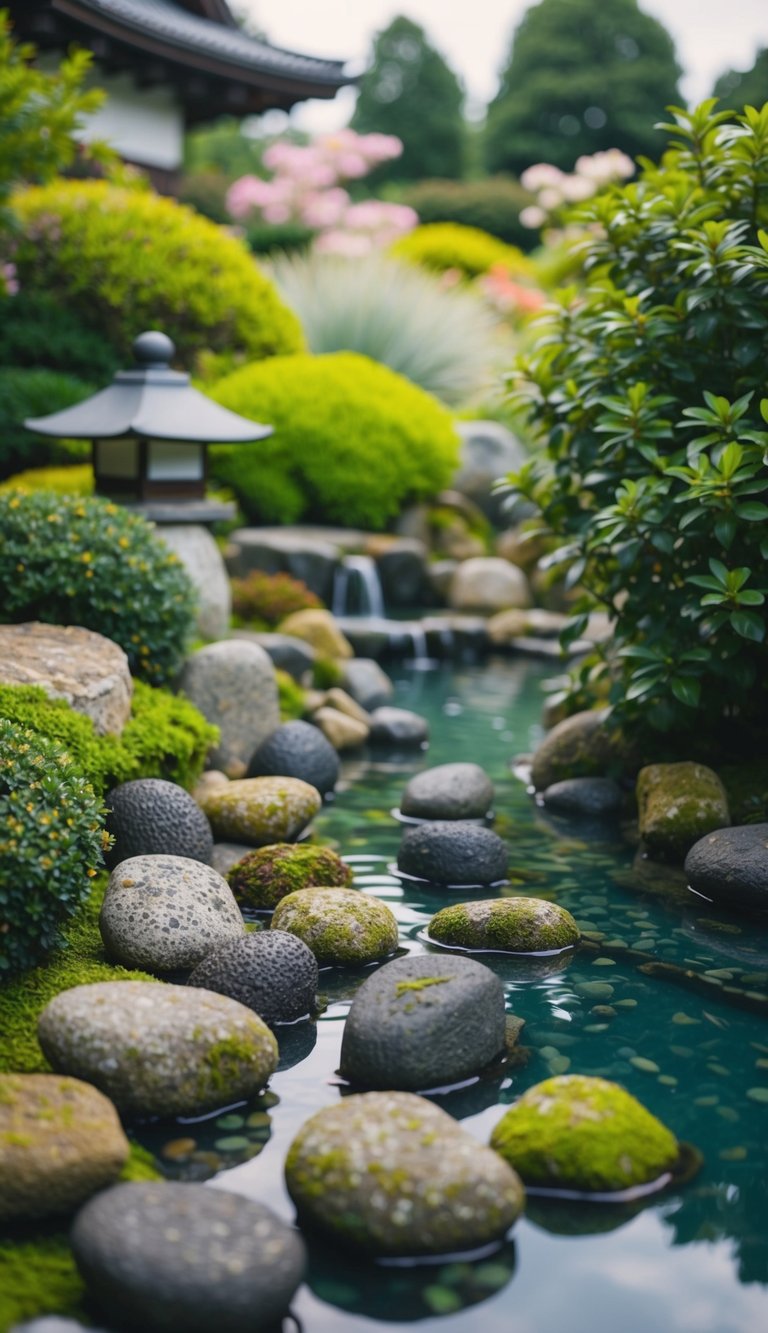
Employing different kinds of rocks is a great way to add texture to your garden. You can combine smooth pebbles with rugged stones to create a visually dynamic space.
Consider laying flat stones for pathways or using gravel to introduce a soft contrast.
Larger boulders can act as focal points, while smaller rocks can fill in spaces, contributing to a more natural look. This mix of textures will make your garden feel more engaging and inviting.
Expert Tip: “Select rocks that complement your plant choices. The right textures will attract attention and help make your garden a peaceful escape.”
21. Plant azaleas for color
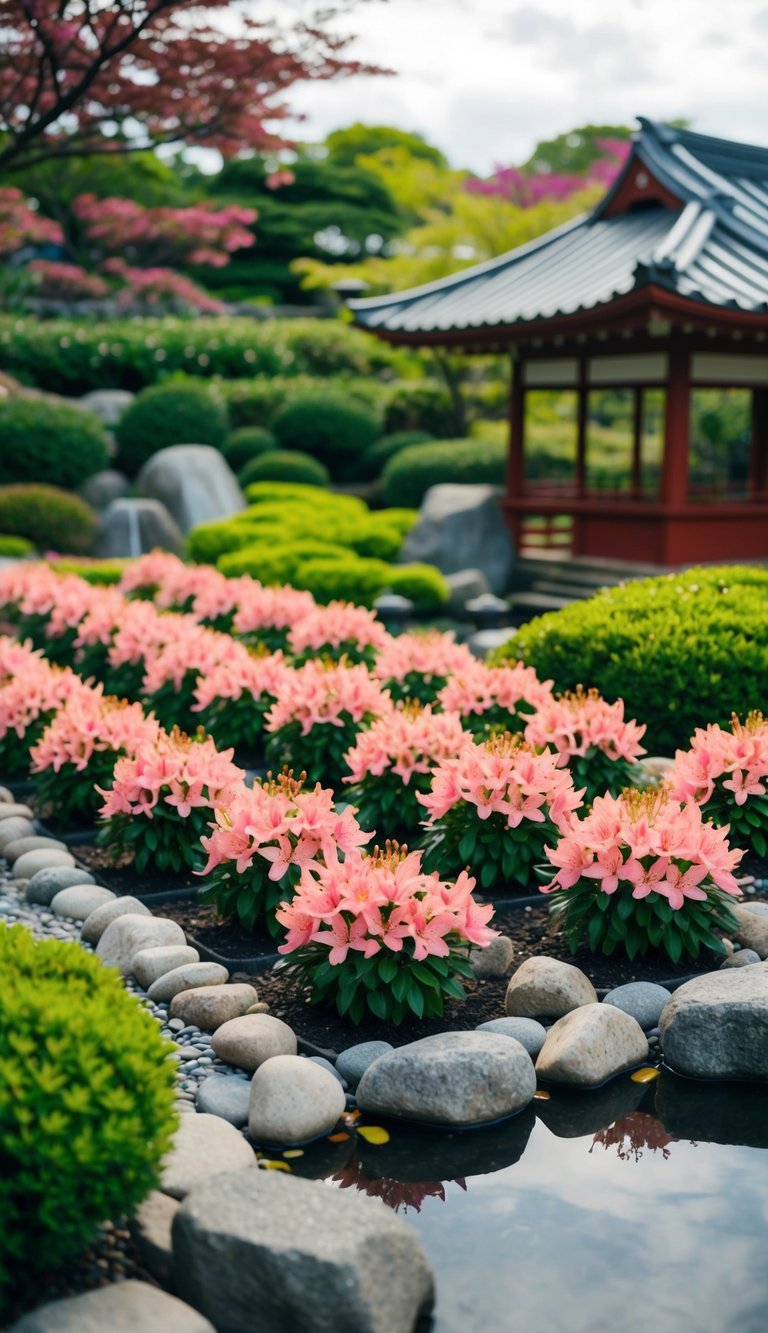
Azaleas inject vibrant colors into your Japanese garden. These flowering shrubs burst into bloom with shades of pink, red, and white, providing cheerful highlights. They do best in rich, acidic soil and require good drainage to remain healthy.
Arrange them in clusters for a truly stunning visual display. They are also low-maintenance and can adapt to a variety of environments.
Expert Tip: “Opt for dwarf varieties if you’re working with smaller areas. They provide a big splash of color without taking over the space.”
22. Introduce bonsai trees
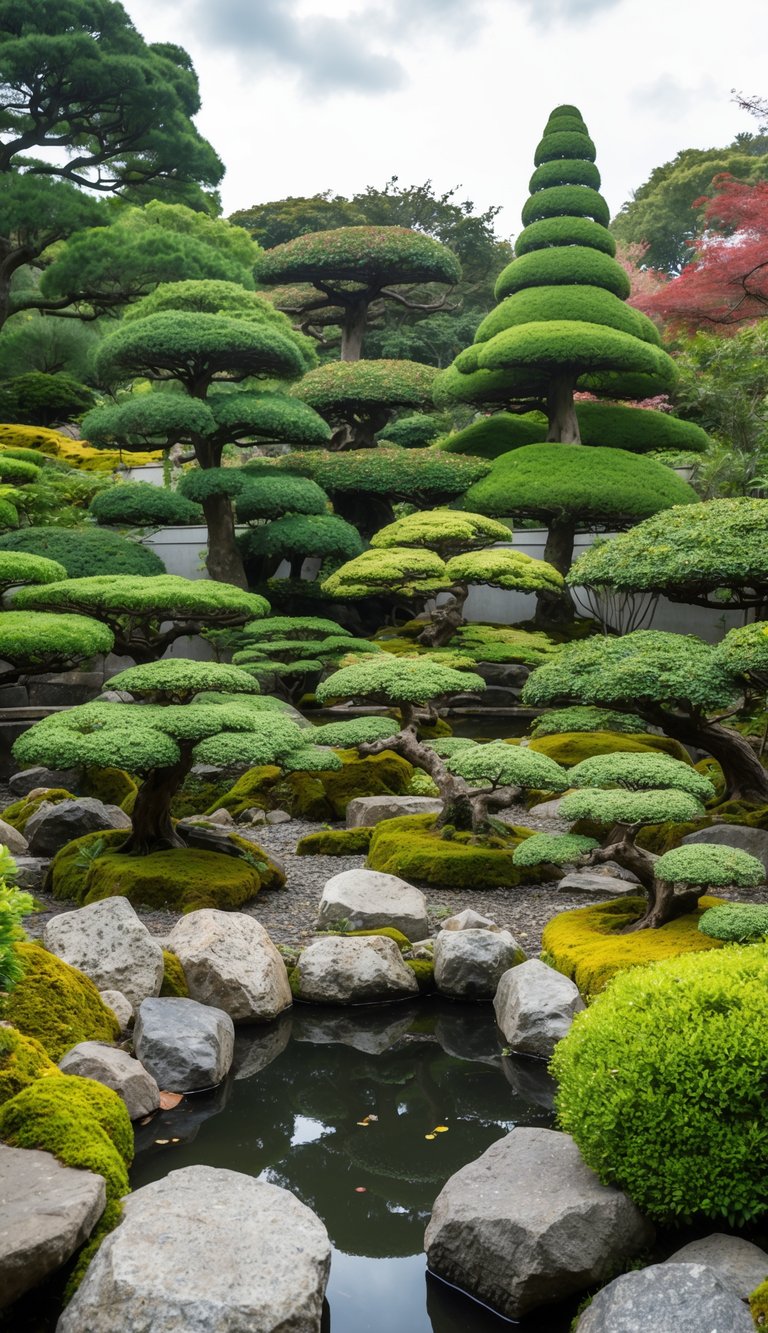
Bonsai trees can bring both beauty and tranquility to your small Japanese garden. These miniature trees are a powerful symbol of patience and attentive care.
You have a wide variety of species to choose from, including juniper, pine, and maple, allowing you to cultivate your desired aesthetic.
Make the bonsai a central feature in your garden. You can surround it with rocks or moss to accentuate its style. Diligent care, such as regular pruning and watering, is essential to keep it healthy.
Expert Tip: “If you’re just starting out, begin with a hardier species. The most important thing is to enjoy the journey of growing and shaping your bonsai!”
23. Incorporate ‘borrowed scenery’
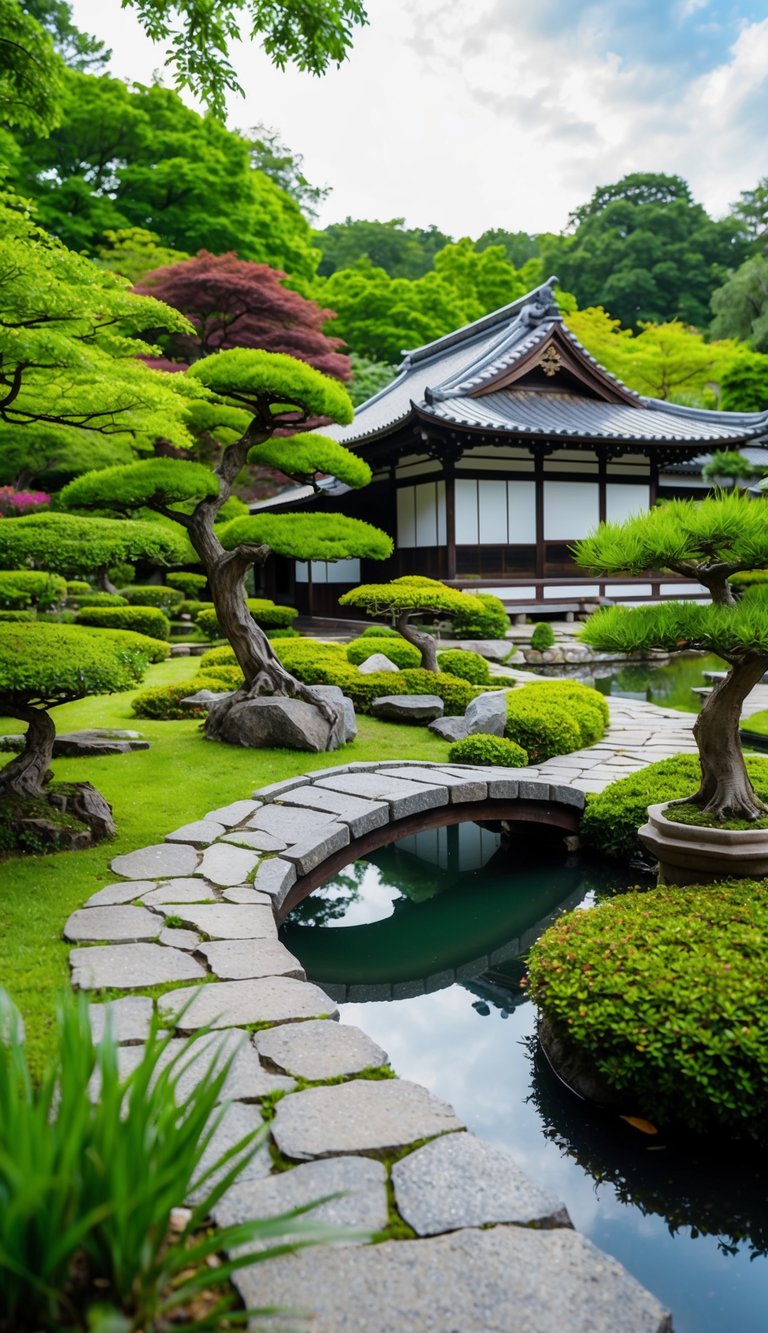
The technique of using borrowed scenery can dramatically improve your small Japanese garden. This approach allows you to integrate natural views from beyond your garden’s boundaries into your design.
You can frame a distant tree, a mountain, or even a city skyline to add depth and beauty without needing a large footprint.
To achieve the best results, be sure to arrange your plants and other features in a way that highlights these external views.
Expert Tip: “Choose vistas that change with the seasons to keep your garden visually interesting. Use pathways to draw the eye toward these framed elements.”
24. Create a meditation corner
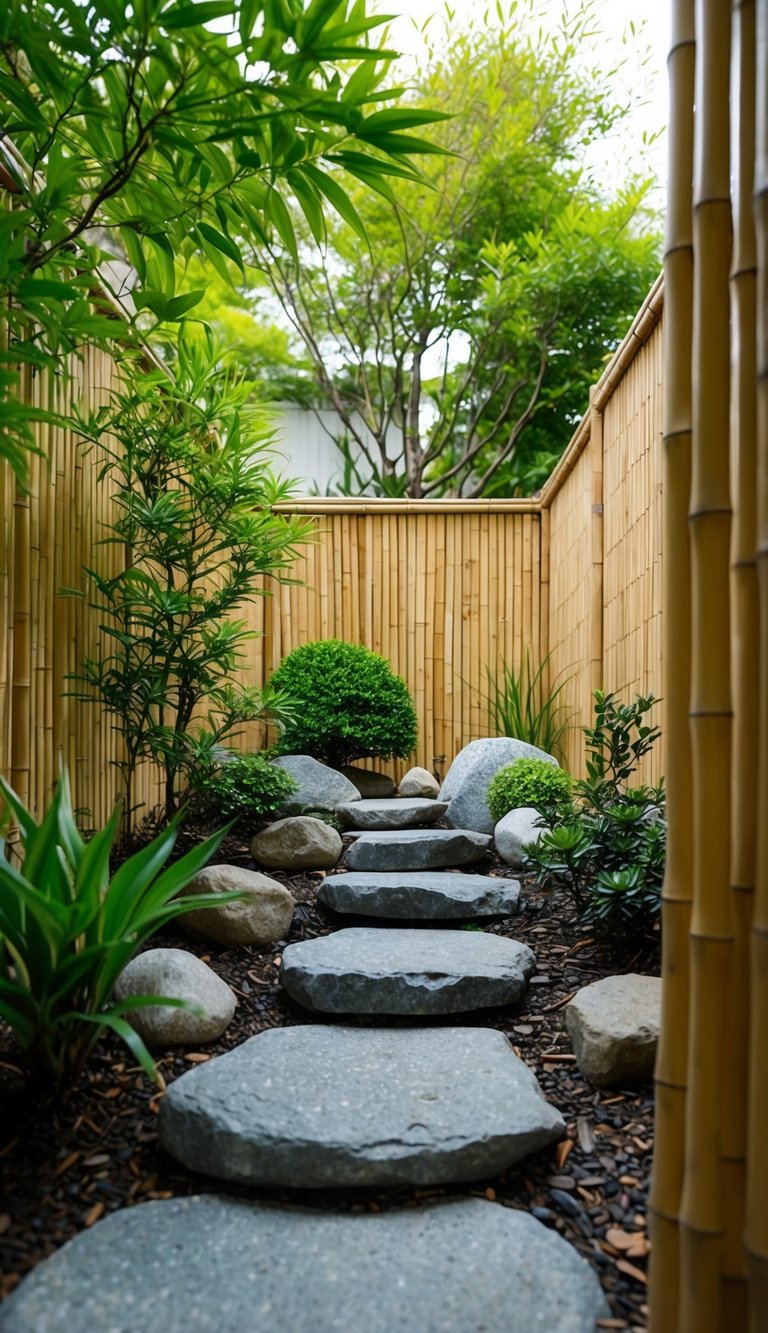
To make a meditation corner, start by finding a quiet spot in your garden. Furnish it with comfortable seating, like a cushion or a small bench. Frame the area with calming plants, such as bamboo or ferns, to foster a peaceful atmosphere.
You might also want to add a small water feature. The sound of running water can be very relaxing. The goal is to make the space feel cozy and inviting.