Imagine swapping your regular grass for a soft, fragrant meadow of tiny, daisy-like flowers. That’s the unique charm of a chamomile lawn, a beautiful alternative that fills your yard with an inviting, sweet scent. While chamomile is famous for its use in teas and beauty products, it also serves as a fantastic ground cover.
Of course, like any landscaping choice, a chamomile lawn comes with its own set of benefits and drawbacks. A chamomile lawn is a low-maintenance and drought-tolerant option that releases a lovely aroma whenever you walk on it. It attracts helpful insects, needs very little mowing, and you can even harvest it for herbal tea. On the other hand, it may not stand up to heavy foot traffic, demands good soil drainage, and can become invasive in some areas. Compared to a classic turf, its aesthetic might not appeal to everyone, and starting it from seed can be a bit of a challenge.
If you’re searching for a creative alternative to a traditional lawn, chamomile is an idea worth exploring. Consider how to start and care for this unique and aromatic ground cover.
Is Chamomile Good for Lawn?
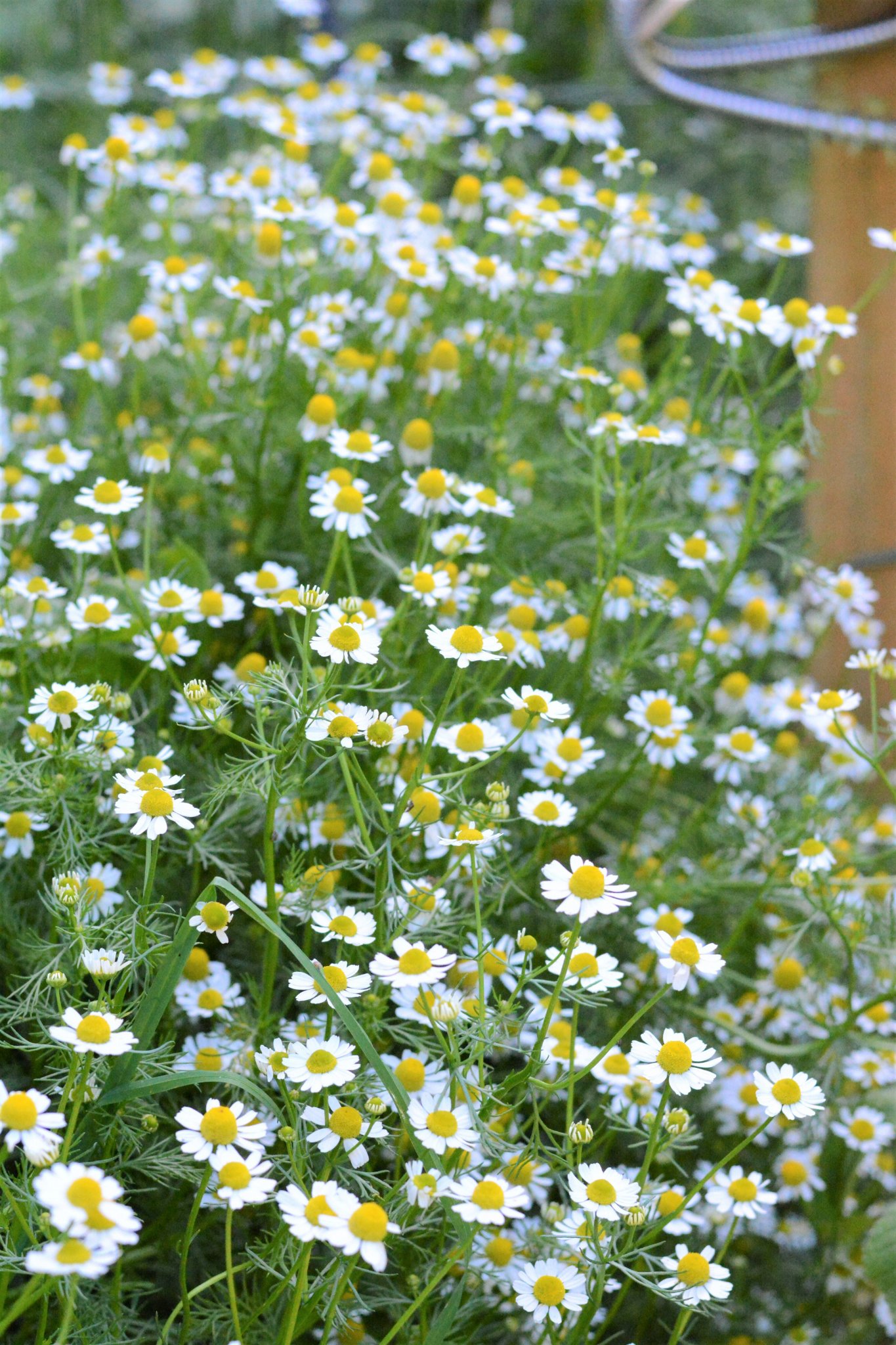
Yes, certain types of chamomile, particularly Roman chamomile (Chamaemelum nobile) and German chamomile (Matricaria chamomilla), are excellent choices for ground cover or as a full lawn replacement. Their low-growing habit and wonderful fragrance make them a popular alternative to traditional turf.
Chamomile flourishes under specific conditions, so it’s important to make sure your yard is a good fit before you start planting. It needs plenty of sunlight and soil that drains well. This plant is also sensitive to extreme heat and cold, making it less suitable for regions with harsh winters or scorching summers.
While a chamomile lawn frees you from the chore of constant mowing, it does require regular watering and weeding to stay healthy. Consider chamomile if you are looking for a unique, meadow-like lawn. However, if you prefer a more uniform, traditional yard, you may want to look at other ground cover options.
How To Grow A Chamomile Lawn

Before you begin, you need to confirm that your yard provides the right environment for chamomile to thrive. The area should get full sun to partial shade and have soil that drains easily. An ideal spot will receive at least six hours of direct sunlight each day.
Timing your planting is also crucial. If you plan to sow seeds directly into the ground, do so in the spring after the danger of the last frost has passed. Alternatively, if you want to transplant seedlings, start them indoors about six weeks before the last frost date.
Here are the steps to cultivate a beautiful chamomile lawn.
Step 1. Prepare The Soil
Proper soil preparation is key to ensuring your chamomile plants establish well and flourish. Start by clearing the area of any existing grass and weeds, either by digging them out or using an herbicide.
Next, use a soil test kit to check the pH level. Chamomile prefers a pH between 5.5 and 7.5. It also grows best in soil rich in organic material, so you should amend the ground. Add about two to three inches of compost, leaf mold, or well-rotted manure, and work it into the top six inches of your soil.
After amending, use a garden fork or tiller to loosen the soil to a depth of about six inches. This helps mix the organic matter and improves the overall soil structure. Finally, rake the lawn to remove any large rocks or debris and create a smooth, level surface. A level planting area helps the chamomile grow in a uniform carpet.
Step 2. Plant the Chamomile Seeds or Seedlings
If you are planting seeds directly, scatter them evenly across the prepared soil. A light raking will help cover the seeds with about a quarter-inch of soil. As a guideline, you will need approximately one ounce of chamomile seeds for every 1000 square feet of lawn.
If you are using seedlings, plant them evenly with about six to eight inches of space between each one. Remember to acclimate the seedlings to the outdoor environment for a week before you put them in the ground.
Step 3. Water Regularly
Chamomile needs consistent moisture to establish itself and grow strong. Water your new lawn lightly but regularly, keeping the soil moist but never waterlogged.
Step 4. Fertilize Sparingly
Chamomile doesn’t require much fertilizer to do well. However, applying a balanced fertilizer once in the spring and again in midsummer can help encourage healthy, robust growth.
Step 5. Manage Weeds
Your lawn must be kept free of weeds, as chamomile can be easily outcompeted. Check your lawn often and carefully pull any weeds by hand to avoid disturbing the delicate chamomile plants.
Chamomile Lawn Pros And Cons
The choice to plant a chamomile lawn depends on your personal preferences, your needs, and whether your yard has the right environmental conditions. It is also important to weigh the advantages and disadvantages of this unique ground cover.
Chamomile Lawn Pros
a) Low-Maintenance
Compared to traditional grass, a chamomile lawn requires less watering, mowing, and fertilizing.
b) Fragrant
Chamomile gives off a sweet, apple-like scent that provides a lovely aroma for your entire yard. This fragrance is released whenever the plants are crushed or walked on.
c) Drought-Tolerant
Once established, chamomile can endure dry periods without the need for frequent watering that a typical grass lawn requires.
d) Attractive to Pollinators
The flowers attract pollinators like butterflies, which helps foster a healthy ecosystem and provides a habitat for important species. These insects also add to the beauty of your yard.
e) Medicinal Properties
The dried flowers of chamomile contain flavonoids and terpenoids, which can help relieve inflammation and prevent diseases. People use dried chamomile to treat hay fever, muscle spasms, ulcers, insomnia, and gastrointestinal problems. You can also brew a soothing tea from either fresh or dried chamomile flowers.
Chamomile Lawn Cons
i) Less Durable Than Grass
Chamomile is not as durable as grass. A chamomile lawn can become patchy under heavy foot traffic or from pets playing on it.
ii) Not Suitable For Every Lawn
This plant has specific requirements and cannot be grown on just any lawn. Yards that have poor drainage or are heavily shaded are not suitable for chamomile.
iii) Susceptible to Herbicides and Weeds
Weeds can quickly overwhelm a chamomile lawn, so you must be diligent about weeding to help your lawn thrive.
iv) Slow To Establish
Creating a lush chamomile lawn takes patience. It might take a full year or even longer for the plants to fill in completely.
v) Limited Use
A chamomile lawn is best suited for ornamental purposes. It is not a good choice for areas that see a lot of foot traffic or other heavy use. If your kids and pets use the lawn for regular play, you should select a different type of ground cover.
How To Maintain Your Chamomile Lawn
Keeping a chamomile lawn healthy and beautiful requires consistent care and attention. Here is what you need to do:
Water
Chamomile thrives in soil that is moist but not soggy. Water your lawn regularly, especially during dry spells. A deep watering encourages the roots to grow further down into the soil.
Fertilize
To promote healthy growth, apply a balanced fertilizer to your chamomile lawn one or two times per year.
Mow
You can let the chamomile grow long or trim it with scissors occasionally to maintain a neat appearance. If you use a mower, set the blade to three inches or higher to avoid damaging the plants.
Weeding
Because chamomile is vulnerable to weeds, you should walk your lawn regularly and pull any you find by hand. Hand-pulling is the best method, as it prevents accidental damage to your chamomile plants.
Pest And Disease Control
Aphids and fungal diseases can sometimes affect a chamomile lawn. Monitor your plants for any signs of pests or disease. Use appropriate organic fungicides or insecticides to eliminate any problems.
Renewal
Over time, a chamomile lawn can become patchy, particularly in areas with heavier foot traffic. Renewal is necessary to keep your lawn looking full and lush. You can do this by overseeding with new chamomile seeds or by dividing and replanting existing plants.