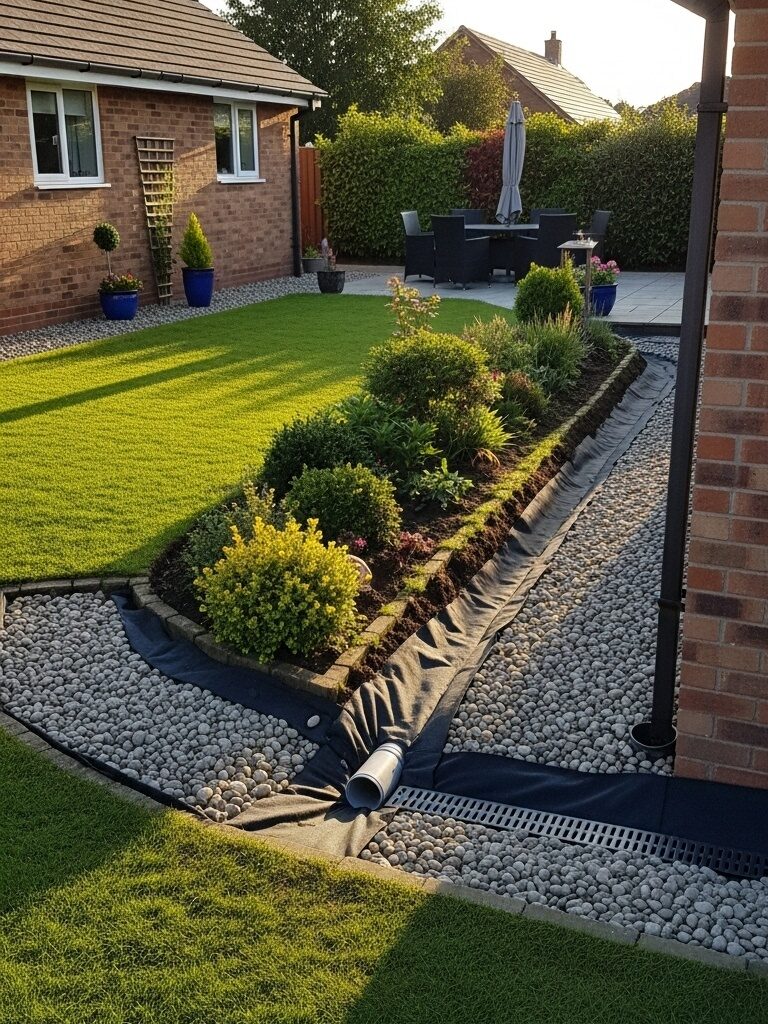
Is water pooling in your yard? It’s a frustrating problem that can ruin plants, destroy your lawn, and even cause damage to your home. Implementing proper yard drainage is the key to directing water away from places it shouldn’t be, ensuring your outdoor space looks great and functions perfectly. Whether your yard is flat, sloped, or just a constant mud pit, there are plenty of smart solutions to tackle drainage issues without needing to be a landscaping expert or breaking the bank.
1. Install French Drains to sneak water away like a stealthy ninja
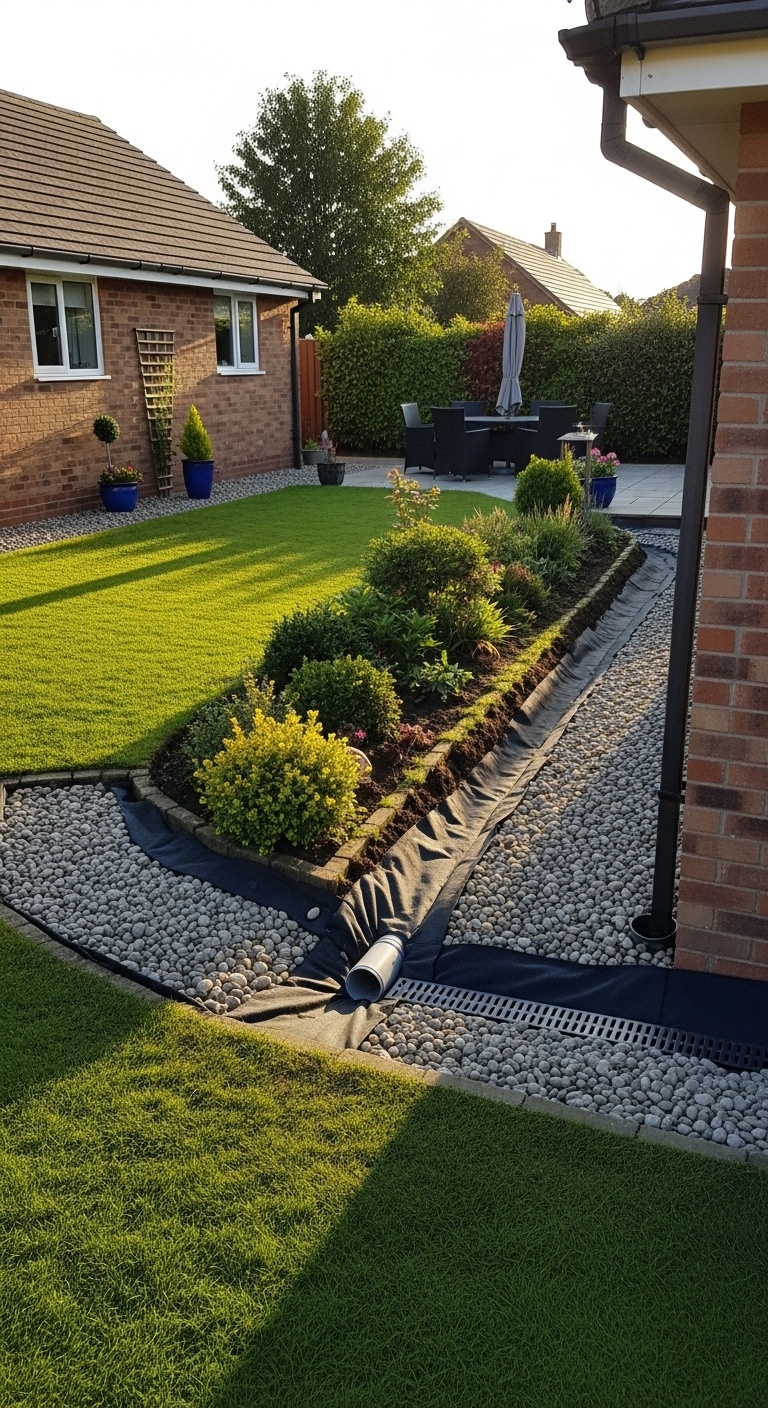
Are puddles appearing where you’d prefer to see lush grass? A French drain is your answer. This clever system works underground, quietly capturing water from soggy areas and channeling it away, so you never have to deal with unexpected flooding.
All you need is a shovel to dig a small trench. After lining it with fabric, you’ll add some gravel and lay a slotted pipe inside. Water seeps into the pipe and is carried on a secret journey away from your yard. It’s essentially a private tunnel for water, allowing your lawn to stay comfortably dry.
French drains don’t require any fancy equipment, just some patience and a good attitude. The most important step is ensuring your trench has the right slope so water flows out instead of just sitting there.
2. Create a Dry Creek Bed for that natural, artsy look with drainage benefits

If you’re tired of looking at a soggy, muddy yard, a dry creek bed can transform that problem area into a beautiful landscape feature. You simply dig a shallow path, line it with a variety of stones, and suddenly you have what looks like a miniature riverbed. When rain arrives, water follows this path and soaks into the ground instead of creating a muddy mess.
This solution isn’t just for looks; it actively helps with drainage. It also adds a touch of elegance, as if you brought in a professional designer. You can enhance the look by adding plants along the edges, which adds more greenery and reduces maintenance. Mixing different rock sizes will give it an even more natural appearance.
3. Extend Downspouts way beyond the house—water needs a road trip, not a condo party
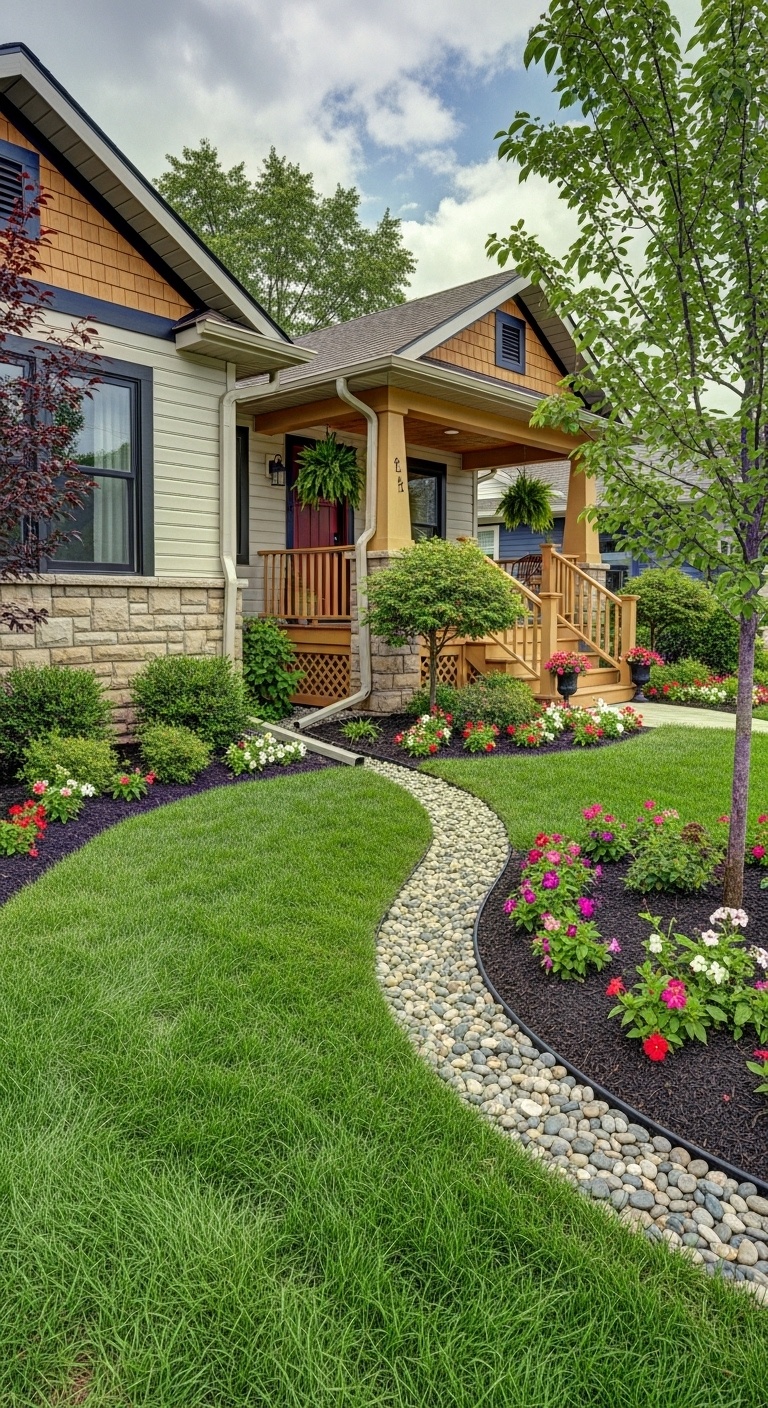
Allowing water to collect around your home’s foundation is a recipe for disaster. If your downspouts are dumping water right next to the house, you’re risking leaks and a very unhappy garden. It’s time to send that water on a journey.
Attach extensions to your downspouts and direct the water at least 4 to 6 feet away from your foundation. You can use plastic pipes, splash blocks, or even underground drains to achieve this. The main objective is to keep water moving so it doesn’t settle where it can cause significant damage. A gentle slope or a simple path will ensure everything flows smoothly away from your home.
4. Build a Rain Garden to turn splash zones into splash parties for plants
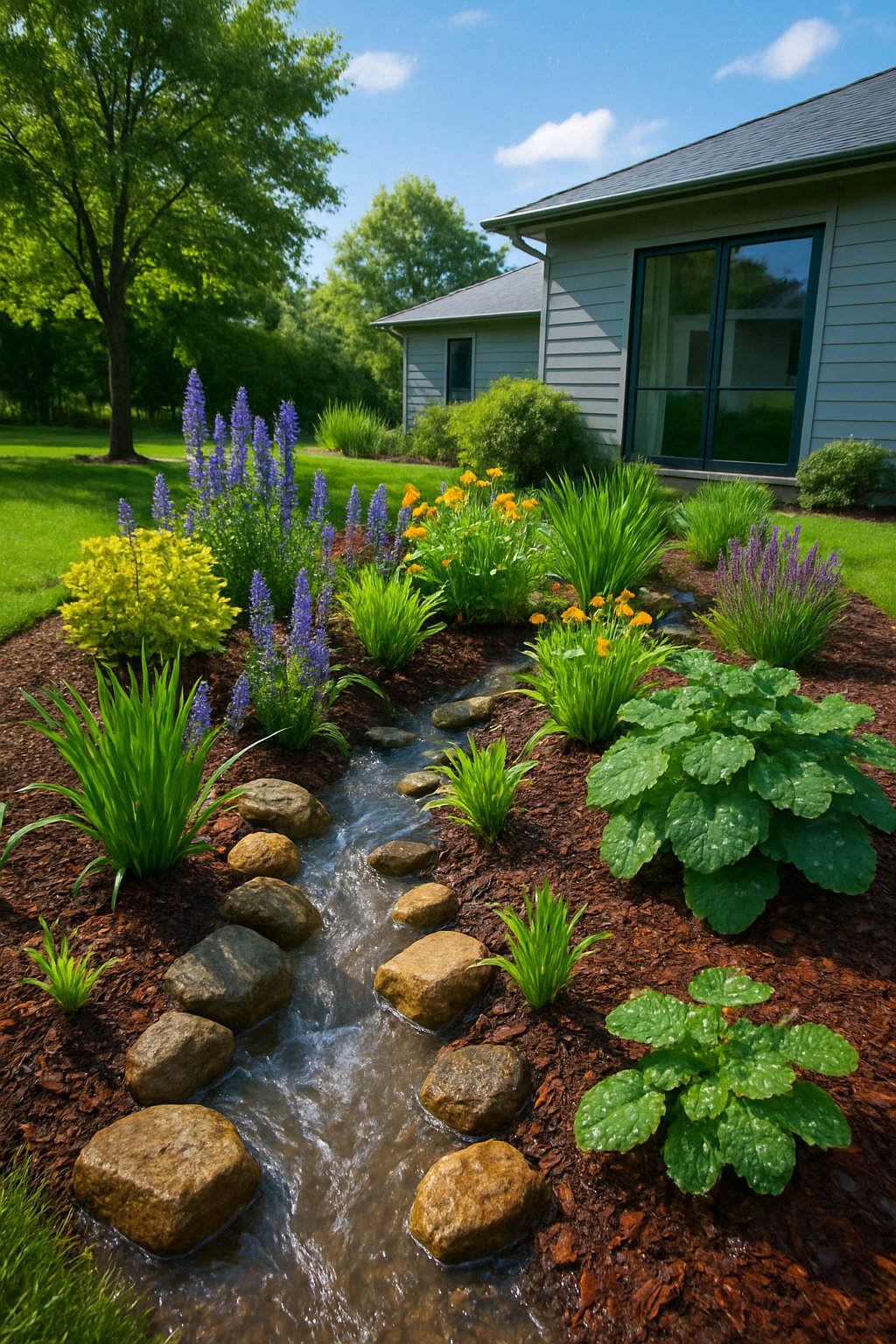
Do you have a perpetually wet patch in your yard that just won’t dry out? Transform it into a rain garden and let your plants enjoy the excess moisture. A rain garden is a shallow depression where rainwater can collect and slowly seep into the soil. This prevents puddles and runoff, and your plants will absolutely thrive.
Place water-loving plants in the lowest part of the garden. Along the higher edges, you can plant wildflowers or other species that enjoy some moisture but don’t want to be in a swimming pool. Native plants are your best bet because they are hardy, low-maintenance, and attract pollinators like bees and butterflies. Over time, your rain garden will even help keep local streams cleaner by slowing down runoff and filtering out pollutants.
5. Use Permeable Pavers so water can do its thing instead of just puddling up
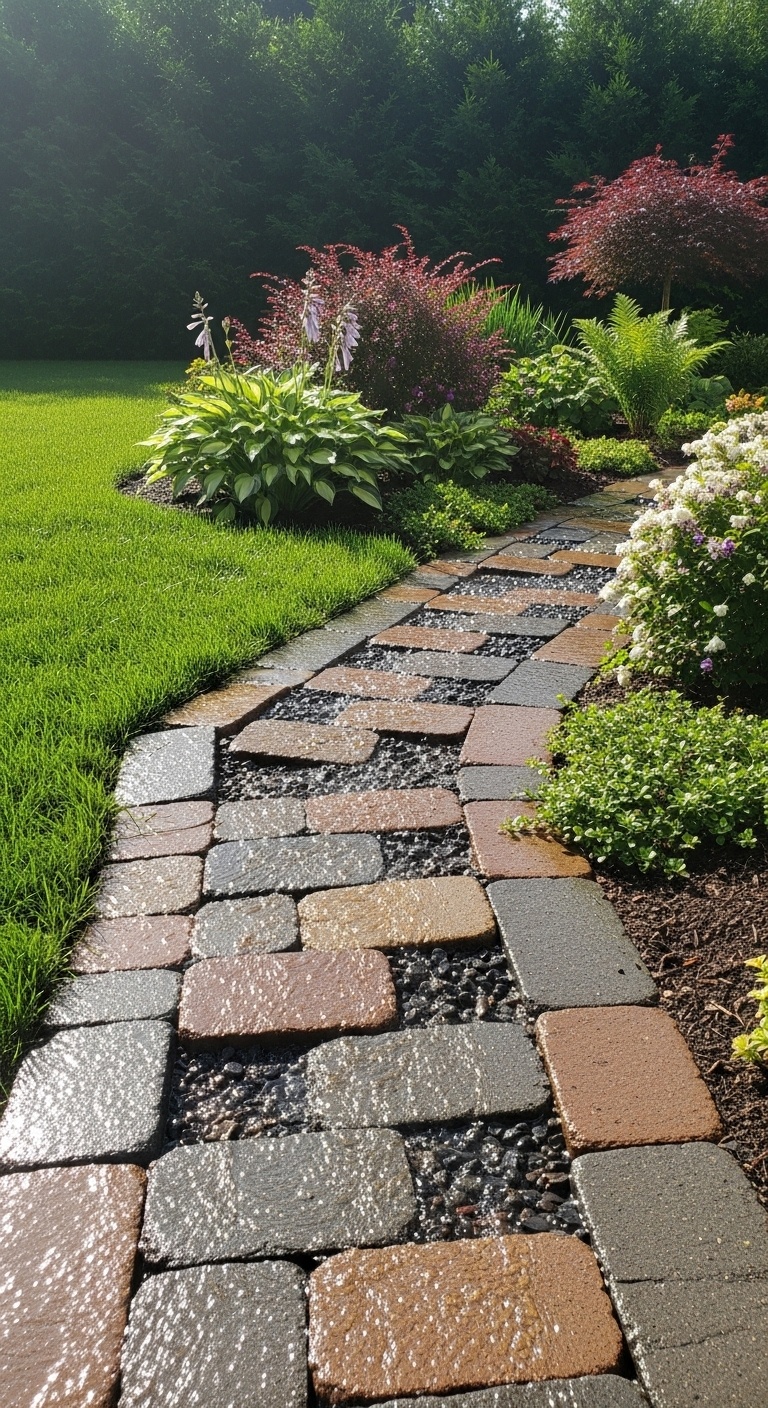
Are you tired of puddles forming after every storm? Permeable pavers are designed to let water slip right through the cracks, preventing your patio or walkway from turning into a mini-lake. Instead of pooling on the surface, rainwater soaks down into the soil below. This means less flooding, reduced runoff, and a healthy drink for your plants.
Permeable pavers are available in a wide range of styles, so you don’t have to sacrifice aesthetics for function. They are an excellent choice for driveways, patios, and walkways, giving you better drainage and fewer muddy footprints.
6. Add a Sump Pump for the hardcore wet zone warriors among us.
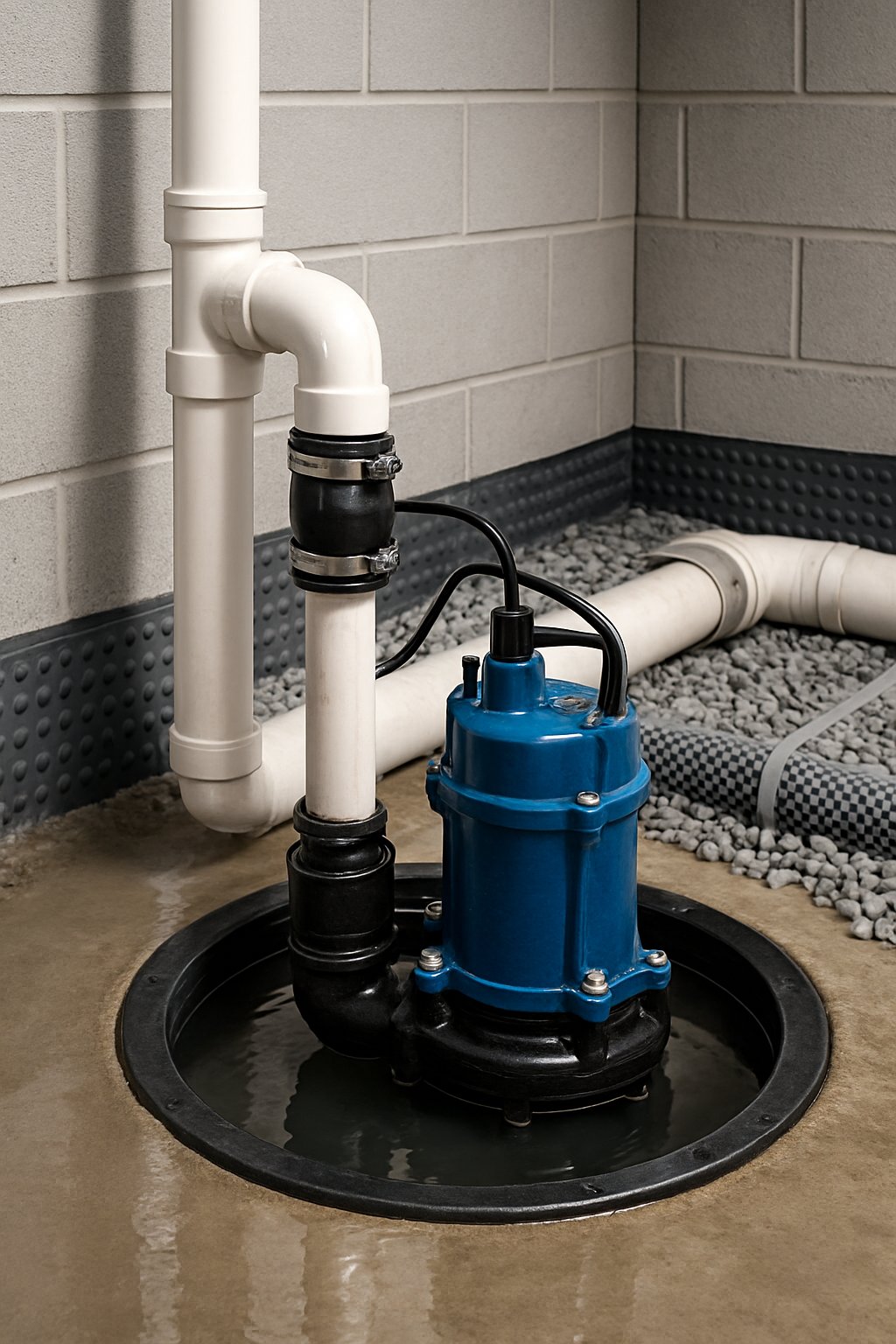
Is your yard consistently wet, no matter what you try? A sump pump could be the secret weapon you need. You install it in a pit at the lowest point where water tends to collect. When the water level rises, the pump automatically activates and pushes the water out through a pipe, directing it far away from your house.
This system prevents your yard from becoming a swamp. Using pop-up drainage emitters at the end of the discharge pipe is a great way to keep leaves and small animals out. Sump pumps are an ideal solution for flat yards or those relentlessly soggy spots that just refuse to dry.
7. Dig a Swale—think of it as a shallow ditch giving water a smooth highway diversion
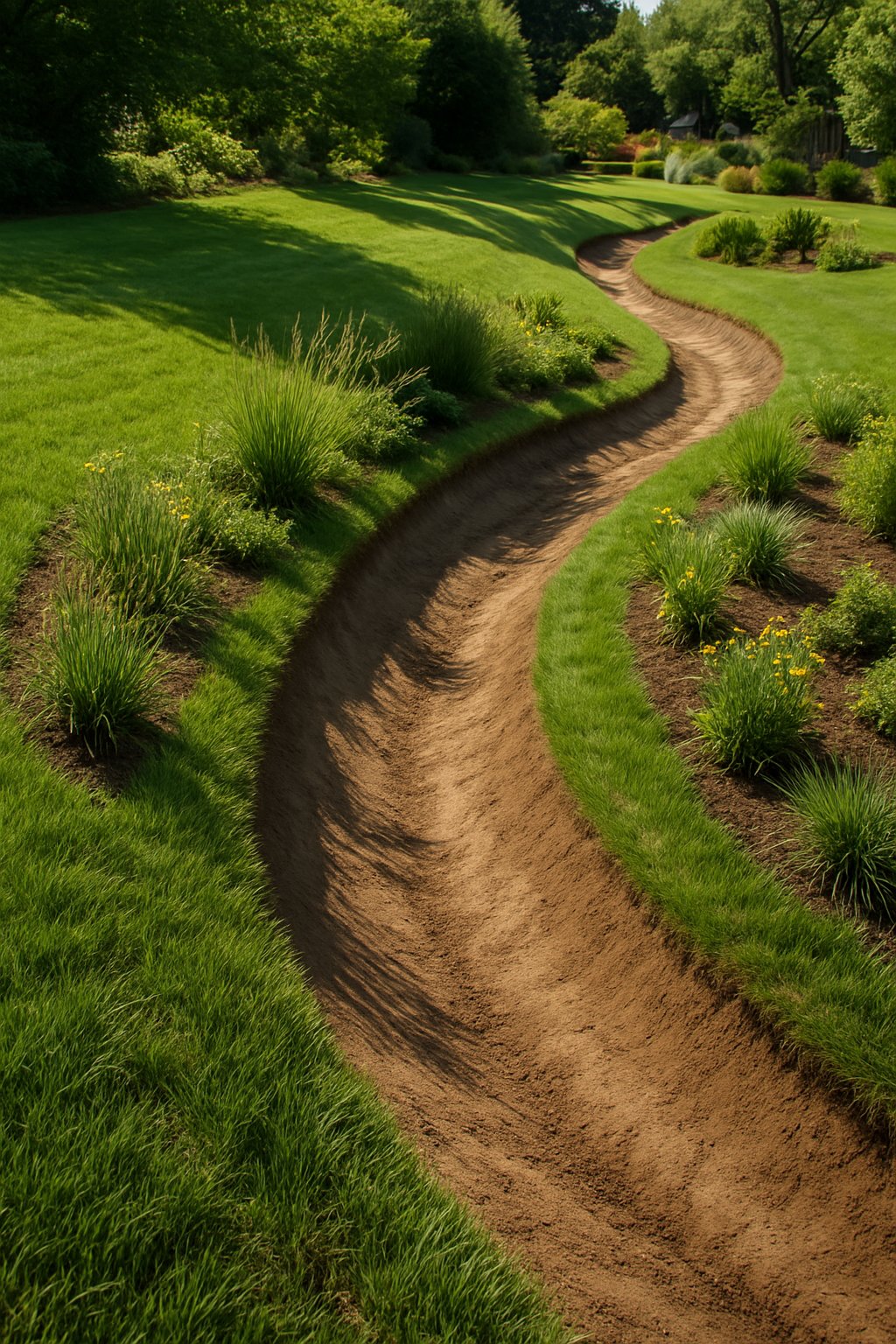
Water has a mind of its own, especially during a downpour. A swale, which is a shallow ditch, is designed to gently guide water away from problem areas. By following the natural slope of your yard, the swale allows water to move along it slowly, soaking into the ground as it travels.
You can cover the swale with grass or other plants to slow the water down even more. Dig your swale with a very slight slope, just enough to encourage movement without creating a rushing stream. It’s like building a mini-river to keep your yard perfectly dry.
8. Lay Gravel Trenches that act like thirsty sponges soaking up wayward rain
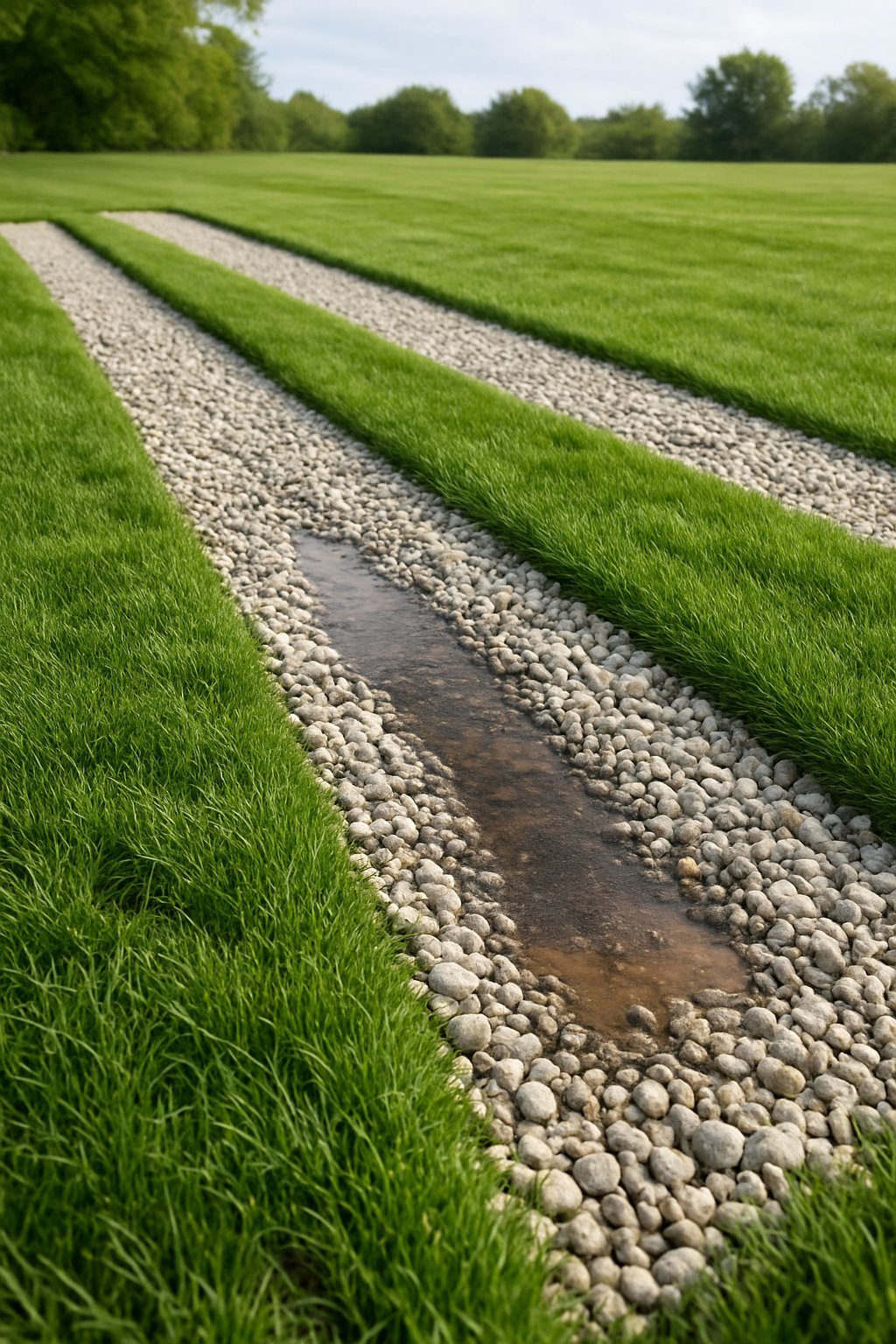
Have you ever noticed how water seems to linger in your yard long after a storm has passed? Gravel trenches are designed to absorb that extra rainfall and channel it underground. Just dig a shallow trench in the areas where water tends to pool, and then fill it with gravel.
The gravel allows water to travel through it quickly, preventing flooding. It also helps prevent soil erosion. Gravel trenches are versatile and can be placed almost anywhere, whether it’s along garden beds, near your house, or any other spot where water becomes a nuisance. You don’t need any specialized equipment, just a shovel and a bit of effort.
9. Install Catch Basins that gulp down excess water like a garden vacuum
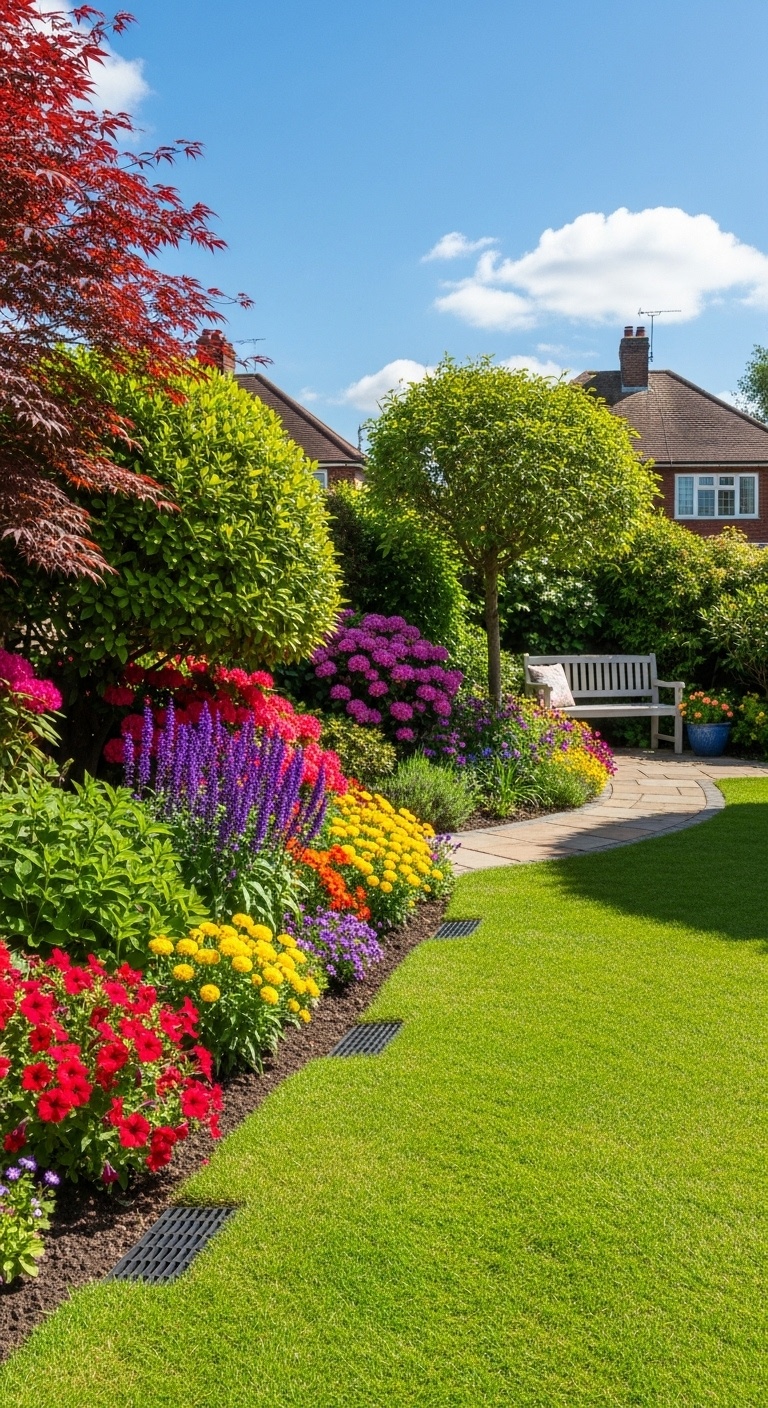
Is water pooling in all the wrong spots? Catch basins function like small vacuums, sucking up excess water before it can turn your yard into a muddy swamp. You can bury them at low points in your landscape or near downspouts to capture runoff and direct it away through underground pipes, keeping your lawn dry.
Installing catch basins can be done with basic tools and a little bit of work. They are effective at preventing flooding and protecting your home’s foundation from water damage.
10. Plant Deep-Root Vegetation to naturally slurp up groundwater and keep soil stable
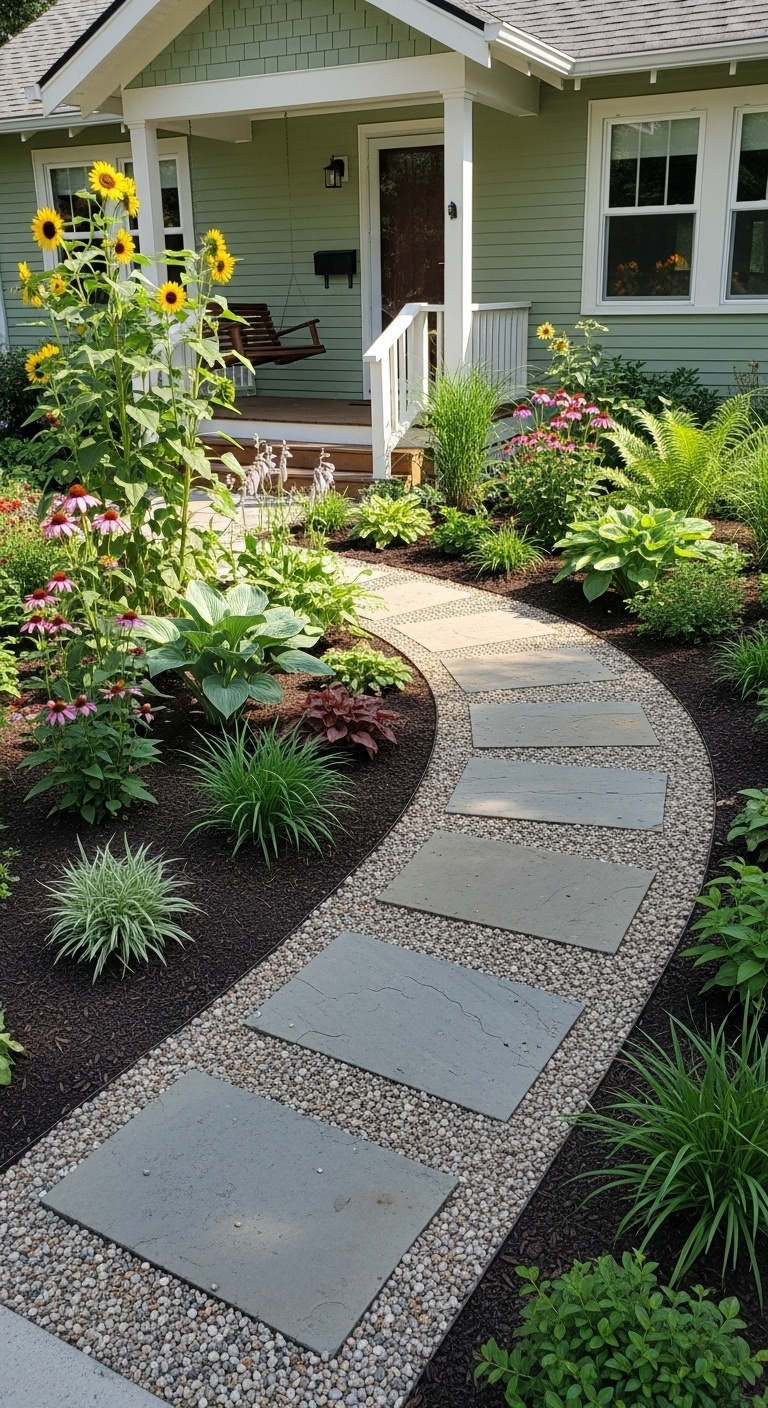
Plants with deep roots act like tiny underground straws. Their roots reach far down into the ground and soak up excess water, which helps prevent your yard from becoming soggy. These extensive root systems also anchor the soil, preventing erosion during heavy rain. Over time, this makes your yard healthier and more resilient.
Choose native shrubs or grasses that are well-suited to your climate. They will require less work from you and will thrive with minimal fuss.
11. Use a Surface Drainage System if your yard is a watery mess after every rain dance
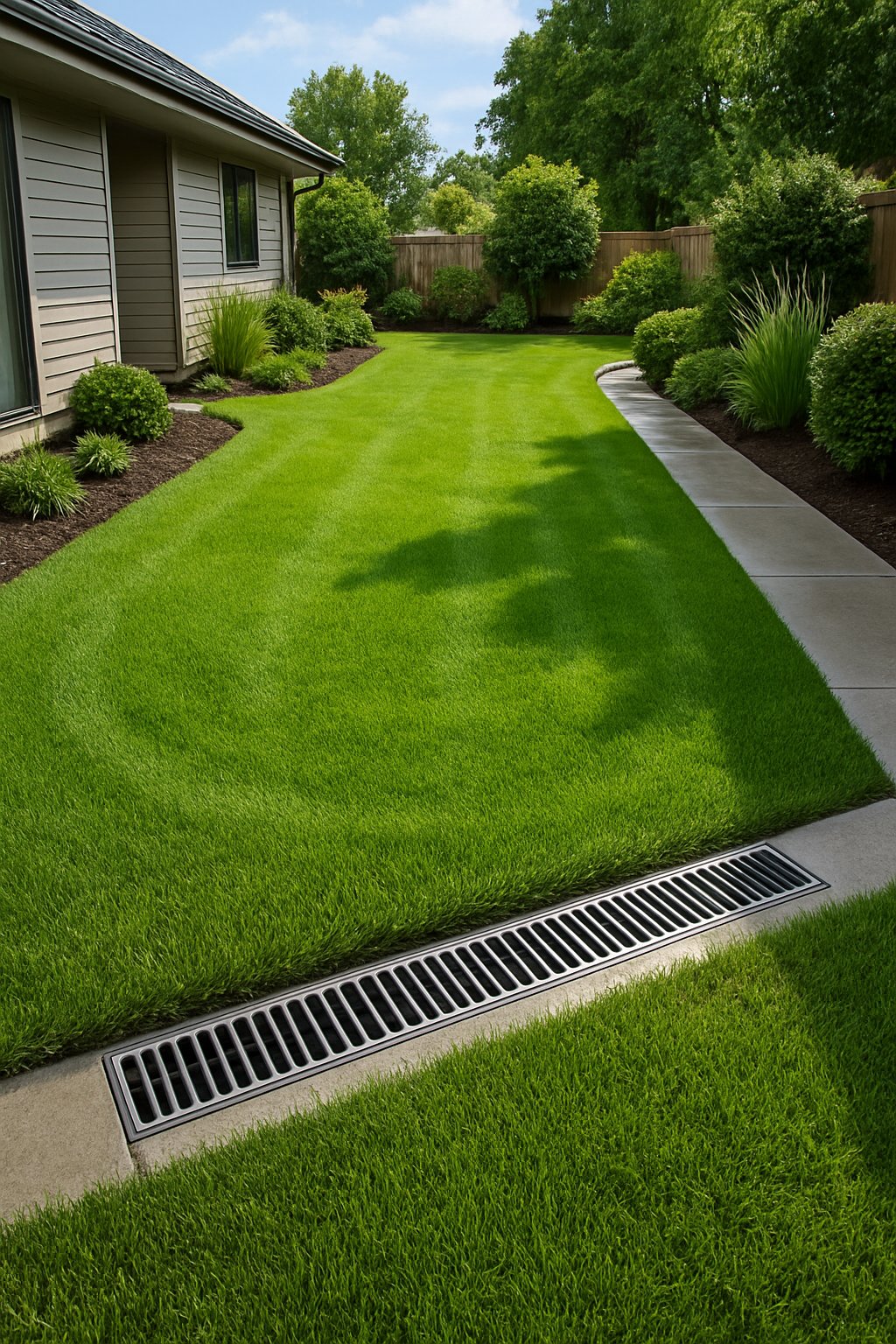
Does it feel like your yard turns into a pond every time it rains? A surface drainage system can help move that water out before it causes any issues. You can guide water to a safe drainage point using simple channels, shallow trenches, or by creating a slight slope in your yard.
This strategy prevents puddles from lingering and protects both your lawn and your house from water damage. You don’t need to make drastic changes; even small adjustments to the slope can make a significant difference in how your yard handles rain.
12. Put in Dry Wells to stash unwanted water underground like a secret agent
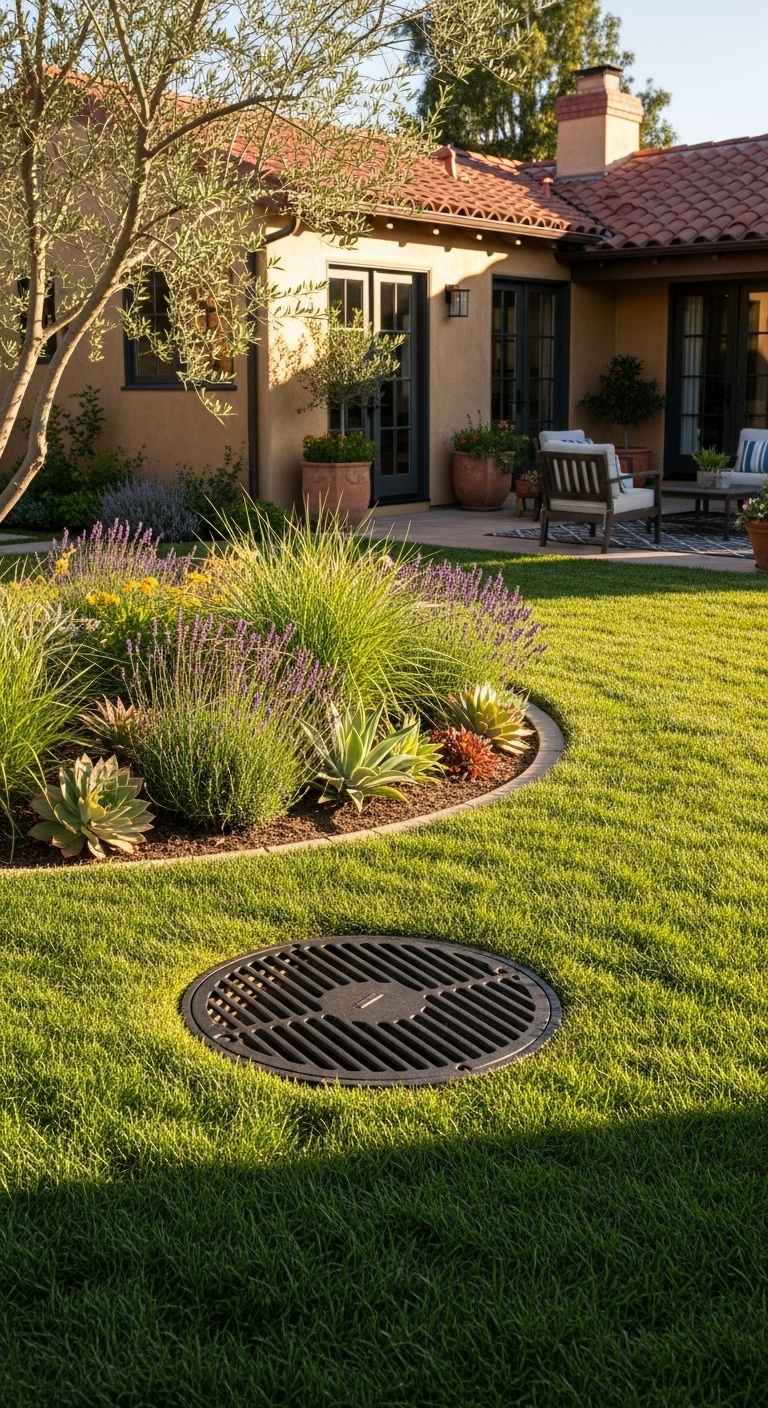
Does water hang around your yard as if it just won’t take a hint? Dry wells are like undercover agents for your landscape. They hide underground, grab that extra water, and quietly let it soak away where it can’t cause any harm.
You simply dig a hole, line it, and then fill it with gravel or a specialized container. When the rain comes down, the dry well collects the water before it can create a mess. Instead of dealing with puddles or soggy patches, the water slowly disappears beneath the surface. This is a perfect solution for low spots or areas that consistently turn into mud pies. No chemicals or pumps are needed, just a shovel and some determination.
13. Slope Your Yard Away from your home—because even yards need personal space
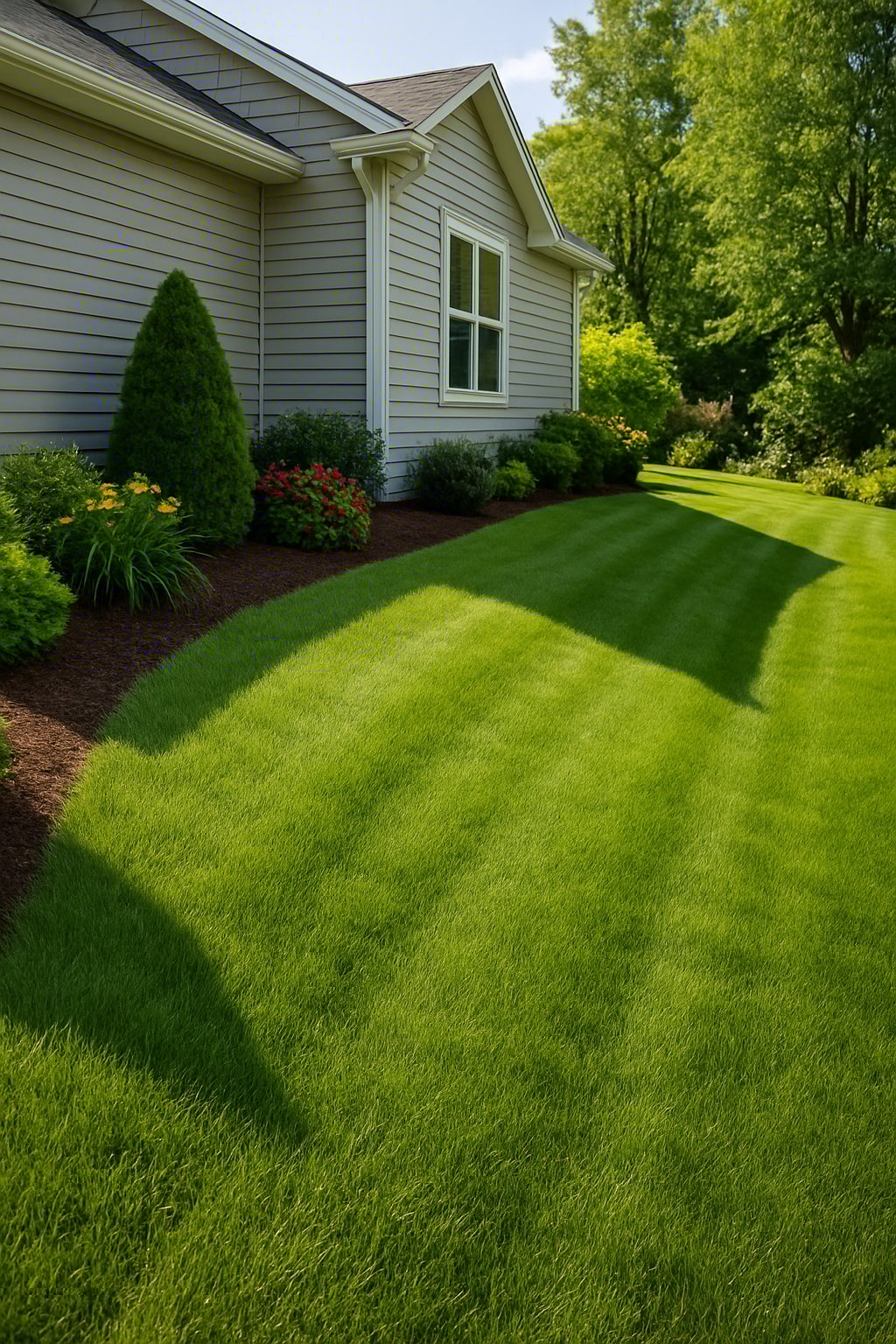
It’s a surprising fact, but your yard can actually push water directly toward your house if it isn’t graded properly. Creating a gentle slope away from your home is a complete game-changer for drainage. When you angle the soil away from the foundation, rainwater is guided away instead of pooling next to your house. This means less risk of mold, fewer leaks, and a lot less drama in your basement.
Your plants will also be happier when the water drains correctly. You don’t need to build a ski slope; just a gentle, consistent tilt is all it takes to do the trick.
14. Add Rain Barrels for a backyard rainwater collection fiesta.
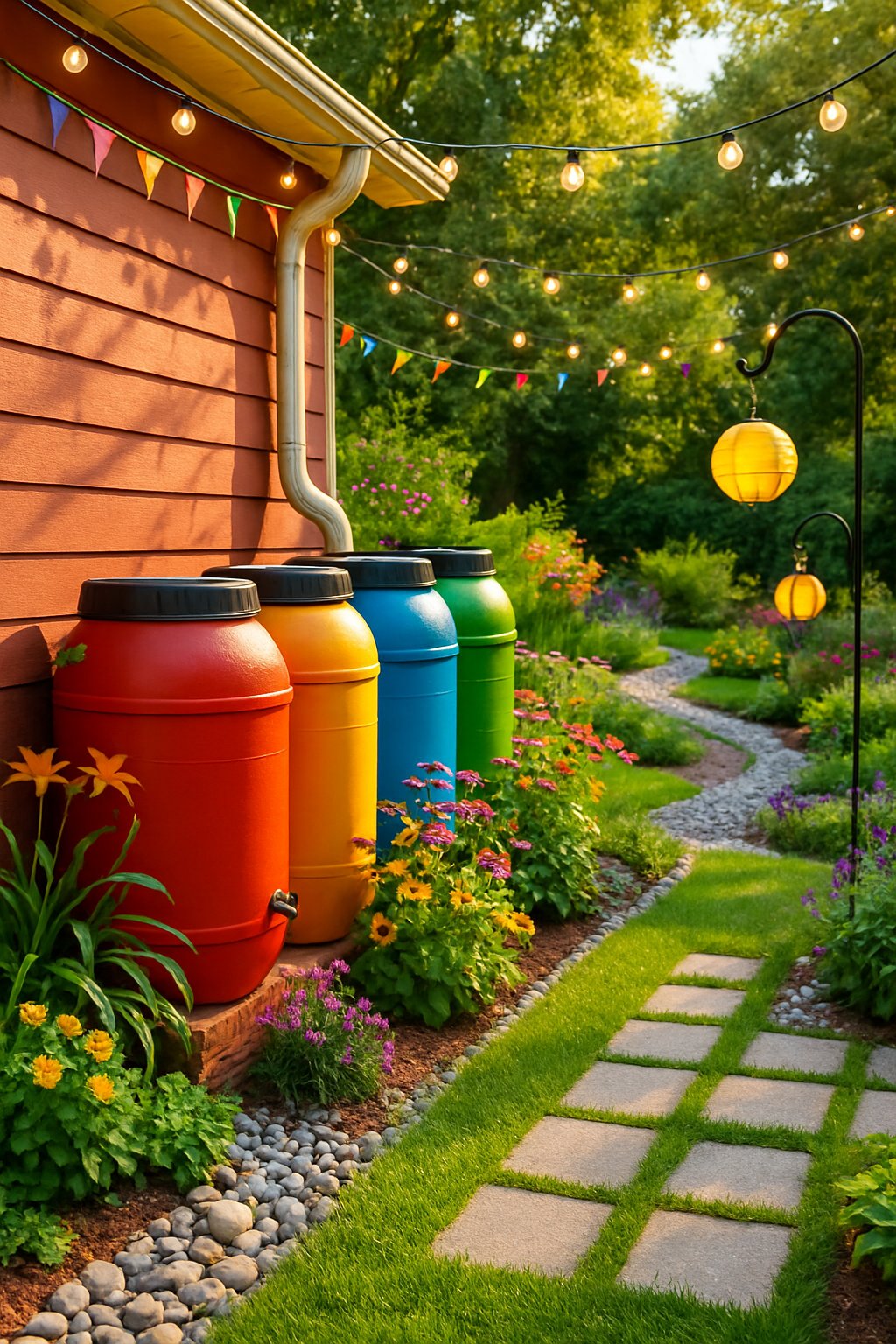
Your roof is the life of the party every time it rains, so why not invite your yard to join the fun? Rain barrels are perfect for catching all that runoff, turning every shower into a mini-celebration for your plants. You just connect a barrel to your downspout, and it will store water for later use. You can use it to water your plants, wash your garden tools, or even splash your feet on a hot day. The choice is yours.
Rain barrels come in a variety of colors and styles, so you can pick one that matches your home’s aesthetic. Setting one up is quite simple; you just need a barrel, a downspout, and a good location. It’s a clever way to save money and help the environment, all while keeping your garden looking its best.
15. Use Landscaping Berms to guide water like a moat
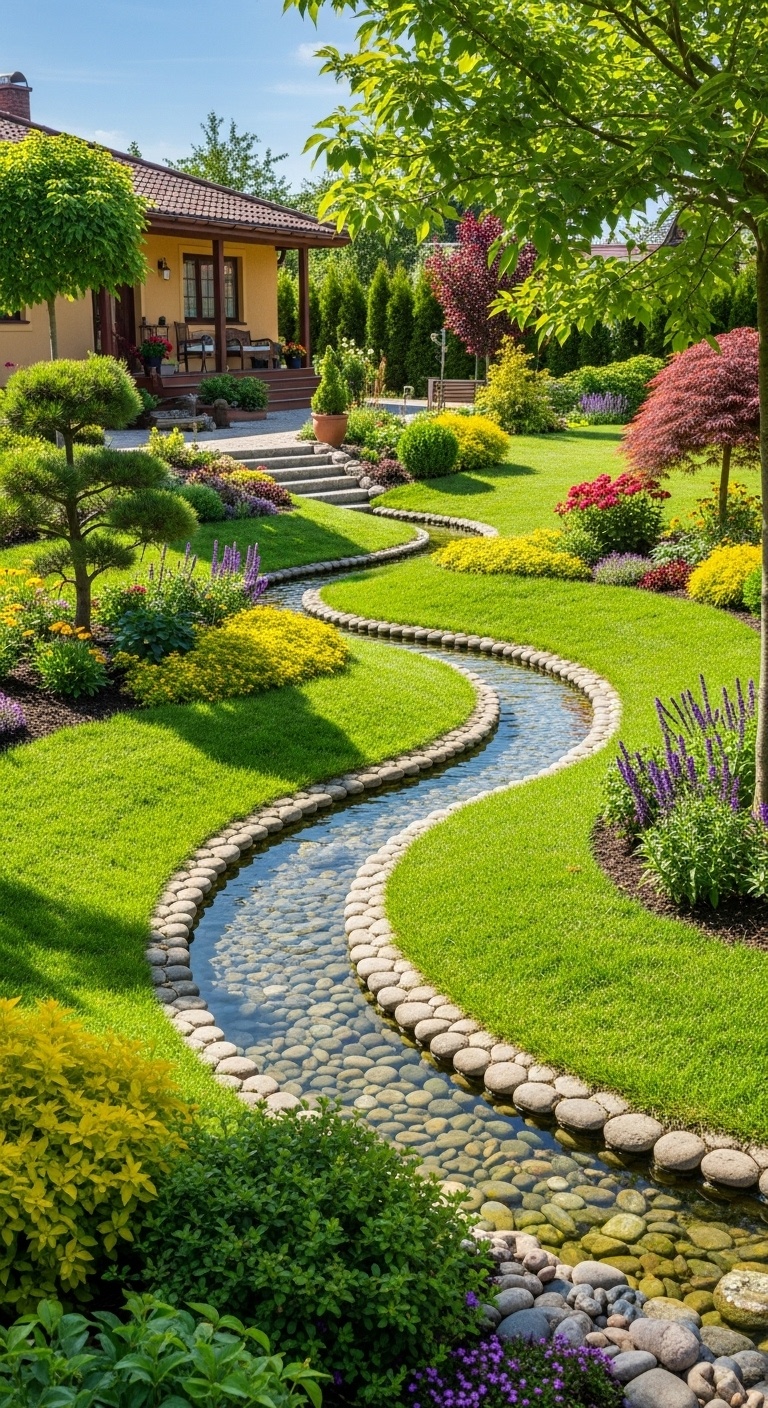
Moats aren’t just for fairy-tale castles; your yard can have its own version with landscaping berms. Berms are simply raised mounds of earth that are strategically placed to steer water away from areas where you don’t want it to accumulate. Think of them as gentle hills that nudge rainwater around your garden, preventing puddles from forming near your house.
Berms effectively slow down runoff and guide water to spots where it can be safely absorbed. They are perfect for protecting your foundation or preventing low-lying areas from turning into mini-lakes. Plus, they add an interesting visual element to your landscape. Who doesn’t appreciate a little extra shape and height? Just observe where water tends to pool and build your berms to redirect its path. It’s like creating a tiny river system for your yard.
16. Apply Mulch Thickly to retain moisture but also aid water absorption and slow runoff
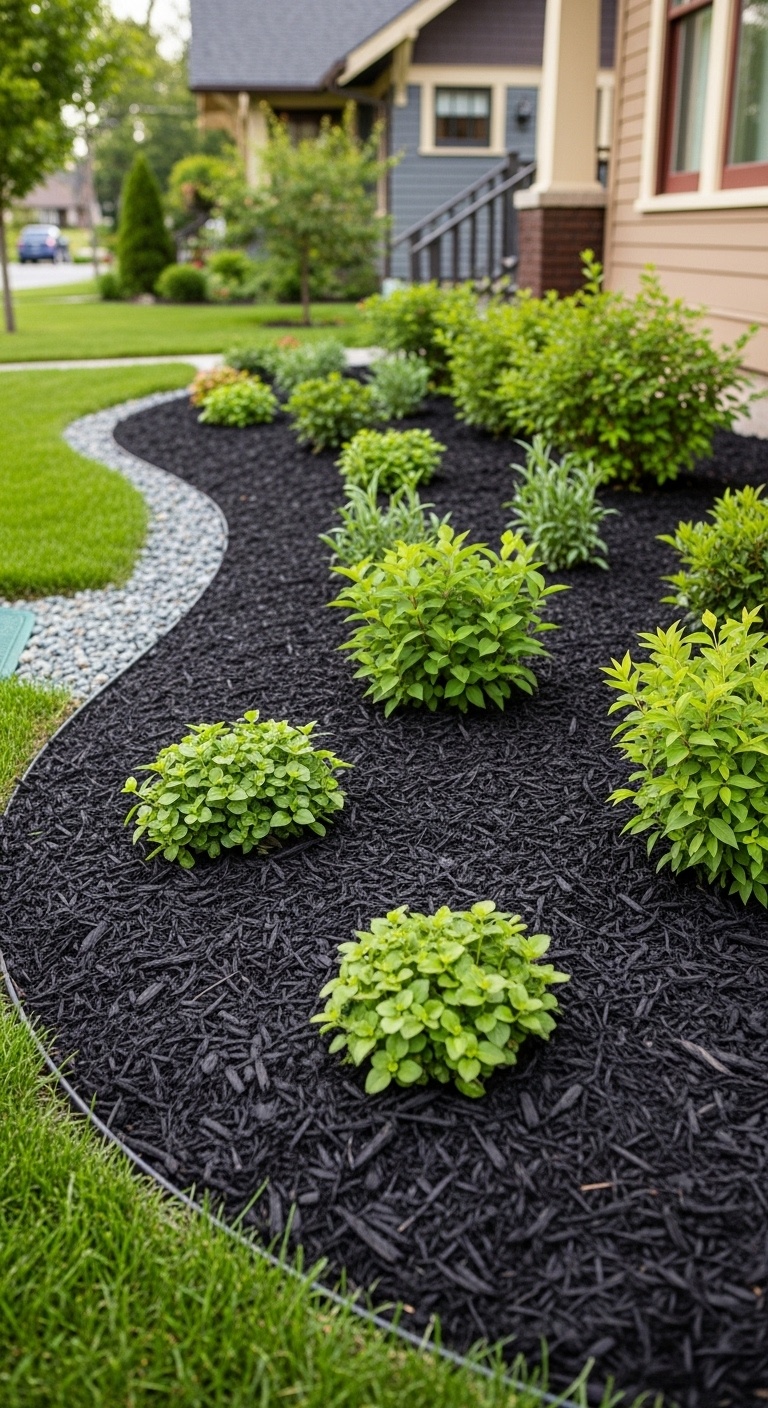
Do you think your soil is absorbing all the water it receives? A thick layer of mulch can completely change the way your garden handles moisture. When you spread mulch generously, it helps the soil retain moisture for longer periods. This keeps your plants hydrated, even during those scorching summer days.
A good layer of mulch also allows water to seep into the ground gradually instead of running off. It slows down the rain, giving the soil more time to drink it all in. Mulch prevents the soil from forming a hard crust, which makes it easier for water to penetrate. As a bonus, it also suppresses weeds and keeps plant roots cool. You can use wood chips, straw, or even fallen leaves. Just pile it on about 3 to 4 inches thick for the best effect.
17. Install Channel Drains along pathways to keep your strolls dry and classy
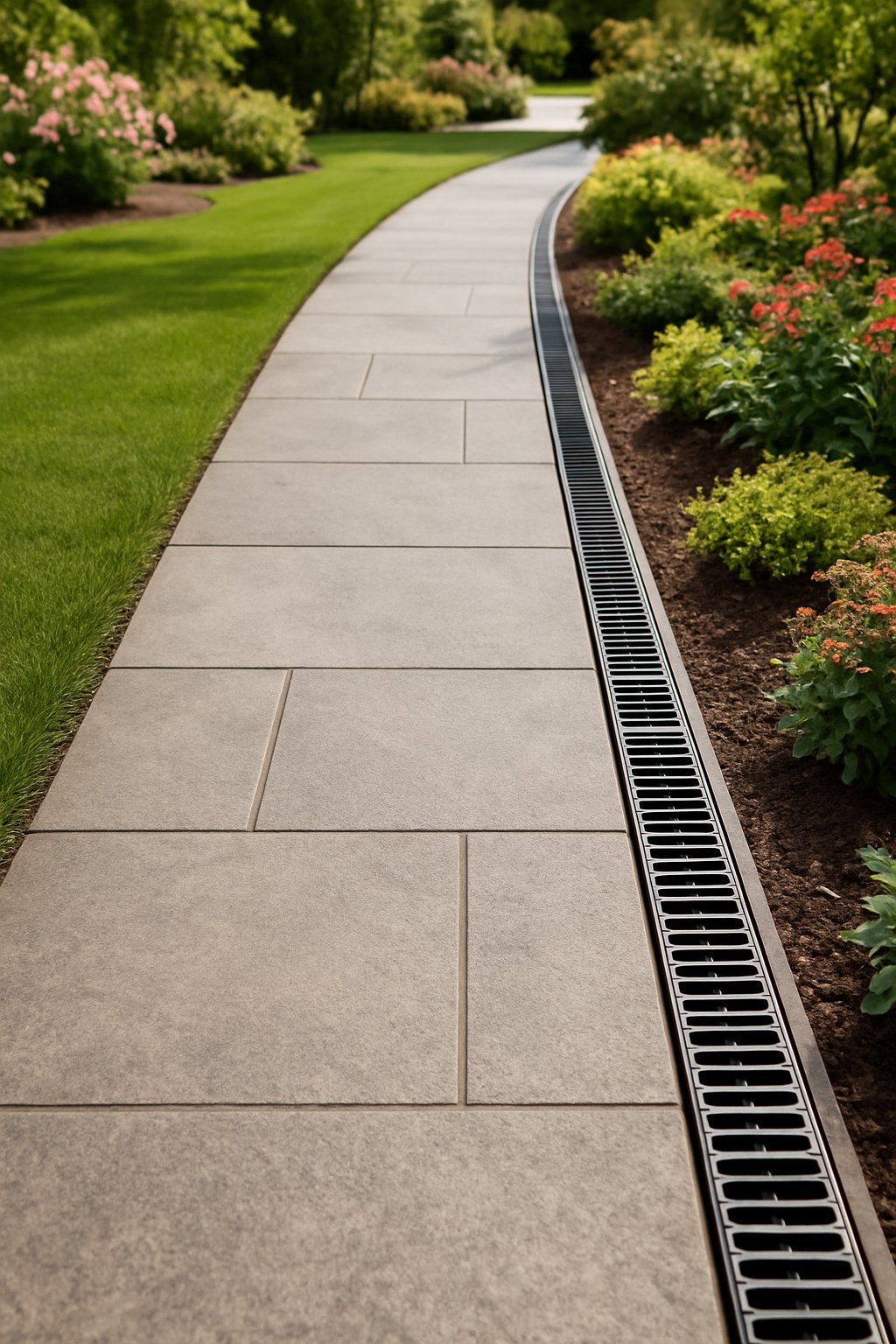
Puddles on your walkway are more than just a nuisance; they can turn a pleasant stroll into a dangerous slip-and-slide. Installing channel drains along your pathways is a great way to catch water before it has a chance to pool and create a mess. These drains are designed to fit seamlessly into your pathway and carry water away quickly.
You’ll keep your shoes clean and your walks safe, even after a heavy rain. You don’t need a complicated set of tools for this job. Just dig a trench, lay the drain with a slight slope to ensure proper flow, and then cover it back up. It’s a small project with a big impact.
18. Create Buffer Strips with grasses to catch runoff and prevent erosion
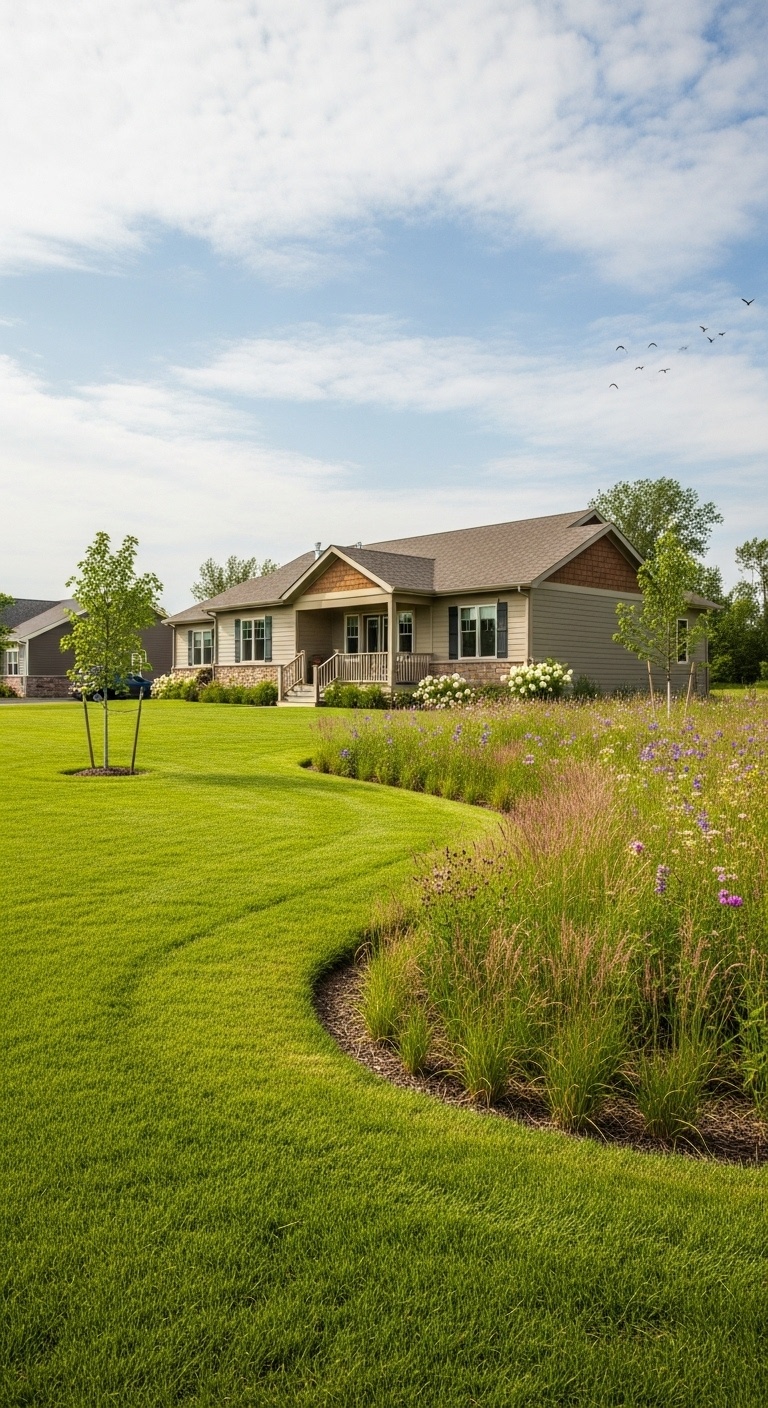
You might be surprised, but a simple strip of grass can be a superhero for your yard’s health. Buffer strips composed of native grasses can soak up water before it races away, taking your valuable topsoil along with it. When you plant these strips, you’ll effectively slow down runoff, giving the water a chance to sink into the ground instead of washing away your garden.
Buffer strips also trap dirt and chemicals before they can reach storm drains or local streams. They keep your soil where it belongs and create a nice green border along the edges of your property. The deep roots of these grasses hold the ground firmly, fighting off erosion. Plus, they look quite sharp, don’t they?
19. Use Porous Concrete that lets your driveway breathe and drinks your rain like a champ
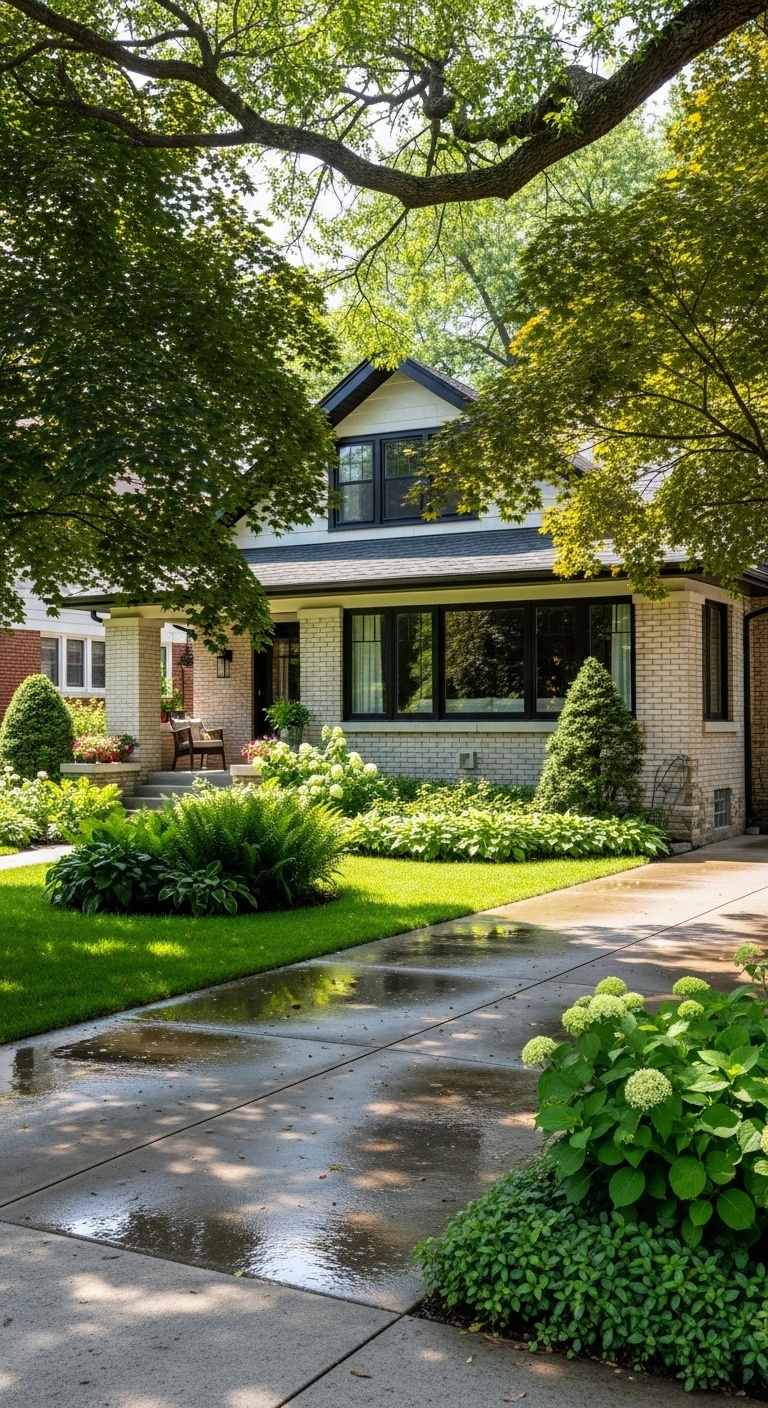
Have you ever watched your driveway turn into a small pond after a storm? Porous concrete is the solution to that problem, as it allows water to seep directly through its surface. Instead of forming puddles, rainwater soaks down into the ground below. This helps prevent flooding and keeps your driveway dry and usable.
Porous concrete is filled with tiny holes, which makes it act like a giant sponge. It’s tough enough to handle cars but still permeable enough for water to pass through. It also helps keep dirt and other debris out of streams and storm drains. Your driveway will stay cleaner, and you’ll be doing a small part to help the planet. You’ll likely deal with fewer repairs too, since water can’t get trapped underneath and cause cracks. It’s a win-win situation.
20. Place Tree Trenches, a fancy name for giving thirsty trees a spa day with water management
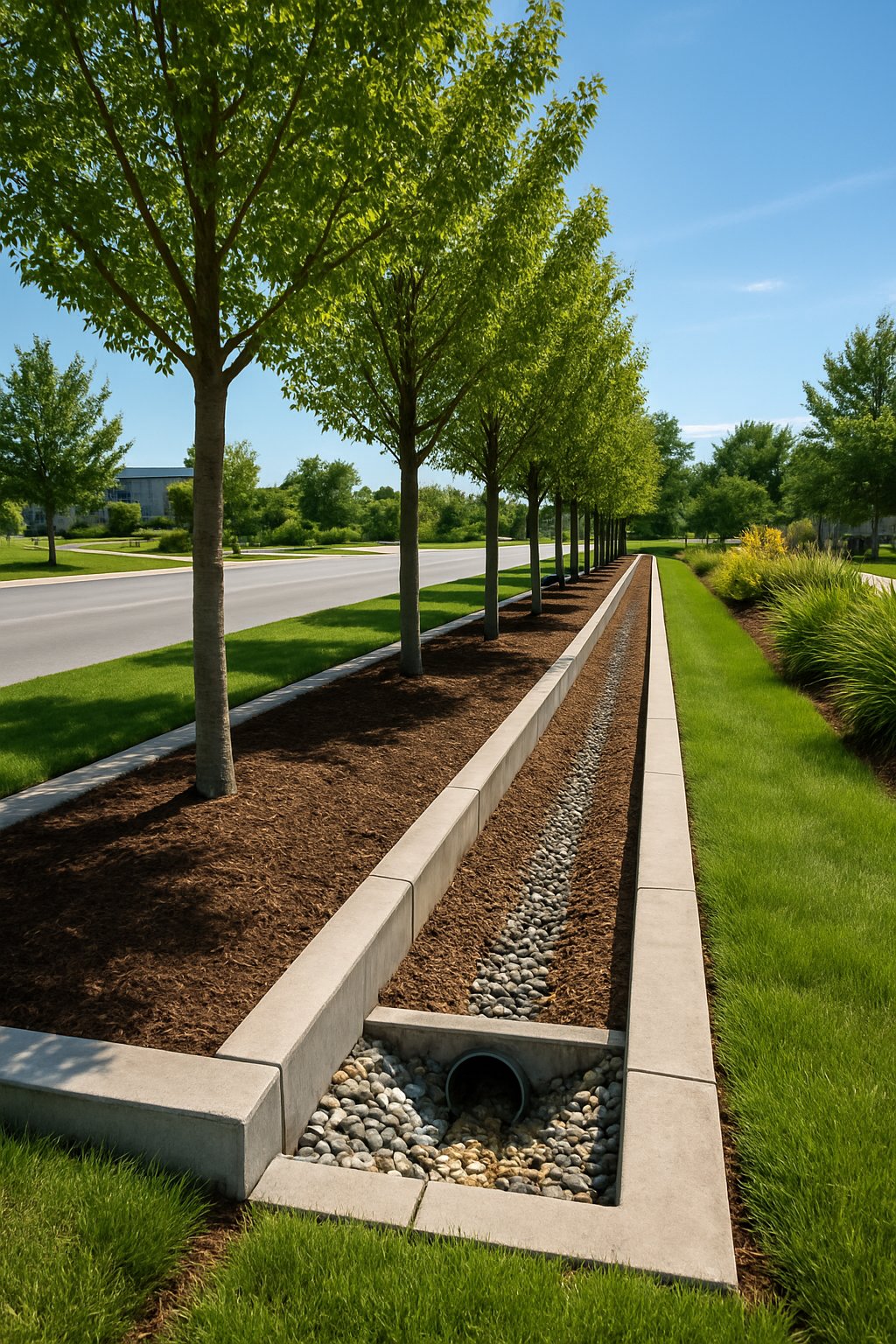
Trees don’t just magically get all the water they need; they sometimes require a little assistance, especially when rain runs off too quickly. Tree trenches are like a spa day for your trees. These are long, narrow pits installed under sidewalks or lawns that are designed to catch stormwater and allow the tree roots to absorb it slowly.
When it rains, water flows into the trench and is held there for the thirsty roots. Tree trenches also filter out dirt and pollution. This results in stronger, healthier trees and a less soggy yard. You can plant them along sidewalks or near parking lots where water tends to collect. It’s a treat for both your trees and your landscape.
21. Employ Geotextile Fabric under soils to keep dirt out but let water flow freely
Dirt and water don’t always mix well in a drainage system. When soil gets into your gravel beds or pipes, it can cause clogs very quickly. Geotextile fabric acts like a referee in this situation. It allows water to pass through freely while keeping the soil where it belongs.
You can lay this fabric under the soil, especially around gravel-filled areas or trenches. It helps to stabilize the ground and ensures that water keeps moving in the direction you want it to. You don’t need any special skills to install it; just roll it out and cover it up. Your drainage system will be much more effective as a result.
22. Add a Retention Pond if your yard is the unofficial swimming pool of the neighborhood

If your yard transforms into a swimming pool with every rainstorm, a retention pond might be your new best friend. This feature is designed to catch stormwater and hold it, preventing it from flooding your lawn or washing out your flowerbeds. A retention pond maintains some water year-round but effectively controls how much stays and when it is released. This helps to prevent floods and keeps your yard from turning into a swamp.
It can also help to clean the water before it reaches local streams or rivers. Just be aware that these ponds require some maintenance and you might need a permit to build one. They are not just simple holes in the ground; they are carefully planned features that can help keep the entire neighborhood dry.
23. Fix Low Spots by raising them with soil—no more accidental mini-swamps
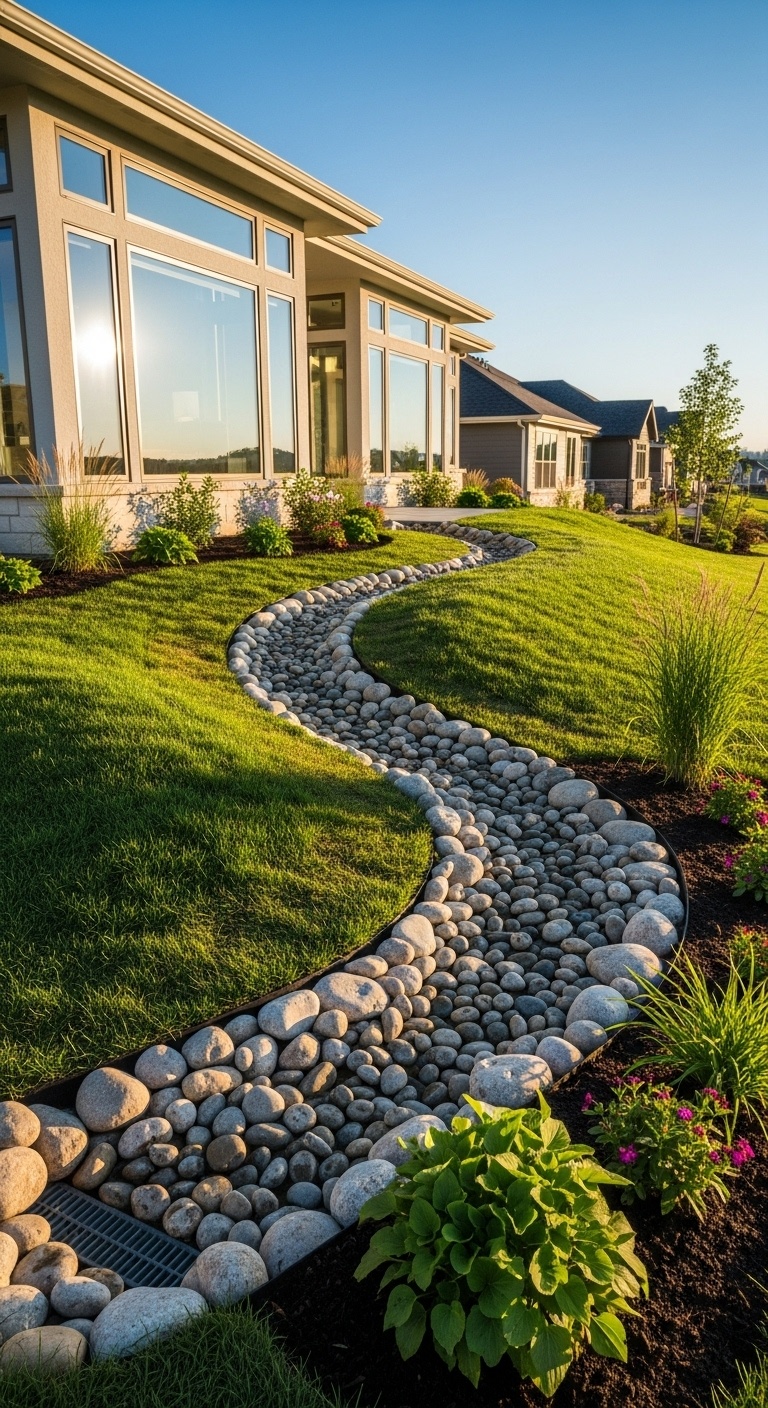
Have you ever found yourself ankle-deep in a soggy part of your yard? Those unexpected dips can sneak up on you like backyard booby traps, collecting water and turning into persistent mud puddles. The good news is, you don’t have to live with that mess.
You can easily fix these low spots by filling them with a mixture of soil, sand, and compost. This combination fills in the depressions and improves drainage, so you won’t have to worry about swampy shoes after it rains. Just add the mix, spread it evenly, and rake it smooth. Your existing grass will grow through it before you know it. For deeper holes, use a good quality topsoil that matches what you already have in your yard. This will keep your lawn looking natural, and no one will ever know you did a patch job.
24. Use Turf Reinforcement Mats to keep your grassy areas from turning into muddy pigpens
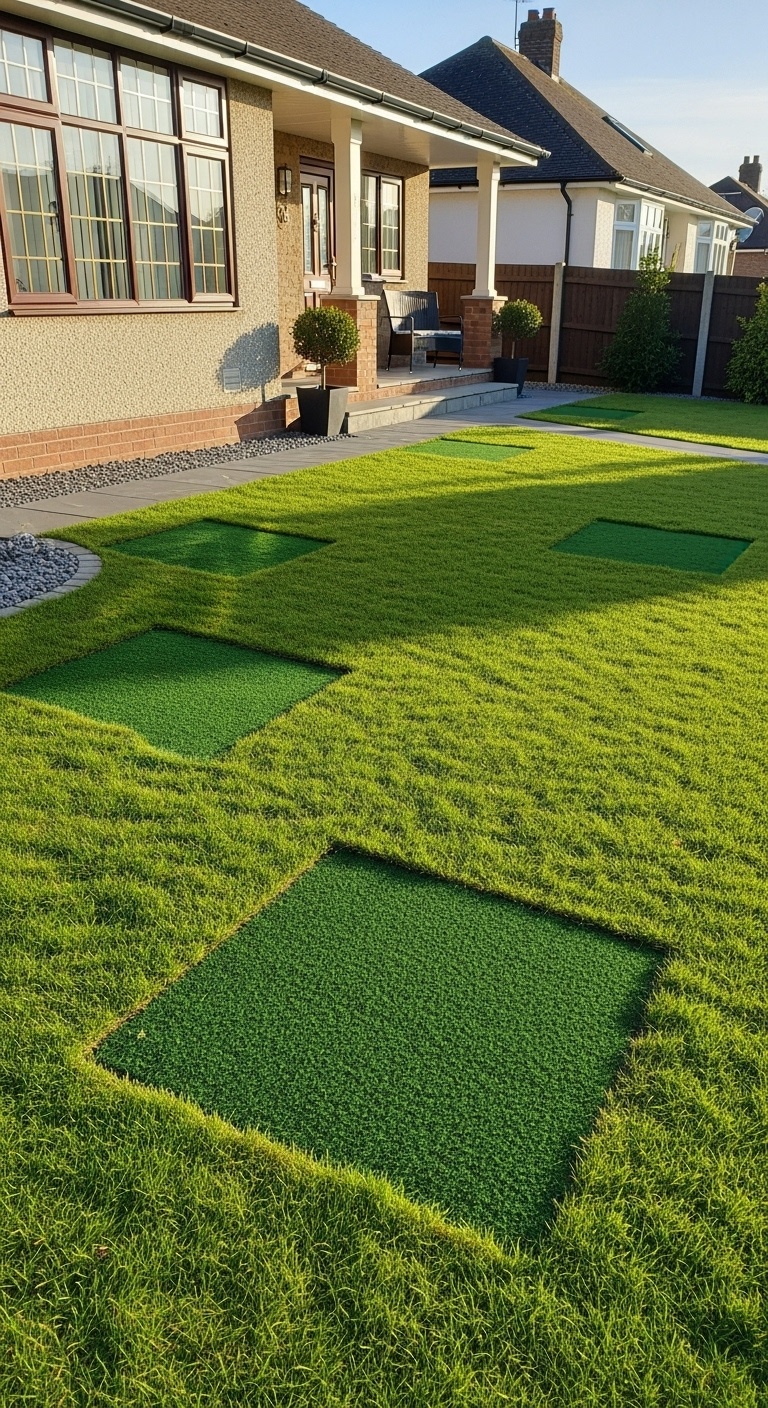
No one enjoys squishing through a muddy yard, especially when you’re dreaming of soft, green grass under your feet. Turf reinforcement mats can be a real lifesaver in this situation. Think of these mats as the unsung heroes hidden beneath your lawn. They quietly help your grass stay rooted and prevent your yard from turning into a swamp after a heavy rain.
Rainwater often runs wild, washing away soil and creating a mess. These mats hold everything together, allowing your grass to establish a strong root system, especially on slippery slopes or in low spots where puddles tend to form. Manufacturers use durable materials that can withstand years of weather, so you won’t be patching the same spots every spring. These mats work in harmony with your grass, which is a definite win-win.