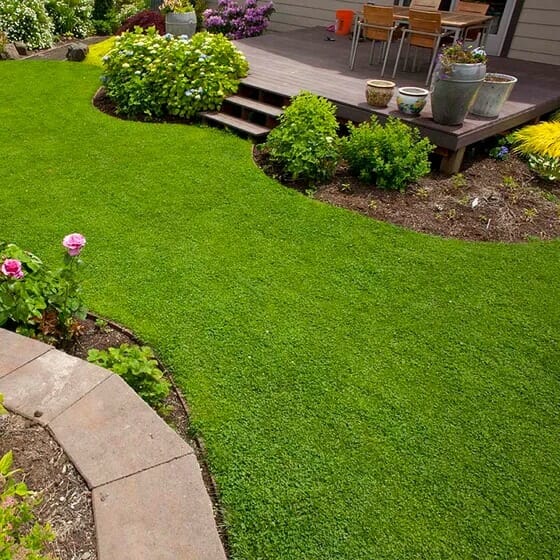
Tired of the endless cycle of mowing, watering, and fertilizing a traditional grass lawn? There’s a lush, green alternative gaining traction that might just be the perfect fit for your yard. Micro clover, once a standard for beautiful lawns, is making a major comeback.
You can choose to go all in with a lawn made entirely of this vibrant ground cover or mix it into your existing grass for a hybrid approach. But before you start scattering seeds, it’s essential to understand both the benefits and the drawbacks. Let’s dive into everything you need to know about planting a micro clover lawn.
What is Microclover?
Micro clover is a special variety of Dutch white clover, bred to be smaller and grow lower to the ground. It features tinier leaves and produces fewer flowers than its more common relative. Its habit of forming clumps is also much less aggressive, so it plays well with others.
The plant’s popularity is soaring because it blends seamlessly with turfgrass, creating a uniform, dense lawn without overpowering and crowding out the grass. While it has been a staple in European landscaping for decades, micro clover is now becoming a popular choice in the United States, with leading varieties like “Pipolina” and “Pirouette.” A yard with micro clover can look exceptionally tidy and attractive.
Micro-clover Lawn Pros
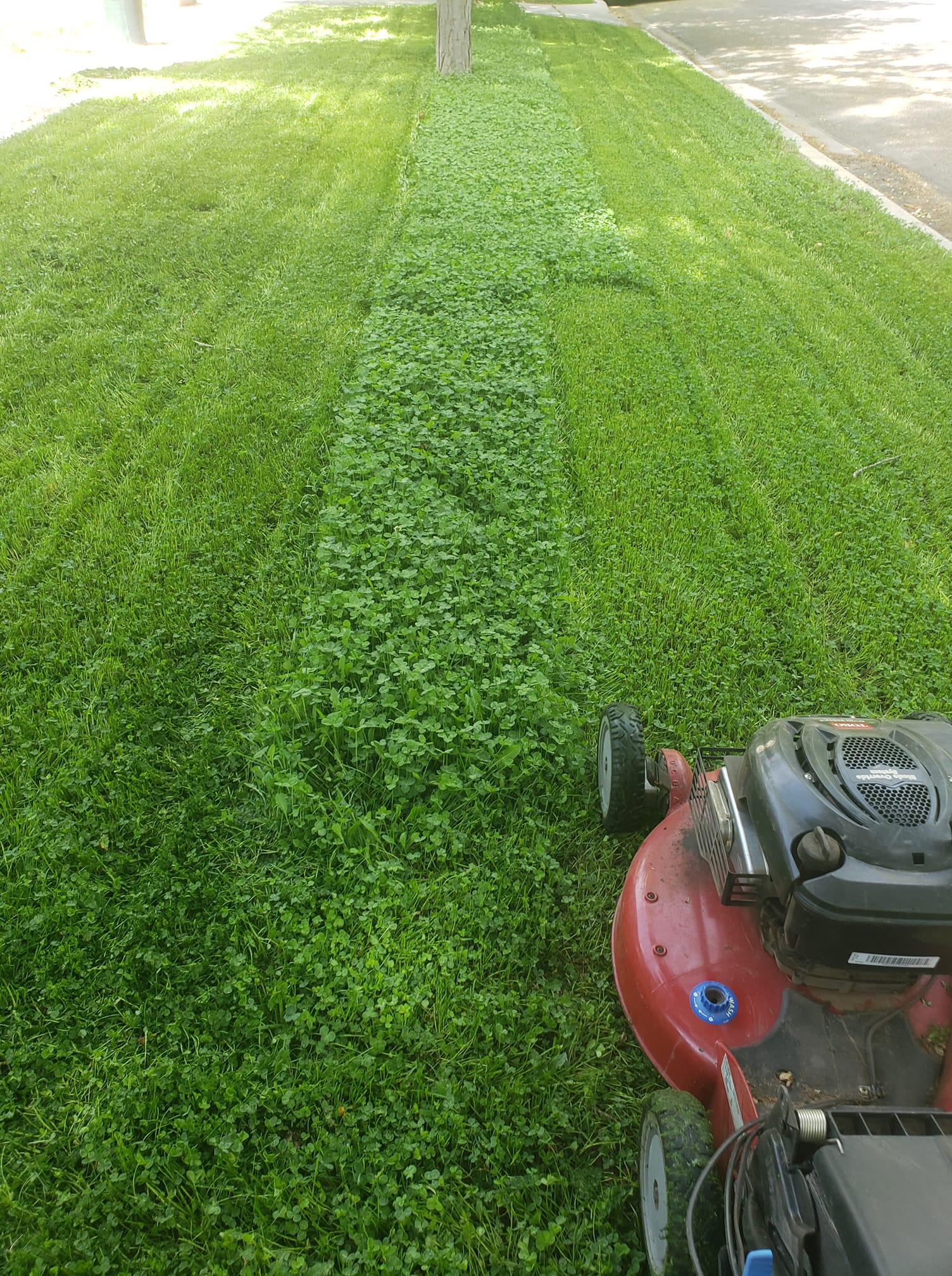
To figure out if micro clover is the right choice for your home, it helps to weigh its advantages against its potential downsides. Here are some of the biggest benefits of choosing a mini clover lawn.
1. Natural fertilizer
As nitrogen-fixing legumes, micro clovers essentially create their own fertilizer. This means you can say goodbye to fertilizing a lawn where micro clover is present. As a bonus, it also fertilizes any grass growing alongside it, helping your entire lawn grow greener and more robust.
2. Needs no or little mowing
Forget the weekly chore of mowing. Unlike traditional grass that requires regular trimming to stay healthy and neat, you can let a micro clover lawn grow out to create a beautiful, meadow-like space. It naturally stays low to the ground and grows at a much slower rate than grass.
While mowing isn’t required, a mid-summer trim can deadhead old blooms, tidy up the lawn’s appearance, and prevent the clover from flowering. You might also consider mowing about four to six weeks before the first frost to get your yard ready for winter.
3. Requires less watering
Micro clover develops a deep, extensive, and strong root system. This network makes it highly efficient at absorbing water, even during hot and dry spells. A micro clover lawn will stay green through periods of drought, and you won’t need to water it nearly as much as a traditional grass yard. The exact watering schedule will depend on factors like rainfall, humidity, and sun exposure.
4. Reduces nitrogen runoff
Because micro clover lawns don’t need artificial fertilizers, the risk of nitrogen runoff is significantly reduced. Runoff happens when excess fertilizer is washed away by rain or overwatering into nearby waterways. Since algae in both freshwater and saltwater depend on nitrogen to thrive, less runoff means less unwanted growth in lakes and rivers. This helps prevent serious environmental issues like red tides and the death of aquatic wildlife.
5. Stays green
As long as the weather doesn’t get excessively cold, a micro clover lawn will maintain its vibrant green color all year. This is thanks to the constant supply of nitrogen that these legumes produce, which is the key nutrient for rich, green foliage.
6. Minimal clumper
If you’re dealing with a patchy grass lawn, micro clover offers a fantastic solution. It spreads evenly across the ground, giving your yard a more uniform and natural appearance. To get this lush, consistent coverage, however, it’s crucial to seed your yard correctly from the start.
7. It doesn’t require herbicides
You can ditch the herbicides with a micro clover lawn. This plant is excellent at choking out weeds on its own. In fact, you must avoid herbicides, as they will kill the micro clover along with any weeds.
8. Makes your lawn pollinator friendly
Micro clover flowers attract beneficial insects like bees and wasps. This not only makes your yard more eco-friendly but also helps keep destructive pests at bay, as these pollinators contribute to a balanced garden ecosystem.
9. Grows in poor soil
This resilient plant can thrive almost anywhere, making it an ideal ground cover for yards with poor soil quality. Micro clover also performs well in areas with partial shade, where many types of grass struggle to grow.
10. Nice to walk on
The leaves of micro clover are exceptionally soft and lush. This makes for a much more pleasant surface to walk on barefoot compared to the often sharp edges of traditional grass blades.
11. Inexpensive
Planting a micro clover lawn is budget-friendly. You can expect to spend about one dollar to seed a 1,000-square-foot area. Over time, a micro clover yard also helps lower your utility bills by reducing water and energy consumption.
12. Immune to urine discoloration
For pet owners, this is a huge plus. Unlike turf grass, which often turns yellow and dies from dog urine, micro clover is completely unaffected and will stay consistently green.
Micro Clover Lawn Cons
Now, let’s consider the potential downsides of growing micro clover in your yard.
1. Less tolerant to foot traffic
Micro clover is soft and somewhat fragile, which means it doesn’t hold up well to heavy foot traffic. If your yard is a hub for frequent activities and play, this might not be the best ground cover for you. You can, however, improve its durability by mixing the micro clover with a resilient turf grass.
2. It’s a short-lived perennial plant
A micro clover plant typically lives for about two to three years. This means you will need to reseed your lawn every few years to maintain its full, lush appearance.
3. Stains clothes
While all lawns can leave a mark, micro clover is known to stain clothing more readily than typical turf grass. This is something to keep in mind if you have kids who love to play in the yard.
4. Attracts insects
If having bees and other pollinating insects buzzing around your yard is a concern, a micro clover lawn may not be the best choice. You can manage this issue by mowing right before the clover begins to bloom, which will remove the flowers that attract them.
5. Less aggressive
Micro clover takes more time to establish and spread across a lawn. If you’re looking for a fast-growing solution to cover your yard quickly, traditional grass is a better option.
6. Monocultures are hard to maintain
Relying solely on micro clover to cover your entire lawn can be risky. A monoculture means you are depending on a single plant species, which can be vulnerable to specific pests or diseases. It also requires more diligence to remove any other types of vegetation to maintain a uniform look.
Which Clover Is Best For Lawns?
Clover is available in several varieties, and the best one for your lawn depends on your aesthetic preferences and what type of grass you might be pairing it with. Here are some of the most common and effective choices:
White Clover
This is the most widely used clover in the United States. It grows to a height of about four to eight inches, spreads quickly, and excels at outcompeting weeds, even in poor soil. It produces charming white flowers. White clover pairs well with a variety of grasses, including Kentucky bluegrass, hard fescue, annual ryegrass, red fescue, and Bermudagrass.
Micro Clover
A newer and popular variation of white clover, this type has smaller leaves and fewer flowers. It grows to about four to six inches tall and is less prone to clumping. It is an excellent companion for Kentucky Bluegrass or Tall Fescue.
Micro Clover
People often choose red clover for its natural health benefits, taller stature, and striking reddish-purple flowers. This variety can grow anywhere from six to 24 inches high. It can be paired with tall fescue, sweet clover, white clover, Bermudagrass, or perennial ryegrass.
How to Grow a Micro Clover Lawn
You can establish a micro clover lawn in a few ways: by encouraging the clover already in your yard to spread, by seeding your lawn with micro clover seeds, or by using a combination of both methods.
The ideal time to plant micro clover seeds is in the early spring or fall. Because the seeds are incredibly small, spreading them evenly can be a bit of a challenge. To make it easier, mix the seeds with a carrier like sand, sawdust, or soil. Make sure the seeds are well-covered with a thin layer of earth. You can also sprinkle them directly onto the surface and then gently rake the area.
After seeding, water the lawn daily until germination occurs. To help existing micro clover flourish, set your mower blades low, to about 1.5 to 2 inches, and give the lawn a trim.