
Everyone loves a beautiful flower garden. The vibrant colors and stunning fragrances can transform any space. But a carefully cultivated flower bed can quickly be overrun by pesky weeds, turning a source of pride into a frustrating battle.
Keeping those unwanted plants from taking over your garden is a constant challenge. While a completely weed-free flower bed is a worthy goal, it requires work and a smart strategy. With a few proven methods, you can keep weeds out and let your flowers be the star of the show.
Read on to learn how to create a weed-free paradise where your garden’s beauty can truly shine.
How To Keep Weeds Out Of Flower Beds Naturally
1. Plant Generously
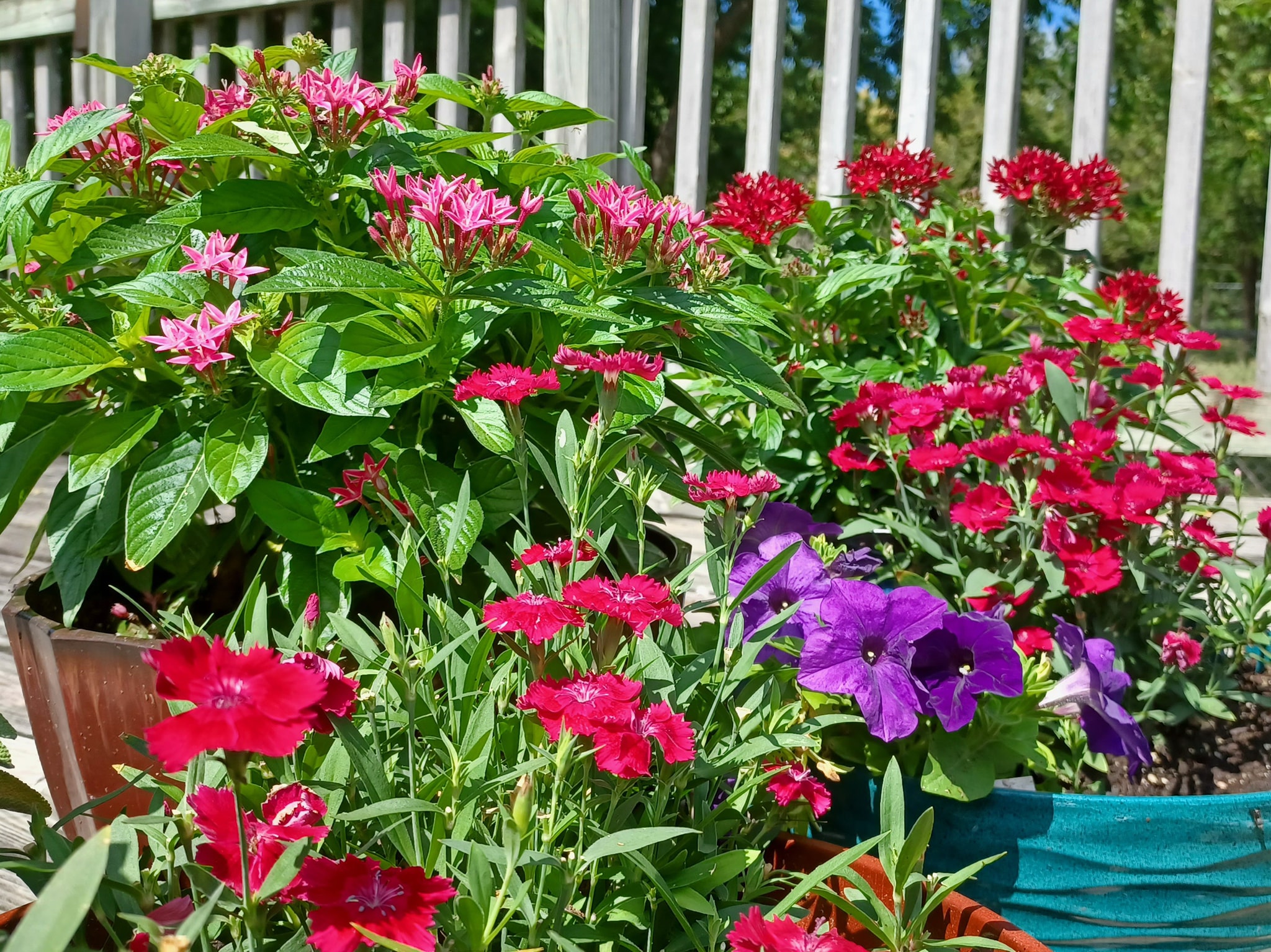
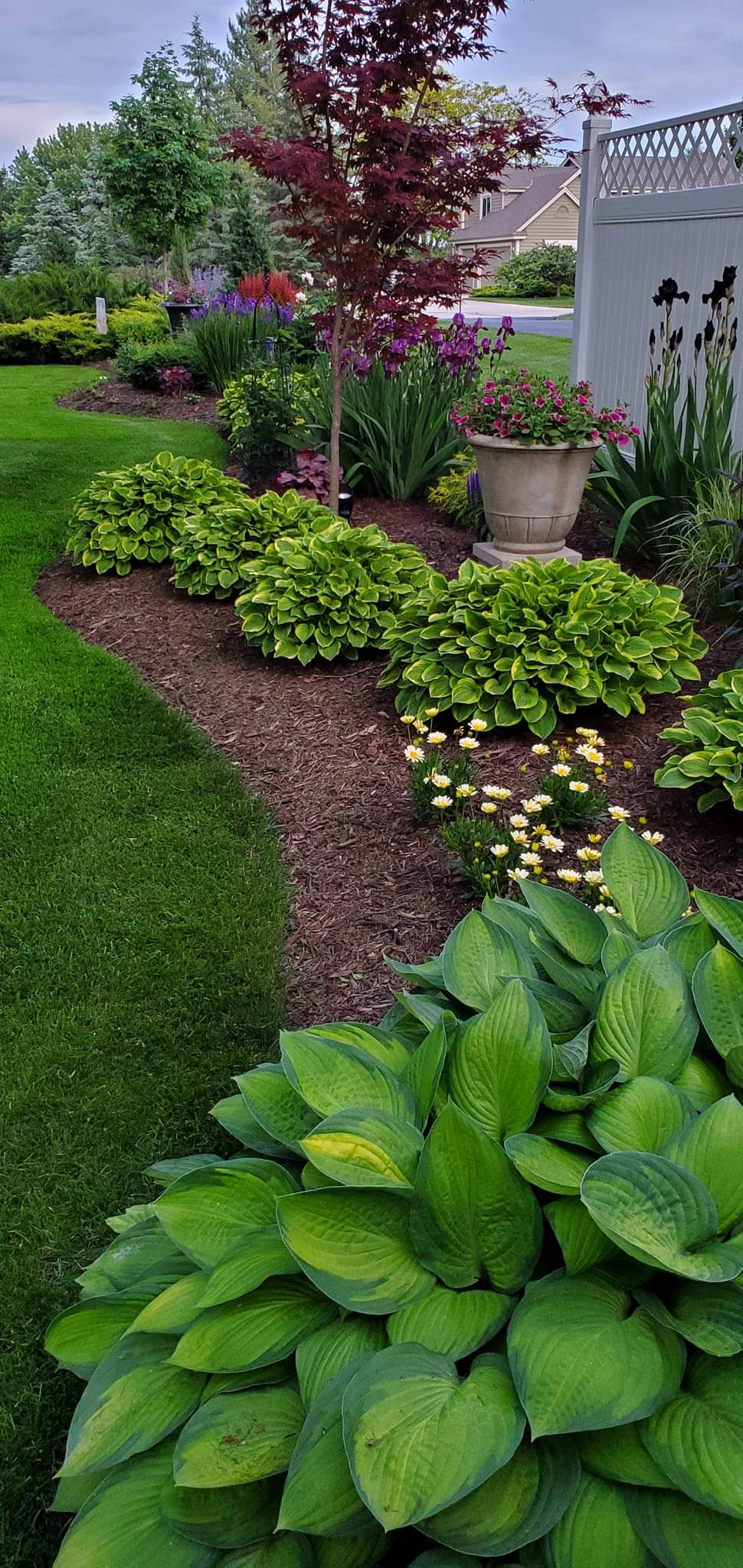
The first line of defense against weeds is to fill your flower beds with the plants you actually want. Before trying other weed control tactics, make sure you’ve maximized the number of flowers and other desirable plants. When your bed is full, weed seedlings have far less space and fewer resources to establish themselves and grow.
As your flowers mature, they form a natural canopy that casts shade on the soil below. This shading action stops weed seeds from germinating and blocks the sunlight that new weeds need to thrive.
A densely planted garden leaves very little exposed soil where weed seeds can land and take root. This simple lack of open ground significantly reduces the chances for weeds to develop. Besides being a great weed control method, a lush, packed flower bed is visually stunning.
Choose plants that are well suited for your local growing conditions and plant them closer together than you normally would. You can also add ground cover plants or dense perennials that are excellent at shading the soil and preventing weed growth. Some species, like marigolds or nasturtiums, even naturally deter certain weeds.
2. Use Landscape Fabric

Before you even put your flowers in the ground, think about laying down landscape fabric. This material acts as a physical barrier that blocks sunlight from reaching weed seeds, stopping them from ever sprouting. Using it can dramatically cut down on the time and effort you spend weeding and maintaining your flower beds.
Keep in mind that this is not a completely foolproof solution for every weed. Choose a high quality, permeable landscape fabric. Cut it to fit the shape of your flower bed, lay it flat on the soil, and use landscape staples or heavy rocks to secure the edges.
Once the fabric is in place, you can cut X-shaped holes where you intend to place your flowers. After planting, cover the fabric with a layer of organic mulch or decorative stones to improve the look and add another layer of weed protection.
3. Use Mulch
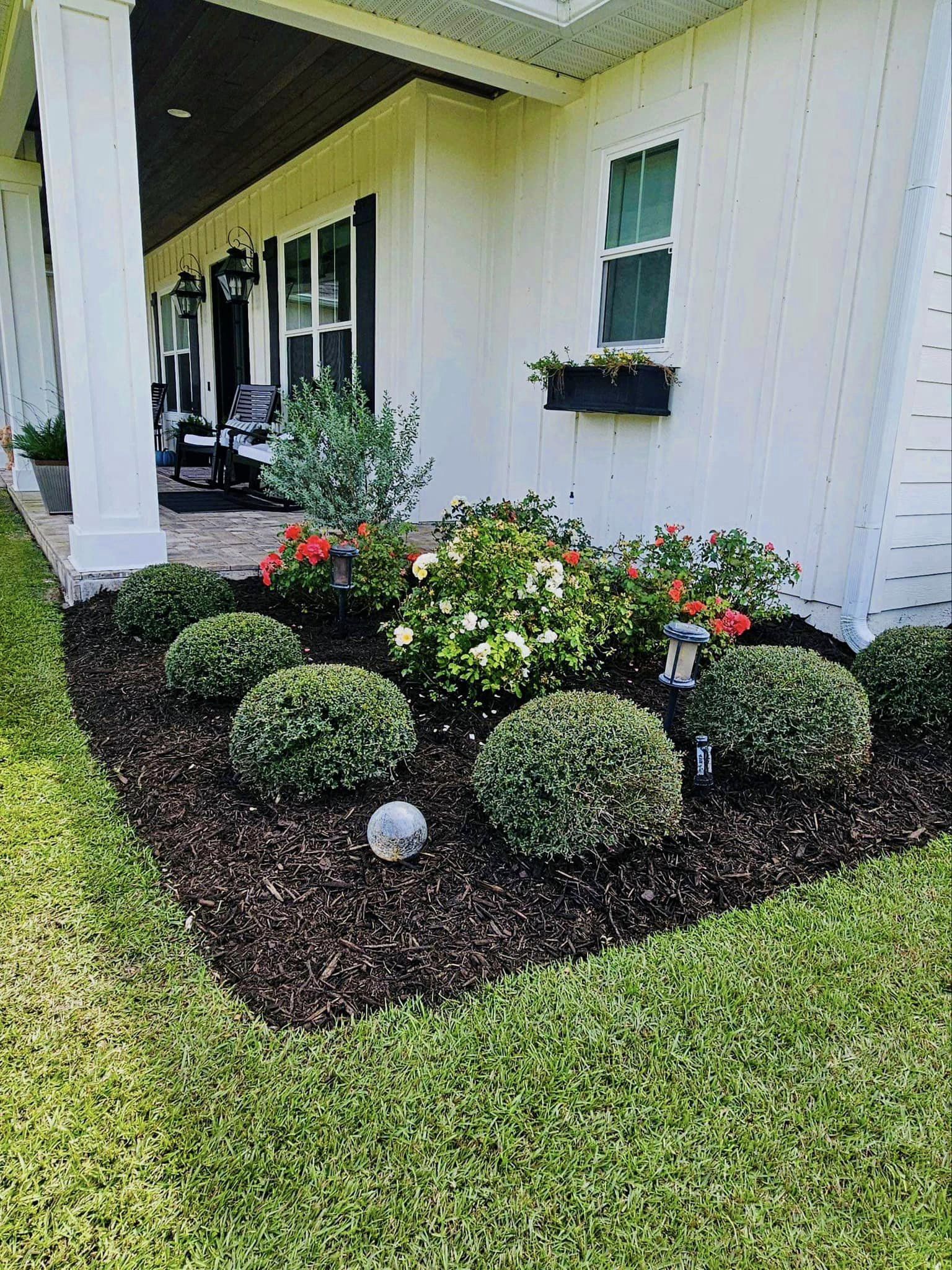
One of the most effective natural ways to keep weeds away is by applying mulch. Covering the soil in your flower bed with a layer of mulch prevents weed seeds from getting the sunlight they need to germinate and grow.
Mulch also helps maintain a more stable soil temperature, which can deter the germination of weed seeds that prefer warm, exposed ground. It also slows down evaporation, helping the soil hold onto moisture. Weed seeds are less likely to sprout in soil that is consistently moist.
You might wonder what kind of mulch is best. For flower beds, organic mulches are the ideal choice.
Spread a layer of mulch that is two to four inches thick across your flower beds. You will need to replenish it from time to time to maintain its thickness and effectiveness at controlling weeds.
4. Water Your Flowers Properly
Deep, strong roots give your flowers a serious advantage in the fight against weeds. The key to encouraging deeper roots is proper watering. This typically means watering deeply but infrequently.
Consistent and adequate watering also ensures your flowers grow strong and healthy. Vigorous plants can easily outcompete weeds for critical resources like space and nutrients.
Healthy flowers also establish a dense canopy that shades the soil, creating an environment that is less friendly for weed growth.
When you water correctly, the soil around your flowers stays consistently moist, leaving fewer opportunities for weeds to establish themselves. Remember that plants that are underwatered or stressed from drought are much more susceptible to weed competition.
So, what is the right way to water your flower bed?
- Water deeply and infrequently instead of shallowly and often.
- Water early in the morning or late in the afternoon to reduce moisture on the leaves, which can lead to fungal diseases.
- Avoid using overhead sprinklers, as they can splash weed seeds from other areas onto your flower bed.
- Make sure your flower bed has excellent drainage to prevent waterlogged soil, which weakens flowers and encourages weeds.
5. Edging Helps
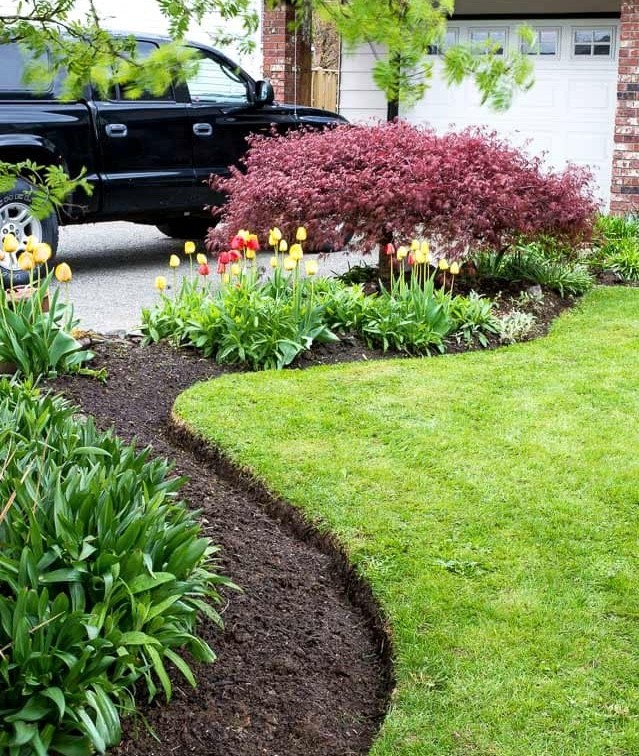
Create a crisp, clear border between your flower beds and surrounding areas like your lawn or pathways. This edging provides a neat, well defined look for your garden.
Edging does more than just make your flower bed look appealing. It is also a great tool for keeping weeds out.
The physical barrier created by edging makes it much harder for weeds from the adjacent lawn or garden to creep into your flower bed, which significantly reduces weed infiltration.
By installing edging below the soil surface, you can also restrict the sideways growth of weed roots, cutting off their access to the nutrient rich soil in your flower bed.
Choose an edging material that complements the overall style of your garden. Be sure to install it correctly, making sure it is deep enough to be an effective barrier. Check it regularly to ensure it stays in place and continues to block weed encroachment.
6. Apply Pre-Emergent Herbicides
You can stop weed seeds from ever sprouting in your flower beds, lawn, or garden by using pre-emergent herbicides. You apply these products to the soil before weed seeds germinate. They create a chemical barrier that stops weed seedlings from developing roots and breaking through the ground.
This barrier works by interfering with cell division in the root tips of sprouting weeds, which prevents them from growing the roots and shoots needed to survive.
It is crucial to apply these herbicides evenly across the entire soil surface of your flower bed. Any gaps in coverage can allow weed seeds to sprout in the untreated spots.
You should also apply pre-emergent herbicides at the right depth. A shallow layer of about one to two inches is best, as this is where most weed seeds germinate. Applying it too deep or too shallow will reduce its effectiveness.
These herbicides are most effective when used as part of a larger weed control strategy that includes mulching, hand weeding, and regular garden maintenance. A multi-pronged approach is the best way to manage weeds.
7. Create A Raised Bed
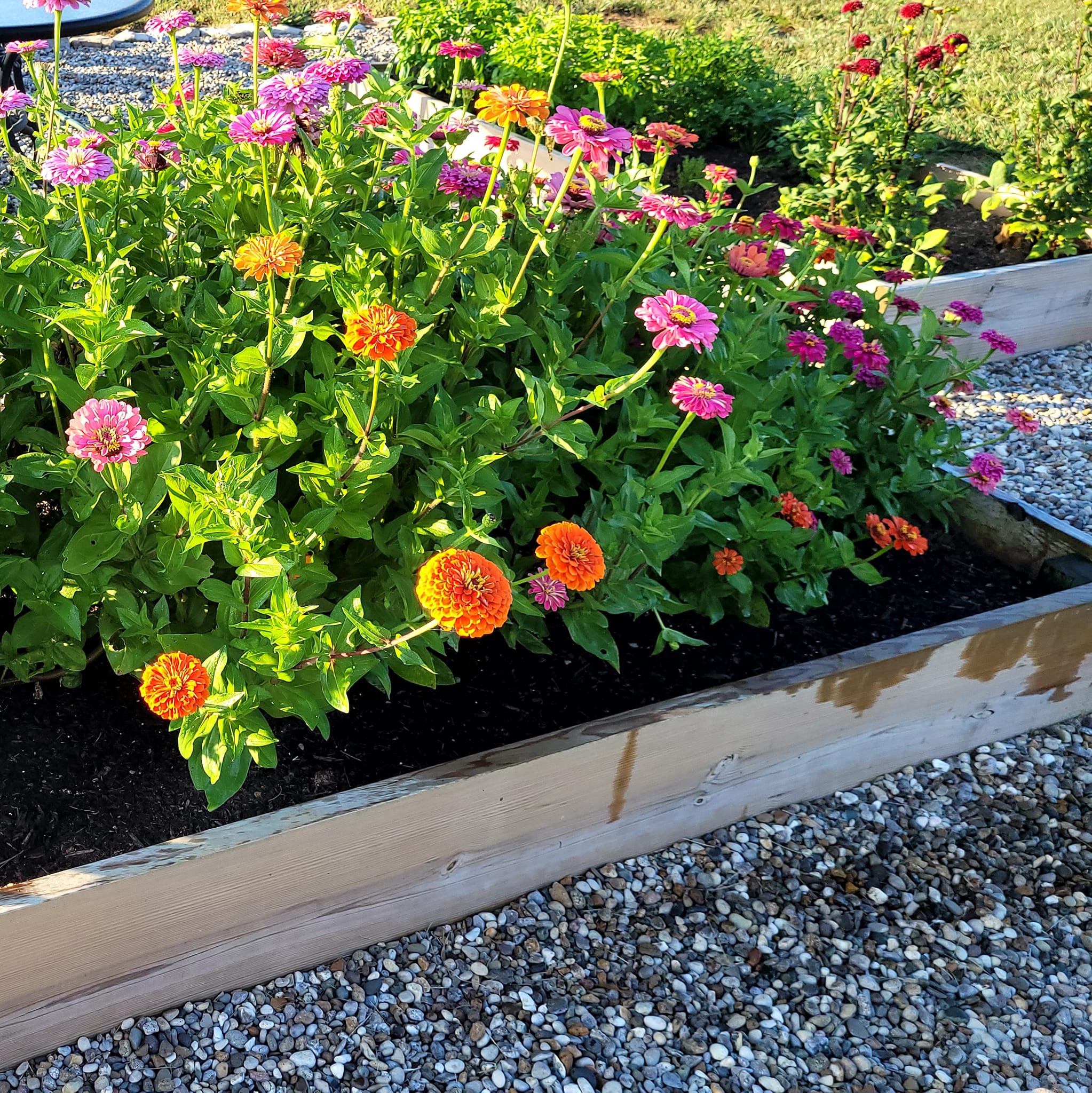
Consider using raised beds for your flowers. They create a physical barrier between your garden soil and the surrounding ground, which makes it much harder for weeds to invade your flower bed.
Raised beds are usually filled with clean, weed-free soil or a specially prepared growing mix. This practice reduces the number of weed seeds present from the start, limiting the potential for weed problems. Raised beds also tend to have better drainage than in-ground gardens.
Because raised beds are contained with limited space, there is less room for weeds to get a foothold and compete with your flowers for resources.
The walls of a raised bed also act as a barrier, making it more difficult for weeds from surrounding areas to spread into your garden.
- To get the most weed control benefits from raised beds, always fill them with weed-free soil or soil mixes.
- Apply a layer of mulch on top of the soil in the raised bed to further inhibit weed growth.
- Inspect your raised bed regularly for any new weeds and pull them out immediately.
- Think about lining the bottom of the raised bed with landscape fabric or a weed barrier cloth for an extra layer of prevention.
8. Stay on Top Of Your Flowerbed Maintenance
A flower bed requires consistent care and attention. You should combine regular maintenance with other weed prevention strategies to create a healthy, vibrant garden that keeps weeds out.
Check your flower bed frequently and pull any weeds you see while they are still small, long before they can produce seeds. You should also remove spent flowers, a practice known as deadheading. This encourages your plants to produce more blooms and prevents weeds from growing in the old seed heads.
Keep your plants healthy and compact by pruning and trimming them. This action reduces the amount of open space and sunlight available for weed seeds to germinate.
Give your flowers an advantage over weeds by using fertilizers and soil amendments to keep them strong. If your flower bed is next to a lawn, maintain the lawn by mowing and edging regularly to prevent grass and weeds from creeping in.
Periodically inspect your entire flower bed for weed growth, as well as for insect infestations or signs of disease. Catching these problems early gives you a much better chance of stopping them before they spread and harm your flowers. Weeds love to take advantage of any weakened or bare spots in a garden.
How To Get Rid Of Weeds In Flower Beds Naturally
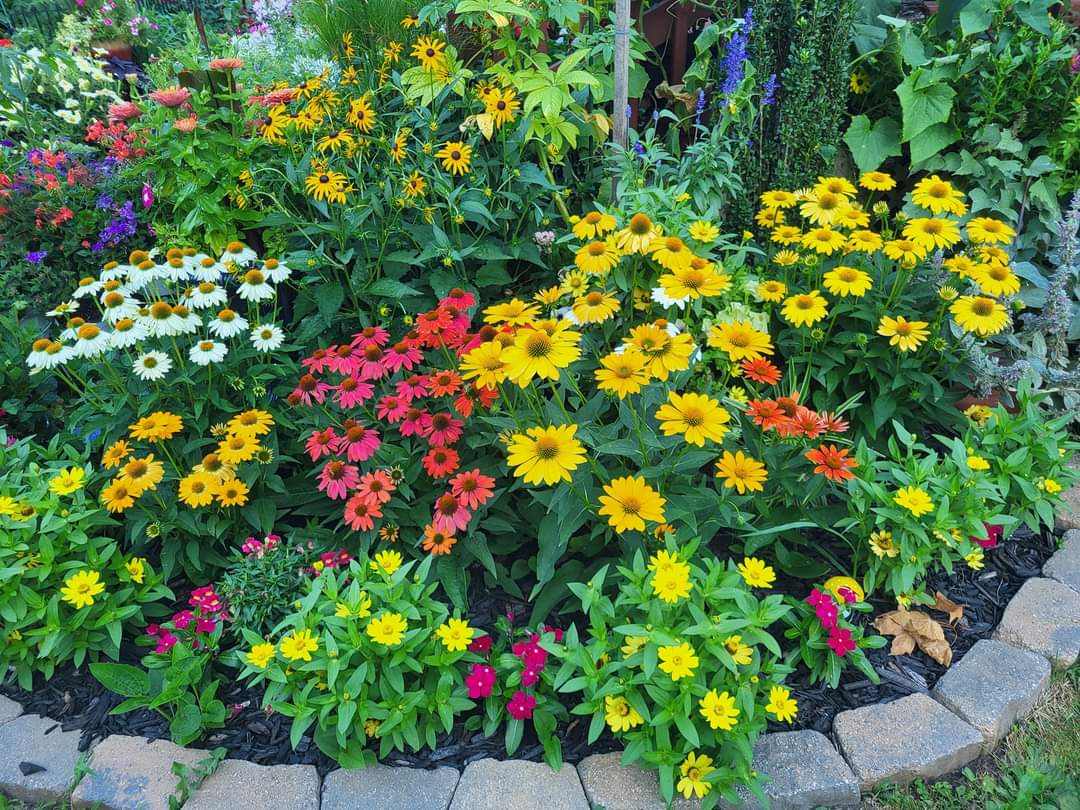
There are many natural methods you can use to eliminate weeds in your flower beds without using harsh chemicals or salt based products. Here are a few suggestions:
1. Manual Removal
Regularly walk through your flower beds and pull out weeds by hand. This is most effective when they are small and have not had time to develop deep roots.
2. Apply Mulch
Spread a thick layer of organic mulch, such as bark chips, straw, or shredded leaves, over the surface of the flower bed. This helps suppress weed growth by blocking sunlight and keeping weed seeds from reaching the soil.
3. Boiling Water
Carefully pour boiling water directly onto small weeds. This is an effective method for spot treating, but be very careful not to splash your desired plants, as the hot water will harm them too.
4. Sprinkle Corn Gluten Meal
Sprinkle corn gluten meal around your flower beds. This natural byproduct from corn processing works as a pre-emergent herbicide, stopping new weed seeds from germinating.
5. Newspaper or Cardboard
Place several layers of newspaper or a single layer of cardboard on the soil surface around your plants, then cover it with mulch. This technique smothers existing weeds and prevents new ones from sprouting through.
Final Remarks
With weeds out of the picture, you can spend more time tending to and simply enjoying your flowers. Make sure your flower beds stay healthy and vibrant by using a combination of preventive measures, regular maintenance, and effective weed control methods.
Always inspect your flower beds for any new signs of weed growth and deal with them immediately, before they can establish a strong foothold in your beautiful garden.
